Choosing the right tempered glass can seem overwhelming. The market offers various options, each tailored for specific needs. Tempered glass is known for its strength and safety. It is treated to resist thermal stress and impact, making it ideal for many applications.
Consider the intended use. For instance, shower doors require a balance of clarity and durability. Meanwhile, glass tabletops prioritize aesthetics and resistance to scratches. Each application has unique requirements. It’s vital to reflect on where the glass will be used. Understand the environment it will face, as that influences the type of tempered glass needed.
Expert advice plays a crucial role in this decision-making process. Different manufacturers may have distinct specifications. Researching industry standards can enhance confidence. However, make sure to weigh your options carefully. An incorrect choice could lead to safety hazards or aesthetic disappointments. Choosing tempered glass is not just about aesthetics; it’s about ensuring functionality and safety.
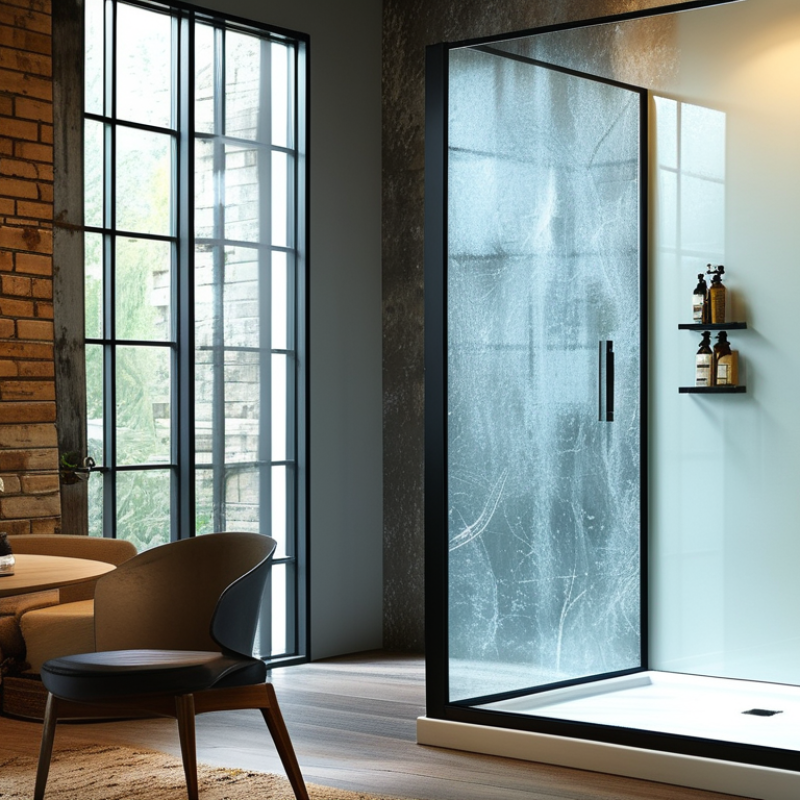
Understanding the Different Types of Tempered Glass and Their Applications
When selecting tempered glass, it's essential to understand its various types and applications. Tempered glass is four to five times stronger than standard glass. This increased strength makes it suitable for high-stress environments, such as shower doors, glass doors, and windows. According to a report by Smithers Pira, the global tempered glass market is projected to grow by 7.5% annually, reaching around $69 billion by 2025. This data signifies its increasing importance in construction and design.
Different types of tempered glass serve distinct purposes. There's low-iron glass, known for its clarity and minimal green tint, ideal for frameless shower enclosures. Safety glass is another aspect to consider. ANSI Z97.1 standards dictate that tempered glass shatter into small, blunt pieces, reducing injury risk. Yet, the manufacturing process can lead to inconsistencies, potentially affecting performance. It’s crucial to source from reliable providers to ensure quality and safety.
Each application brings unique challenges. For instance, automotive tempered glass must withstand extreme temperature changes. Commercial applications often require advanced coatings, providing UV protection or anti-reflective properties. This complexity calls for careful evaluation of your specific needs. Make informed decisions by reviewing the technical specifications and performance data to align with your project goals.
Key Factors to Consider When Choosing Tempered Glass for Safety and Durability
Choosing the right tempered glass involves several key factors to ensure safety and durability. Keep in mind the thickness of the glass. Thicker glass generally offers better strength and impact resistance. For instance, a typical range is between 4mm to 12mm, where thicker glass can withstand more stress.
Consider the intended application. Are you using it for doors, windows, or table tops? Each application has specific requirements. If it’s for a shower enclosure, a clear and solid glass is ideal. For outdoor use, UV protection may be necessary to prevent fading and deterioration.
Tips: Always check the certification. Look for tempered glass that meets international safety standards. This ensures quality and reliability. It’s wise to discuss your needs with a professional. Their expertise can highlight potential issues you may overlook. Remember, the wrong choice can lead to safety hazards or costly replacements later.
Evaluate the finish and edgework as well. Polished edges can reduce chipping, while different surface treatments can enhance appearance and resistance to scratches. A slight imperfection in these details might not seem critical now, but it could affect long-term performance. Investing time in the right selection pays off in durability and safety.
Evaluating the Thickness and Strength of Tempered Glass: Industry Standards
Choosing the right tempered glass
is essential for safety and functionality. When evaluating tempered glass,
thickness and
strength play crucial roles. Industry standards dictate that tempered glass should generally be at least
4mm thick
for basic applications. This thickness can increase based on specific needs. For example, installations like shower doors often require
8mm or more for added durability.
Understanding strength is equally important. Tempered glass undergoes a heating and cooling process that increases its strength.
According to industry guidelines, it can be up to five times stronger than regular glass of the same thickness. However, flaws during production or installation can compromise its integrity.
Small defects may be difficult to detect but can lead to larger issues over time. It's vital to ensure proper installation to maintain the glass's strength.
Different applications may require varying standards of thickness and strength. For example, windows in commercial buildings often need thicker glass than residential ones. When choosing tempered glass, always consider the specific application.
It’s a delicate balance between safety and aesthetics, and doing thorough research is crucial. Making informed decisions will ensure that the tempered glass meets both your safety requirements and design preferences.
Cost-Effectiveness of Tempered Glass: Analyzing Long-Term Benefits
When analyzing the cost-effectiveness of tempered glass, it’s essential to consider its long-term benefits. According to a 2021 industry report, businesses that invest in tempered glass often see a return on investment (ROI) of up to 30% over five years. This material is robust, resisting impacts and thermal stress. Therefore, it reduces long-term repair and replacement costs.
Tempered glass can enhance energy efficiency. Buildings that utilize this type of glass can minimize heating and cooling expenses. A study by the Glass Association indicates that buildings using tempered glass can save up to 20% on energy bills annually. However, the initial investment may be higher than traditional glass. Some projects might experience budget constraints, making the upfront cost a point of debate.
Additionally, tempered glass is safer than regular glass. It shatters into small, blunt pieces, reducing the risk of injury. This safety feature can lower insurance premiums for commercial properties. While some may argue about the added expense, the benefits over time often outweigh immediate costs. Ultimately, careful consideration of all factors is crucial when selecting tempered glass.
Common Mistakes to Avoid When Selecting Tempered Glass for Your Project
When selecting tempered glass for your project, it’s easy to make common mistakes. Many overlook the glass thickness, which can impact safety and performance. Research indicates that 12mm is often the ideal thickness for shower doors, yet some choose thinner options to cut costs. This could lead to unsafe conditions.
Another frequent error is not considering the glass’s applications. Tempered glass varies in strength and thermal properties. For example, low-iron glass has enhanced clarity for display cases, but it’s essential to ensure it’s appropriate for the specific use. Construction guidelines often recommend certain types in high-temperature areas.
Tips: Always check the manufacturer's specifications. Verify that the glass meets relevant safety standards, such as ANSI Z97.1 or ISO 9001. Consult industry reports; they highlight that 70% of glass failures come from improper installation. Whether you need durability or aesthetics, knowing the right choice matters. Do regular audits of your glass supplier’s reliability and transparency. This will guide you in making informed decisions.
FAQS
: Tempered glass should generally be at least 4mm thick. Thicker glass offers better strength and impact resistance.
Each application requires specific glass properties. For example, shower enclosures need clear, solid glass.
Certification ensures that the glass meets international safety standards, guaranteeing its quality and reliability.
Proper installation is critical. Flaws during installation can compromise the glass's strength and lead to later issues.
The initial cost of tempered glass may be higher, but its durability can lead to long-term savings on replacements.
Buildings with tempered glass can save up to 20% on energy bills annually, enhancing overall efficiency.
Polished edges help reduce chipping. Small imperfections in edgework could affect long-term performance.
Yes, when shattered, tempered glass breaks into small, blunt pieces, reducing injury risks significantly.
Consider thickness, application needs, edgework, and long-term cost benefits to make an informed decision.
Some projects face budget constraints. However, the long-term benefits often outweigh initial expenses.
Conclusion
Choosing the right tempered glass for your specific needs requires a comprehensive understanding of its various types and applications. Different types of tempered glass serve distinct purposes, so it's essential to evaluate your project requirements. Key factors such as safety and durability should guide your choice, along with an assessment of industry standards regarding thickness and strength.
Additionally, consider the long-term cost-effectiveness of tempered glass, as it can provide substantial benefits over time, despite potentially higher initial costs. Avoiding common mistakes in the selection process, such as overlooking installation requirements or misjudging environmental factors, can ensure that you make an informed decision that enhances both functionality and safety in your project.