
Top 10 Aerodynamic Type Glass Insulators for Global Buyers?

Time:2026-07-15 Author:Isabella
0%

In today's electrical infrastructure, the choice of insulators plays a crucial role. Among these options, "Isolateurs En Verre Trempé Type Aérodynamique" stand out for their efficiency and design. These insulators are engineered to withstand various environmental conditions. Their aerodynamic shape reduces wind resistance, enhancing overall performance.

When selecting the best insulators, buyers often face a myriad of choices. Understanding the key features and benefits of each type is essential. High-quality insulators ensure safety and reliability in power distribution systems. The right selection can impact the longevity of electrical equipment and reduce maintenance costs.

Despite their advantages, some challenges remain. Factors like manufacturing consistency and material quality can influence performance. It's vital for buyers to consider these aspects carefully. A thorough evaluation can lead to improved system reliability and reduced downtime. Investing in top aerodynamic glass insulators is a worthwhile endeavor.
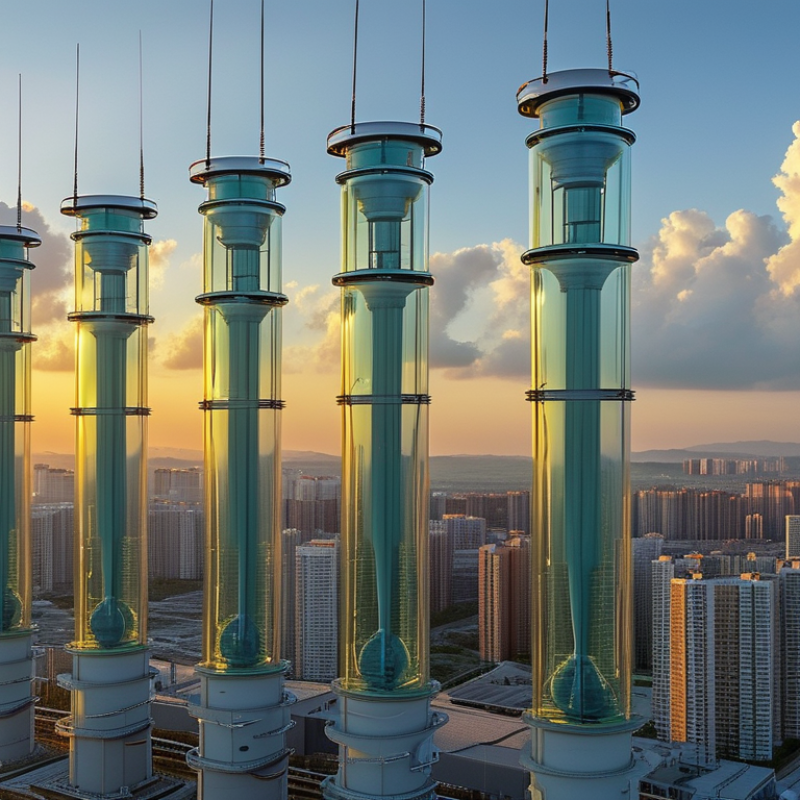
Top 10 Aerodynamic Type Glass Insulators for Global Buyers?

Introduction to Aerodynamic Glass Insulators and Their Importance

Aerodynamic glass insulators play a crucial role in enhancing the performance of electrical systems. These insulators are designed to minimize wind resistance, which helps prevent mechanical failures in harsh weather conditions. Their unique shapes and structures enable them to maintain the integrity of high-voltage power lines. This is particularly important in areas prone to strong winds or heavy precipitation.

When selecting aerodynamic glass insulators, consider their design and material. The insulator's shape should be optimized for air flow. Look for features like a smooth surface and an aerodynamic profile. These details can significantly improve durability and performance. Remember, every installation has unique requirements.

Tips: Always check the manufacturer's specifications for environmental suitability. Make sure the insulator can withstand local weather patterns. Additionally, installing insulators correctly is crucial for performance. If improperly fitted, they may not function as intended. Regular inspections help identify wear and tear, prolonging their lifespan. Understanding these aspects can lead to better efficiency in electrical systems while reducing maintenance costs.

Key Features of Top Aerodynamic Glass Insulators

When considering aerodynamic glass insulators, several key features come to the forefront. These insulators are designed for high-performance applications in power transmission systems. Lightweight yet durable, they often incorporate advanced glass formulations. According to industry studies, the optimal aerodynamic shape reduces wind loading and ensures stability in harsh environments. Many models exhibit a dielectric strength exceeding 30 kV, making them suitable for various voltage levels.

One critical aspect is their resilience against environmental factors. Specific tests indicate that high-quality glass insulators can withstand temperature fluctuations and UV radiation without degrading. The surface finish plays a vital role, as smoother surfaces reduce moisture accumulation and contamination. Regular inspections are essential to maintain functionality. Weak points might develop over time, particularly if not appropriately monitored.

**Tip:** Consider investing in insulators with anti-fogging properties. These can enhance performance in humid conditions. Additionally, ensure that your chosen insulator is compatible with existing infrastructure. It’s crucial to reflect on past selections; opting for cheaper options can lead to increased replacements and maintenance costs.

Comparison of Material Types for Insulator Performance

When it comes to glass insulators, material type plays a critical role in performance. Various materials offer distinct advantages and drawbacks. For instance, some glass insulators effectively resist environmental factors. They ensure minimal signal loss and high durability. However, switching to materials with lower dielectric constants can lead to performance issues.

Another aspect to consider is the manufacturing process. High-quality glass insulators undergo rigorous testing to withstand extreme conditions. In contrast, poorly made insulators often result in lower reliability. Those insulators may fail more rapidly in harsh weather. Properly designed insulators need to balance weight and mechanical strength. An improper balance can affect their long-term functionality and safety.

Reflect on the impact of design choices. Choosing lightweight materials might improve installation but can compromise strength. The challenge lies in finding the right balance for specific applications. Ultimately, understanding these material nuances is crucial for global buyers aiming for optimal performance in their projects.

Top 10 Aerodynamic Type Glass Insulators for Global Buyers

Insulator Type Material Voltage Rating (kV) Weight (kg) Performance Rating
Type A Glass 220 8.5 High
Type B Porcelain 110 5.0 Medium
Type C Composite 150 7.2 High
Type D Glass 330 10.0 Very High
Type E Porcelain 100 6.0 Medium
Type F Composite 200 9.0 High
Type G Glass 250 8.8 Very High
Type H Porcelain 160 5.5 Medium
Type I Composite 180 7.5 High
Type J Glass 300 11.0 Very High

Leading Global Manufacturers of Aerodynamic Glass Insulators

The global market for aerodynamic glass insulators is expanding. Manufacturers are focusing on specialized designs that enhance performance. These insulators are crucial for power transmission systems, offering superior resistance to harsh weather conditions.

Leading producers invest in cutting-edge technology. They aim to optimize the durability and efficiency of their products. Many are exploring innovative materials for enhanced insulation. These advancements promise to improve both environmental impact and operational longevity. However, not all manufacturers meet the highest standards. Some struggle with quality control, raising concerns about reliability.

Evaluating suppliers can be challenging. Buyers must research performance metrics and certifications. Insights from industry experts are invaluable in making informed decisions. While some brands have established their reputation, others may lack transparency. Consumers benefit from a thorough selection process, ensuring they choose quality insulators for their needs.

Application Areas and Trends in Insulator Technology

Insulator technology plays a pivotal role in electrical systems. The demand for aerodynamic type glass insulators is surging. These insulators are essential for ensuring reliability in diverse environmental conditions. They perform well in both urban and rural setups. Their sleek design minimizes wind resistance, making them suitable for high-altitude installations. Additionally, they offer superior performance in wet conditions.

Application areas for these insulators are expanding. They are not just limited to power transmission; now they are used in renewable energy sectors too. Wind and solar farms benefit significantly, thanks to their durability and efficiency. Yet, challenges remain. Environmental factors can affect their lifespan. Manufacturers are working to improve materials and designs to overcome these issues. Increased attention is on recycling used insulators to reduce waste. Experimenting with hybrid designs may also lead to improved functionality.

Market trends hint at a shift toward smart insulators. Integration with monitoring systems is becoming common. Such advancements help predict failures before they happen. However, achieving universal standards for these technologies remains complex. Overall, the balance between innovation and practicality continues to shape the future of insulator technology.

FAQS

: What are aerodynamic glass insulators?

: Aerodynamic glass insulators minimize wind resistance, enhancing electrical system performance. They help prevent mechanical failures in harsh weather.

Why is the design of these insulators important?

The shape should optimize airflow. A smooth surface and aerodynamic profile improve durability and performance significantly.

What should I check when selecting insulators?

Always review the manufacturer's specifications. Ensure suitability for local weather patterns and installation requirements to avoid future issues.

How does installation affect insulator performance?

Poorly installed insulators may not function correctly. Proper fitting is crucial for maximizing performance and longevity.

In what areas are aerodynamic glass insulators used?

They are used in power transmission and renewable energy sectors, including wind and solar farms, due to their durability.

Are there any ongoing challenges in insulator technology?

Environmental factors can affect lifespan. Manufacturers are focused on improving materials and recycling to reduce waste.

What future trends are emerging in insulator technology?

Smart insulators with monitoring systems are gaining popularity. Predicting failures can enhance reliability, but standardization remains complex.

How can maintenance impact insulator lifespan?

Regular inspections help identify wear and tear. This proactive approach can significantly prolong the lifespan of insulators.

What is the importance of insulator performance in different environments?

Insulators must perform reliably in diverse conditions. High-altitude installations face unique challenges, requiring tailored solutions.

What role does innovation play in insulator development?

Innovation is crucial, but practicality must not be overlooked. Balancing the two influences future developments in the technology.

Conclusion

Aerodynamic glass insulators, known as "Isolateurs En Verre Trempé Type Aérodynamique," play a crucial role in enhancing the performance and reliability of electrical transmission systems. This article highlights the significance of these insulators, focusing on their key features such as strength, durability, and resistance to environmental factors. A comparison of different material types demonstrates how they impact insulator performance, ensuring that global buyers can make informed decisions.

Additionally, the article explores the leading manufacturers of aerodynamic glass insulators, emphasizing the trends and application areas in insulator technology. With advancements in design and materials, these insulators are increasingly used in various sectors, contributing to improved efficiency and safety in electrical networks. Understanding these factors is essential for stakeholders in the global market seeking high-quality insulator solutions.

Isabella

Isabella

Isabella is a dedicated marketing professional with a sharp focus on driving brand growth and engagement through strategic content creation. With an extensive background in digital marketing, she combines her passion for storytelling with her keen understanding of industry trends to deliver......