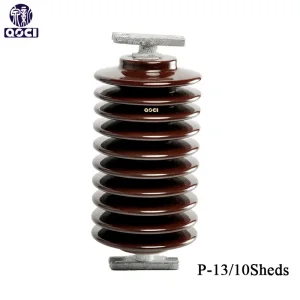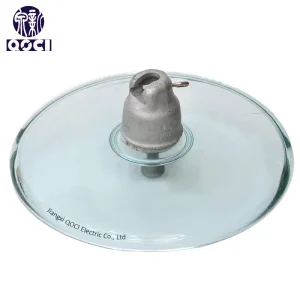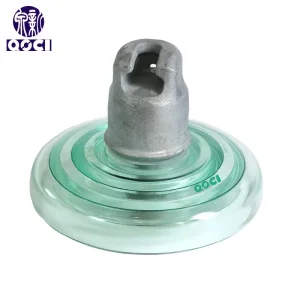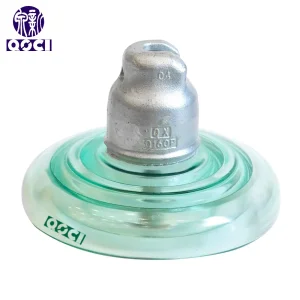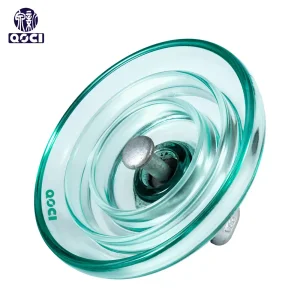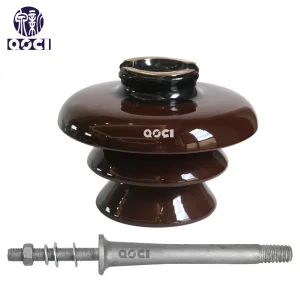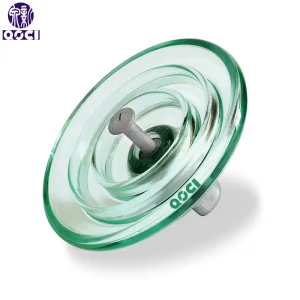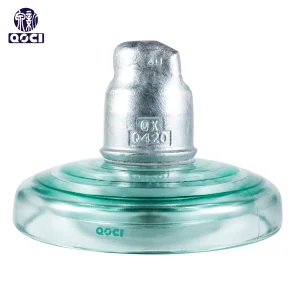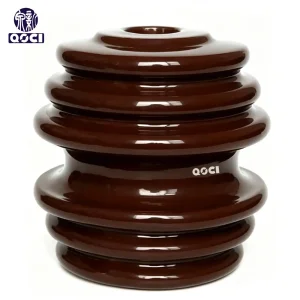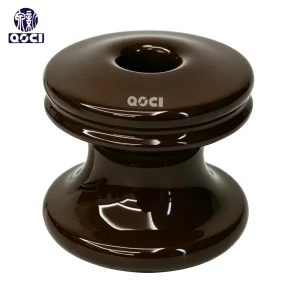
High-Quality High Voltage Isolators Manufacturers & Supplier

Innovative transmission grid solutions leveraging Toughened Suspension Glass, RTV Silicone coatings, and state-of-the-art power distribution hardware systems engineered for global extra-high voltage and ultra-high voltage grids.

Industrial Significance of High Voltage Isolators in Modern Grid Topology

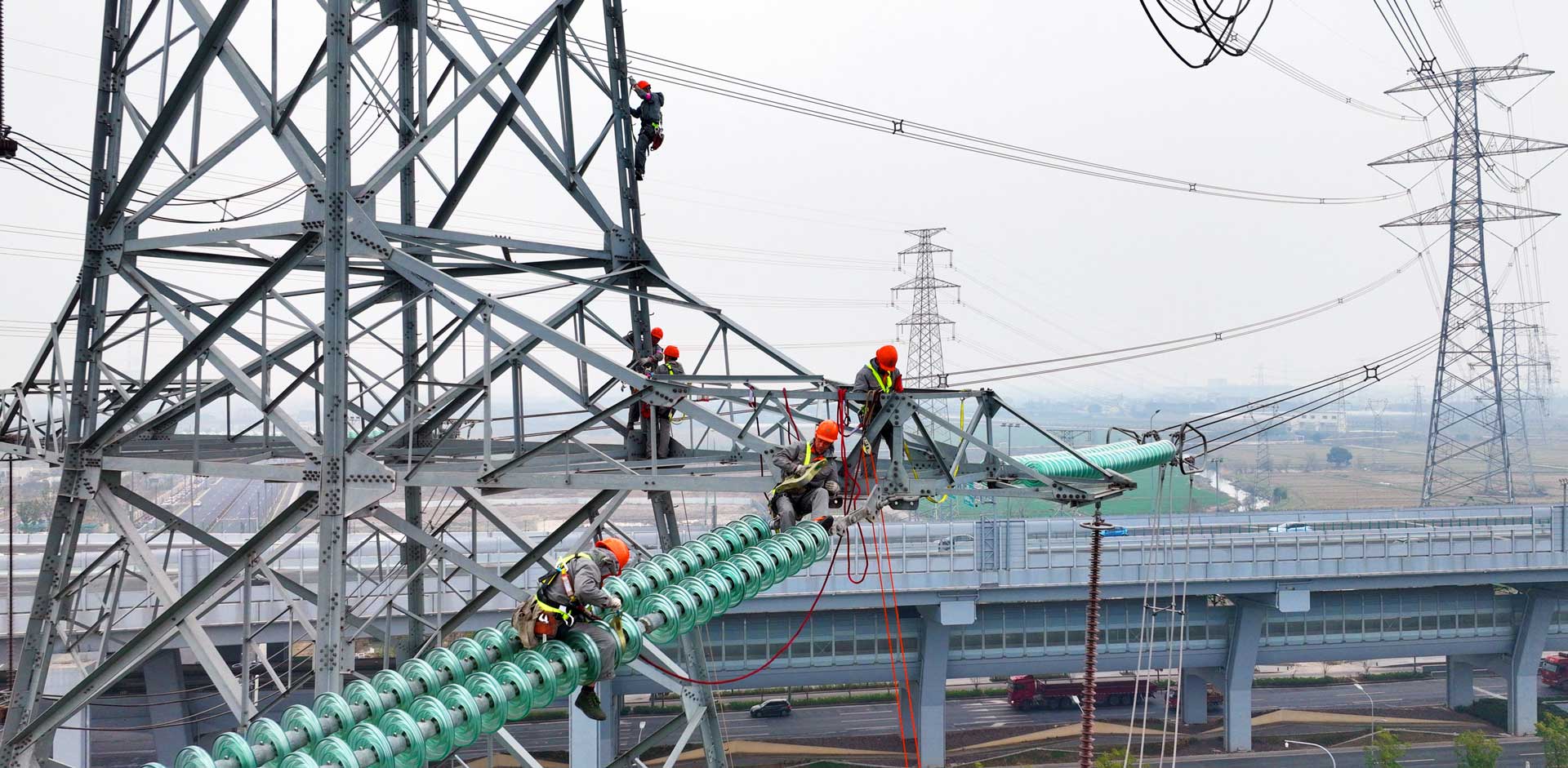
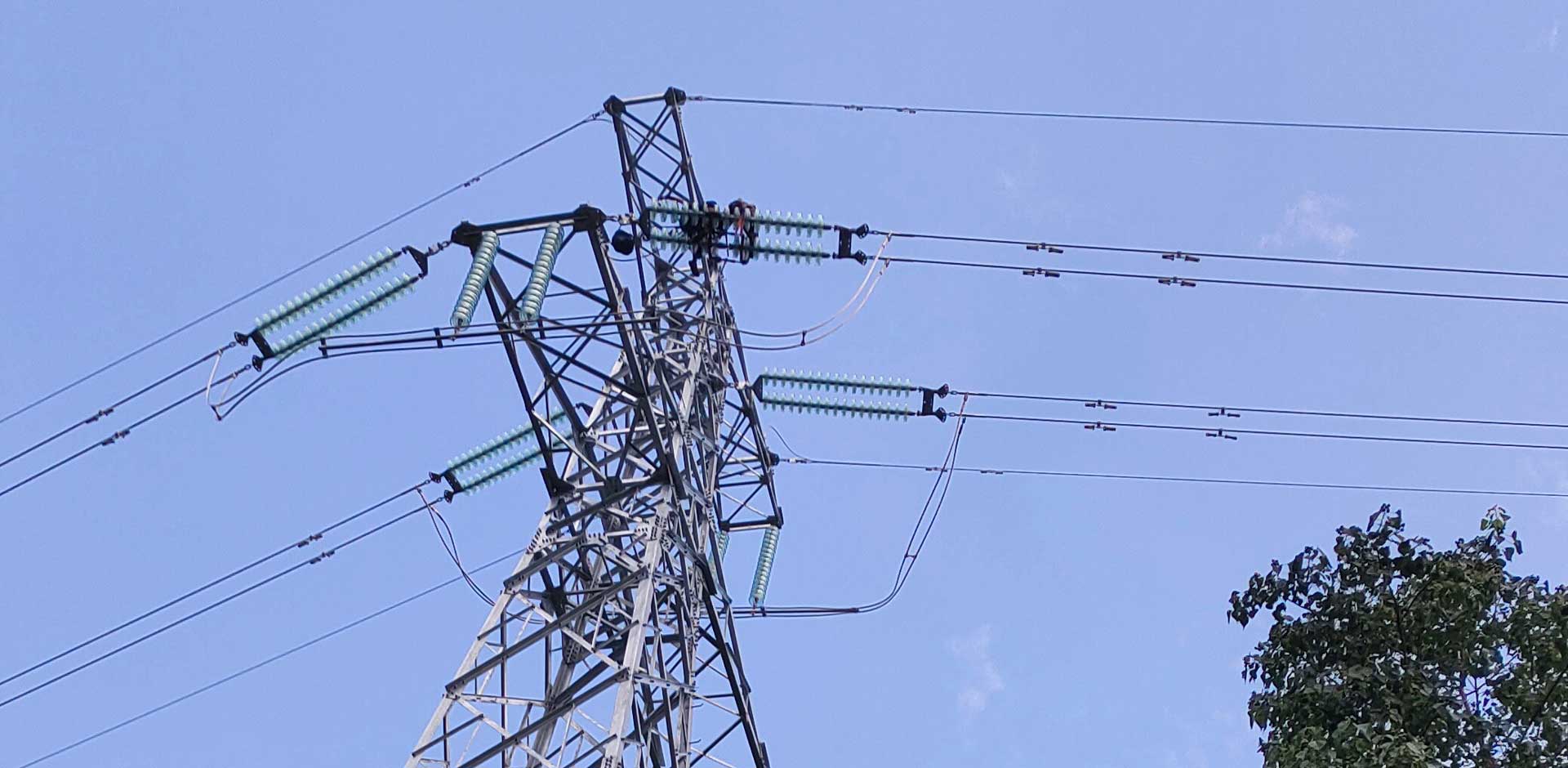
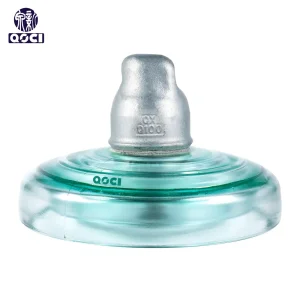
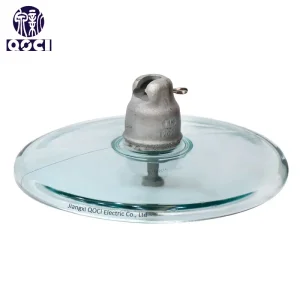
The global transition towards zero-emission grids relies heavily on extra-high voltage (EHV) and ultra-high voltage (UHV) transmission networks. As these pathways traverse longer distances and extreme climatic terrains, the physical vulnerability of line insulation becomes a primary engineering constraint. High voltage isolators—specifically toughened glass suspension insulators and room temperature vulcanized (RTV) silicone-coated hybrid configurations—stand as the critical mechanical and electrical nodes preventing grid disruptions.

Unlike standard domestic distribution systems, transmission isolators handle tremendous dynamic stresses: high tensile loads exceeding 160kN to 420kN, severe temperature swings, atmospheric pollution (ranging from industrial heavy particulate build-ups to saline marine aerosols), and continuous lightning impulse threats. Choosing an established, certified supplier is crucial for utilities and engineering procurement firms worldwide. It directly determines grid reliability and safeguards the overall asset life cycle.

Technical Roadmap: Toughened Glass vs. Porcelain & Composites

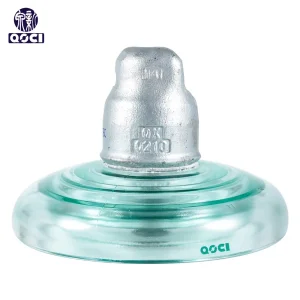
Toughened glass has become the global standard for high-voltage insulation due to its unique mechanical properties. The manufacturing process involves rapid thermal cooling to create compressive stress layers on the glass surface. This makes the material highly resistant to mechanical fracturing and thermal shock.

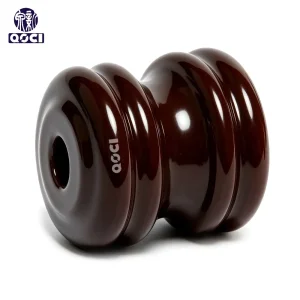
Crucially, toughened glass features a "self-shattering" property under internal defect or extreme overload conditions. While a porcelain insulator can maintain a silent internal puncture (highly difficult to detect without offline thermal imaging or close-up inspections), a compromised glass shell shatters visually, leaving the mechanical core ("stub") intact to hold the transmission line. This allows maintenance teams to quickly identify and replace faulty units using simple visual inspections, dramatically reducing operational costs.

About Jiangxi QOCI Electric Co. Ltd

Serving the world-class power grid with dedication and actively participating in the construction of green energy.
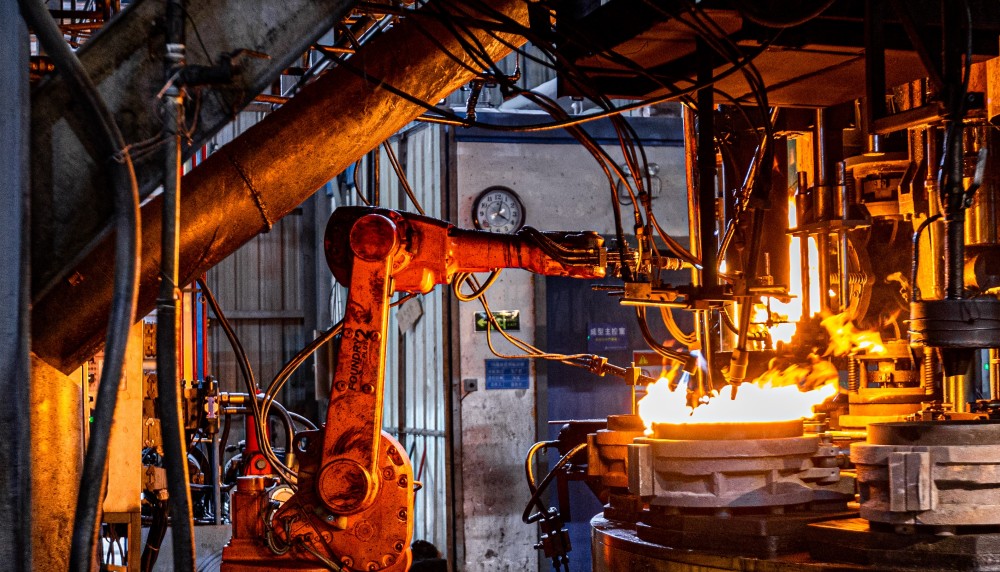
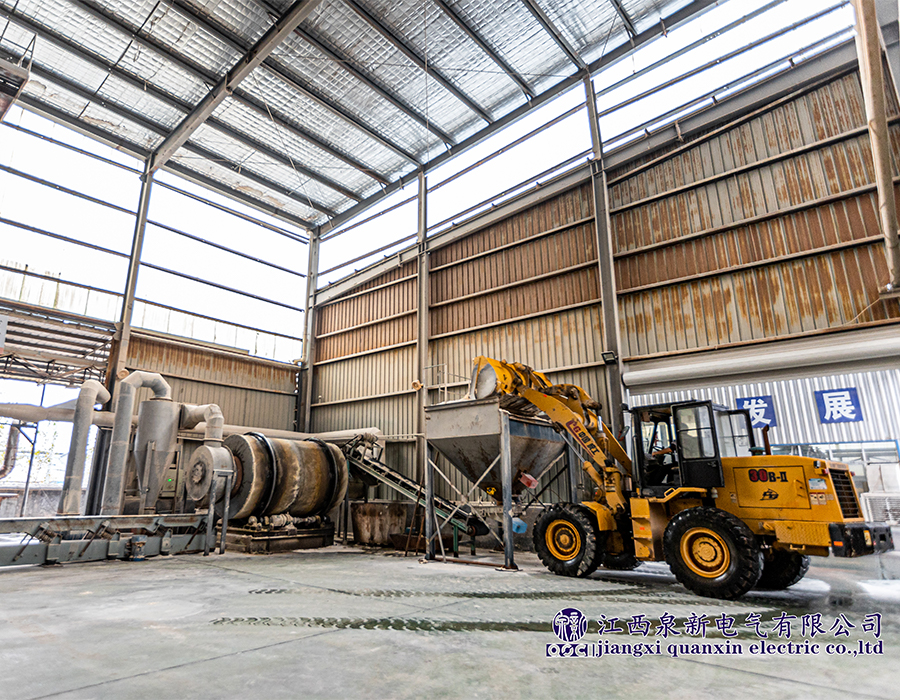
Jiangxi QOCI Electric Manufacturing Facility
20+
Years of Industrial
Innovation

Responsibility is the guarantee of quality

Jiangxi QOCI Electric Co. Ltd was founded in Dec. 2002, with a registered capital of 508 million Yuan. The Corporation is located at the Industrial Park, Luxi County, Pingxiang, Jiangxi Province, covering an area of 100 mu. We serve the electric power industry and ensure the safety of power grids globally, offering fast delivery times and highly competitive direct-factory pricing.

70,000+
Plant Area (m²)
39,000
Annual Output (Ton)
53+
Engineering Technicians
26+
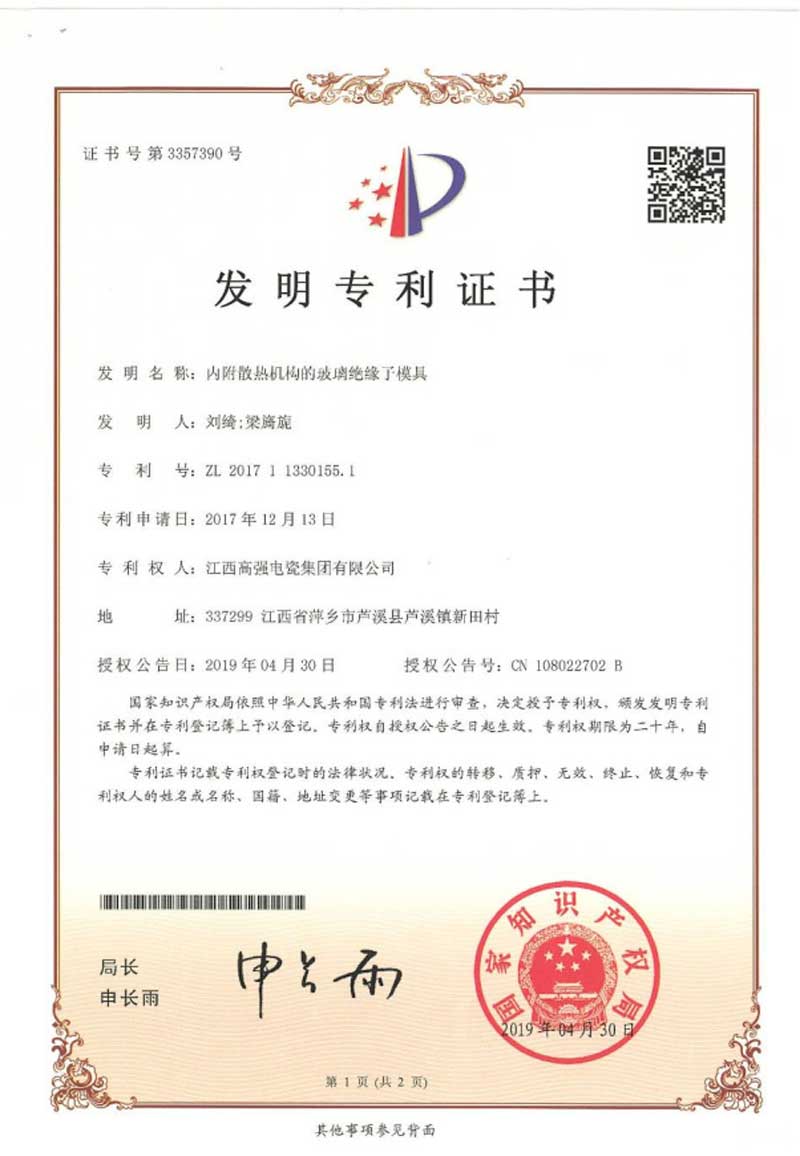
Invention & New Patents

Insulator Profile Engineering & Aerodynamics

Optimized structural geometries designed to mitigate flashovers, prevent ice bridging, and maintain self-cleaning properties across diverse microclimates.
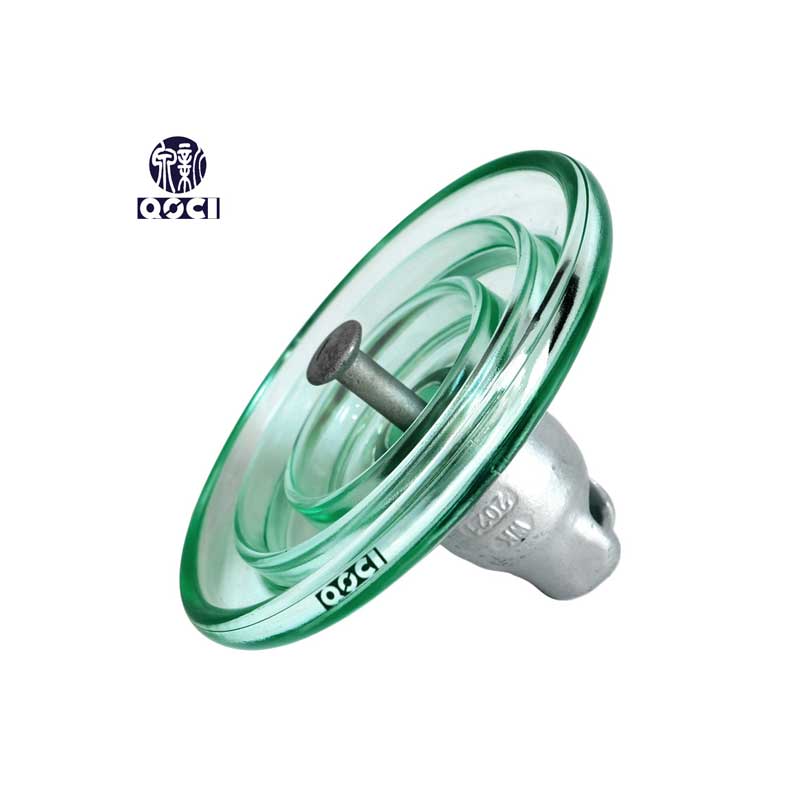
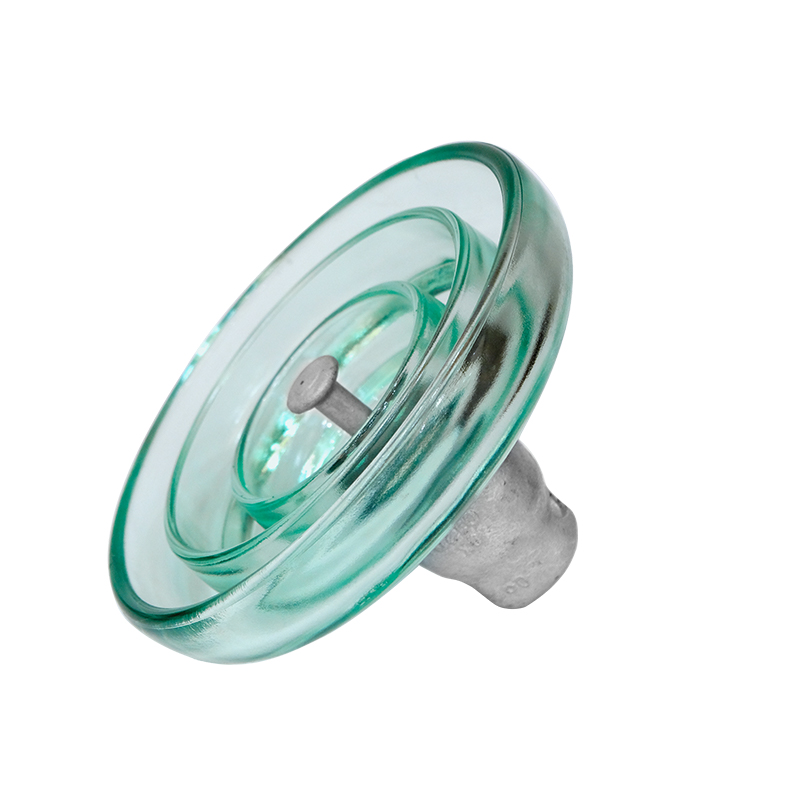
Standard Profile

Features a leakage distance higher than standard values indicated in IEC 60305. The insulation body is designed with shallow, well-spaced under-ribs to facilitate natural self-cleaning via wind and rain.
Standard Profile Insulator

Anti-Fog / Anti-Pollution Profile

Characterized by deep, widely spaced under-ribs to avoid arc bridging between adjacent ribs. Features a high leakage distance to spacing ratio (approx 3.2), ideal for coastal salt fogs and heavily polluted industrial corridors.
Anti-Fog Profile Insulator

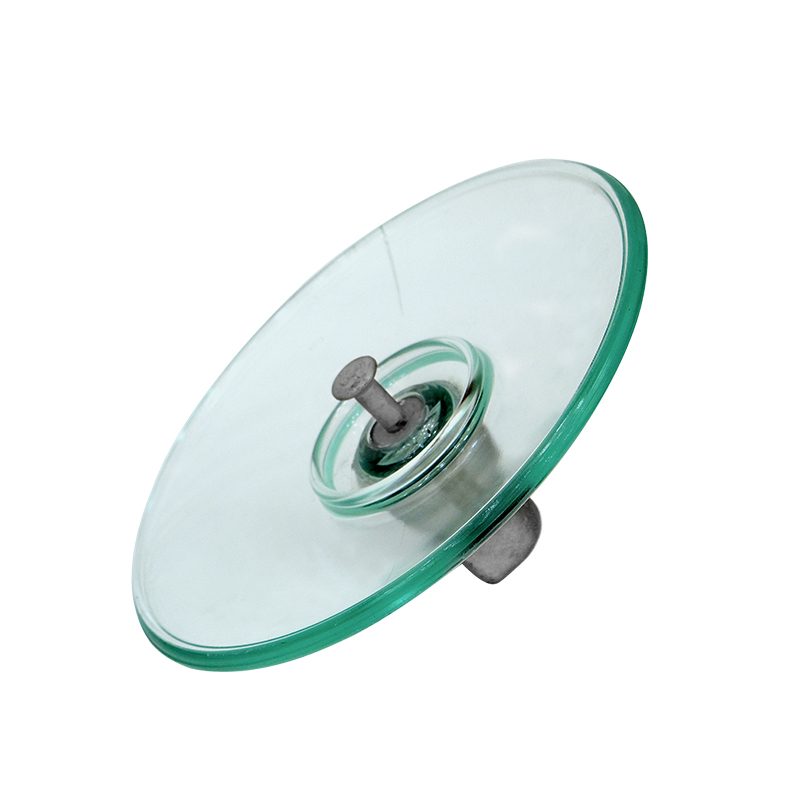
Open / Aerodynamic Profile

Marked by the complete absence of under-ribs to prevent the accumulation of desert sand, dust, and particulate deposits on the lower surface. Ideal for high-wind arid regions and managing winter ice-bridging hazards.
Open Profile Insulator

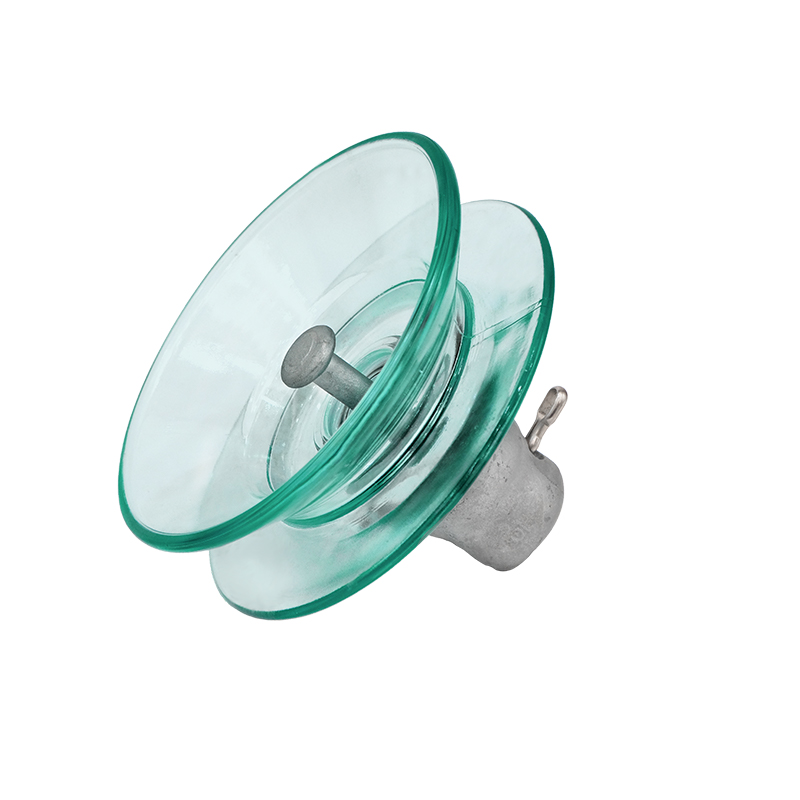
External Shed Profile

Employs two prominent external ribs to reduce pollution build-up and facilitate manual washing. Delivers a leakage distance comparable to anti-pollution models, performing exceptionally well in areas with heavy saline soil.
External Shed Profile Insulator

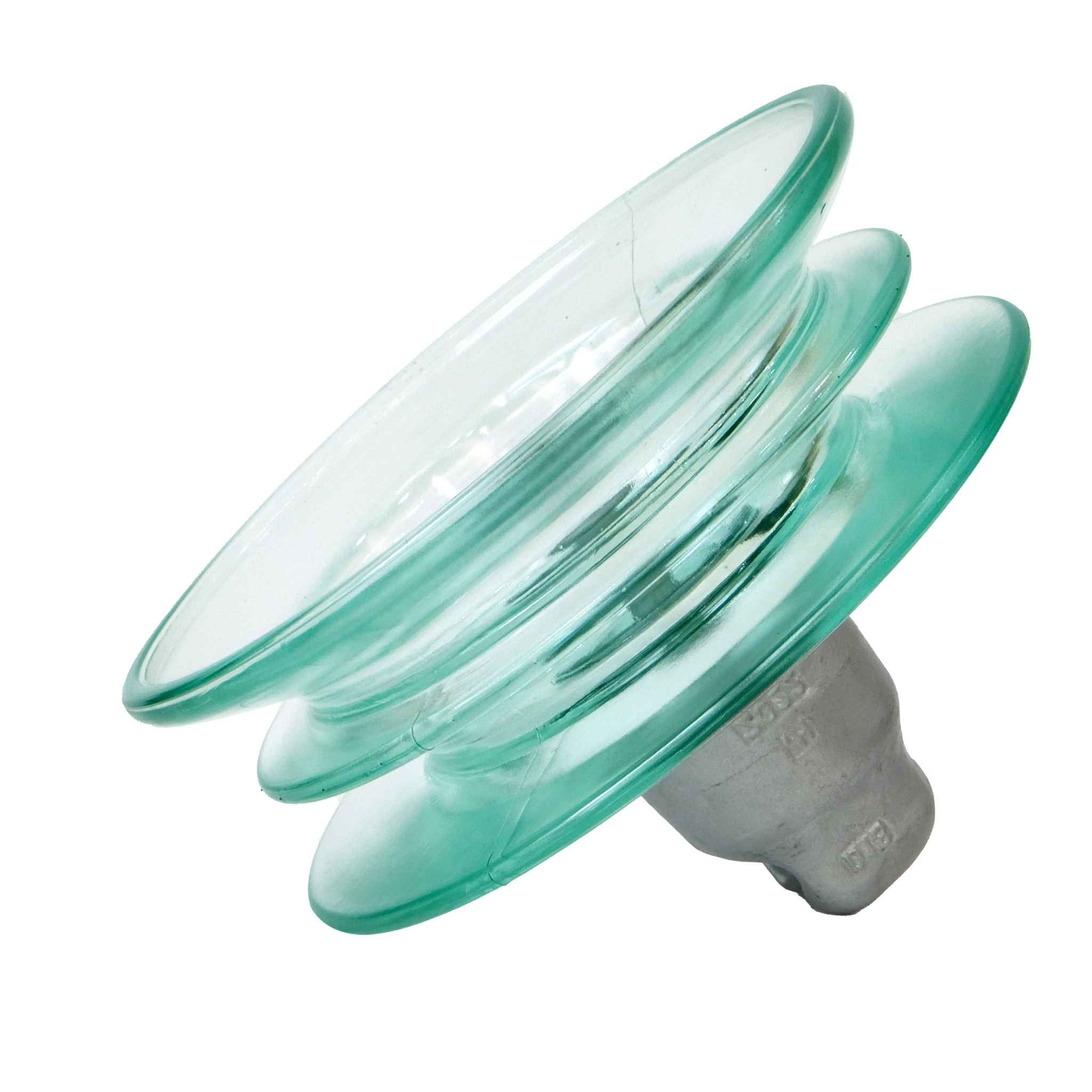
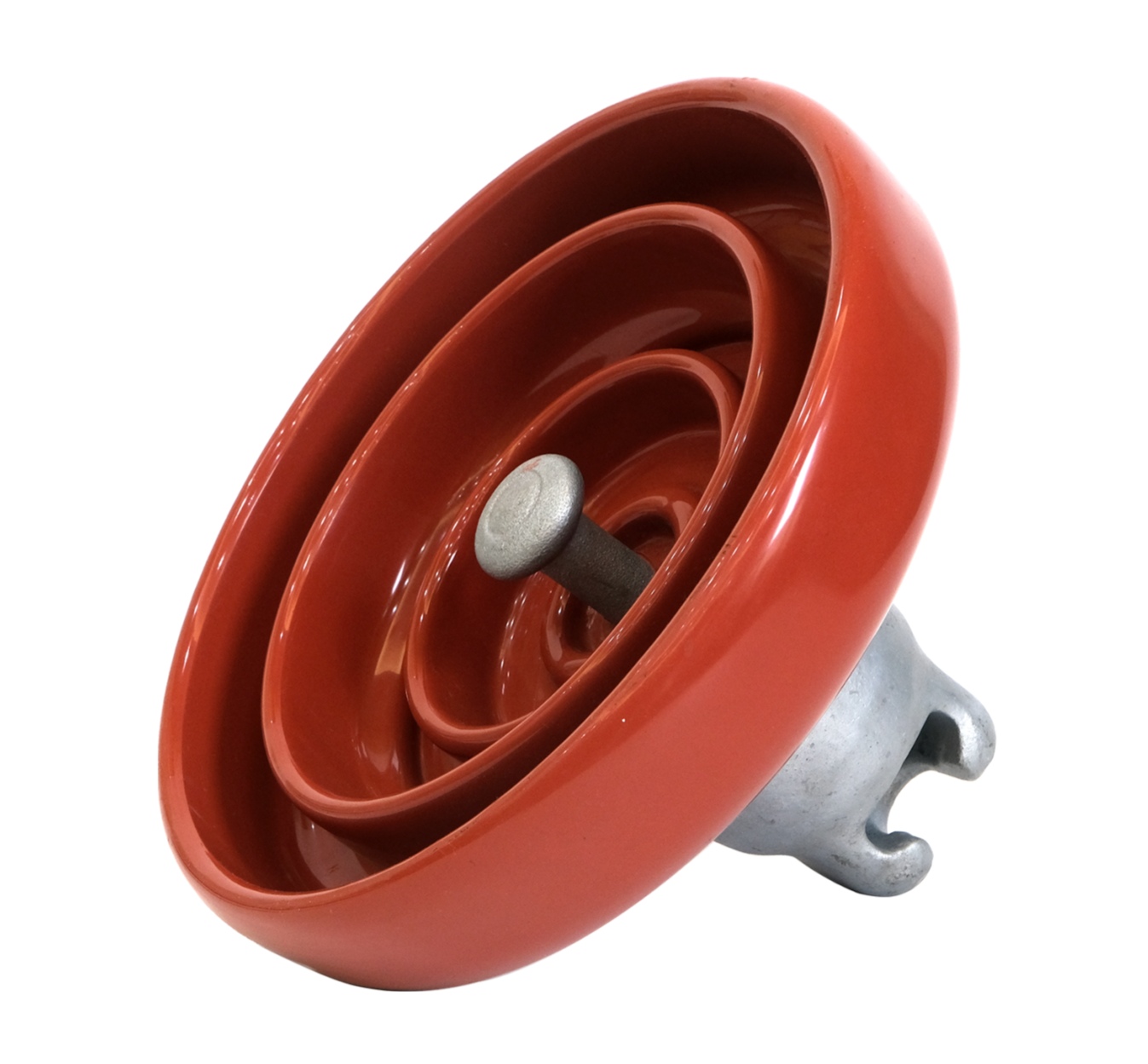
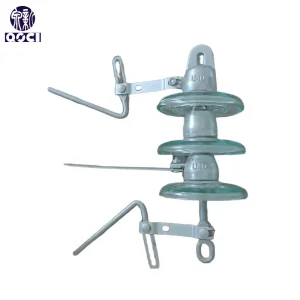
Triple-Shed Type

Integrates three layers of umbrella discs separated on the insulation body. This open design provides an extended creepage distance, ensuring high pollution flashover resistance for high-altitude UHV networks.
Triple-Shed Type Insulator

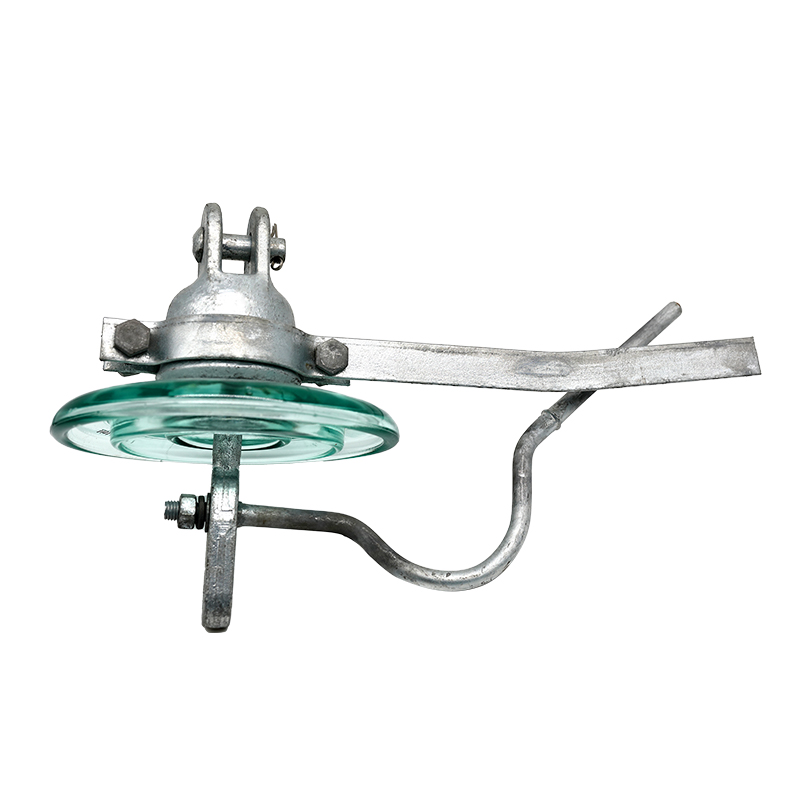
Ground-Wires Profile

Features integrated steel pins and ground flanges to establish a reliable path to ground. This design helps discharge lightning currents and voltage surges safely, protecting crucial line equipment.
Ground-Wires Insulator

RTV Silicone-Coated Glass Insulators (Hybrid Solutions)

Room Temperature Vulcanization (RTV) silicone-coated glass insulators combine the high mechanical strength of toughened glass with the hydrophobic surface properties of silicone composite materials. The mineral-filled RTV coating helps suppress leakage currents and prevents dry band arcing, eliminating the need for periodic manual washing. This hybrid design represents a cost-effective, low-maintenance choice for high-voltage lines situated in heavily contaminated environments.
RTV Silicone Coated Glass Insulator

Global Enterprise Procurement & Smart Grid Logistics

Aligning raw material sourcing, strict manufacturing standards, and global transport logistics to support major energy projects.

Key Procurement Considerations for Electrical Infrastructure

For engineering procurement firms (EPCs) and grid operators, securing high-voltage insulators is a balancing act of technical compliance, supply chain stability, and total cost of ownership (TCO). Procurement teams look at several key parameters:

  • Mechanical Load Match: Matching the Mechanical Failing Load (MFL) with line tension requirements, typically ranging from 70kN for medium lines up to 420kN for river crossings and UHV lines.
  • Creepage Distance (IEC 60815): Ensuring the total creepage distance matches the local pollution level (Light, Medium, Heavy, Very Heavy) to prevent environmental flashovers.
  • Zinc Sleeve Additives: Opting for fused sacrificial zinc sleeves on the steel pins to protect against galvanic corrosion in coastal and industrial areas.
  • Packaging & Shipping Security: Sourcing from suppliers that use reinforced wooden crates or heavy-duty packaging to prevent chips and cracks during ocean transport.

Macro Industry Solutions

Our high-strength glass insulators are designed to handle demanding workloads across low, high, ultra-high, and extra-high voltage AC and DC transmission networks.
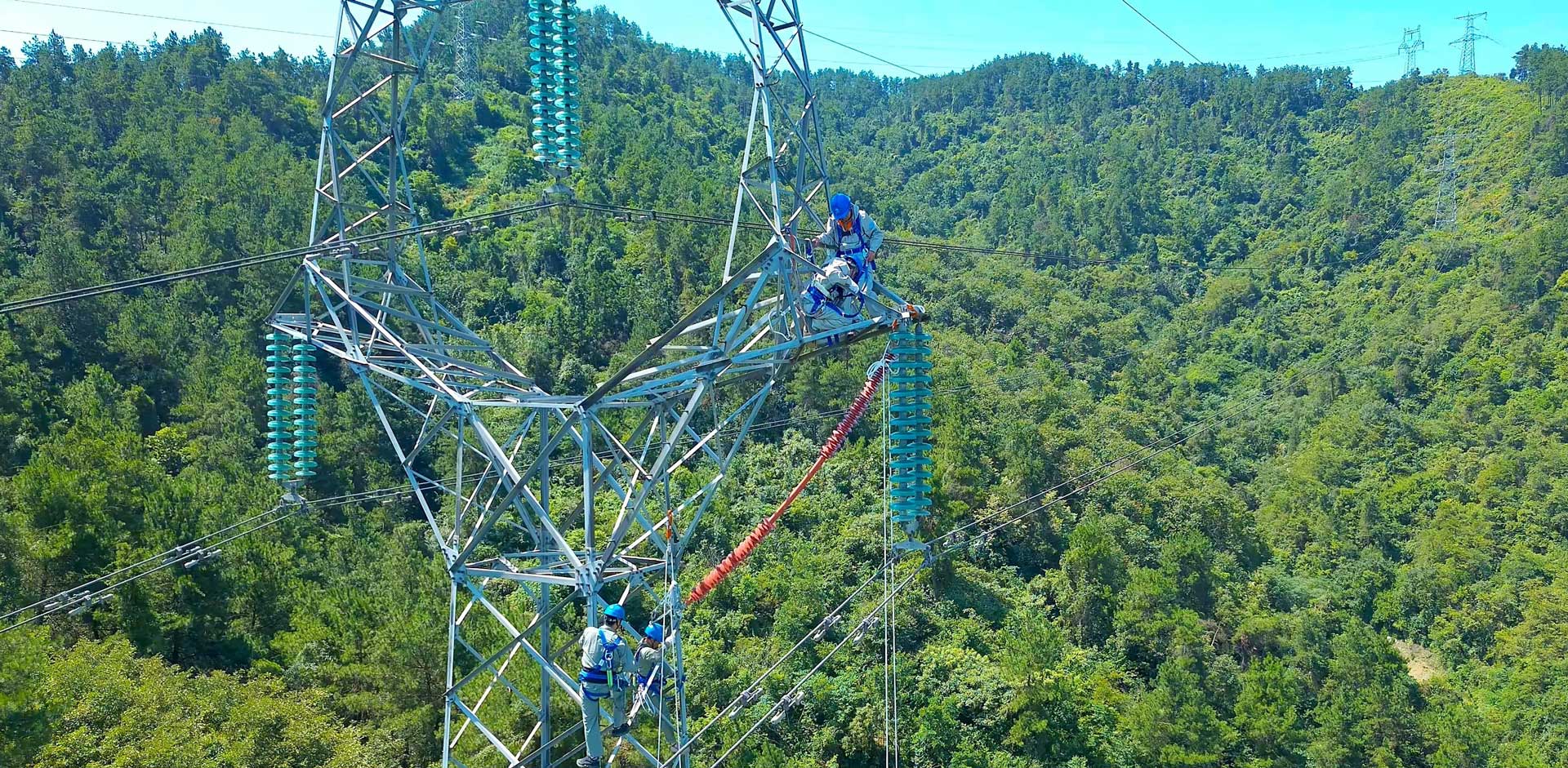
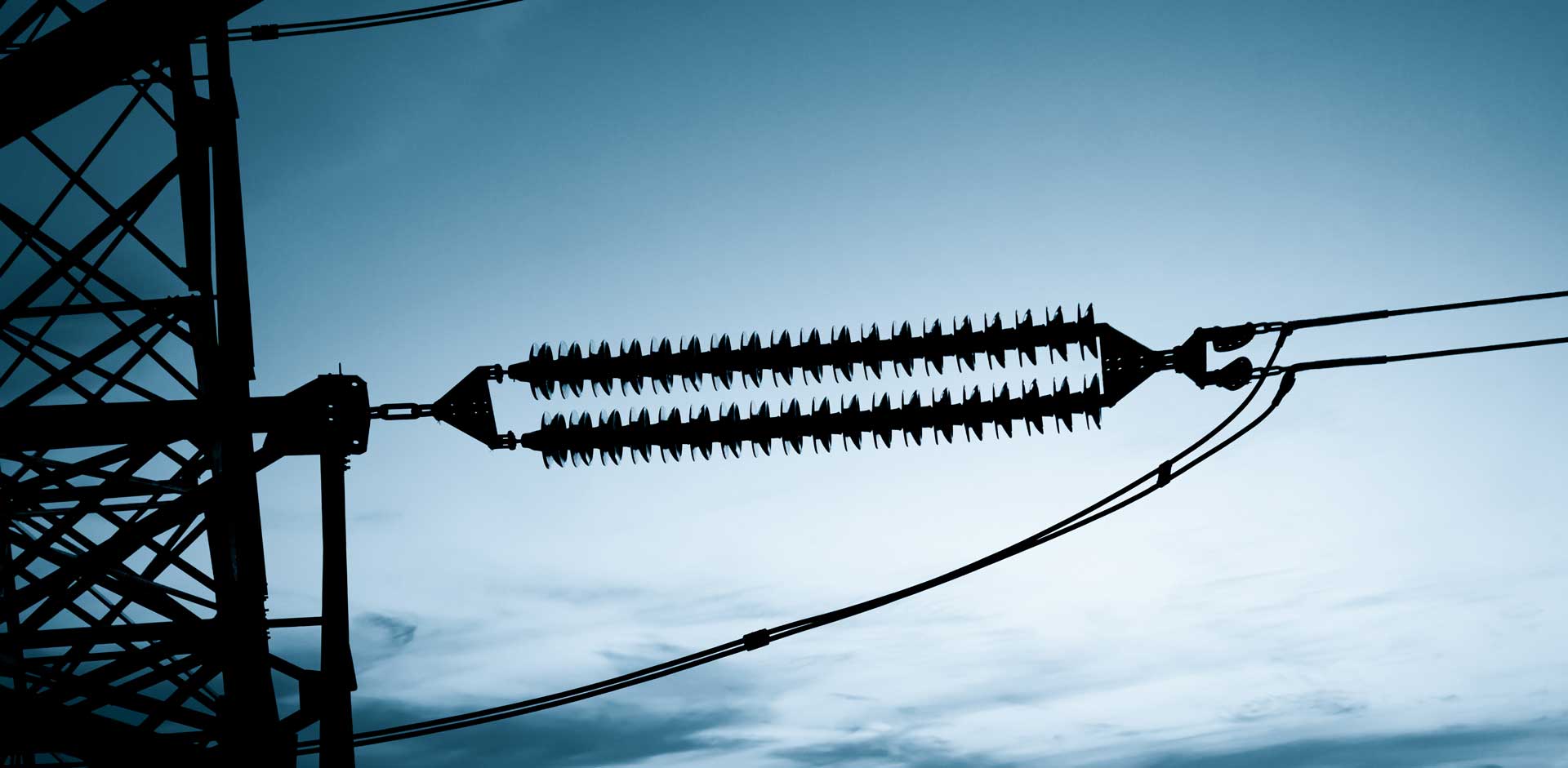
Geographic Adaptability

Power Systems

Power Grid Function

Special Industry

Geographic Adaptability Scenarios
Power Systems
Power Systems & Environments
Power Grid Functional
Power Grid Functional Layout
Special Industry
Special Industrial Installations

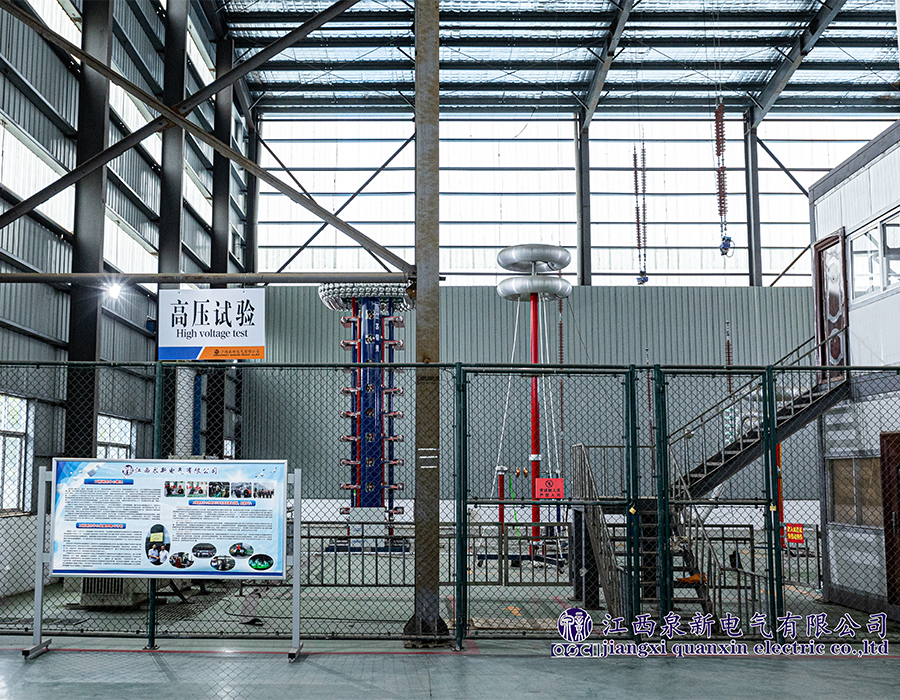
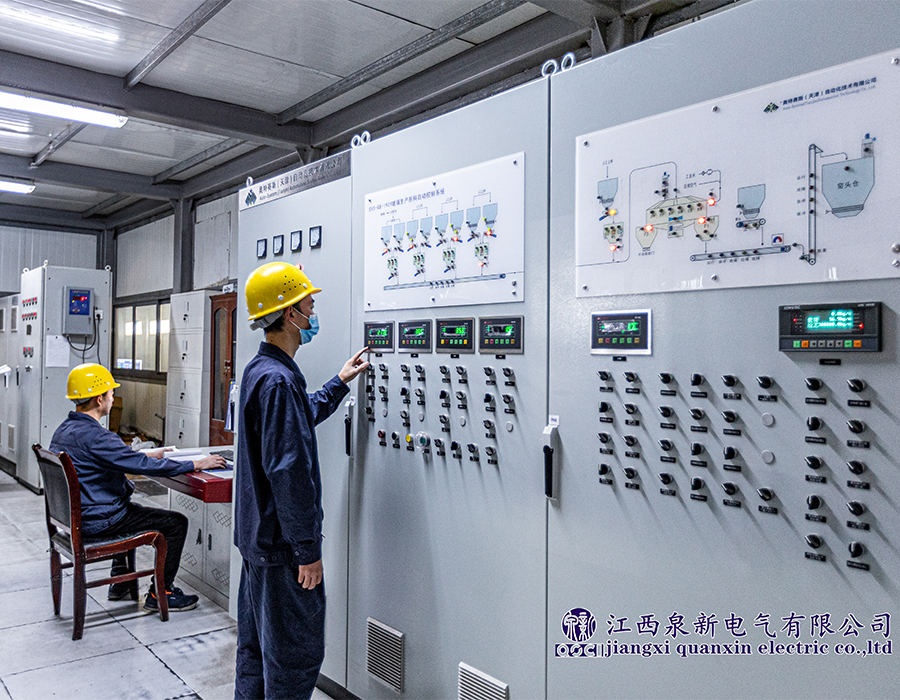
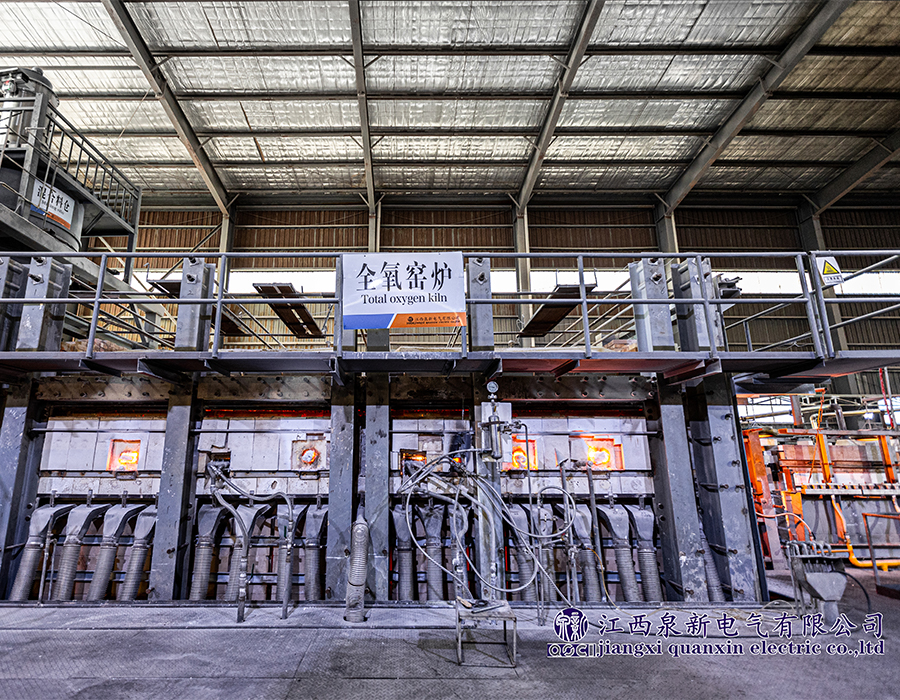
Inside Our Production Facility

Equipped with advanced manufacturing machinery, high-voltage testing bays, and strict quality control measures.
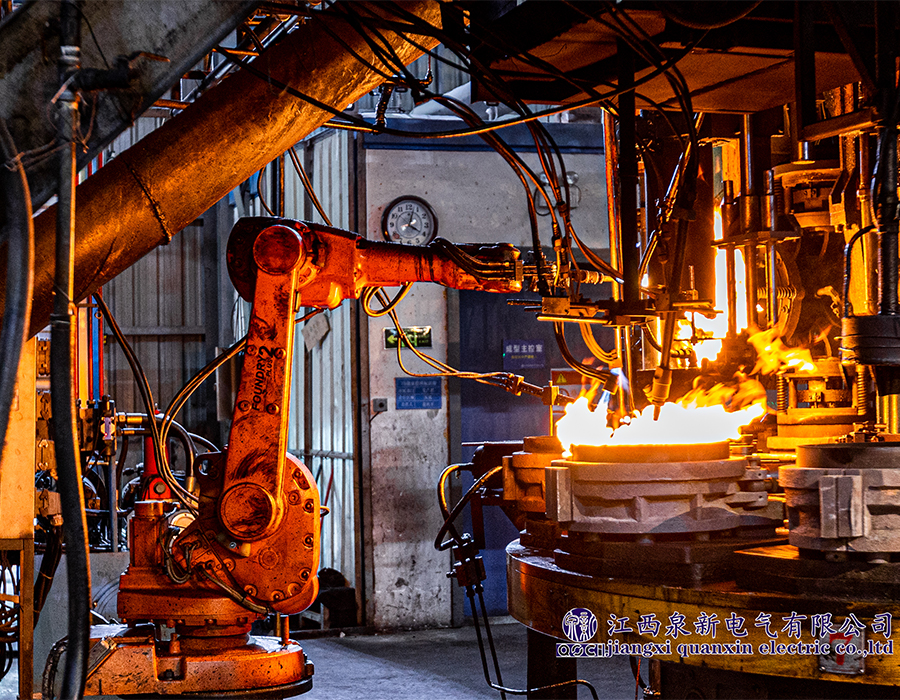
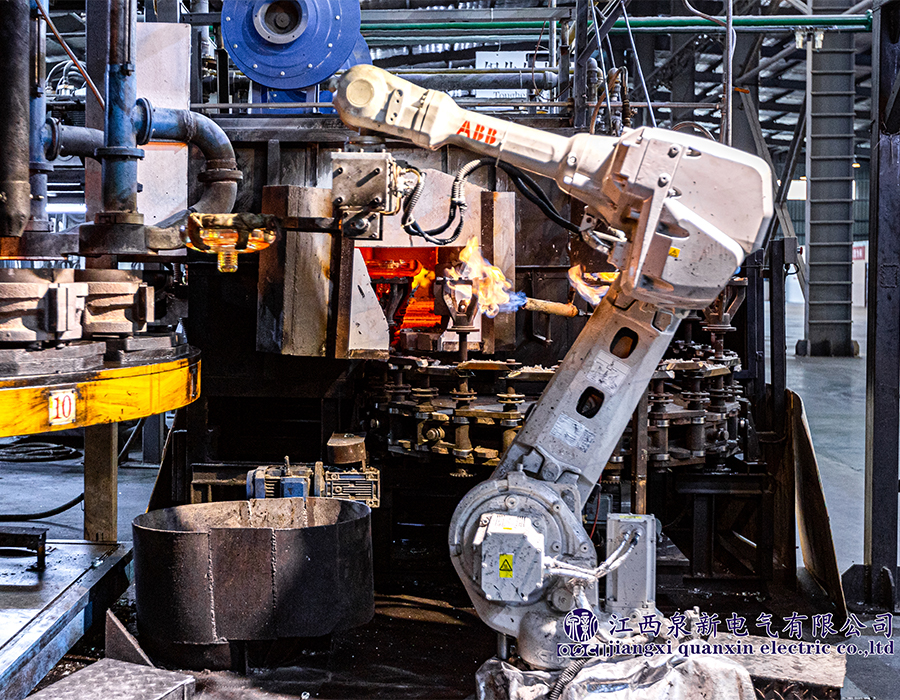
Forming Press Machine
Precision Forming Press
Hydraulic Pressing Station
Hydraulic Forming Press
Automated Mixing Station
Raw Material Mixer
High Voltage Testing Room
High Voltage Test Lab
High Grade Raw Materials
Production Raw Materials
Total Oxygen Kiln Furnaces
Total Oxygen Kiln

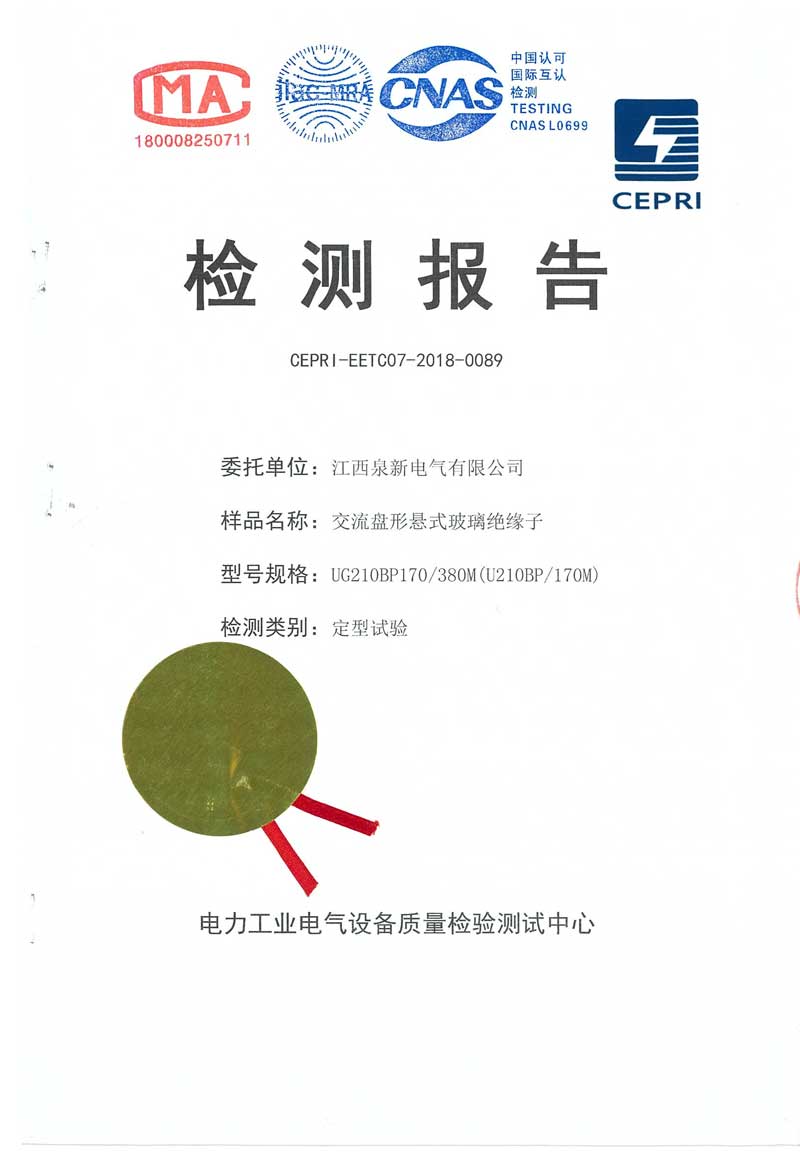
Certified Quality & Global Standards

Our manufacturing and testing stages comply fully with ISO certifications and international type testing requirements.
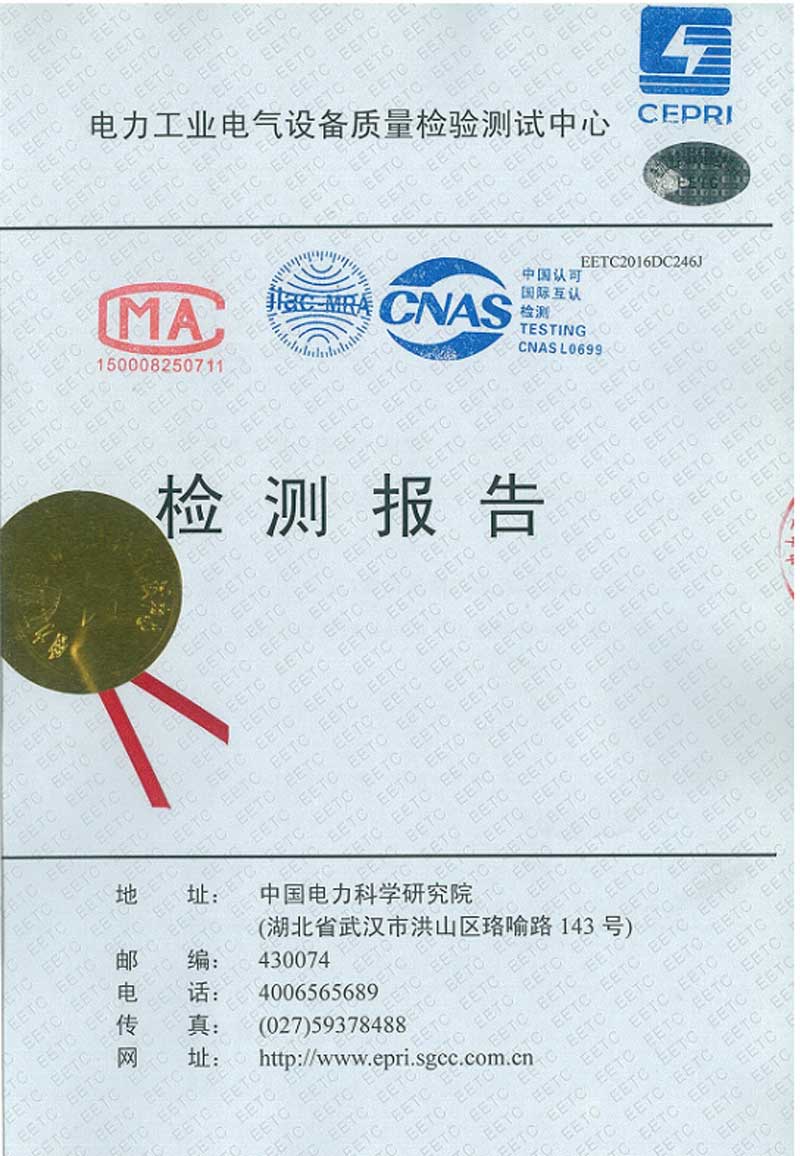
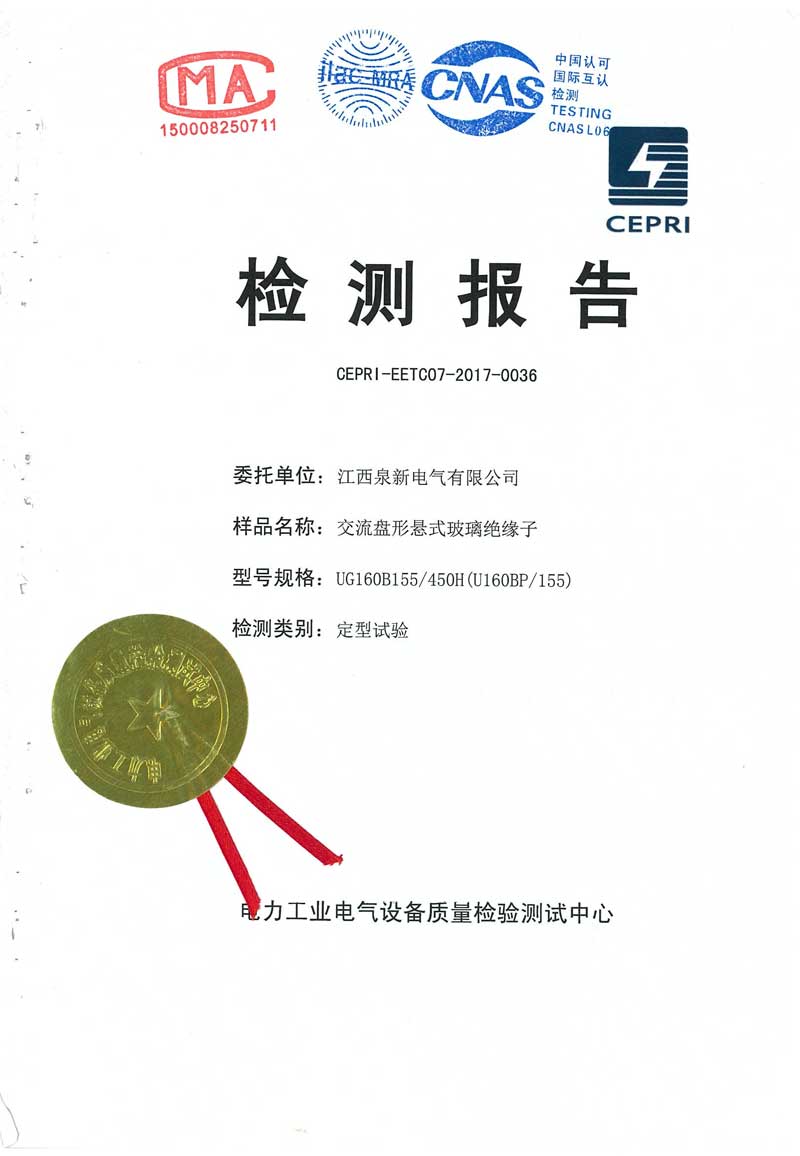
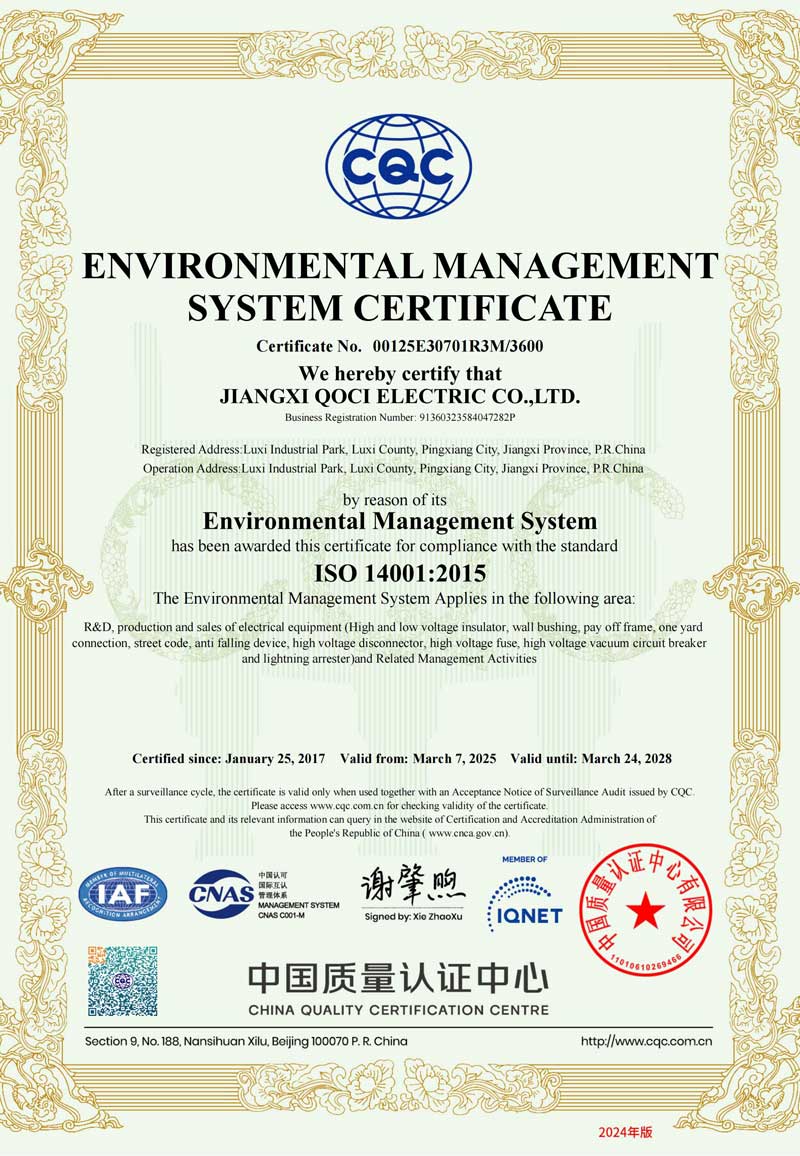
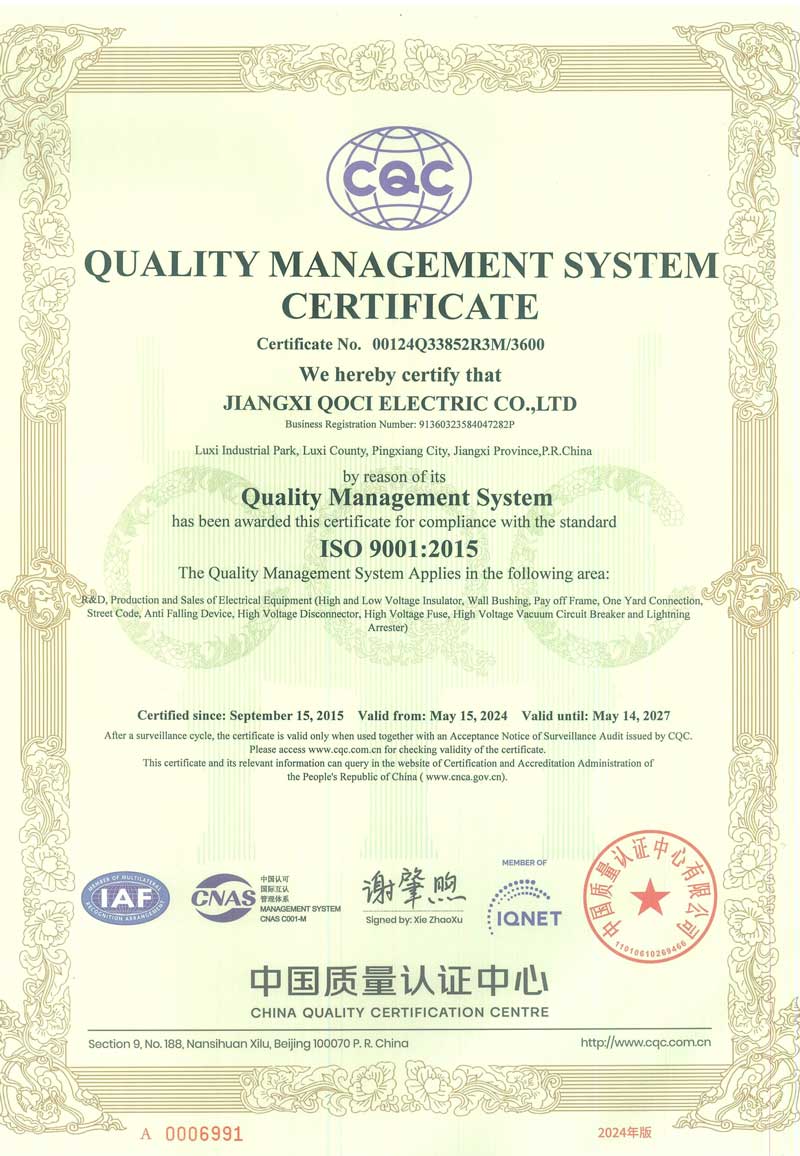
ISO Certification document
Management System Certificate
Safety Assessment Standard
Quality Compliance Certificate
Type Test Report Summary
International Standard Compliant Cert

Global Strategic Partners

Working alongside major utilities, power distribution grid corporations, and international industrial enterprises.
Frequently Asked Questions (FAQ)

Expert answers to common technical, design, and procurement questions regarding high-voltage suspension glass insulators.

How does toughened glass compare to porcelain for high-voltage insulation?
Toughened glass provides superior mechanical resistance, high thermal stability, and a distinct visual advantage: it shatters upon failing. Unlike porcelain, which can develop hidden internal punctures that require specialized test equipment to find, a damaged glass shell shatters completely while leaving the inner steel pin and cap intact. This allows maintenance crews to easily identify failed units from the ground.
What is the purpose of RTV silicone coatings on glass insulators?
Room Temperature Vulcanization (RTV) silicone coatings add a highly hydrophobic layer to the glass surface. This prevents continuous moisture film formation in humid, marine, or highly polluted environments, significantly reducing leakage currents and preventing flashovers. It eliminates the need for routine manual washing, lowering overall maintenance costs.
Why is a zinc sleeve used on toughened glass insulators?
A zinc sleeve acts as a sacrificial anode. In high-corrosion zones (such as coastal areas or industrial zones with heavy sulfur emissions), galvanic currents can degrade the insulator's steel pin. The zinc sleeve corrodes first, protecting the main steel pin's structural integrity and preventing premature mechanical failure.
What standards do your high-voltage insulators comply with?
Our products are manufactured and certified in strict accordance with international standards, including IEC 60305, IEC 60383, ANSI C29.2, and other global utility guidelines. We carry ISO 9001:2015, ISO 14001:2015, and ISO 45001:2018 certifications to ensure consistent quality control.
How do you choose between standard, anti-pollution, and open profile insulators?
Selection depends on the installation environment:
  • Standard Profile: Best for clean to light pollution areas with natural rainfall.
  • Anti-Pollution Profile: Ideal for coastal areas prone to salt fog, where an extended creepage distance is required.
  • Open/Aerodynamic Profile: Designed for windy, dry, or sandy desert environments, as its smooth shape prevents dust and sand from accumulating.