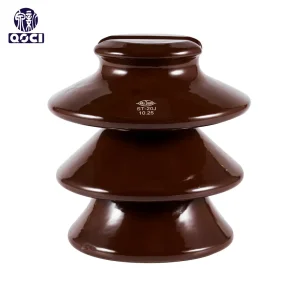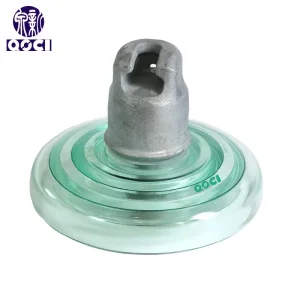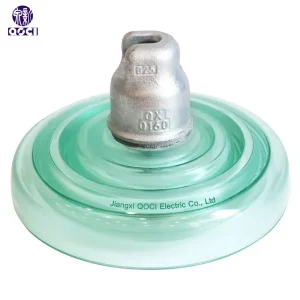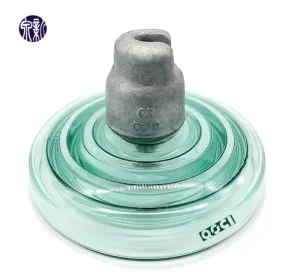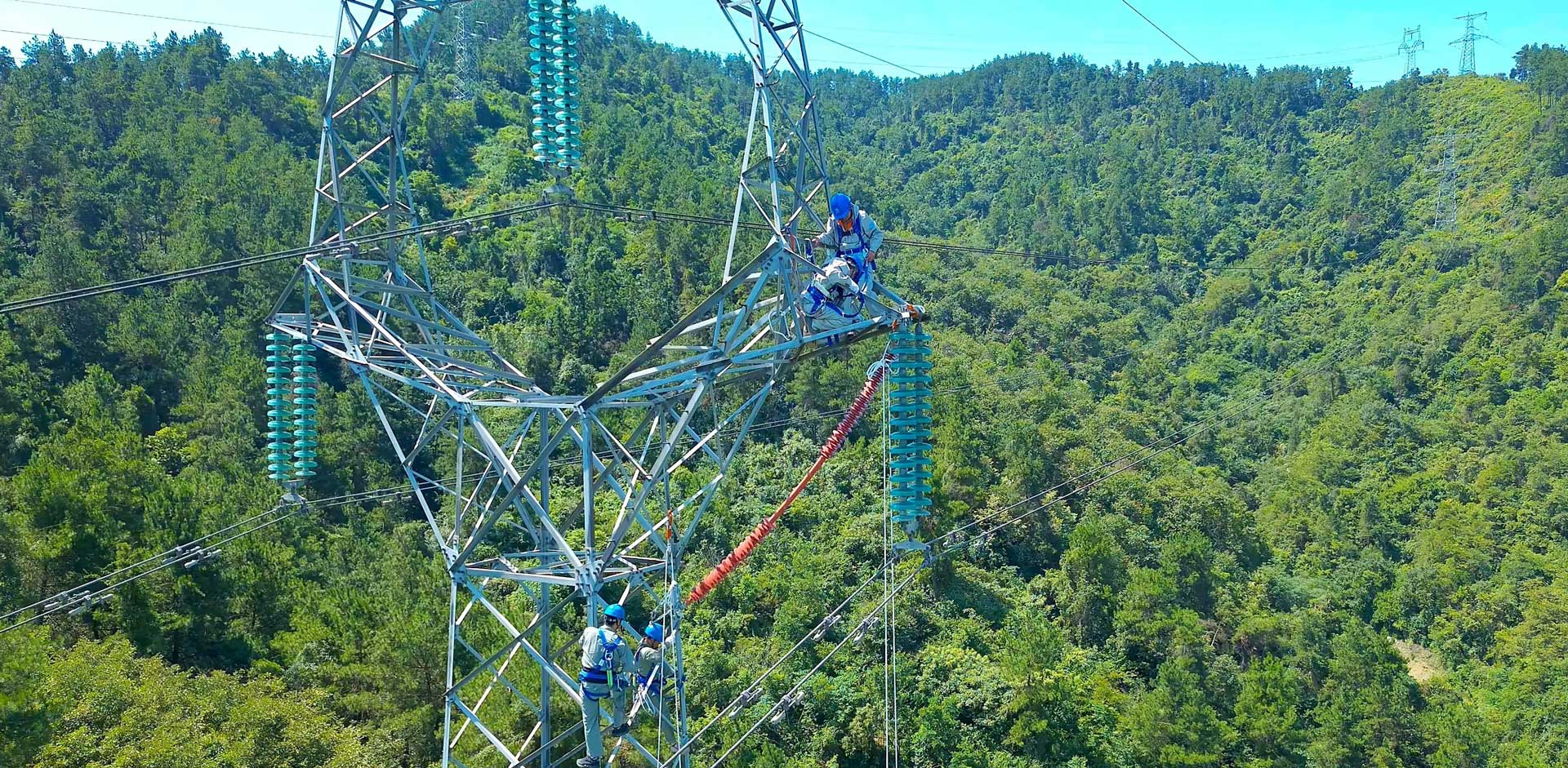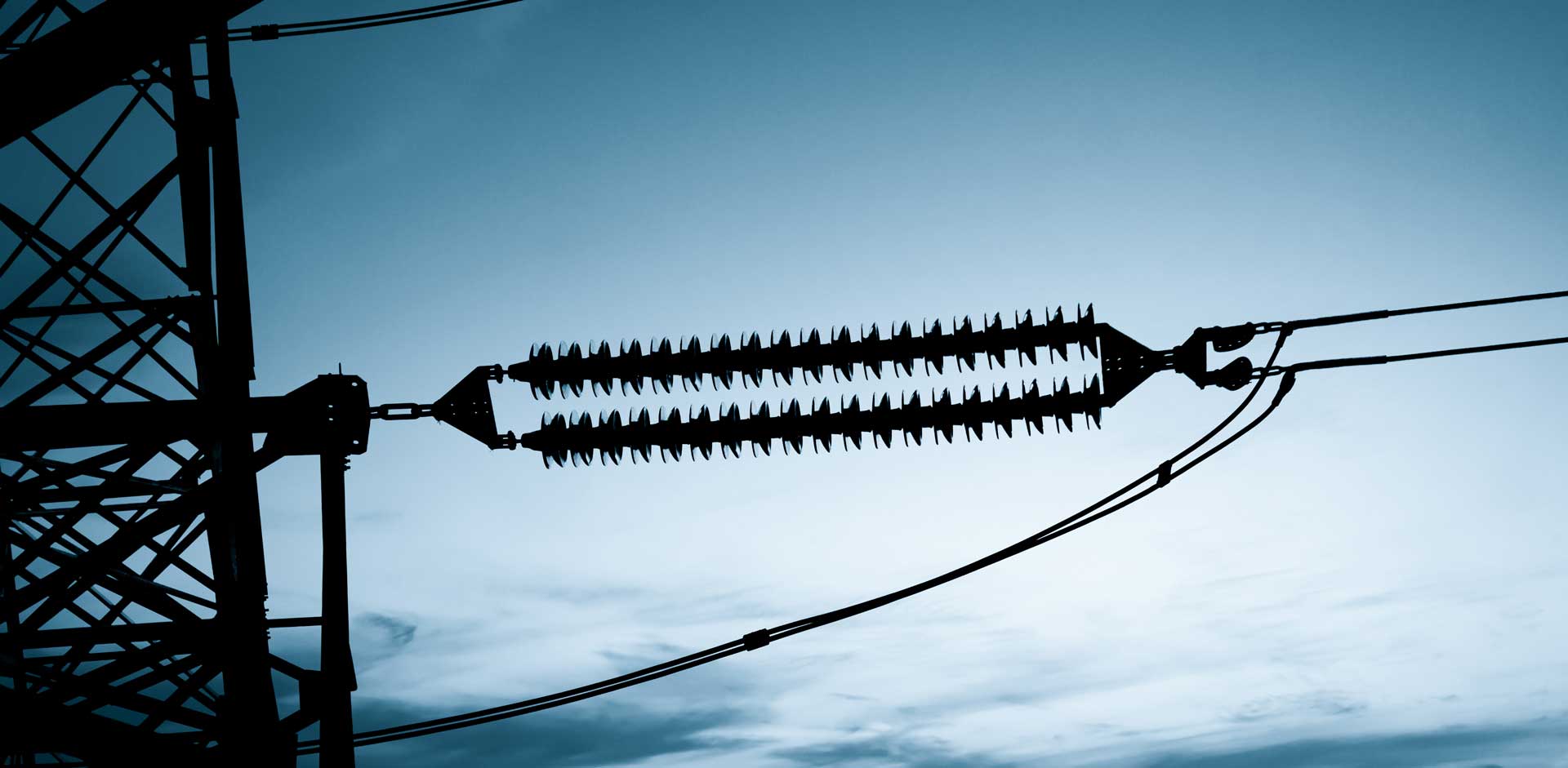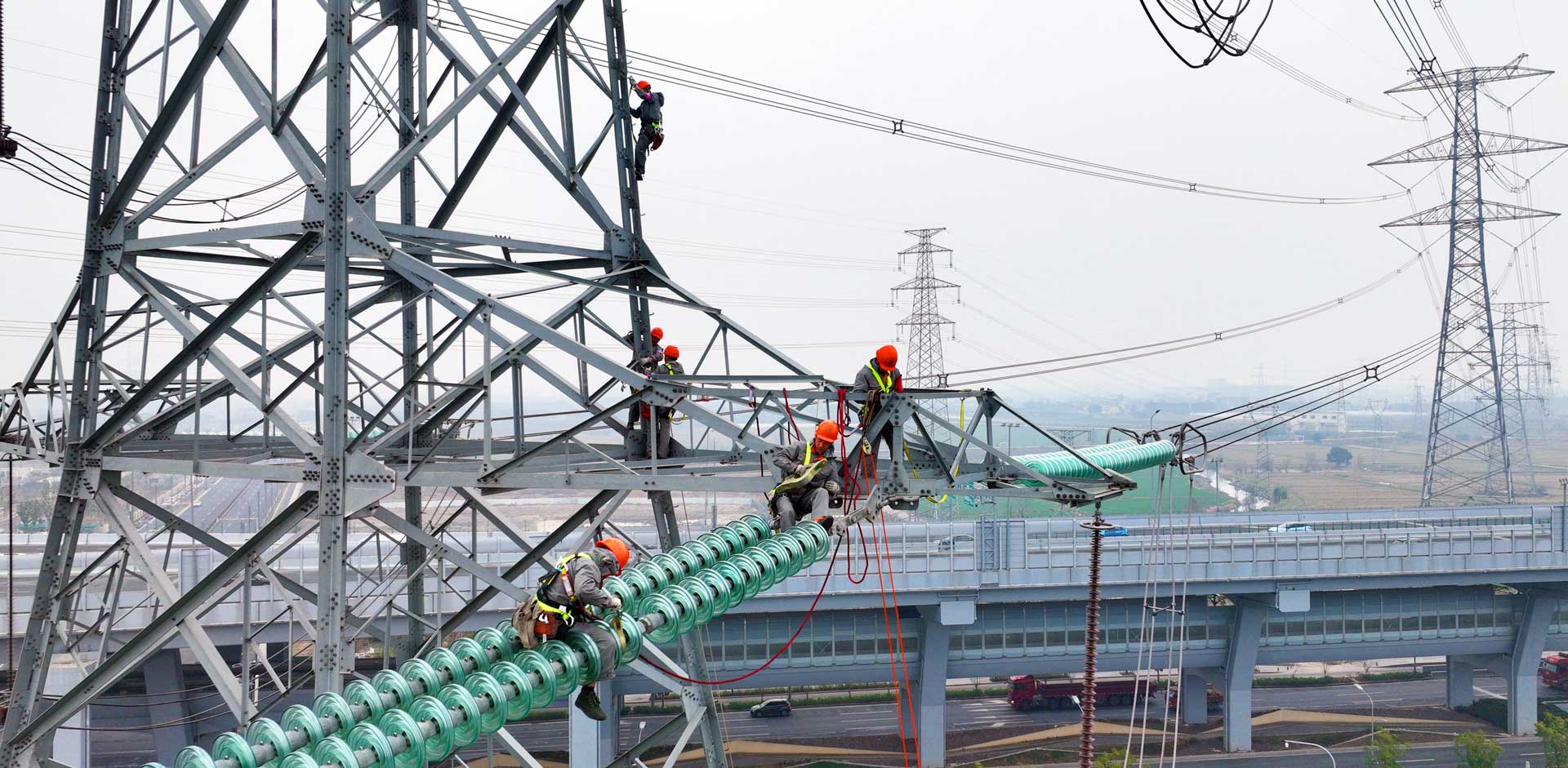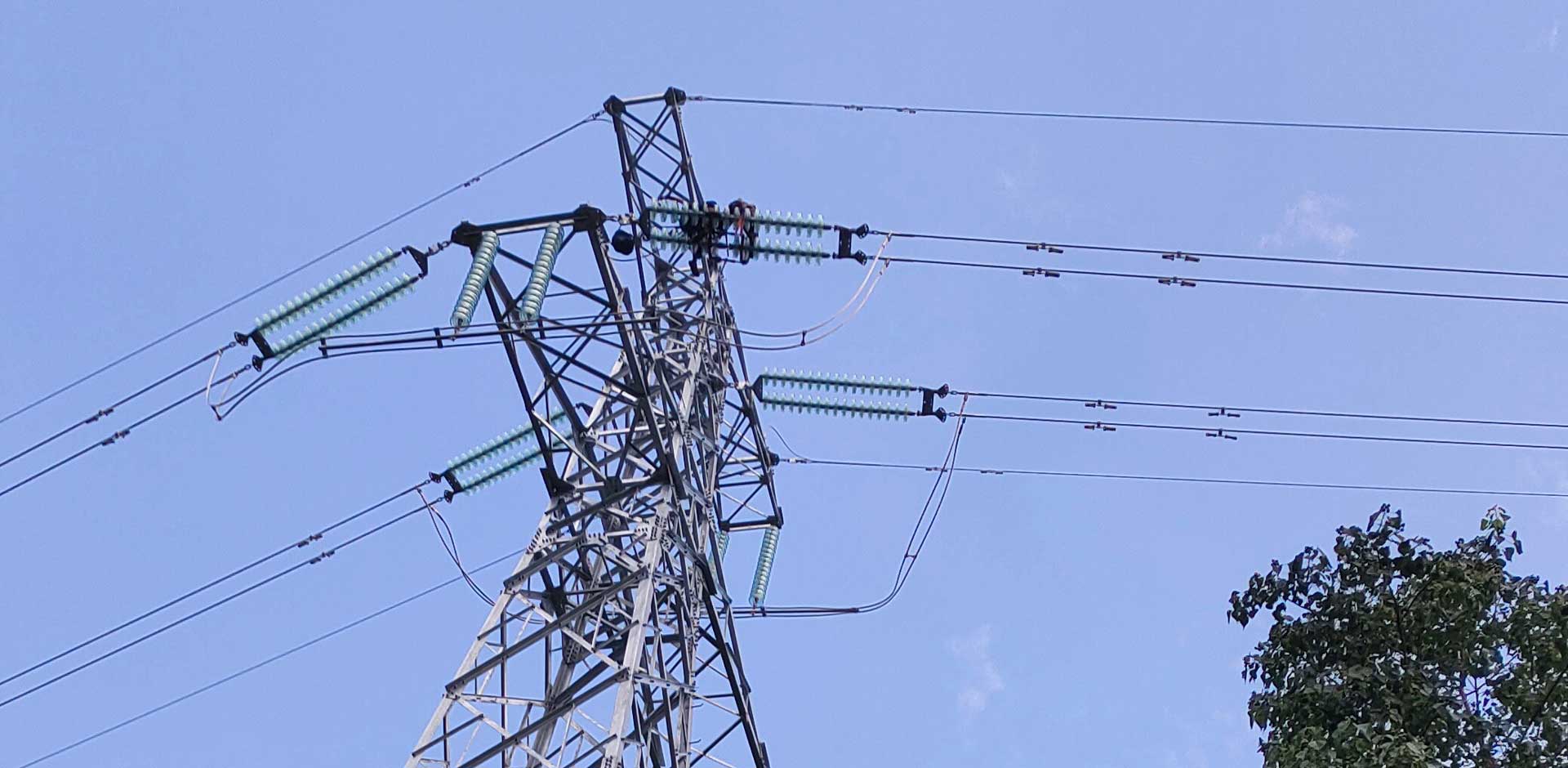
Explore our engineering-grade disc and line insulators optimized for global AC/DC high voltage transmission corridors.
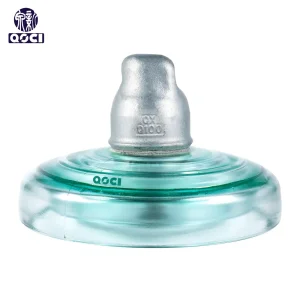
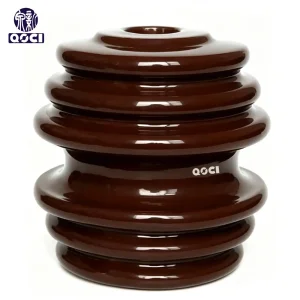
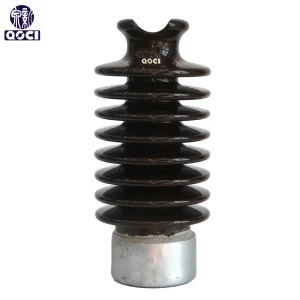
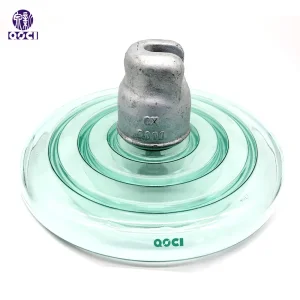
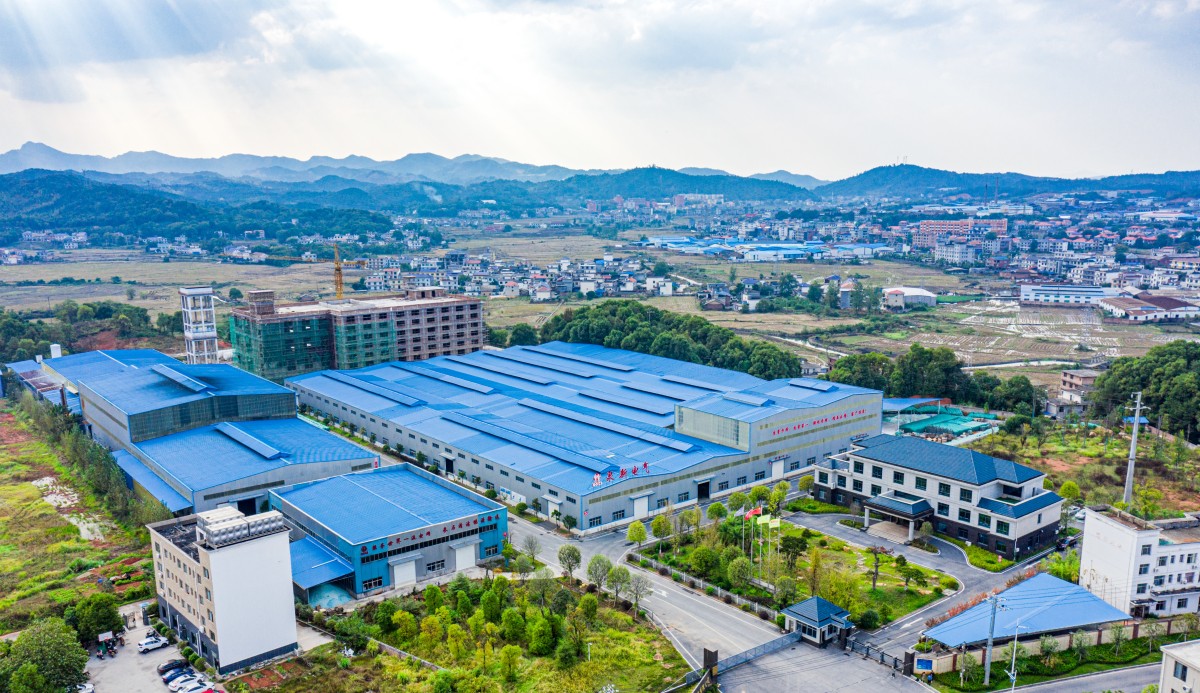
Jiangxi QOCI Electric Co. Ltd, founded in December 2002 with a robust registered capital of 508 million Yuan, stands as a premier global enterprise specialized in the manufacturing and technical innovation of high-strength glass insulators. Strategically located within the Industrial Park of Luxi County, Pingxiang, Jiangxi Province, our manufacturing footprint covers a massive area of 100 mu (70,000 square meters).
Our core commitment is to serve world-class power transmission systems with structural safety and insulation integrity. By actively contributing to global green energy corridors, we manufacture key safety apparatus designed to survive extreme environments—ranging from coastal salt-sprays to high-temperature deserts and icing high-altitude paths.

Engineered to adapt to distinct atmospheric pressures, humidity gradients, and pollution indices globally.
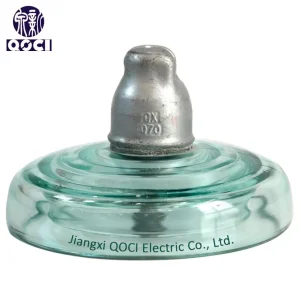
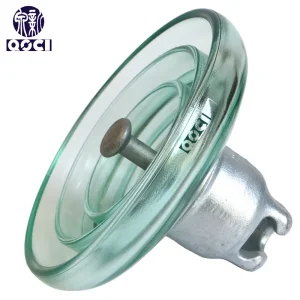
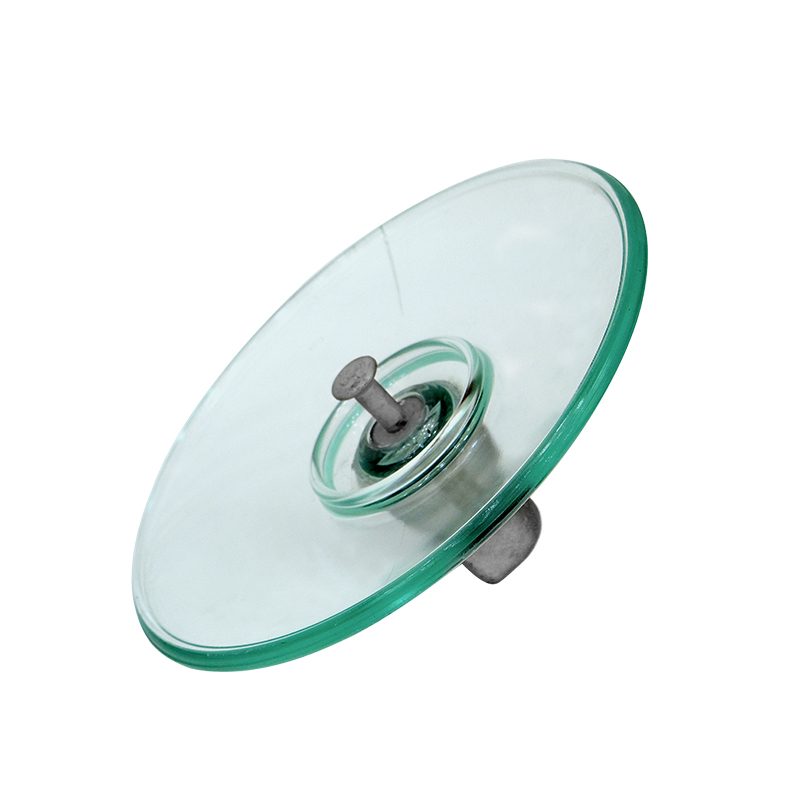
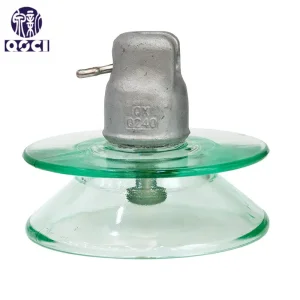
Designed with shallow, wide-spaced rib patterns. Exceeds the standard leakage path values mandated by IEC 60305, allowing clean water flow paths to naturally wash dirt under typical wind and rain cycles.
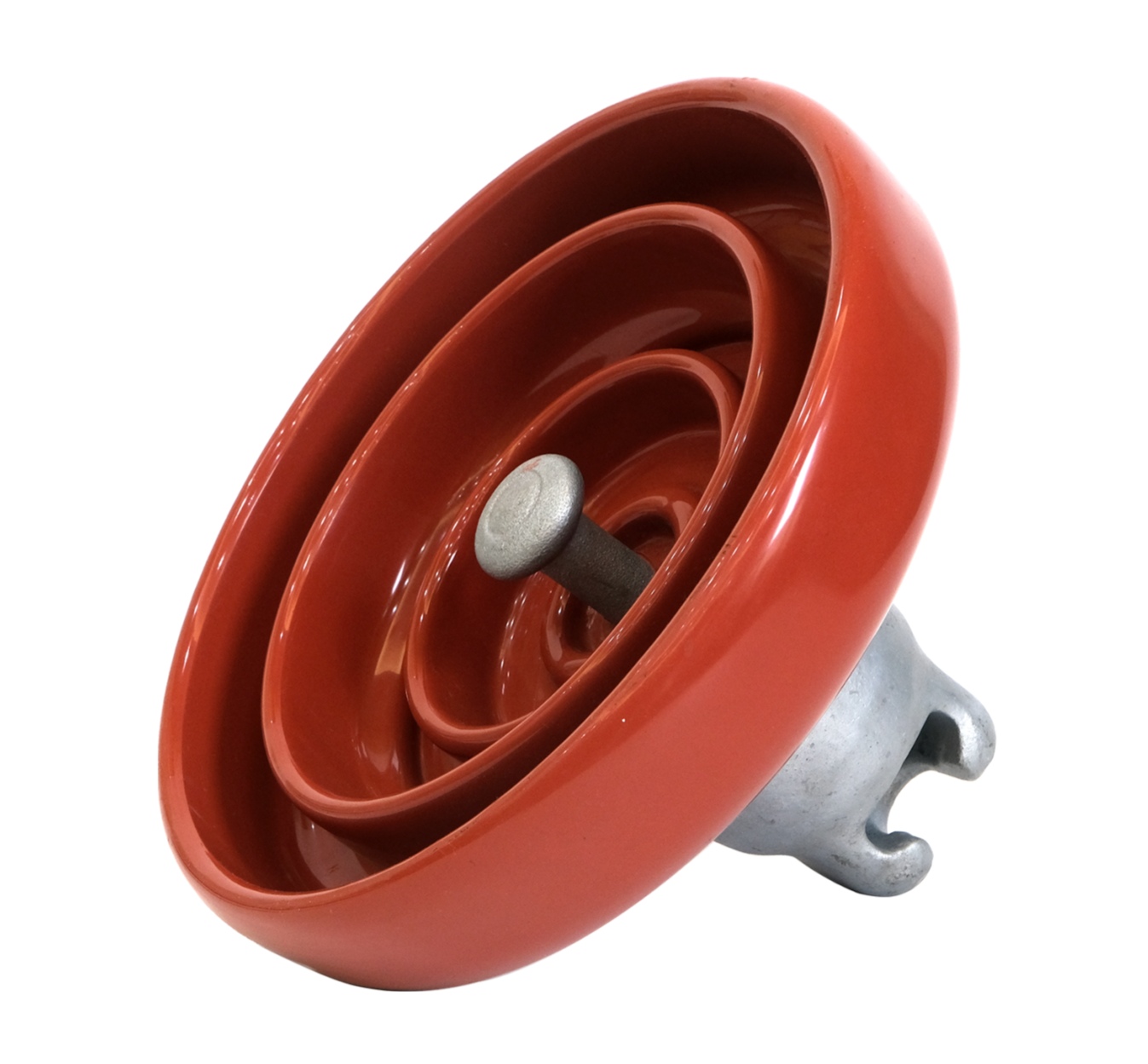
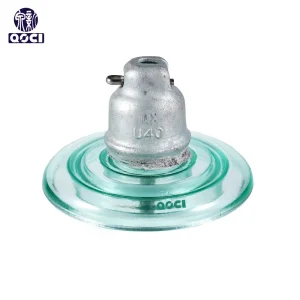
Features deeply elongated under-ribs which maximize creepage distance without narrowing inter-disc spacing. This configuration prevents dry band arcing in maritime fog zones and heavy saline atmospheres.
Devoid of under-ribs and integrated with an expanded disk diameter. Specifically developed for hyper-arid desert lines to prevent heavy accumulation of dust and sand beneath the insulation disc, mitigating ice bridging.
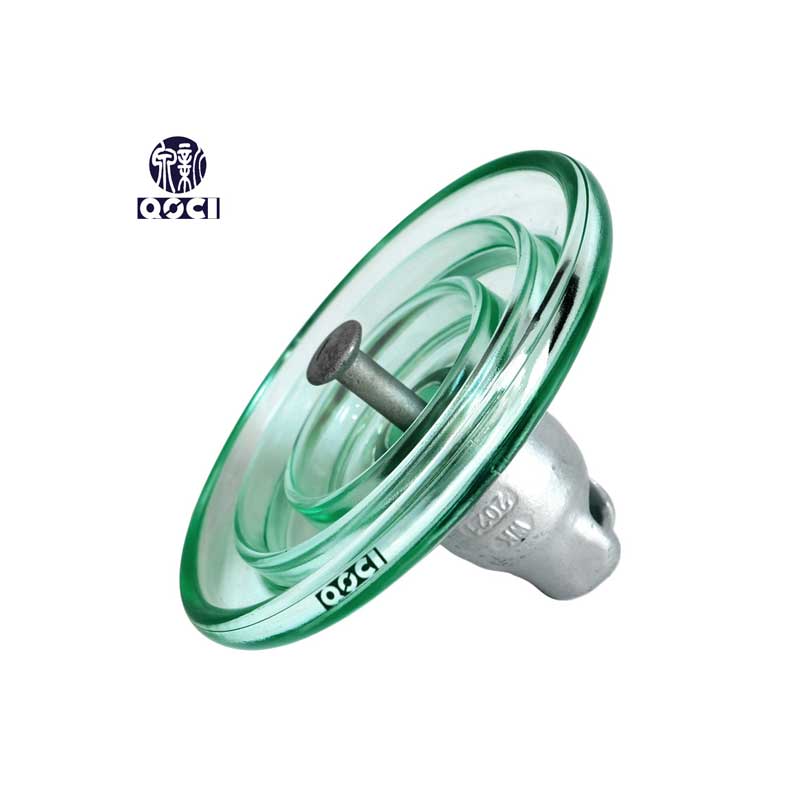
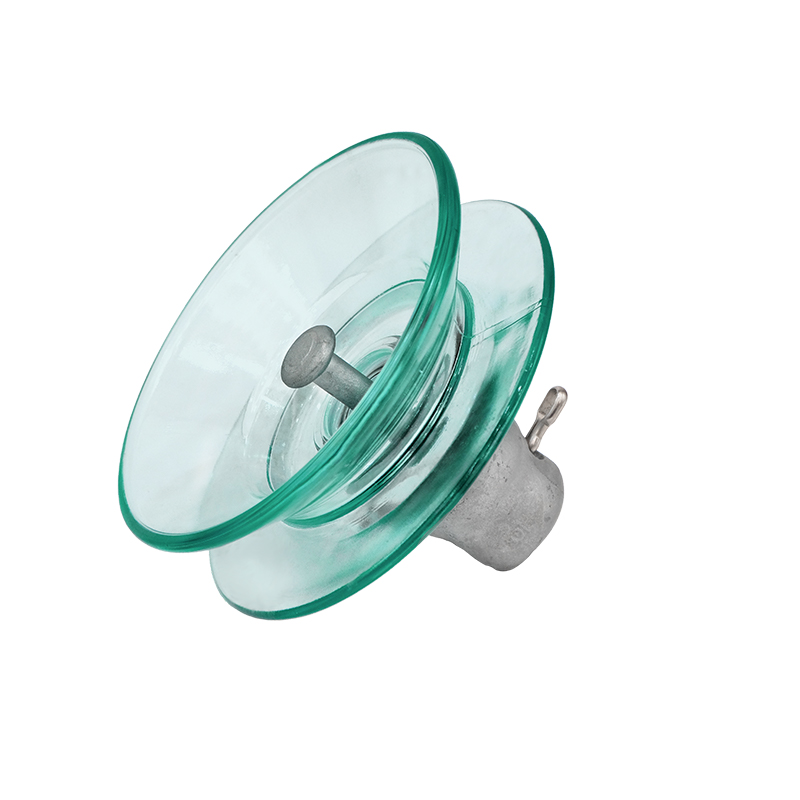
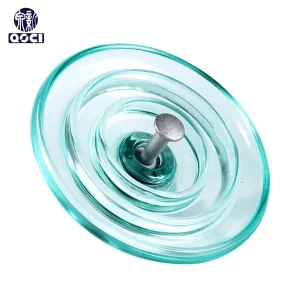
Utilizes dual external ridges with no inner crevices to optimize dry wind scrubbing. This structural layout provides equivalent creepage to high-end anti-pollution variants while allowing rapid manual line cleaning when critical.
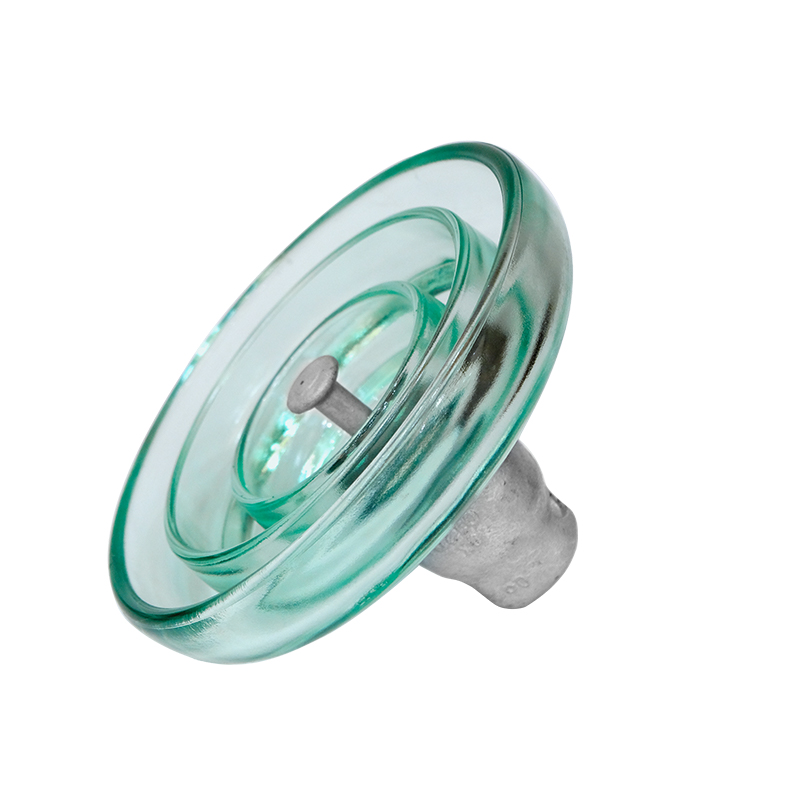
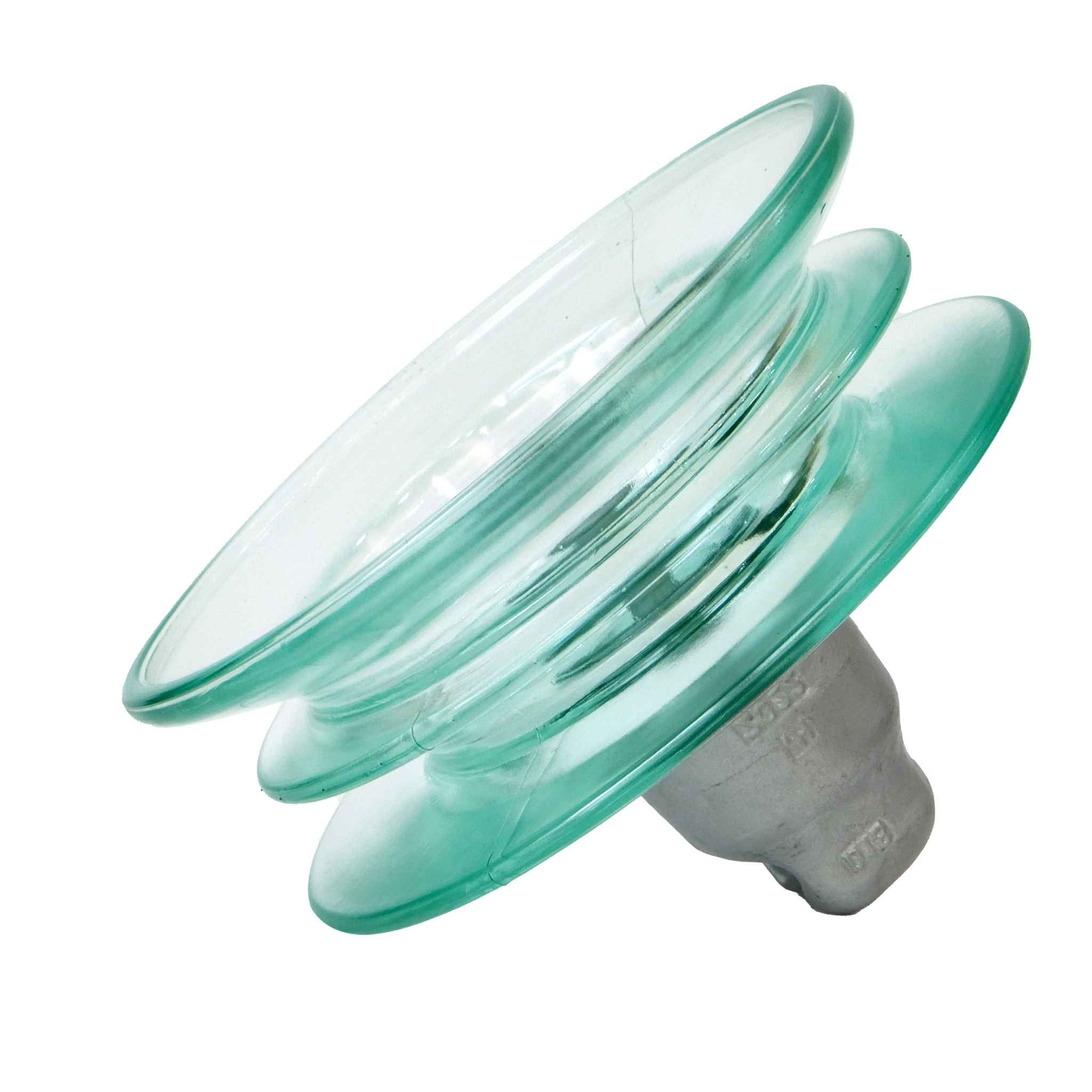
Three nested umbrella plates offering dynamic voltage drop across multiple physical air boundaries. Highly recommended for UHV AC/DC transmission networks operating at altitudes higher than 2500m.
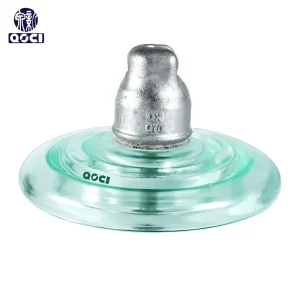
Coated with Room Temperature Vulcanizing (RTV) silicone compound embedded with mineral fire retardants. Brings superior hydrophobic properties to traditional glass, completely eliminating the need for periodic water washing.
A deep whitepaper-level exploration of structural toughened glass insulation in modern power transmission lines.
The international power grid is undergoing a significant transformation. As nations expand their renewable energy portfolios, integrating bulk clean energy from offshore wind farms and inland deserts requires robust Extra-High Voltage (EHV) and Ultra-High Voltage (UHV) transmission networks. Within these overhead lines, insulation integrity remains the primary determinant of grid reliability. Glass-type insulators, due to their unique material and structural characteristics, are increasingly favored by major grid operators, including the State Grid Corporation of China (SGCC), ENEL, and various global utility departments.
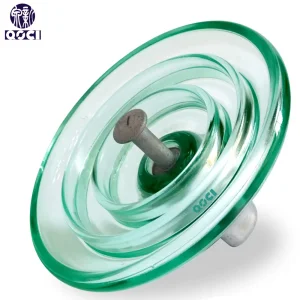
Compared to porcelain or composite (polymer) insulators, tempered glass provides distinct mechanical and diagnostic advantages. Toughened glass is created by heating soda-lime silicate glass to a molten state, followed by controlled air quenching, generating a uniform compressive stress layer on the glass shell surface. This thermal tempering process yields a tensile strength that is significantly higher than conventional glass, allowing these units to support heavy mechanical mechanical loads up to 550kN under extreme wind and icing conditions.
In dry desert climates, dust accumulation on standard under-rib insulators often leads to dry-band leakage and flashover. The open-profile and external-shed glass designs allow wind to sweep away particulate deposits naturally. Our anti-fog profiles are configured to operate effectively in the Red Sea and Gulf coasts, where high humidity combines with dust, requiring higher creepage parameters.
Extreme cold causes ice bridging over insulator strings, leading to line ground faults. Applying aerodynamic open profiles and triple-shed designs interrupts the continuous formation of ice sheets, preventing phase-to-ground flashovers. These configurations also perform reliably under mechanical loads during high-wind winter storms.
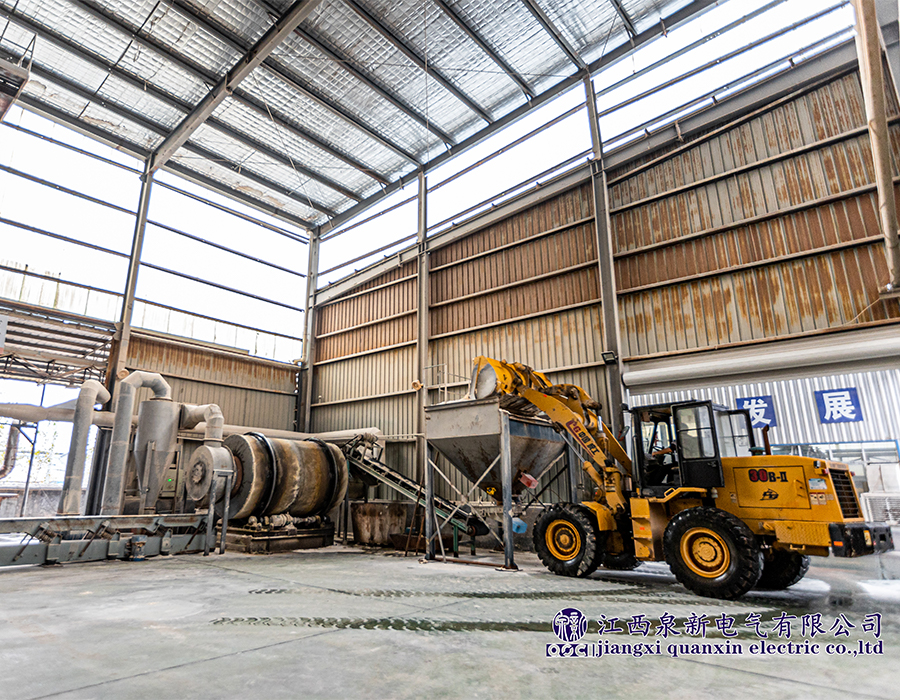
Glass is fully recyclable, and the manufacturing of toughened glass insulators relies on raw minerals (silica sand, feldspar, soda ash, and dolomite) that do not generate hazardous chemicals during end-of-life replacement. Additionally, unlike composite polymer insulators which can degrade under high UV exposure, tempered glass does not age electrically or mechanically over a typical 40-year lifespan. This durability minimizes total cost of ownership (TCO) and mitigates the risk of catastrophic line drops, supporting grid sustainability initiatives.
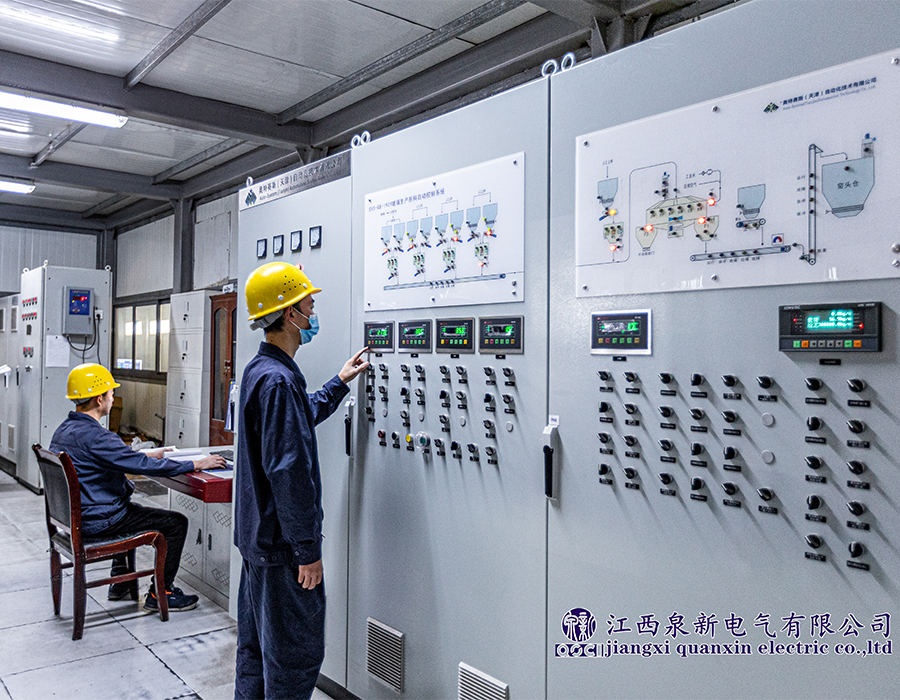
Where AI quality inspection, eco-kiln manufacturing, and smart grids meet.
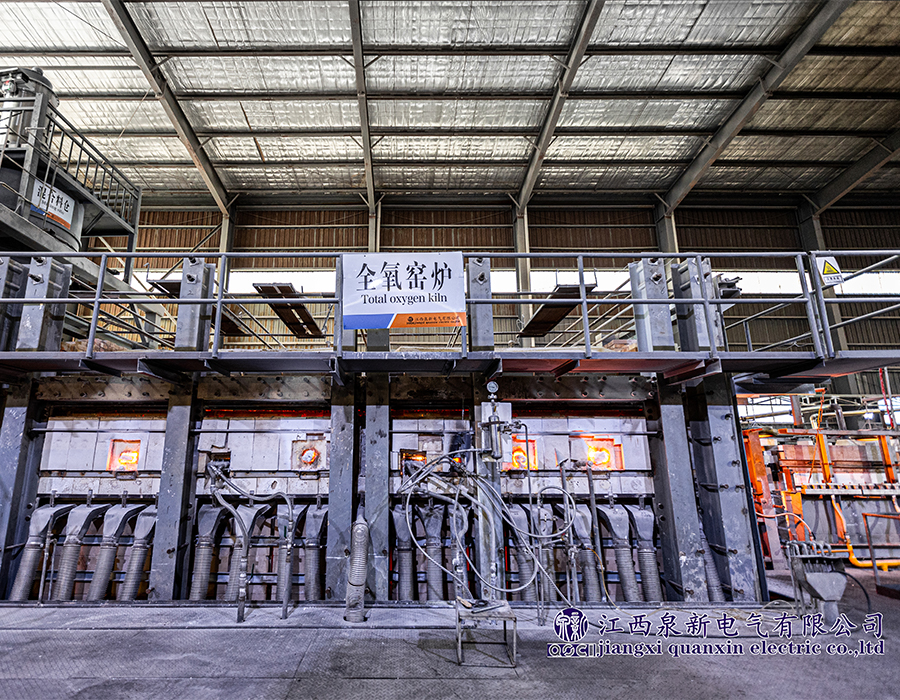
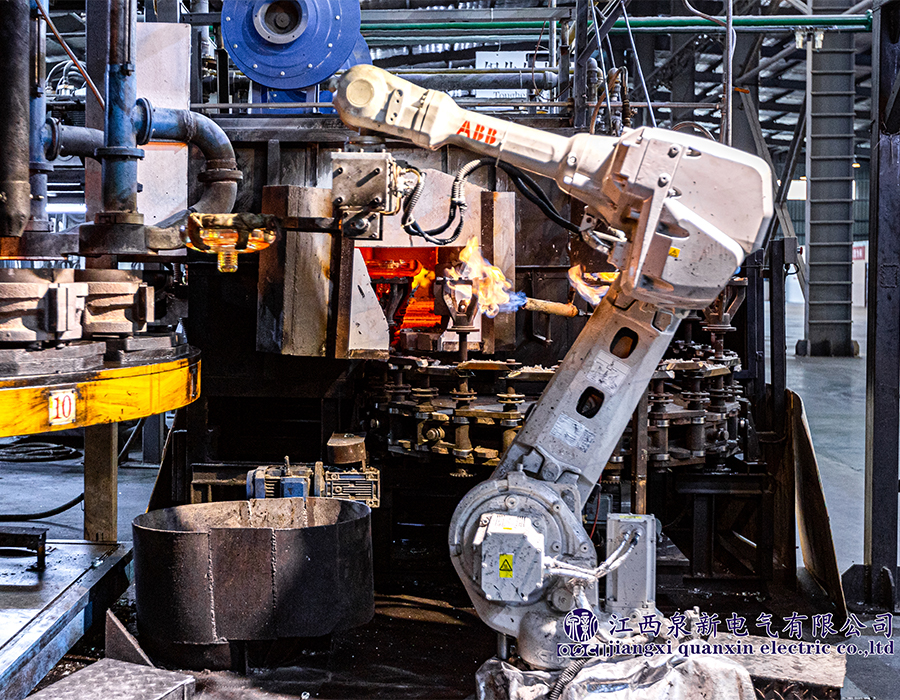
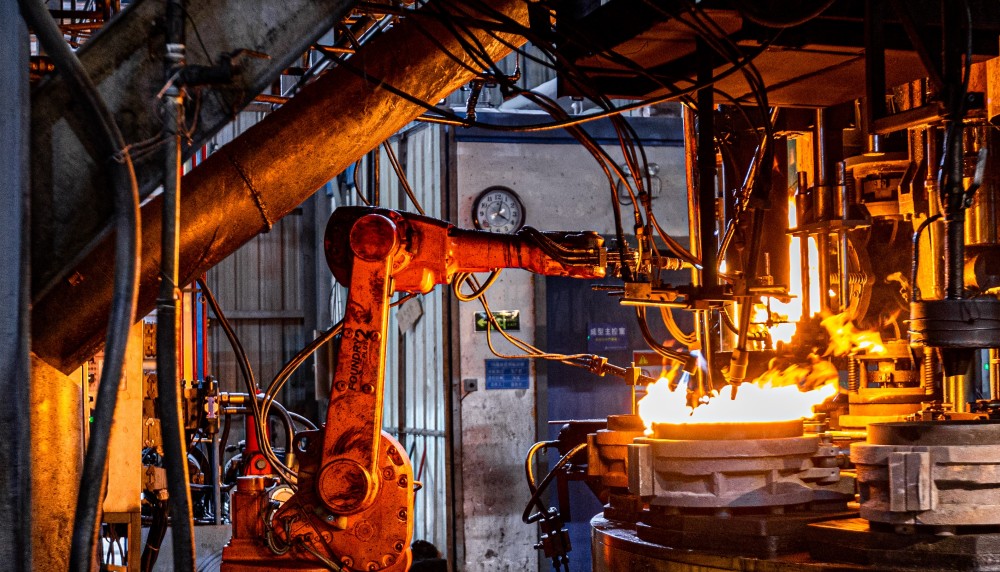
Deploying all-oxygen combustion furnaces reduces NOx emissions by 80% and cuts thermal fuel requirements by 25%, aligning our production with green supply chain requirements.
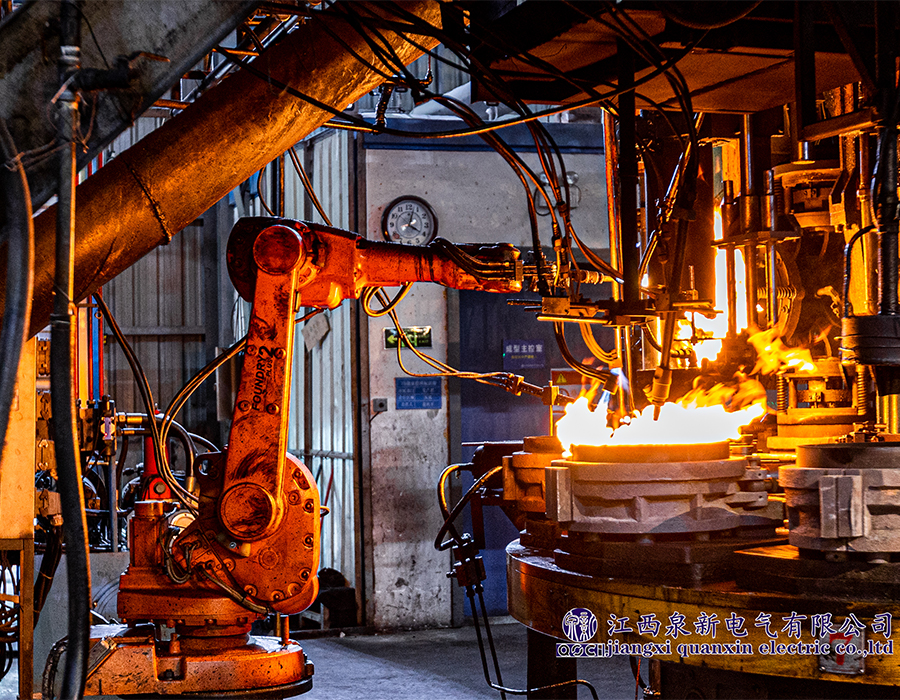
Real-time monitoring of glass thickness and internal thermal stresses during the pressing phase. Automated press controls eliminate micro-voids, ensuring consistent structural integrity.
Implementing online optical polarization systems using AI algorithms to analyze and reject any glass shell showing stress imbalances prior to final cap-and-pin assembly.
Applying durable room temperature vulcanized (RTV) silicone coatings directly to the glass surface in a controlled factory setting to optimize hydrophobic performance in polluted environments.
Configured and certified to perform across diverse industrial environments and high-stress transmission networks.
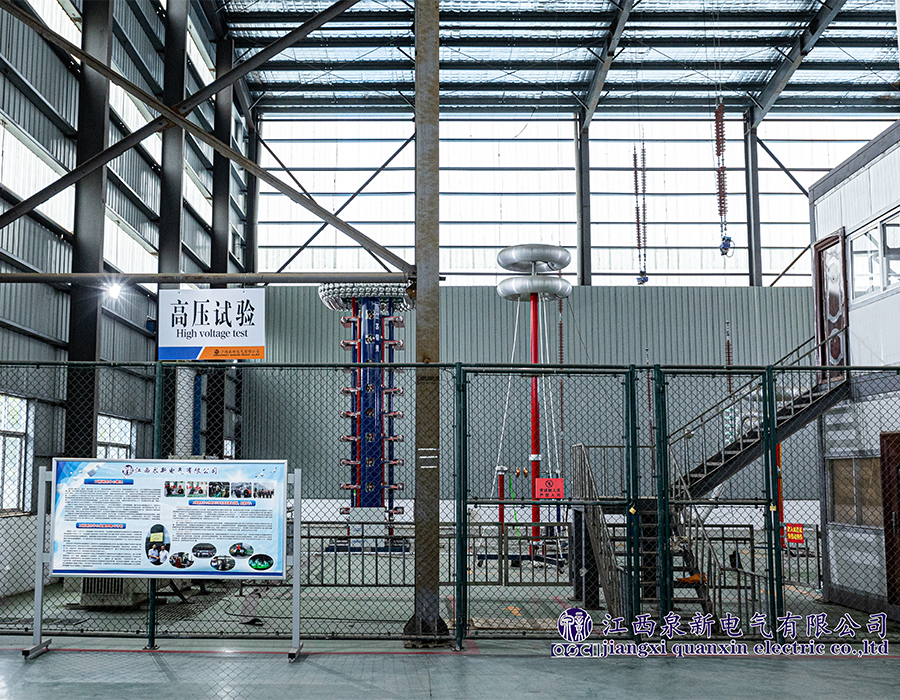
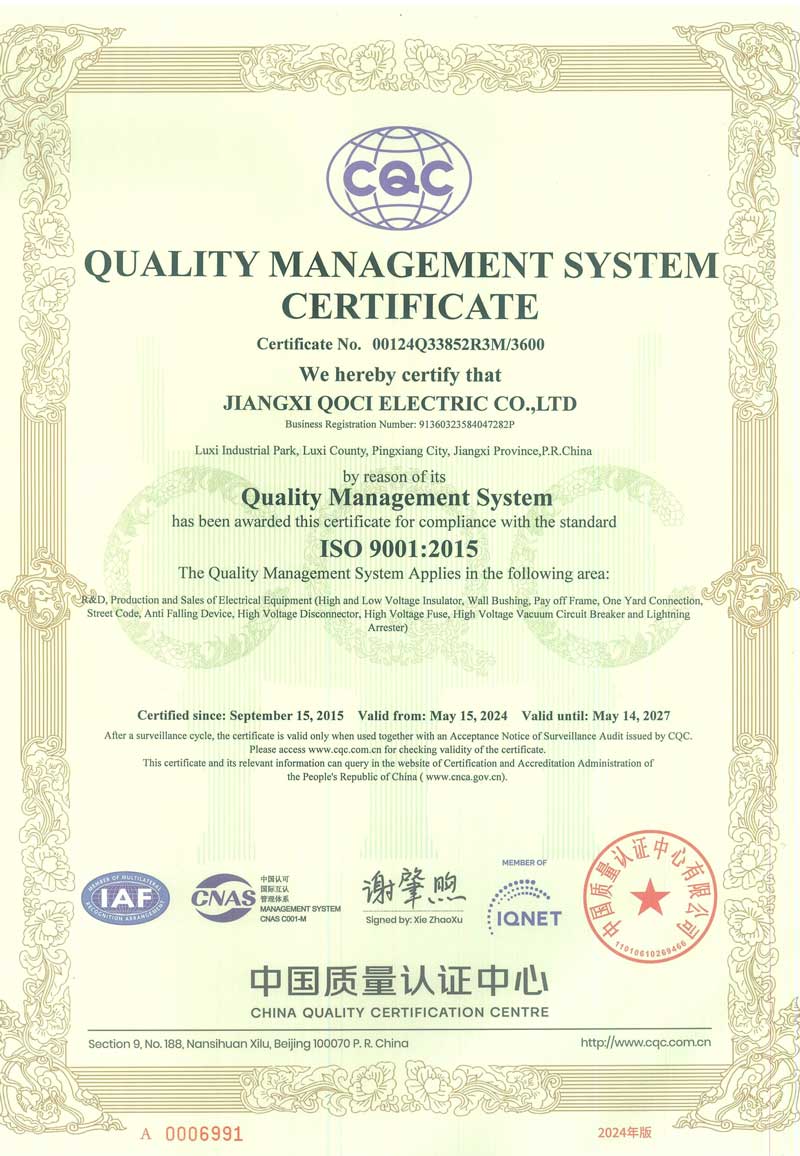
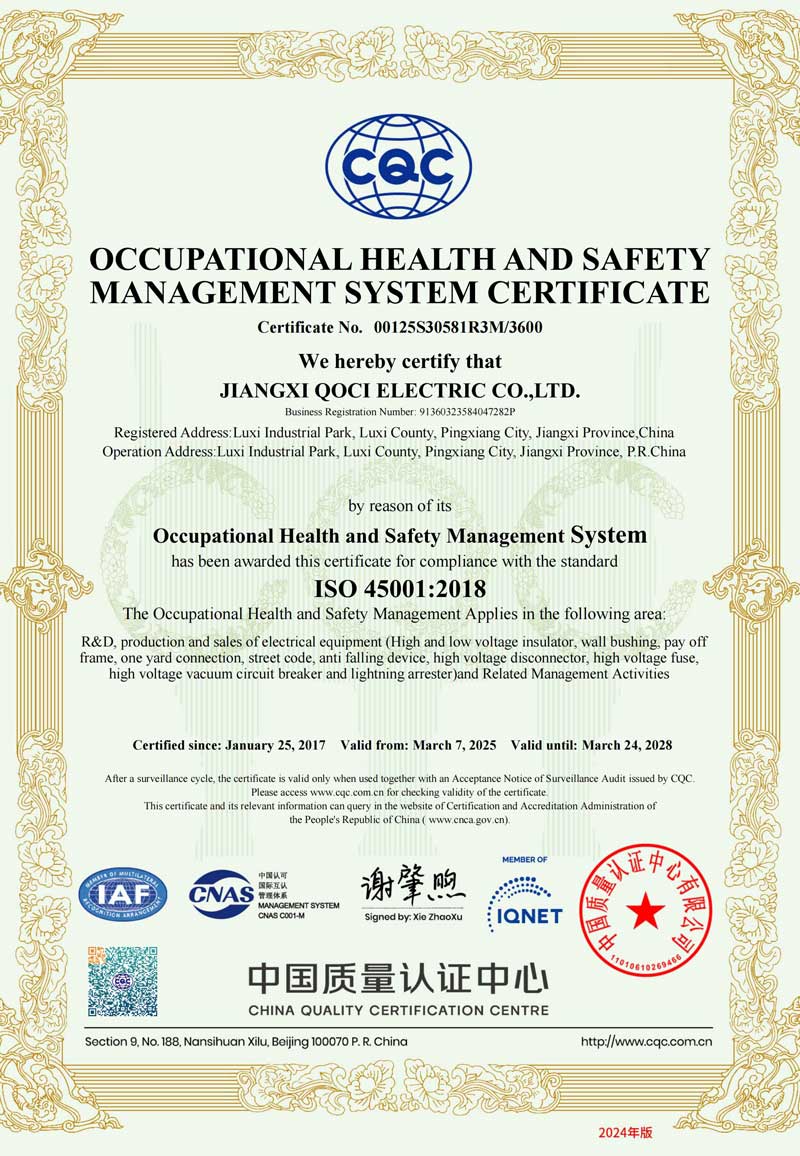
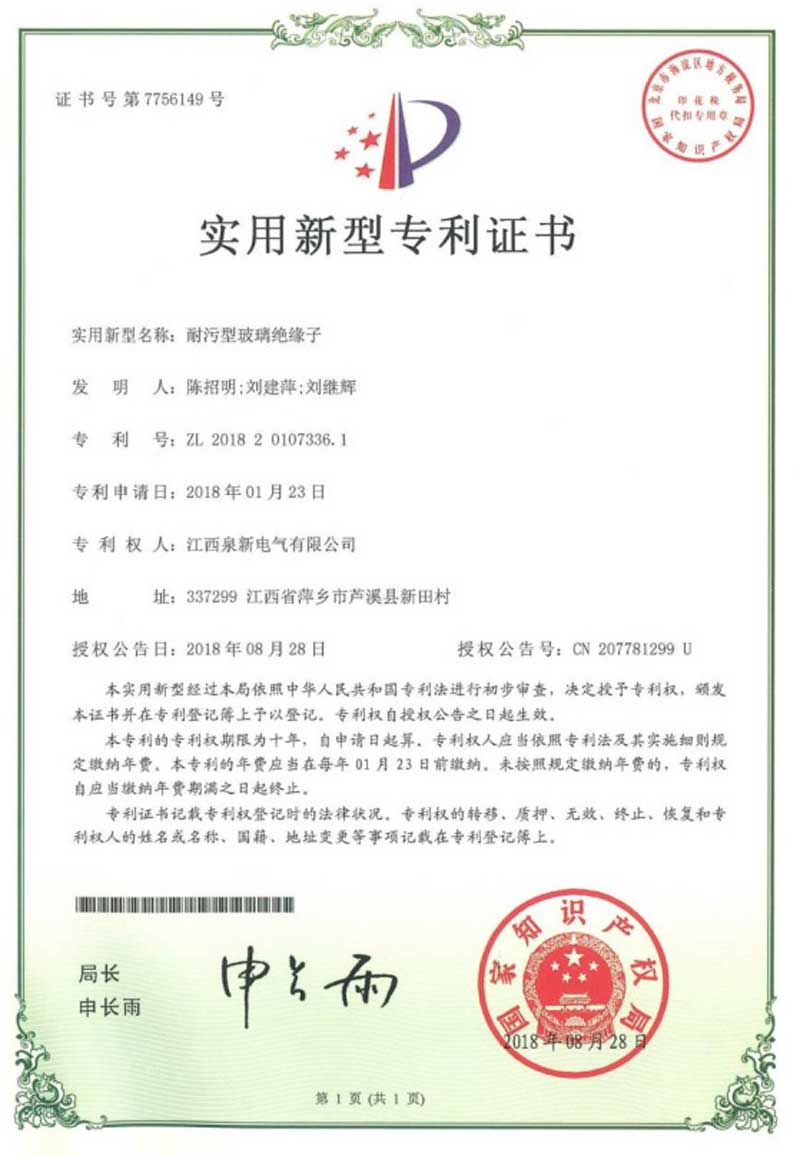
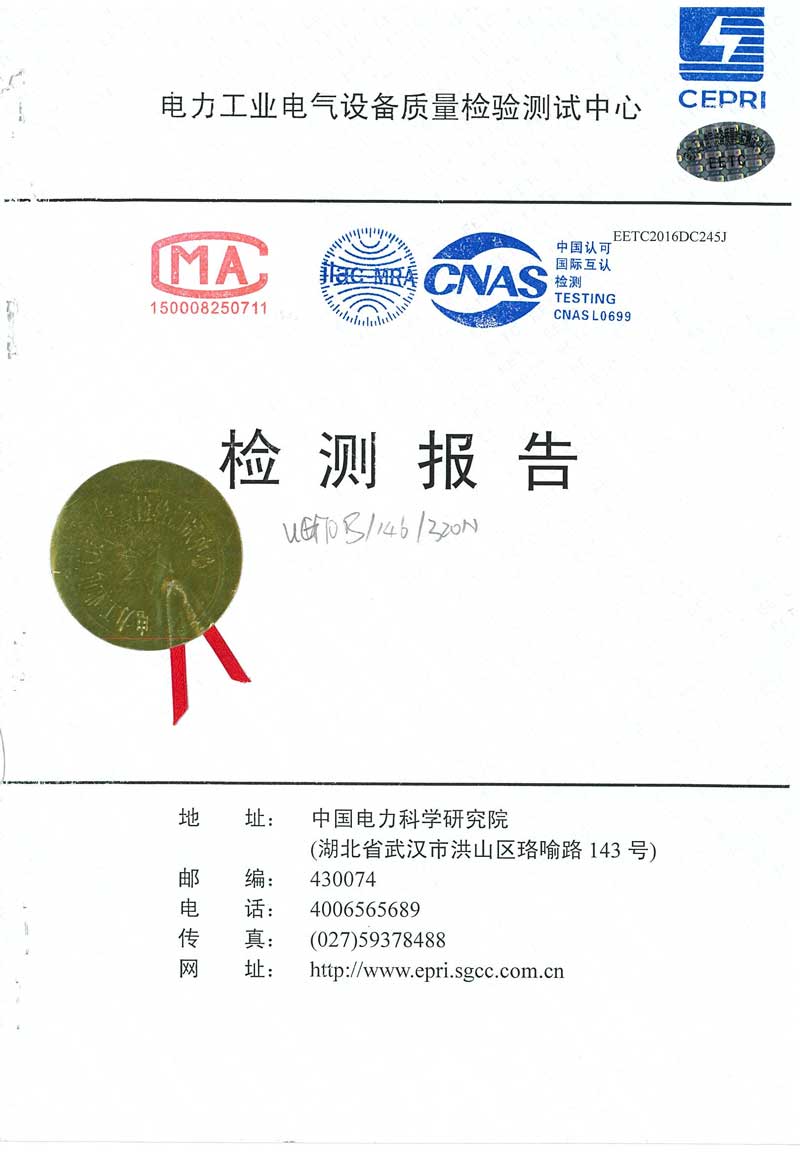
Quality and reliability verified at every phase of the manufacturing process.
Building reliable energy infrastructure with utility companies worldwide.


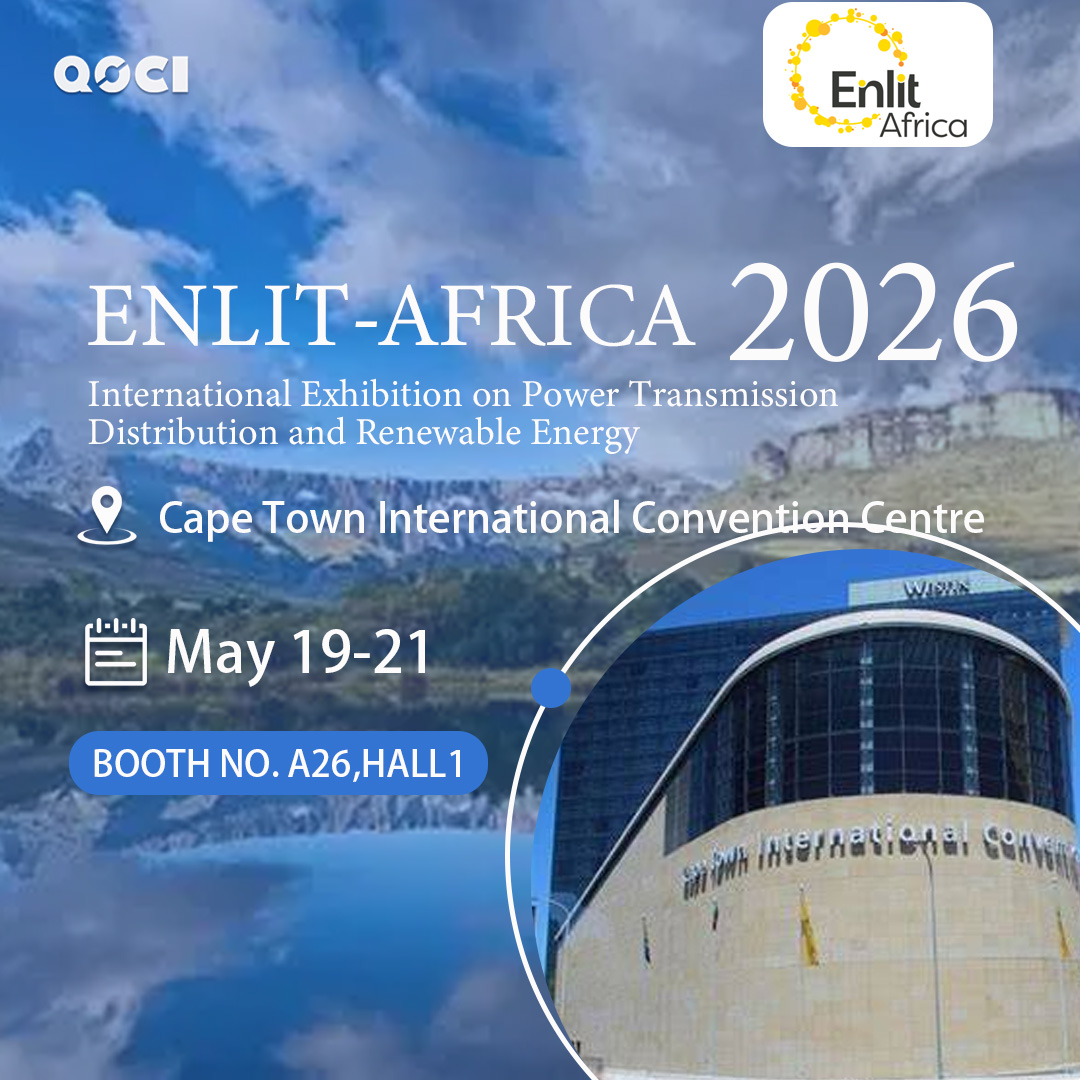
QOCI Electric on the international stage, sharing advancements in grid insulation technology.
Engineered to perform in challenging environmental conditions including high altitude, heavy icing, seismic zones, and typhoons, China's insulation products support grid projects globally.
Our team highlighted our standard suspension glass disc lines, discussing anti-pollution configurations with design engineers at IEEE PES 2026.
Presenting tailored glass solutions for high-temperature, dusty areas, helping to support regional utility rebuilds in Iraq and neighboring markets.
Detailed technical answers addressing common design and engineering inquiries from power grid professionals.
Tempered glass insulators provide a distinct diagnostic advantage over porcelain: when a electrical or mechanical fault occurs, the tempered glass shell shatters, causing the component to visually fail while retaining its mechanical line integrity. This allows maintenance crews to easily identify failed units from the ground or via UAV patrols. In contrast, porcelain units can develop internal micro-fractures that are not visible from a distance, requiring complex, close-up testing to detect. Additionally, toughened glass does not experience material aging over time, maintaining its mechanical strength and electrical insulation properties throughout its service life.
Creepage distance is the shortest path along the surface of an insulating material between two conductive parts. In polluted environments (such as coastal areas exposed to salt fog or industrial zones with heavy particulate emissions), conductive deposits accumulate on the insulator surface. When moisture is present, these deposits can initiate leakage currents, potentially leading to flashovers. Increasing the creepage distance (e.g., to values of 450mm to 550mm) reduces the electrical stress per unit length of the surface path, preventing dry-band arcing and protecting grid stability.
Room Temperature Vulcanized (RTV) silicone coatings introduce hydrophobicity to the glass surface. This hydrophobic layer prevents moisture from forming continuous wet films on the insulator, instead causing water to bead and run off. By preventing continuous wet paths, RTV coatings reduce leakage currents and minimize flashover risks in heavily polluted areas. This solution combines the mechanical reliability of toughened glass with the electrical benefits of composite surfaces, reducing the need for manual washing in maritime and industrial zones.
Toughened glass insulators are designed and tested to rigorous international standards, including:
• IEC 60305: Specifies dimensions and characteristics of string insulator units of the cap and pin type.
• IEC 60383: Defines mechanical and electrical testing protocols for overhead power line insulators.
• ANSI C29.2: Outlines performance requirements for wet-process porcelain and toughened glass suspension insulators in North American markets.
Compliance ensures that the mechanical ratings (e.g., 70kN, 120kN, 160kN, 300kN) are validated under actual loading conditions.
Ground-wire glass insulators connect structural grounding accessories to shield wires. In the event of a lightning strike on the overhead shield wire, these insulators help manage the surge current, redirecting high transient voltages safely to ground to prevent back-flashovers across the primary phase conductors. This grounding path helps protect the line and substation equipment from overvoltage damage.
Explore our high-strength cap-and-pin components engineered for EHV and UHV electrical corridors.