Explore our premium high-strength disc suspension and post insulators designed to meet international electrotechnical standards.
A comprehensive study on mechanical strength, material tempering, global commercial footprints, and procurement strategies.
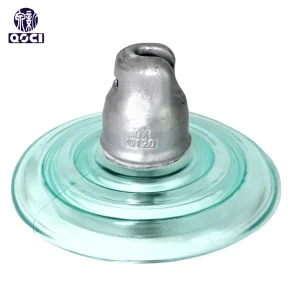
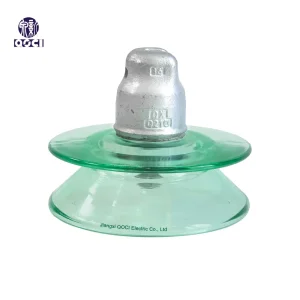
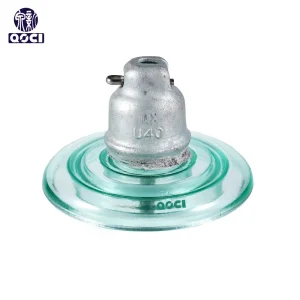
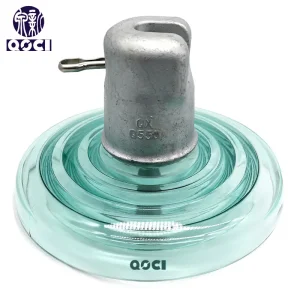
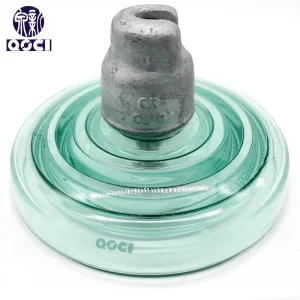
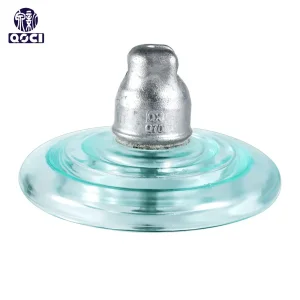
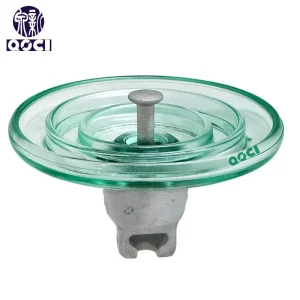
The U100B type Toughened Glass Suspension Insulator is one of the most vital components utilized in overhead transmission lines globally. The "100" signifies a rated electromechanical failing load of 100 kN, while the "B" designates the standard ball-and-socket connection mechanism complying with international IEC 60120 and ANSI C29.2 standards. These units form the mechanical foundation of modern overhead power suspension strings, offering exceptional tensile strength combined with high-grade electrical insulation.
Unlike porcelain alternatives, U100B glass insulators undergo a precise thermal toughening process. During this process, the glass shell is heated uniformly to its softening point and then rapidly quenched with cold air. This rapid cooling creates a state of balanced internal stress, causing high compressive stress on the outer shell and tensile stress inside. This internal tension is the source of the mechanical strength of toughened glass, making it highly resistant to dynamic loads, thermal shock, and mechanical stresses.
E-E-A-T Quality Factor: The self-shattering property of toughened glass simplifies maintenance. While porcelain insulators can harbor hidden hairline micro-cracks that are hard to spot, a damaged toughened glass insulator shell breaks into small, harmless pieces, leaving the steel cap and pin structurally intact. This provides visual evidence of replacement needs without risking line failure.
The global demand for high-strength U100B glass insulators is closely linked to grid expansion, clean energy transitions, and the upgrade of aging infrastructure in regions like Europe, North America, and parts of Asia. As power transmission lines reach longer distances and higher voltages (HVAC up to 500kV and UHVDC up to 1100kV), utility companies require durable, high-creepage insulation systems that can withstand varying environmental stresses.
In coastal, industrial, and desert areas, pollution accumulation on insulator surfaces presents a major risk of leakage currents and flashovers. This risk is addressed by specialized profiles, such as the U100BLP (Anti-pollution type) and the open profile aerodynamic type, which use aerodynamic airflow or specialized structural ribs to prevent contaminants from forming conductive paths.
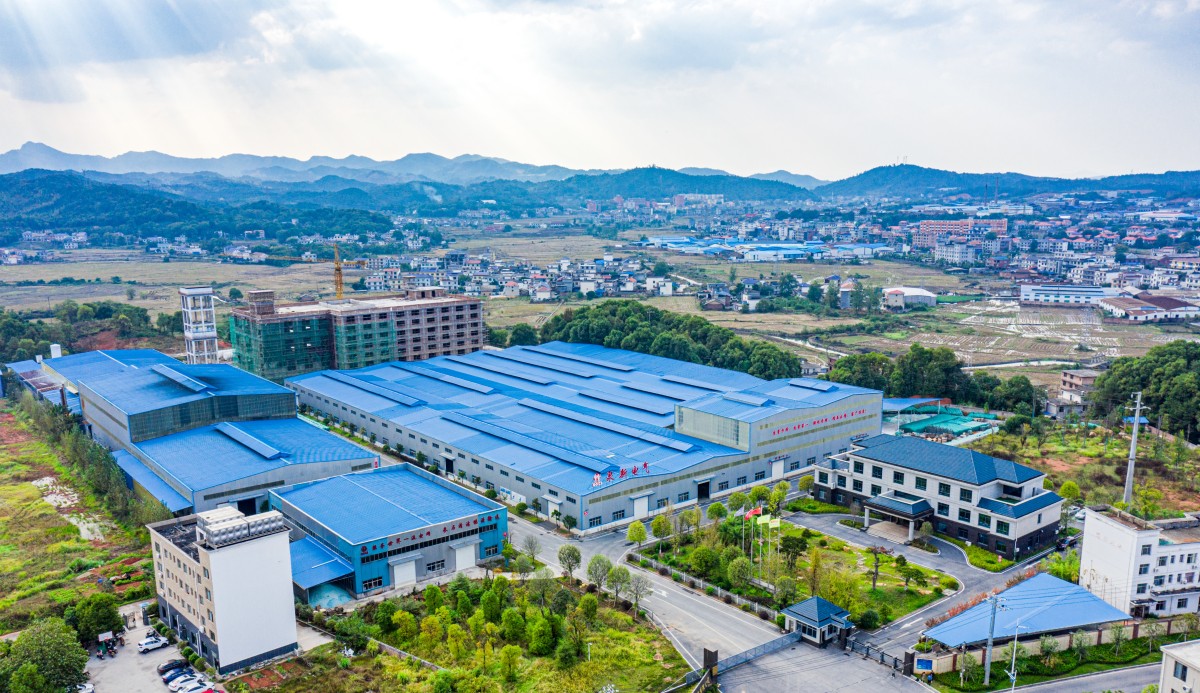
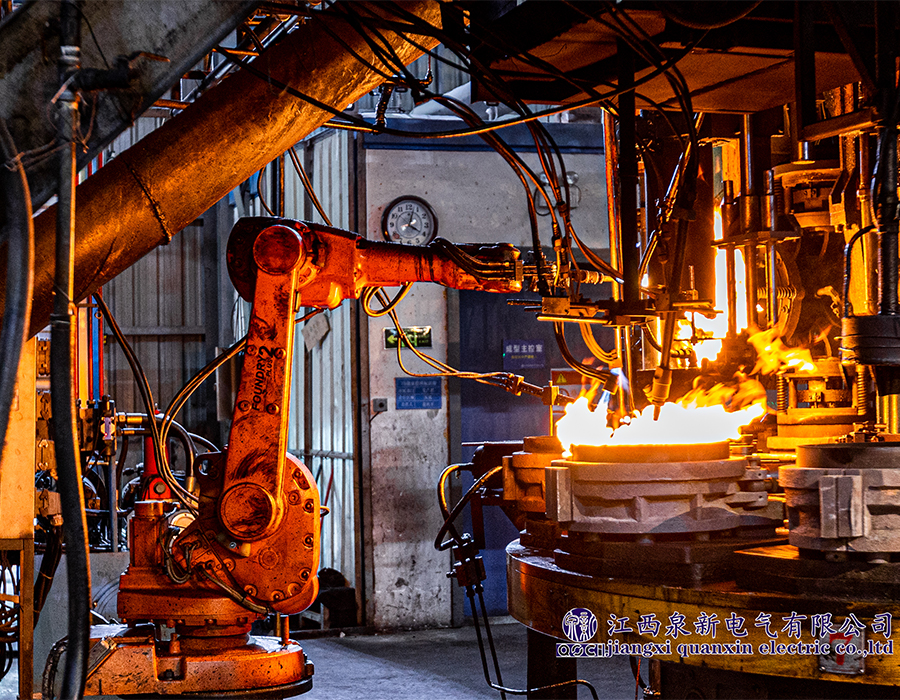
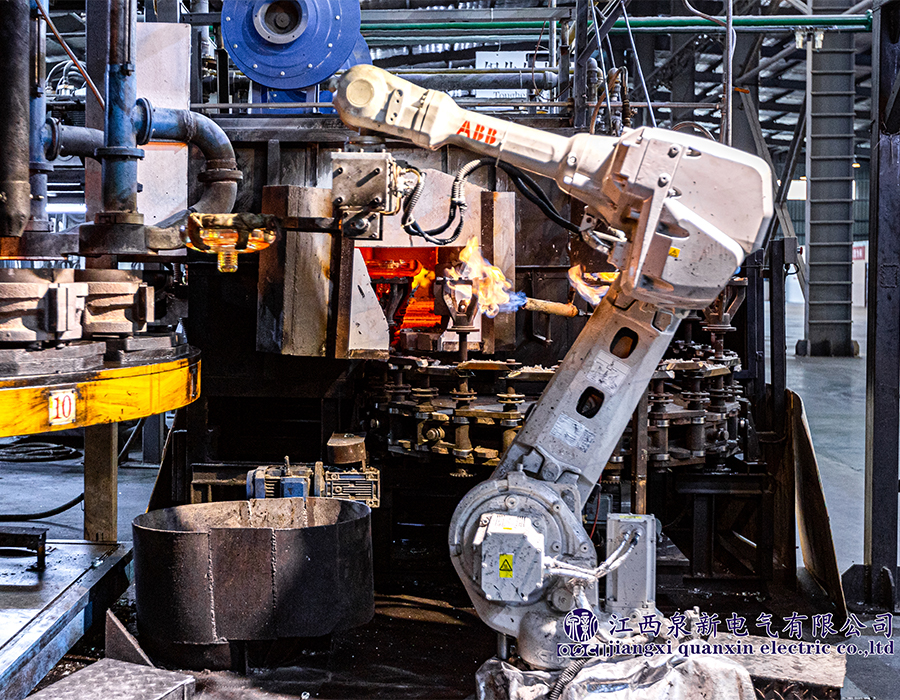
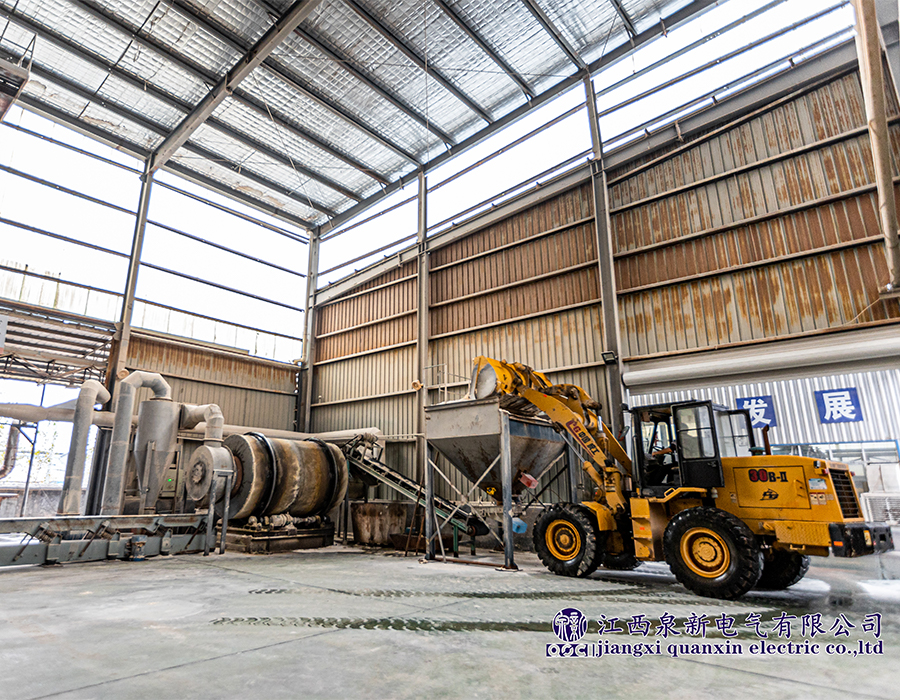
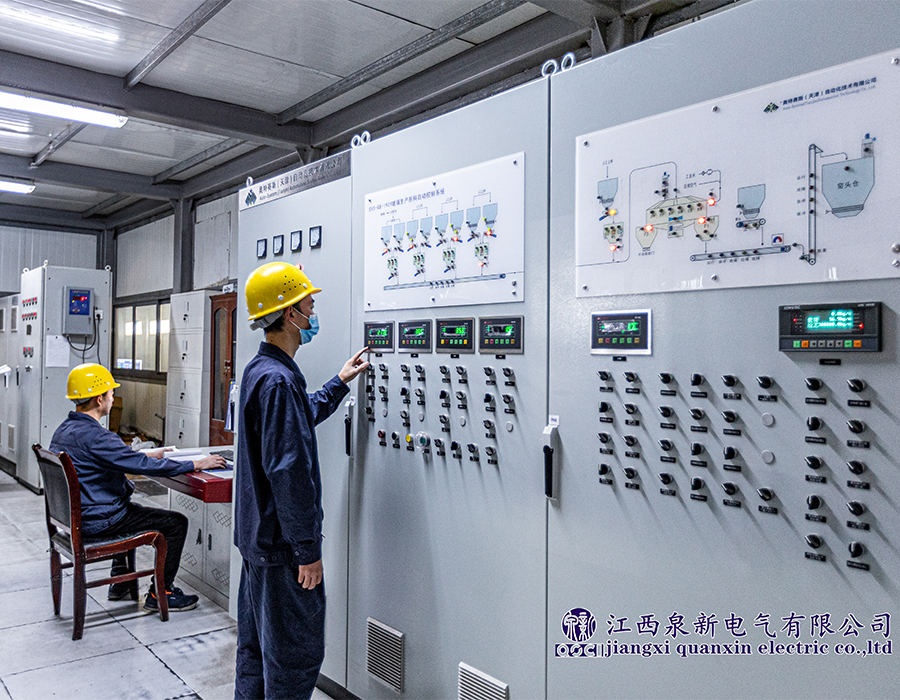
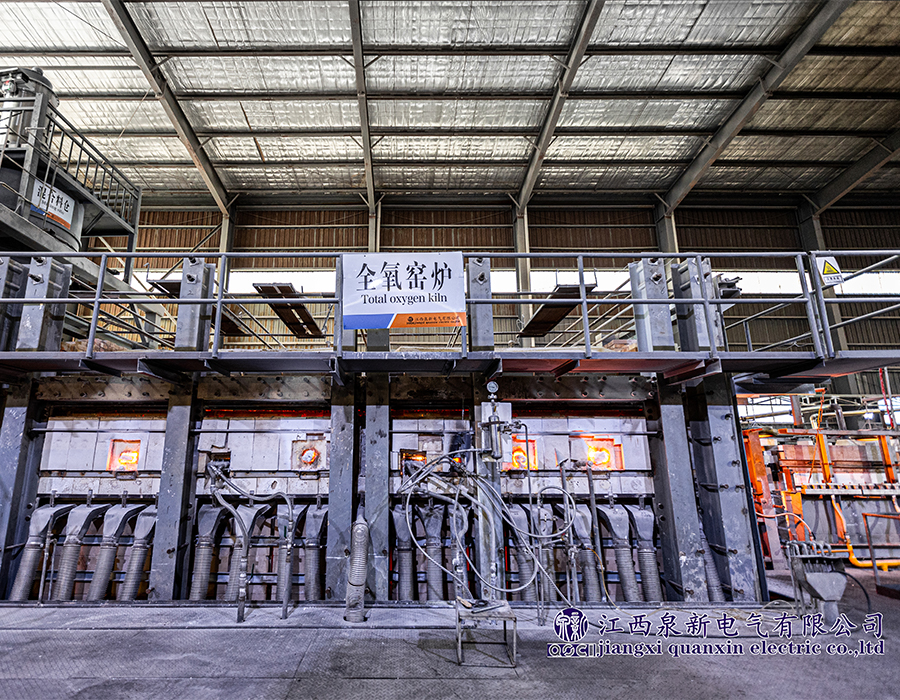
China has developed a highly efficient and advanced manufacturing cluster for high-voltage insulation systems, centered in locations like Luxi County, Jiangxi. Modern facilities, such as the Jiangxi QOCI Electric plant, feature advanced automation that integrates raw material handling, melting, molding, tempering, and electrical testing.
This scale of manufacturing provides substantial structural advantages:
Jiangxi QOCI Electric Co. Ltd was founded in Dec. 2002 with a registered capital of 508 million Yuan. The corporation is located in the Industrial Park, Luxi County, Pingxiang, Jiangxi Province, covering an area of 100 mu. We actively participate in the construction of green energy and serve the electric power industry by ensuring the safety and reliability of power grids globally.
With advanced manufacturing facilities, a team of engineering technicians, and multiple patents, QOCI is committed to delivering fast turnaround times and competitive pricing without compromising quality.
Different regions require specific shed geometry to combat wind, moisture, salinity, and sand accumulation.
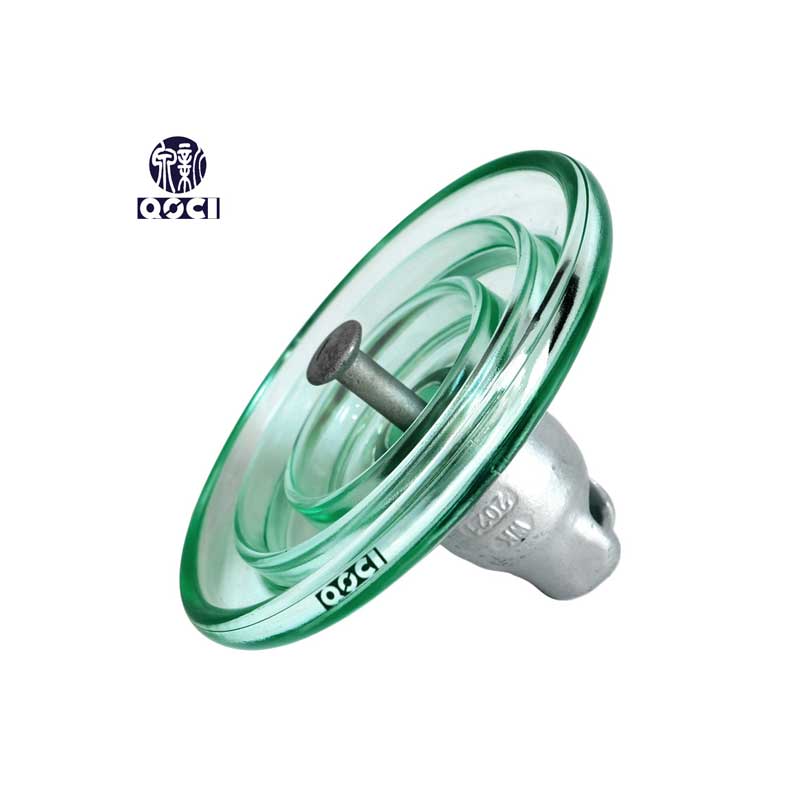
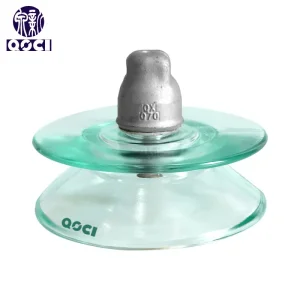
Designed with shallow, well-spaced small ribs, facilitating natural self-cleaning via wind and rain. The characteristic leakage distance is higher than the standard values in IEC 60305, making it suitable for clean or moderately polluted environments.
Explore more →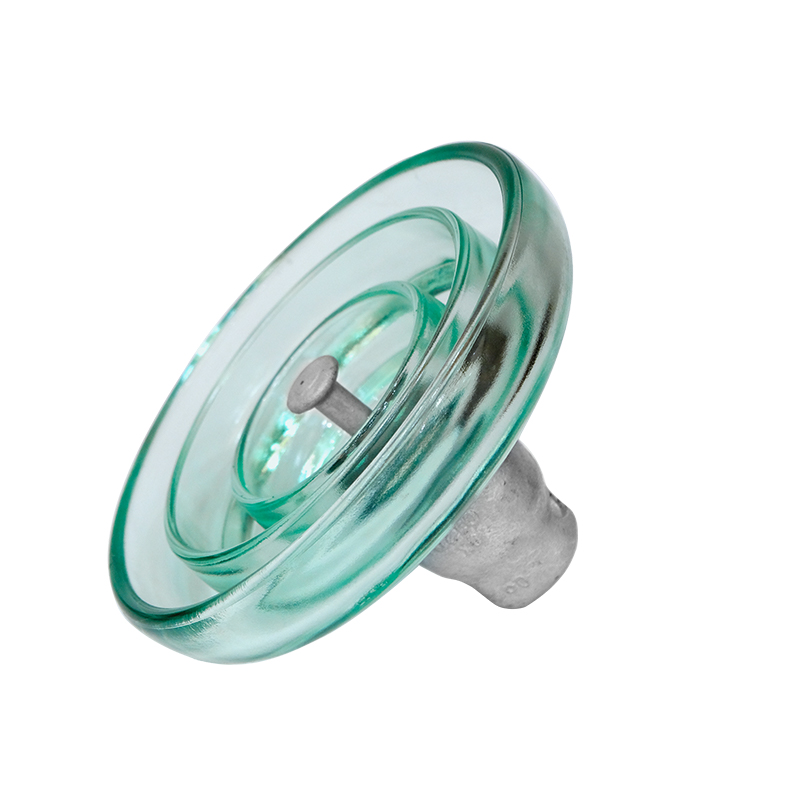
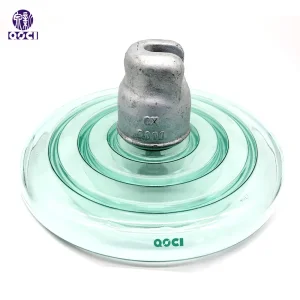
Characterized by long, widely spaced under-ribs to prevent arc bridging. With a leakage distance to spacing ratio of about 3.2, it is highly effective in coastal regions subject to salt fog and industrial areas with high pollution.
Explore more →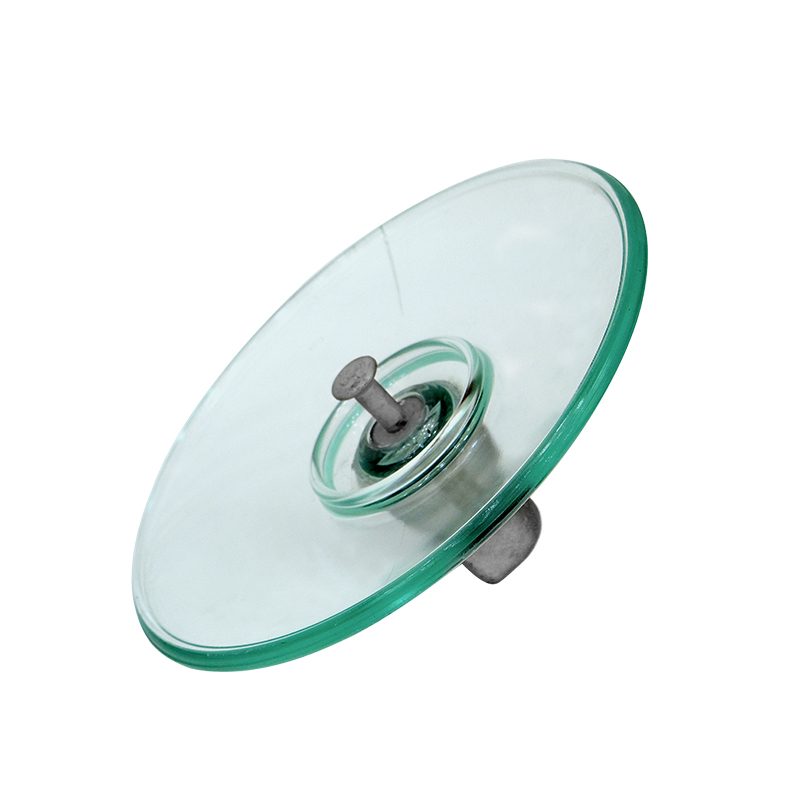
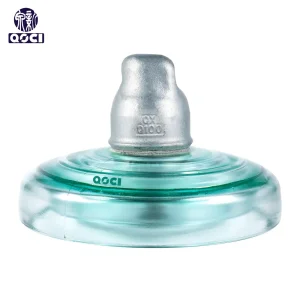
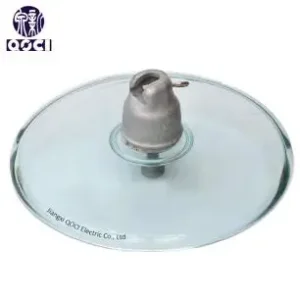
Designed without under-ribs and with an extended disk diameter to prevent the build-up of dust and sand. Excellent for desert regions with frequent sandstorms and low rainfall, and effective for dead-end strings to reduce ice-bridging issues.
Explore more →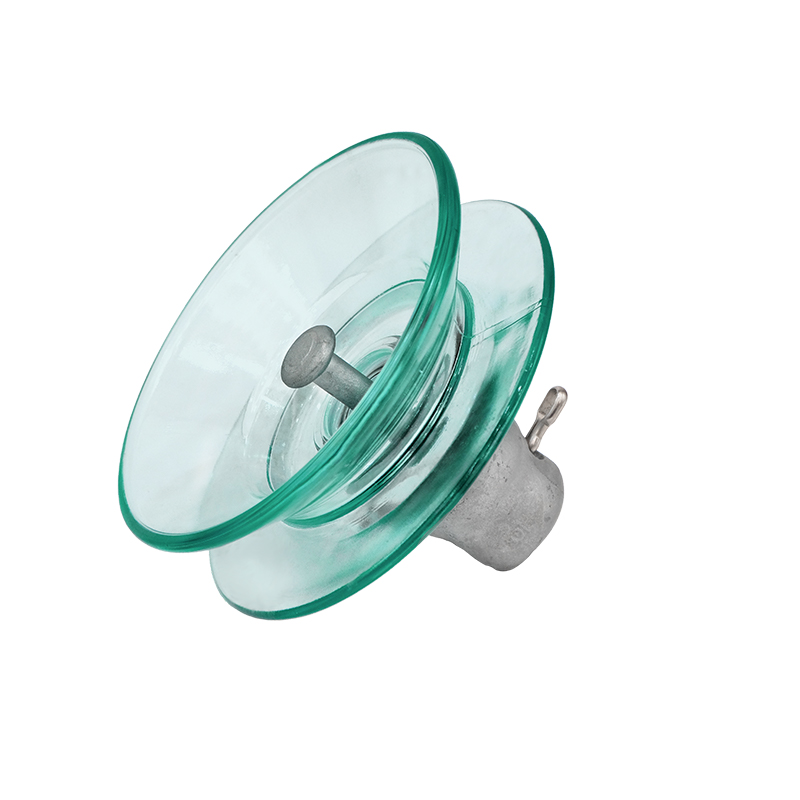
Features two external ribs and no under-ribs to minimize pollution buildup and enable easy cleaning by strong winds or manual maintenance. Performs well in areas with heavy industrial pollution and saline soils.
Explore more →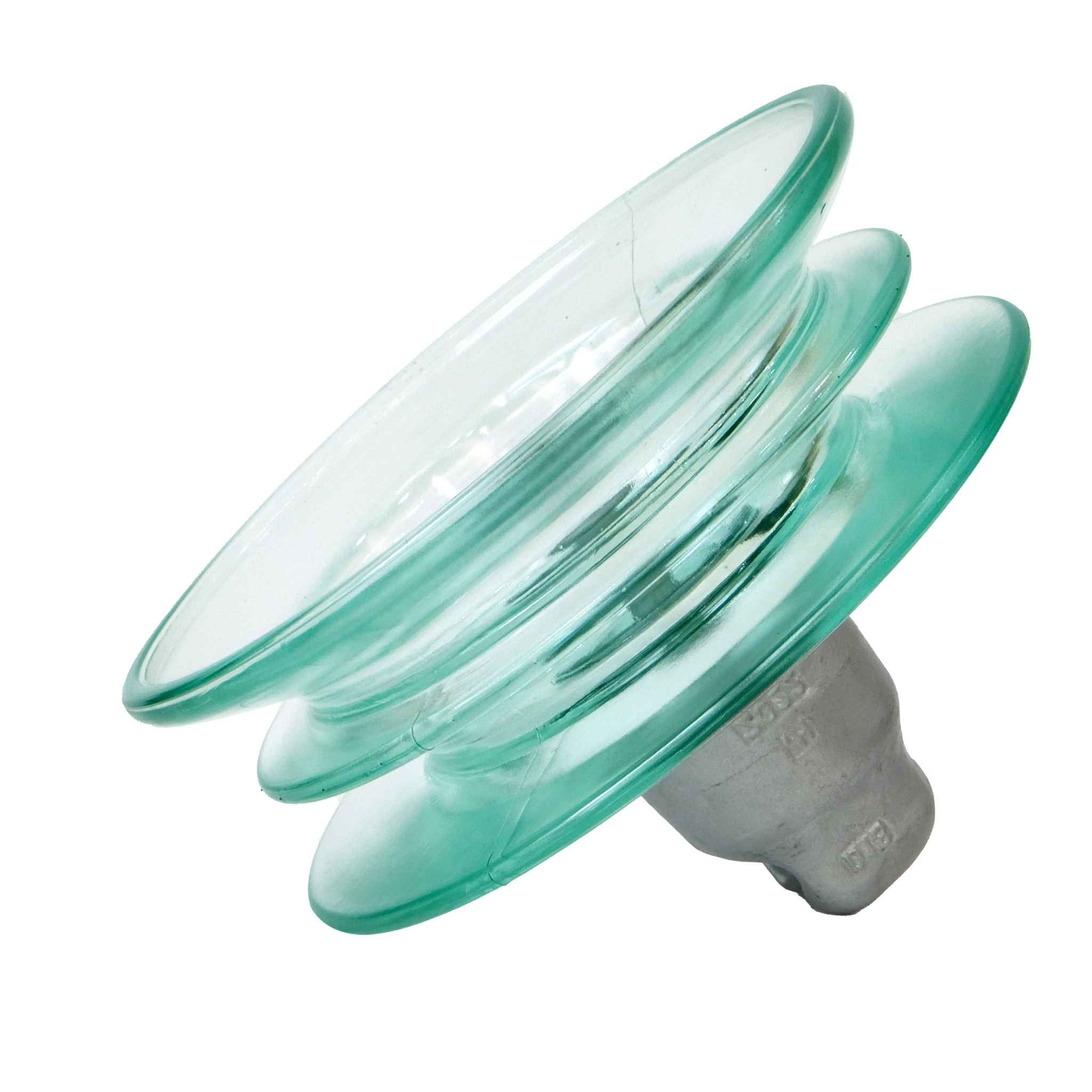
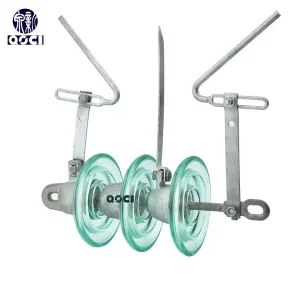
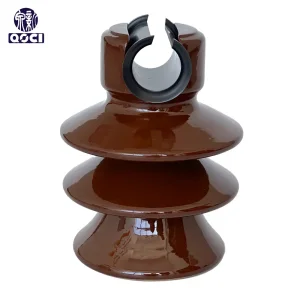
Features three layers of separate umbrella discs on the insulation body. This open design provides a long creepage distance and self-cleaning performance, making it well-suited for high-altitude, humid, and ultra-high voltage (UHV) lines.
Explore more →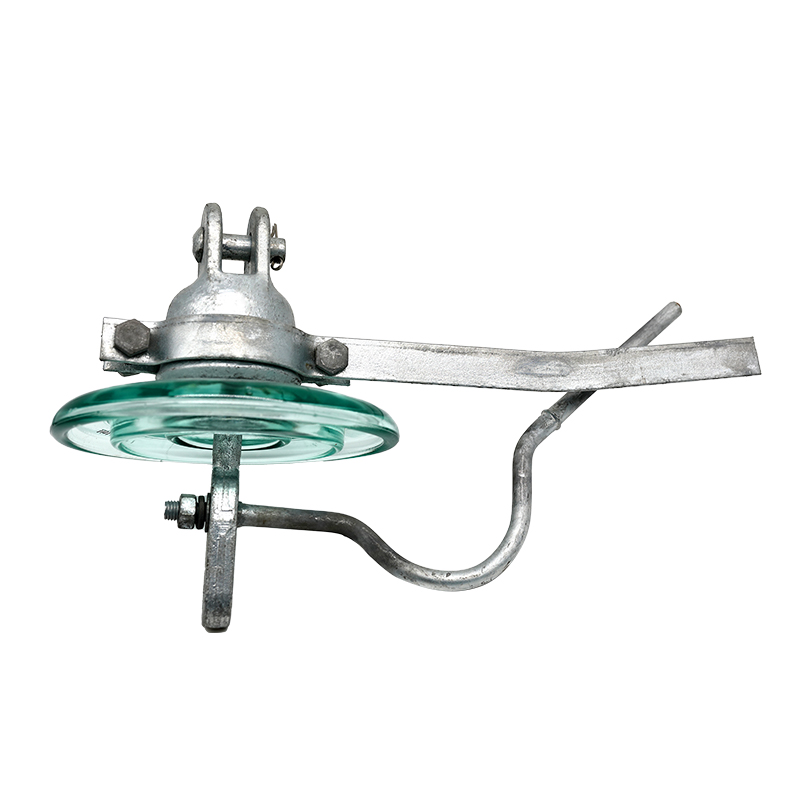
Connects metal accessories (like steel pins or flanges) directly to the ground wire to route lightning current and protect power lines and equipment. The smooth glass surface helps reduce dirt buildup.
Explore more →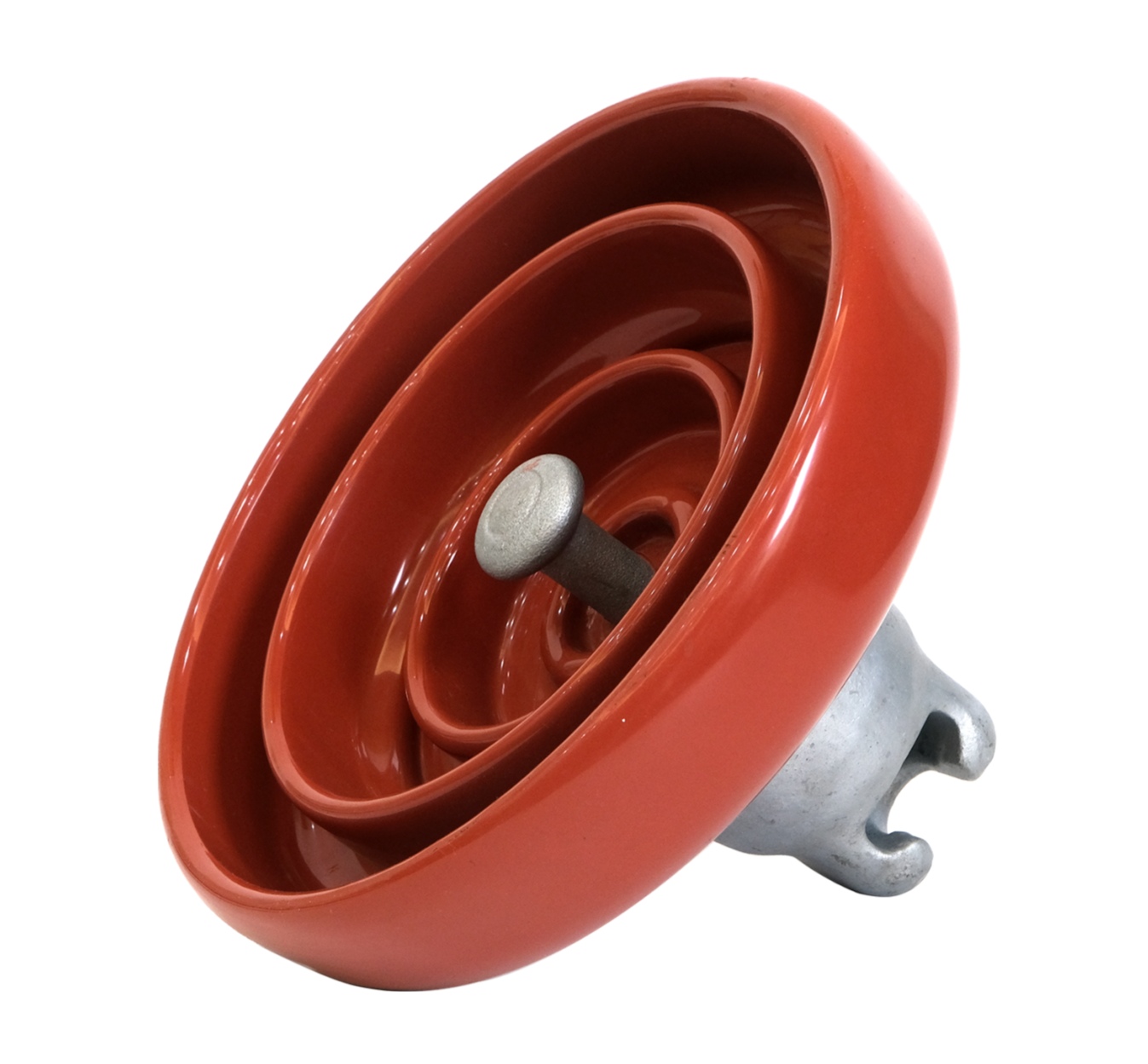
Coated with Room Temperature Vulcanization (RTV) silicone containing mineral fillers. This coating increases surface hydrophobicity to limit leakage currents in polluted areas and absorb arc energy to protect the glass shell.
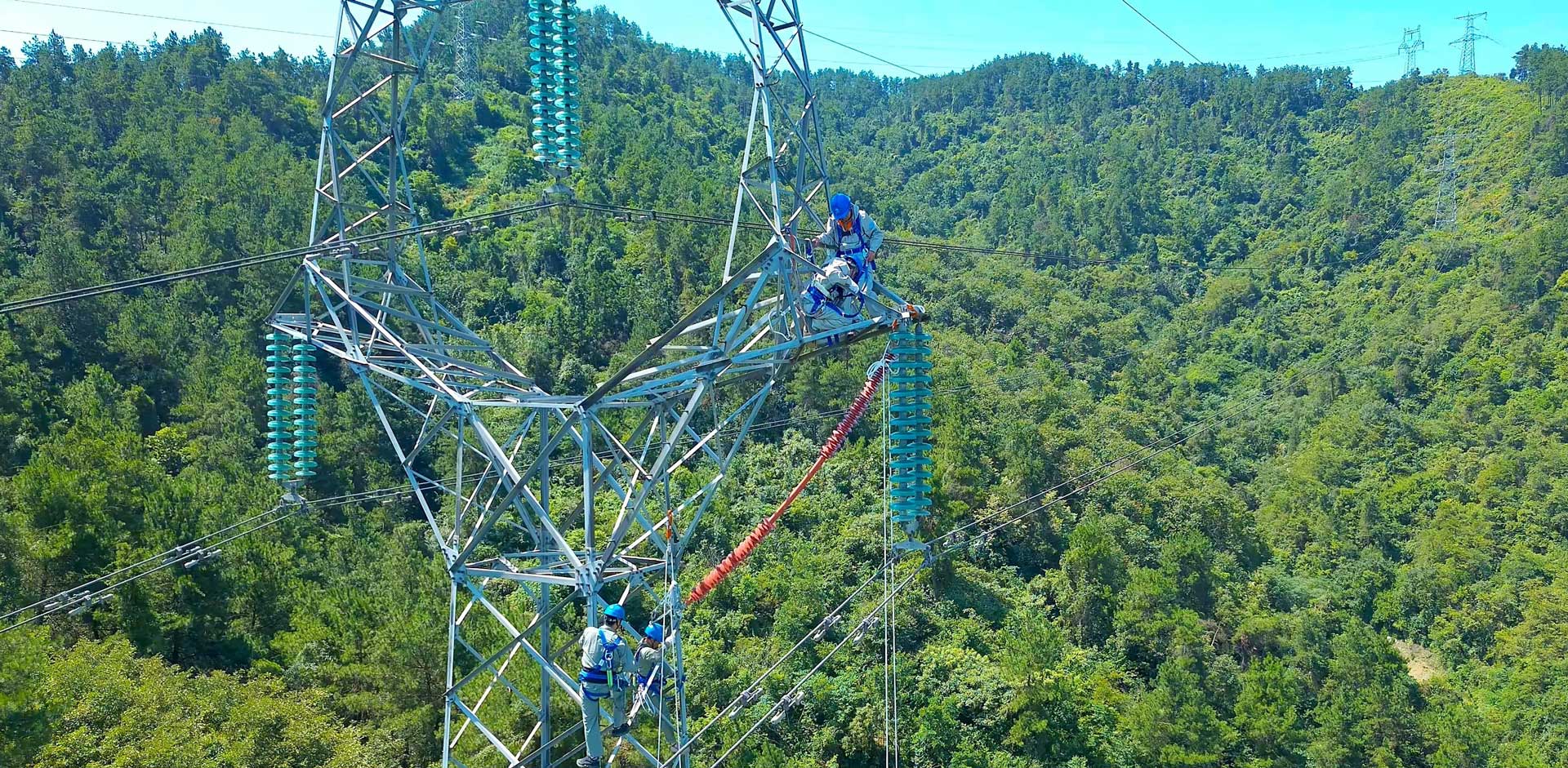
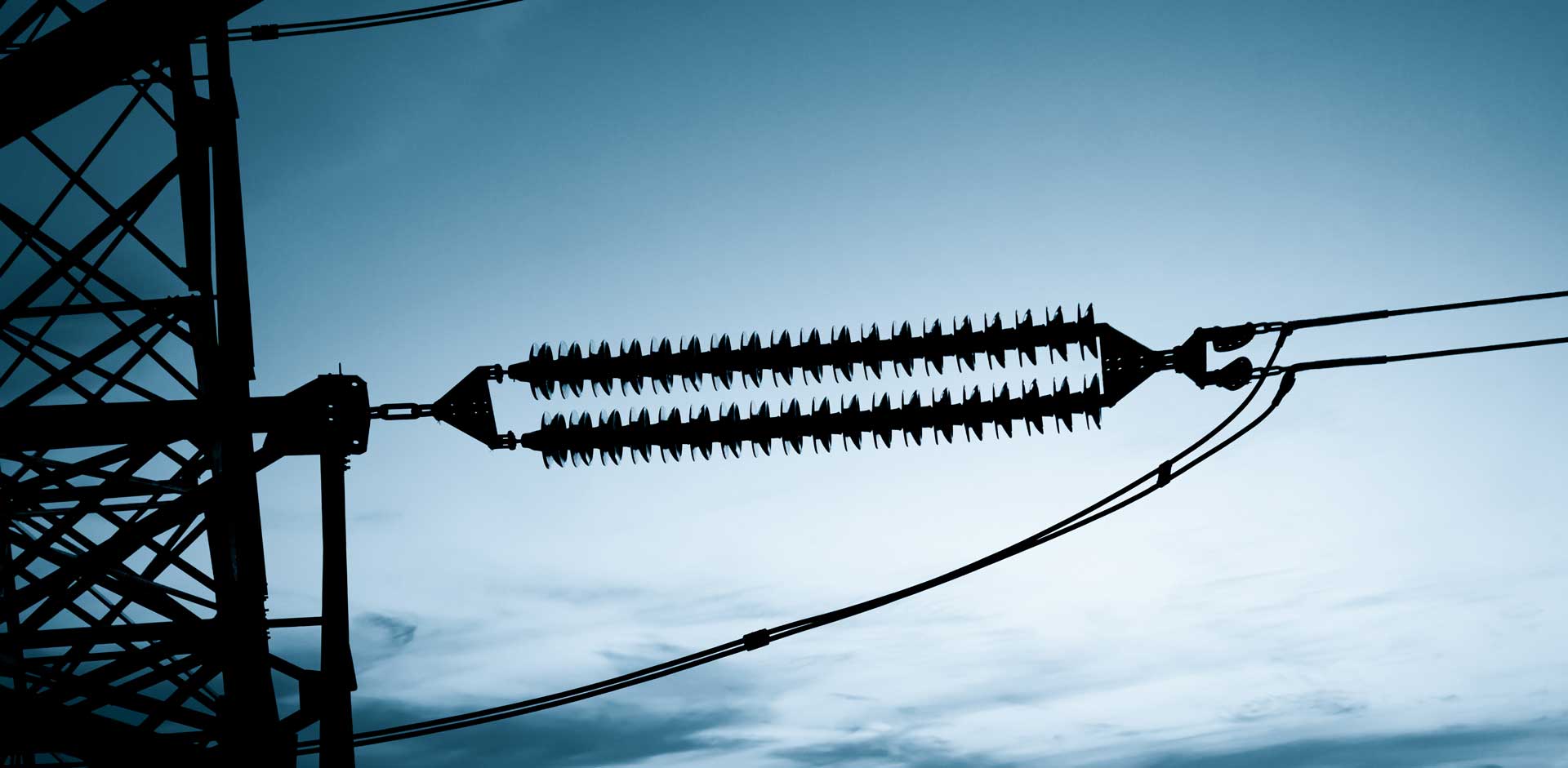
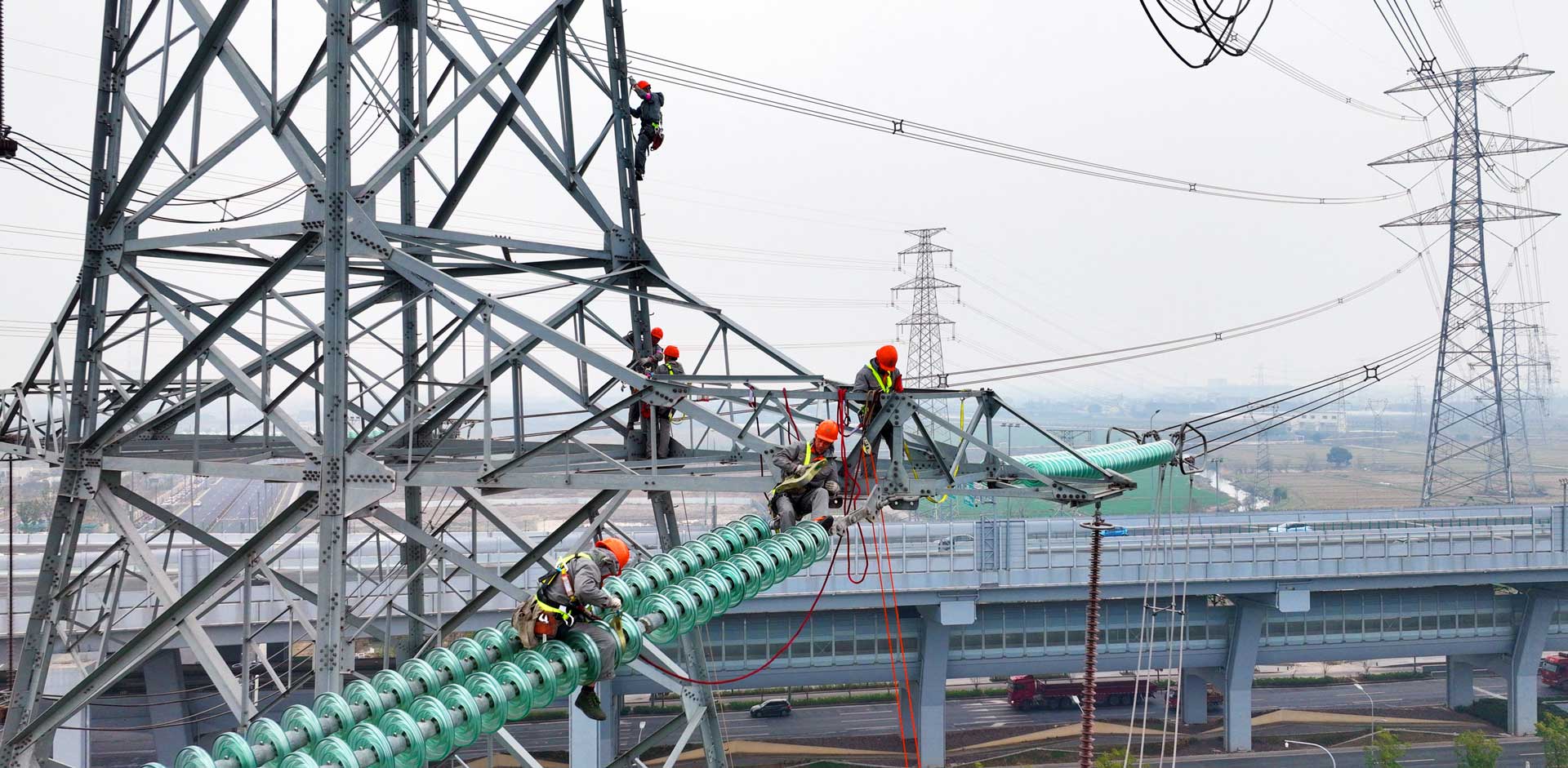
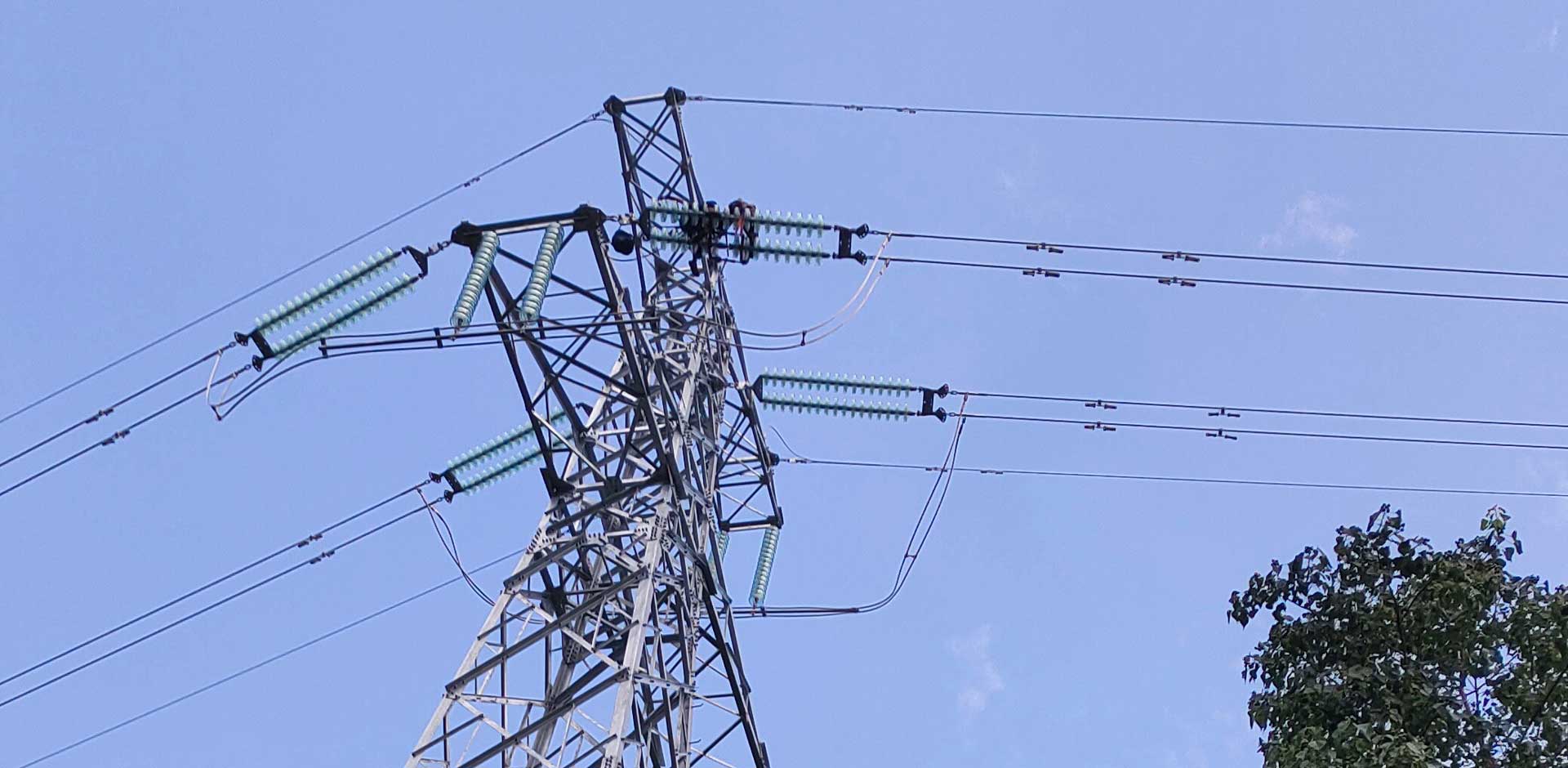
Explore more →Our high-strength toughened glass insulators are designed for low, high, ultra-high, and extra-high voltage AC and DC transmission systems worldwide.
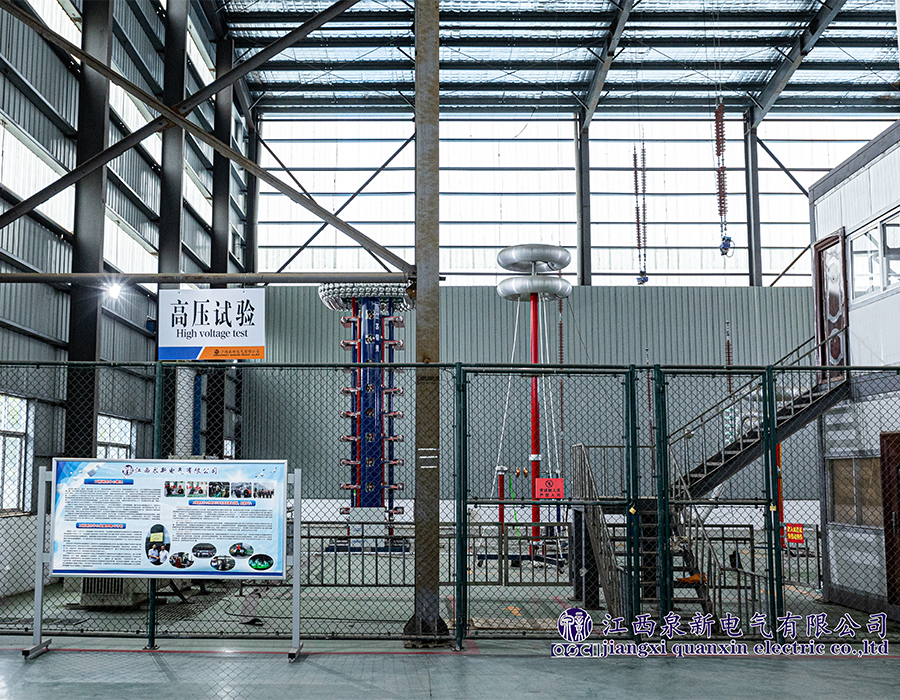
Quality starts with raw materials. Inspecting our automated processes, testing equipment, and kilns.
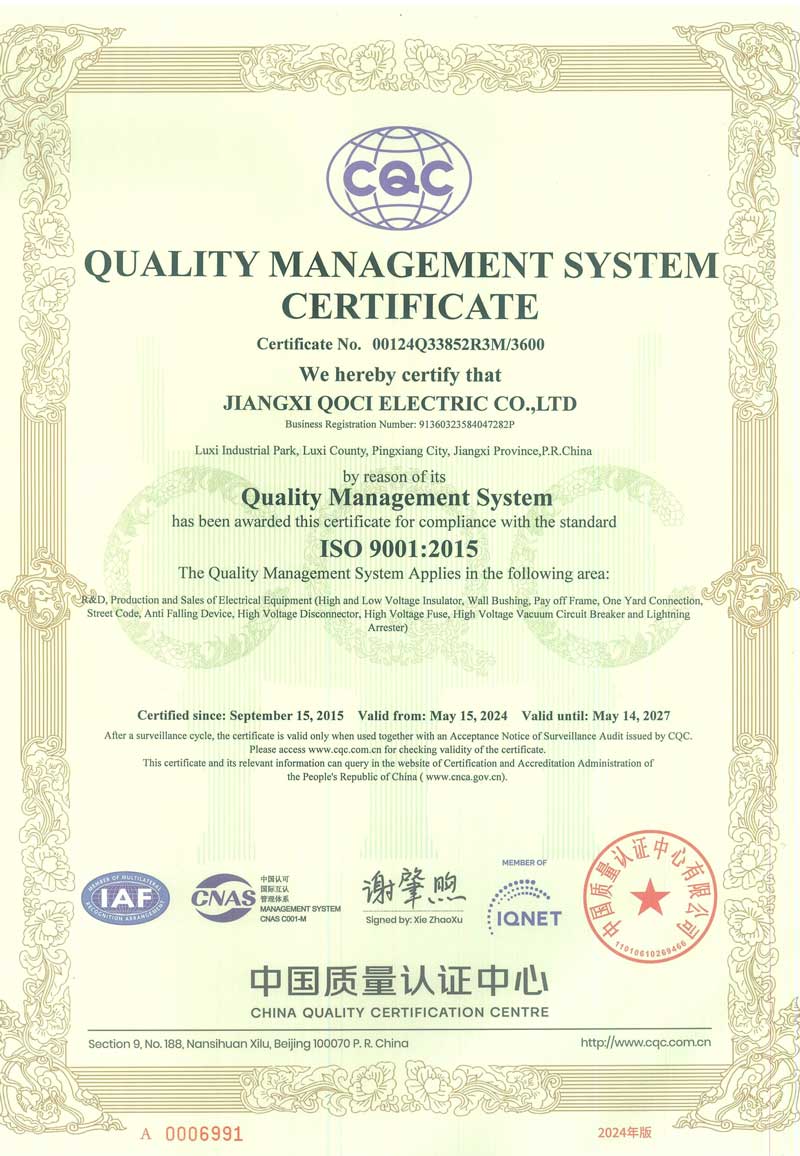
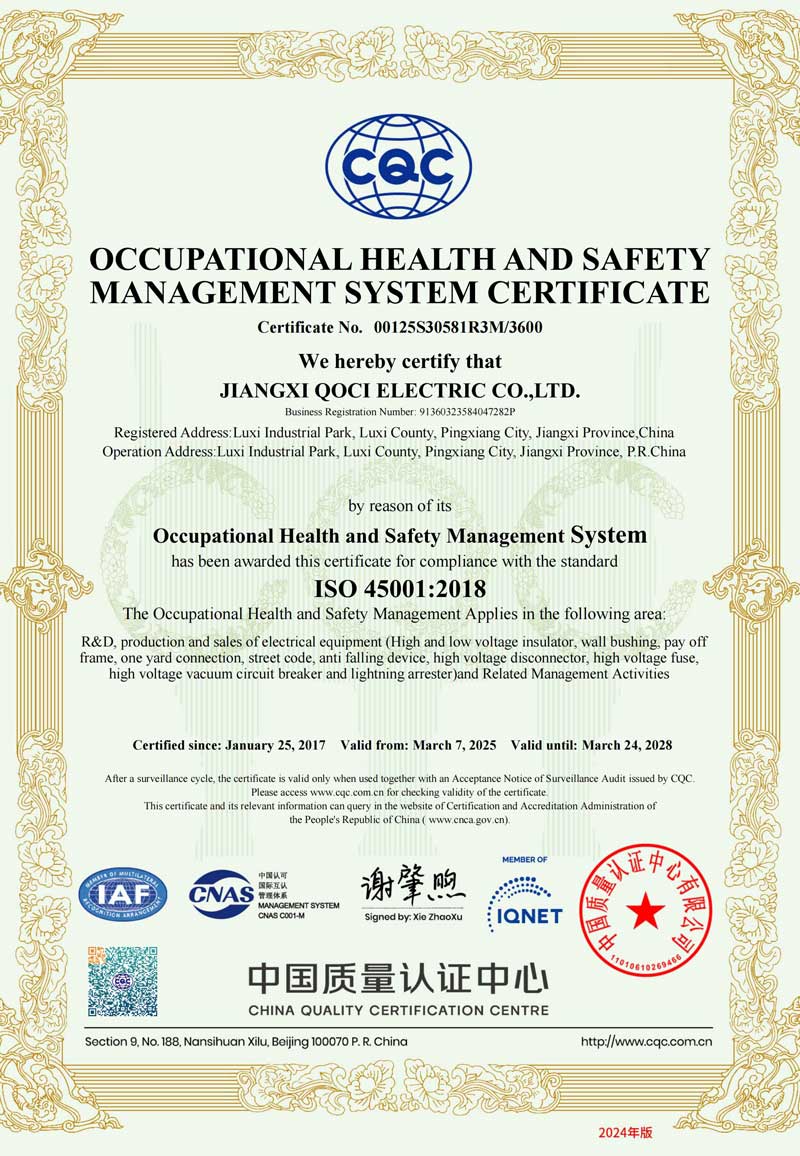
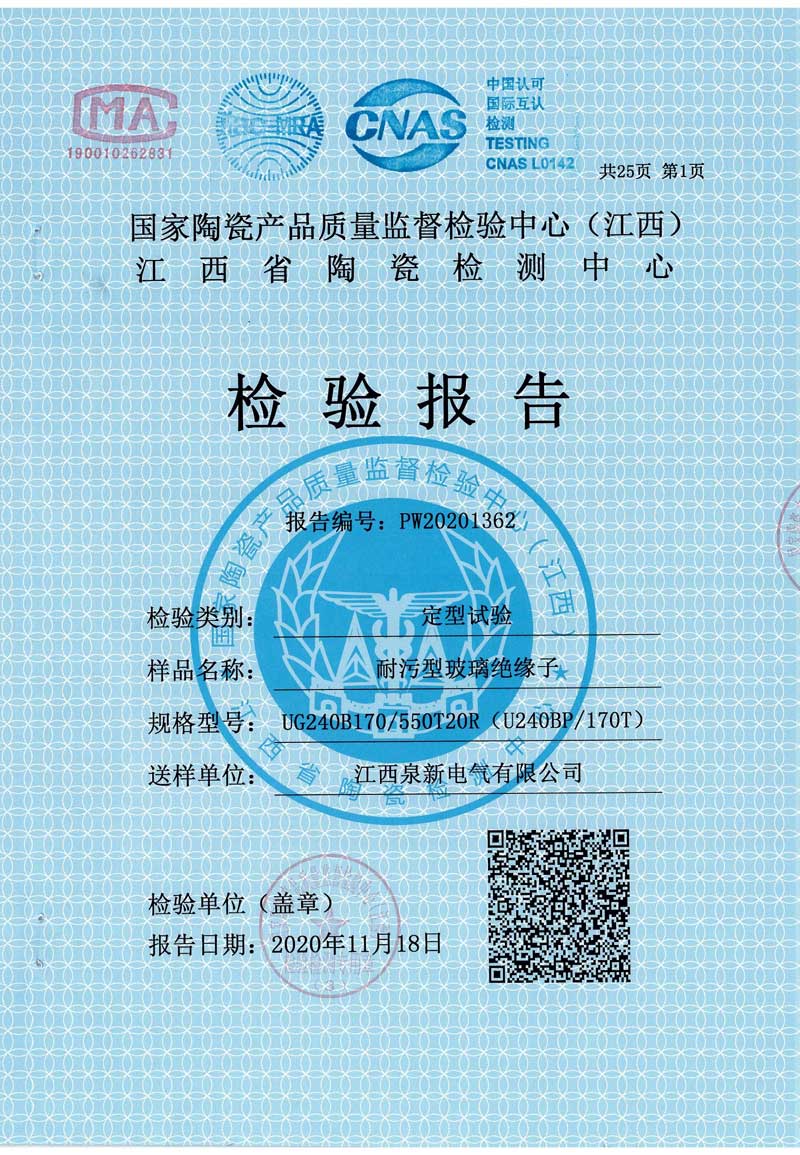
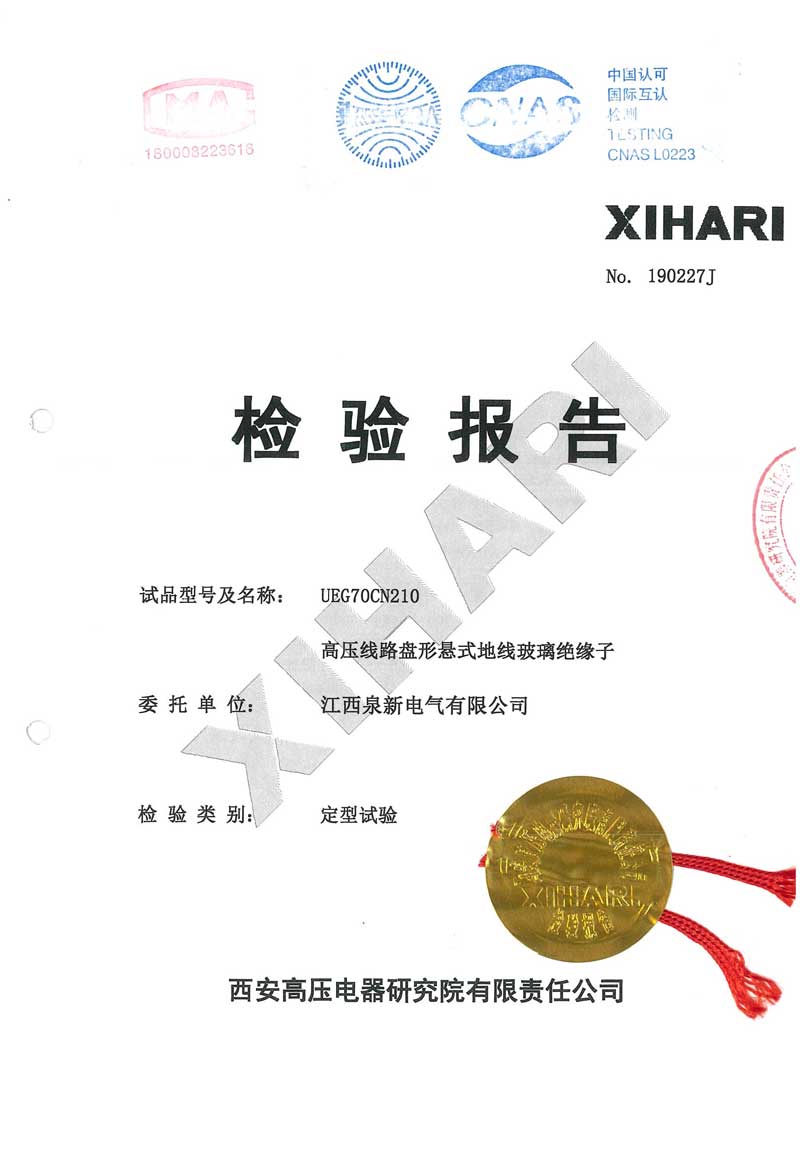
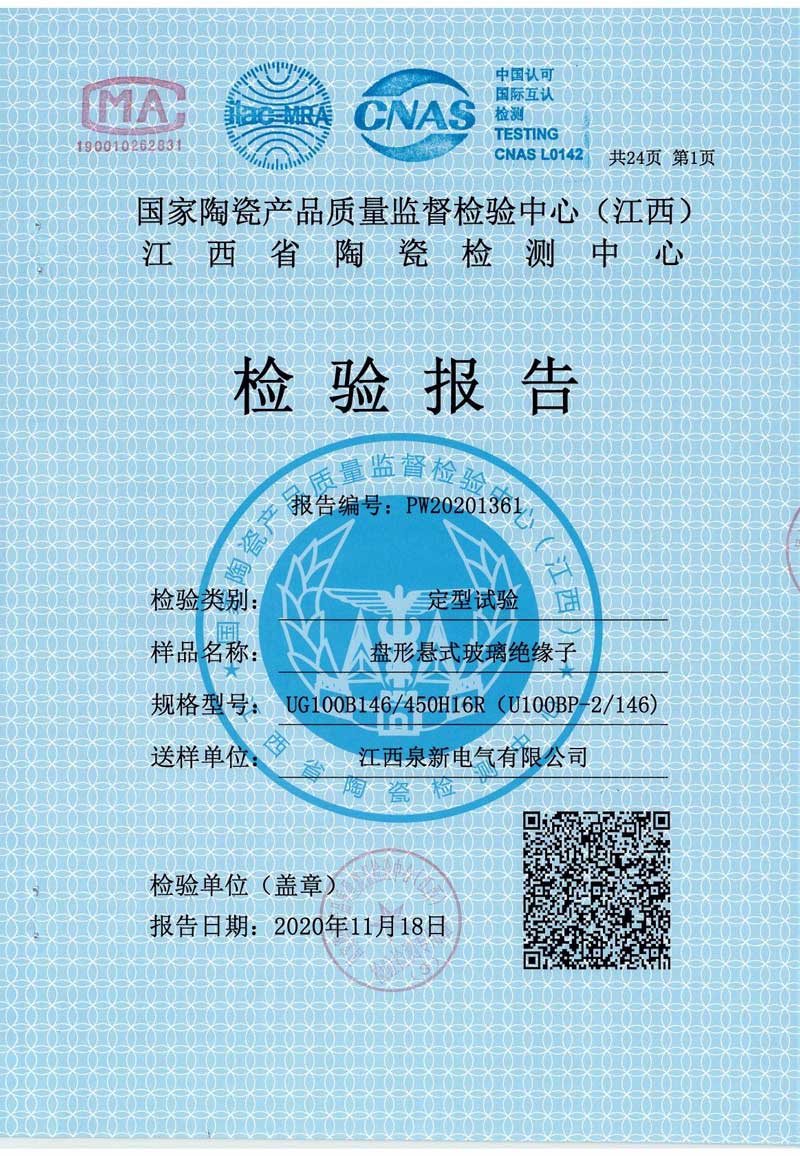
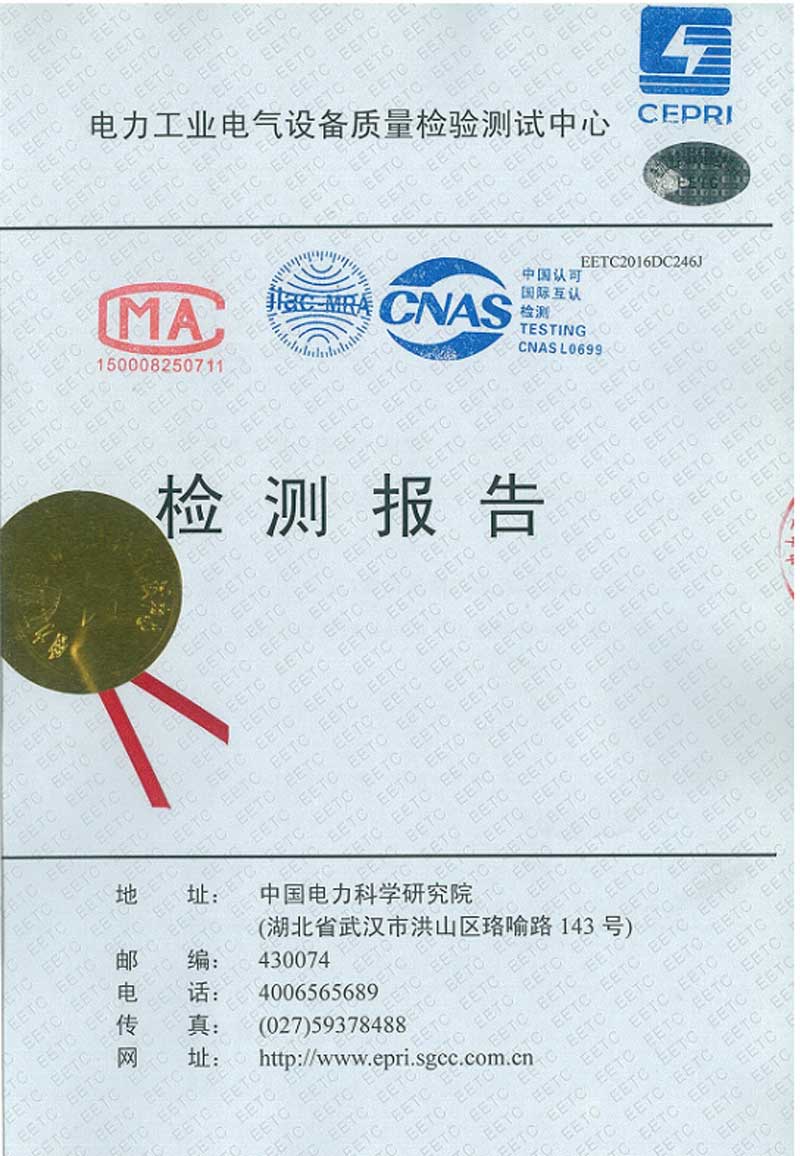
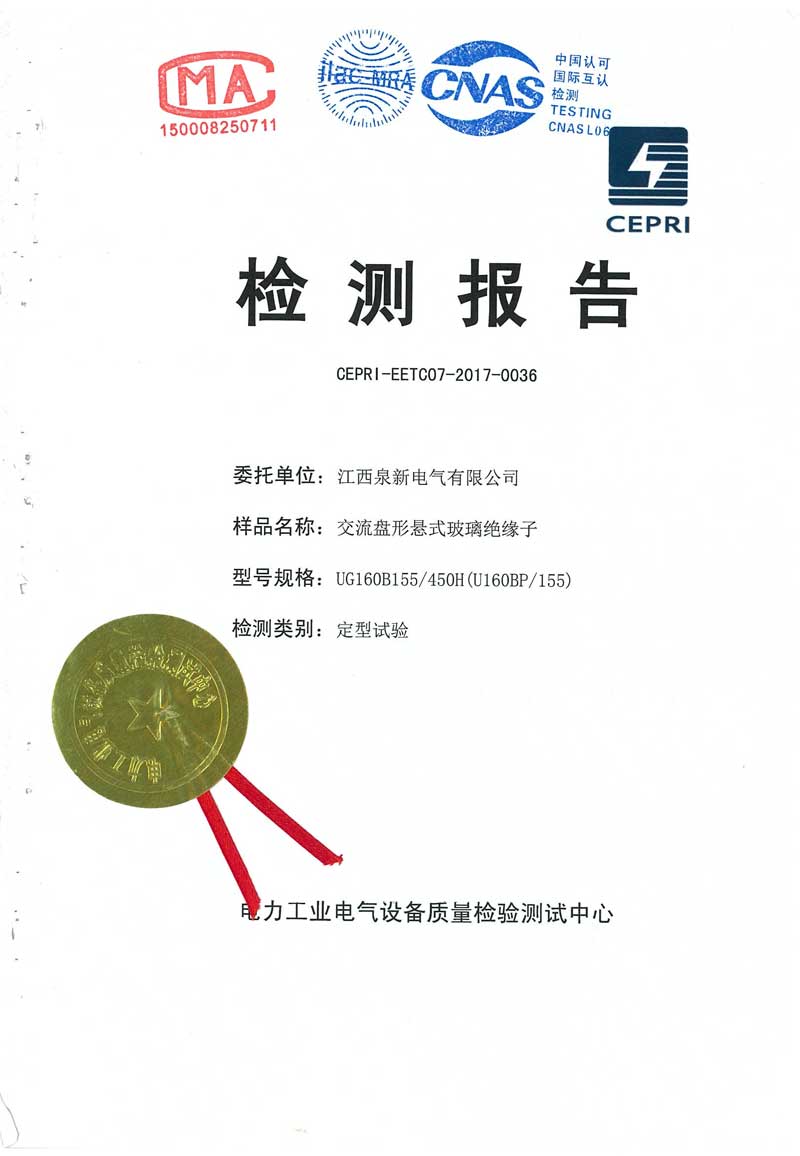
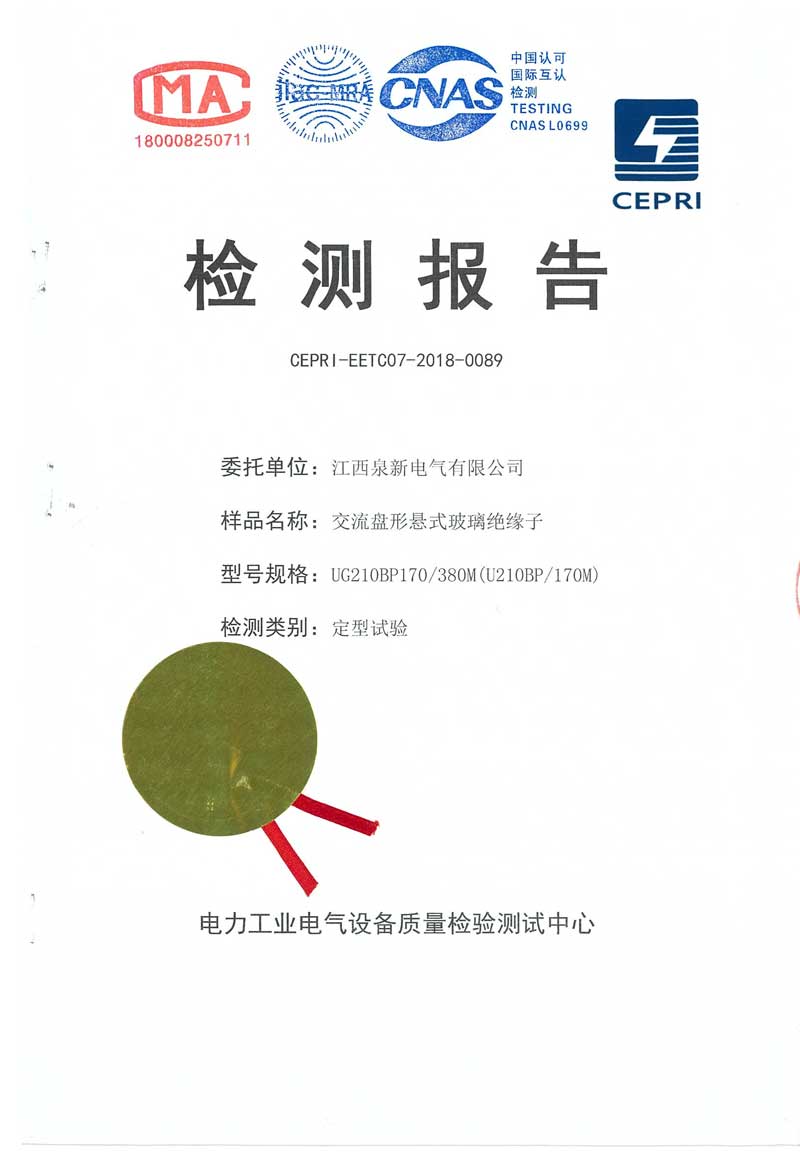
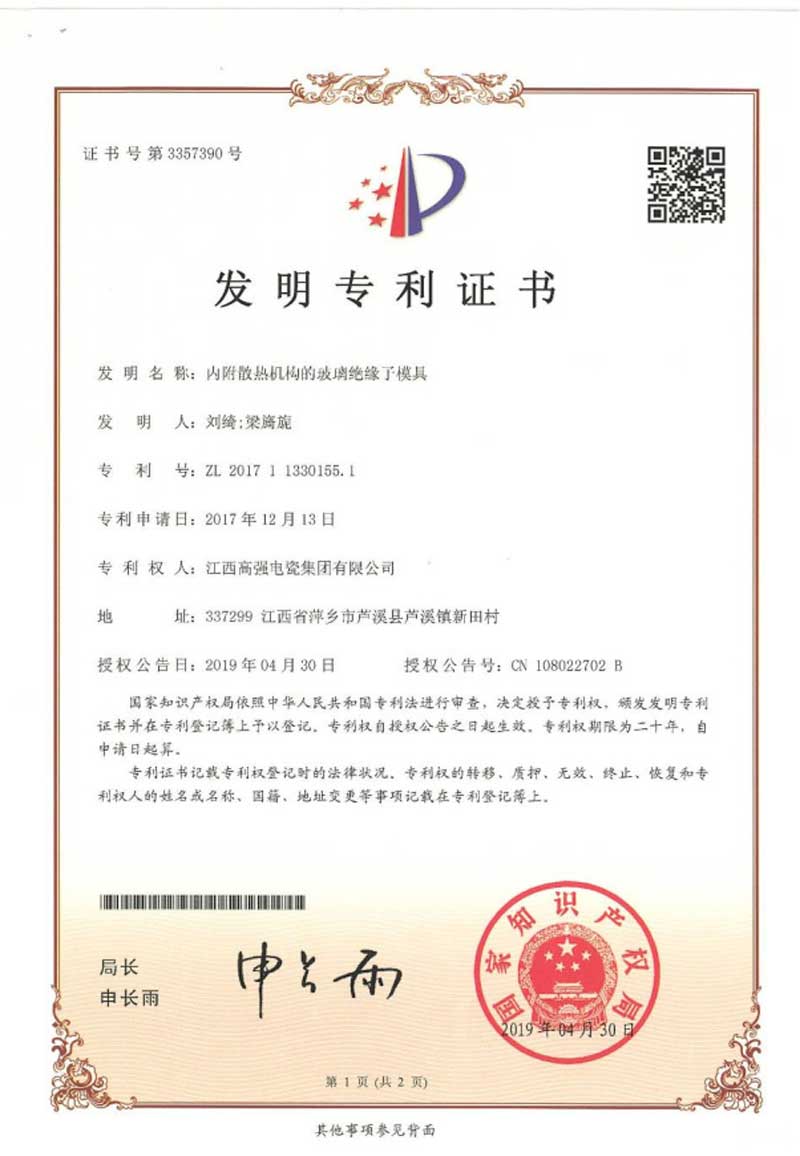
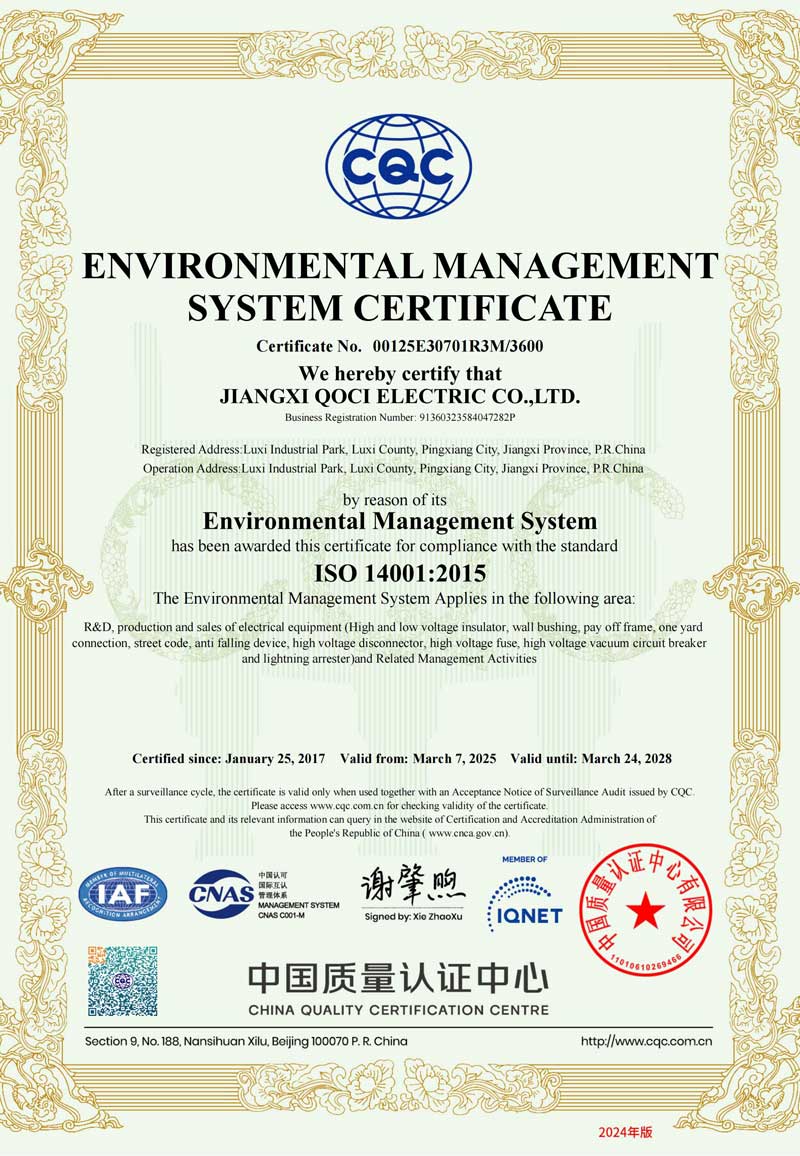
QOCI Electric meets strict international criteria, certified by global testing organizations.
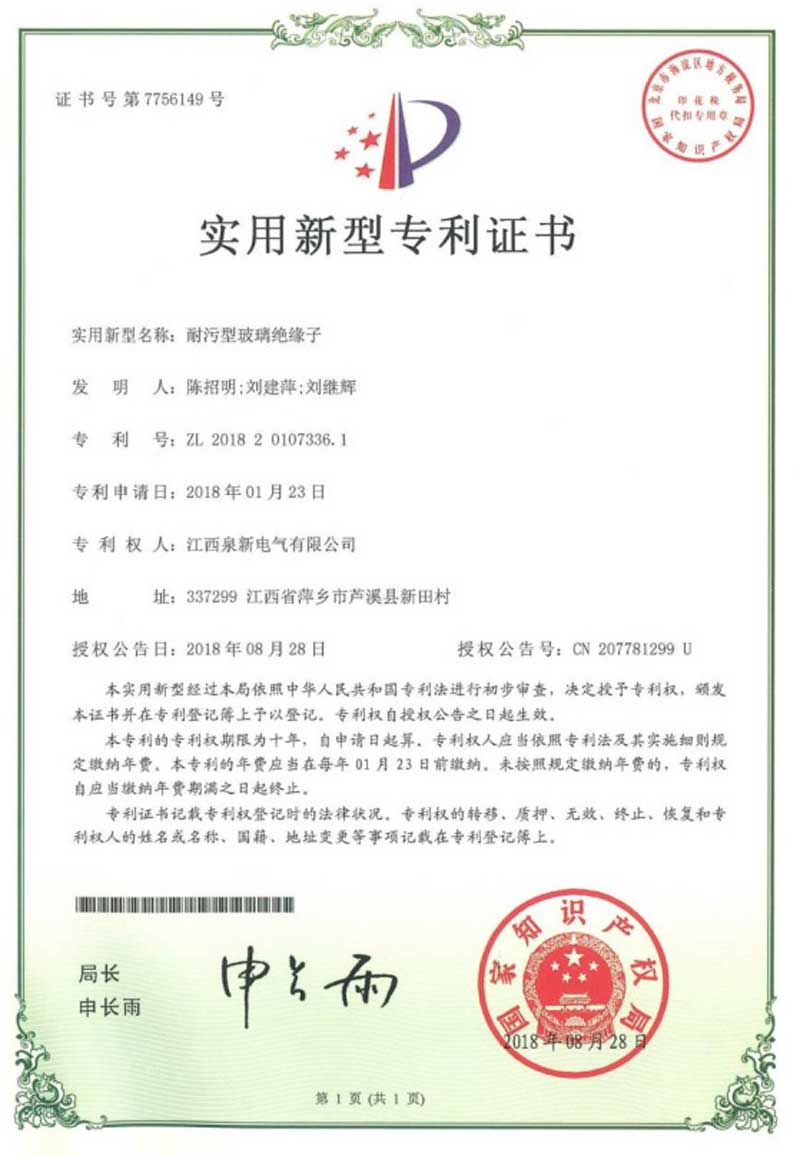
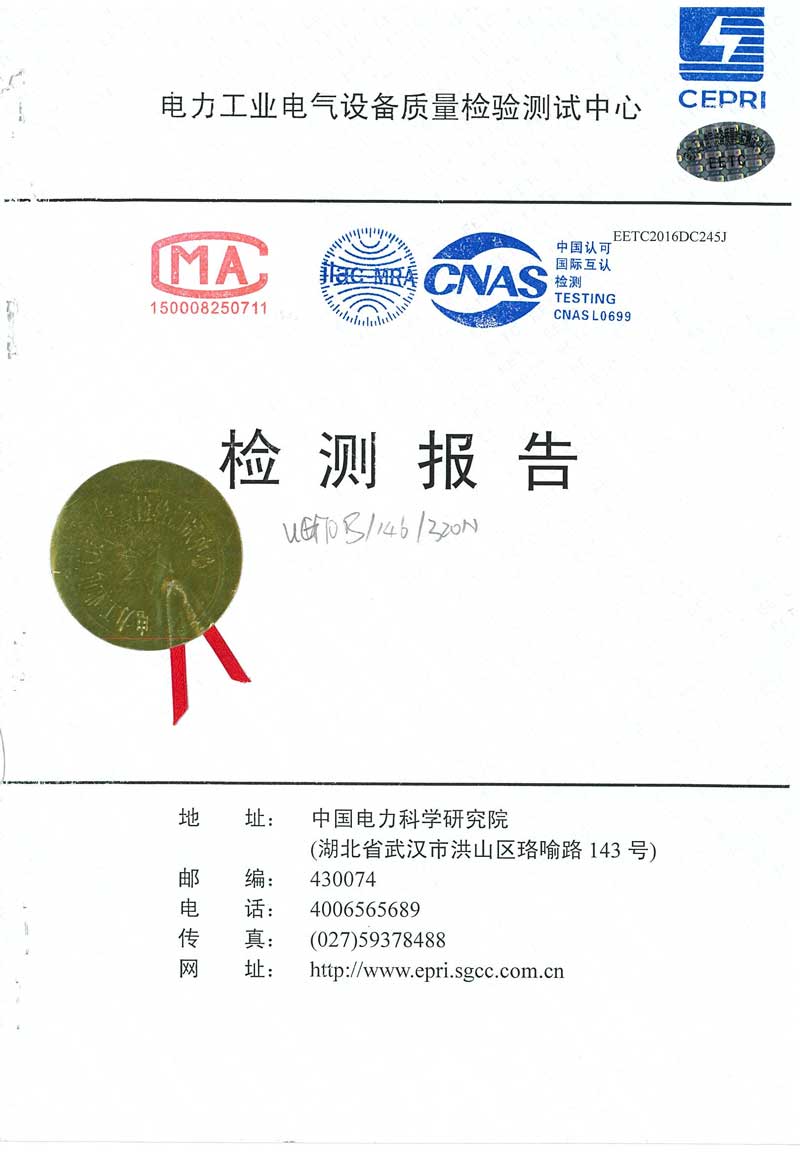
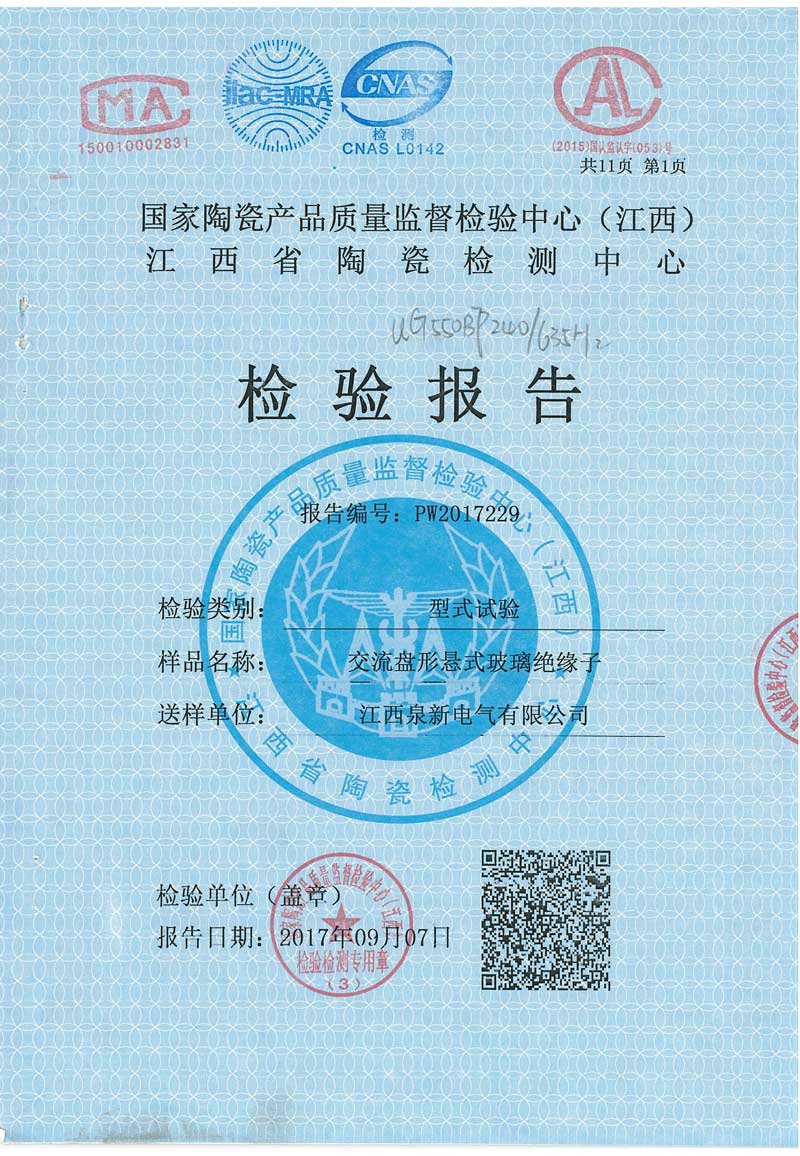
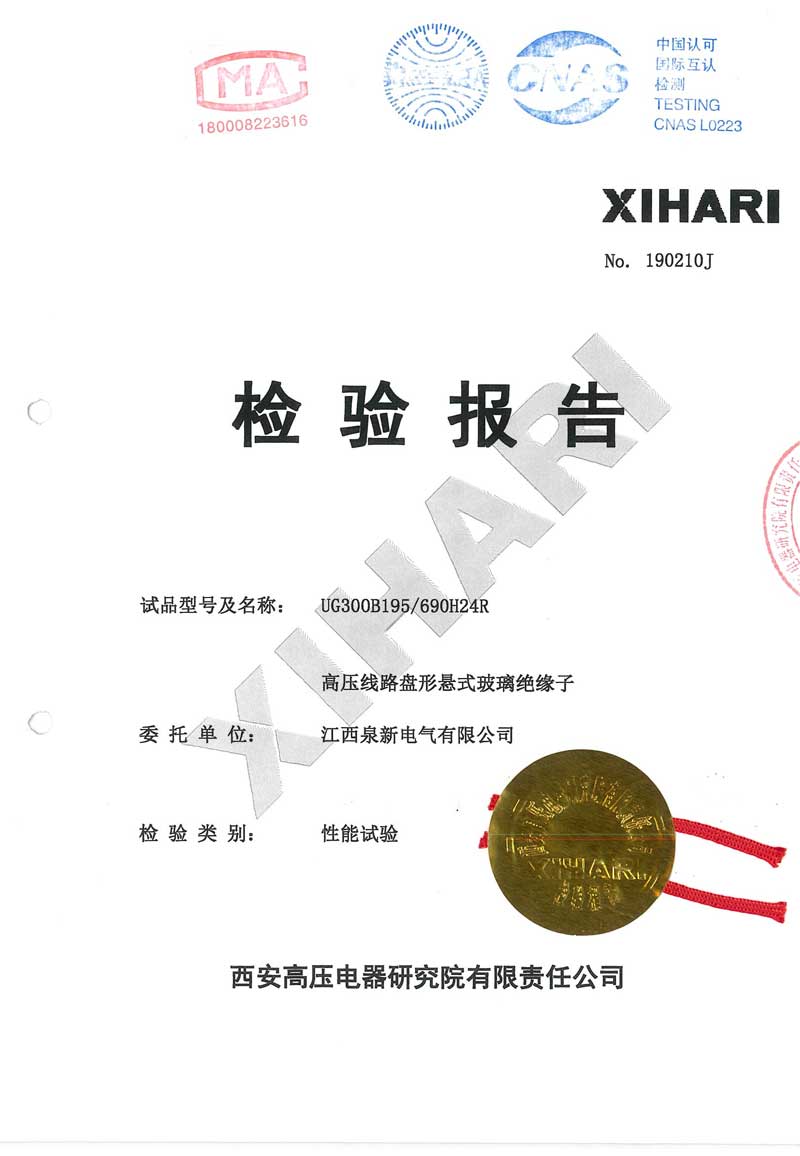
Keep up with our latest technical breakthroughs, trade conferences, and global market activities.
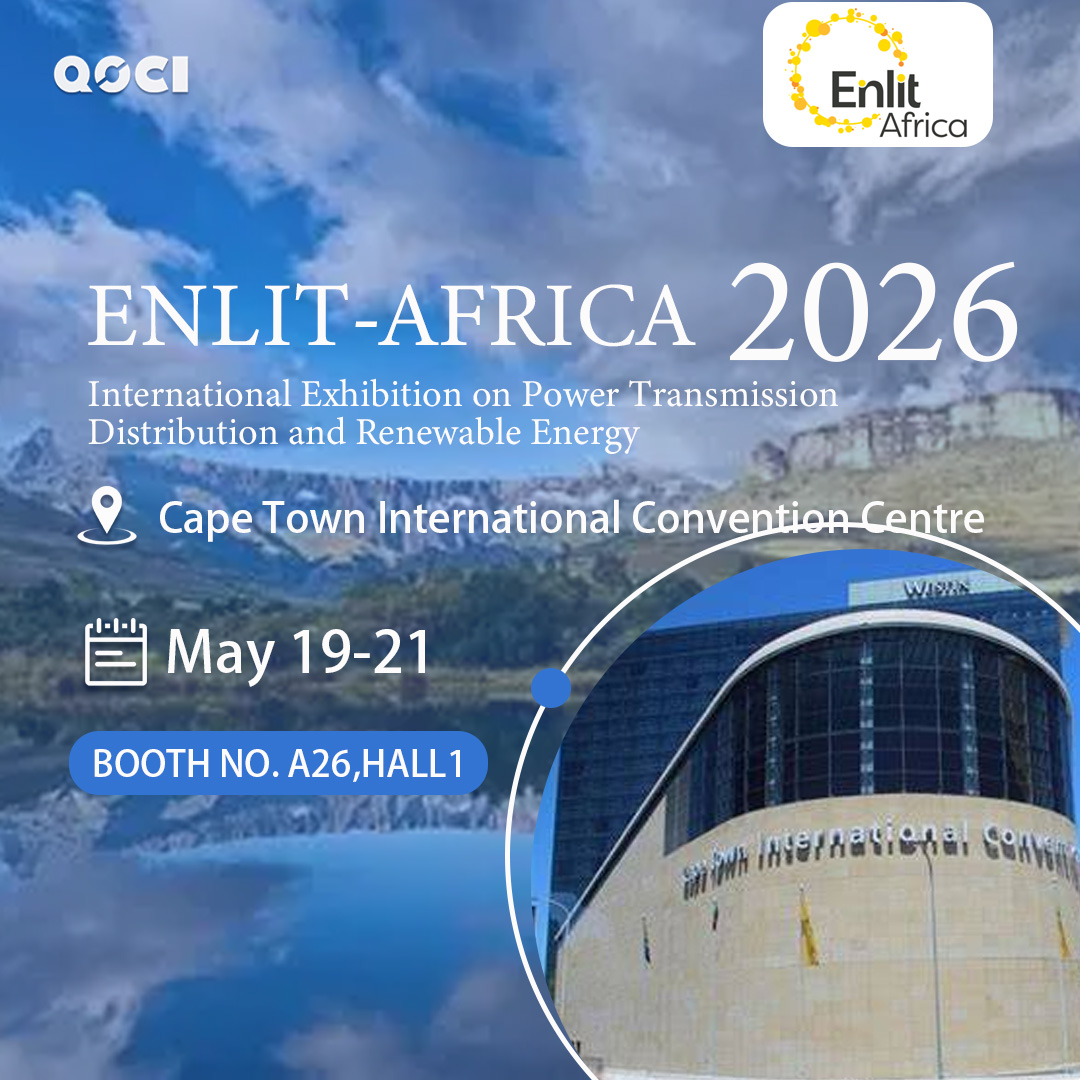
As the global energy transition accelerates, the importance of electricity, renewable energy, and energy storage technologies is becoming increasingly critical. QOCI Electric showcases its latest smart grid insulation products at Enlit Africa.
Read ArticleHaving withstood extreme environmental conditions including icing, high altitude, pollution, earthquakes, and typhoons, China’s insulator industry offers a mature portfolio of products.
On behalf of our team at Jiangxi QOCI Electric, we invite you to connect with us at the IEEE PES T&D Conference & Exposition 2026, a key event for transmission and distribution industries.
QOCI Electric, a global supplier of power equipment and grid insulation solutions, confirms its attendance at the upcoming Iraq Energy Expo in Baghdad.
Working alongside utilities, EPC contractors, and distributors to build reliable power grids globally.

Find expert answers to common technical queries from procurement managers and electrical grid engineers.
According to IEC 60305, "U" represents disk suspension-type insulators. The "100" refers to the electromechanical failing load rating of 100 kN, indicating the structural tension limit of the insulator. The letter "B" indicates a ball-and-socket connection, which is a standard connection type for high-voltage transmission lines.
Toughened glass provides high mechanical stability and thermal shock resistance. Unlike porcelain, which can develop internal hairline cracks that are difficult to locate, damaged toughened glass self-shatters into small fragments. This visible damage simplifies line inspections and maintenance without compromising the structural integrity of the insulator string.
Room Temperature Vulcanizing (RTV) silicone coatings add a hydrophobic layer to the glass surface. This hydrophobicity prevents continuous water films from forming in wet or polluted conditions, limiting leakage currents and reducing the risk of pollution flashover in coastal and industrial areas.
The open profile (or aerodynamic type) is recommended for desert environments. It is designed without under-ribs to minimize sand and dust accumulation on the underside of the insulator shell, using wind for natural cleaning.
During production, units undergo visual, dimensional, and hot-cold thermal shock cycles, as well as mechanical routine tests. Electrical tests include power-frequency withstand, steep-front impulse voltage, and radio interference voltage (RIV) checks to verify insulation performance.
High-quality manufacturers maintain a self-shattering rate of less than 1 in 10,000 units per year. Because the steel cap and pin remain mechanically connected after shattering, the mechanical safety of the overall line is preserved while the damaged shell is identified and replaced.
Insulators are typically packed in reinforced wooden crates or plastic-wrapped structural pallets. These crates are designed to prevent movement during transport, protecting the glass discs and galvanized metal fittings from humidity, sea spray, and mechanical impact.
Yes, high-altitude lines experience lower air density, which reduces insulation capacity. In these environments, triple-shed or double-shed profiles are used because they offer longer creepage distances to compensate for the lower air density.
Review our extended catalog of high-voltage toughened glass suspension discs and specialty insulation components.