1 / 5

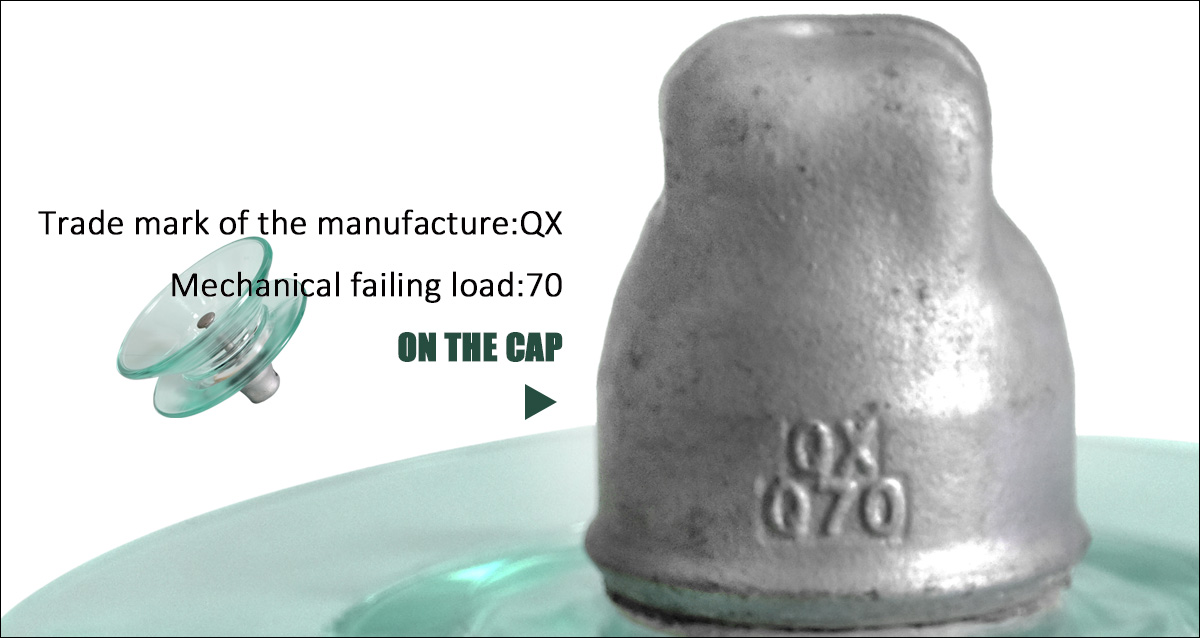
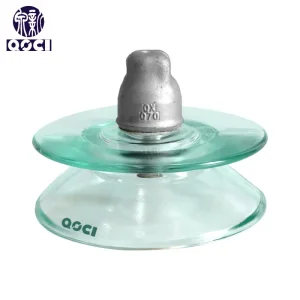
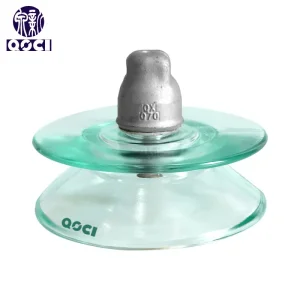
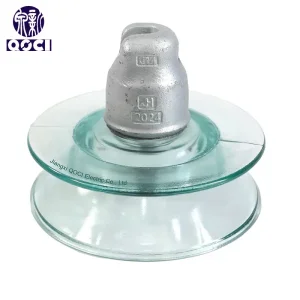
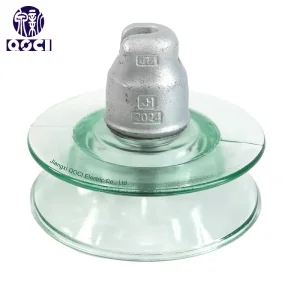
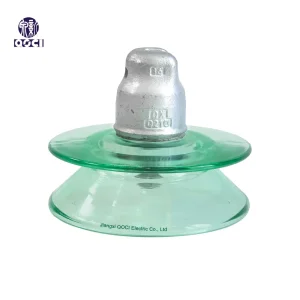
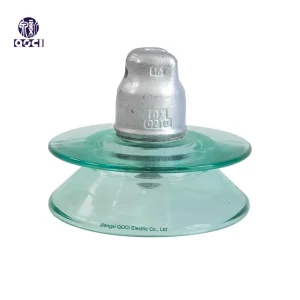
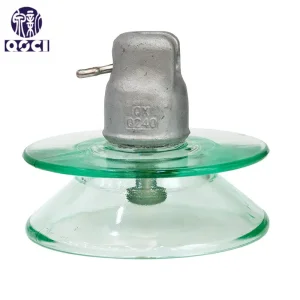
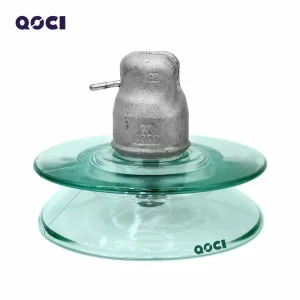
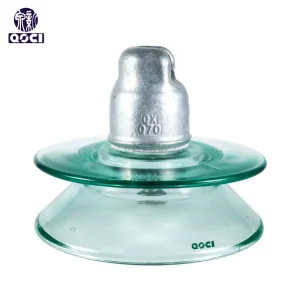
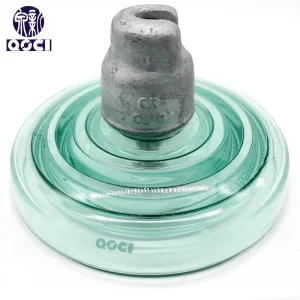
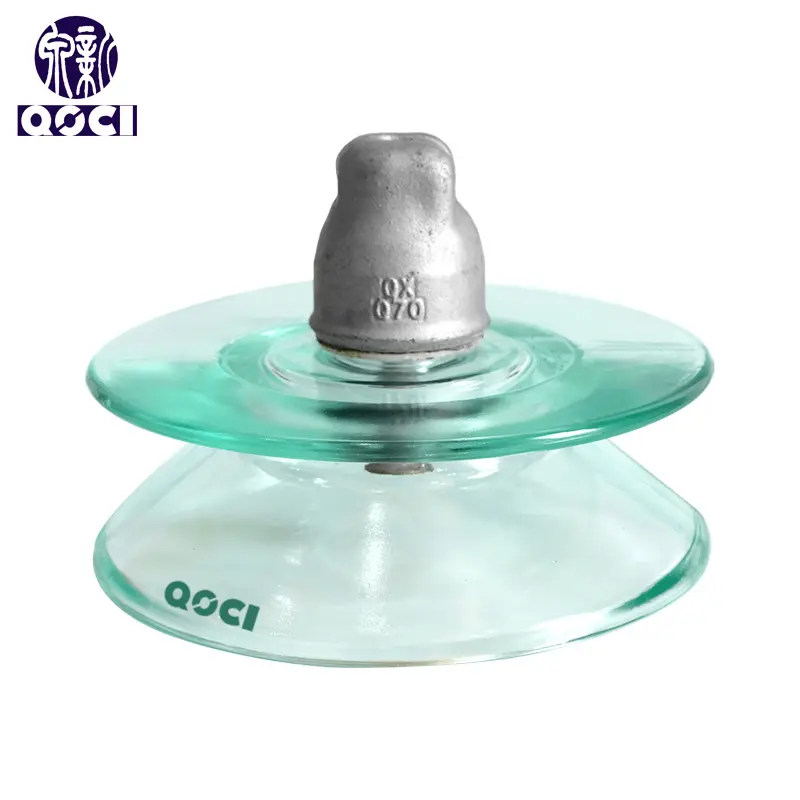
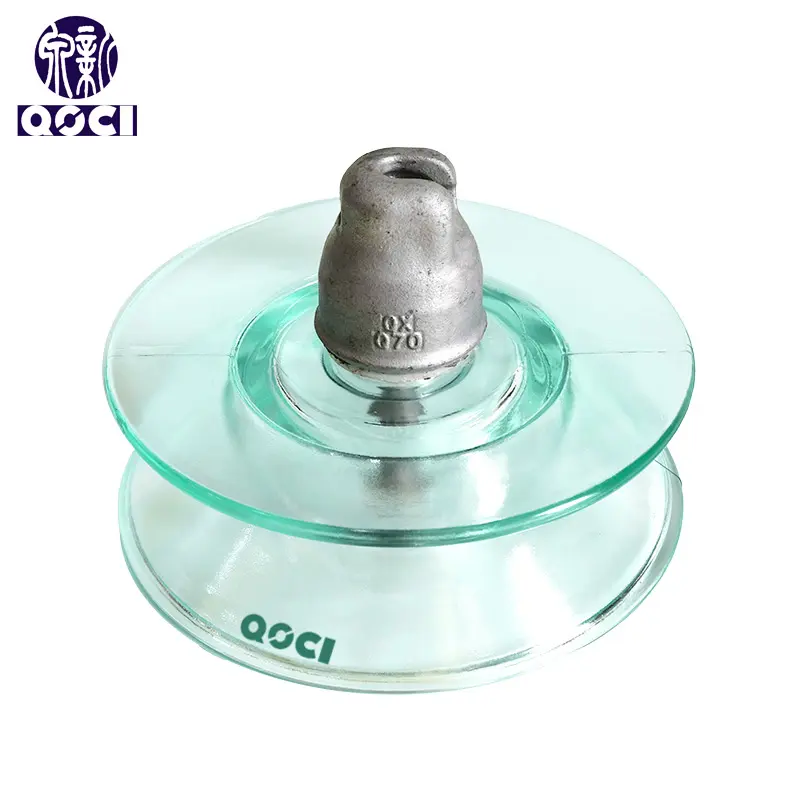
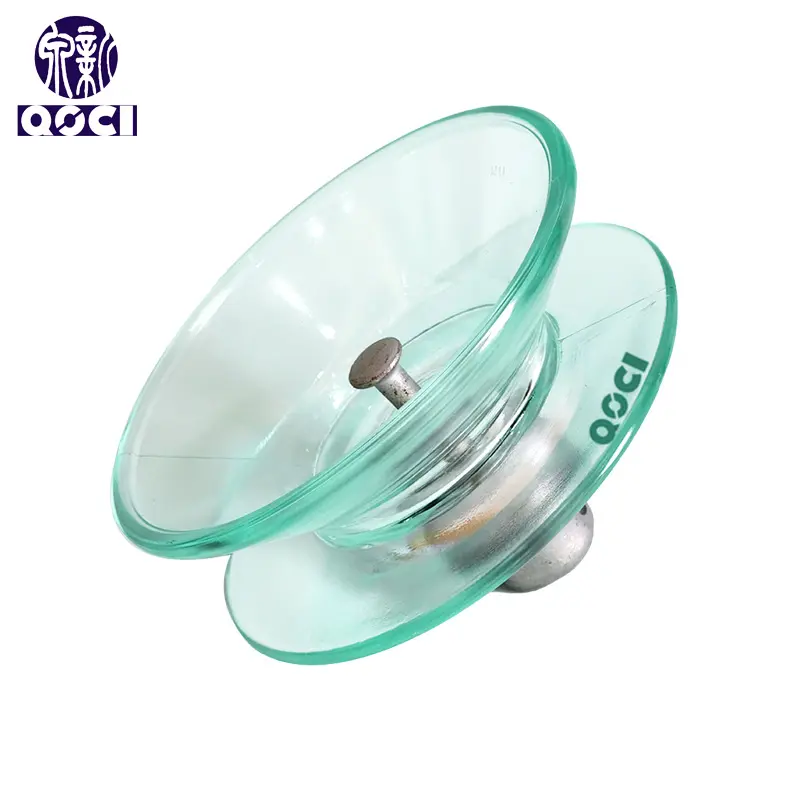
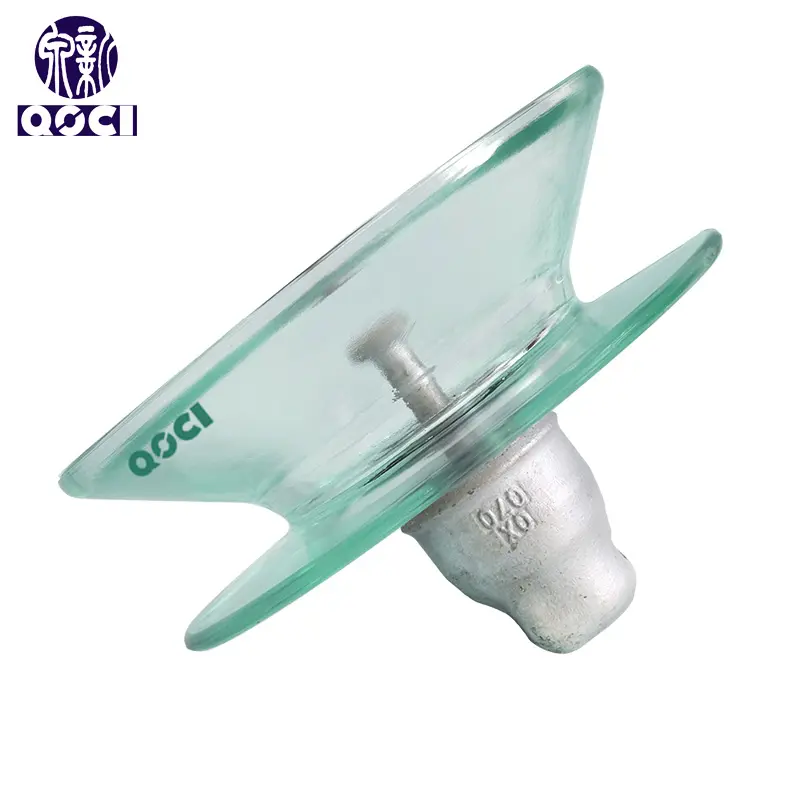
Primary Use: Primarily used in high-voltage transmission lines in areas with heavy pollution or humid, rainy conditions. Their double-shed design effectively enhances anti-pollution flashover performance, ensuring stable operation of the power system.
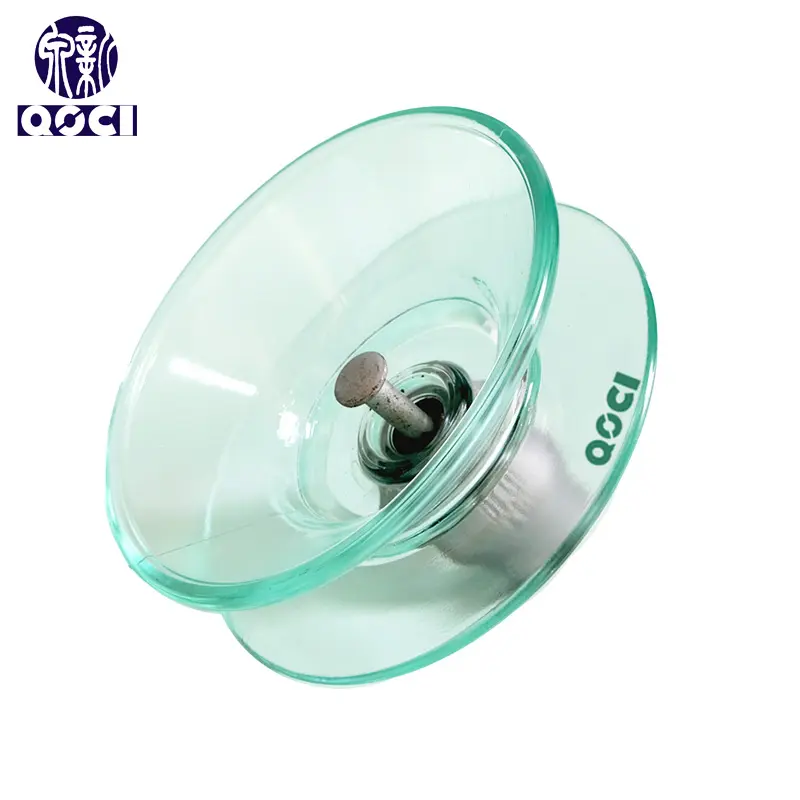
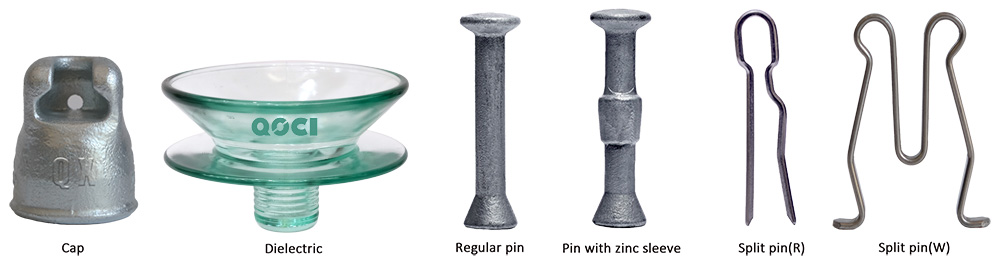
Standards: IEC60383-1:1993, GB/T1001.1. Connection structure follows GB/T4056-2008 (IEC60120:1984) and BS 3288. Locking pin available as W-pin or R-pin (Default: R-pin).
| Description | Unit | Value (U70BLD) |
|---|---|---|
| Mechanical failing load | kN | 70 |
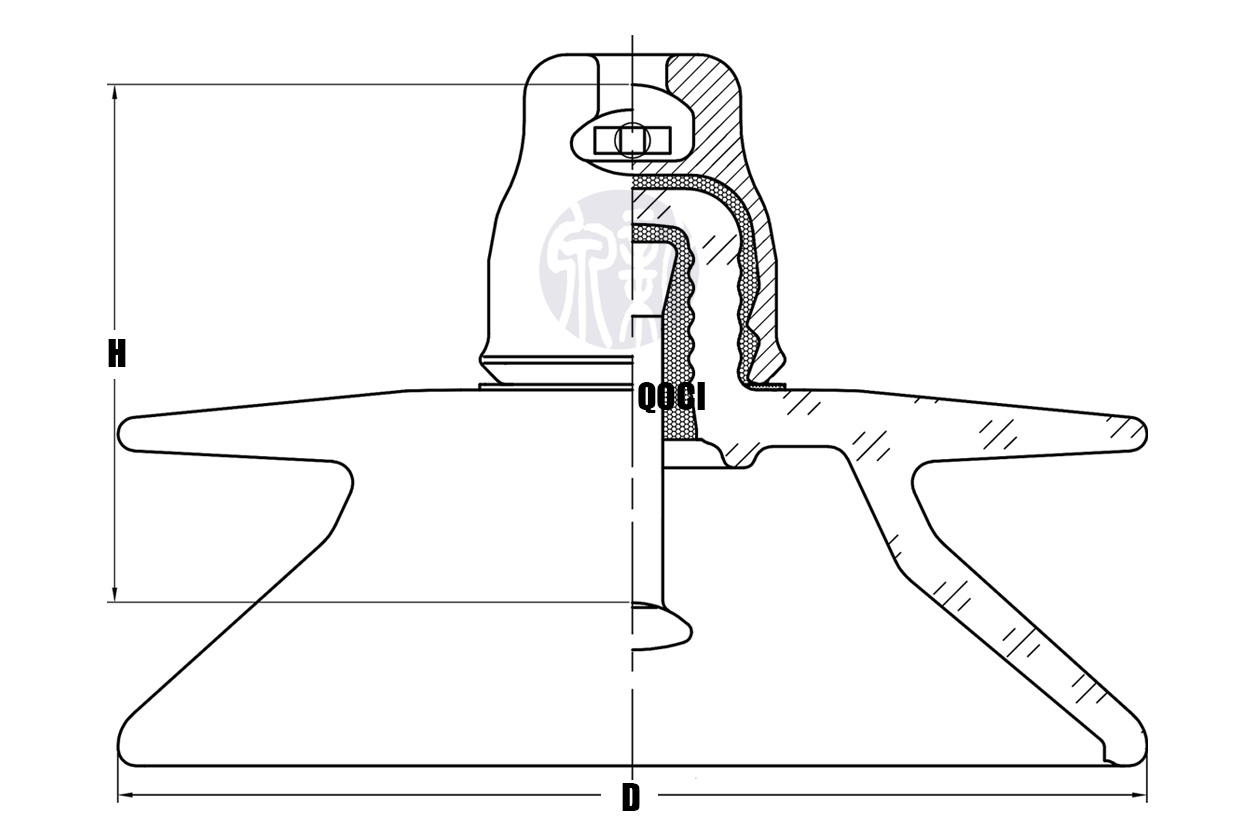
| Nominal Diameter D | mm | 280 |
| Nominal Spacing P | mm | 146 |
| Creepage distance L | mm | 450 |
| Socket coupling | mm | 16 |
| Wet power frequency withstand voltage | kv | 45 |
| Dry lightning impulse withstand voltage | kv | 120 |
| Power frequency puncture voltage | kv | 110 |
| Radio interference voltage (10kV 1MHz) | μv | 50 |
| Corona visual test P/C | kv | 18/22 |
| Power frequency electric arc voltage | ka | 0.12s/20ka |
| Impulse puncture voltage | P.U | 2.8 |
| Net weight per unit | kg | 5.4 |
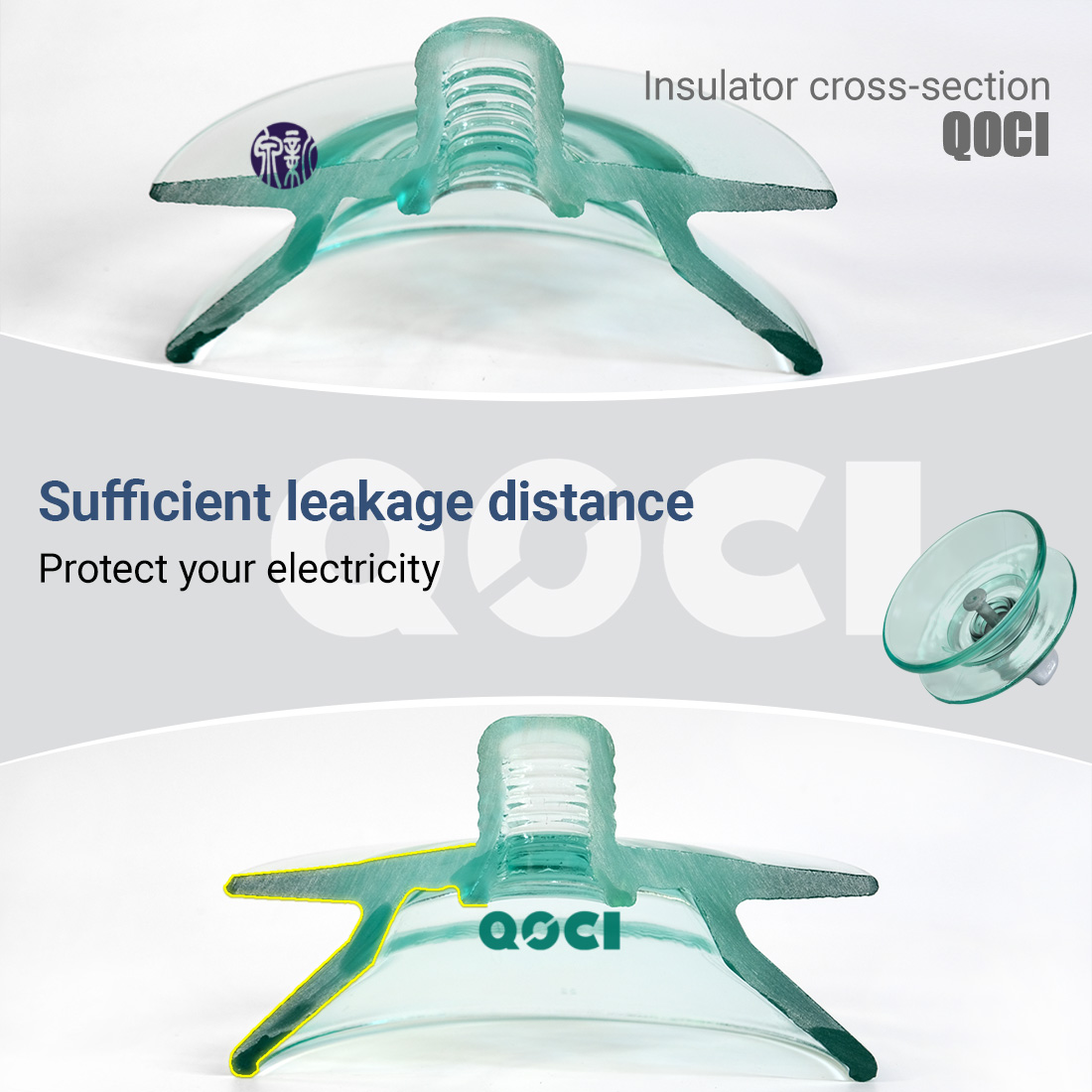
Under long-term electrical stress, contaminants can trigger local arcs, leading to insulator surface carbonization (electrocorrosion). The design provides sufficient creep distance to disperse electric field strength, reducing the risk of local discharge and extending service life.