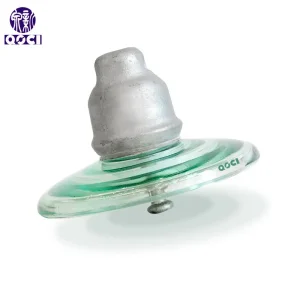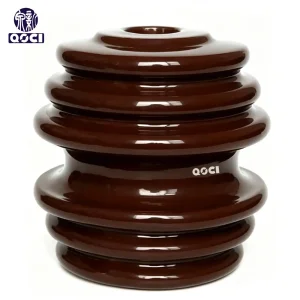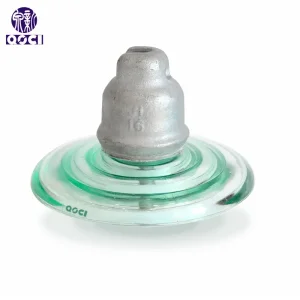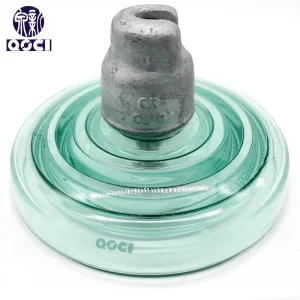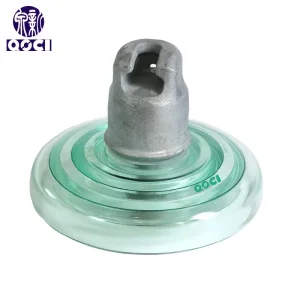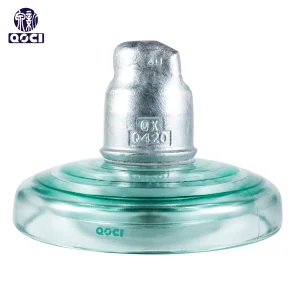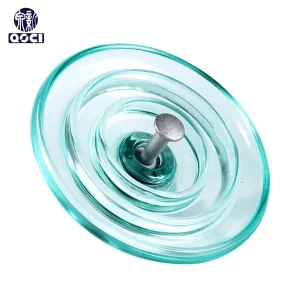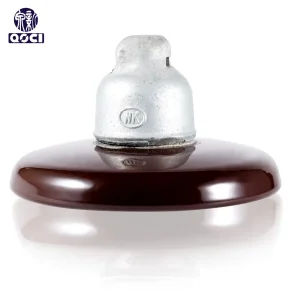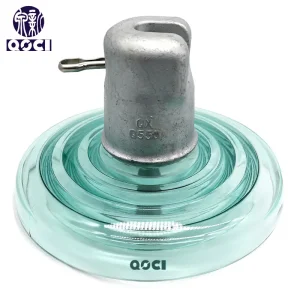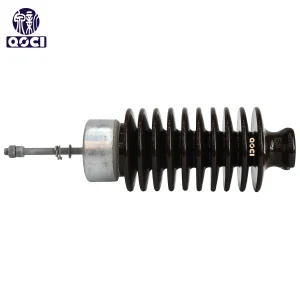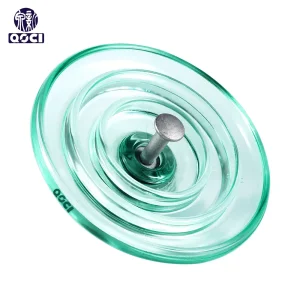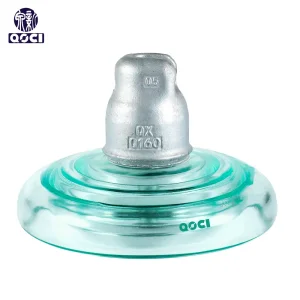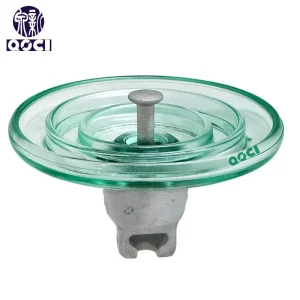
In the contemporary landscape of electrical transmission, the Glass Insulator U120BMA stands as a pinnacle of mechanical reliability and dielectric stability. As global energy demands shift toward Ultra-High Voltage (UHV) and Extra-High Voltage (EHV) corridors, the role of a specialized manufacturer transcends simple production—it requires a deep understanding of material science and environmental stress factors.
This report analyzes the critical role of the U120BMA series, specifically focusing on its 120kN electromechanical failing load, its adaptability to diverse climatic conditions, and the manufacturing innovations driving the "China Factory 4.0" initiative. For procurement officers and utility engineers, understanding the Information Gain regarding tempered glass durability vs. porcelain alternatives is vital for ensuring 50-year grid lifespans.
Founded in December 2002 with a registered capital of 508 million Yuan, Jiangxi QOCI Electric Co. Ltd has emerged as a globally recognized leader in the power industry. Located in the Industrial Park of Luxi County, Pingxiang, our facility covers 100 mu and serves world-class power grids with unparalleled dedication. Our E-E-A-T (Experience, Expertise, Authoritativeness, and Trustworthiness) is rooted in two decades of rigorous testing, participation in green energy infrastructure, and a relentless focus on grid safety.
Different environmental challenges require bespoke insulation geometry. Below are the core profiles we manufacture to meet IEC 60305 standards.
Designed with shallow and well-spaced small ribs. Features a leakage distance higher than basic IEC values, optimized for self-cleaning via natural wind and rain. Ideal for areas with low to moderate pollution.
Characterized by long, widely-spaced under-ribs to prevent arc bridging. With a leakage distance/spacing ratio of ~3.2, it is highly effective in coastal "salt fog" environments and industrial zones.
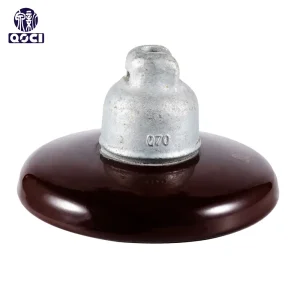
Marked by the absence of under-ribs and extended disk diameter. This geometry prevents the accumulation of sand and dust, making it the premier choice for suspension applications in arid, infrequent-rain regions.
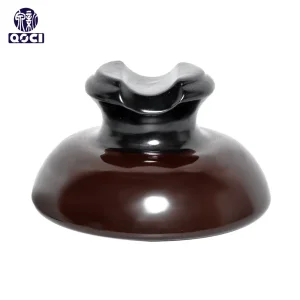
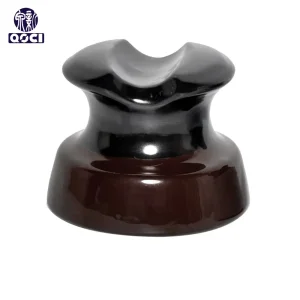
Features two external ribs to reduce pollution build-up. Its aerodynamic shape facilitates manual cleaning and excels in saline soil areas where traditional insulators fail due to surface tracking.
A hybrid solution utilizing Room Temperature Vulcanization (RTV) silicone. It combines the mechanical reliability of toughened glass with the hydrophobicity of polymers, minimizing leakage currents in extreme pollution.
Key for UHV lines, this design provides the longest creepage distance and maximum pollution flashover resistance. A critical component for high-altitude transmission projects.
Our commitment to "China Factory 4.0" involves the integration of AI-driven quality control and high-efficiency thermal processing. The Total Oxygen Kiln and state-of-the-art Forming Press ensure that every U120BMA unit achieves uniform tempering and molecular stability.
By automating the High Voltage Test and Mixer processes, we reduce human error and ensure that every batch meets the strict tolerances required by international utility partners.
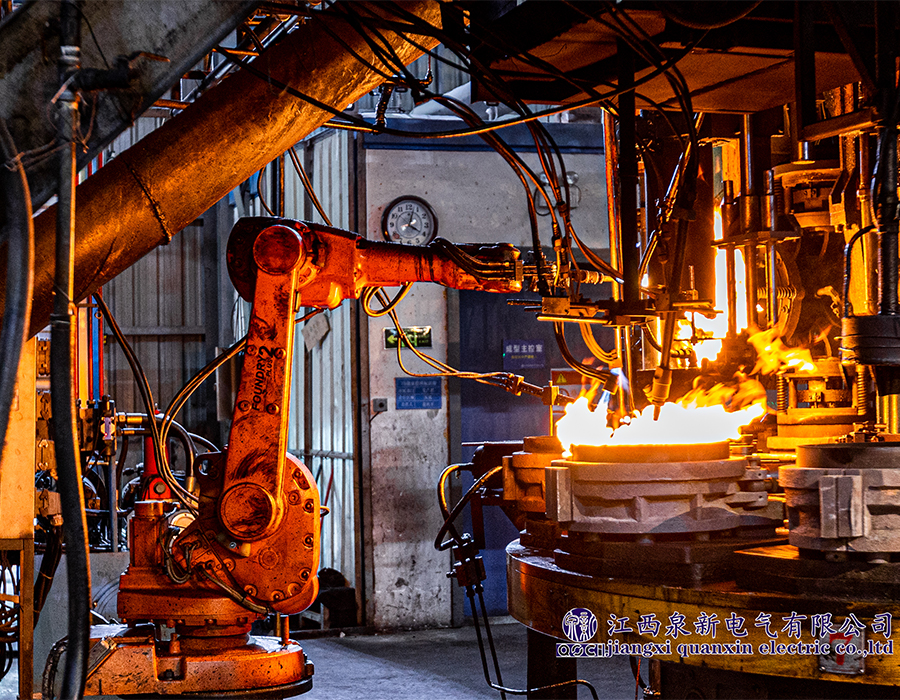
With an annual output of 39,000 tons, Jiangxi QOCI provides a buffer against global supply chain volatility. Our proximity to raw material hubs and optimized logistics allow for fast delivery times and competitive pricing without compromising the "Responsibility is the guarantee of quality" ethos.
Current procurement data suggests a move toward "Lifecycle Cost Analysis" (LCA). Buyers are increasingly choosing toughened glass over porcelain due to its self-shattering property upon failure, which makes visual inspection from helicopters or drones significantly easier and cheaper.
Toughened glass is 100% recyclable. Our manufacturing process focuses on reducing the carbon footprint of the power grid by using efficient melting technologies and participating in global green energy initiatives.
Glass insulators are the backbone of modern civilization. From the humid jungles of Southeast Asia to the freezing heights of the Andes, U120BMA manufacturers must account for varied mechanical loads.
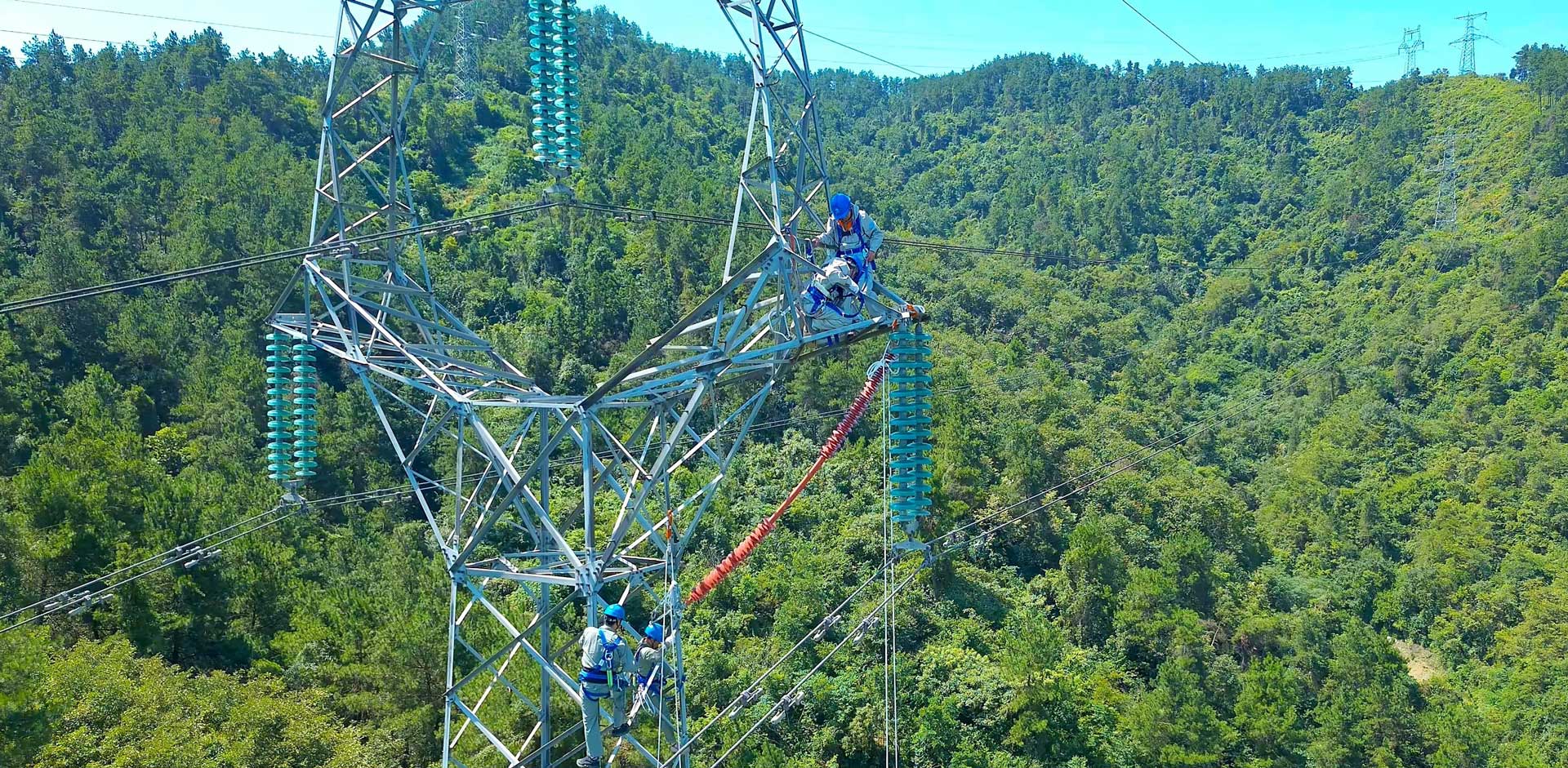
Geographic Adaptability: Resisting extreme icing and high-altitude UV radiation.
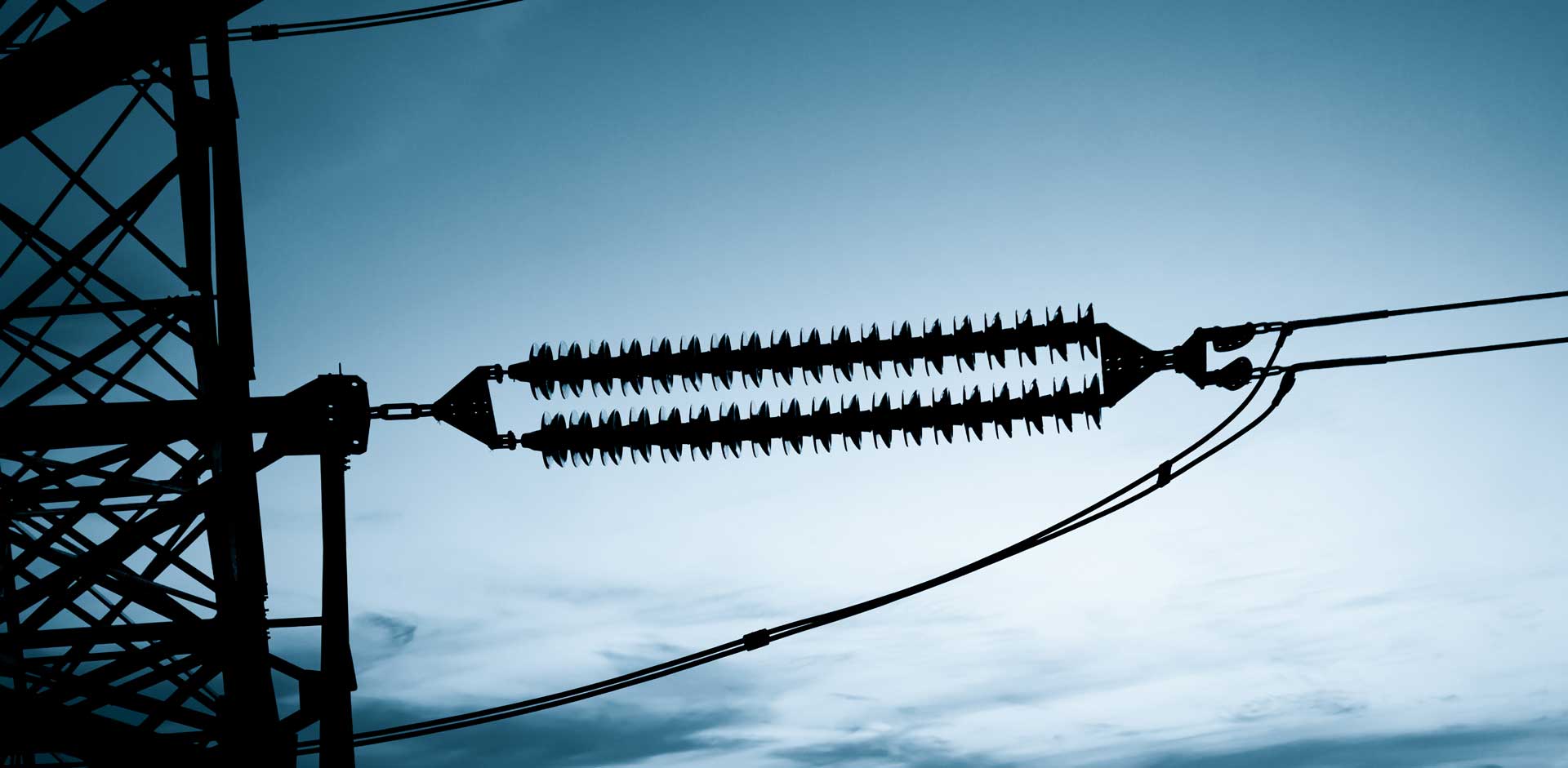
UHV Power Corridors: Ensuring stability in 800kV+ AC/DC transmission lines.
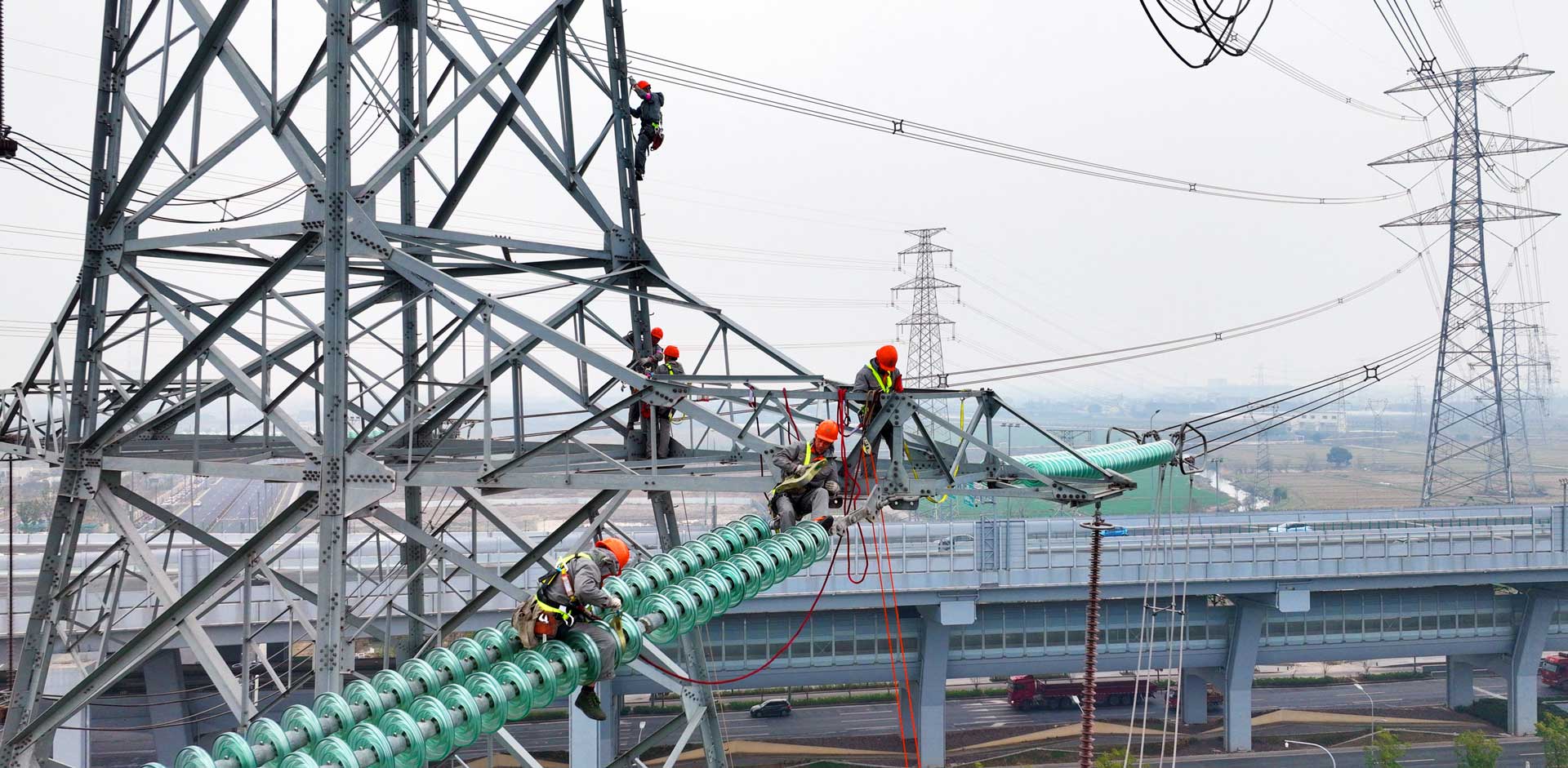
Industrial Pollution Zones: Overcoming chemical deposits in heavy manufacturing hubs.
While no insulator is truly "zero-maintenance," the U120BMA's smooth glass surface and low hydrophilicity make it significantly more resistant to dirt accumulation than porcelain. In coastal humid regions, the application of RTV Coating can extend maintenance cycles from every 2 years to over 10 years, providing massive operational savings for utilities.