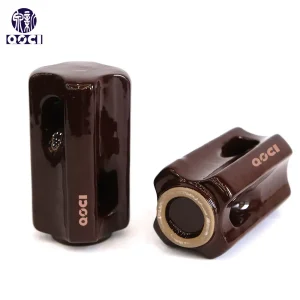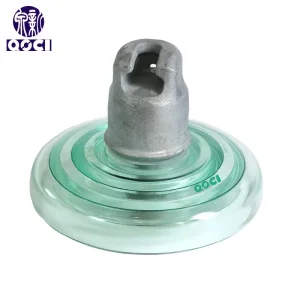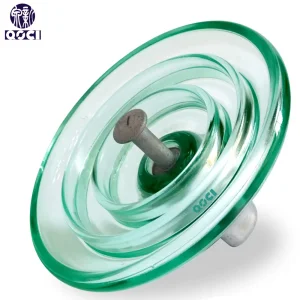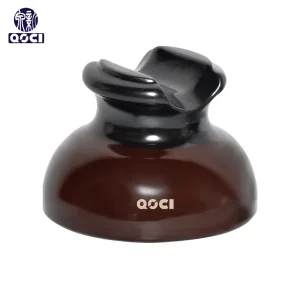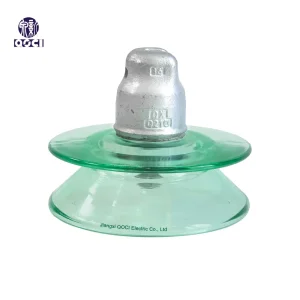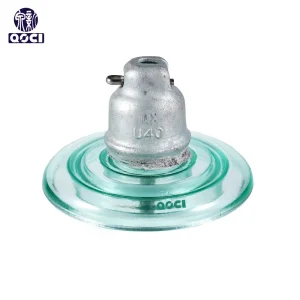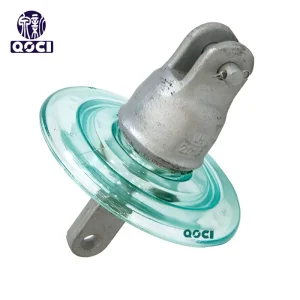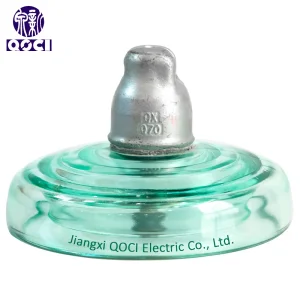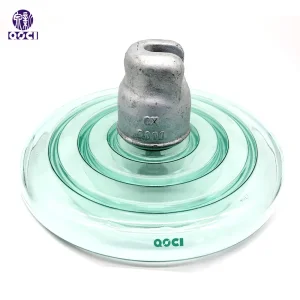
In the landscape of global electrification, the Glass Electric Insulator CTV175 represents a pinnacle of structural and electrical engineering. As power grids transition toward renewable integration and ultra-high voltage (UHV) transmission, the demand for insulators that offer both mechanical resilience and "self-diagnostic" capabilities has surged. Toughened glass insulators, specifically the CTV series, are engineered to withstand extreme tensile loads and environmental stressors while providing an unmistakable visual indication of failure through the "shattering" mechanism, which eliminates the risk of hidden punctures common in porcelain or composite alternatives.
The CTV175 series is characterized by its 175kN mechanical failing load, making it suitable for high-voltage transmission lines (110kV to 500kV). The production involves a precise thermal toughening process that creates a prestressed state: the outer surface is in compression while the core is in tension. This profile ensures:
Utilities in Europe, North America, and Southeast Asia are increasingly specifying toughened glass for their infrastructure upgrades. The procurement shift is driven by Life Cycle Cost (LCC) analysis. While initial costs may align with porcelain, the zero-puncture maintenance cost and ease of helicopter/drone inspection make Glass Insulators the preferred choice for EPC contractors worldwide.
From the desert sands of the Middle East to the saline coasts of Brazil, CTV175 insulators are deployed with specialized profiles. We provide Anti-Pollution (Fog Type) designs with extended leakage distances and RTV (Room Temperature Vulcanization) Silicone Coatings to combine the mechanical strength of glass with the hydrophobicity of polymers.
Registered Capital (Yuan)
Plant Area (m²)
Annual Output (Tons)
Invention Patents
Refining the purity of the raw glass melt to reduce the spontaneous breakage rate to less than 1/10,000. Focus on "CTV" series consistency.
Integrating chemical coating technology with toughened glass. Our factory applies RTV silicone in a controlled environment to ensure 20+ years of adhesion, solving the problem of heavy industrial pollution without periodic washing.
Developing IoT-enabled insulators capable of monitoring leakage current and string tension in real-time, providing predictive maintenance data for the AI-driven grids of 2030.
Jiangxi QOCI Electric Co. Ltd operates with a philosophy of "Responsibility is the guarantee of quality." Our CTV175 insulators are rigorously tested according to:
| Standard | Region/Organization | Focus Areas |
|---|---|---|
| IEC 60305 / 60383 | International | Dimensions, Mechanical & Electrical Characteristics |
| ANSI C29.2B | North America | Wet/Dry Flashover, Radio Influence Voltage (RIV) |
| IEEE 1313.1 | Global Engineering | Insulation Coordination & Surge Protection |
| ISO 9001 / 14001 | Management | Quality Control & Environmental Sustainability |