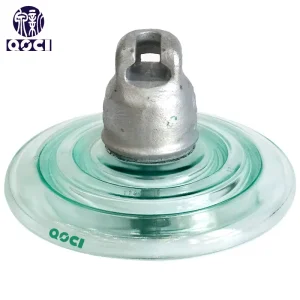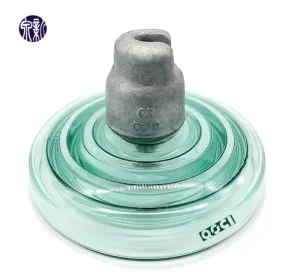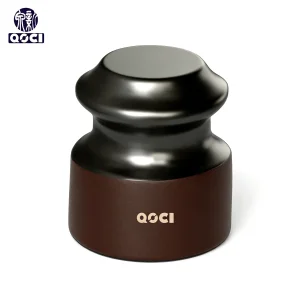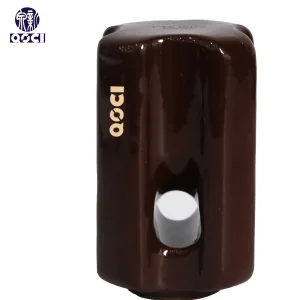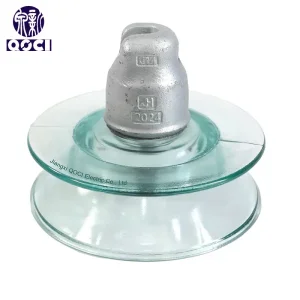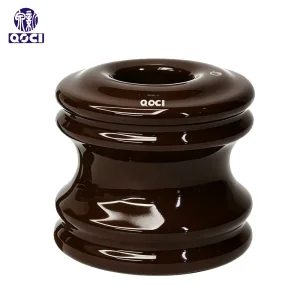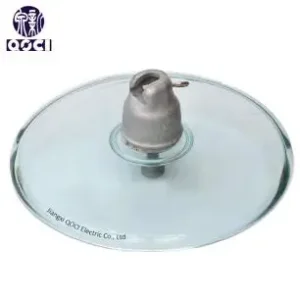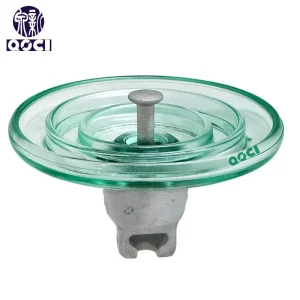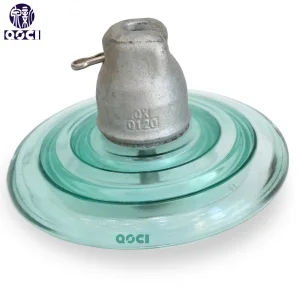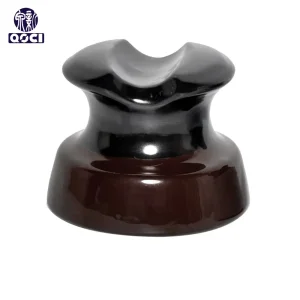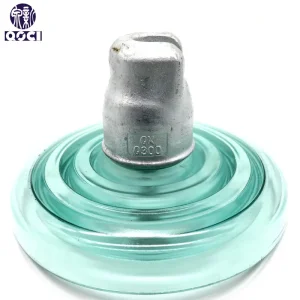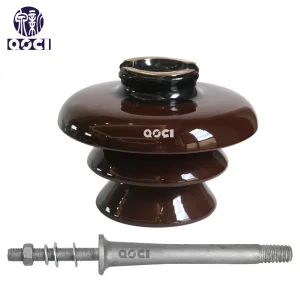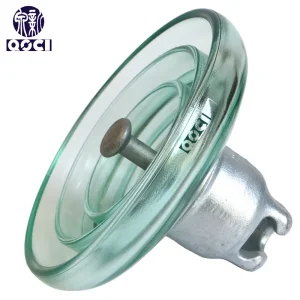
In the landscape of modern electrical infrastructure, the Glass Isolator U160bsa represents the pinnacle of suspension-type dielectric technology. As global energy grids transition toward higher voltages and increased reliability, the demand for insulators capable of withstanding extreme mechanical loads and environmental stressors has never been higher.
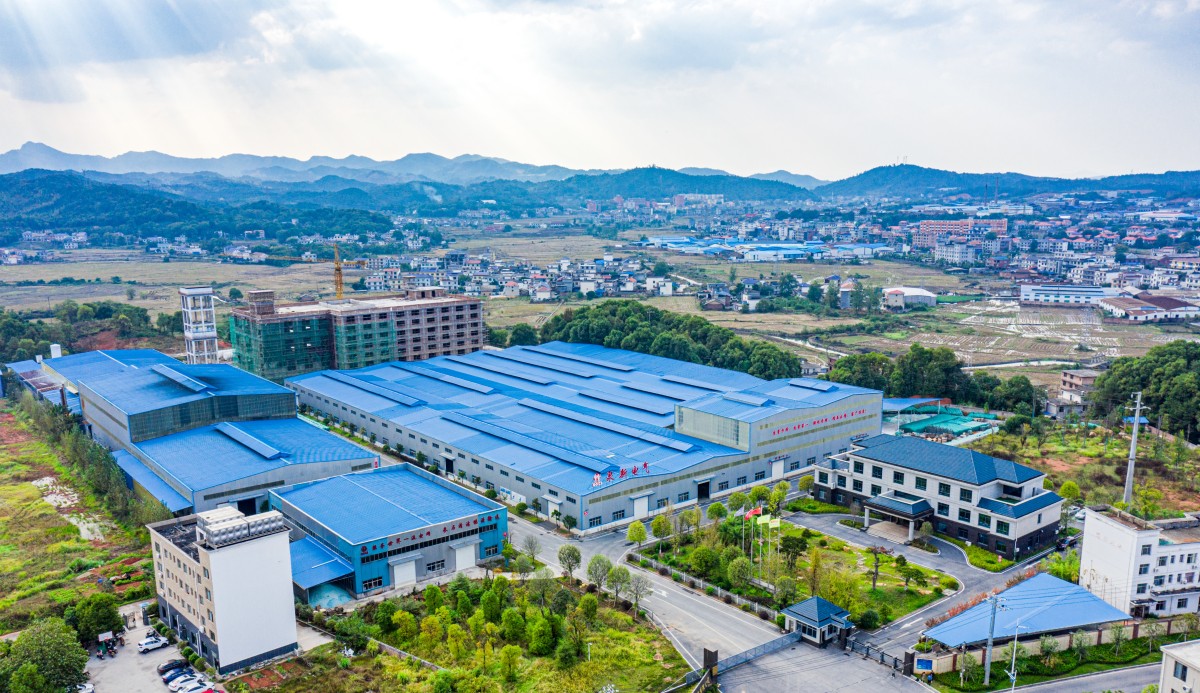
Jiangxi QOCI Electric Co. Ltd, a premier Chinese manufacturer with a registered capital of 508 million Yuan, stands at the forefront of this technological evolution. Our U160bsa series is engineered to exceed IEC 60305 standards, providing a mechanical failing load of 160kN, specifically designed for high-voltage (HV) and ultra-high-voltage (UHV) AC/DC transmission lines.
The global shift toward renewable energy requires long-distance transmission from remote solar/wind farms. U160bsa insulators provide the high mechanical strength necessary for these expansive HVDC corridors.
Modern insulators are now being integrated with IoT sensors. Our future roadmap includes "Smart Glass" that can monitor leakage current and mechanical tension in real-time.
With increasing extreme weather, toughened glass is preferred over porcelain for its "zero-puncture" property and ease of visual inspection after storms.
Glass insulators are 100% recyclable. As utilities focus on ESG (Environmental, Social, and Governance) goals, glass is becoming the preferred material for sustainable grid development.
Standardized U160bsa designs allow for rapid replacement and lower TCO (Total Cost of Ownership) compared to composite insulators which have shorter lifespans.
For global procurement managers, sourcing High-Quality Glass Isolators involves more than just comparing unit prices. It requires a holistic view of the manufacturer's capability, lead times, and logistical footprint.
Our products adhere to IEC 60305, IEC 60383, and ANSI C29.2 standards, ensuring seamless integration into any international power project.
We provide comprehensive localized technical documentation and engineering support for bidding processes in EMEA, LATAM, and APAC regions.
With an annual output of 39,000 tons, QOCI guarantees a stable supply chain, mitigating risks associated with material shortages or production delays.
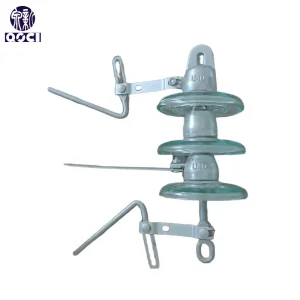
We don't just sell products; we offer grid reliability. Our engineering team assists in string design calculations, pollution flashover analysis, and mechanical load assessments to ensure the U160bsa performs optimally in specific geographic terrains.
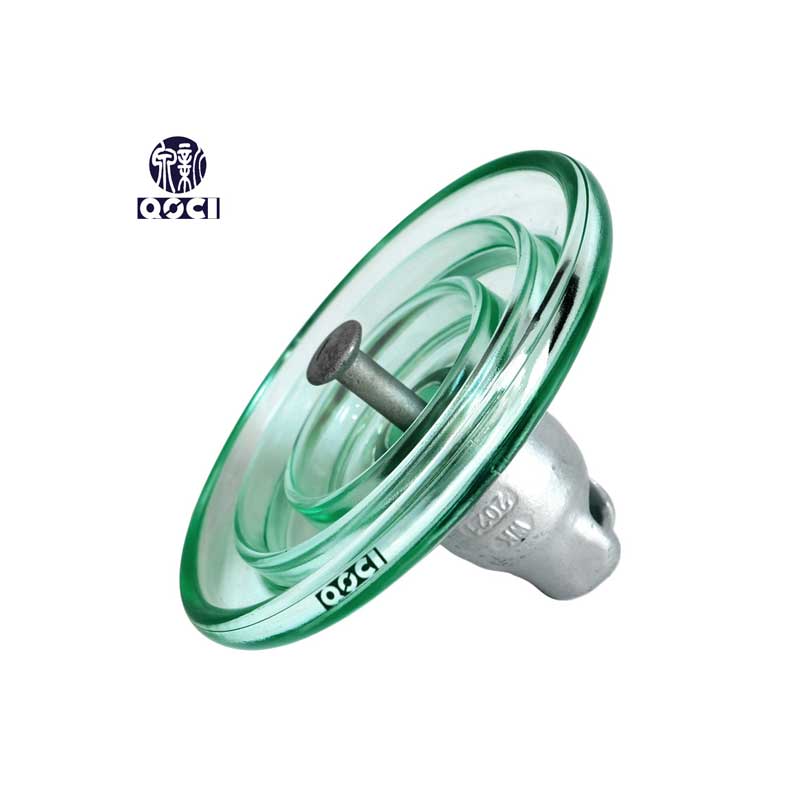
Higher leakage distance than IEC 60305 standards. Features shallow, well-spaced ribs for effective wind/rain self-cleaning.
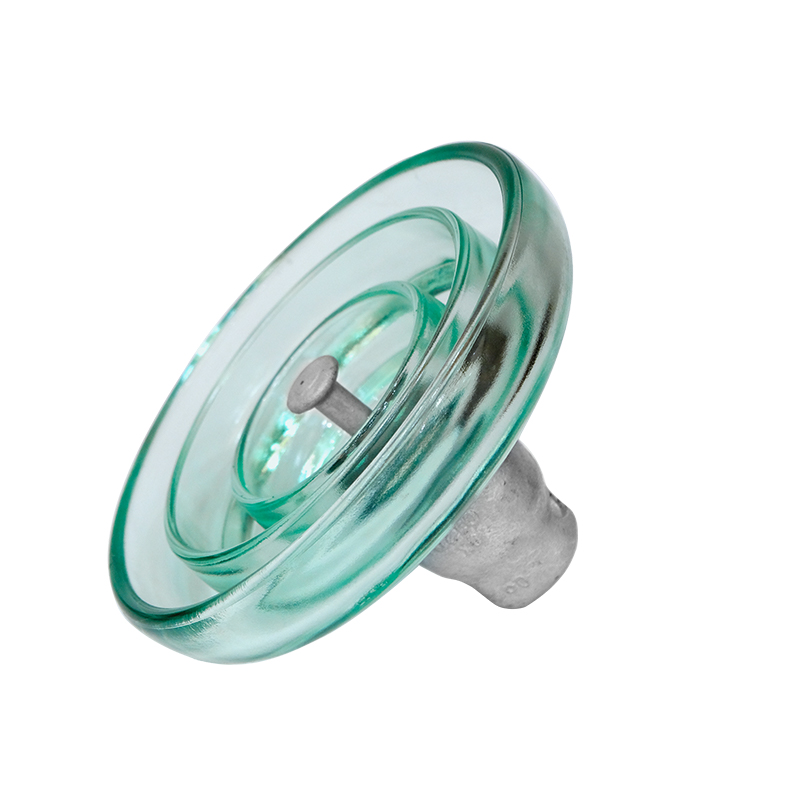
Long, widely-spaced under-ribs to avoid arc bridging. Ideal for coastal salt-fog and high-pollution industrial zones.
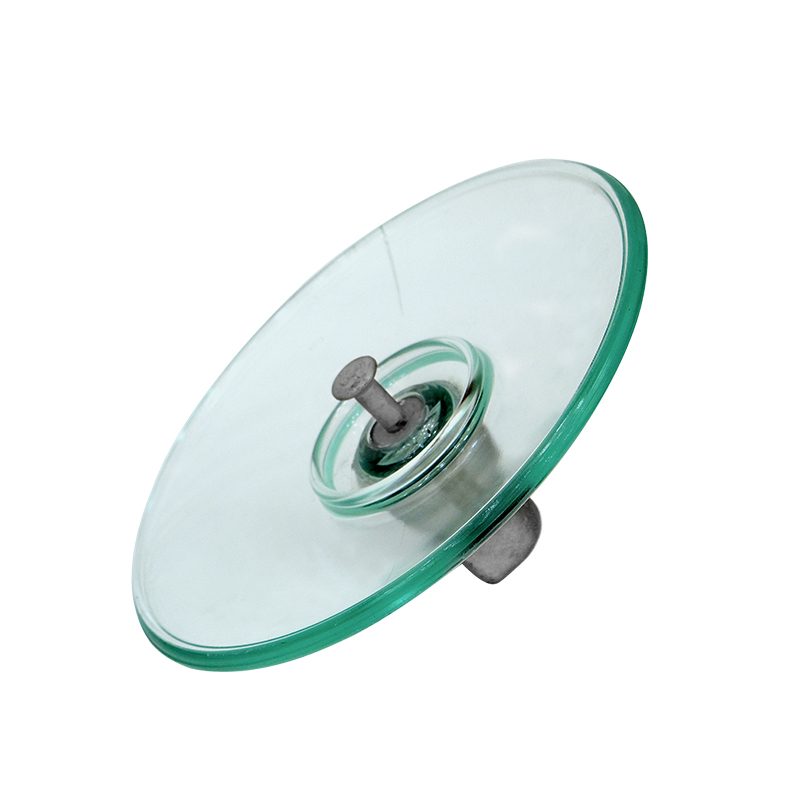
Designed for desert areas. Absence of under-ribs prevents sand and dust accumulation. Solves ice-bridging issues.
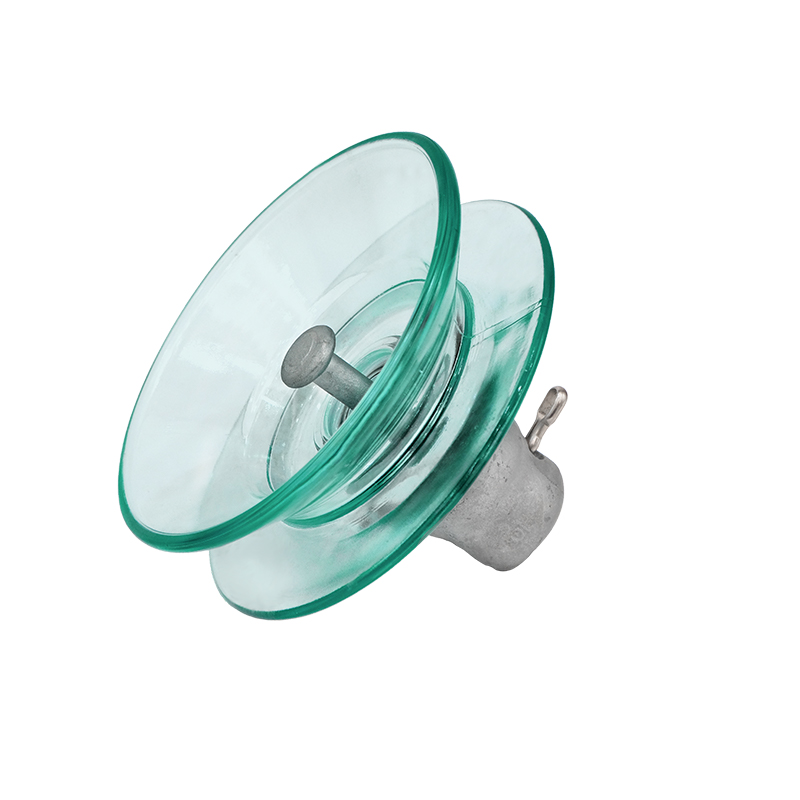
Two external ribs for extreme solid pollution cases. Facilitates manual cleaning and performs well in saline soils.
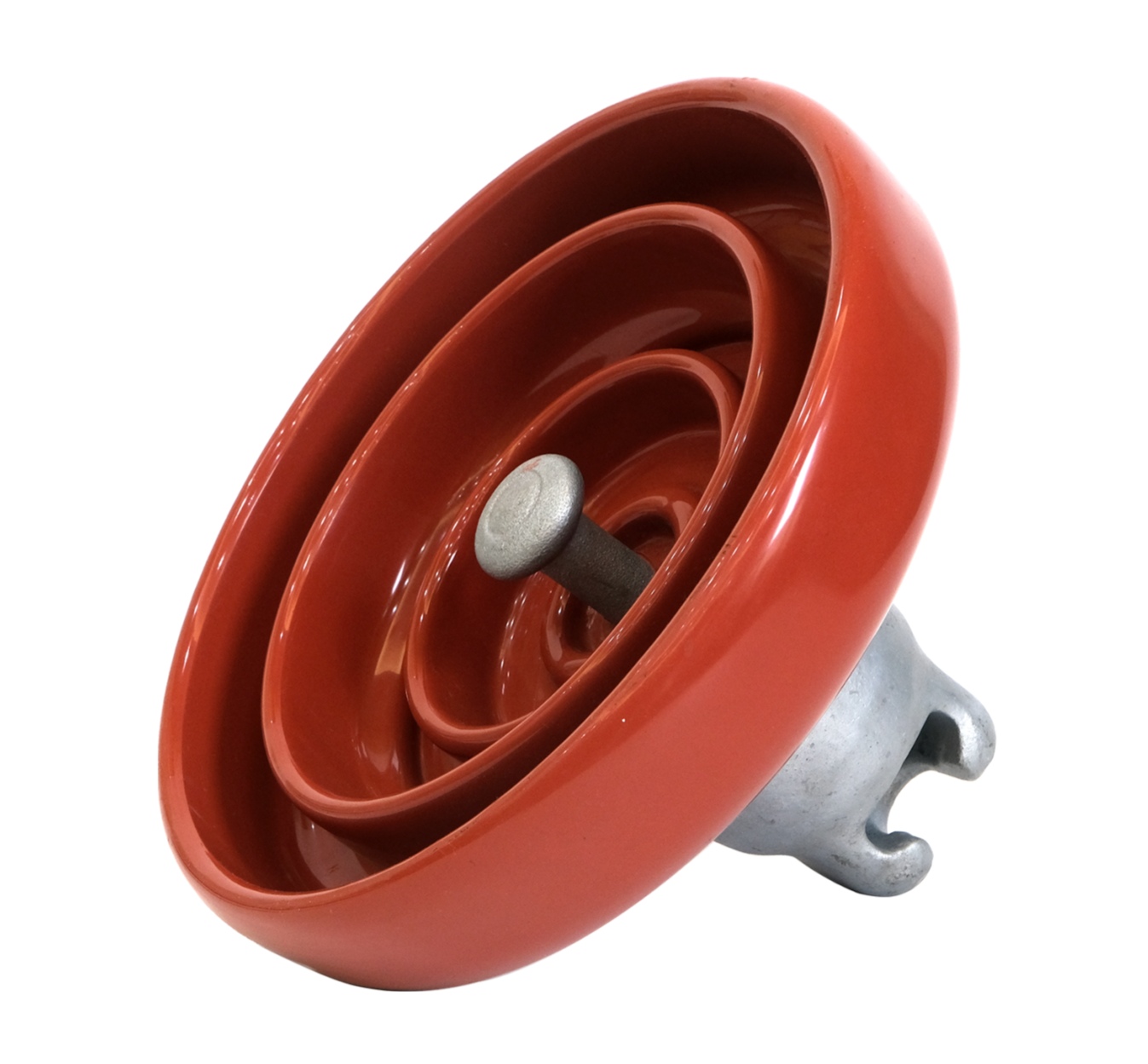
Room Temperature Vulcanization (RTV) silicone coating. Minimizes leaking currents and maintenance in ultra-polluted areas.
Implementation of total oxygen kiln technology to improve glass purity, leading to even lower spontaneous breakage rates (less than 1 per 10,000).
RFID integration for every U160bsa unit, allowing utilities to track manufacturing data and maintenance history via mobile apps.
Self-diagnostic insulators capable of reporting electrical stress data directly to the grid control center.
U160bsa glass insulators offer the "zero-puncture" benefit. Unlike porcelain, if a glass insulator fails, the glass shell shatters, making the fault visible from the ground without expensive testing. Additionally, glass has better aging resistance and mechanical consistency.
The 160kN rating is typically required for transmission lines ranging from 132kV to 500kV, especially in tension strings where the mechanical load from the weight of the conductor and environmental factors (ice, wind) is significant.
We utilize a fully automated production line including forming presses, mixers, and total oxygen kilns. Every unit undergoes high-voltage testing and mechanical load testing to ensure it meets the rated 160kN strength before shipment.
Yes, for coastal applications, we recommend our Anti-Pollution Type or RTV-coated U160bsa insulators. These designs increase the creepage distance and hydrophobic properties, preventing salt-induced flashovers.
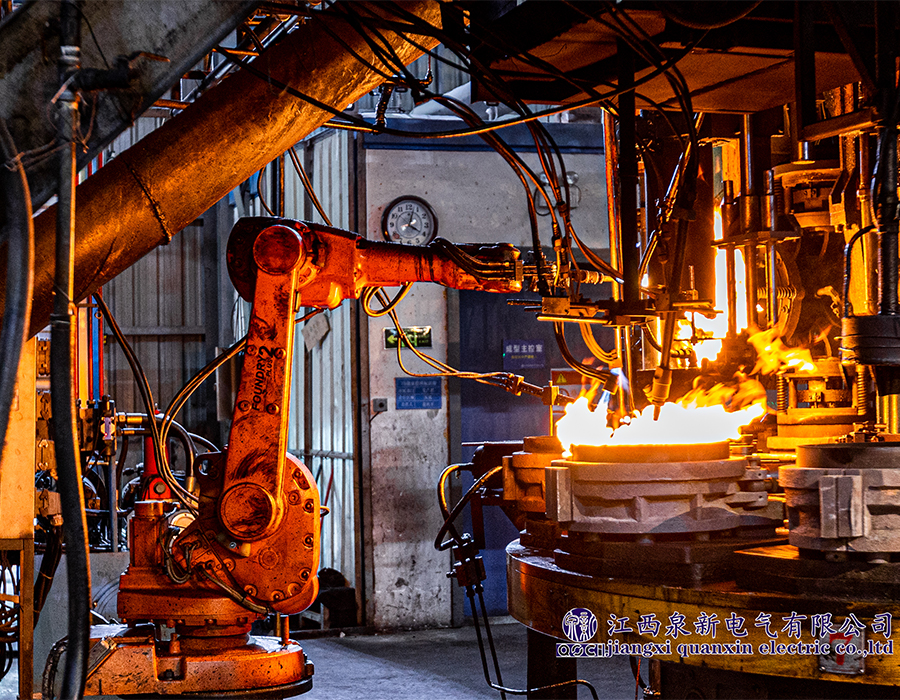
Forming Press
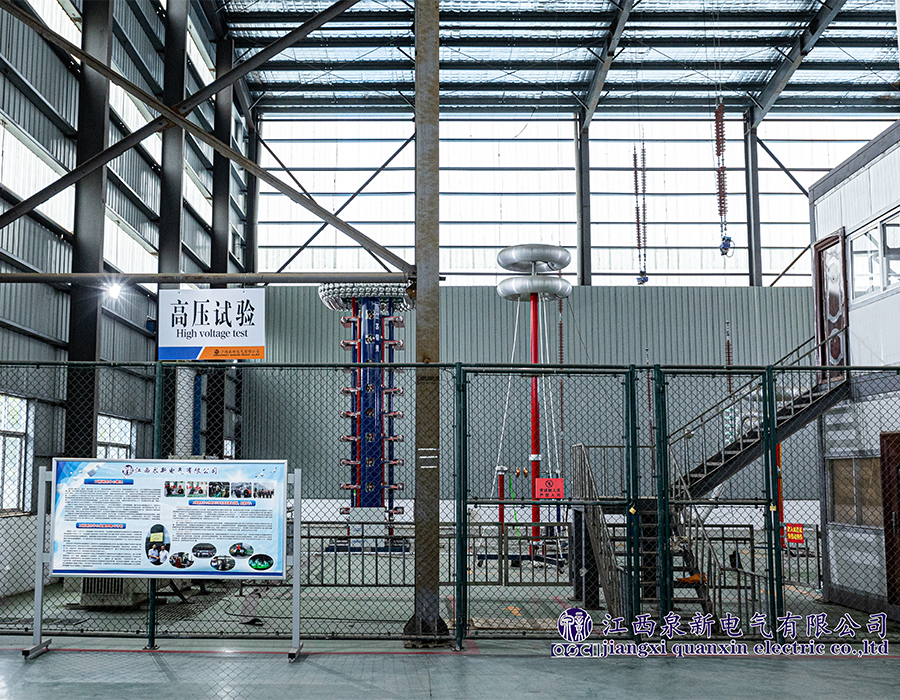
High Voltage Test
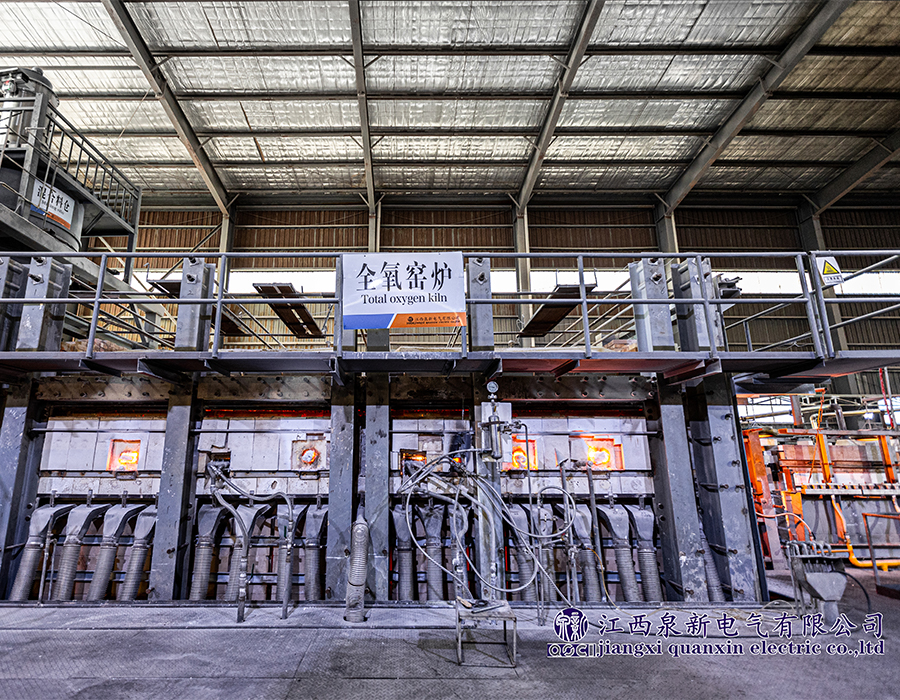
Total Oxygen Kiln
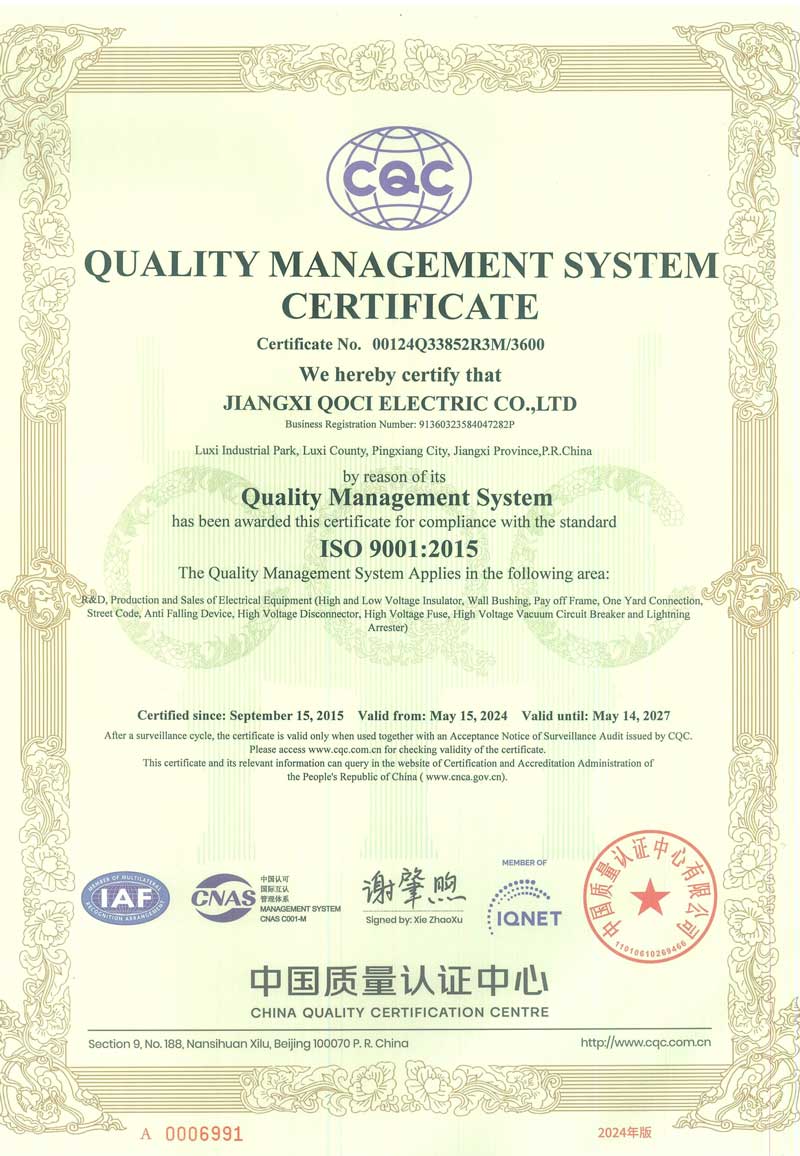
ISO Certification
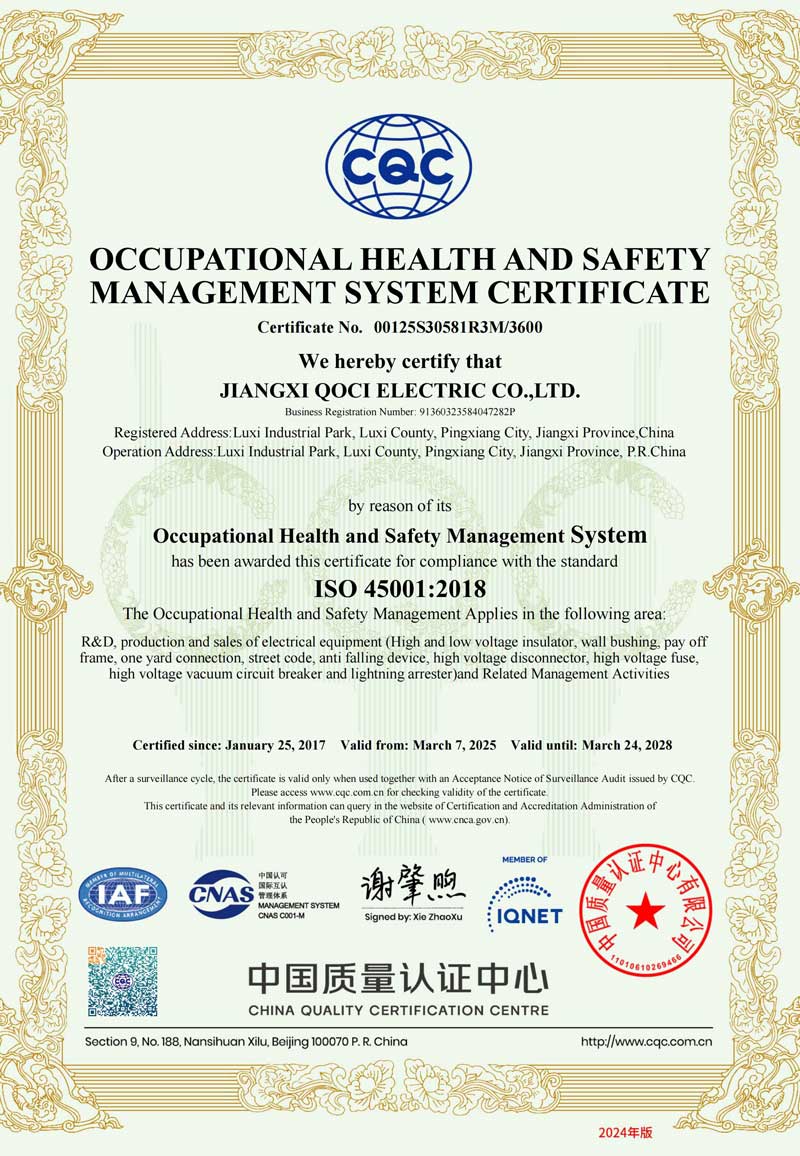
Quality Assurance