Select industrial grade insulators certified under international electrical grid benchmarks.
Serve the world-class power grid with dedication. Actively participate in the global construction of green energy and smart grids.
Responsibility is our ultimate guarantee of quality. Every insulator undergoes rigorous mechanical stress testing and thermal shock testing.
We serve the electric power industry globally, ensuring the long-term safety, efficiency, and structural integrity of high-voltage grids.
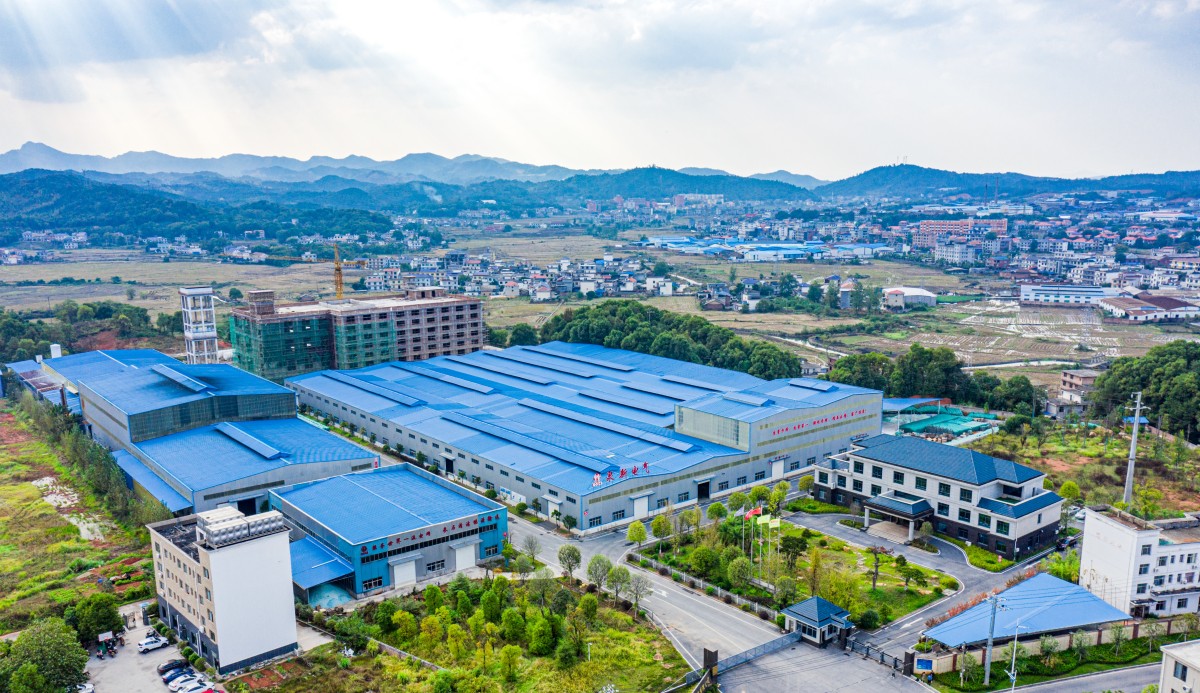
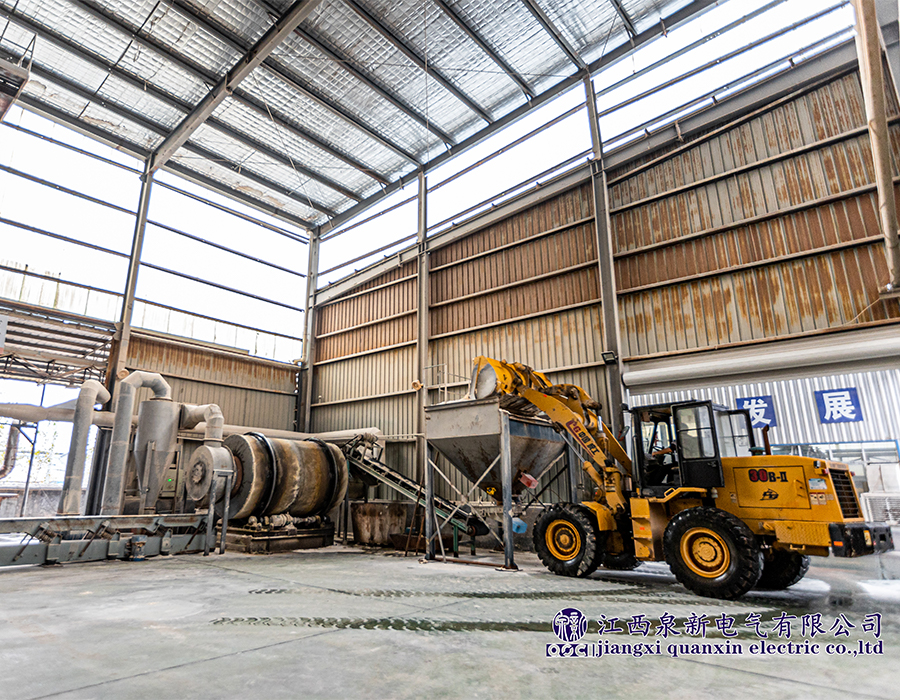
Founded in December 2002 with a registered capital of 508 million Yuan, Jiangxi QOCI Electric Co. Ltd is a modern power engineering giant located in the Industrial Park of Luxi County, Pingxiang, Jiangxi Province. We cover an extensive production area of 100 mu, utilizing advanced thermal furnaces and high-tonnage metallurgical casting presses.
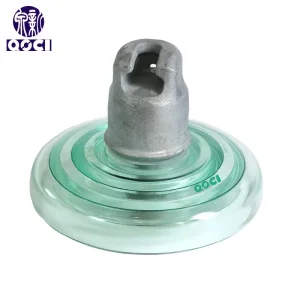
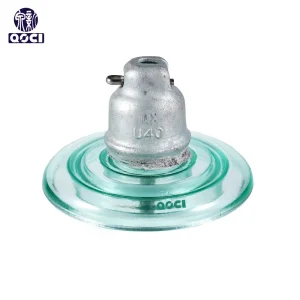
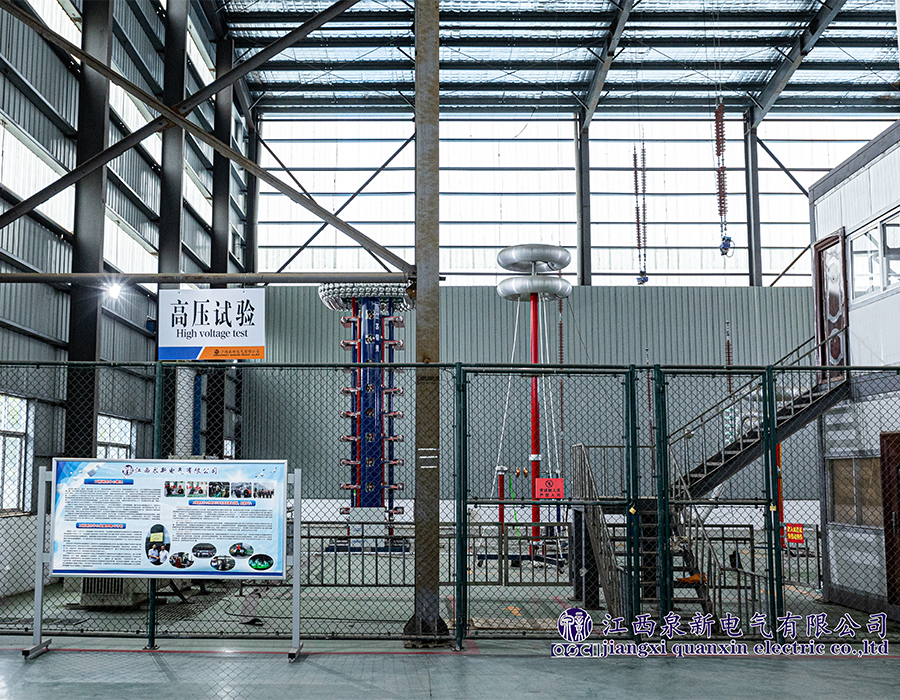
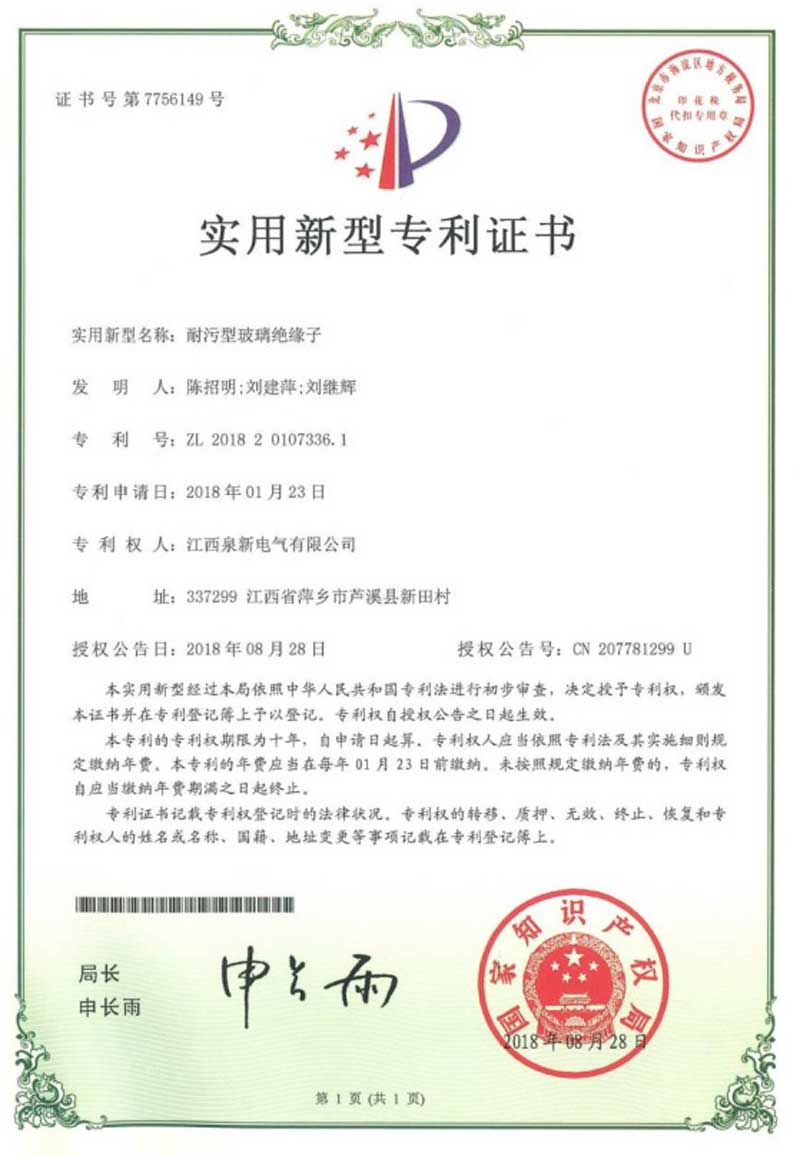
With dozens of engineering breakthroughs and patents, we specialize in high-strength cap-and-pin toughened glass insulators. Our fully integrated facility manages every stage—from glass melting to iron cap casting, zinc sleeve mounting, assembly curing, and high-voltage destructive tests. This ensures our clients receive highly competitive wholesale pricing alongside optimal lead times.
In high-voltage (HV), extra-high voltage (EHV), and ultra-high voltage (UHV) overhead transmission systems, the cap-and-pin toughened glass insulator serves as a critical mechanical and electrical component. It supports the physical weight of massive conductor lines while simultaneously blocking electrical leakage to the tower structures. Achieving long-term resilience requires a deep understanding of structural materials, environmental factors, and manufacturing precision.
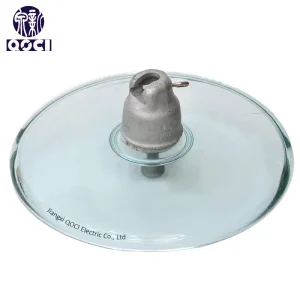
The insulator cap acts as the mechanical interface between adjacent insulating discs or the supporting steel towers. Because of the enormous mechanical loads—ranging from 70kN up to 550kN under windy, icy, or extreme dynamic conditions—the cap is cast from premium ductile iron (nodular cast iron) or high-strength malleable cast iron. These materials offer exceptional tensile strength and elongation characteristics, preventing sudden failure under strain.
To resist galvanic corrosion caused by environmental moisture and electrostatic discharge, each cap and pin undergoes hot-dip galvanization in accordance with ISO 1461 and ASTM A153. A thick zinc coating protects the iron substrate, preventing corrosion-induced mechanical breakdown. Additionally, a sacrificial zinc sleeve is fitted to the metal pin to counteract electrolytic erosion in areas with high air salinity.
| Technical Characteristic | Standard Specs (IEC/ANSI) | QOCI Electric Superior Range | Application Advantage |
|---|---|---|---|
| Mechanical Failing Load | 70kN – 300kN | Up to 550kN | Supports heavy UHV conductor bundles in long-span crossings. |
| Thermal Shock Resistance | 70°C Temperature Difference | Up to 100°C Thermal Gradient | Prevents fracturing in regions with extreme day-night shifts. |
| Galvanizing Thickness (Cap) | Min 85 μm | Min 95 - 110 μm | Extends life cycle up to 50 years in highly corrosive marine zones. |
| Puncture Resistance | Standard Air/Oil Insulation | Zero-puncture glass properties | Eliminates internal discharges; glass shatters cleanly for easy detection. |
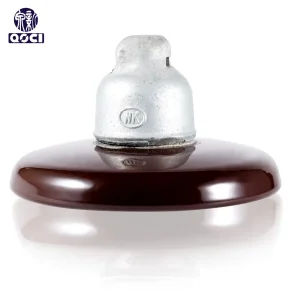
Unlike porcelain, which can develop internal micro-fissures and hidden electrical paths ("punctured insulators"), toughened glass features a prestressed surface layer created through rapid, controlled cooling (tempering). This thermal treatment generates compressive stress at the surface and tensile stress internally. If the glass body suffers structural damage, this internal balance causes it to shatter into small, harmless fragments (known as a "spun shell" or "shattered disc"). The metal cap and pin remain locked together, maintaining mechanical line support while indicating to line inspectors that the unit needs replacement.
Airborne particulates like industrial dust, marine salt, and agricultural chemicals accumulate on insulator surfaces, creating a conductive path when wet and leading to flashovers. Standard designs with horizontal ribs perform well in self-cleaning rainy regions, but harsh climates require specialized profiles:
Explore specialized designs optimized for varied global grid conditions.
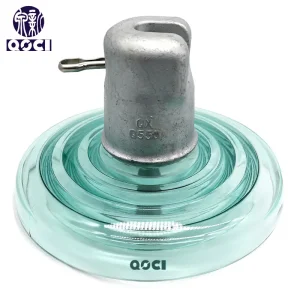
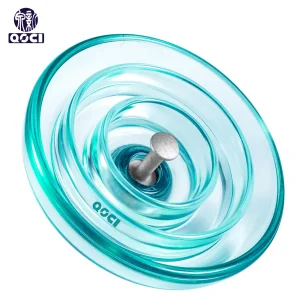
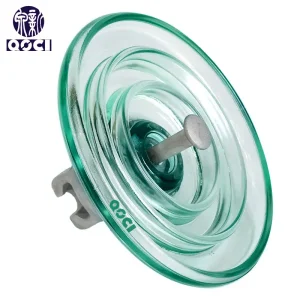
Engineered with spaced, shallow under-ribs that leverage wind and rain for self-cleaning. The creepage distance meets or exceeds IEC 60305 standards, providing reliable performance on typical AC/DC high-voltage distribution lines.
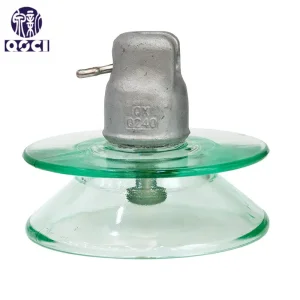
Designed with long, widely spaced under-ribs to prevent electrical bridging. With a high leakage distance to spacing ratio (approx 3.2), it offers excellent performance in salty coastal air and industrial smog zones.
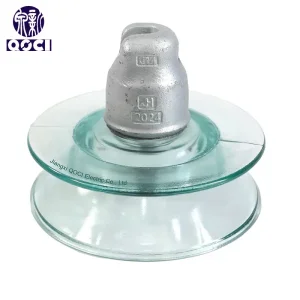
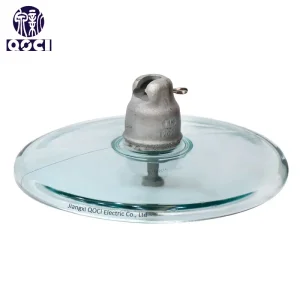
An open, flat shape without under-ribs prevents sand, dust, and ice accumulation. This profile is ideal for arid deserts with strong winds and infrequent rainfall, as well as high-altitude lines prone to ice buildup.
Two or three distinct layers of insulating discs provide a long creepage path in a compact assembly height. These profiles resist pollution flashover and remain stable under heavy rain, making them suitable for ultra-high voltage (UHV) lines.
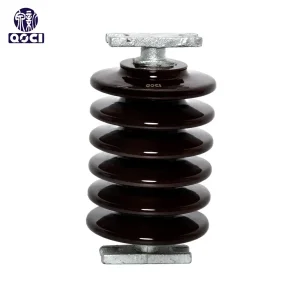
Features integrated grounding terminals and metal caps to direct lightning strikes safely to the tower structures, protecting line conductors and high-voltage equipment from overvoltage damage.
Standard glass units are coated with Room Temperature Vulcanized (RTV) silicone. This coating provides a highly hydrophobic, self-cleaning surface that limits leakage currents and eliminates the need for periodic manual washing.
Jiangxi QOCI Electric operates within a specialized industrial cluster in Pingxiang, Jiangxi Province. This location provides access to high-quality mineral raw materials, expert metallurgy partners, and reliable energy supply lines. These regional advantages enable us to maintain efficient production cycles and deliver high-strength power grid components reliably.
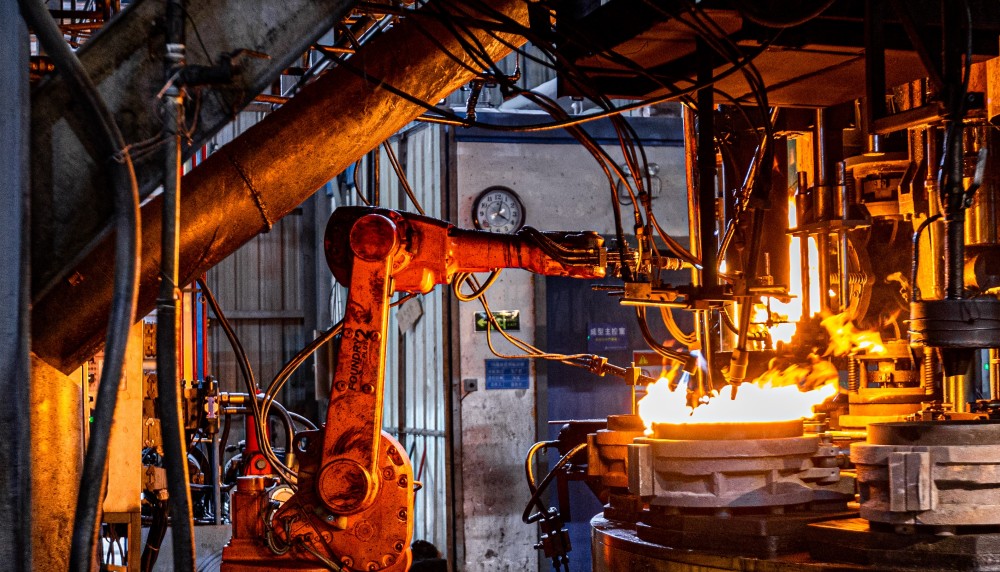
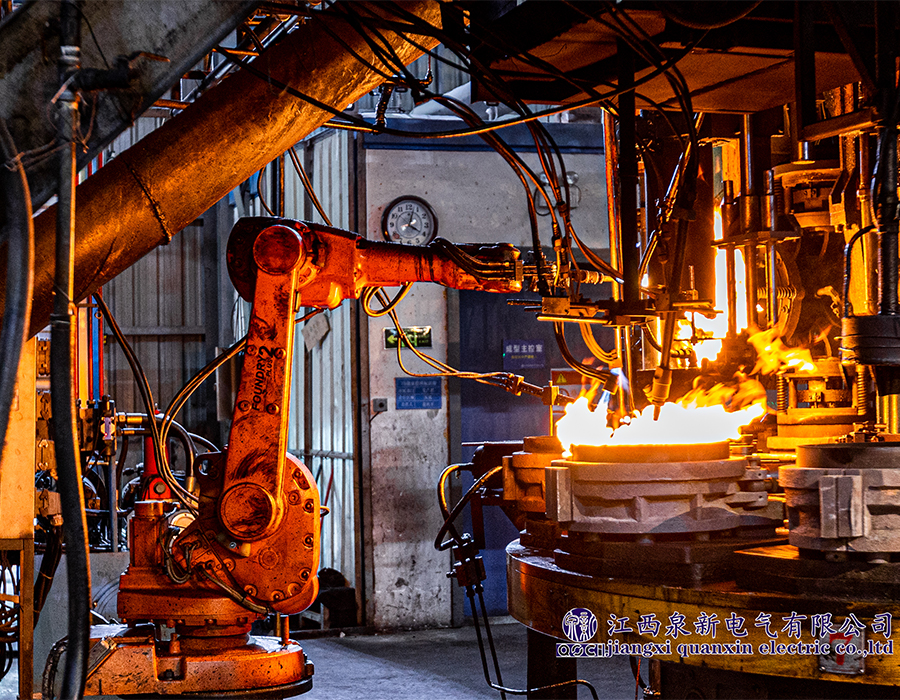
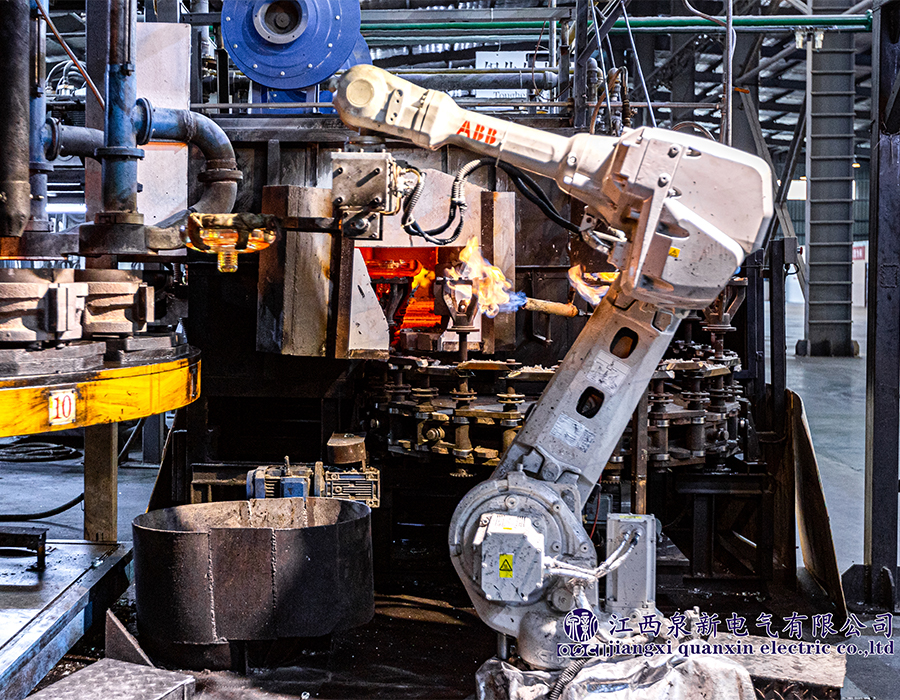
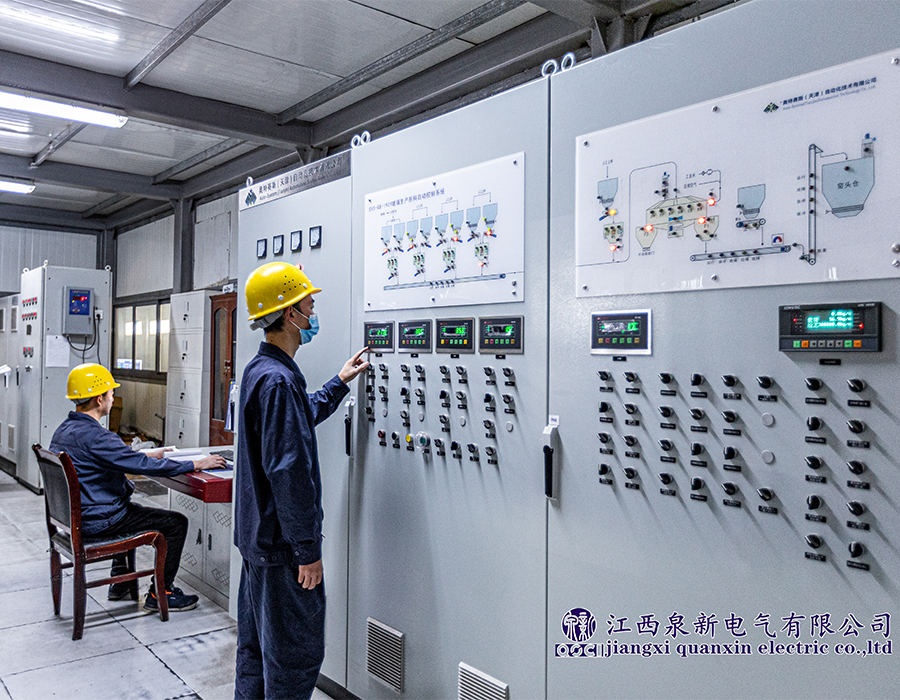
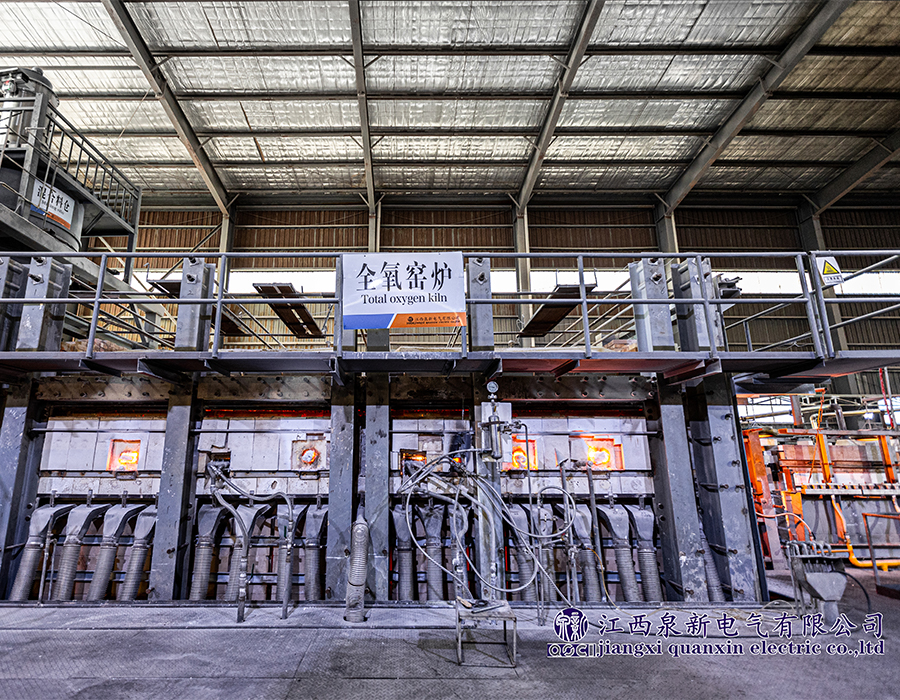
From initial mix styling and oxygen-fuel glass melting to pressing, thermal tempering, hot curing, and mechanical testing, our continuous-flow factory layout minimizes material handling and production downtime. Operating with an annual capacity of 39,000 tons of glass suspension insulators, we provide high-volume supply and consistent quality to support large-scale electrical transmission projects worldwide.
Quality and precision at every stage of the manufacturing process.
Engineered for high performance across diverse climates, terrains, and grid requirements.
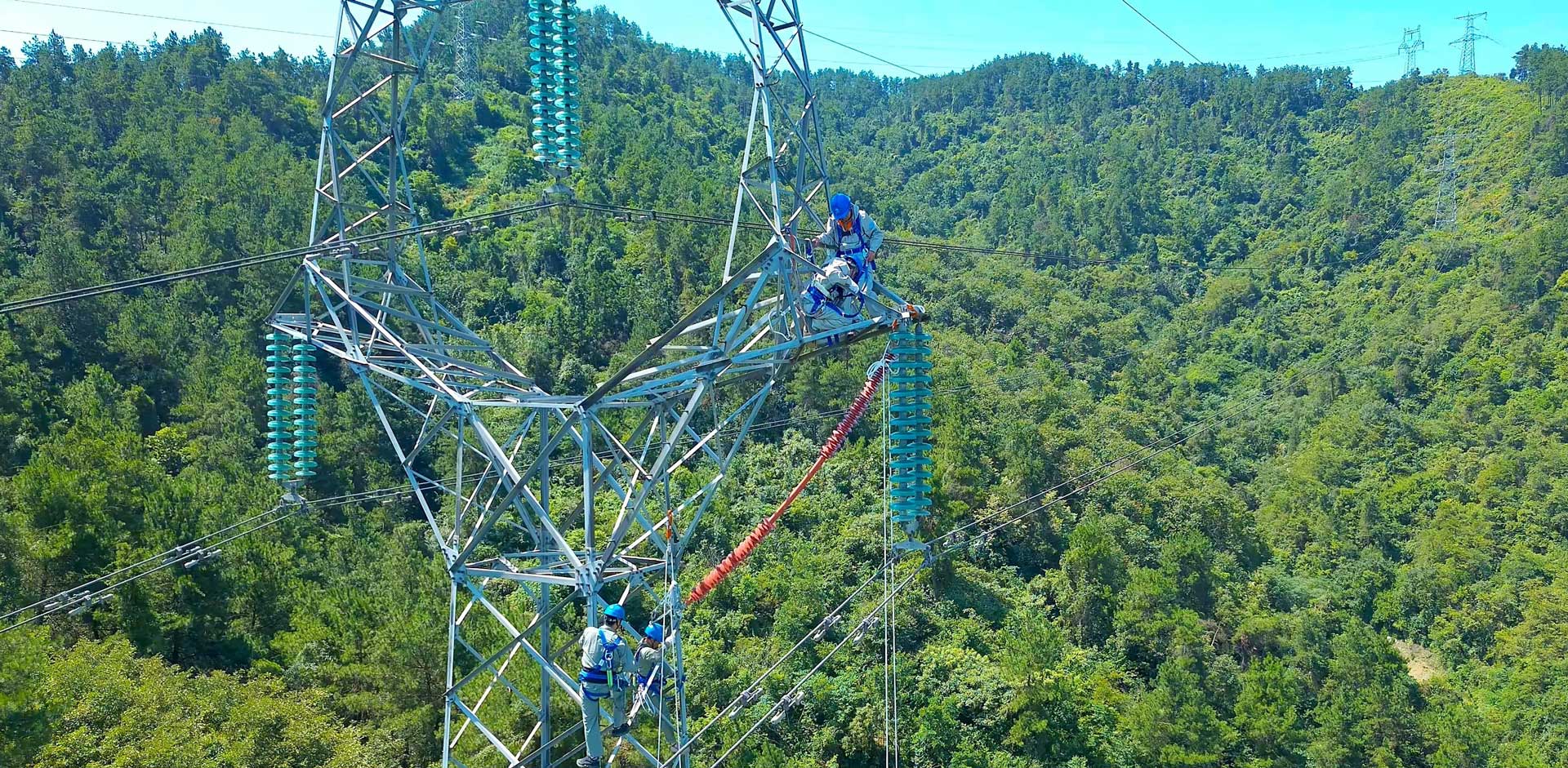
Reliable performance in extreme climates, from cold alpine zones to coastal salt fog and dry desert regions.
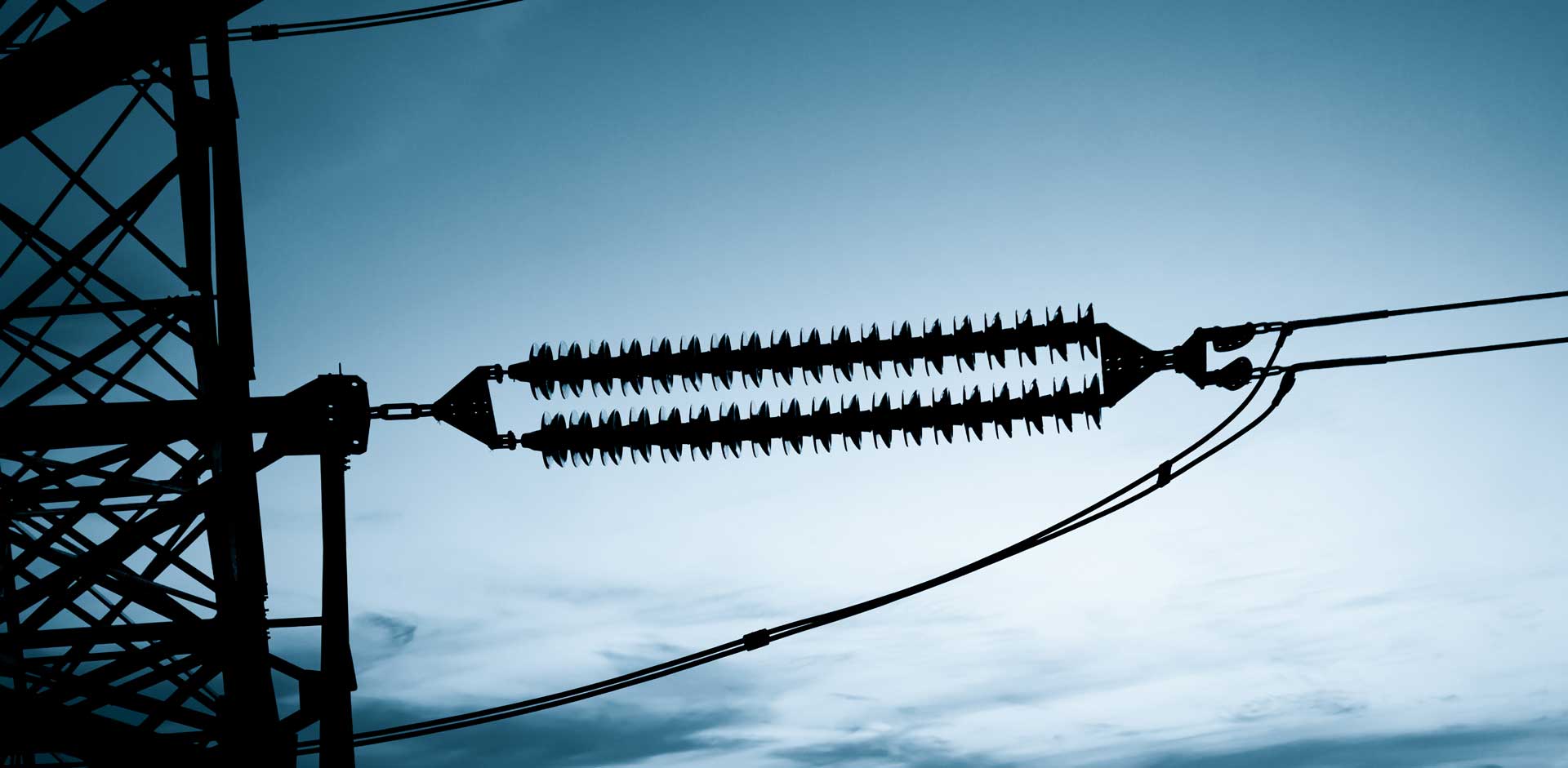
Designed to meet mechanical and electrical load specifications for lines from 33kV up to 1000kV AC/DC.
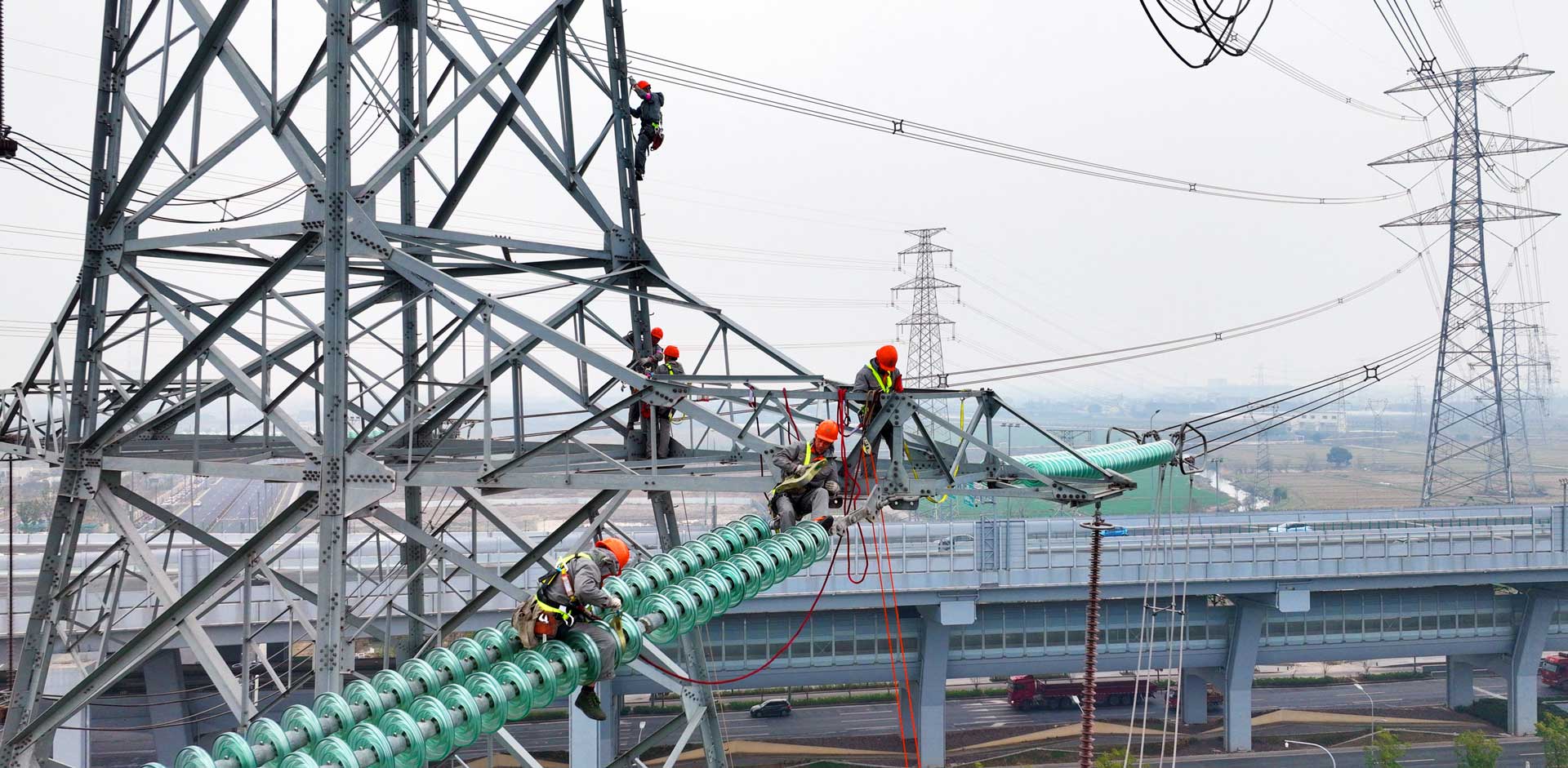
Reliable structural support and grounding systems that protect grid infrastructure during lightning overvoltages.
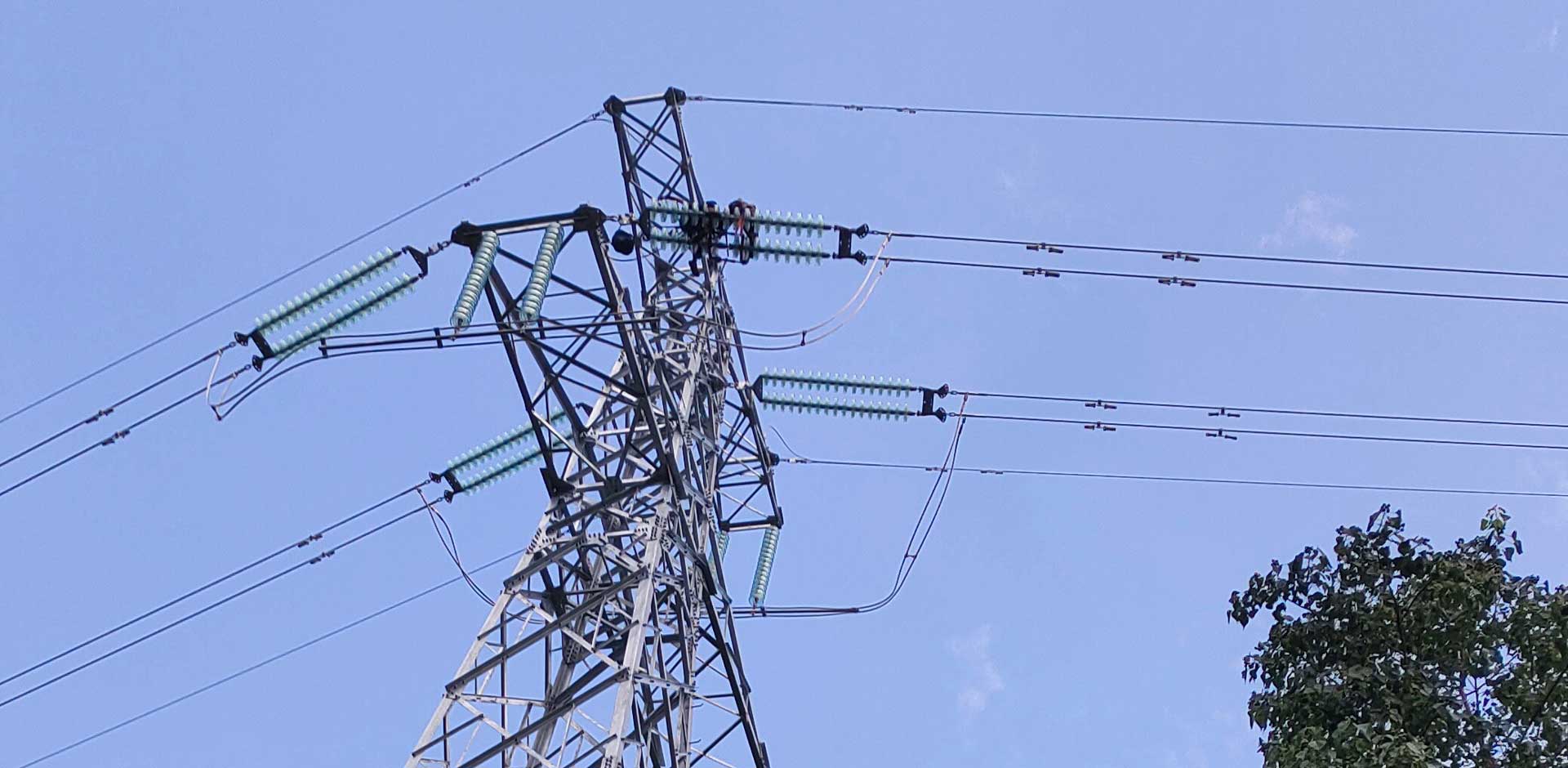
High-creepage, corrosion-resistant insulators designed to withstand chemical dust and high humidity near refineries and smelters.
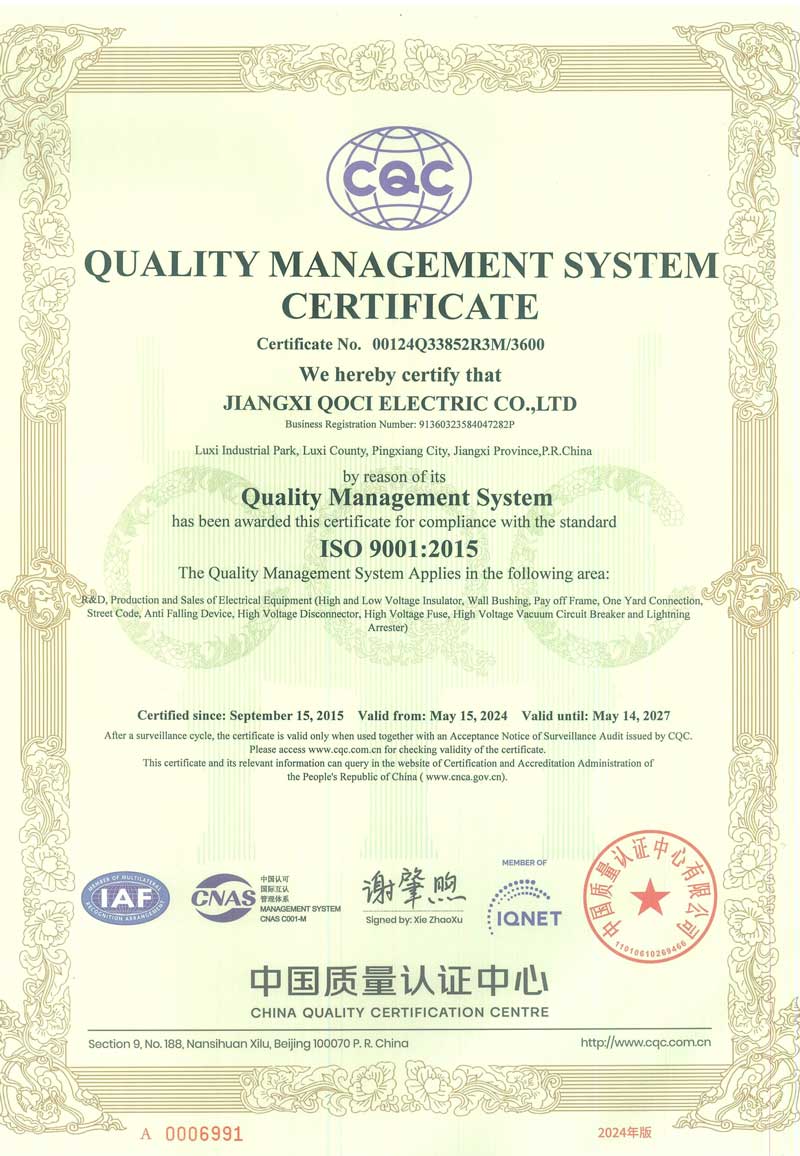
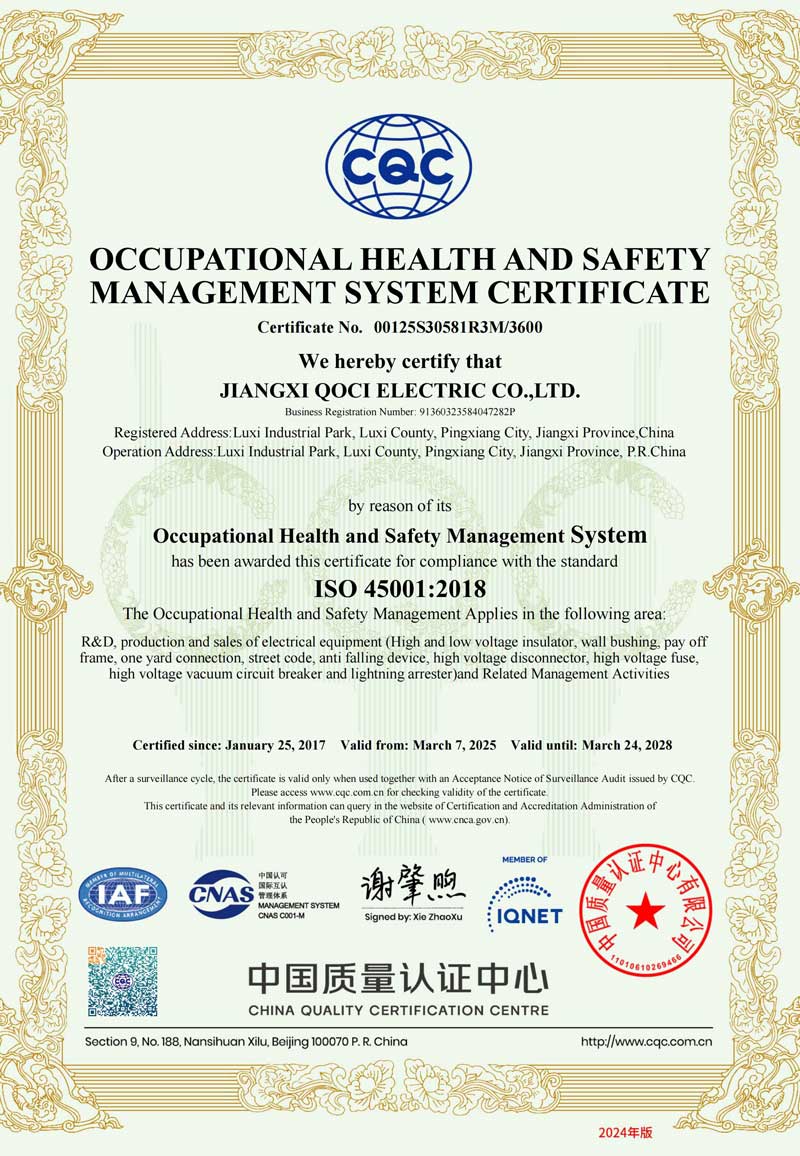
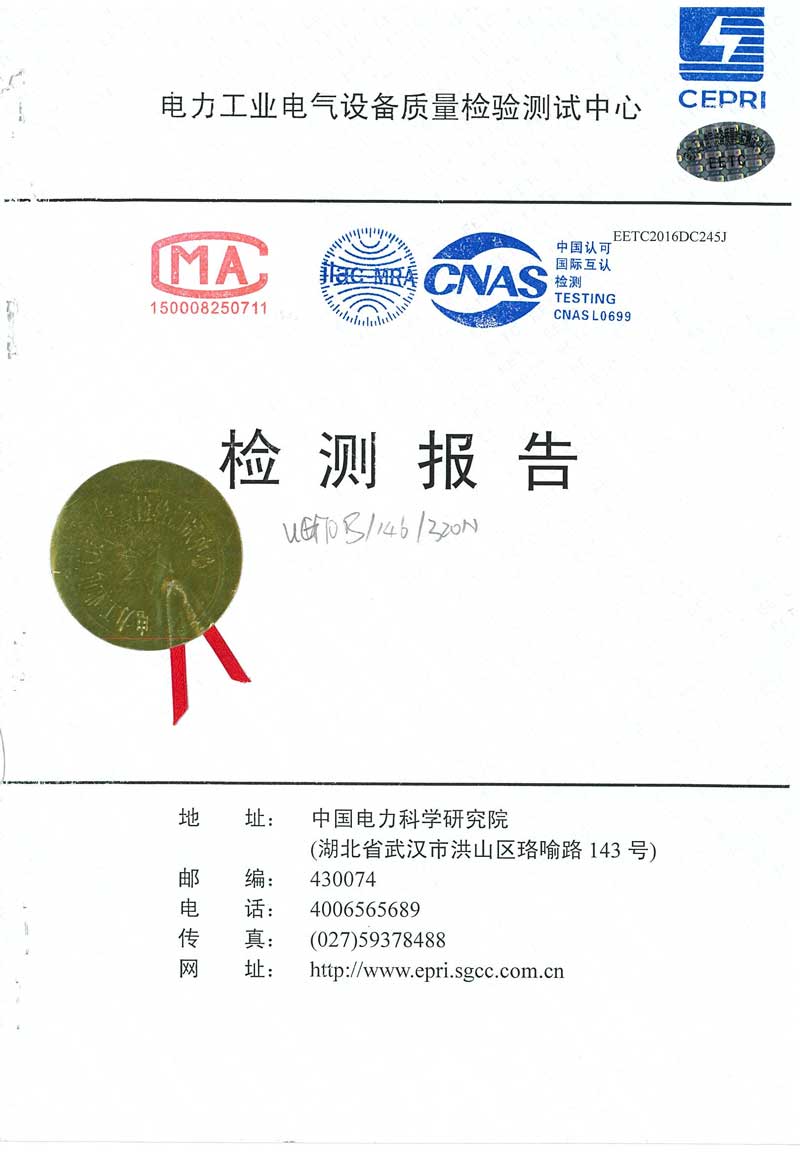
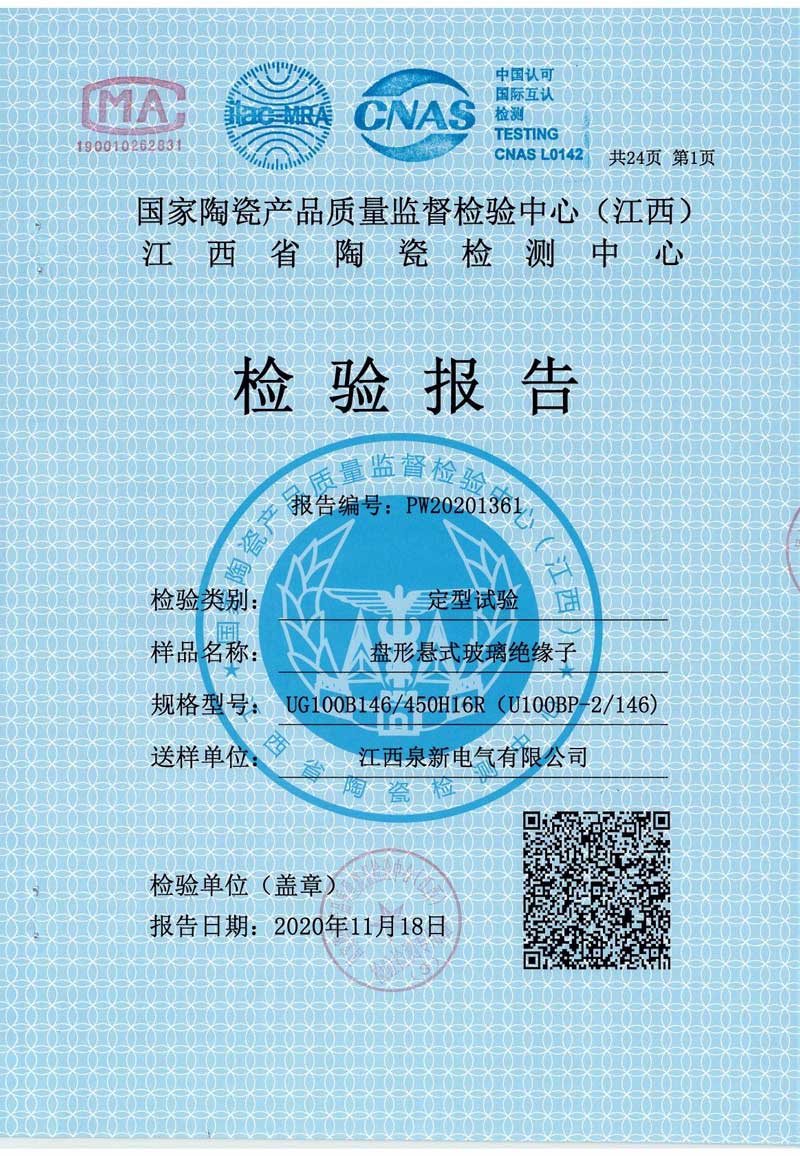
Our manufacturing processes and products are certified under ISO 9001, ISO 14001, ISO 45001, KEMA, and CEPRI testing standards. This ensures reliable performance, consistent quality, and trace-certified raw materials for projects globally.
Collaborating with power grid operators and contractors worldwide.

Updates on technology breakthroughs, exhibitions, and global clean energy partnerships.
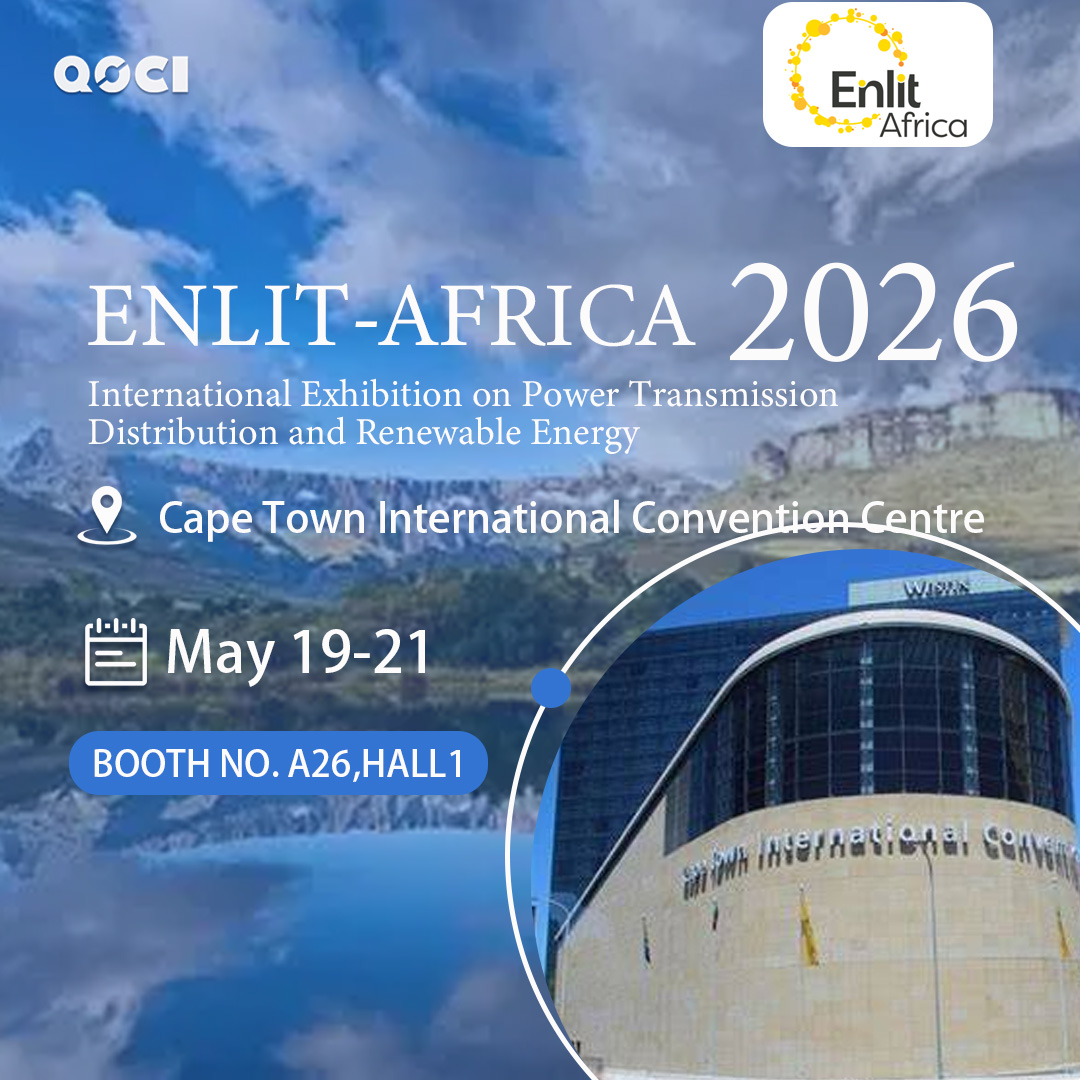
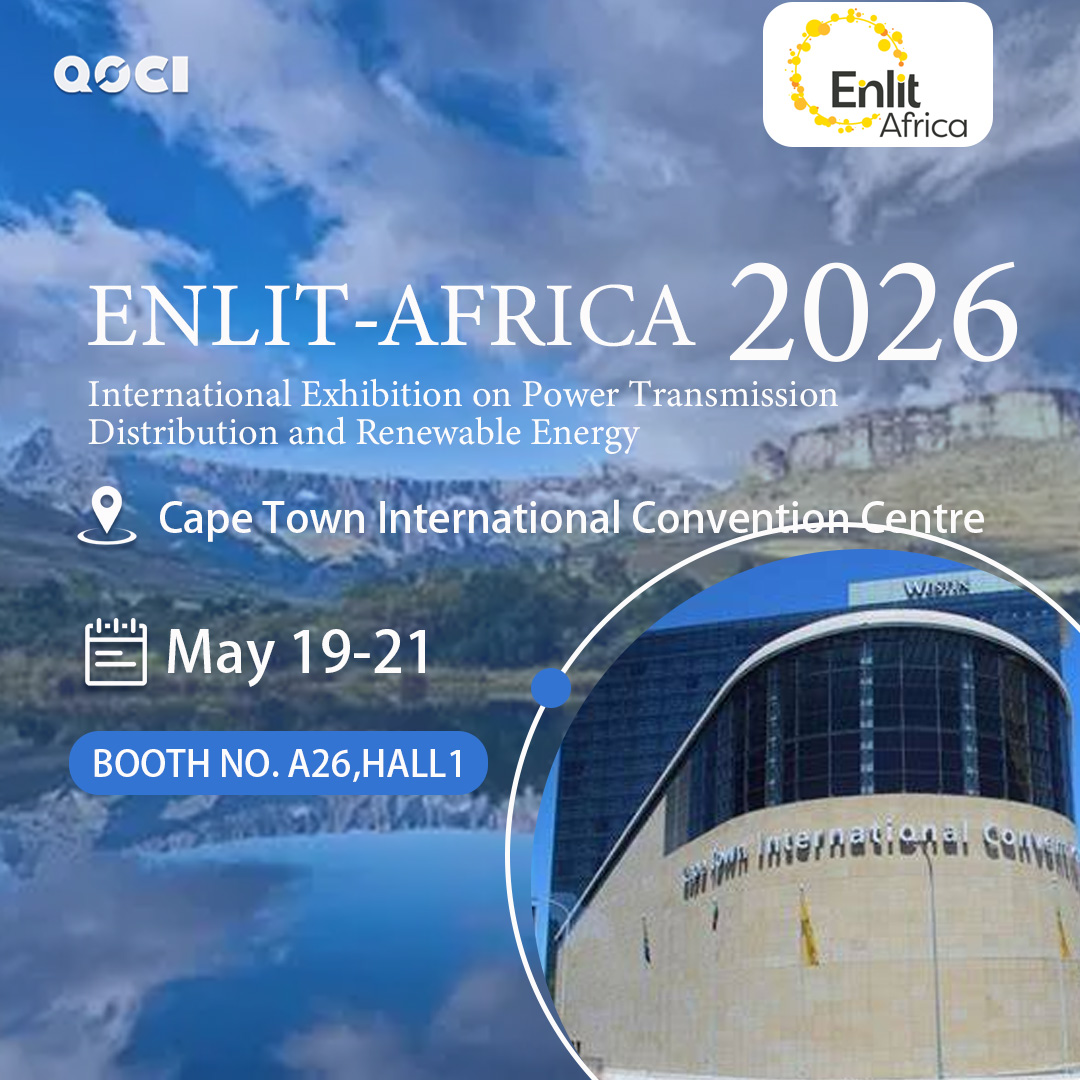
As the global energy transition accelerates, the importance of reliable electricity grids, renewable energy integration, and energy storage technologies continues to grow. We showcased our high-strength toughened glass insulator ranges designed for challenging environments at Enlit Africa.
Designed to withstand extreme environmental conditions—including high altitude, heavy icing, seismic activity, and severe pollution—China’s insulator industry offers a mature, high-performance product range for international utility markets.
Our engineering and export teams recently met with power distribution professionals and grid operators at the 2026 IEEE PES T&D Conference & Exposition to discuss updates in toughened glass suspension insulation designs.
We officially confirmed our participation in the 11th Iraq Energy Exhibition, showcasing durable power solutions tailored for high-temperature, sand-heavy environments across the Middle East.
Common questions regarding technical specifications, selection criteria, and maintenance.
Ductile cast iron (nodular iron) contains spheroidal graphite nodules, which provide higher tensile strength, impact resistance, and elongation compared to standard grey iron. This allows the cap to handle heavy mechanical loads and thermal expansion stresses without brittle fracturing.
Hot-dip galvanization applies a protective zinc coating (typically >85 μm thick) that forms a metallurgical bond with the steel substrate. This coating provides a physical barrier and galvanic protection, preventing rust in salty, humid marine environments.
Toughened glass has high dielectric strength, ensuring that any electric arc discharges externally rather than puncturing the body. If physical damage occurs, the glass body shatters into small fragments while remaining mechanically locked, making the damaged unit easy for maintenance crews to identify.
Room Temperature Vulcanized (RTV) silicone coatings are recommended for regions with heavy industrial pollution or salt fog where rain is infrequent. The coating's hydrophobic properties prevent water films from forming, limiting leakage currents and reducing the need for periodic washing.
Our glass insulators are manufactured and tested to meet international standards including IEC 60305 (dimensions and characteristics), IEC 60383 (insulator testing), ANSI C29.2, and GB/T 7253, ensuring compatibility with global utility specifications.
Explore our high-creepage, anti-pollution suspension and disc glass insulators.