
China Glass Insulator U210AD With Zinc Bushing Supplier, Factories

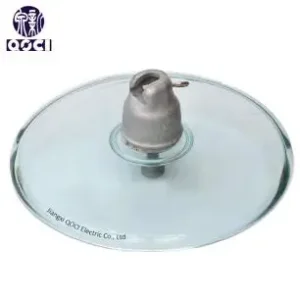
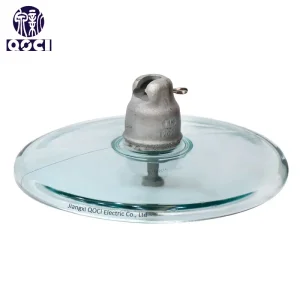
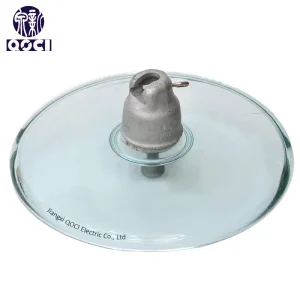
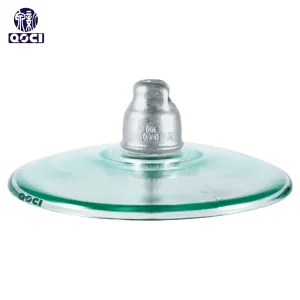
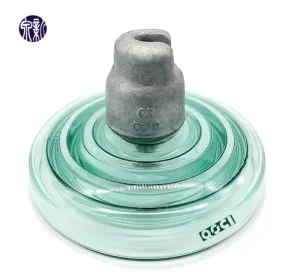
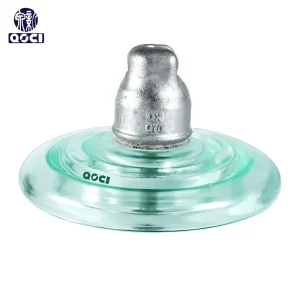
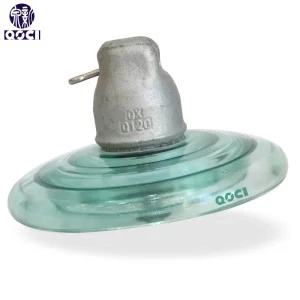
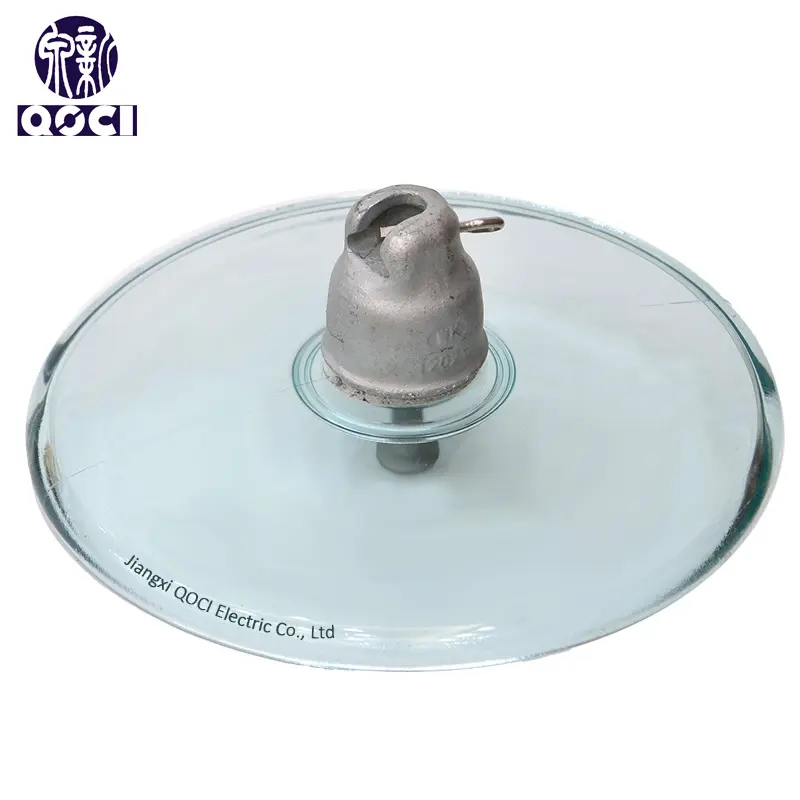
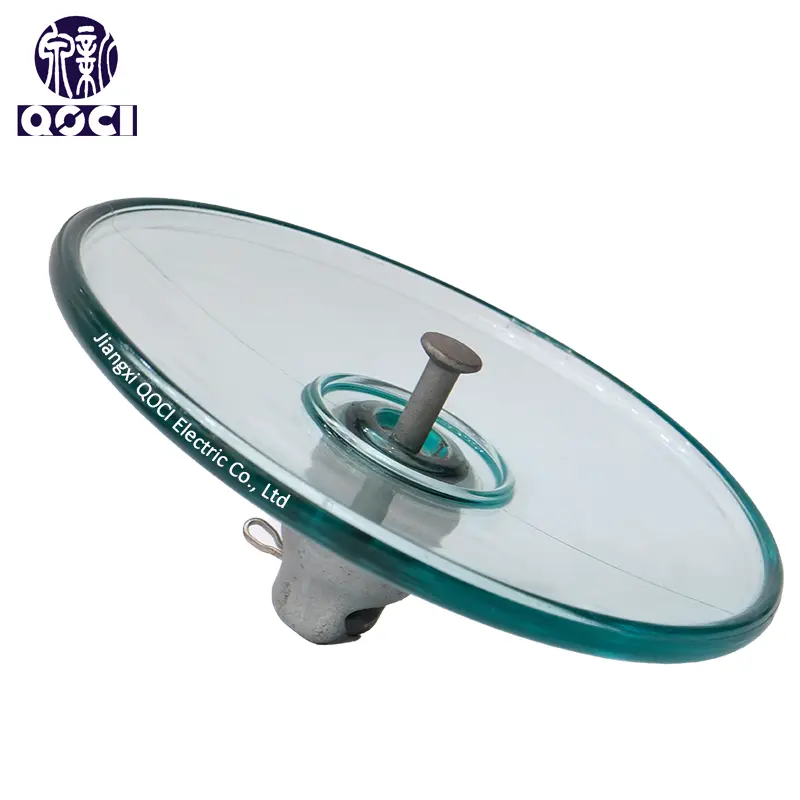
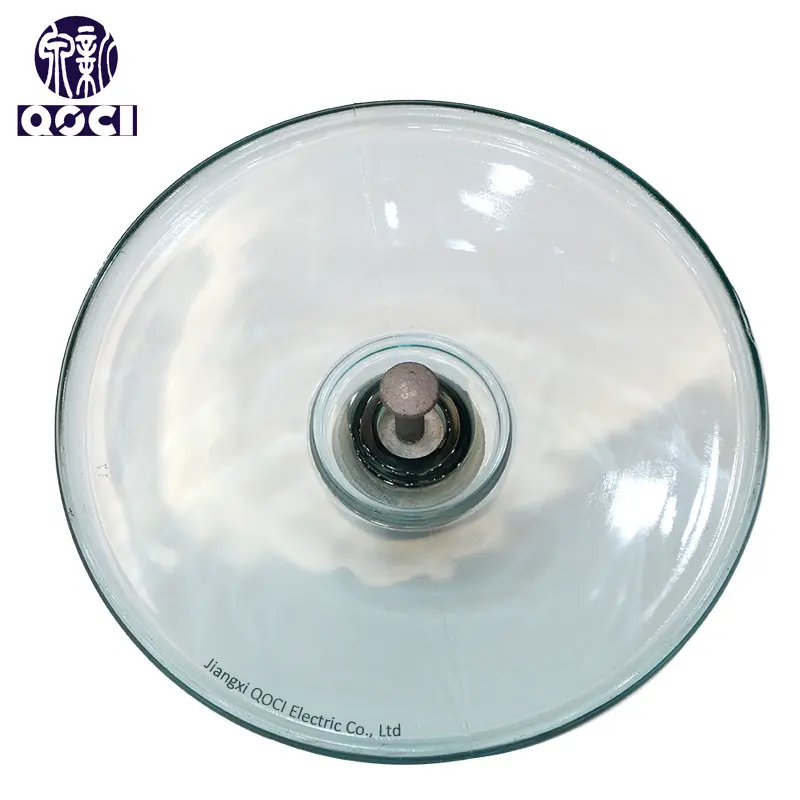
The Aerodynamic Glass Insulator features a unique streamlined shed design to combat harsh wind and rain. It effectively prevents the formation of continuous water films, significantly increasing contamination flashover voltage for superior grid reliability in adverse conditions.

Product Description

Product Presentation Video

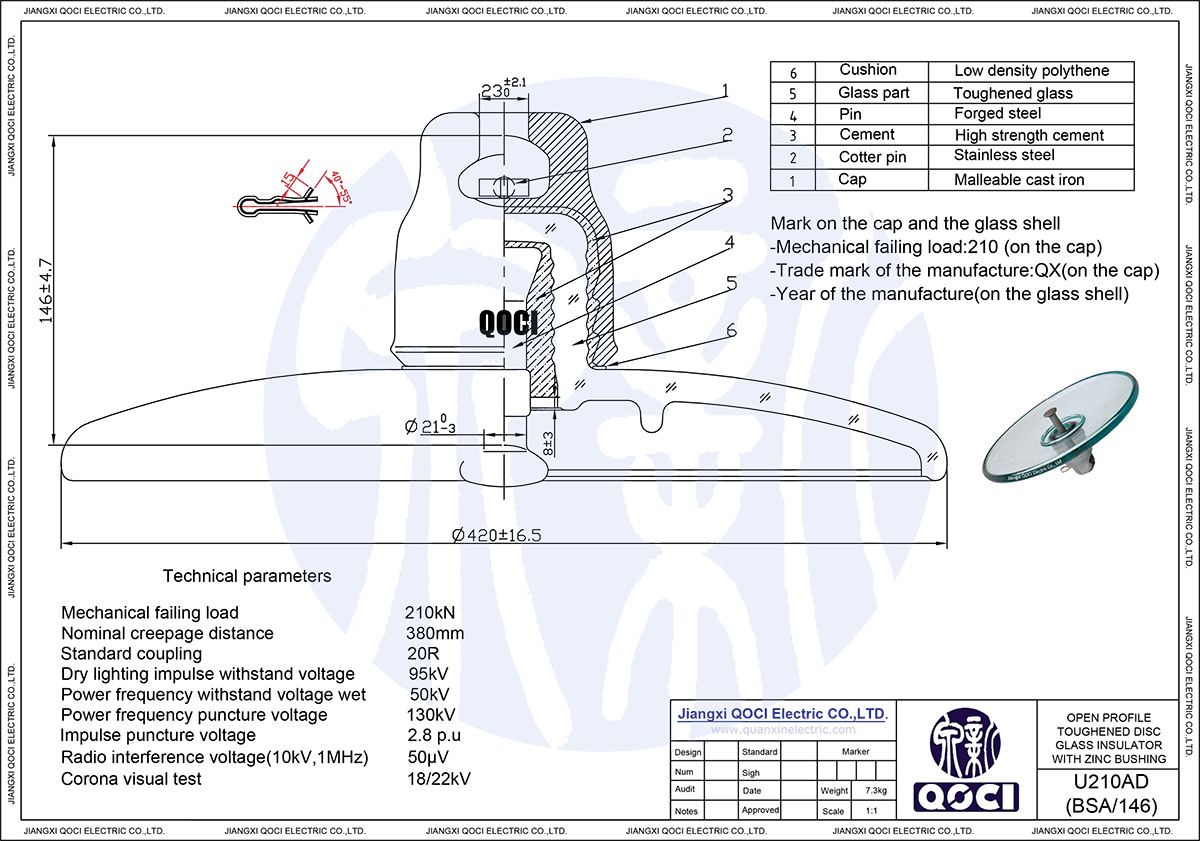
Technical Product Drawing

Technical Drawing of Glass Insulator U210AD146

Product Nomenclature & Key Info

  • Model: U210BSA / U210AD
  • U: Refers to Disc Suspension Insulator
  • 210: Indicates a rated Mechanical failing load of 210kN
  • B: Designed for Ball and Socket Type connection
  • S / L: S stands for Short Steel Foot; L stands for Long Steel Foot
  • AD: Aerodynamic design for optimized performance
  • 146/155: Structural height spacing (146mm or 155mm available)
  • 420: Insulator disc diameter is 420mm
  • 380: Creepage distance is 380mm
  • Purpose: Aerodynamic glass insulators are primarily used in high-voltage transmission lines. Their design resists strong winds, reduces vibration, prevents ice buildup, and enhances self-cleaning capabilities.
  • Standards: Complies with IEC60383-1:1993, GB/T1001.1, and connection standards GB/T4056-2008 (IEC60120:1984).
  • Hardware: Locking pin available in W-pin or R-pin (Default R-pin for U210AD).
📊

Technical Specifications & Parameters

IEC Designation Mechanical Failing Load (kN) Nominal Diameter D (mm) Nominal Spacing P (mm) Creepage Distance L (mm) Socket Coupling (mm) Wet Power Frequency (kV) Dry Lightning Impulse (kV) Power Frequency Puncture (kV) Net Weight (kg)
U70BSA703801273651645901305.2
U70BLA703801463651645901305.3
U100BSA1003801273651645901305.2
U100BLA1003801463651645901305.3
U120BSA1203801273651645901305.2
U120BLA1203801463651645901305.3
U160BSA1604201463802050951307.2
U160BMA1604201553802050951307.3
U210AD2104201703802050951307.3
U240AD24042017038020/2450951307.5
U300AD30042019546528509513012
• Power frequency electric arc voltage: 0.12s/20ka | • Impulse puncture voltage: 2.8 P.U | • Radio interference voltage (10kV 1MHz): 50μv

Suspension Insulator Components

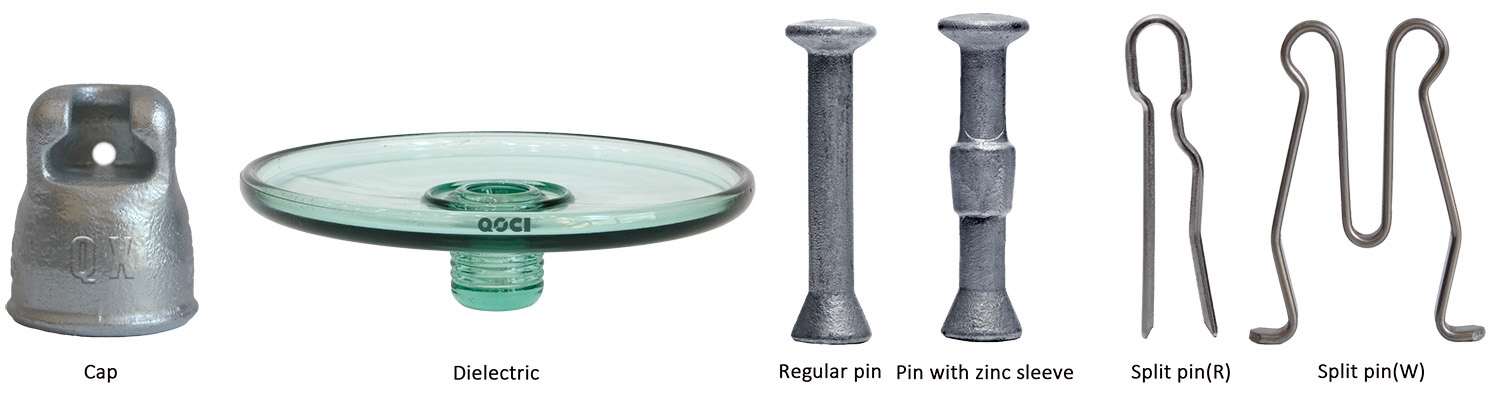
Components Diagram
  • Dielectric: Toughened glass with specialized properties for environmental durability.
  • Cap: Hot-dip galvanized nodular or ductile malleable cast iron.
  • Pin: Hot-dip galvanized forged steel.
  • Assembly: Assembled using aluminous cement to withstand high thermomechanical stress.
  • Locking Device: Stainless steel or phosphor bronze split pin (W-pin or R-pin).
  • Protection: Optional anti-corrosion zinc sleeve (sacrificial anode) for heavily polluted areas.
📷

Detailed Photos & Packaging

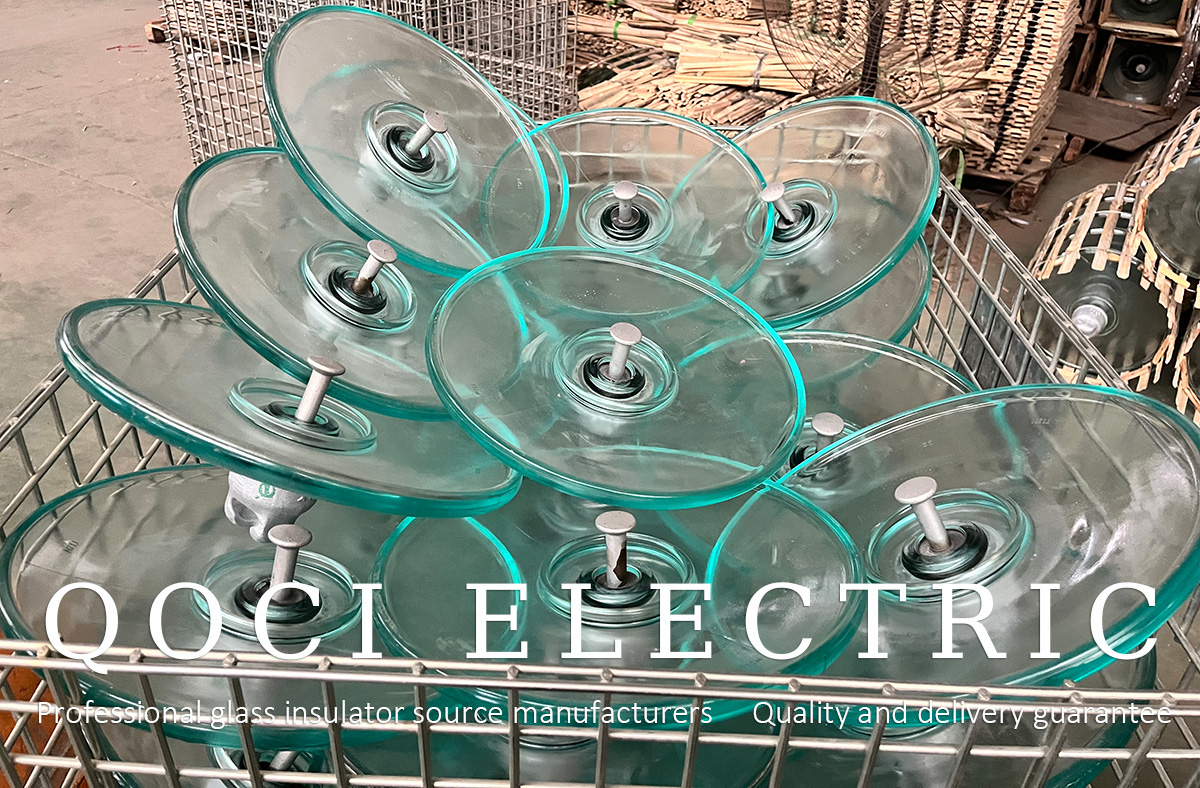
Detailed Product Photo
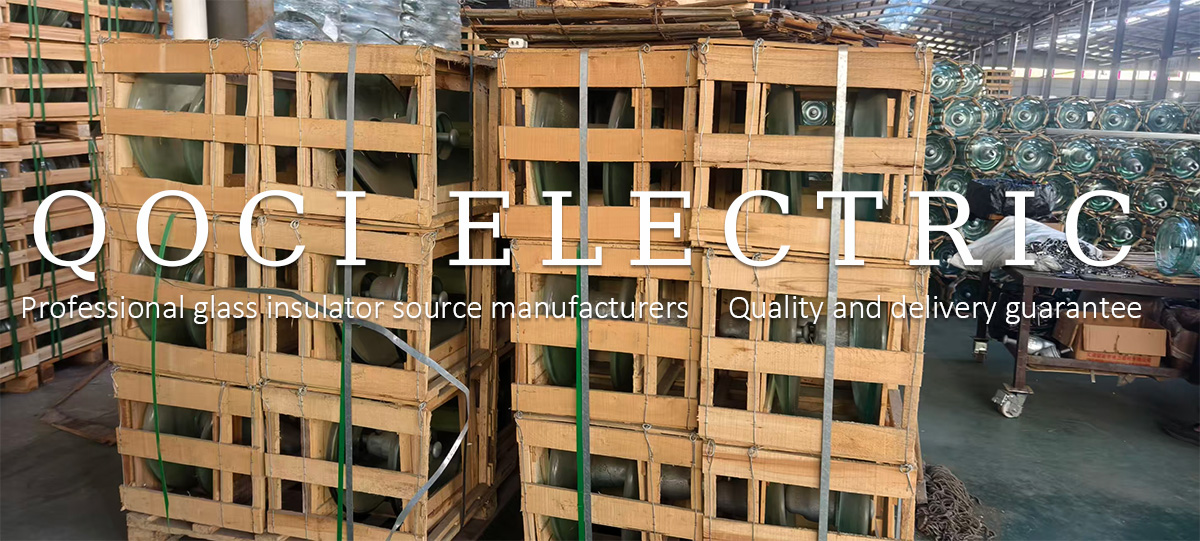
Packaging Method
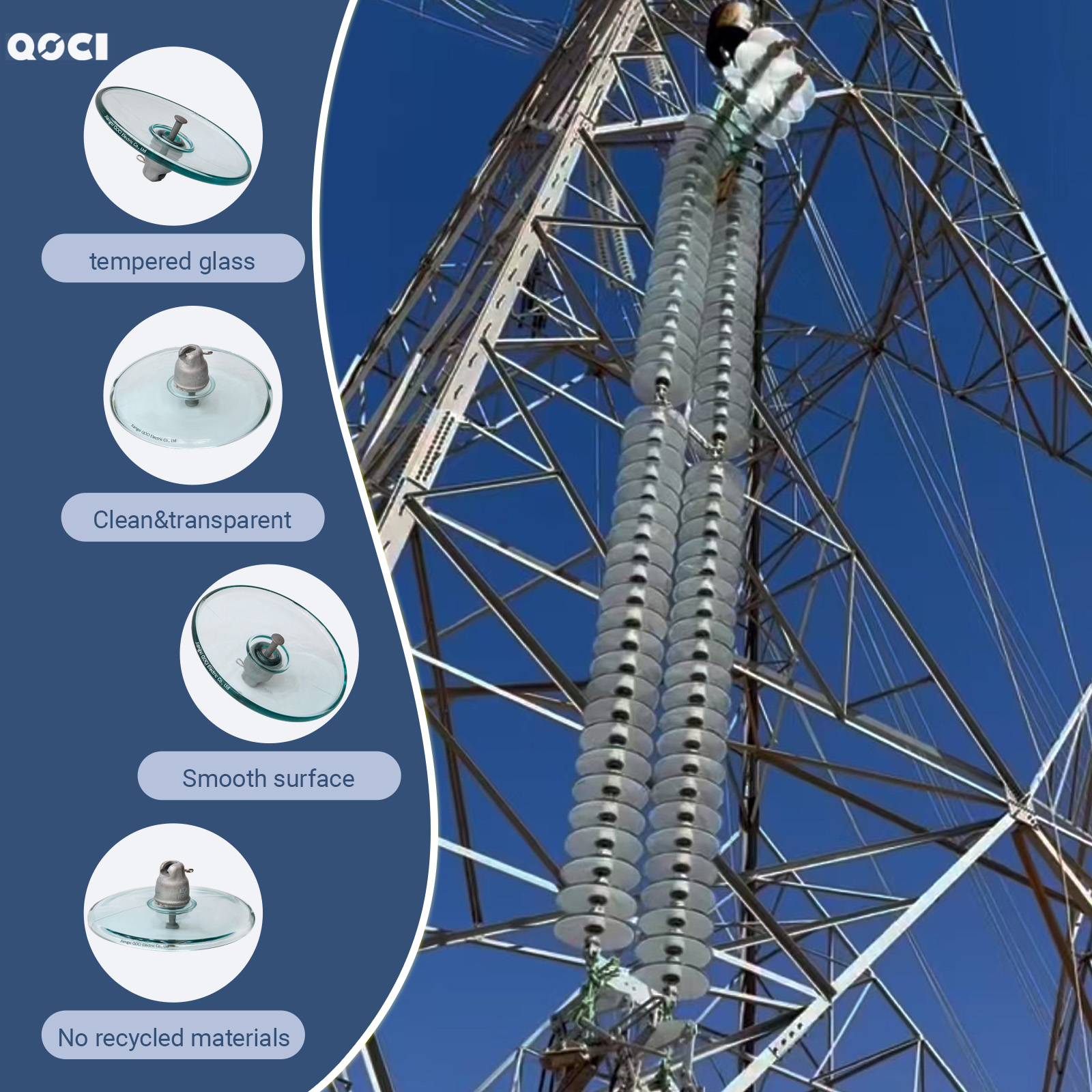
Application Scenarios
?

Frequently Asked Questions

What are the advantages of the Aerodynamic (AD) design?
The Aerodynamic design is specifically engineered to resist strong winds, minimize vibration, and prevent the accumulation of ice and snow. It also provides superior self-cleaning properties in dusty or polluted environments.
Which standards do these glass insulators comply with?
Our insulators are manufactured in strict accordance with international standards including IEC60383, IEC60120, and BS 3288, ensuring global compatibility and safety.
Can I choose between a W-pin and an R-pin locking device?
Yes, depending on customer requirements, the locking pin can be provided as either a W-pin or an R-pin. Note that for the U210AD model, the R-pin is used by default unless specified otherwise.
What is the benefit of using an anti-corrosion zinc sleeve?
The zinc sleeve acts as a sacrificial anode, protecting the steel pin from corrosion. This is highly recommended for insulators used in coastal areas or regions with heavy industrial pollution.
What does the "U210" in the model name signify?
"U" stands for suspension type disc insulator, and "210" indicates the rated mechanical failing load of 210kN, which is approximately equivalent to 21 tons of force.
Are these insulators suitable for extremely cold climates?
Yes, the toughened glass dielectric and aerodynamic shape make them ideal for frigid regions by reducing ice buildup and maintaining structural integrity under thermal stress.

Related Products