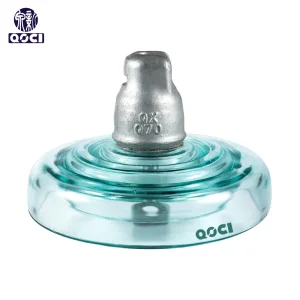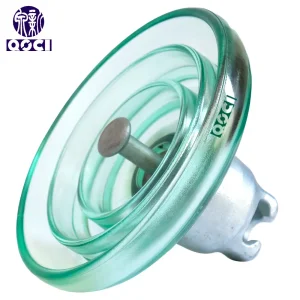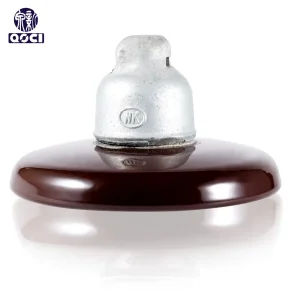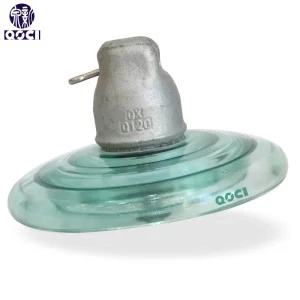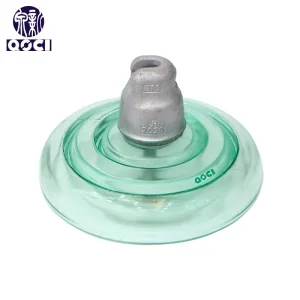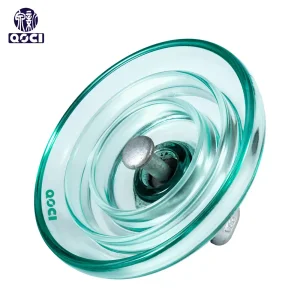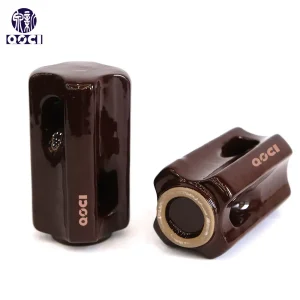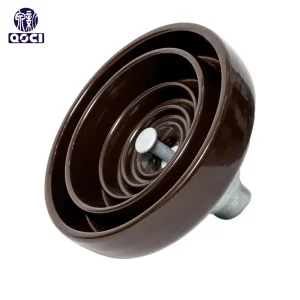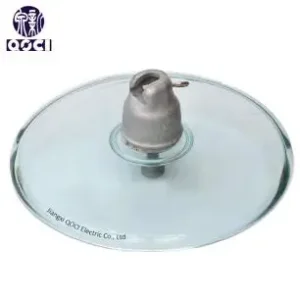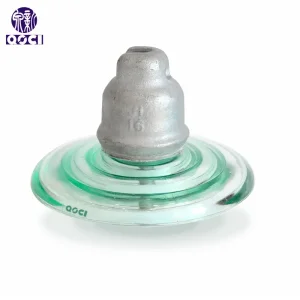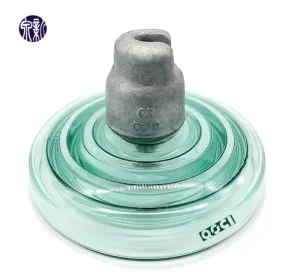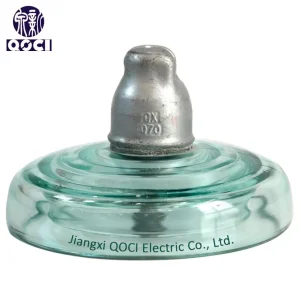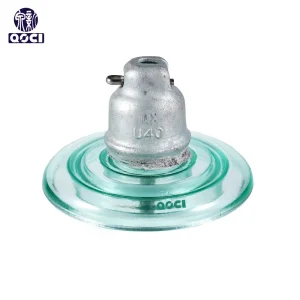
The global energy landscape is undergoing a paradigm shift towards decarbonization and ultra-high voltage (UHV) transmission. Within this context, the Glass Insulator U210BLP has emerged as a critical infrastructure component. Specifically designed for high-voltage AC and DC transmission lines, the U210BLP series represents the pinnacle of mechanical strength (210kN) combined with advanced anti-pollution (fog type) characteristics.
Unlike traditional porcelain or composite alternatives, toughened glass insulators offer a unique "self-shattering" maintenance feature. When a glass insulator fails due to internal defects or electrical stress, the tempered glass shell shatters into small fragments while the internal hardware maintains mechanical integrity. This allows maintenance crews to identify faulty units via simple visual inspection from the ground or by helicopter, significantly reducing O&M costs in remote or rugged terrains.
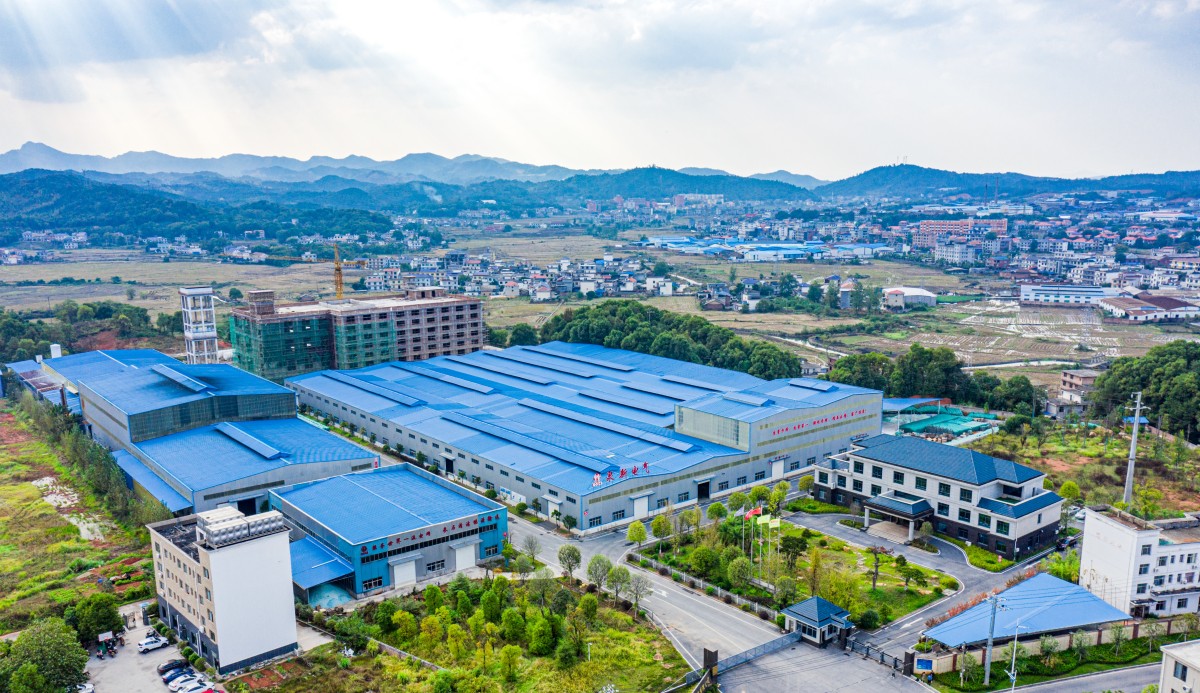
As leading U210BLP manufacturers, Jiangxi QOCI Electric utilizes state-of-the-art total oxygen kilns and automated forming presses to ensure every disc meets stringent IEC and ANSI standards. Our commitment to Information Gain means we don't just provide hardware; we provide the technical data and reliability analysis required for grid stability in extreme environments—from salt-laden coastal regions to sand-swept deserts.
China accounts for over 60% of the world's glass insulator production. At our Pingxiang facility, we benefit from a mature ecosystem of raw material suppliers (silica, soda ash) and high-precision metal fitting foundries, ensuring shorter lead times than European counterparts.
Having withstood extreme environmental conditions including icing, high altitude, and typhoons, China’s insulator industry has evolved from "imitation" to "global standard-setting." Our U210BLP units undergo 100% rigorous high-voltage testing before shipment.
Through massive economies of scale and automation in our forming and toughening lines, we offer 210kN solutions that provide superior lifecycle value. This efficiency allows global EPC contractors to meet budget targets without compromising grid safety.
The "L" and "P" designations in U210BLP signify high leakage distance and anti-pollution profiles. This makes them indispensable in coastal areas (Salt fog) where saline deposits otherwise cause flashovers. The smooth glass surface is naturally self-cleaning.
In regions with heavy industrial particulate pollution (smelters, cement plants), the U210BLP's deep-rib design prevents arc bridging between adjacent ribs, maintaining insulation integrity even under heavy deposit accumulation.
Our toughened glass exhibits exceptional resistance to thermal shock and UV degradation. In high-altitude regions with massive temperature swings, the U210BLP maintains its mechanical failing load without aging-induced degradation common in polymers.
| Parameter | IEC 60305 Standard | QOCI U210BLP Performance | Unit |
|---|---|---|---|
| Mechanical Failing Load | 210 | 210 - 230 | kN |
| Nominal Diameter (D) | 280 / 300 | 320 | mm |
| Nominal Spacing (H) | 146 / 155 | 146 / 170 | mm |
| Creepage Distance (Min) | 380 | 450 - 550 | mm |
| Power Frequency Puncture Voltage | 130 | 145+ | kV |
*Data derived from internal laboratory tests and third-party certifications (KEMA/CESI equivalent).
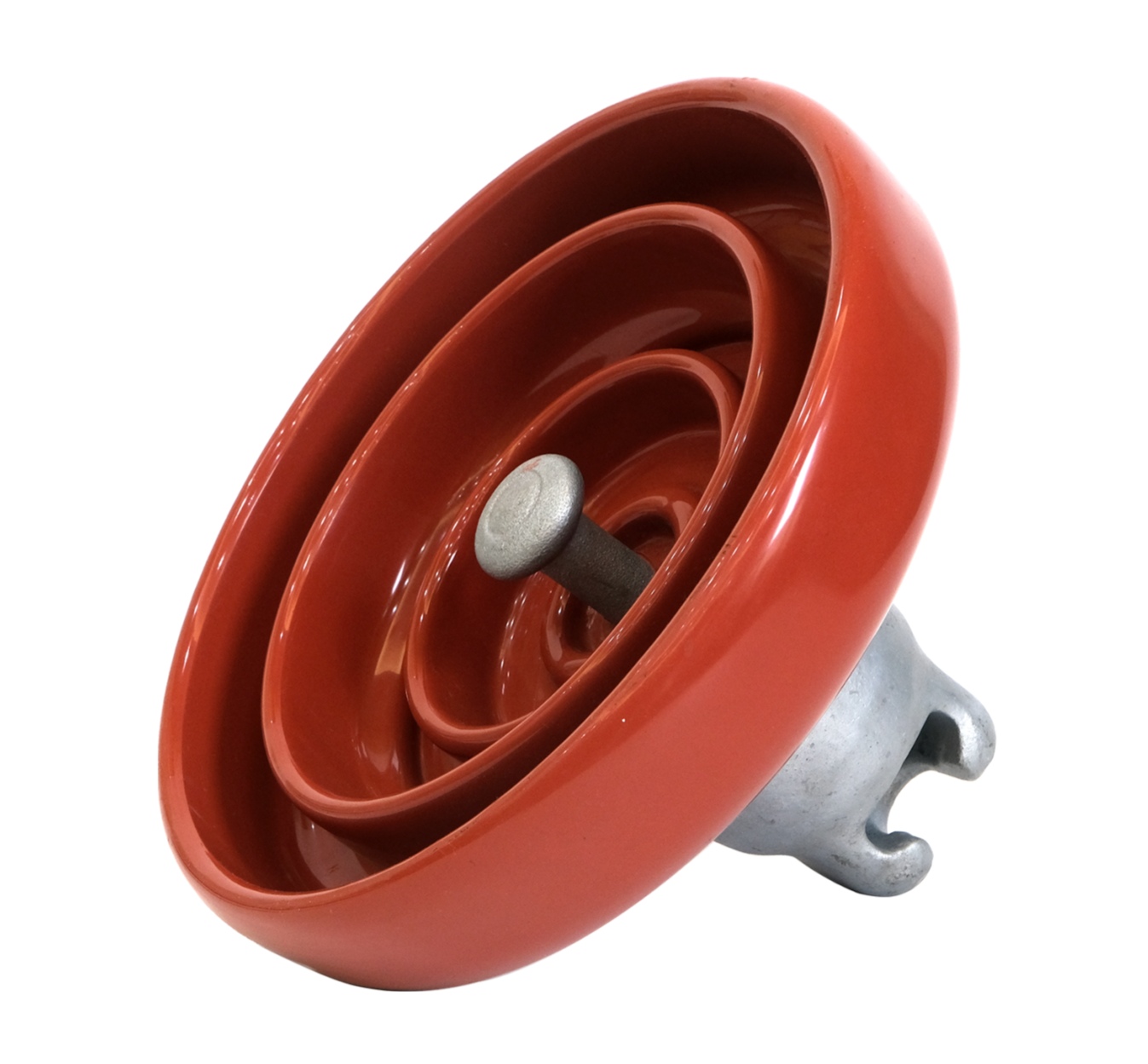
The industry is moving toward "maintenance-free" solutions. Jiangxi QOCI is leading the trend with RTV (Room Temperature Vulcanization) silicone-coated glass insulators. This combines the mechanical reliability of glass with the hydrophobicity of silicone.
This hybrid approach eliminates the need for periodic manual cleaning in extreme desert or industrial environments, effectively preventing leakage currents and reducing long-term operational expenditures for grid operators.
Jiangxi QOCI Electric Co. Ltd was founded in Dec. 2002, with registered capital of 508 million Yuan. The Corporation is located at Industrial Park, Luxi County, Pingxiang, Jiangxi Province, covering area of 100 mu. Chinese Manufacture fast delivery time with best price.