Explore our selection of top-selling standard, anti-pollution, and post-type toughened glass and ceramic insulators engineered to withstand extreme electric field configurations and harsh environmental loads.
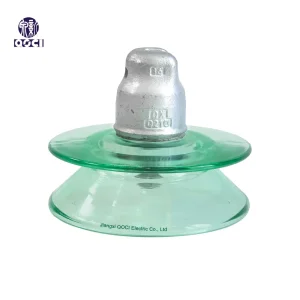
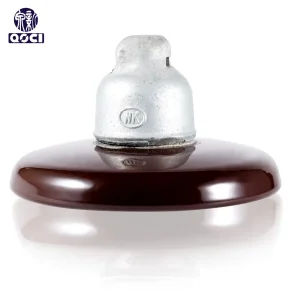
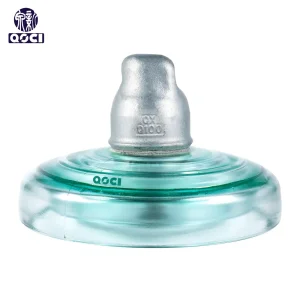
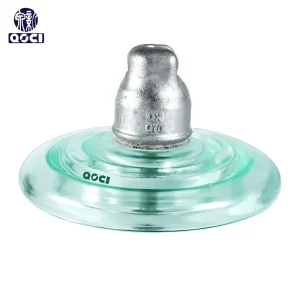
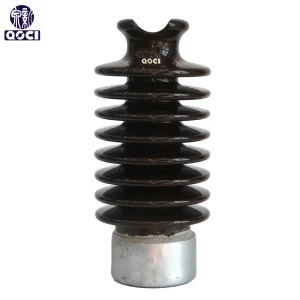
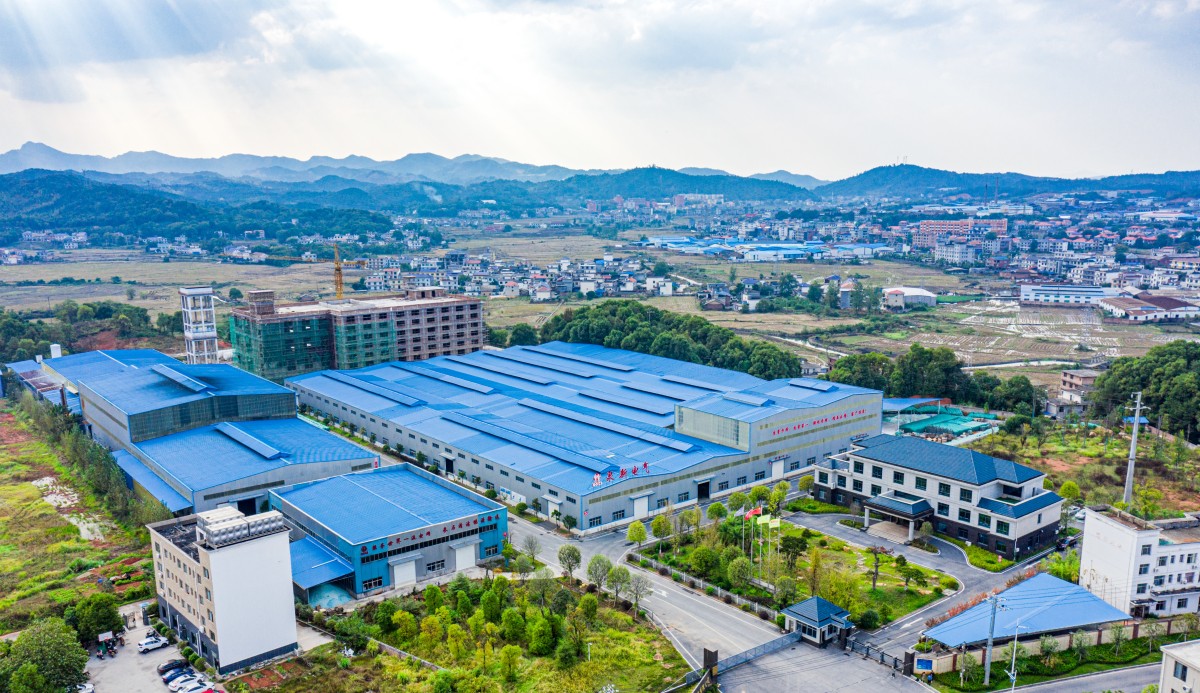
Backed by decades of specialization, robust capital, and structural patents, Jiangxi QOCI Electric Co. Ltd delivers safety-critical line insulators worldwide.
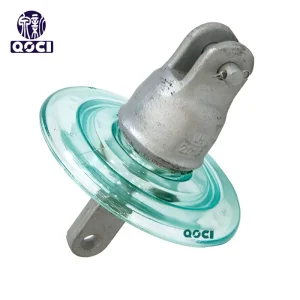
In the contemporary power grid construction landscape, the transition toward high-voltage (HV), extra-high voltage (EHV), and ultra-high voltage (UHV) AC and DC transmission systems has accelerated drastically. As the critical mechanical support and electrical insulation barrier of the grid, suspension disc insulators face stringent operating conditions. Toughened glass insulators (often dynamically termed as tempered glass insulators) have emerged as the premier structural technology for high-voltage transmission lines worldwide.
The global demand for high-strength tempered glass insulators is driven by regional efforts to expand grid capacity, replace aging infrastructure, and construct trans-continental transmission paths. In developed economies across Europe and North America, utility networks are prioritizing structural upgrades to enhance resilient performance against extreme weather events (such as winter freezing, coastal hurricanes, and high wind-loads). Concurrently, developing markets across Central Asia, Africa, and Latin America are implementing expansive rural and inter-state electrification schemes, calling for reliable components that require minimal operational maintenance.
Unlike porcelain or synthetic polymer composite variants, tempered glass maintains a series of physical advantages rooted in its material science:
Adhering to strict international standards to serve world-class green energy grid systems.
Serving world-class power grids with dedication. Actively participating in the construction of international green energy distribution.
Responsibility is our ultimate guarantee of quality. Rigid mechanical and electrical factory testing for zero-defect field installation.
Serving the electric power industry globally, ensuring optimal safety and long-term transmission reliability under all weather extremes.
Different geographies demand customized aerodynamic shapes and profiles to maximize creepage distances, encourage rain self-cleaning, and prevent lightning flashovers.
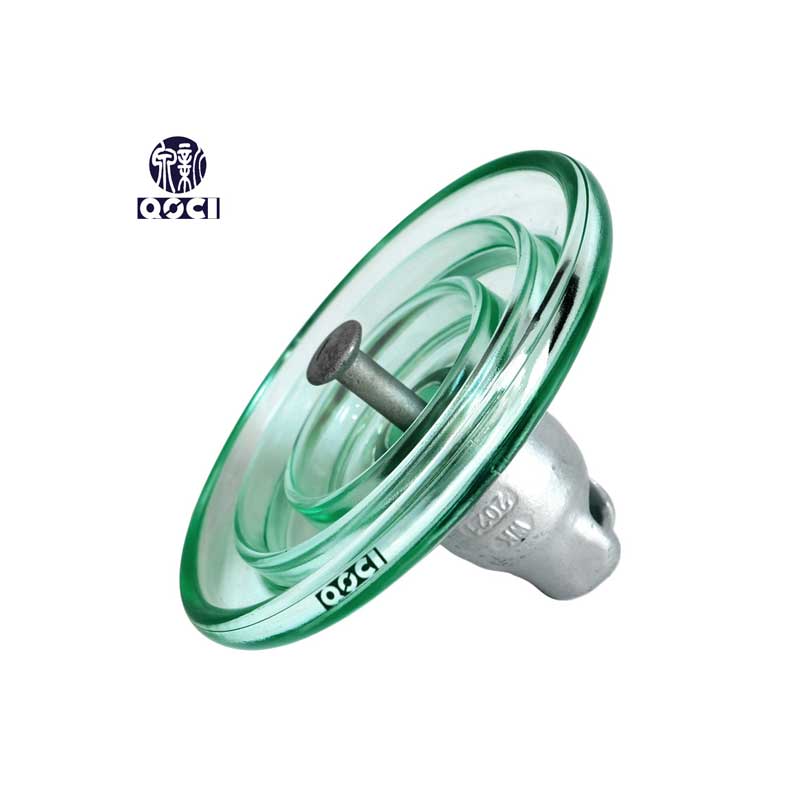
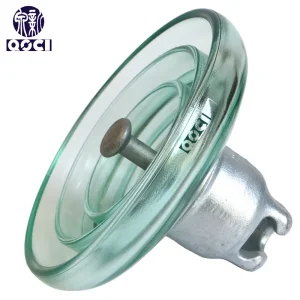
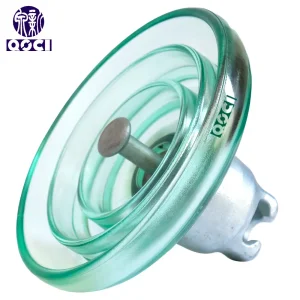
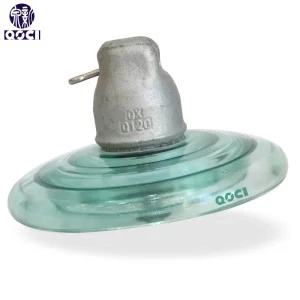
The standard profile features shallow, well-spaced small ribs underneath the main disc body. The leakage distance is higher than the minimum baseline values defined in IEC 60305, allowing the insulator to perform natural self-cleaning via seasonal wind and rain actions. This profile is recommended for zones with mild or standard atmospheric pollution levels.
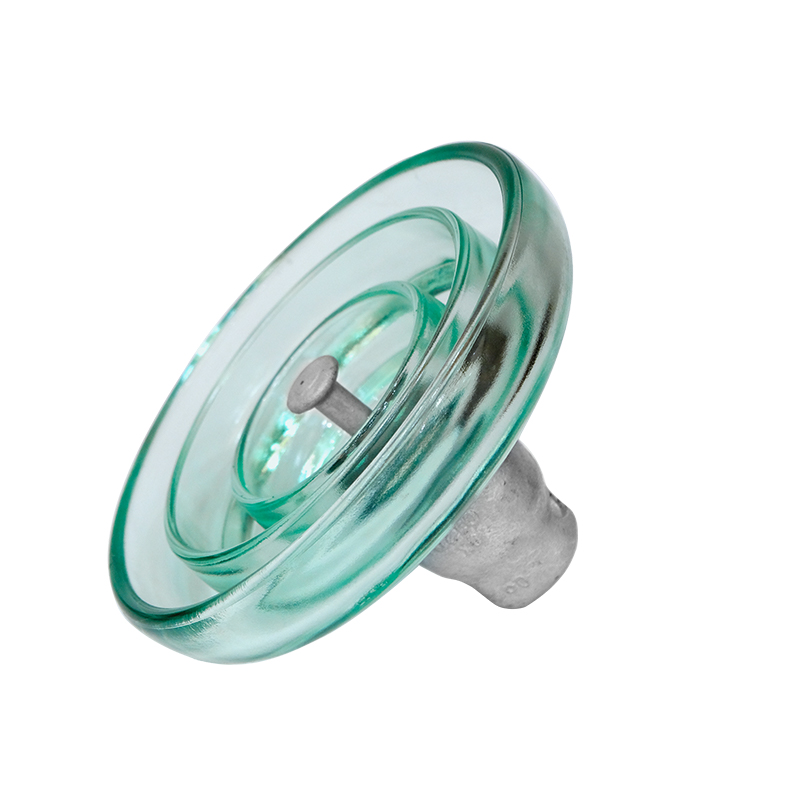
Characterized by deep, long, and widely-spaced under-ribs designed specifically to avoid arc bridging between adjacent sheds. With a high leakage distance-to-spacing ratio of around 3.2, this configuration provides superior resistance to conductive salt fog, sea mist, and heavy agricultural dust, making it the choice for coastal and heavy industrial routes.
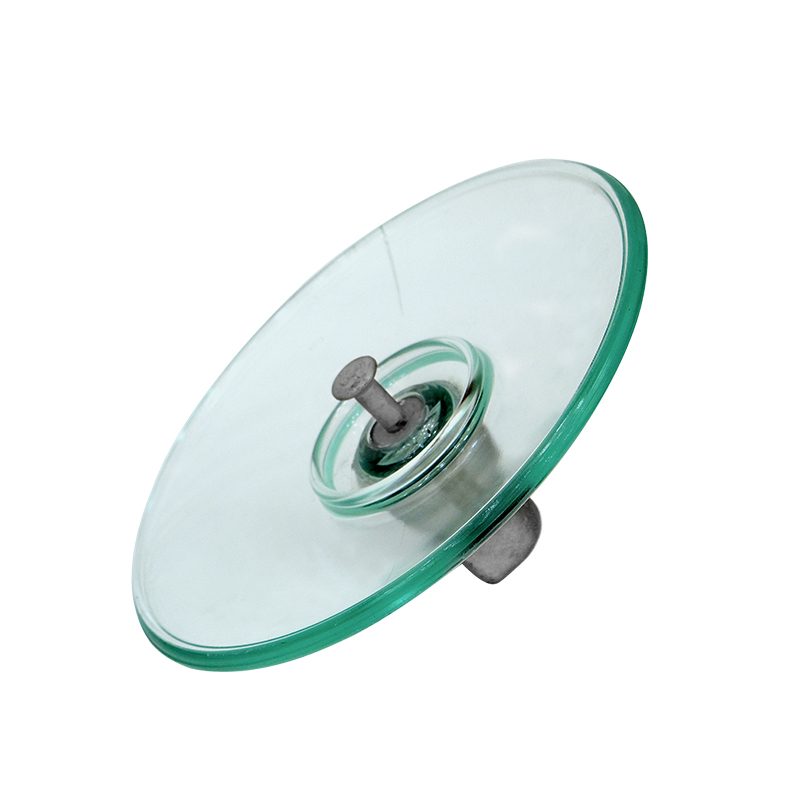
Engineered without under-ribs and boasting an extended disk diameter to eliminate sand and dust accumulation zones on the lower surface. Ideal for desert climates, this open design prevents sandstorm deposit buildup, mitigates dry-band arcing, and avoids winter ice-bridging when interleaved in tension and suspension strings.
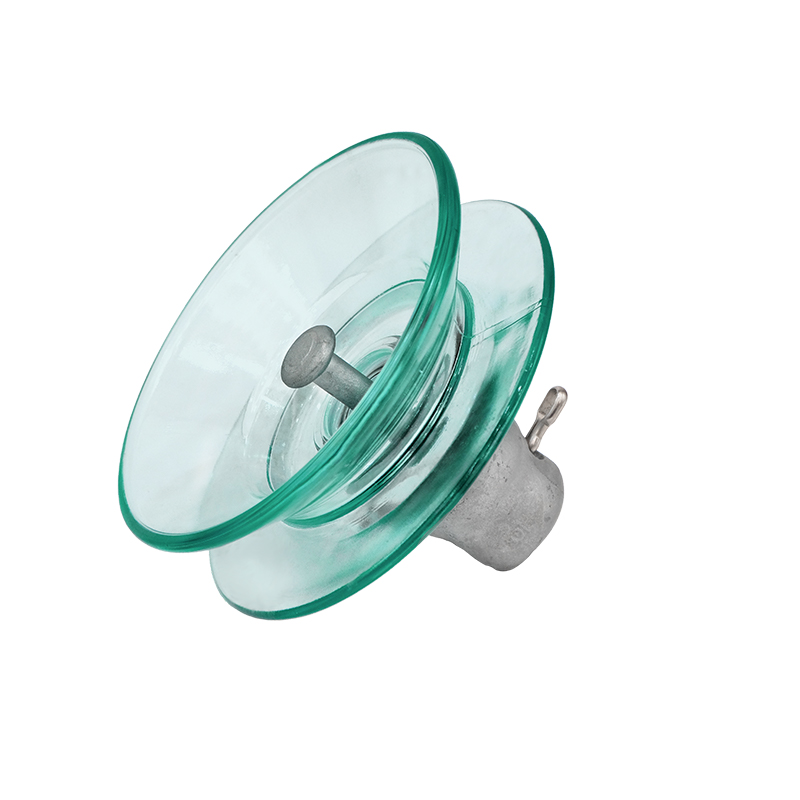
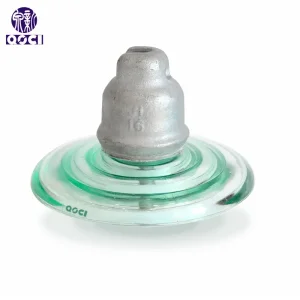
Designed with two pronounced external ribs instead of shallow under-ribs. The smooth design lets high-velocity winds clean the surface and facilitates easy manual wiping during periodic substation maintenance. These insulators perform exceptionally well in areas with highly conductive saline soils or industrial particulate fallouts.
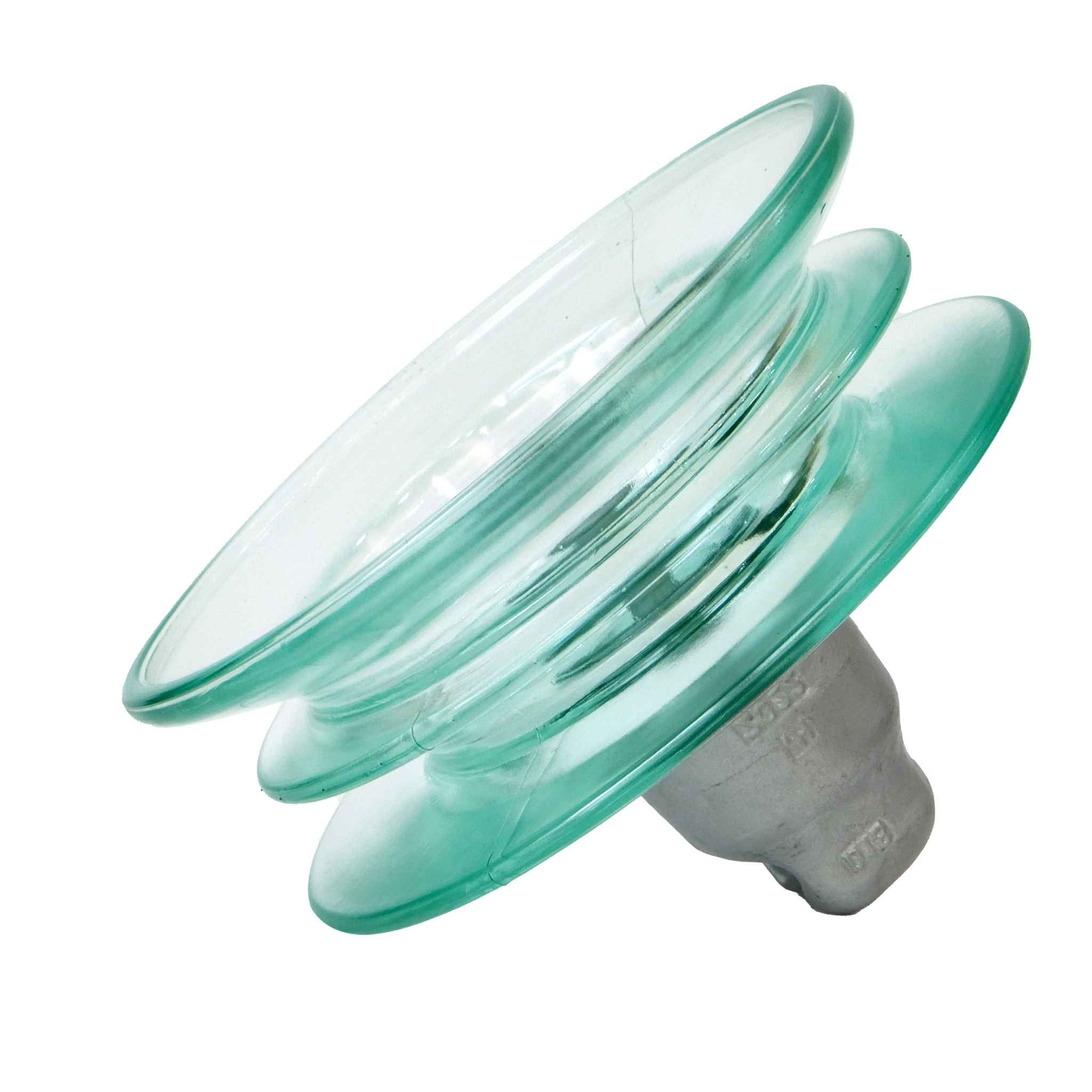
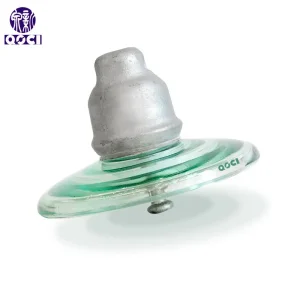
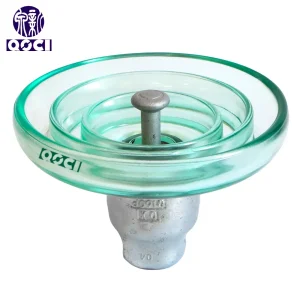
A critical component for high-performance Ultra-High Voltage (UHV) transmission networks. It integrates three independent umbrella discs on a single dielectric glass body. By maximizing the electrical creepage path, it provides outstanding pollution flashover resistance and electrical stability under high humidity and high-altitude atmospheric thinning.
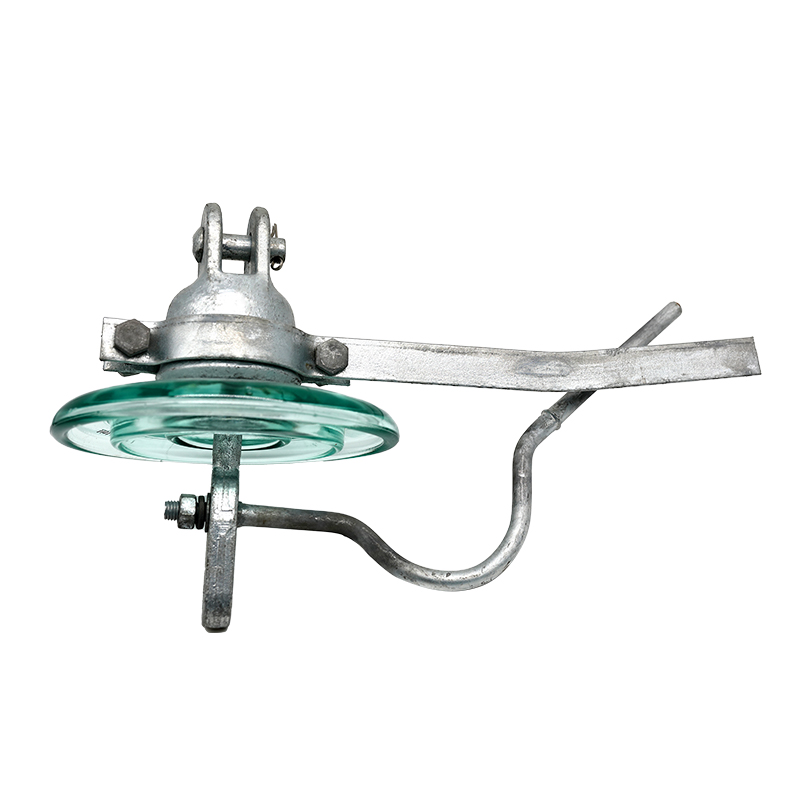
Equipped with optimized metal fittings to connect structural grounding wires, ensuring lightning strike charges are safely routed to the earth without compromising the main line insulation. The tempered glass surface limits dirt accretion, maintaining high flashover resistance under severe storm events.
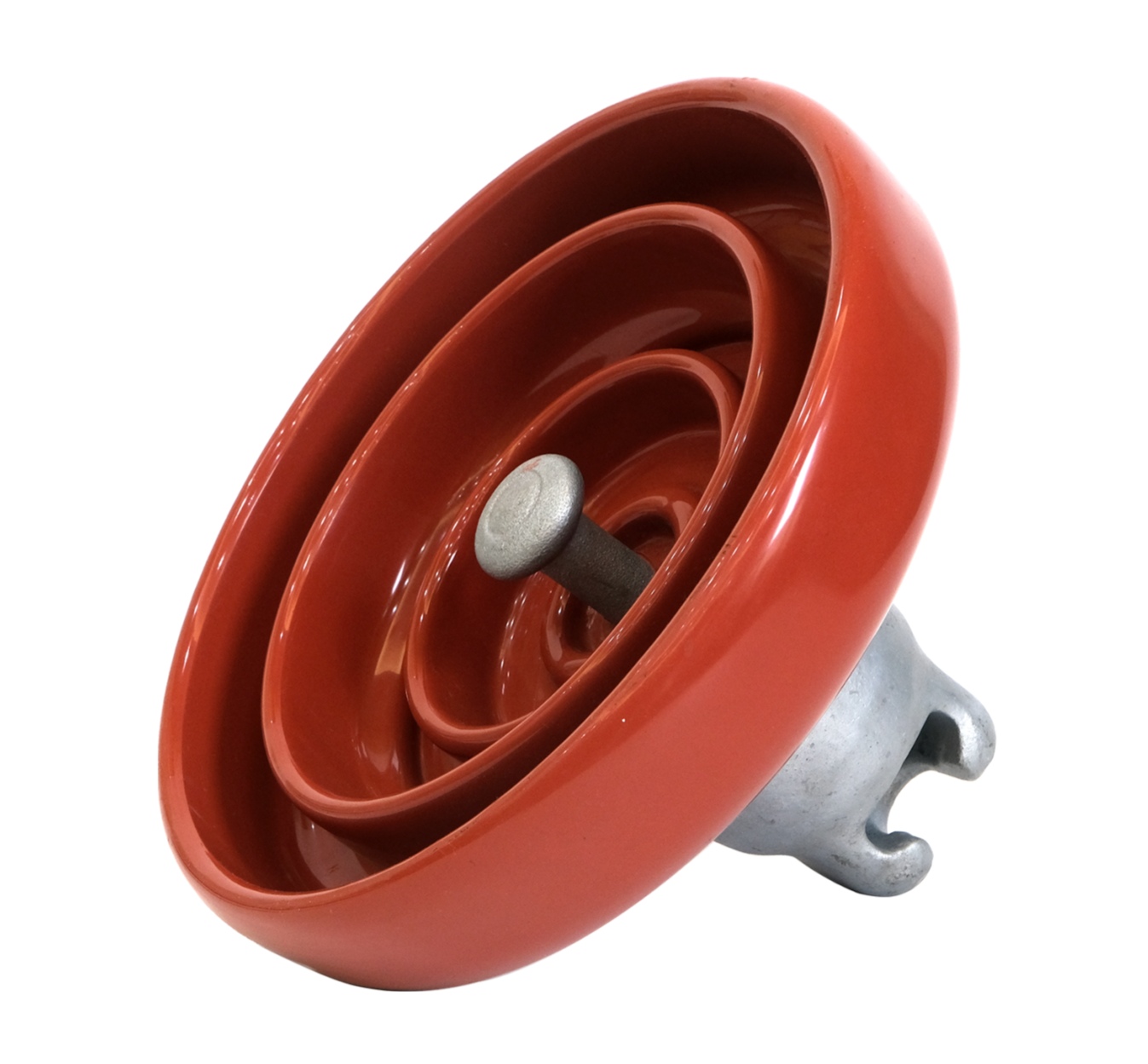
Combining the mechanical rigidity of toughened glass with the hydrophobic properties of Room Temperature Vulcanization (RTV) silicone. This thin, mineral-filled polymer coating prevents the formation of continuous conductive water films on the glass surface, virtually eliminating leakage currents and flashover hazards in highly polluted regions without the need for periodic manual washing.
Our products are mainly high-strength toughened glass insulators utilized in low, high, extra-high, and ultra-high voltage AC (DC) overhead transmission networks across distinct climatic zones.
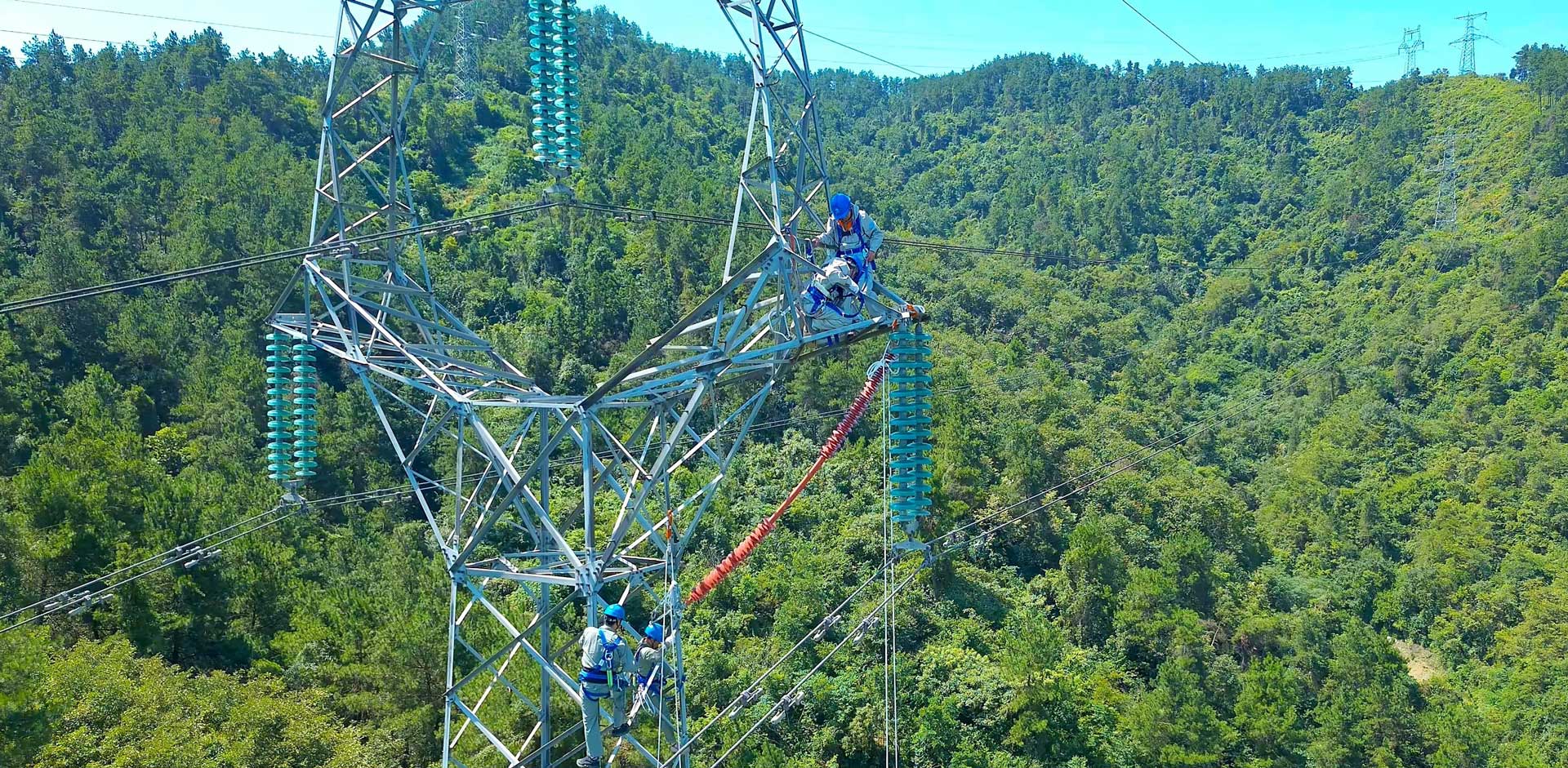
Designed to tolerate extreme high altitudes, thermal cycles (-40°C to +50°C), and dense forest atmospheric moisture without dielectric breakdown.
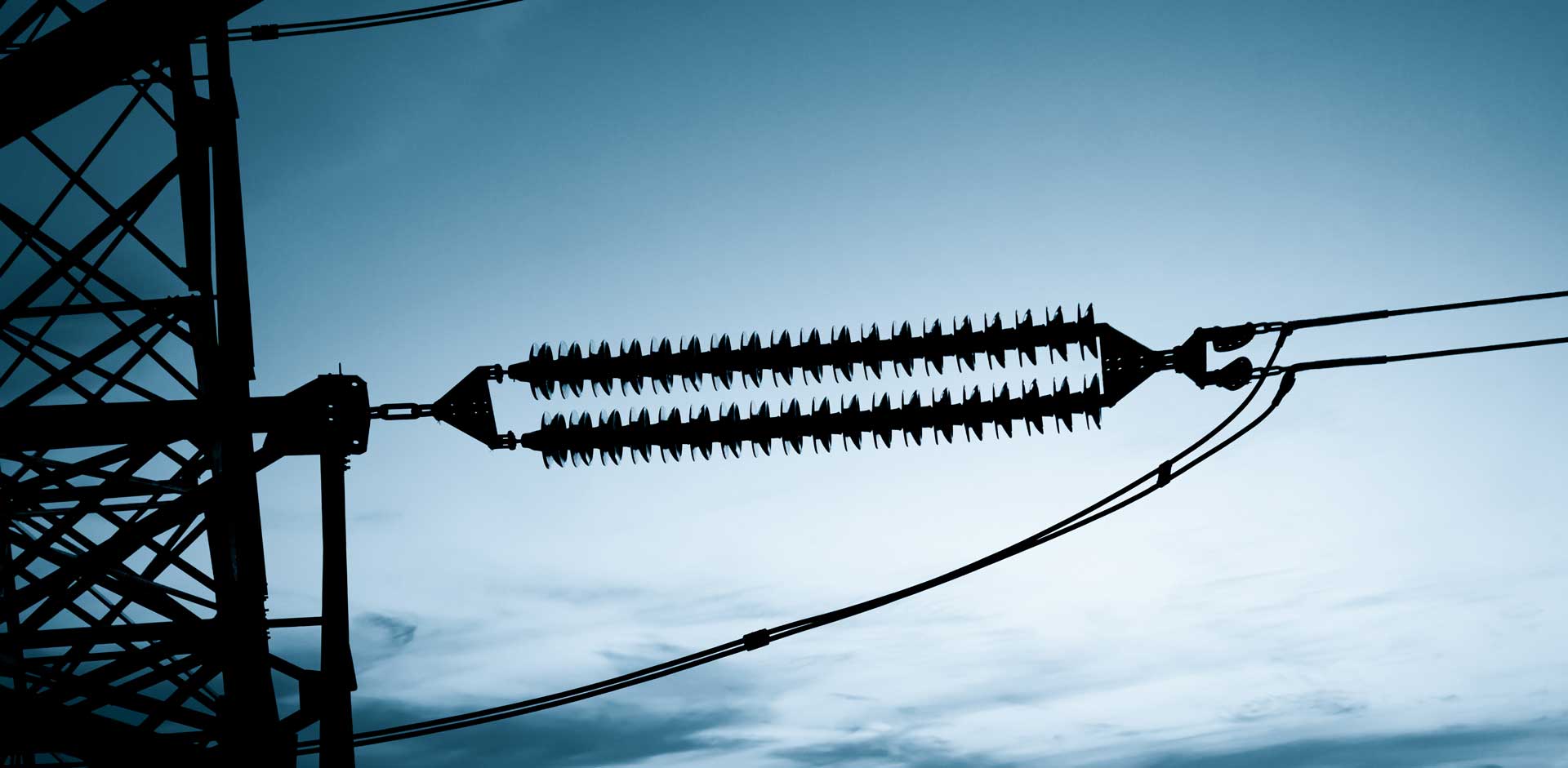
Engineered for high pollution areas, petrochemical refining zones, heavy metallurgy plants, and salt lakes showing superior creepage resistance.
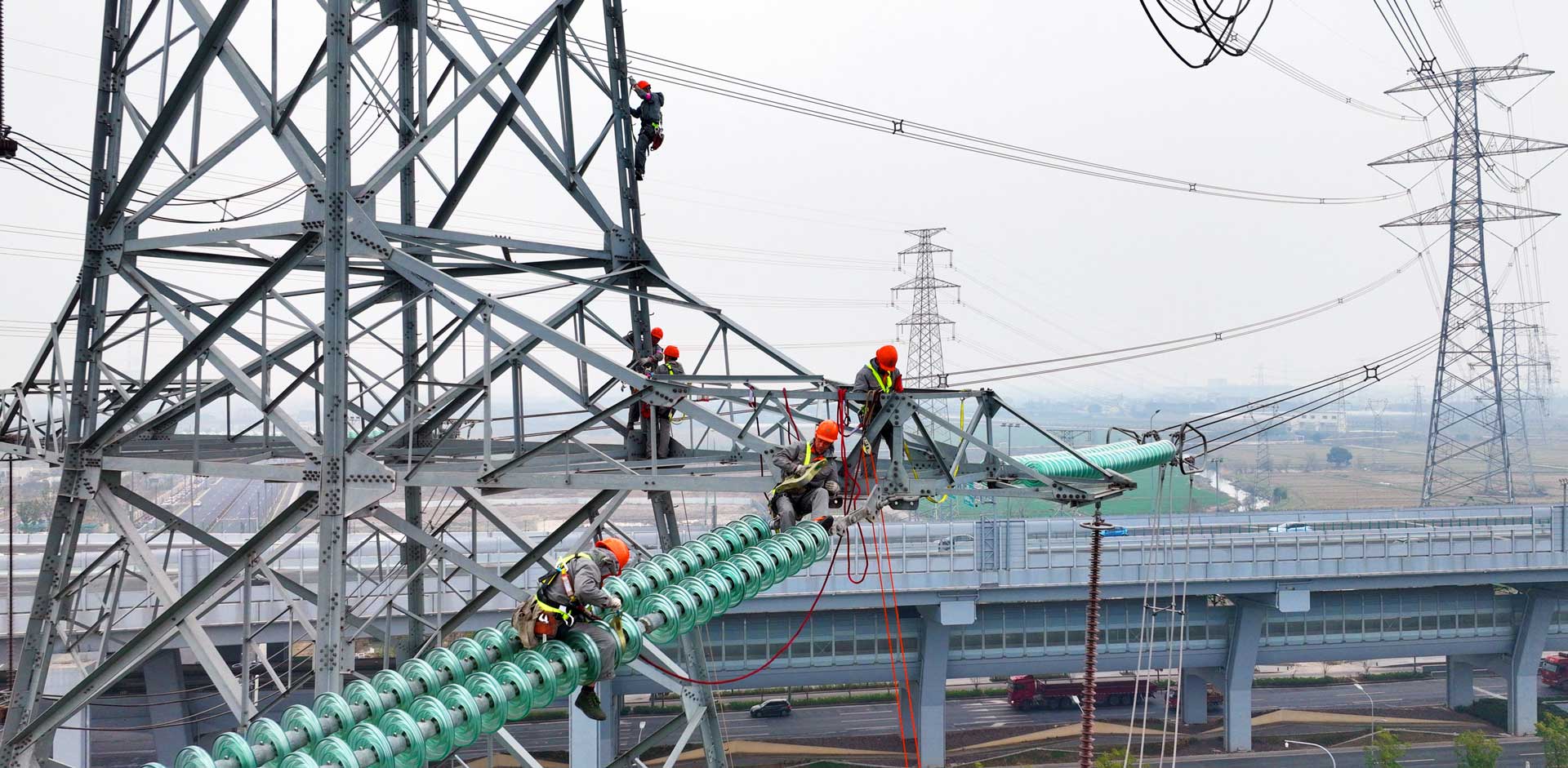
Optimized mechanical tension profiles matching line angles, dead-end terminations, and span lengths across mountainous regions.
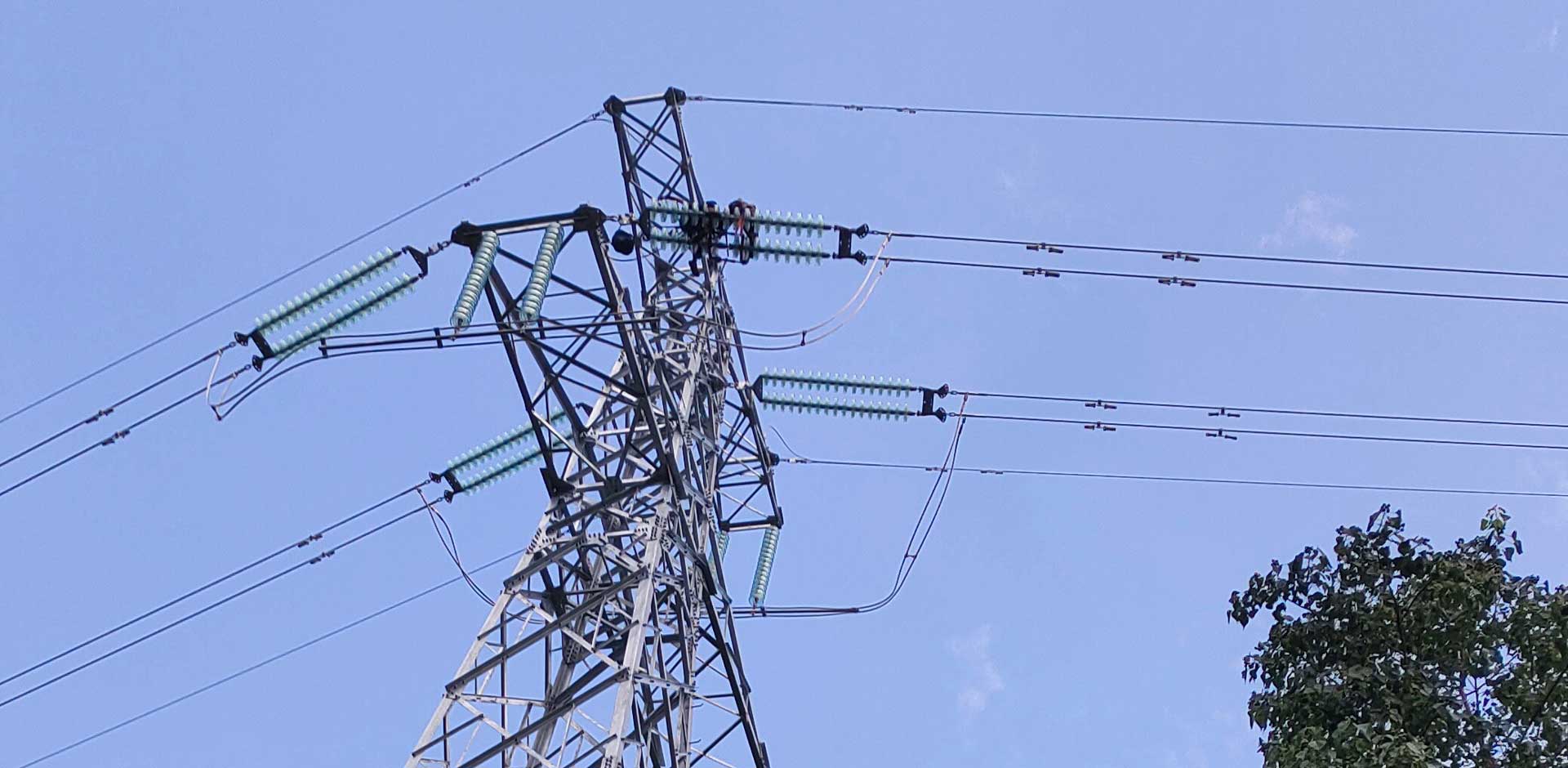
Heavy-duty solutions for industrial substations, electrified high-speed railways, urban transit utility feeds, and wind turbine interconnects.
The global high-voltage insulator sector is transitioning toward carbon-neutral production, smart structural health monitoring, and advanced hybrid materials. As modern utility transmission grids shift from traditional HVAC configurations to ultra-high-voltage direct-current (UHVDC) links, new technological constraints have emerged. Direct current leads to electrostatic accumulation of airborne dust, accelerating pollution build-up on the insulator surface.
Future glass insulator chemical formulas are integrating semiconductor dopants within the glass melt. This modification reduces the accumulation of local charge clusters on the insulator shell, dispersing potential peaks during lightning surges and switching impulses. The application of nano-coatings on metal caps and pins is also being researched to mitigate galvanic corrosion near the cement joints.
To reduce carbon footprints in accordance with ESG rules, manufacturers are replacing traditional coal or heavy-oil firing systems with pure-oxygen-fueled glass melting furnaces. The total oxygen kiln design reduces carbon emissions by up to 30-40% while raising furnace temperatures to yield highly homogenous, bubble-free tempered glass melts. The elimination of microscopic nitrogen voids within the glass structure significantly reduces the risk of in-service shattering.
Modern glass insulators are built to support grid digitalization. Because glass insulators utilize a cap-and-pin design, drone patrols equipped with thermal imagers can assess temperature spikes across the insulator string. An elevated temperature indicates localized leakage currents, pointing to micro-cracks before they lead to unexpected outages. Future models will integrate RFID tracking and strain gauges on the metal pins to transmit real-time mechanical tension data to substation control centers.
Step inside our state-of-the-art facilities equipped with advanced oxygen kilns, automated forming presses, and high-voltage dielectric test rooms to ensure total compliance with ISO 9001, IEC, and ANSI standards.
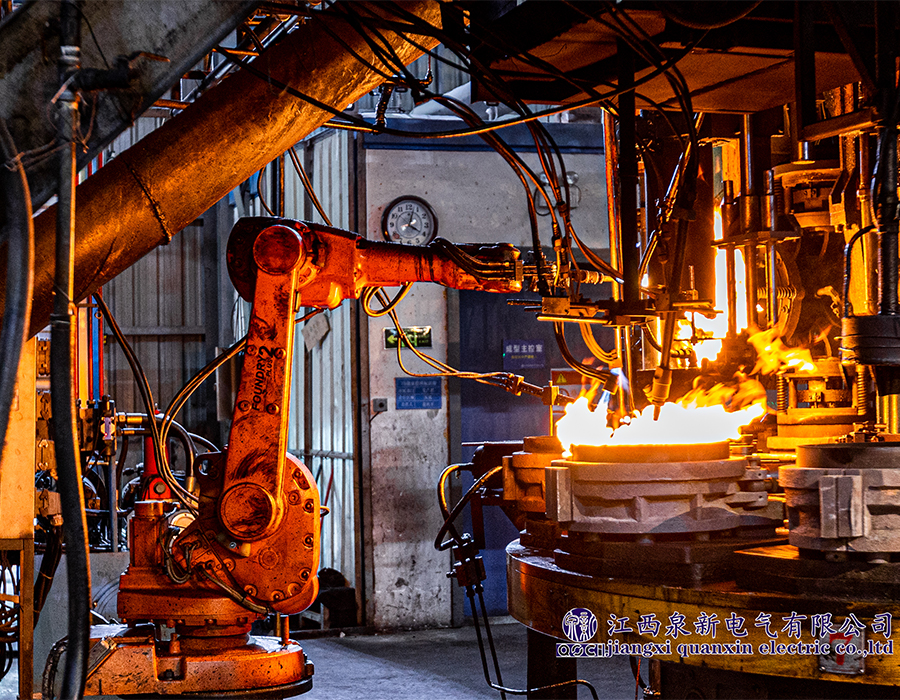
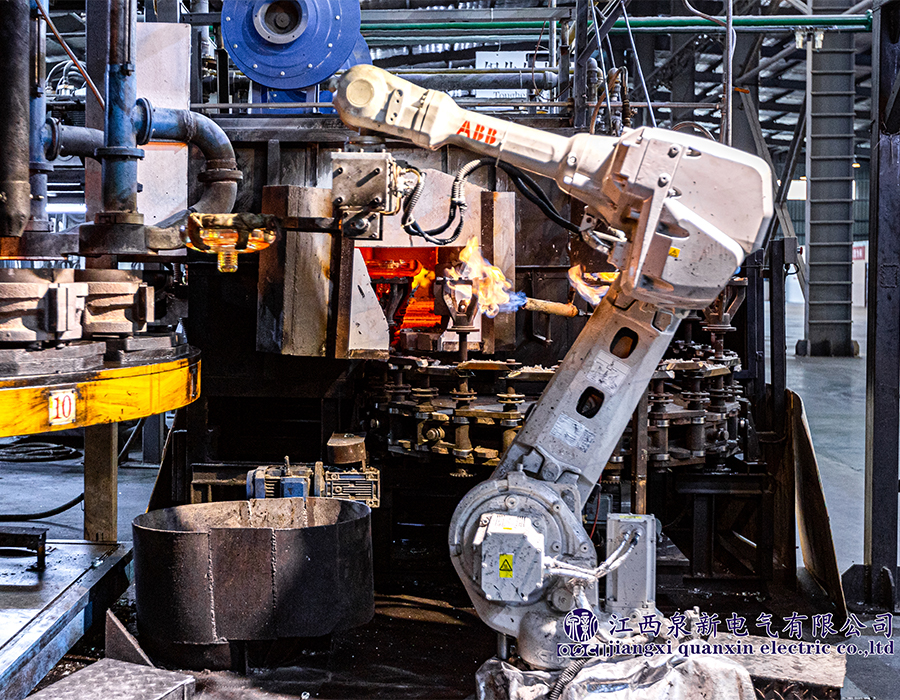
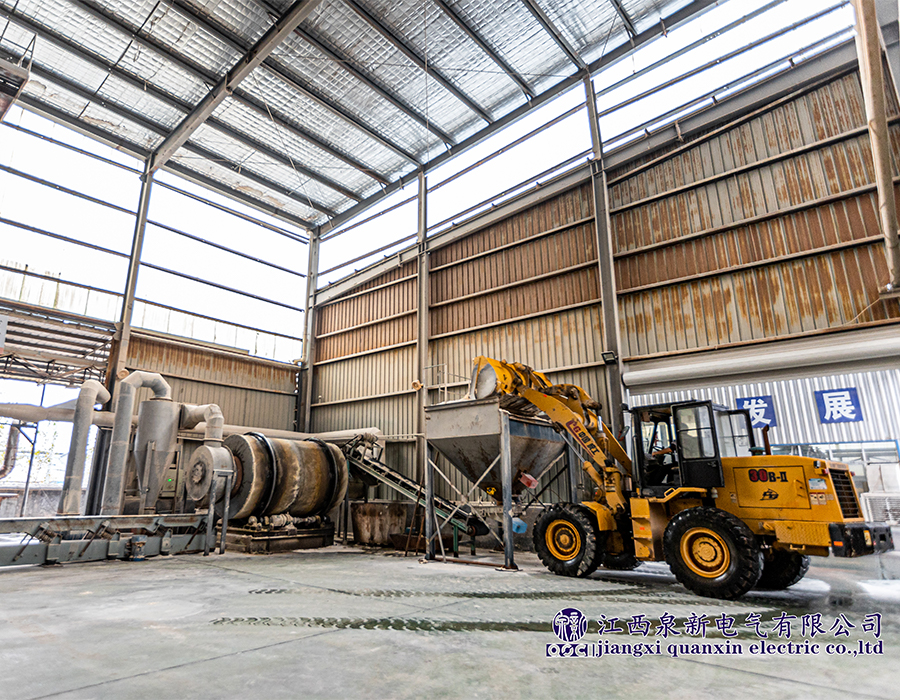
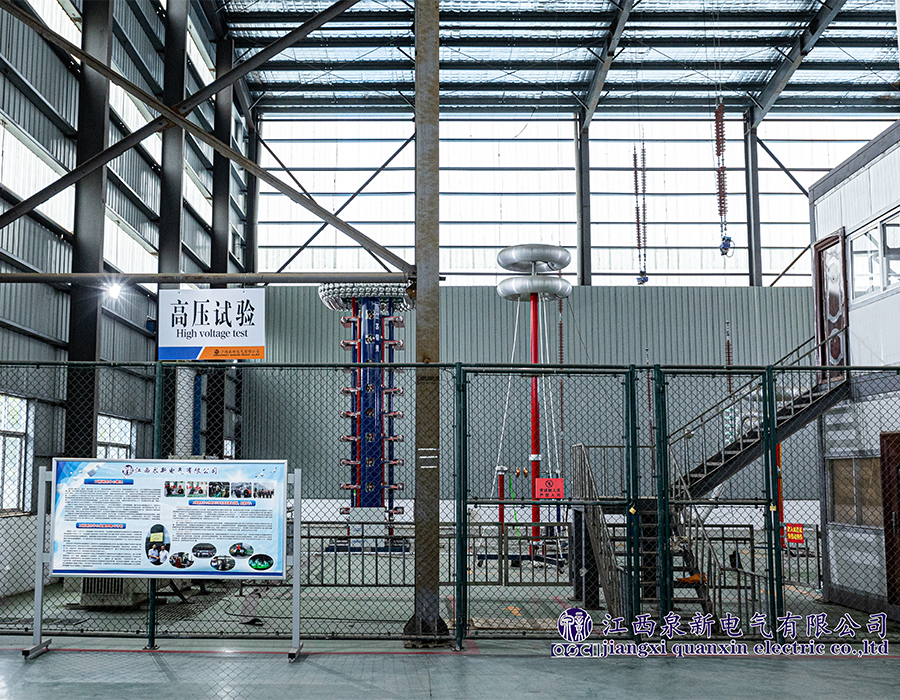
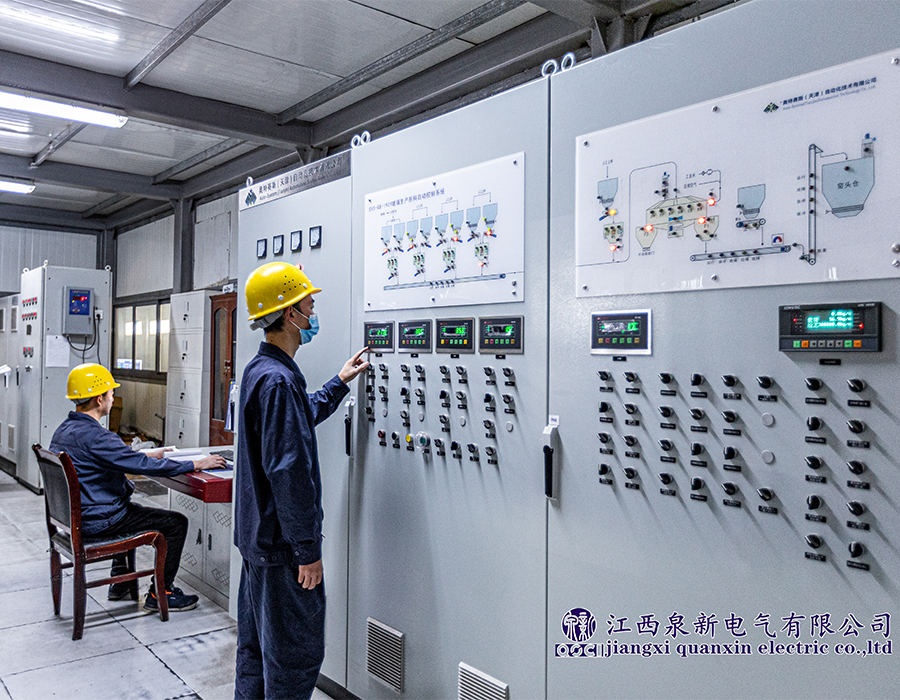
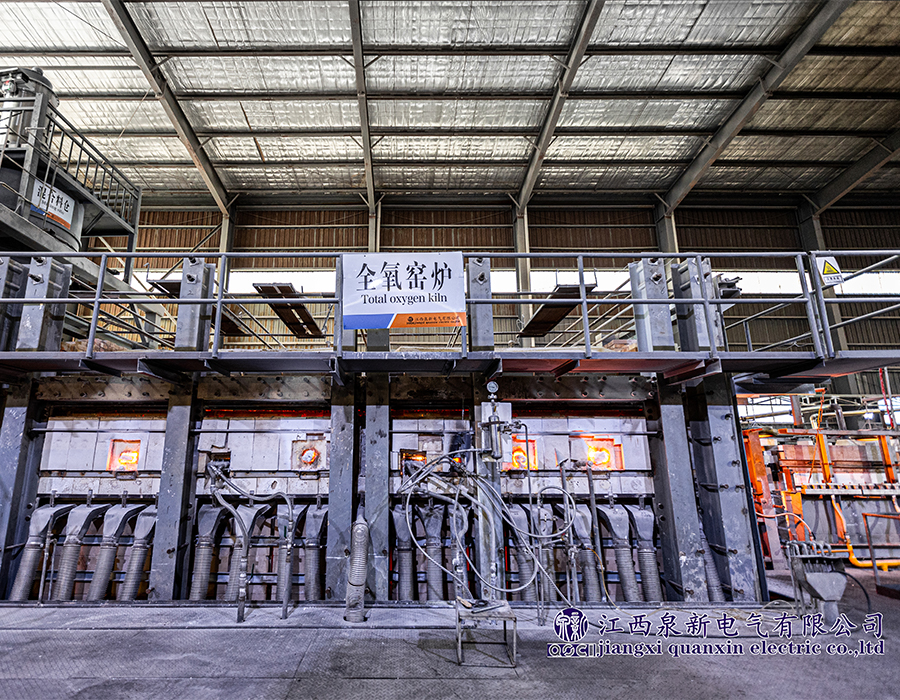
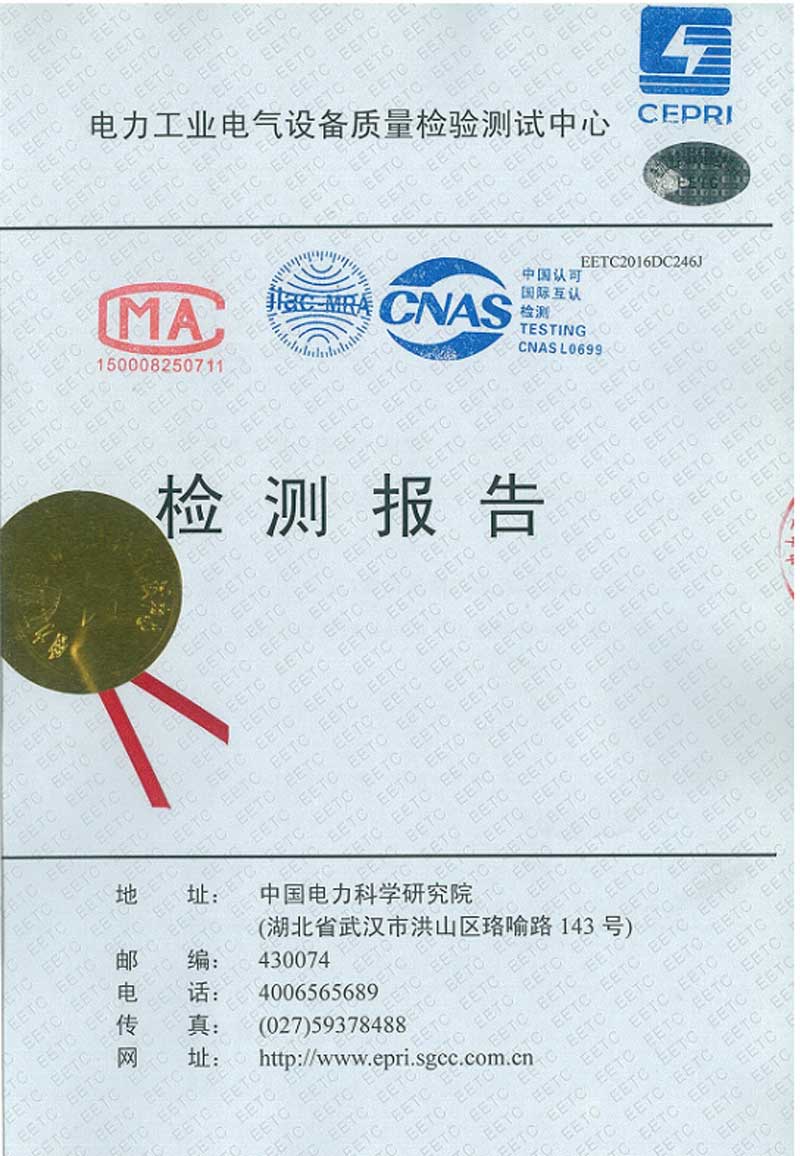
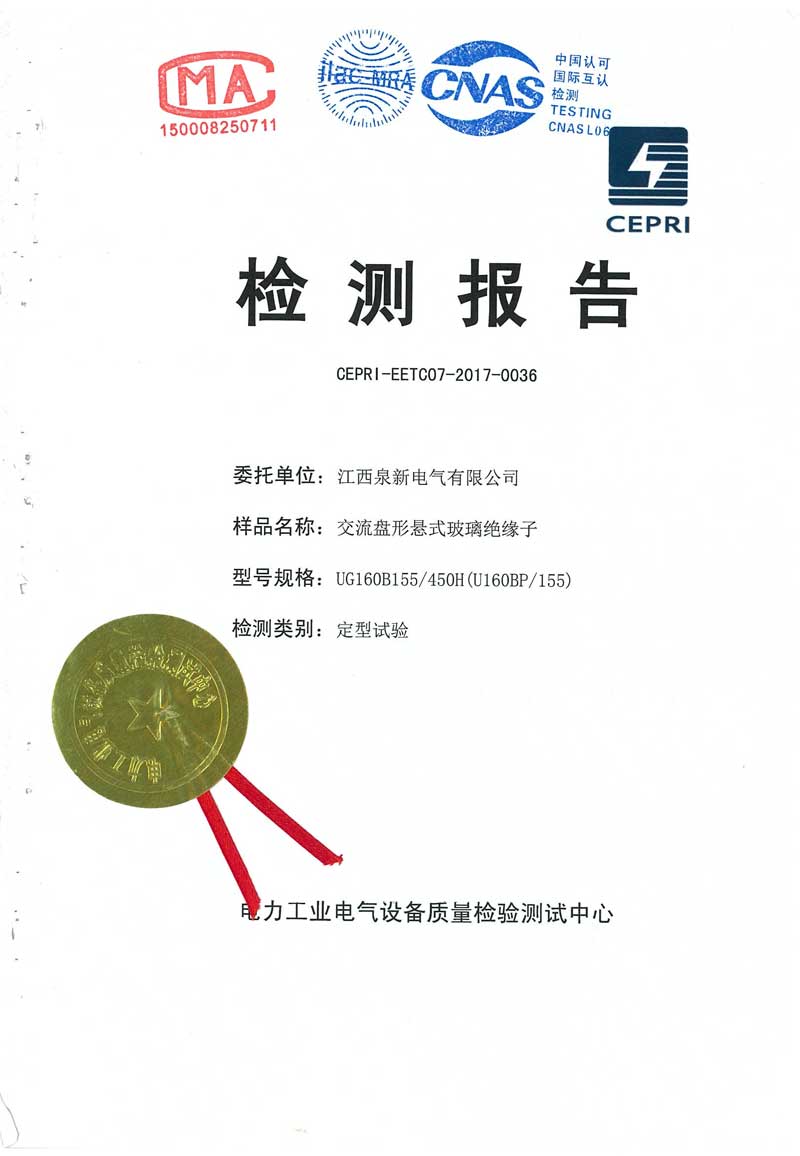
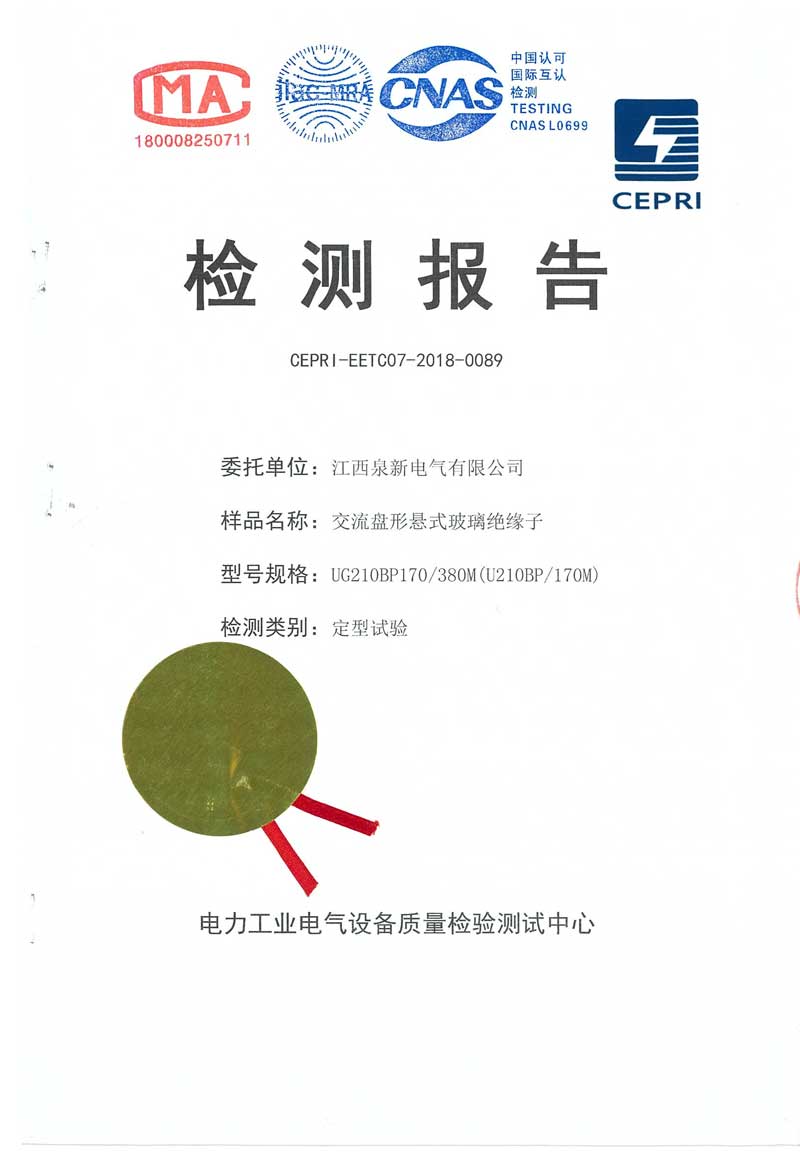
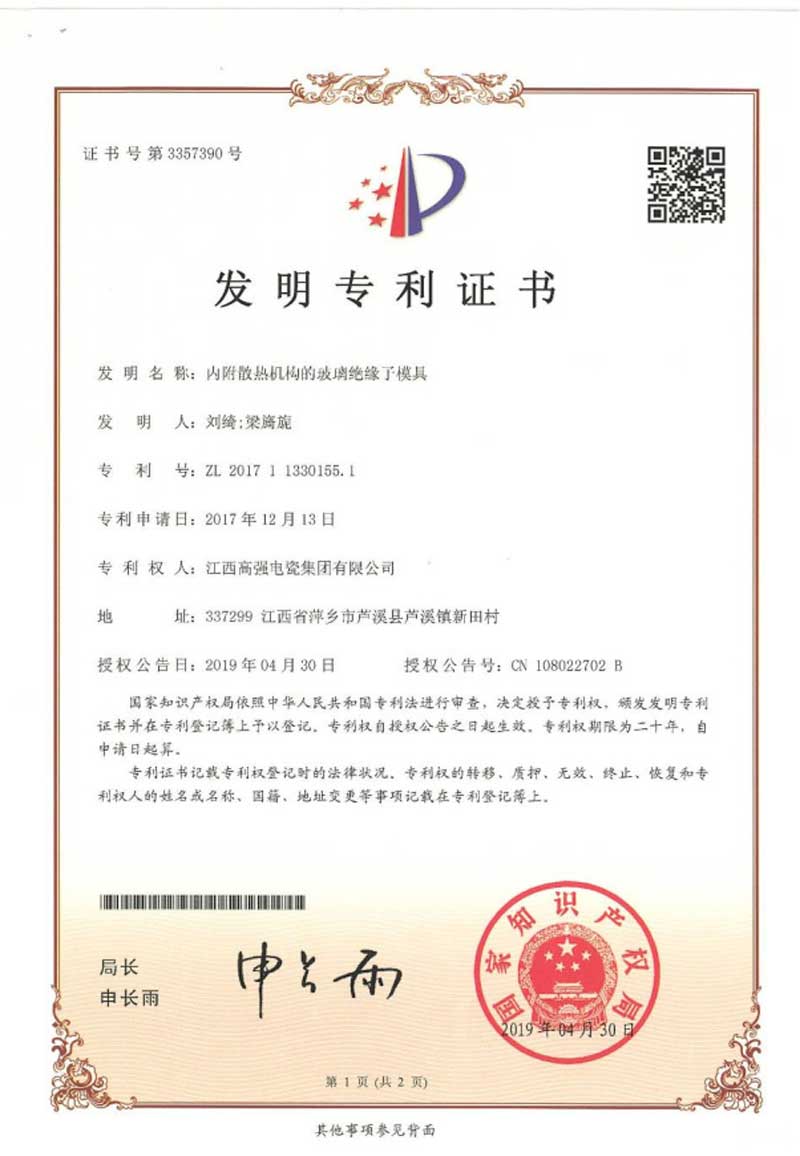
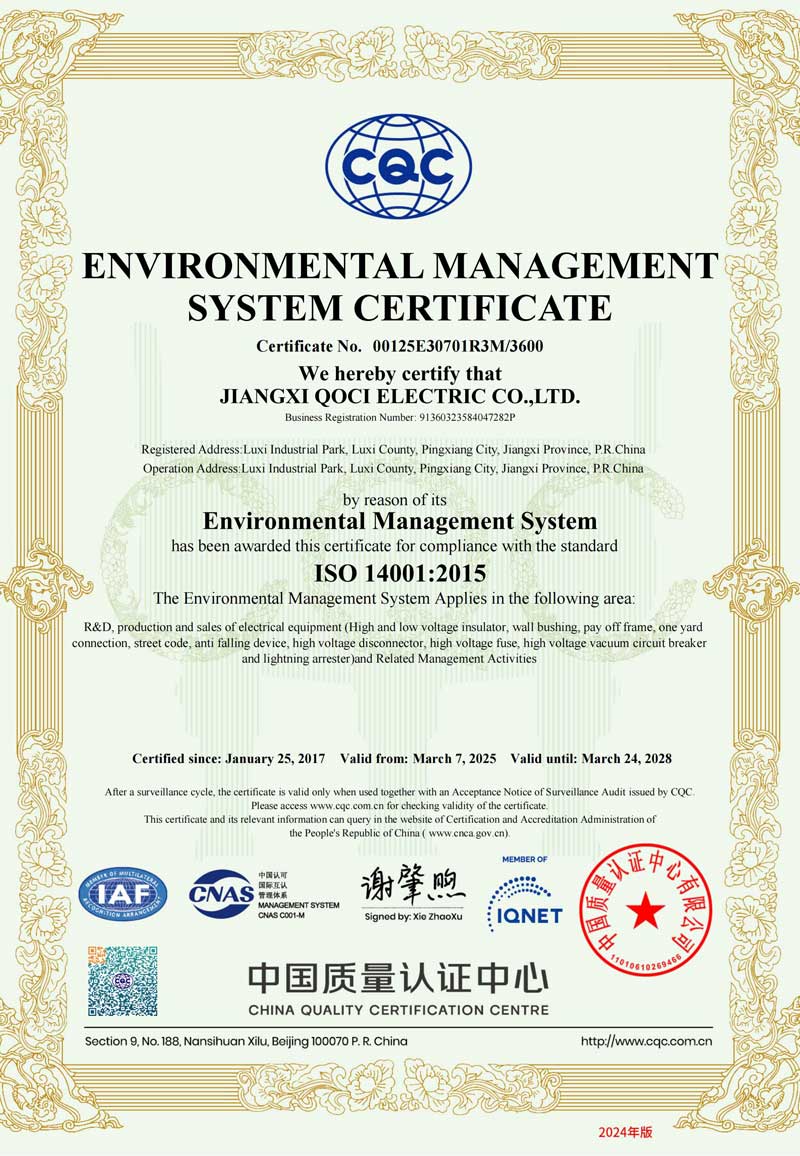
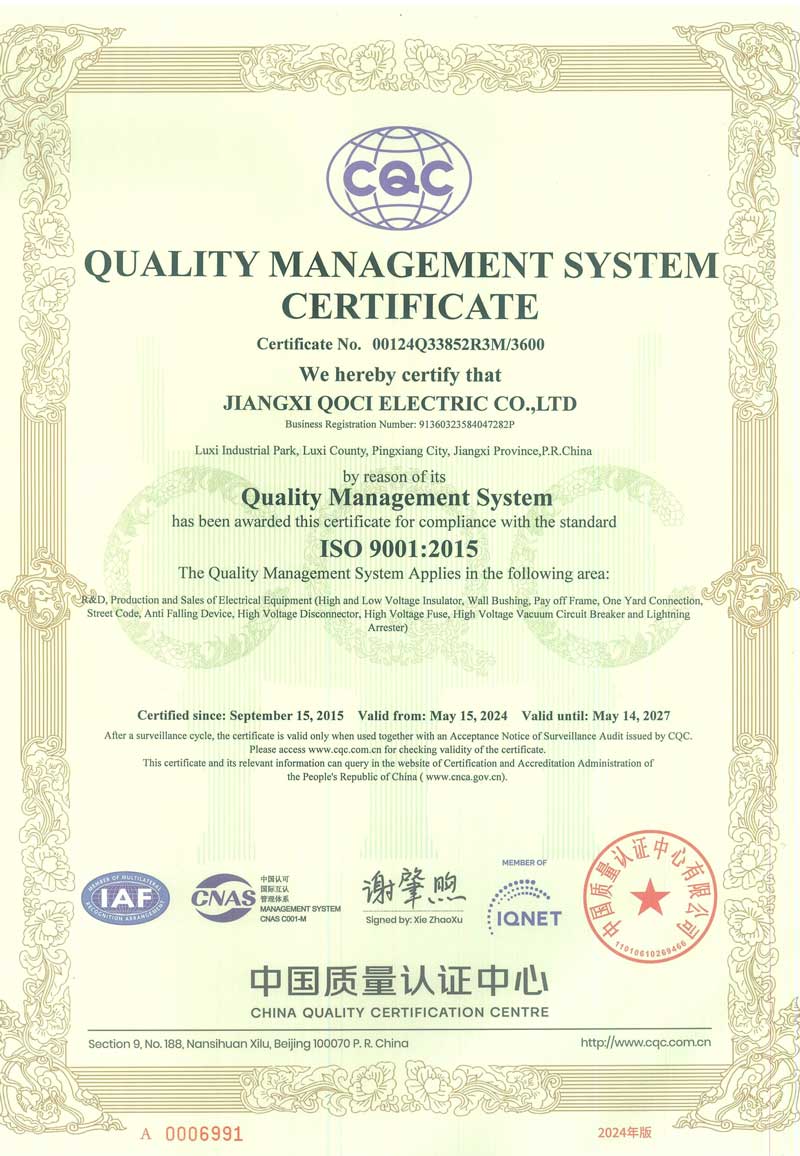
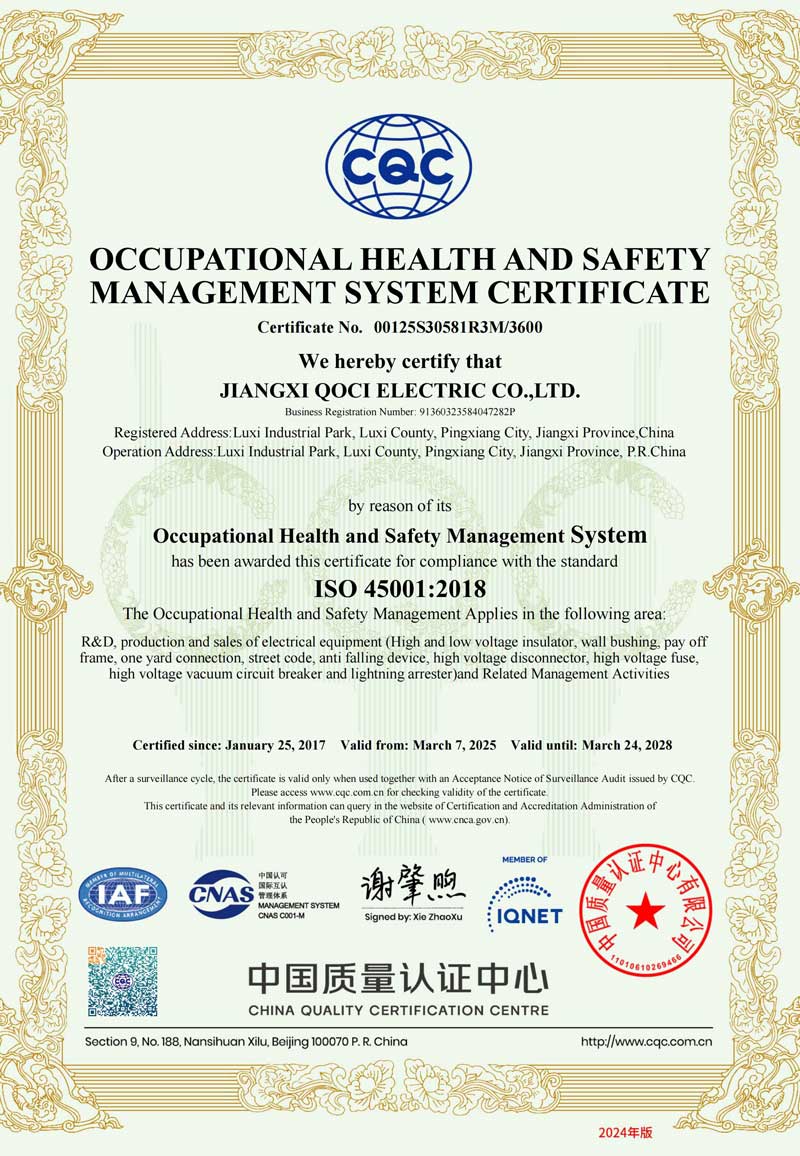
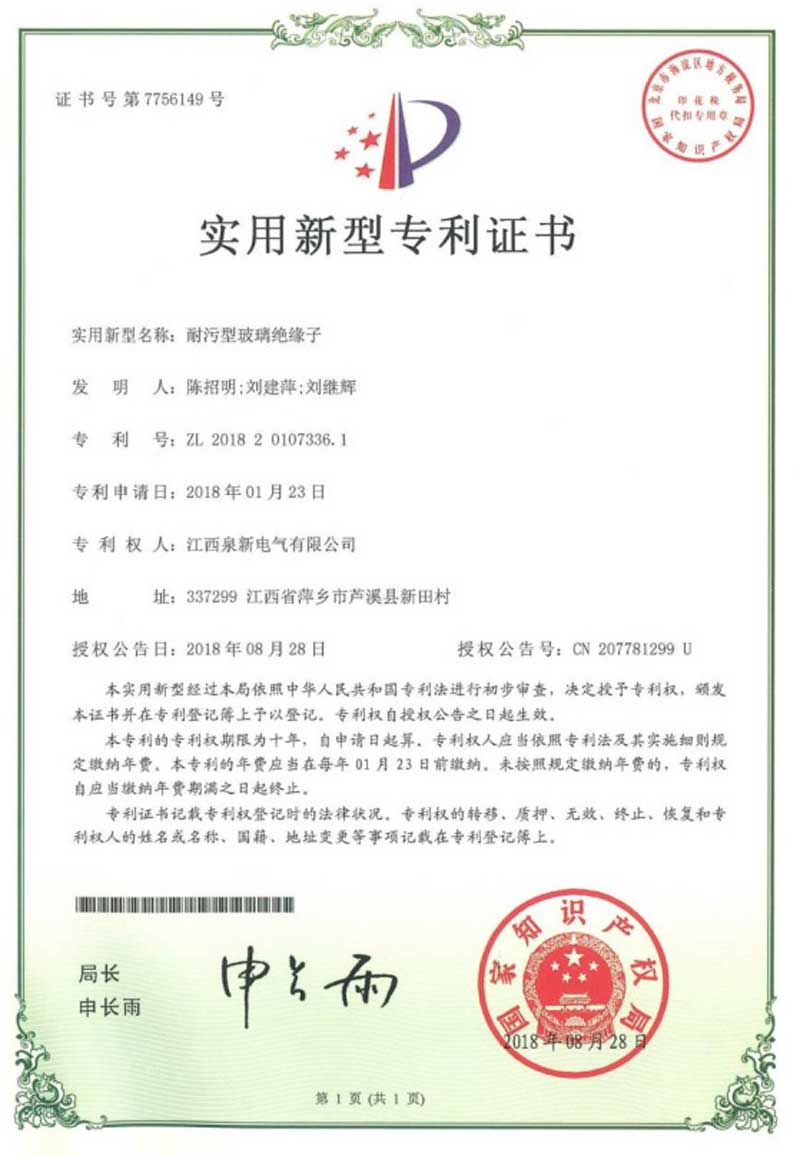
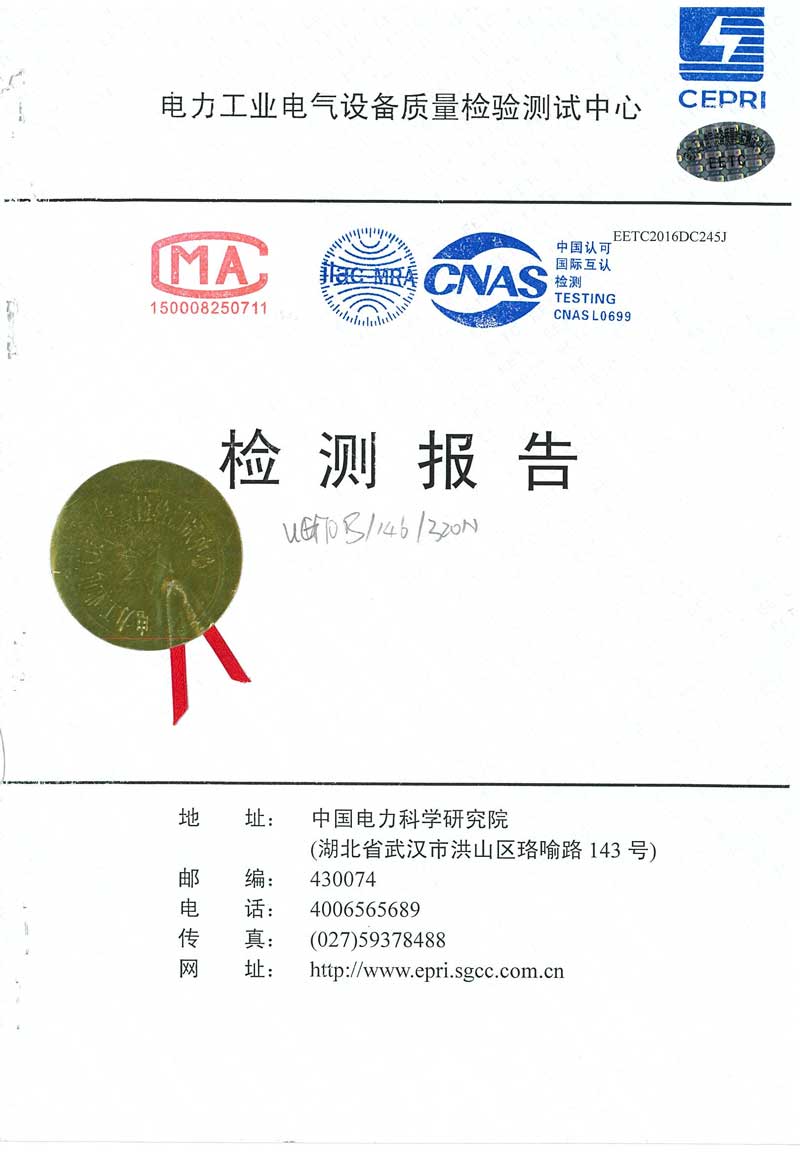
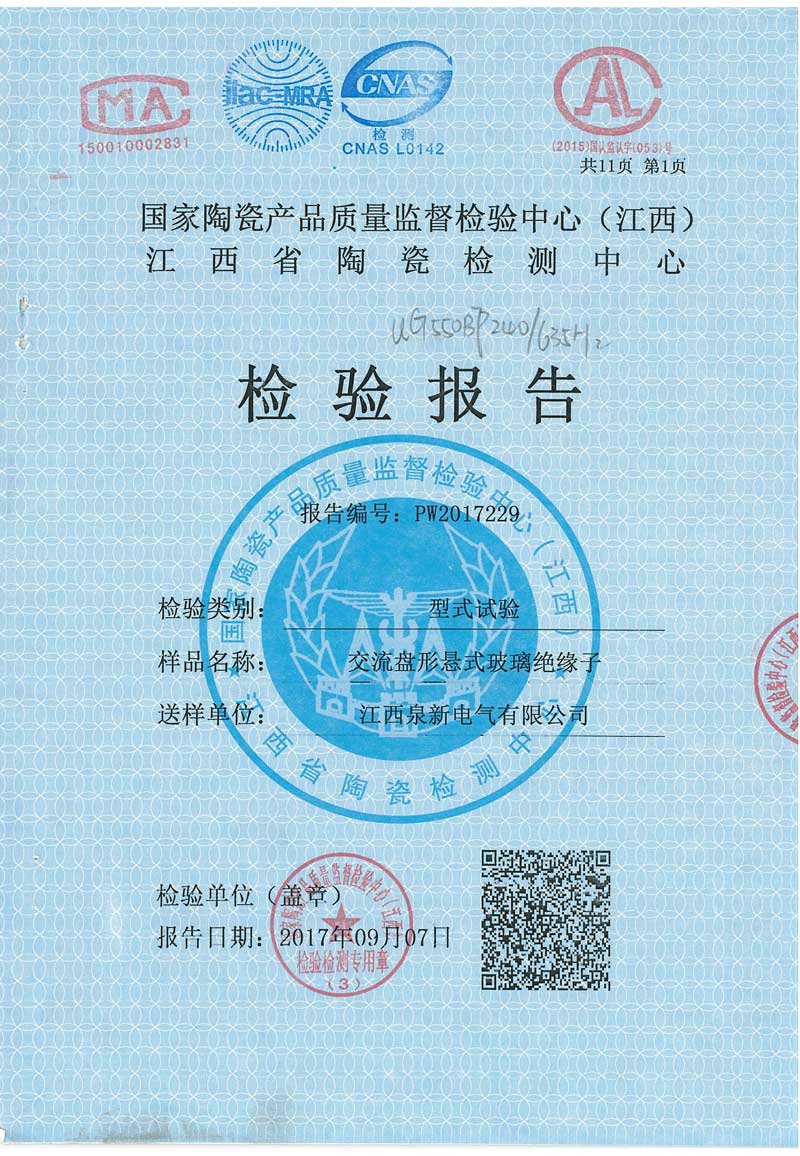
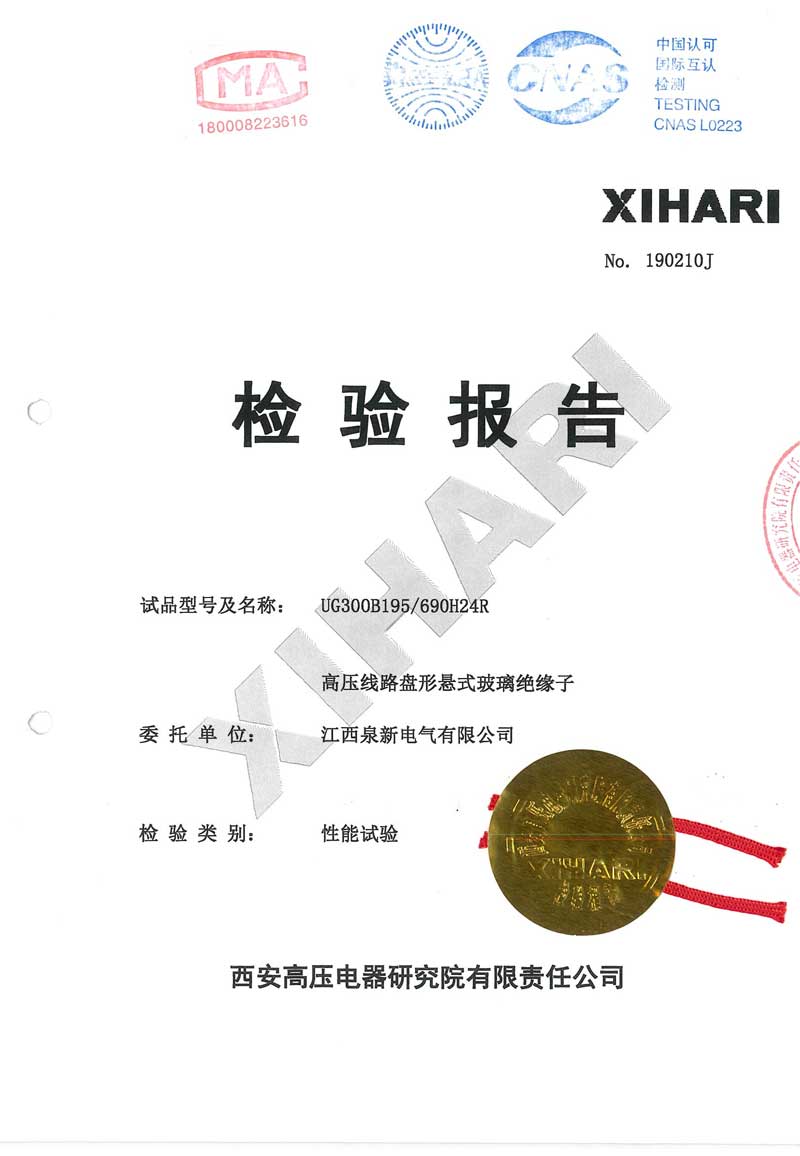
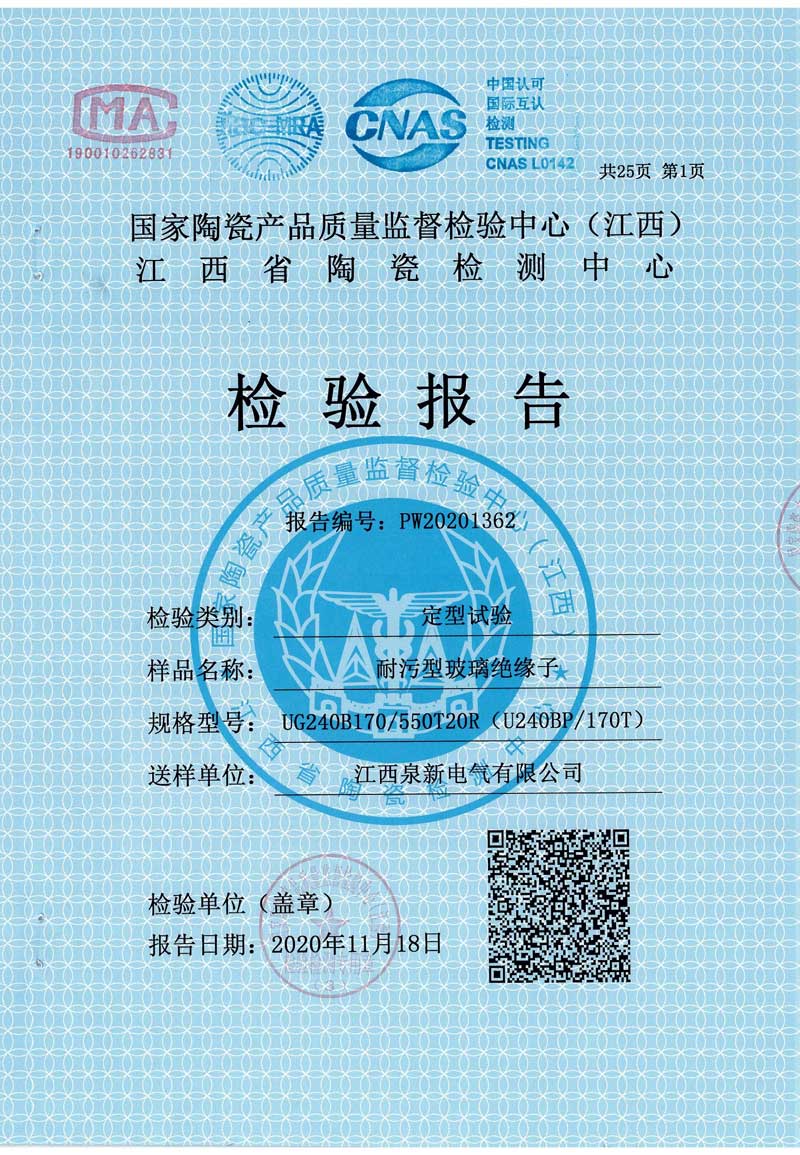
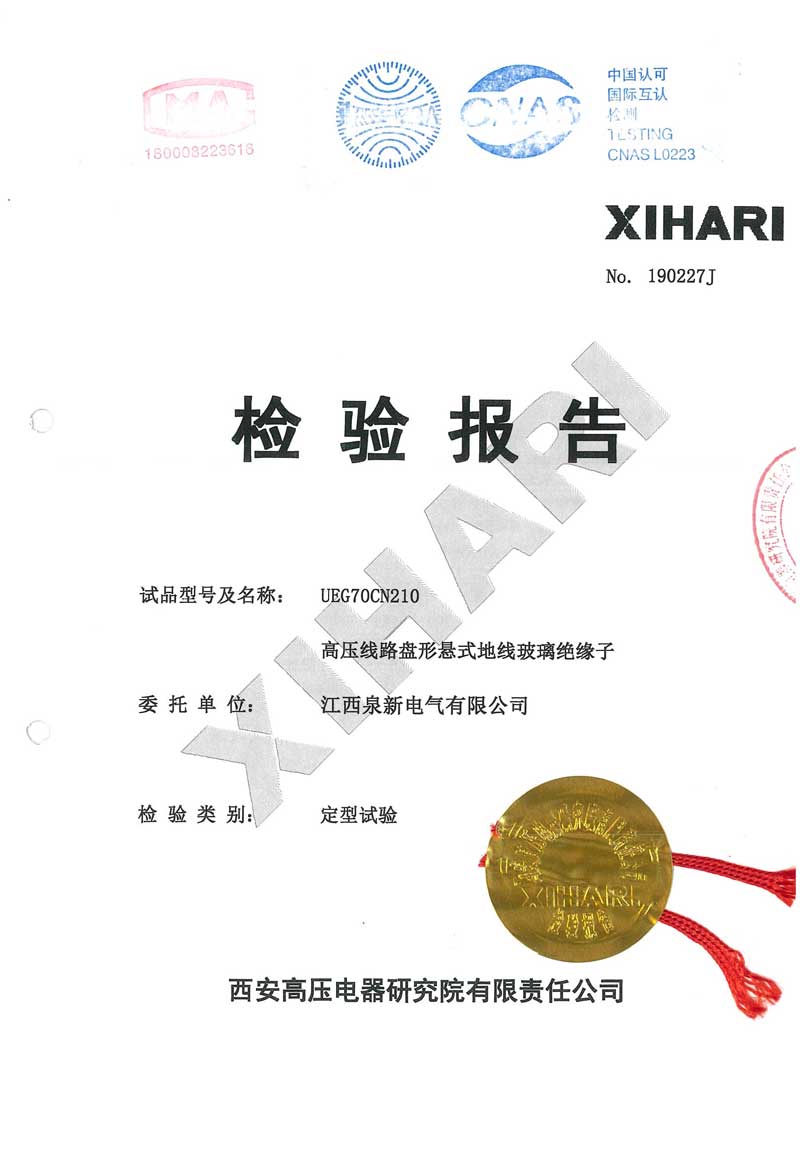
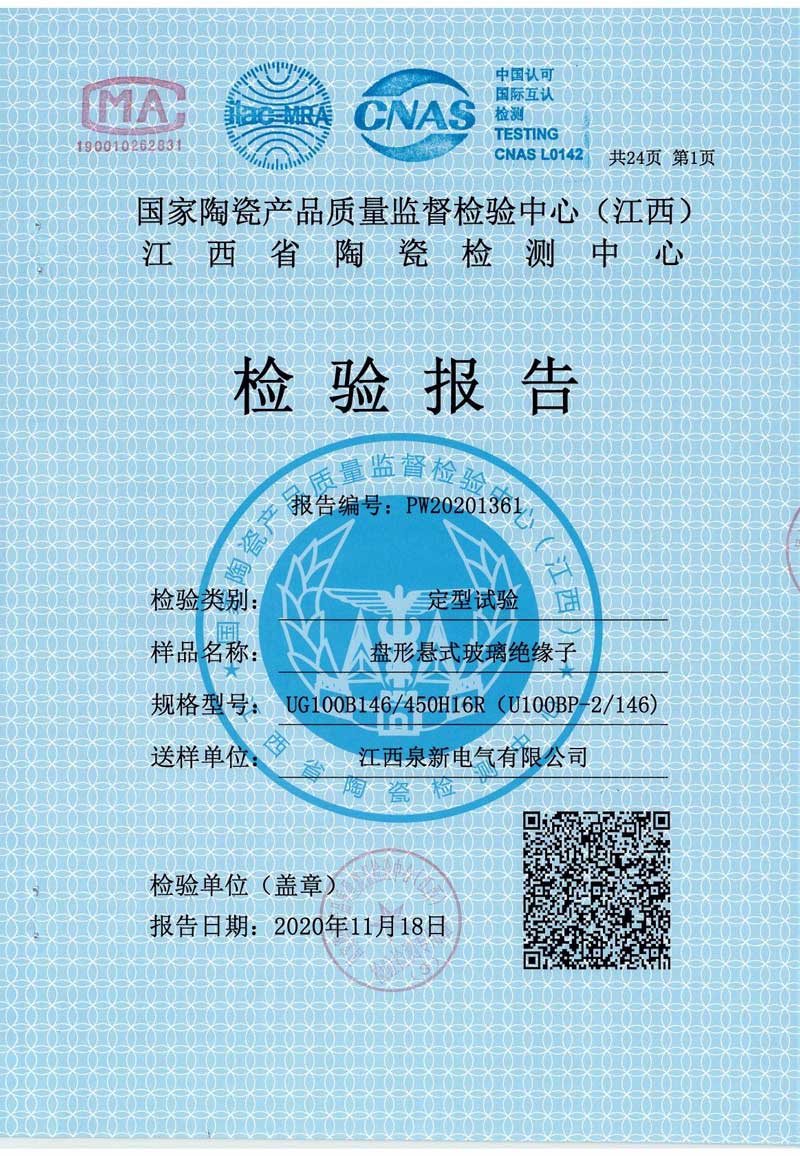
Our quality system is verified by international inspection bodies, highlighting our compliance with globally recognized testing procedures.
Connecting with grid authorities, EPC contractors, and global distribution utilities worldwide to foster international standards compatibility.
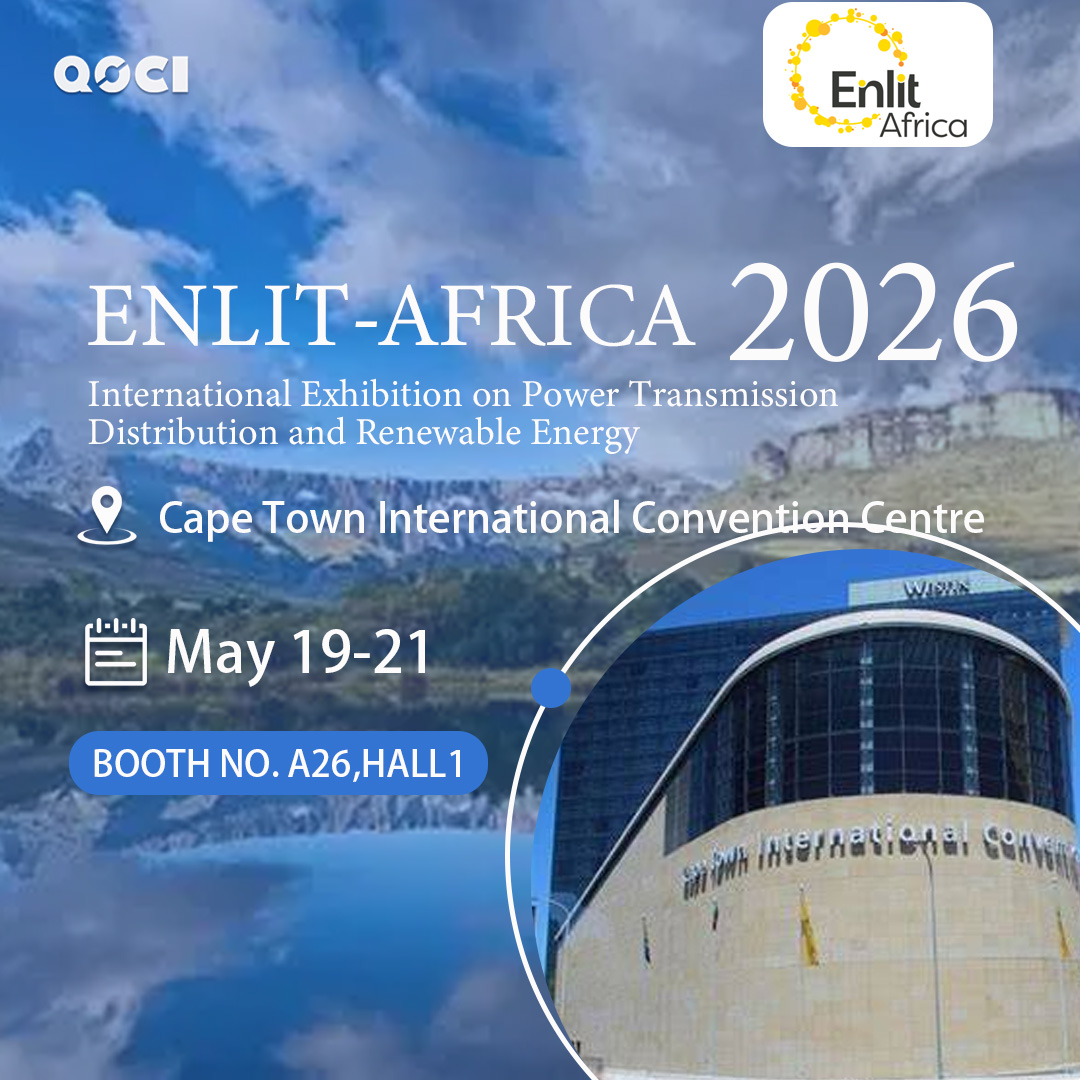
Exploring renewable energy distribution, carbon neutrality, and substation insulator solutions to meet the growing energy transition across Africa.
Showing our latest 160kN and 210kN disc glass insulator lines to North American engineers and transmission line post builders.
Discussing how Chinese high-voltage glass insulation arrays resist severe icing, earthquake, and extreme wind conditions globally.
Gain insights from our application engineers regarding selection, design standards, maintenance, and lifetime performance of high-voltage transmission insulators.
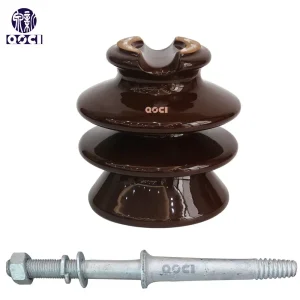
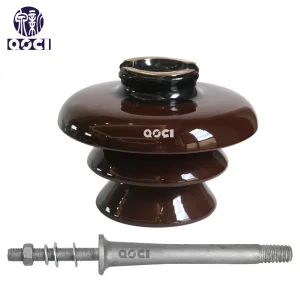
Review additional technical specifications of our aerodynamic types, double-shed models, and porcelain pin post insulators designed for high-stress electrical networks.
We work closely with global electric power corporations, supply partners, and EPC contractors to support grid safety.