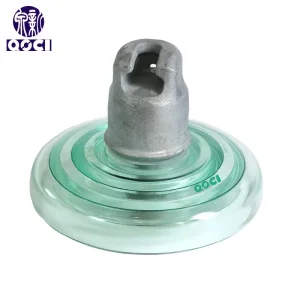
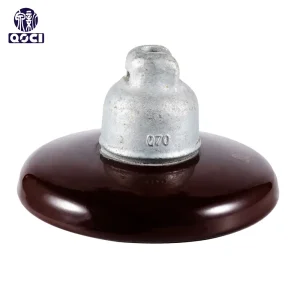
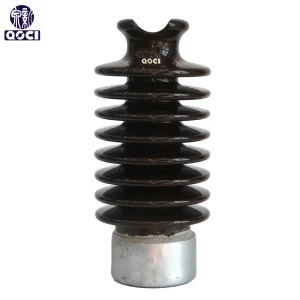
Aerodynamic Type Manufacturers & Supplier serving Switzerland

Pioneering High-Altitude Insulator Solutions for the Alpine Power Grid: A Deep Dive into Toughened Glass Aerodynamics, IEC Compliance, and Swiss Industrial Integration.

Send Inquiry Now

Industrial Context: Switzerland’s Energy Landscape

Switzerland stands at the heart of Europe’s power exchange, with its transmission system operator, Swissgrid, managing one of the most complex and geographically challenging grids in the world. The transition toward the "Energy Strategy 2050" necessitates a grid that is not only robust but also highly efficient in transporting renewable energy across the Alps.

🏔️

Alpine Environmental Resilience

Switzerland's high altitudes subject transmission lines to extreme icing, heavy snow loads, and high-velocity wind tunnels. Aerodynamic type glass insulators are specifically engineered to reduce the "wind profile" and prevent the accumulation of ice and snow, which are primary causes of flashovers and mechanical failures in the Bernese Oberland and Valais regions.

UHV/HV Grid Modernization

As Switzerland upgrades its 220kV lines to 380kV to accommodate European transit power, the demand for high-strength toughened glass insulators has surged. The aerodynamic open profile design ensures that even in low-rain, high-pollution scenarios (such as industrial zones near Zurich or Basel), the insulators remain self-cleaning.

🛡️

Regulatory Compliance

Swiss industrial standards demand strict adherence to IEC 60305, IEC 60383, and specific environmental impact assessments. Our manufacturing process incorporates automated thermal shock testing and ultrasonic flaw detection to exceed these rigorous European benchmarks.

Macro Industry Solutions: Global Perspectives

The global power insulator market is shifting from traditional porcelain to toughened glass due to its superior mechanical reliability and "fail-safe" characteristics. Unlike porcelain, a damaged glass insulator shell will shatter but maintain its mechanical integrity, making fault detection instantaneous and preventing catastrophic line drops.

In the context of Global Carbon Neutrality, transmission efficiency is paramount. Aerodynamic profiles minimize corona discharge and radio interference, reducing energy losses during long-distance transmission from hydraulic plants in the Swiss Alps to urban centers.

508MRegistered Capital (Yuan)
39,000Annual Output (Tons)
53+Engineering Technicians
26+Patents Issued

Localized Application Scenarios in Switzerland

1. High-Altitude Alpine Crossings

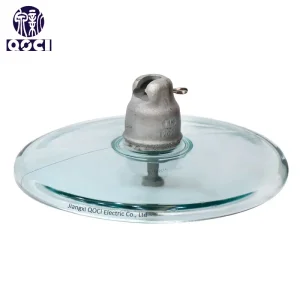
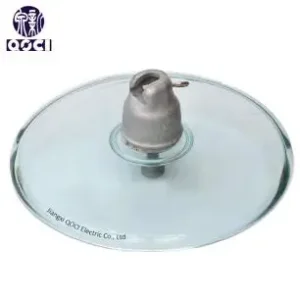
Our Aerodynamic Type (Open Profile) insulators are deployed in Swiss mountain passes where traditional ribbed insulators would suffer from "ice-bridging." The absence of under-ribs allows wind to clear snow before it can freeze into a conductive layer.

2. Inter-City 380kV Corridors

Connecting Basel to Zurich requires insulators with low acoustic noise profiles to comply with Swiss noise pollution regulations. The aerodynamic design optimizes airflow, significantly reducing the "hum" associated with high-voltage lines.

3. Railway Electrification (SBB CFF FFS)

The Swiss federal railway system requires insulators that can withstand the constant vibration and chemical exposure of tunnel environments. Our toughened glass solutions provide the necessary dielectric strength and mechanical durability.

Technical Roadmap & Future Outlook (2025-2030)

The future of Swiss insulation technology lies in Smart Grids and Advanced Materials. We are currently developing:

  • RTV Silicone Integrated Coatings: Combining the mechanical strength of glass with the hydrophobicity of composite materials for the extreme humidity of the Lake Geneva region.
  • IoT-Enabled Monitoring: Researching glass insulators with embedded sensors to monitor leakage current and mechanical tension in real-time, feeding data directly to Swissgrid control centers.
  • Ultra-High Strength Glass (530kN+): To support the next generation of UHVDC lines that may eventually form the backbone of a Pan-European Supergrid.

About Jiangxi QOCI Electric Co. Ltd

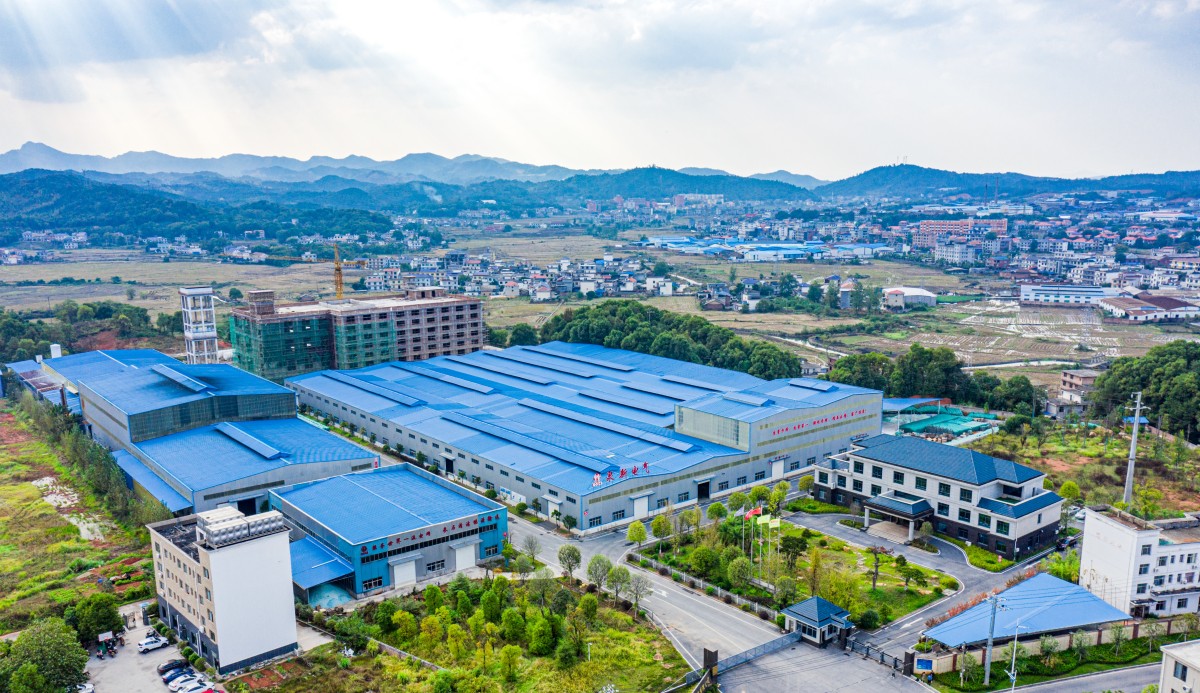
QOCI Factory

Founded in Dec. 2002, with a registered capital of 508 million Yuan, Jiangxi QOCI Electric Co. Ltd is located at Industrial Park, Luxi County, Pingxiang, Jiangxi Province. Our facility covers an area of 100 mu (70,000 m²), producing an annual output of 39,000 tons of high-strength glass insulators.

With 53+ engineering technicians and 26+ invention patents, we serve world-class power grids with dedication, actively participating in the construction of green energy globally. Our products are essential for low voltage, high voltage, and ultra-high voltage AC/DC transmission lines.

Toughened Glass Insulator Profiles

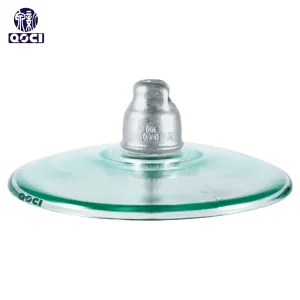
Standard Profile

Designed with shallow ribs for effective self-cleaning by wind or rain, exceeding IEC 60305 standards.

Anti-fog Profile

Long under-ribs to avoid arc bridging. Effective in coastal areas (Salt fog) and industrial pollution.

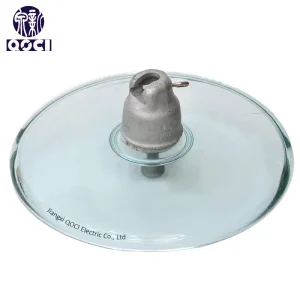
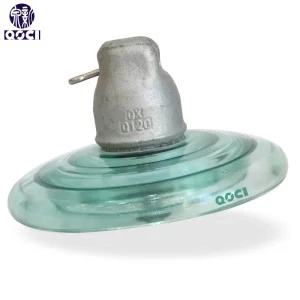
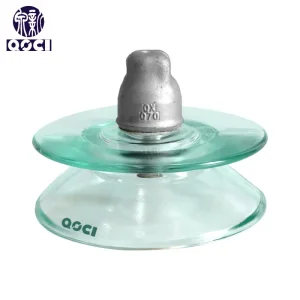
Aerodynamic/Open Profile

Absence of under-ribs to avoid accumulation of dust/sand. Perfect for desert or icy alpine areas.

Triple-Shed Type

Open shed design with longer creepage distance for UHV lines in harsh environments.

Frequently Asked Questions

Why use Aerodynamic Type insulators instead of Standard Type in the Alps?
In Alpine regions, standard insulators with deep ribs act as "traps" for wind-blown snow and industrial pollutants. Aerodynamic types (open profile) allow the wind to pass smoothly across the surface, utilizing natural air currents to "sweep" the glass clean and prevent conductive bridges from forming.
Do your products comply with Swissgrid’s specific technical requirements?
Yes. Our glass insulators are manufactured to IEC standards which form the basis of Swiss electrical regulations. We provide full type-test reports and can customize zinc bushing and RTV coatings to meet specific environmental impact requirements mandated by Swiss authorities.
What is the lifespan of a toughened glass insulator in high-voltage service?
Toughened glass insulators are known for their exceptional longevity, often exceeding 40-50 years. Unlike composite insulators, glass does not suffer from UV degradation or "tracking" in the same way, making it a more sustainable long-term choice for Swiss infrastructure.

Partner with a Global Leader in Insulator Technology

Jiangxi QOCI Electric Co. Ltd provides the expertise, scale, and technical precision required for the most demanding power projects in Switzerland and beyond.

Send Inquiry Now Consult an Engineer