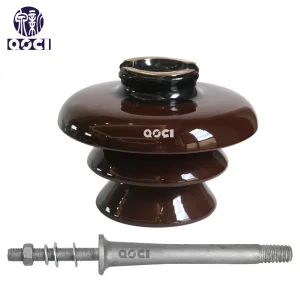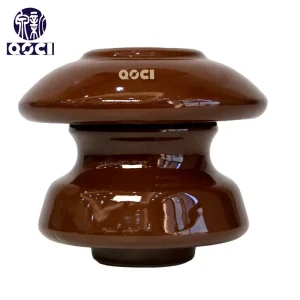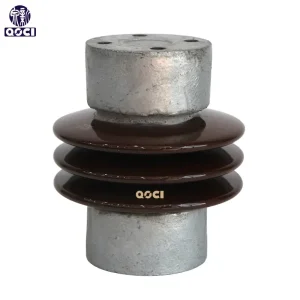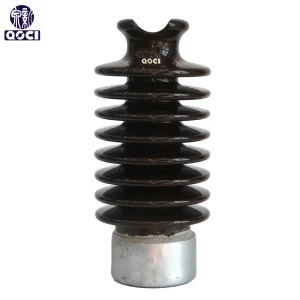
Empowering the Polish National Power Grid (PSE) with High-Performance Dielectric Solutions and Next-Generation Ceramic Technology.
Engineered for Central European climatic conditions and EU safety standards.
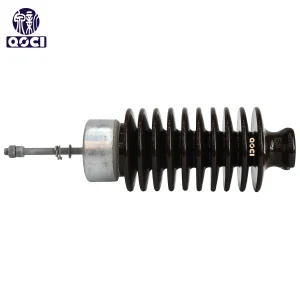
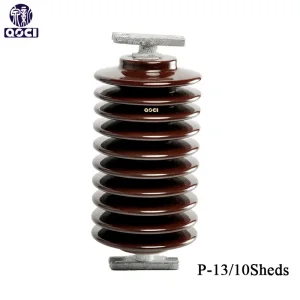
Poland is currently undergoing its most significant energy transformation in decades. Under the Energy Policy of Poland until 2040 (PEP2040), the nation is aggressively modernizing its transmission and distribution networks to integrate renewable energy sources (RES) from Baltic offshore wind farms and southern solar clusters. This necessitates high-reliability porcelain insulators capable of enduring Poland’s unique humid continental climate.
 The Role of High-Strength Porcelain
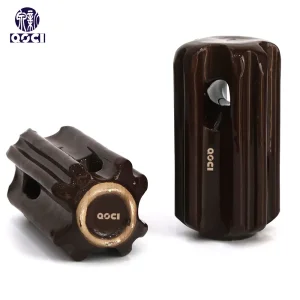
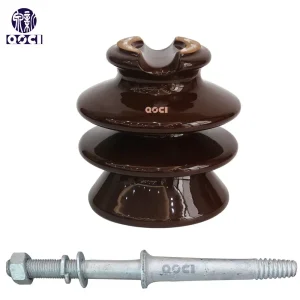
Unlike composite alternatives, porcelain remains the preferred choice for long-term (50+ years) assets in Poland due to its superior resistance to UV radiation and thermal cycling—critical during the harsh Polish winters where ice loading on lines can exceed 5kg/m. Our factory utilizes C130 high-strength alumina porcelain, ensuring that the mechanical integrity of the Polish grid remains uncompromised.
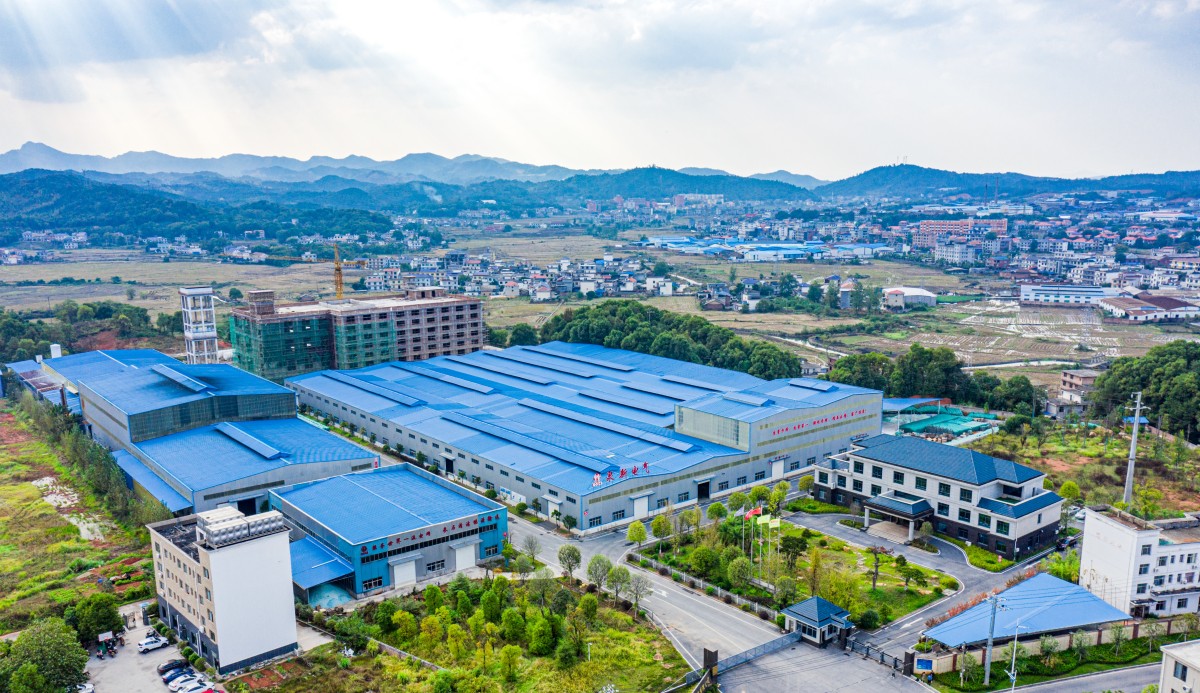
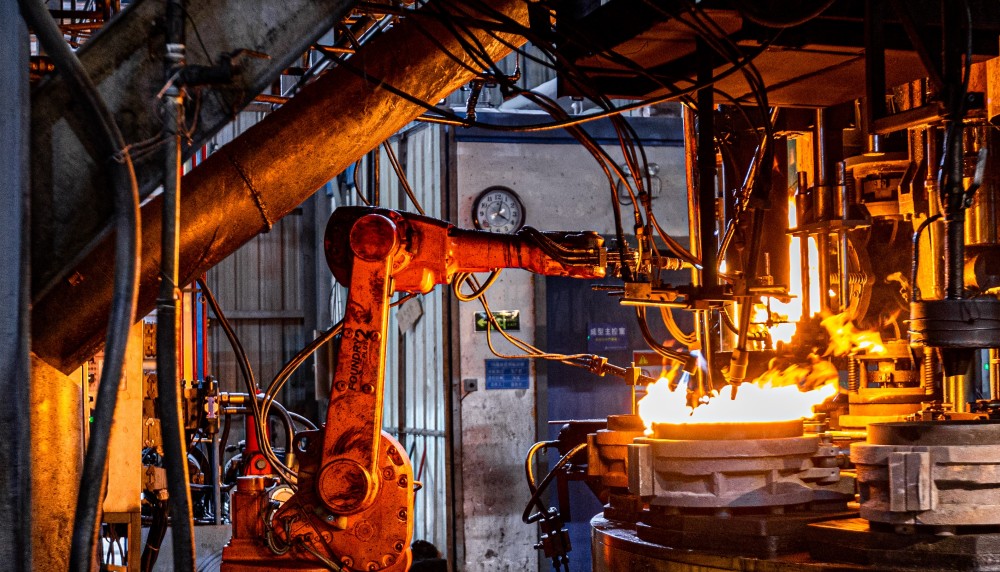
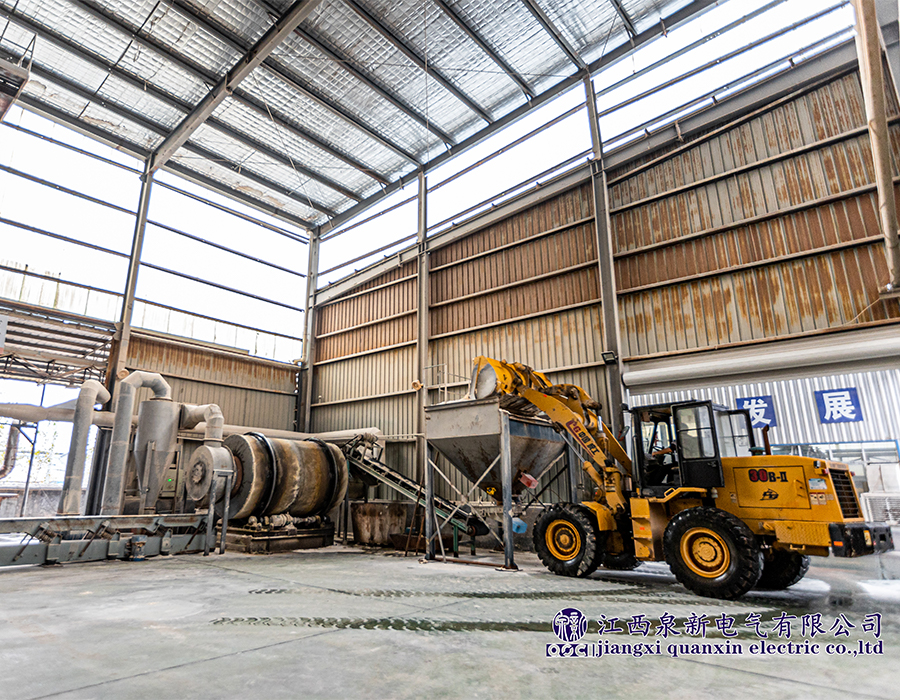
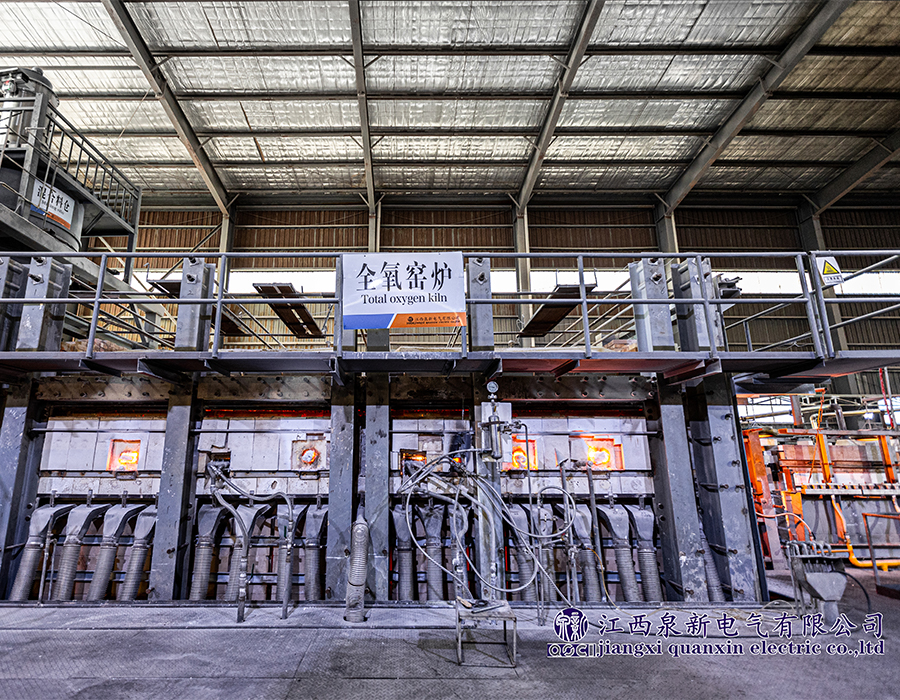
Founded in 2002 with a registered capital of 508 million Yuan, we are a global leader in high-voltage dielectric technology. Located in Pingxiang, the "Porcelain Capital of China," our facility integrates centuries-old craftsmanship with AI-driven manufacturing processes.
Driving the "Digital Twin" of Electrical Insulation
We are currently developing porcelain insulators with embedded IoT sensors to monitor real-time leakage current and ambient temperature, providing predictive maintenance data for Polish utility operators.
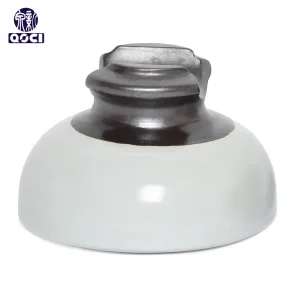
For Polish coastal regions like Gdańsk and Gdynia, we offer Room Temperature Vulcanization (RTV) silicone-coated glass and porcelain, merging the mechanical strength of ceramic with the superior pollution flashover resistance of polymers.
Transitioning from traditional C120 to C130 alumina porcelain allows for a 15% reduction in insulator weight while maintaining identical mechanical load ratings, facilitating easier installation in remote Polish terrains.
Versatile Solutions for the Vistula River Valley and Beyond
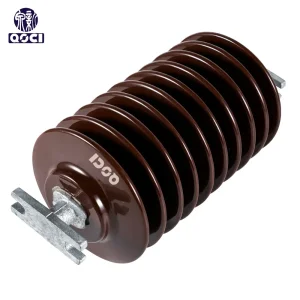
In Northern Poland, salt spray and high humidity are constant threats. Our Anti-Pollution Type Toughened Glass Insulators and deep-rib porcelain models maximize creepage distance, preventing flashovers caused by saline deposits.
In heavy industrial areas such as Katowice, airborne pollutants can create conductive layers on insulators. Our Aerodynamic/Open Profile designs utilize natural wind cleaning to maintain insulation integrity without manual intervention.
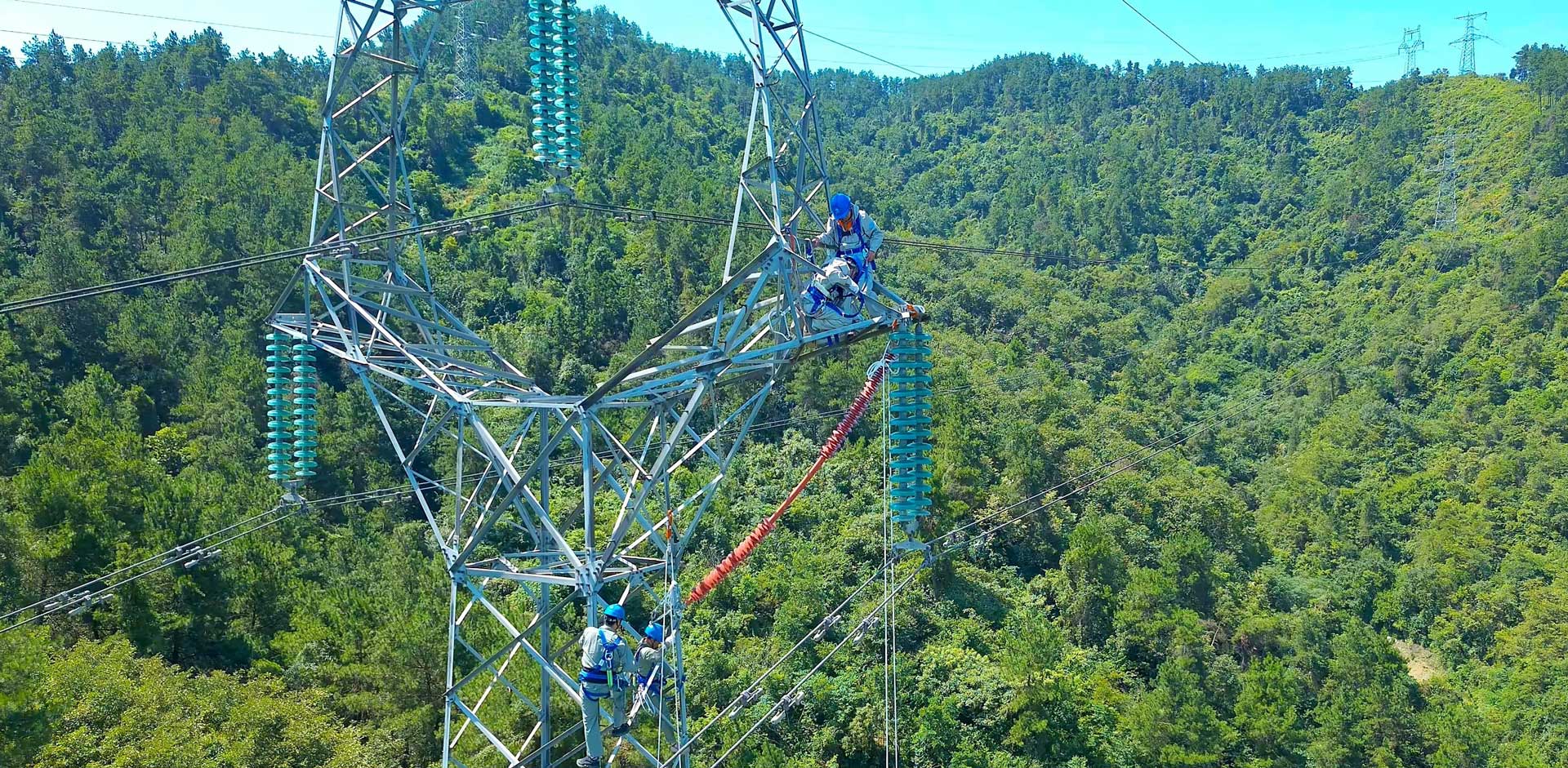
Standardized solutions for 11kV, 33kV, and 110kV networks.
Yes, all our insulators are manufactured and tested according to IEC 60383 and IEC 60305 standards, which are the foundational requirements for the Polish power grid. We provide full type-test reports upon request.
We have an optimized logistics chain serving the Port of Gdańsk. We offer DDP (Delivered Duty Paid) or CIF terms, with moisture-resistant packaging specifically designed for long-duration sea freight.
Absolutely. Porcelain has a high compressive strength. Our insulators are designed with specific mechanical fail-safe ratings (up to 210kN) to handle extreme ice loading common in the Tatra Mountains.
With regular maintenance or the application of our RTV coating, our porcelain insulators offer a service life exceeding 50 years, even in the industrial heartlands of Silesia.
Whether you are modernizing a 110kV transmission line or expanding a rural 11kV network, Jiangxi QOCI Electric provides the engineering expertise and manufacturing scale to ensure reliability.