Tunisia is currently undergoing a significant electrical infrastructure transformation. Under the guidance of STEG (Société Tunisienne de l'Electricité et du Gaz), the nation is aggressively modernizing its transmission networks to accommodate both the growing urban demand in Tunis and the integration of large-scale renewable energy sources from the Sahara. The "Tunis market" represents a unique intersection of Mediterranean climatic challenges and ambitious industrial growth.
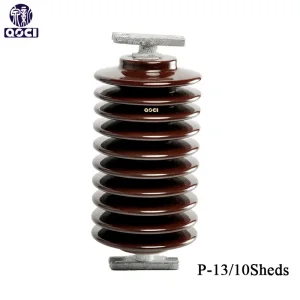
Supplying porcelain insulators to Tunisia requires more than just meeting international standards; it demands an understanding of the local environmental stressors. From the saline corrosive air in coastal cities like La Goulette and Bizerte to the extreme thermal cycling and sand abrasion in the southern Saharan fringes, insulators must demonstrate exceptional mechanical strength and dielectric stability. Our factory focuses on "Information Gain" by providing specialized glazed porcelain that resists salt-fog accumulation, a critical requirement for Tunisian coastal reliability.
Tunisia's target for 35% Renewable Energy Integration
Capacity of the Tunisia-Italy (ELMED) Interconnector project
Reliability requirement for Tunis Metropolitan Grid
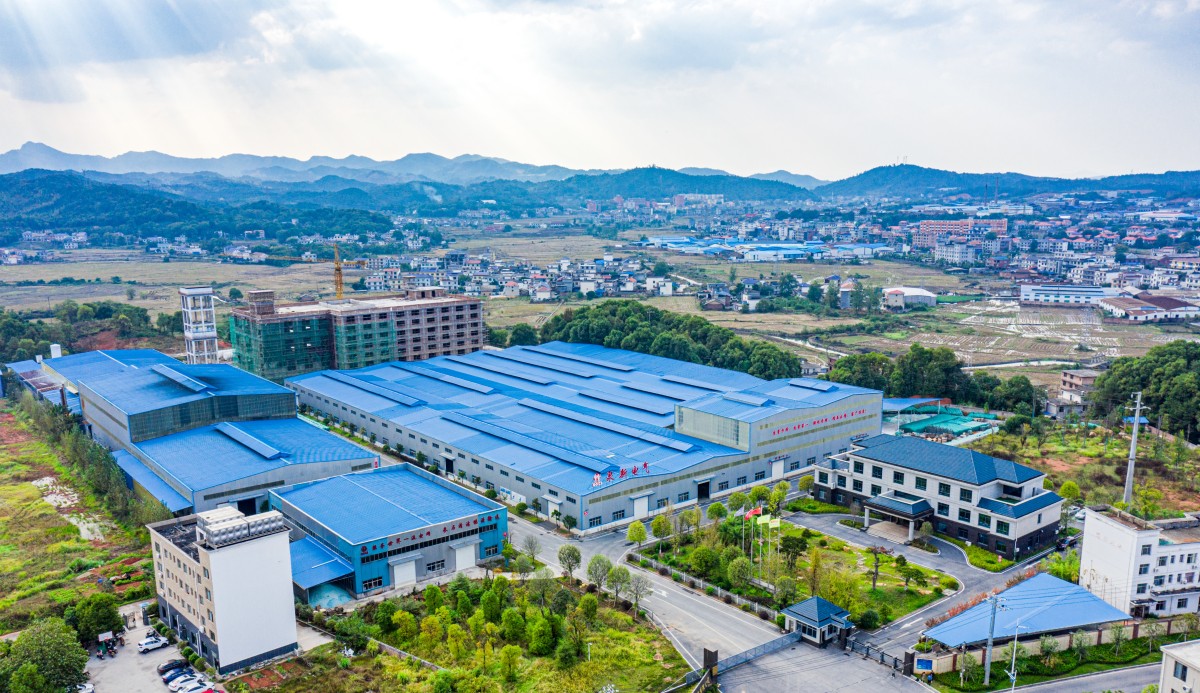
Jiangxi QOCI Electric Co. Ltd, founded in Dec. 2002 with a registered capital of 508 million Yuan, is a titan in the insulator industry. Located in the Luxi County Industrial Park—China's renowned "Porcelain Capital of Electricity"—we leverage centuries of ceramic heritage combined with AI-driven manufacturing precision.
For Tunisian procurement managers, the choice of a China Porcelain Insulator Factory offers a decisive competitive edge in both "Time-to-Market" and "Lifecycle Cost." Our manufacturing ecosystem provides:
Our automated "Total Oxygen Kilns" ensure uniform firing temperatures, resulting in zero-defect batches that meet strict IEC and ANSI standards required by Tunisian grid tenders.
We've developed anti-fog profiles specifically for coastal regions. This specialized geometry increases the creepage distance, preventing flashovers in Tunis's humid nights.
By integrating raw material sourcing within Luxi County, we reduce overhead costs, passing those savings directly to Tunisian infrastructure projects without compromising quality.
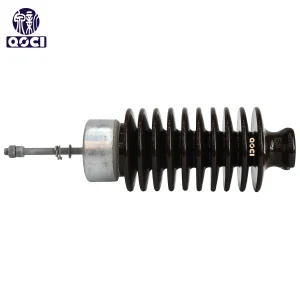
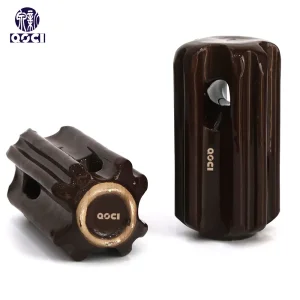
While we are premier Porcelain Insulator Suppliers, we also lead in Toughened Glass technology. In the Tunis market, the choice often depends on the specific voltage tier and maintenance philosophy.
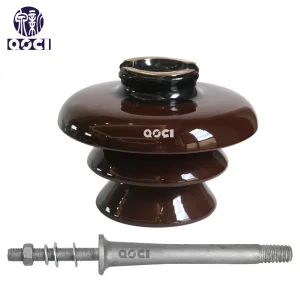
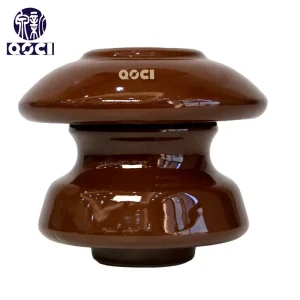
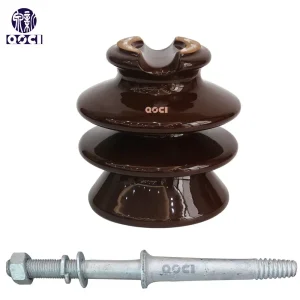
Designed with shallow ribs for effective self-cleaning by wind/rain. Ideal for Tunis urban areas.
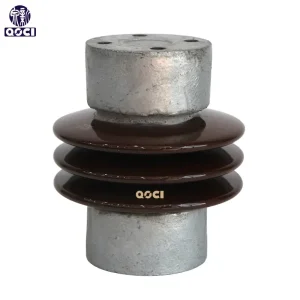
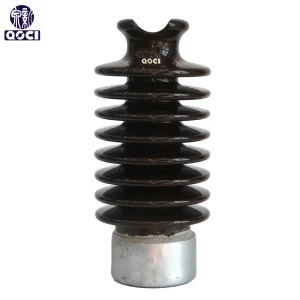
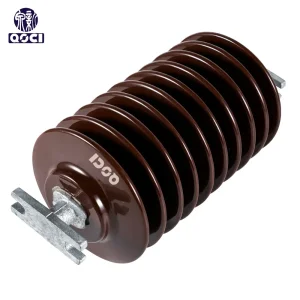
Features long under-ribs to avoid arc bridging. Essential for Sousse and Tunis coastal lines.
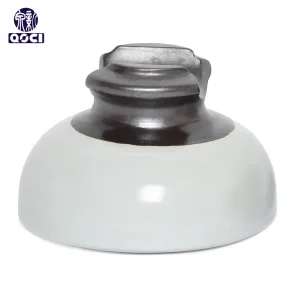
Adds hydrophobicity to glass or porcelain, reducing maintenance in heavy pollution zones.
Technical Insight: Silicone-coated insulators offer an excellent alternative for high voltage overhead lines in areas with heavy pollution. They minimize leaking currents and reduce operation costs. The RTV silicone increases the hydrophobic nature of the insulator's surface, protecting the integrity of the coating even during electric arcs.
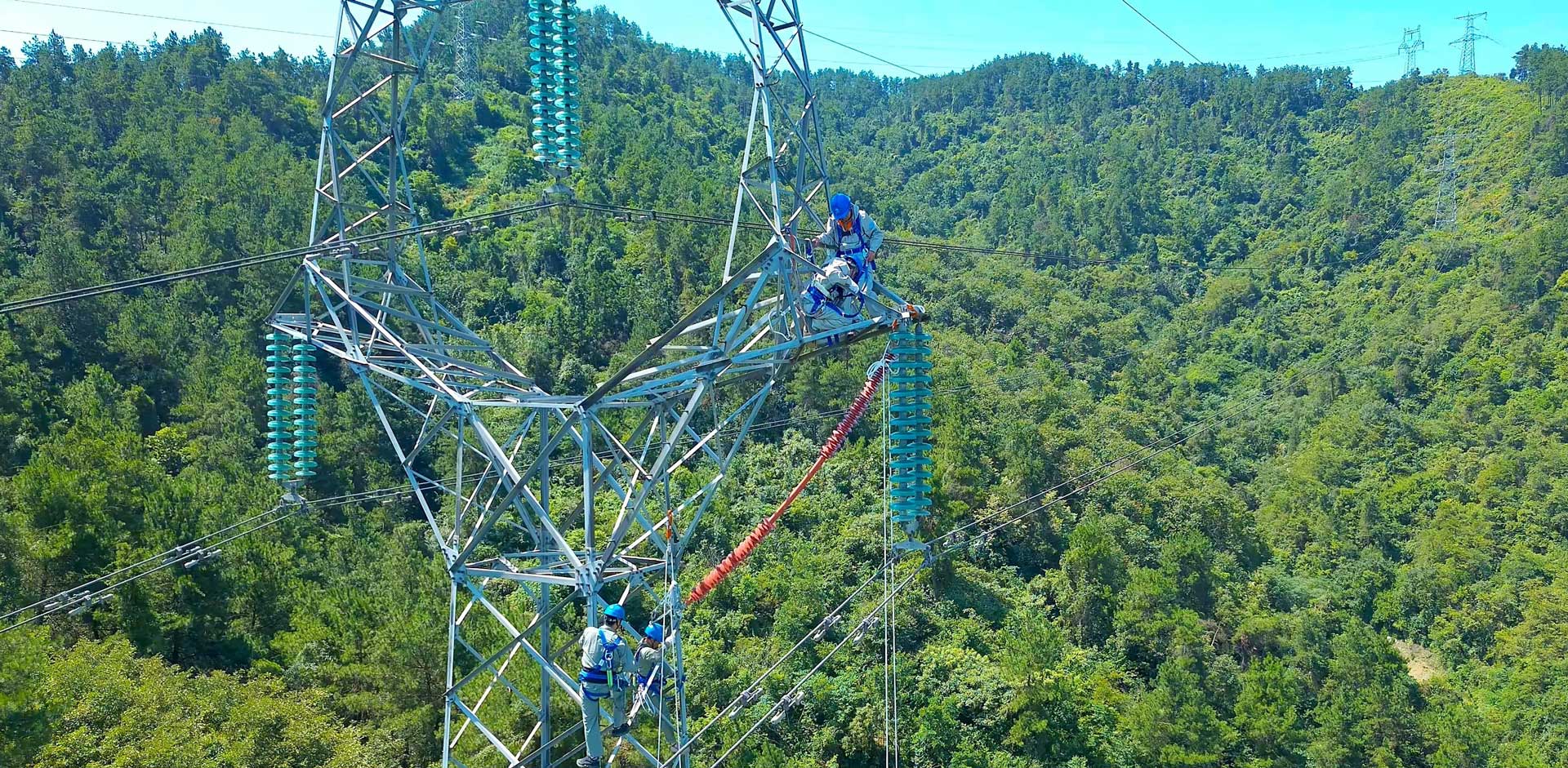
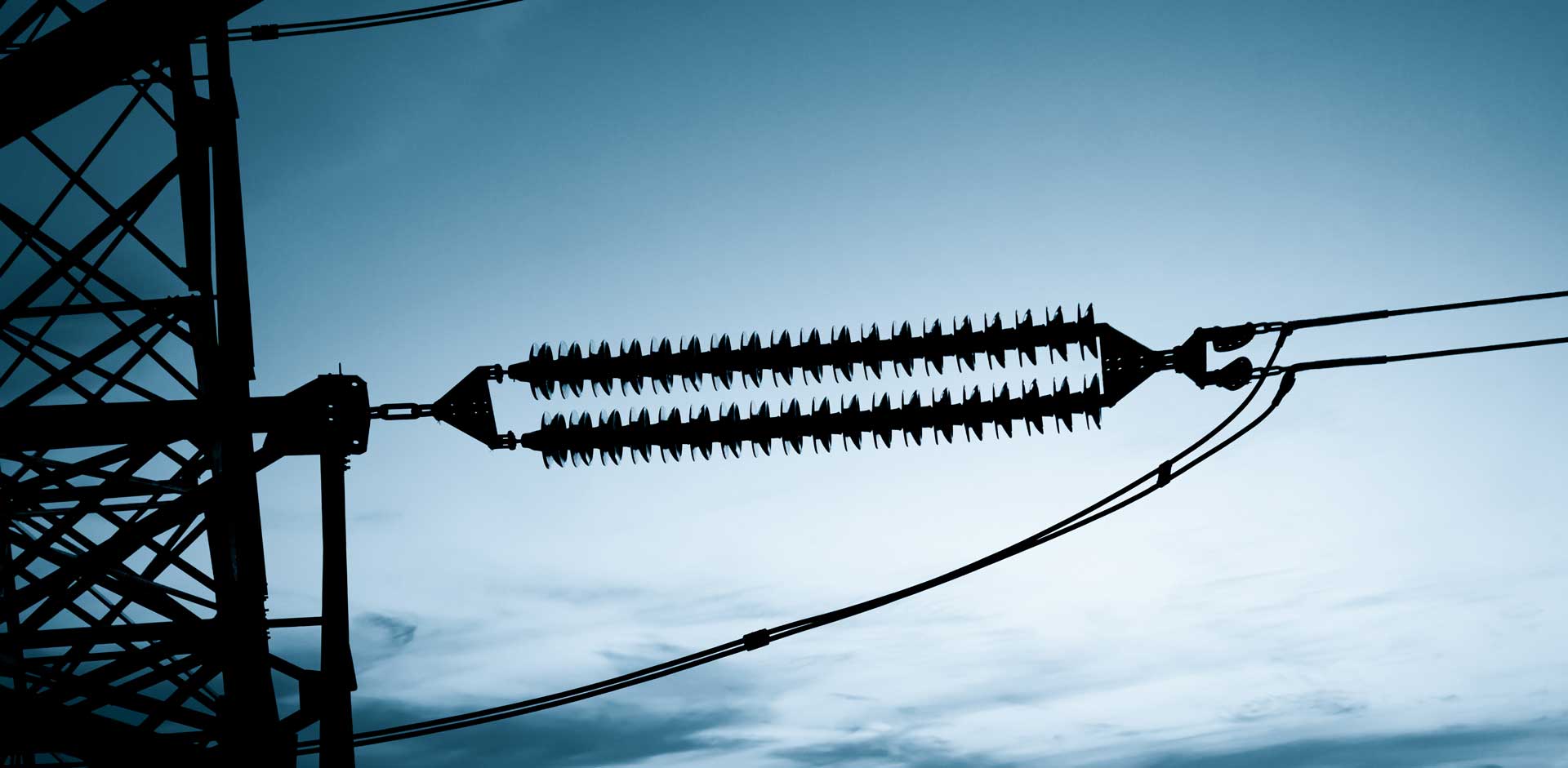
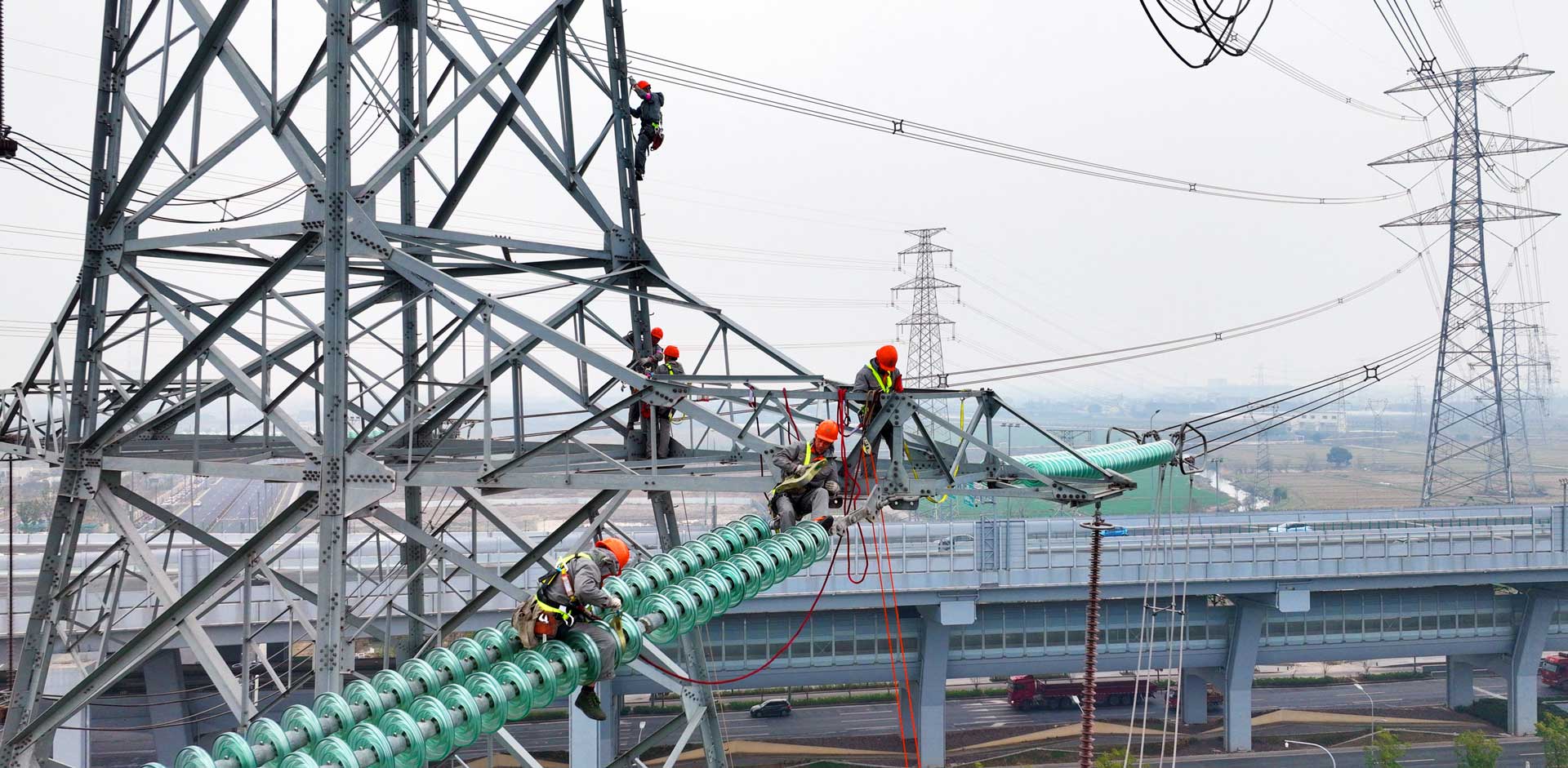
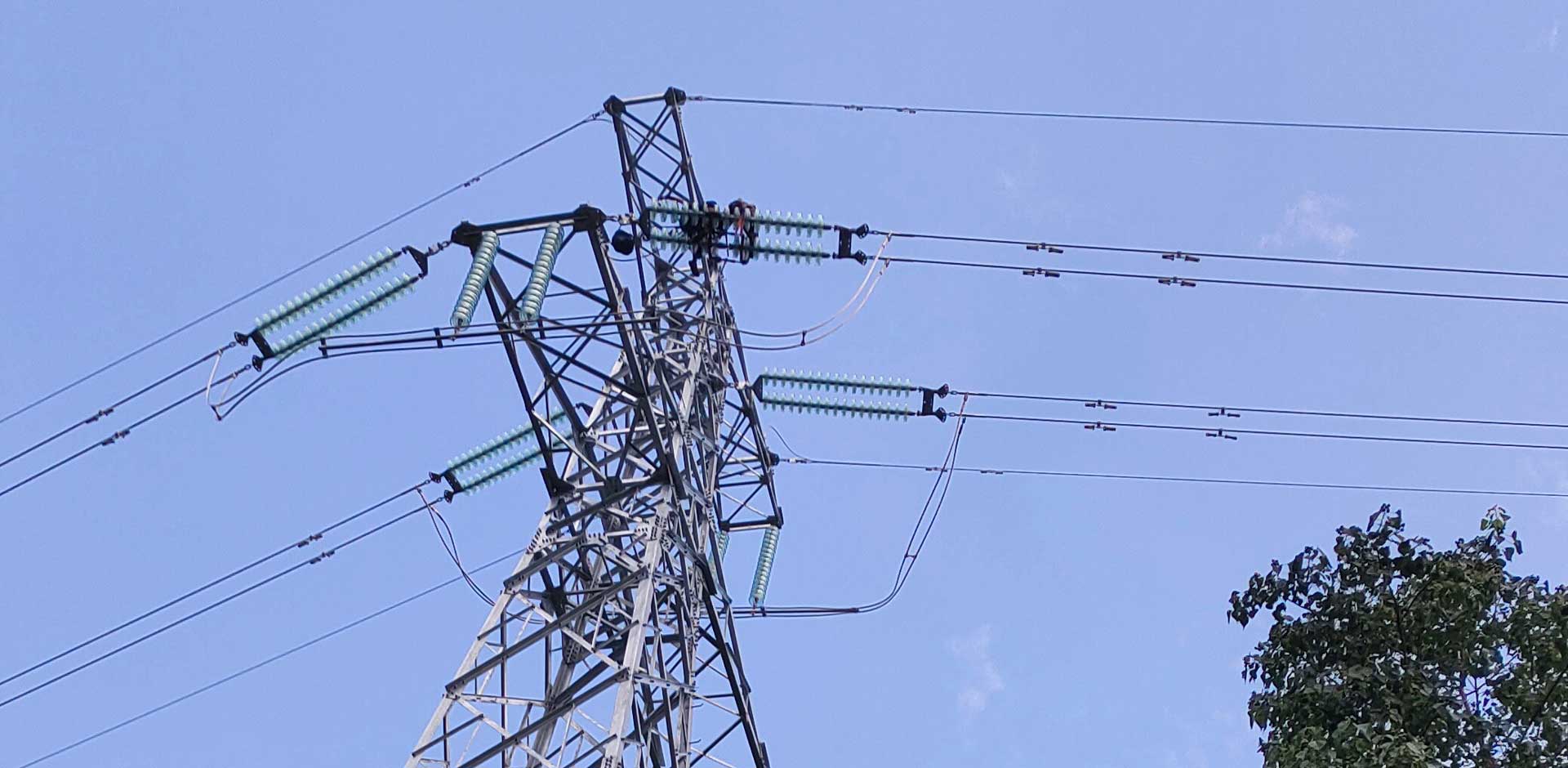
The global insulator market is shifting towards HVDC (High-Voltage Direct Current) and "Smart Grid" compatibility. For the Tunis market, this means a shift from traditional porcelain to high-performance aerodynamically designed insulators that prevent sand-dust accumulation. As the Tunisia-Italy Power Interconnector moves forward, the demand for UHV (Ultra-High Voltage) insulators will surge, requiring suppliers who can provide rigorous test certifications and sustainable manufacturing processes.
Procurement is no longer just about the lowest price; it's about Total Cost of Ownership (TCO). Chinese factories like QOCI are now leading the "Green Production" trend, using total oxygen kilns that reduce carbon emissions—a vital factor for Tunisian projects seeking international green financing.
A: Yes, all our porcelain and glass insulators are manufactured and tested according to IEC 60305 and IEC 60383 standards, which are the primary benchmarks used by STEG for Tunisian electrical tenders.
A: We recommend our specialized Anti-Pollution (Anti-Fog) profiles or RTV Silicone-coated porcelain. These increase the creepage distance and hydrophobicity, significantly reducing the risk of salt-induced flashovers.
A: Thanks to our 39,000-ton annual output, we can fulfill large orders within 4-6 weeks. Shipping from China to Rades Port (Tunis) typically takes an additional 25-35 days.
A: Absolutely. We manufacture a full range of ANSI 55, 56, and 57 series insulators to support legacy systems as well as new ANSI-standard projects in the region.
Partner with China's leading insulator factory for unparalleled quality and local market expertise.
Send Inquiry Now