Standard Type Manufacturers & Factory in Sweden

Advancing Nordic Grid Reliability: High-Performance Toughened Glass Insulator Solutions for Extreme Environments.

1. Sweden’s Industrial Power Grid Landscape

Sweden stands at the global forefront of the energy transition, aiming for a 100% renewable electricity system by 2040. This ambitious goal requires a robust, modernized transmission and distribution (T&D) infrastructure capable of handling fluctuating loads from wind and hydro power. For Standard Type Manufacturers & Factory in Sweden, the challenge is not just electricity delivery, but resilience against the unique Nordic climate.

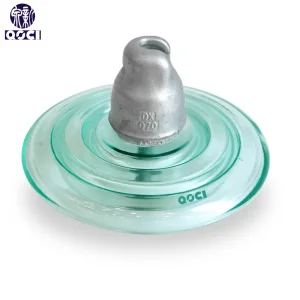
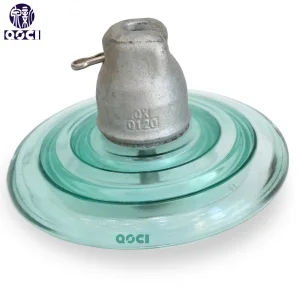
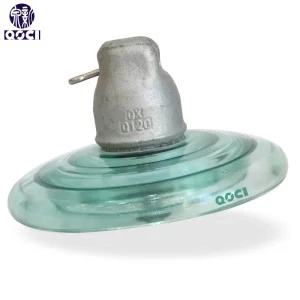
The Swedish National Grid (Svenska kraftnät) manages over 15,000 km of power lines, predominantly operating at 220 kV and 400 kV. In these high-voltage environments, the selection of Standard Profile Toughened Glass Insulators is critical. These components must withstand sub-zero temperatures, heavy snow accumulation, and the corrosive effects of the Baltic Sea salinity in coastal regions like Gothenburg and Stockholm.

"Information Gain: Unlike composite insulators, toughened glass offers a 'fail-safe' mechanism. In the event of a mechanical failure or electrical surge, the glass component shatters into small pieces but maintains its mechanical string integrity, making fault detection via aerial inspection (drones or helicopters) significantly more efficient in vast Swedish forests."

2. Industry Trends and Global Procurement Requirements

Global procurement for power utilities is shifting toward Total Cost of Ownership (TCO) rather than initial purchase price. For Swedish infrastructure projects, this means prioritizing insulators with a lifespan of 40+ years. We are seeing a marked increase in demand for:

  • Mechanical Reliability: High-tensile strengths (up to 550kN) to support longer spans between towers in mountainous terrains.
  • Environmental Sustainability: Glass is 100% recyclable, aligning with Sweden's Circular Economy policies.
  • Smart Integration: Compatibility with RTV (Room Temperature Vulcanization) coatings to mitigate pollution flashover without replacing entire strings.
508M

Capital (Yuan)

39,000

Annual Output (Tons)

70,000+

Plant Area (m²)

26+

Patents & Innovation

3. Technical Roadmap: The Evolution of Standard Profile

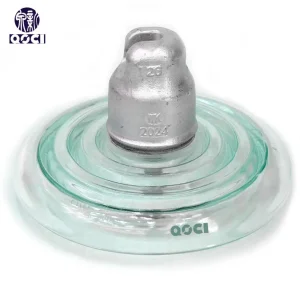
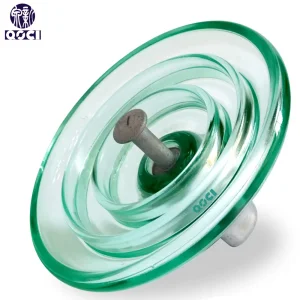
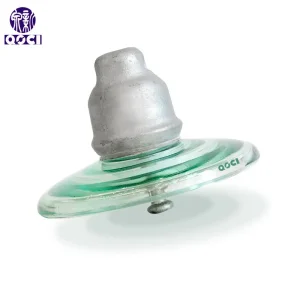
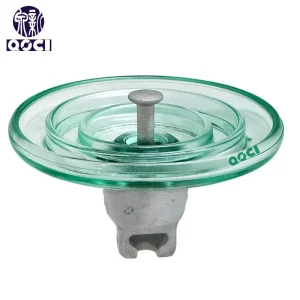
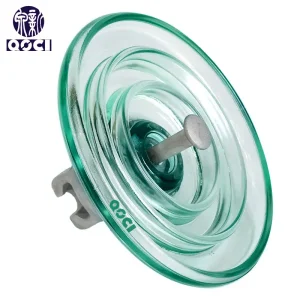
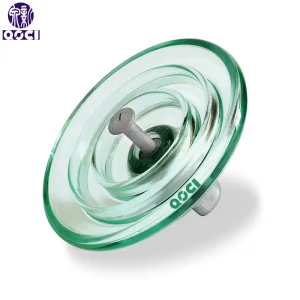
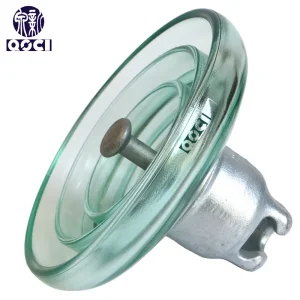
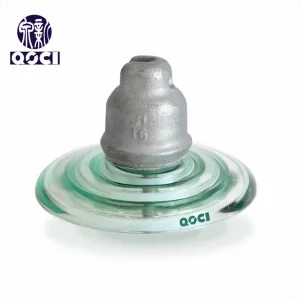
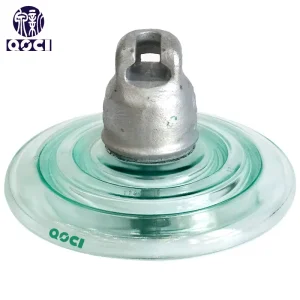
The Standard Profile Glass Insulator is characterized by a leakage distance that exceeds the baseline values indicated in IEC 60305. The design incorporates shallow, well-spaced ribs. This geometric configuration is mathematically optimized for "self-cleaning." In the Swedish context, where rain is frequent, the aerodynamic shape ensures that surface contaminants are washed away naturally, maintaining high dielectric strength.

Material Engineering & Tempering

Our factory utilizes a precise thermal tempering process. By heating the glass to approximately 700°C and then rapidly cooling it with high-pressure air, we induce a state of permanent compressive stress on the surface. This increases the mechanical strength of the glass by 4 to 5 times compared to annealed glass, making it capable of handling the extreme mechanical loads of Swedish winter ice-loading (Heavy Load District standards).

4. Localized Support & Compliance (SS-EN Standards)

As a global manufacturer with a focus on Sweden, our products comply with the SS-EN 60305 (Swedish Standard) for insulator strings and SS-EN 60383-1 for tests on insulators of ceramic material or glass for overhead lines. We provide comprehensive documentation including:

  • Routine Tests: Visual inspection, mechanical proof test, and electrical steep-front tests.
  • Sample Tests: Verification of dimensions, temperature cycle tests, and galvanizing tests.
  • Type Tests: Lightning impulse voltage tests and wet power-frequency voltage tests.

Our Advanced Manufacturing Capabilities

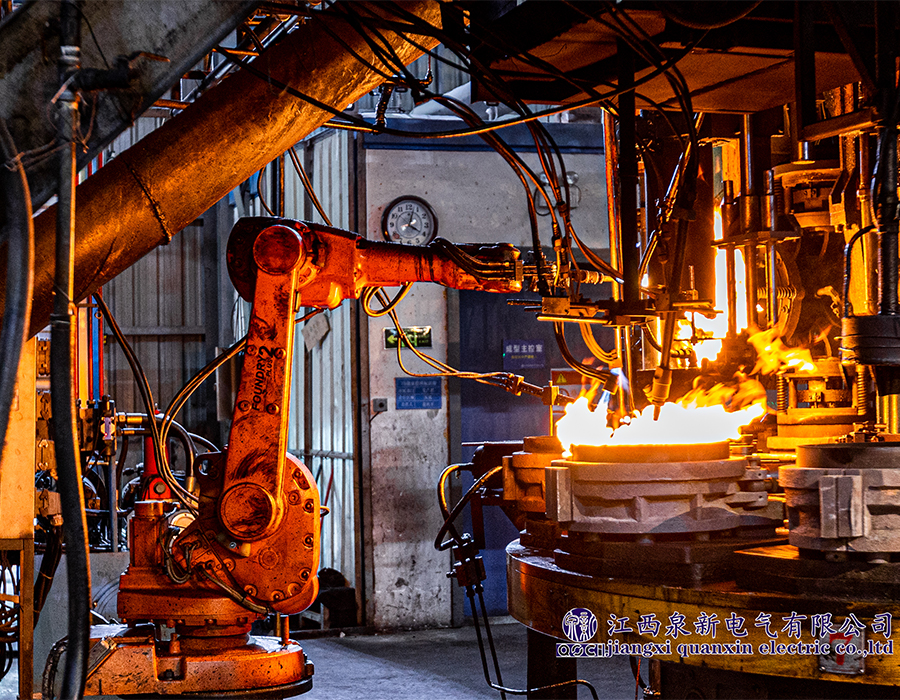
Jiangxi QOCI Electric Co. Ltd, founded in 2002, operates with a commitment to "Innovation, Quality, and Service." Our facility is equipped with state-of-the-art Total Oxygen Kilns and Forming Presses, ensuring the highest homogeneity of the glass melt.

Forming Press

Precision molding for complex insulator geometries.

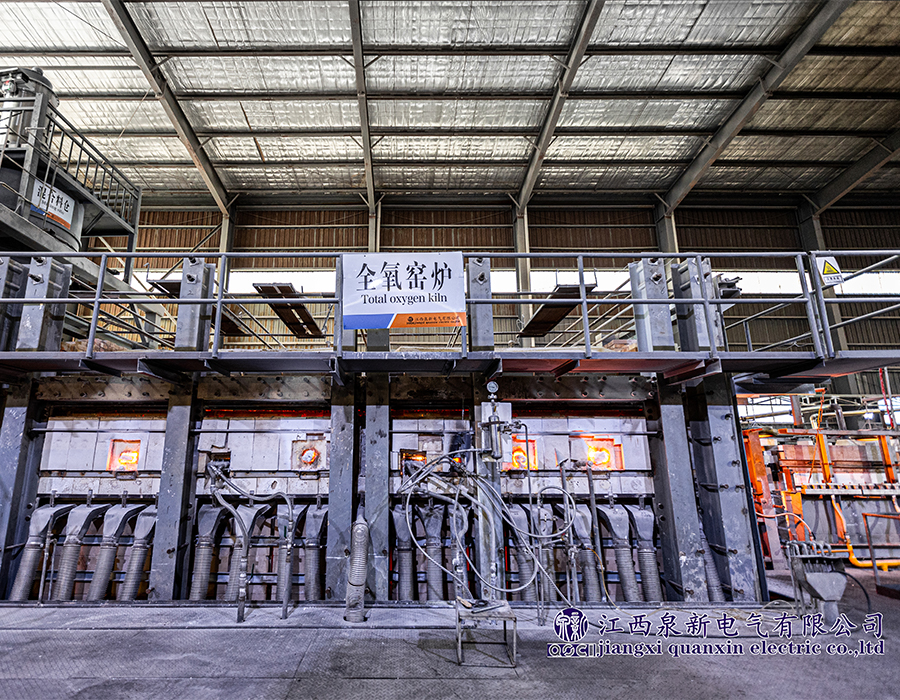
Total Oxygen Kiln

High-efficiency melting for superior glass purity.

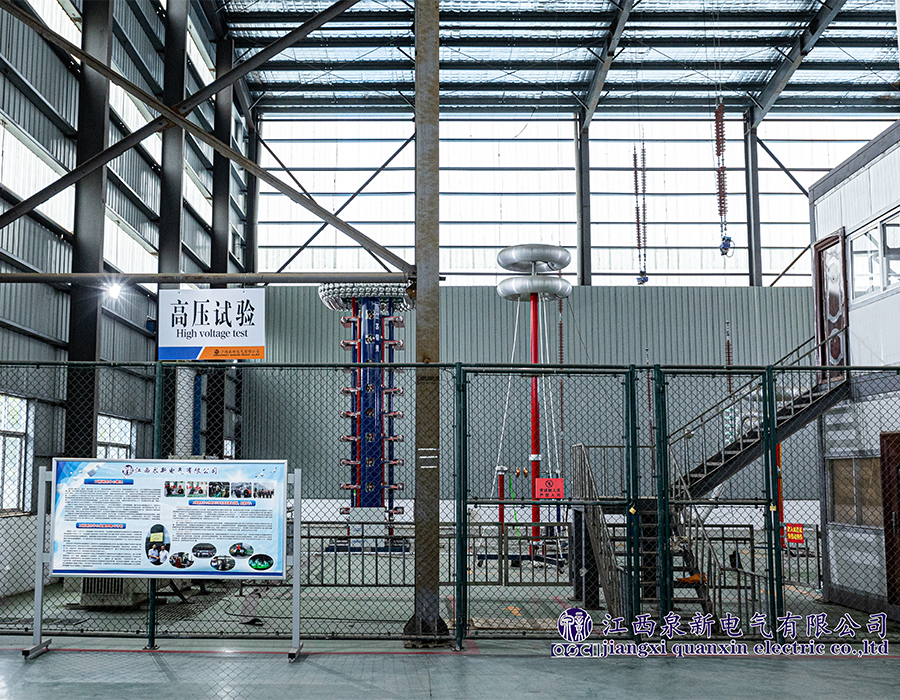
High Voltage Test

Rigorous electrical testing beyond IEC standards.

Frequently Asked Questions

Q: Why choose glass over porcelain for Sweden's northern regions?

A: Glass insulators provide better visibility for inspection and do not suffer from "hidden" internal punctures. In cold climates, the thermal stability of toughened glass is superior, resisting the expansion/contraction stresses that can cause porcelain to crack over decades.

Q: Are your insulators compatible with existing Vattenfall or Svenska kraftnät tower designs?

A: Yes, our Standard Type insulators are designed according to international IEC and Swedish SS-EN standards, ensuring full compatibility with existing ball and socket hardware (e.g., 16mm, 20mm, 24mm connections).

Q: How do you ensure the longevity of the metal caps and pins?

A: We use hot-dip galvanization that meets or exceeds ASTM and ISO standards, providing a thick zinc coating that prevents rust in the high-humidity and coastal environments common in Sweden.

5. Future Outlook: Sweden’s Smart Grid 2030

The integration of IoT and real-time monitoring is the next frontier for Standard Type Manufacturers & Factory in Sweden. We are currently researching "Smart Glass" technologies—insulators embedded with sensors to monitor leakage current and mechanical tension in real-time. This will allow Swedish grid operators to move from reactive maintenance to Predictive Asset Management, further reducing the risk of blackouts during severe Nordic storms.

By choosing QOCI Electric, you are partnering with a manufacturer that understands the nuances of the Swedish energy landscape. We combine Chinese manufacturing efficiency with global engineering excellence to deliver products that empower the world’s most advanced grids.