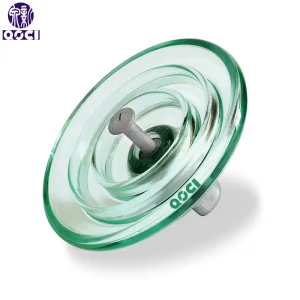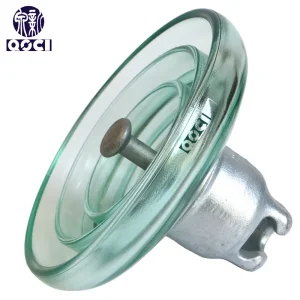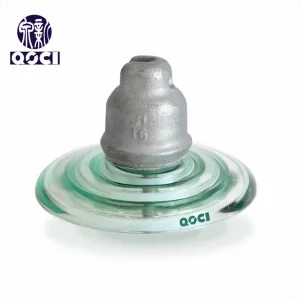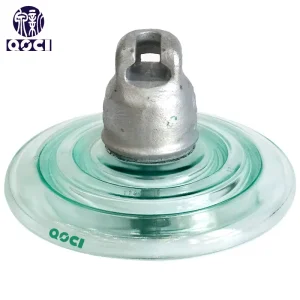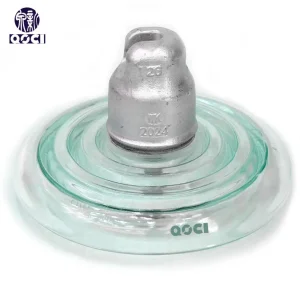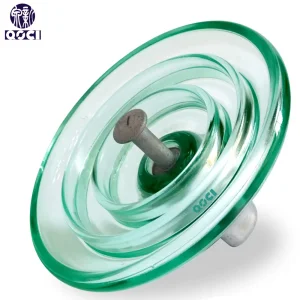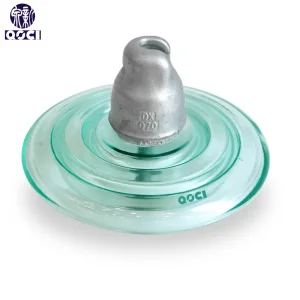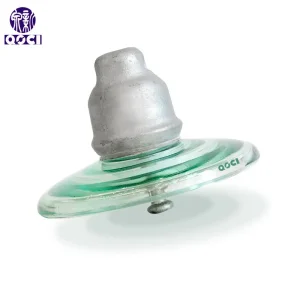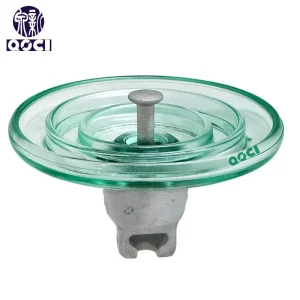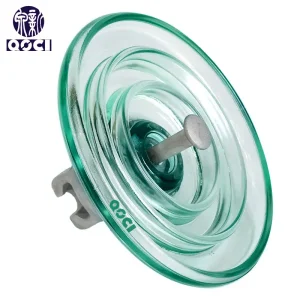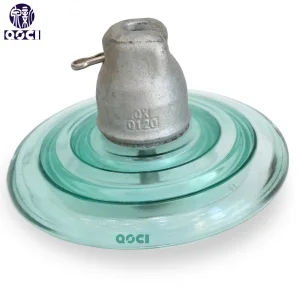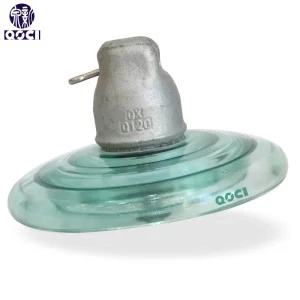
As Sydney accelerates its transition toward a sustainable energy future, including the massive Western Sydney Aerotropolis and the modernization of the Transgrid and Ausgrid networks, the demand for high-reliability standard type toughened glass insulators has reached an all-time high. The unique environmental challenges of New South Wales—ranging from the high salt-mist corrosion along the Sydney coastline to the extreme temperature fluctuations in the Blue Mountains—require insulation solutions that surpass basic international standards.
Sydney's electricity grid is currently undergoing a "Digital and Green Dual Transformation." With the closure of aging coal-fired plants like Liddell, the city relies more on long-distance high-voltage transmission from renewable zones. This shift necessitates insulators that can handle increased mechanical tension and provide zero-puncture reliability to prevent catastrophic grid failures in densely populated urban corridors.
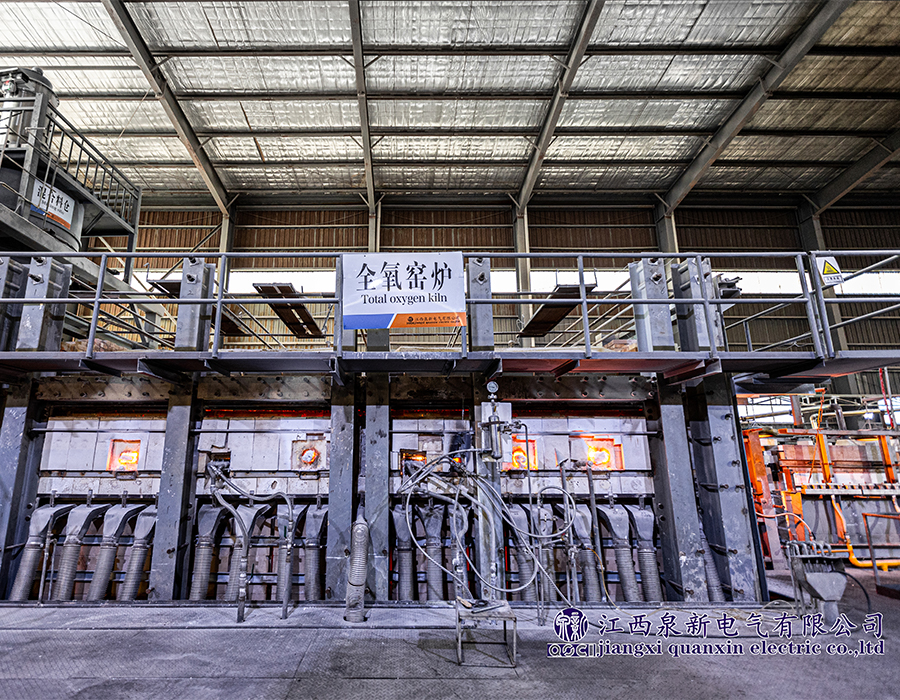
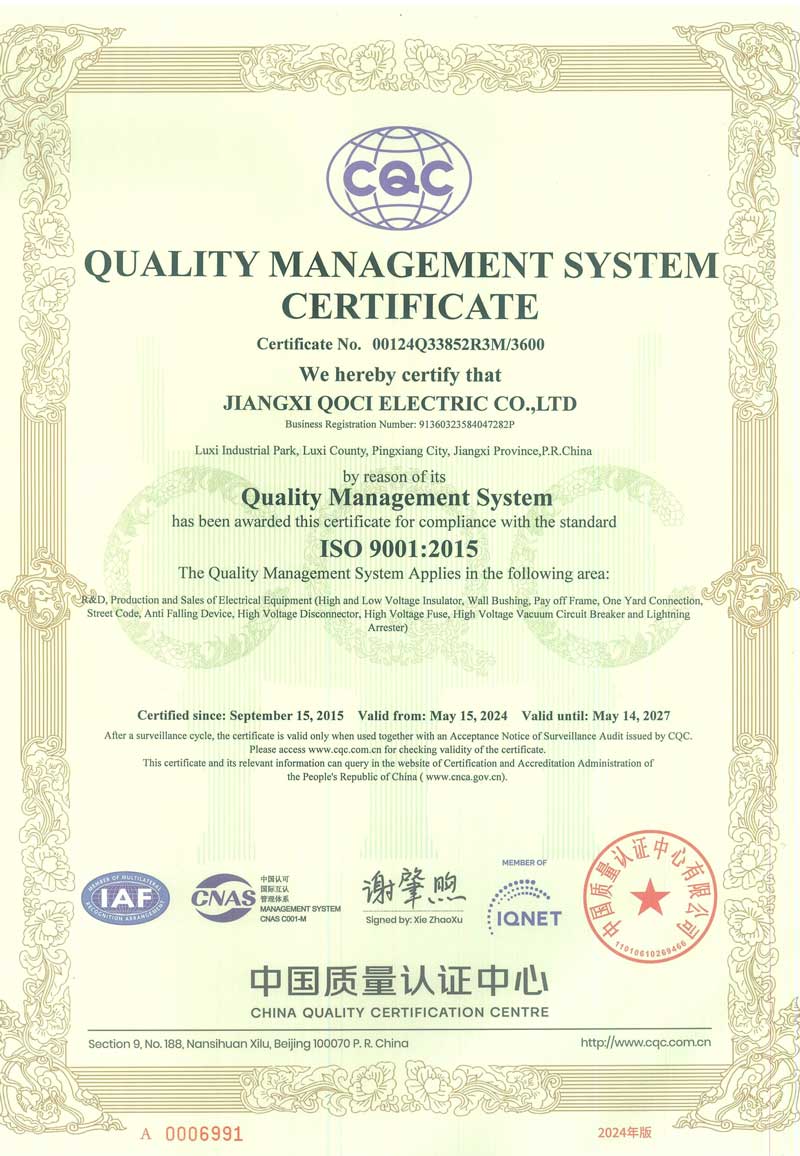
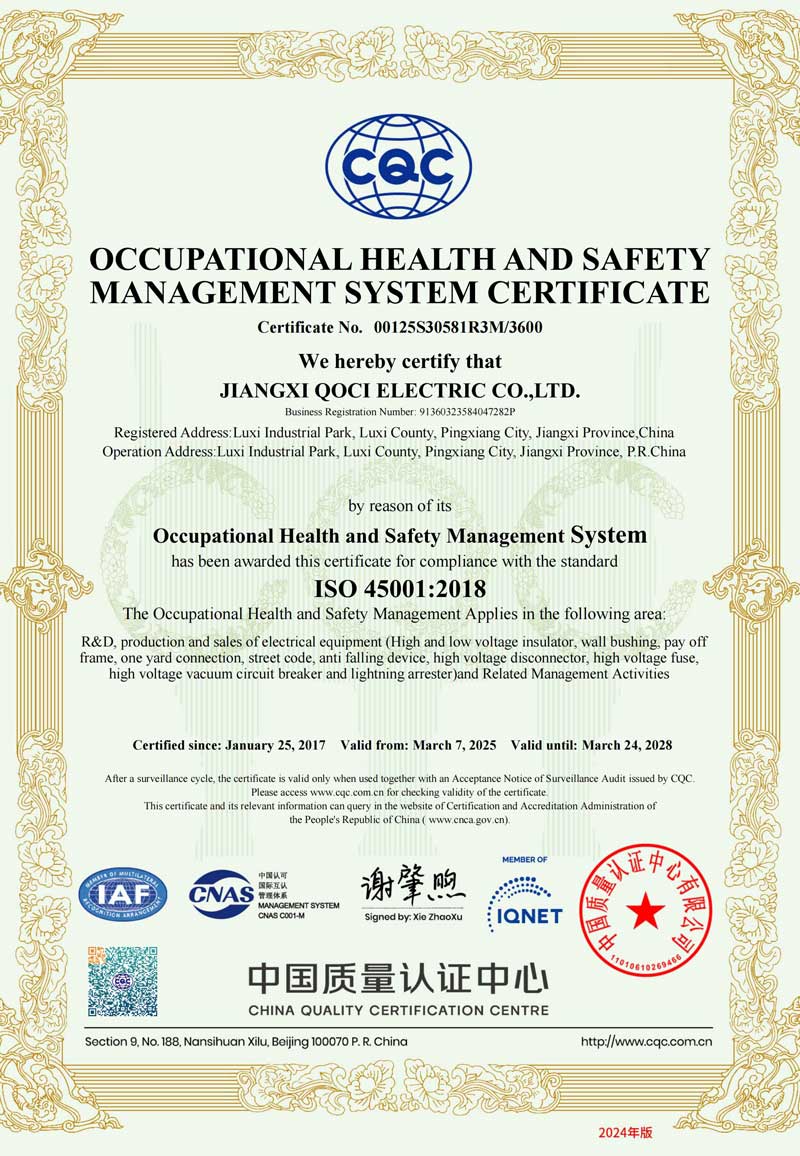
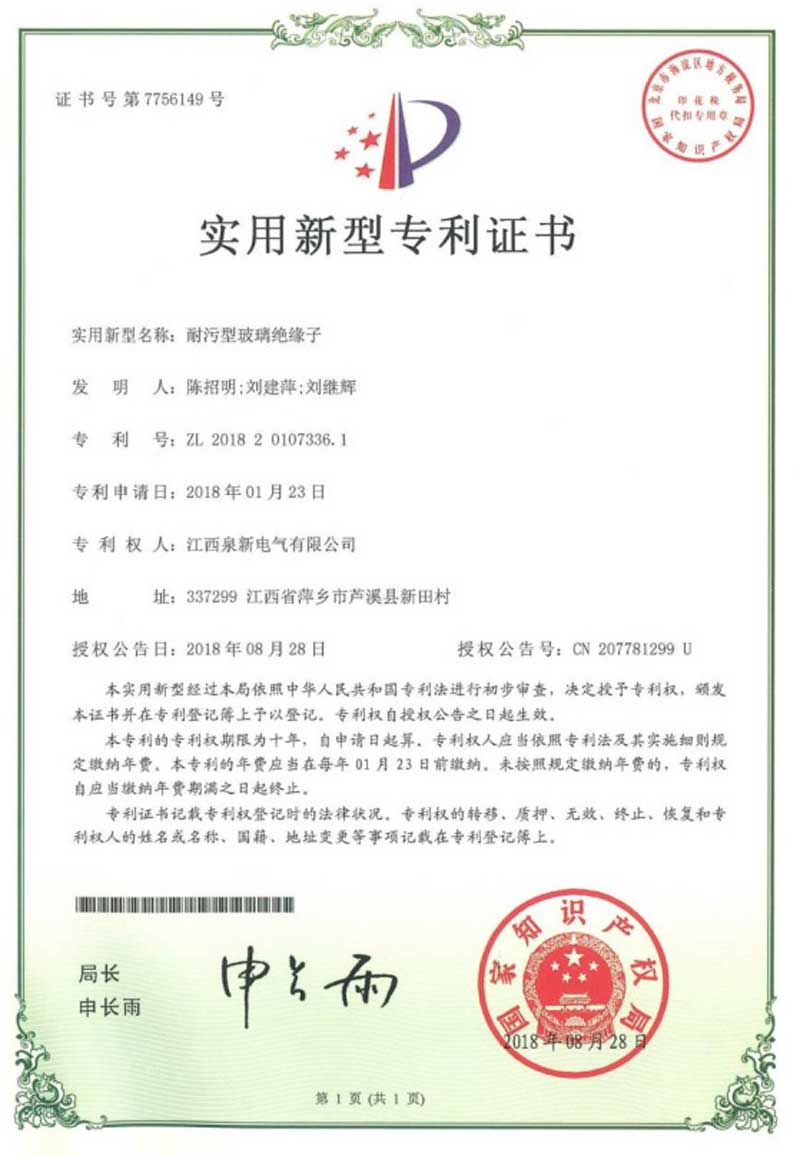
Jiangxi QOCI Electric Co. Ltd brings two decades of manufacturing excellence to the Australian market. Our insulators are designed in strict accordance with IEC 60305 and are optimized for AS/NZS standards, ensuring seamless integration into local utility specifications. By utilizing a total oxygen kiln process, we ensure the glass shells are free from impurities that cause spontaneous breakage—a critical factor for the Australian "Safety First" culture.
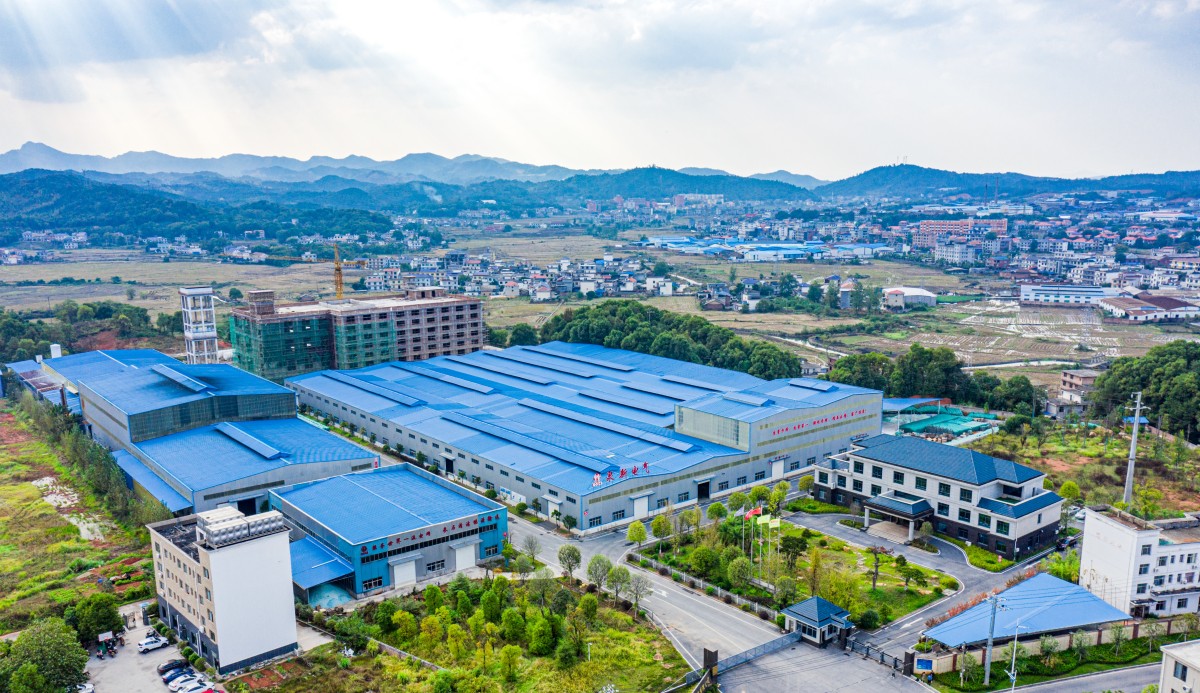
Founded in 2002 with a registered capital of 508 million Yuan, QOCI Electric has grown into a cornerstone of the global power supply chain. Our 70,000 m² state-of-the-art facility in Jiangxi Province serves as a hub for innovation, dedicated to serving world-class power grids with high-performance toughened glass insulators.
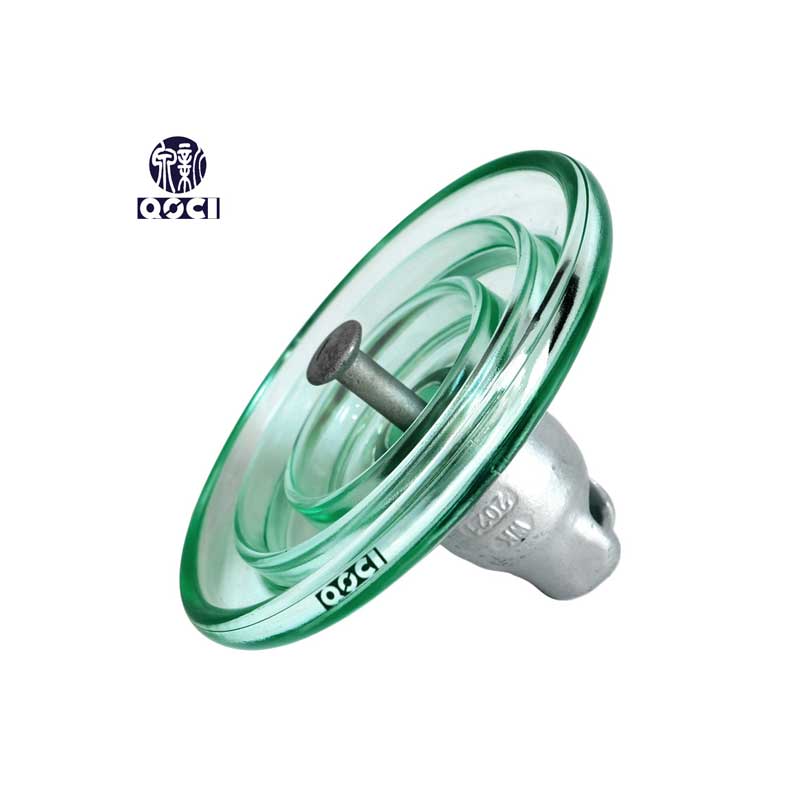
Ideal for Sydney's urban areas with moderate pollution. Features shallow, well-spaced ribs for optimal self-cleaning by local rain and wind patterns. Exceeds IEC 60305 leakage distance requirements.

Designed for Sydney's coastal zones (e.g., Botany Bay, Cronulla). The deep under-ribs prevent salt-spray bridging, providing a 3.2 leakage-to-spacing ratio.

Applied in Western Sydney's drier corridors. The absence of under-ribs avoids dust and sand accumulation, reducing maintenance cycles for local utilities.

The ultimate solution for high-pollution Sydney industrial sites. Minimizes leaking currents and eliminates the need for manual cleaning, reducing OPEX for grid operators.
Buying direct from a top-tier Chinese manufacturer like QOCI Electric offers Sydney EPC contractors and utilities a massive "Information Gain" in procurement strategy. It’s not just about the best price; it’s about the integration of raw material quality, automated production, and direct shipping to Port Botany.
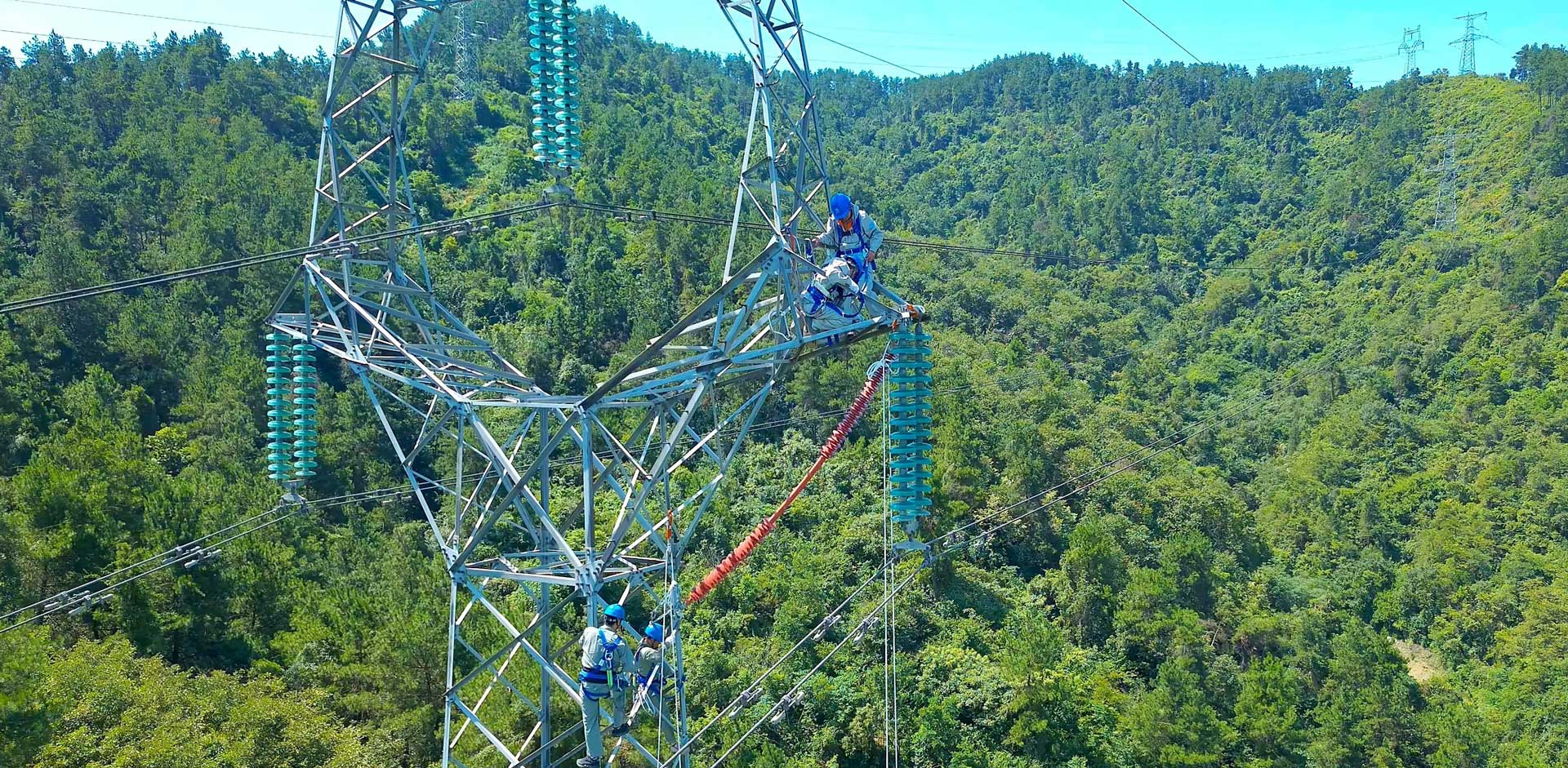
Connecting NSW solar hubs to the Sydney metropolitan area via UHV lines.
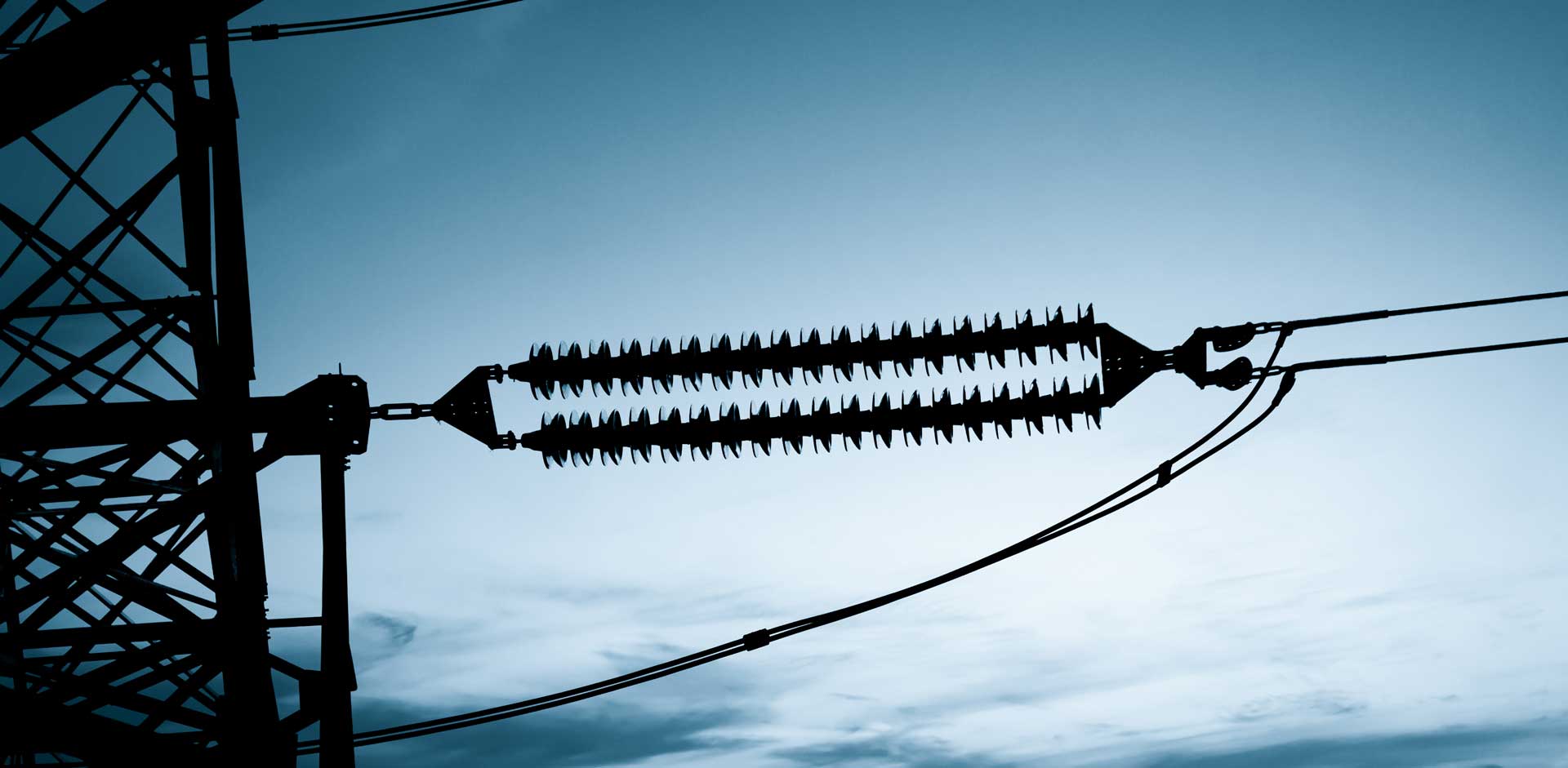
Standard type glass insulators ensuring stability for Parramatta's growing commercial grid.
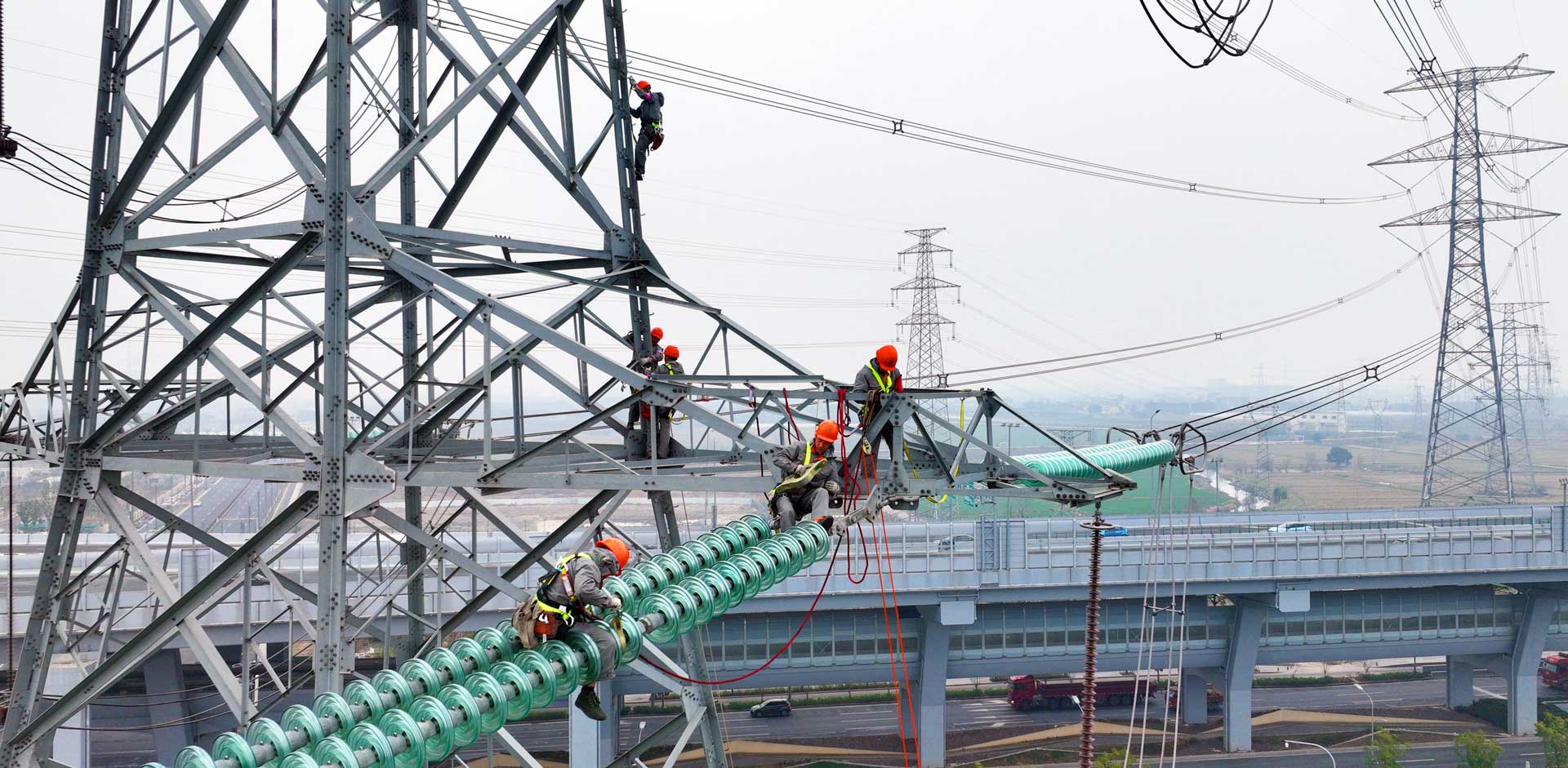
Supporting the electrification of the Sydney Trains network with specialized suspension types.

A: Our toughened glass insulators are naturally hydrophobic compared to porcelain. For extreme coastal areas near Sydney Harbour, we recommend our Anti-Pollution (Fog Type) profile or RTV-coated glass, which provides an extra layer of protection against leakage currents caused by salt-fog.
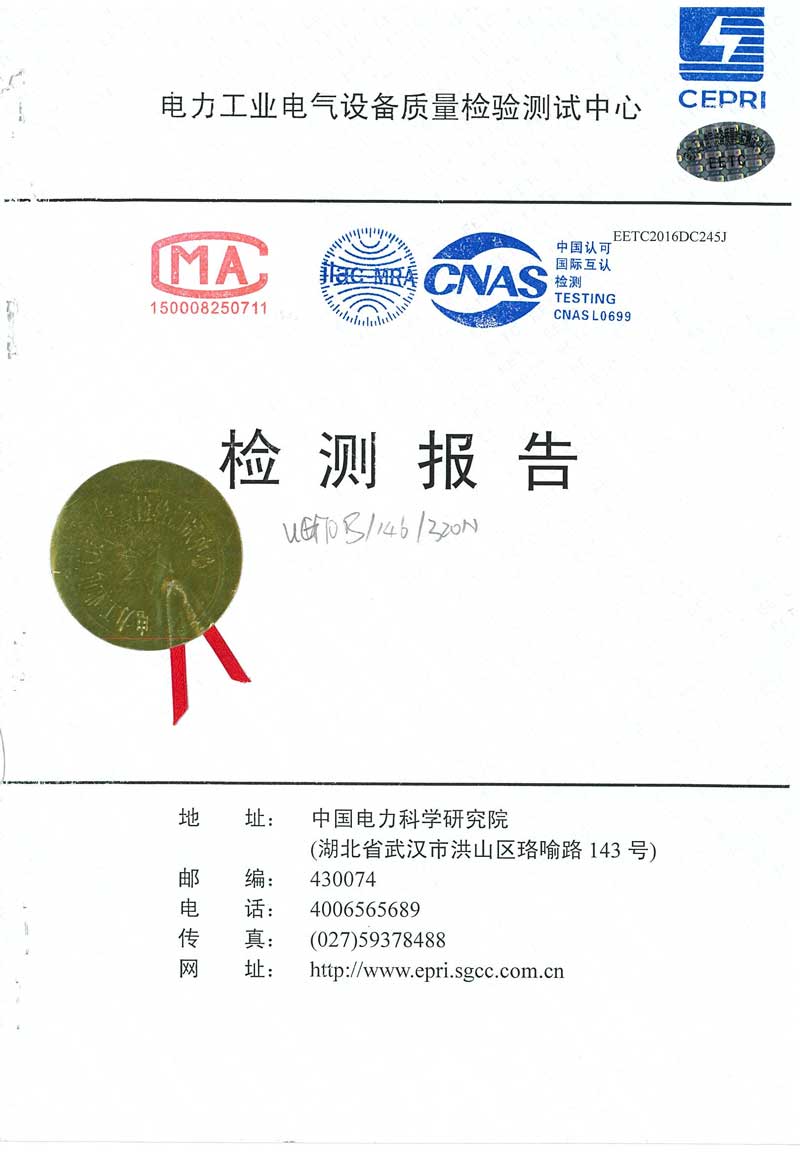
A: Yes, all our products are manufactured according to IEC 60305, which is the foundational standard for the Australian AS 1154 series. We provide full Type Test reports from KEMA and other international labs to facilitate local approval.
A: With an annual output of 39,000 tons, we can prioritize large orders. Typical production and shipping to Sydney (Port Botany) take approximately 6-8 weeks from order confirmation.
A: Toughened glass offers the unique "visible breakage" feature—if an insulator fails, the shell shatters, but the mechanical string remains intact. This allows for easy aerial inspection via drones or helicopters, significantly reducing maintenance costs for remote NSW lines.