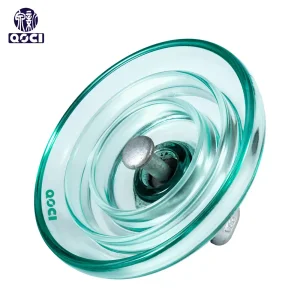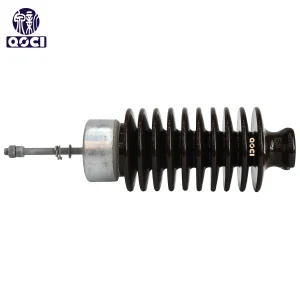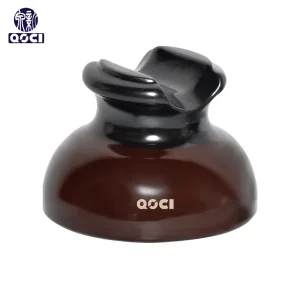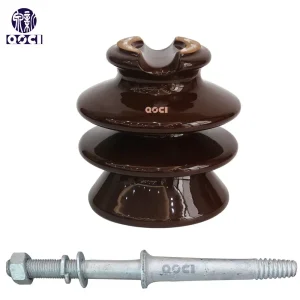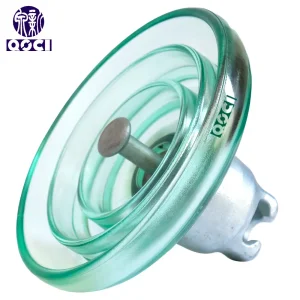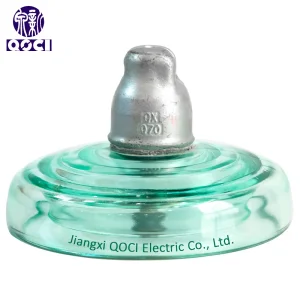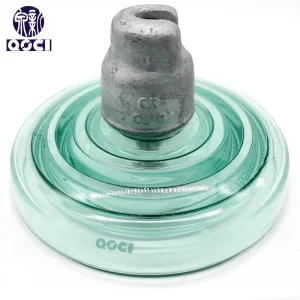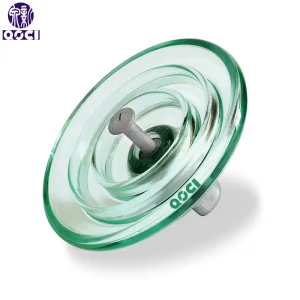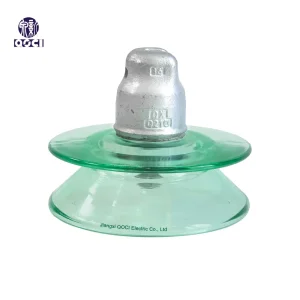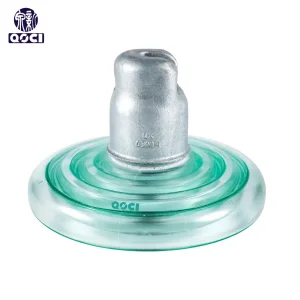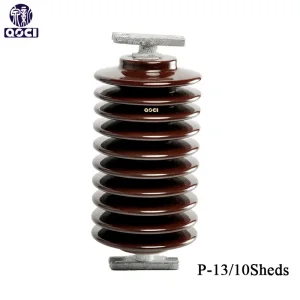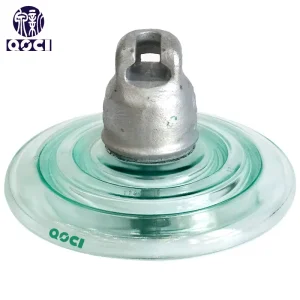
As the world pivots toward renewable energy, the demand for high-strength insulators like the U160B has surged. These components are the backbone of HVAC and HVDC lines.
With a 160kN electromechanical failing load, our U160B series ensures zero-puncture reliability even under extreme mechanical stress and environmental fatigue.
Unlike porcelain, toughened glass offers "automatic shattering" upon failure, making visual inspection effortless and reducing maintenance costs by 60%.
The U160B Glass Insulator represents a critical threshold in power transmission engineering. With a nominal mechanical failing load of 160kN, it is specifically designed to support heavy conductors over long spans, particularly in regions where environmental factors like wind, ice loading, and seismic activity are prevalent. In the context of China glass insulator U160B suppliers and factories, the industry has seen a massive shift toward "Total Oxygen Kiln" technology and automated molding, ensuring that each disc meets the stringent IEC 60305, ANSI, and BS standards.
The global insulator market is moving away from traditional porcelain toward toughened glass and RTV silicone-coated glass. The primary driver is "lifecycle cost." While initial procurement may be competitive, the toughened glass insulator's ability to resist aging and provide instant visual fault detection makes it the preferred choice for EPC contractors in Africa, Southeast Asia, and South America. China's manufacturing sector, led by industry giants like Jiangxi QOCI Electric Co. Ltd, now accounts for over 50% of the world's high-voltage glass insulator supply, leveraging scale and advanced material science.
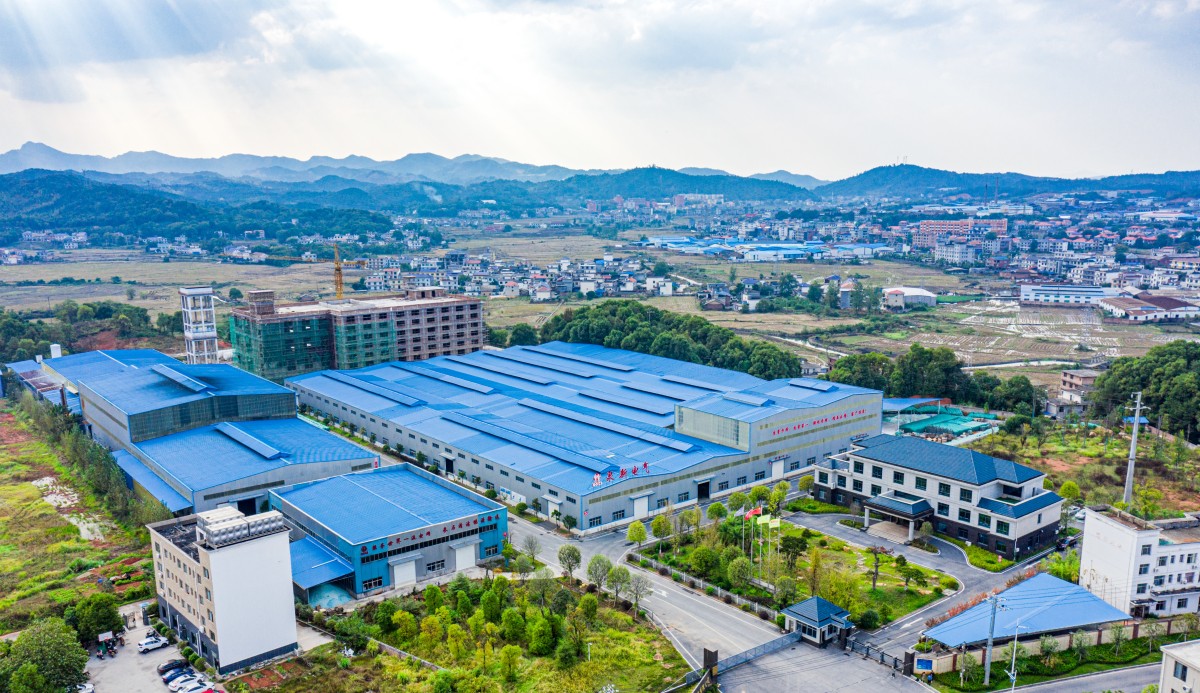
Founded in 2002 with a registered capital of 508 million Yuan, Jiangxi QOCI Electric has established itself as a world-class leader in the electrical transmission sector. Located in the Luxi Industrial Park, our facilities utilize the latest in total oxygen kiln technology, which significantly reduces carbon emissions while improving the dielectric homogeneity of the glass melt. This is crucial for the U160B series, where even a microscopic impurity can lead to premature failure under high-voltage stress.
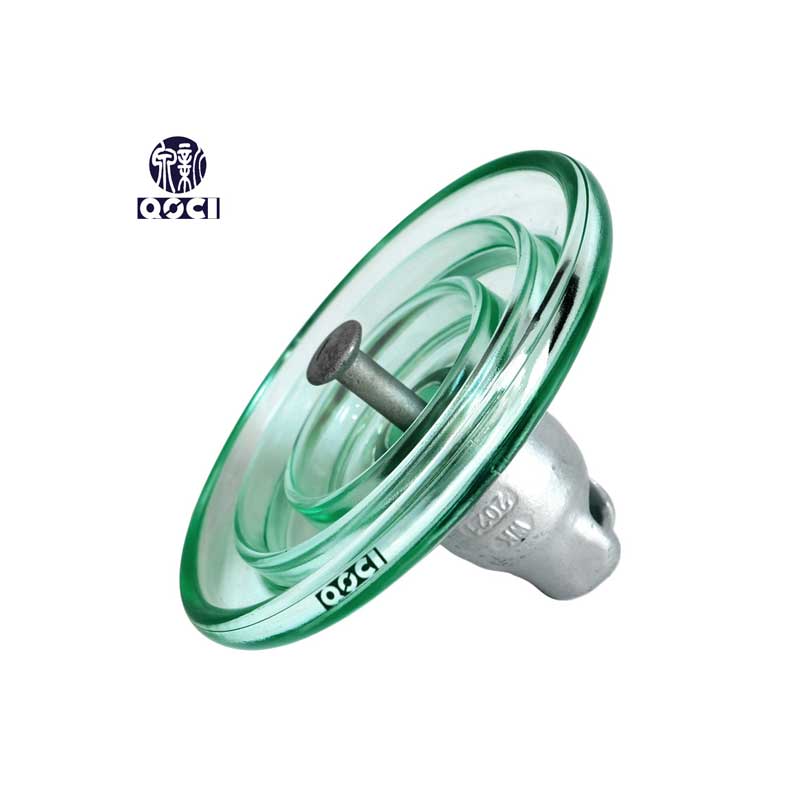
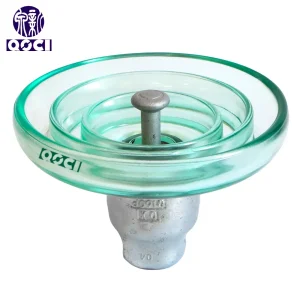
Designed with shallow ribs for effective self-cleaning by wind and rain. Ideal for areas with low to moderate pollution.
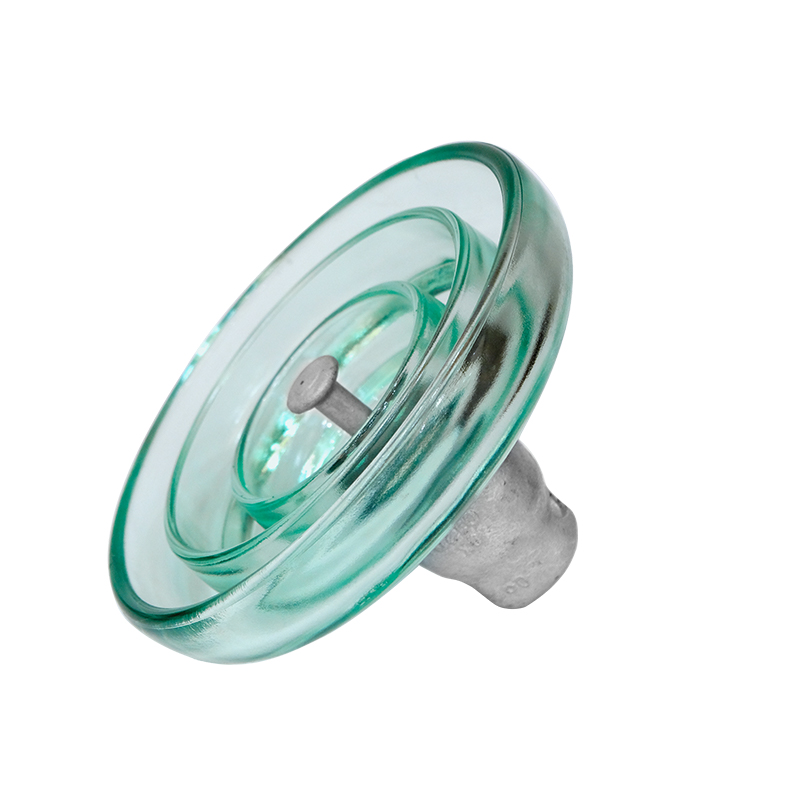
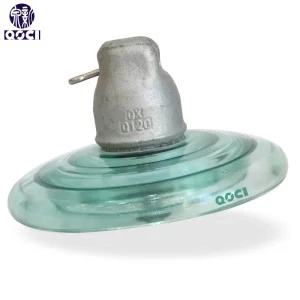
Features long, widely-spaced under-ribs to prevent arc bridging in salt-fog coastal areas or heavy industrial zones.
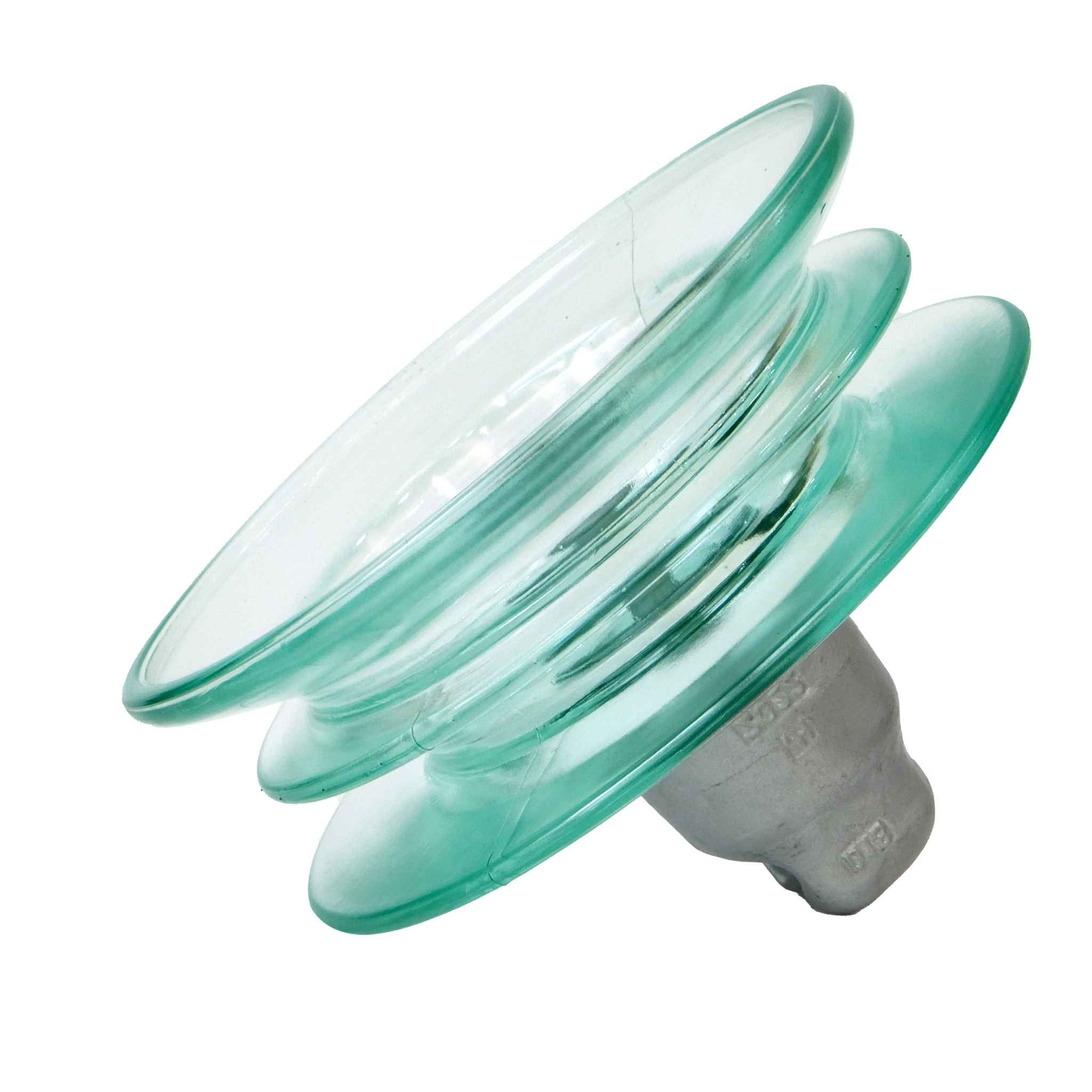
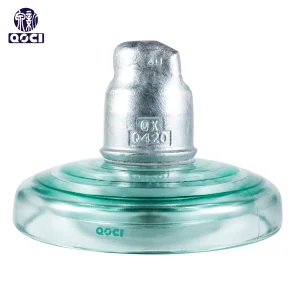
Optimized for Ultra-High Voltage (UHV) lines, providing maximum creepage distance in compact configurations.
Modern procurement directors are looking for more than just a product; they require compliance assurance and local support. Our factory provides comprehensive type tests (KEMA, CESI equivalent) and ensures that all U160B shipments comply with the specific grid codes of the destination country. Whether it's the ESKOM standards in South Africa or the IEEE standards in the Americas, our technical team provides the necessary documentation to fast-track grid integration.
One of the most significant technical roadmaps for the U160B is the application of Room Temperature Vulcanization (RTV) Silicone Coating. This hybrid solution combines the mechanical reliability of glass with the superior hydrophobicity of polymers. For U160B suppliers, offering factory-applied RTV coating is now a "must-have" to compete in high-pollution markets where regular washing is logistically impossible.
Integrating sensors within the insulator string to monitor real-time mechanical tension and leakage current.
Developing glass compositions that inherently repel water without the need for external coatings.
Transitioning all kilns to 100% green hydrogen or electric melting to meet global ESG requirements.