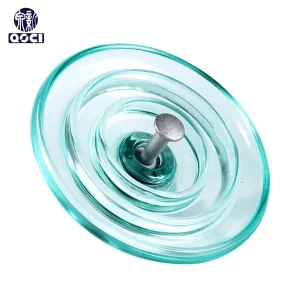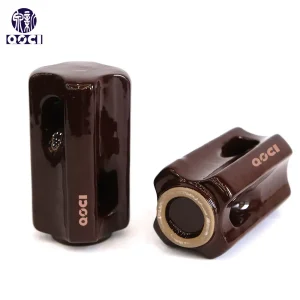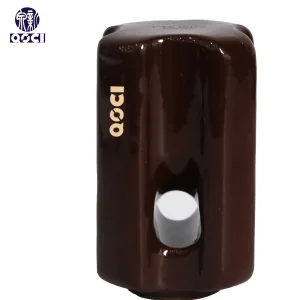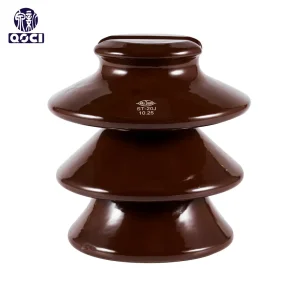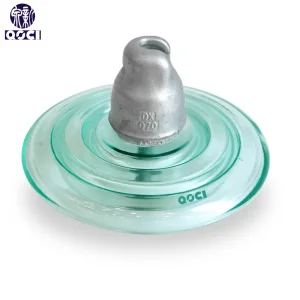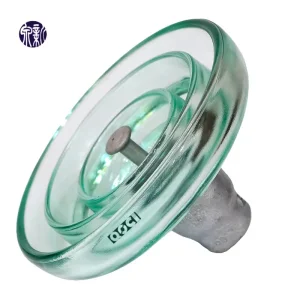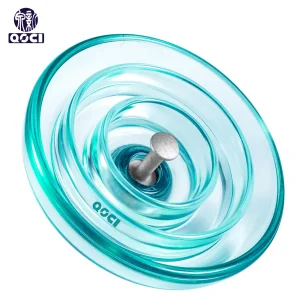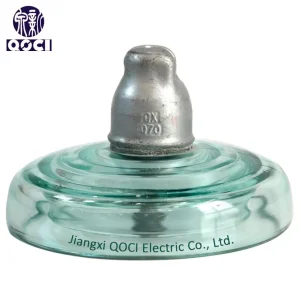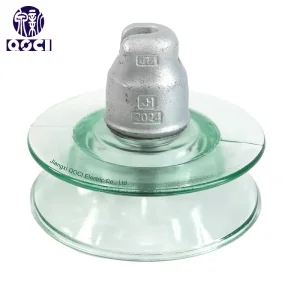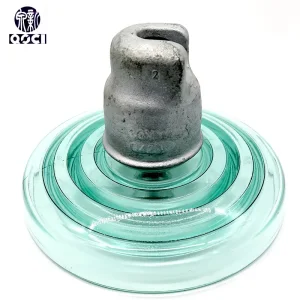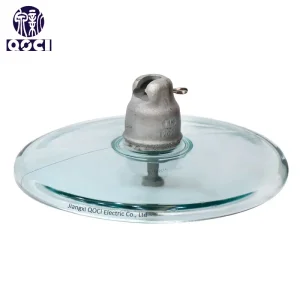
In the macro-landscape of global electrification, the Glass Insulator U300bl stands as a pinnacle of electromechanical performance. Specifically designed for Ultra-High Voltage (UHV) and Extra-High Voltage (EHV) AC/DC transmission lines, the U300bl series (characterized by its 300kN mechanical failing load) addresses the increasing demands of modern power infrastructure. As a leading China U300bl glass insulator manufacturer, Jiangxi QOCI Electric Co. Ltd integrates decades of metallurgical and glass science research to provide solutions that go beyond simple insulation.
With a 300kN rating, these insulators are engineered for heavy-ice regions and large-span crossings where tensile strength is non-negotiable.
Our toughened glass undergoes a precise tempering process, creating high-level compressive stress on the surface to resist extreme temperature fluctuations.
Unlike porcelain, toughened glass provides a "zero-value" self-shattering feature, allowing ground maintenance teams to visually identify faulty units instantly.
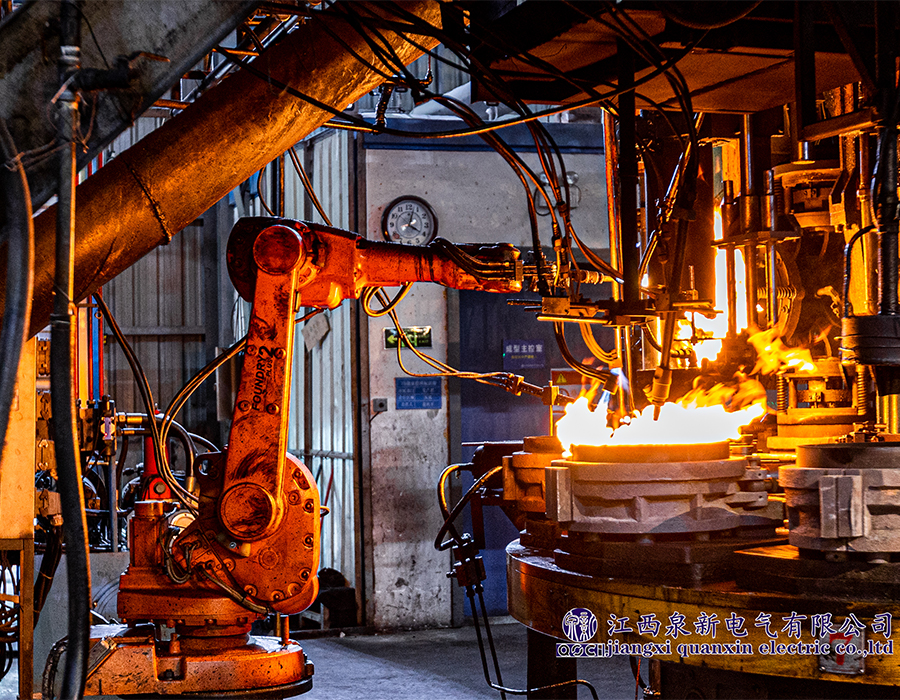
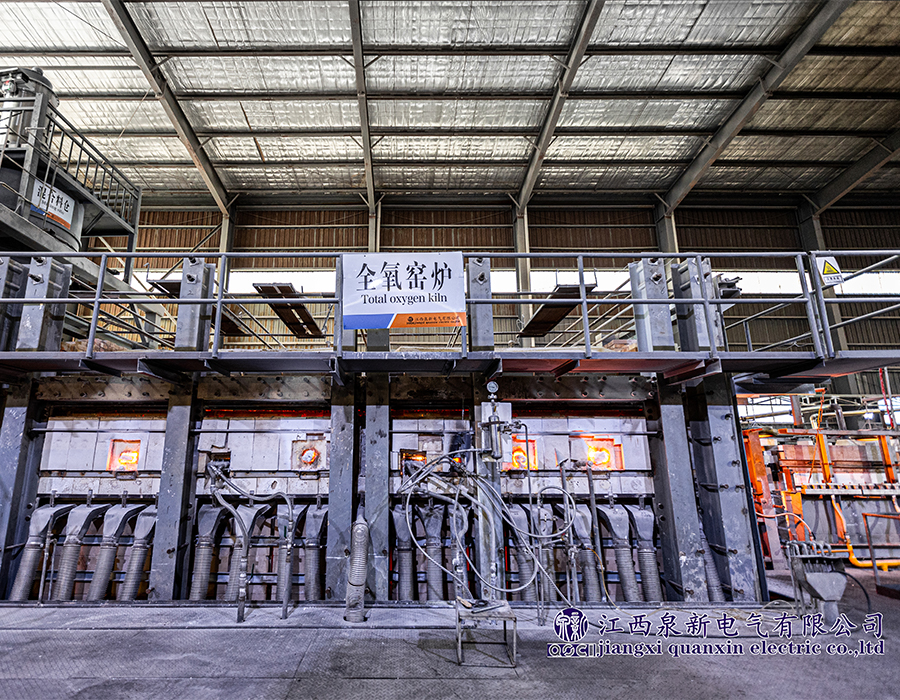
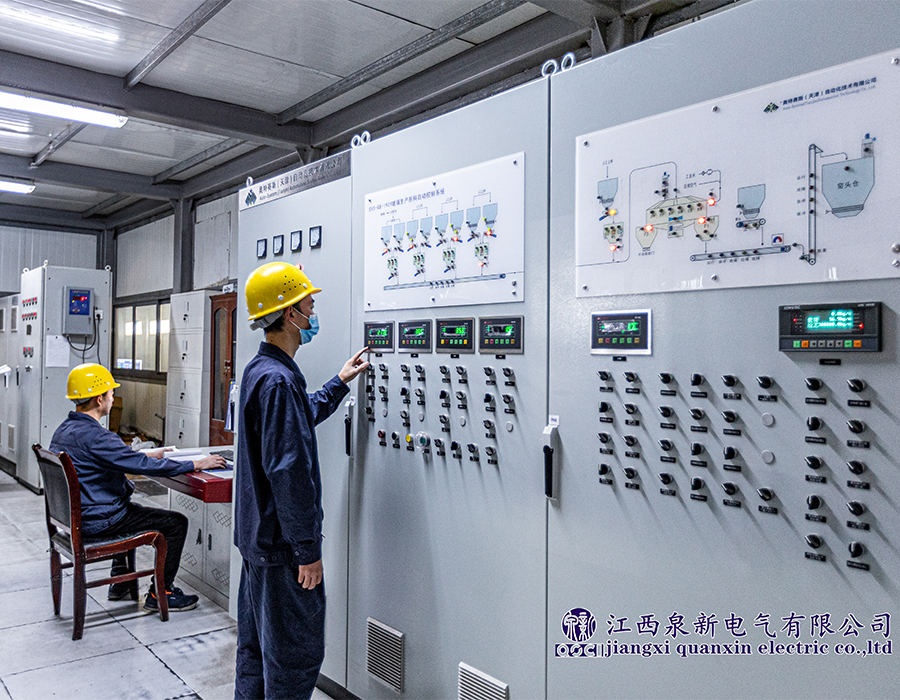
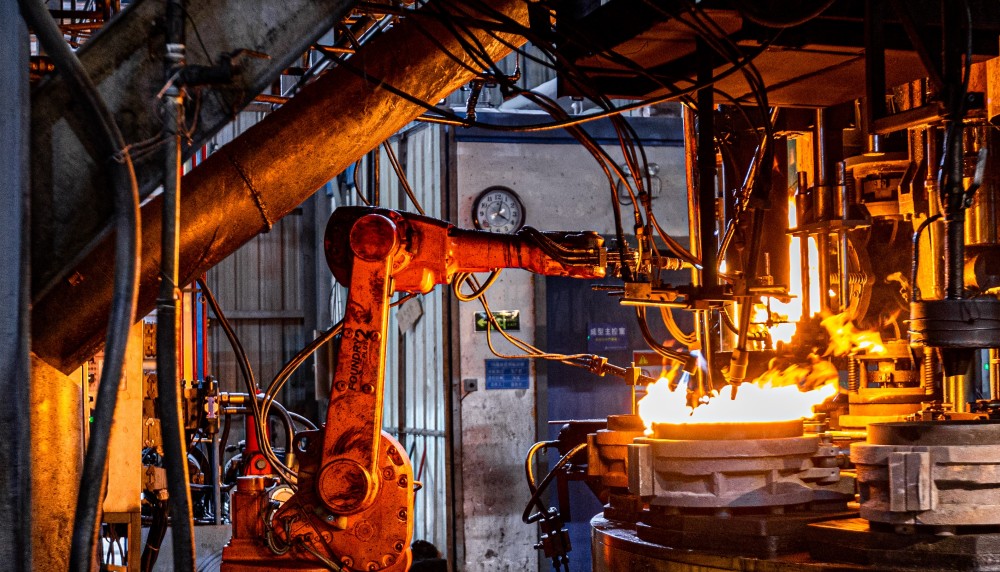
The manufacturing of the U300bl series involves a sophisticated "Total Oxygen Kiln" process, ensuring the homogeneity of the glass melt. This technological edge eliminates internal defects such as stones or bubbles that could compromise electrical resistivity. Our technical roadmap focuses on three core pillars:
As transmission projects scale across continents—from the deserts of the Middle East to the humid coasts of Africa—procurement needs have shifted toward "Lifecycle Cost Management" rather than just initial price.
Our Anti-Pollution Type insulators feature deep under-ribs, increasing the creepage distance significantly. This design prevents salt-fog bridging and reduces maintenance cycles by 40%.
The Aerodynamic (Open Profile) design prevents the accumulation of sand and solid pollutants on the lower surface, utilizing natural wind flow for self-cleaning.
High-altitude environments demand superior corona performance. Our U300bl designs are tested for radio interference and visual corona extinction levels far exceeding standard IEC requirements.
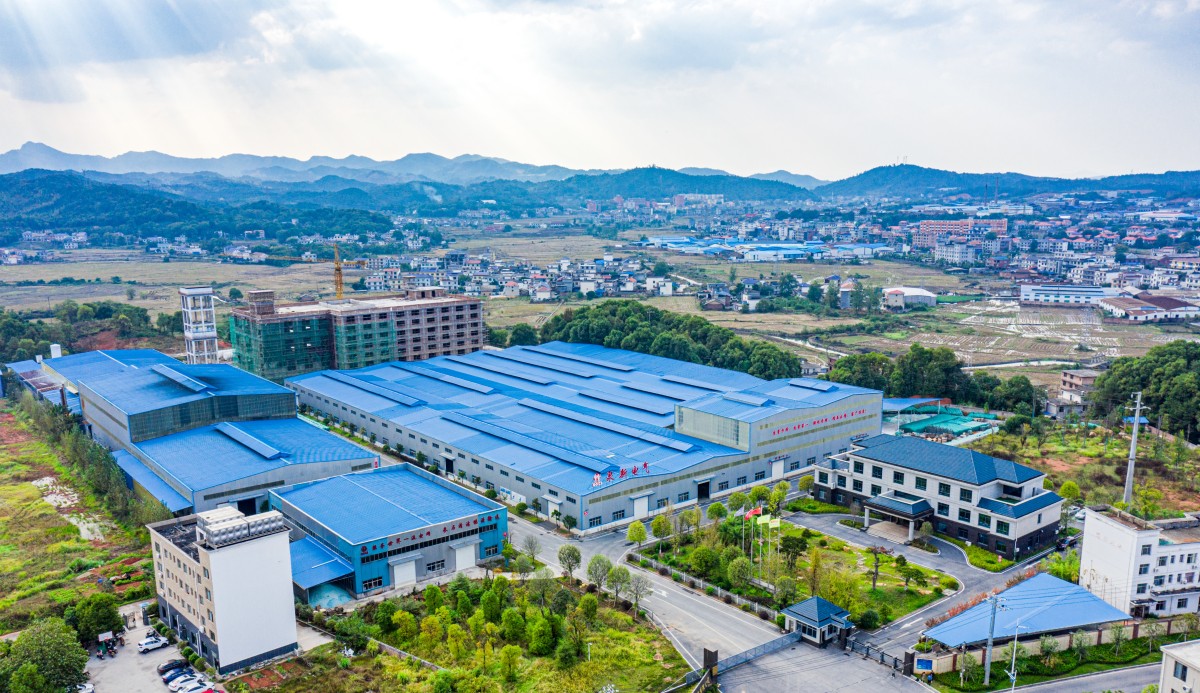
Founded in Dec. 2002, with a registered capital of 508 million Yuan, our corporation is a pillar of the Jiangxi Industrial Park. We serve the world-class power grid with dedication, actively participating in the construction of green energy globally. Responsibility is the guarantee of our quality, and service is our commitment to grid safety.
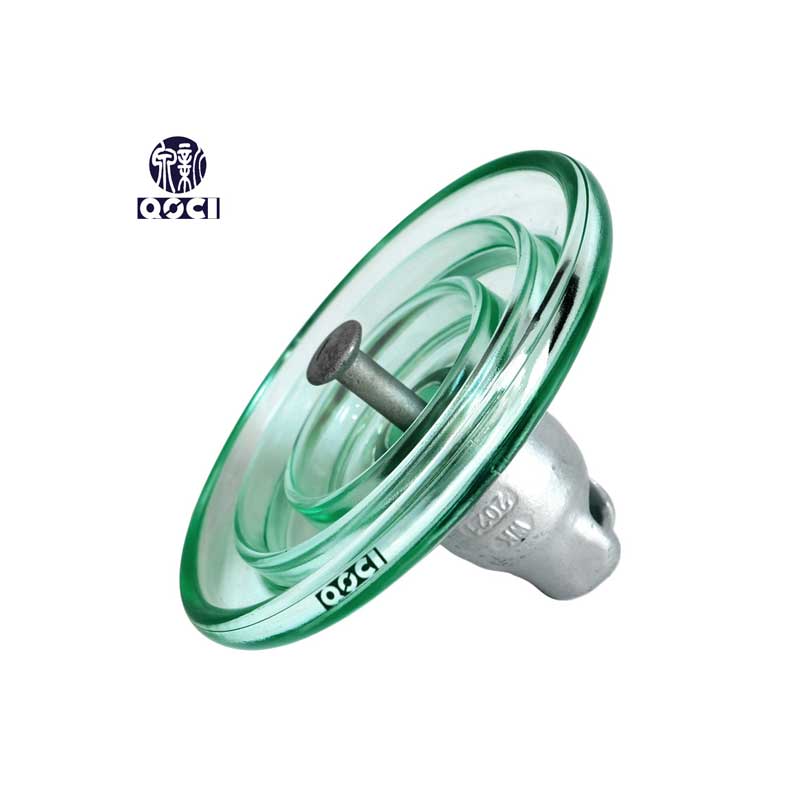
Designed with shallow, well-spaced small ribs. Effective self-cleaning by wind or rain for moderate pollution areas.
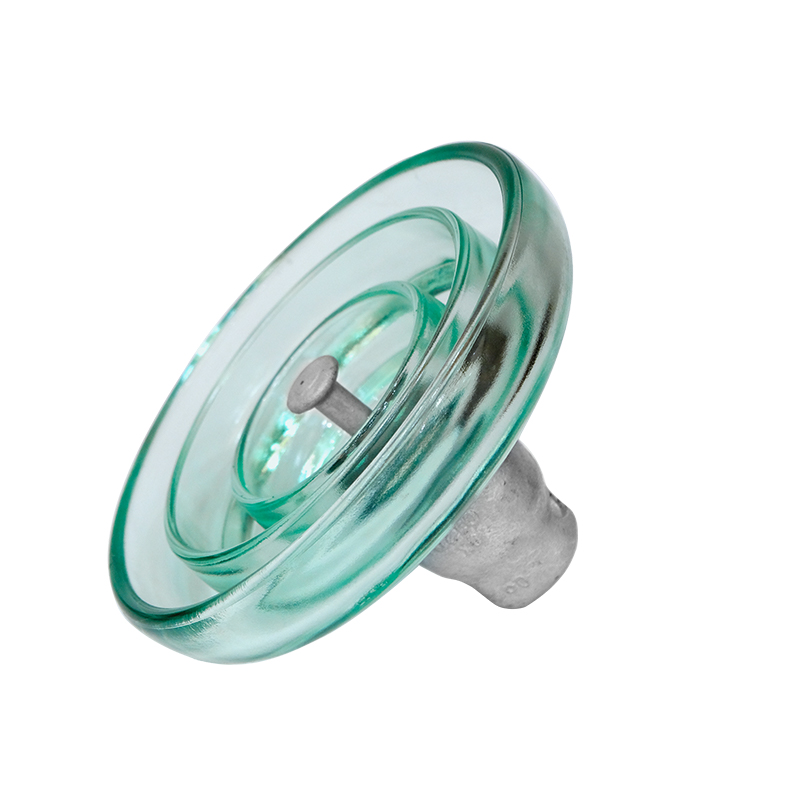
Long and widely-spaced under-ribs to avoid arc bridging. Ratio of 3.2 leakage distance/spacing. Ideal for coastal zones.
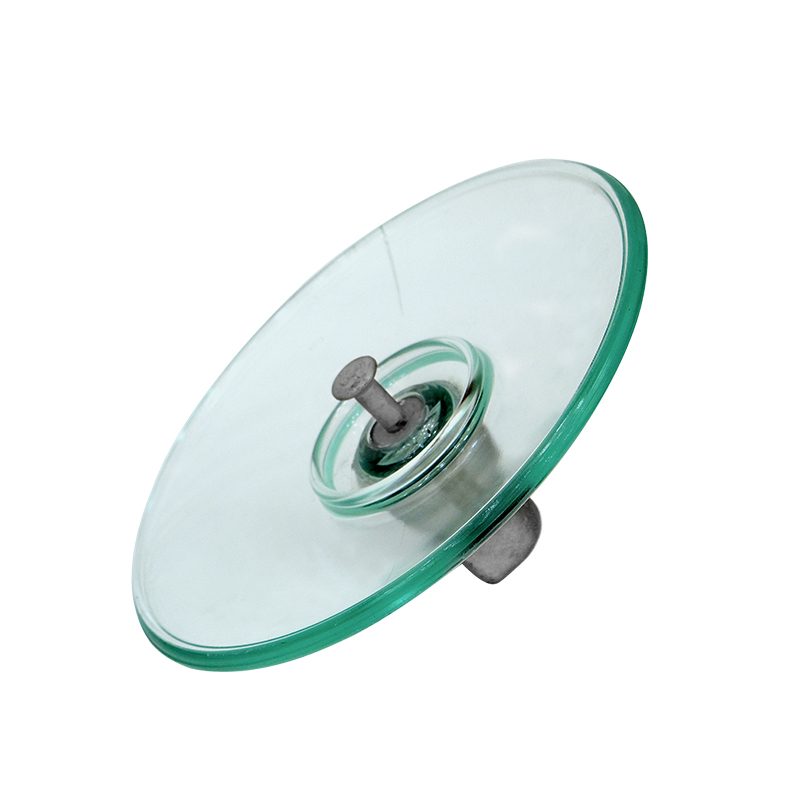
Absence of under-ribs prevents solid pollutant accumulation. Perfect for desert suspension and tension applications.
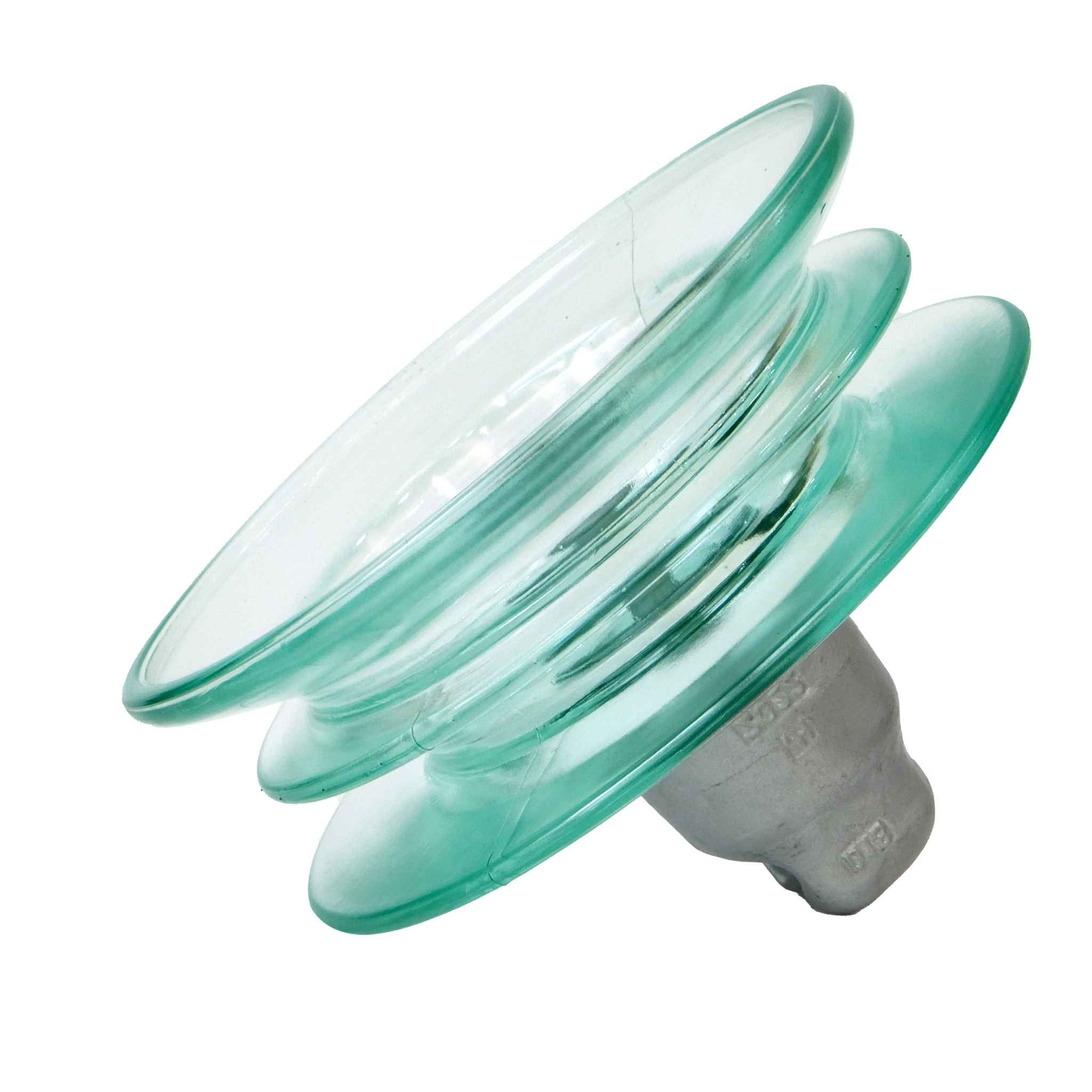
Key for UHV lines. Three layers of discs provide extreme creepage distance and flashover resistance in humid regions.
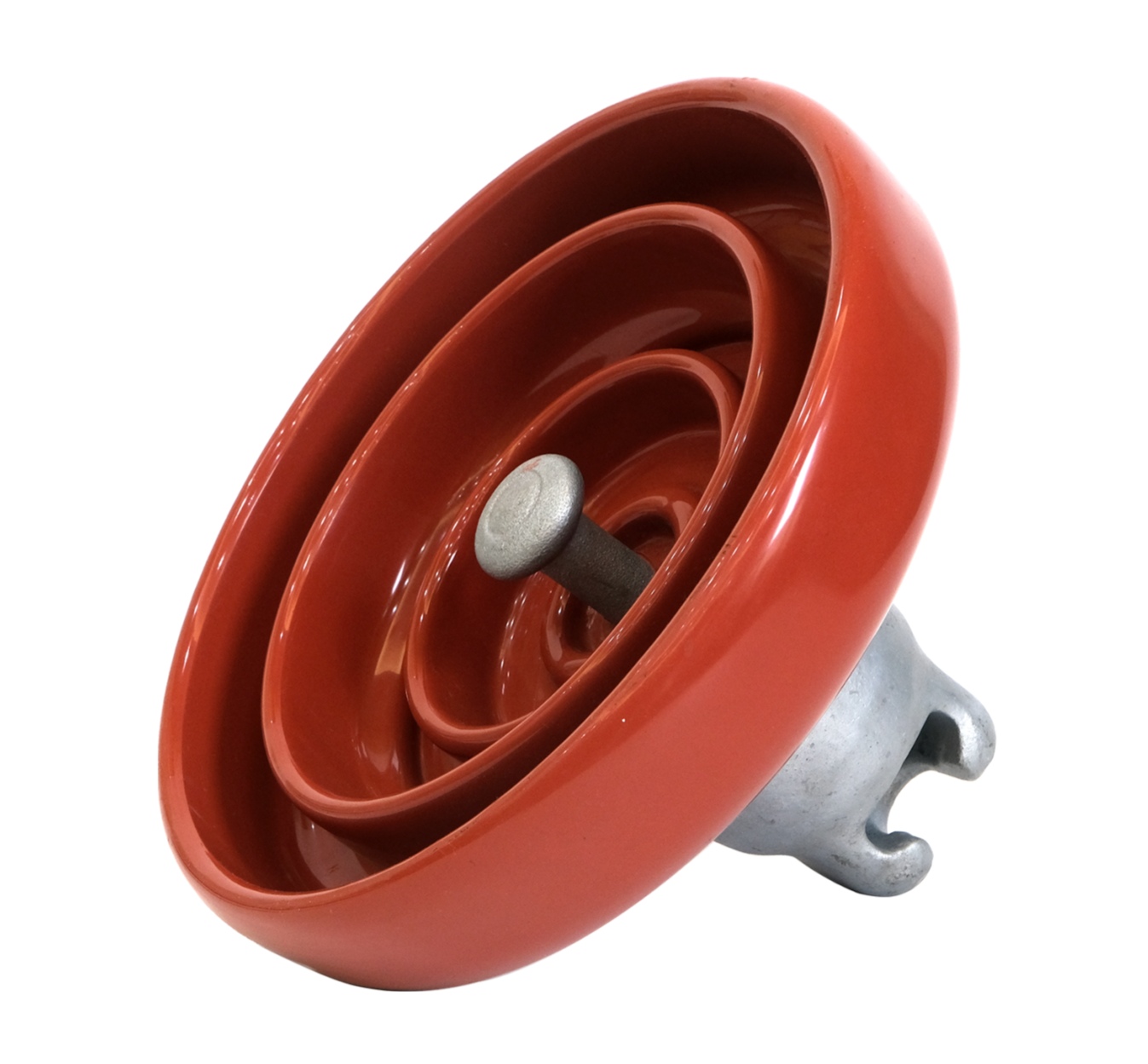
Minimizes leaking currents without regular cleaning. Combines glass reliability with silicone hydrophobicity.
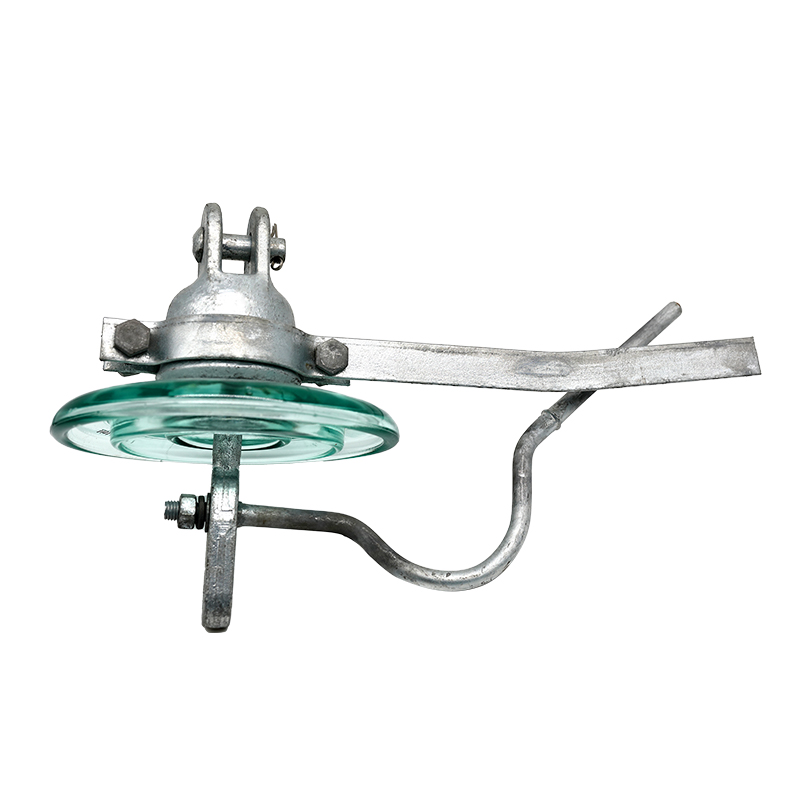
Ensures lightning safety by effectively guiding current to ground, protecting line integrity during storm seasons.
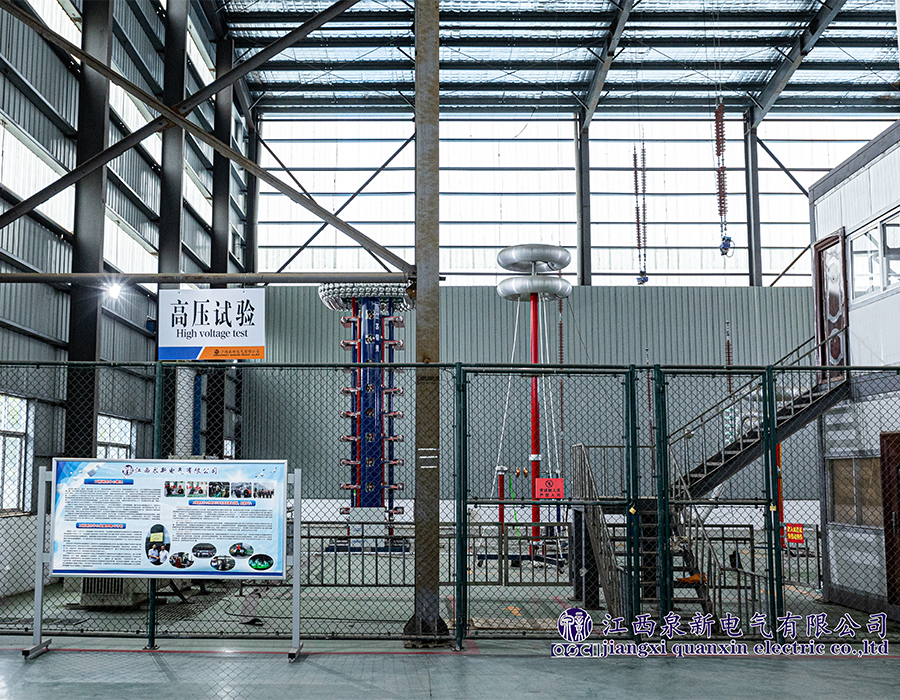
Ensuring grid reliability requires more than just a product; it requires a partner who understands local standards. QOCI Electric provides full compliance with IEC 60305, ANSI C29.2, and AS standards. Our factory is equipped with state-of-the-art testing laboratories to ensure every batch of U300bl insulators undergoes: