Impulse withstand voltage represents a critical parameter in high-voltage engineering, defining the ability of insulators to survive transient overvoltages from lightning strikes and switching surges. As a leading China Impulse Withstand Voltage Supplier, we focus on IEC 60060-1 standards to ensure zero-fail performance.
With over 20 years of experience (founded in 2002), Jiangxi QOCI Electric Co. Ltd maintains a registered capital of 508 million Yuan, housing 53+ engineering technicians and 26+ patents in electrical insulation technology.
Our solutions cater to UHV (Ultra-High Voltage) and EHV (Extra-High Voltage) lines across the globe, ensuring that green energy transmission is stable and resilient against atmospheric disturbances.
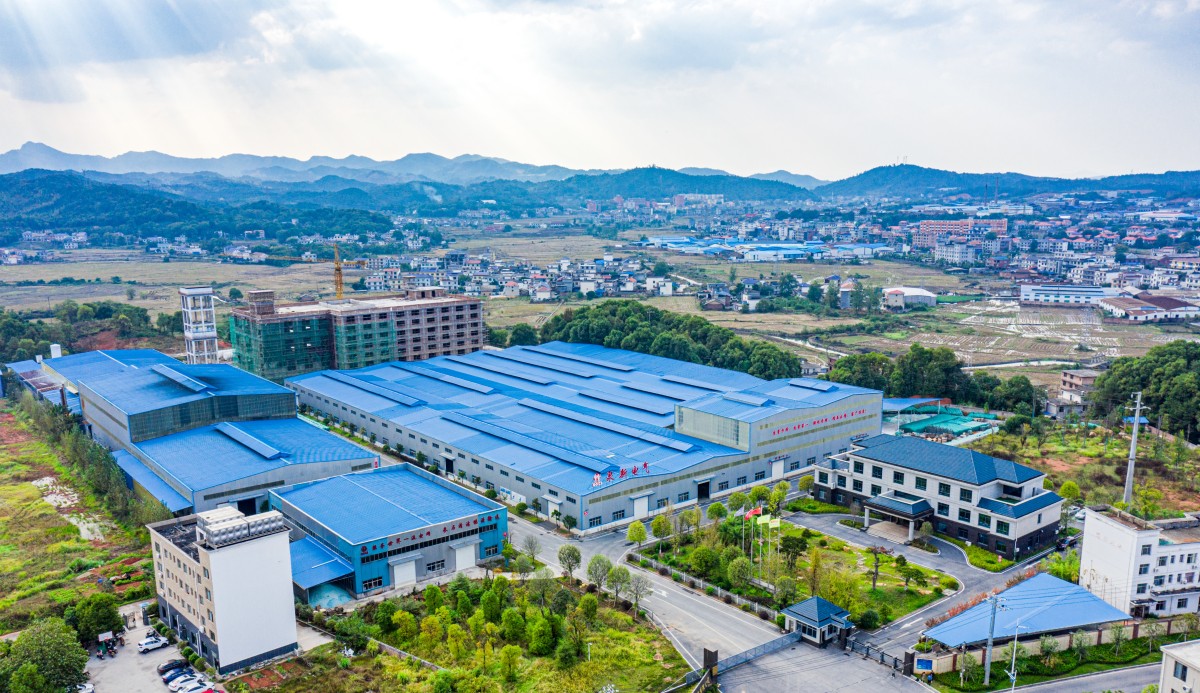
Jiangxi QOCI Electric Co. Ltd was founded in Dec. 2002, with a registered capital of 508 million Yuan. Located in the Luxi Industrial Park, Pingxiang, Jiangxi Province, our 70,000 m² facility is the heart of high-performance glass insulator production in China.
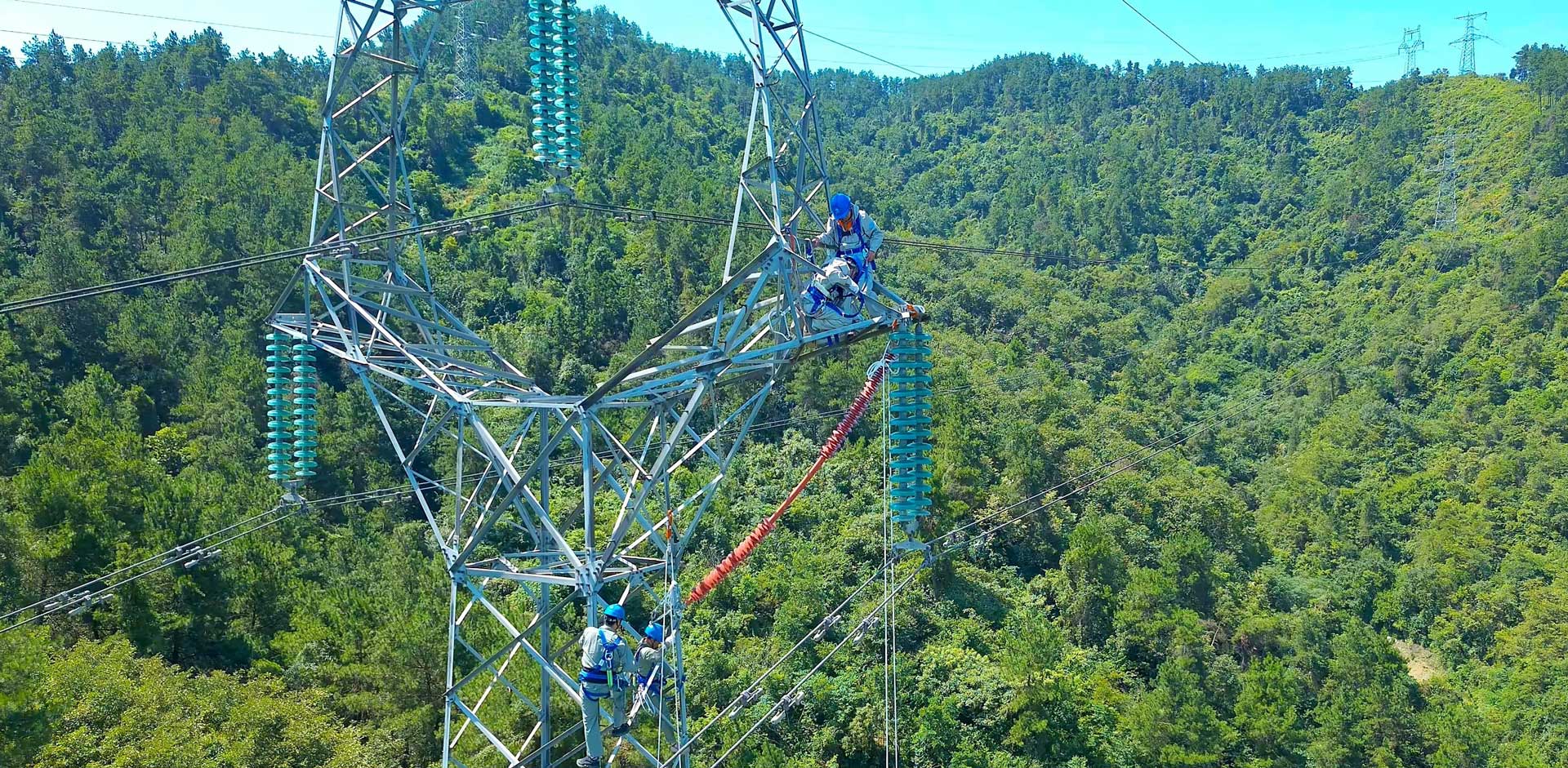
The transition to 1100kV UHVDC lines demands insulators with unprecedented lightning impulse withstand levels (BIL). Our research focuses on minimizing the size-to-strength ratio while maximizing safety margins.
Modern "China Factory" outputs are no longer just basic glass. We utilize specialized chemical tempering to ensure spontaneous breakage rates stay below 0.1%, crucial for grid reliability.
Increased storm frequency globally has forced a re-evaluation of BIL standards. Our insulators are tested for "Multi-Pulse" withstand, simulating rapid-fire lightning strikes.
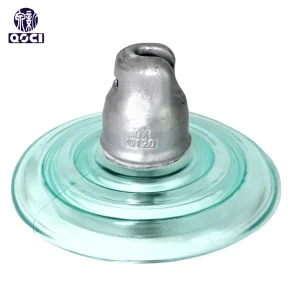
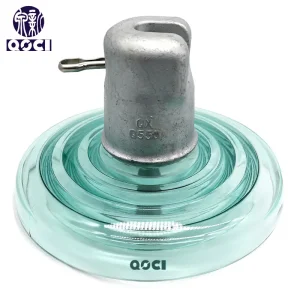
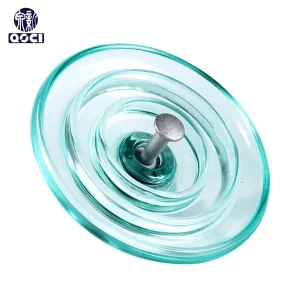
Leakage distance higher than IEC 60305. Designed with shallow ribs for effective self-cleaning by wind or rain.
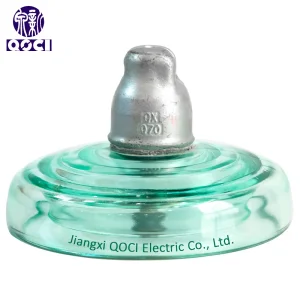
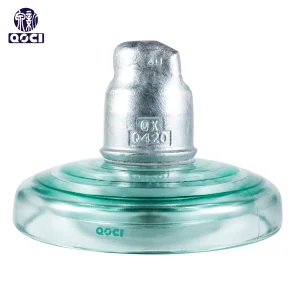
Features long, widely-spaced under-ribs to avoid arc bridging. Effective in salt fog coastal areas and industrial zones.
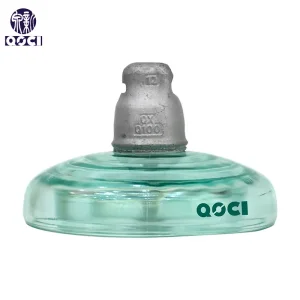
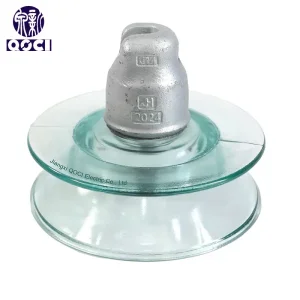
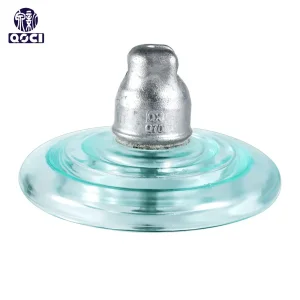
Absence of under-ribs avoids solid pollution accumulation (dust, sand) in desert areas with infrequent rain.
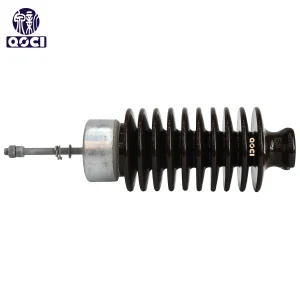
Room Temperature Vulcanization (RTV) silicone increases hydrophobicity, reducing leakage current and maintenance costs.
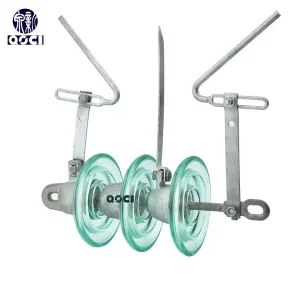
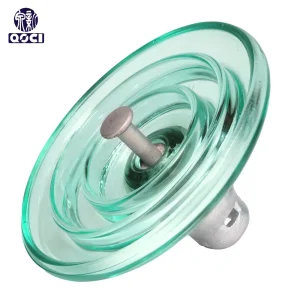
Key component for UHV lines. Three layers of umbrella discs provide superior creepage distance and flashover resistance.
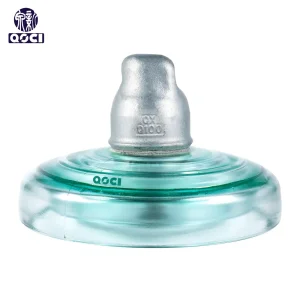
Optimized for high altitude and humid regions, providing balanced electrical performance under stress.
Guides lightning current reliably, protecting the safety of the line and equipment through metal flange connections.
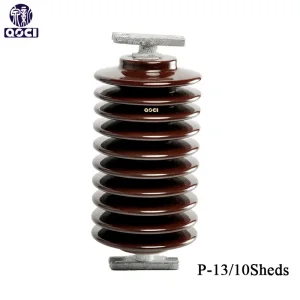
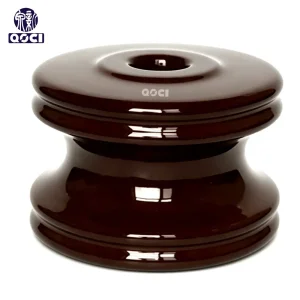
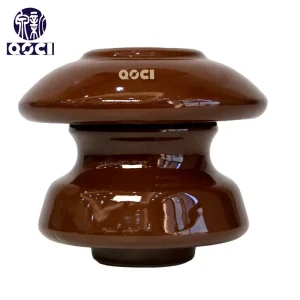
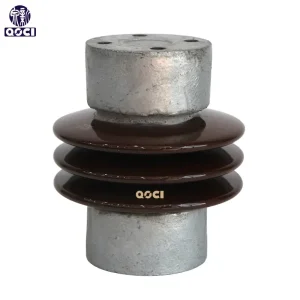
Multi-shed design providing high cantilever strength and excellent impulse withstand for substations.
Global Sourcing Strategy: Large-scale utility operators in Europe and South America are increasingly turning to China for "Impulse Withstand Voltage" components. This shift is driven by the mature supply chain and rigorous testing protocols found in factories like Jiangxi QOCI.
Compliance & Localization: We provide full documentation for ANSI, IEC, and IEEE standards. Our localized support teams assist in technical design-ins to ensure that the specified BIL (Basic Insulation Level) matches local geographical atmospheric profiles.
Project Lifecycle Management: From 70kN to 550kN mechanical load requirements, we offer end-to-end solutions including batch testing reports for lightning impulse (1.2/50μs) and switching impulse (250/2500μs) performance.
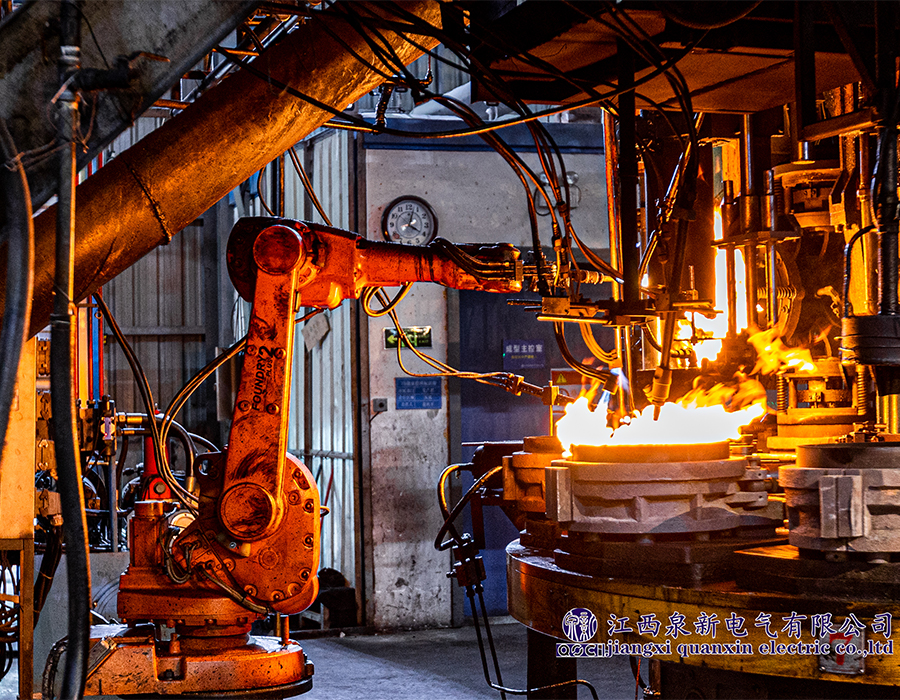
Precision Forming Press
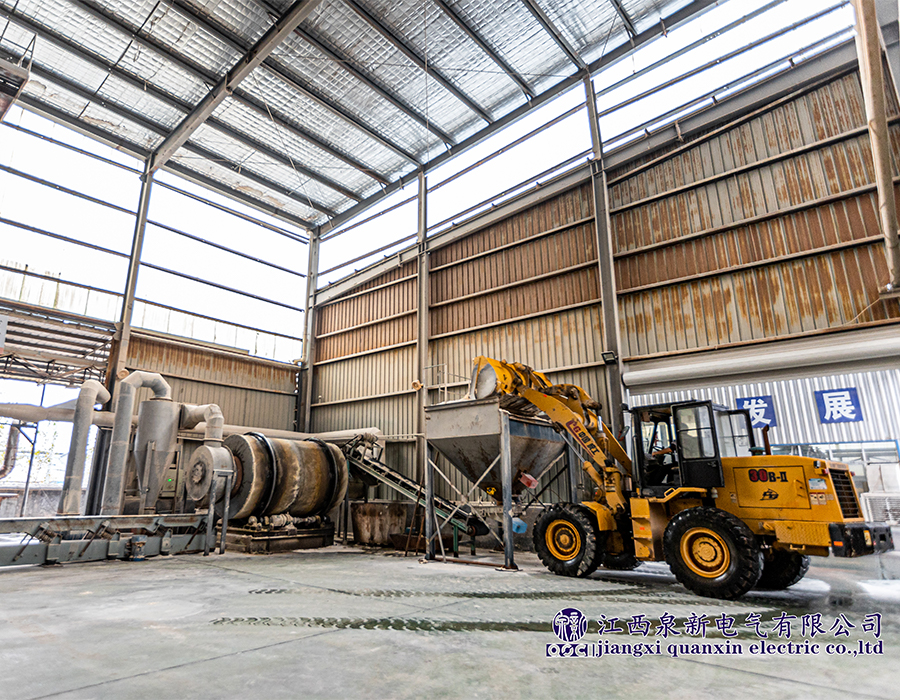
Advanced Material Mixer
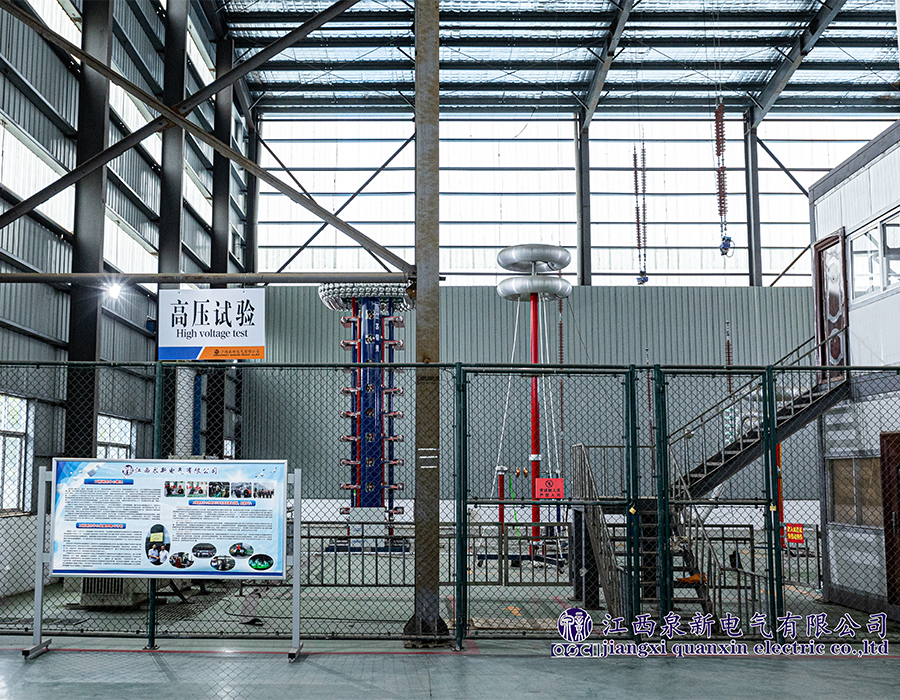
High Voltage Impulse Laboratory
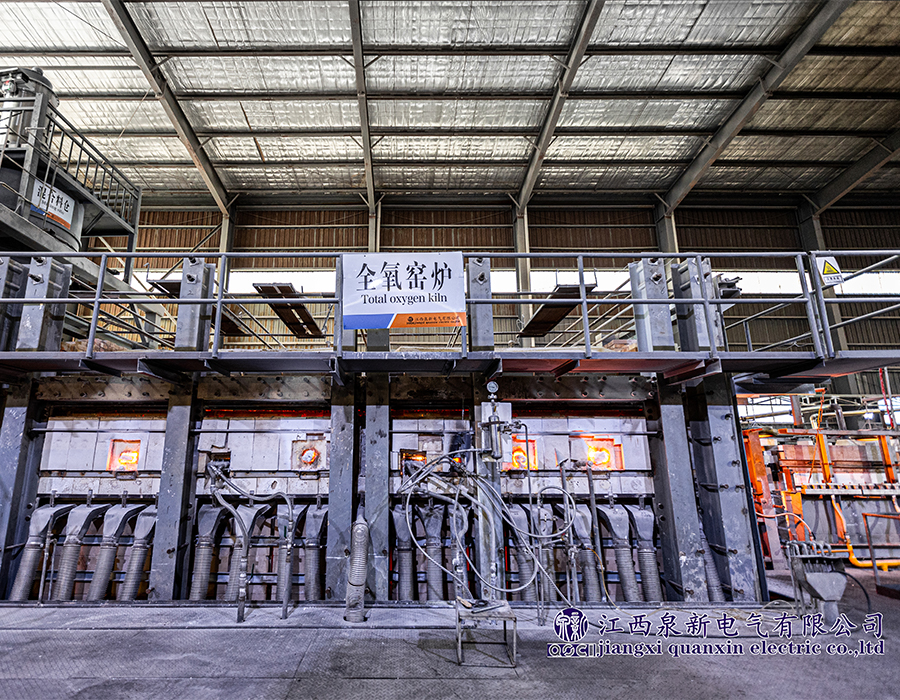
Total Oxygen Glass Kiln
Innovation: Serve the world-class power grid with dedication. Actively participate in the construction of green energy. Responsibility is the guarantee of quality. Serve the electric power industry and ensure the safety of the power grid.
Most reputable suppliers follow IEC 60060-1, which specifies a 1.2/50μs wave. This means the voltage reaches its peak in 1.2 microseconds and decays to half-value in 50 microseconds, simulating a lightning strike.
Tempered glass provides superior mechanical toughness. If a glass insulator fails due to over-voltage or impact, it "shatters" into small, safe pieces but maintains its internal structural integrity for a short period, allowing for easy visual detection from the ground.
Surface contamination reduces the flashover voltage. We solve this by increasing the creepage distance (e.g., using anti-pollution profiles) or applying RTV silicone coatings that maintain hydrophobicity even under heavy pollution.
Yes, China's insulator industry has matured through rigorous testing in extreme domestic environments, including high altitude and typhoon zones. Our units are rated for high mechanical tension (up to 550kN).
By 2030, the demand for Ultra-High Voltage Direct Current (UHVDC) will double. QOCI Electric is currently developing the next generation of "Composite Glass" insulators that combine the dielectric strength of glass with the light weight of polymers. Our technical roadmap includes AI-driven manufacturing to predict and eliminate microscopic glass defects, ensuring a 100% success rate in high-voltage impulse tests.