High-Strength Toughened Glass & Ceramic Insulators for Global Grids
Jiangxi QOCI Electric Co. Ltd leads the industry with substantial investment in UHV technology and automated manufacturing.
Strategic industrial park location in Luxi County, Pingxiang—the historic "Porcelain Capital" of China's electrical industry.
Massive scalability ensuring fast delivery for international EPC projects and nationwide grid constructions.
In the era of the global energy transition, the demand for high-reliability suspension string insulators has surged. As nations shift toward renewable energy sources—often located in remote areas—the need for long-distance, high-voltage transmission lines becomes critical. The global market is currently transitioning from traditional porcelain to toughened glass insulators and silicone-coated glass hybrids (RTV) due to their superior mechanical strength and easier maintenance protocols.
Suspension string insulators serve as the backbone of overhead transmission lines, bearing the weight of conductors while providing essential electrical insulation. The industry currently focuses on zero-maintenance solutions that can withstand extreme environmental stressors such as salt fog in coastal regions, industrial pollution, and cryogenic freezing in high-altitude zones.
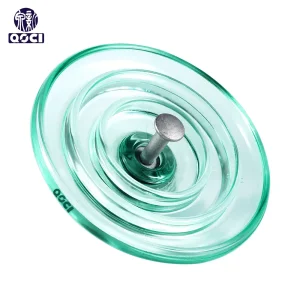
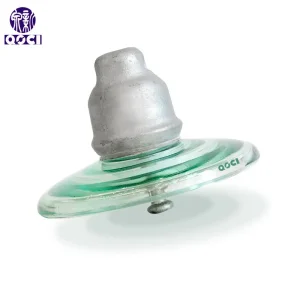
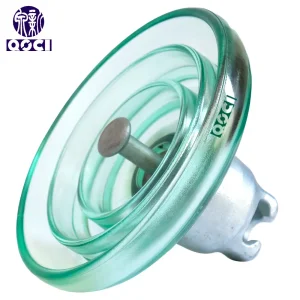
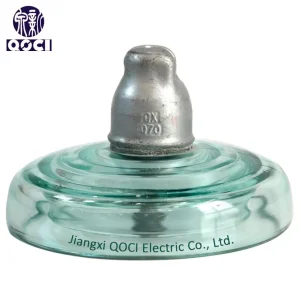
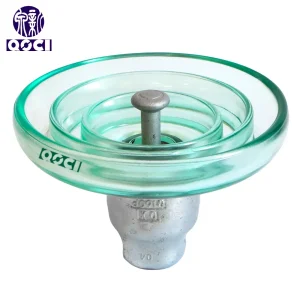
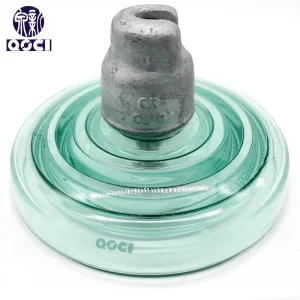
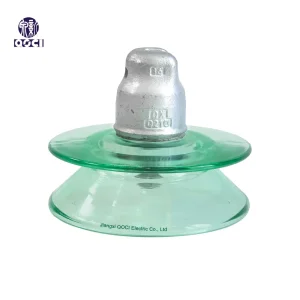
Designed for self-cleaning by wind and rain. Higher leakage distance than IEC 60305 standards. Ideal for low-to-medium pollution environments.
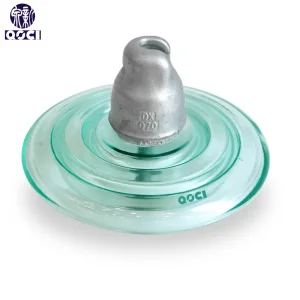
Characterized by long, widely-spaced under-ribs to avoid arc bridging. Essential for salt-heavy coastal regions and industrial corridors.
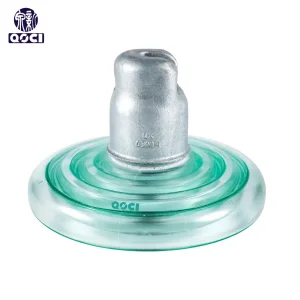
Minimizes leaking currents and maintenance costs. Combines the mechanical reliability of glass with the hydrophobicity of silicone.
China has established itself as the global hub for suspension string insulators. The advantage isn't just cost; it's the technological ecosystem. At Jiangxi QOCI Electric, our integration of Total Oxygen Kiln technology and automated Forming Presses ensures a level of uniformity that manual processes cannot match.
Solving Complex Engineering Challenges Across Diverse Climates
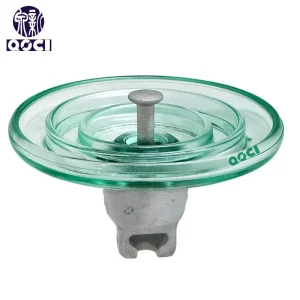
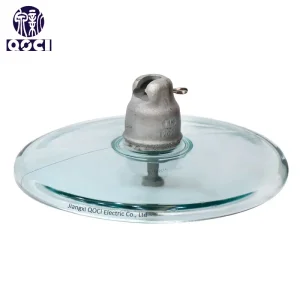
Open profile designs prevent the accumulation of dust and sand. Without under-ribs, wind naturally clears debris, preventing pollution flashovers in environments like the MENA region.
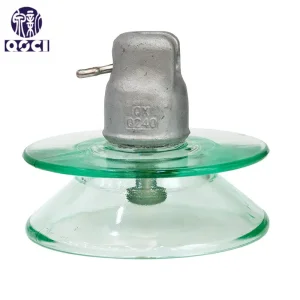
Aerodynamic and Triple-shed profiles solve ice-bridging problems. These are critical for transmission lines crossing mountain ranges like the Andes or the Himalayas.
Toughened glass with RTV coating provides extreme resistance to corrosion and leakage currents caused by high salinity in offshore or near-shore power grids.
Inside Jiangxi QOCI Electric's Advanced Facilities
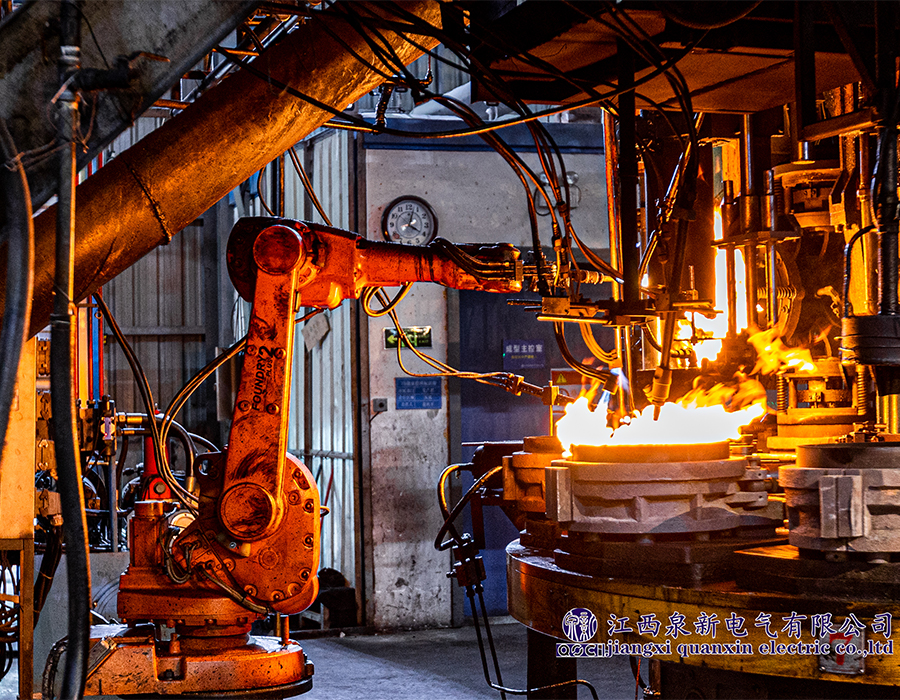
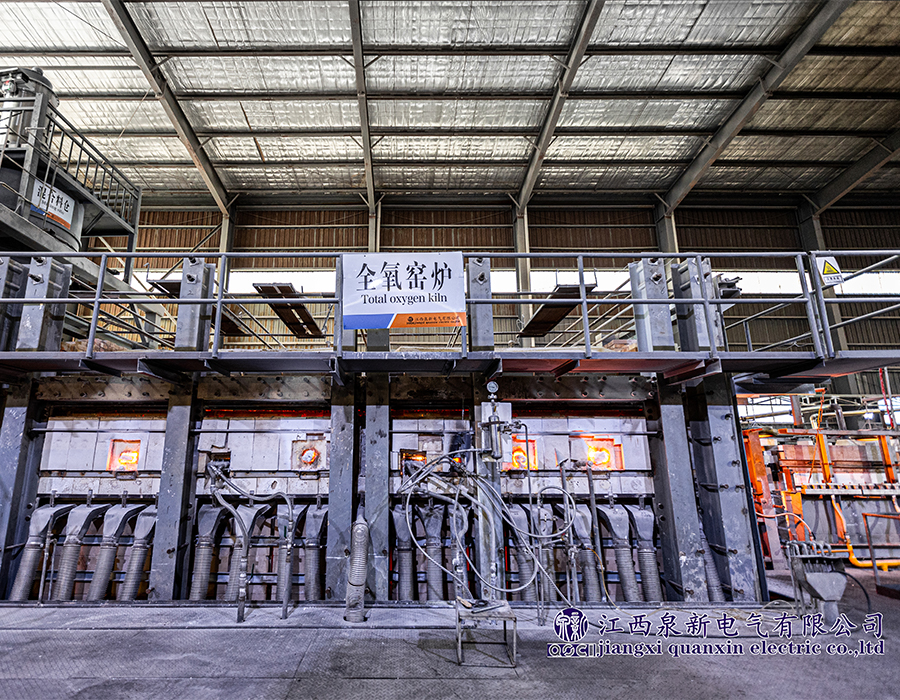
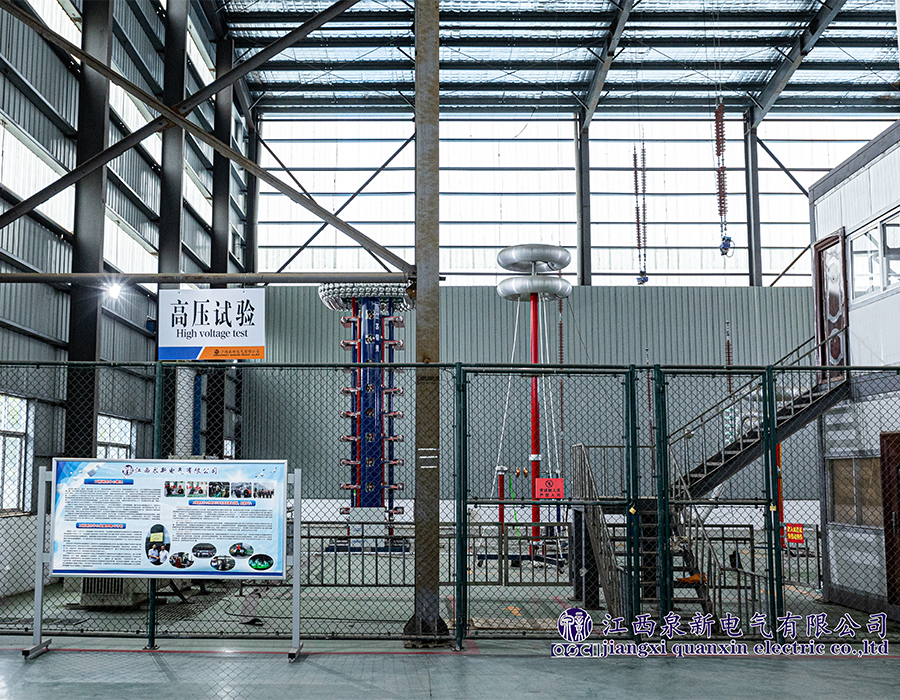
Our facility utilizes AI-monitored kiln temperatures to ensure the internal stresses of toughened glass are perfectly balanced. This eliminates the risk of "spontaneous shatter," a common failure point in lower-quality suspension insulators.
Modern procurement isn't just about insulators; it's about sensor-ready infrastructure. We are developing insulators that integrate with monitoring systems to detect leakage currents in real-time. Global enterprises are now prioritizing suppliers who provide comprehensive Life Cycle Cost (LCC) analysis, proving that toughened glass insulators offer better ROI over 40 years compared to cheaper alternatives.
International buyers (EPC contractors, Grid operators) are moving toward a Zero-Defect Policy. This requires manufacturers to have:
Technical Insights for Electrical Engineers and Procurement Officers
A: Toughened glass allows for visual inspection. If a glass insulator fails, the shell shatters but the mechanical integrity of the cap and pin remains (the "stub"). Porcelain can have internal cracks that are invisible to the naked eye, requiring expensive diagnostic testing. Glass is also lighter and has better aging characteristics in humid environments.
A: It provides the best of both worlds. The glass core provides high mechanical strength (up to 530kN), while the RTV coating offers hydrophobicity, preventing water films from forming and thus stopping pollution-induced flashovers. This eliminates the need for manual washing in polluted areas.
A: The open profile design eliminates the deep ribs found in standard insulators. This removes the "pockets" where sand and dust typically accumulate. Wind can flow freely over the surface, effectively scouring away any pollutants, which is critical for projects in regions like Saudi Arabia or Australia.
A: We strictly adhere to IEC 60305 (Characteristics of insulator units), ANSI C29.2B, and AS 1154. Our U-series (U70, U100, U120, U160, U210, U300) are globally recognized designations that simplify the specification process for engineers.
Reliable Insulation for the Next Generation of Power Transmission