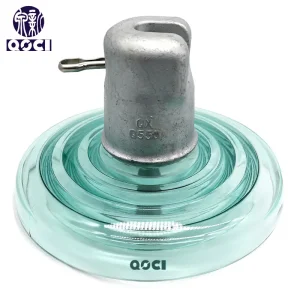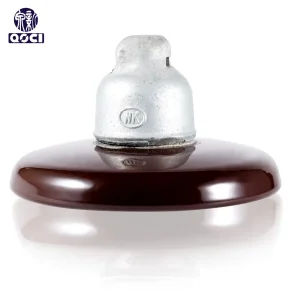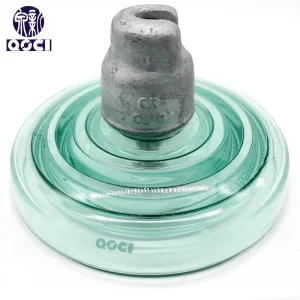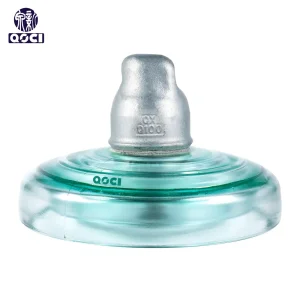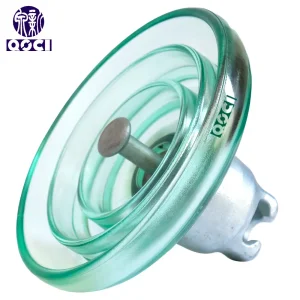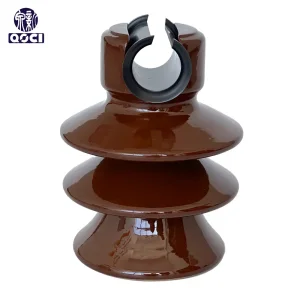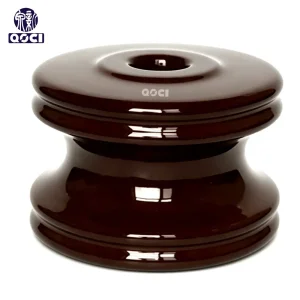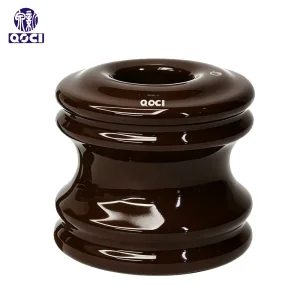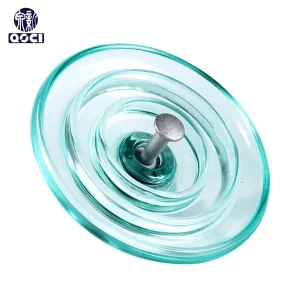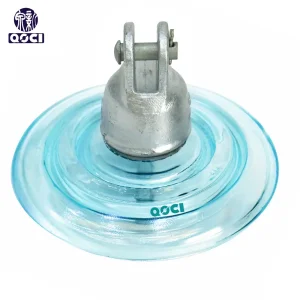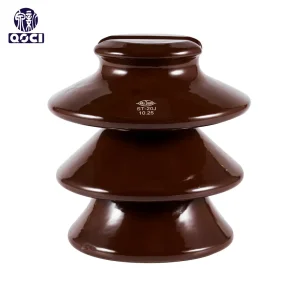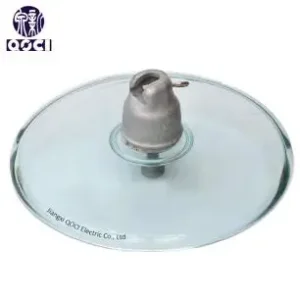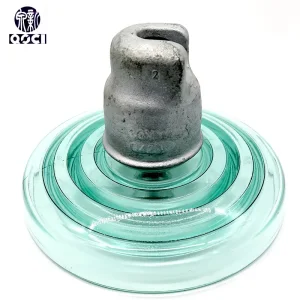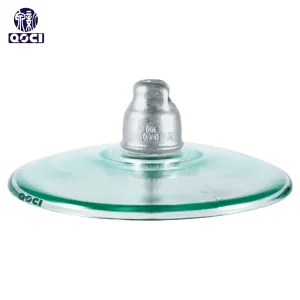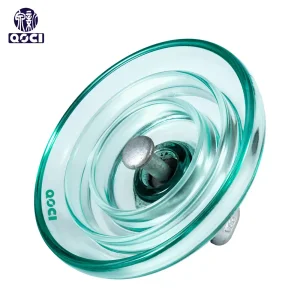
In the modern era of energy transition, the stability of high-voltage transmission lines is paramount. Anti-fog glass insulators have emerged as a critical component in mitigating the risks of pollution flashover in extreme environments. Unlike standard profiles, anti-fog (or fog-type) insulators are engineered with a specific geometry to handle high humidity, salt mist, and industrial pollutants.
Global demand for toughened glass insulators is projected to grow by 6.5% CAGR through 2030, driven by the expansion of UHV (Ultra-High Voltage) grids in Asia and the modernization of aging infrastructure in North America and Europe. In regions like the Middle East and Southeast Asia, "Salt Fog" and "Sand Dust" create severe leakage current challenges. High-quality anti-fog insulators provide the necessary Specific Creepage Distance to prevent outages, reducing maintenance costs by up to 40% compared to traditional porcelain in high-contamination zones.
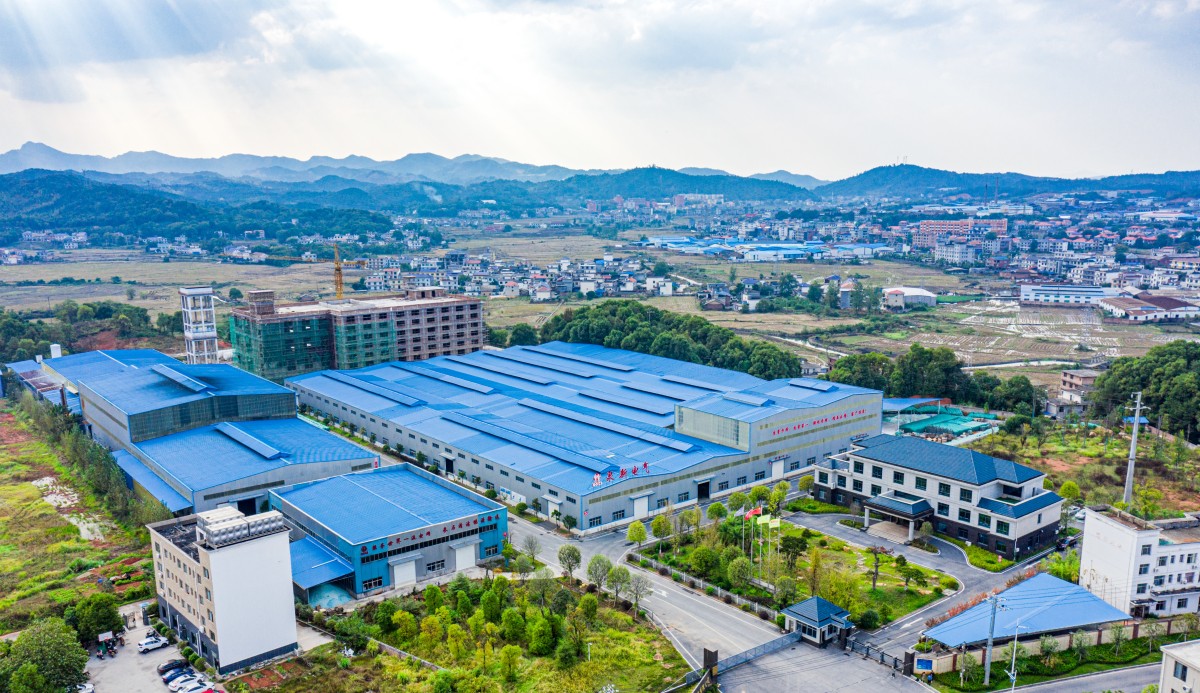
Jiangxi QOCI Electric Co. Ltd was founded in Dec. 2002, with registered capital of 508 million Yuan. Located in the Industrial Park of Luxi County, Jiangxi, we cover an area of 100 mu and serve the world-class power grid with dedication.
The integration of Room Temperature Vulcanization (RTV) silicone on glass surfaces is the "Gold Standard" for future anti-pollution strategy. This coating provides hydrophobicity, allowing water to form beads and wash away contaminants, essentially offering a self-cleaning mechanism for the insulator string.
The next decade will see "Smart Insulators" equipped with IoT sensors to measure leakage current in real-time. This data-driven approach allows utilities to perform predictive maintenance, replacing units before a flashover occurs, thus ensuring 99.99% grid reliability.
With "Total Oxygen Kiln" technology, we are reducing carbon emissions in glass production. Recyclability of toughened glass makes it a more eco-friendly choice compared to composite materials that are difficult to decompose after their 40-year lifespan.
Utilizing the Anti-fog profile with widely-spaced under-ribs. This design prevents arc bridging between ribs when salt deposits become moist. Ratio of leakage distance to spacing is optimized at 3.2.
The Open Profile or Aerodynamic design is applied. By removing under-ribs, wind can naturally clear sand and dust, preventing the accumulation of conductive layers that lead to tracking.
High-strength glass (up to 550kN) is required. Our Triple-Shed and Double-Shed types are specifically designed for 800kV DC and 1000kV AC projects, offering the highest electrical and mechanical security.
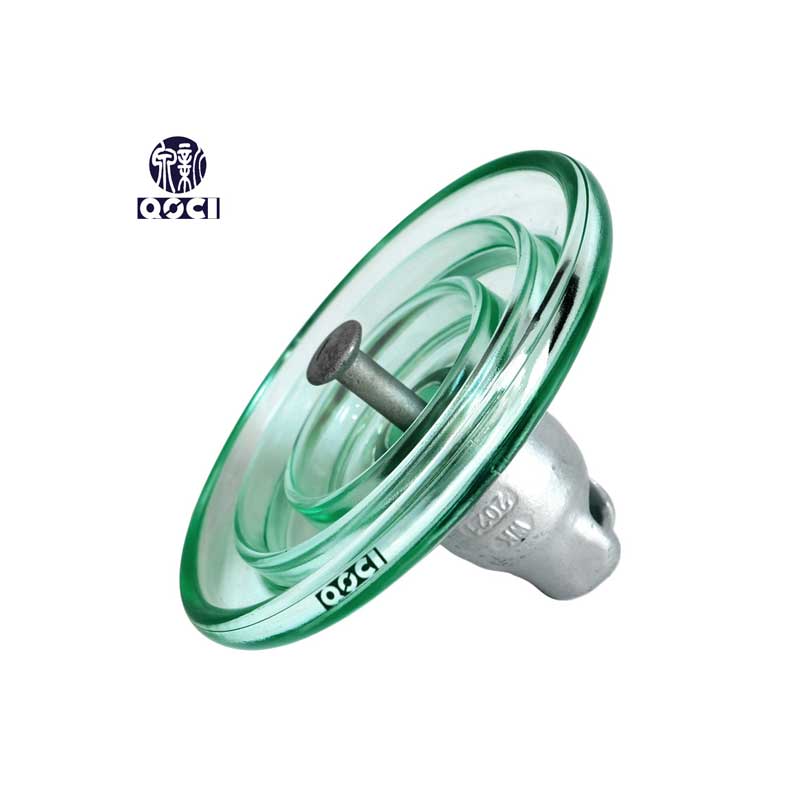
Leakage distance higher than IEC 60305 standards. Shallow ribs for effective self-cleaning by wind or rain.
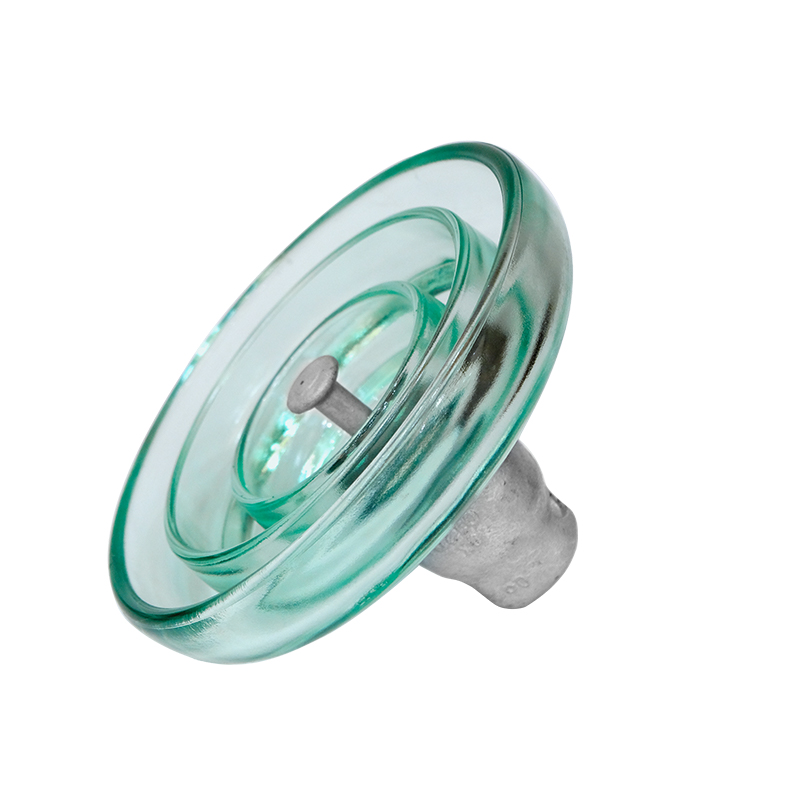
Characterized by long, widely-spaced under-ribs. Prevents arc bridging in salt-fog and heavy industrial pollution.
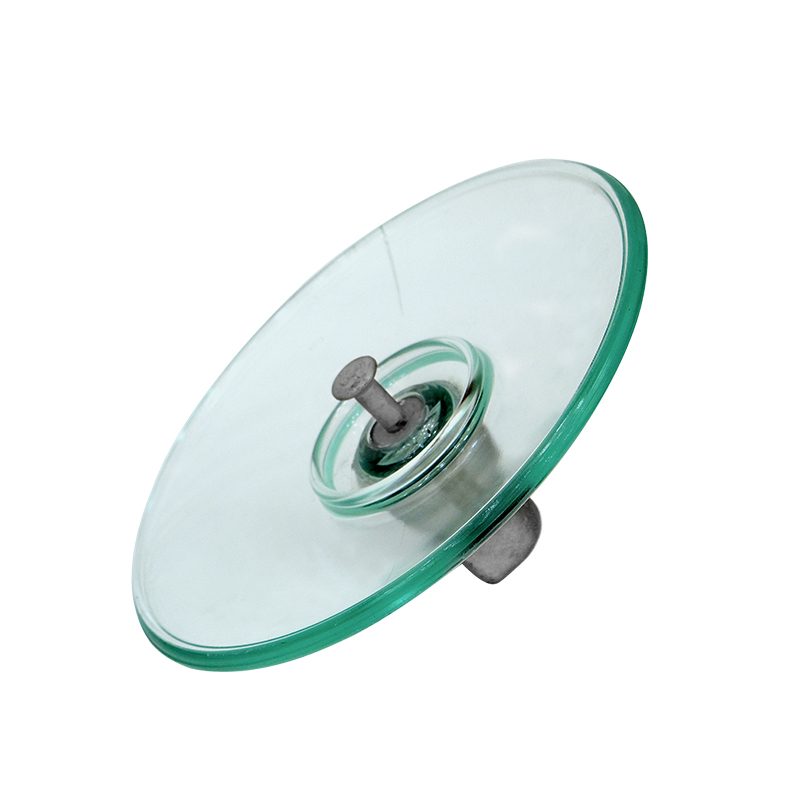
Absence of under-ribs prevents solid pollution (dust, sand) accumulation. Ideal for desert environments.
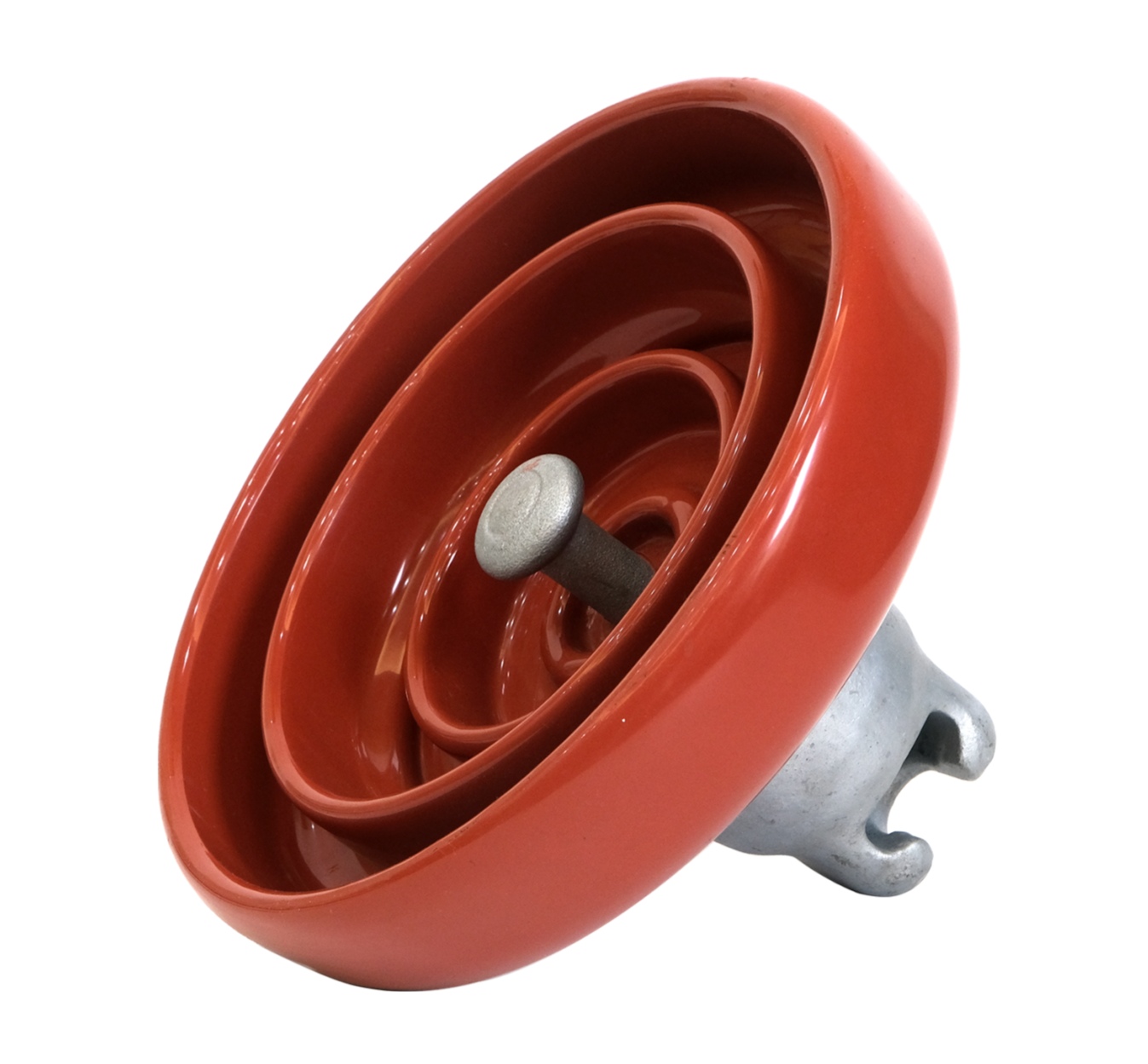
Eliminates the need for regular manual cleaning while maintaining toughened glass mechanical reliability.
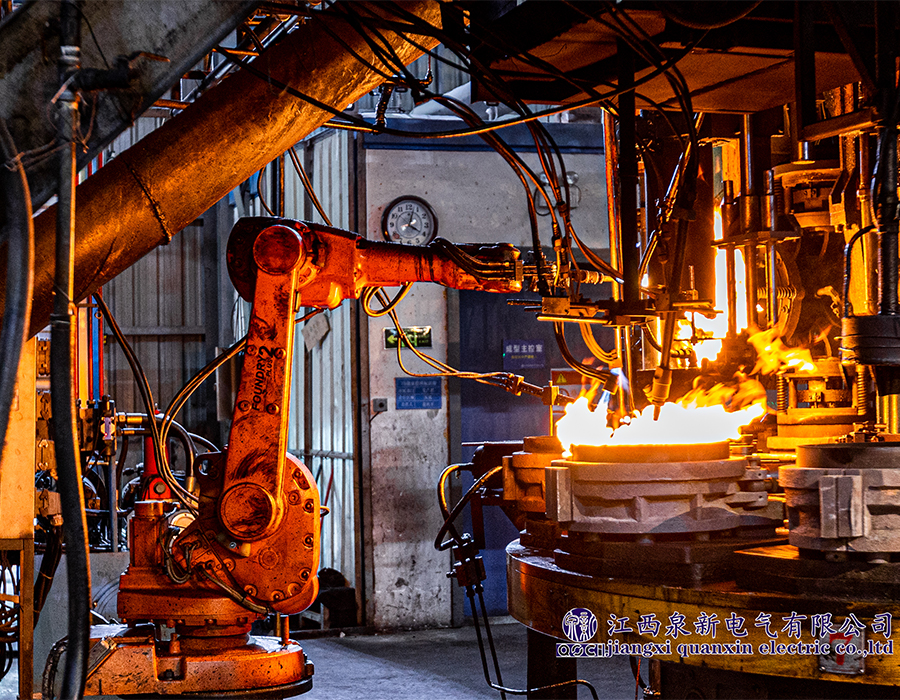
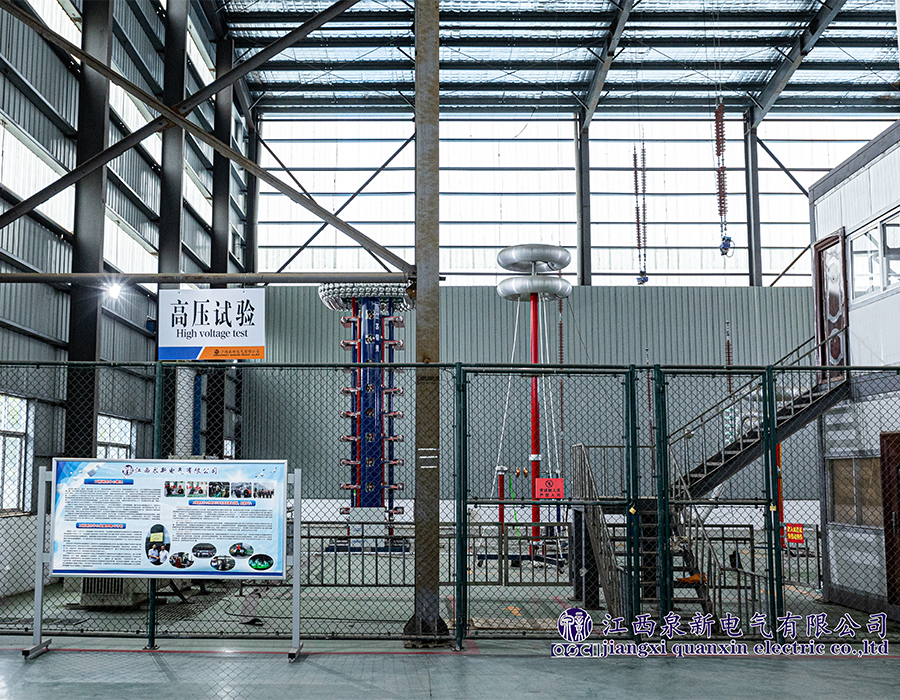
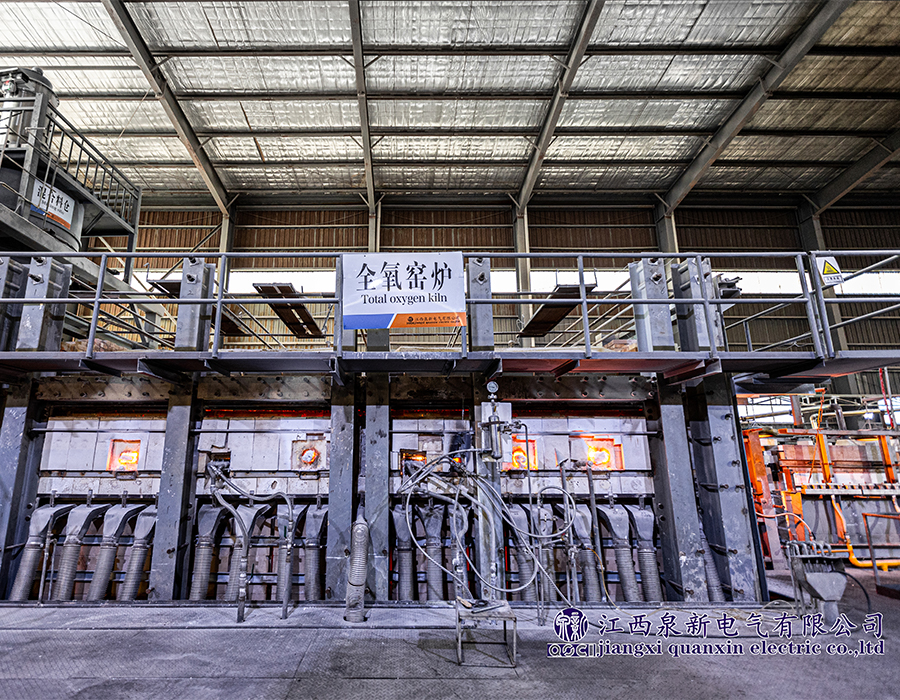
Responsibility is our guarantee. Every insulator undergoes rigorous High Voltage Testing and thermal shock resistance screening to ensure 0% failure in the field. Our certifications (ISO 9001, IEC 60305) reflect our commitment to global standards.
Join QOCI ELECTRIC at the powerhouse event to explore the latest in UHV transmission technology and our new patent-pending aerodynamic insulators.
As the African energy transition accelerates, QOCI is providing robust insulation solutions for the continent's growing renewable energy grid.
China's insulator industry has reached a mature portfolio capable of withstanding extreme icing, typhoons, and high-altitude challenges.