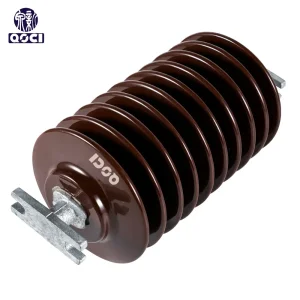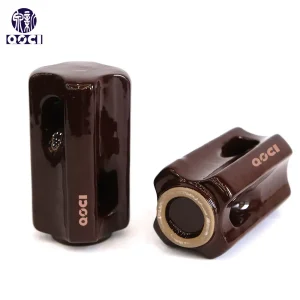
In the evolving landscape of global energy transmission, the demand for robust, anti-pollution glass insulators has surged. As power grids expand into coastal regions, desert environments, and highly industrialized zones, the integrity of high-voltage lines is constantly threatened by environmental contaminants. Salt spray, industrial dust, and avian interference are no longer mere localized issues but global strategic challenges for grid operators.
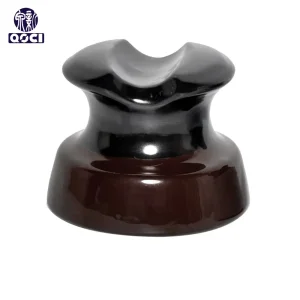
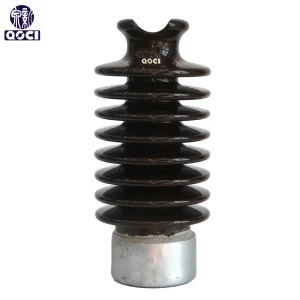
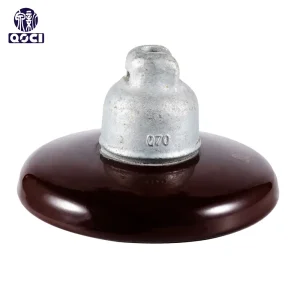
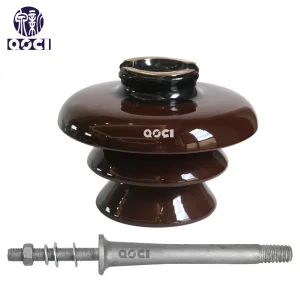
This white paper explores the technical evolution of glass insulators from Jiangxi QOCI Electric Co. Ltd, a leader in the field since 2002. We analyze the shift from traditional porcelain to high-strength toughened glass, focusing on how specific geometric designs—such as fog-type and open-profile sheds—actively mitigate the risk of dry band arcing and leakage current.
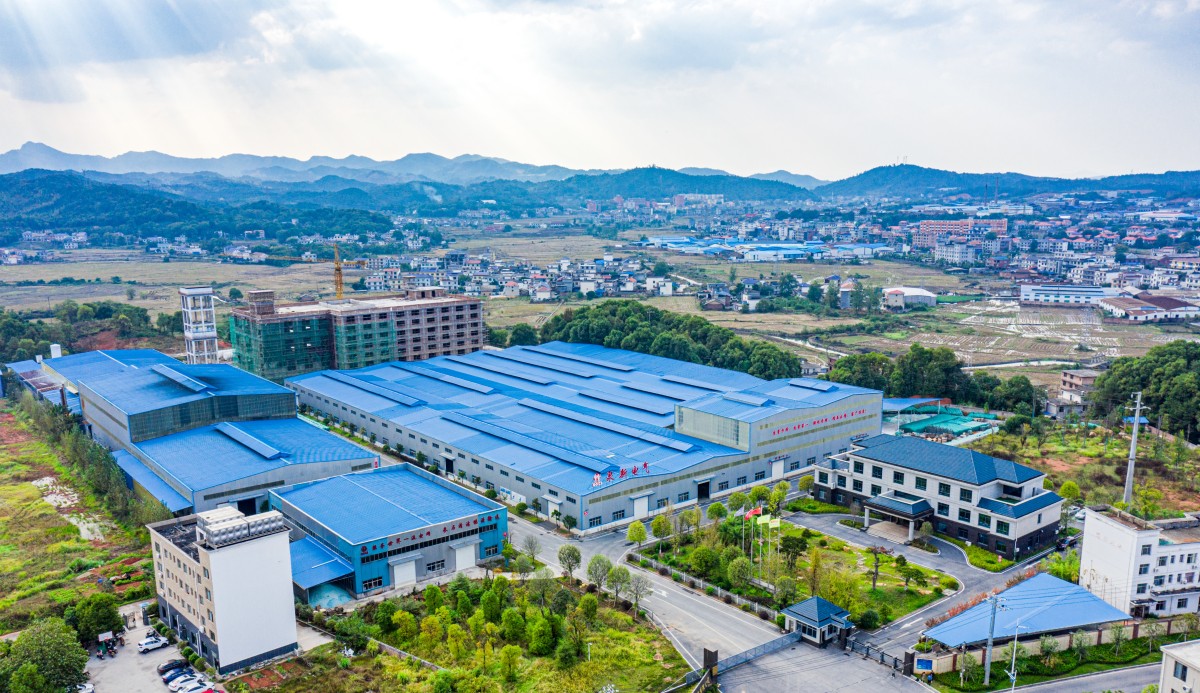
Founded in December 2002 with a registered capital of 508 million Yuan, Jiangxi QOCI Electric has grown into a world-class manufacturing hub. Located in Luxi County, Jiangxi Province, our facility spans 70,000 m² of state-of-the-art production space.
Our commitment to excellence is backed by 53 engineering technicians and over 26 patents in insulator technology. We don't just manufacture; we innovate to ensure the safety of the global power grid.
Plant Area (m²)
Annual Output (Tons)
Engineers
Patents
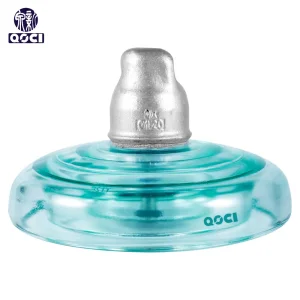
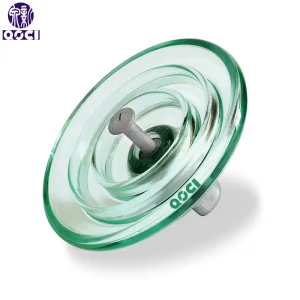
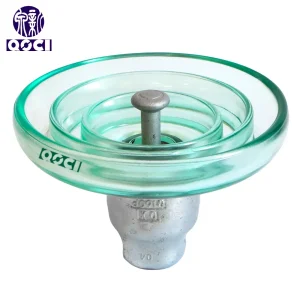
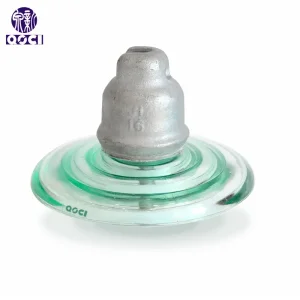
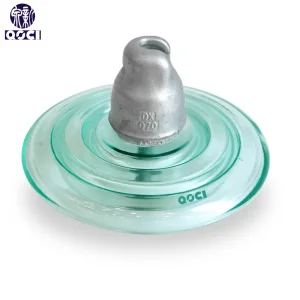
Characterized by long, widely-spaced under-ribs to prevent arc bridging. Essential for salt fog coastal zones, offering a leakage distance/spacing ratio of 3.2.
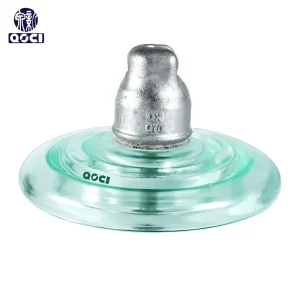
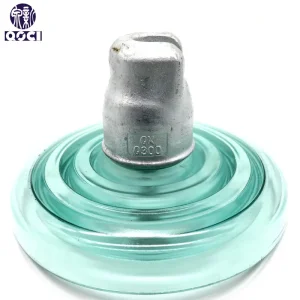
Absence of under-ribs minimizes solid deposit accumulation (sand/dust). Optimized for desert regions where wind self-cleaning is primary.
Hybrid solution combining glass mechanical strength with composite hydrophobicity. Drastically reduces maintenance costs by eliminating the need for periodic washing.
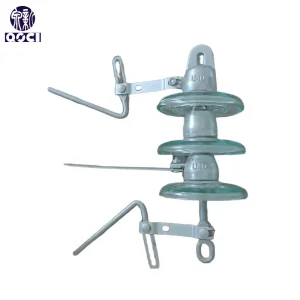
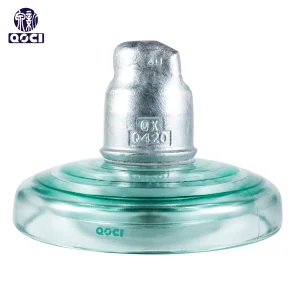
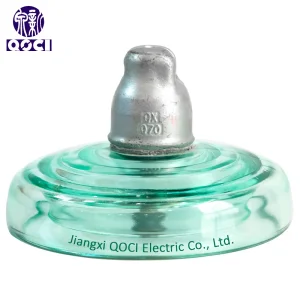
A flagship for UHV (Ultra-High Voltage) lines. Three layers of separation ensure maximum electrical stability in humid, high-altitude environments.
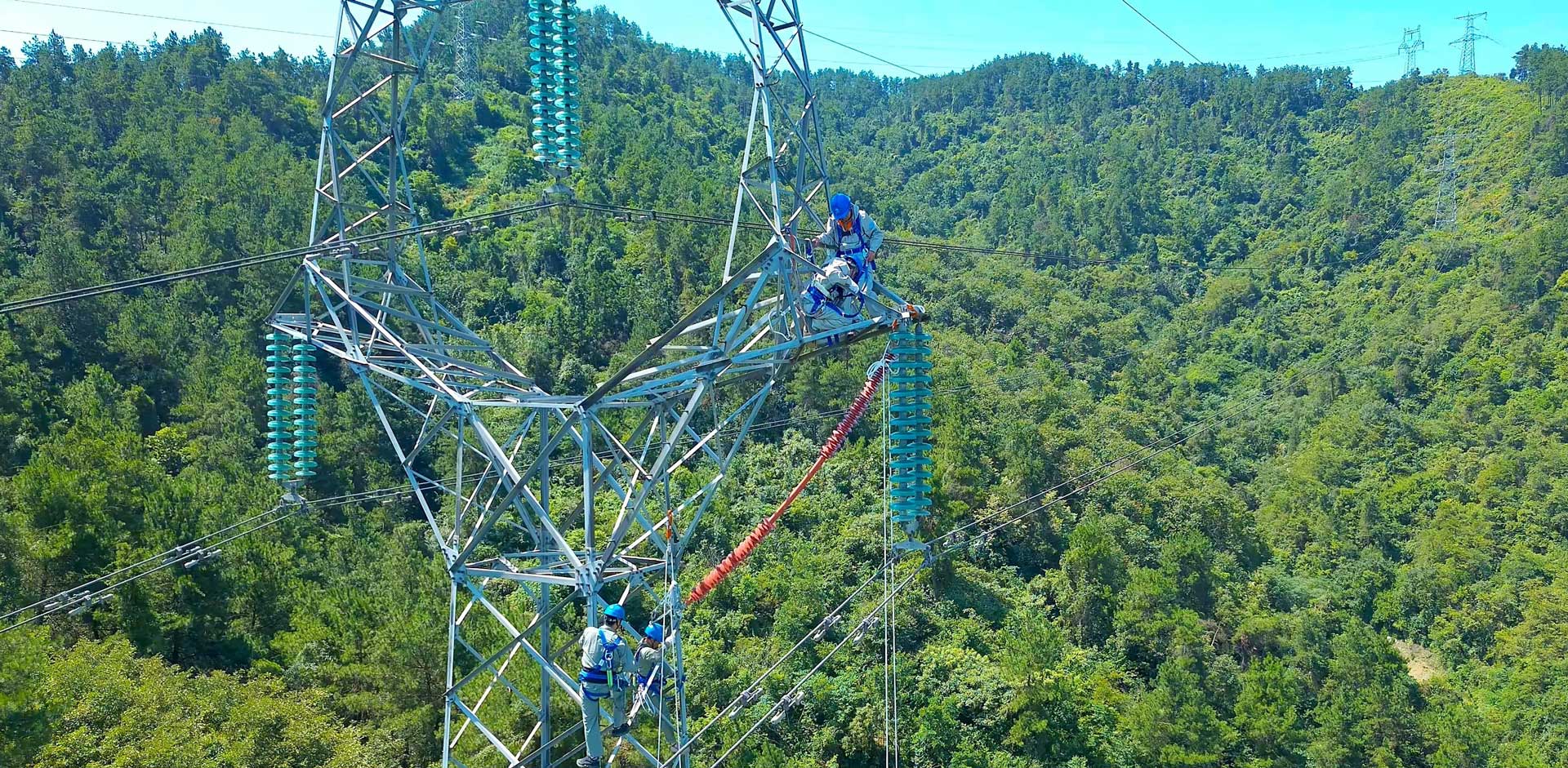
As nations pivot toward renewable energy, the integration of offshore wind and remote solar farms requires transmission lines that cross diverse ecological zones. Procurement managers are increasingly looking for "Total Cost of Ownership" (TCO) efficiency. Our glass insulators provide a service life exceeding 50 years with zero-puncture reliability.
Industrial Scenarios:
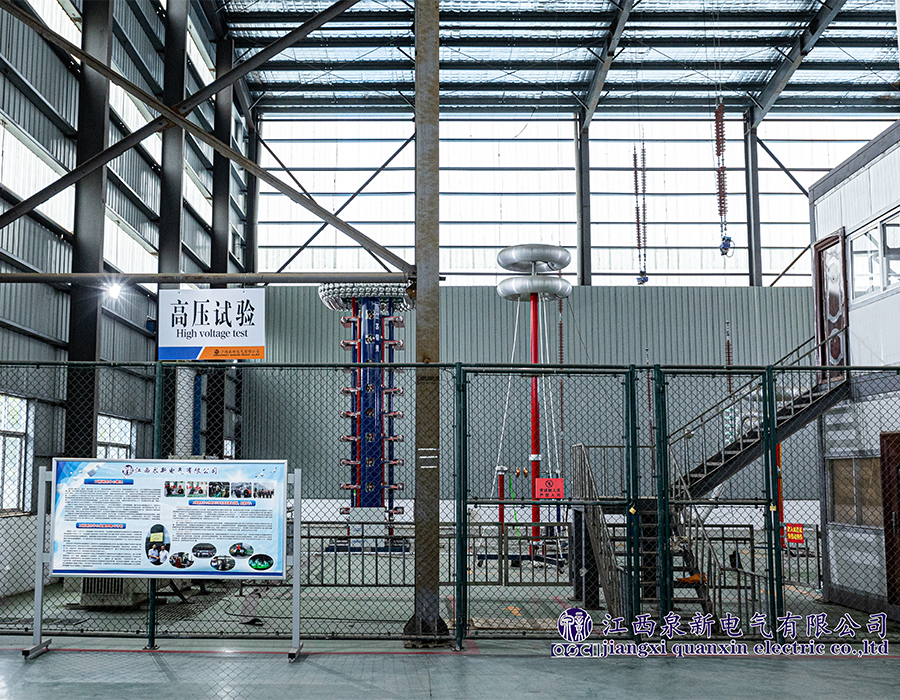
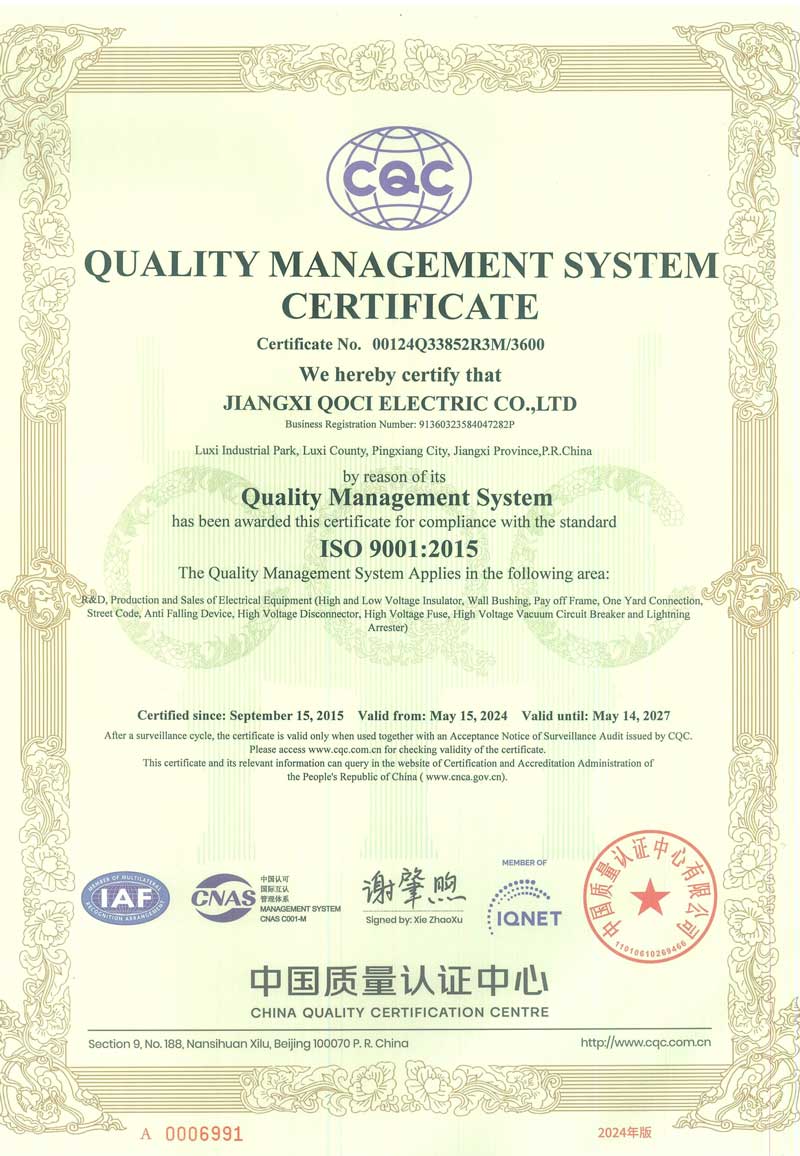
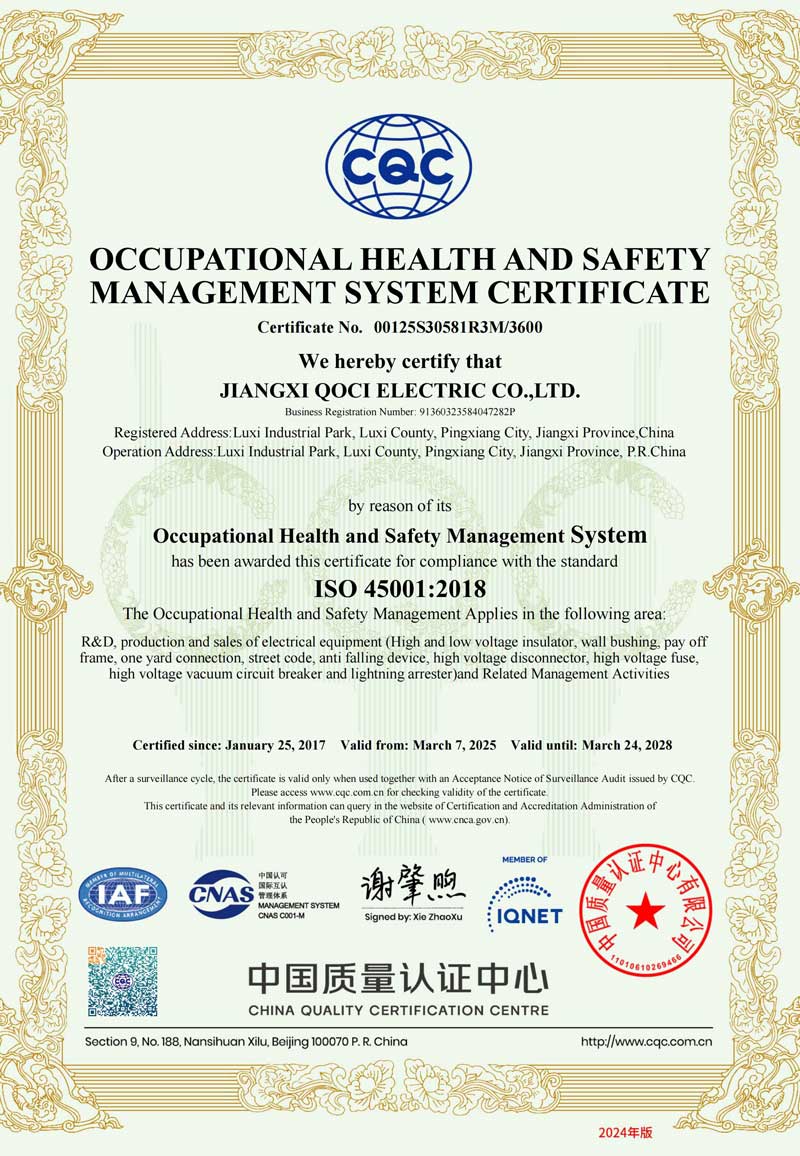
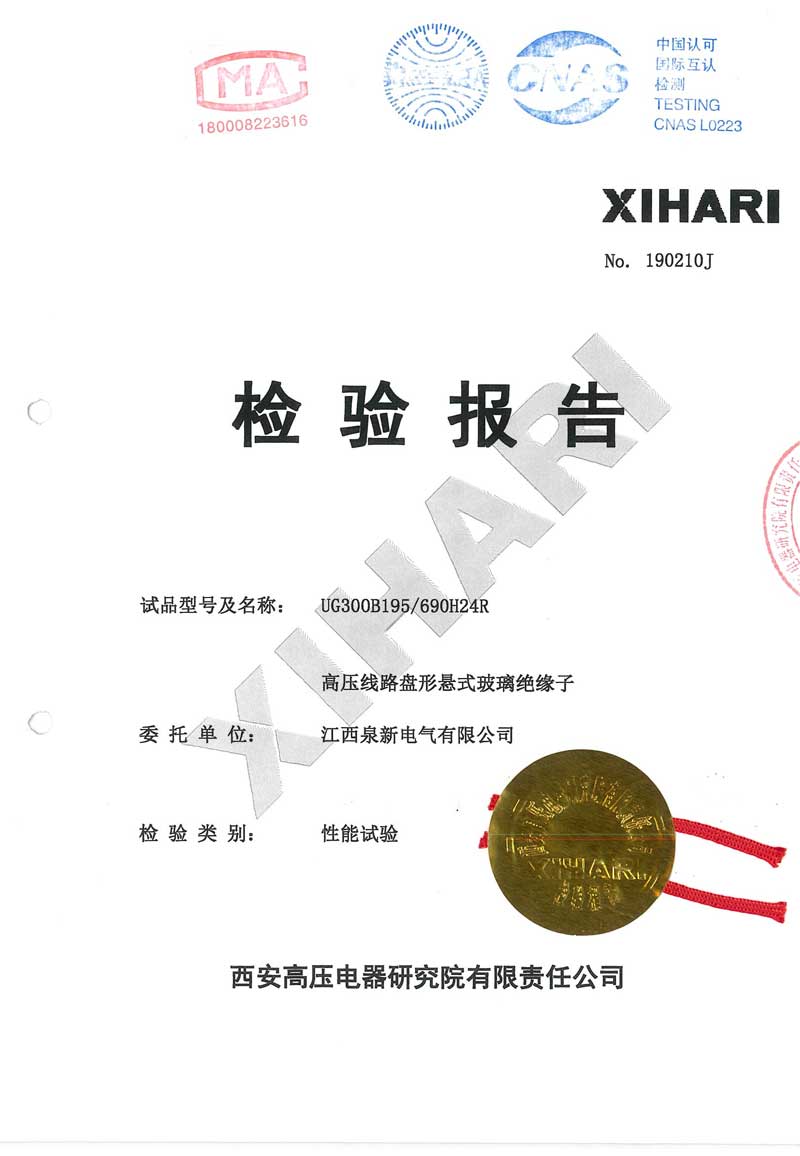
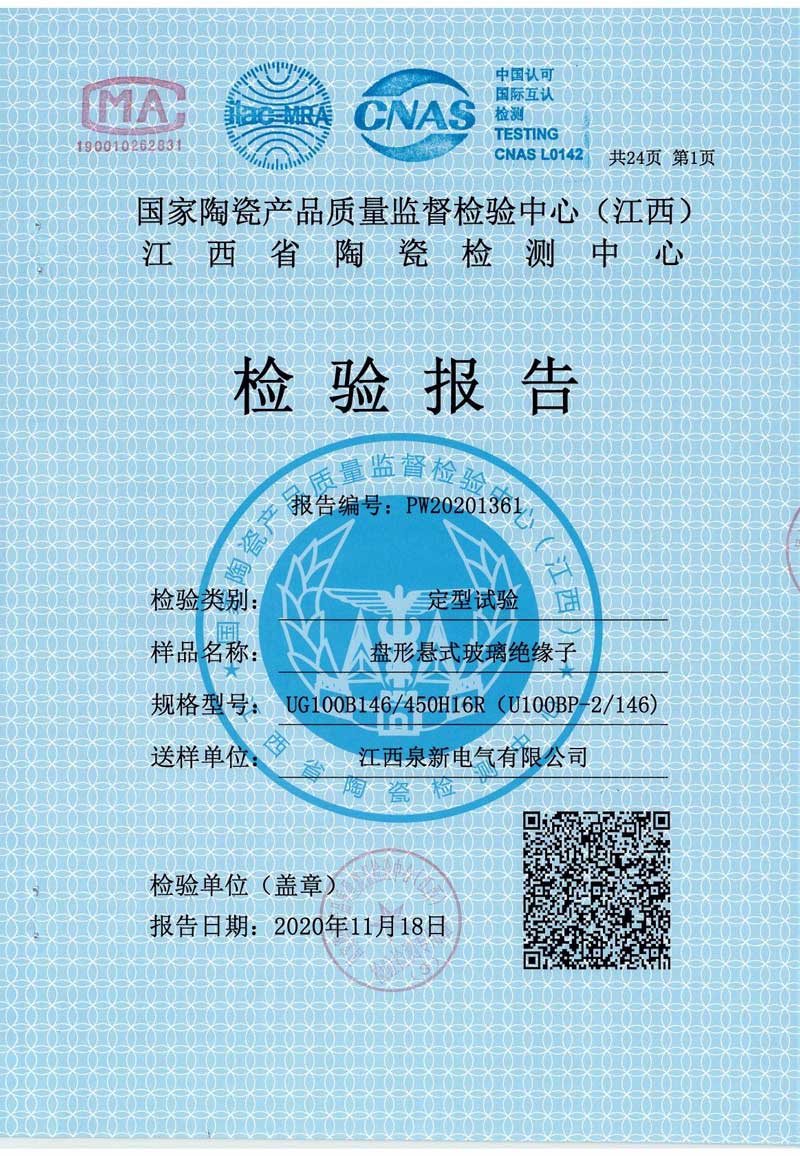
Our quality assurance protocol adheres to IEC 60305, ANSI, and ISO standards. Each insulator undergoes rigorous testing, including thermal shock tests, mechanical load tests, and steep-front wave impulse tests to ensure absolute reliability in the field.
QOCI Electric provides localized technical support across five continents. We understand that local grid codes differ; whether you require ANSI standards for North America or IEC profiles for Europe and Asia, our engineering team provides custom-tailored solutions. Our participation in global expos like Enlit Africa and IEEE PES T&D underscores our role as a pivotal player in international power infrastructure.
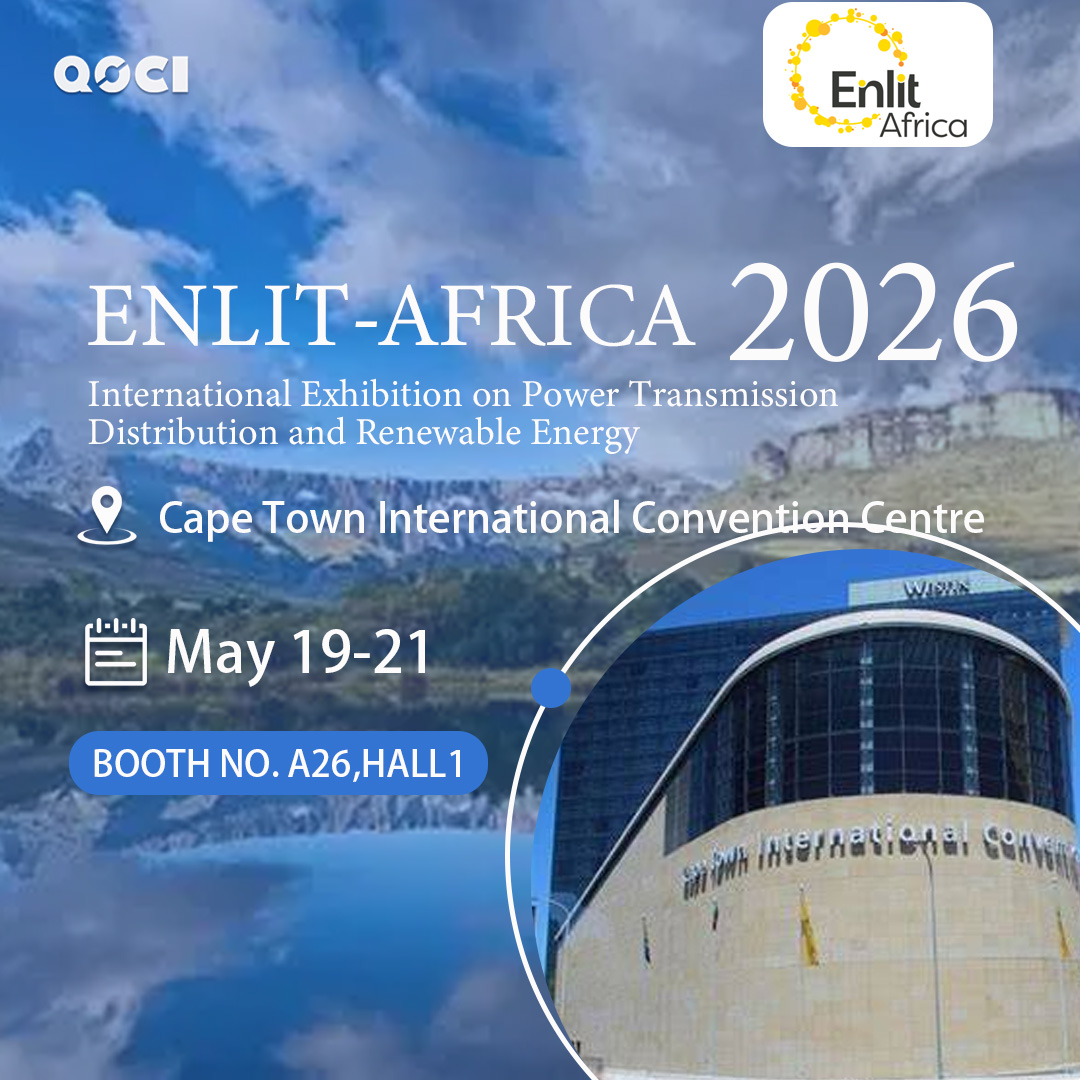
As the global energy transition accelerates, the importance of electricity, renewable energy, and energy storage technologies is becoming increasingly critical. QOCI Electric is at the forefront of these discussions.
Having withstood extreme icing and typhoons, our technology is now a mature portfolio for global exports.
Showcasing the next generation of UHV glass insulators at the premier powerhouses event.
Confirmed attendance at the 11th Iraq Energy Expo to support regional grid stabilization.
Glass insulators are "toughened." If a fault occurs, the glass shatters but the internal stub maintains mechanical line tension. This "zero-puncture" visibility allows for easy helicopter or drone inspection. Furthermore, glass surfaces are smoother and less porous than porcelain, leading to better natural washing by rain.
According to IEC 60815, coastal areas are often classified as "Very Heavy" pollution levels (Class E). This typically requires a unified specific creepage distance (USCD) of 53.7 mm/kV. Our Anti-Pollution Fog Type insulators are designed specifically to meet and exceed these requirements.
RTV (Room Temperature Vulcanization) silicone coating adds a hydrophobic layer to the glass. This causes water to bead rather than form a continuous film, effectively suppressing the formation of leakage currents even when the insulator is covered in salt or dust.
Yes, our Triple-Shed and 420kN series are specifically engineered for AC and DC transmission lines ranging from 500kV to 1100kV, providing the mechanical strength and electrical clearance required for such massive infrastructure projects.
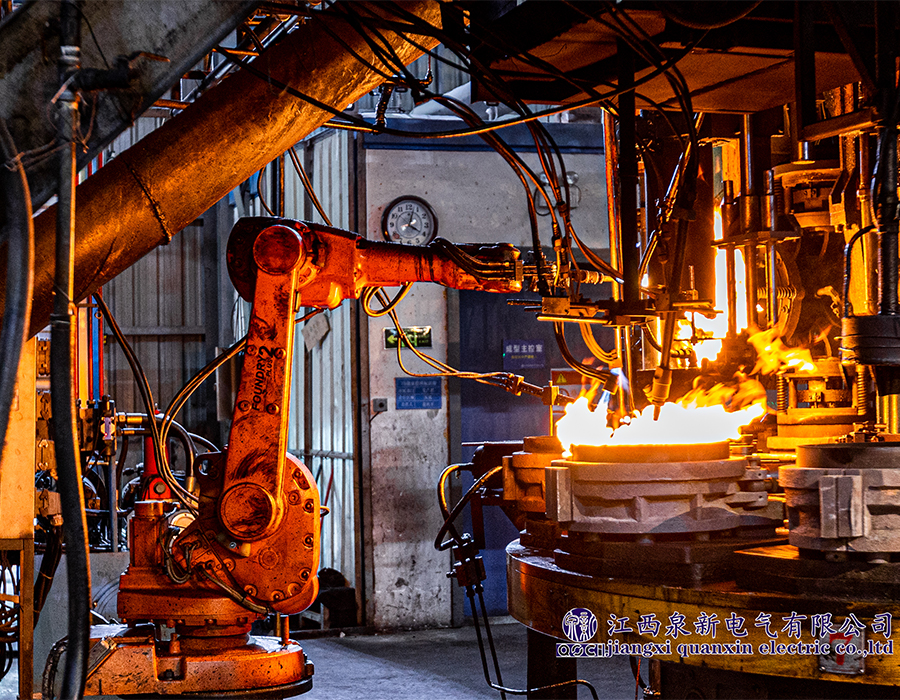
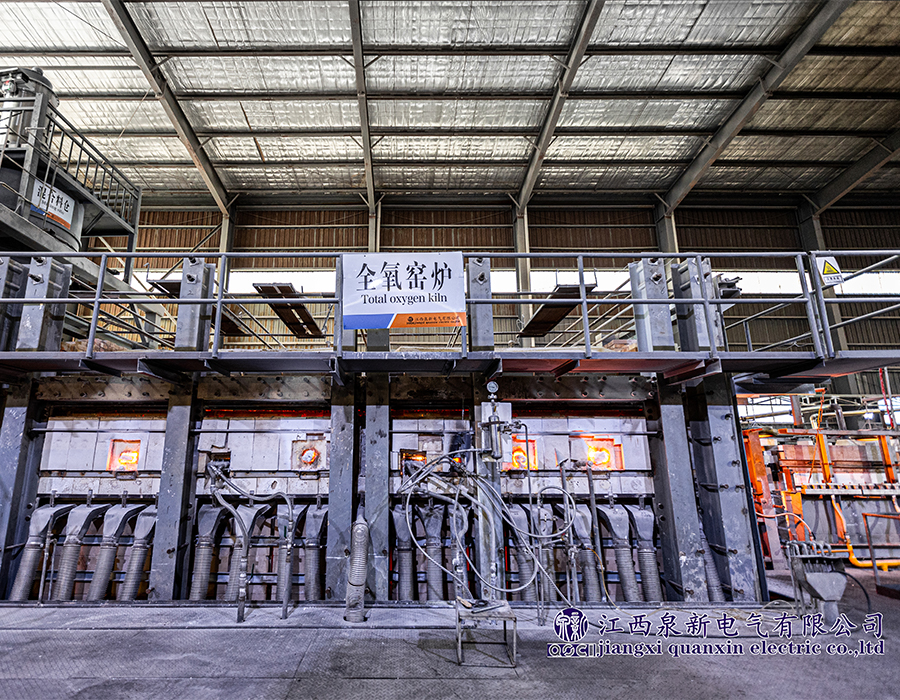
We use high-purity silica sand and specialized chemical additives in our total oxygen kilns. This ensures the glass has zero internal inclusions, preventing spontaneous breakage and ensuring long-term thermal stability.