In the realm of high-voltage transmission, creepage distance is the shortest path along the surface of an insulating material between two conductive parts. For manufacturers, optimizing this distance is critical to prevent "tracking" and flashover, especially in environments plagued by salt spray, industrial dust, or humidity. Our insulators are engineered to exceed IEC 60305 requirements, providing an enhanced safety margin for 220kV to 1000kV UHV projects.
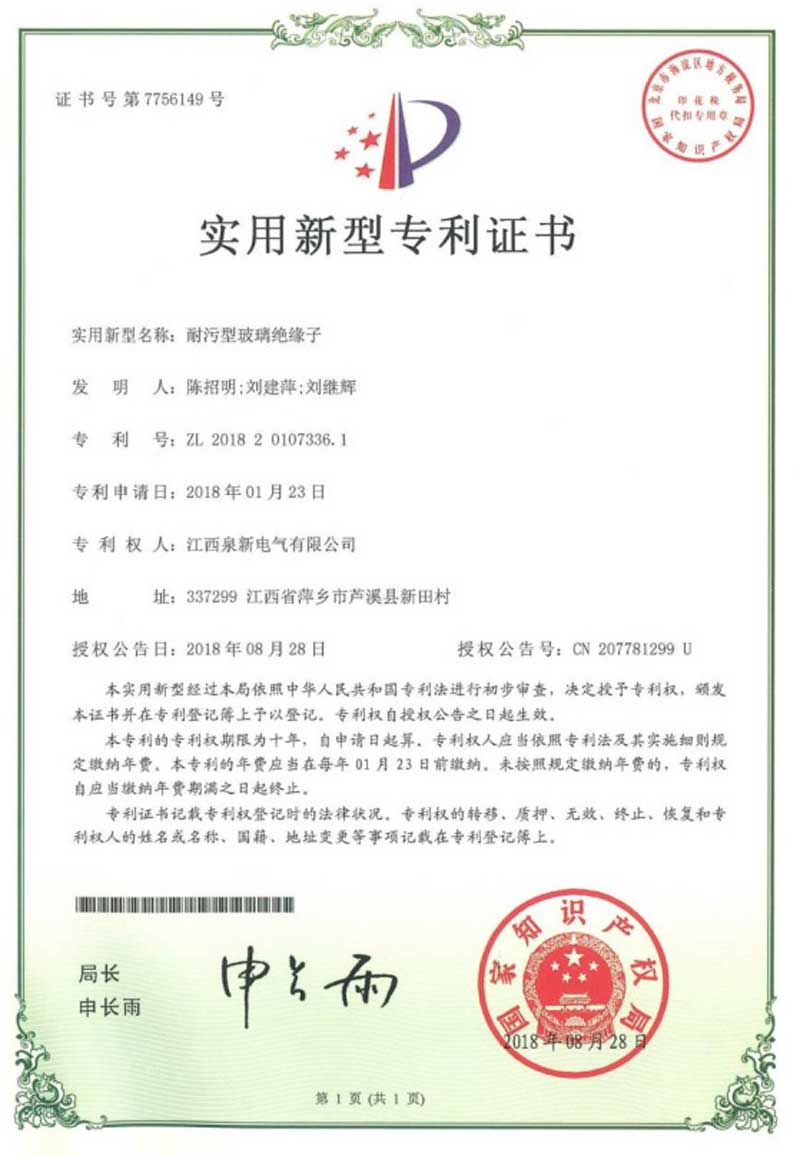
Founded in 2002, Jiangxi QOCI Electric Co. Ltd operates with a registered capital of 508 million Yuan. We don't just supply; we innovate. With over 26 invention patents and a dedicated team of 53+ engineering technicians, we provide "Information Gain" to the industry by sharing longitudinal data on the performance of RTV-coated glass insulators in coastal versus desert environments.
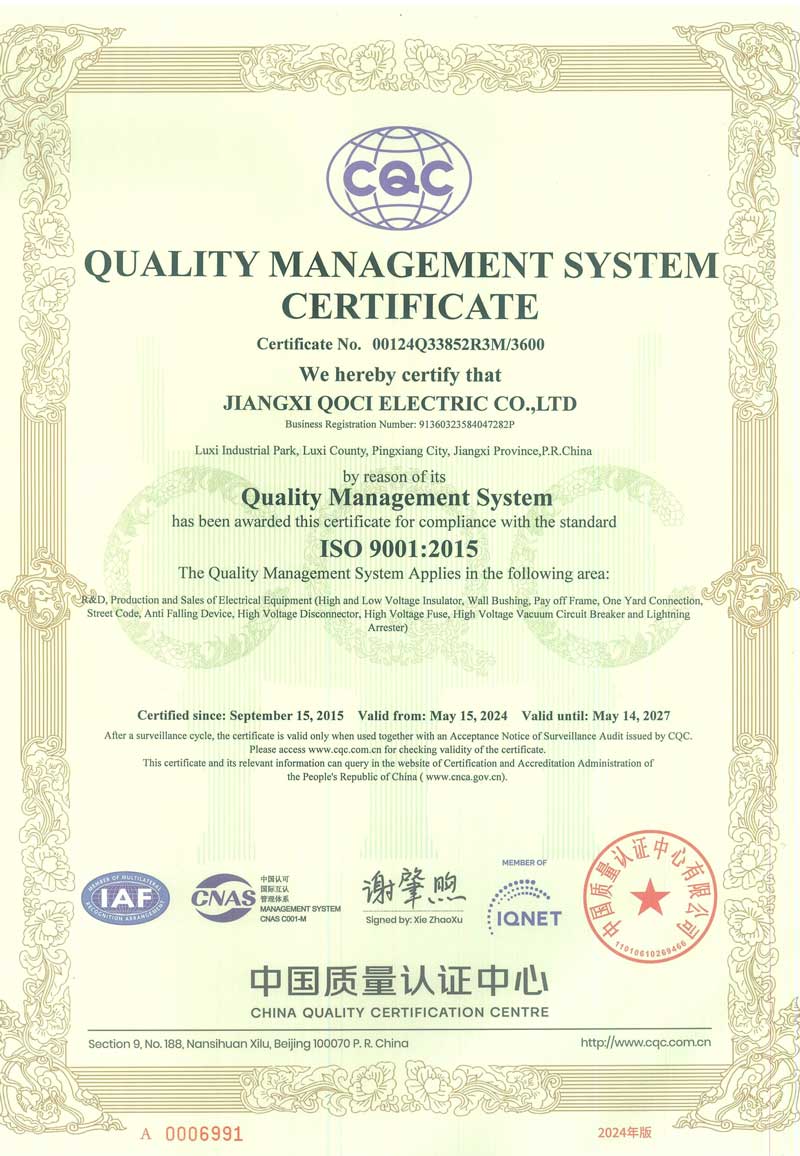
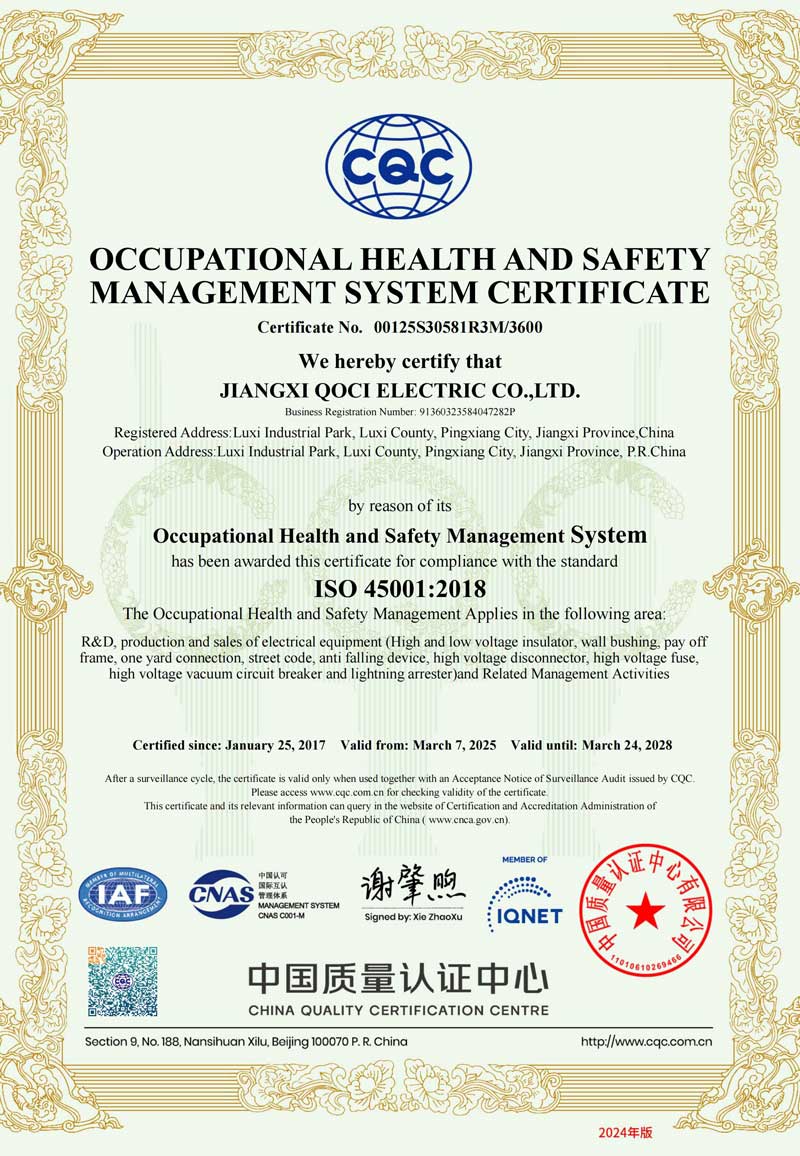
Navigating international standards like ANSI, IEC, and AS is our forte. We offer localization support for global enterprises, ensuring that every batch of toughened glass insulators meets the specific climatic demands—be it the extreme heat of the Middle East or the icy rime conditions of Northern Europe. Our compliance framework is built on ISO 9001, 14001, and 45001 certifications.
Plant Area (m²)
Annual Output (Tons)
Registered Capital (RMB)
Active Patents
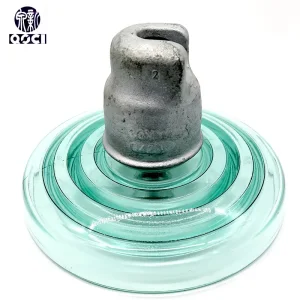
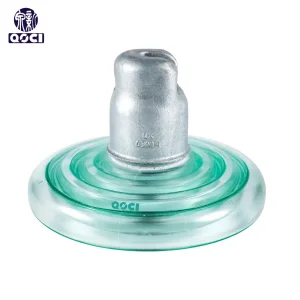
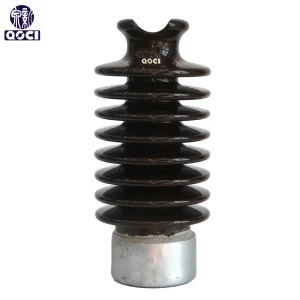
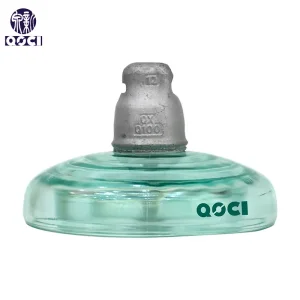
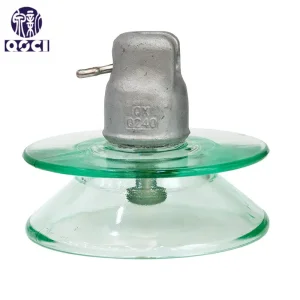
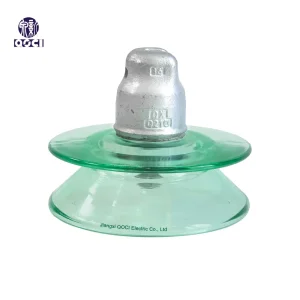
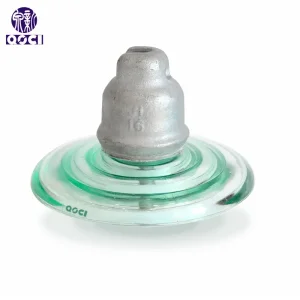
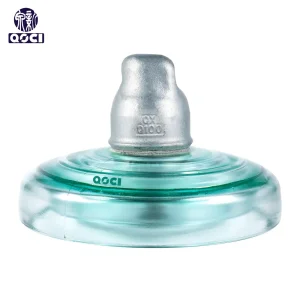
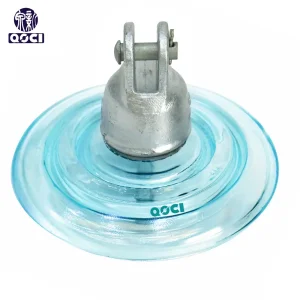
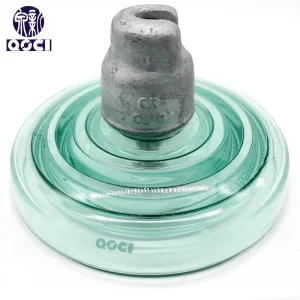
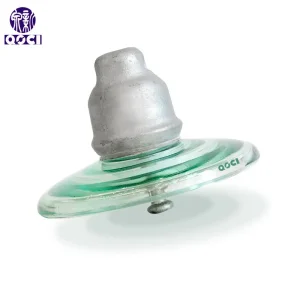
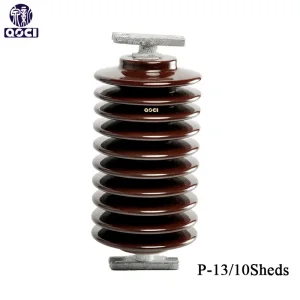
Decoding the specific utility of different glass insulator shed designs for optimized creepage distance.
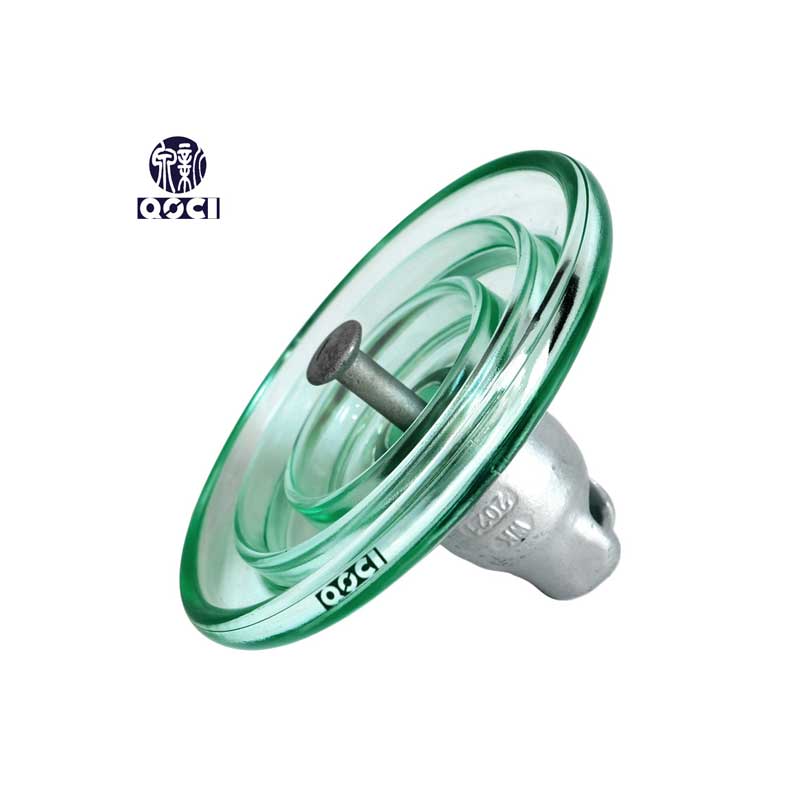
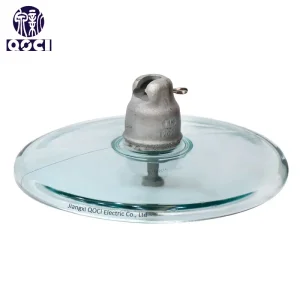
Designed for low to medium pollution areas. The shallow, well-spaced ribs facilitate self-cleaning by natural precipitation. These are the workhorses of standard AC grid construction.
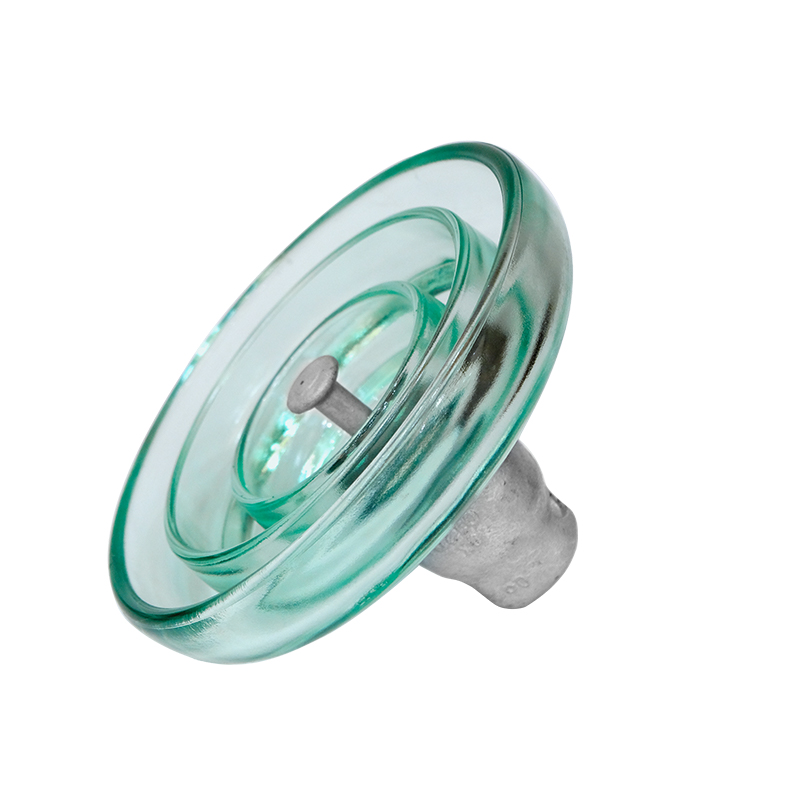
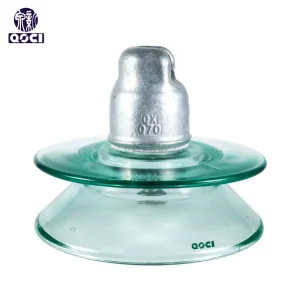
Features long, widely-spaced under-ribs to prevent arc bridging in humid, salty conditions. With a leakage distance/spacing ratio of ~3.2, they are the preferred choice for coastal high-voltage lines.
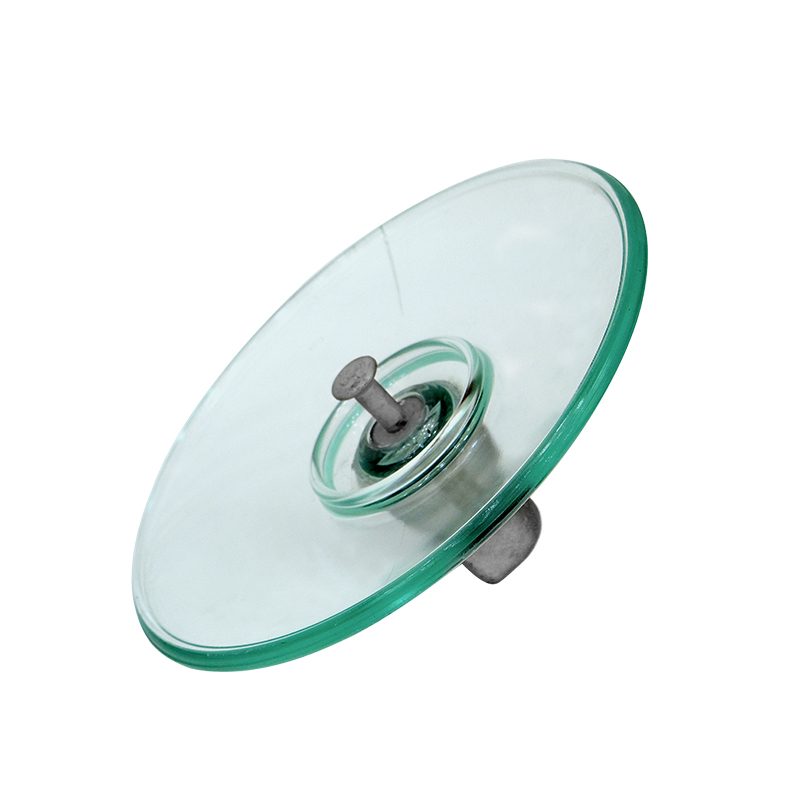
Ideal for desert regions. The absence of under-ribs prevents the accumulation of sand and solid pollutants. This aerodynamic design ensures grid stability during sandstorms.
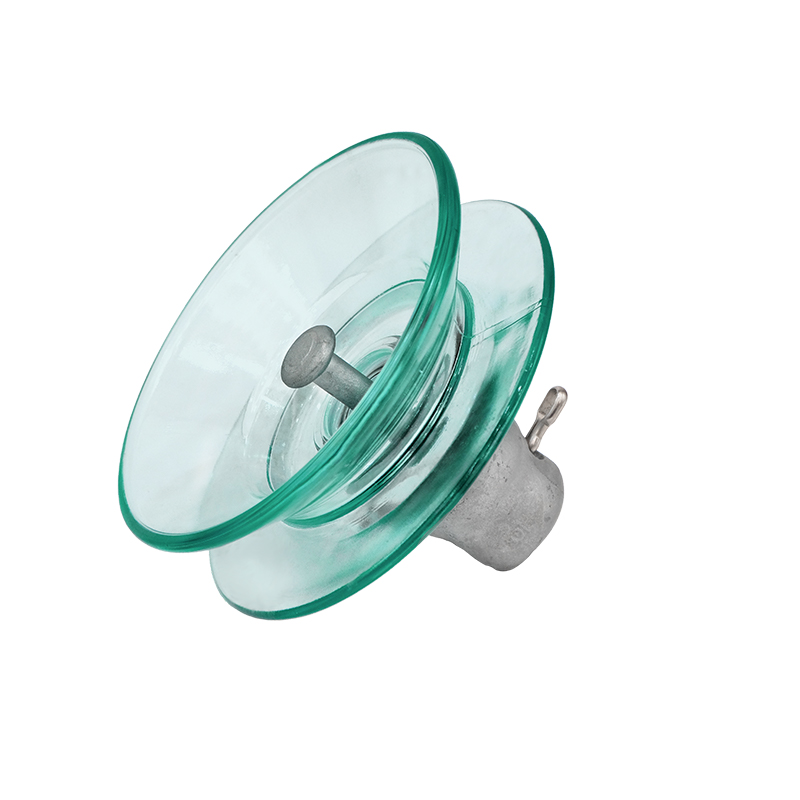
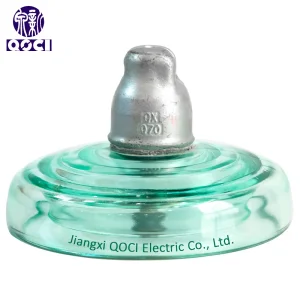
Utilizes two external ribs to maximize creepage distance without increasing the weight of the string significantly. Excellent for industrial pollution zones where manual cleaning is infrequent.
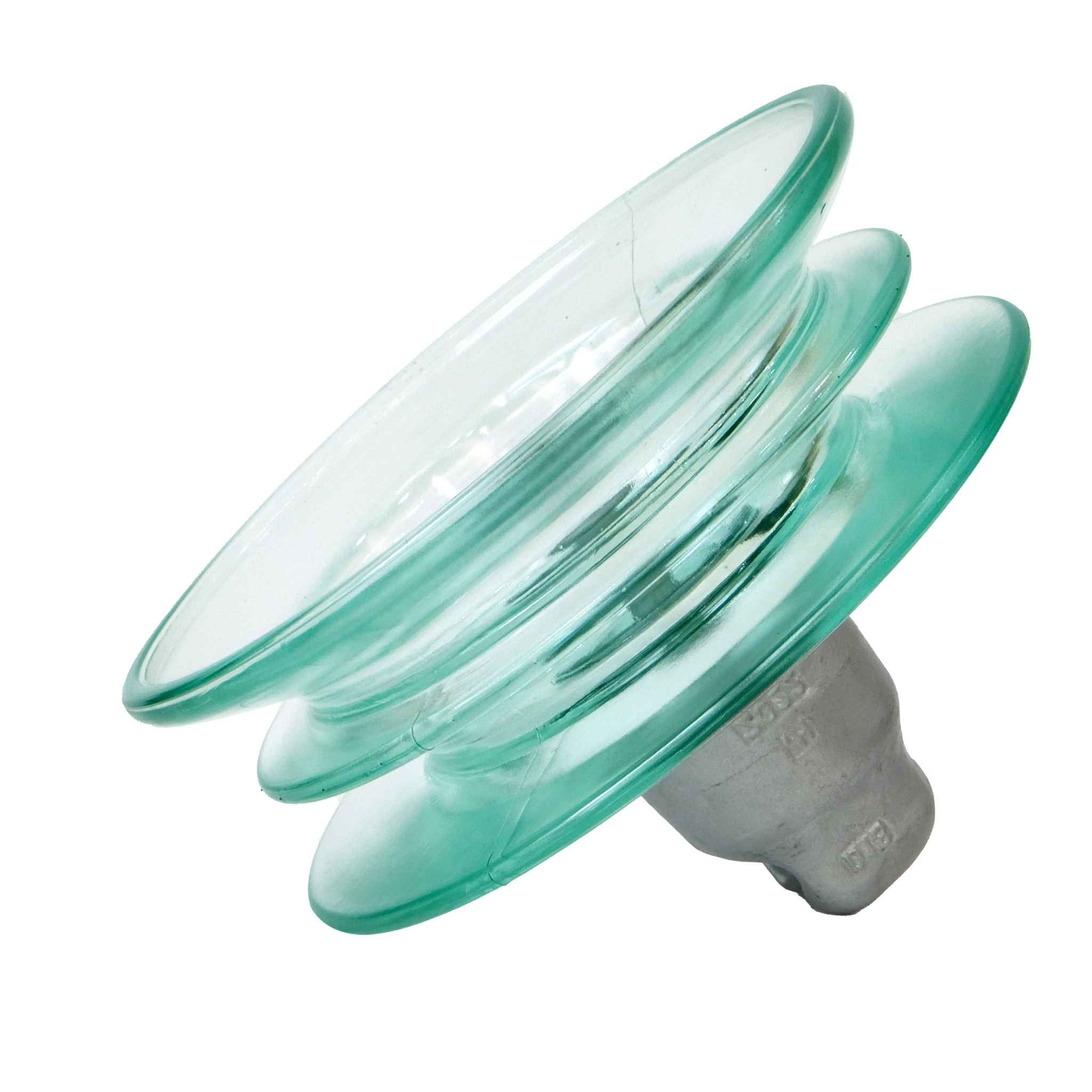
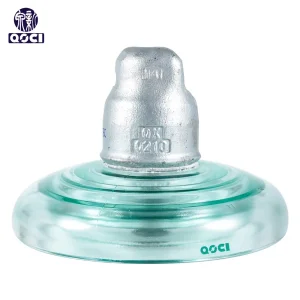
The pinnacle of UHV (Ultra-High Voltage) engineering. Three layers of umbrella discs provide the longest available creepage distance per unit, vital for 800kV and 1000kV DC transmission lines.
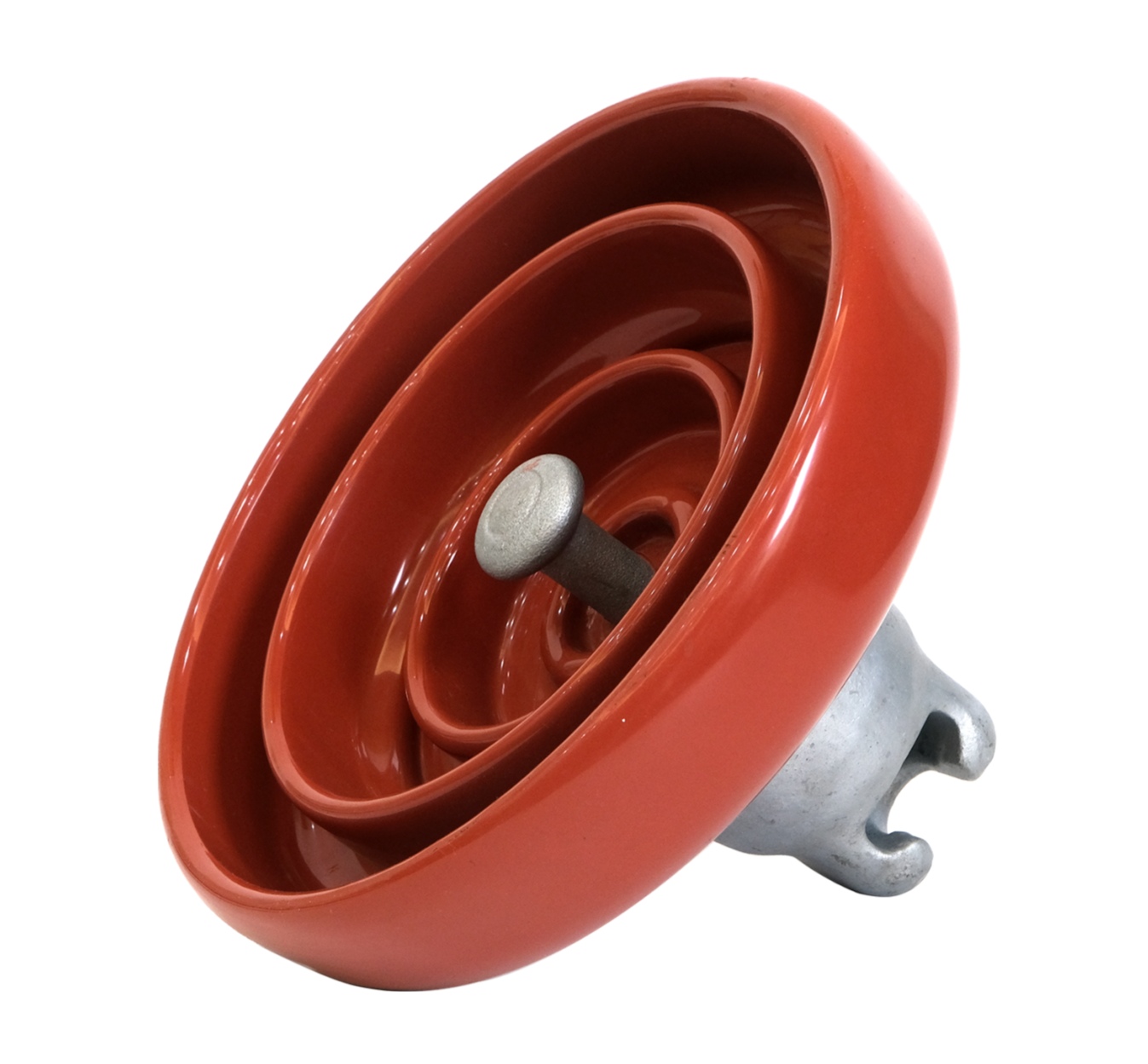
Combines the mechanical strength of toughened glass with the hydrophobicity of silicone. This technology eliminates the need for periodic washing, drastically reducing maintenance OPEX.
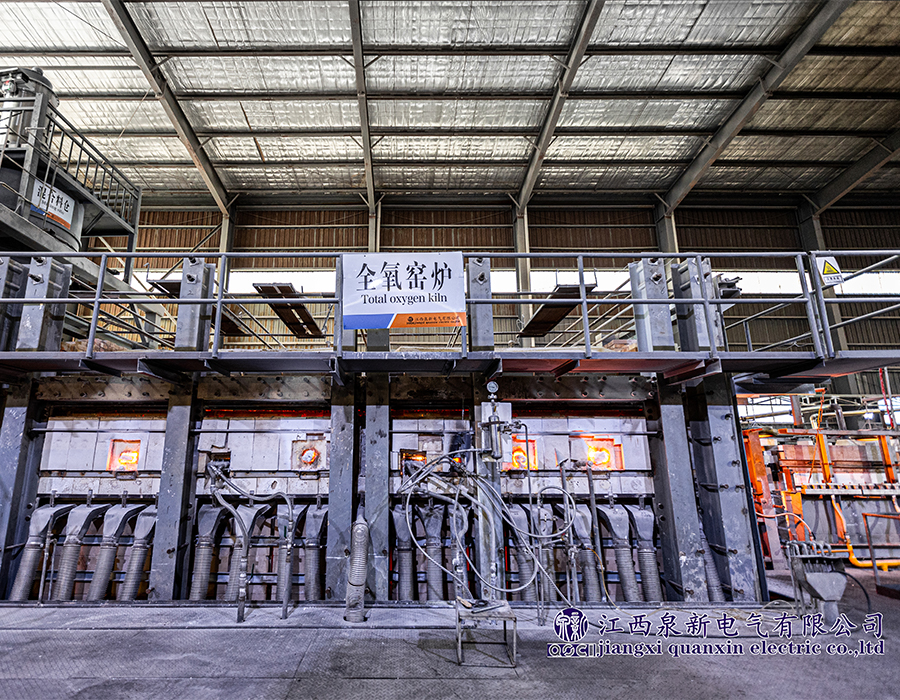
Our Total Oxygen Kiln technology ensures consistent glass quality, reducing the spontaneous breakage rate to industry-leading lows. This thermal precision is the foundation of our mechanical reliability.
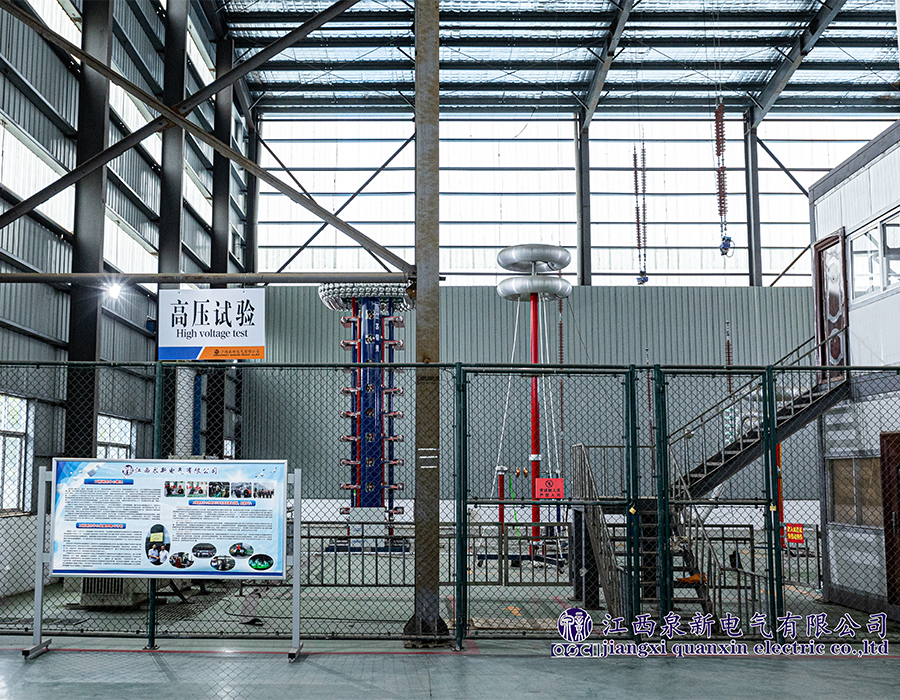
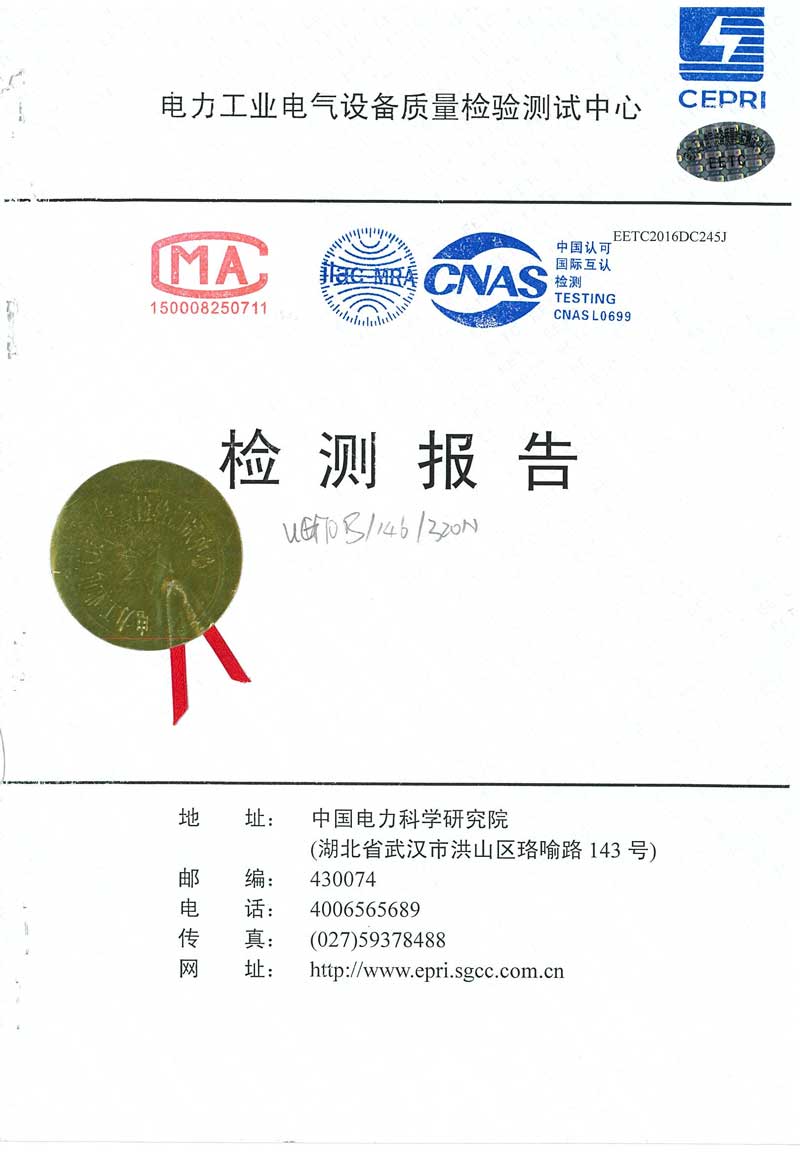
Every insulator undergoes a High Voltage Test and mechanical loading test before shipment. We provide full traceability from raw materials to final installation for EPC contractors.
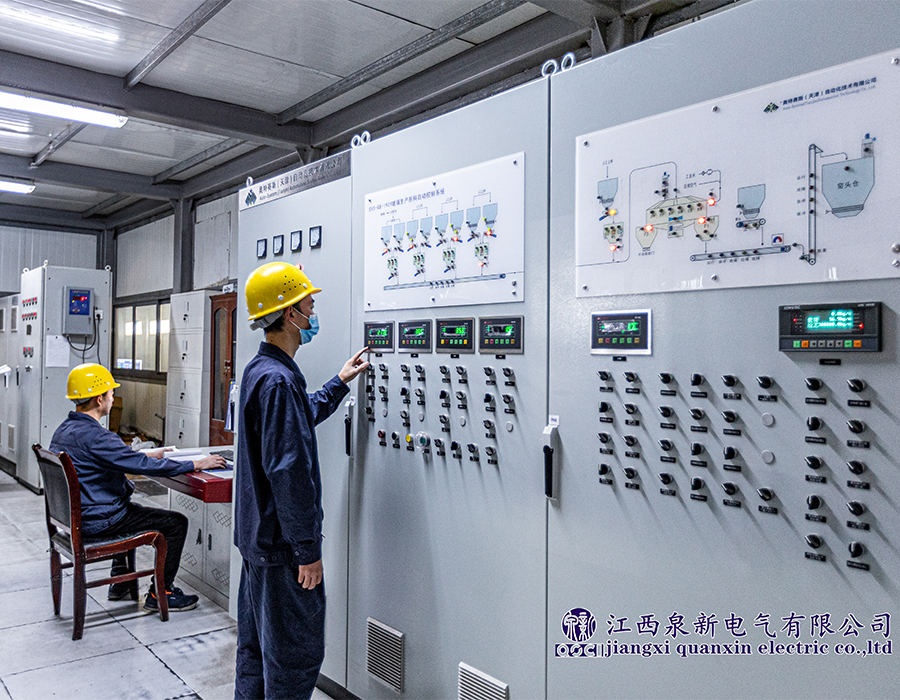
Located in Pingxiang, the "Capital of China's Electric Porcelain," we leverage a mature industrial cluster to source the finest raw materials, ensuring competitive pricing without compromising on IEC standards.
The global energy landscape is shifting towards Green Energy Integration. As wind farms and solar parks are often located in remote, harsh environments, the demand for high-creepage, low-maintenance insulators is skyrocketing. Strategic procurement now prioritizes:
Jiangxi QOCI Electric is at the forefront of this transition, participating in international expos like Enlit Africa and IEEE PES T&D to share our localized application success stories.
The required creepage distance depends on the pollution level of the area. Typically, for a moderate pollution zone, the Unified Specific Creepage Distance (USCD) is 25mm/kV, meaning a 220kV line would require approximately 5500mm of total creepage distance across the insulator string.
Toughened glass offers "visual self-diagnosis." If a glass insulator fails, the shell shatters, making it easy for maintenance teams to identify the faulty unit from the ground. Porcelain insulators can have internal cracks that are invisible to the naked eye, leading to unexpected outages.
Room Temperature Vulcanized (RTV) silicone coating provides a hydrophobic surface. When water hits the surface, it forms beads rather than a continuous film, preventing the formation of conductive paths even when the insulator is covered in pollutants like salt or dust.
Yes. Our engineering team can customize shed profiles and mechanical strength ratings (from 40kN to 530kN) to meet specific national grid standards and local climate requirements.