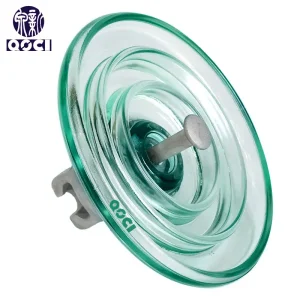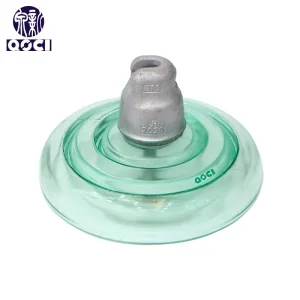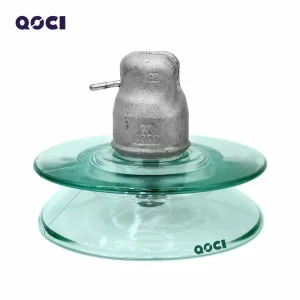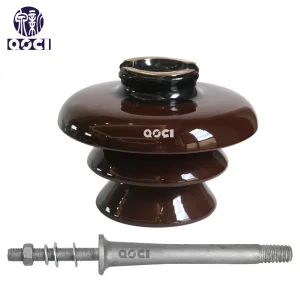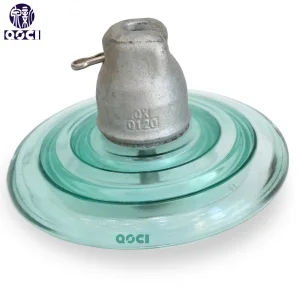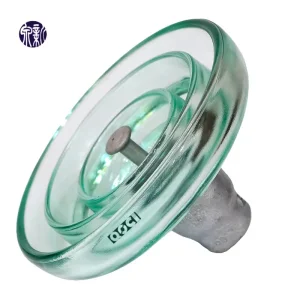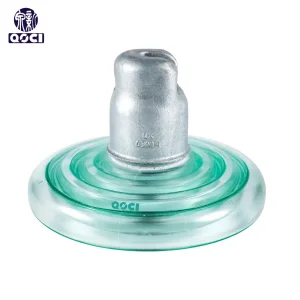
High-performance disc suspension glass insulators designed to secure global energy pipelines.
As the world pivots toward renewable energy and smart grid integration, ultra-high voltage (UHV) and extra-high voltage (EHV) transmission infrastructures require component materials that guarantee long-term stability, minimal line maintenance, and structural safety under extreme environmental conditions. The U160blp Toughened Glass Isolator (with a nominal electromechanical failing load of 160kN) represents a critical design threshold. It is increasingly specified in global power grid tenders due to its superior mechanical stability, excellent dielectric breakdown strength, and low degradation rates over multi-decade operational cycles.
Unlike porcelain or polymer composite options, toughened glass possesses the unique physical property of self-shattering (without drop-off) upon structural or electrical failure. This feature streamlines inspections, allowing utility operators to identify damaged modules from the ground without complex testing equipment.
Multiple macroeconomic and technological forces are altering high-voltage procurement criteria across Europe, the Americas, and the Asia-Pacific region:
Engineered variations optimized for specific geographical, pollution, and climate demands.
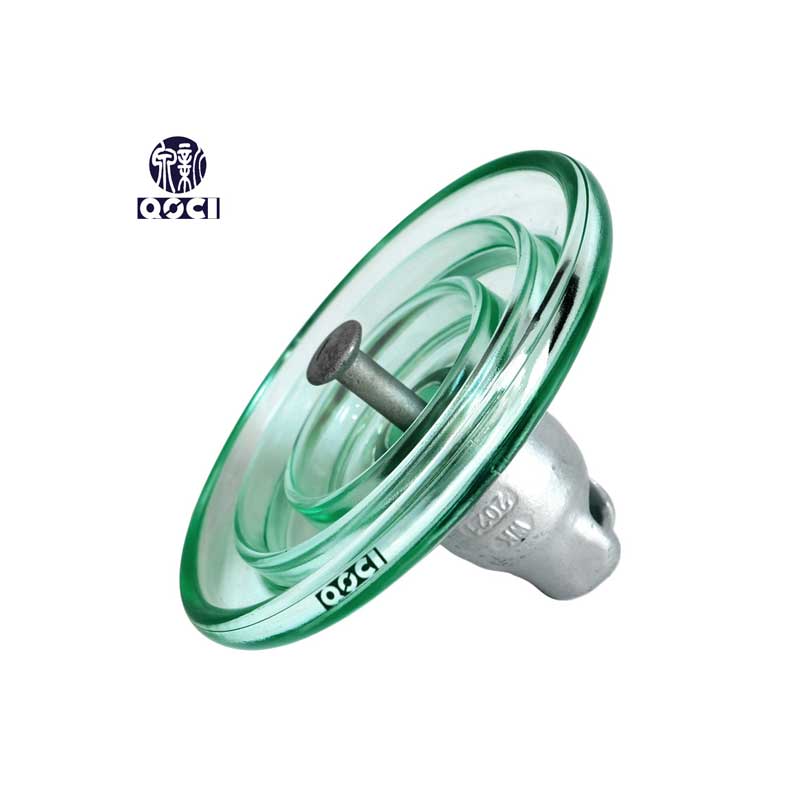
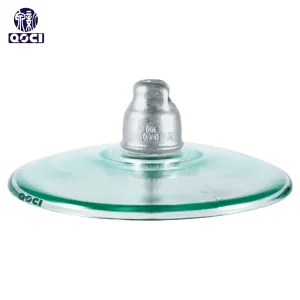
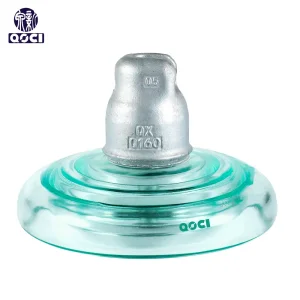
Designed with shallow, well-spaced ribs that optimize self-cleaning via wind and rain. Creepage distance exceeds typical standards, reducing leakage current in moderate climates.
Explore Technical Documentation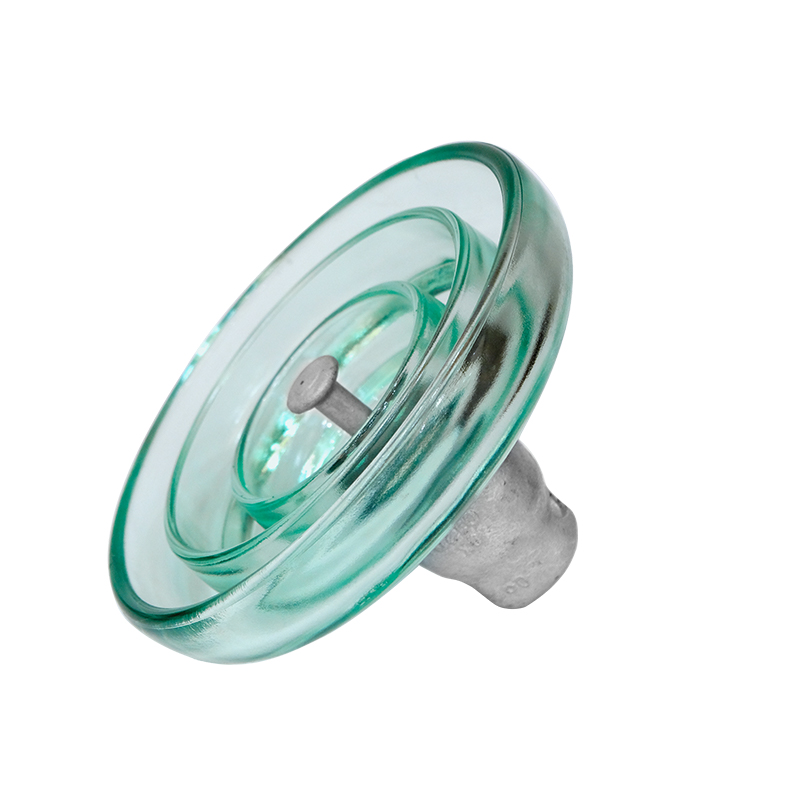
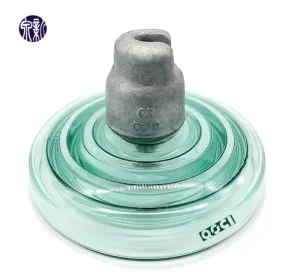
Featuring deep, widely spaced under-ribs to prevent electrical bridging. Highly effective in coastal areas subject to salt fog, and industrial regions with high air pollution.
Explore Technical Documentation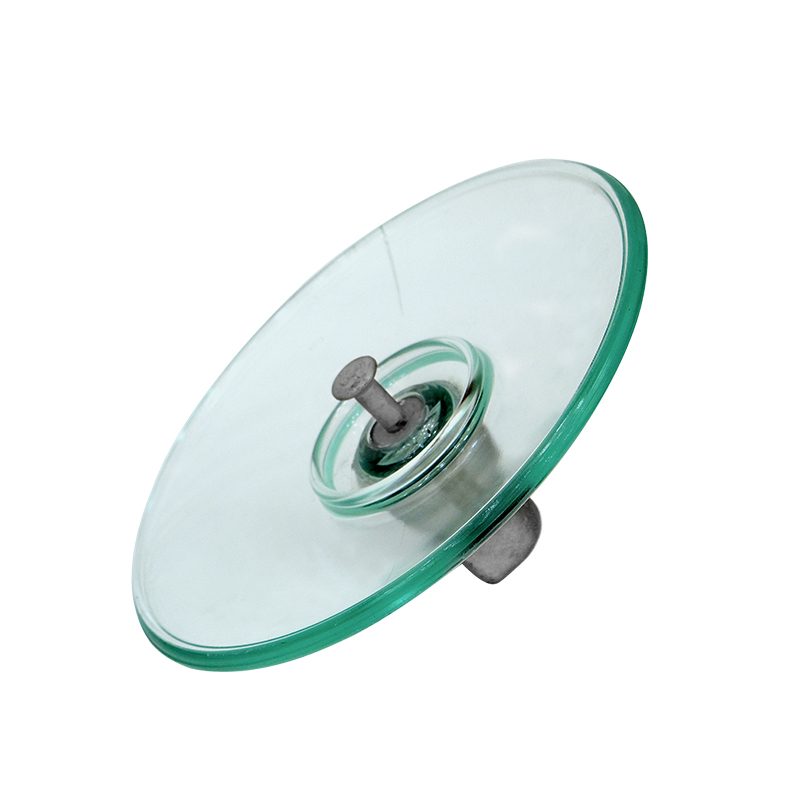
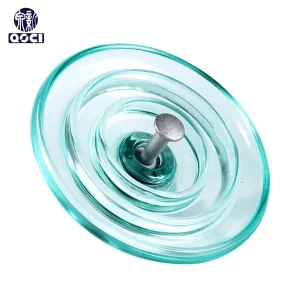
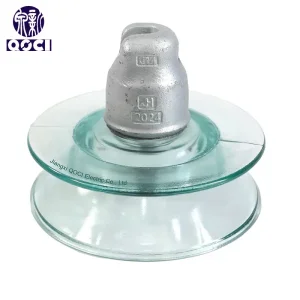
Devoid of under-ribs to minimize the accumulation of dry industrial dust, sand, or desert sediments. Solves ice-bridging and dust build-up challenges in dry climates.
Explore Technical Documentation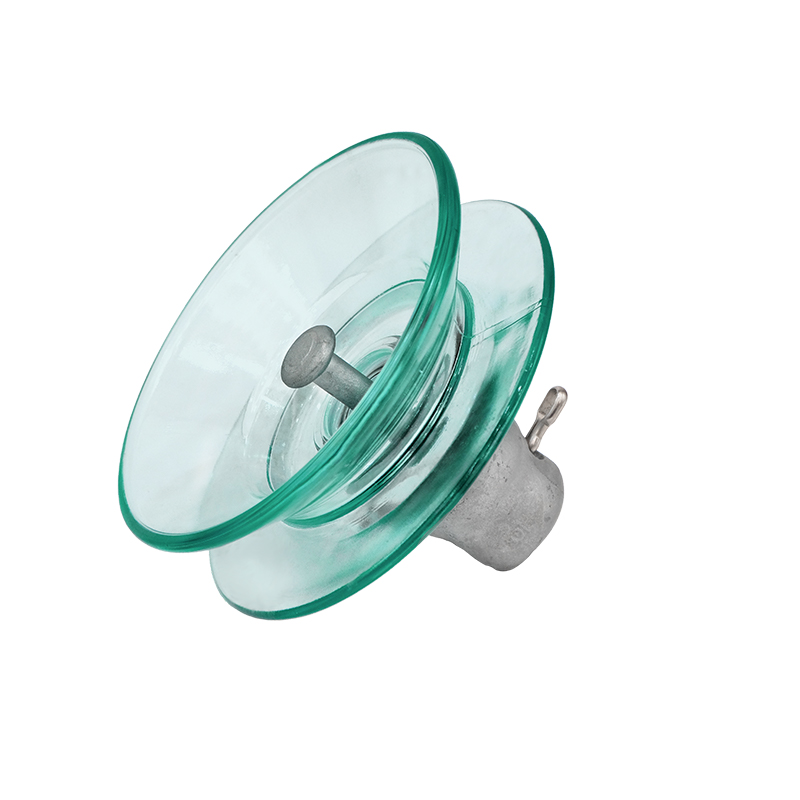
Equipped with dual external sheds that maximize wind-driven self-cleaning. Matches the performance of anti-pollution variants while facilitating manual cleaning when required.
Explore Technical Documentation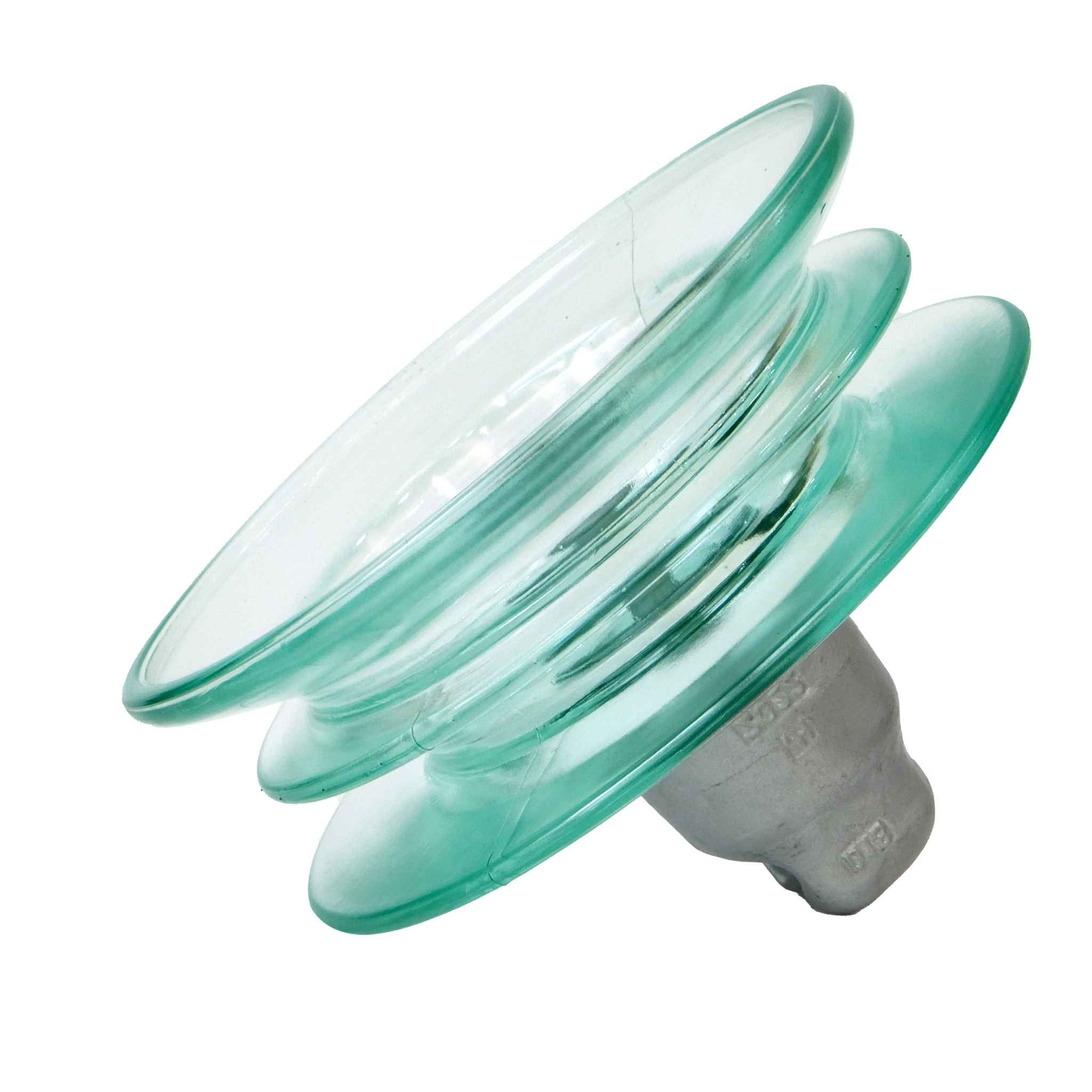
Three stacked insulating discs separated to provide a longer creepage distance. A common selection for Ultra-High Voltage (UHV) lines in high-altitude, humid, or heavily polluted zones.
Explore Technical Documentation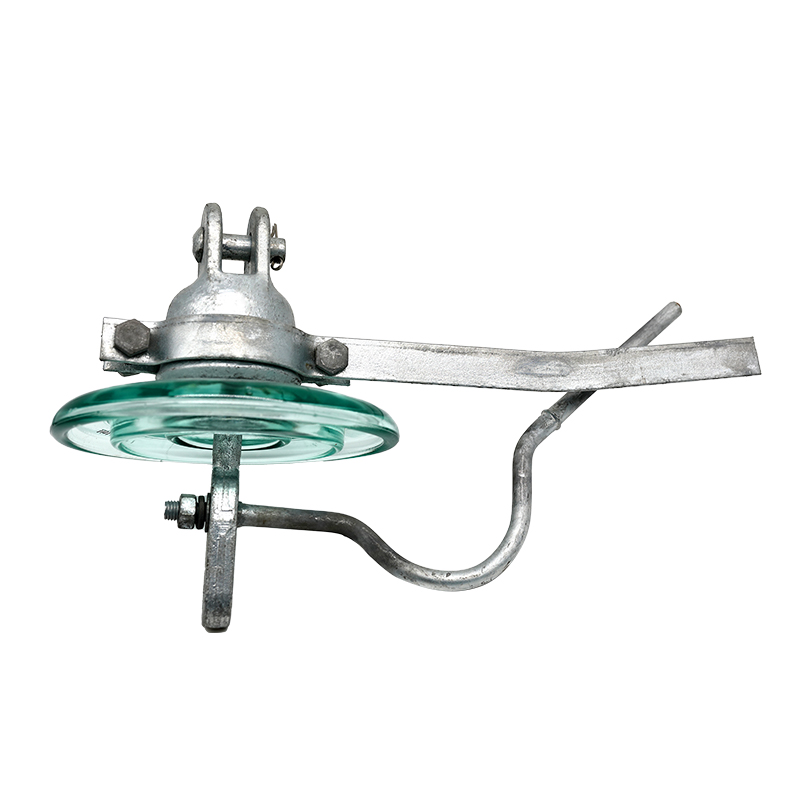
Designed to facilitate direct connection of shielding wires to structural grounding paths. Helps shunt lightning currents safely away from phase conductors.
Explore Technical Documentation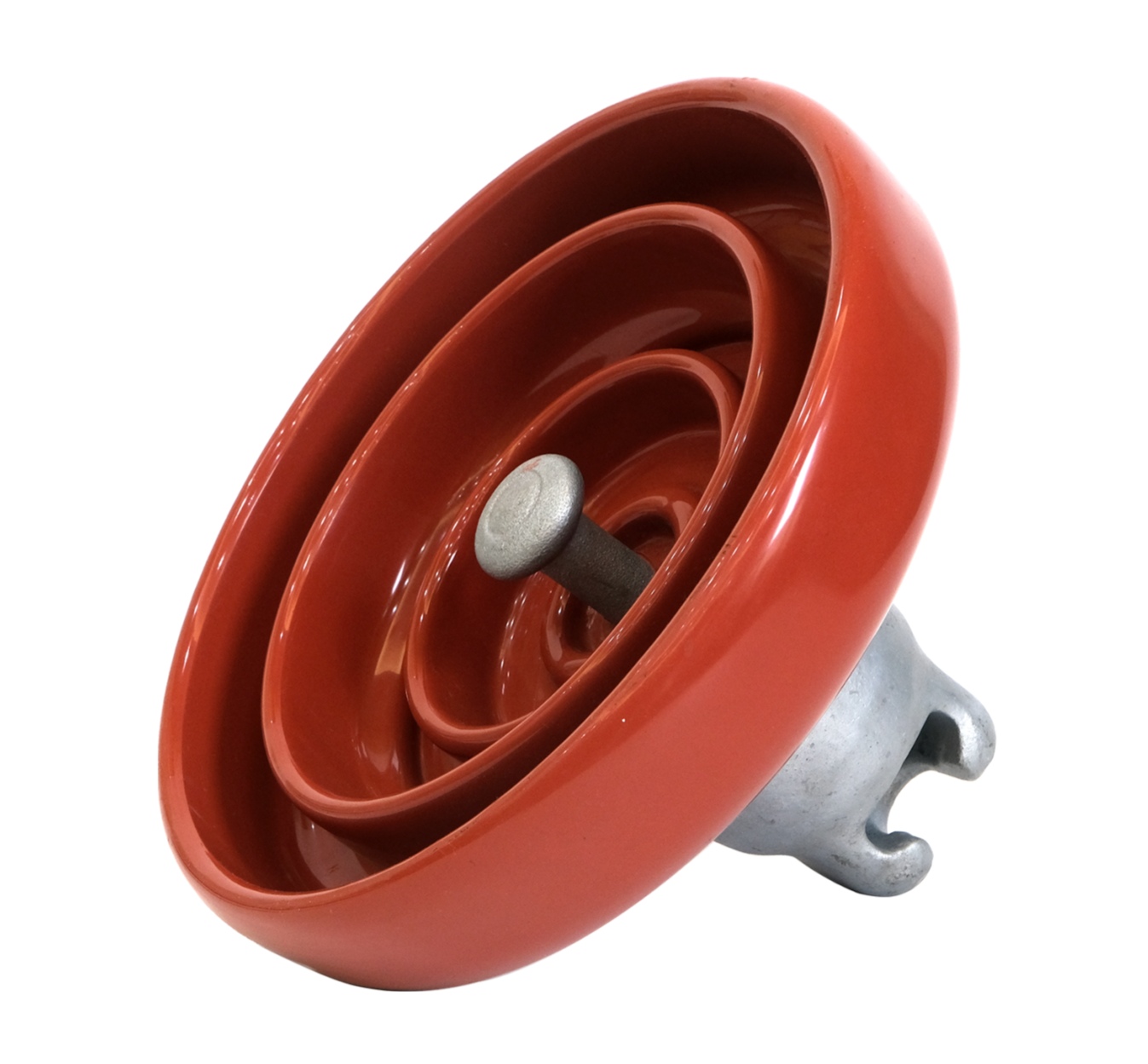
Combines the mechanical reliability of toughened glass with the hydrophobic properties of Room Temperature Vulcanization (RTV) silicone. Prevents leakage current in heavily polluted areas.
Explore Technical DocumentationFounded in December 2002 with a registered capital of 508 million Yuan, Jiangxi QOCI Electric Co., Ltd. operates a high-capacity manufacturing facility in Luxi County Industrial Park, Pingxiang, Jiangxi Province. Covering 100 mu (70,000 square meters), our plant is engineered to support global power infrastructure demands with a high-capacity supply chain.
Our manufacturing capabilities combine advanced engineering expertise with a commitment to grid reliability:
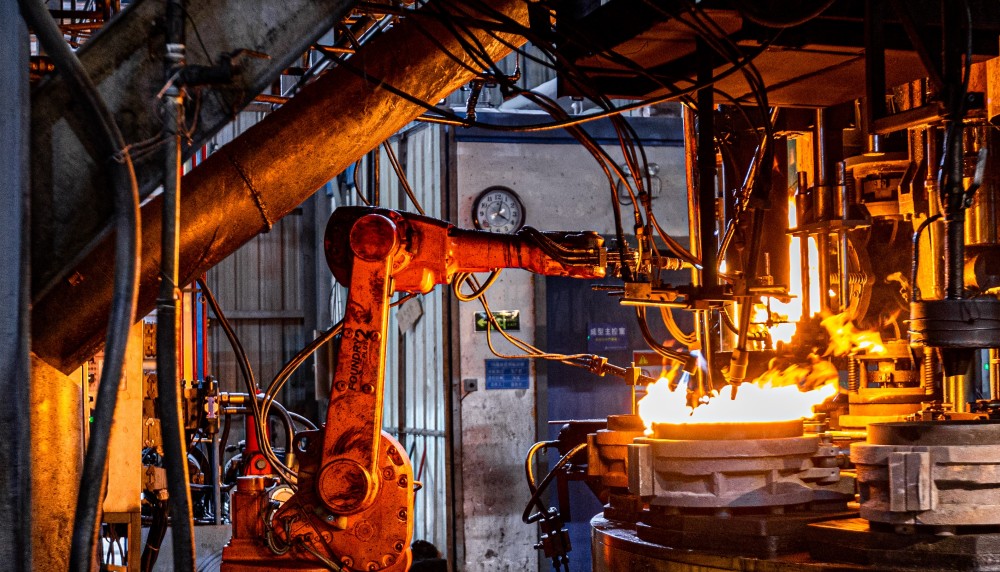

Our operations balance high-throughput efficiency with strict quality control. From automated batching systems to final assembly, each stage of production is designed to minimize structural variations in the glass matrix.
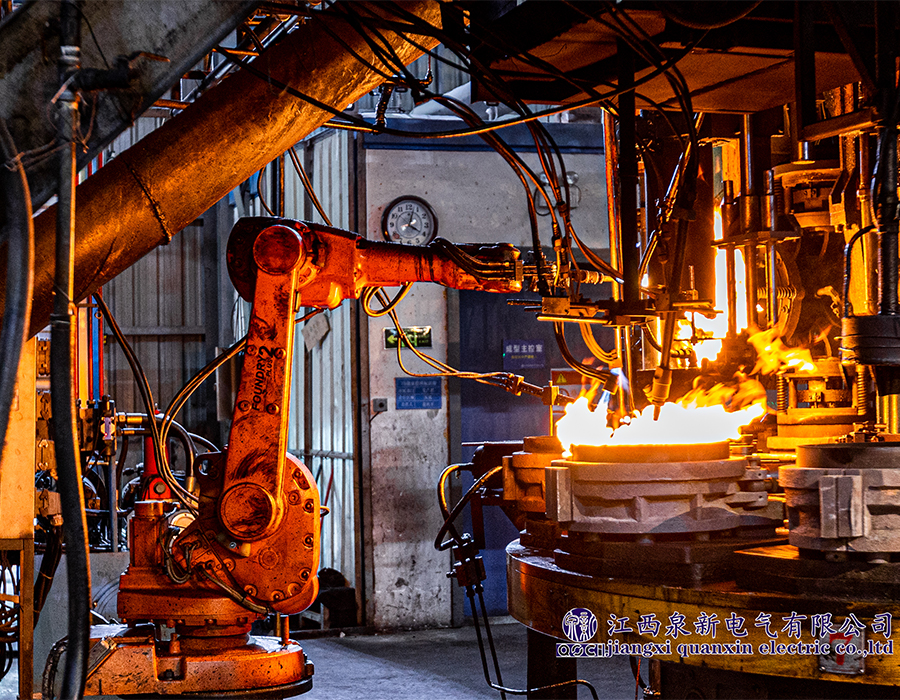
Automated high-pressure pressing of molten glass shells.
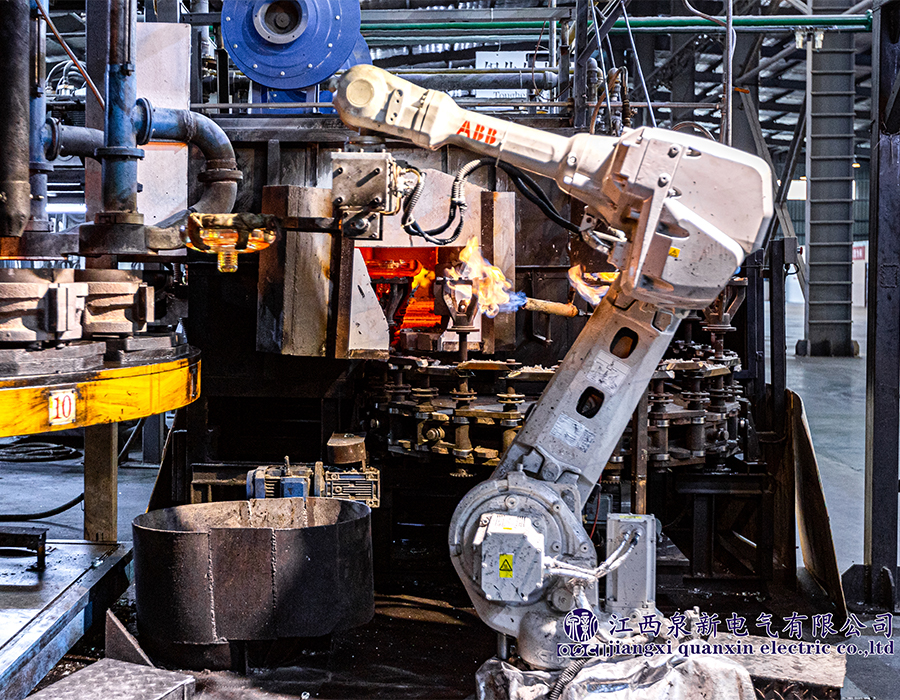
Thermal treatment line to build compressive surface stresses.
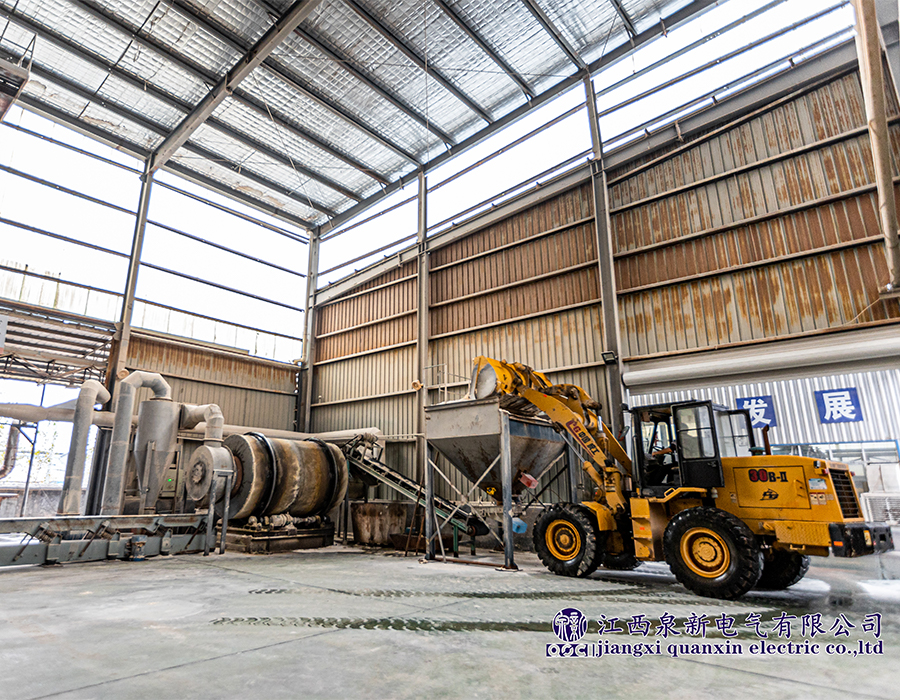
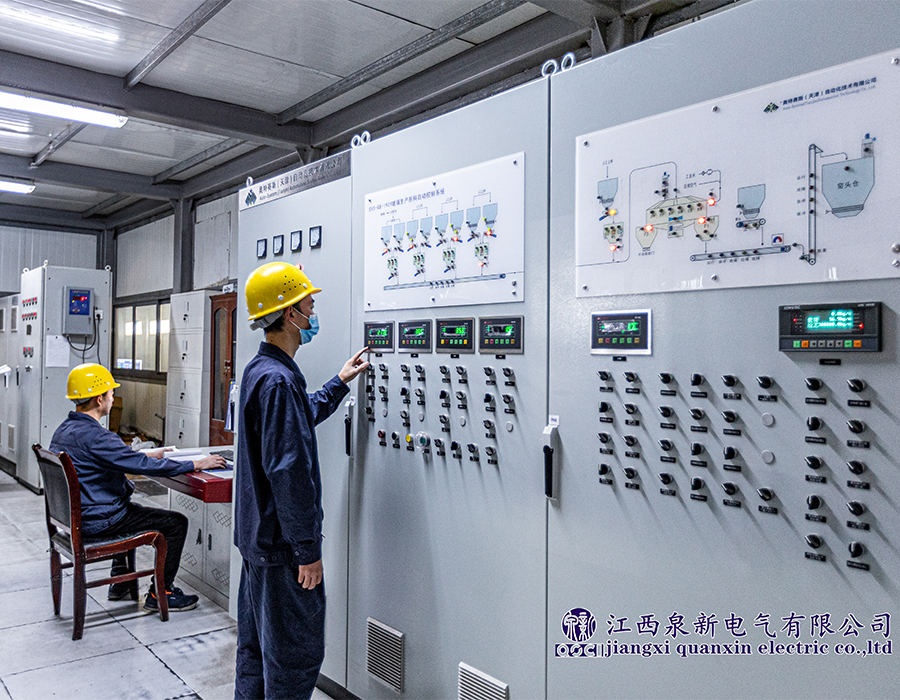
Precision weighing and automated batching of silica components.
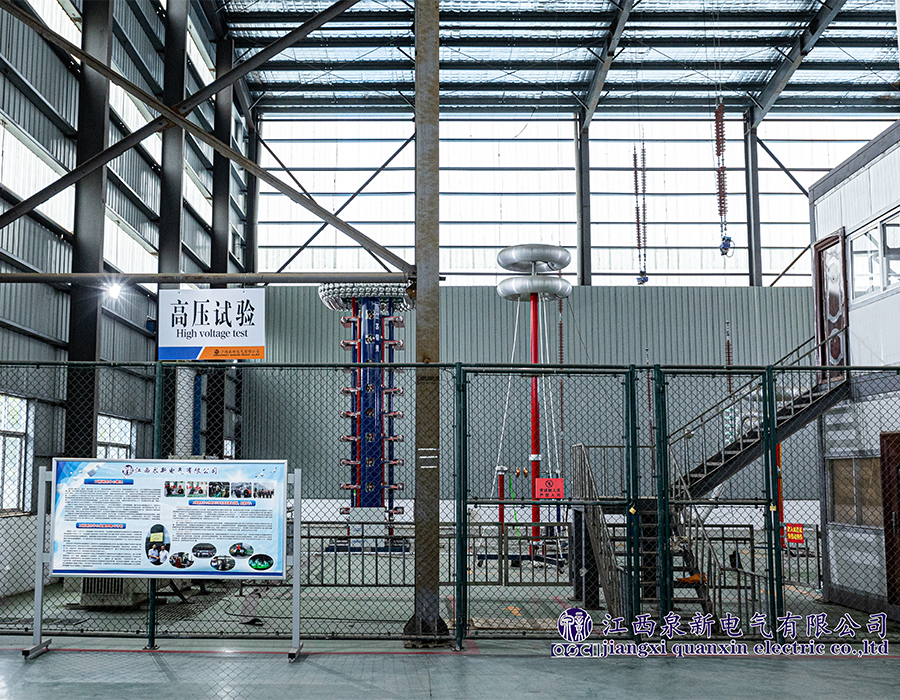
Strict electrical breakdown testing for every batch.
Carefully selected silica, feldspar, and carbonate feedstocks.
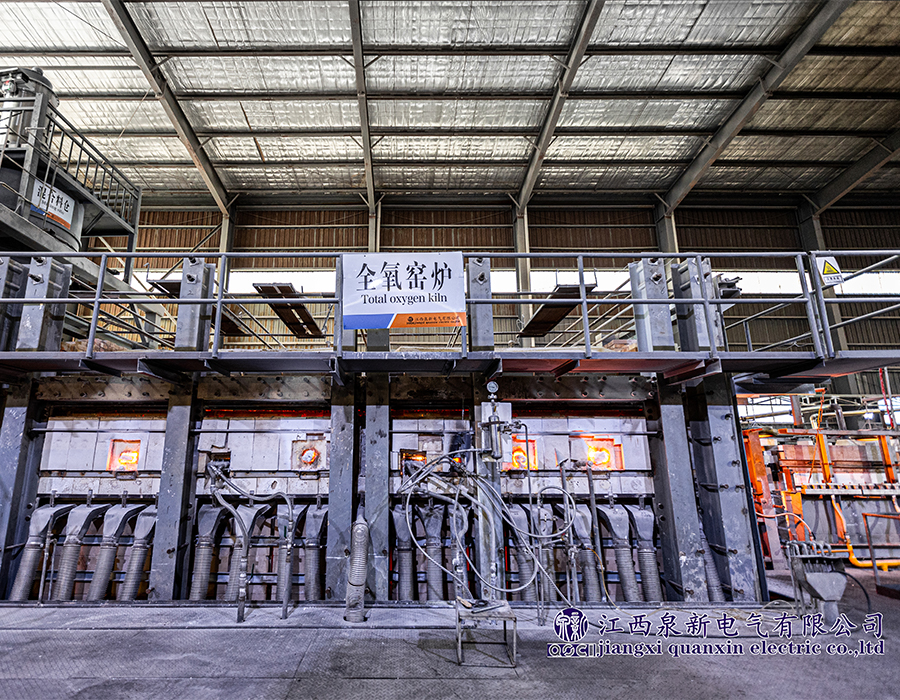
Uniform melting profiles designed to eliminate structural micro-cracks.
Overhead lines face unique environmental stresses. Matching the proper insulator profile to the region is crucial for reliability.
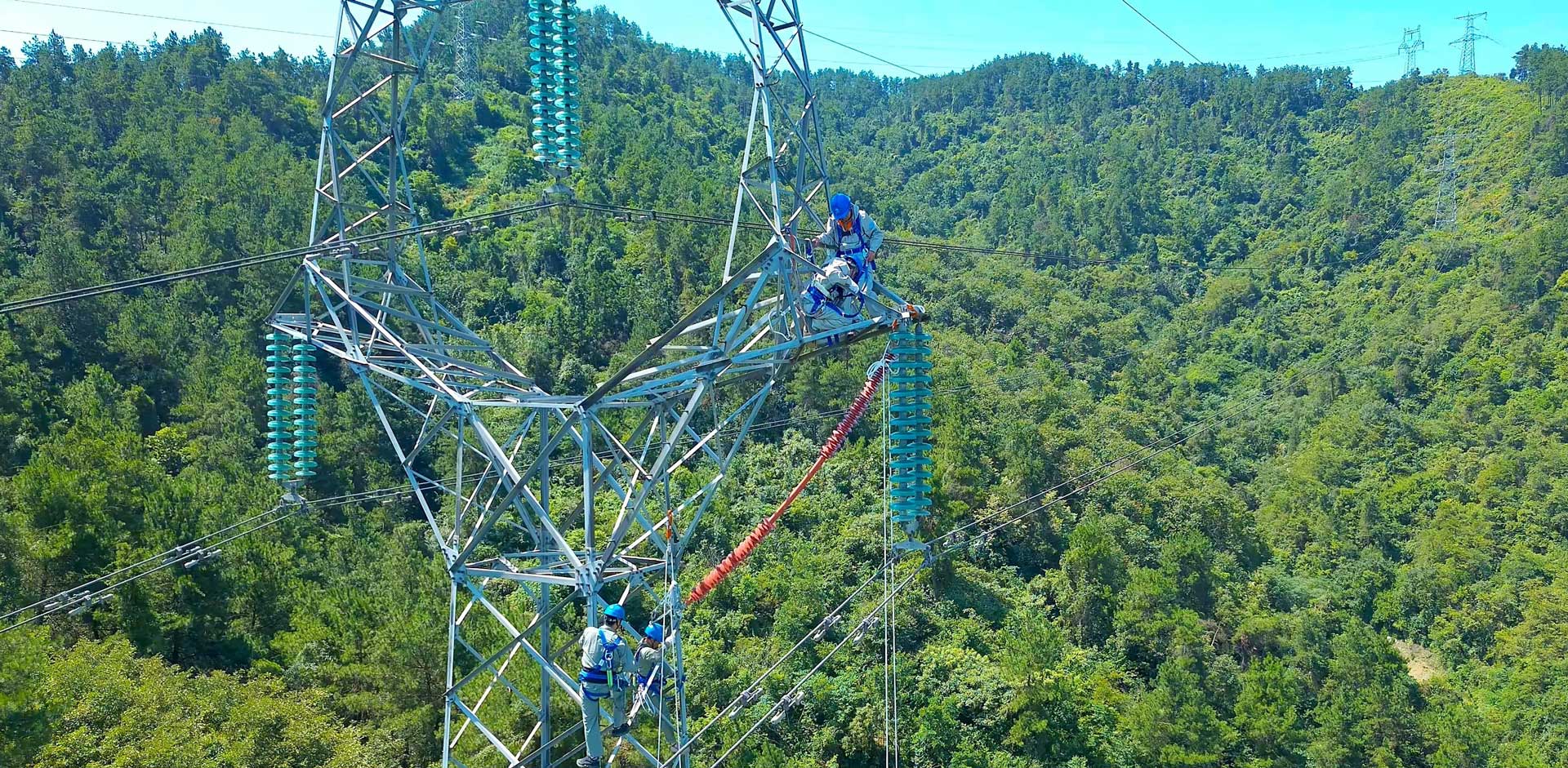
Designed for mountain ridges, high-altitude spans, and valley crossings where variable winds and high line spans subject components to mechanical tension.
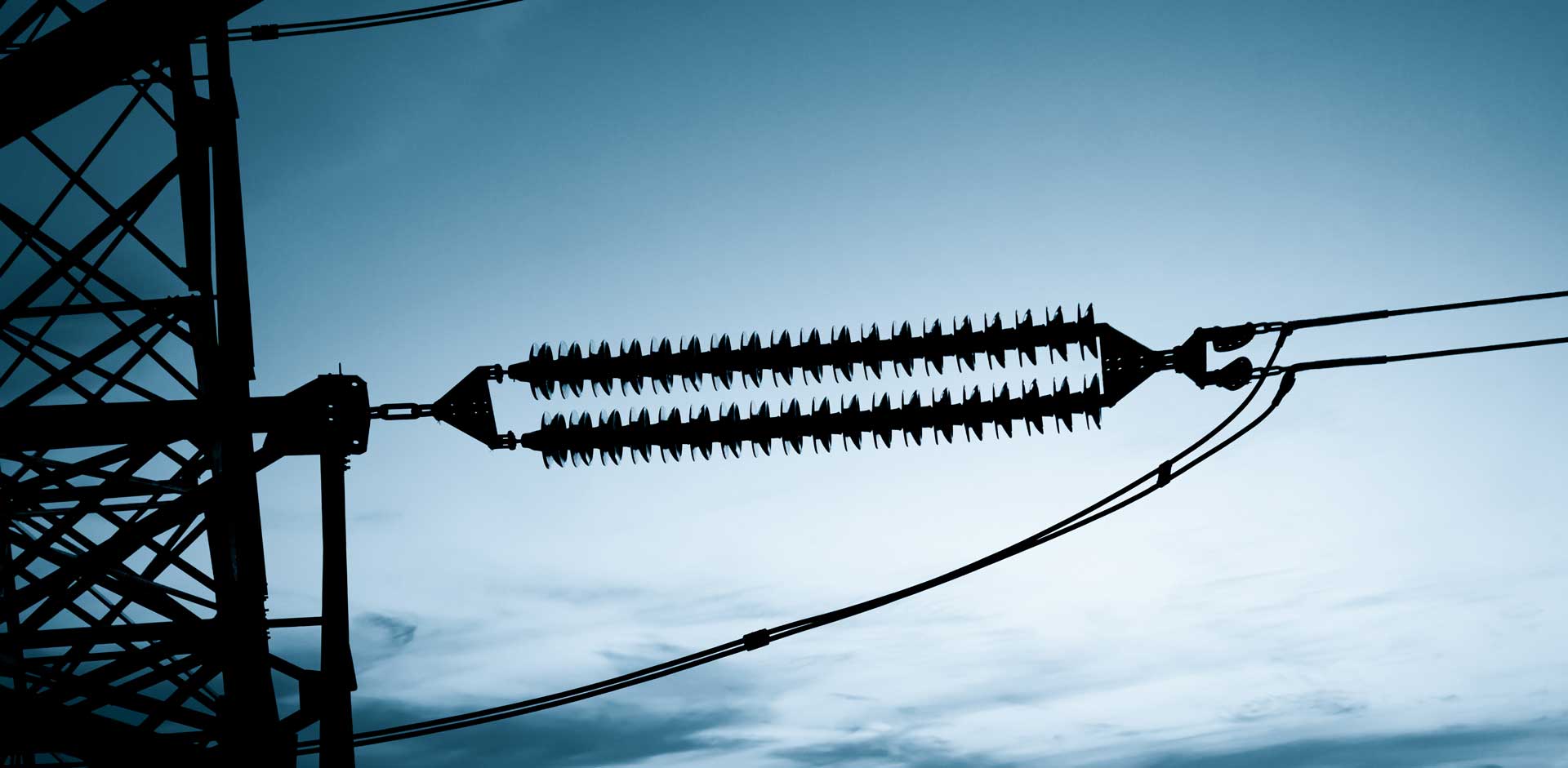
Built for industrial zones, sub-stations, and generation hubs with high ambient particulates and electrical loads.
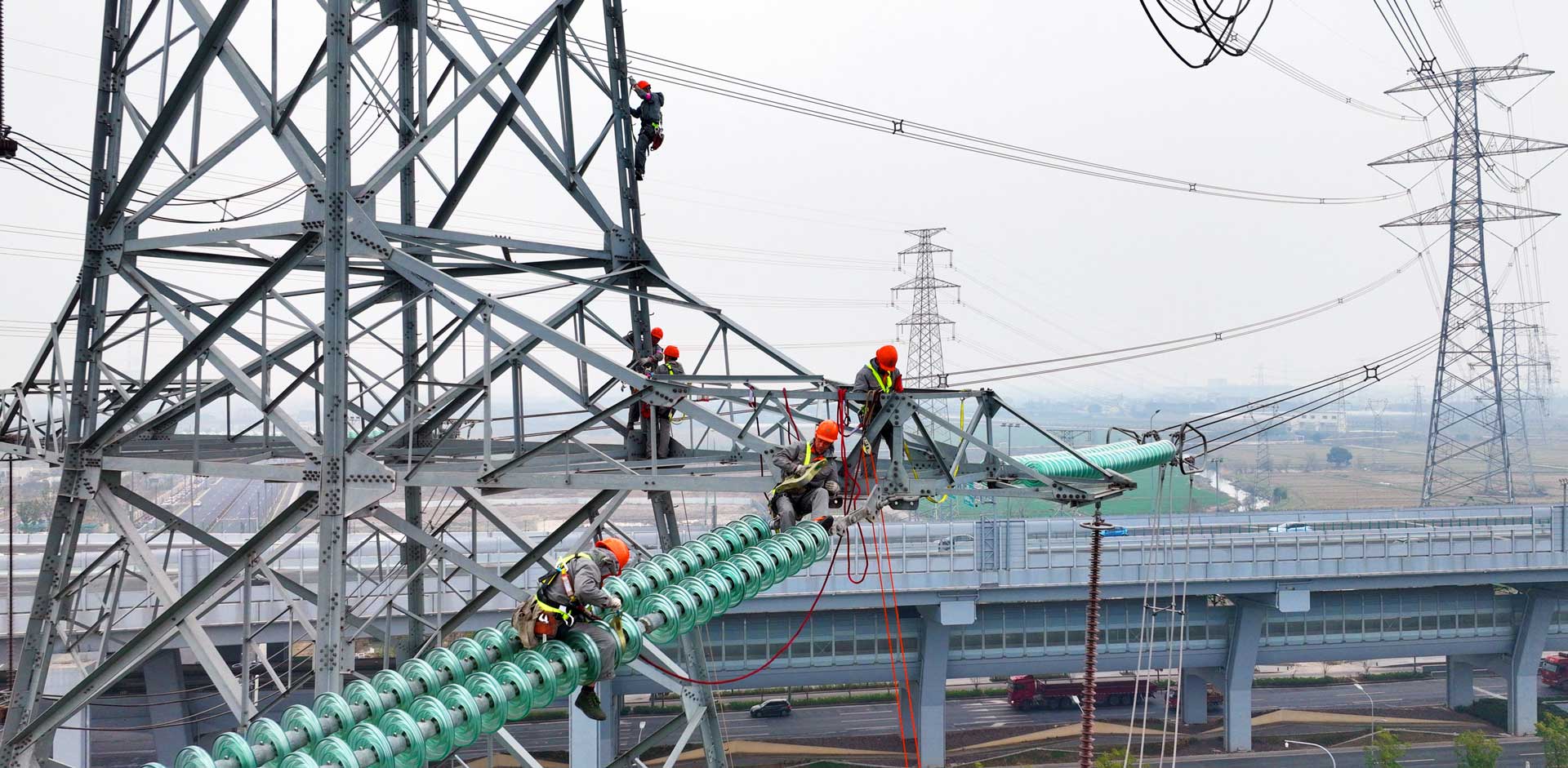
Optimized for structural strain, double-string suspension assemblies, and long span operations that demand strict reliability.
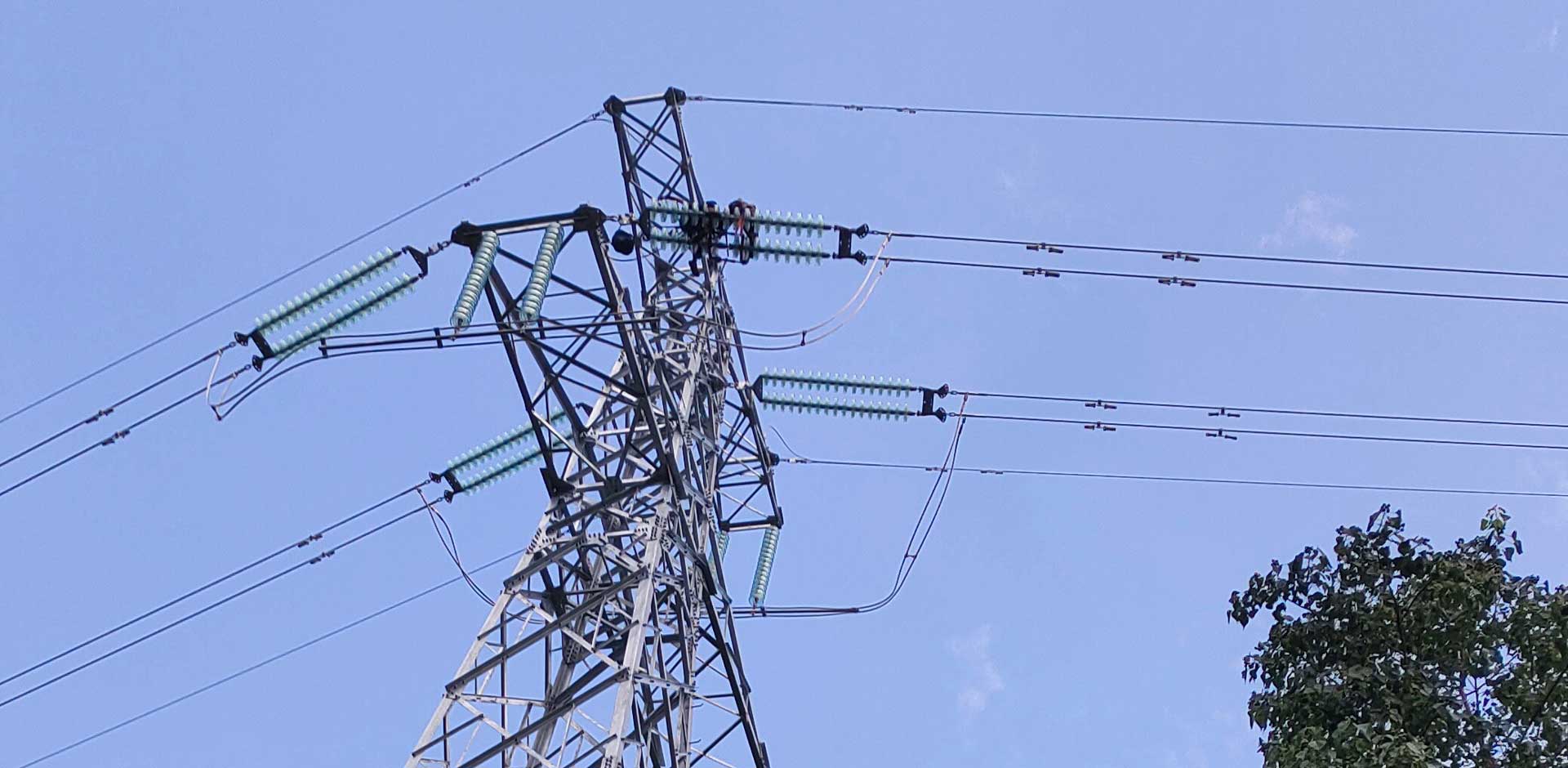
For chemical corridor routes, heavy mining districts, and desert regions prone to sandstorms where standard insulation options deteriorate prematurely.
For EPC contractors and utility procurement professionals, managing total lifecycle costs (TCO) is a critical objective. Insulator strings make up only a small fraction of overall transmission investment but represent a primary source of line outages. A single flashover event can trigger widespread regional blackouts, causing substantial economic losses.
By sourcing U160blp toughened glass isolators from a vertically integrated facility, grid developers gain several key advantages:
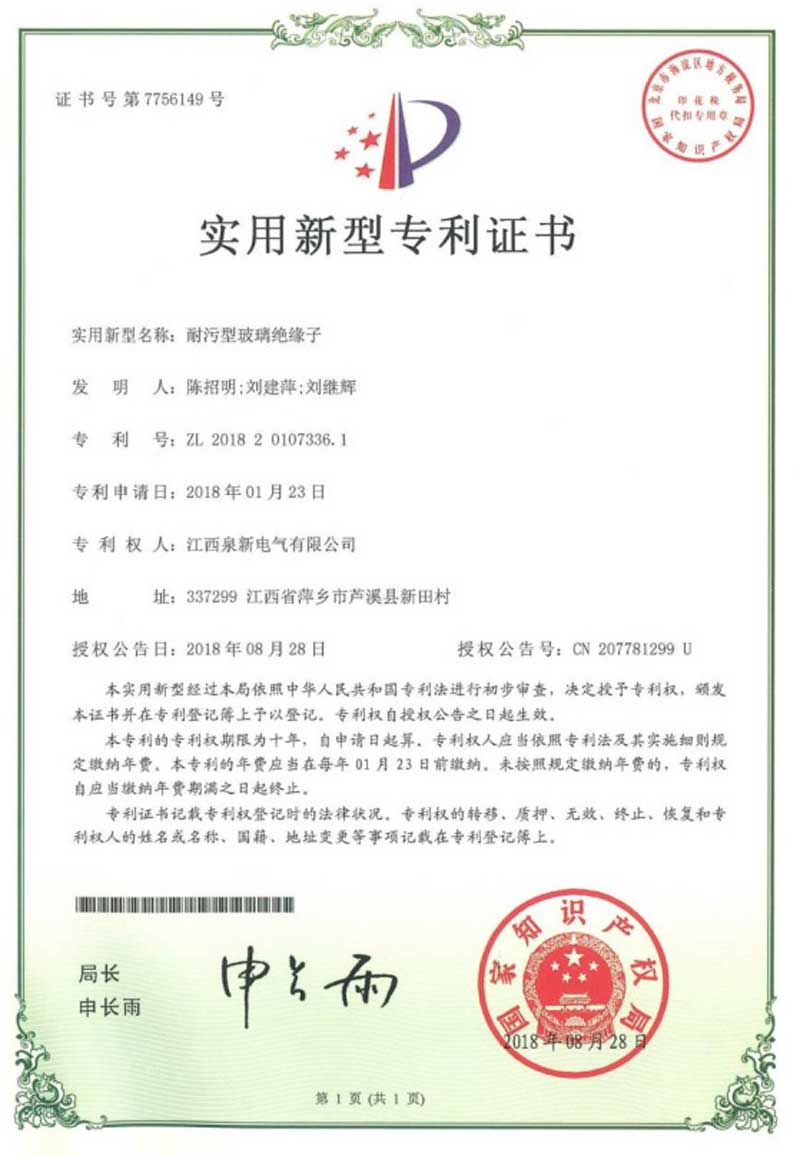
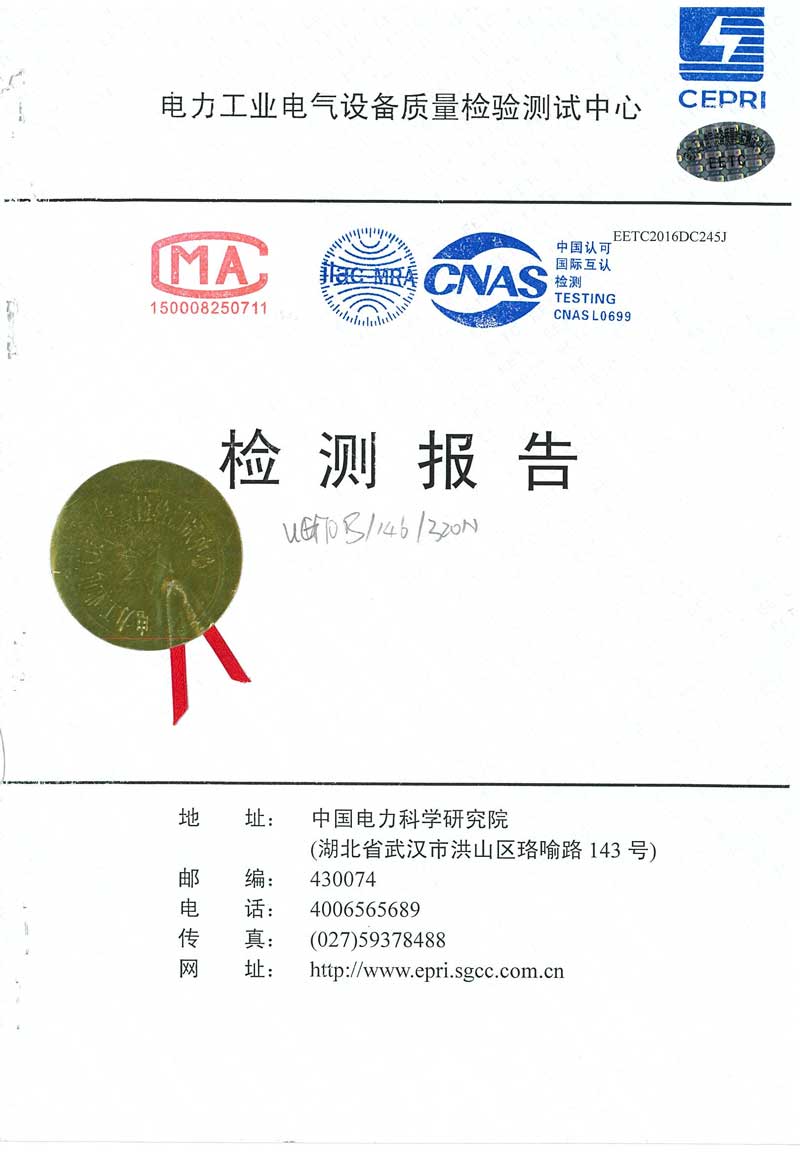
Tested and verified performance meeting IEC, ANSI, and ISO global standards.
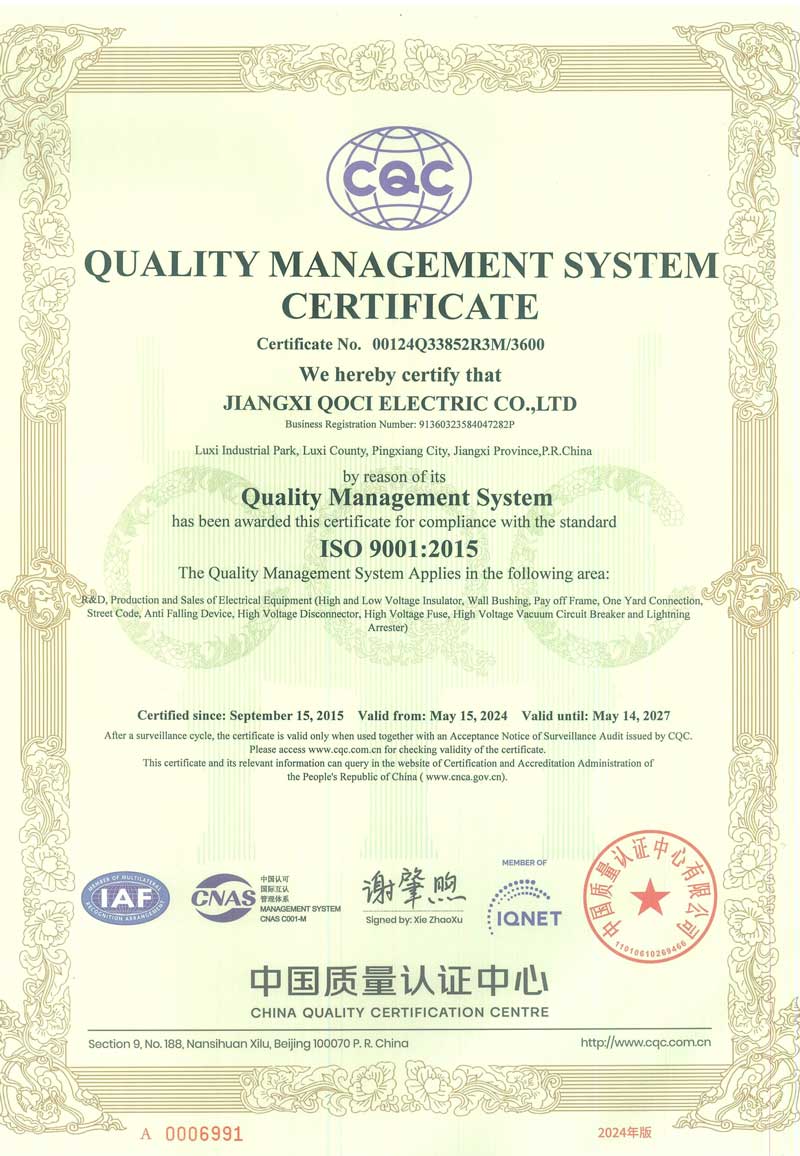
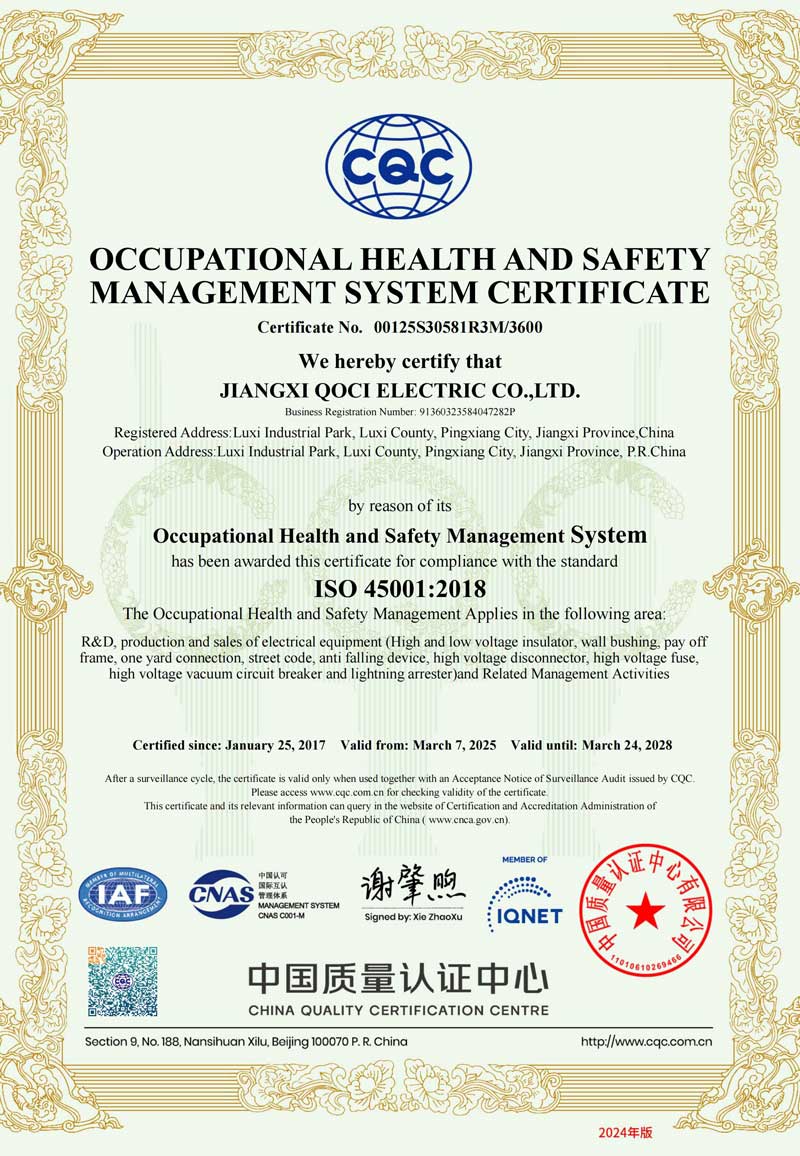
Discover where QOCI Electric is showcasing advanced power grid insulation solutions globally.
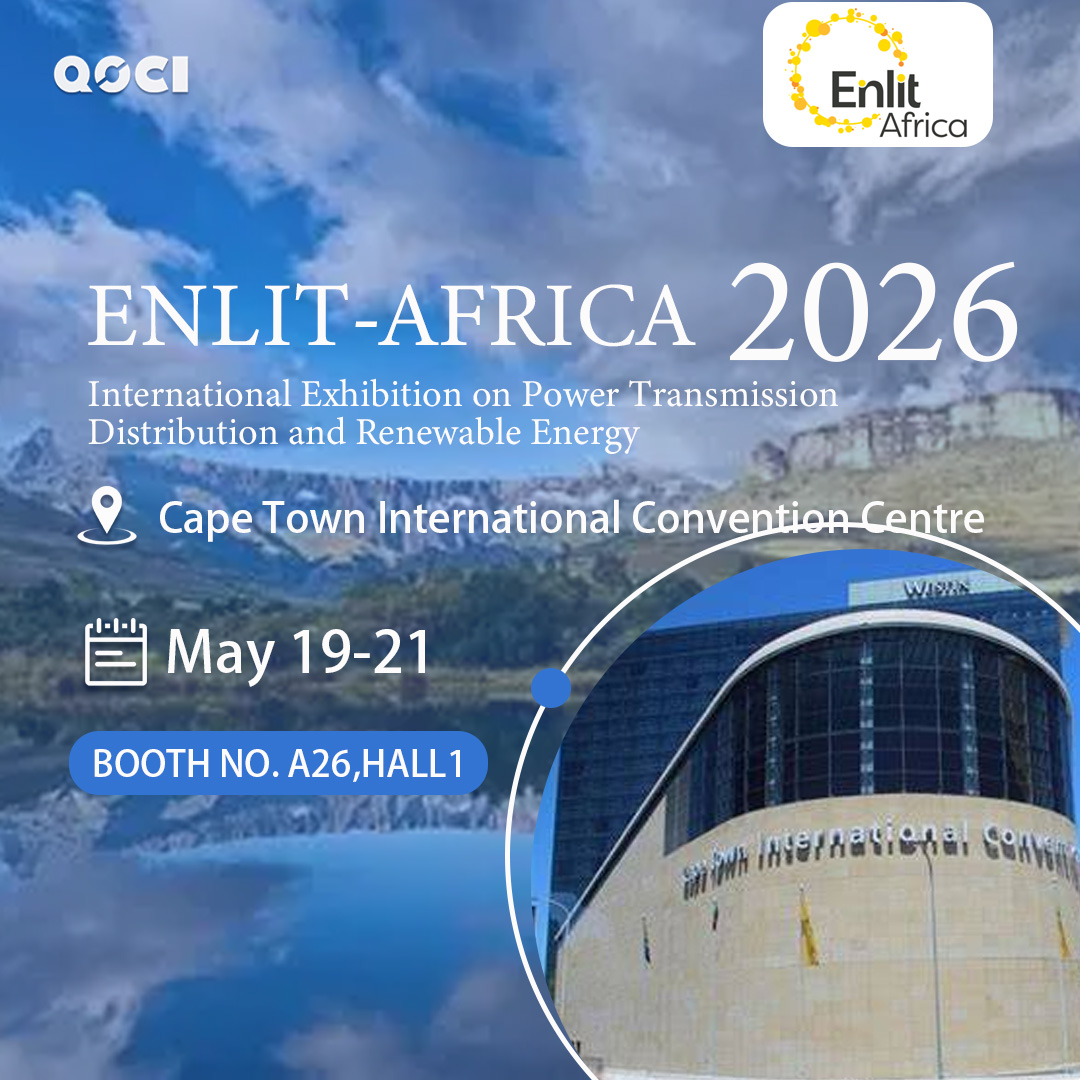
As the global energy transition accelerates, high-performance power grid insulation and structural materials are critical for infrastructure modernization. We will present our latest toughened glass insulator developments designed for harsh climatic zones.
Read Full Press ReleaseTested under severe real-world conditions, including heavy icing, high elevations, sandstorms, and seismic events, China's insulator manufacturing sector has evolved to supply stable, long-life products for high-voltage infrastructure worldwide.
Read Full AnalysisJiangxi QOCI Electric Co., Ltd. invites global partners to visit our booth at the IEEE PES Transmission & Distribution Conference to discuss 160kN, 210kN, and 300kN glass suspension insulator technologies.
Request Meeting SlotWe officially confirm our participation in Iraq's leading energy exhibition, showcasing custom open-profile glass insulators engineered for high dust, high sandstorm, and arid environments.
View Booth Location

Detailed technical answers to common questions about U160blp glass isolator specifications and selection.
The U160blp is a suspension disc-type toughened glass insulator. Its nominal electromechanical failing load rating is 160kN. It is designed to meet or exceed IEC 60305 dimensions, featuring a standard structural coupling connection. It is engineered for high mechanical tension configurations on overhead AC and DC lines.
Toughened glass offers two major advantages:
Anti-fog profiles feature deep, wide under-ribs that increase creepage distance, preventing flashovers in humid, saline coastal areas and industrial smog zones. Open profiles are designed without deep under-ribs, preventing dry sand, dust, and ice from bridging the gap between ribs in desert and alpine regions.
Room Temperature Vulcanization (RTV) silicone-coated glass insulators combine the high mechanical strength of toughened glass with the hydrophobic surface properties of silicone. They are specified for heavily polluted areas where regular washing is difficult or costly. The coating helps prevent leakage currents and minimizes flashover risks.
High-quality glass insulators are manufactured and tested in accordance with IEC 60383, IEC 60305, and ANSI C29.2 standards. These specifications govern dimensional accuracy, mechanical tensile strength, temperature cycling limits, radio interference levels, and power-frequency flashover performance.
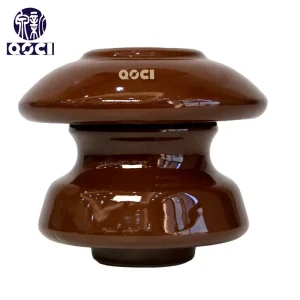
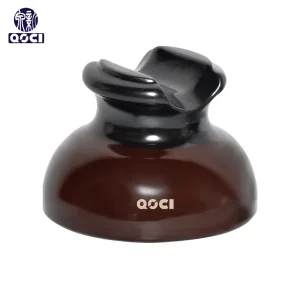
From low-voltage shackle types to high-voltage suspension discs, we provide standard and custom designs.