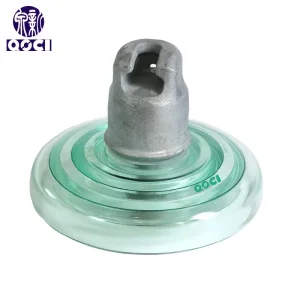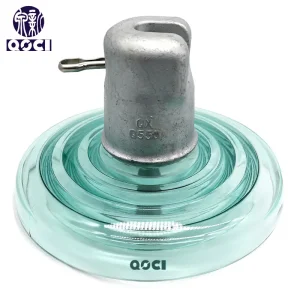
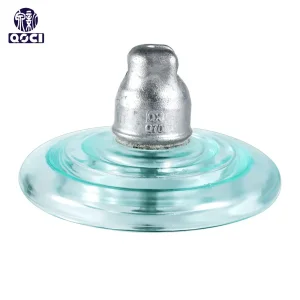
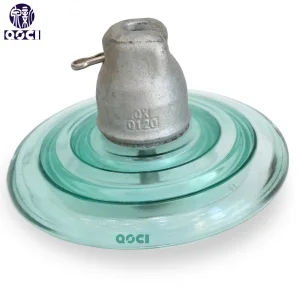
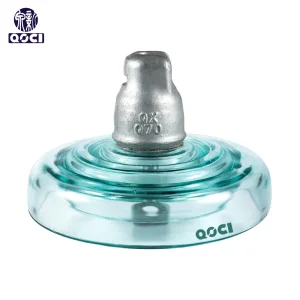
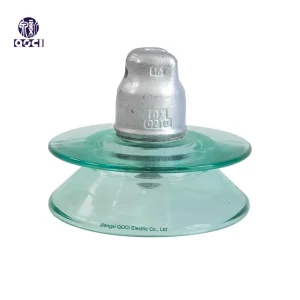
High-Quality Isolateur Ctv 175 U40b Manufacturer & Factories

Pioneering Next-Generation Toughened Glass Suspension Insulators for Global High-Voltage Grids & Extreme Environmental Infrastructure Projects

Product Showcase (Part I)

Toughened Glass & Porcelain Insulators

Wholesale U70BL 146/255/320 Glass Insulator

Wholesale U70BL 146/255/320 Glass Insulator Suppliers, Factories

View Details
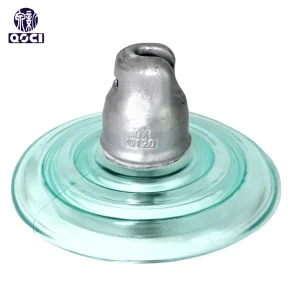
China 120kN U120BL High Voltage Cap and Pin Type

China 120kN U120BL High Voltage Cap and Pin Type Toughened Disc Suspension Glass Electric Insulator Supplier, Factories

View Details
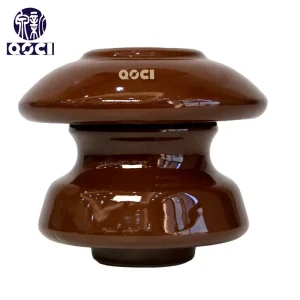
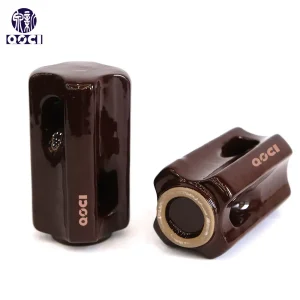
High-Quality ANSI 54-3 Porcelain Stay Insulators

High-Quality ANSI 54-3 Porcelain Stay Insulators Supplier, Factories

View Details
Wholesale U70BLP (146/280/450) Anti-pollution Glass Insulator

Wholesale U70BLP (146/280/450) Anti-pollution Glass Insulator Supplier, Factory

View Details
High-Quality U210 High Voltage Cap and Pin Type

High-Quality U210 High Voltage Cap and Pin Type Anti-Fog Glass Insulator Isolator Toughened Double Shed Glass Electric Insulator Manufacturers, Suppliers

View Details
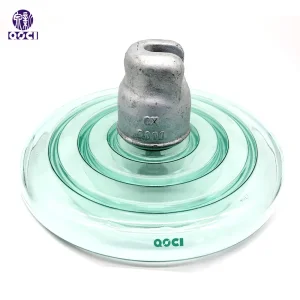
Wholesale U120BL(146/255/320) Glass Insulator

Wholesale U120BL(146/255/320) Glass Insulator Suppliers, Factories

View Details
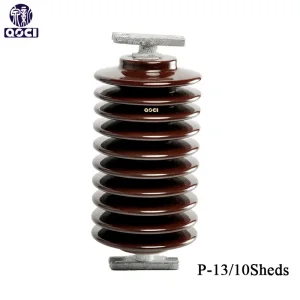
Wholesale 10 sheds Post Insulator P13

Wholesale 10 sheds Post Insulator P13 Supplier, Suppliers

View Details
China U300B High Voltage Superior Quality

China U300B High Voltage Superior Quality Disc Suspension Toughened Glass Insulator Manufacturer, Factory

View Details
White Paper & Engineering Insights

The Engineering Supremacy of Jiangxi QOCI Electric Co. Ltd

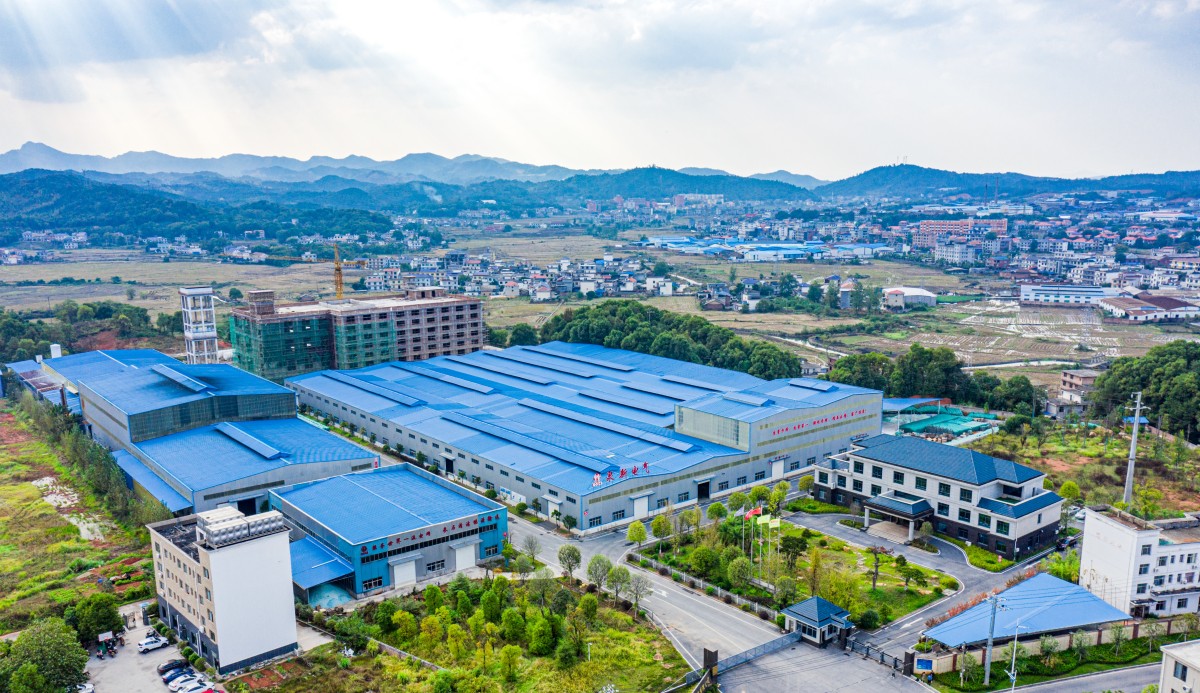
Established in December 2002 with a registered capital of 508 million Yuan, Jiangxi QOCI Electric Co. Ltd has emerged as a premier force in high-voltage insulation manufacturing. Located in the Luxi County Industrial Park of Pingxiang, Jiangxi Province—the historical heartland of China's porcelain and industrial insulation sector—our state-of-the-art facility spans over 70,000 square meters.

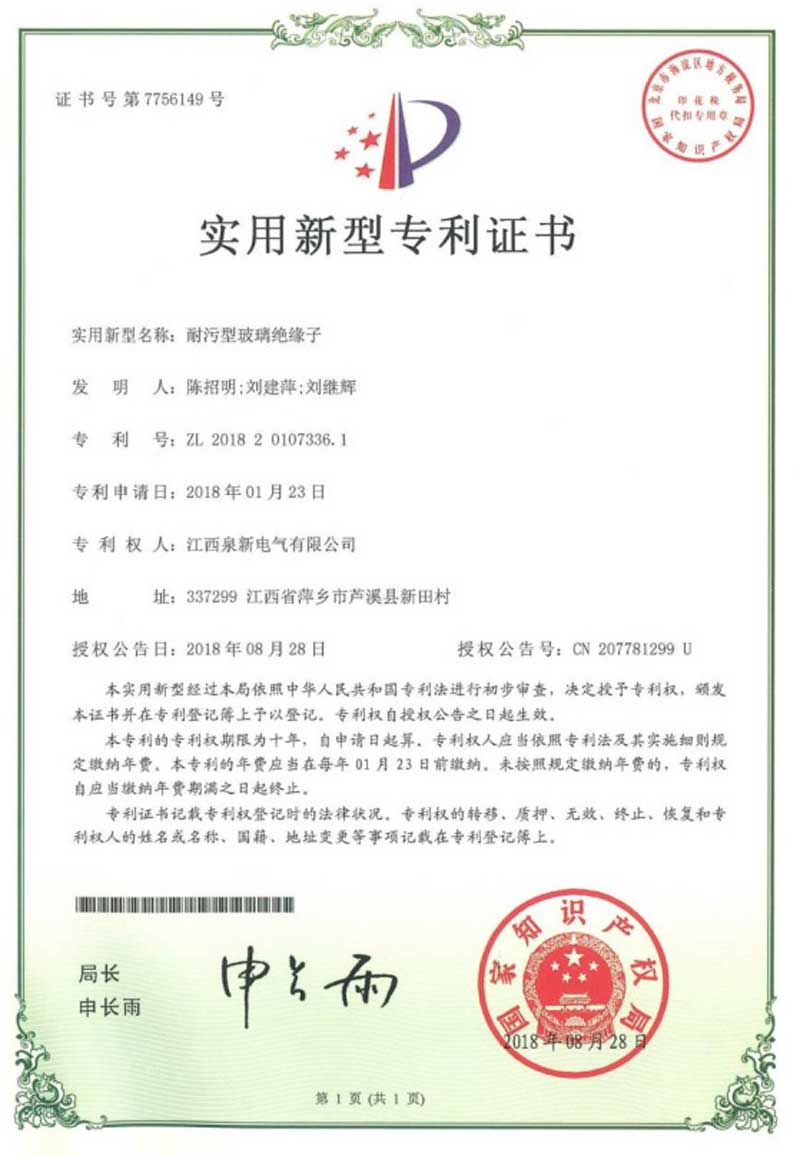
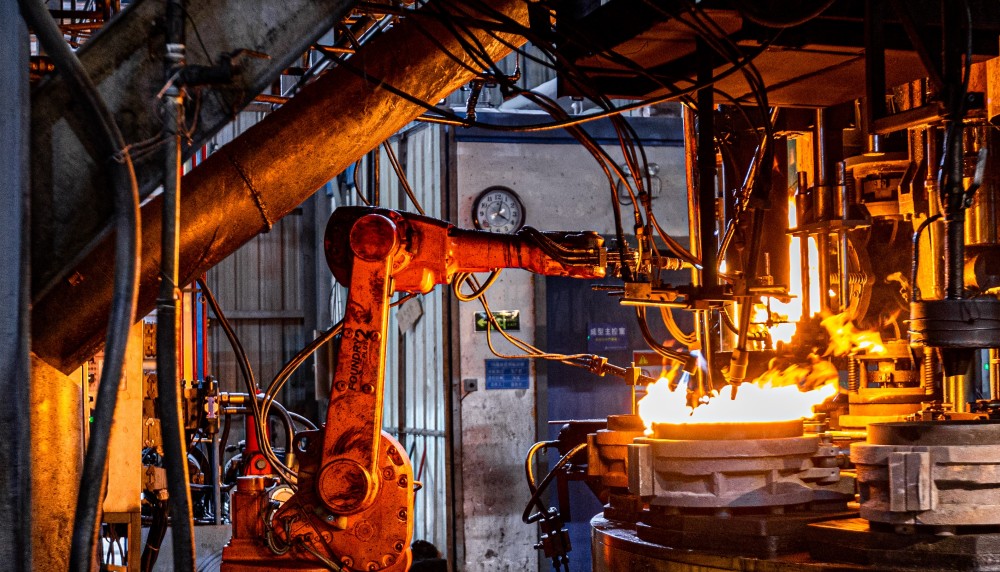
Driven by industrial automation and deep material science research, QOCI Electric maintains an annual production capacity of 39,000 tons of toughened glass insulators. With 53+ senior engineering technicians and 26+ national patents, we supply standard, anti-pollution, aerodynamic, double-shed, and silicone-coated (RTV) toughened glass insulators for grids worldwide.
70,000
Plant Facility Area
39,000Tons
Annual Glass Output
53+
Engineers & Technicians
26+
Active Utility Patents
QOCI Factory Grid Innovation
QOCI Lab Testing QOCI Quality Mark

Isolateur Ctv 175 U40b: Dynamic Design for High-Reliability Overhead Lines

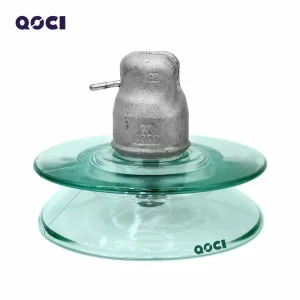
The Isolateur Ctv 175 U40b represents a specialized benchmark in toughened glass suspension insulation technology. Specifically engineered to meet stringently calculated mechanical and dielectric requirements, this insulator model incorporates a 40kN electromechanical failing load rating (U40b) combined with a geometry characterized by a 175mm structural spacing or optimized creepage profile (Ctv 175). It is widely deployed across transmission and distribution grids in French-influenced infrastructure markets, parts of Europe, and Africa, where grid reliability demands are extreme.

Technical Specifications and Physical Characteristics

Our Isolateur Ctv 175 U40b is constructed via a thermal tempering process that creates deep internal compressive stresses. This toughened glass body is paired with a hot-dip galvanized steel cap, a high-tensile forged steel pin, and high-grade alumina cement. Below is an engineering overview of standard configurations for this category:

Technical Parameter Specification Limit / Standard Value
Nominal Mechanical Failing Load 40 kN (U40B Standard Class)
Spacing (Height) 175 mm / 146 mm Custom Profiles available
Shell Diameter 175 mm (Standard Variant) / 255 mm (Extended Variant)
Power Frequency Withstand Voltage (Wet) 40 kV to 45 kV
Lightning Impulse Withstand Voltage (Positive) 75 kV to 80 kV
Standard Conformity IEC 60305, IEC 60383, ANSI C29.2

Global Industry Development & Strategic Shifts

The international power distribution landscape is undergoing a massive transformation, driven by integration of renewable energy sources, grid modernization, and increased frequency of extreme weather events. Key structural shifts shaping the manufacturing and sourcing of Isolateur Ctv 175 U40b units include:
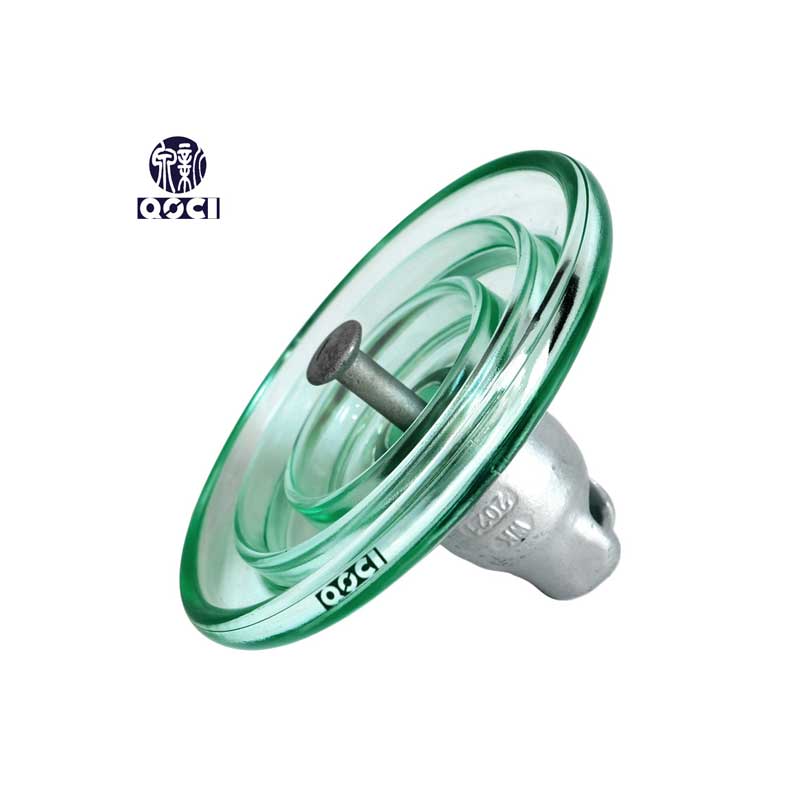
  • Transition from Porcelain to Toughened Glass: Toughened glass insulators have witnessed rising adoption because of their unique visual diagnostic property. Unlike porcelain, where micro-cracks remain hidden and require manual testing, damaged toughened glass shatters completely (a phenomenon known as self-shattering) while maintaining mechanical strength. This allows helicopter or drone-based inspections to instantly identify faulty units, significantly reducing maintenance overheads.
  • Advancements in Anti-Pollution Shed Architecture: Industrial expansion and coastal development have increased saline mist and particulate deposition. Modern insulator factories are altering shed profiles (such as anti-fog and triple-shed profiles) to extend the leakage path without increasing overall string length.
  • RTV Silicone Pre-Coating (Room Temperature Vulcanization): Instead of applying RTV coatings in the field, state-of-the-art facilities now apply RTV silicone coatings directly in the factory under controlled clean-room environments. This combines the long-term mechanical reliability of toughened glass with the excellent hydrophobic, pollution-resistant properties of polymer materials.
Operational Environments

Geographic Adaptability & Grid Scenarios

Geographic Adaptability Scenarios

Geographic Adaptability Scenarios

Power Systems

Power Systems & Environments

Power Grid Functional

Power Grid Functional Requirements

Special Industry

Special Industry Applications

Our products are mainly high-strength glass insulators used in low voltage, high voltage, ultra-high voltage, extra-high voltage AC (DC) electric transmission line projects. They are built to withstand earthquakes, heavy ice loading, corrosive chemical pollution, and ambient temperatures ranging from -40°C to +50°C.
Insulator Configurations

Toughened Glass Profile Solutions

Standard Profile

Standard Profile

The characteristic of the standard profile is that the leakage distance is higher than the value indicated for standard insulators in IEC 60305. The insulation part is designed with shallow and well spaced small ribs, which can be effectively self-cleaned by wind or rain.
Anti-fog Profile

Anti-fog Profile

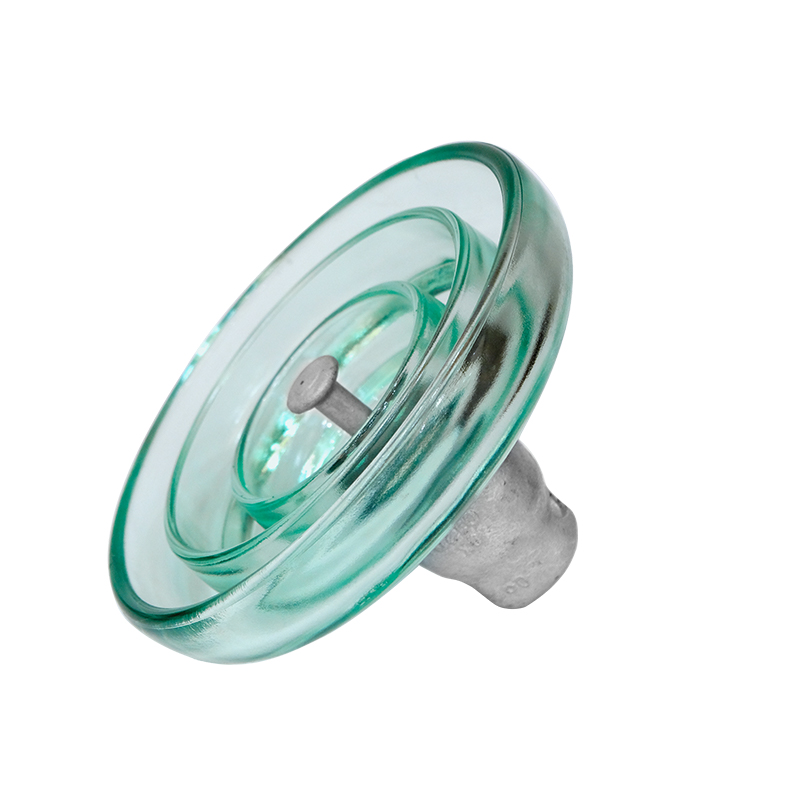
The fog type profile is characterized by long and widely-spaced under-ribs so as to avoid arc bridging between adjacent ribs. It features a leakage distance/spacing ratio of around 3.2 and is particularly effective in coastal areas (Salt fog) as well as in polluted areas.
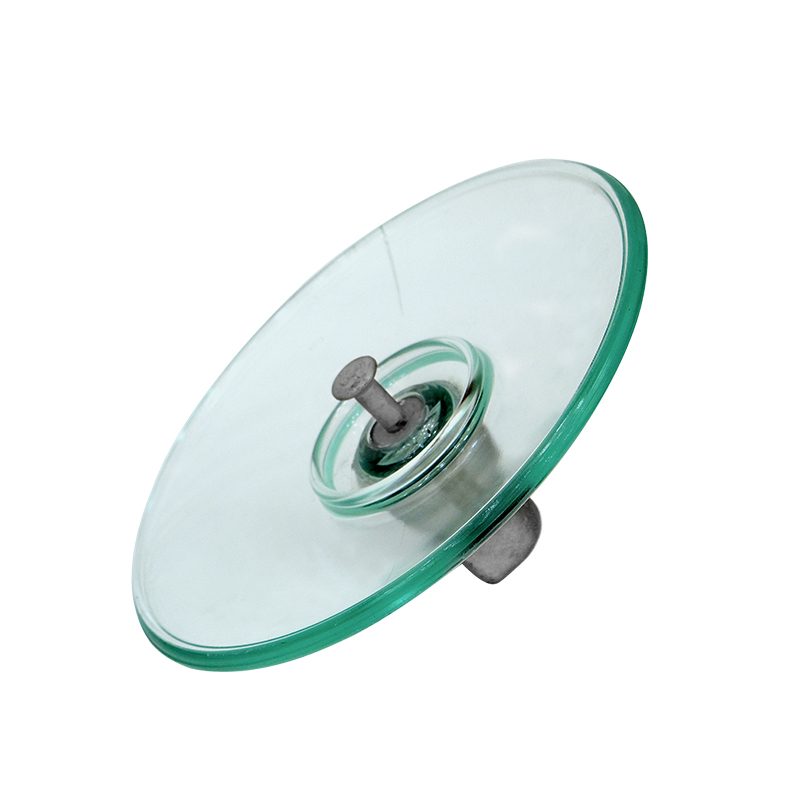
Open Profile

Open Profile

Design of insulating part with open profile is marked by absence of under-ribs and extended diameter of disk, with no under-ribs so as to avoid the accumulation of solid pollution deposits (dust, sand)on its lower surface. Open profile reduces pollutant accumulation on the surface.
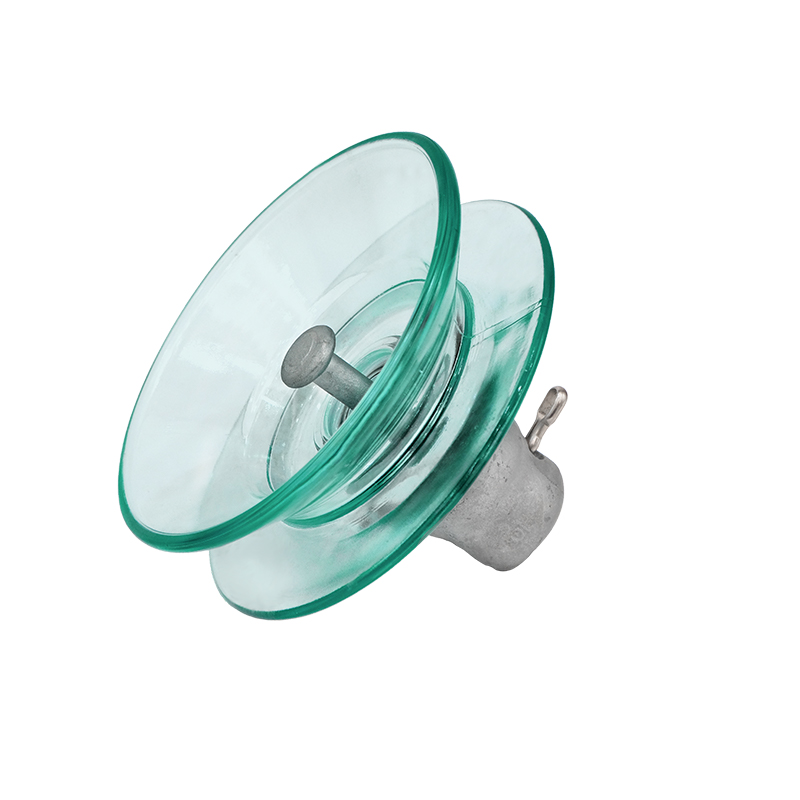
External Shed Profile

External Shed Profile

The design of the insulation part has two external ribs. The elimination of the under-ribs reduces pollution build-up, and the surface of the insulator can self clean by strong winds. And facilitate manual cleaning when necessary. This profile provides equivalent leakage distance.
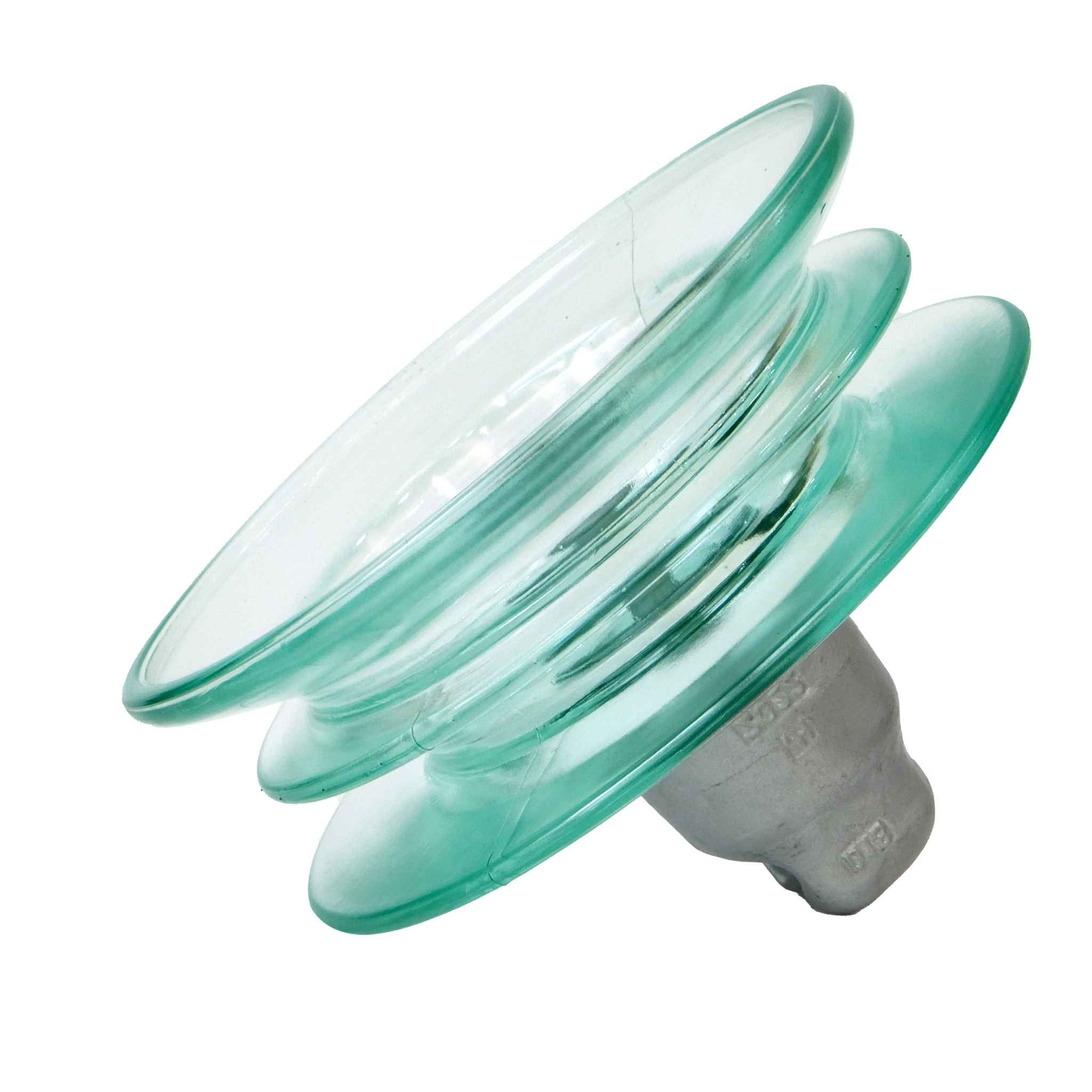
Triple-Shed Type

Triple-Shed Type

Triple-shed Type glass insulator is a key component in transmission lines, characterized by three layers of umbrella discs separated from each other on the insulation body. Thanks to this open shed design, they achieve self-cleaning during wind and rain and provide a longer creepage distance.
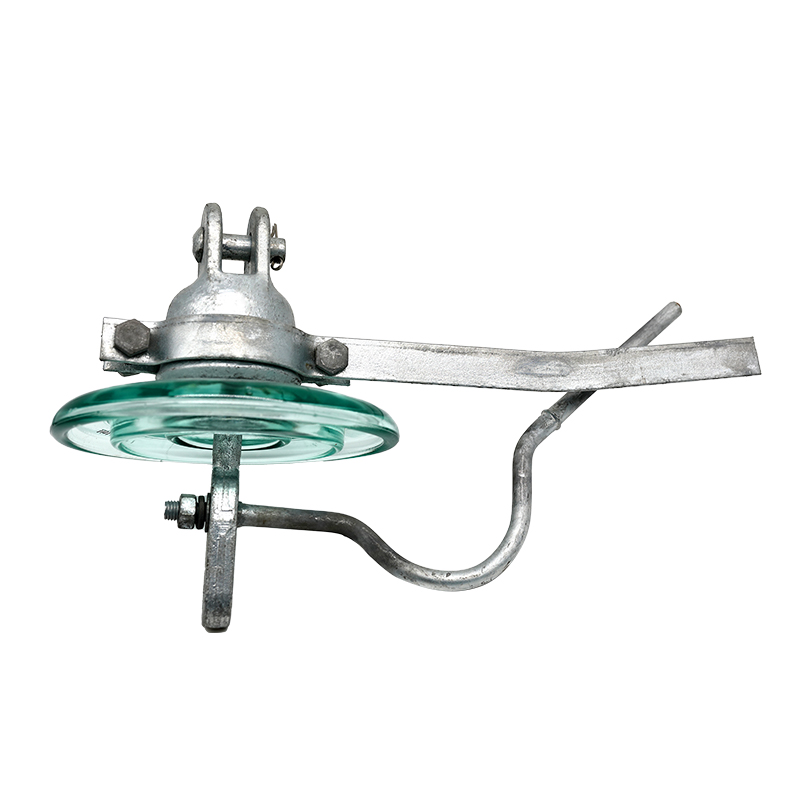
Ground-wires Profile

Ground-wires Profile

By connecting internal or external metal accessories (such as steel feet and flanges) to the grounding wire, reliable grounding can be achieved. The grounding function effectively guides lightning current, reduces line lightning damage, and protects the safety of lines and equipment.
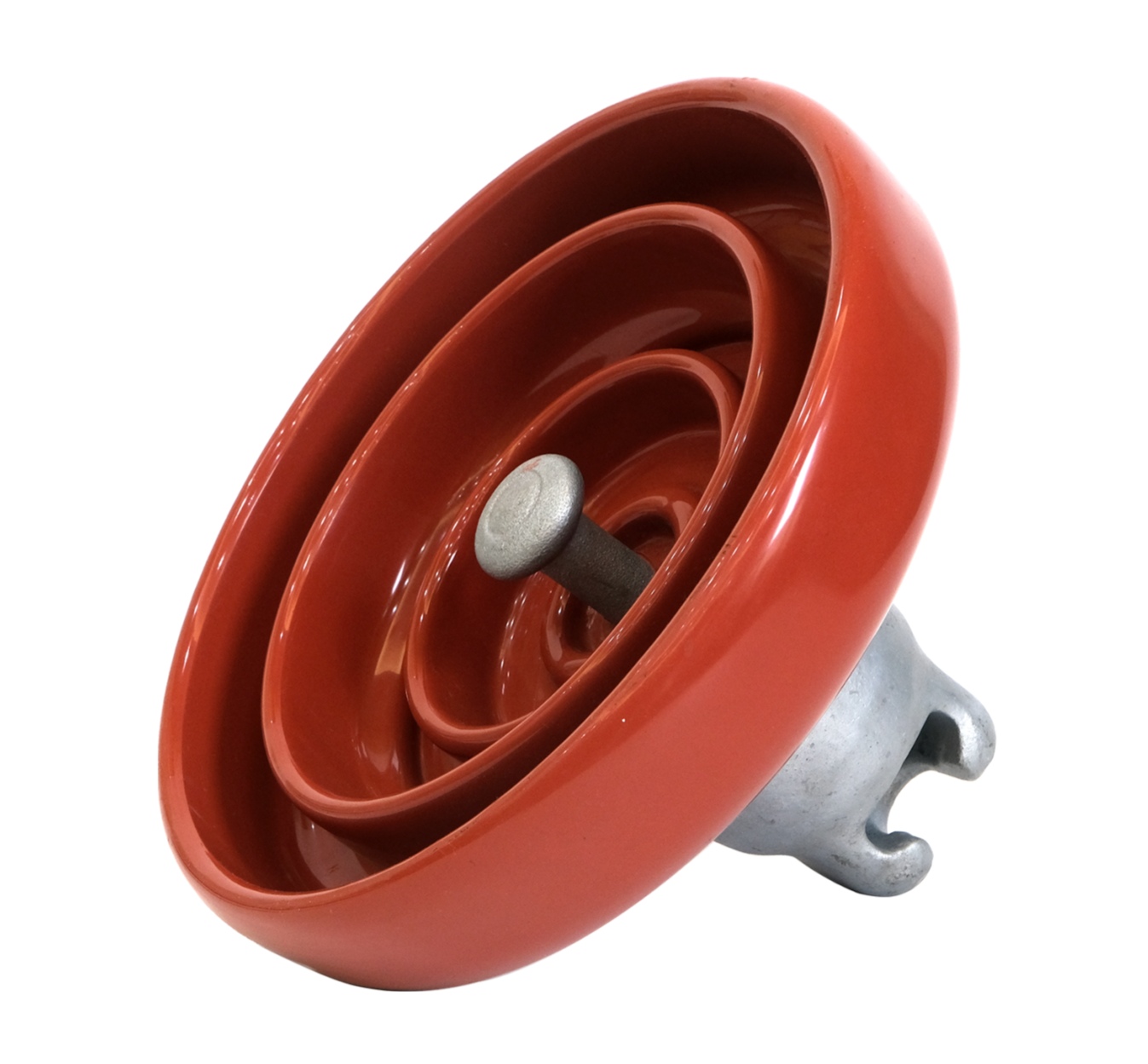
RTV Silicone-Coated Glass Insulators

Silicone-coated Glass Insulators (RTV)

Silicone-coated insulators offer an excellent alternative which guarantees optimum performance for high voltage overhead lines in areas with heavy pollution. They minimise leaking currents and thereby reduce operation and maintenance costs. The product used to coat the insulators is Room Temperature Vulcanization (RTV) silicone which contains mineral fillers embedded in the silicone itself. This silicone increases the hydrophobic nature of the insulator's surface, thereby improving its performance in polluted areas. Furthermore, the fillers absorb the energy of any possible electric arcs and serve to protect the integrity of the coating. Silicone-coated insulators are an economical solution because they eliminate the need to regularly clean glass insulators whilst still maintaining the mechanical reliability that glass suspension insulators have demonstrated over the years.
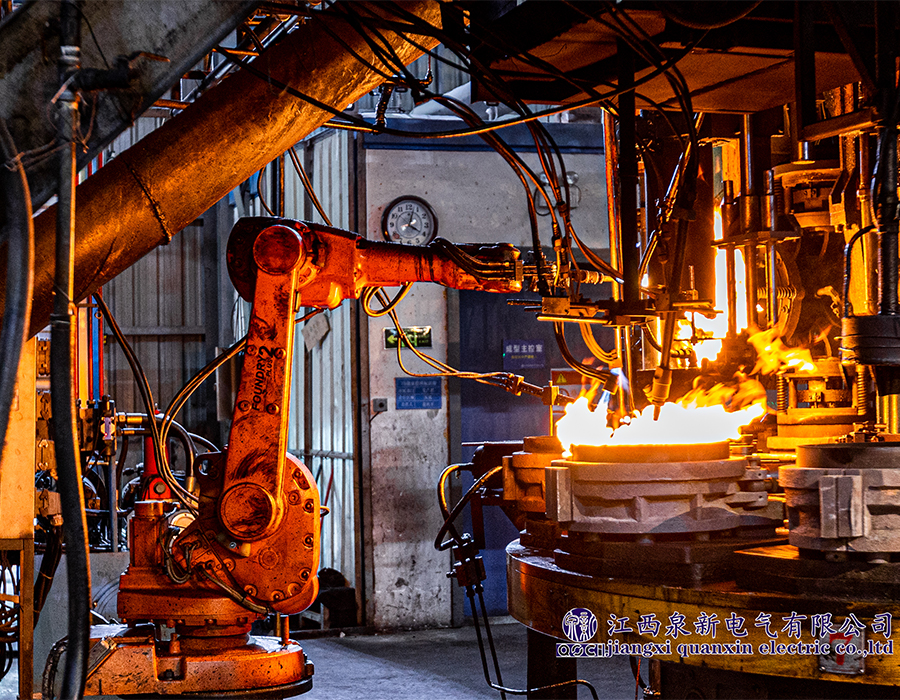
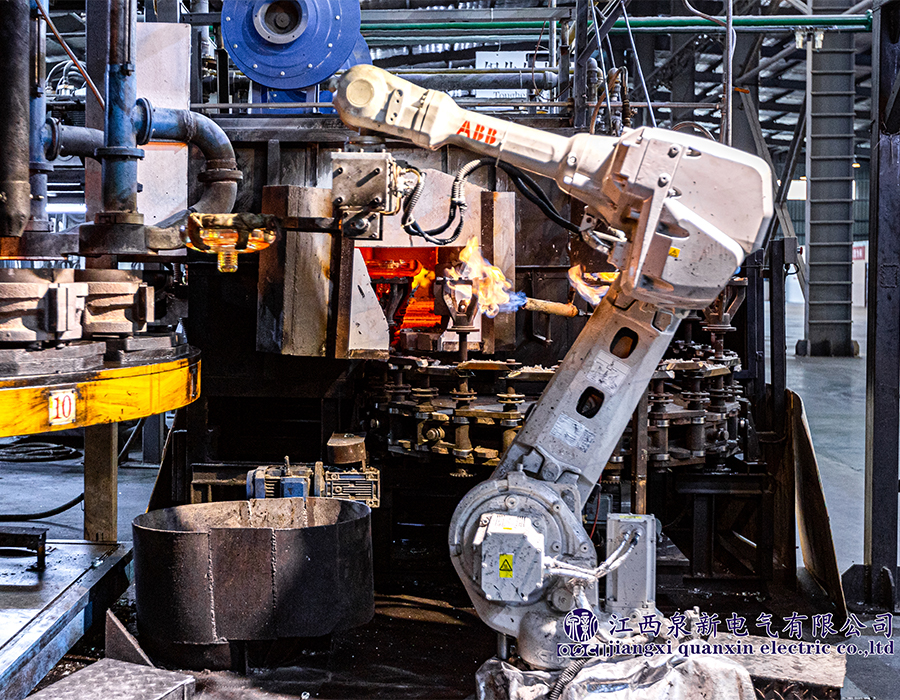
Factory & Production Equipment

Industrial Scale & Precision Processes

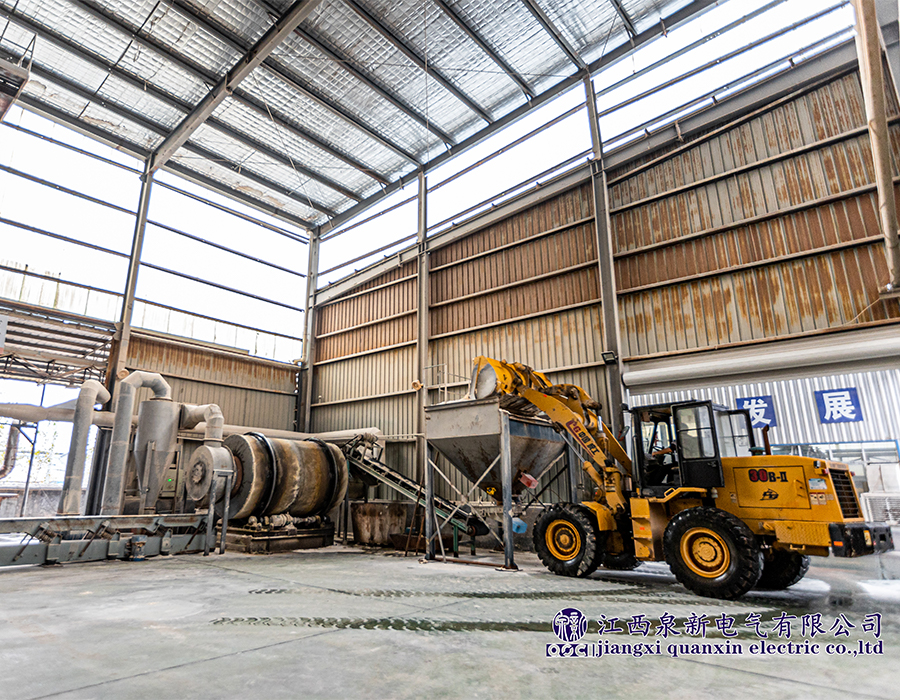
Forming Press
Forming Press
Forming Press 2
Forming Press (Secondary Line)
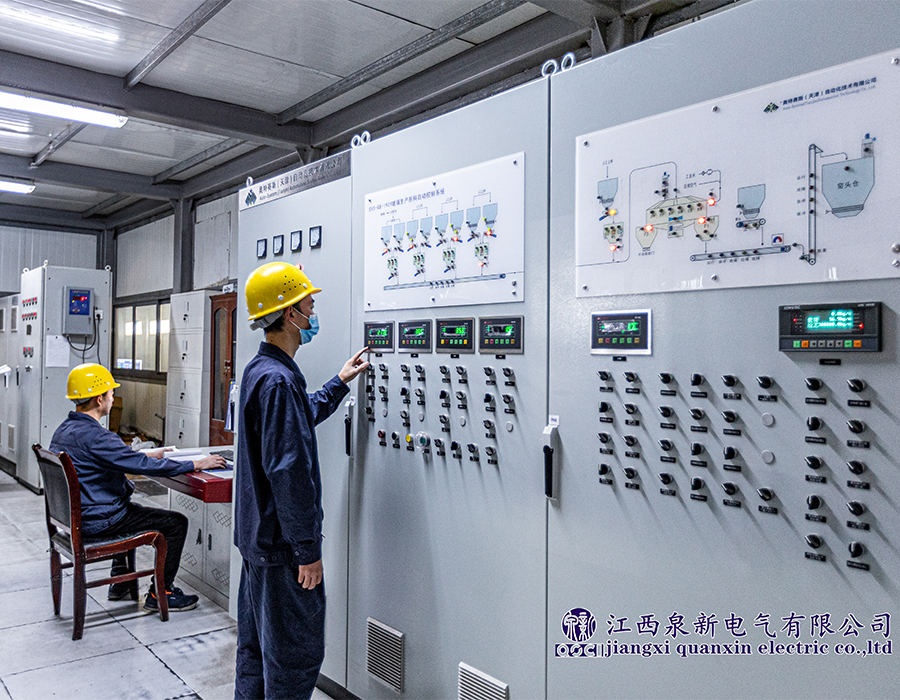
Mixer
Mixer & Material Blending
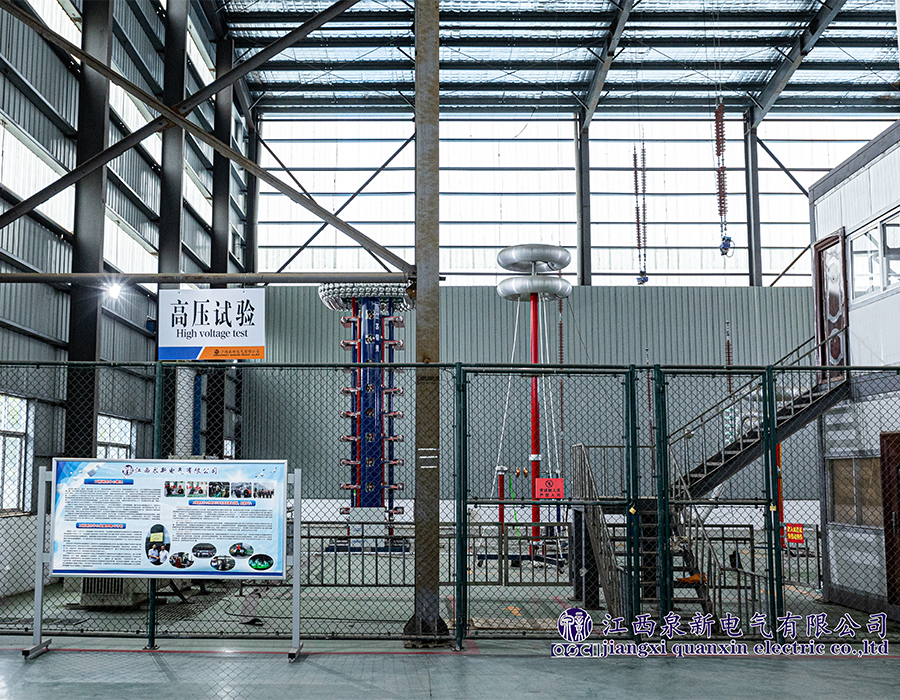
High Voltage Test
High Voltage Test Facility
Production Raw Materials
Raw Material Selection & Quality Control
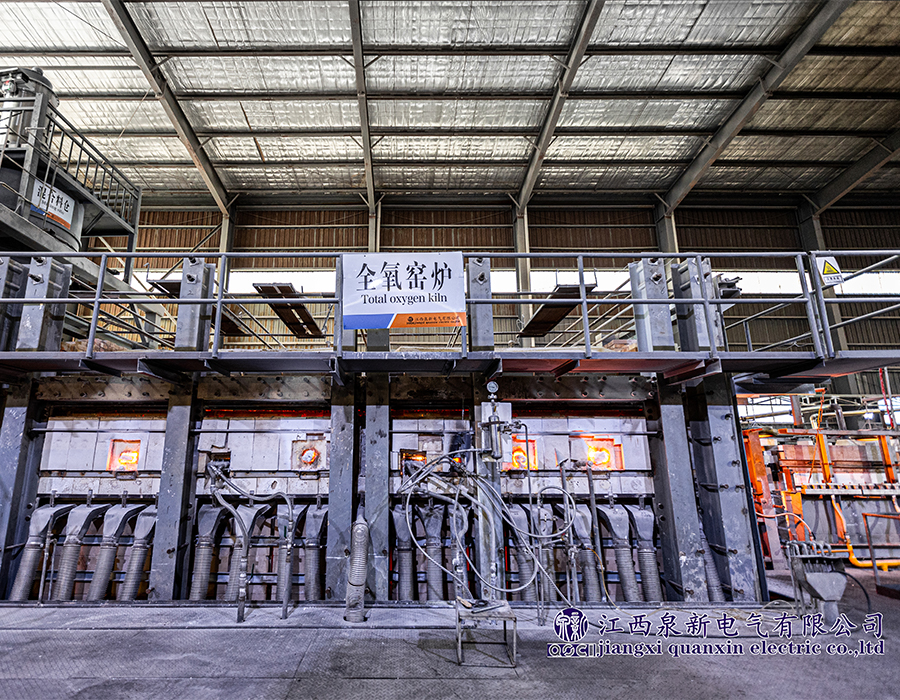
Total Oxygen Kiln
Total Oxygen Kiln Melting
Verified Credentials

International Certificates & Standards Compliance

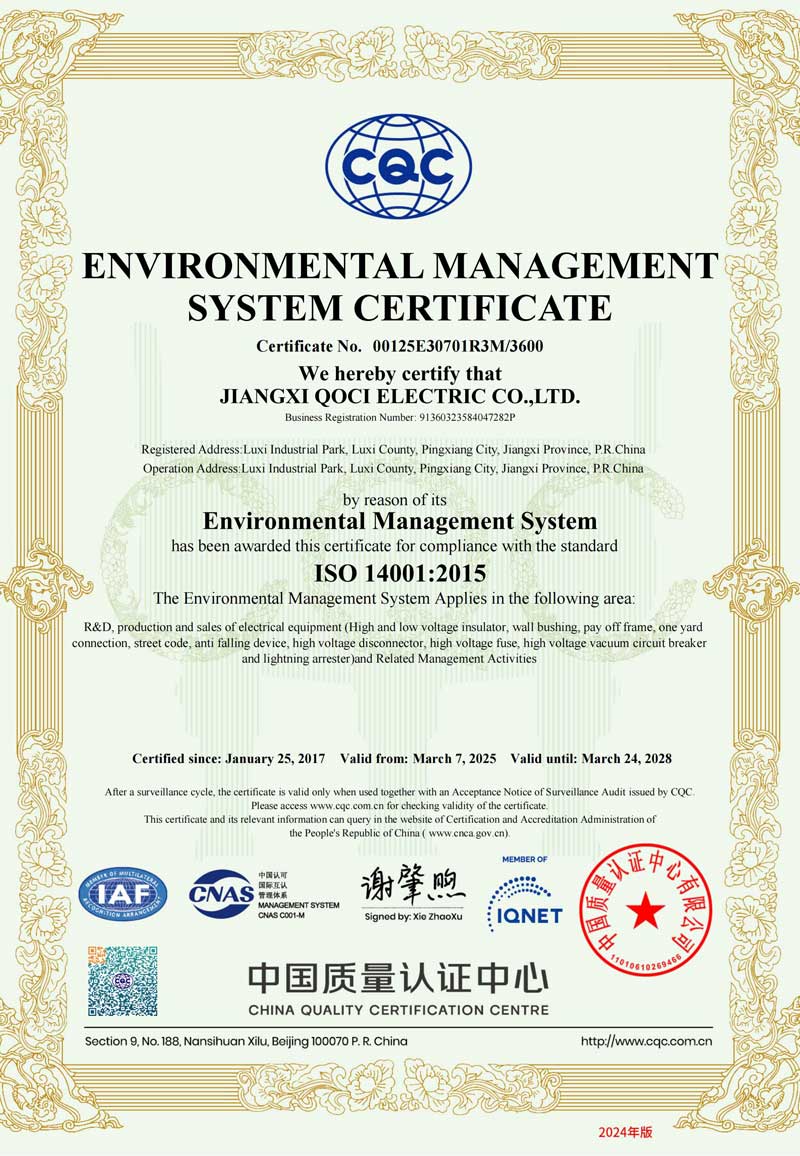
ISO Certification 1
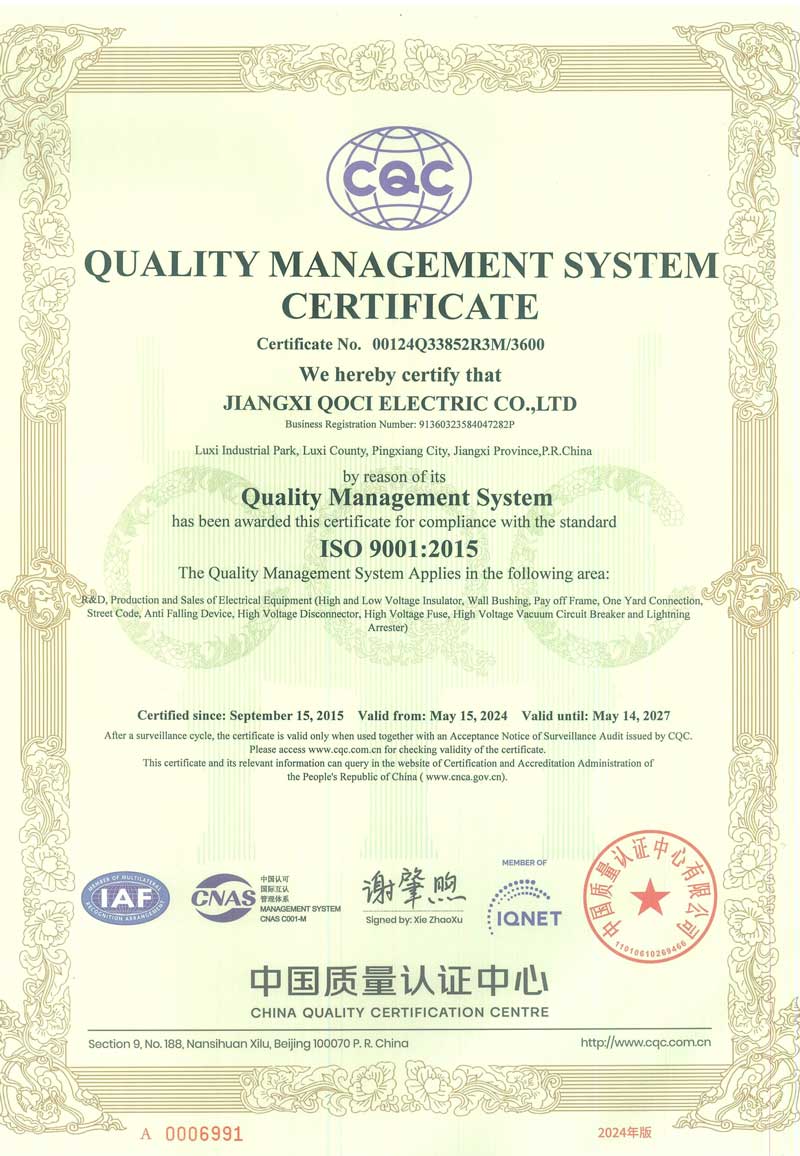
ISO Certification 2
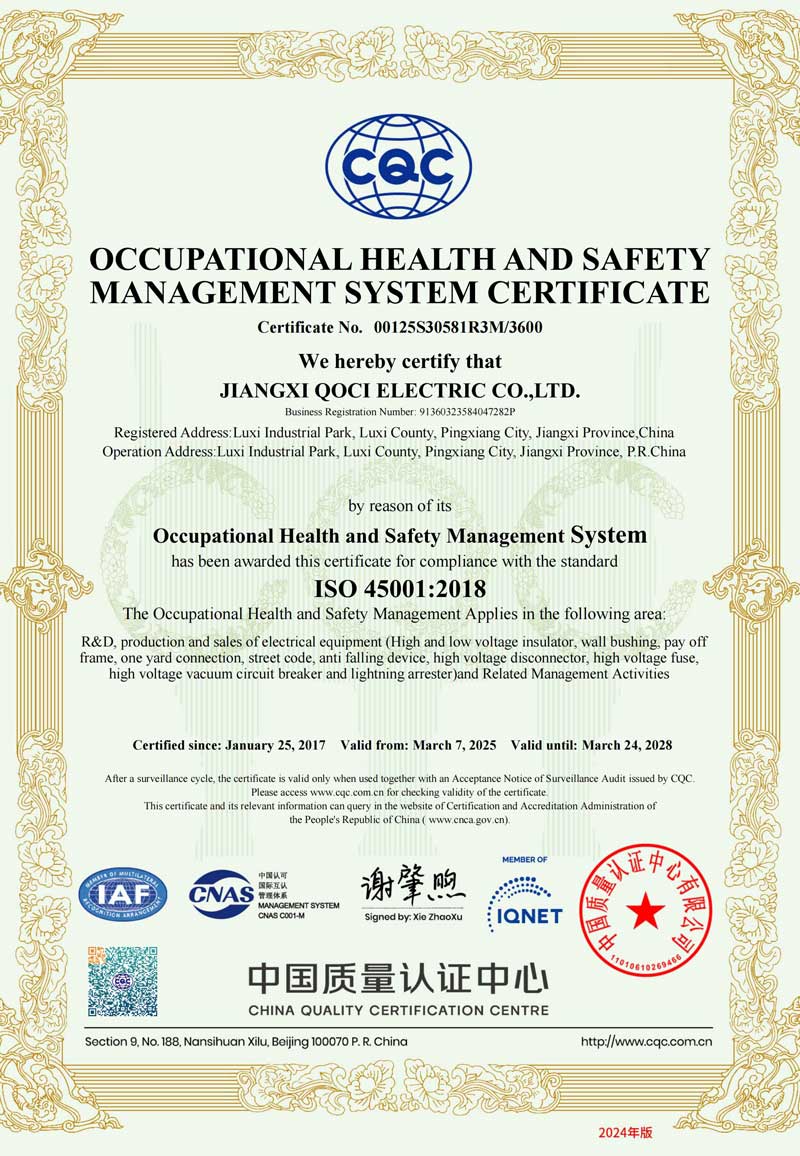
ISO Certification 3
ISO Certification 4
ISO Certification 5
Quality Standard Cert
Standard Certificate 1
Standard Certificate 2
Standard Certificate 3
Standard Certificate 4
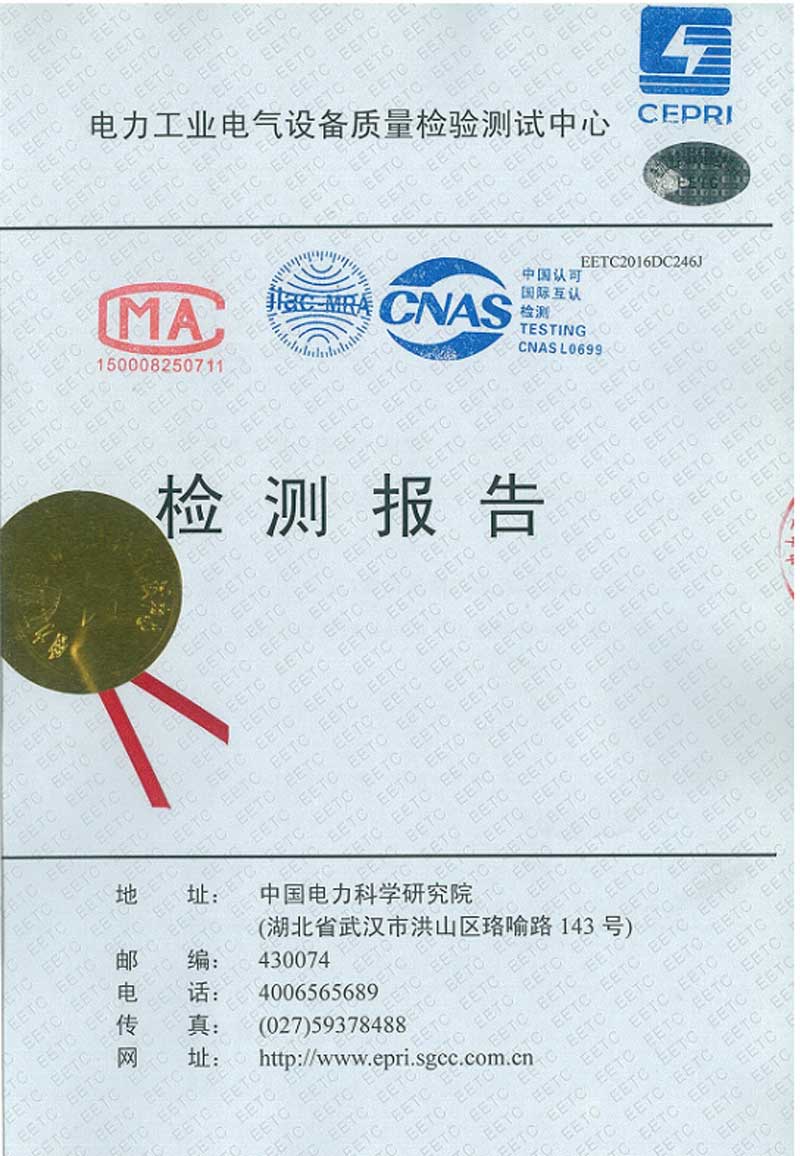
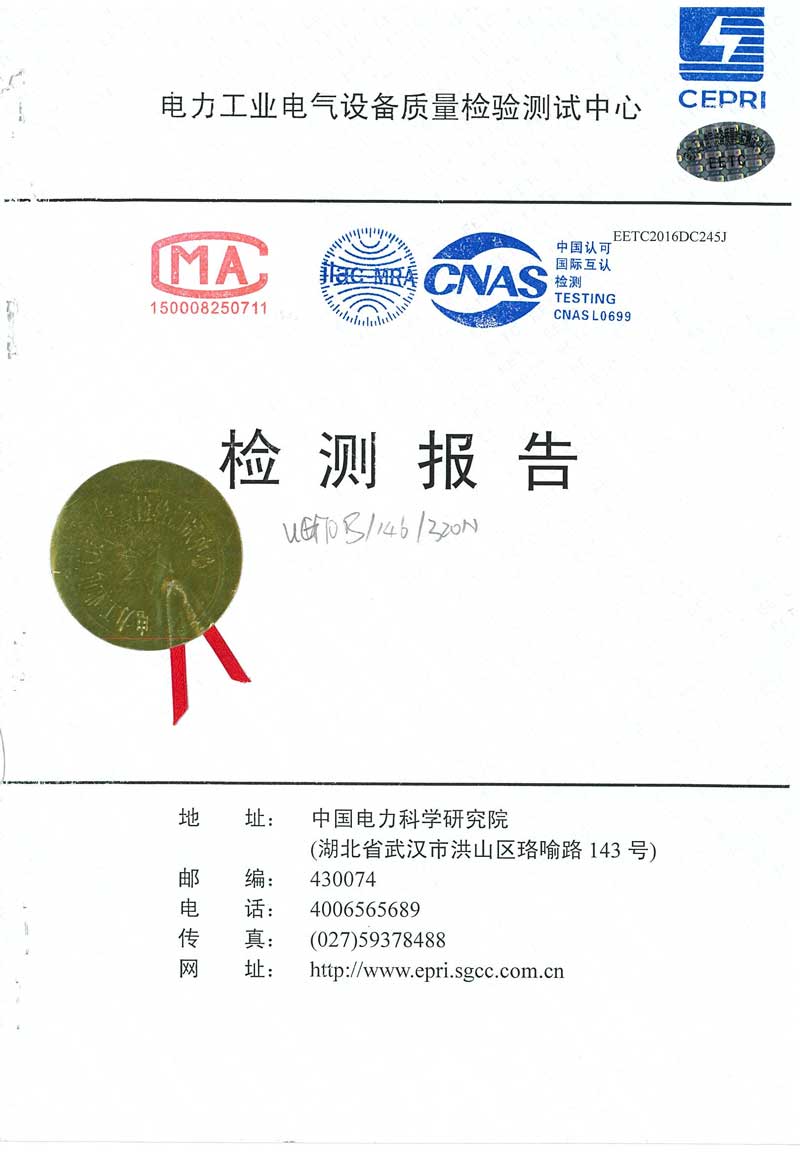
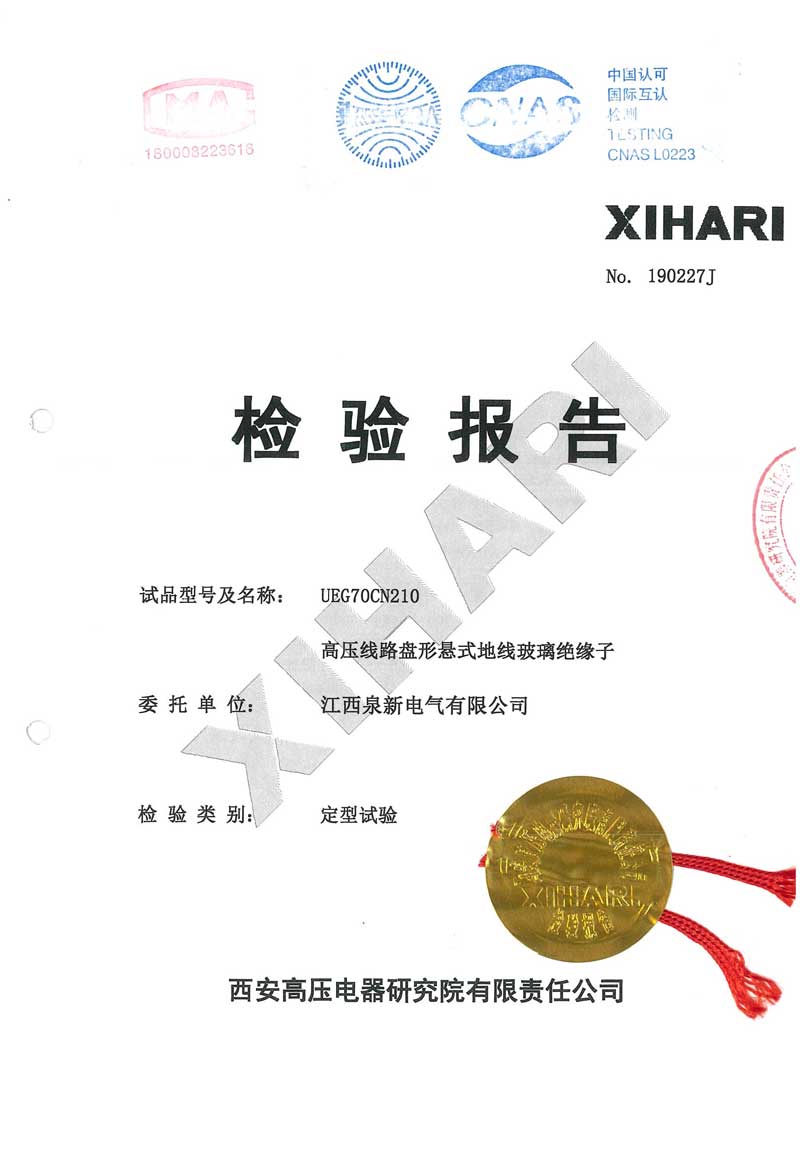
Test Report 1
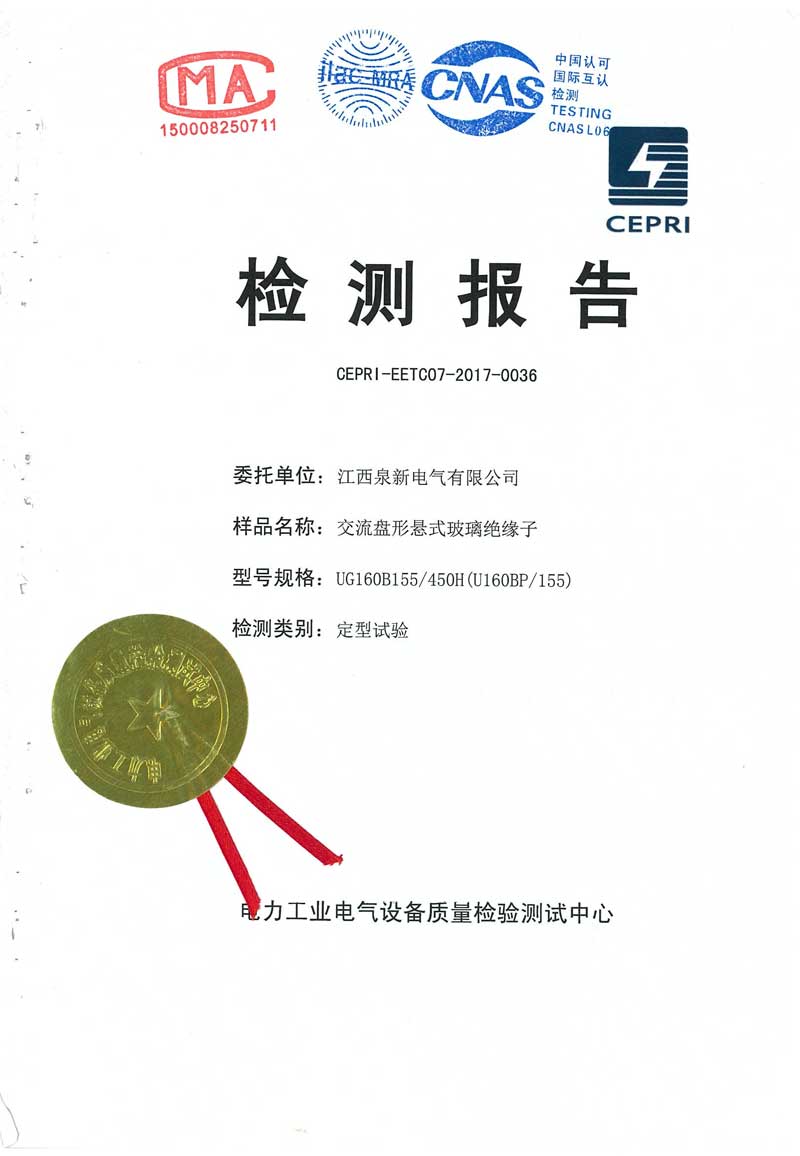
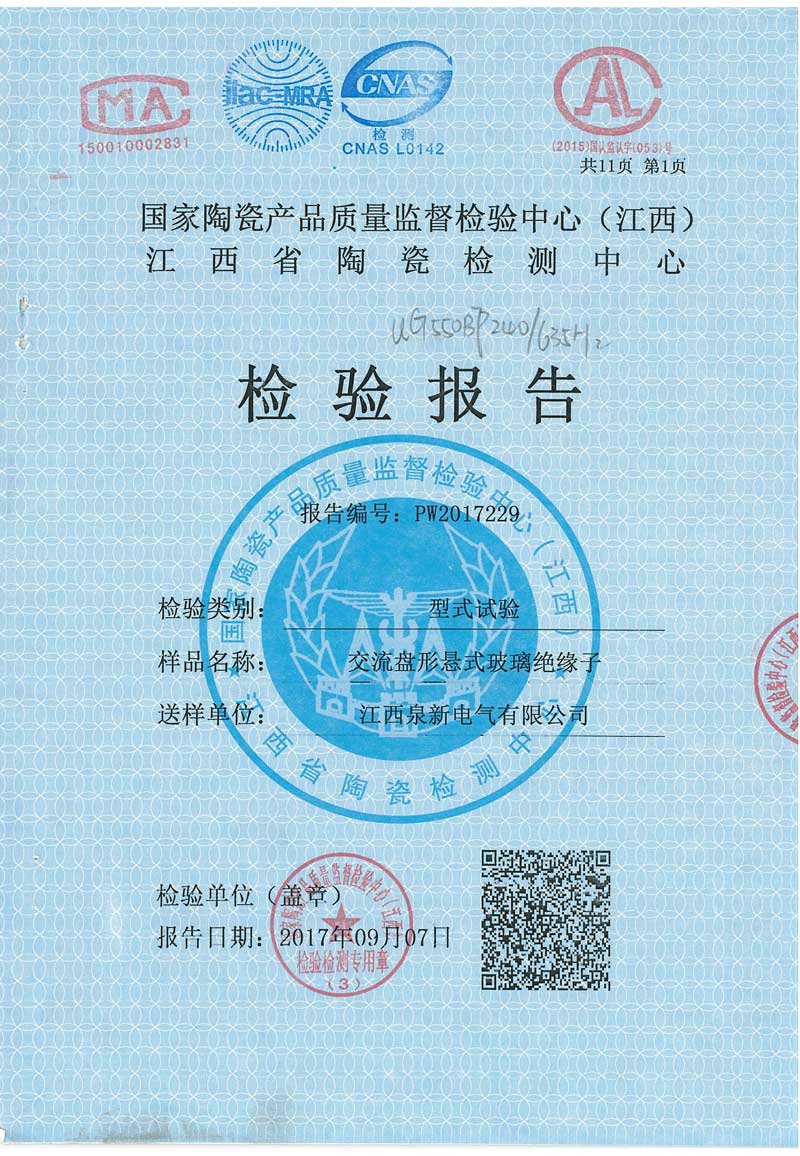
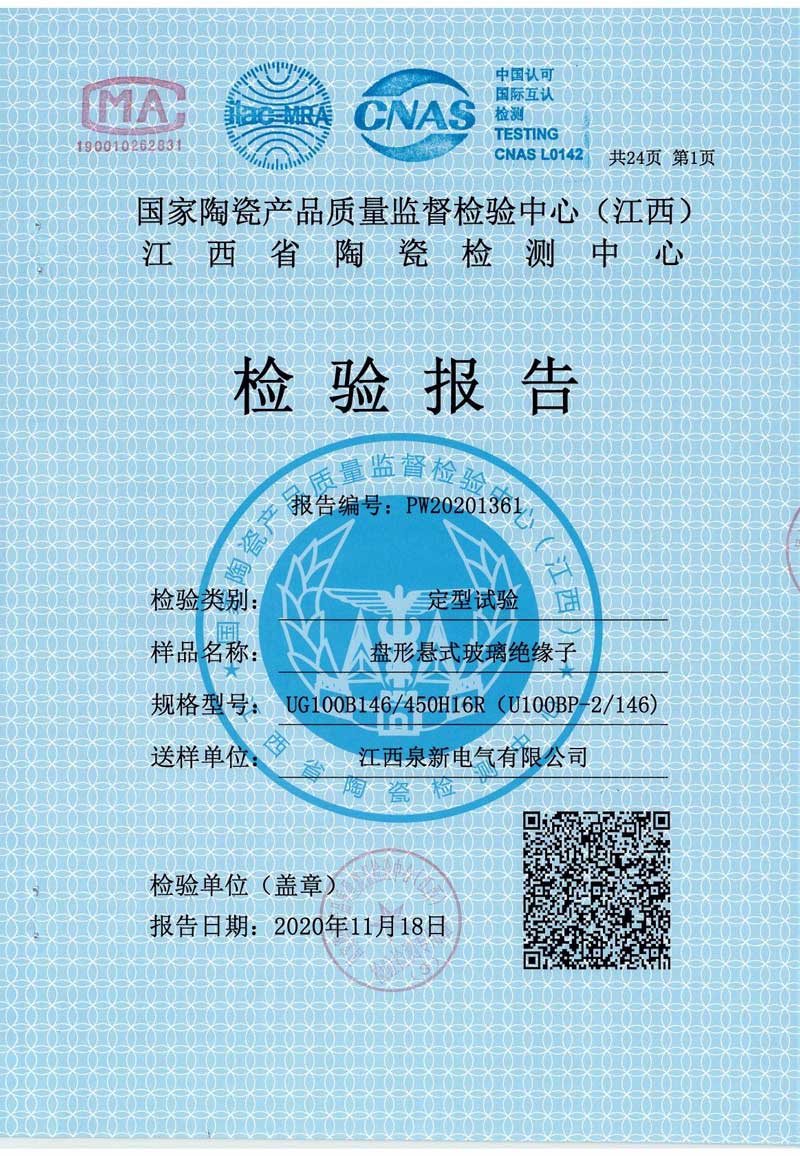
Test Report 2
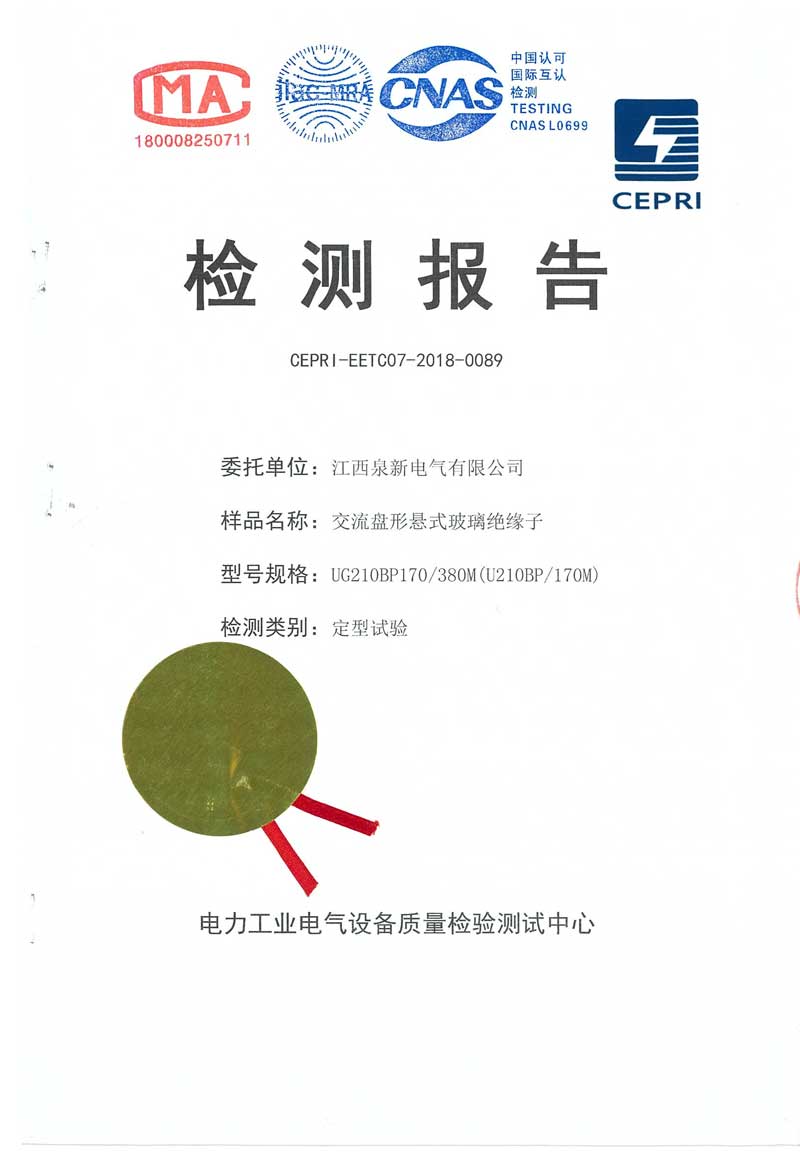
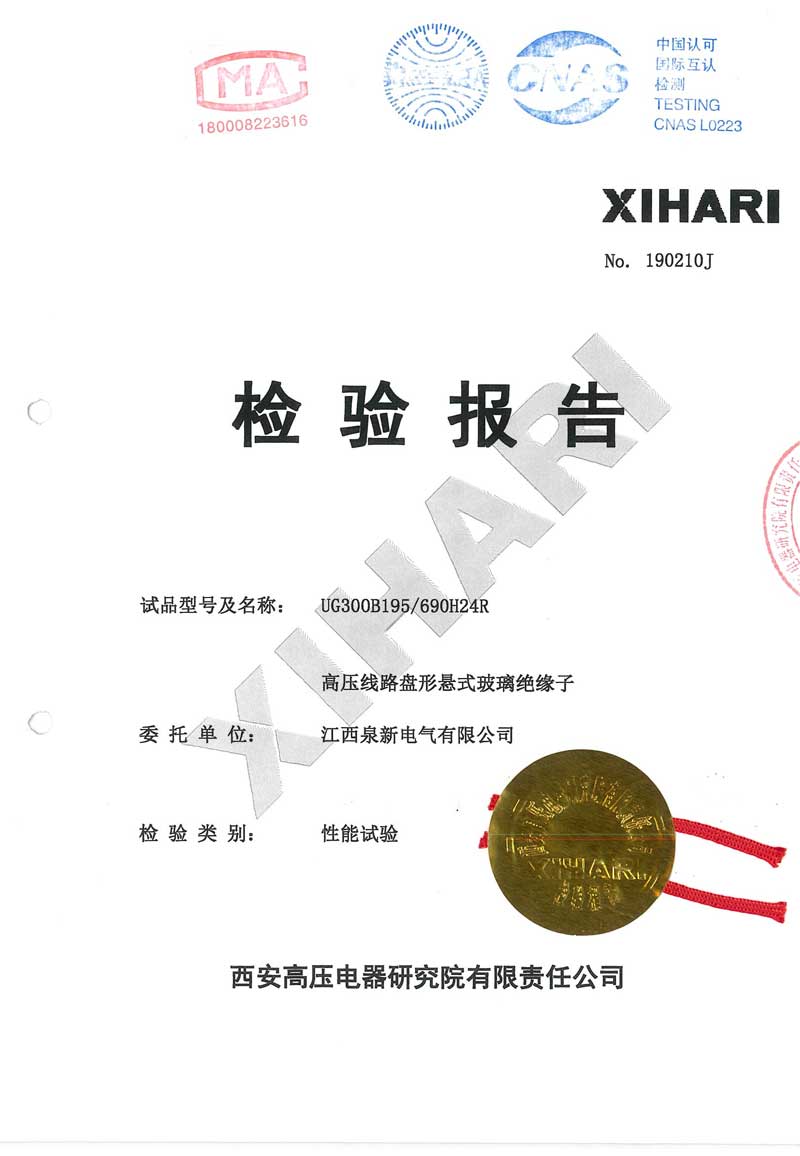
Test Report 3
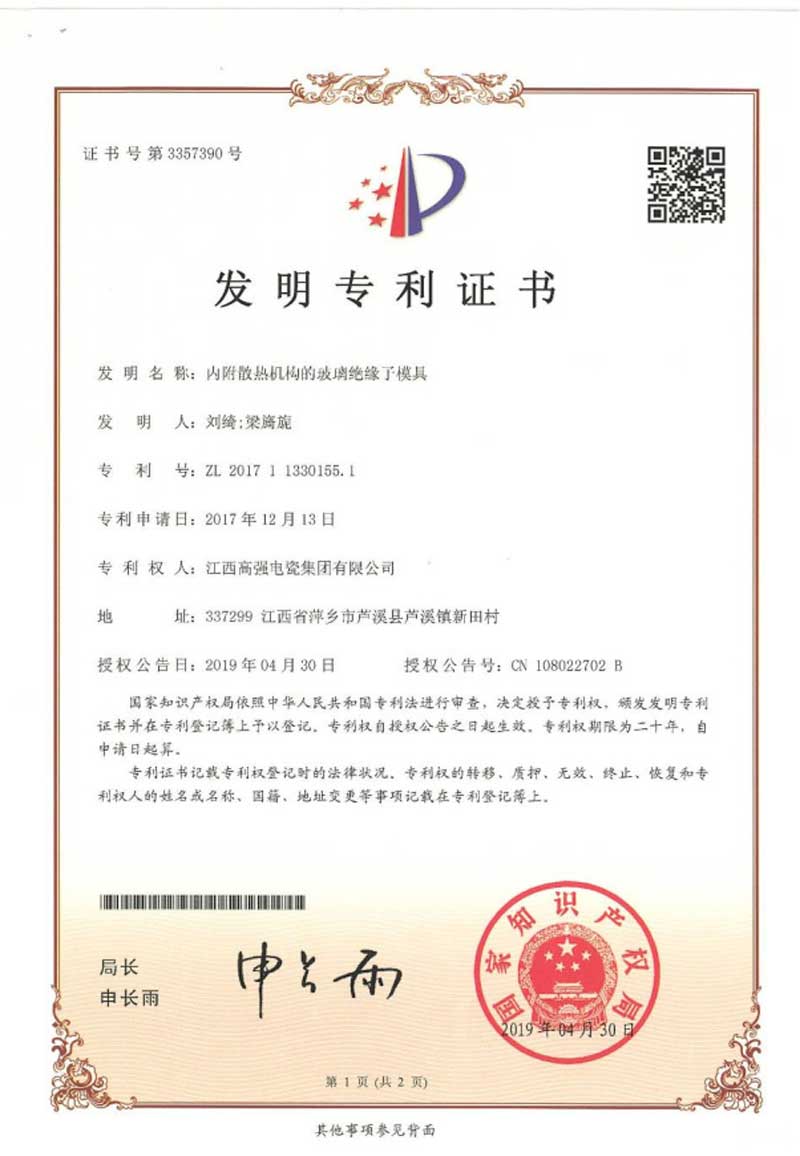
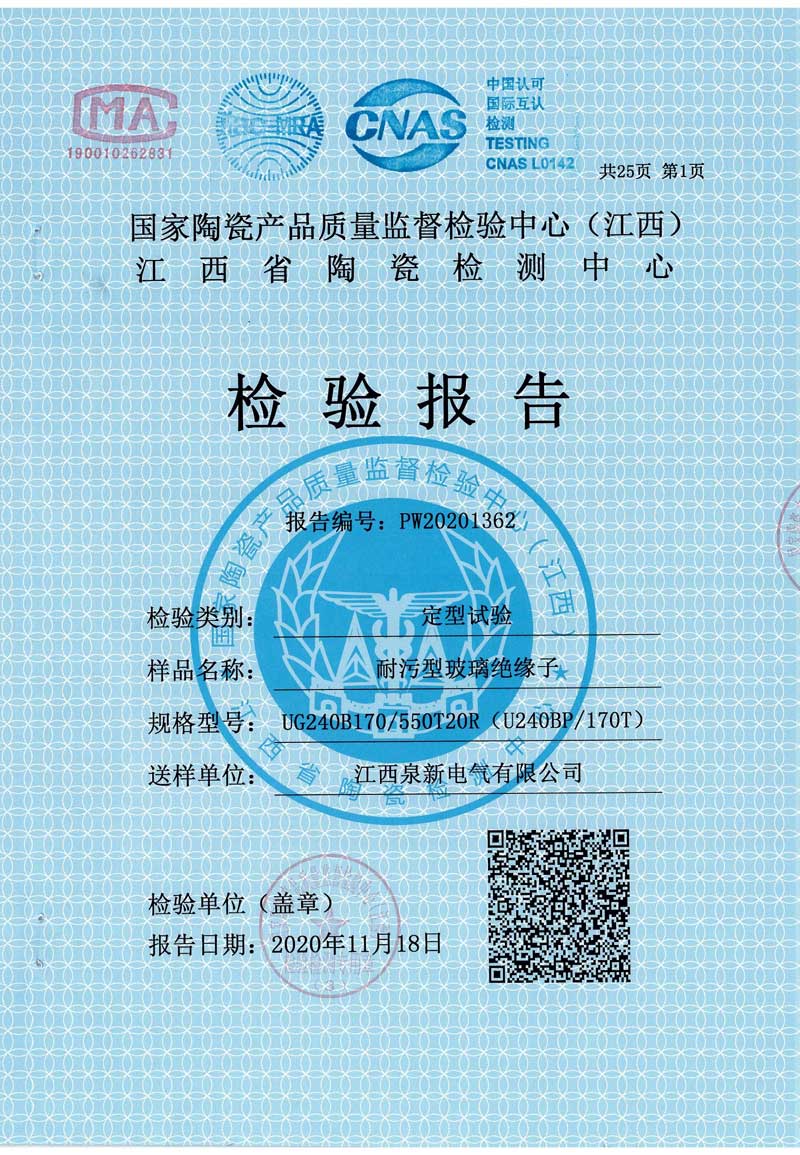
Test Report 4

Strategic Procurement Framework: Sourcing Isolateur Ctv 175 U40b Directly from China

For power utilities, EPC (Engineering, Procurement, and Construction) contractors, and industrial developers, sourcing reliable insulating materials represents a primary pillar of infrastructure lifetime integrity. When bidding for national grid tenders or specifying components like the Isolateur Ctv 175 U40b, procurement teams must evaluate several critical parameters to ensure grid stability and project profitability:

1. Materials Science and Structural Chemistry

High-quality manufacturers utilize exact chemical balances. The glass body must consist of high-purity silica sand, soda ash, and dolomite, processed through computer-controlled glass furnaces. Impurities such as ferrous compounds must be strictly minimized to guarantee a low thermal absorption rate and prevent spontaneous micro-shatters under intense direct sunlight. The iron cap and pin components should be forged with high-density metal structures and hot-dip galvanized according to ASTM A153 or ISO 1461 specifications to resist atmospheric corrosion in coastal and high-industrial zones.

2. Quality Assurance Protocols and Load Tests

A reputable factory must have testing labs capable of running Routine Tests (visual, mechanical, and electrical tests on 100% of finished pieces), Sample Tests (verification of dimensions, thermal shock, mechanical failing load, and galvanization thickness), and Type Tests. In particular, the thermal shock test requires insulators to withstand sudden temperature differentials of up to 100°C without mechanical failure or structural degradation.

3. Supply Chain Agility, Lead Times & Packaging

Transmission line installation schedules are capital-intensive. Delayed supply chains can incur significant financial penalties. The factory's capacity (such as QOCI's 39,000 tons annual output) ensures stable volume commitments. Packaging must involve heavy-duty, seaworthy wooden crates or reinforced plastic pallets wrapped with UV-resistant film, preventing damage during transport across rugged terrain to installation zones.

4. Localized Technical Support & Regulatory Standards

Because grid requirements differ by state and country, working with a manufacturer that provides local engineering support is invaluable. The manufacturer must supply clear certificates of compliance with local utility standards (e.g., EDF specifications in France, ESKOM in South Africa, CELEC in Ecuador). The engineering team must be capable of custom-designing fitting configurations (ball-and-socket vs. clevis-tongue types) to match preexisting tower footprints.
Industry Network

Global Partnerships & Grid Installations

Partner Logo 1
Partner Logo 2
Partner Logo 3
Partner Logo 4
Partner Logo 5
Partner Logo 6
Partner Logo 7
Latest News & Press Releases

Company Developments & Global Events

Enlit Africa Event
May 15, 2026

Join QOCI ELECTRIC to participate in Enlit Africa Exhibition

As the global energy transition accelerates, the importance of electricity, renewable energy, and energy storage technologies is becoming increasingly critical. QOCI will showcase the new pre-coated RTV line.

10 May 2026
May 10, 2026

China's Insulator Technology: A Mature Portfolio

Having withstood extreme environmental conditions including icing, high altitude, pollution, earthquakes and typhoons, China's insulator industry leads in UHV glass development.

22 April 2026
April 22, 2026

Join QOCI ELECTRIC at IEEE PES T&D Conference & Exposition

On behalf of our team at Jiangxi QOCI Electric Co., Ltd, we encourage you to join us at IEEE PES T&D Conference & Exposition 2026, the powerhouse global event for electrical engineering.

30 Dec 2025
December 30, 2025

QOCI Electric will attend The 11th Iraq Energy Exhibition

Pingxiang, China, December 30, 2025- QOCI Electric, a leading global supplier of power equipment and solutions, officially confirmed today that they will lead a technical panel in Iraq.
Q&A Desk

Technical & Commercial FAQ

What does the classification "U40b" and "Ctv 175" specify in standard configurations?
"U40b" is the structural mechanical rating defined by international standards (IEC), denoting an electromechanical failing load of at least 40 kN. "Ctv 175" indicates the profile design, generally specifying a structural spacing of 175mm or shell diameter that fits within that specific configuration range, often utilized in national grid standards across various francophone utility markets.
Why choose Toughened Glass over Composite (Silicon Rubber) or Porcelain Insulators?
Toughened glass provides superior mechanical reliability, a zero-maintenance self-diagnostic feature (it shatters upon failure but retains mechanical strength so there is no line drop), and does not age like organic composite compounds. Compared to porcelain, it offers greater mechanical homogeneity, higher tensile strength, and easier visual inspections.
How does RTV silicone coating improve glass insulator performance in heavily polluted zones?
The RTV (Room Temperature Vulcanization) coating creates a hydrophobic surface. This prevents water from forming continuous conductive films when mixed with salt or dust, thereby reducing leakage currents and preventing flashovers. It eliminates the need for periodic manual washing of the insulator string in desert or coastal regions.
What quality standards does Jiangxi QOCI Electric conform to?
QOCI Electric operates fully under ISO 9001:2015 Quality Management Systems, ISO 14001:2015 Environmental Management Systems, and ISO 45001:2018 Occupational Health Standards. All products undergo testing in accordance with IEC 60305, IEC 60383, IEC 60815, and ANSI C29.2.
What is the average life expectancy of a toughened glass insulator string?
Due to the chemical stability of tempered glass and high-standard hot-dip galvanization on the steel fittings, our toughened glass suspension insulators have a operational service life exceeding 40 years, matching the mechanical lifespan of the tower steel structures themselves.
Does the factory support custom mechanical parameters and OEM shapes?
Yes. Supported by 53+ senior engineers and a specialized tooling department, we routinely design custom profiles for specific transmission corridors, matching custom zinc sleeve protection settings, structural creepage values, and mechanical classes up to 550kN.
Product Showcase (Part II)

Heavy-Duty & Standard Insulation Catalog

China U160BL (170/280/400) Glass Insulator

China U160BL (170/280/400) Glass Insulator Manufacturers, Factories

View Details
High-Quality P-13 (10 sheds) Disconnecting Switch

High-Quality P-13 (10 sheds) Disconnecting Switch Post Insulator Manufacturers, Supplier

View Details
China U300BD High Voltage Cap and Pin Type

China U300BD High Voltage Cap and Pin Type Anti-Fog Glass Isolator Toughened Double Shed Glass Electric Insulator Manufacturer, Suppliers

View Details
Wholesale ANSI High Voltage Porcelain Insulator

Wholesale ANSI 57-4 High Voltage Tie Top Porcelain Line Post Insulator Manufacturers, Supplier

View Details
China ANSI Standard Shackle Insulator ED-2b

China ANSI Standard Shackle Insulator ED-2b with D Iron for Low Voltage Lines Suppliers, Factories

View Details
High-Quality U420B High Voltage Glass Insulator

High-Quality U420B High Voltage Toughened Suspension Glass Insulator Suppliers, Factory

View Details
High-Quality U550B (240/380/600) Glass Insulator

High-Quality U550B (240/380/600) Glass Insulator Manufacturers, Suppliers

View Details
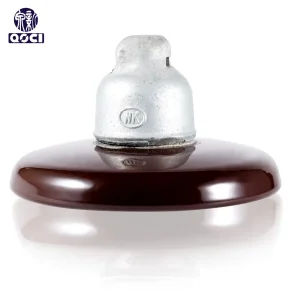
China U120B Insulator Manufacturers

China U120B Suspension Porcelain Insulator Manufacturers, Supplier

View Details