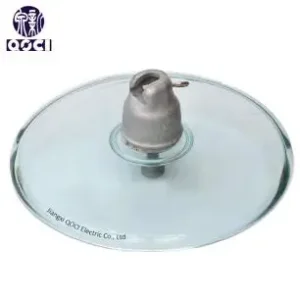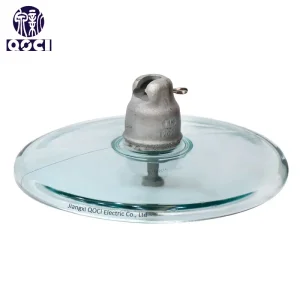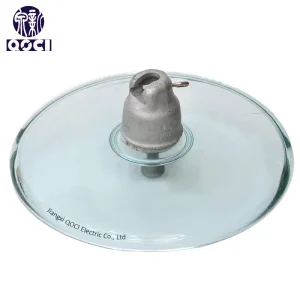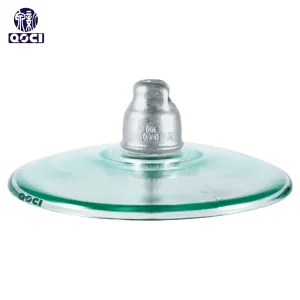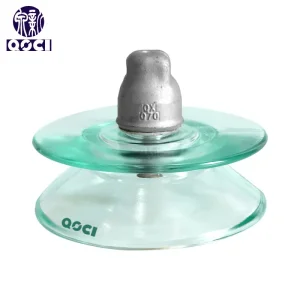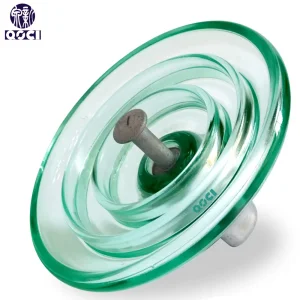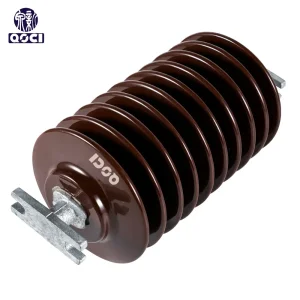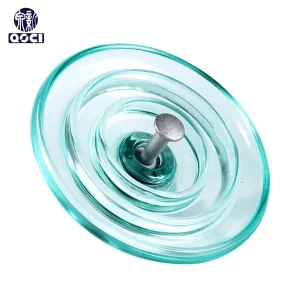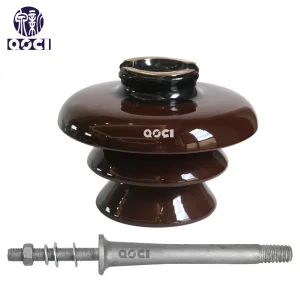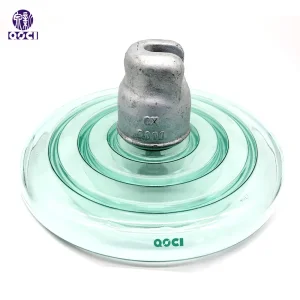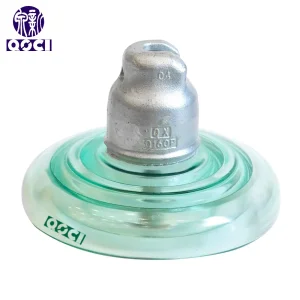
Specially selected toughened glass insulators for Baghdad and Basra's 400kV/132kV transmission networks.
Iraq's power infrastructure is undergoing a massive transformation under the Ministry of Electricity (MOE) expansion plans. The primary challenge for Iraq's grid reliability is not just load management, but environmental resilience. With summer temperatures exceeding 50°C and frequent "Shamal" sandstorms, standard insulators suffer from rapid pollution accumulation, leading to frequent leakage currents and flashovers.
Our Aerodynamic Type Glass Insulators are specifically designed with an "Open Profile" that leverages Iraq's wind patterns. Unlike traditional ribbed insulators that trap dust, the aerodynamic shape creates a venturi effect, allowing wind to naturally "sweep" the surface clean. This reduces the Equivalent Salt Deposit Density (ESDD) significantly, ensuring grid stability in the desert regions of Najaf, Anbar, and the oil-rich fields of Basra.
Globally, the shift towards Toughened Glass over porcelain is driven by "Zero-Value Self-Explosion" visibility, which simplifies maintenance. In the international market, China-made glass insulators now account for over 60% of new ultra-high voltage (UHV) projects due to superior mechanical strength and thermal stability.
We provide comprehensive Iraq-specific localized support, including:
Ideal for 132kV/400kV lines passing through the Western Desert, where sand accumulation is the primary cause of downtime.
Specific Aerodynamic + Zinc Bushing designs for the Basra coastline to prevent galvanic corrosion of the pin.
Supplying specialized insulators for the power grids feeding the Rumaila and West Qurna oil fields.
Supporting Baghdad’s "Ring Road" power upgrades with high-strength suspension glass units.
By late 2025, we are introducing RTV (Room Temperature Vulcanization) silicone-coated aerodynamic insulators to the Iraqi market. This combines the mechanical strength of glass with the hydrophobicity of polymers, providing a "Double-Shield" against pollution flashovers.
Integration of IoT-ready leakage current sensors directly into the insulator string hardware to provide real-time health monitoring for Iraq's national control center.
Development of 530kN and 840kN high-load toughened glass insulators for cross-border interconnection lines between Iraq, Jordan, and the GCC countries.
In Iraq, the primary pollutant is dry sand and dust, not wet fog. Fog type insulators have deep ribs that trap sand, making them difficult for the wind to clean. Aerodynamic types have a smoother, flatter profile that uses the Shamal winds to naturally remove dry deposits.
Yes. Our toughened glass insulators undergo rigorous thermal shock testing (IEC 60383). The tempering process ensures they can withstand extreme temperature fluctuations between midday heat and desert nights without mechanical failure.
With an annual output of 39,000 tons, we can fulfill large orders (100,000+ units) within 4-6 weeks. We also maintain a buffer stock for urgent maintenance and repair needs in the Middle East region.
We highly recommend zinc sleeves (Zinc Bushing) for all insulators used in Iraq's southern and coastal regions to prevent corrosion. We can customize the thickness of the zinc layer based on your project's specific soil and air salinity reports.
Explore our complete range of high-performance suspension and post insulators.
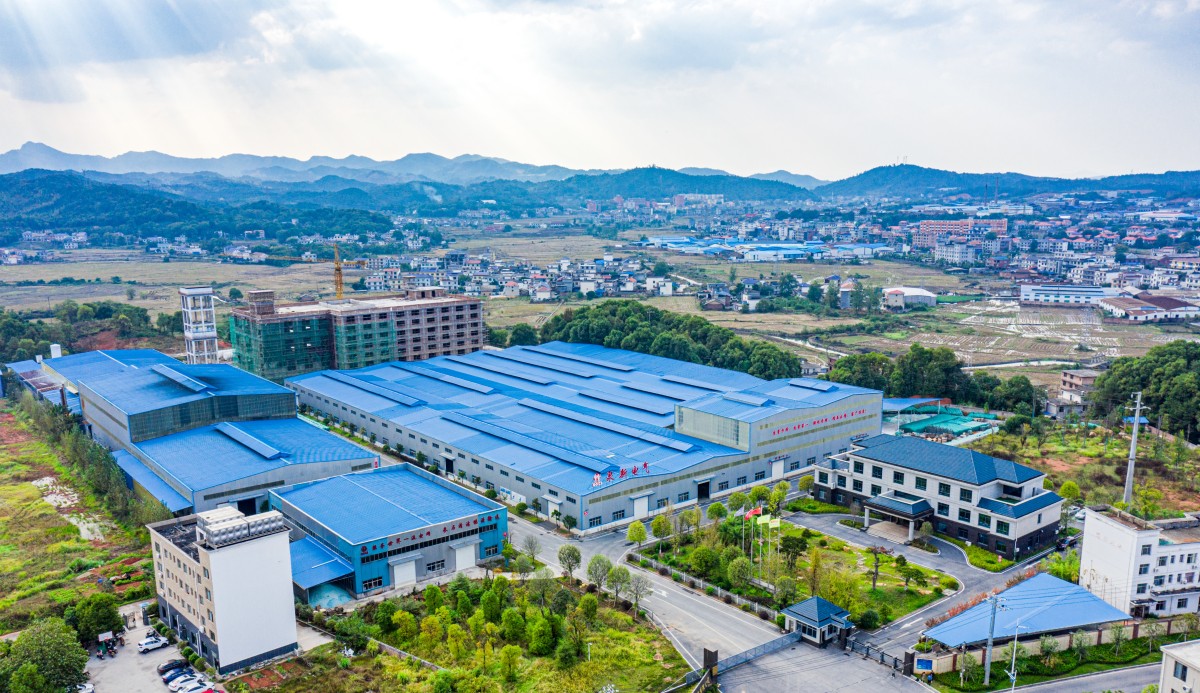
Jiangxi QOCI Electric Co. Ltd, founded in 2002 with a registered capital of 508 million Yuan, stands as a titan in the global insulator industry. Located in the Luxi Industrial Park, our 70,000 m² facility is the heart of innovation for toughened glass technology.
Our commitment to E-E-A-T principles is reflected in our 53 engineering technicians and 26+ national patents. We don't just manufacture; we engineer solutions that ensure the safety of power grids worldwide, specifically adapting our technology for the harsh climates of the Middle East.