Leading the transition to resilient infrastructure with IEC-standard toughened glass technology.
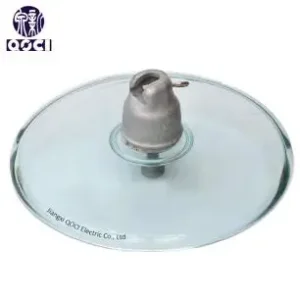
Doha Project Series: U70BLA Aerodynamic Type Glass Insulators IEC Standard for High Voltage Lines
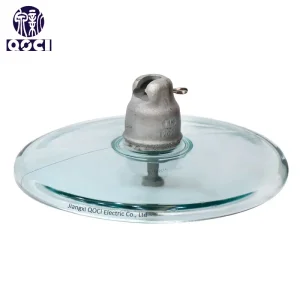
Doha Grid: Wholesale U70bla 70kN 220kv Open Air Aerodynamic Disc Glass Insulator
Qatar Power: U100bla 70kN 220kv Open Air Aerodynamic Disc Glass Insulator
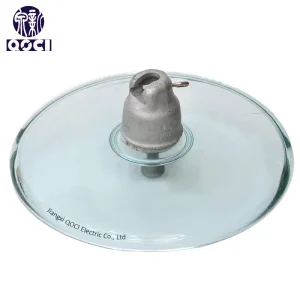
Doha Heavy Industrial: Glass Insulator U210AD With Zinc Bushing Supplier
Doha, as the heart of Qatar’s economic expansion, faces unique electrical engineering challenges. Under the Qatar National Vision 2030, the demand for high-voltage transmission has surged, particularly to support the rapid development of Lusail City, the expansion of the Hamad International Airport, and the massive petrochemical complexes in Mesaieed and Ras Laffan.
The local environment is characterized by high humidity, extreme heat (up to 50°C), and frequent sandstorms. These factors lead to "sand-bridging" and salt-mist contamination on standard insulators, causing leakage currents and flashovers. Our Aerodynamic (Open Profile) glass insulators are specifically designed to leverage wind flow to self-clean these deposits, ensuring 99.9% grid uptime for Kahramaa-standard projects.
Moving from traditional soda-lime glass to advanced borosilicate and RTV-coated toughened glass for superior hydrophobicity in Doha's humid nights.
Future iterations will include IoT sensors within the insulator cap to monitor leakage current in real-time for Doha's smart grid initiatives.
Enhanced Zinc Sleeve technology to prevent pin corrosion in saline coastal environments like The Pearl-Qatar and West Bay.
The global glass insulator market is witnessing a shift towards UHV (Ultra High Voltage) AC and DC lines. As countries move towards renewable energy integration, the need for reliable suspension strings has never been higher. China currently leads the world in toughened glass insulator production technology, with JIANGXI QOCI ELECTRIC at the forefront of this manufacturing excellence.
Ideal for 132kV and 220kV lines near the Doha coastline. The open profile prevents salt crust formation.
Used in the central desert regions (Dukhan Road) where wind-driven sand erodes standard porcelain but glides over aerodynamic glass.
Reliable performance for Ras Abu Fontas and other power generation stations requiring high mechanical strength and thermal stability.
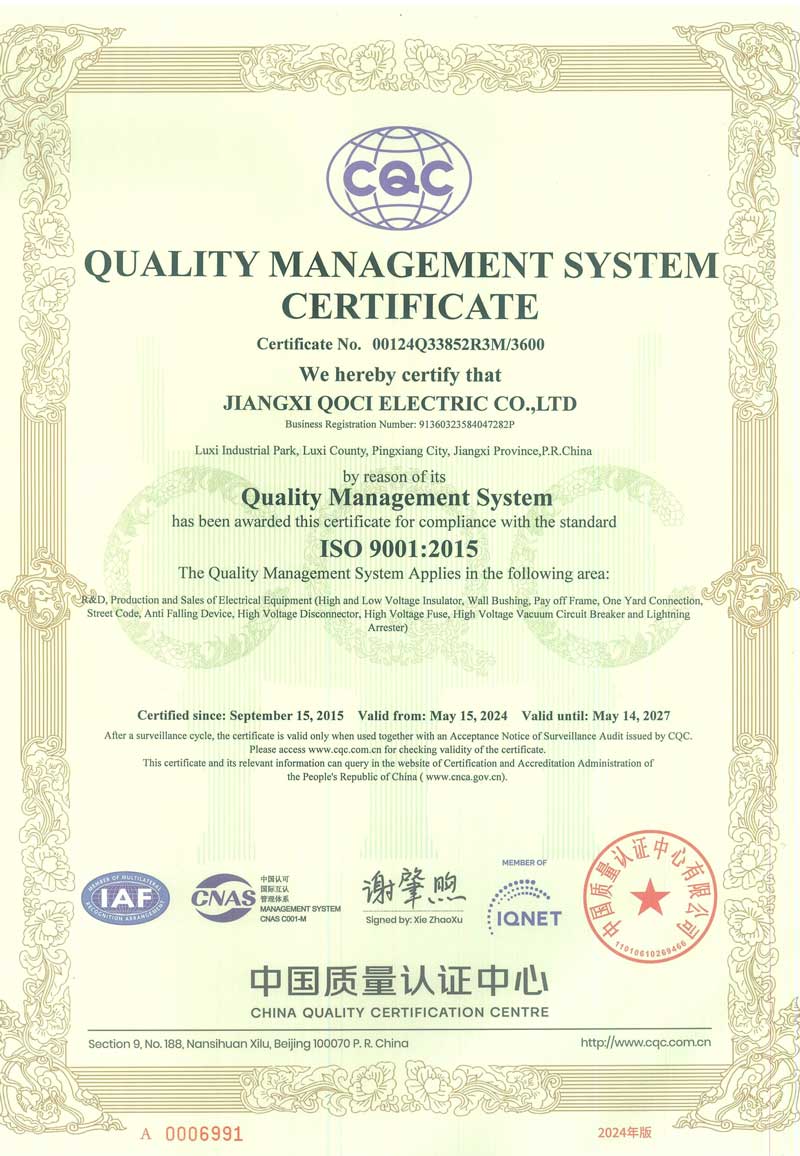
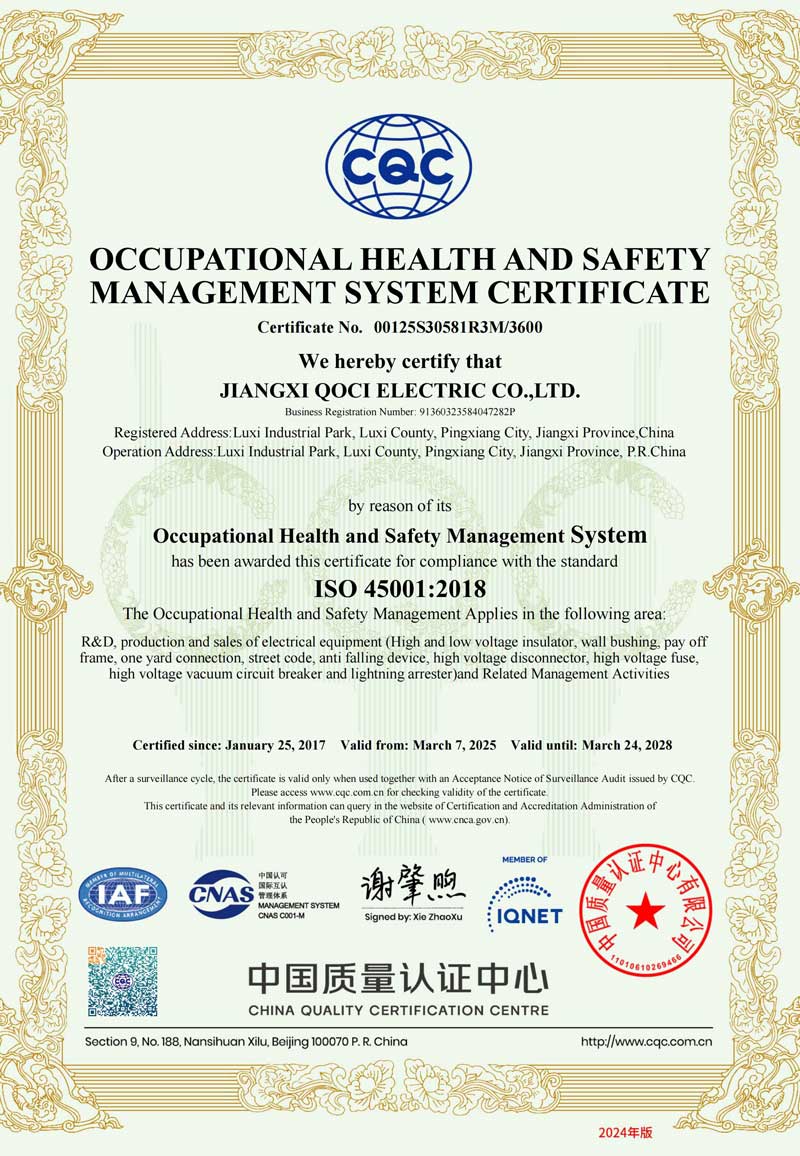
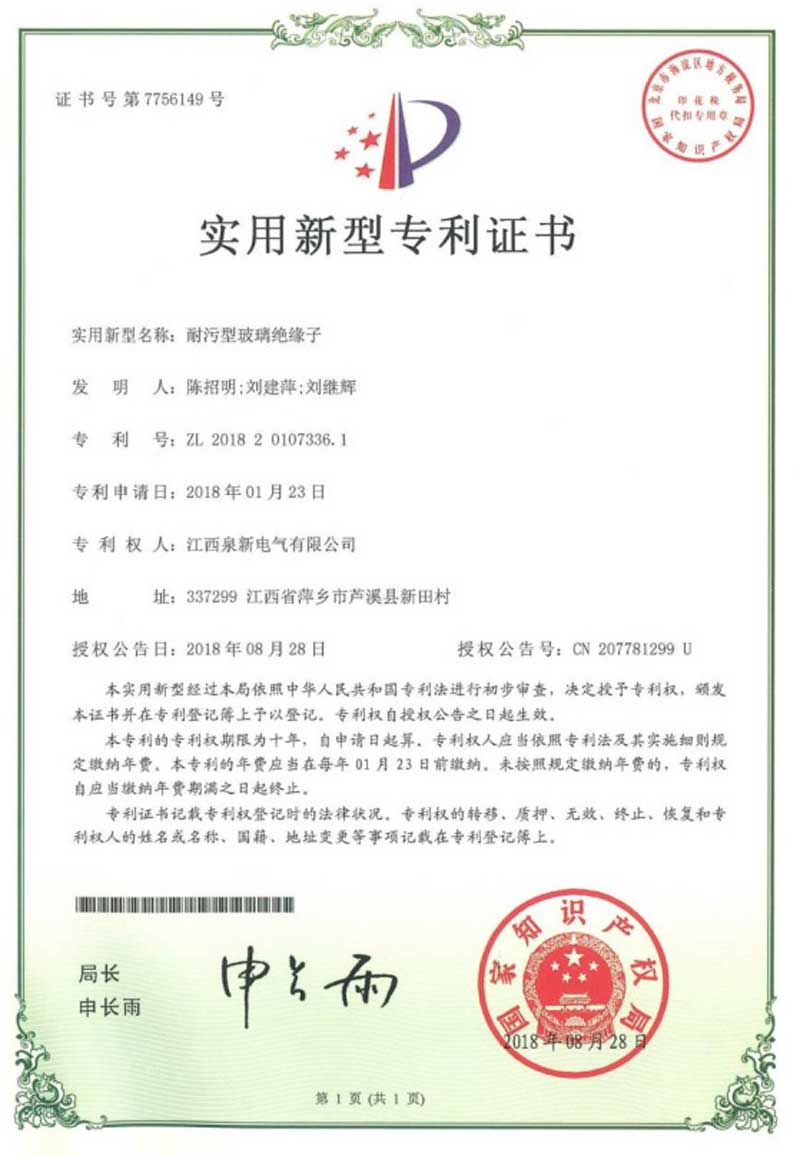
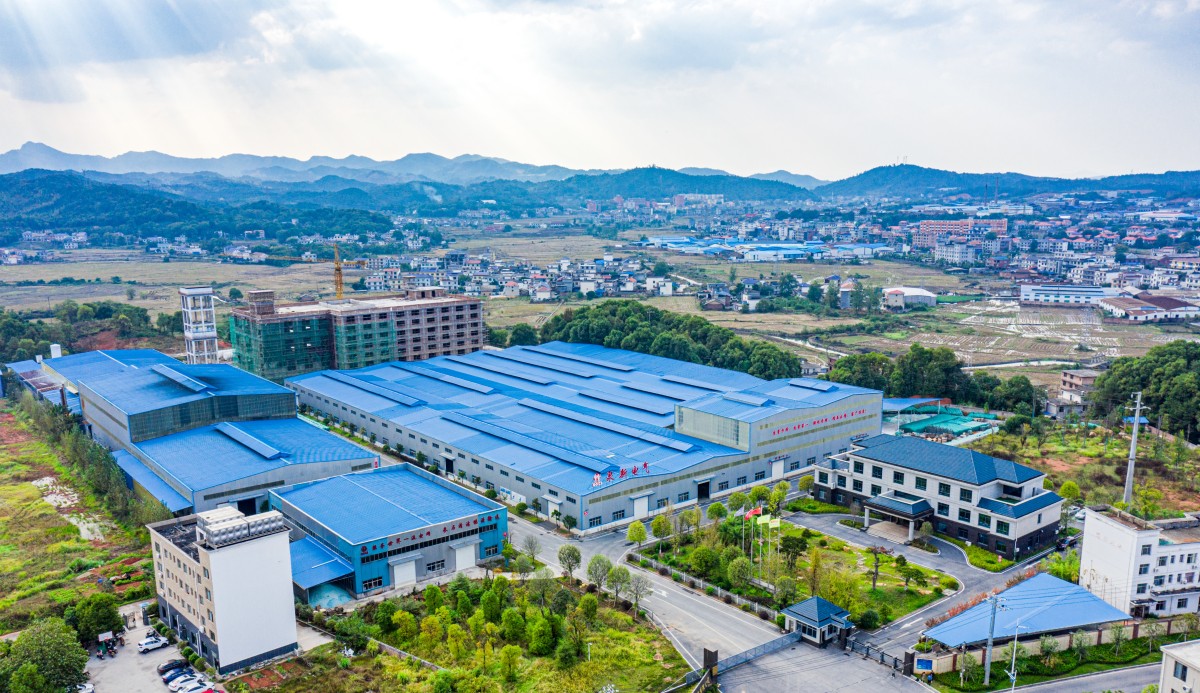
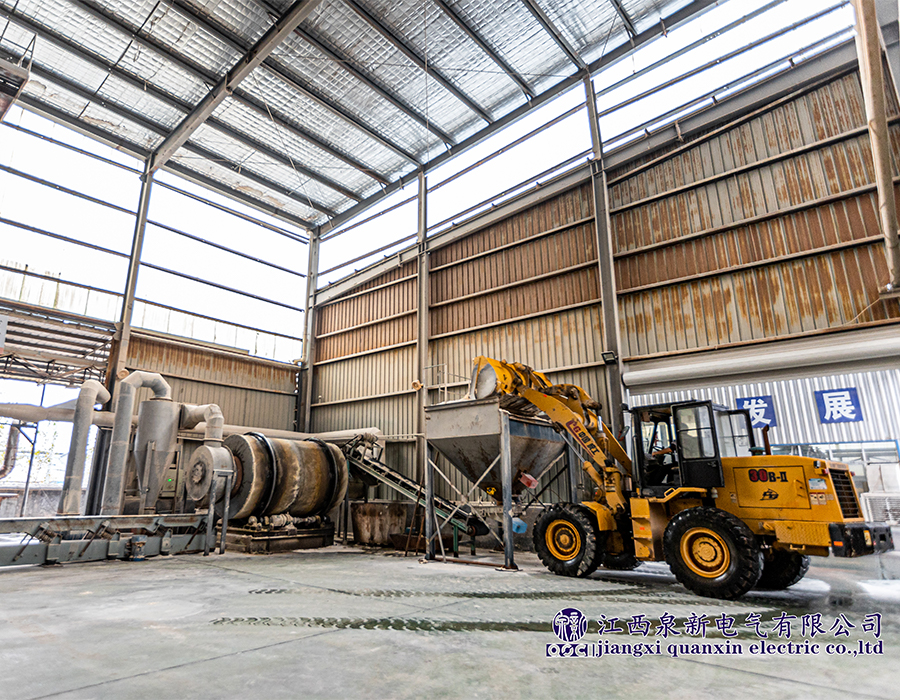
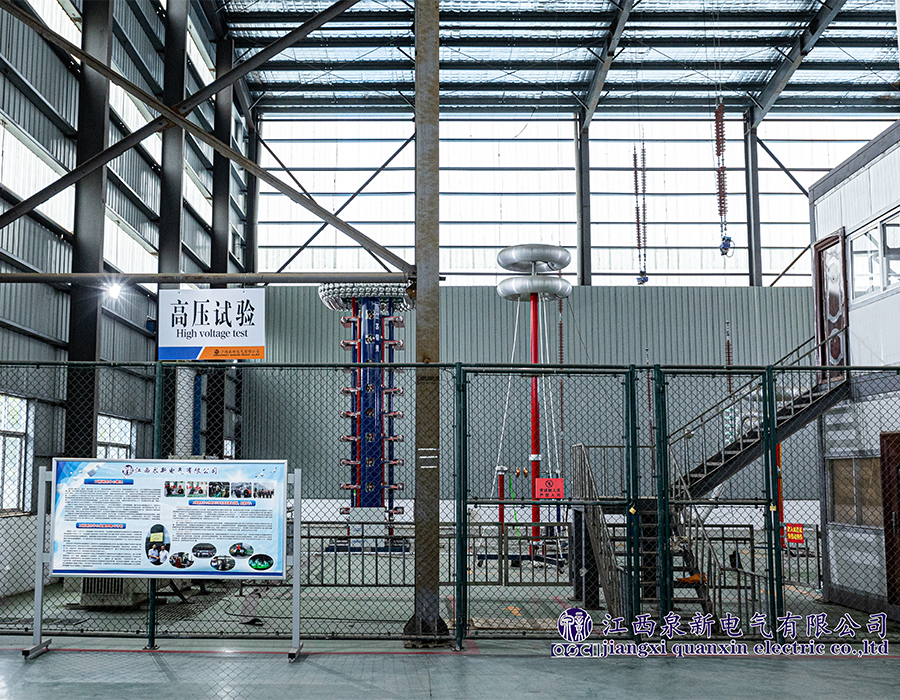
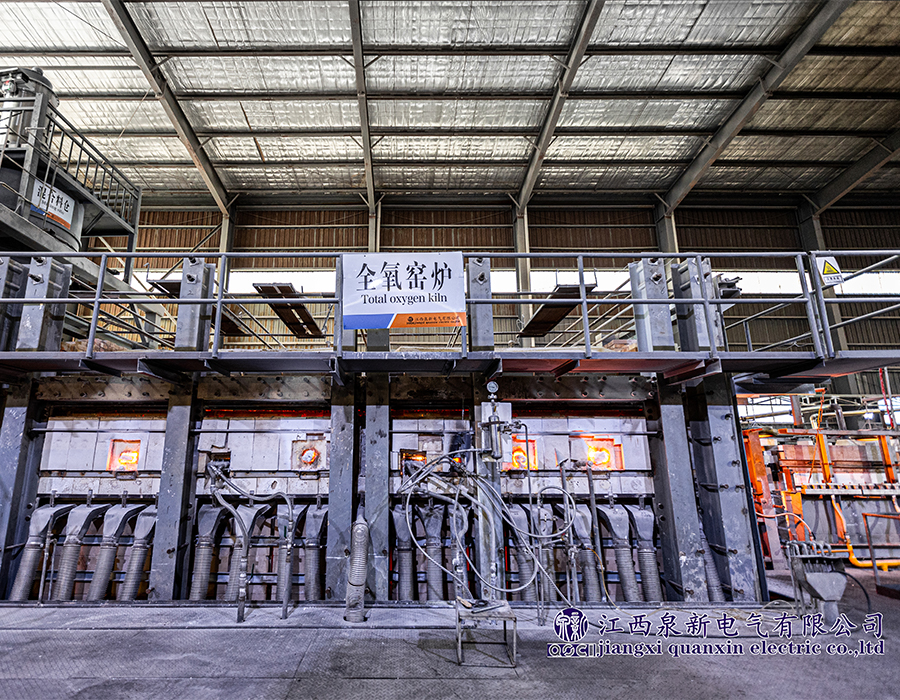
Jiangxi QOCI Electric Co. Ltd was founded in Dec. 2002, with registered capital of 508 million Yuan. Located in the Industrial Park of Luxi County, Pingxiang, Jiangxi Province, we serve the world-class power grid with dedication and actively participate in the construction of green energy.
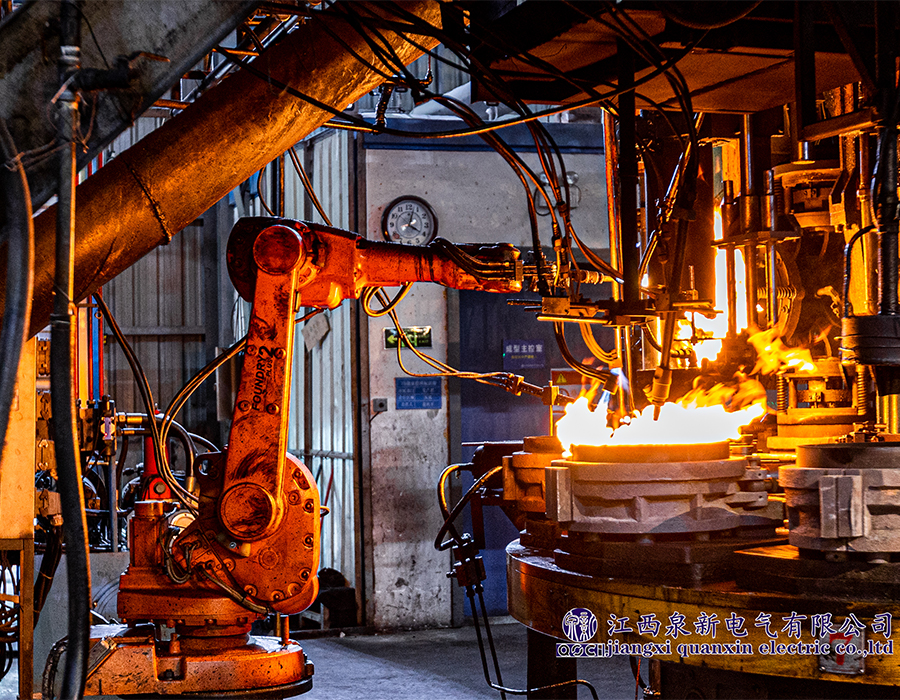
Our products are mainly high-strength glass insulators used in low voltage, high voltage, ultra-high voltage, and extra-high voltage AC (DC) electric transmission lines. We ensure the safety of the power grid through rigorous quality control and technical innovation.
Learn More About Our Factory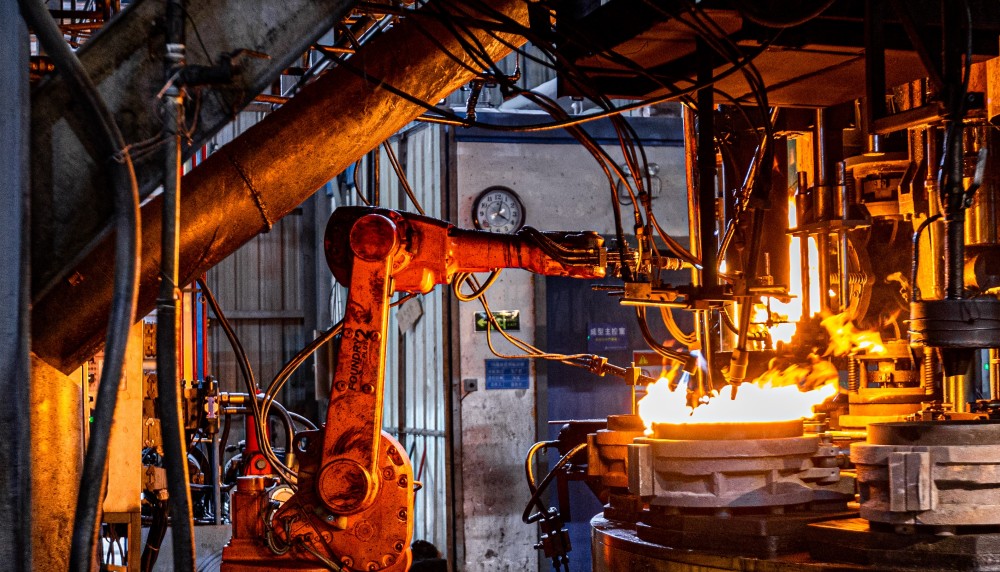
A: The lack of deep under-ribs in the aerodynamic profile prevents the "cavity effect" where sand and salt accumulate. Natural wind flow in Doha effectively cleans the smooth surface of the glass insulator, reducing the need for manual washing.
A: Yes, our glass insulators are manufactured according to IEC 60305, IEC 60383, and IEC 60120 standards, which meet or exceed the technical requirements for transmission projects in Qatar.
A: Room Temperature Vulcanization (RTV) silicone coating adds a layer of hydrophobicity. In Doha’s high-humidity coastal areas, this prevents water films from forming, drastically reducing the risk of pollution flashover.
A: We use export-standard reinforced wooden crates and moisture-proof packaging. Every batch undergoes rigorous high-voltage and mechanical load testing (up to 300kN or higher depending on the model) before dispatch.
From Anti-Pollution to Standard Profiles, we cover all transmission requirements.
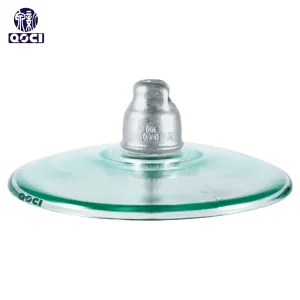
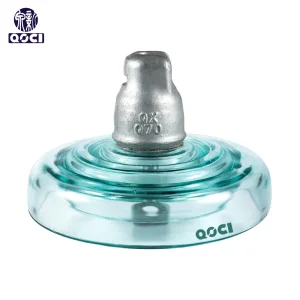
Wholesale U70BLP (146/280/450) Anti-pollution Glass Insulator for Doha
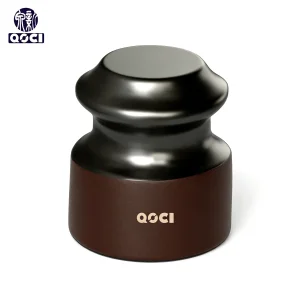
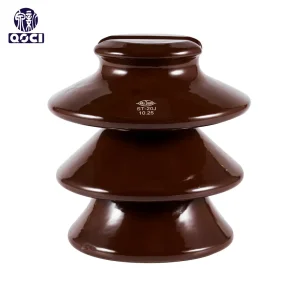
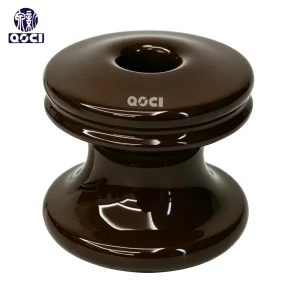
Doha Distribution: Wholesale ANSI 55-1 Pin Type Porcelain Insulator
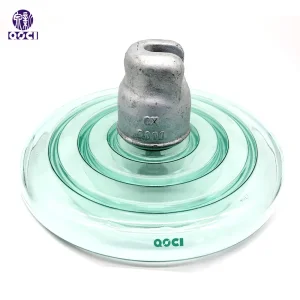
UHV Doha: U300B High Voltage Superior Quality Disc Suspension Toughened Glass Insulator
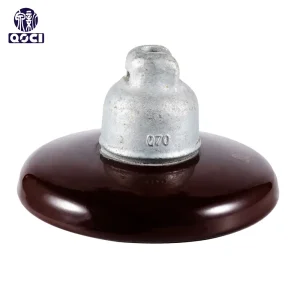
Doha Standard: China ANSI 52-3 Porcelain Insulator Manufacturer
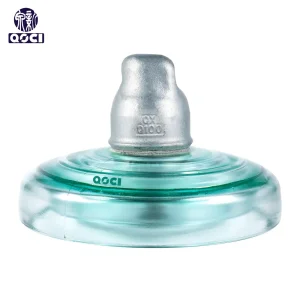
Doha Marine Zone: Wholesale U100BSP (127/280/450) Anti-pollution Glass Insulator