Optimized insulation configurations designed specifically for high-capacity overhead ground wire systems in Algeria.
Algeria's ambitious program of energy system restructuring led by the state utility operator Sonelgaz (Société Nationale de l'Électricité et du Gaz) requires high-performance transmission infrastructure. The Algerian grid utilizes high-voltage transmission lines (ranging from 60 kV and 220 kV up to 400 kV EHV networks) crossing geographically distinct zones: the coastal Mediterranean strip characterized by heavy salt fog, humidity, and chemical pollution; the high plateau region prone to freezing winters and sudden temperature shifts; and the massive Saharan desert regions characterized by aggressive winds, sand erosion, and high surface ambient heat up to 50°C.
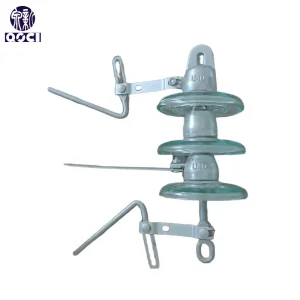
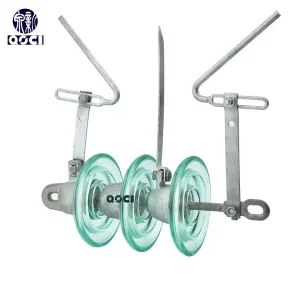
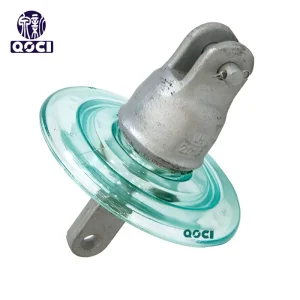
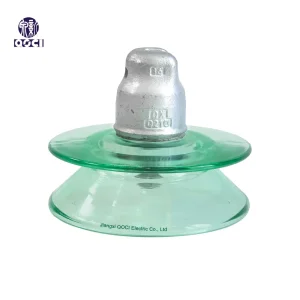
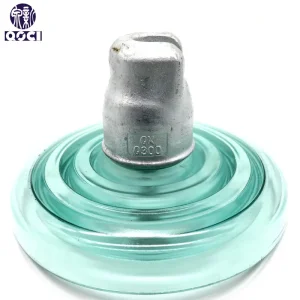
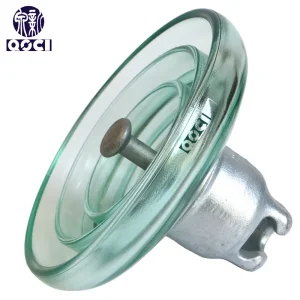
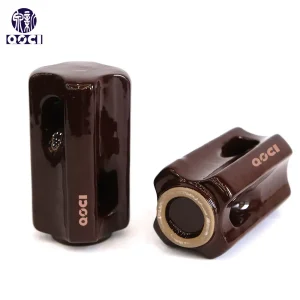
In overhead power transmission, Ground-wires type insulators play a critical role. Overhead shield wires (ground wires), which include standard galvanized steel wire or Optical Ground Wires (OPGW), are frequently isolated from the structural tower using small glass disc insulator assemblies. The core purpose of this design is double: preventing energy loss due to induced currents in the closed loops of grounded conductors, and allowing the implementation of powerline carrier (PLC) communication channels along the shield wire. When lightning strikes the shield wire, these specialized ground-wire insulators must flashover dynamically or clear the current to structural earth without sustaining mechanical degradation or permanent puncture damage.
SEO Insight & Technical Gain: For the Algerian Sahara market, the critical design parameter is the creepage distance ratio and surface self-cleaning attributes. Sand accumulation on insulators under high static charges forms conductive tracks during periods of high humidity or morning dew, causing high leakage currents and subsequent flashovers. The use of premium toughened glass insulators is mandatory due to their outstanding thermal stability and self-cleaning attributes compared to polymeric alternatives.
Insulators deployed within the Algerian national grid must strictly adhere to international engineering standards, notably IEC 60305 (characteristics of insulator units of the cap and pin type), IEC 60383 (insulators for overhead lines with a nominal voltage above 1000 V), and specific mechanical rating criteria. The mechanical failing load ratings for ground-wire suspension setups typically demand standard values such as 40kN, 70kN, or 100kN tension limits. Under Sonelgaz procurement protocols, rigorous documentation of type testing—including mechanical tensile verification, steep-front wave impulse tests, and power-frequency wet flashover withstand limits—is crucial to achieving supplier qualification.
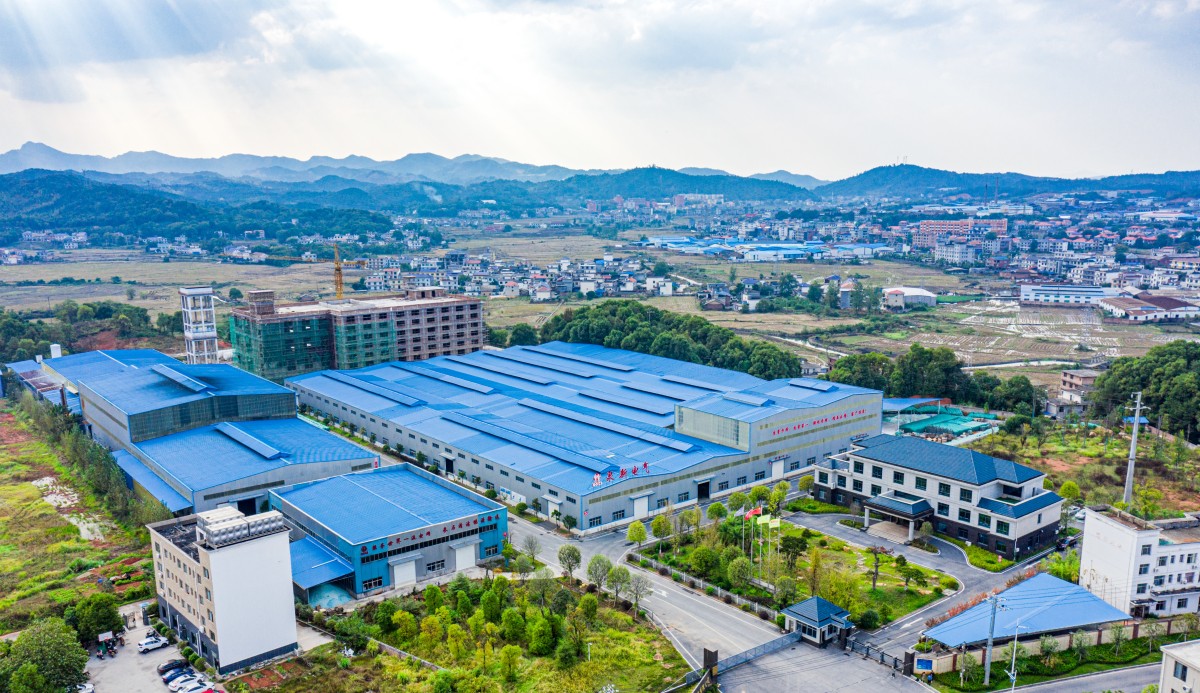
Serving the world-class power grids with dedication, actively participating in the construction of green energy.
Jiangxi QOCI Electric Co. Ltd was founded in Dec. 2002, with a registered capital of 508 million Yuan. The Corporation is located at the Industrial Park, Luxi County, Pingxiang, Jiangxi Province, covering an area of 100 mu. As a leading manufacturer of toughened glass cap and pin insulators, QOCI Electric provides heavy-duty suspension strings and special ground-wire insulator types for major utility grids worldwide.
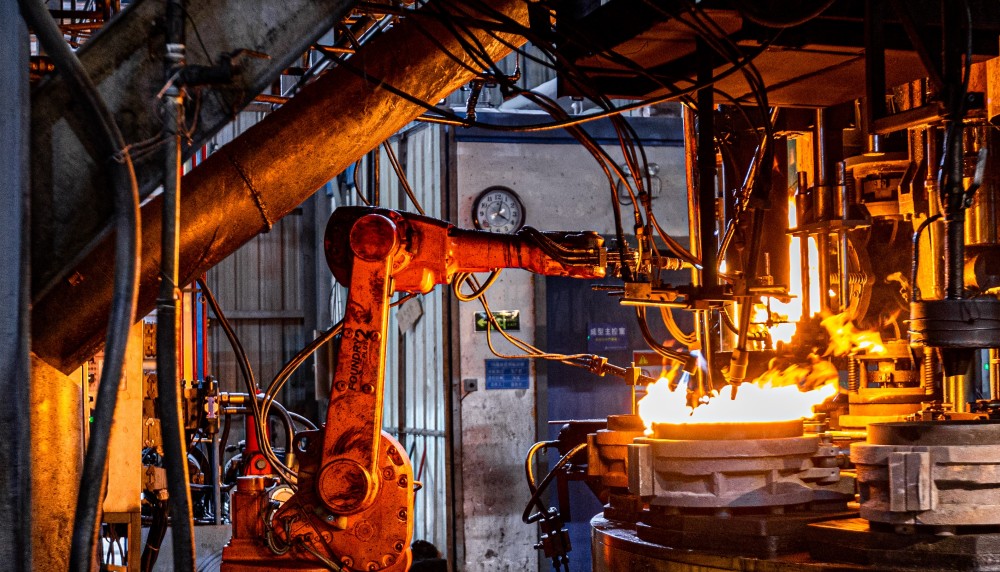
Responsibility is the absolute guarantee of quality. By integrating state-of-the-art fully automated gas-fired kilns, automatic press lines, thermal shocking chambers, and robotic assembly plants, QOCI ensures that every glass disk delivered to demanding international markets like Algeria can withstand decades of electrical and environmental stresses.
Plant Area Coverage
Annual Manufacturing Output
R&D and Technical Staff
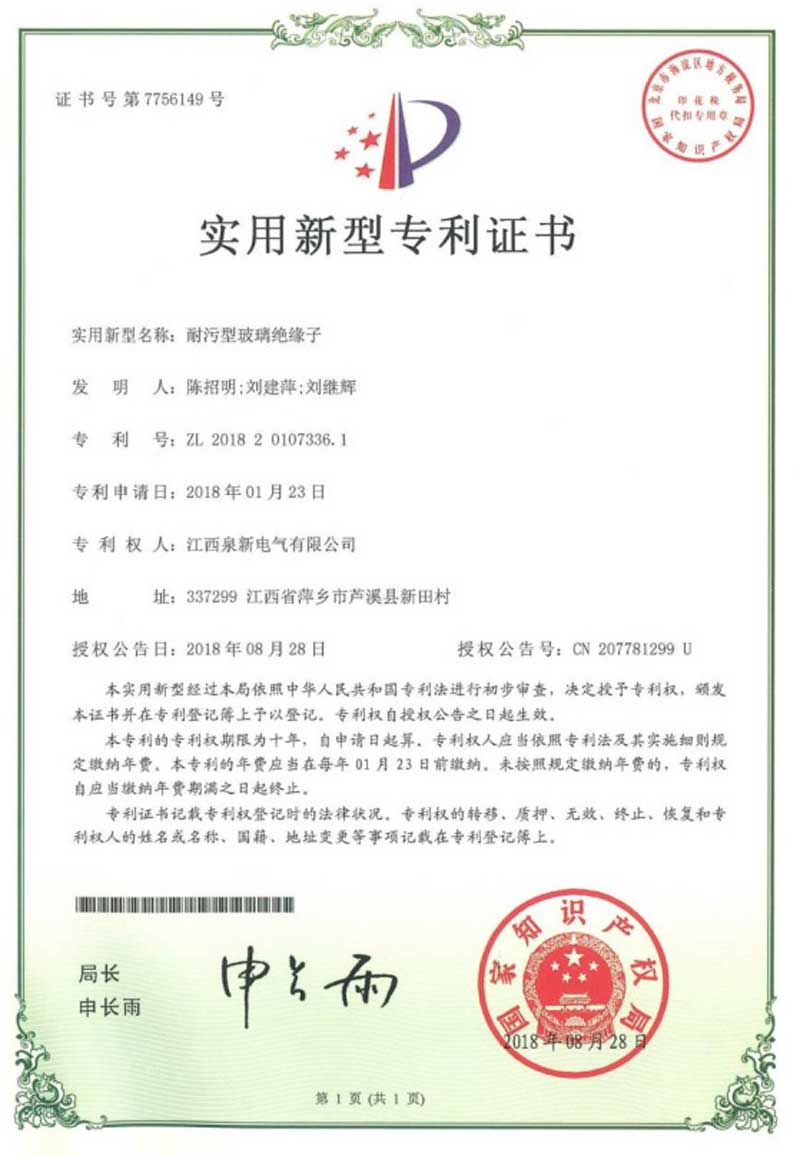
Inventions and Utility New Patents
Diverse geometric configurations matching the harsh ambient conditions of both coastal Algeria and the Sahara.
Optimal performance for high voltage overhead lines in areas with heavy pollution. The Room Temperature Vulcanization (RTV) coating increases the hydrophobic nature of the insulator's surface, preventing leakage currents and avoiding flashover without requiring periodic washing in polluted zones.
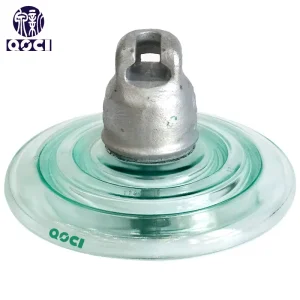
Features higher leakage distances than values indicated in standard IEC 60305. Engineered with shallow and well-spaced small ribs, optimizing self-cleaning performance via natural wind and rainfall in areas with mild to moderate environmental dust.
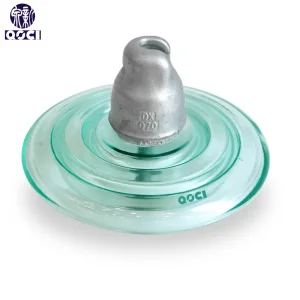
Characterized by deep, long, and widely-spaced under-ribs to avoid arc bridging between adjacent sheds. With a high leakage distance to spacing ratio (approx 3.2), it is extremely effective in saline marine zones along Algiers and Oran coastal strips.
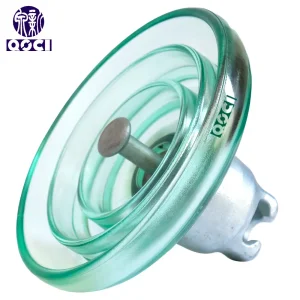
Characterized by the complete absence of under-ribs. This prevents the cumulative entrapment of windblown Saharan sand and dust on the underside of the glass plate. Strong winds clean the flat bottom, resolving desert sand accumulation and ice bridging.
Design features two distinct external sheds. The deletion of under-ribs reduces structural pollution deposits while offering creepage distances comparable to conventional anti-pollution units. Ideal for saline soils and heavy industrial regions.
Provides critical grounding by connecting external or internal metallic structures (flanges and pins) directly to the towers. Safely guides lightning currents, mitigates ground loop losses, and shields downstream terminal machinery against surge voltages.
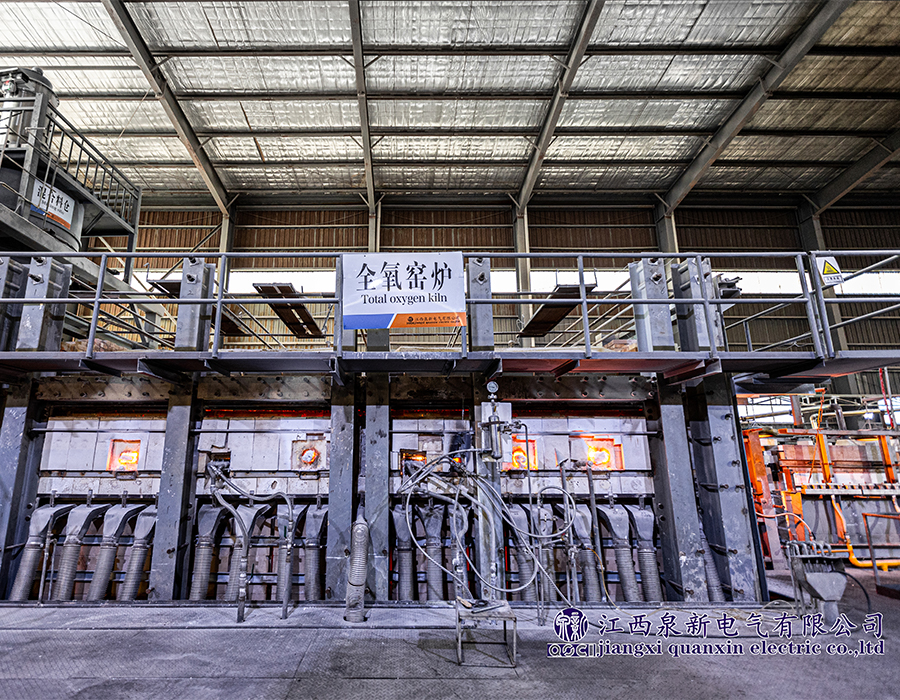
The manufacturing process of toughened glass insulators represents a high-technology metallurgy process combined with precise thermal engineering. High-grade raw materials—predominantly silica sand, soda ash, dolomite, and high-alumina feldspar—are fused inside a computerized total oxygen kiln at temperatures exceeding 1500°C. This ensures a highly homogenous molten liquid free from internal bubbles or micro-voids, which is critical to preventing electrical breakdown (puncture) under intense HV electrical stresses.
Once pressed into shape, the glass shell undergoes a critical thermal toughening process. Controlled rapid cooling using high-pressure air jets creates a permanent compressive stress state on the outer surface of the glass, balanced by inner tensile stresses. This tempering process increases the mechanical strength of the glass shell up to five times that of annealed glass. When broken, a toughened glass insulator shatters into small, non-hazardous fragments. Unlike composite insulators, the remaining cap-and-pin stub retains its mechanical integrity under nominal line tension, preventing line drops.
Additionally, the mechanical hardware—the caps made of high-strength ductile cast iron and pins of forged steel—are hot-dip galvanized in accordance with ISO 1461. To protect the pin against localized galvanic corrosion in marine environments like the Algiers harbor, a high-purity zinc sleeve is fused to the pin base, greatly extending the operational lifespan of the entire string.
Engineered to adapt to the environmental and functional demands of modern global utility sectors.
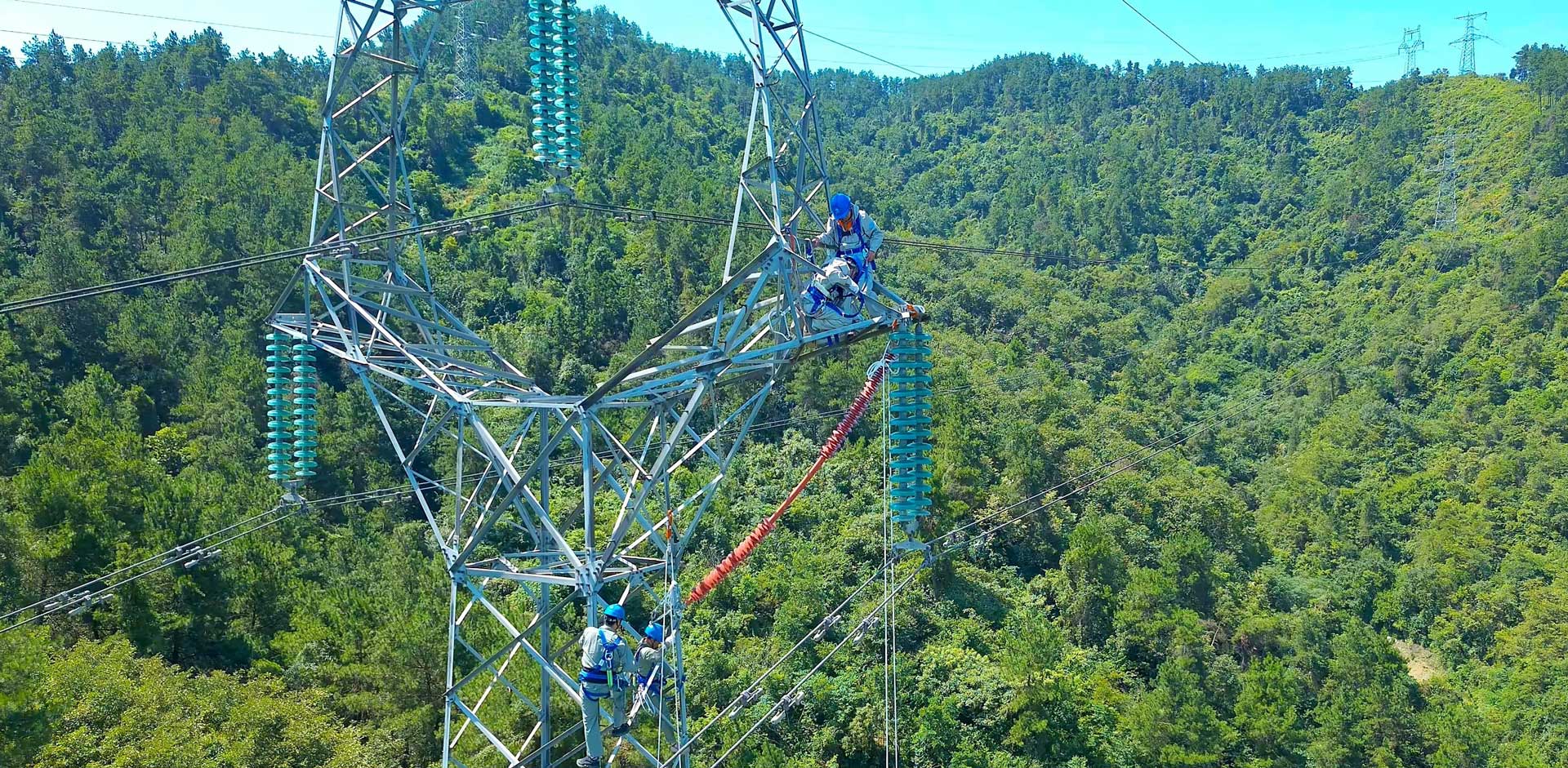
Reliable operation across high altitudes, deserts, tropical zones, and coastal areas subjected to corrosive salt fog.
Get Technical Consult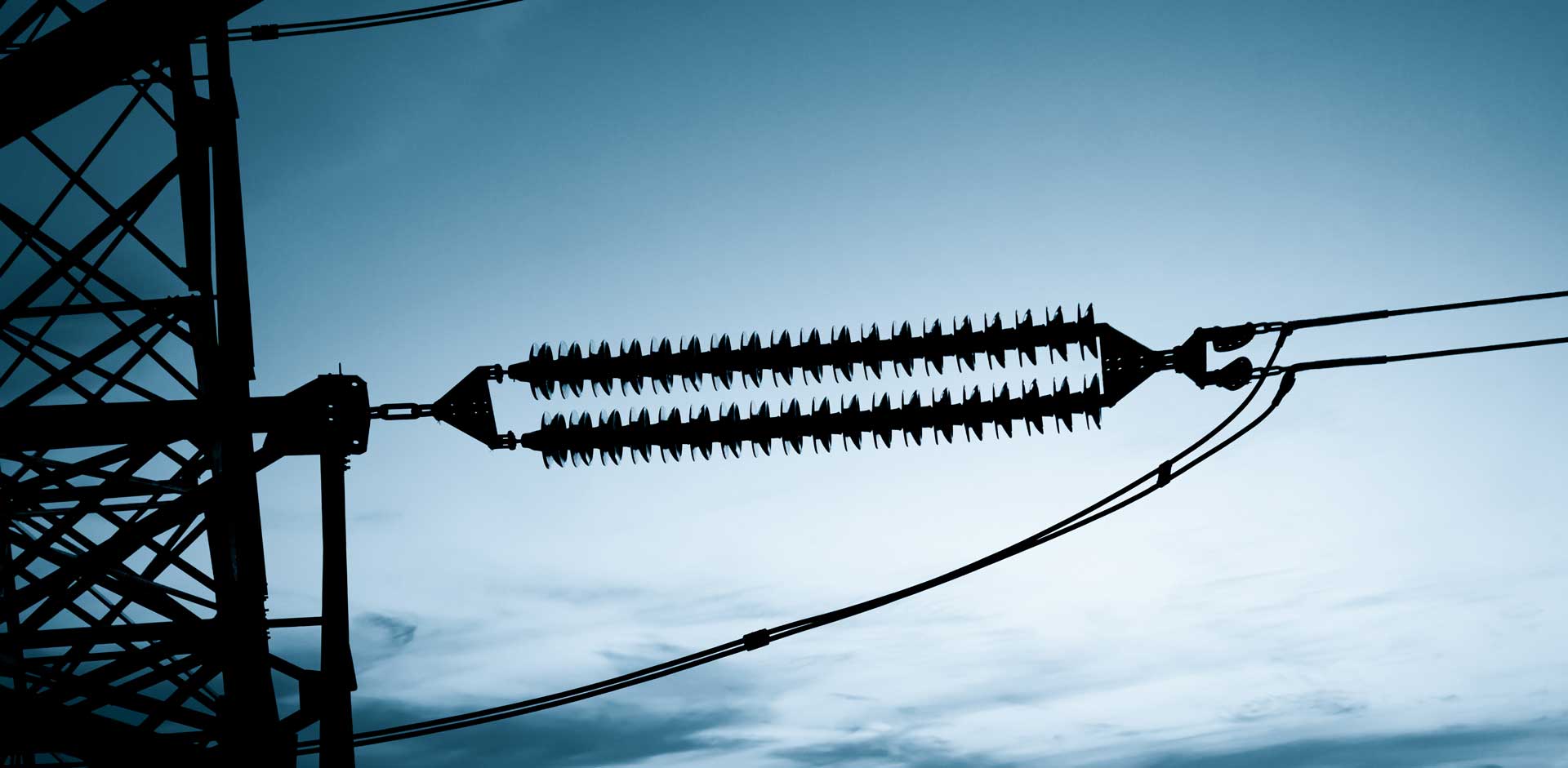
Designed for high voltage, extra-high voltage, and ultra-high voltage AC (DC) power transmission networks.
Get Technical Consult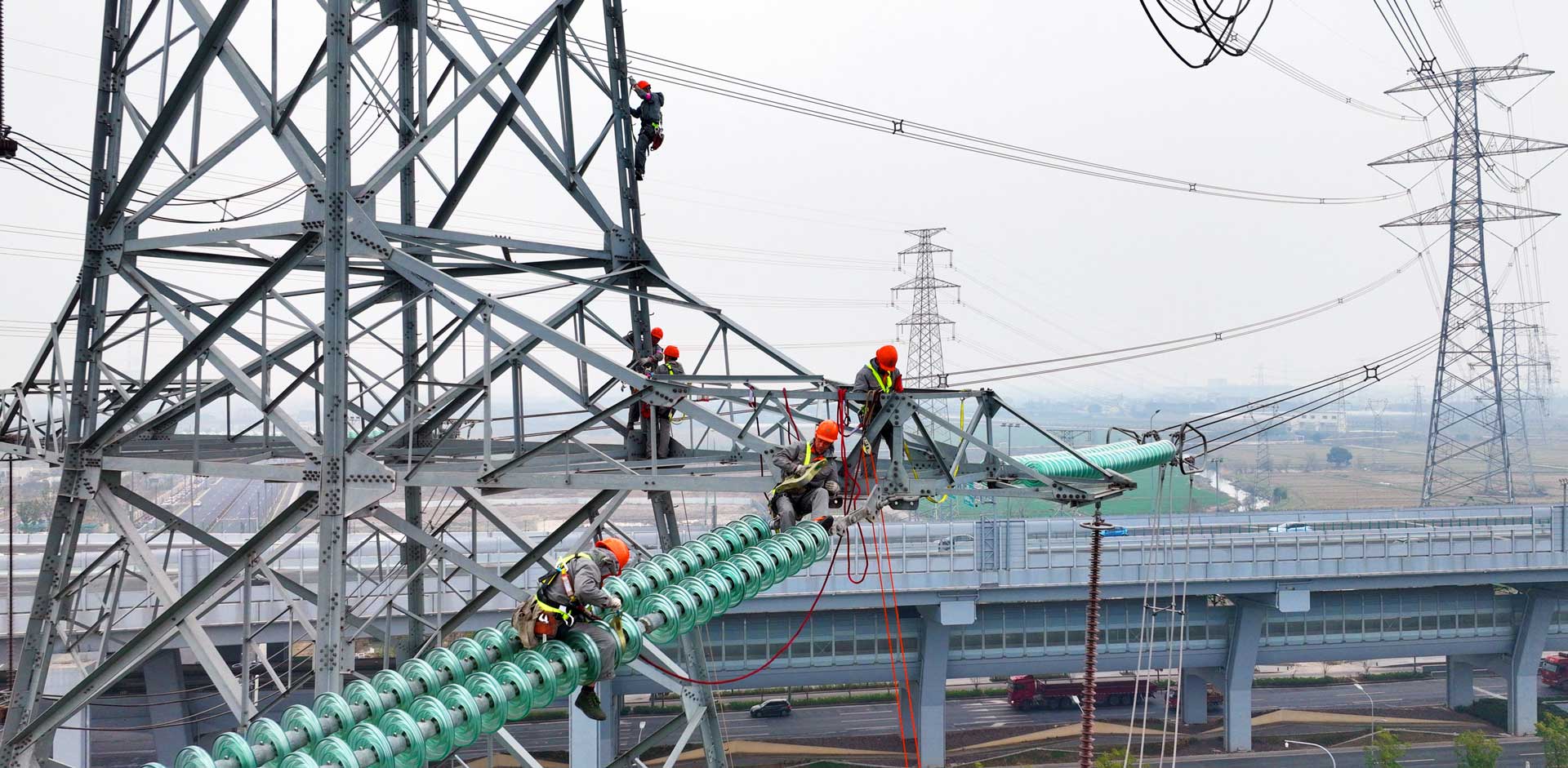
Optimized to handle dynamic mechanical loads, prevent electrical leakage, and withstand high short-circuit currents.
Get Technical Consult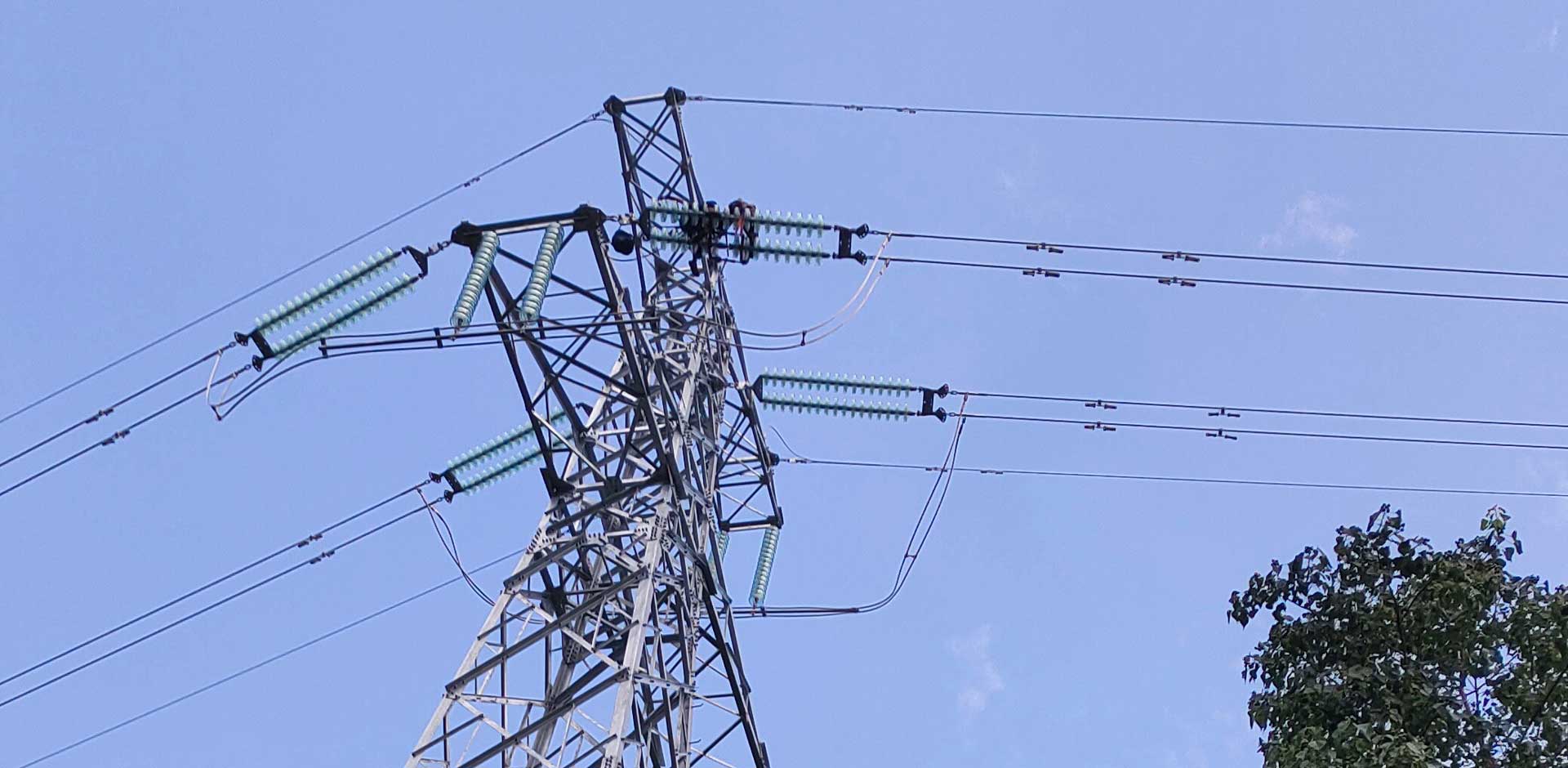
Supplying high-reliability insulation solutions for railway systems, chemical plants, and heavy industrial yards.
Get Technical ConsultA look inside our state-of-the-art facilities showing the production and testing processes that guarantee high quality.
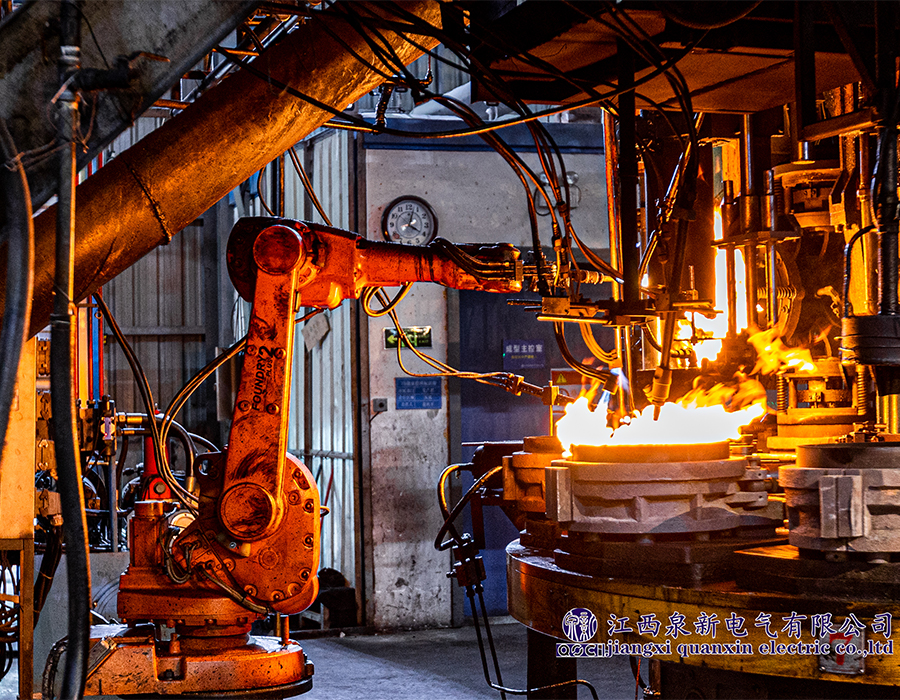
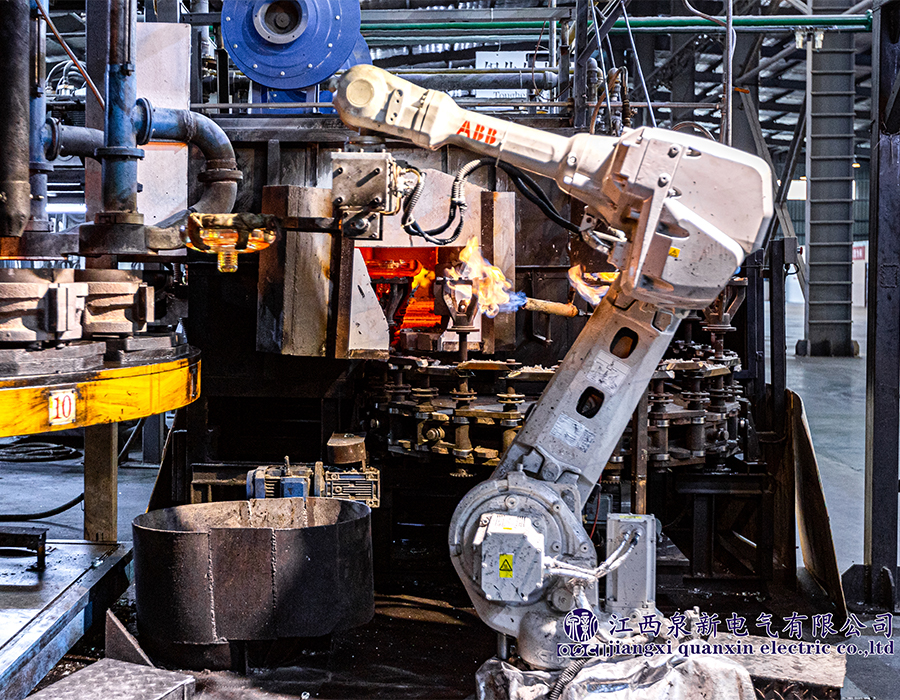
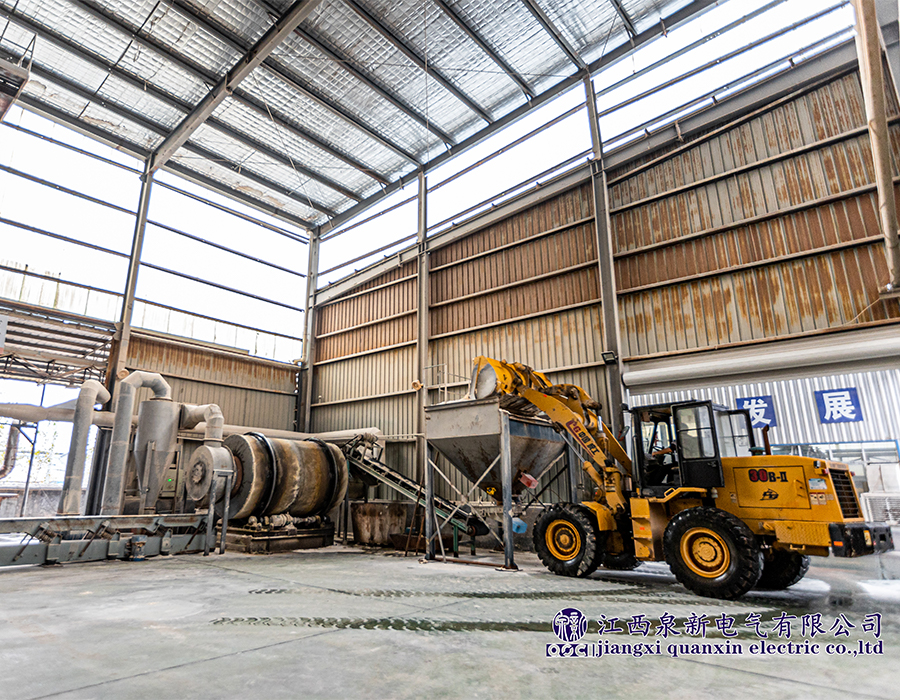
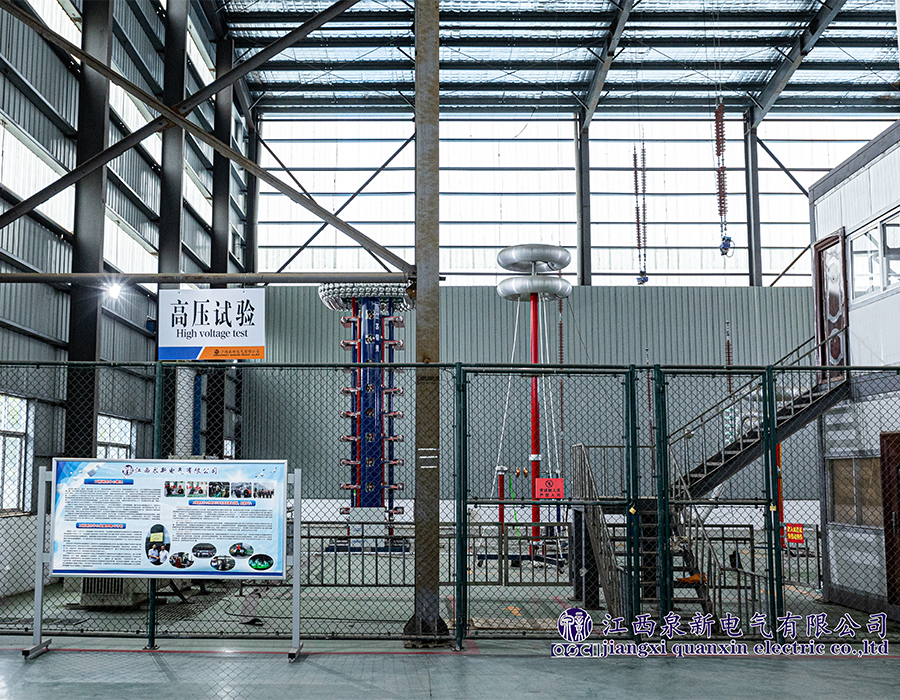
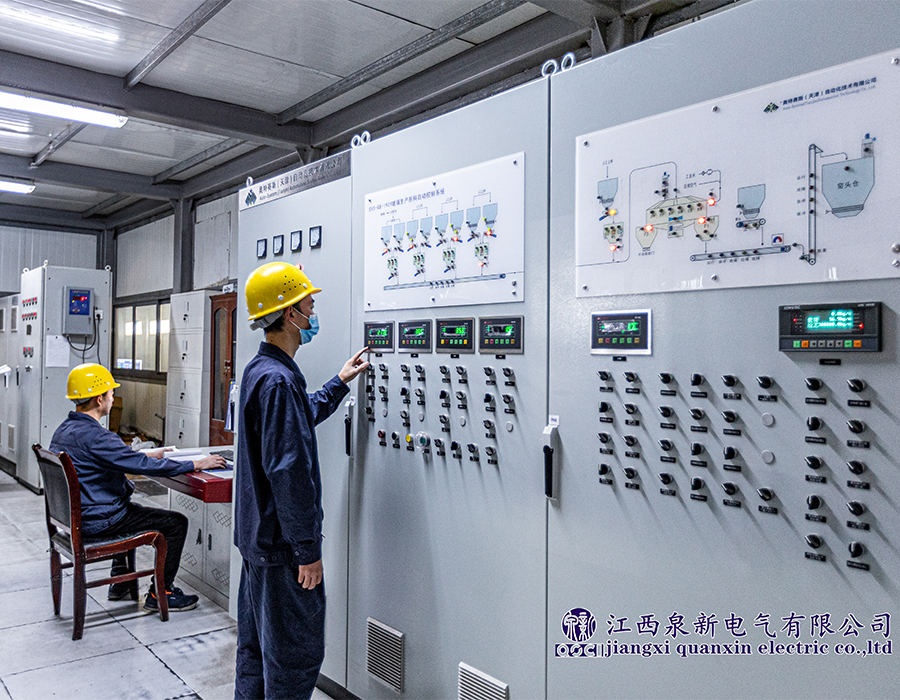
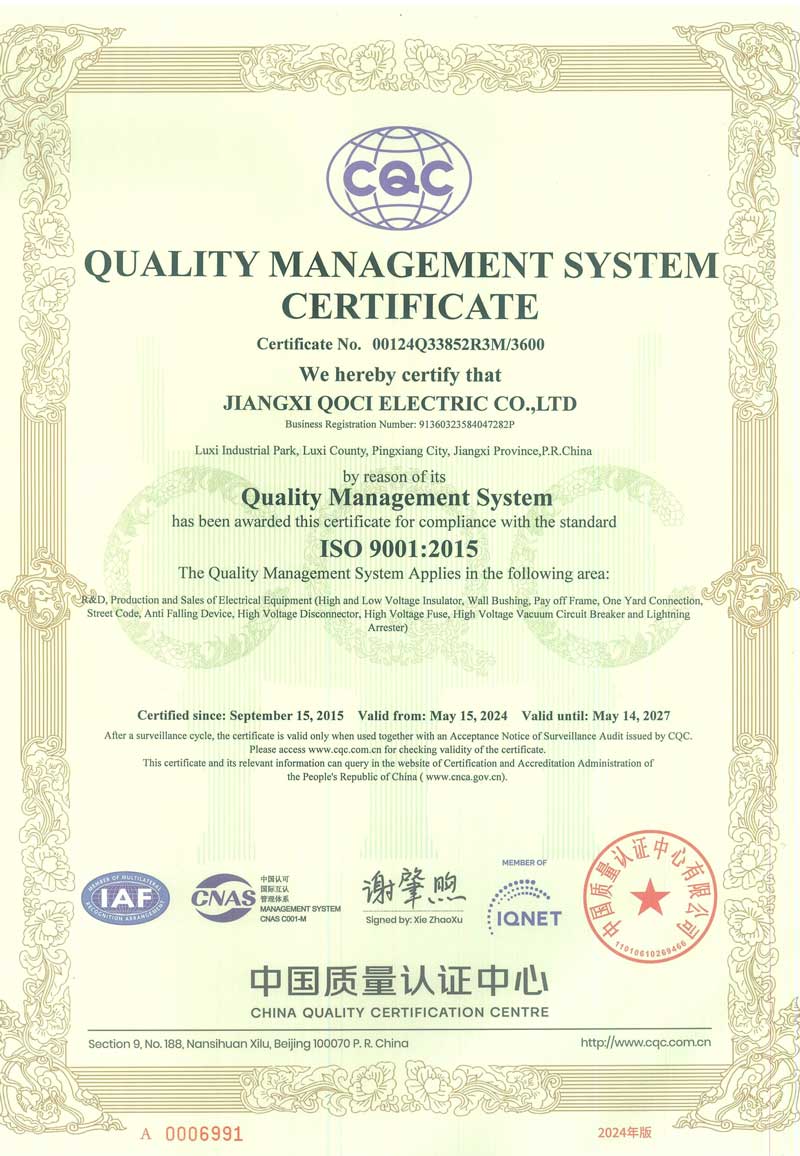
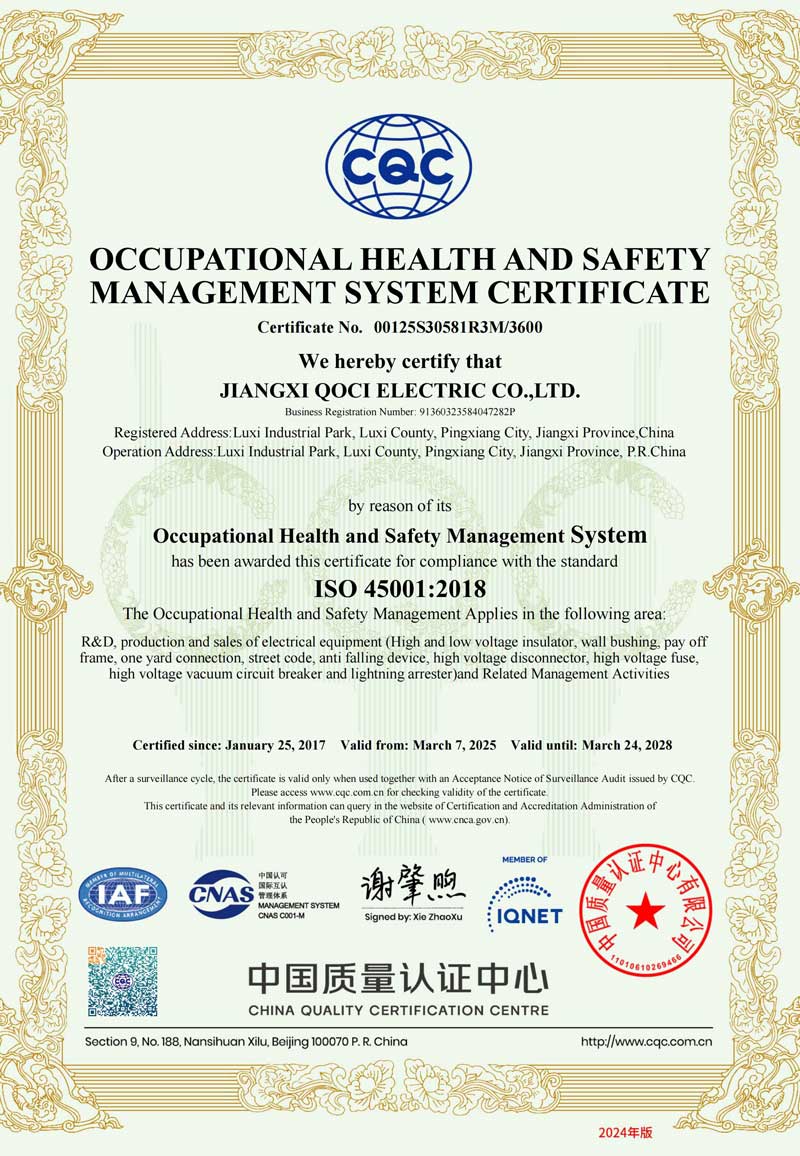
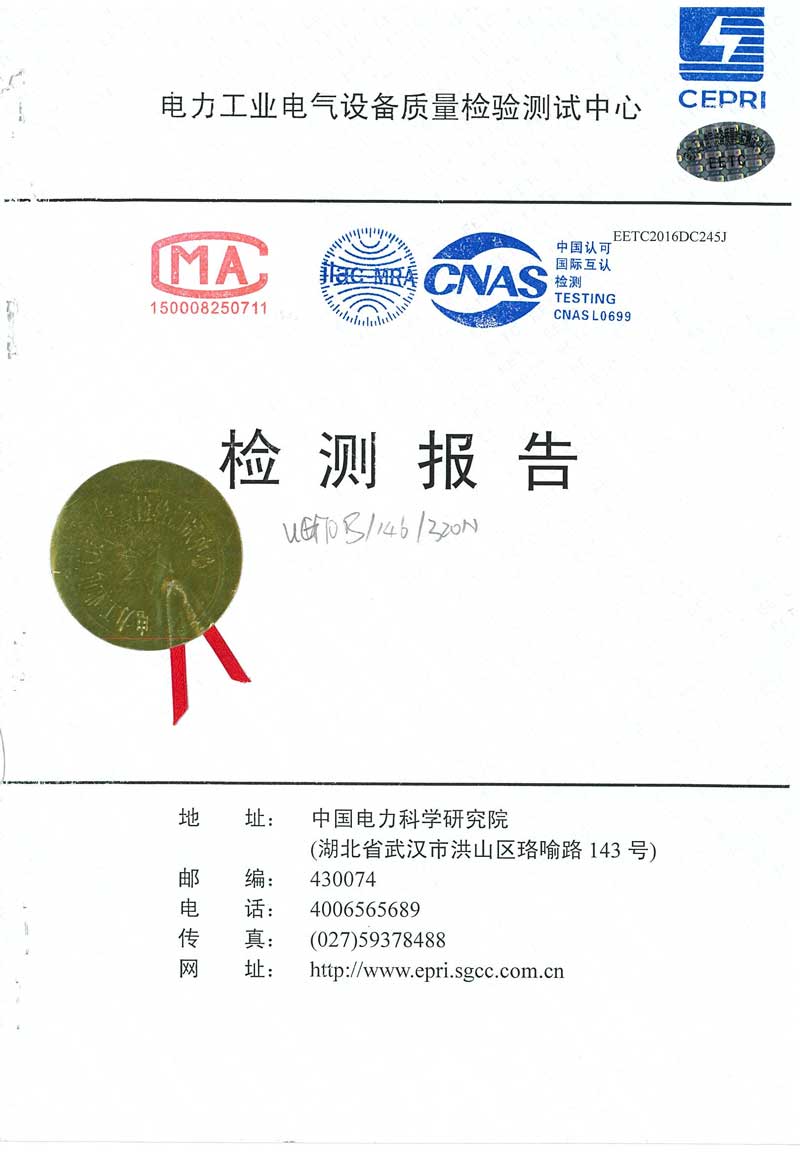
QOCI products undergo rigorous verification processes, holding ISO, KEMA, and other major electrical laboratory credentials.
Supplying critical transmission line projects globally, with robust logistics networks built for the MENA region.

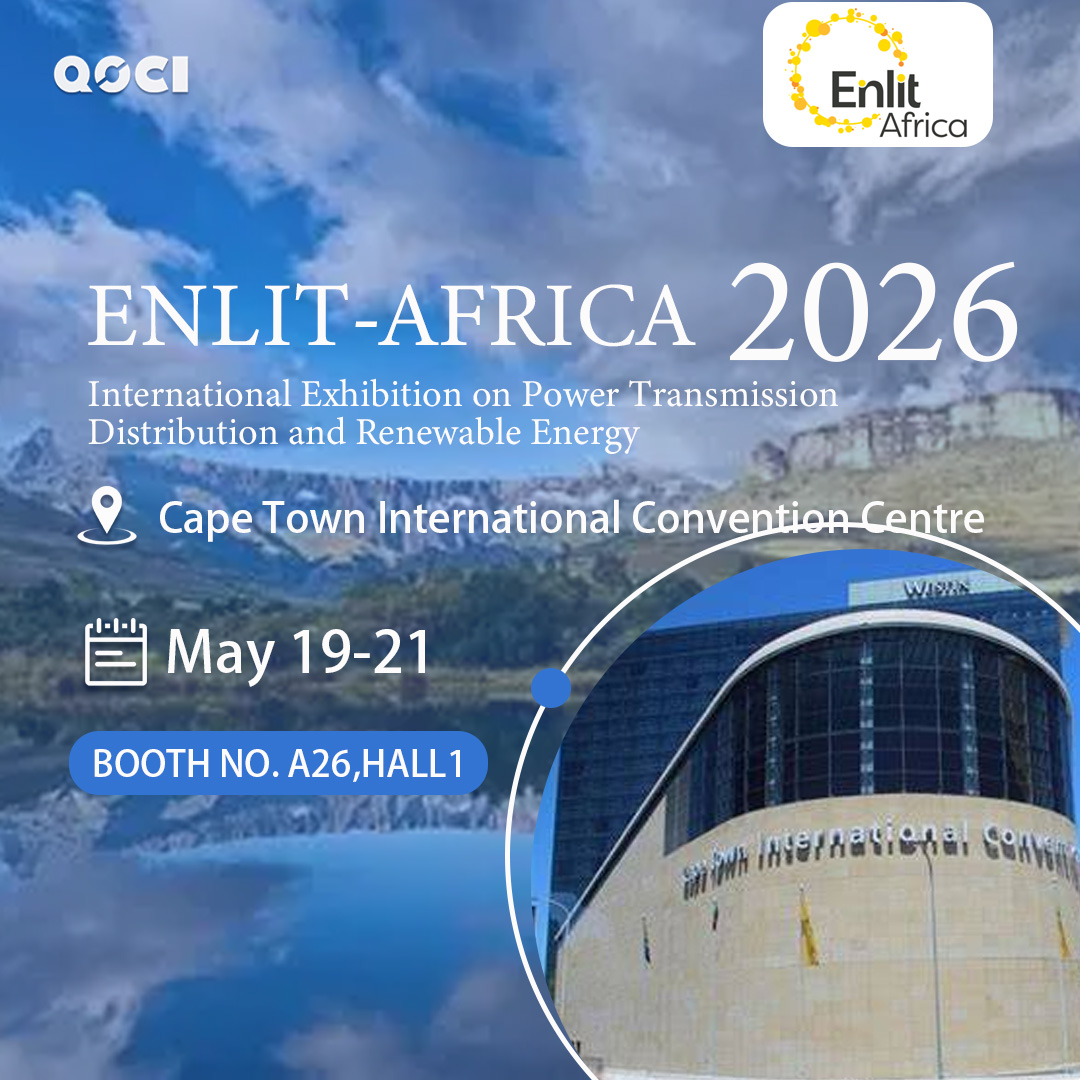
As the global energy transition accelerates, the importance of electricity, renewable energy, and grid resilience in Africa is becoming increasingly vital. QOCI showcases new RTV silicon technologies tailored for African desert regions.
Read MoreHaving withstood extreme environmental conditions including icing, high altitudes, heavy pollution, earthquakes, and typhoons, China's insulator manufacturing industry represents a mature, highly reliable technology partner for Sonelgaz.
Read MoreQOCI Electric encourages utility engineers to join us at the IEEE PES T&D Expo, highlighting mechanical performance testing, and the validation of zero-power-frequency breakdown rates under high mechanical loads.
Read MoreExpert answers addressing the key technical queries of procurement managers and electrical grid designers in Algeria.
In desert climates like Southern Algeria, composite insulators suffer from accelerated surface erosion caused by high UV exposure and sand storms, which leads to a loss of hydrophobicity and subsequent tracking failure. Toughened glass, however, possesses high surface hardness that resists sand abrasion. Glass insulators are also chemically inert to UV radiation, ensuring that their mechanical and electrical characteristics remain stable over an operating lifespan exceeding 40 years.
Overhead shield or ground wires are insulated on transmission lines to prevent power loss caused by induced circulating currents that flow when the shield wire is directly connected to every tower. Insulating these wires helps save energy, and allows the ground wire to carry high-frequency powerline carrier (PLC) communications for grid automation. Under lightning conditions, the small ground-wire insulators are designed to flash over immediately, directing the current safely to the tower's ground system.
To meet Sonelgaz standards, suppliers must provide comprehensive type test reports from accredited independent laboratories (such as KEMA or equivalent). Required tests include steep-front impulse voltage tests, thermal mechanical performance tests (to simulate cold nights and hot days), hot-dip galvanization thickness checks, and power-frequency wet flashover withstand testing.
QOCI utilizes a high-purity sacrificial zinc sleeve that is hot-fused to the iron pin base. In marine environments containing high salinity, moisture, and leakage currents, this zinc sleeve acts as a sacrificial anode. This prevents galvanic corrosion of the structural pin steel, protecting the mechanical integrity of the suspension string over long-term operation.
Complete range of IEC and ANSI standard products available for rapid export to Algeria.
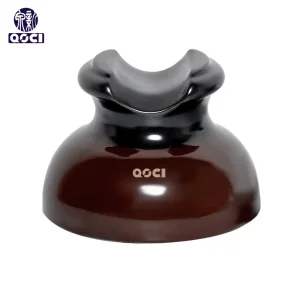
Get a comprehensive price estimate and technical evaluation matching the exact parameters of Sonelgaz standards.