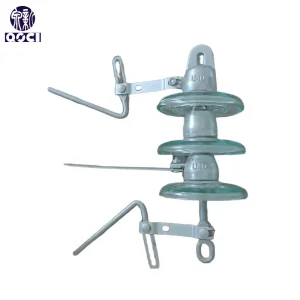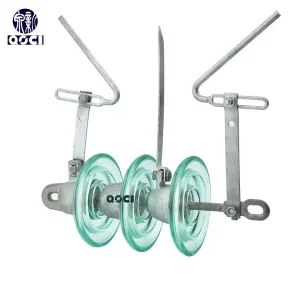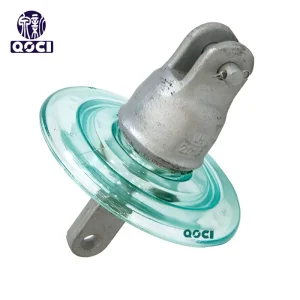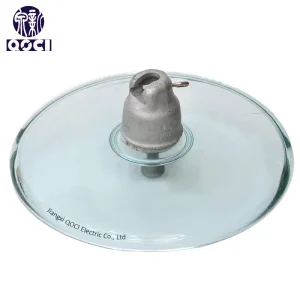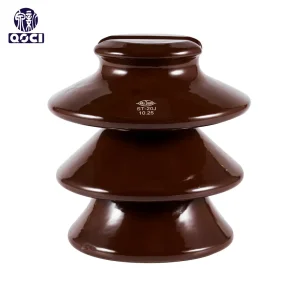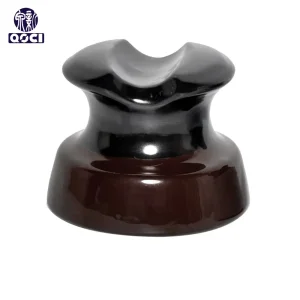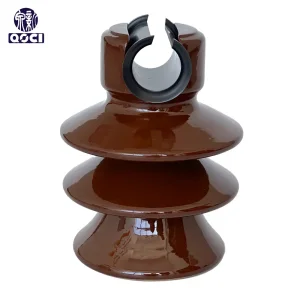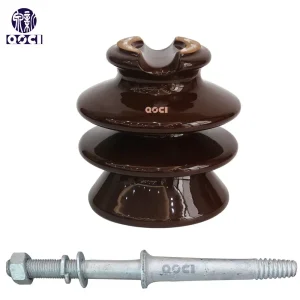
Hamburg is not just Germany's "Gateway to the World"; it is the central node for the North German power grid. As the Energiewende (Energy Transition) accelerates, the Hamburg market requires specialized Ground-Wires Type Insulators capable of handling the extreme environmental demands of the North Sea coastline and the massive industrial throughput of the Port of Hamburg.
The city's commitment to becoming a green hydrogen hub by 2030 means that the local transmission infrastructure, managed by operators like Stromnetz Hamburg and connecting to TSO networks like 50Hertz and TenneT, is undergoing massive upgrades. Our toughened glass insulators are designed specifically to provide the mechanical reliability and electrical insulation required for these high-stakes projects.
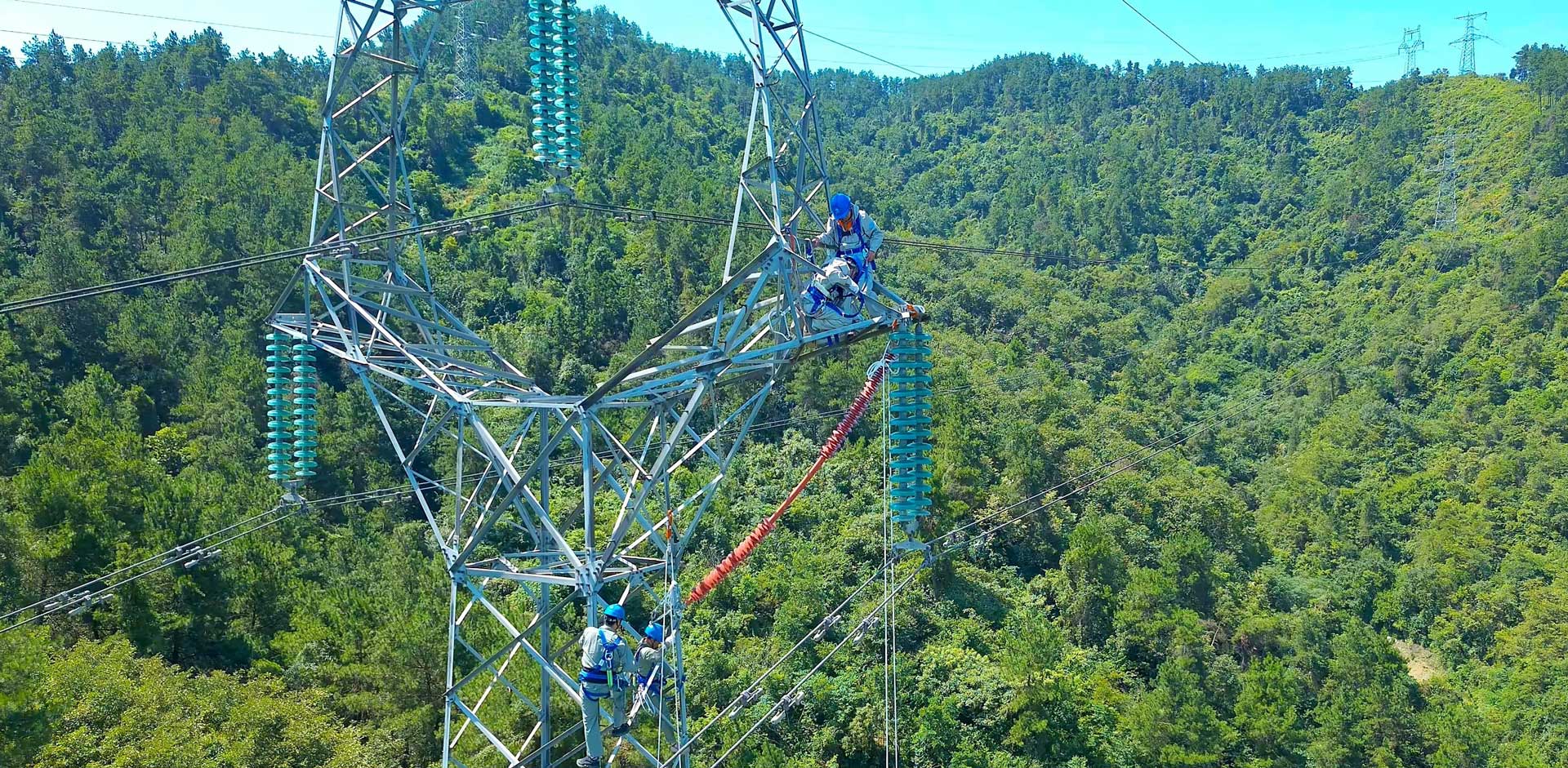
M² Plant Area
Tons Annual Output
Engineering Technicians
Invention Patents
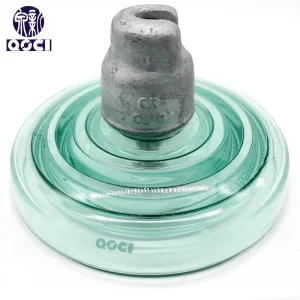
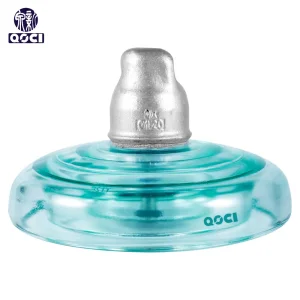
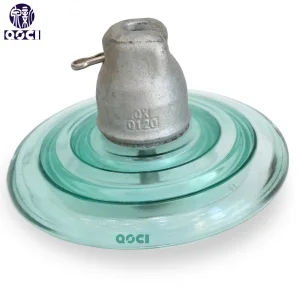
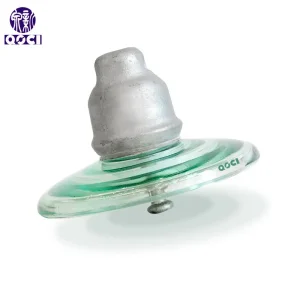
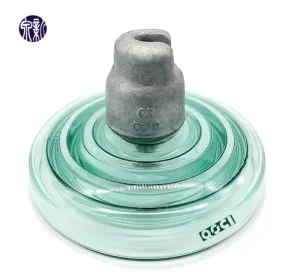
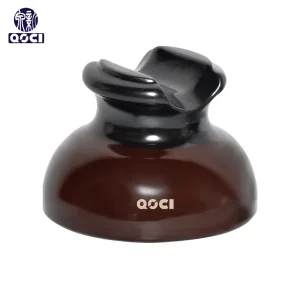
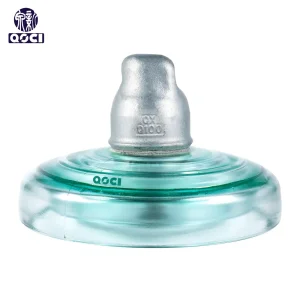
The global trend is shifting from porcelain to Toughened Glass. Our glass insulators offer superior thermal stability and the unique benefit of "self-shattering" upon failure, making maintenance visual and immediate—a critical feature for Hamburg's offshore wind link lines.
Future roadmaps include the integration of IoT sensors within insulator strings. We are currently researching capacitive coupling modules that allow insulators to double as data collection points for grid health monitoring.
For saline environments like the Hamburg Port, we provide Room Temperature Vulcanization (RTV) silicone coatings. This increases hydrophobicity, preventing leakage currents in salty, misty conditions.
Our U120B and U210AD series are optimized for the heavy industrial pollution and corrosive saline air found in Europe's third-largest port. Reliable grounding ensures the safety of automated container terminals.
The ground-wires profile insulators serve as the final line of defense for the HVDC cables coming onshore from the North Sea into Northern Germany's grid converters.
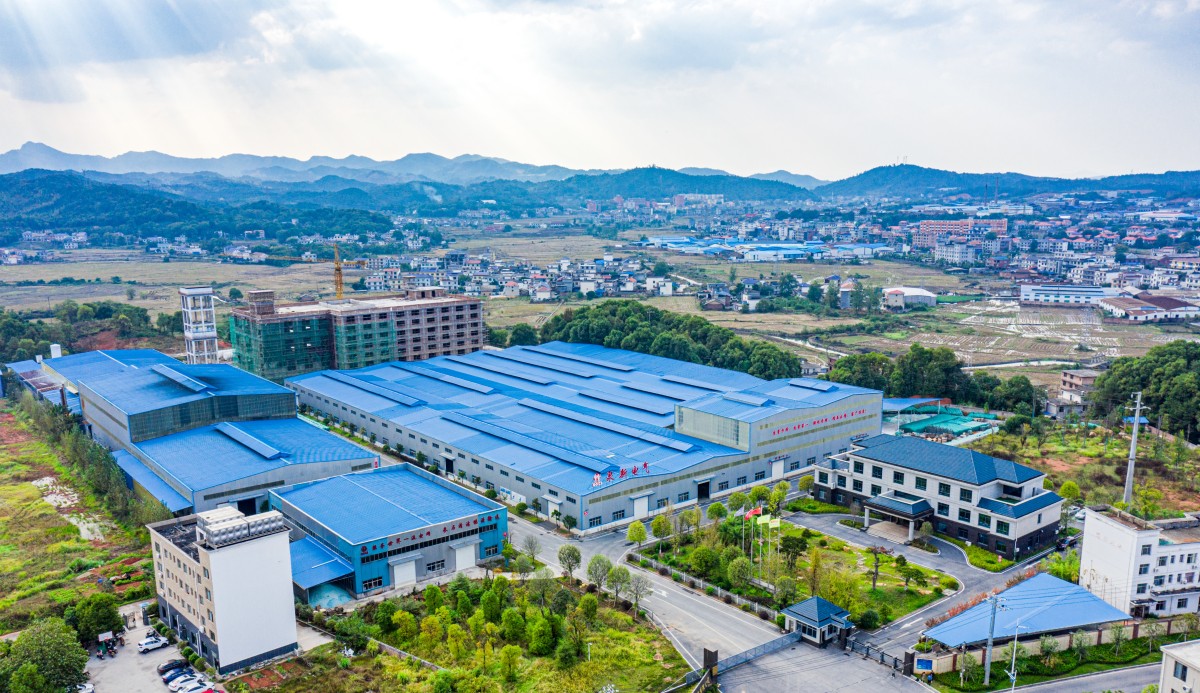
Founded in 2002 with a registered capital of 508 million Yuan, Jiangxi QOCI Electric has grown into a world-class manufacturer of high-voltage transmission equipment. Located in the Luxi Industrial Park—a historic hub for ceramic and glass engineering—we blend traditional expertise with modern AI-driven manufacturing processes.
Our commitment to the E-E-A-T principle is reflected in our ISO certifications and our active participation in global power grid construction. From high-strength toughened glass to RTV-coated anti-pollution units, we ensure that every product leaving our factory is built to withstand a 50-year service life.
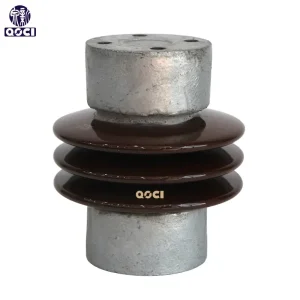
Ground-wires insulators (often referred to as earth-wire insulators) play a dual role: they mechanically support the overhead ground wire (OHGW) while providing electrical isolation for power line communication (PLC) or to minimize circulating currents. In the Hamburg Market, where lightning frequency and industrial surges are notable, the following technical routes are critical:
Our Ground-Wires profile is characterized by smooth glass surfaces with low hydrophilicity. This is vital for Northern Germany, where winter frost and "ice-bridging" can lead to flashovers. The design effectively guides lightning currents through the internal or external metal accessories, protecting sensitive substation equipment downstream.
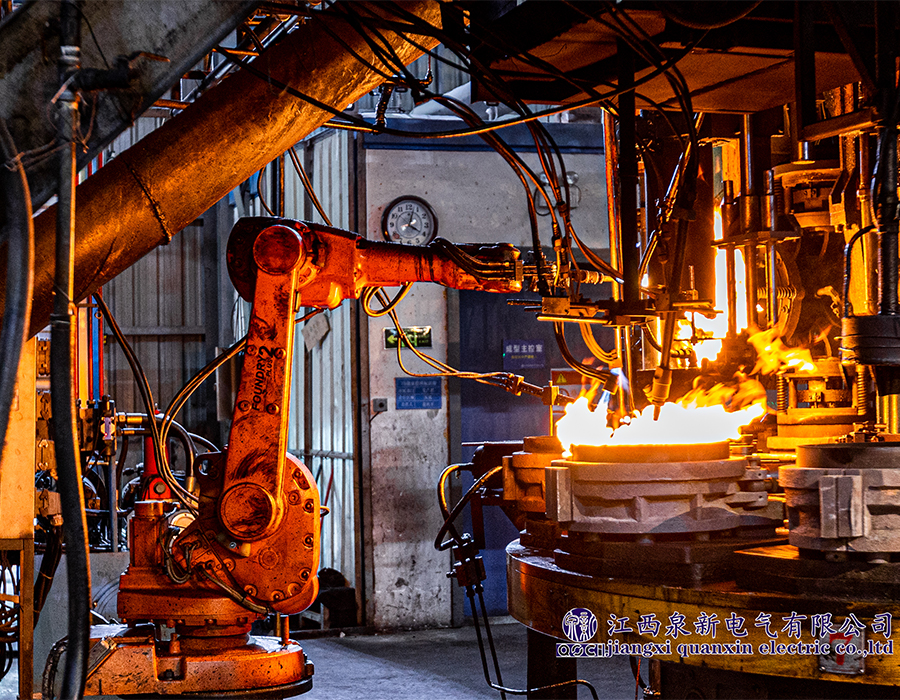
High-pressure forming ensures zero internal voids, crucial for high-voltage integrity.
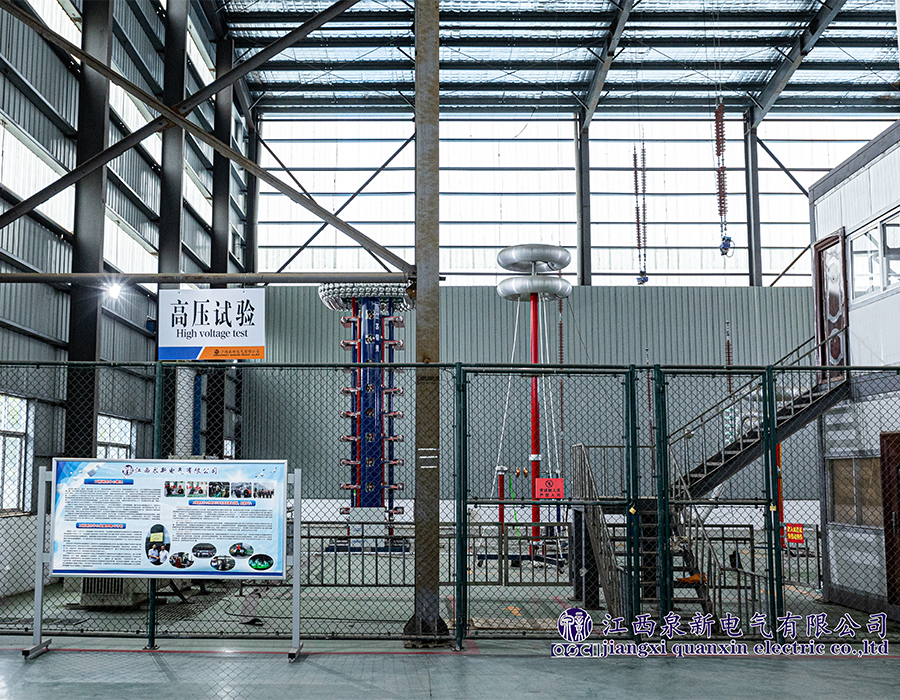
Every batch undergoes thermal shock and mechanical load tests exceeding IEC standards.
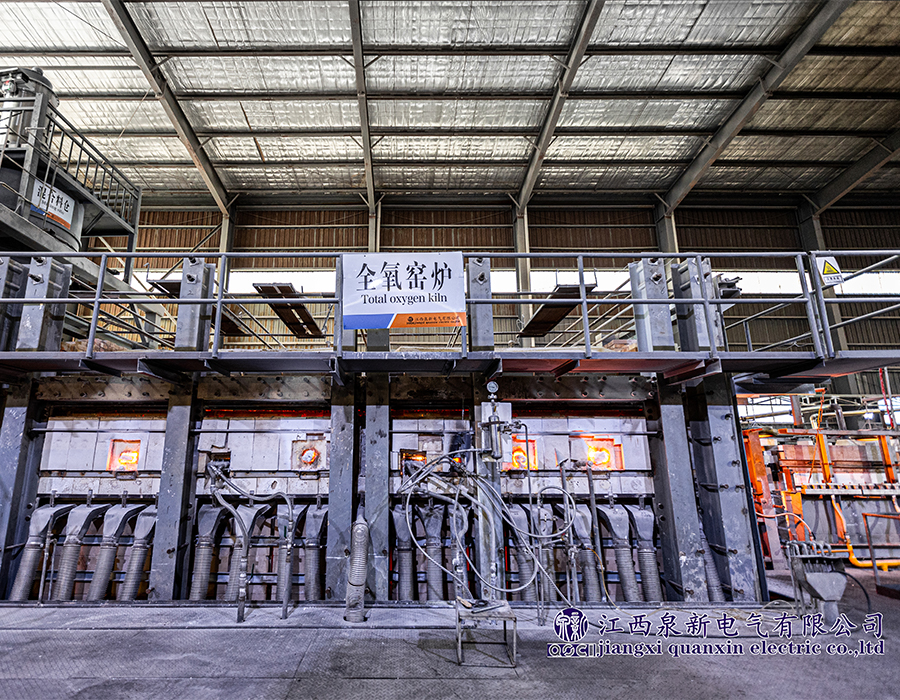
Advanced kiln technology ensures uniform glass tempering for maximum durability.
A: Glass insulators provide a higher degree of mechanical reliability and are easier to inspect visually. For Hamburg's windy and coastal environment, toughened glass is less susceptible to micro-cracks from thermal expansion.
A: Yes, all our products are manufactured and tested in accordance with IEC 60305, 60383, and are compatible with the strict safety requirements of German DIN standards for high-voltage transmission.
A: The Port of Hamburg and surrounding industrial areas have high concentrations of particulate matter and salt. RTV coating provides a hydrophobic surface that makes the insulators self-cleaning during rain, significantly reducing maintenance intervals.