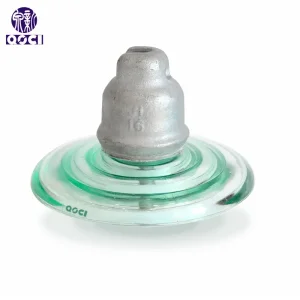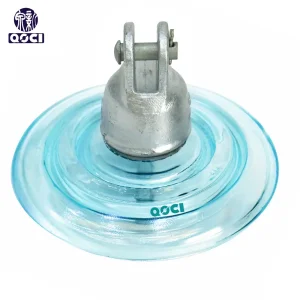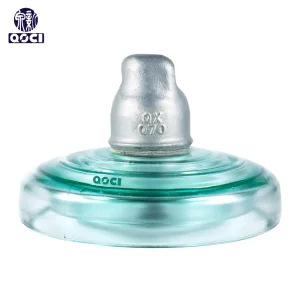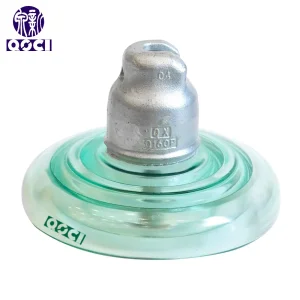
Explore our high-performance glass suspension insulators designed for low, high, and ultra-high voltage overhead AC/DC grids.
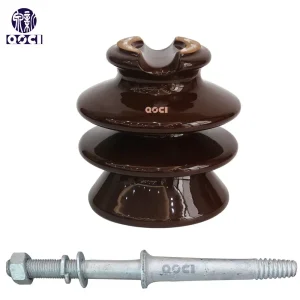
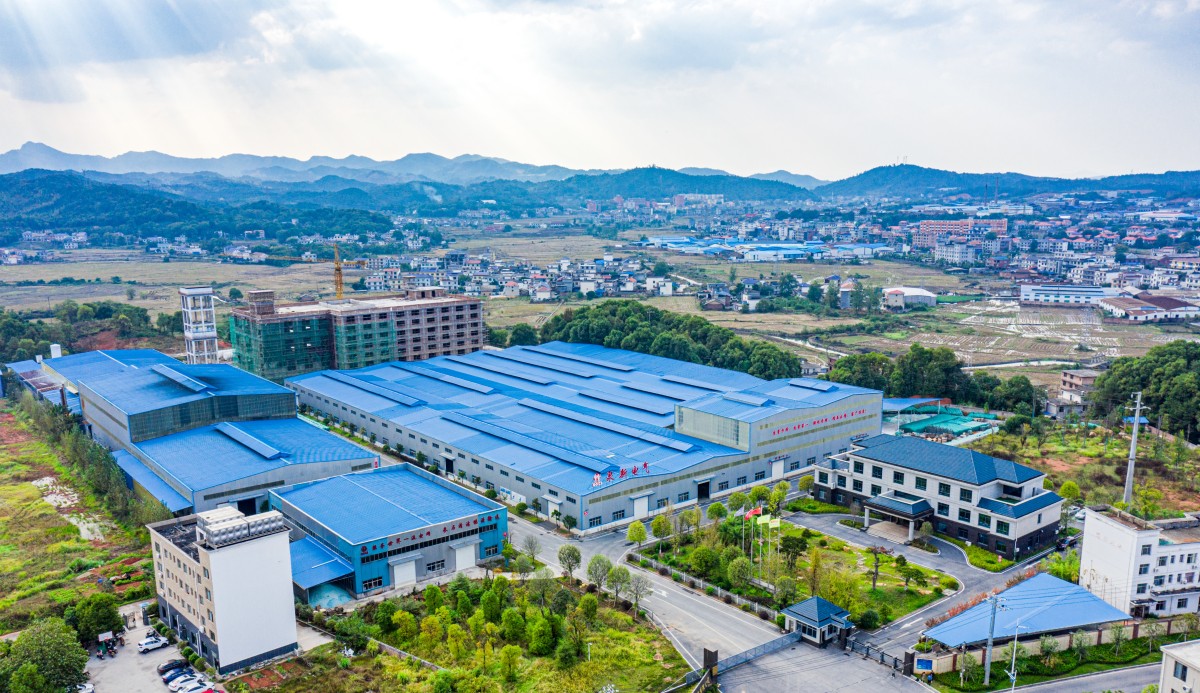
Founded in December 2002 with a registered capital of 508 million Yuan, Jiangxi QOCI Electric Co., Ltd is an authoritative leader in high-strength glass insulation systems. Occupying a footprint of 70,000 square meters in Luxi County, Pingxiang, Jiangxi Province, our manufacturing operations deliver world-class engineering solutions directly to state-owned and international utility operators.
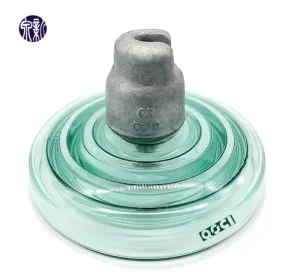
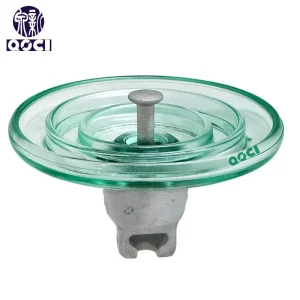
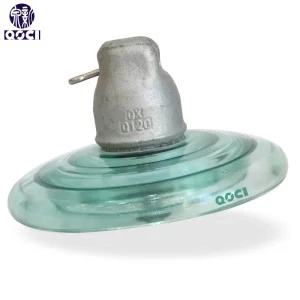
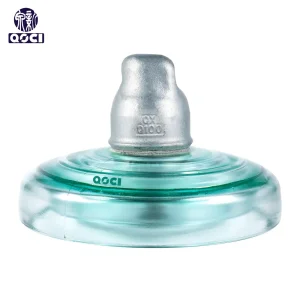
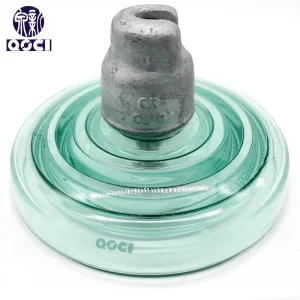
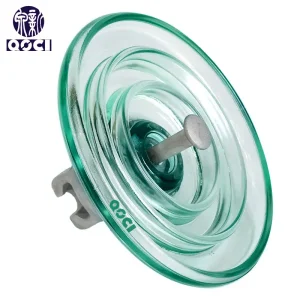
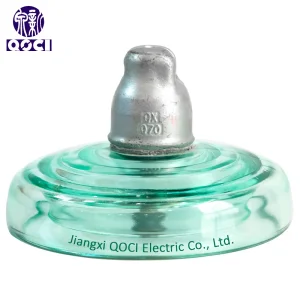
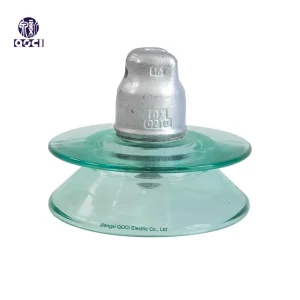
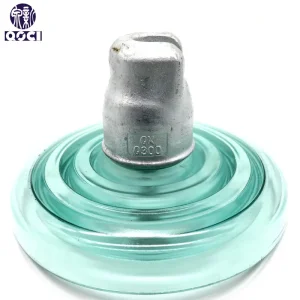
In power transmission network design, structural and environmental demands require line materials that resist electrical leakage, corona erosion, and mechanical fatigue. The term Glass Insulator 550B refers to toughened glass disc suspension insulators that comply with a 550mm creepage distance specification, designed to withstand operational stresses under extreme air pollution, saline atmospheres, and humid environments. Typically rated for mechanical failing loads starting from 70kN, 100kN, up to 300kN, these components prevent power flashovers across high voltage overhead distribution networks globally.
Creepage distance is the shortest path along the surface of an insulating material between two conductive parts. Standard transmission lines passing through desert zones, coastal margins, or heavy industrial belts accumulate conductive pollution layers (dust, salt, or sulfur deposits). Under light rain or fog, these deposits become damp, lowering surface resistance and initiating leakage currents. The 550mm creepage distance (often found in profiles like the U70BLP (146/320/550)) increases the resistance path along the insulator profile. The larger shed geometry prevents dry band formation and localized electrical arcing, providing high safety margins under severe pollution exposure.
Unlike composite or conventional porcelain materials, toughened glass offers unique diagnostic and durability benefits:
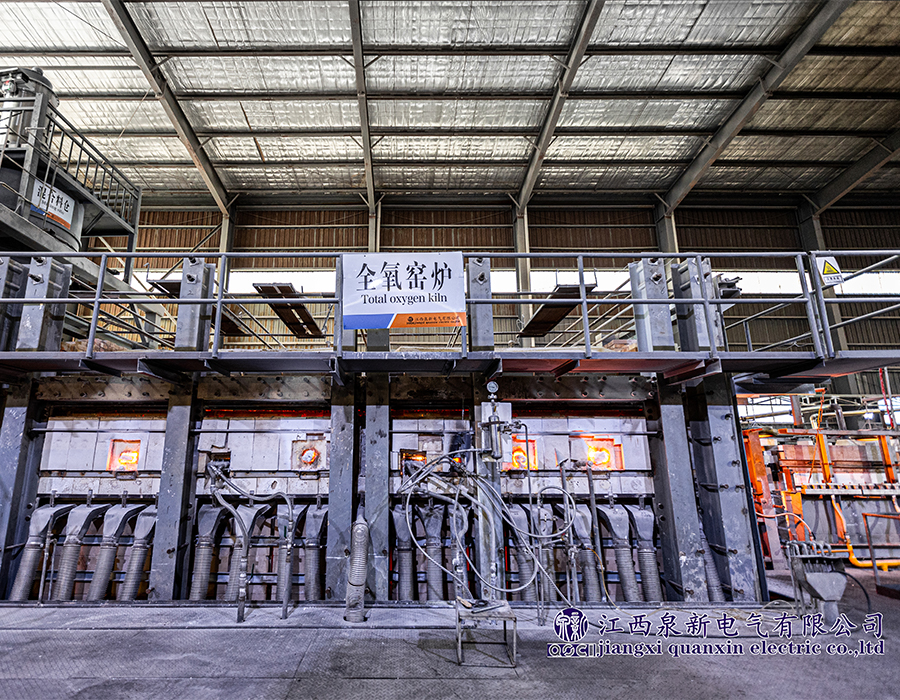
As national utility operators migrate toward Extra-High Voltage (EHV) and Ultra-High Voltage (UHV) AC and DC systems, procurement strategies are shifting towards standardized components with higher pollution resistance. The integration of offshore wind parks and cross-border power transmission routes requires hardware that stands up to marine salinity. China-based manufacturers, supported by raw material access and advanced oxygen kiln automation, offer a reliable supply chain. Utilities are standardizing on IEC 60305, IEC 60383, and ANSI C29 standards, requiring production records, mechanical test verification, and type-approval certifications from third-party bodies.
The implementation of these insulators requires a system-level engineering approach based on geographical zones:
Every overhead transmission routing presents unique environmental challenges. Our design variations optimize grid stability accordingly.
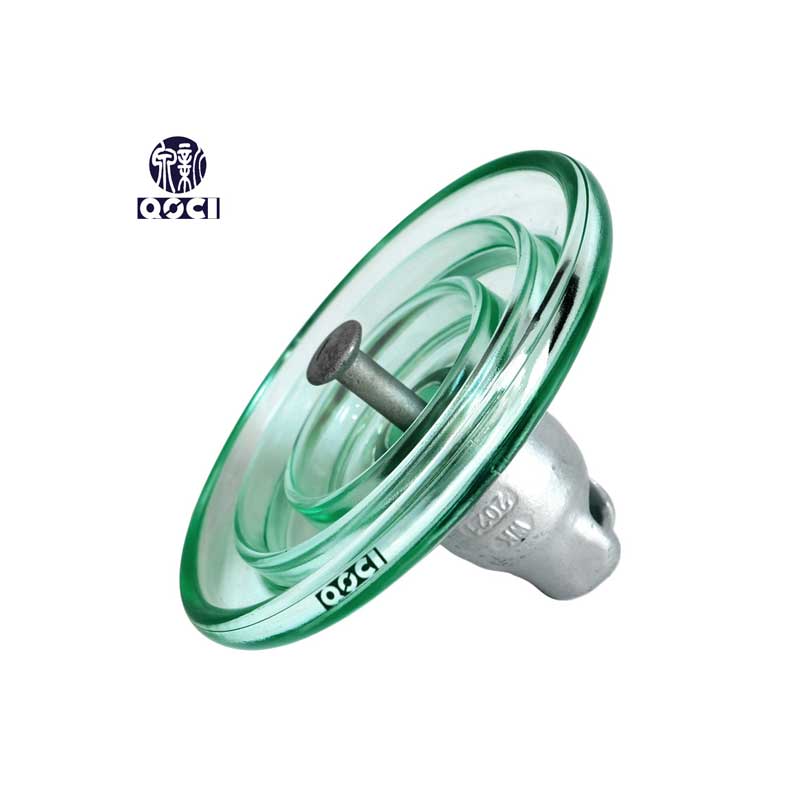
Designed with shallow, spaced under-ribs that optimize aerodynamic wind washing. This profile exceeds standard IEC 60305 leakage distance requirements, proving suitable for moderate pollution environments where wind and rainfall naturally self-clean the surface.
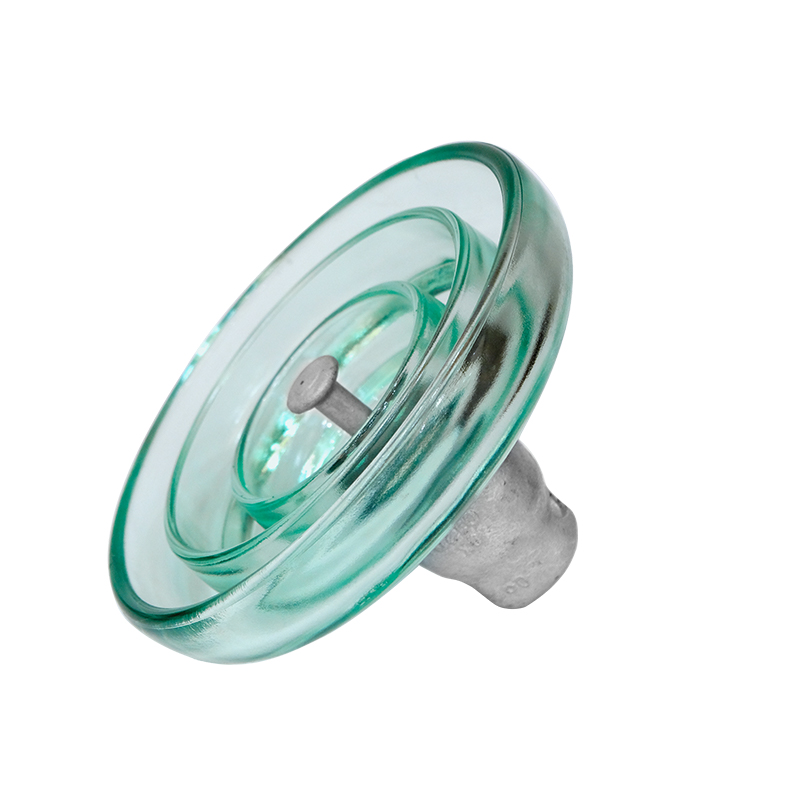
Features deep, vertical under-ribs that prevent electrical bridging between adjacent sections. Possesses a leakage-to-spacing ratio of approximately 3.2, offering protection in heavy fog, coastal regions, and heavily polluted industrial zones.
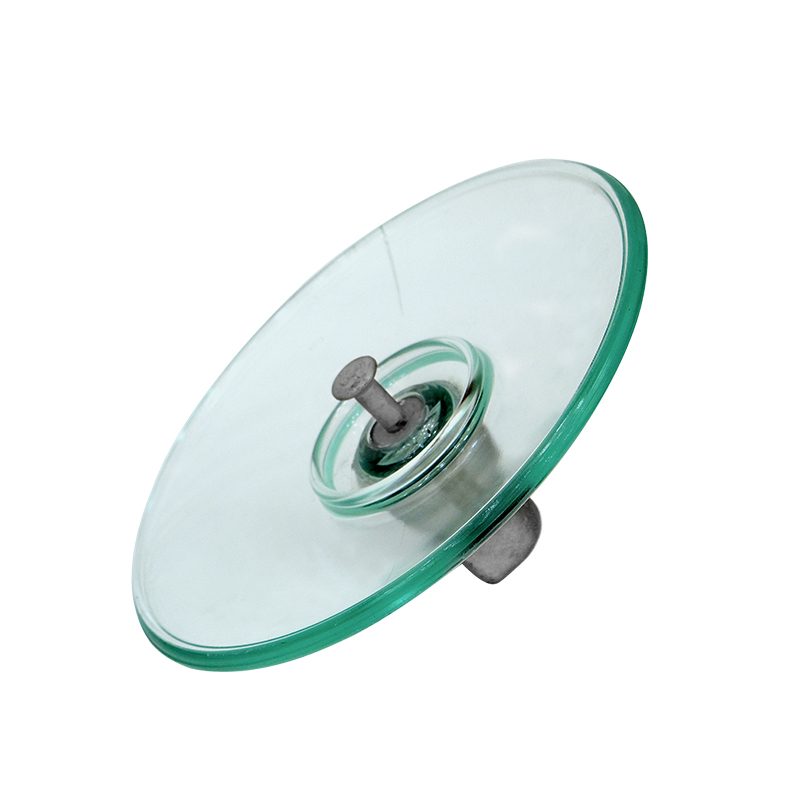
Eliminates under-ribs to minimize sand, dust, and dry pollution accumulation. The flat, open lower surface utilizes wind movement to clear particulates, resolving ice-bridging hazards in freezing arid environments.
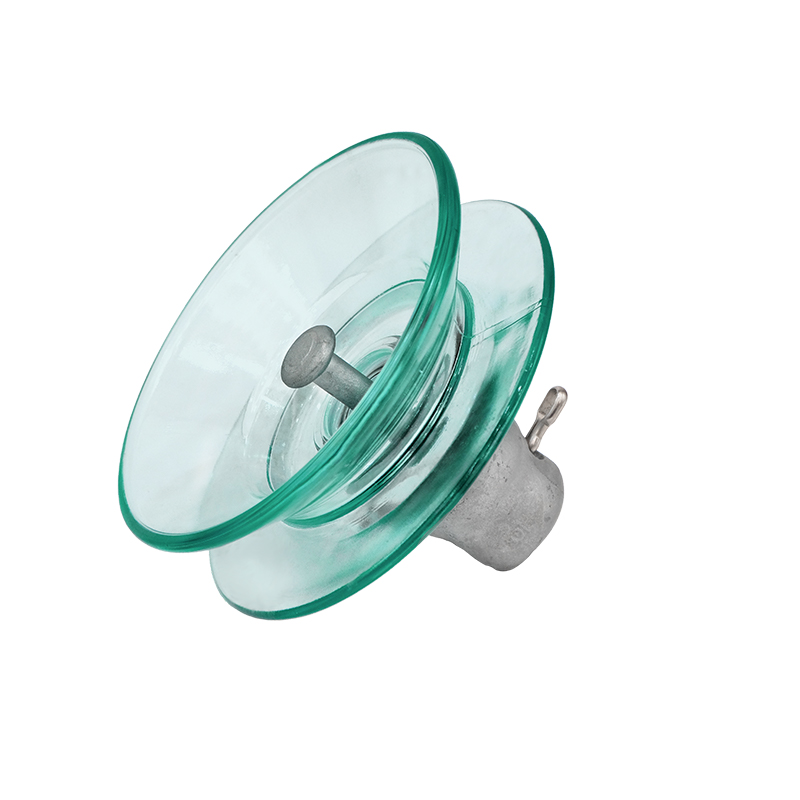
Constructed with dual external ribs that increase total creepage. This configuration allows easy manual wash access in high-pollution industrial zones while relying on natural rain wash paths to clear surface residues.
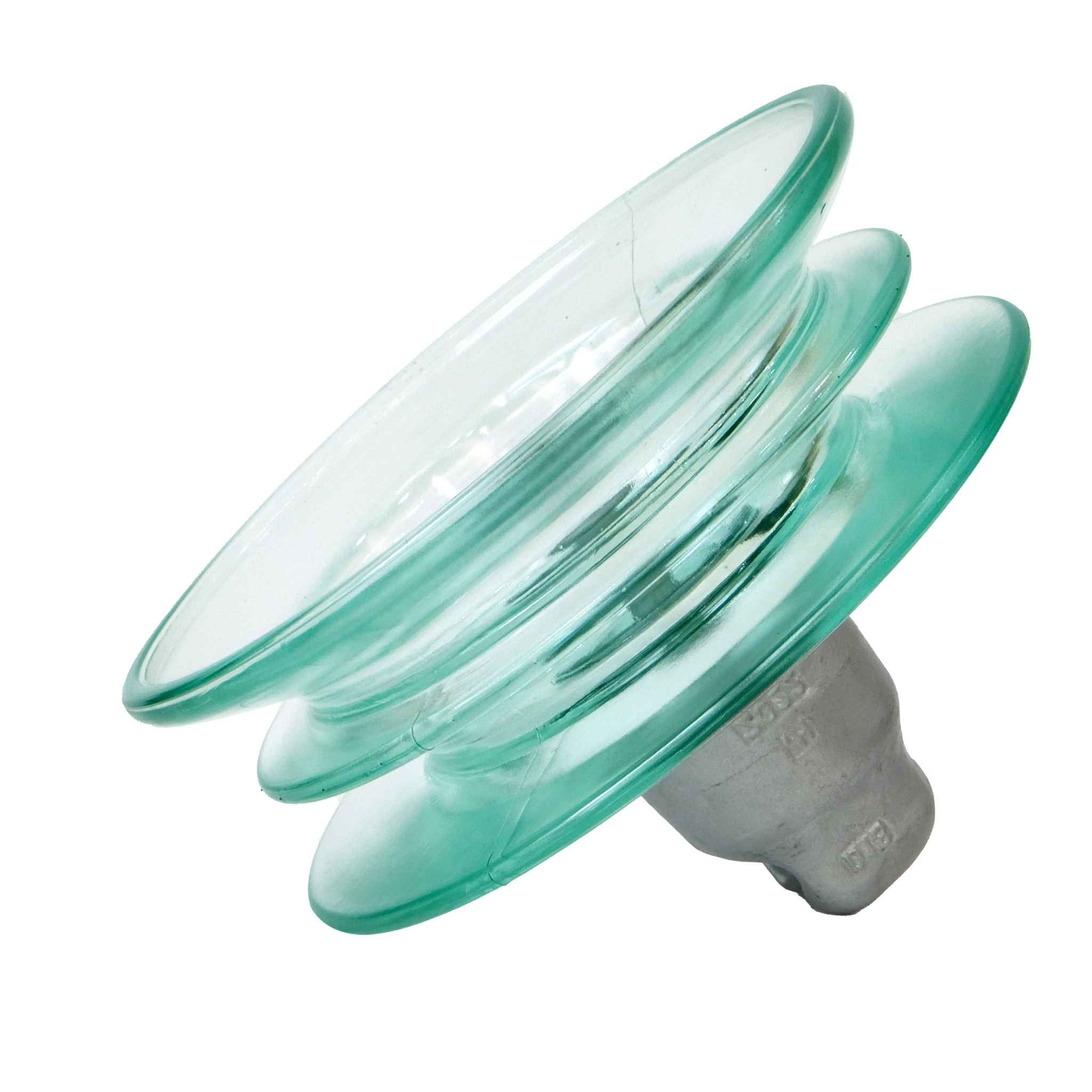
Three distinct layers of insulation hoods arranged vertically on a single assembly. Provides long creepage distances for high-capacity ultra-high voltage (UHV) lines in humid coastal areas and high-altitude valleys.
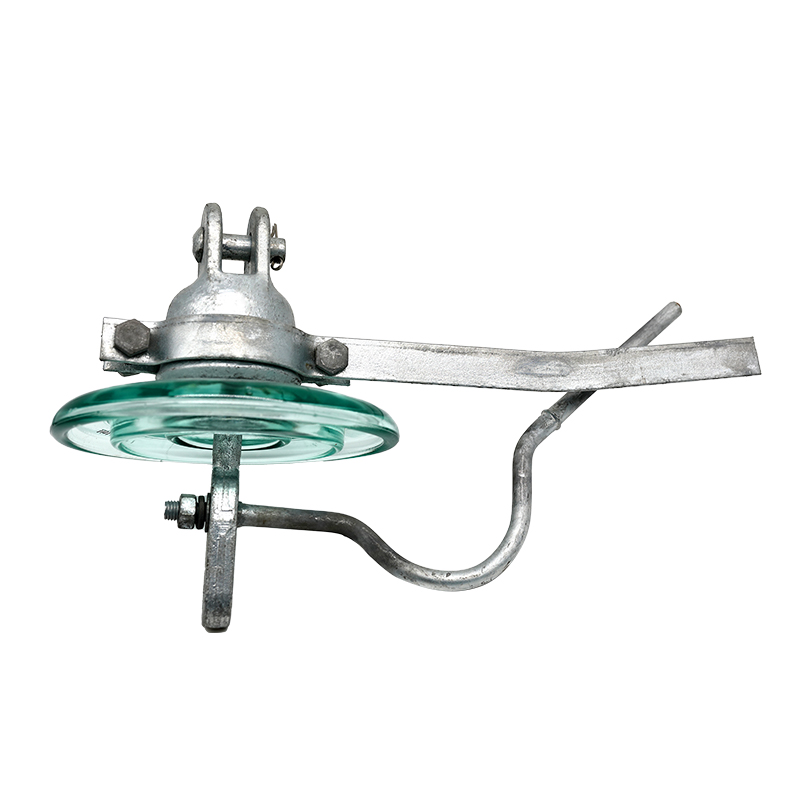
Utilizes integrated metal coupling pins to direct lightning strikes safely down to earth ground systems. Features low-affinity smooth glass that reduces contaminant adhesion under atmospheric discharge.
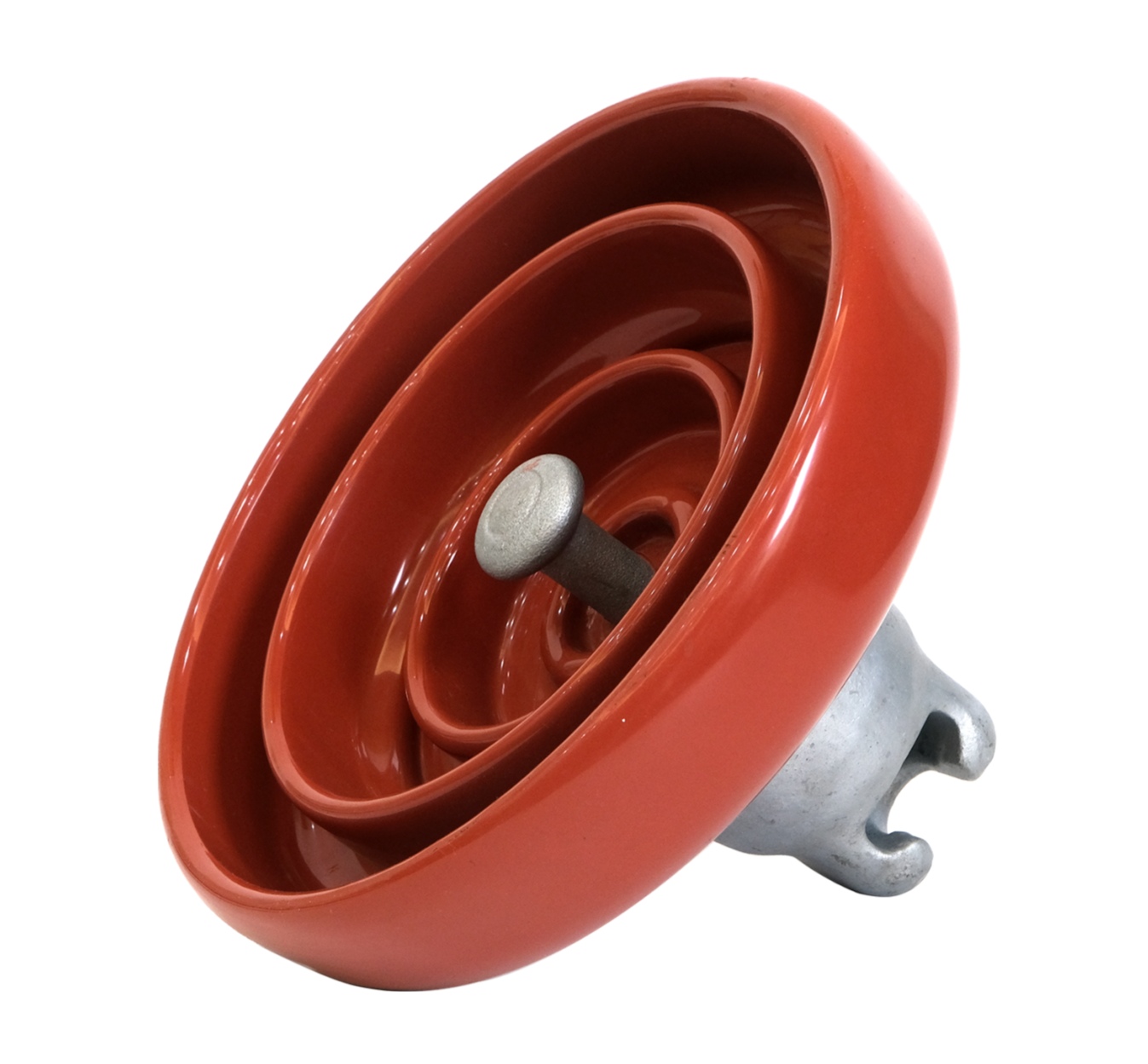
Coated with Room Temperature Vulcanizing (RTV) silicone compounds containing specialized mineral fillers. Combines the structural mechanical strength of toughened glass with the hydrophobic properties of composite polymers, reducing leakage current issues without regular washing schedules.
In response to global decarbonization goals, the transmission sector is upgrading to accommodate large-scale renewable generation. Grid structures demand materials capable of enduring volatile weather conditions. Jiangxi QOCI Electric's technology focus is designed around three strategic tracks:
As utilities implement digital monitoring, future insulator assemblies will incorporate integrated micro-sensors to measure leakage currents, ambient temperature, humidity, and mechanical tension in real-time. This diagnostic data transmitted via low-power wireless arrays will feed predictive maintenance software, warning operators of grid contamination risks before flashovers occur.
We are reducing the carbon footprint of our manufacturing process. Transitioning from heavy fossil-fuel furnaces to total oxygen kilns combined with electric heating elements helps lower nitrogen oxides (NOx) and carbon emissions during glass fusion, meeting global environmental criteria for line builders.
To prevent galvanic corrosion between the steel cap, pin, and glass body, we are refining our zinc sleeve protection systems and using eco-friendly binding agents. These materials resist temperature shifts, preventing micro-stress concentration at joint interfaces and extending operational lifespans to over 40 years.
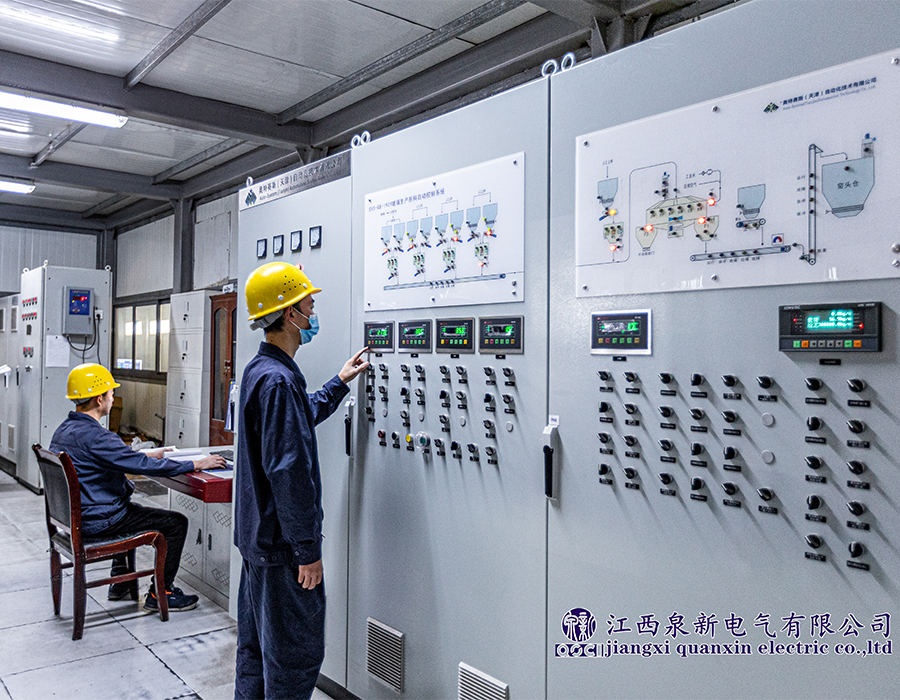
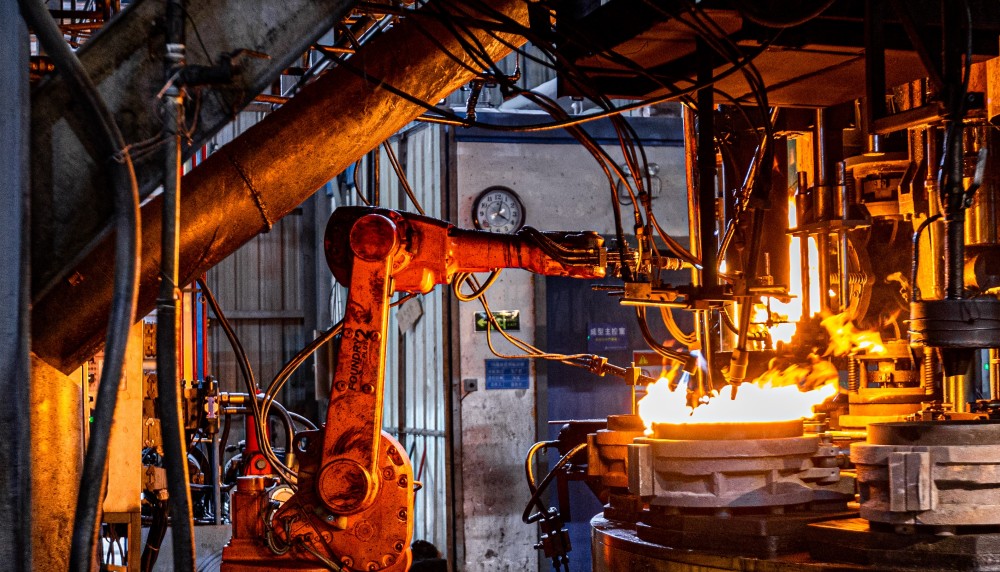
Jiangxi QOCI operates an automated plant. High product reliability is maintained through rigorous testing stages.
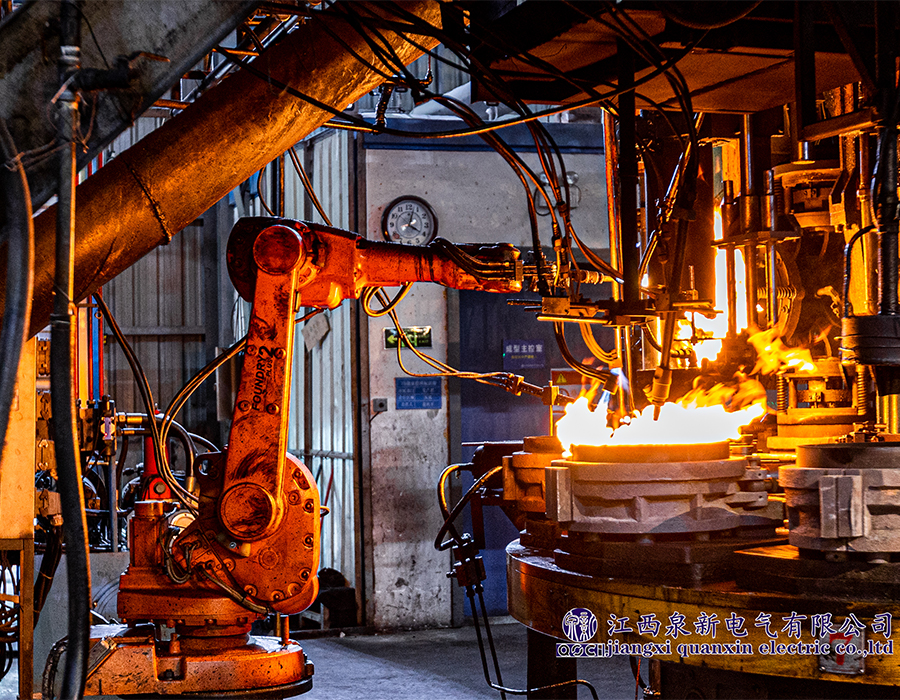
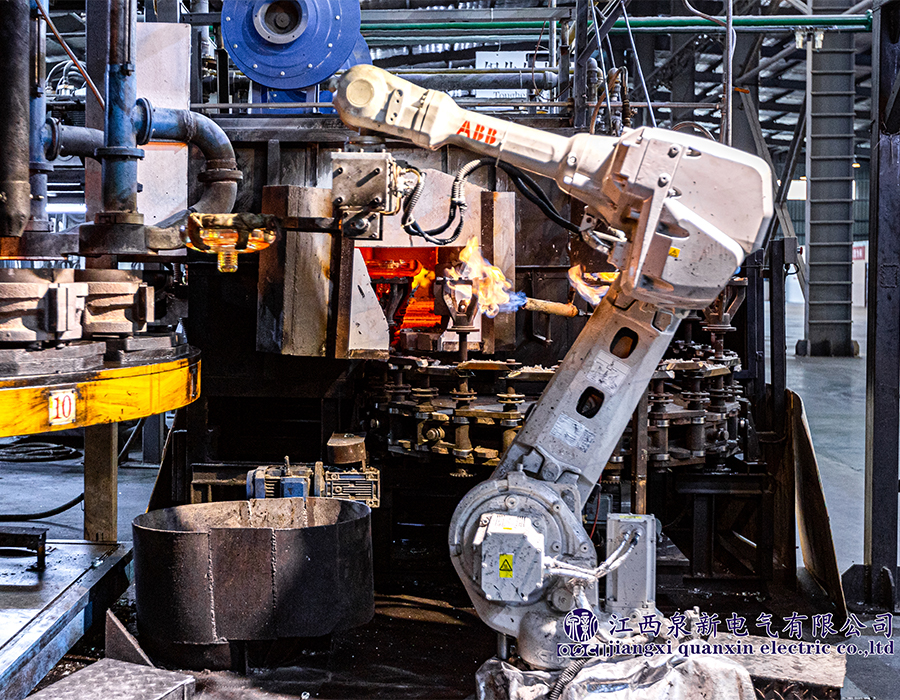
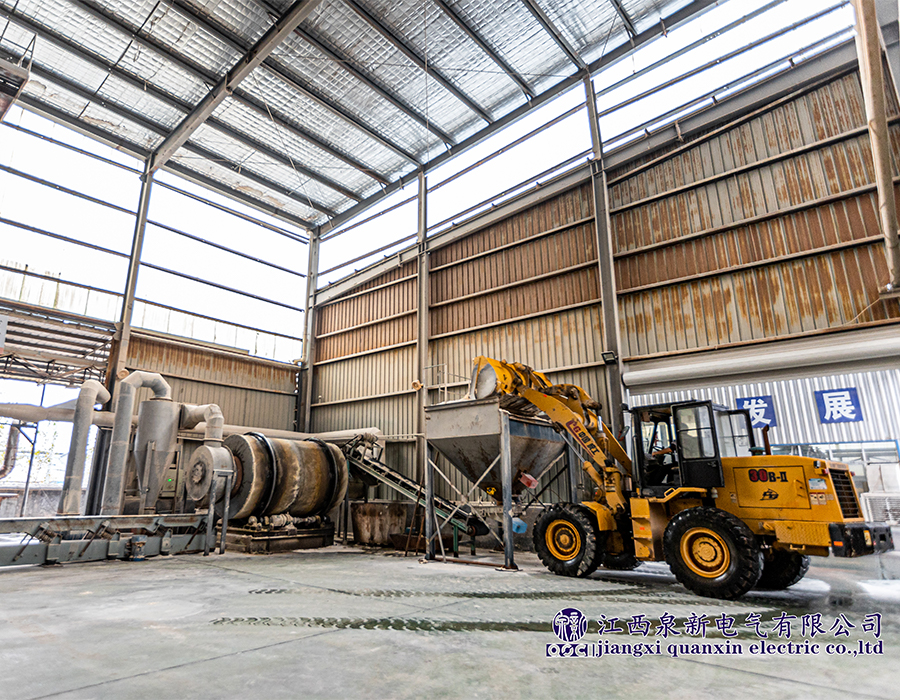
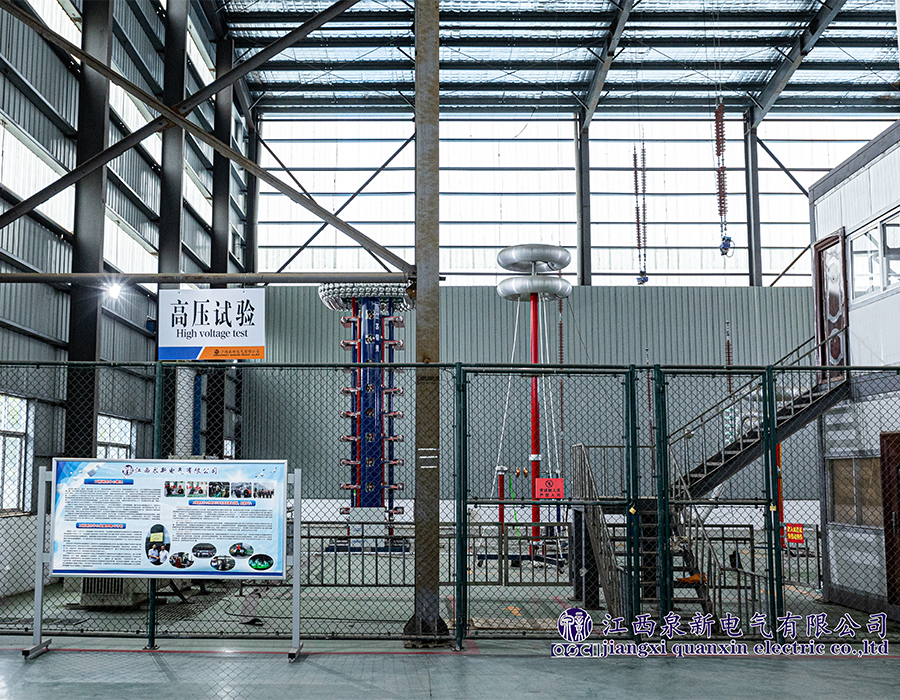
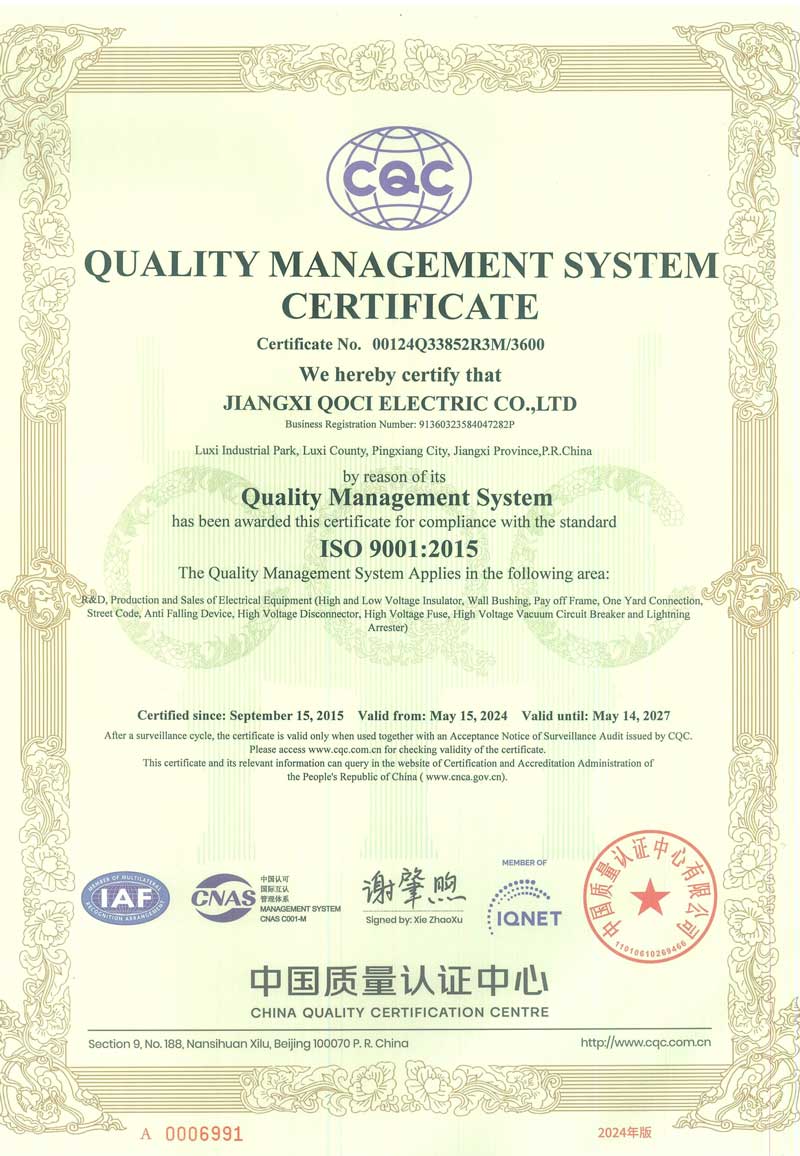
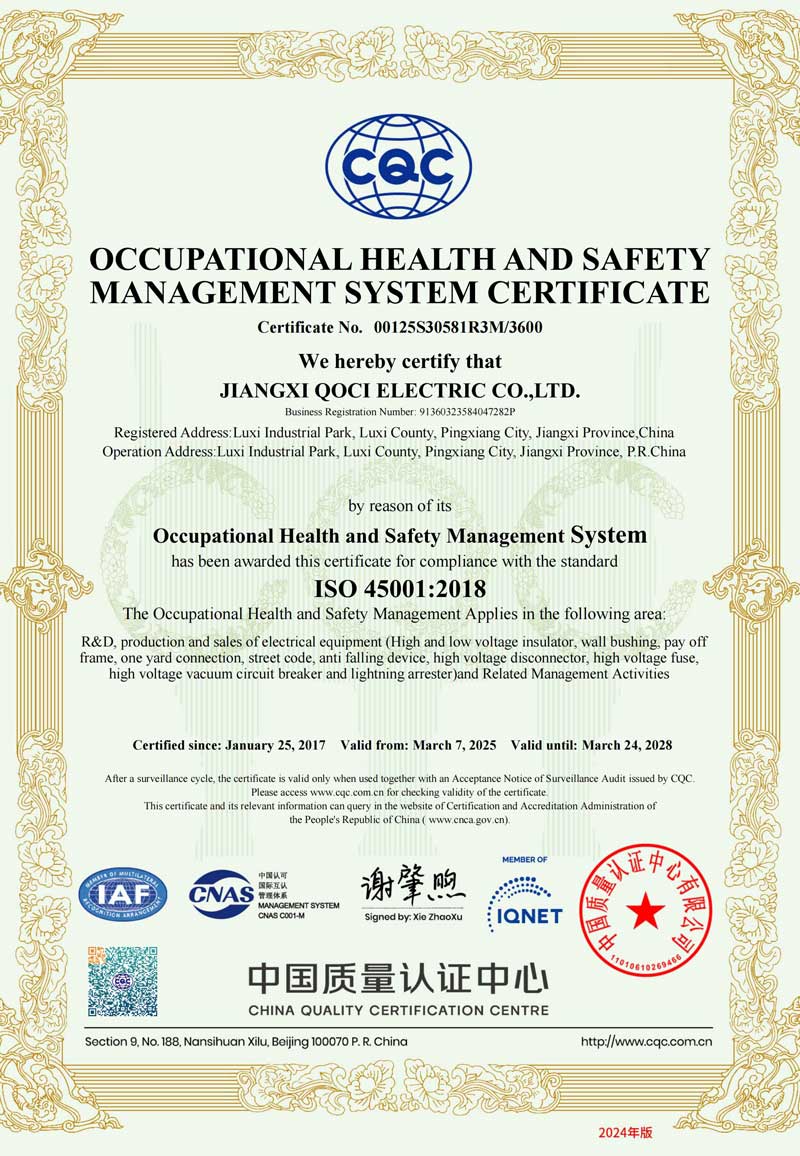
Our electrical, mechanical, and safety components are tested and certified to international standards.
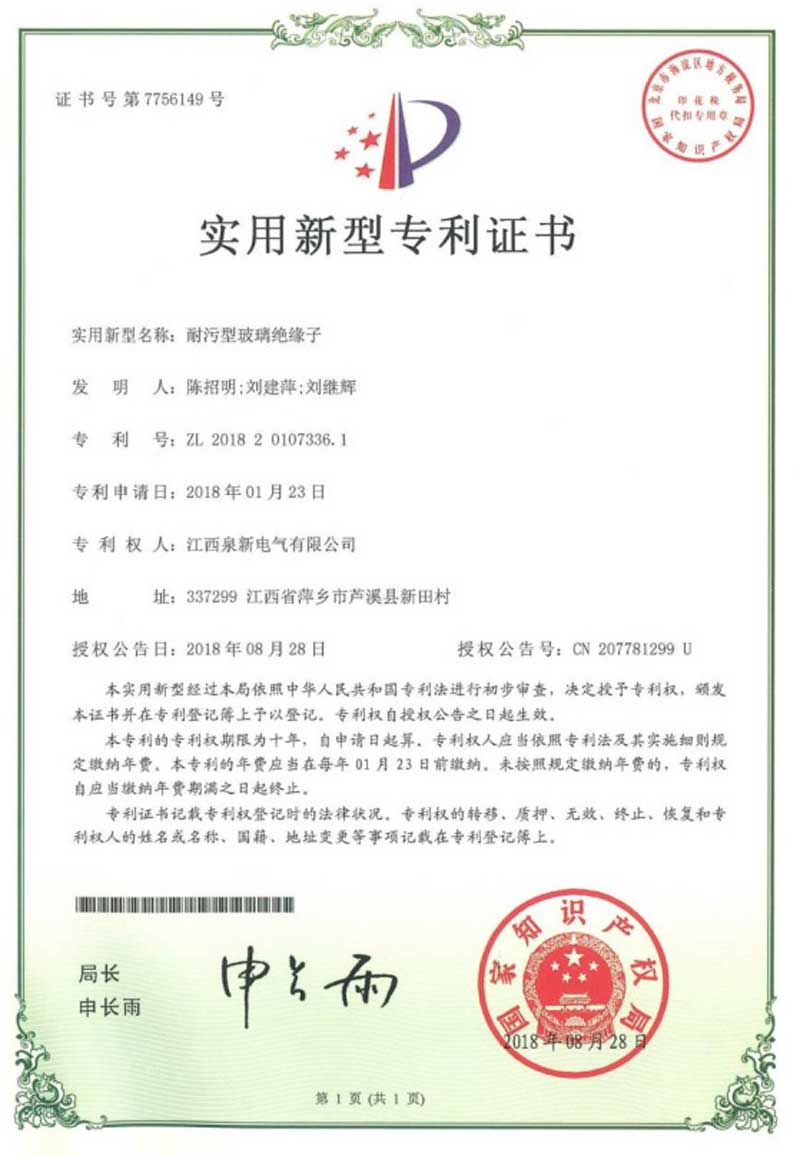
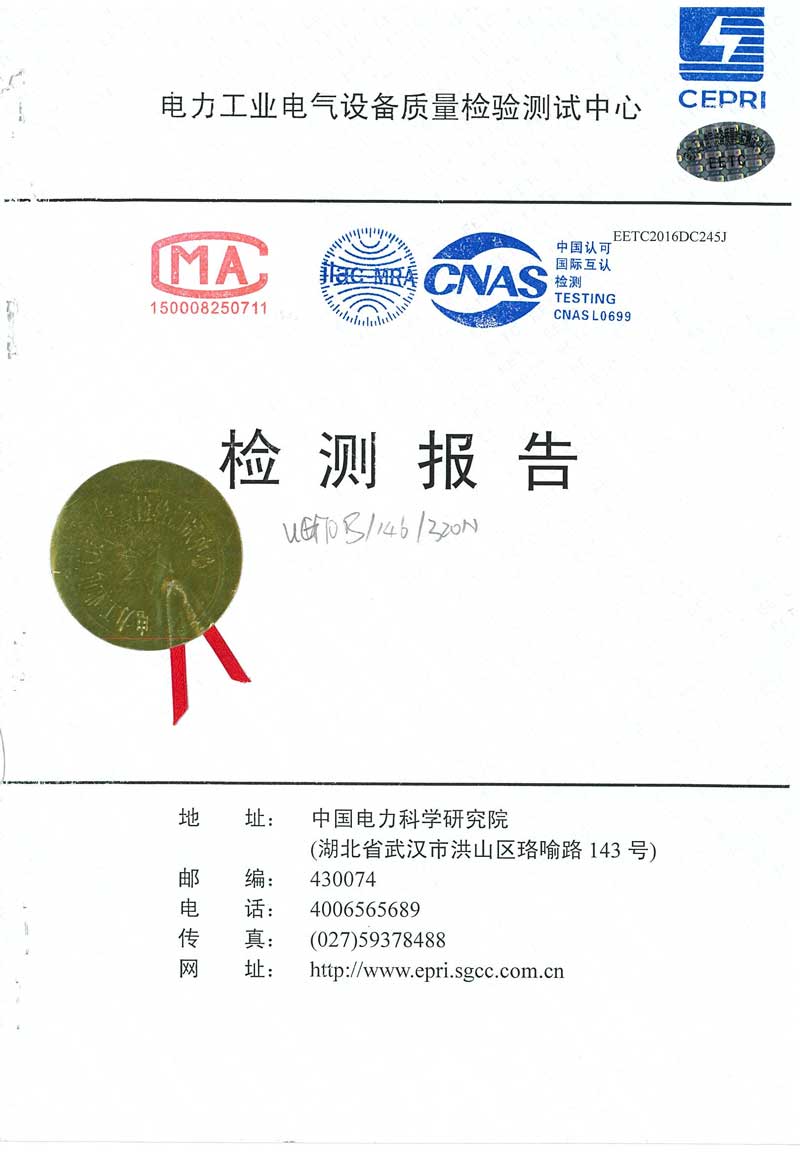
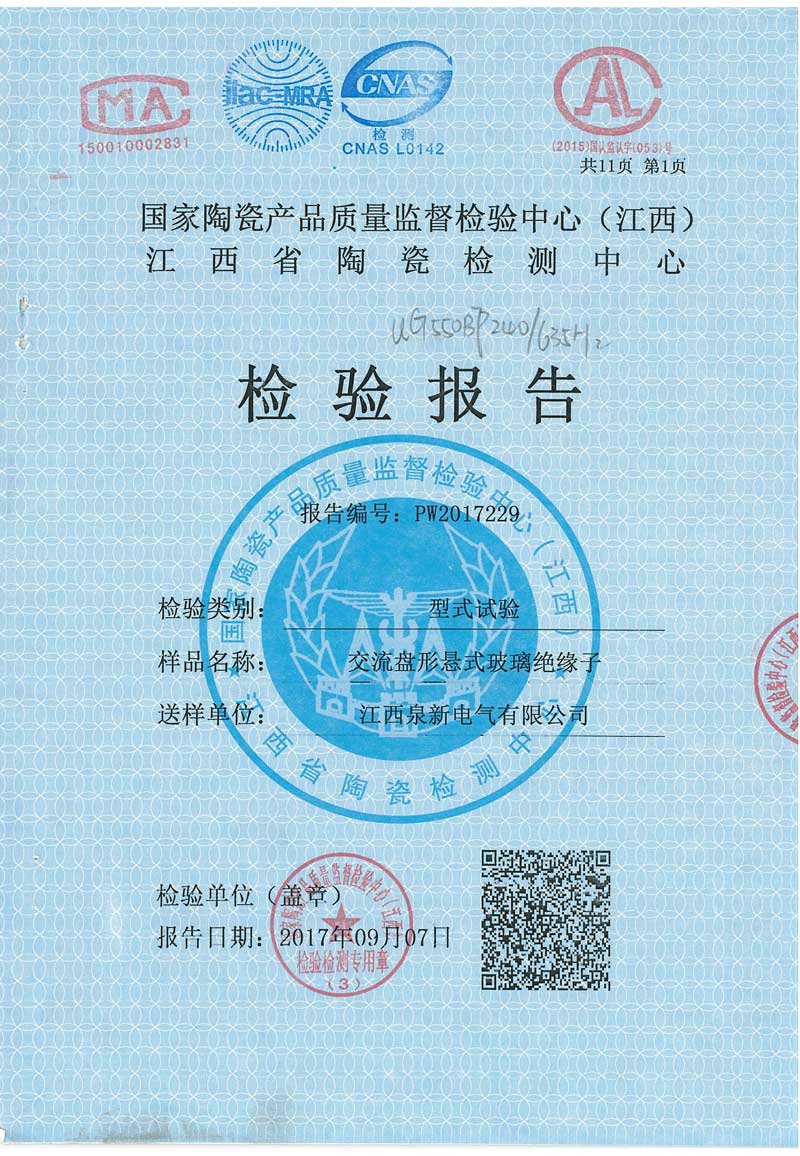
We work closely with power construction contractors and electricity utilities across East Asia, South Asia, Africa, South America, and Europe. Our engineering teams provide design support, mechanical verification calculations, and on-site assembly instructions to ensure reliable system implementation.

Follow Jiangxi QOCI Electric's participation in international power systems developments and key project milestones.
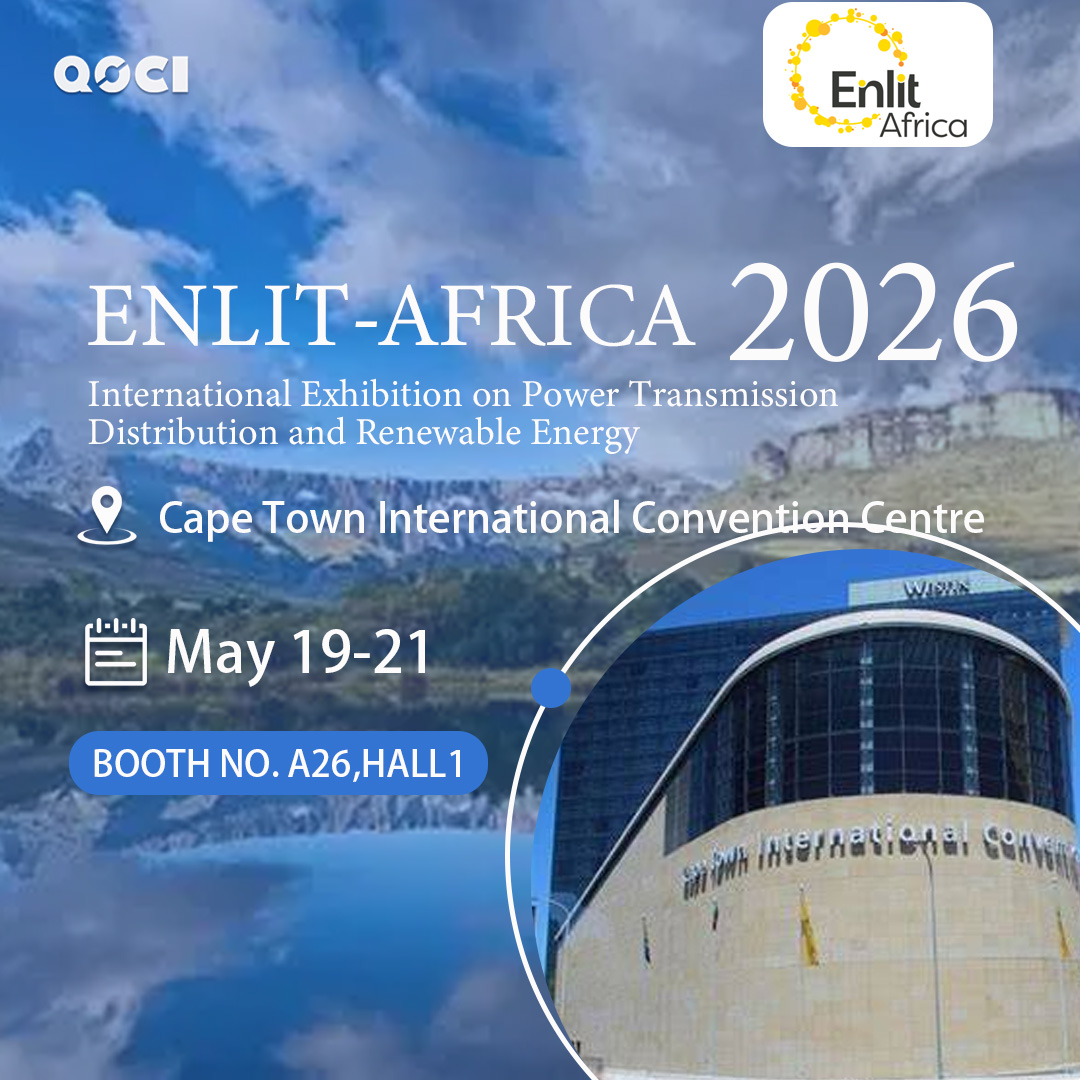
We presented our high-creepage 550B glass insulator solutions in Cape Town, targeting grid modernization needs in coastal environments.
A review of glass insulators under extreme environmental loading including icing, high altitudes, and seismic activities.
Published: May 10, 2026Displaying our 508 million Yuan manufacturing capacity and high-strength cap and pin designs to North American grid developers.
Published: April 22, 2026Common questions from transmission design engineers and procurement teams.
Verify product specifications, physical sizes, mechanical ratings, and creepage parameters below.