Explore our leading suspension, spool, and pin insulators certified to IEC and ANSI standards for transmission line security.
Premier Chinese Manufacturer offering rapid delivery times paired with globally competitive structural pricing.
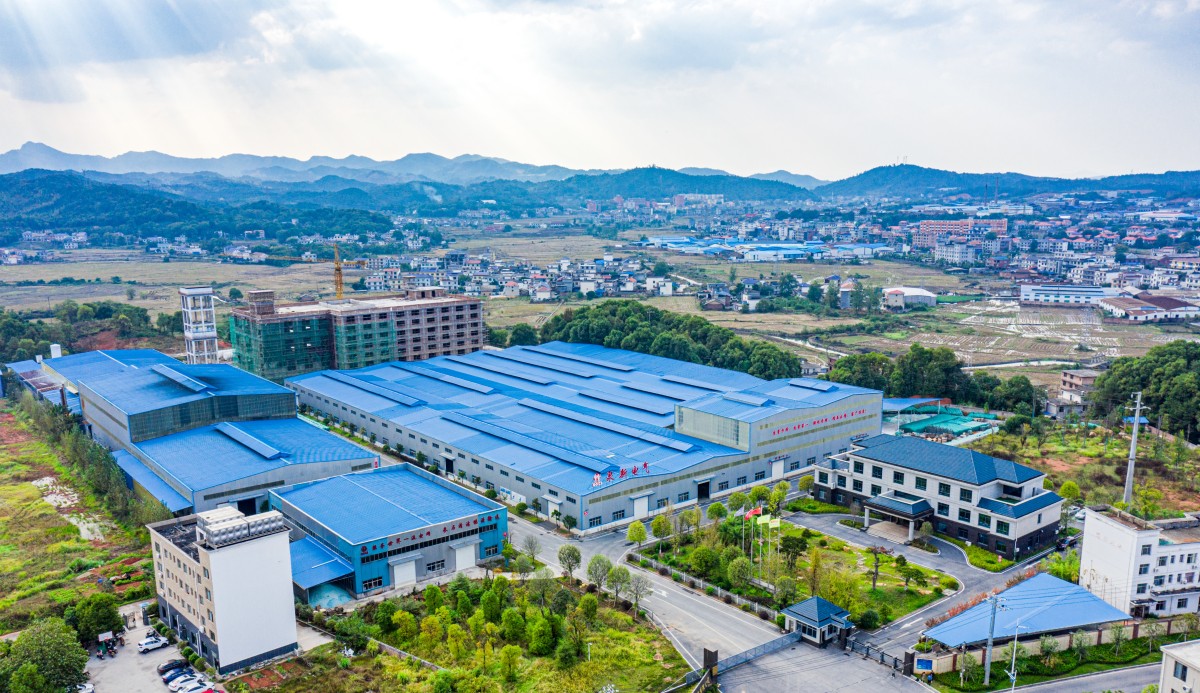
Jiangxi QOCI Electric Co. Ltd was founded in Dec. 2002, with a registered capital of 508 million Yuan. The Corporation is situated in the state-of-the-art Industrial Park of Luxi County, Pingxiang, Jiangxi Province, occupying a vast production footprint of 100 mu.
We focus on developing high-performance insulation solutions designed to secure international power grids. By incorporating cutting-edge thermal tempering technologies, we deliver products that withstand high mechanical stress and adverse climatic conditions.
A comprehensive analysis of design standards, material advantages, and strategic utility deployment
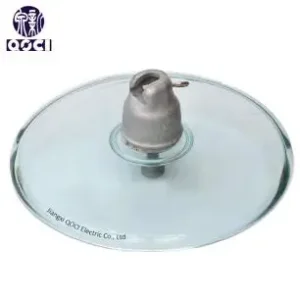
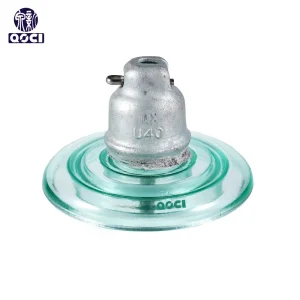
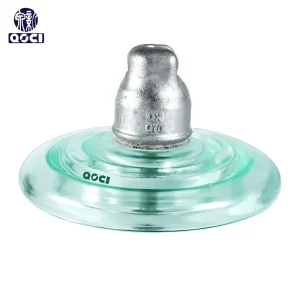
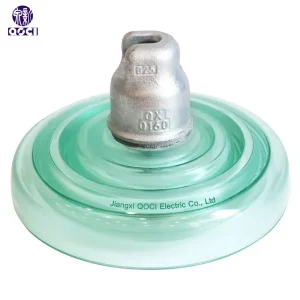
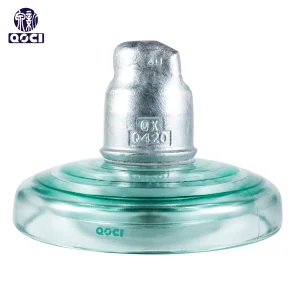
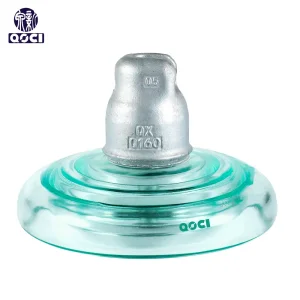
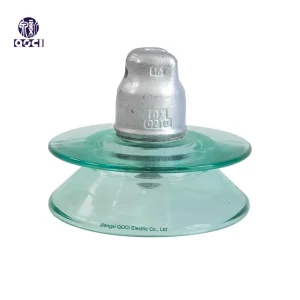
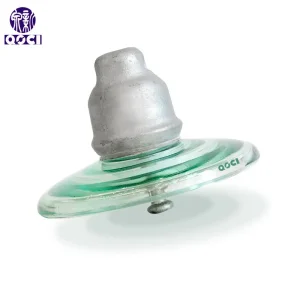
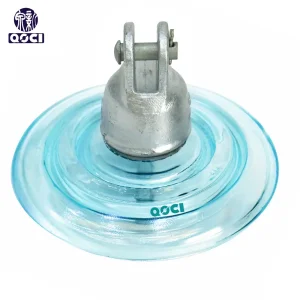
The U100BLD represents a pivotal rating in HV cap-and-pin toughened glass suspension string designs. Engineered to handle a rated electromechanical failing load of 100 kN, it is widely specified for medium-to-high voltage systems (up to 500kV). The toughened glass component provides superior dielectric breakdown resistance and simplifies maintenance through visible self-shattering characteristics under critical faults.
Situated in Pingxiang, Jiangxi Province—the electrical porcelain capital of China—our factories leverage a deeply integrated industrial ecosystem. Access to local high-purity silica deposits, optimized natural gas infrastructure for high-temperature melting, and a pool of experienced ceramic and glass engineers allows QOCI to offer high-quality toughened glass components with remarkable production efficiency.
Exporting high-voltage insulators requires strict adherence to international electrical codes. QOCI products are thoroughly manufactured in accordance with IEC 60305, IEC 60383, and ANSI C29 standards. Through automated thermal testing, magnetic particle inspections of metal fittings, and ultrasonic scanning of glass disks, we guarantee defect-free dispatching to international grid operators.
In high-voltage power transmission applications, grid operators must choose between porcelain, composite (polymer), and toughened glass insulators. Toughened glass, specifically designed configurations like the U100BLD model, offers unique operational features.
Unlike porcelain, which can develop micro-cracks over time that require complex inspection techniques (such as ultrasonic testing or manual zero-value detection), toughened glass behaves as a binary safety component. Under extreme mechanical or electrical stress, the tempered glass outer shell will shatter completely. However, the internal design keeps the mechanical cap-and-pin link intact, preventing line drops. This visual warning mechanism allows helicopter or drone surveillance crews to easily spot damaged insulators from a distance, dramatically reducing overhead line maintenance costs.
Furthermore, tempered glass has a higher tensile strength and is chemically inert to typical industrial emissions, coastal salt spray, and aggressive solar UV radiation, offering a service life exceeding 40 years without degradation of its hydrophobic recovery properties.
Tailored aerodynamic geometries, coatings, and structural designs to mitigate electrical flashovers in diverse climates.
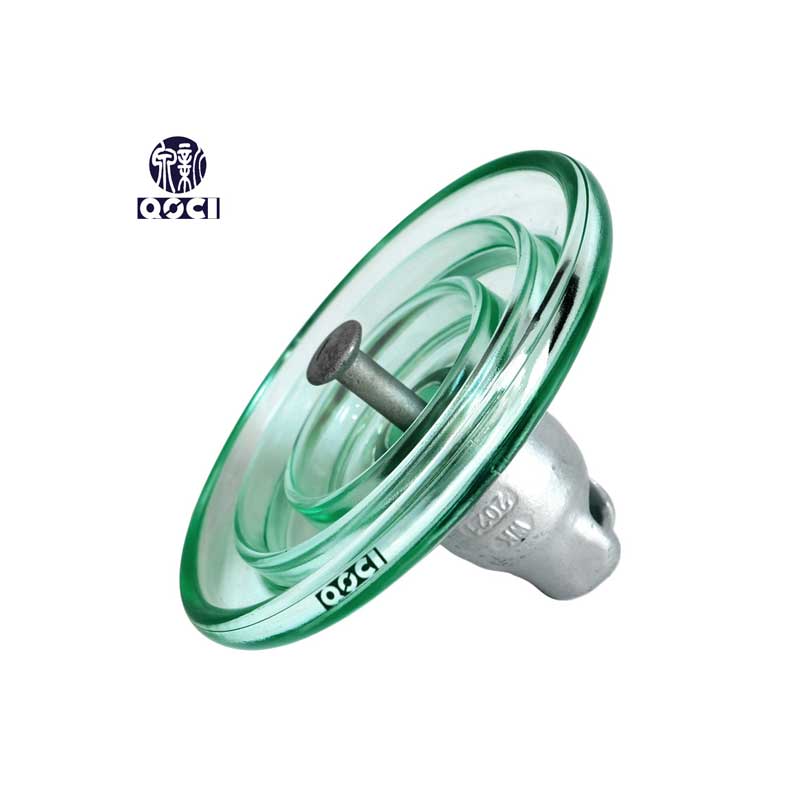
The standard profile features a leakage distance that exceeds the minimum specifications outlined in IEC 60305. The insulating body is designed with shallow, well-spaced ribs, which facilitates self-cleaning under natural wind and rain action.
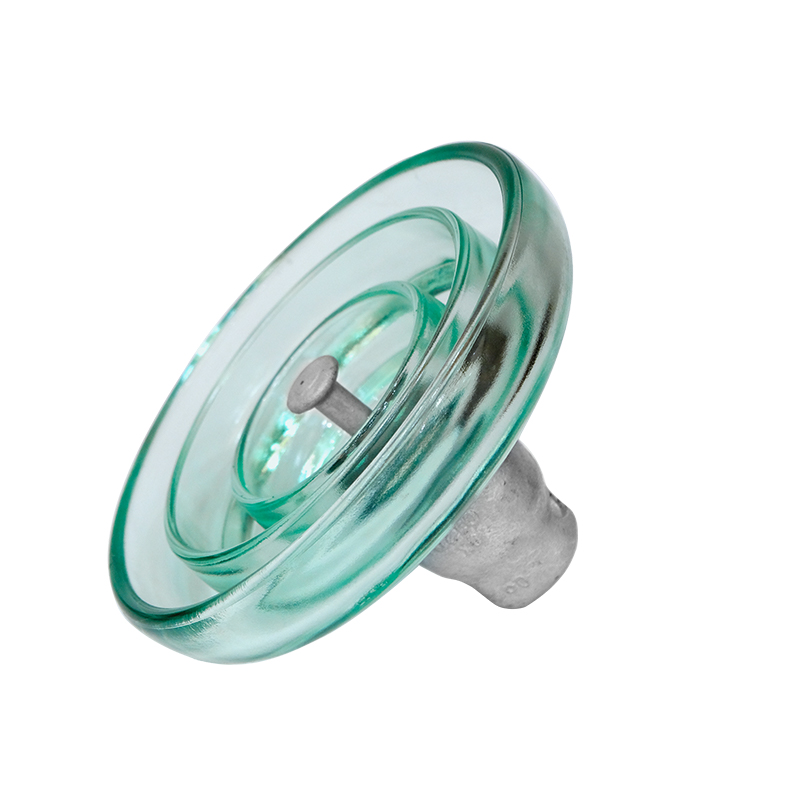
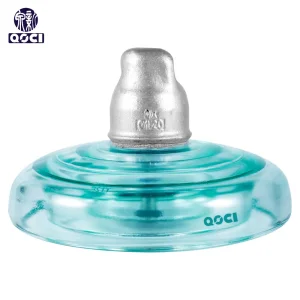
Characterized by deep, widely-spaced under-ribs to prevent electrical arc bridging between adjacent ribs. This geometry features a high leakage distance to spacing ratio (~3.2), making it ideal for coastal regions exposed to saline mist and heavy industrial pollution.
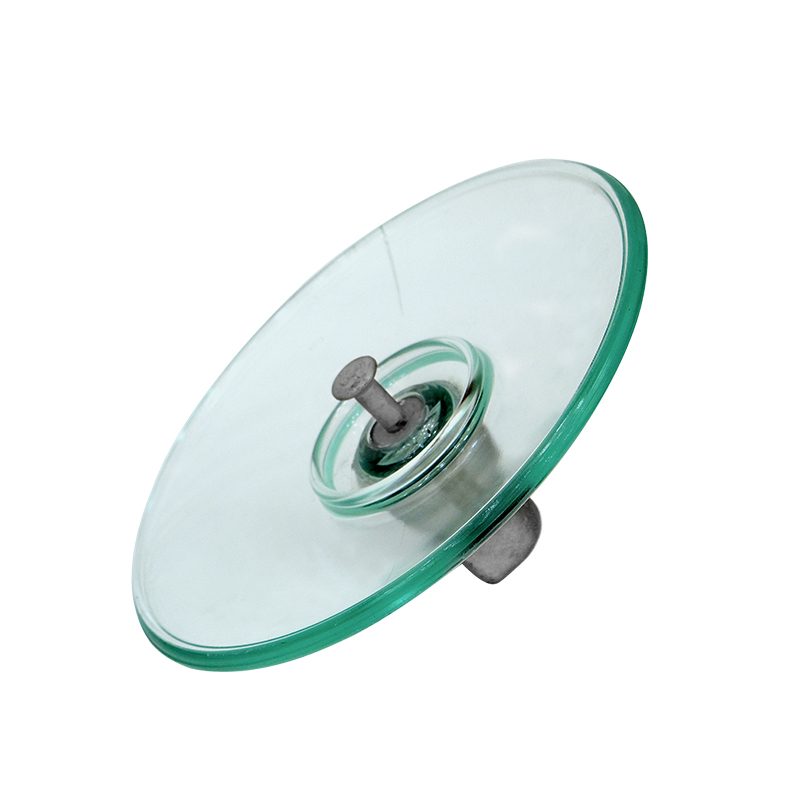
Designed without under-ribs to prevent the accumulation of airborne deposits like sand and dust on the lower disc surface. Perfect for desert regions where strong winds are prevalent and rain is rare, avoiding ice-bridging complications as well.
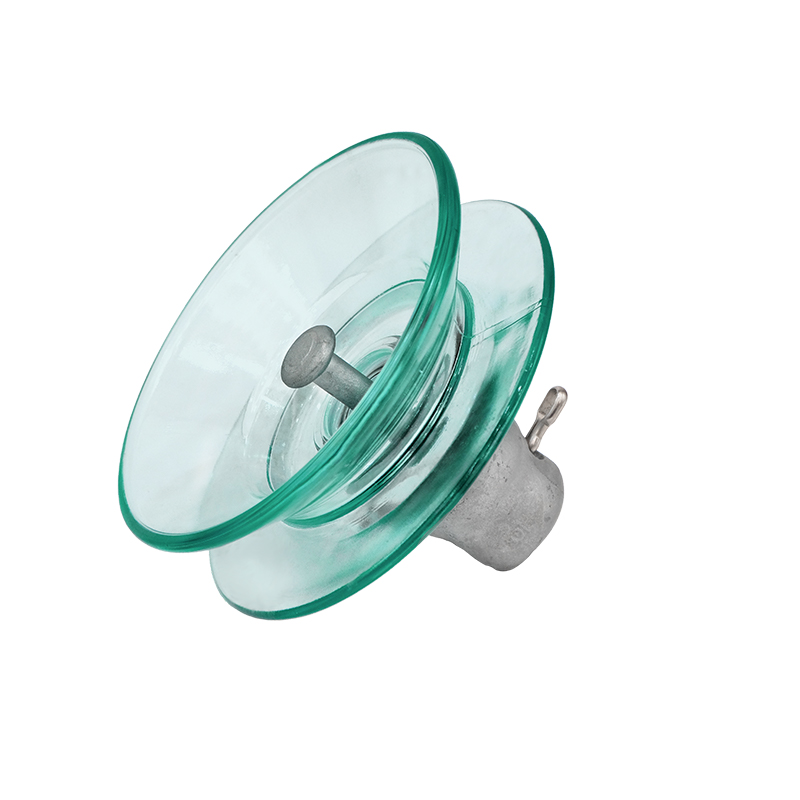
Features two external ribs to limit solid pollution build-up and facilitate manual cleaning operations. This profile provides creepage distances comparable to anti-pollution profiles while offering reliable performance in heavy industrial zones.
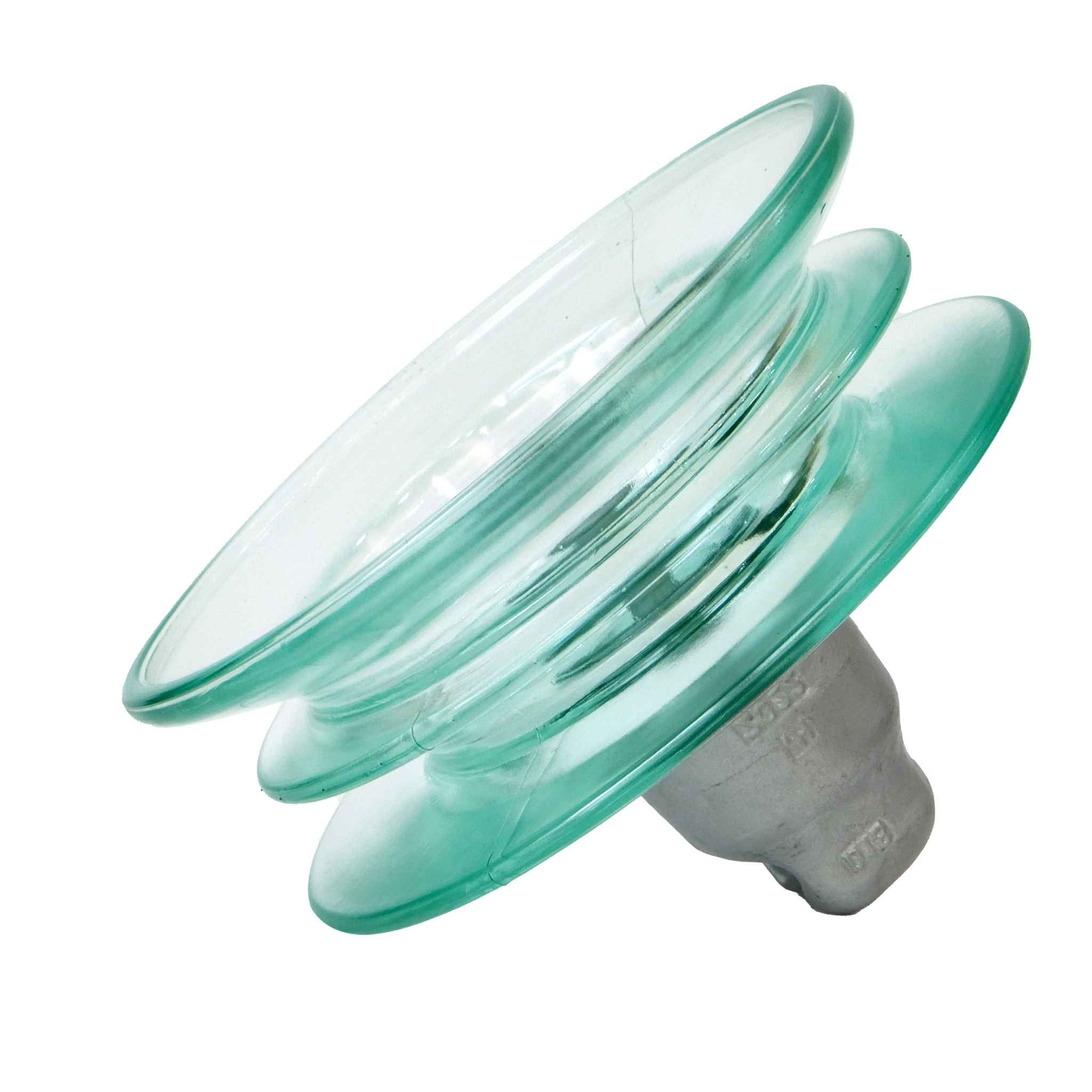
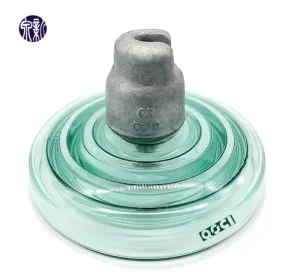
Consists of three layers of independent umbrella discs. The structural spacing helps achieve wind-driven self-cleaning. It offers extended creepage distances and acts as an excellent solution for Ultra-High Voltage (UHV) lines in high-altitude environments.
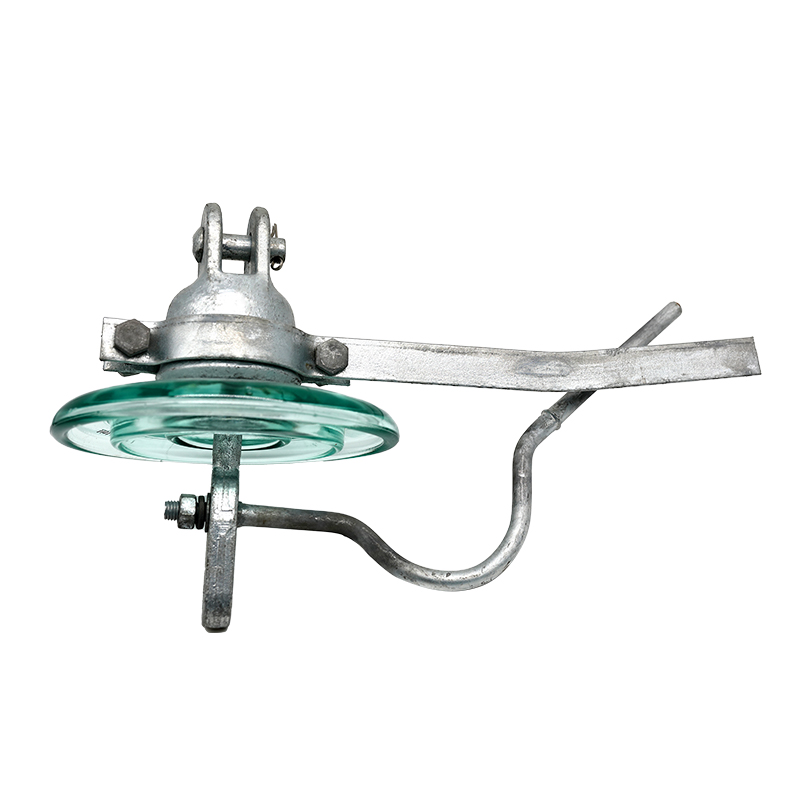
Features specialized grounding connections with custom metal fittings to guide lightning currents down to the grounding grid safely, protecting high-voltage components and improving structural grid safety during storms.
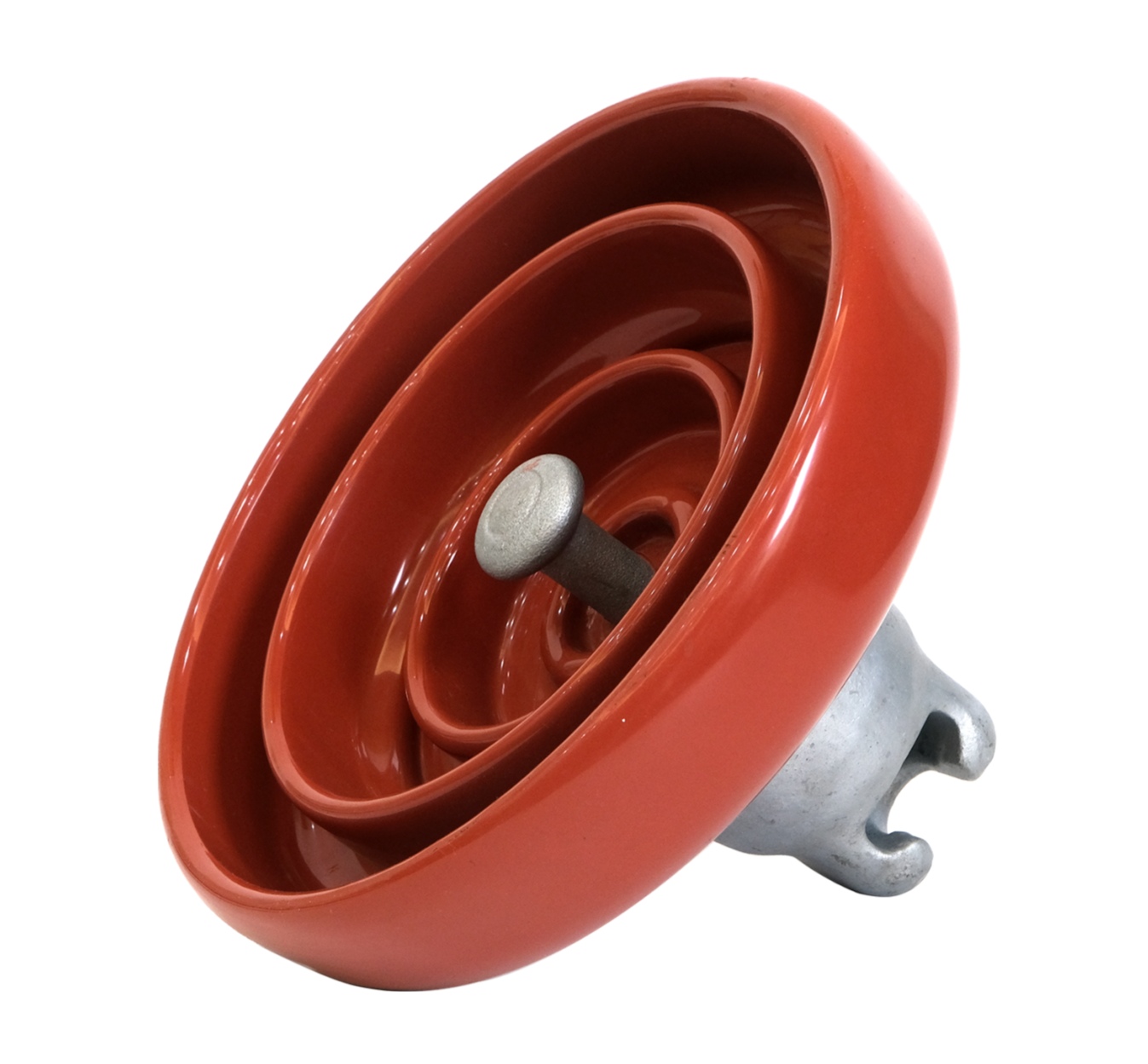
Coated with Room Temperature Vulcanization (RTV) silicone. This mineral-filled elastomer increases the hydrophobic properties of the glass disk surface, minimizing leakage currents and eliminating the need for periodic manual washing.
Providing high-strength glass insulators for low-voltage, high-voltage, and extra-high-voltage AC/DC electric transmission lines globally.
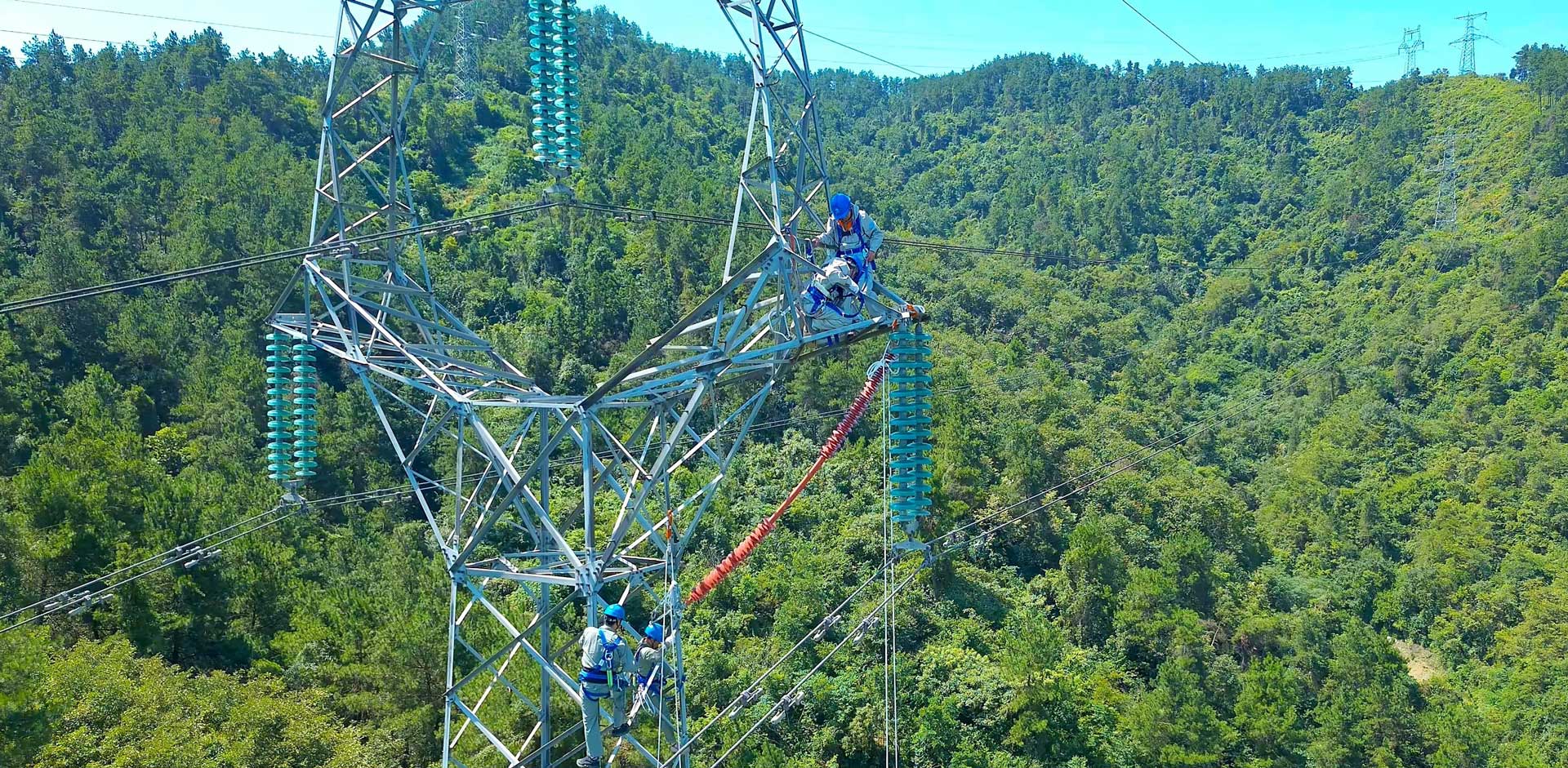
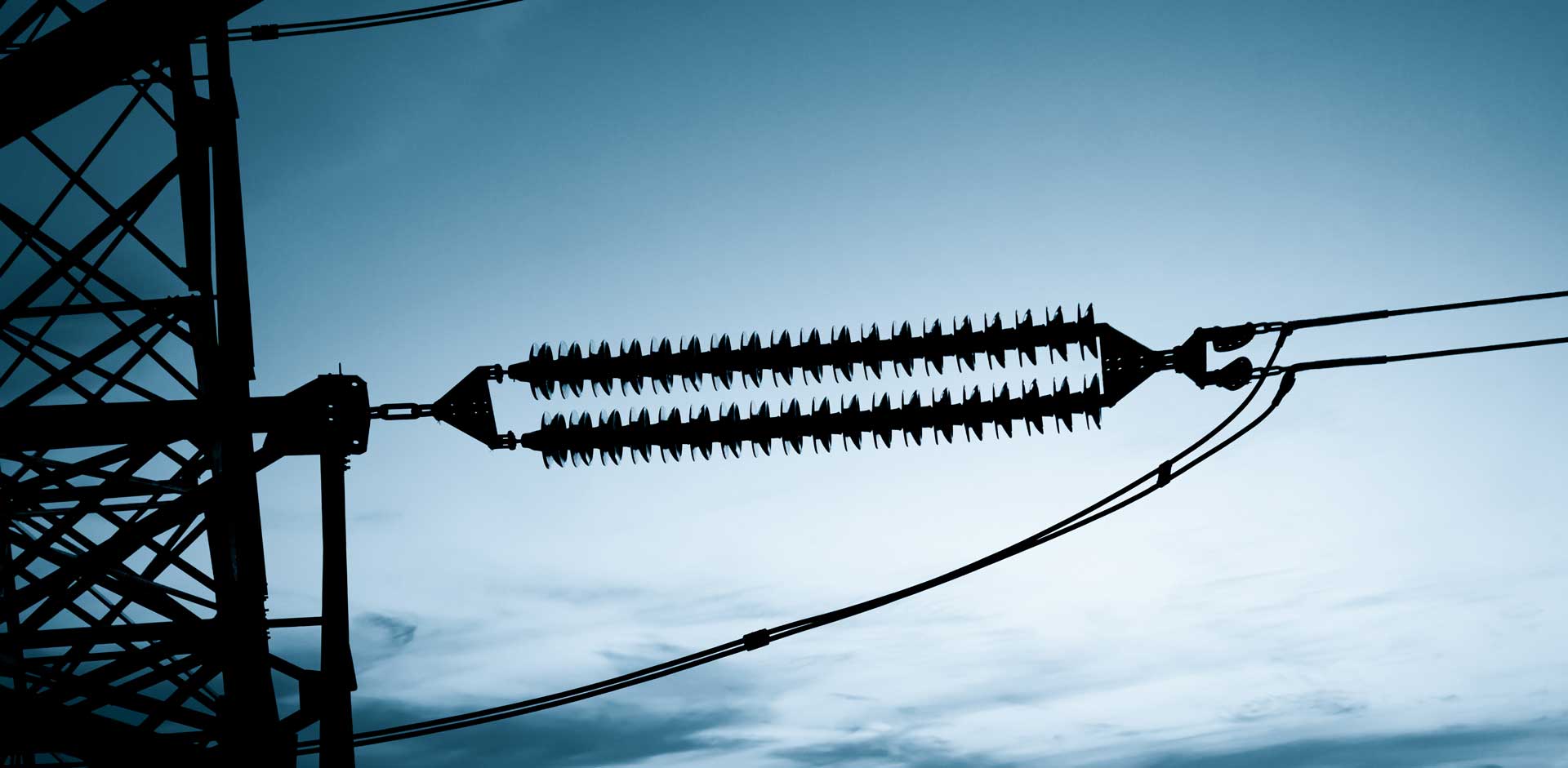
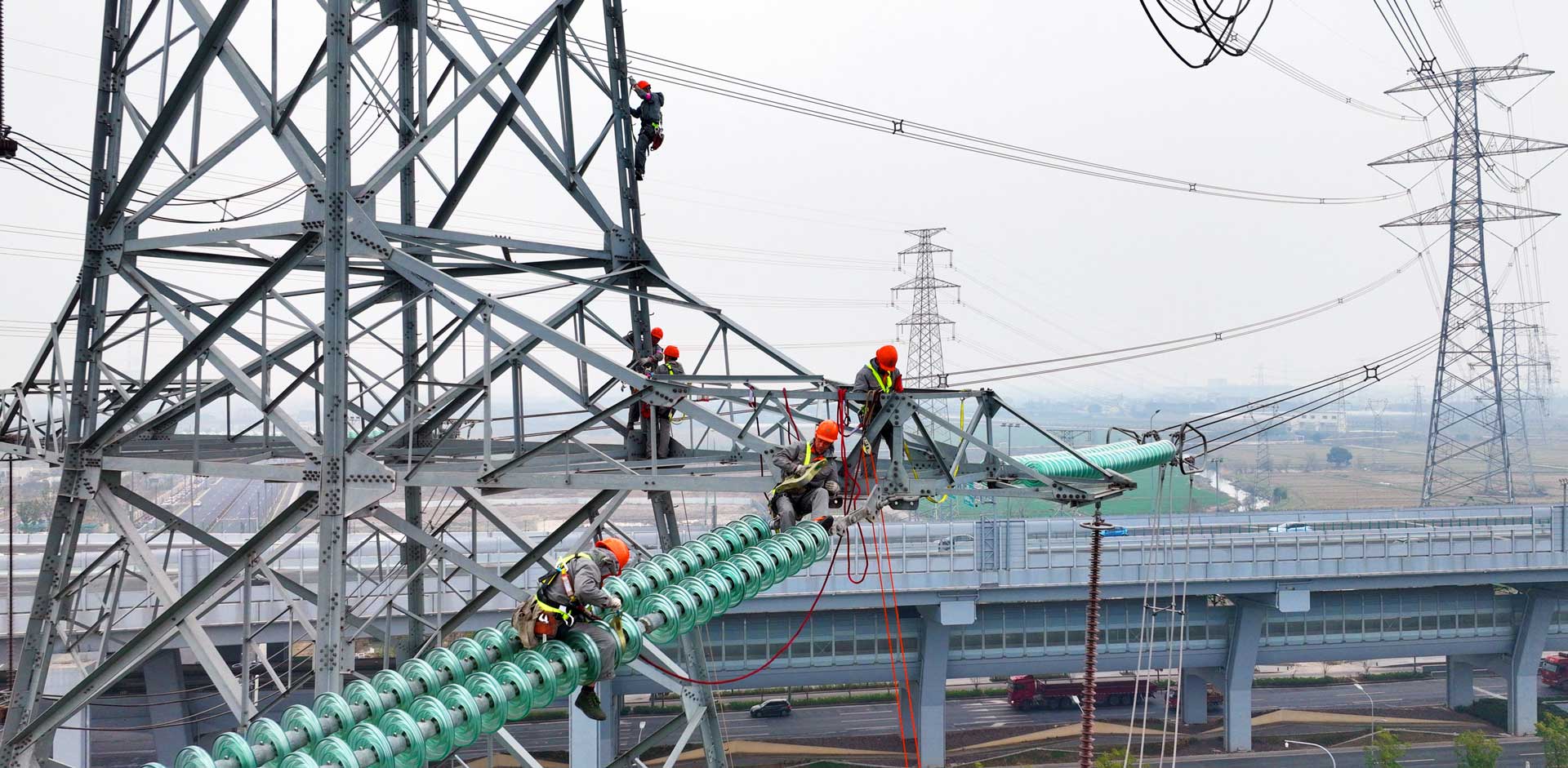
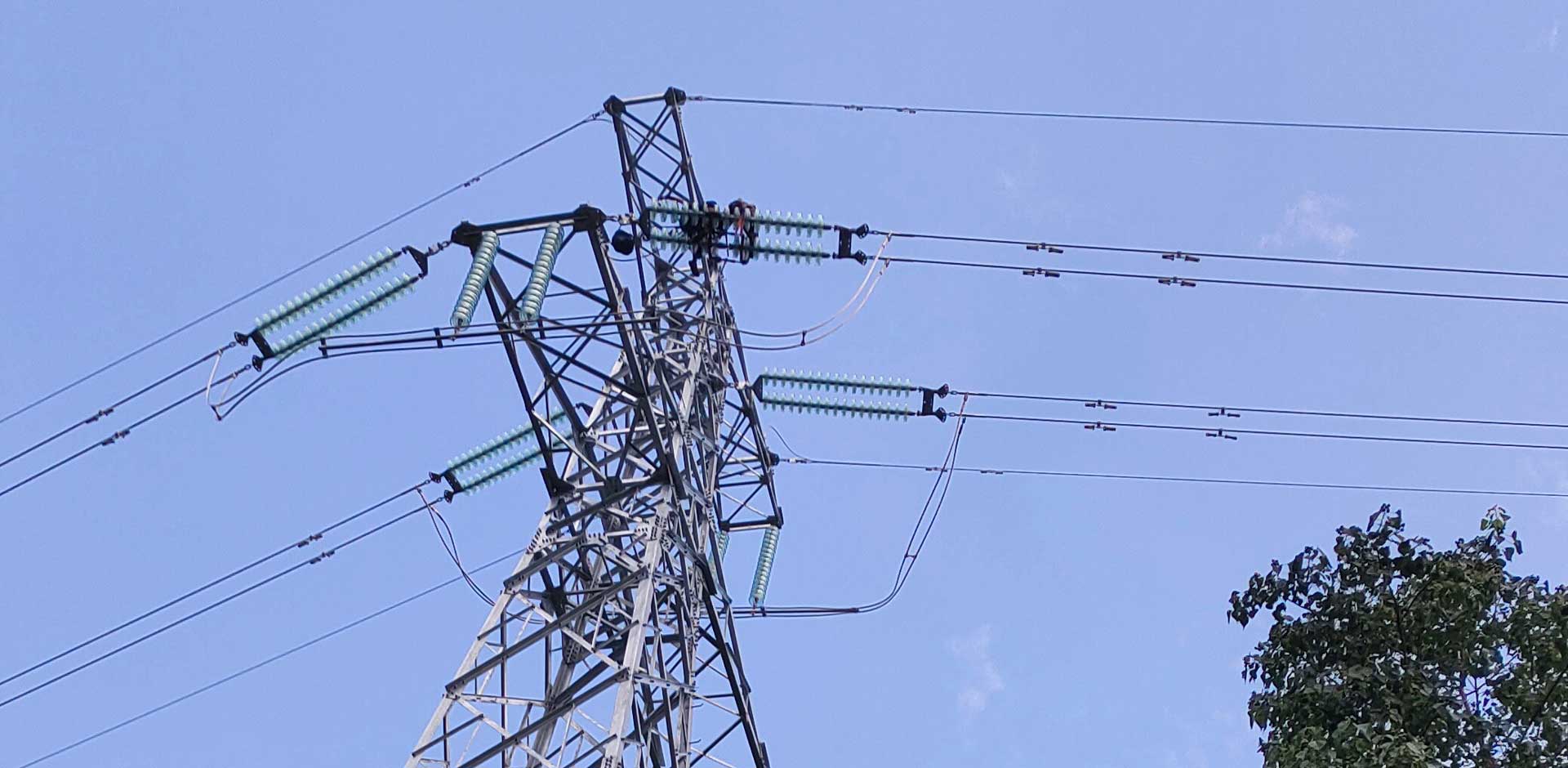
A closer look at our raw material preparation, modern furnace technologies, and rigorous electrical quality testing.
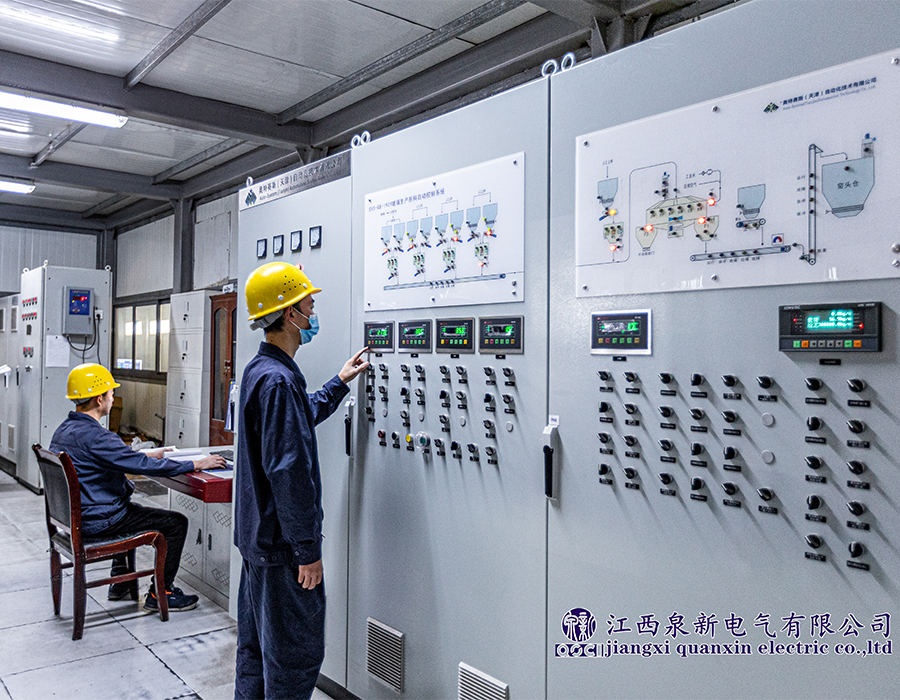
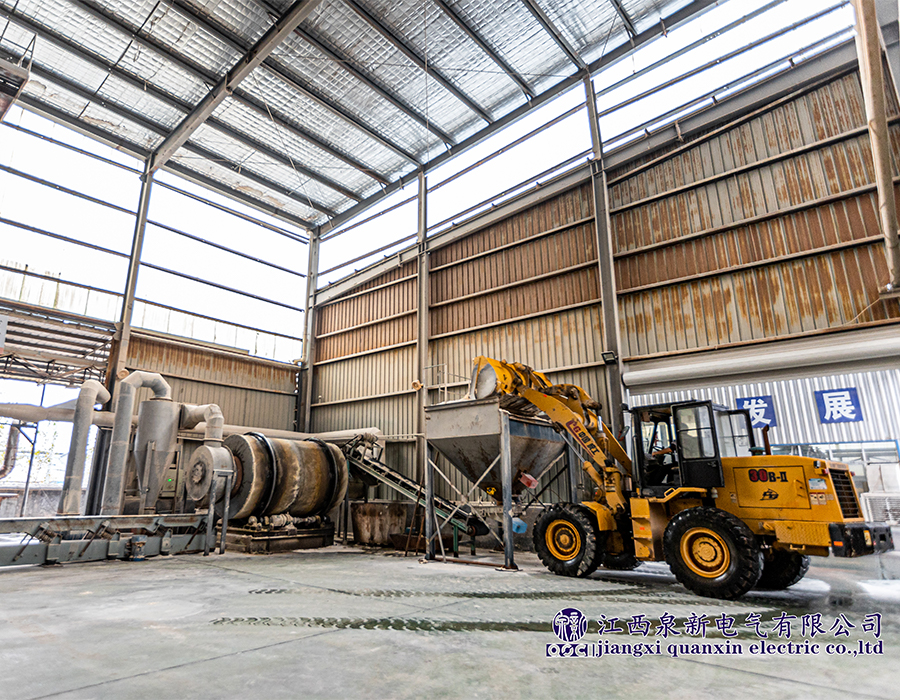
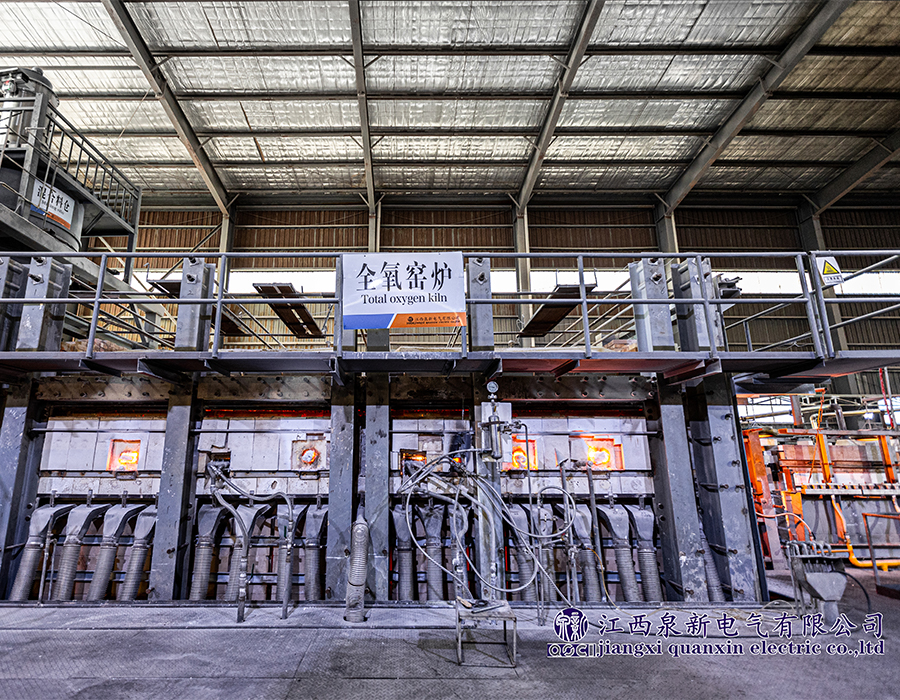
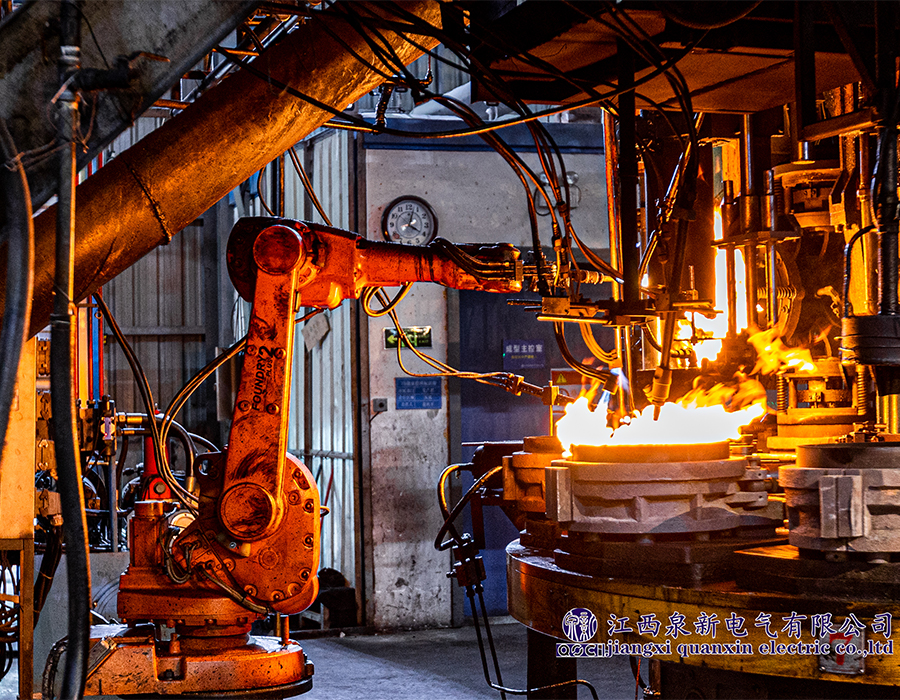
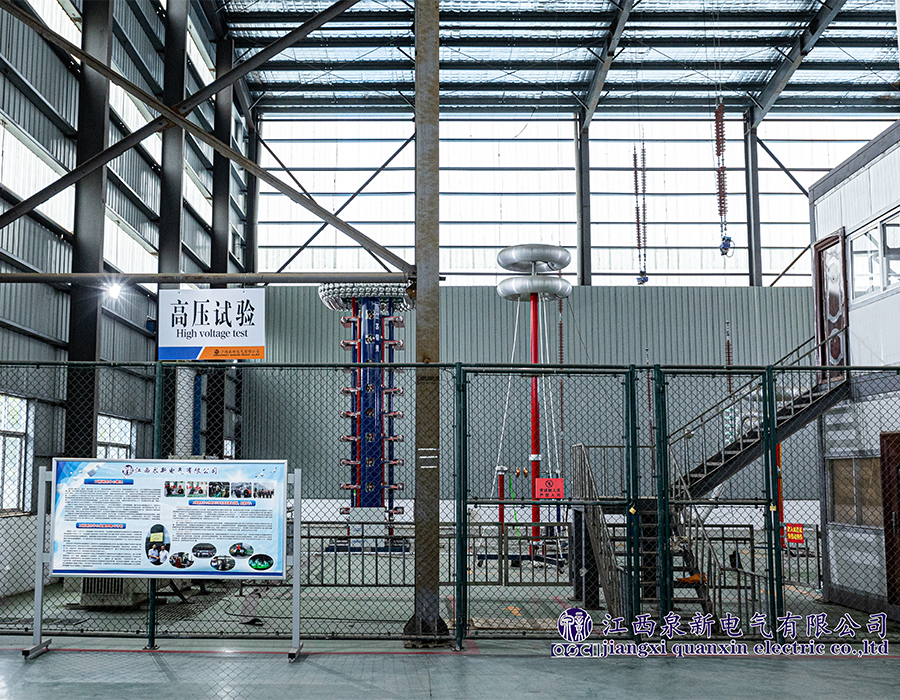
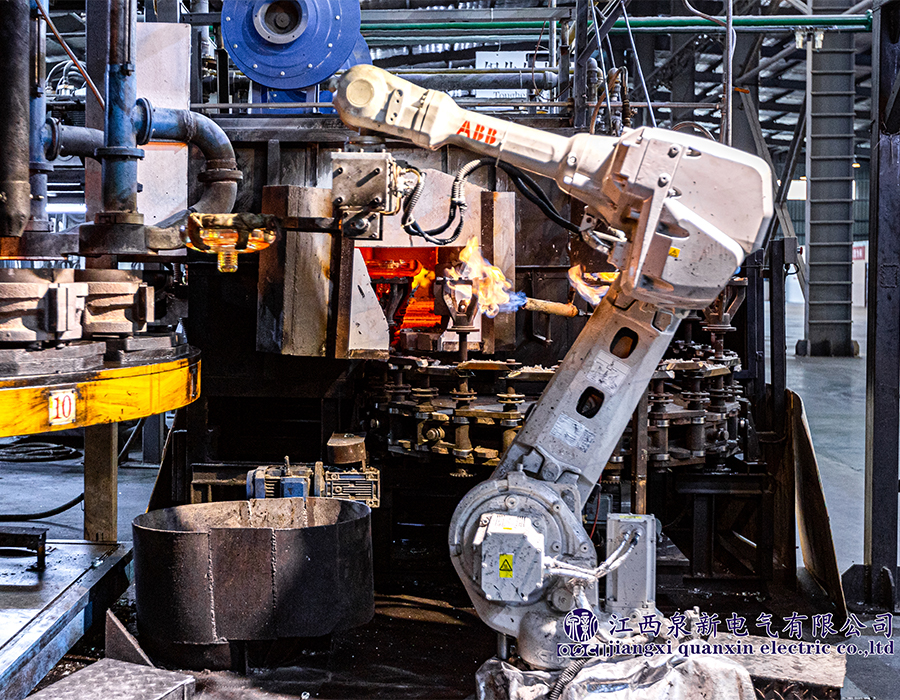
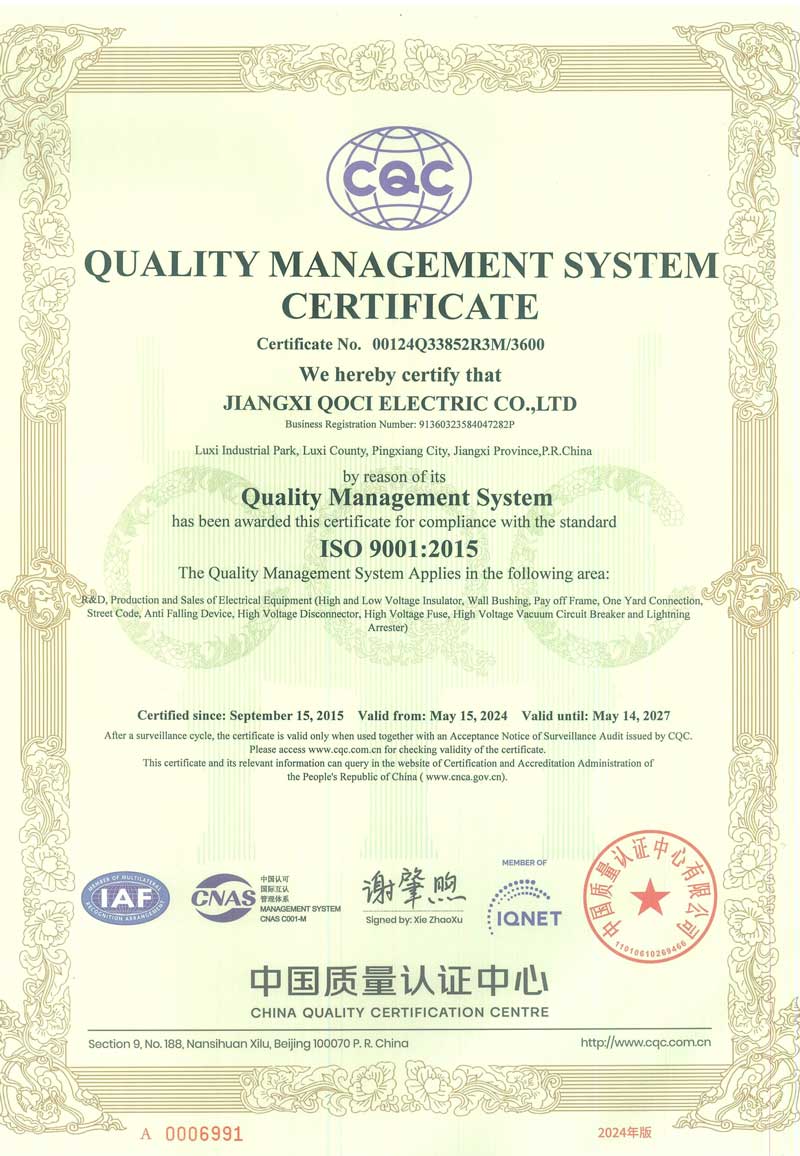
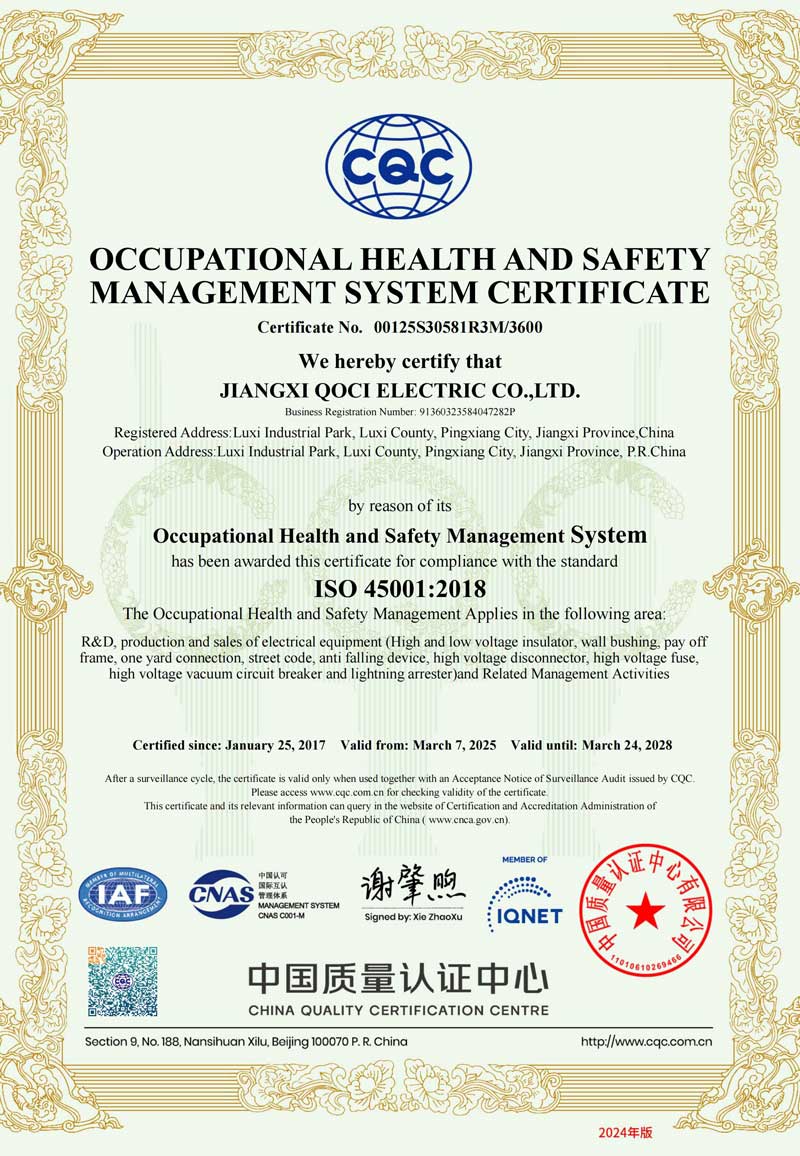
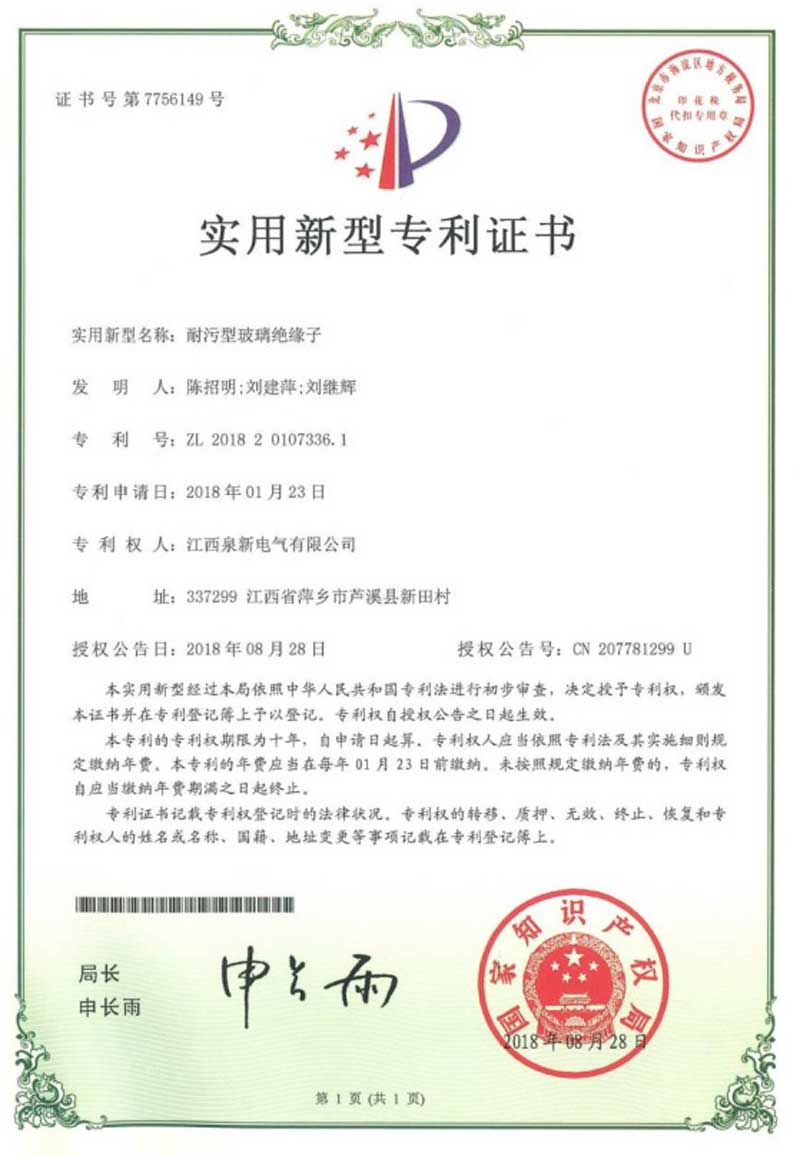
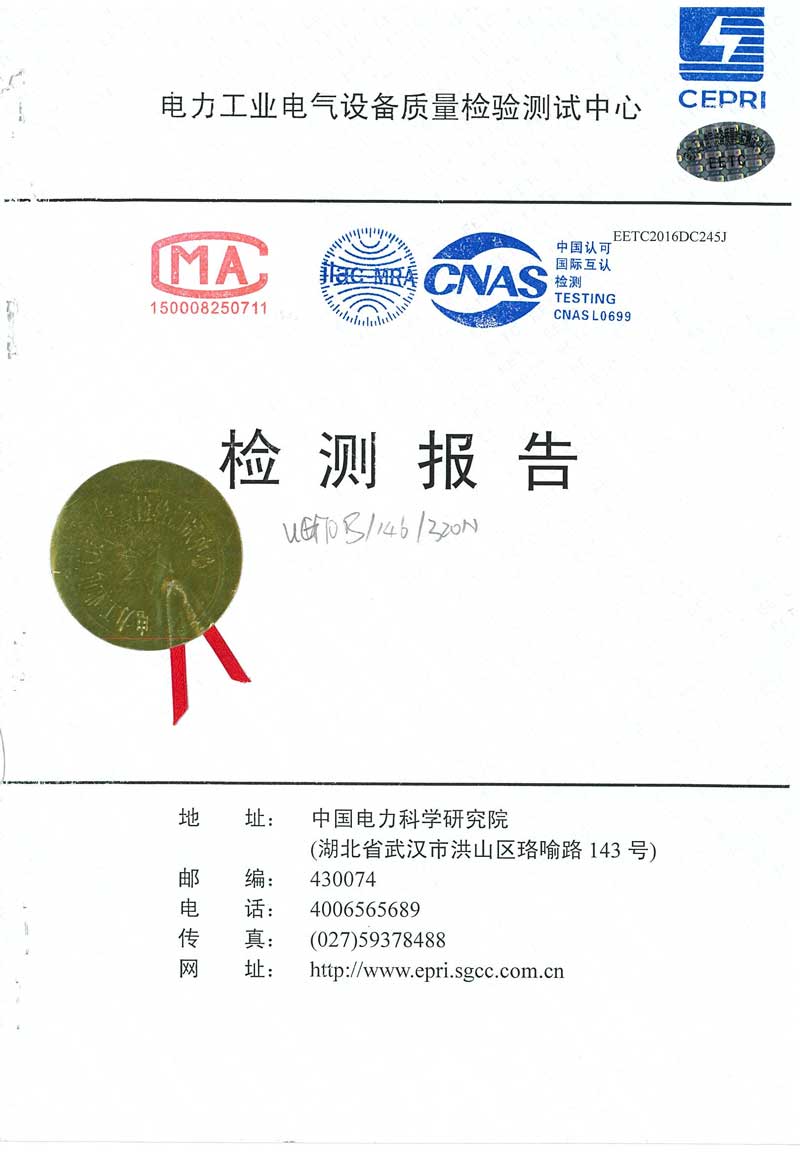
Our quality management systems are fully certified to ensure international grid reliability.
Providing high-voltage insulation systems to utility partners and construction companies globally.

Discover QOCI Electric's latest technological innovations and upcoming trade events.
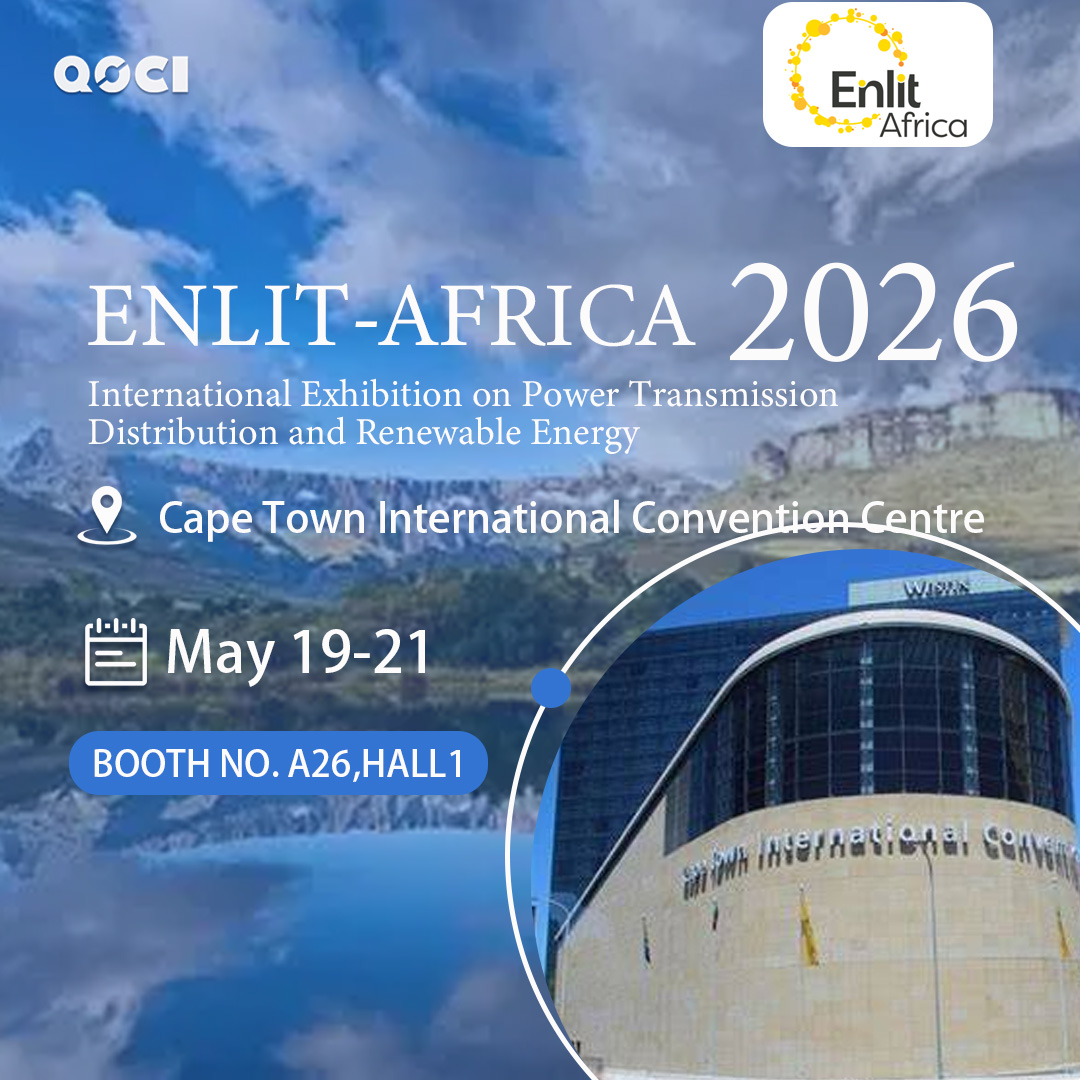
As the global energy transition accelerates, the importance of electricity, renewable energy, and energy storage technologies is becoming increasingly critical. QOCI Electric is proud to showcase its latest generation of U100BLD toughened glass insulators during Enlit Africa, addressing microgrid insulation challenges across developing networks.
Having withstood extreme environmental conditions including heavy icing, high altitudes, pollution, and typhoons, China’s insulator industry...
We encourage utility managers and procurement partners to join us at IEEE PES T&D Conference 2026 to evaluate our new anti-pollution models...
Pingxiang, China - QOCI Electric, a leading global supplier of high-voltage transmission solutions, confirmed its presence in Baghdad...
Essential details for electrical engineers, utility buyers, and procurement specialists
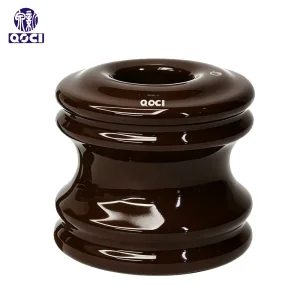
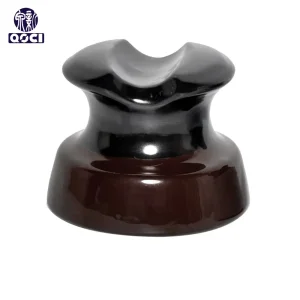
Explore our wider range of standard glass, anti-pollution, double-shed, and high-voltage porcelain insulators.