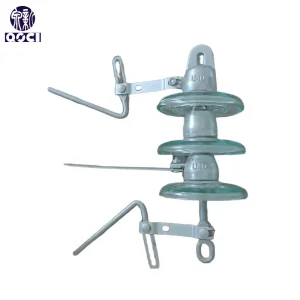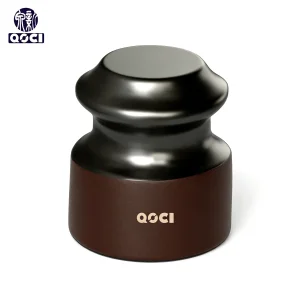
Decade of Material Innovation, Advanced High-Strength RTV Coating Solutions, and State-of-the-Art Production Supporting Global Power Grid Reliability.
Engineered to exceed mechanical & electrical performance metrics required by utility operators under severe atmospheric and industrial stress.
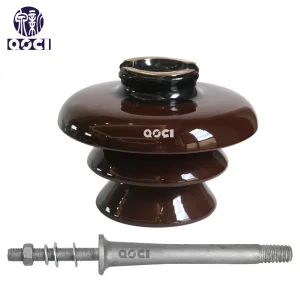
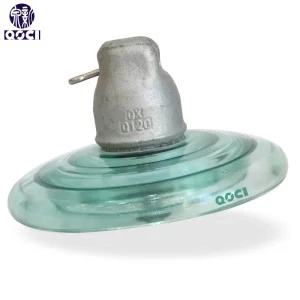
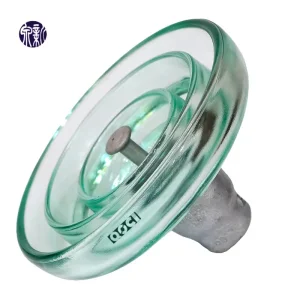
In high voltage electrical engineering, outdoor insulation plays a vital role in safeguarding transmission grids. Over the last four decades, the paradigm has shifted from traditional uncoated ceramic and glass insulators toward composite structures and specialized Room Temperature Vulcanization (RTV) silicone-coated glass assemblies. High-voltage silicone materials represent a core pillar of modern grid resilience.
Advanced RTV coatings solve a historic challenge: pollution flashover. In regions with intensive coastal salt fog, desert sandstorms, or high industrial particulate emission, contaminants deposit on the surface of insulating units. When dampness from dew, fog, or rain dissolves these contaminants, a conductive layer forms, leading to elevated leakage currents, dry bands, and eventually electrical flashovers. High-voltage silicone overcomes this through its continuous hydrophobic recovery—transferring water-repellent properties directly through the dust deposits.
As transmission voltages push into Extra-High (EHV) and Ultra-High Voltage (UHV) regimes—ranging from 500kV to over 1100kV in both AC and DC—the physical size and mechanical loads of insulator strings scale significantly. Clean glass and porcelain disks possess high mechanical strength but require regular maintenance in contaminated zones. Pure composite insulators are lightweight but can suffer from core structural aging and tracking.
This creates a massive demand for hybrid insulation: combining the mechanical reliability and failure predictability of toughened glass with the chemical advantages of an RTV silicone polymer coating. As a leading manufacturer, our production technologies focus on balancing cost-efficiency with long-term material integrity, satisfying both national grid companies and private industrial developers worldwide.
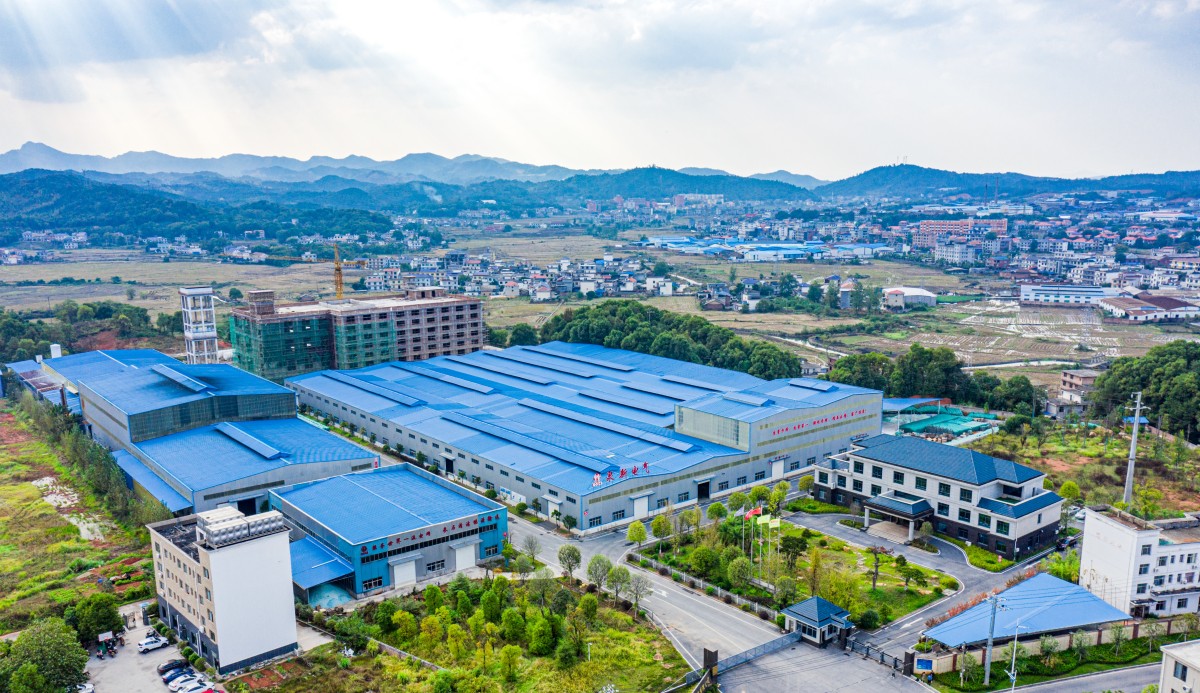
Founded in December 2002 with a registered capital of 508 million Yuan, Jiangxi QOCI Electric Co. Ltd has established itself as an international benchmark for insulation technologies. Located in the Pingxiang Luxi County Industrial Park of Jiangxi Province—recognized as the heartland of China's electrical porcelain and glass industry—our plant spans 70,000 square meters.
We combine advanced material synthesis, massive manufacturing capacities, and intensive laboratory modeling to engineer high-strength glass insulators, high-performance RTV silicone coatings, and specialized HV system accessories. By leveraging native industrial resource chains, we offer global power markets highly competitive prices coupled with optimized lead times.
Strict QA procedures guide raw materials inspection and testing phase.
Developing eco-friendly processes and high-efficiency oxygen kiln technologies.
How automation and advanced chemical control guarantee stable mechanical, electrical, and thermal qualities in high voltage insulation.
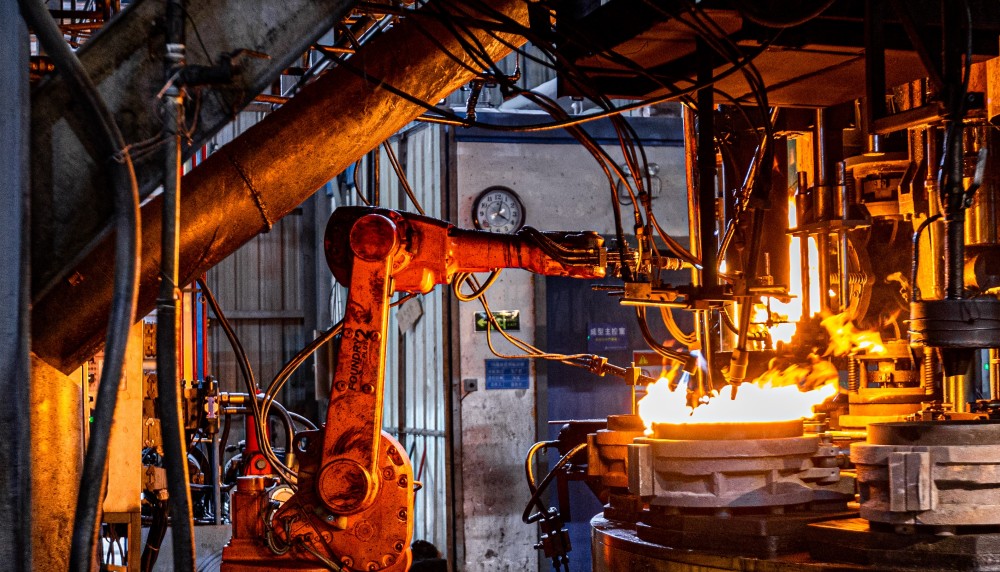
Precise control of glass melting using clean oxygen-fuel combustion. Eliminates micro-impurities and thermal stress points, laying the foundation for structural integrity.
Compounding high-grade PDMS, curing agents, and mineral fillers (ATH) in clean-room environments ensures chemical consistency and optimal dispersion of hydrophobic molecules.
High-capacity forming hydraulic presses maintain strict geometrical and structural tolerances, preventing internal voids and surface deformities.
Every single insulator string and coating batch undergoes dielectric, thermal mechanical cycle, and steep-front impulse testing prior to dispatch.
The global energy sector cannot afford downtime. Grid operators demand supply chain resilience from high voltage suppliers to mitigate delivery and deployment delays. China's domestic supply chain integrates key raw material processing, manufacturing infrastructure, chemical refinement, and shipping hubs into unified industrial clusters.
Jiangxi QOCI Electric maximizes this environment to control costs. Raw quartz, structural metals for caps/pins, and high-purity silicone polymers are sourced within short distances. This structural integration shields global buyers from raw material volatility and shortens manufacturing lead times, even for large-scale EHV and UHVDC grid upgrades.
Different environments demand customized structural designs to handle wind, rain, sandstorms, and industrial pollution.
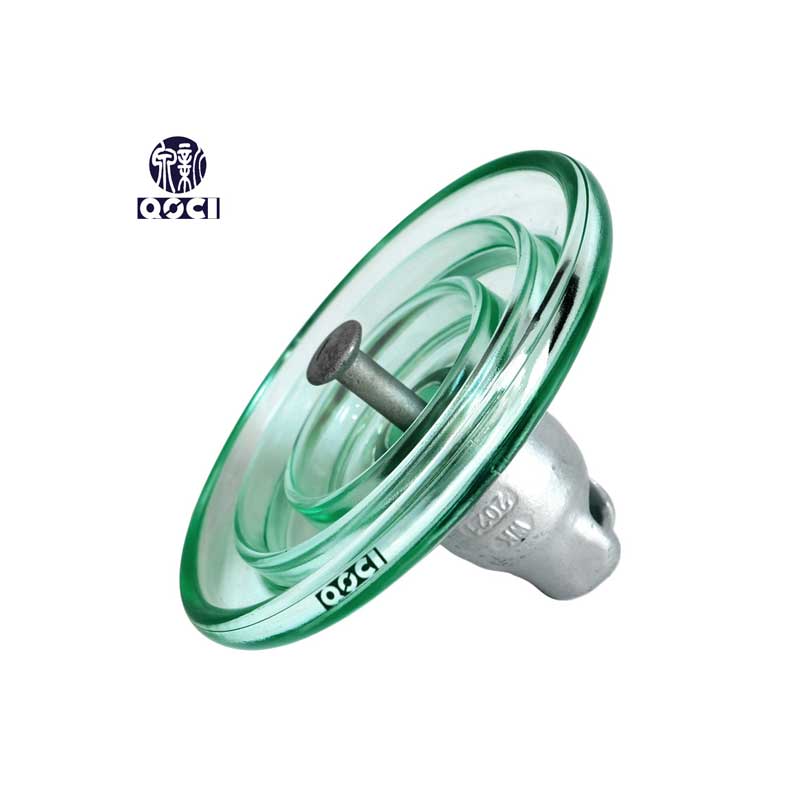
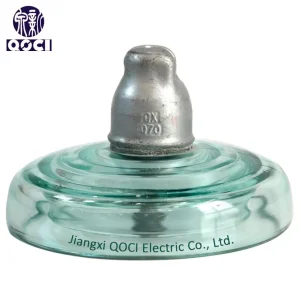
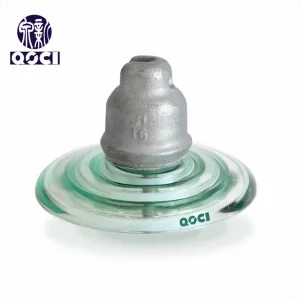
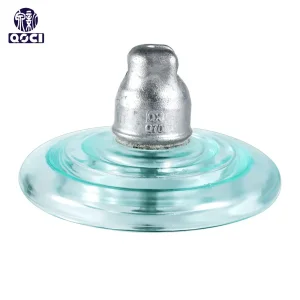
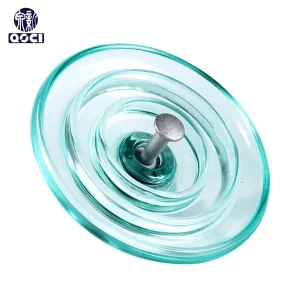
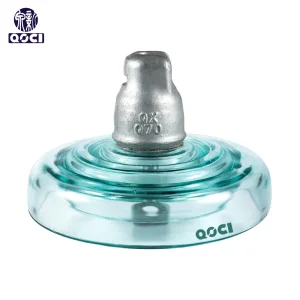
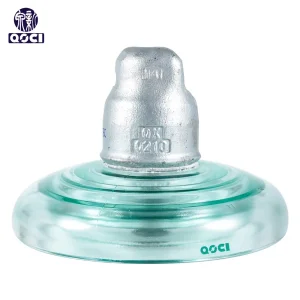
Exceeds IEC 60305 leakage distance requirements. Features shallow, well-spaced ribs that optimize natural self-cleaning via wind and rain in mild to moderate environments.
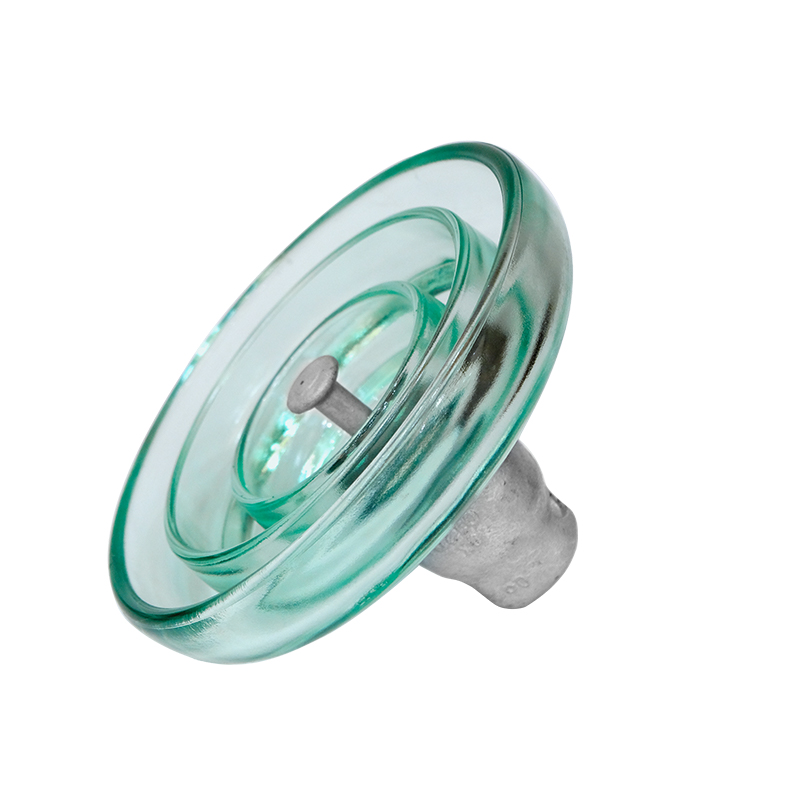
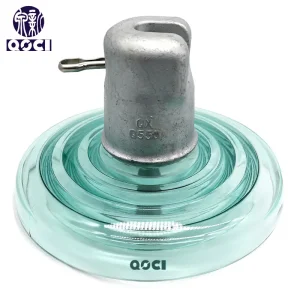
Designed with long, widely spaced under-ribs that prevent dry-band bridging. Features a leakage distance/spacing ratio around 3.2, ideal for heavy industrial and salt-fog conditions.
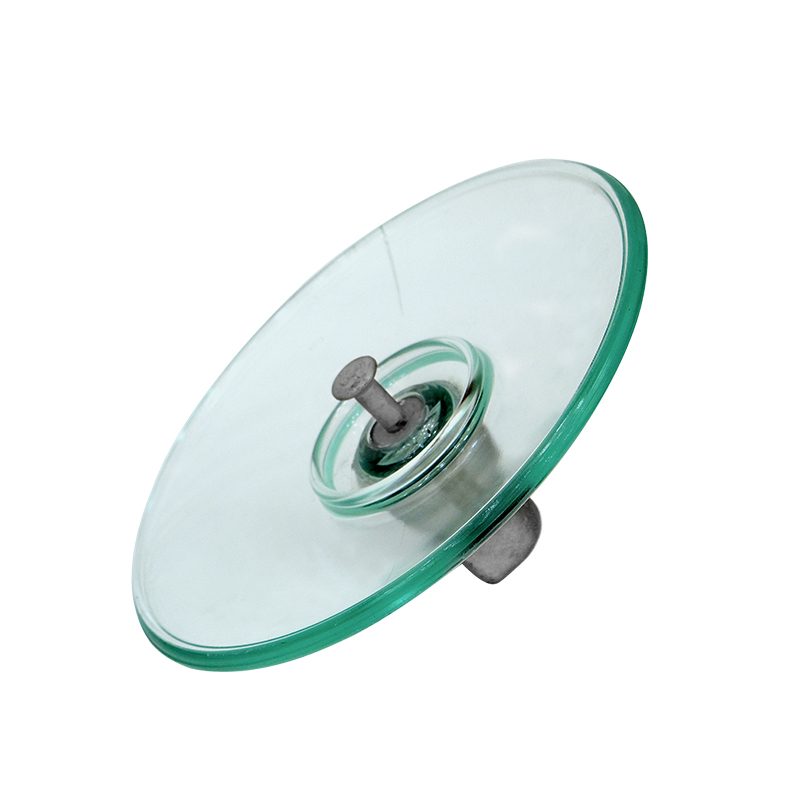
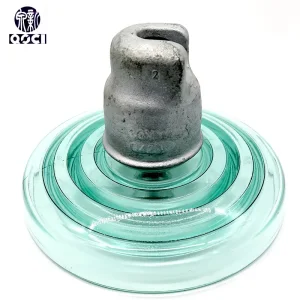
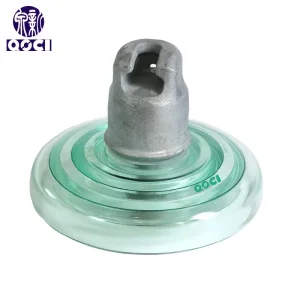
Characterized by the absence of under-ribs and extended disc diameters. Prevents accumulation of sand and dust under the disc and solves ice-bridging issues in cold climates.
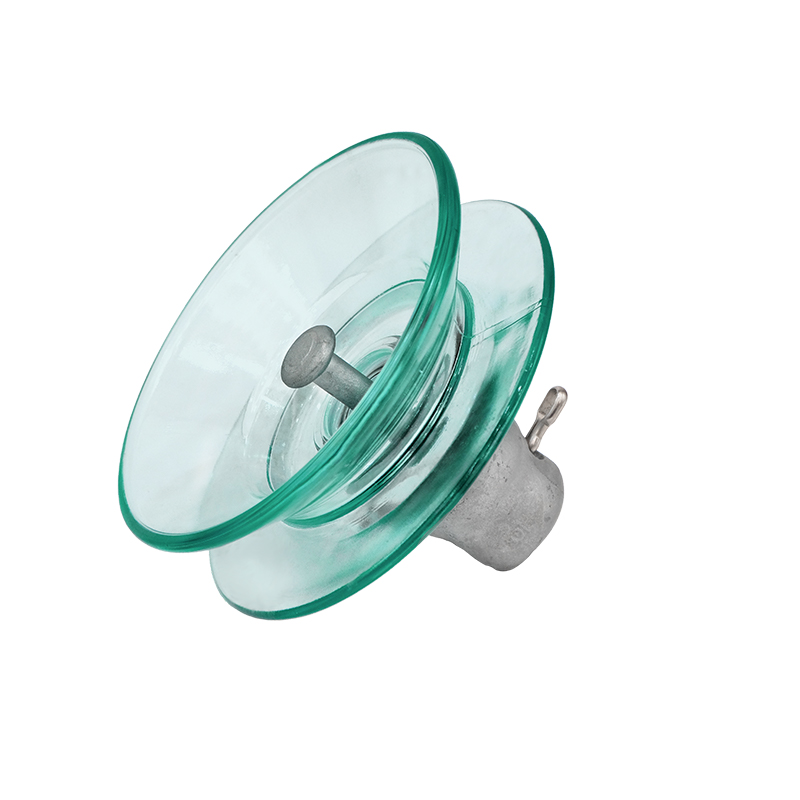
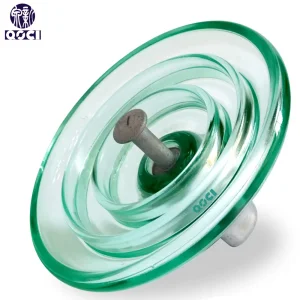
Employs two prominent external ribs to reduce dust build-up. Allows natural wind cleaning and facilitates manual maintenance in areas with sticky industrial residues.
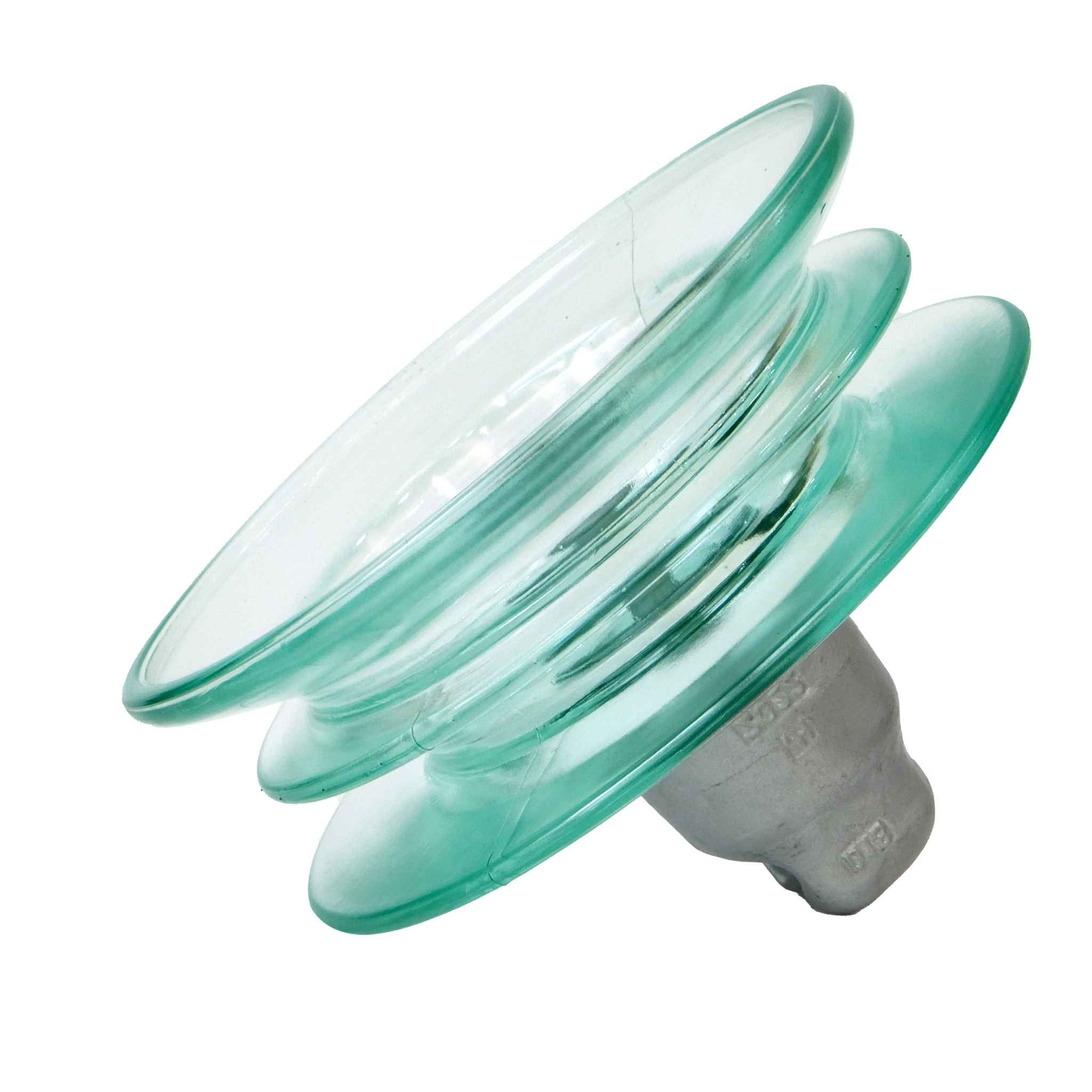
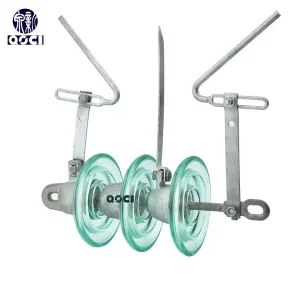
Integrates three separate umbrella discs on the insulator body. Delivers long creepage distances, preventing flashovers in high-altitude and humid coastal zones.
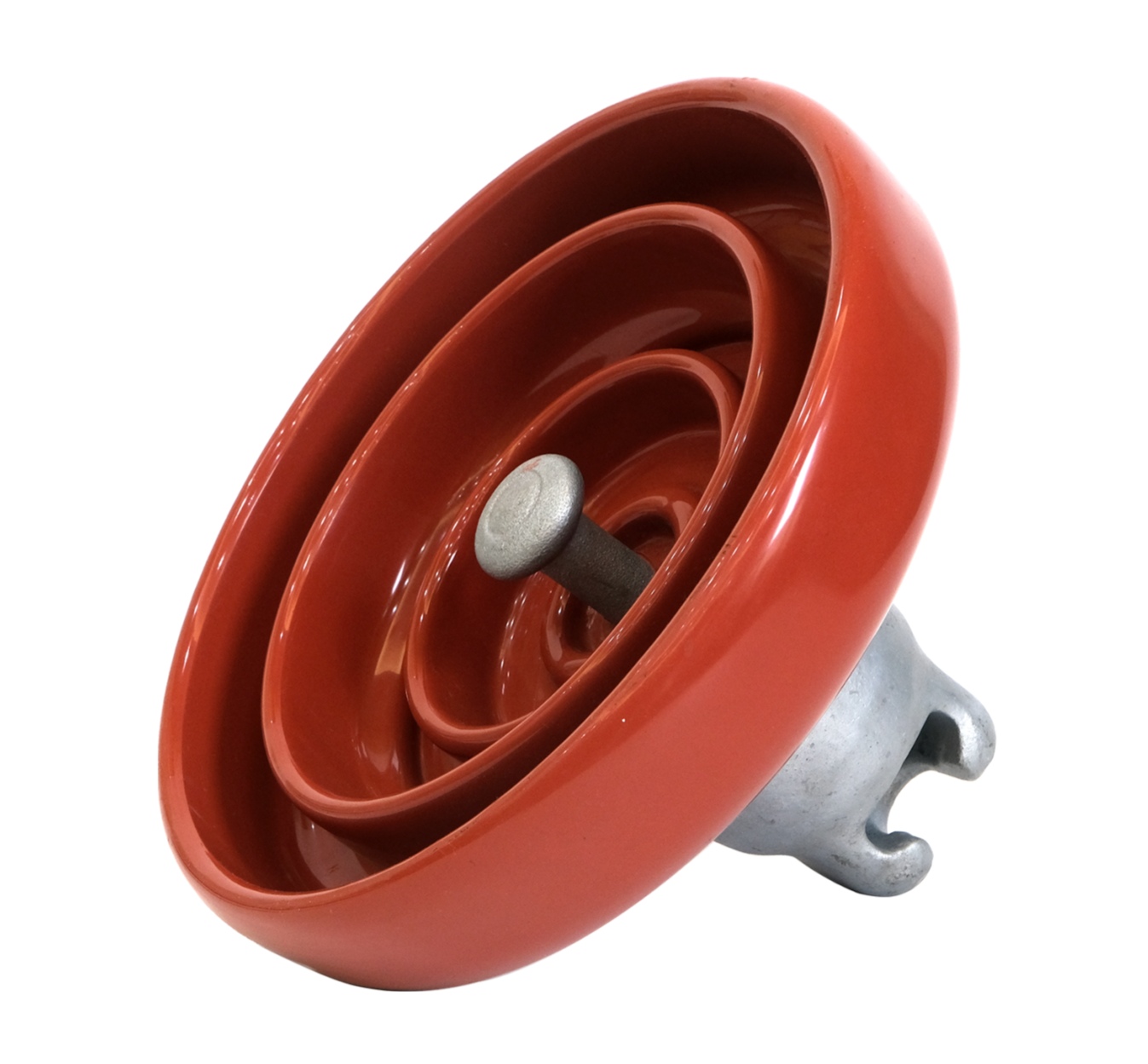
Factory-coated with Room Temperature Vulcanization silicone containing mineral fillers. Maintains surface hydrophobicity, suppresses leakage currents, and eliminates washing cycles.
Meeting unique performance requirements across regional climates, transmission types, and demanding industrial applications.
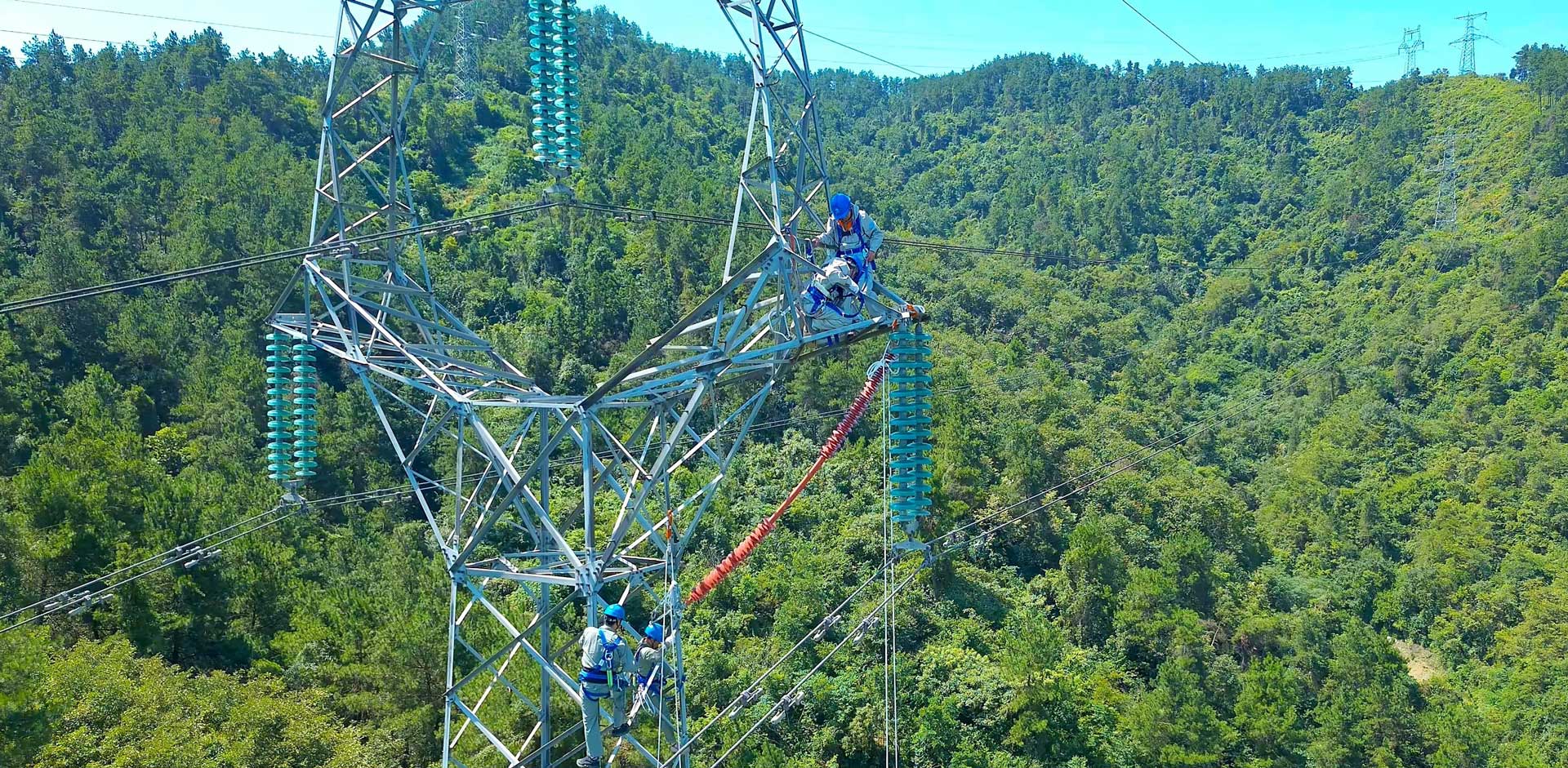
Performance verified for deserts (high wind-sand abrasion), coastal zones (severe salt-fog corrosion), high altitudes (low atmospheric pressure), and arctic regions (heavy icing and sub-zero temperatures).
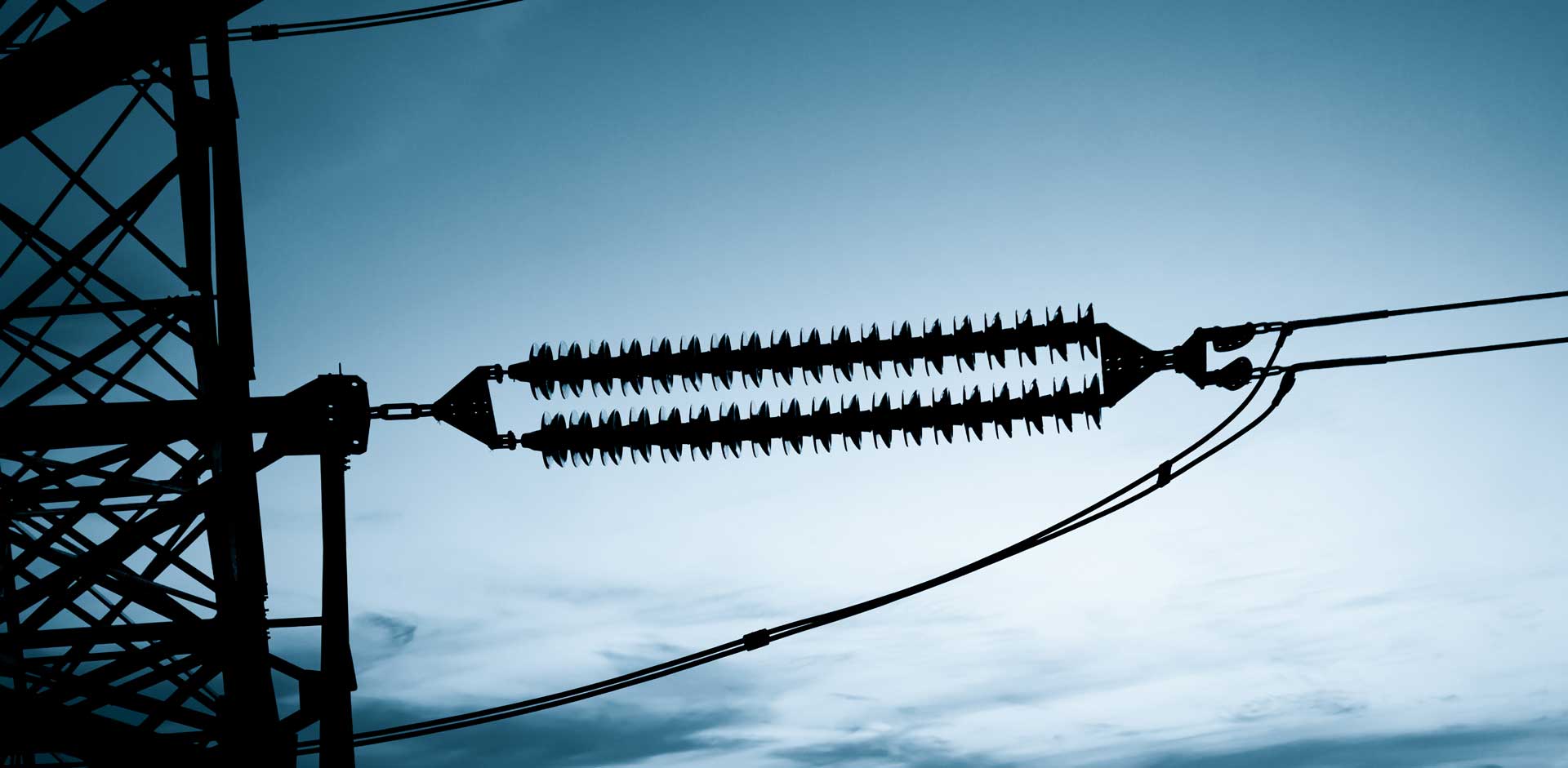
Suitable for Extra-High Voltage (EHV) and Ultra-High Voltage (UHV) AC & DC overhead lines, minimizing voltage drops, tracking, and structural aging across transmission corridors.
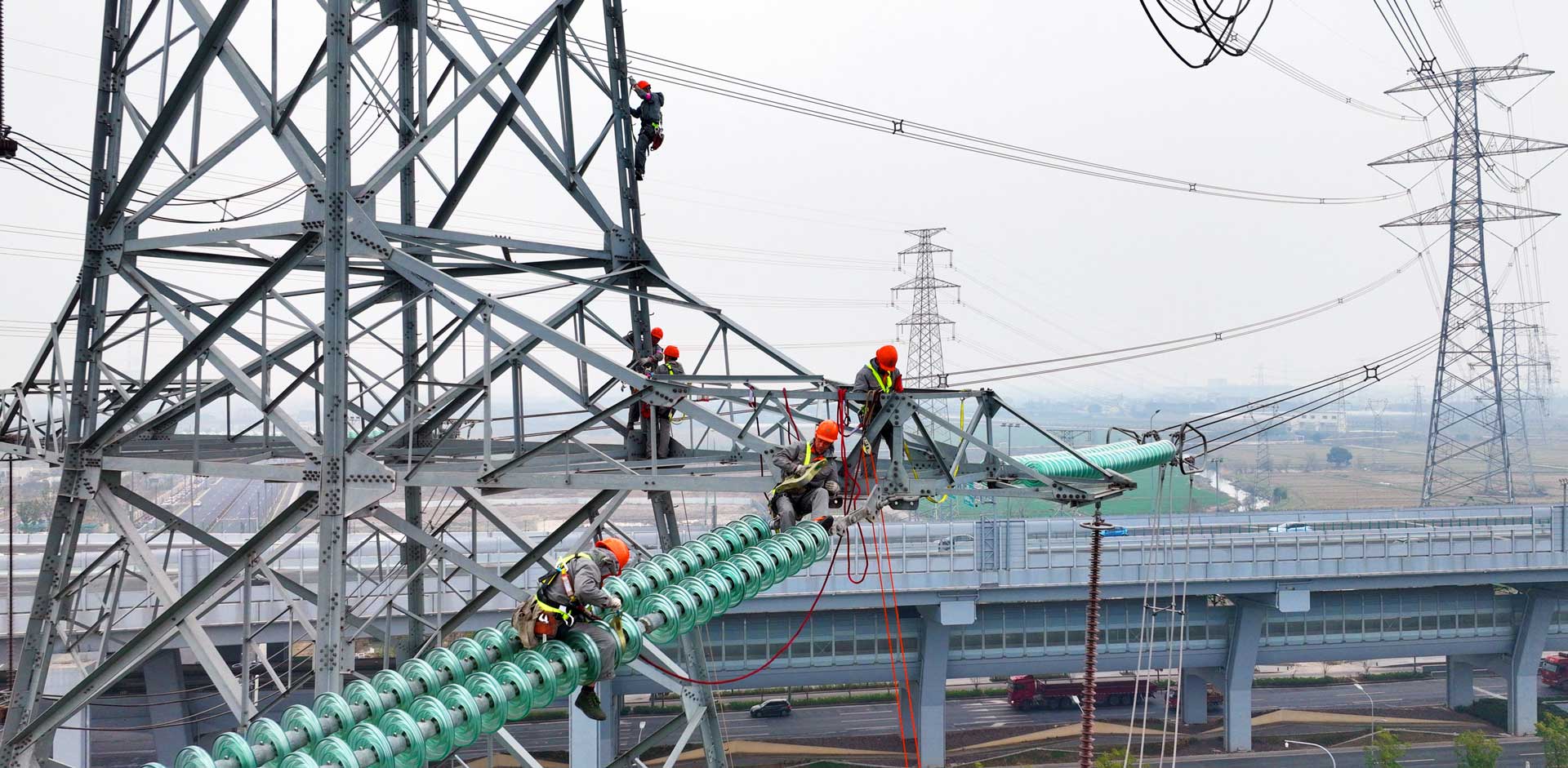
Designed for heavy industrial zones, petrochemical plants, steel mills, and railway electrification systems, where chemical vapors and dust require high-performance insulation.
Demonstrating compliance with global standards through advanced testing and international certifications.
Every step of our process—from raw glass batch formulation to high-temperature silicone vulcanization—is backed by strict QA procedures. Our testing facilities execute a range of mechanical and electrical evaluations, including:
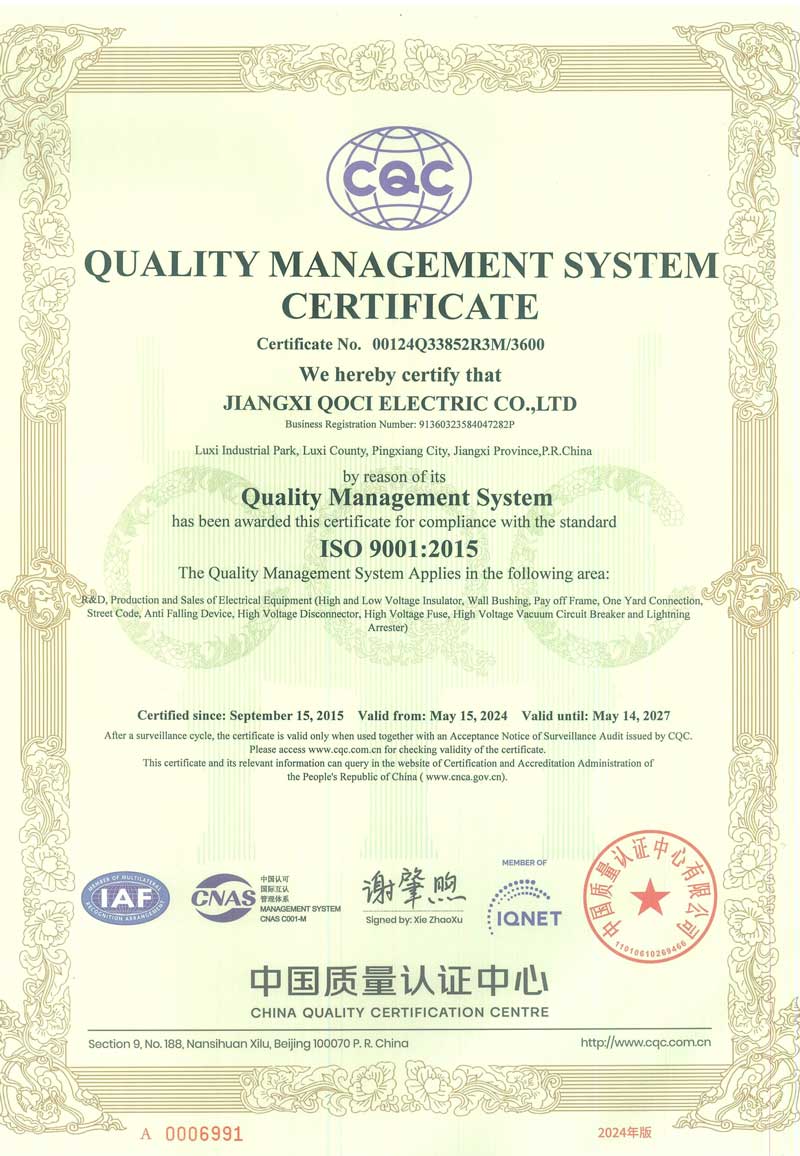
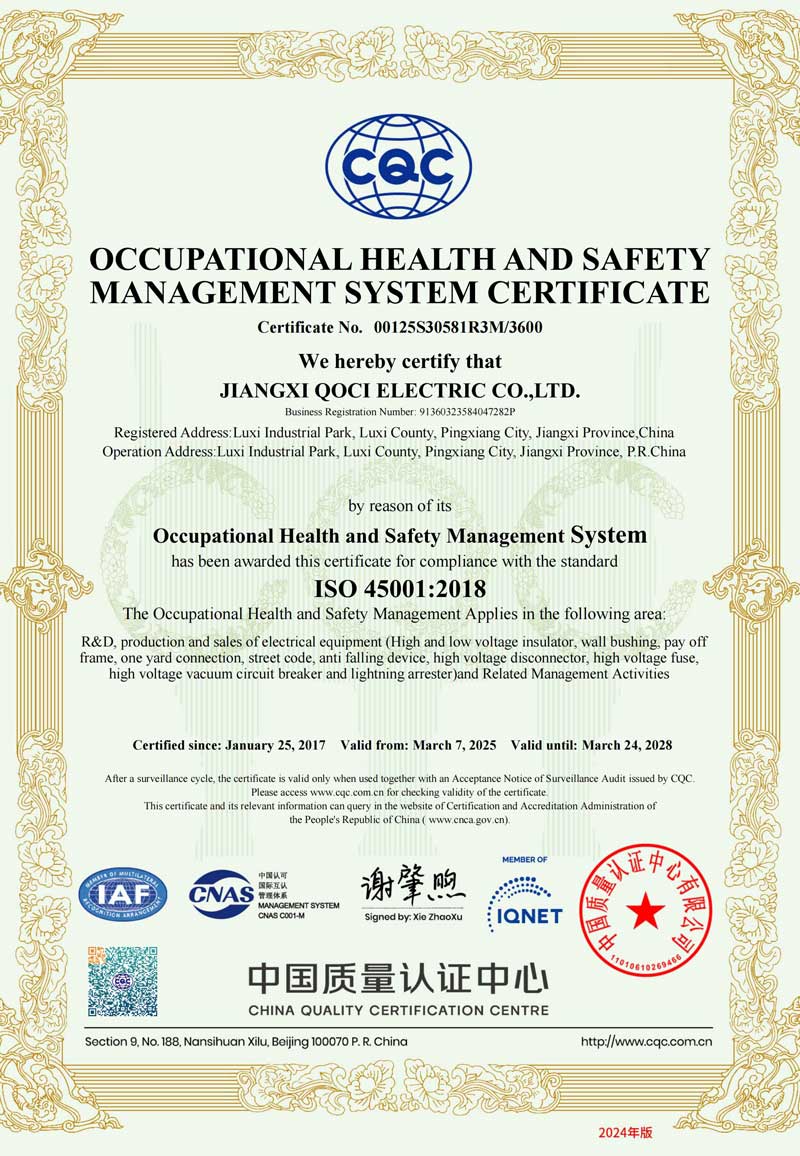
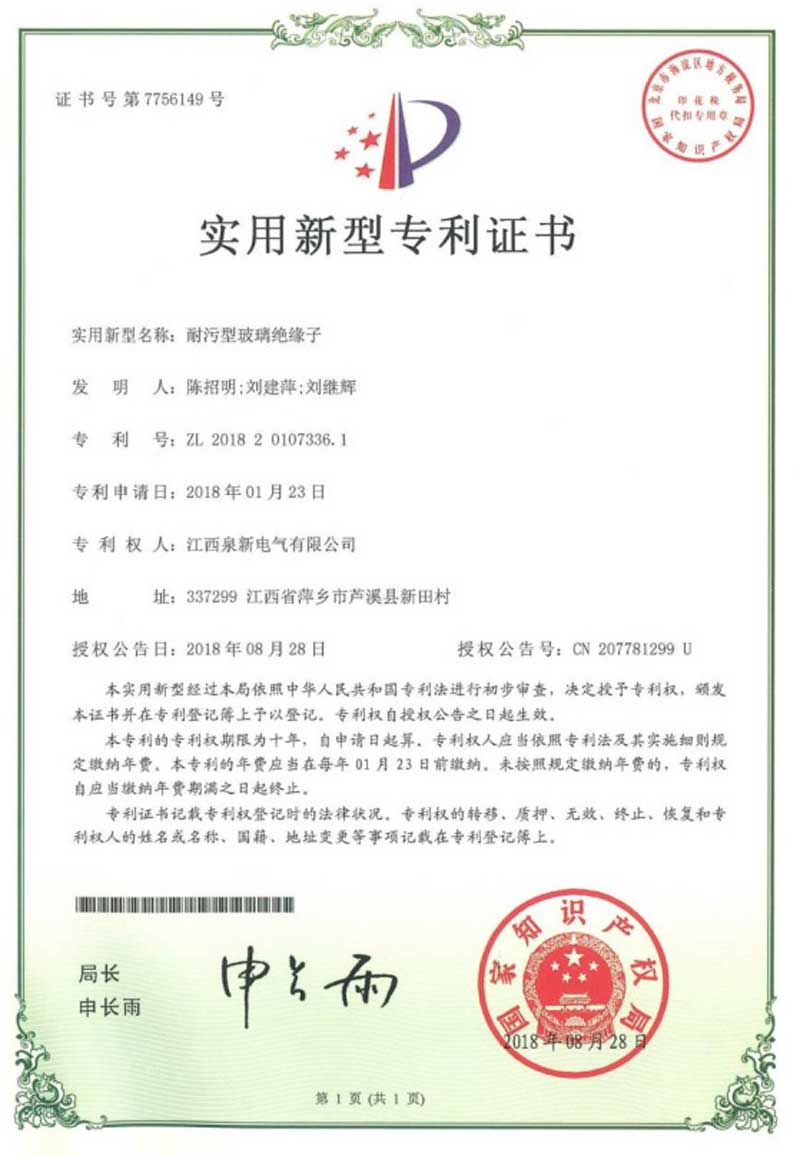
Accredited in compliance with ISO 9001, ISO 14001, OHSAS 18001, and IEC standards.
QOCI products support high-performance transmission lines, substations, and distribution infrastructure worldwide.

Insights into our ongoing global project deliveries, research updates, and international technical exhibitions.
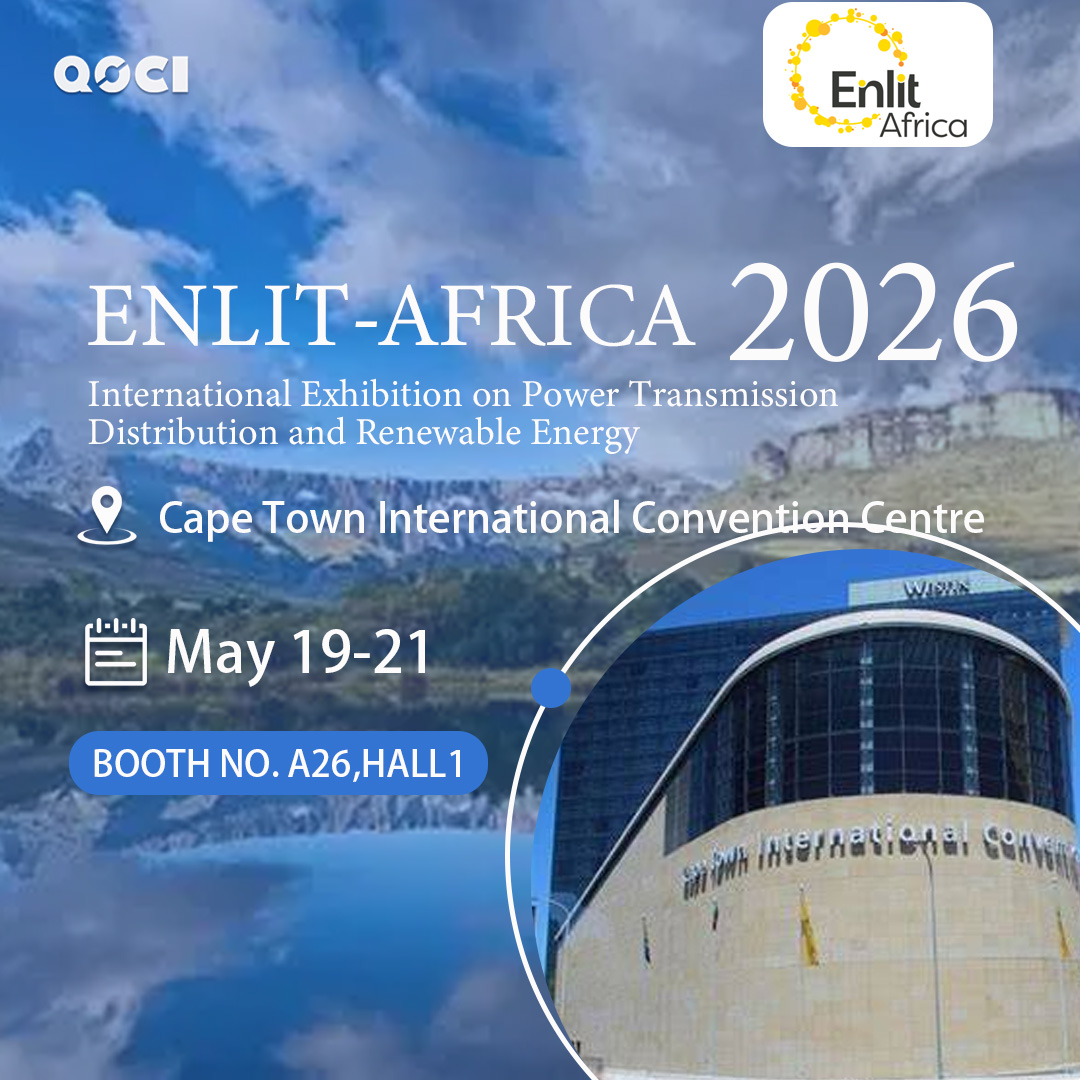
Demonstrating our latest high-voltage silicone insulating solutions and RTV-coated suspension glass discs to address grid reliability challenges across the African continent.
Read Full Article →An in-depth review of how Chinese manufacturing plants satisfy international electrical and mechanical performance requirements under harsh environmental conditions.
Read Full Article →Join Jiangxi QOCI Electric at the IEEE PES T&D Conference to review our latest material science research and updated high-voltage product line.
Read Full Article →Presenting customized anti-pollution and RTV silicone-coated glass insulators designed to withstand desert dust storms and extreme temperature fluctuations.
Read Full Article →Technical answers to common questions about high voltage insulation materials, testing, performance, and maintenance.
Explore our complete product catalog for standard, anti-pollution, and custom-rated glass, ceramic, and composite insulators.