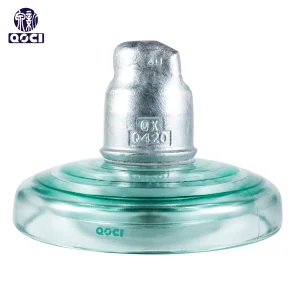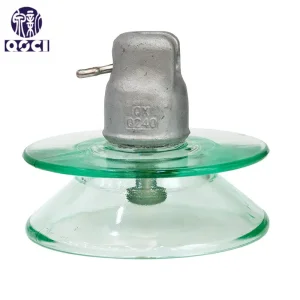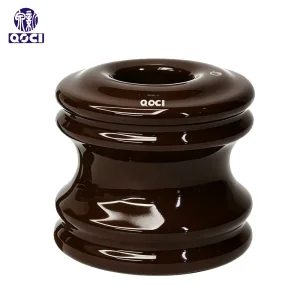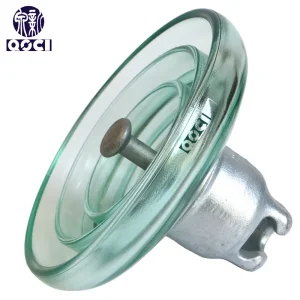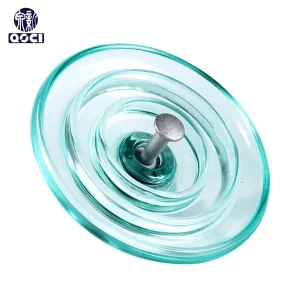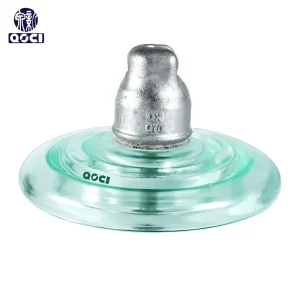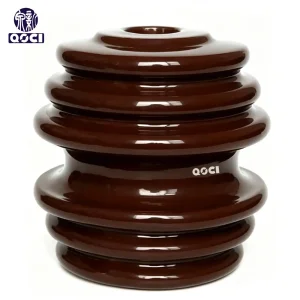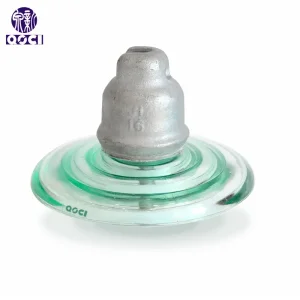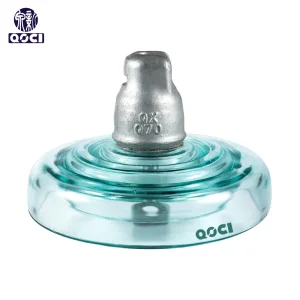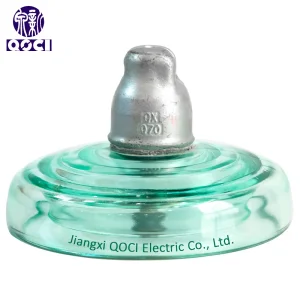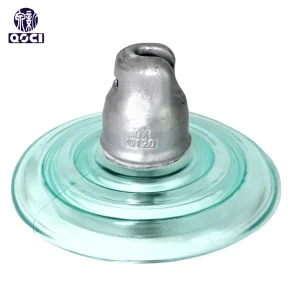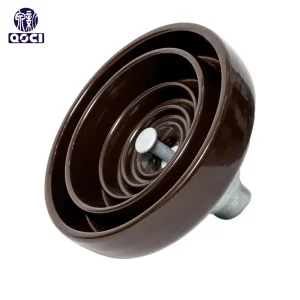
In the evolving landscape of global power transmission, the **U160bsa glass insulator** stands as a critical benchmark for 160kN mechanical strength. Designed for high-voltage (HV) and extra-high voltage (EHV) transmission lines, these toughened glass units provide the structural integrity required to support massive conductor weights while maintaining superior dielectric performance under diverse environmental stressors.
With a failing load of 160kN, the U160bsa series is engineered for tension and suspension strings in areas prone to high wind loads and heavy icing.
Unlike porcelain, toughened glass offers visual "self-shattering" diagnostic capability, drastically reducing O&M costs through easier line inspections.
Excellent resistance to thermal shock and aging, maintaining a hydrophobic surface that minimizes leakage current in humid or polluted zones.
Serve the world-class power grid with dedication. Actively participate in the construction of green energy.
Responsibility is the guarantee of quality. Every U160bsa unit undergoes rigorous mechanical and electrical testing.
Serve the electric power industry and ensure the safety of the power grid through responsive global logistics.
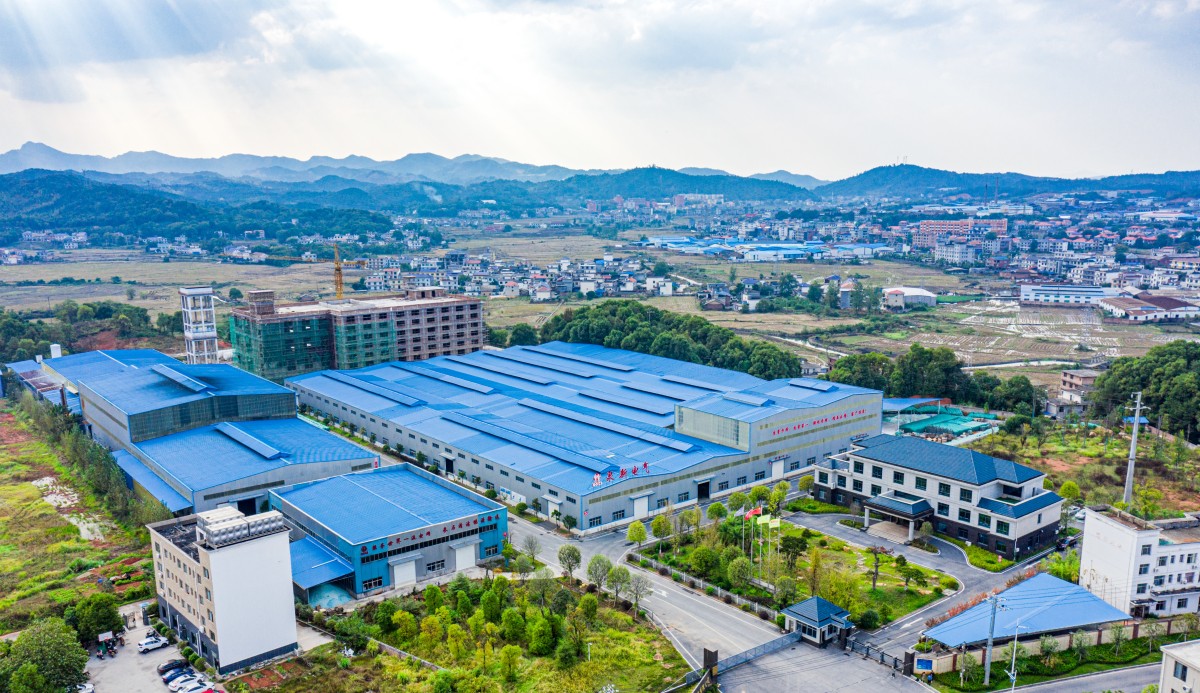
Founded in December 2002 with a registered capital of 508 million Yuan, our corporation is a pillar of the Luxi Industrial Park in Pingxiang, Jiangxi Province—the world's capital for electrical ceramics and glass insulators. Covering 100 mu, we combine legacy expertise with AI-driven manufacturing precision.
Plant Area (m²)
Annual Output (Tons)
Engineers
Patents
As nations transition to Ultra-High Voltage (UHV) transmission to reduce energy loss over long distances, the demand for insulators with high mechanical ratings (like 160kN to 300kN) is skyrocketing. The U160bsa is a versatile solution for these high-capacity corridors.
Room Temperature Vulcanization (RTV) silicone coatings on glass insulators are becoming the standard for coastal and industrial zones. This hybrid approach combines the mechanical strength of glass with the pollution-resistance of polymers.
The "China Factory Advantage" is no longer just about cost. Modern facilities like ours utilize total oxygen kilns and automated forming presses to ensure every glass disc meets zero-defect standards required by global utilities.
Toughened glass is 100% recyclable, offering a lower carbon footprint over its 50-year lifecycle compared to composite insulators which are difficult to dispose of.
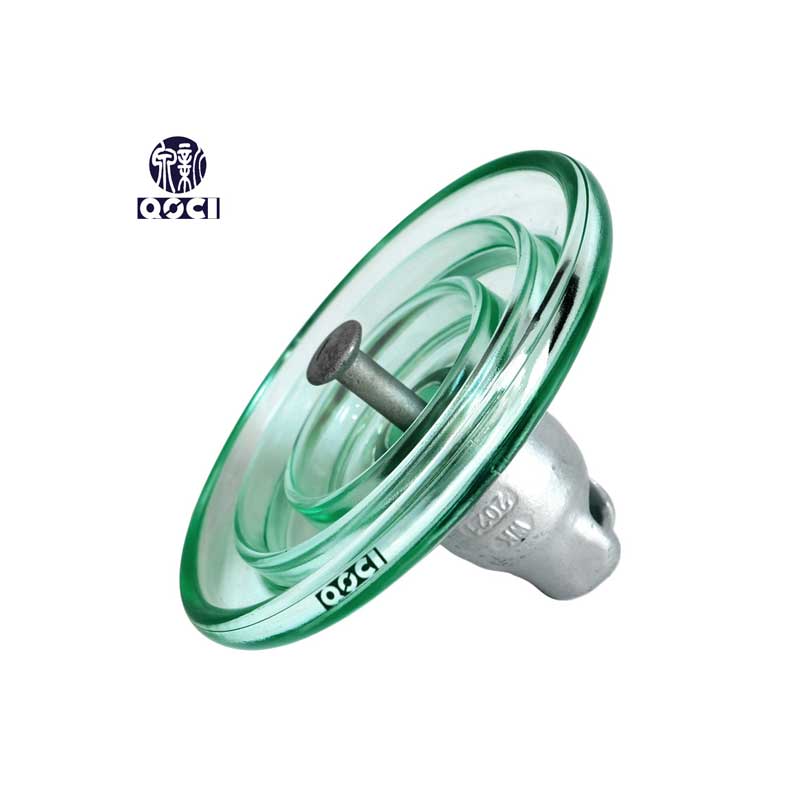
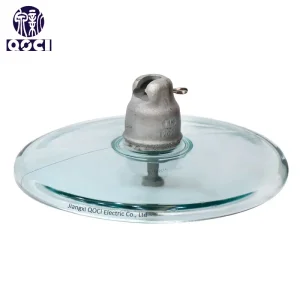
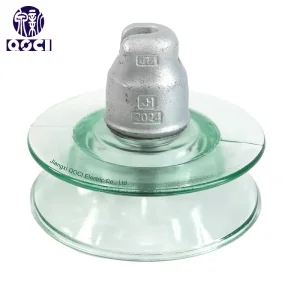
Designed with shallow, well-spaced ribs for effective self-cleaning by wind and rain. Exceeds leakage distance requirements of IEC 60305.
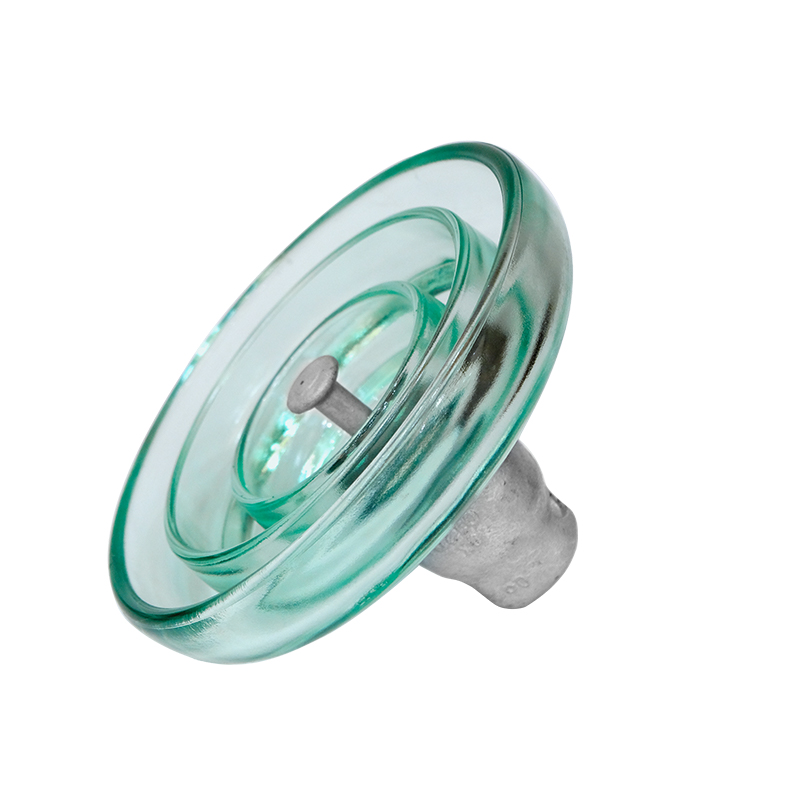
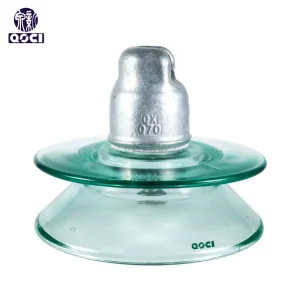
Features long, widely-spaced under-ribs to prevent arc bridging in salt fog coastal areas and heavy industrial pollution.
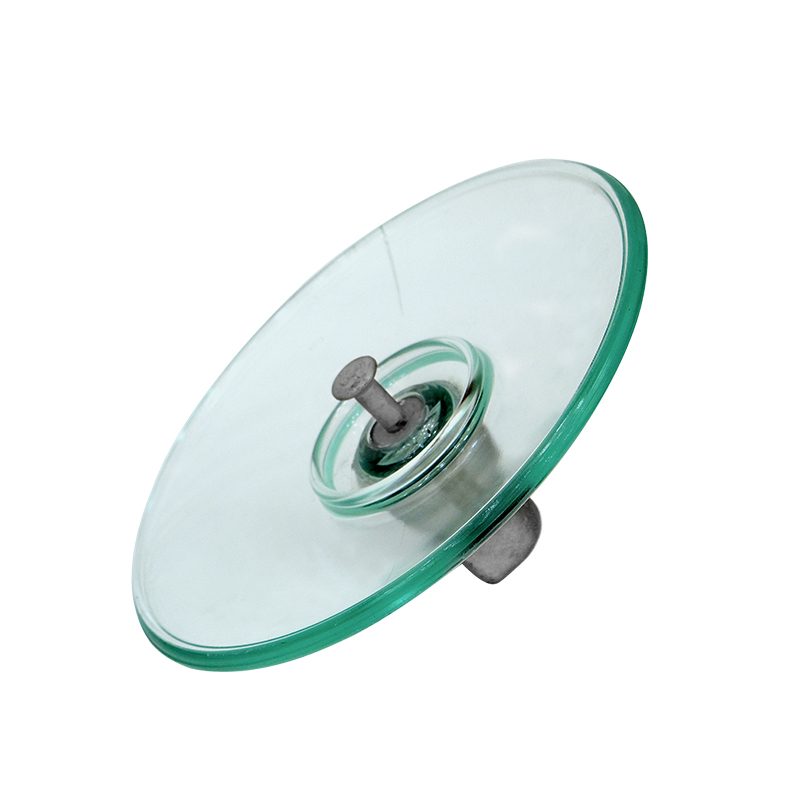
Optimized for desert areas. The absence of under-ribs prevents sand and dust accumulation, solving ice-bridging issues in cold climates.
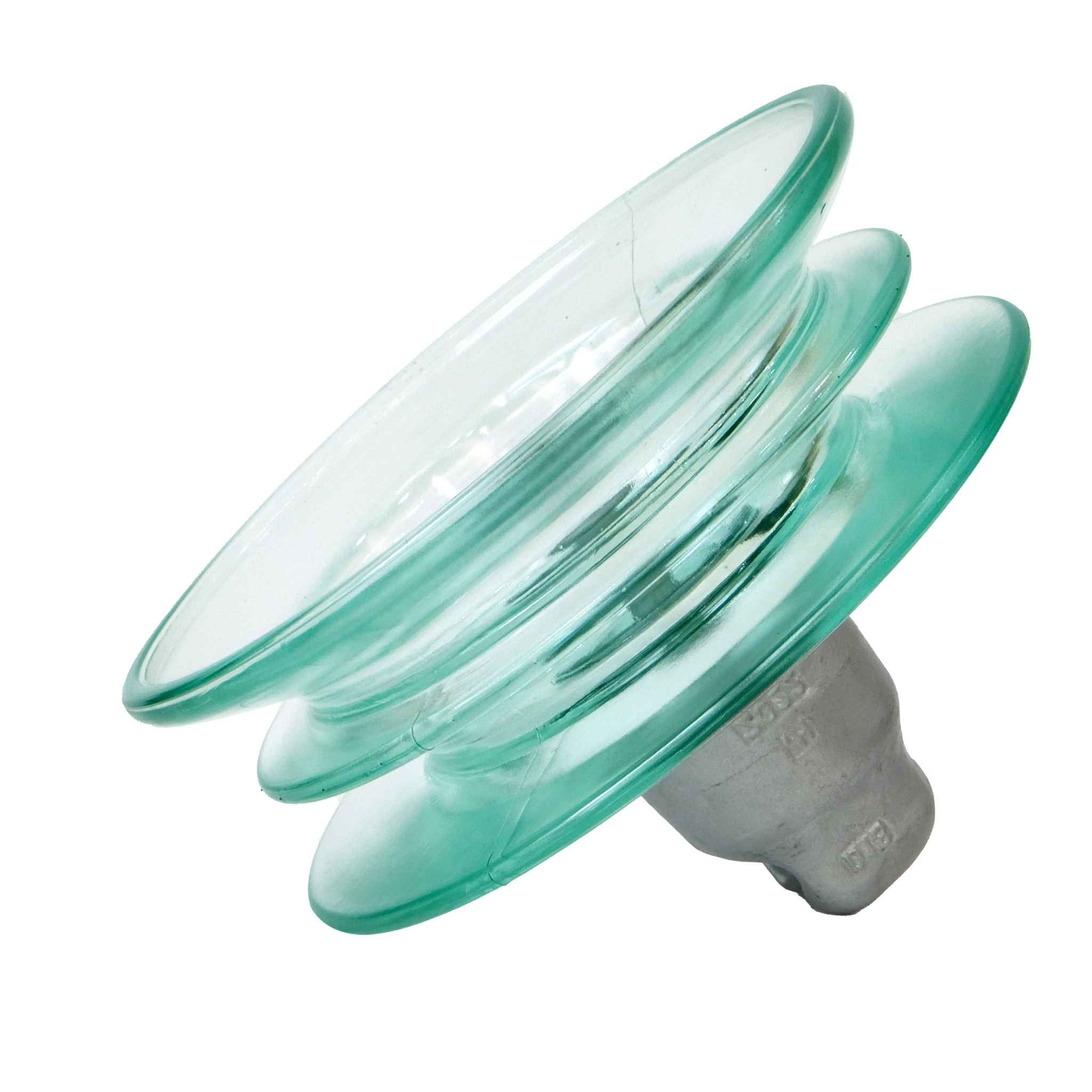
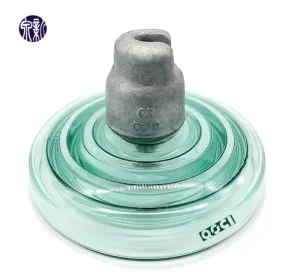
Three layers of umbrella discs provide exceptional creepage distance, ideal for UHV lines in high-altitude regions.
Procuring from a specialized U160bsa factory in China offers strategic advantages beyond pricing:
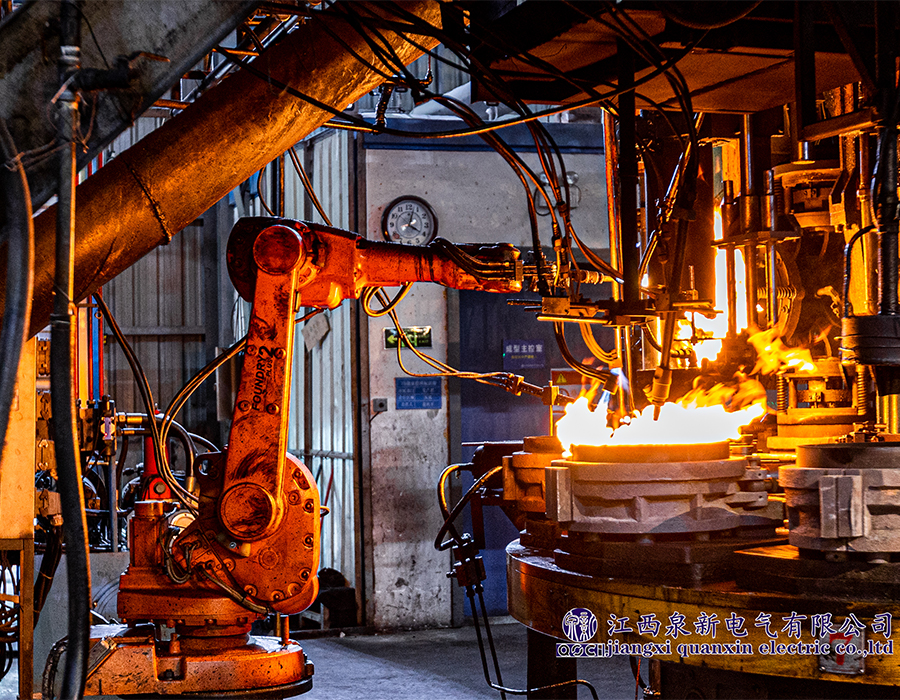
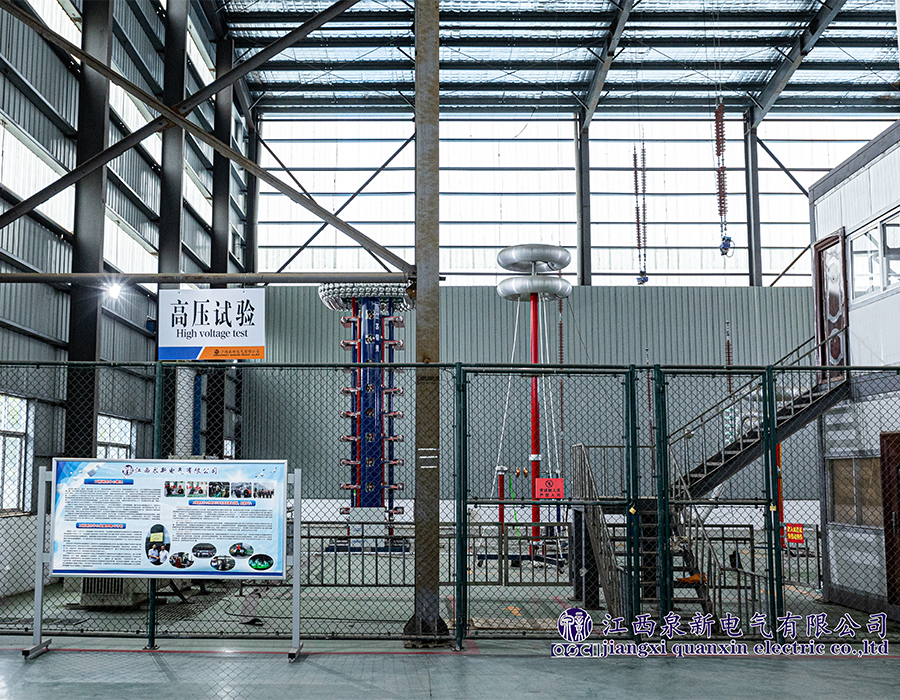
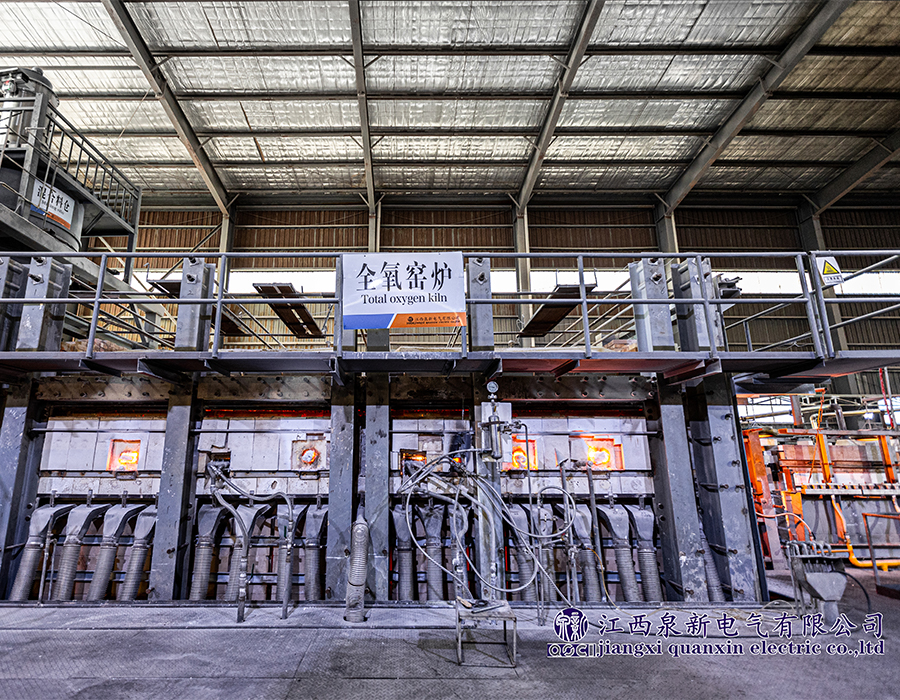
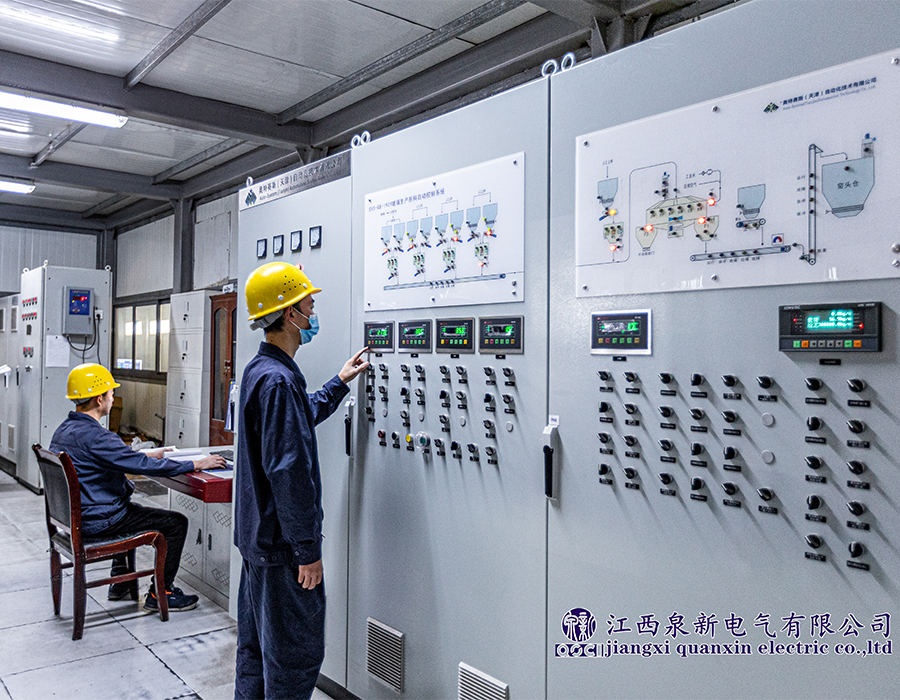
Our high-strength glass insulators are essential for low, high, and ultra-high voltage AC/DC transmission lines worldwide.
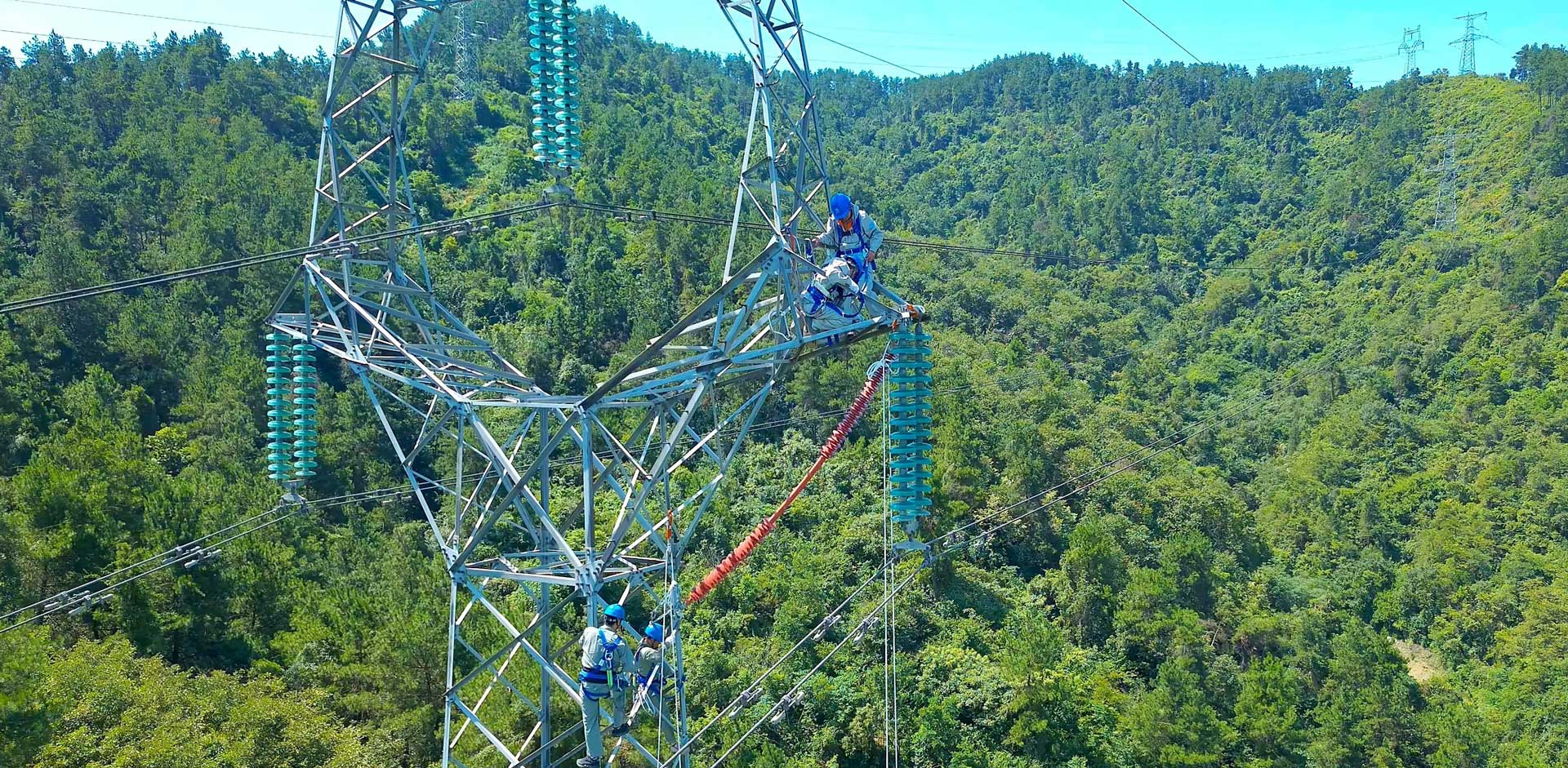
Geographic Adaptability Scenarios
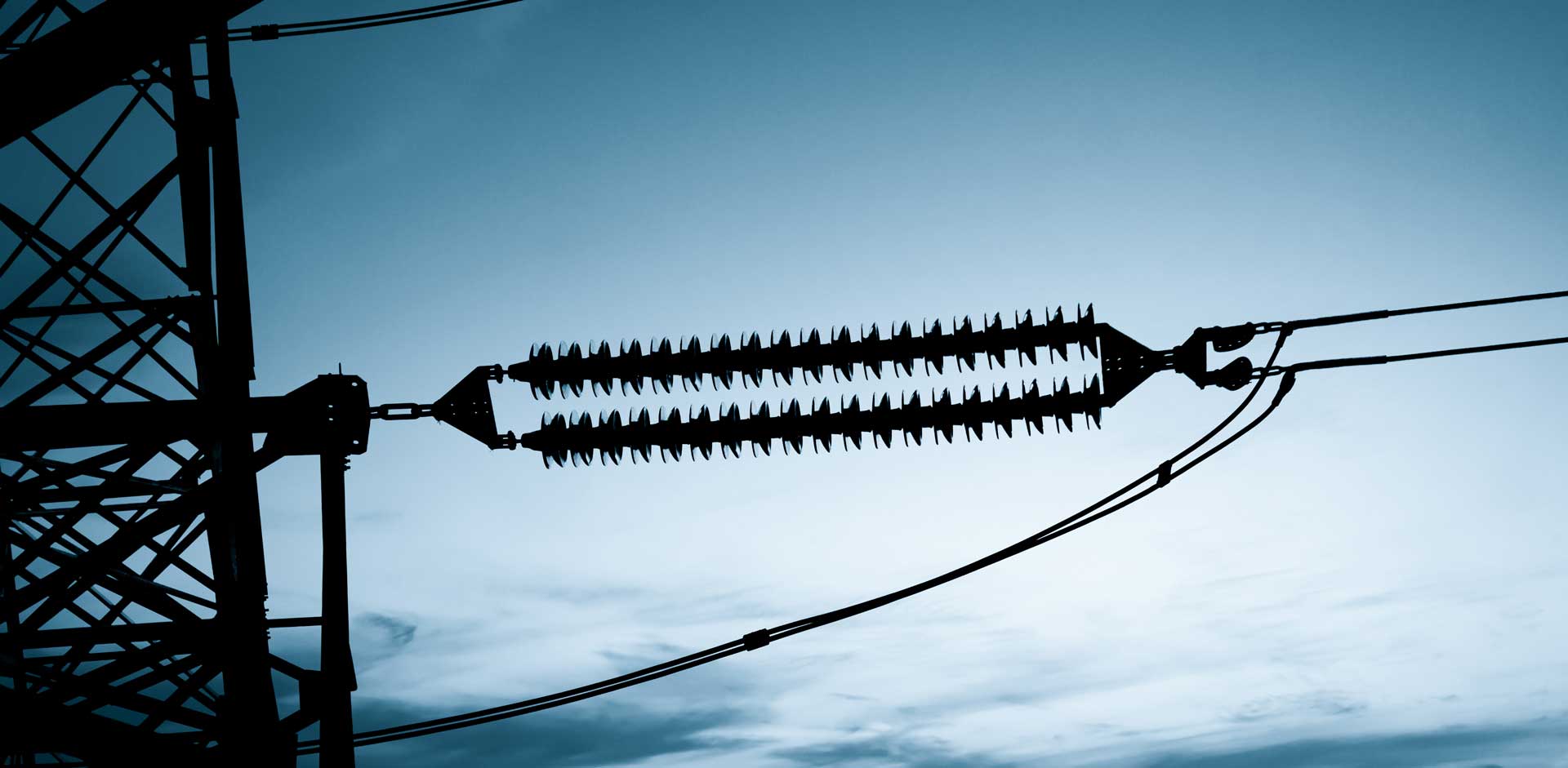
Power Systems & HVDC
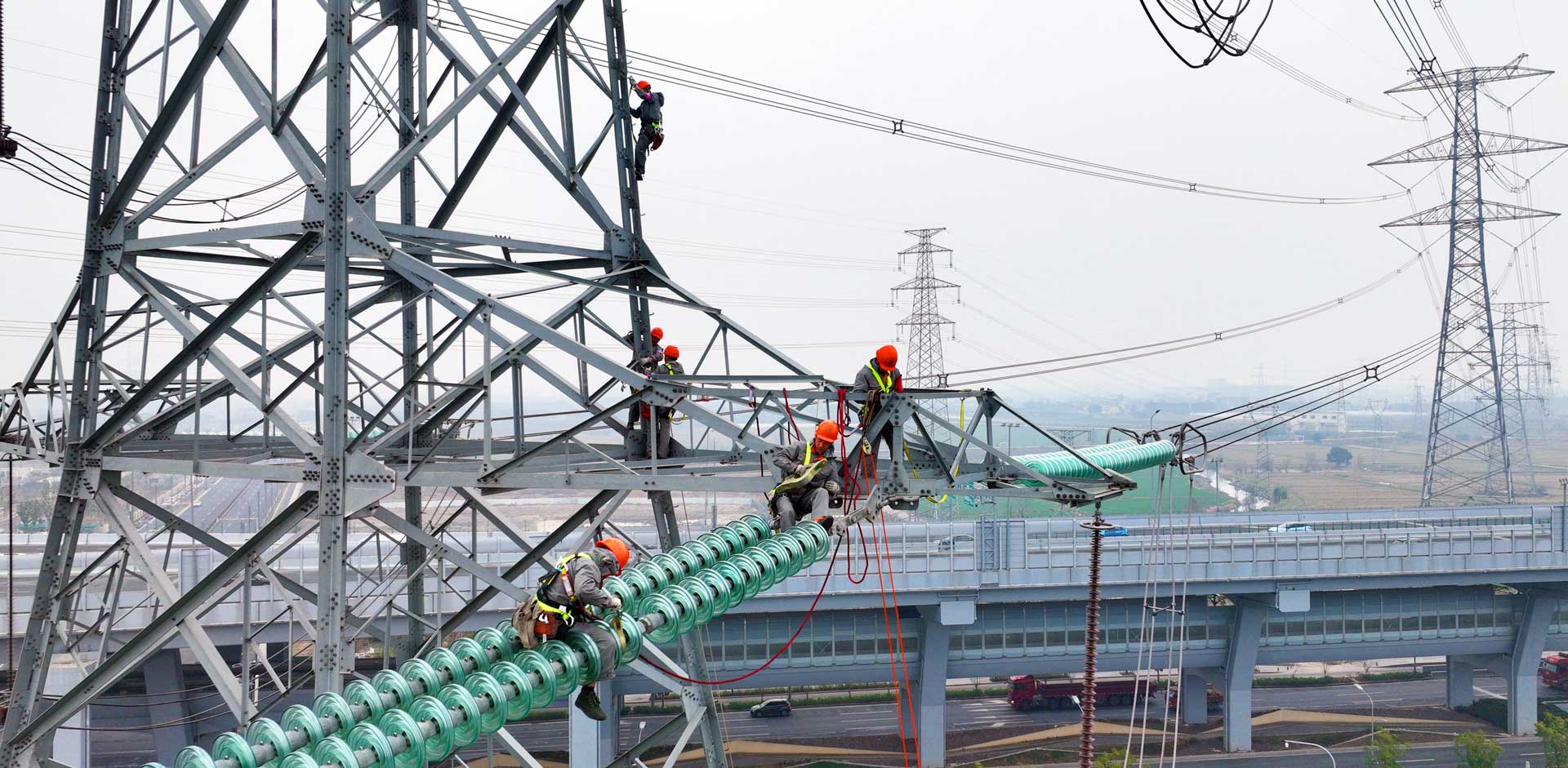
Power Grid Functional Requirements

The "U" stands for suspension type, "160" indicates a minimum mechanical failing load of 160kN, and "bsa" refers to the specific ball and socket coupling dimensions and glass shell profile according to IEC standards.
Toughened glass provides superior thermal stability and a unique "self-shattering" property. If a glass insulator fails, the shell shatters but the internal stub maintains mechanical strength, making faulty units easy to spot from the ground.
Factories like QOCI Electric follow ISO 9001, 14001, and OHSAS 18001. We provide KEMA and other international lab test reports to verify electrical and mechanical performance against IEC 60305 and ANSI standards.
Yes, especially when configured with an Anti-fog profile or an RTV silicone coating. These enhancements increase the creepage distance and hydrophobicity, preventing flashovers caused by salt deposits.