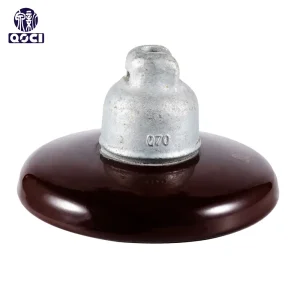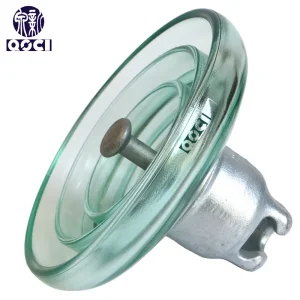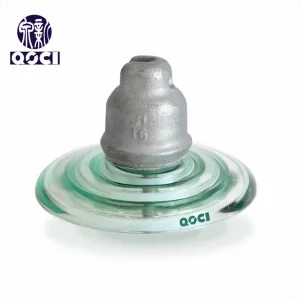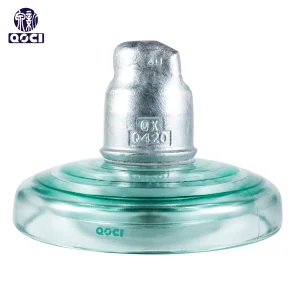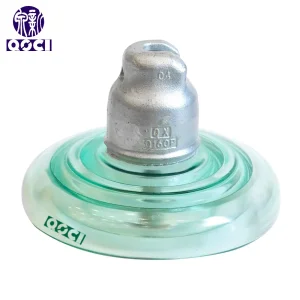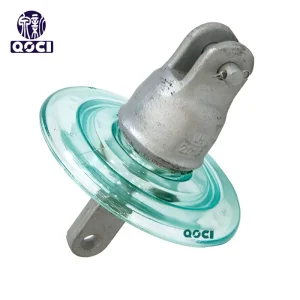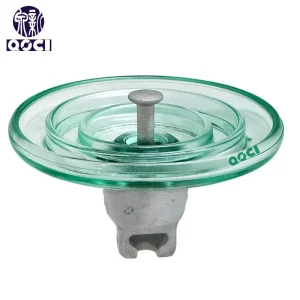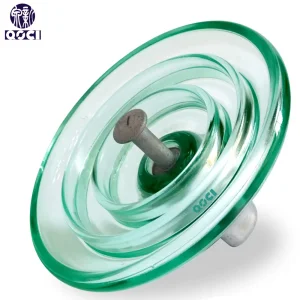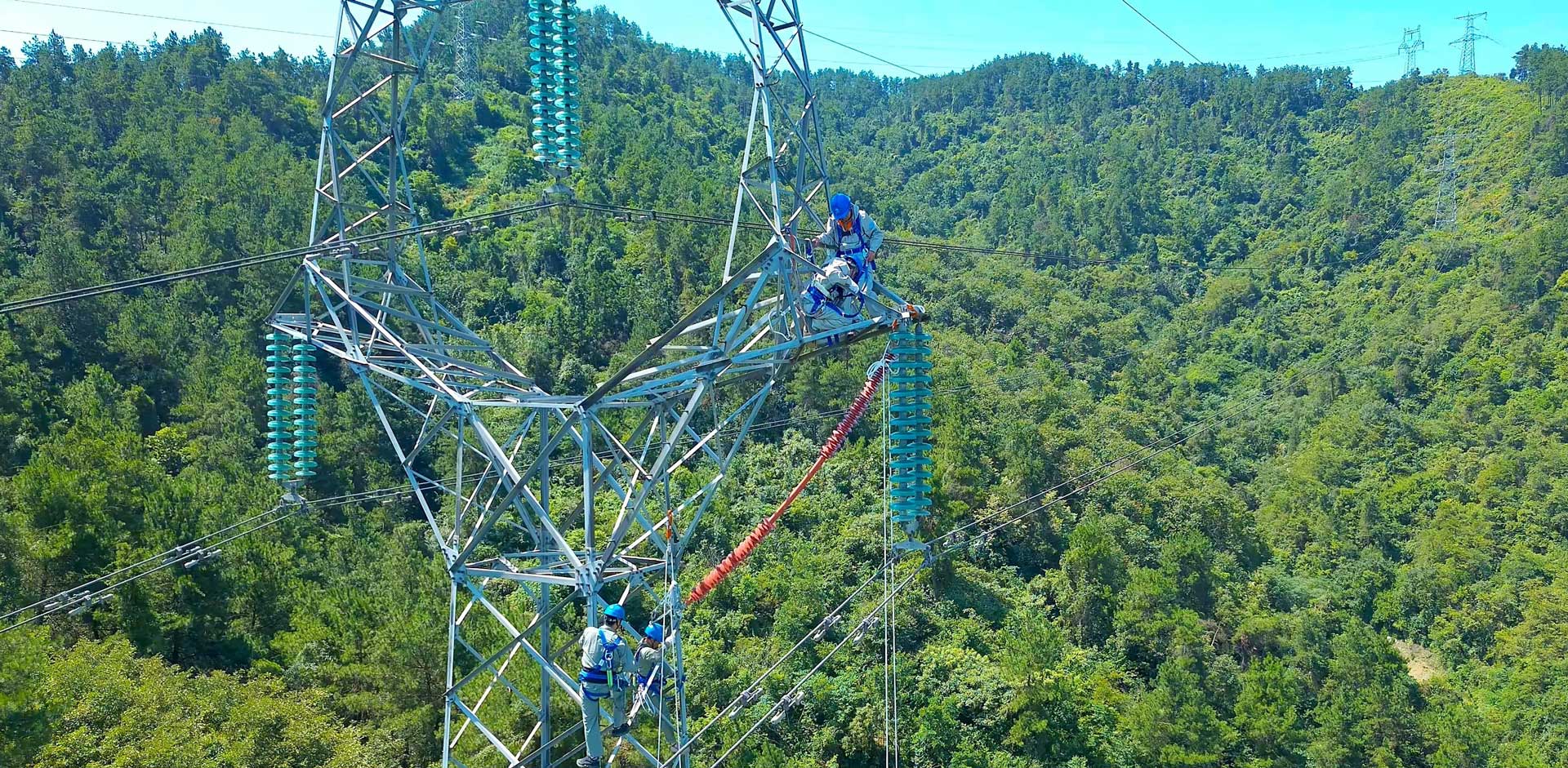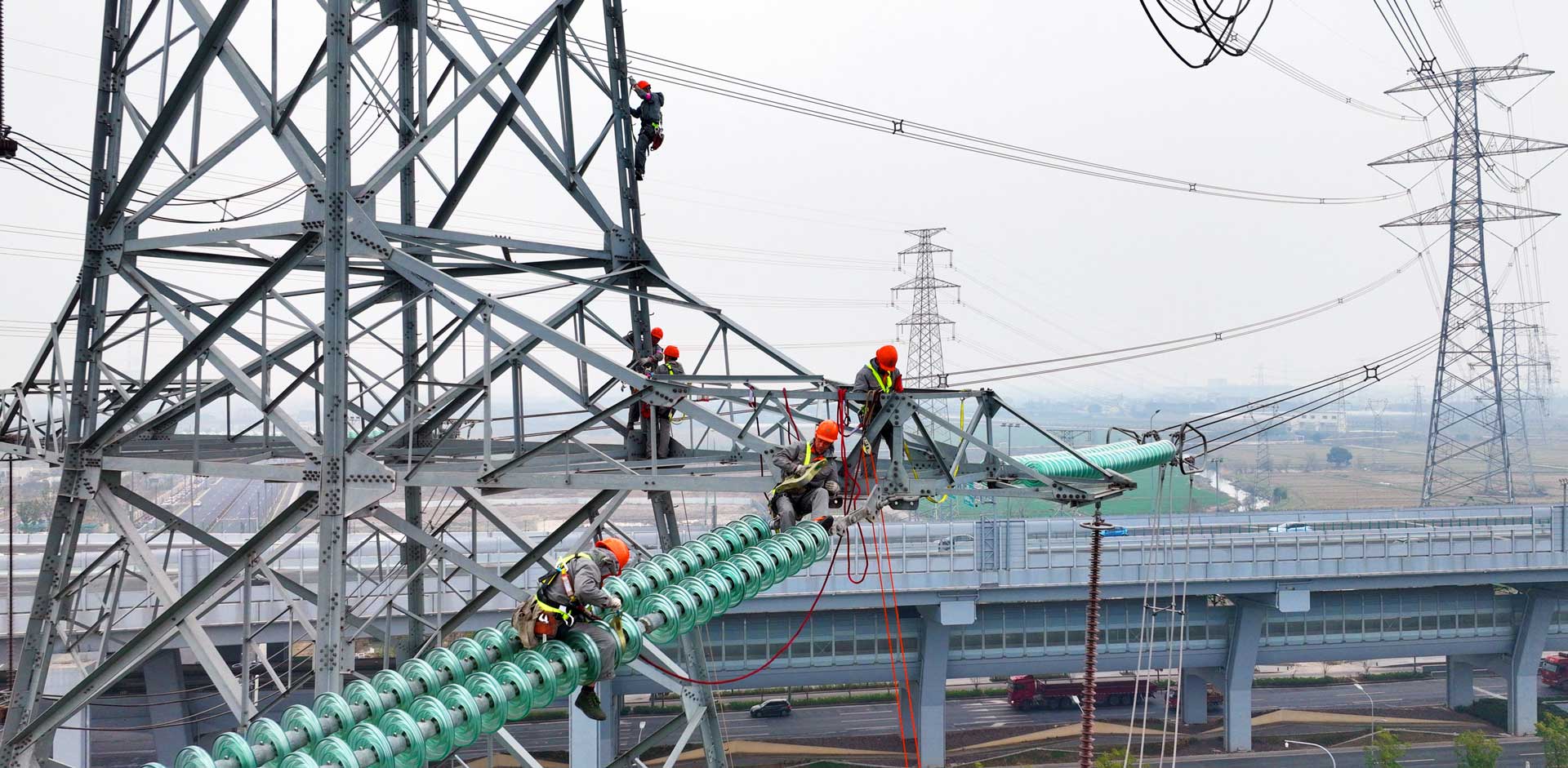
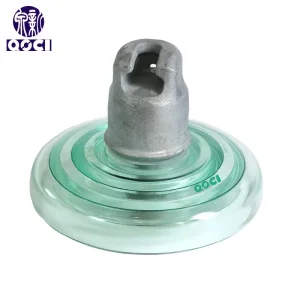
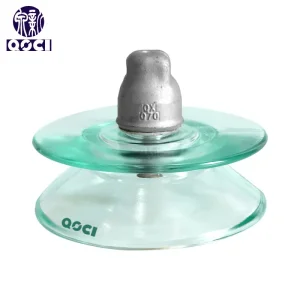
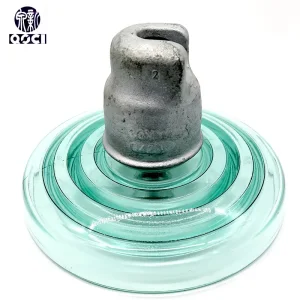
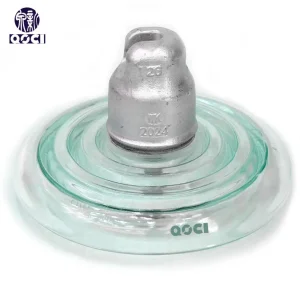
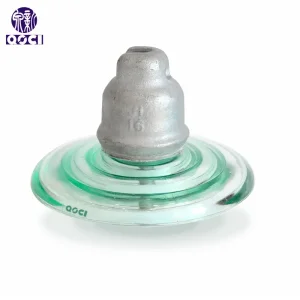
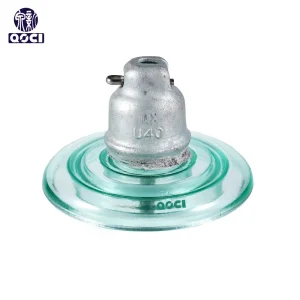
Toughened glass provides a unique maintenance benefit: when internal electrical or physical stress exceeds capacity, the shell shatters completely. Visual line inspections via drone or helicopter instantly identify failed discs, eliminating the need for complex, manual electrical field scans.
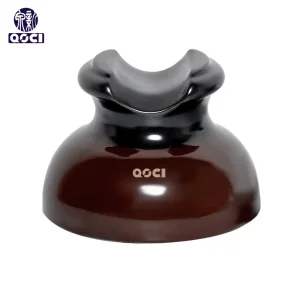
The U100BSA profile maintains a 100kN mechanical rating. Reinforced by high-performance zinc sleeves and standard ball-and-socket couplings conforming to IEC 60120, these isolators resist intense dynamic vibrations caused by wind loads and snow accumulation.
Unlike organic polymeric composite insulators, tempered glass does not suffer from tracking, erosion, or UV degradation. Inorganic soda-lime glass prevents micro-cracking and maintains stable dielectric values across massive temperature cycling ranges.
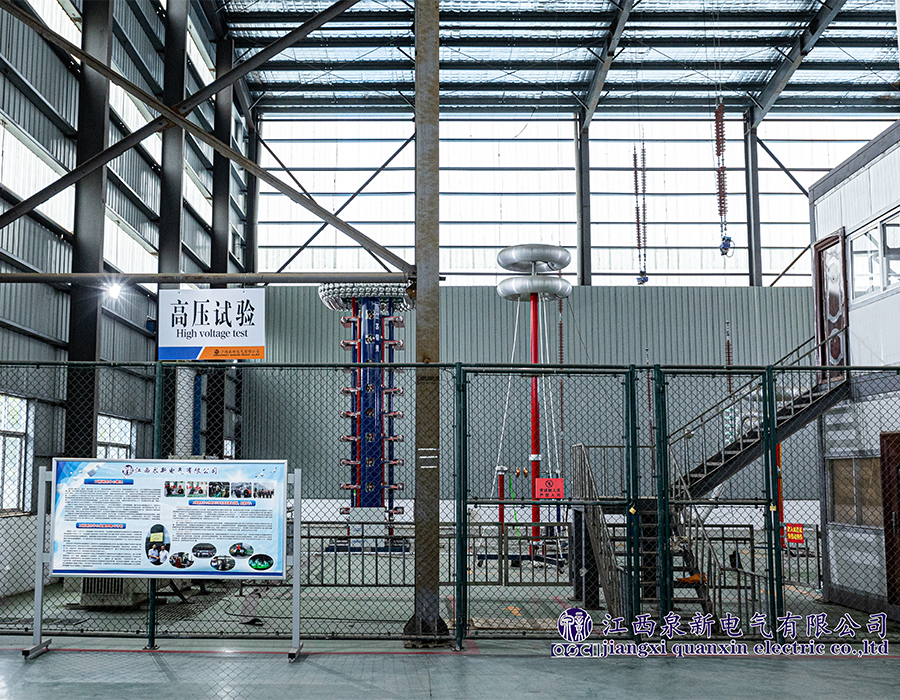
Modern electrical engineering procurement committees across Europe, Latin America, North America, and Sub-Saharan Africa utilize strict guidelines when vetting cap-and-pin toughened glass insulators. The U100BSA and related models must satisfy stringent verification testing including:
Additionally, developers of large scale onshore/offshore wind farms, high voltage transmission corridors (220kV, 500kV, and UHV DC lines), and regional electrification projects require optimized delivery and absolute supply chain resilience. Working directly with a Chinese manufacturer allows EPC contractors to leverage scale economies while securing custom creepage configurations and corrosion protection (RTV coating or zinc sleeve protection) needed for coastal/desert routes.
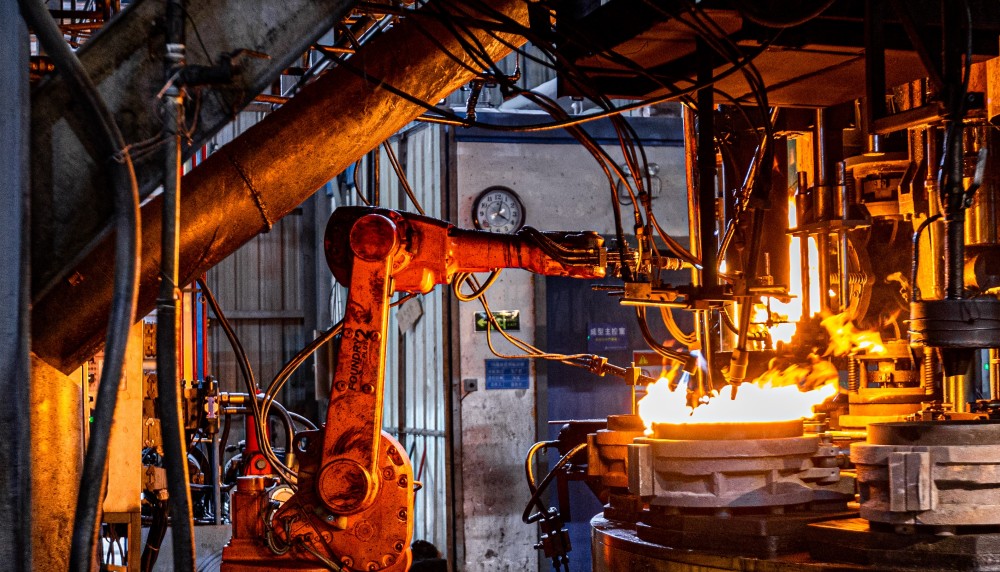
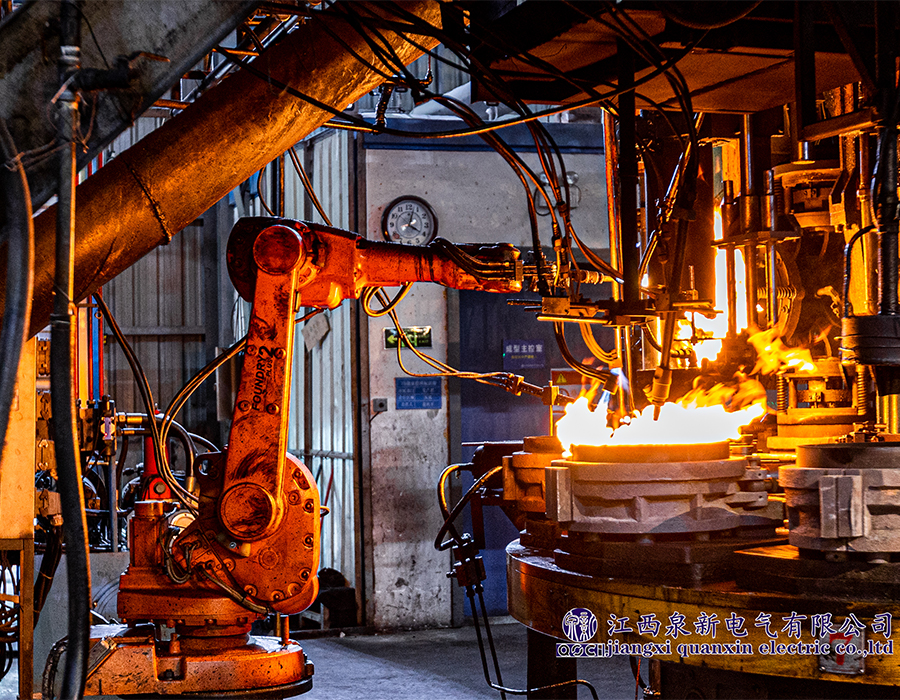
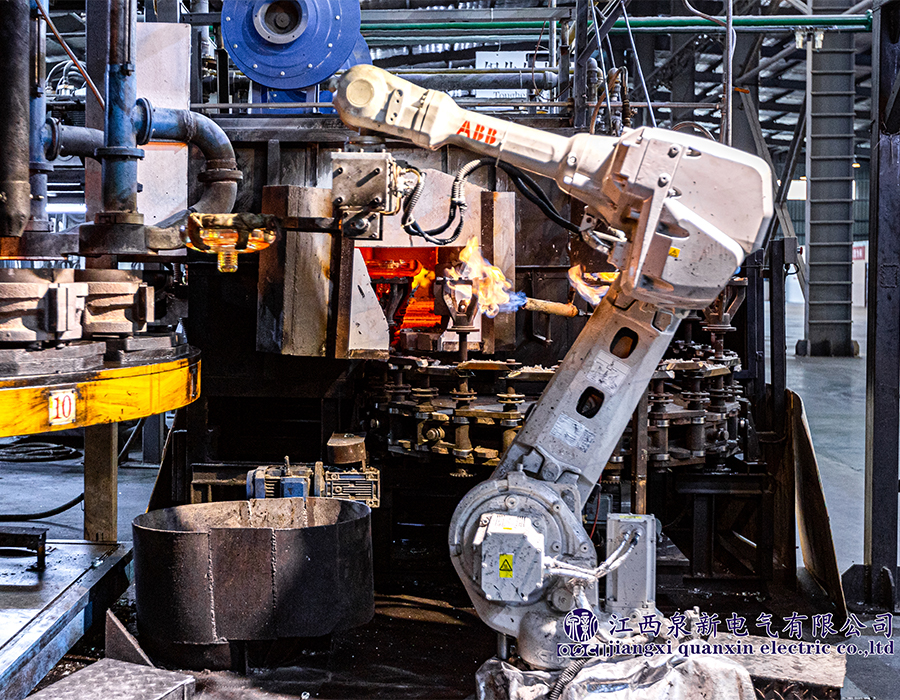
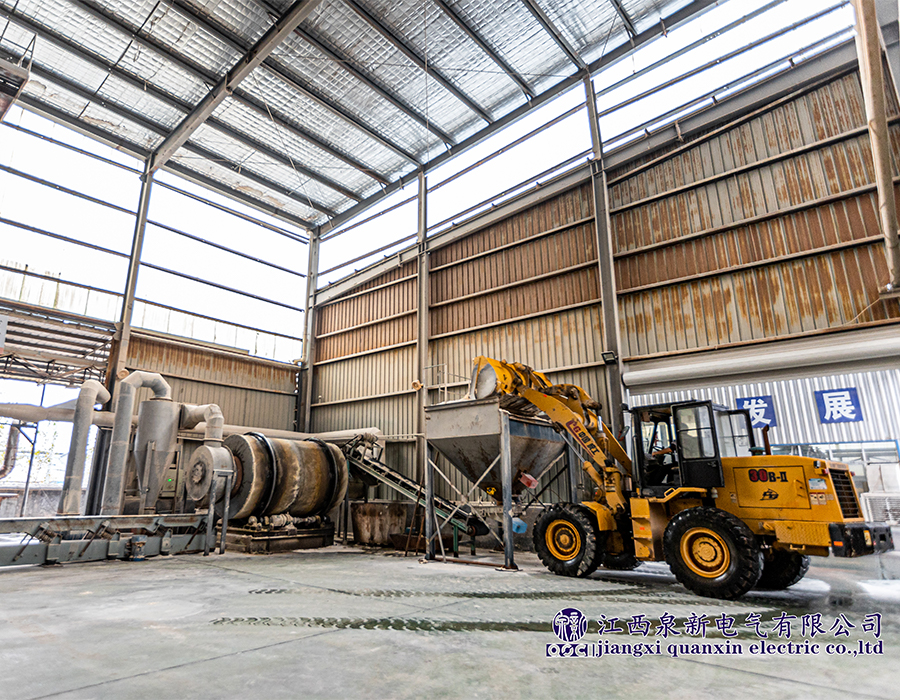
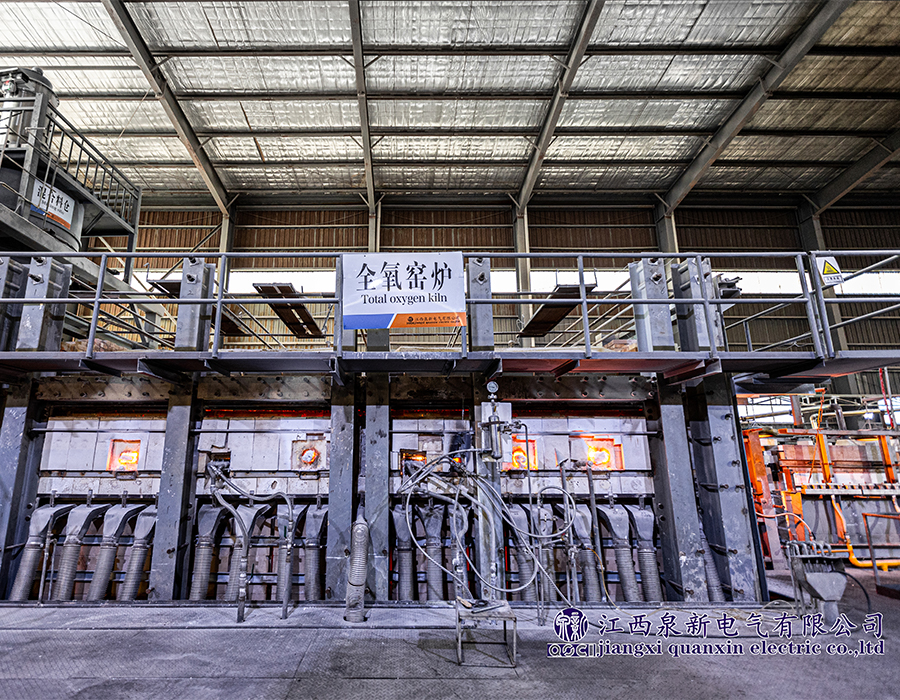
Jiangxi QOCI Electric Co. Ltd, founded in December 2002 with a registered capital of 508 million Yuan, represents the pinnacle of modern insulator production technology. Situated in Luxi County Industrial Park, Pingxiang, Jiangxi Province, the facility covers over 100 mu, implementing advanced automation, robotic glass presses, and intelligent kiln management.
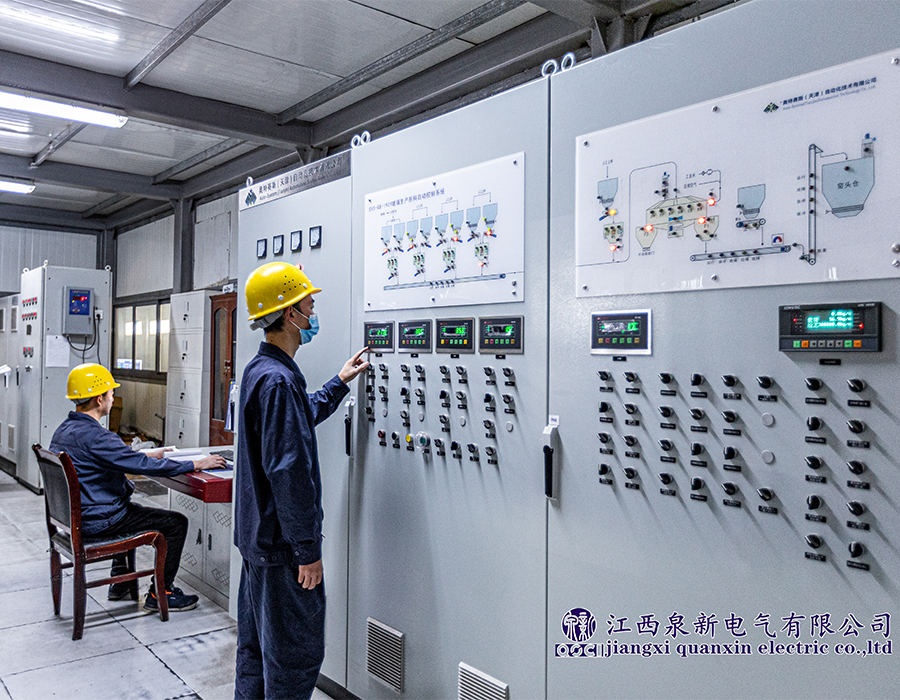
Utilizing precise batch mixers, high-purity silica sand, soda ash, and calcium oxide are blended under computer control to ensure zero impurities in the glass melt.
Automated forming presses mold the molten glass into exact disc geometries, followed by rapid air quenching to build uniform surface compressive stress.
Every glass shell goes through high-frequency high-voltage spark testing and quick-immersion thermal tests to reject components with minor internal flaws.
Different environments demand specific outer geometries. QOCI Electric designs suspension glass insulators utilizing several distinct structural profiles. Each profile manages air currents, dust sedimentation, water run-off, and electrical creepage path distances in unique ways.
Features shallow, well-spaced ribs that optimize wind and rain self-cleaning. Designed to exceed standard IEC 60305 dimensions, these units are suited for regions with regular rainfall and low industrial footprint.
Characterized by long, widely spaced under-ribs to prevent electrical bridging. A high leakage distance/spacing ratio (~3.2) makes these highly effective for coastal areas (salt fog) and intense industrial smog.
Designed with an expanded diameter and no under-ribs to avoid accumulation of dry dust and sand. Primarily applied in desert grid corridors or combined with standard strings to avoid ice-bridging during heavy winter storms.
Incorporates two external ribs. Stripping away the typical under-rib configuration prevents massive pollution buildup while maintaining a high creepage distance equivalent to specialized anti-pollution variants.
Consists of three layers of umbrella discs. Highly optimized for Extra-High Voltage (EHV) and Ultra-High Voltage (UHV) lines crossing high altitudes and mountain ranges where atmospheric pressure changes are severe.
Uses a Room Temperature Vulcanization (RTV) silicone layer embedded with mineral fillers. This coating maintains hydro-phobicity, ensuring leakage currents are minimized even in extreme heavy pollution zones.
| Insulator Model / Type | IEC Designation | Mechanical Failing Load (kN) | Unit Spacing (mm) | Disc Diameter (mm) | Creepage Distance (mm) |
|---|---|---|---|---|---|
| U100BS (Standard Profile) | U100BS | 100 | 127 / 146 | 254 | 295 / 320 |
| U100BSA (Optimized High Creepage) | U100BSA | 100 | 146 | 280 | 380 / 450 |
| U100BLP (Anti-Pollution Type) | U100BLP | 100 | 146 | 320 | 550 |
| U120BLP (High Mechanical Tension) | U120BLP | 120 | 146 | 280 / 320 | 450 / 550 |
| U70BLP (Standard Distributive Grid) | U70BLP | 70 | 146 | 255 / 320 | 320 / 550 |
Inside Jiangxi QOCI Electric Co. Ltd's state-of-the-art production complex. High quality raw material processing and mechanical stress testing guarantee reliable operation.
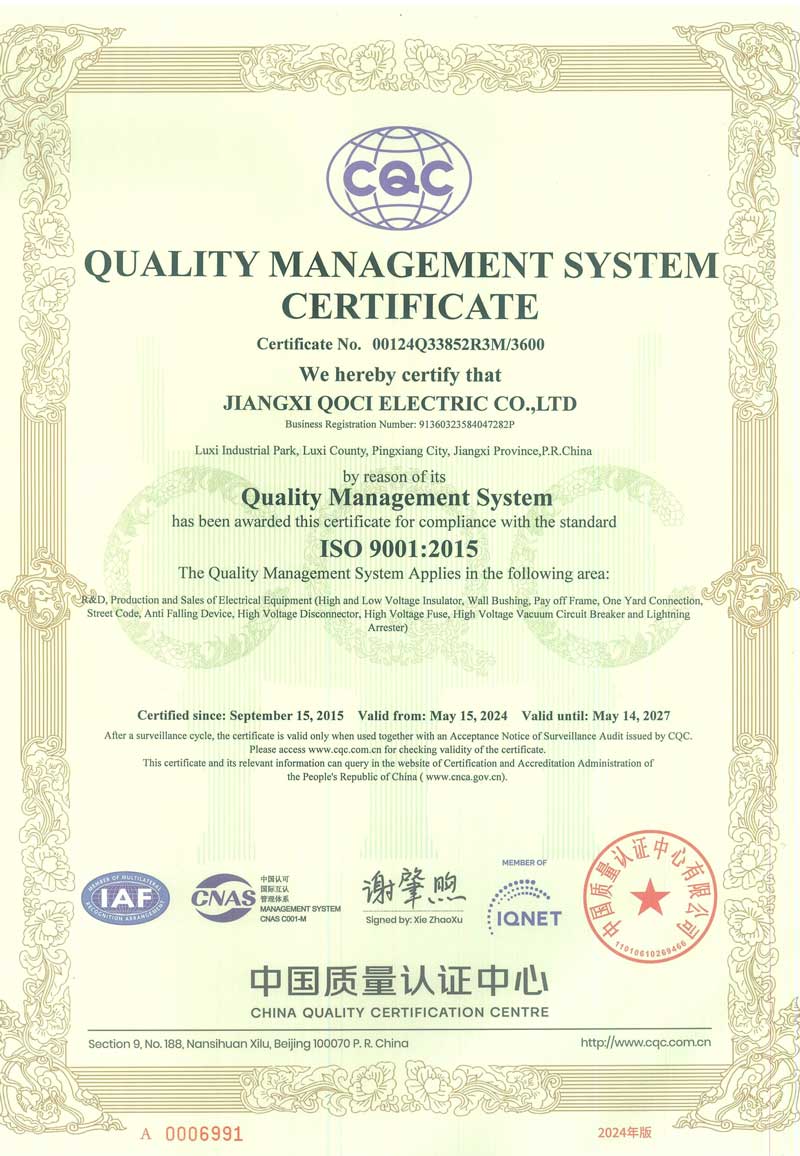
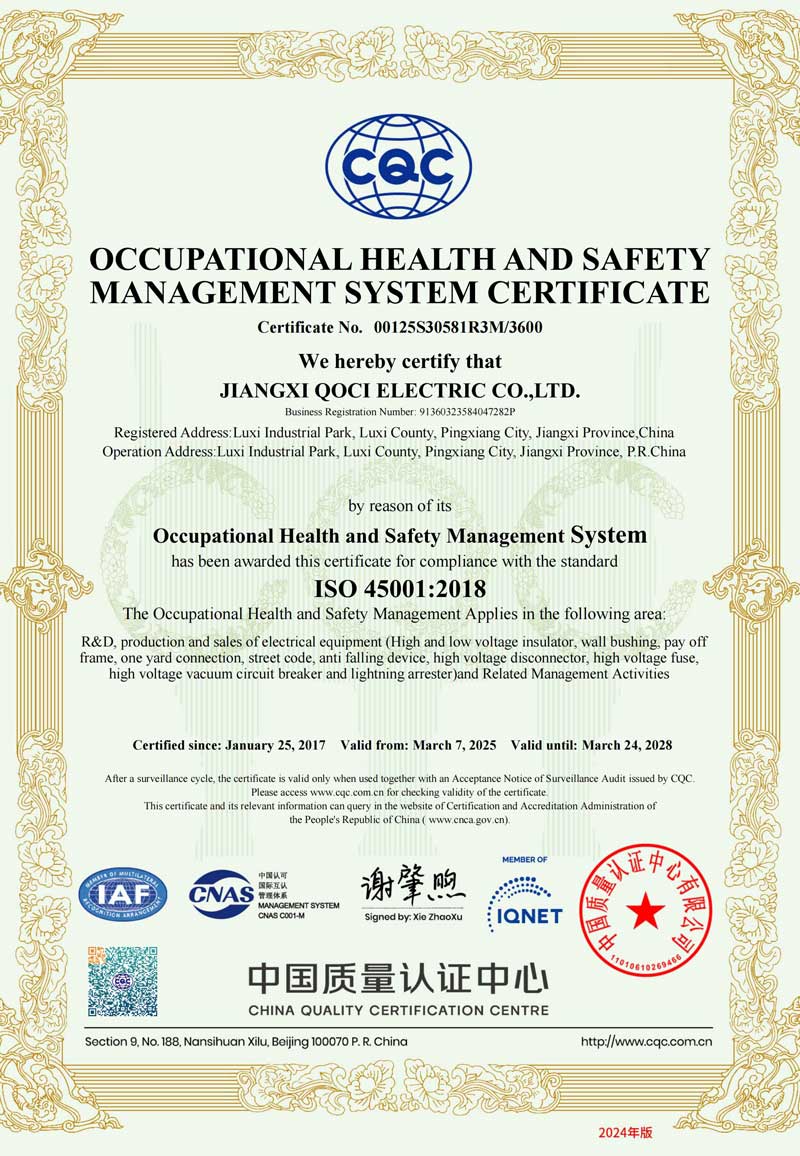
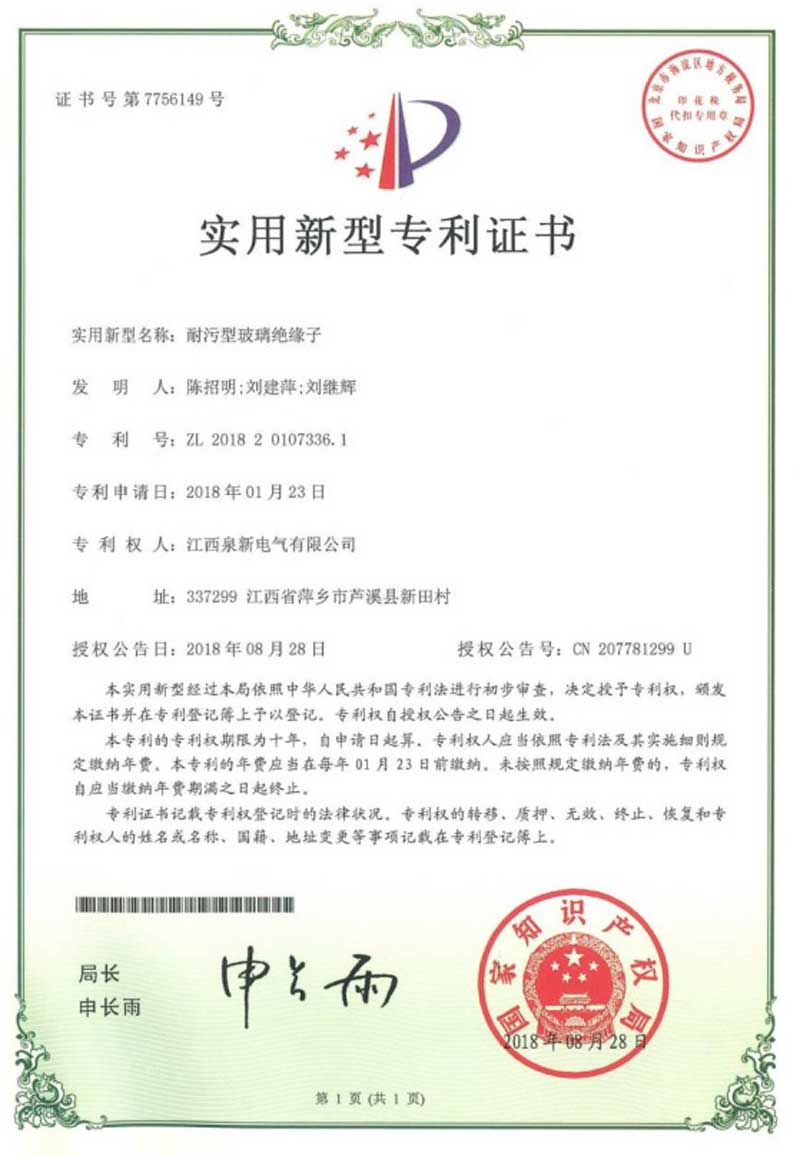
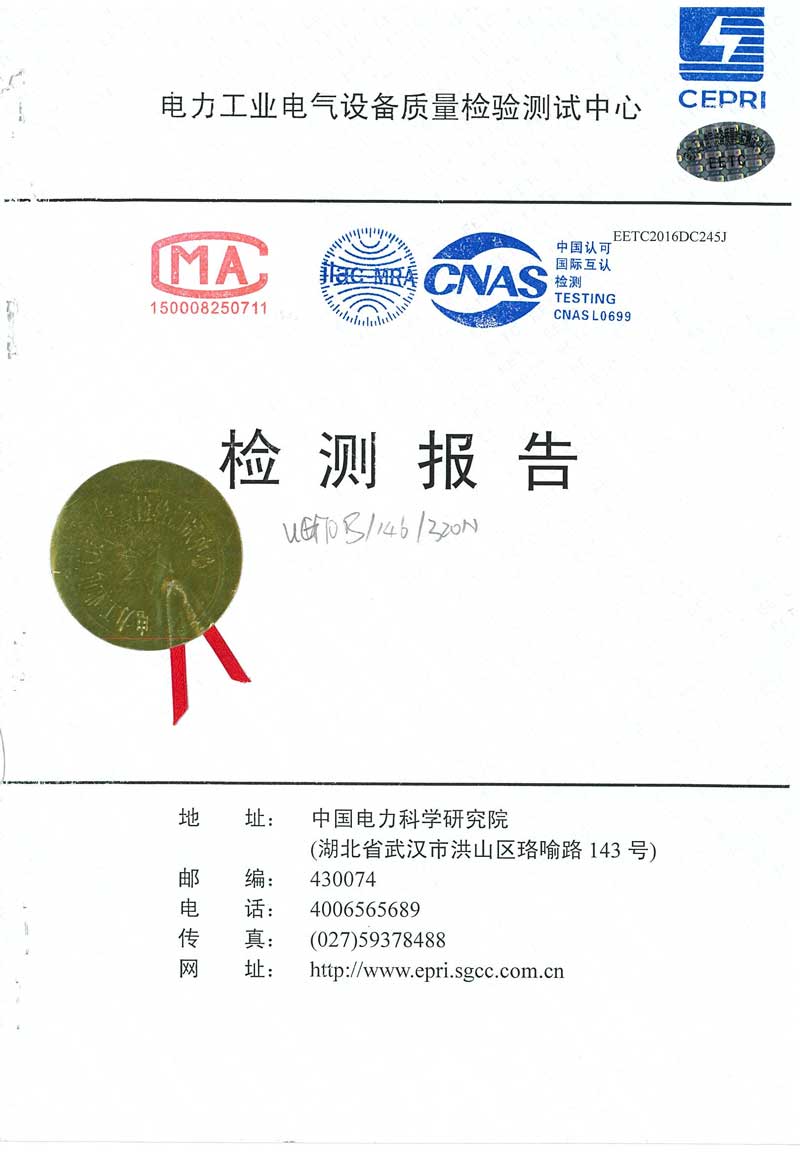

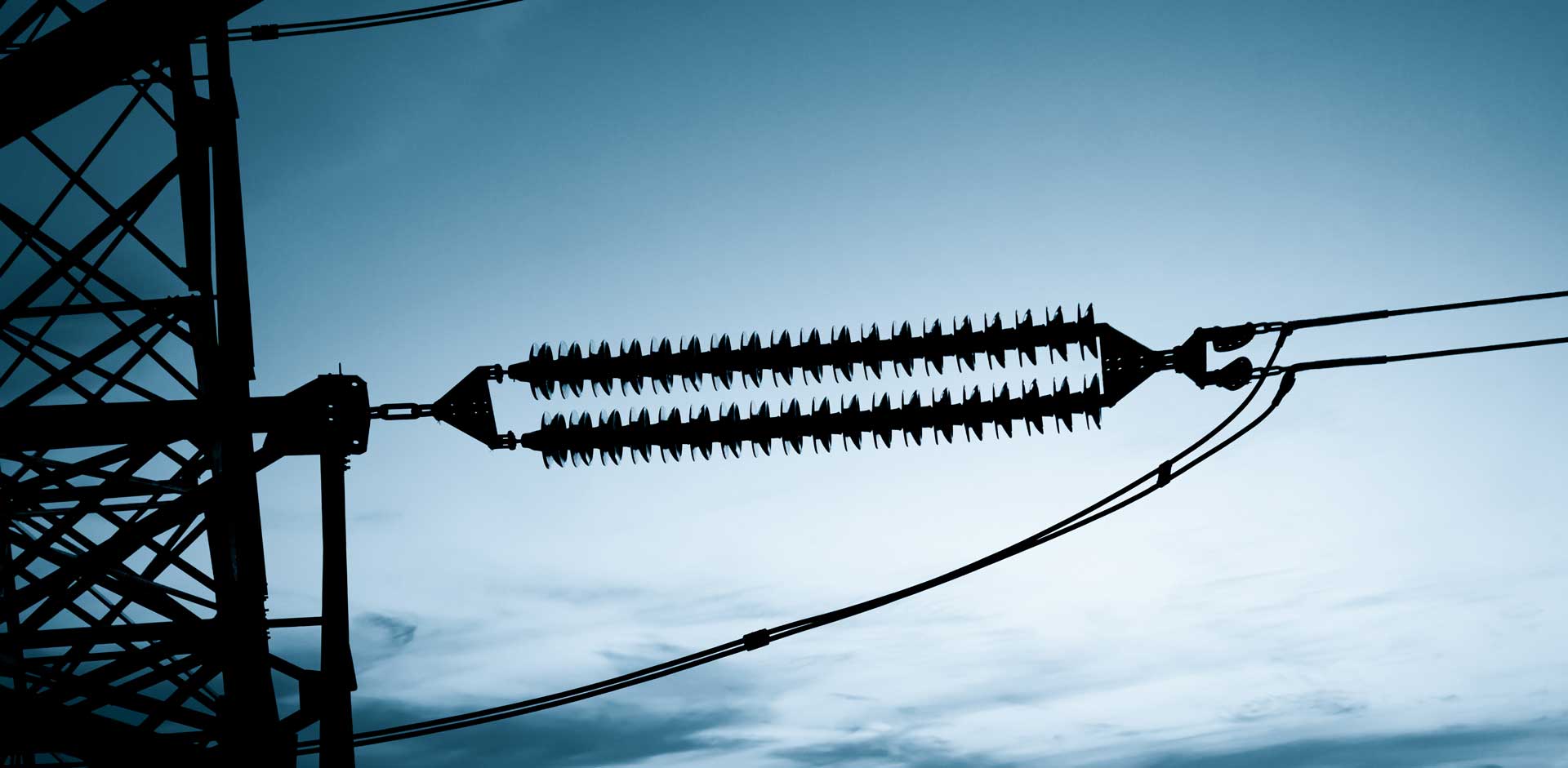
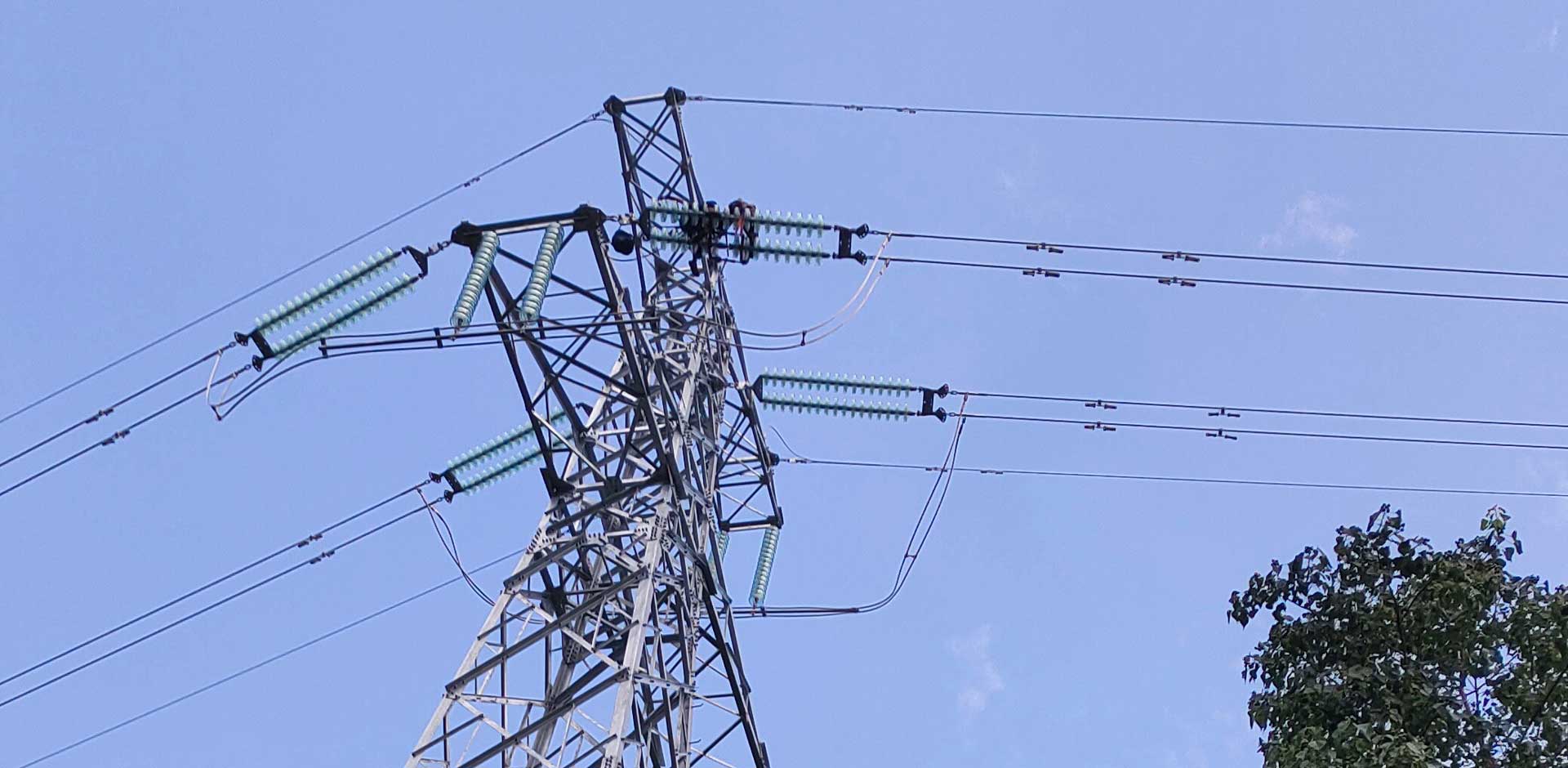
Withstanding intense icing, extreme temperature swings, and offshore salt environments, QOCI's insulator arrays offer stability for grid projects worldwide.
Demonstrating innovative 100kN and 420kN glass suspension isolators designed for reliable operation in offshore wind farms and heavy industrial corridors.