Engineered for high-voltage transmission safety, mechanical integrity, and resilience under environmental extremes.
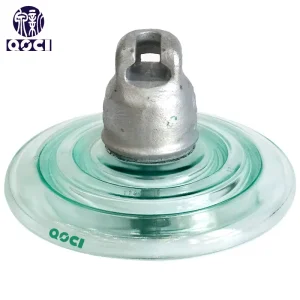
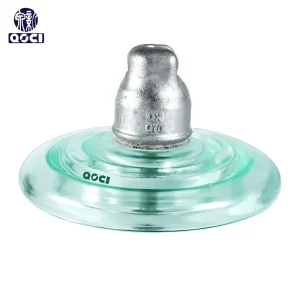
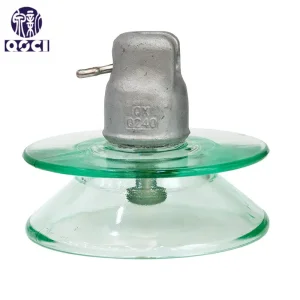
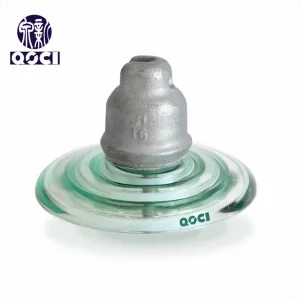
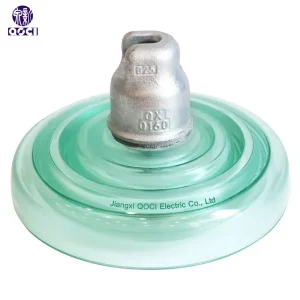
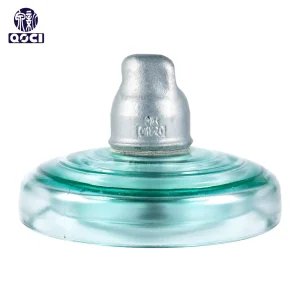
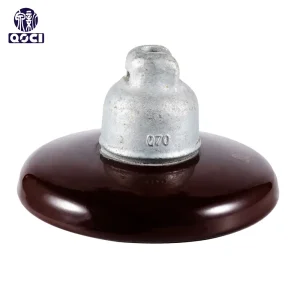
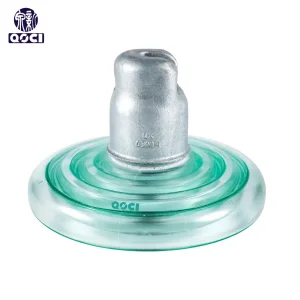
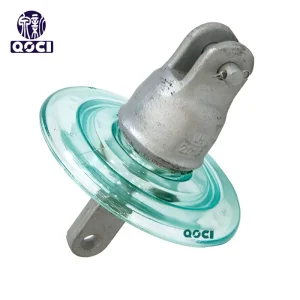
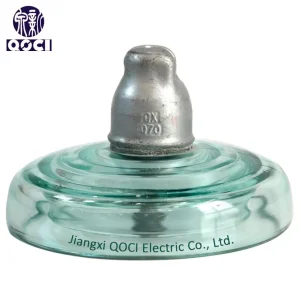
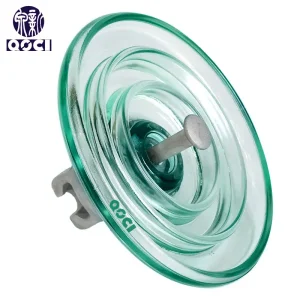
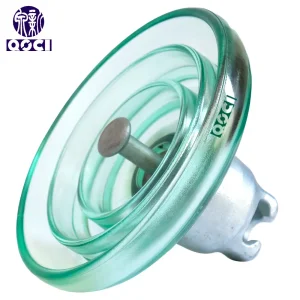
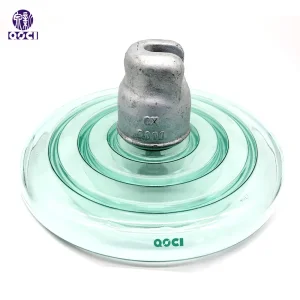
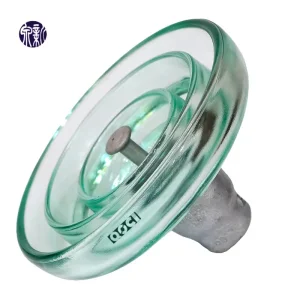
The Glass Isolator U120bmp is a vital component in modern overhead transmission and distribution lines, specifically designated for its high electromechanical load capacity of 120 kN. The designation "bmp" signals a specialized cap and pin configuration with a high-creepage, anti-pollution profile, rendering it perfect for high-humidity, marine coastal environments, and dust-heavy desert installations.
Toughened glass technology represents the cutting edge of physical structural reliability. Undergoing thermal tempering cycles, the glass body gains high compressive residual surface stresses. Should mechanical damage or extreme overvoltage occur, the toughened glass shatters into small harmless granules, making visual inspections and structural monitoring highly efficient without dropping the line string.
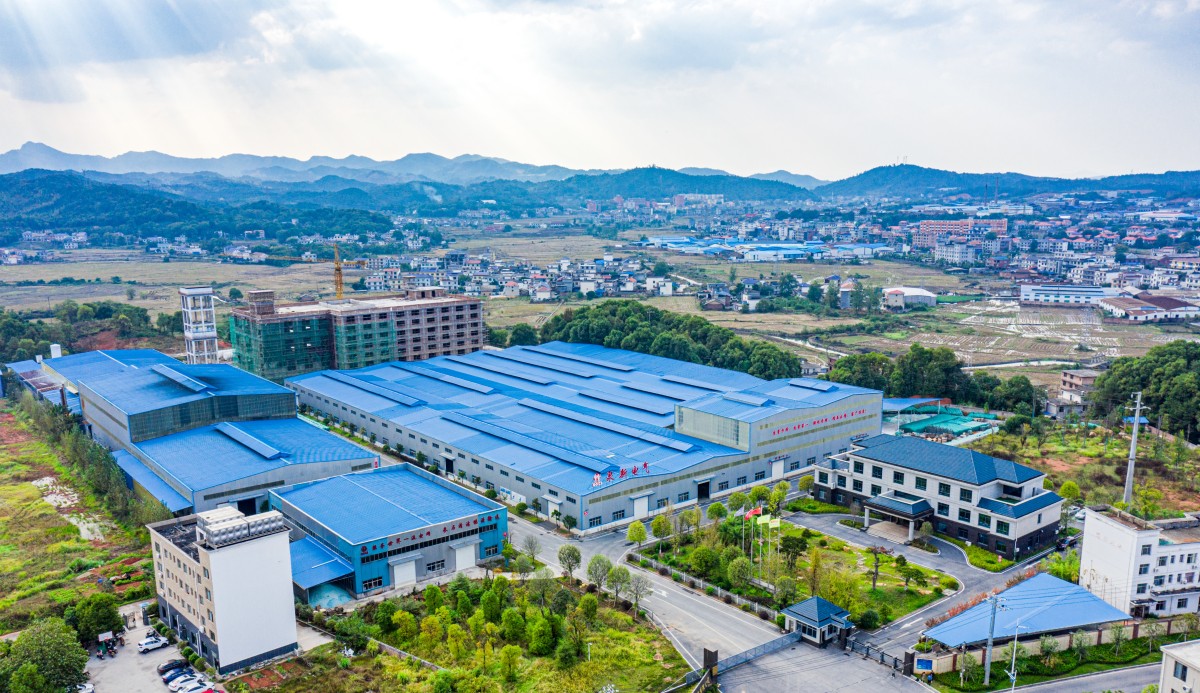
Serving the world-class power grid with dedication and actively participating in green energy deployment.
Founded in December 2002, with a registered capital of 508 million Yuan, Jiangxi QOCI Electric Co., Ltd. has established itself as an industry titan. Located within the Industrial Park of Luxi County, Pingxiang, Jiangxi Province, our manufacturing base spans an extensive area of 100 mu (70,000 m²). We integrate complete vertical production capabilities including high-temp kilns, precision glass forming machinery, automatic testing rigs, and rigorous metal assembly lines.
We supply high-strength toughened glass insulators for systems ranging from low voltage networks to ultra-high voltage (UHV) and extra-high voltage (EHV) AC & DC overhead lines globally. Our commitment to providing fast delivery times alongside cost-effective pricing structures ensures grid operators receive optimum procurement terms.
Plant Area (m²)
Annual Output (Tons)
Engineering Technicians
Inventions & Patents
Analyzing the macro-economic and engineering factors that position China as a world leader in toughened glass insulators.
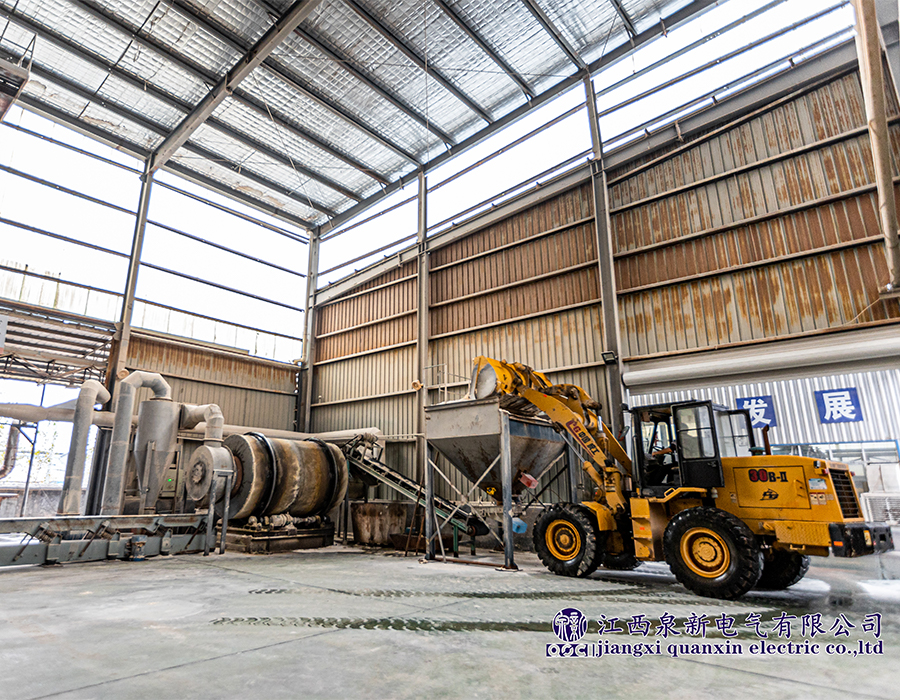
From local extraction of premium high-purity silica sand to state-of-the-art gas-fired oxygen kilns, Chinese production benefits from zero supply-chain friction. This vertical integration keeps quality uniform and lead times short.
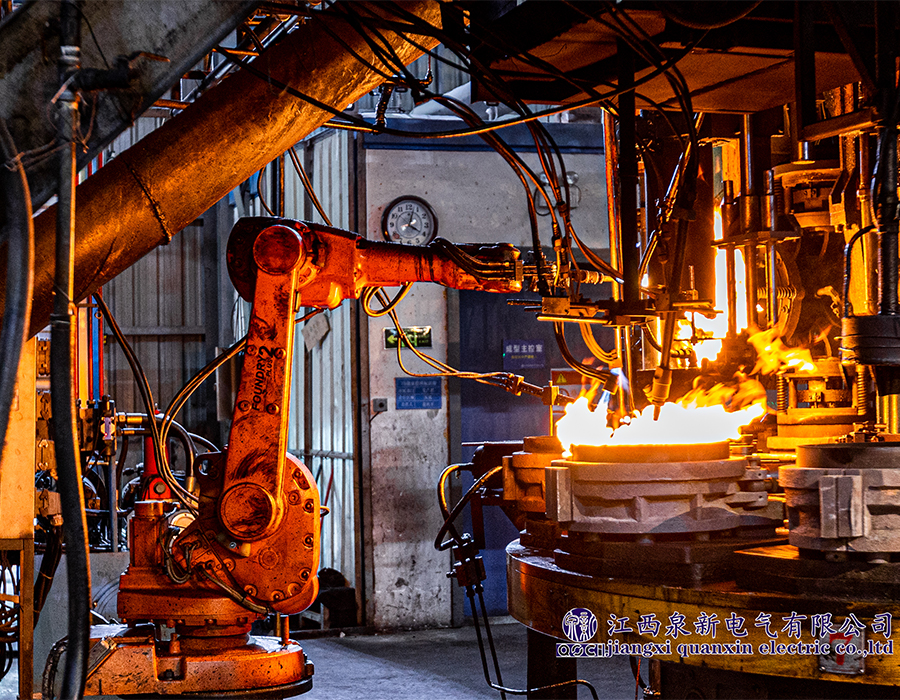
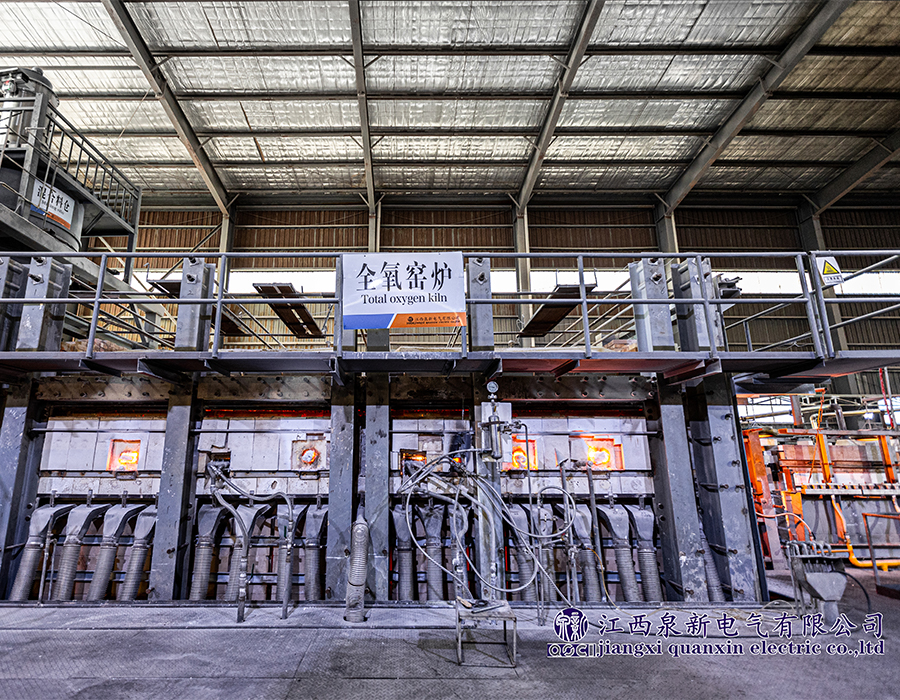
Deploying advanced high-efficiency oxygen combustion kilns guarantees uniform melting temperatures. This technique effectively eliminates microscopic gas bubbles and crystals inside the glass body, preventing unexpected in-service outages.
Every glass isolator undergoes automatic thermal shock testing and high voltage electrical breakdown runs. This eliminates manual oversight errors, keeping our field failure rate near zero.
Detailed aerodynamic and physical structural profiles designed to combat pollution, moisture, and sand accumulation.
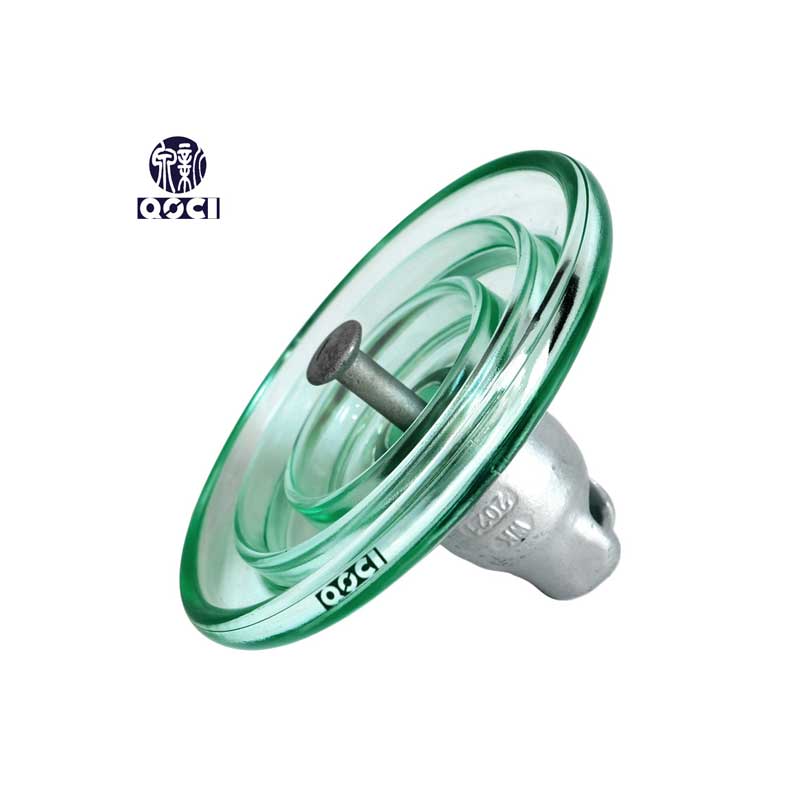
The characteristic of the standard profile is that the leakage distance is higher than the value indicated for standard insulators in IEC 60305. The insulation part is designed with shallow and well spaced small ribs, which can be effectively self-cleaning by wind or rain.
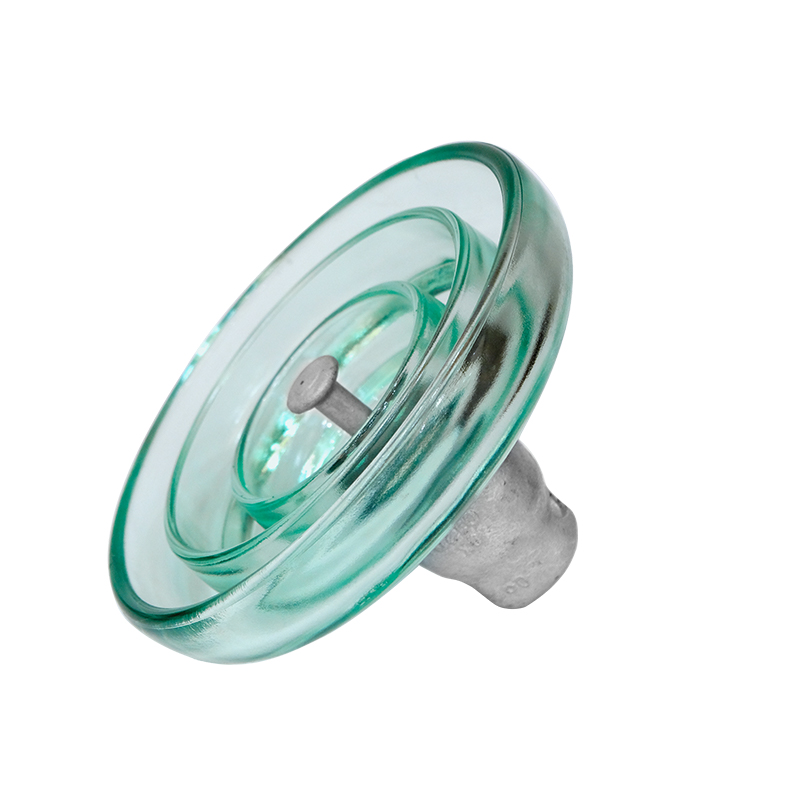
The fog type profile is characterized by long and widely-spaced under-ribs so as to avoid arc bridging between adjacent ribs. It features a leakage distance/spacing ratio of around 3.2 and is particularly effective in coastal areas (Salt fog) as well as in polluted areas where a higher specific leakage distance is required.
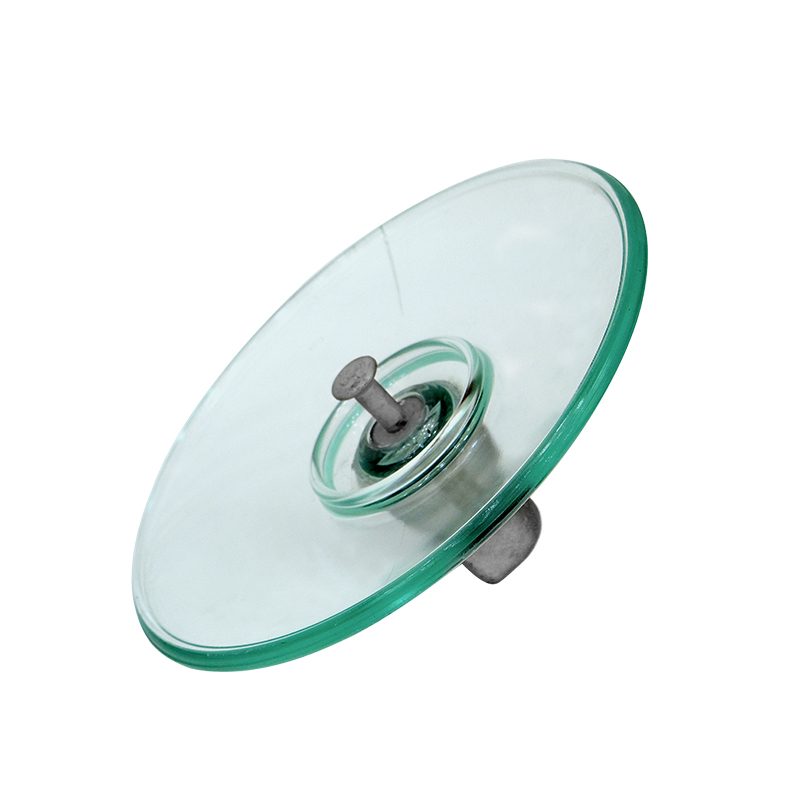
Design of insulating part with open profile is marked by absence of under-ribs and extended diameter of disk, with no under-ribs so as to avoid the accumulation of solid pollution deposits (dust, sand)on its lower surface. Open profile reduces pollutant accumulation on the surface. This design is effective in desert areas with wind and sand storm also can solve ice-bridging problems.
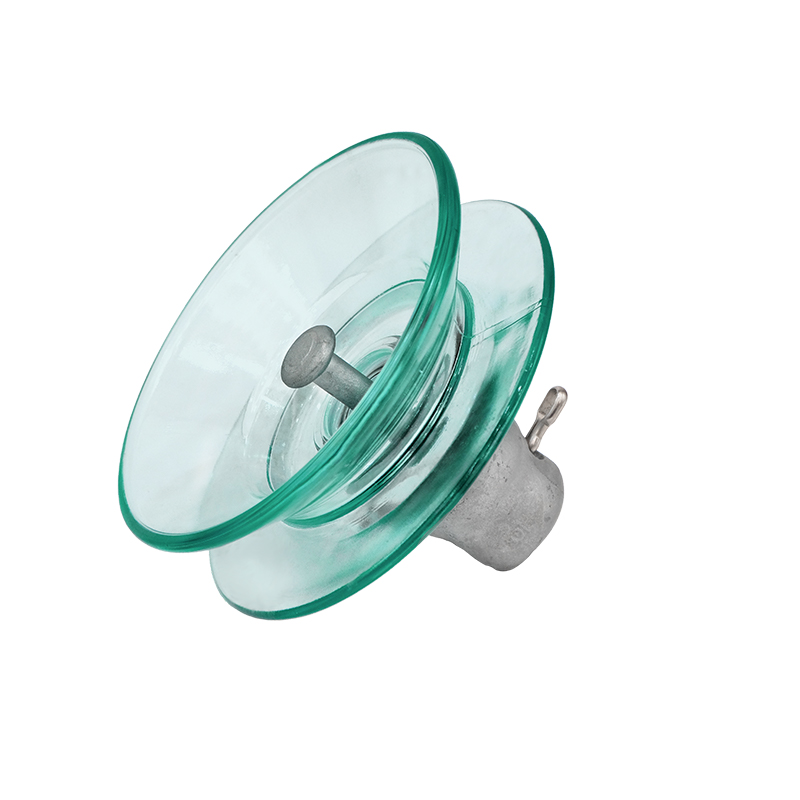
The design of the insulation part has two external ribs. The elimination of the under-ribs reduces pollution build-up, and the surface of the insulator can self clean by strong winds. And facilitate manual cleaning when necessary. This profile provides a leakage distance equivalent to the anti pollution profile and adapts to the most extreme cases of solid pollution.
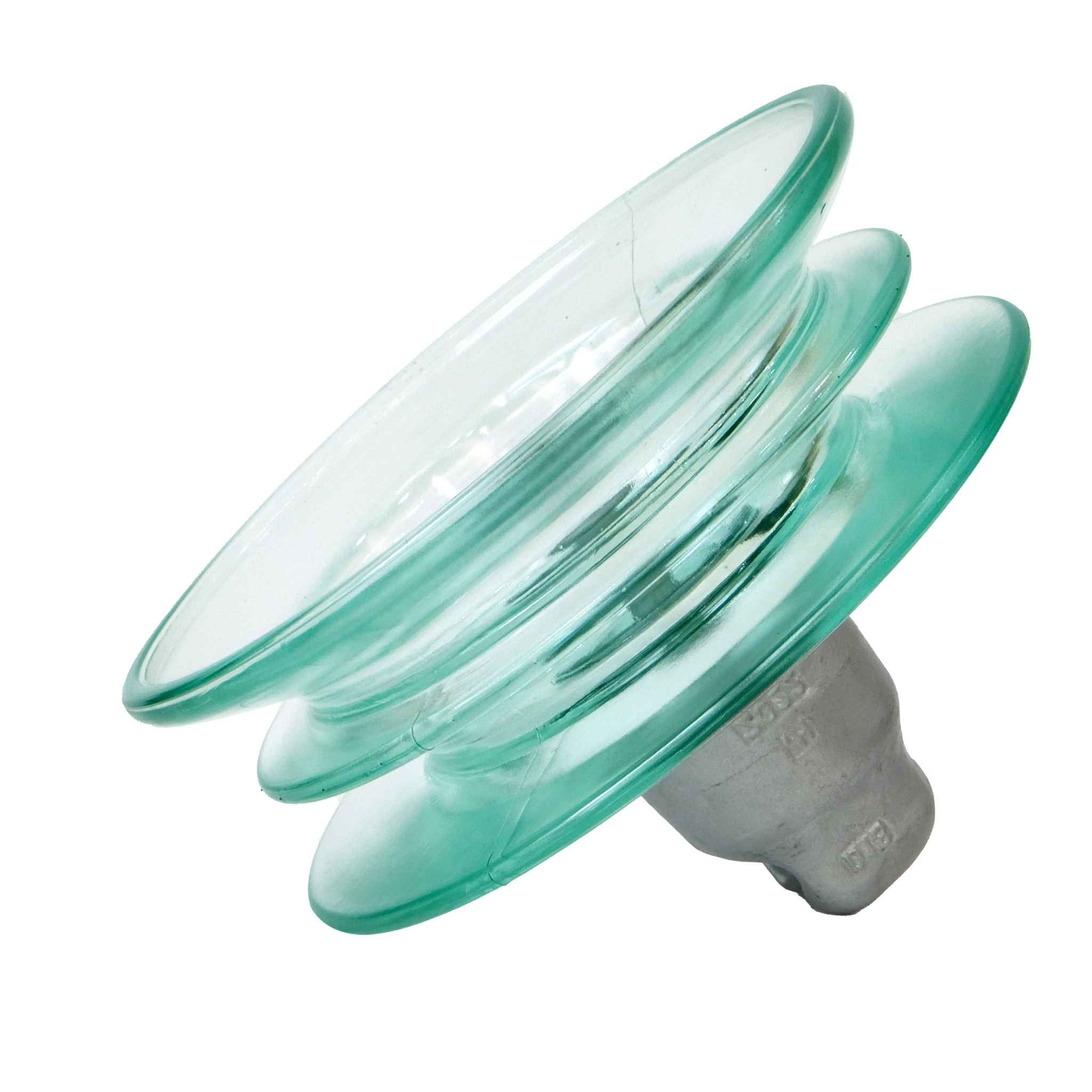
Triple-shed Type glass insulator is a key component in transmission lines, characterized by three layers of umbrella discs separated from each other on the insulation body. Thanks to this open shed design, they not only achieve self-cleaning during wind and rain, making it difficult for contaminants to adhere, but also provide a longer creepage distance.
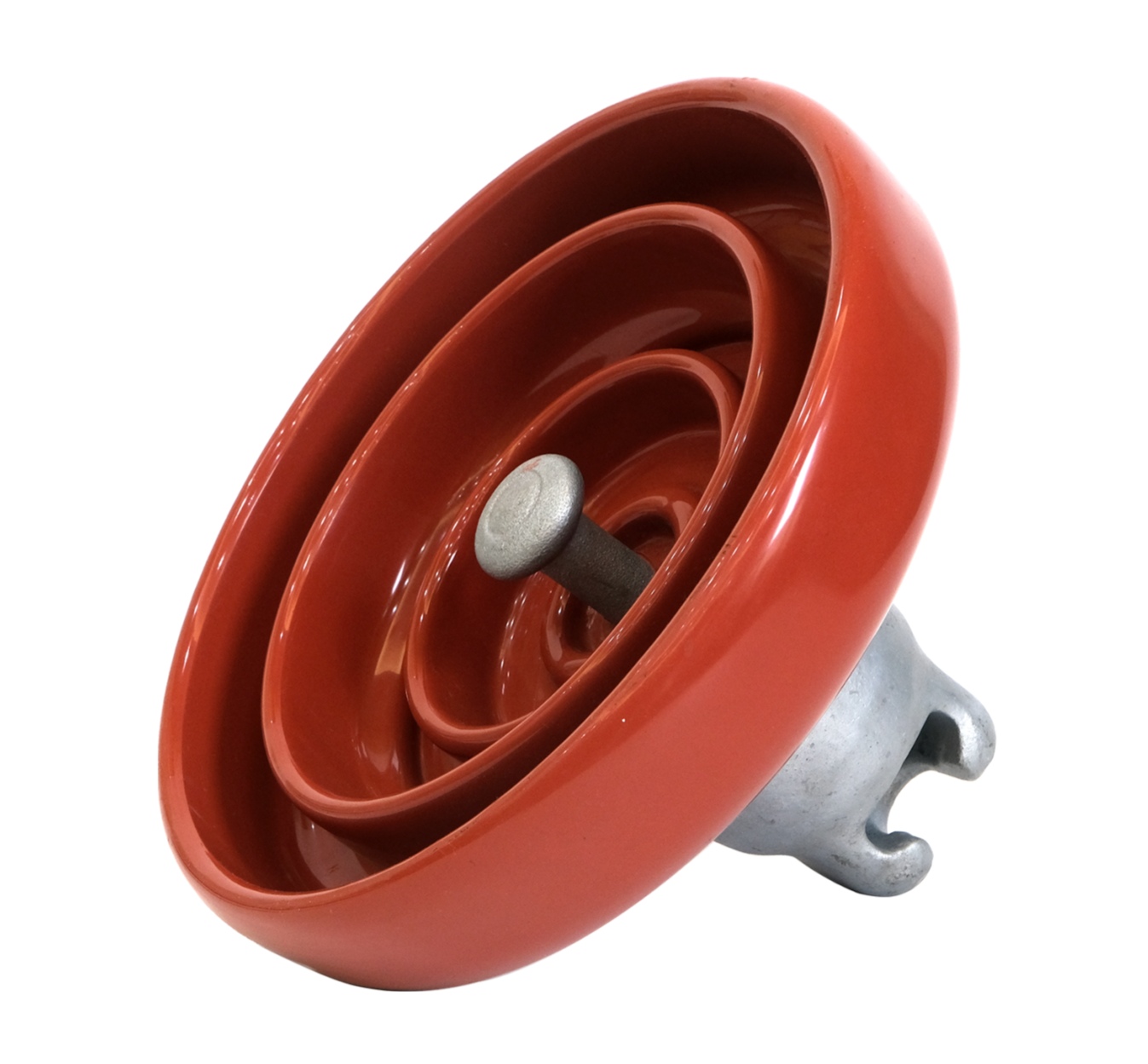
Silicone-coated insulators offer an excellent alternative which guarantees optimum performance for high voltage overhead lines in areas with heavy pollution. They minimise leaking currents and thereby reduce operation and maintenance costs. The product used to coat the insulators is Room Temperature Vulcanization (RTV) silicone which contains mineral fillers embedded in the silicone itself.
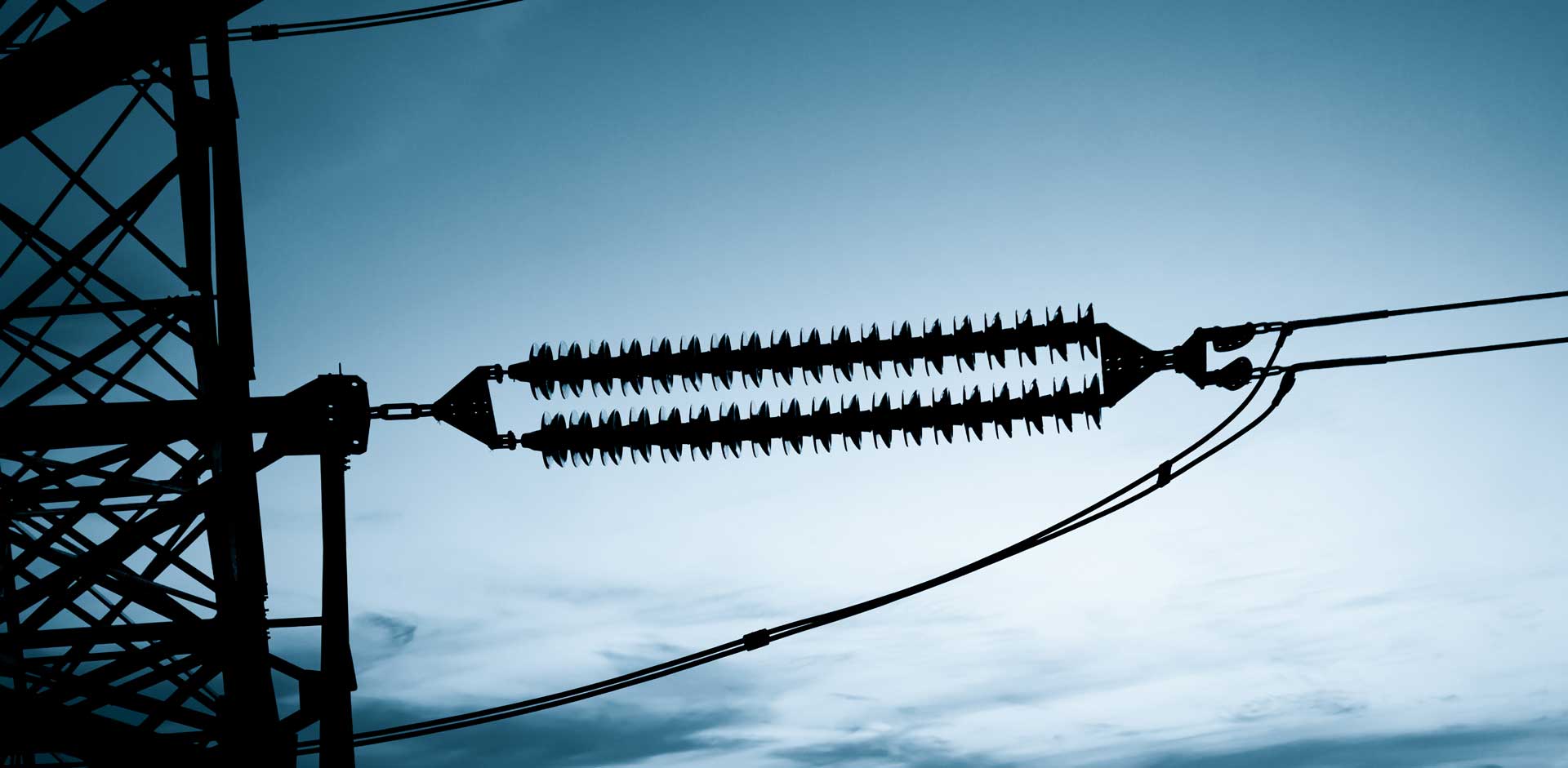
Global utility procurement teams prioritize mechanical safety and insulation life cycles. Operating lines up to 800kV DC and 1000kV AC calls for components with zero hidden defects.
Jiangxi QOCI meets and exceeds key international parameters:
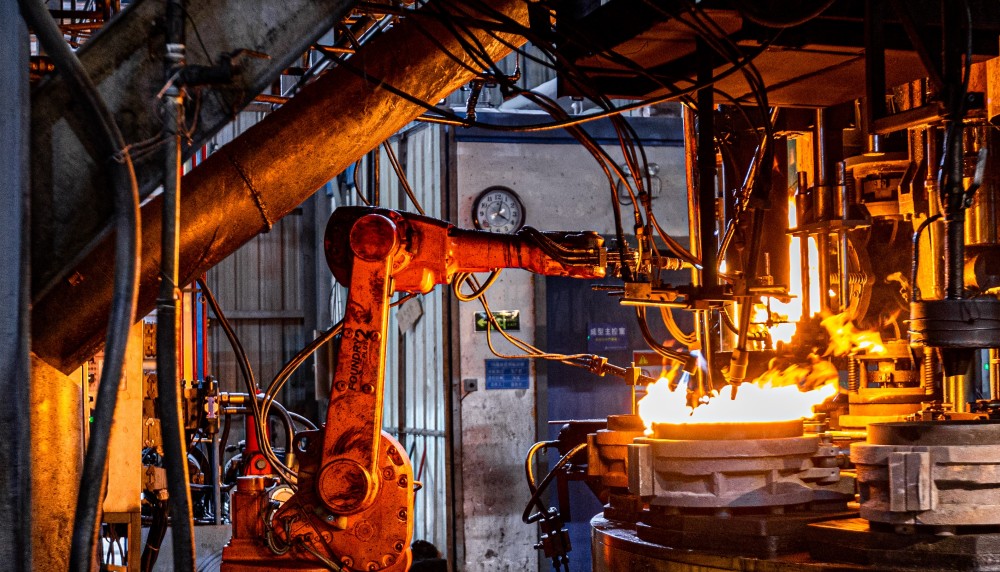
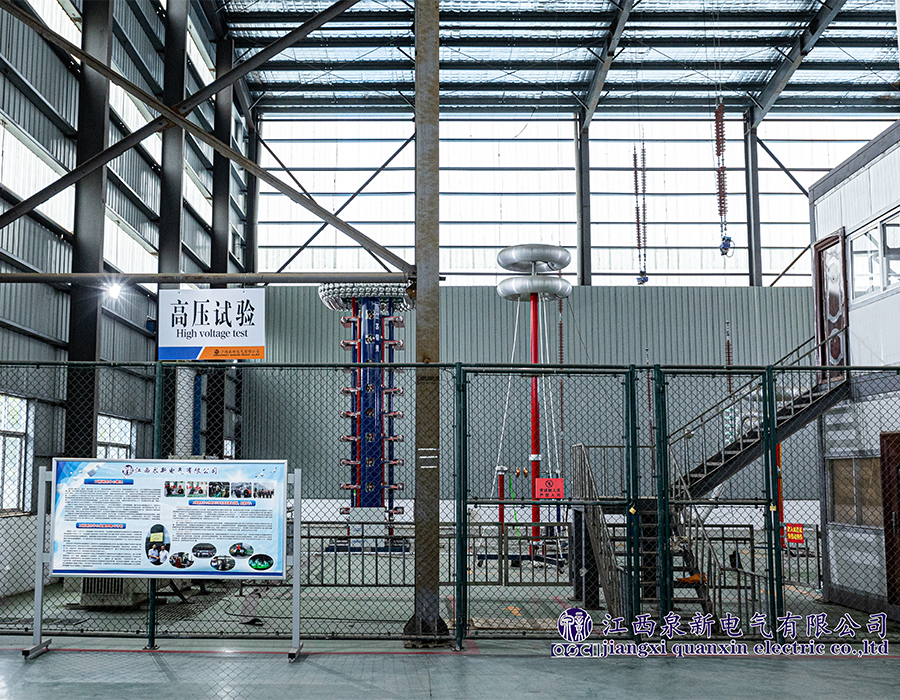
Inside the Jiangxi QOCI production lines—where raw components turn into world-class electrical isolation equipment.
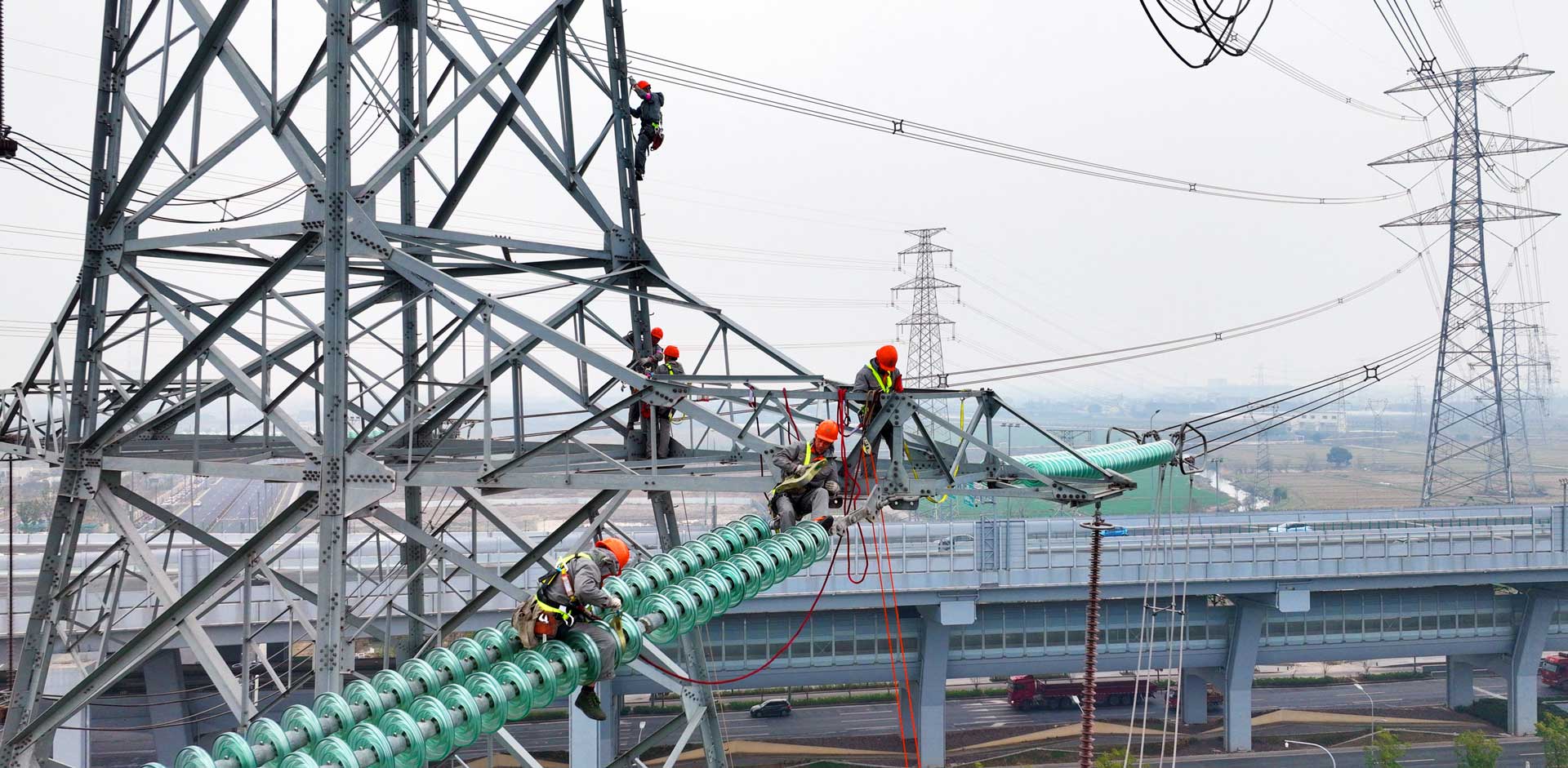
Toughened glass insulators are deployed across key environments based on regional demands:
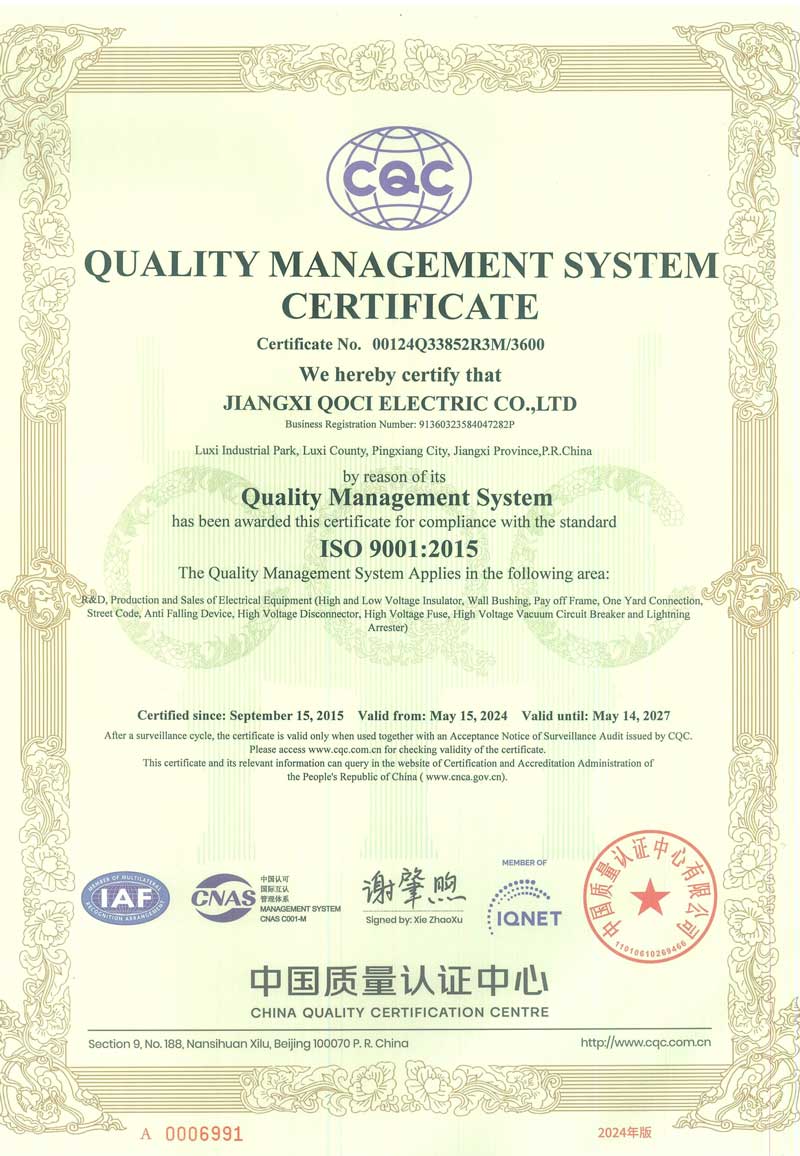
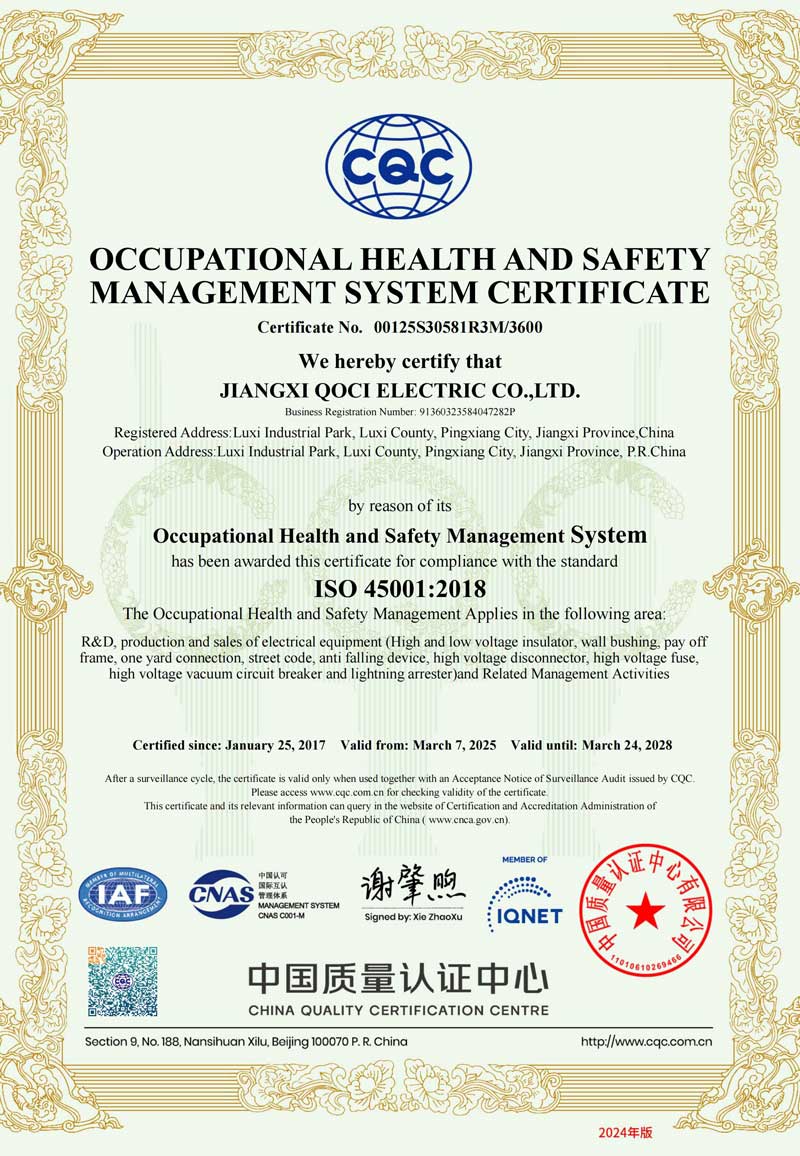
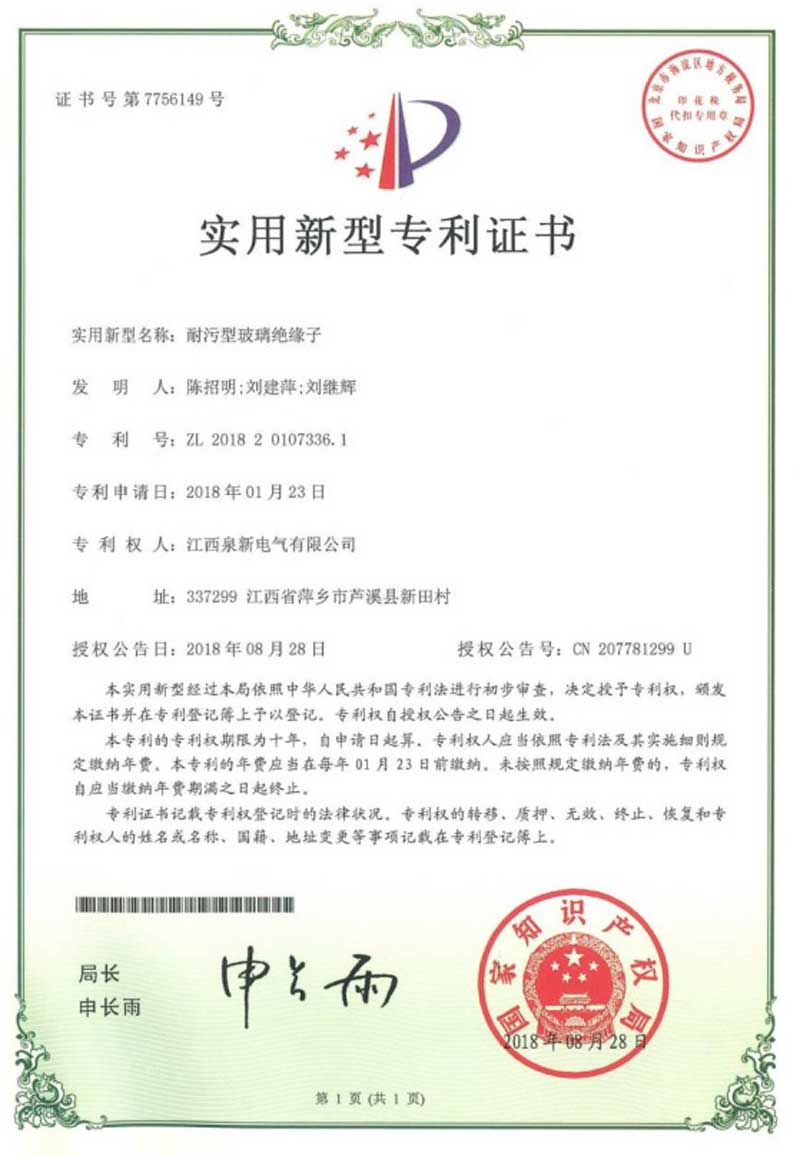
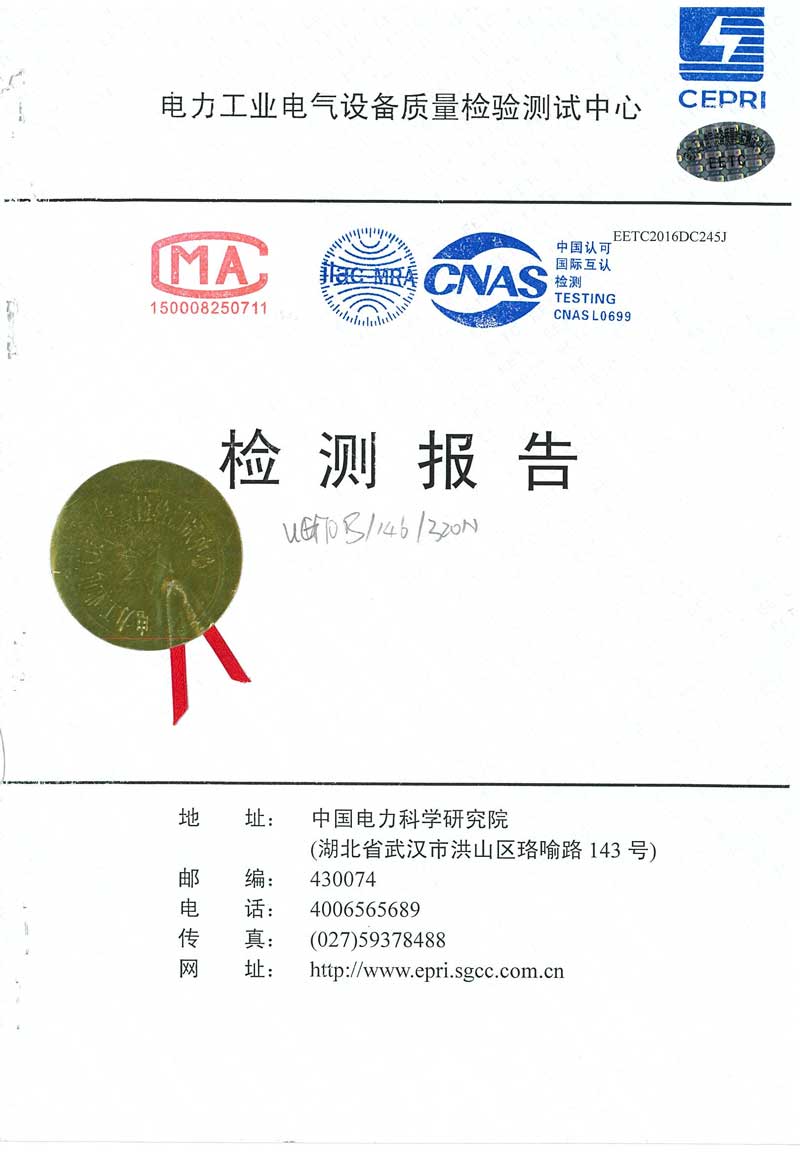
Holding international test certifications, Jiangxi QOCI Electric maintains compliance with ISO9001, ISO14001, and OHSAS18001 standards.
Supplying state power companies, international contractors, and transmission grid infrastructure builders worldwide.

Expert answers addressing the selection, handling, and operation of high-voltage toughened glass insulators.
Keep up with QOCI Electric's technology releases, industry announcements, and trade show activities.
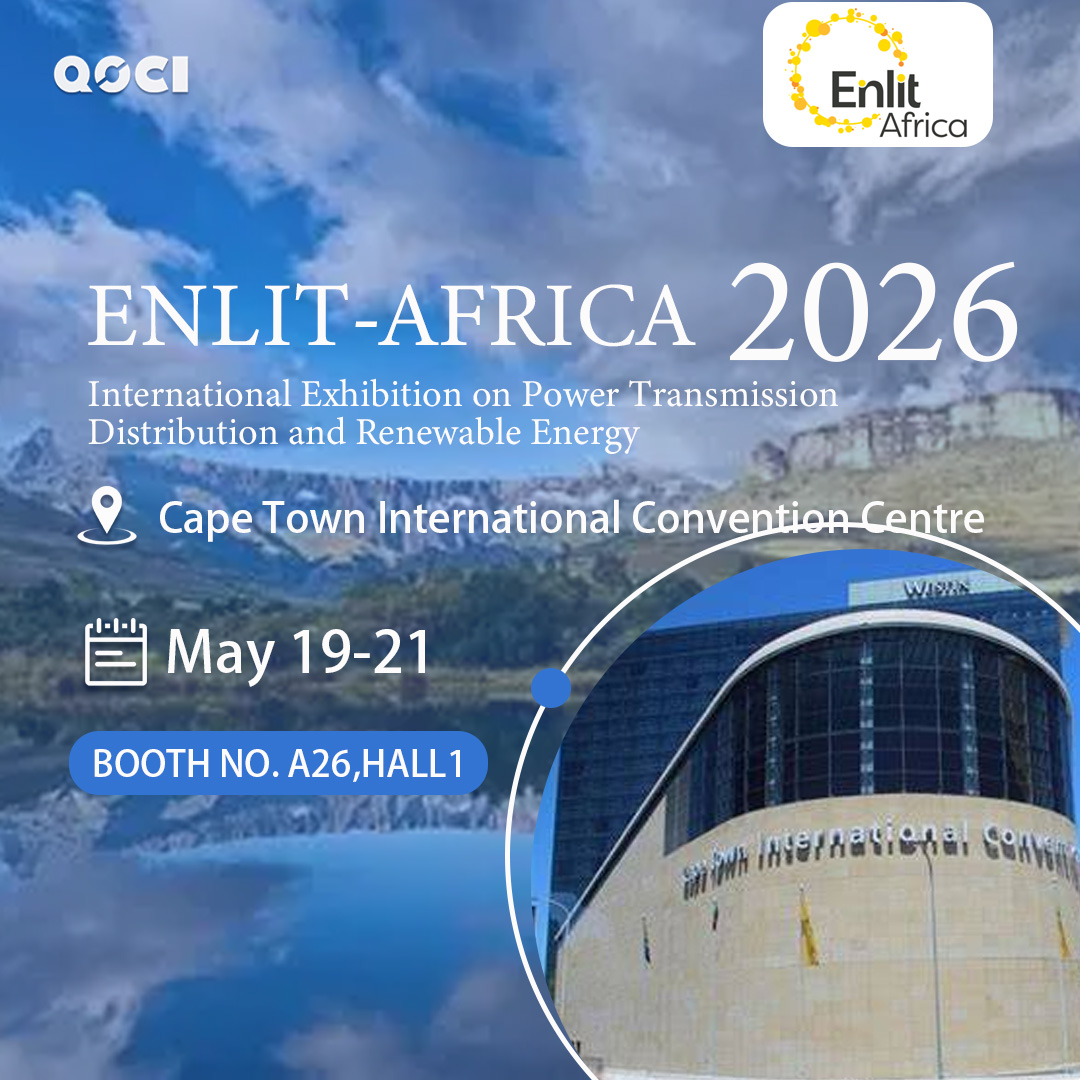
As the global energy transition accelerates, the importance of electricity, renewable energy, and energy storage technologies is becoming increasingly critical. QOCI participates to offer clean energy grid solutions.
Having withstood extreme environmental conditions including icing, high altitude, pollution, earthquakes and typhoons, China's insulator industry is fully mature, supplying highly reliable lines globally.
On behalf of our team at Jiangxi QOCI Electric Co., Ltd, we encourage you to join us at IEEE PES T&D Conference & Exposition 2026, the powerhouse utility event.
Explore our complete product catalog for distribution networks, substation structures, and high-voltage transmission lines.