Jiangxi QOCI Electric Co., Ltd. was established in December 2002 with a massive registered capital of 508 million Yuan. Located strategically in the Industrial Park of Luxi County, Pingxiang, Jiangxi Province, our manufacturing footprint covers a vast area of 70,000 square meters (100 mu).
As a premier manufacturer and supplier of toughened glass insulators, we serve the world-class power grid with dedication, actively participating in the expansion of green energy systems globally. Quality and grid safety are the pillars of our long-term engineering vision.
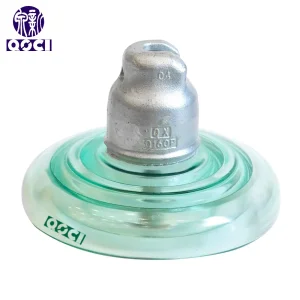
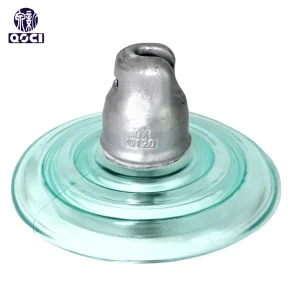
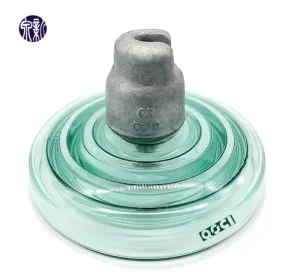
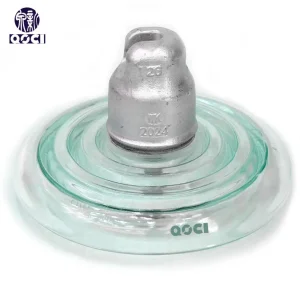
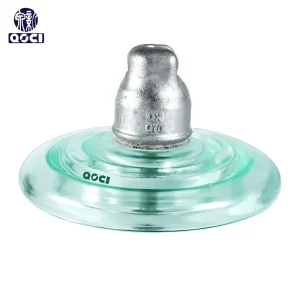
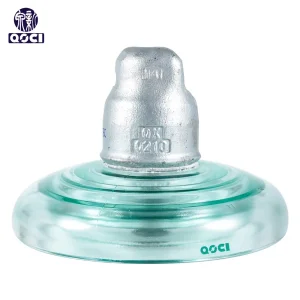
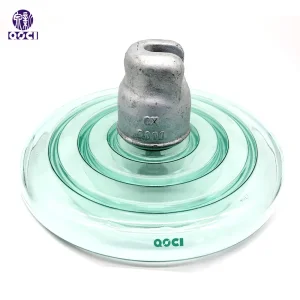
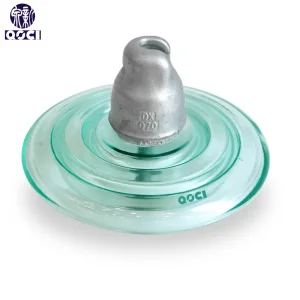
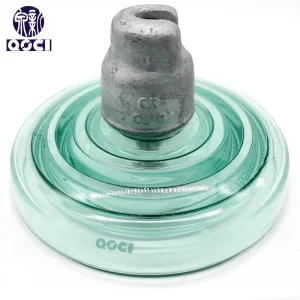
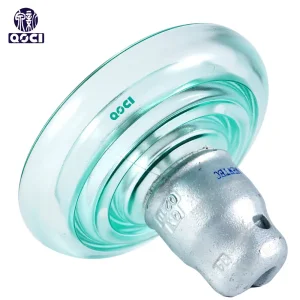
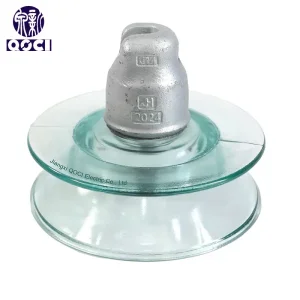
The global energy transition necessitates robust, long-distance electrical transmission infrastructure. Ultra-High Voltage (UHV) and Extra-High Voltage (EHV) overhead lines are tasked with conveying enormous volumes of wind, solar, and hydroelectric power from isolated production sites to metropolitan centers. The Glass Isolator U240blp plays an indispensable role in these macro transmission corridors. With a mechanical failing load of 240 kN, these high-strength toughened glass units provide the load-bearing integrity required to support massive conductor bundles under dynamic environmental stresses, such as ice loading, high winds, and seismic activity.
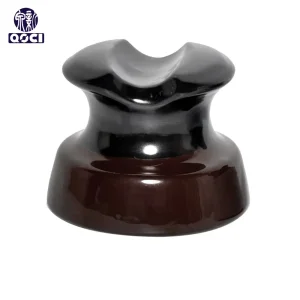
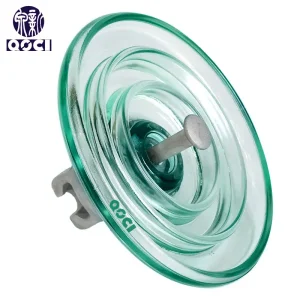
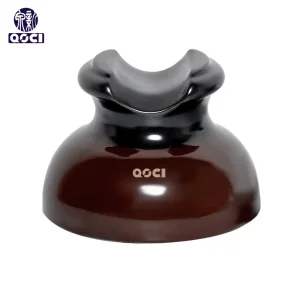
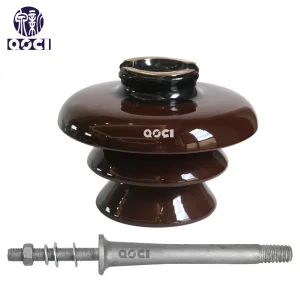
Electric utility operators worldwide are increasingly shifting from traditional porcelain suspension discs to toughened glass insulators. The fundamental driver is cost efficiency in system maintenance. Toughened glass exhibits a characteristic known as "zero-value self-shattering." In the rare event of electrical or mechanical damage, the tempered glass shell shatters completely without dropping the string, leaving a visible "stub" that maintenance teams can easily identify from the ground or via helicopter/drone patrols. This drastically reduces inspection overhead compared to porcelain units, which require labor-intensive manual testing to detect internal punctures.
The U240BLP is meticulously engineered to perform in highly polluted zones. The "P" suffix denotes its anti-pollution profile, characterized by deeper under-ribs that increase the total creepage distance relative to standard configurations. The manufacturing process involves precise thermal tempering, creating compressive stresses on the outer glass shell that significantly increase its resilience to thermal shock and mechanical fracture. The cap is forged from high-density hot-dip galvanized ductile iron, and the steel pin features a thick zinc sleeve to prevent galvanic corrosion in coastal and industrial areas.
Different microclimates present unique challenges to insulation systems. In desert regions, abrasive wind and sand storms erode surfaces and build up conductive dust layers. In coastal areas, salty mist deposits saline films that induce leakage currents and flashovers. The U240BLP addresses these scenarios through specialized profiles:
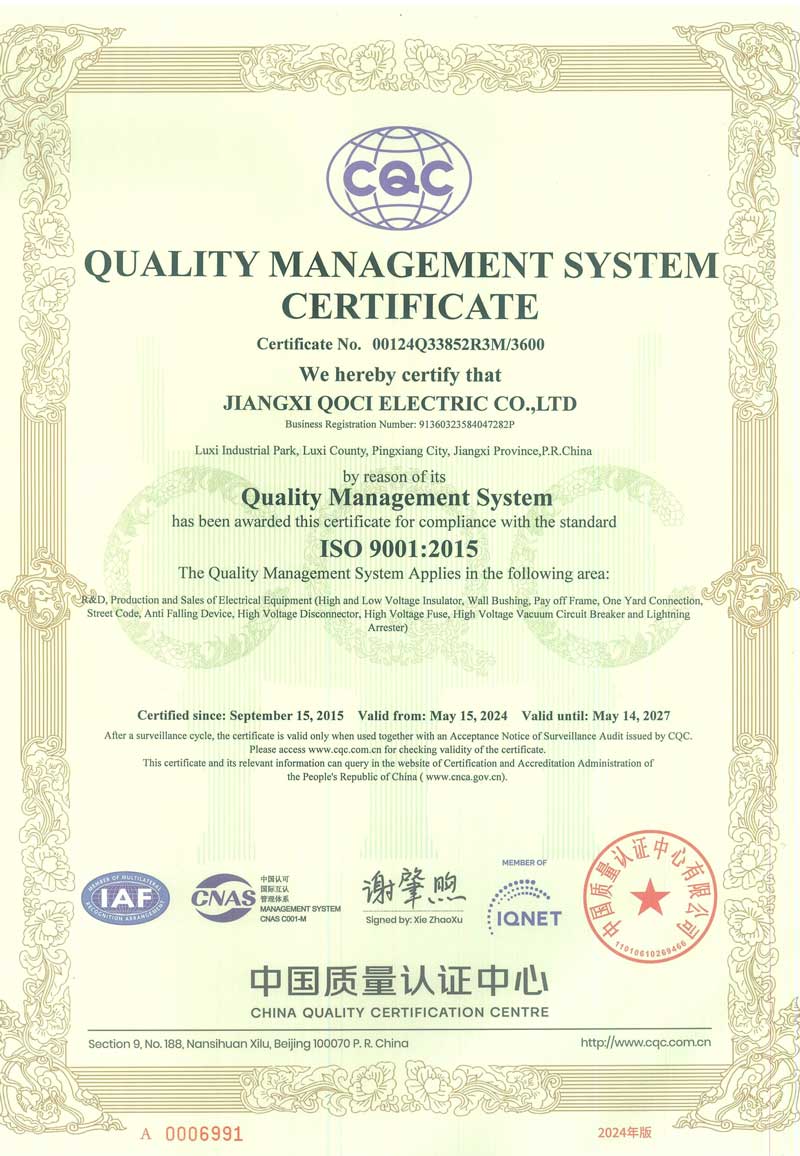
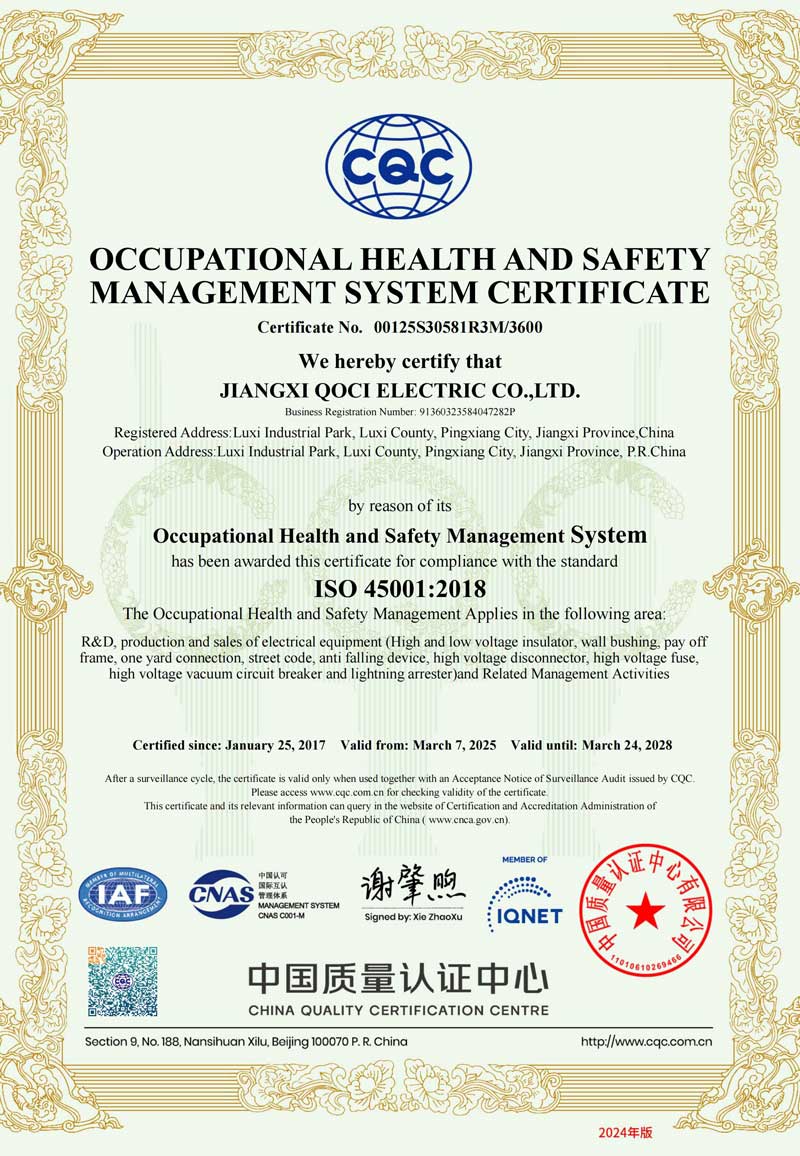
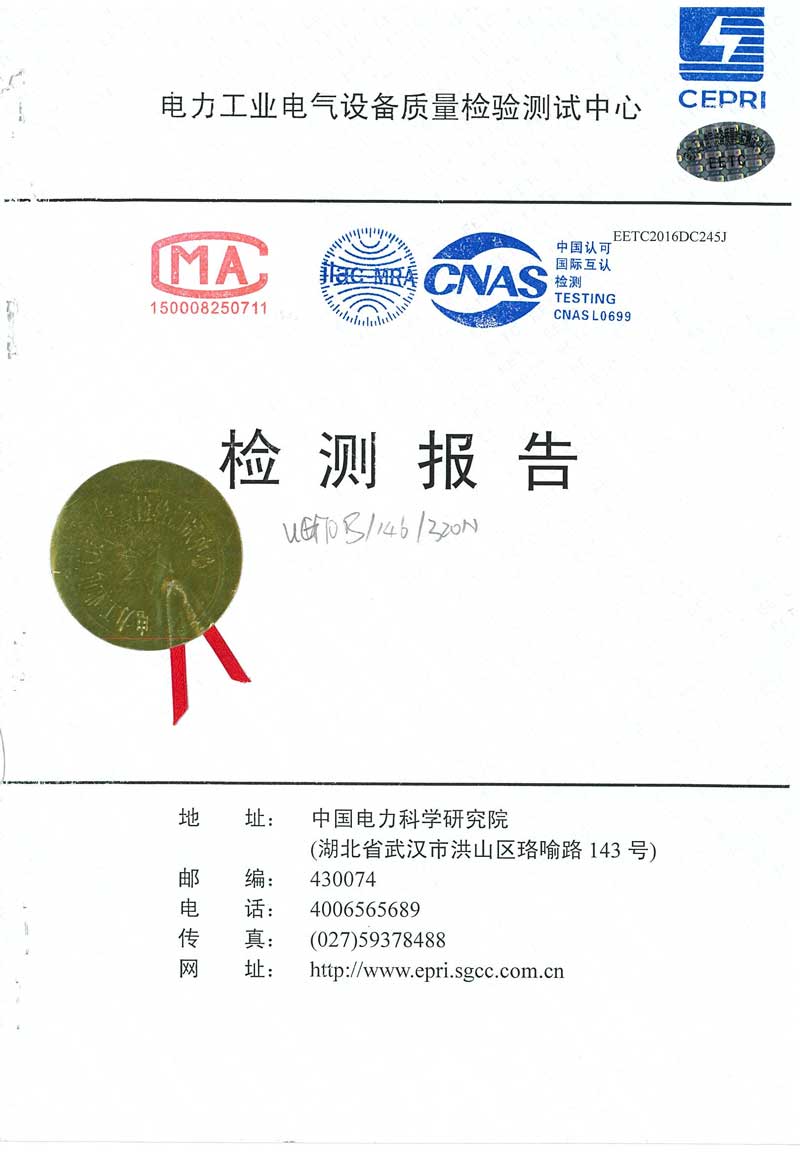
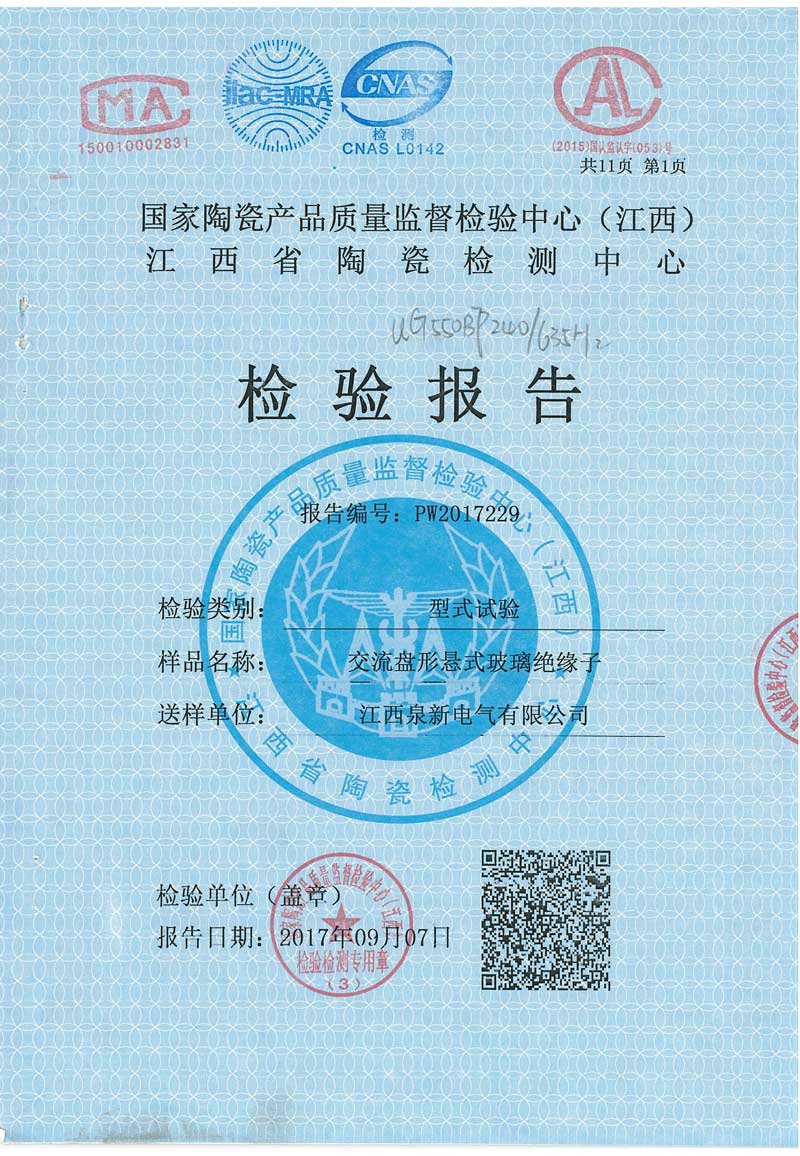
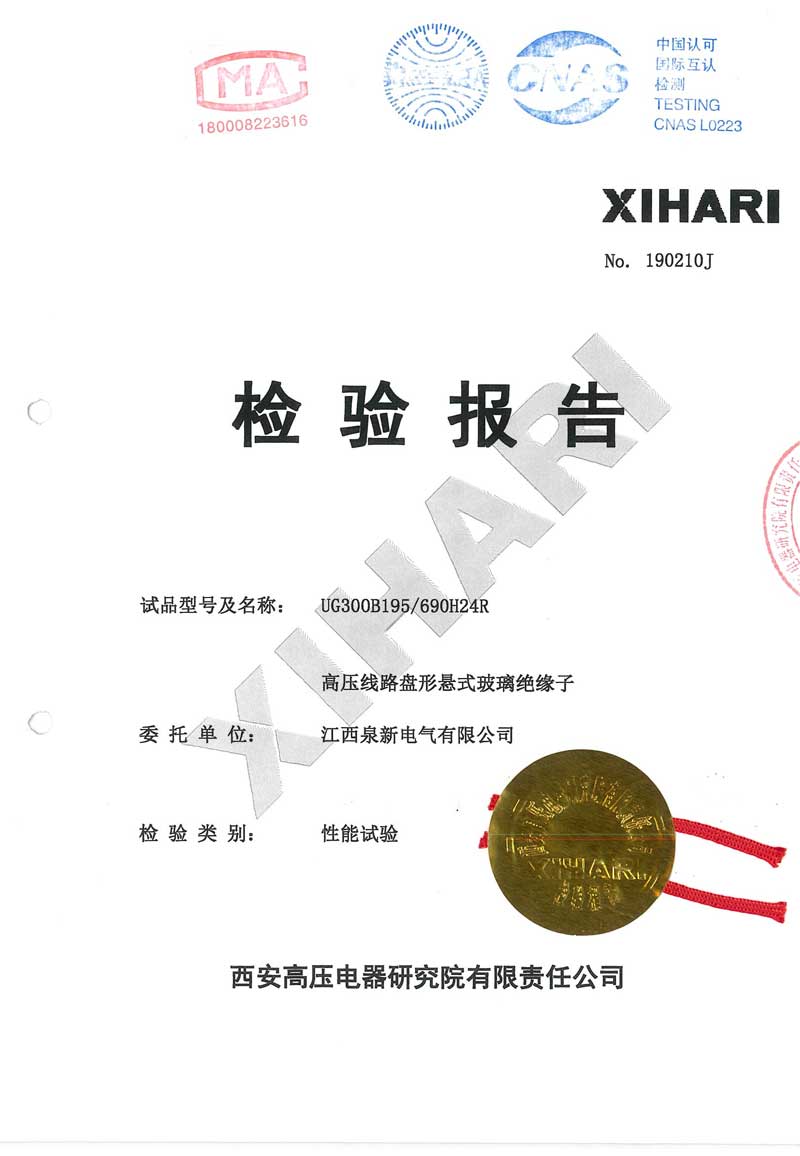
QOCI insulators undergo stringent type and routine testing in compliance with IEC 60305, IEC 60383, and ANSI C29.2 standards. Our quality protocols include thermal shock tests (resisting temperature differentials of over 100°C), mechanical tension tests at rated capacity (240kN), and electrical steep-front impulse wave tests to ensure zero internal puncture risk.
As power grids become smarter, insulation components are keeping pace. QOCI is investing in the development of composite RTV (Room Temperature Vulcanization) silicone coatings directly applied to toughened glass in our factory. This hybrid approach combines the mechanical strength and visual inspection ease of glass with the superior hydrophobicity of composite materials. Additionally, our factories are upgrading to advanced Total Oxygen Kilns to minimize carbon emissions during the glass melt phase, aligning with international green manufacturing directives.
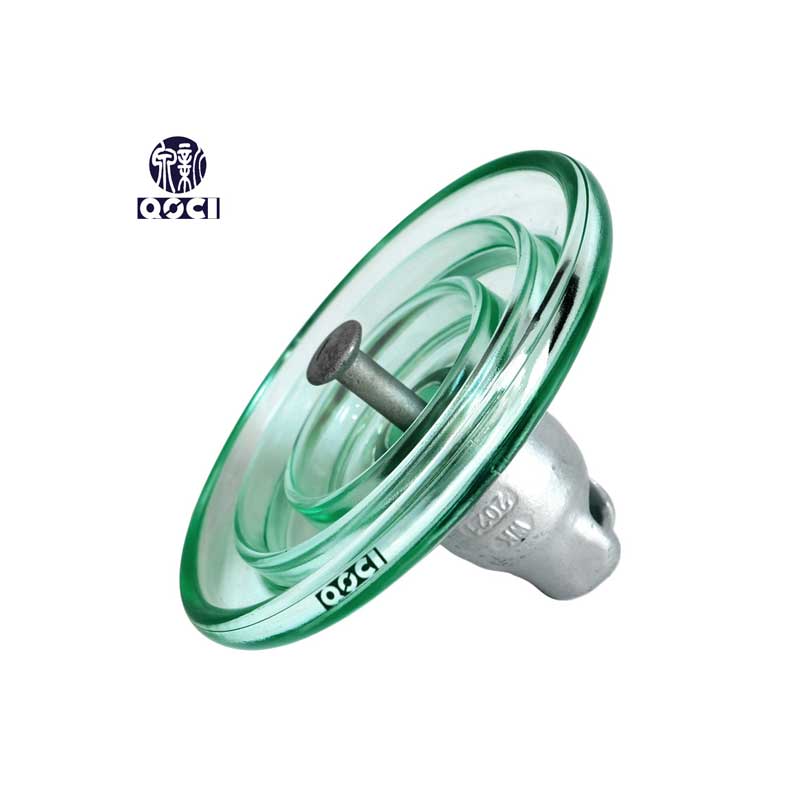
Designed with shallow and well-spaced small ribs, this profile provides a leakage distance exceeding IEC 60305 standards. It facilitates natural self-cleaning by wind and rain, making it ideal for mild environments.
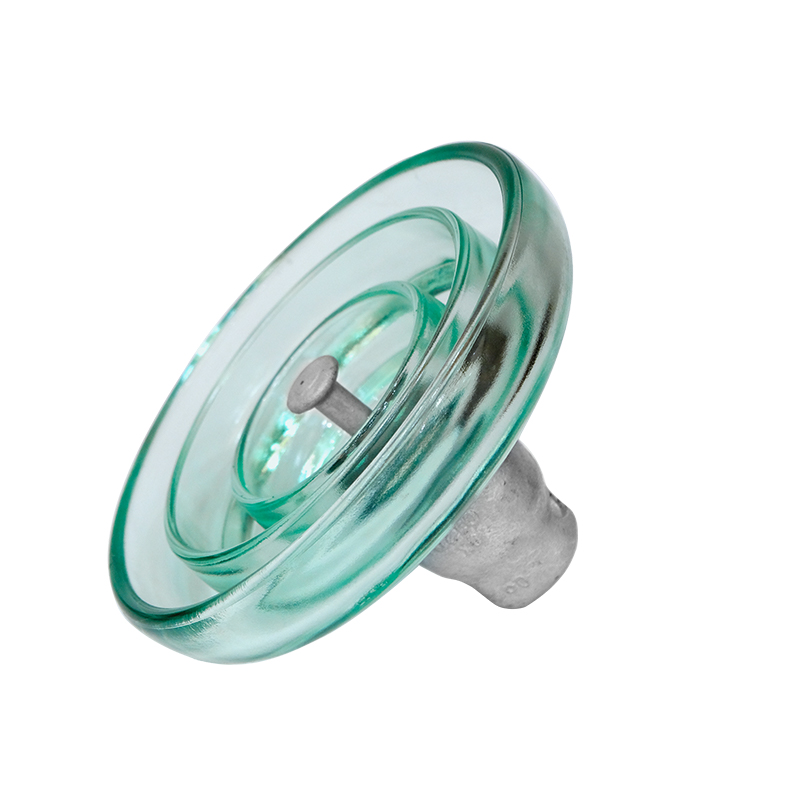
Features long and widely-spaced under-ribs that prevent bridging by electric arcs. With a leakage-to-spacing ratio of approximately 3.2, it is highly effective in coastal areas and high-pollution zones.
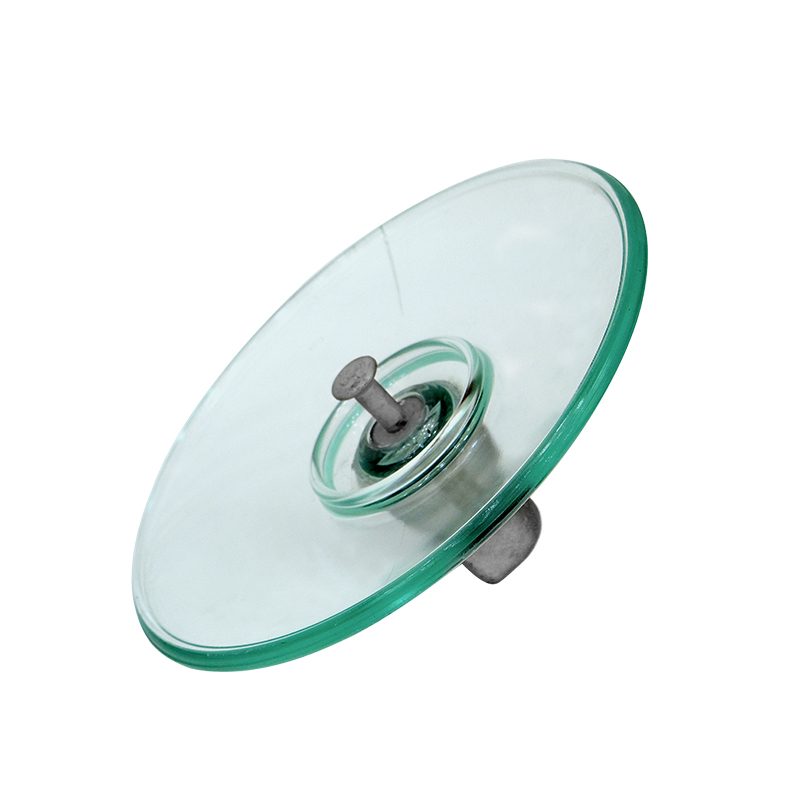
Designed without under-ribs to prevent the accumulation of dust and sand. Excellent for desert regions with high winds and rare precipitation, and helps solve ice-bridging issues in freezing conditions.
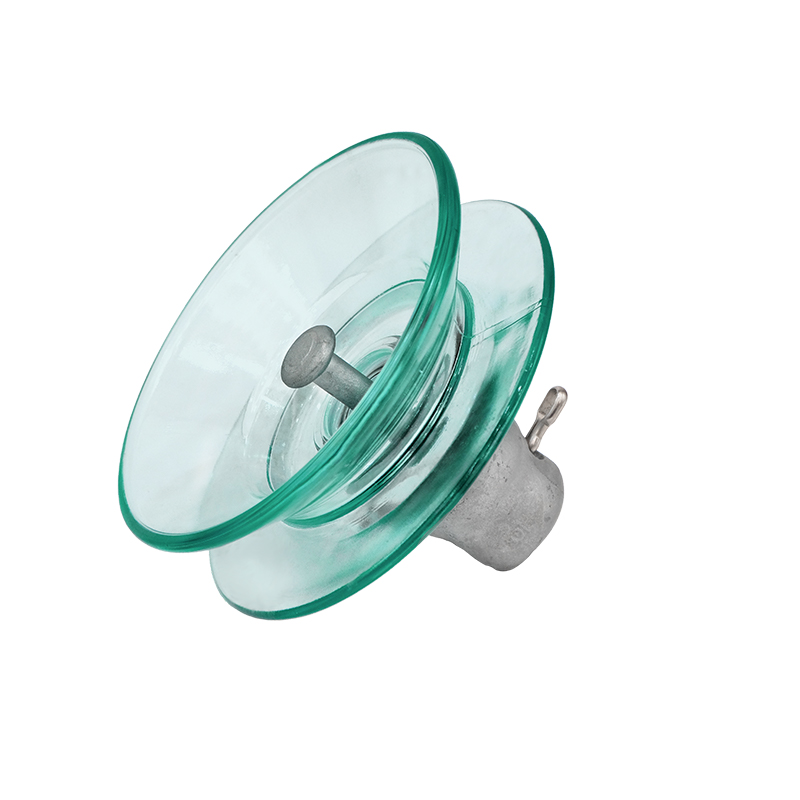
Features two external ribs that facilitate wind self-cleaning and manual washing. Offering a leakage distance comparable to anti-pollution models, it excels in industrial zones and saline soil regions.
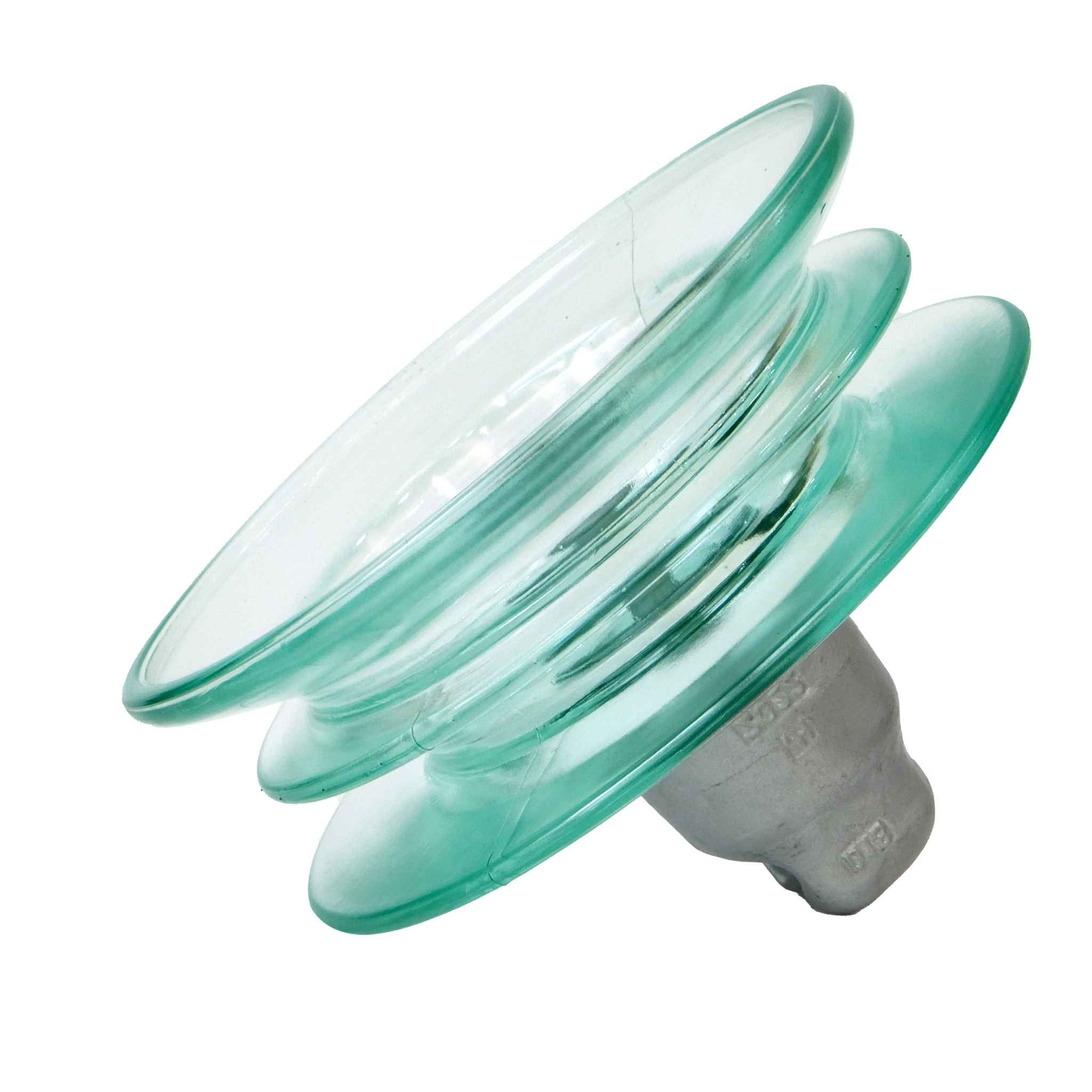
Characterized by three distinct layers of umbrella discs. This design ensures maximum creepage distance, providing superior pollution flashover resistance in high-altitude, humid, and ultra-harsh environments.
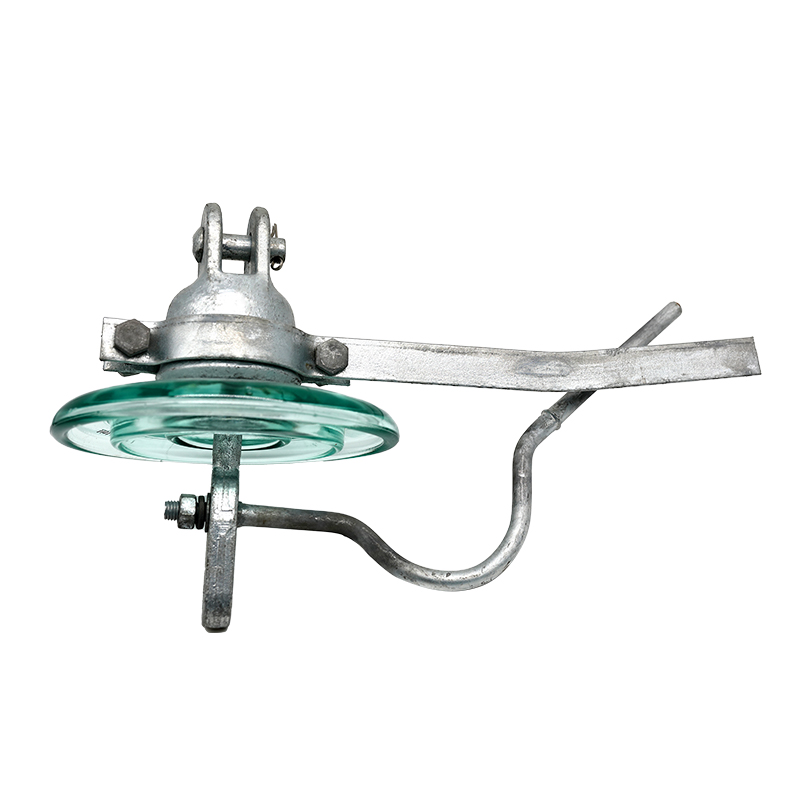
Integrates specialized metal fittings for direct grounding. It effectively guides lightning currents, reducing line damage and securing downstream substation equipment.
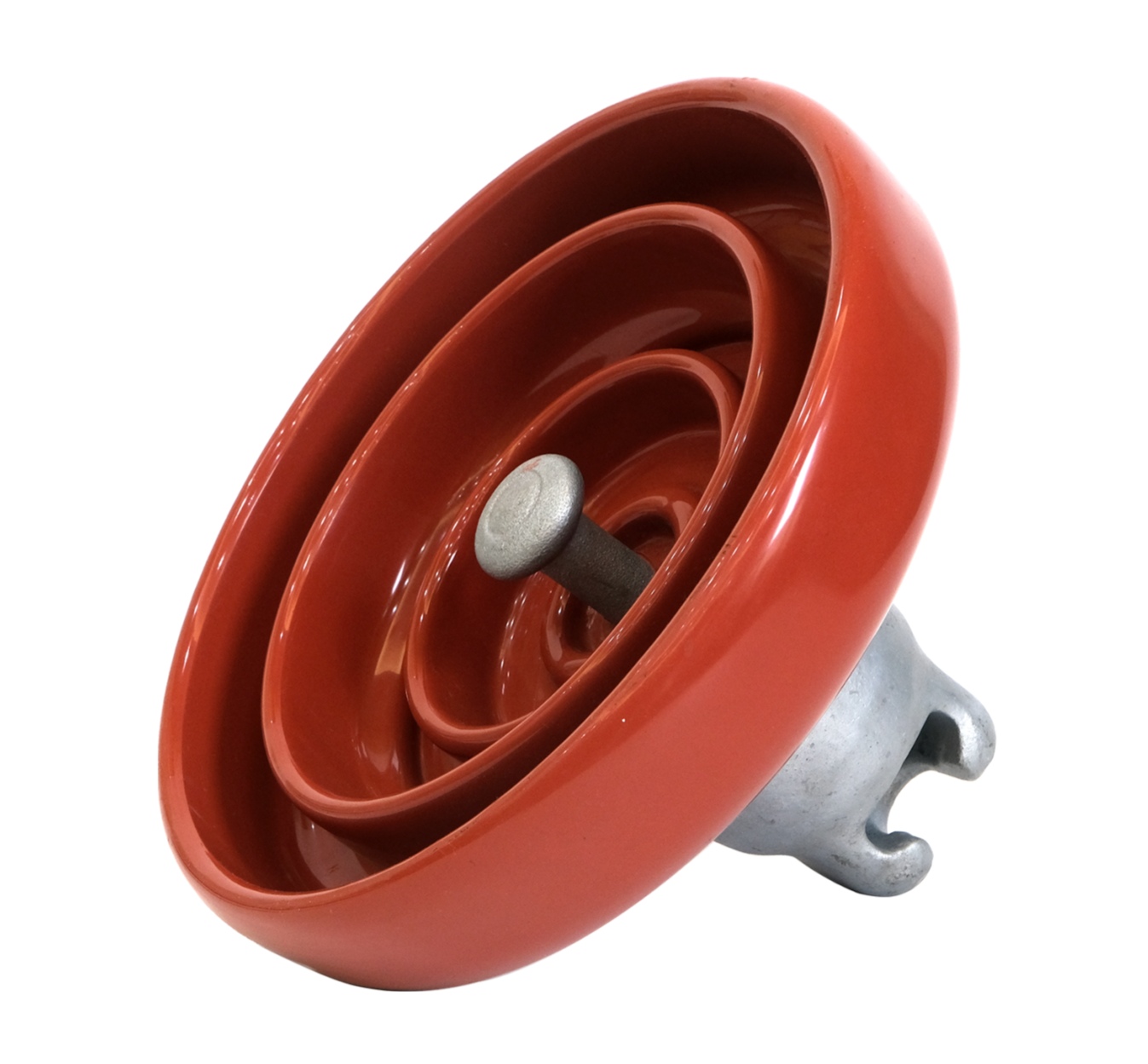
Coated with factory-applied Room Temperature Vulcanization (RTV) silicone. This coating adds hydrophobic properties to the glass, minimizing leakage currents and eliminating the need for periodic manual washing.
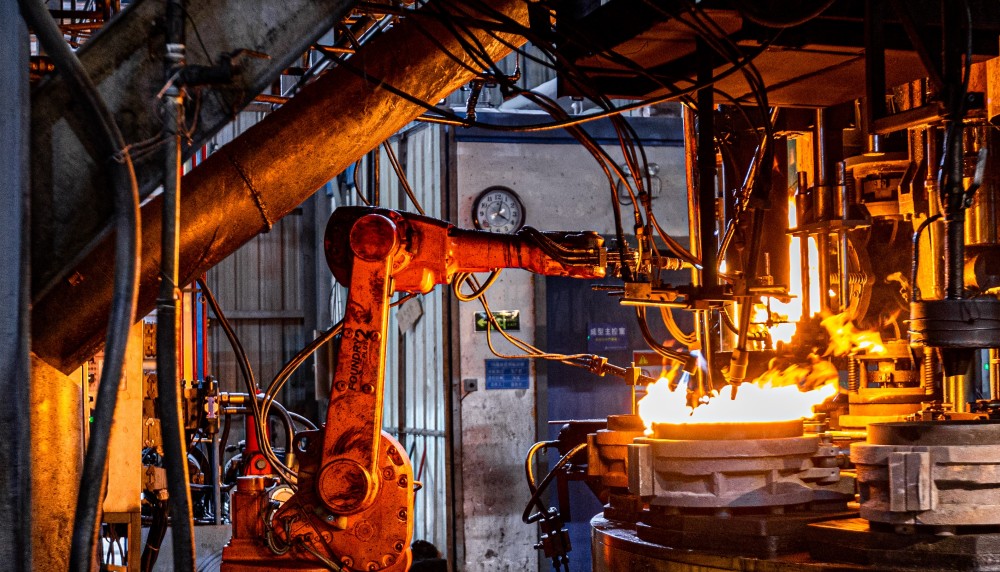
Our state-of-the-art manufacturing plants utilize high-precision equipment to process raw materials and run final high-voltage tests, ensuring zero-defect production.
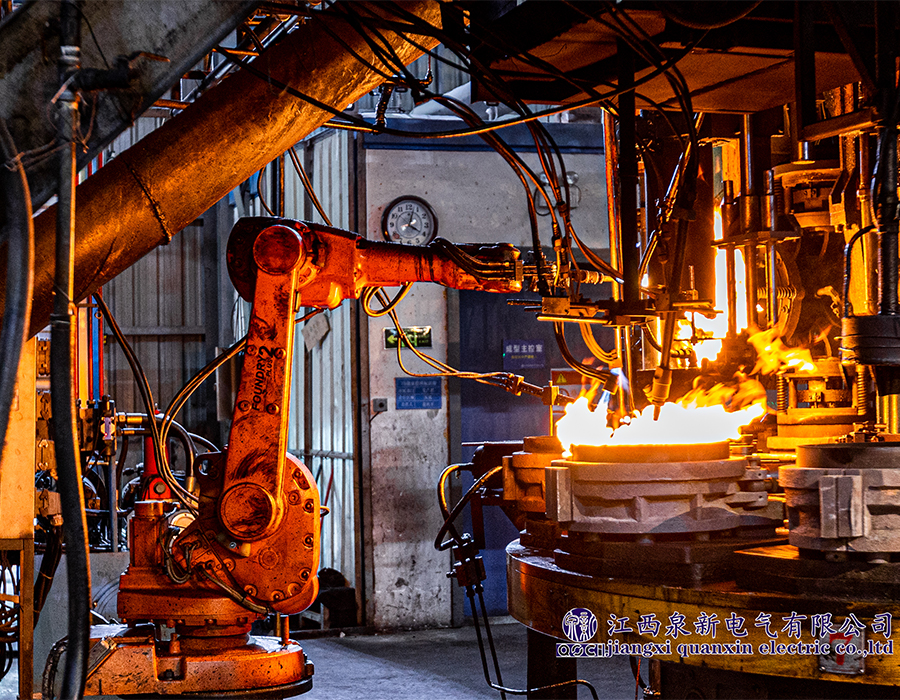
Automated high-pressure press forming the glass shells.
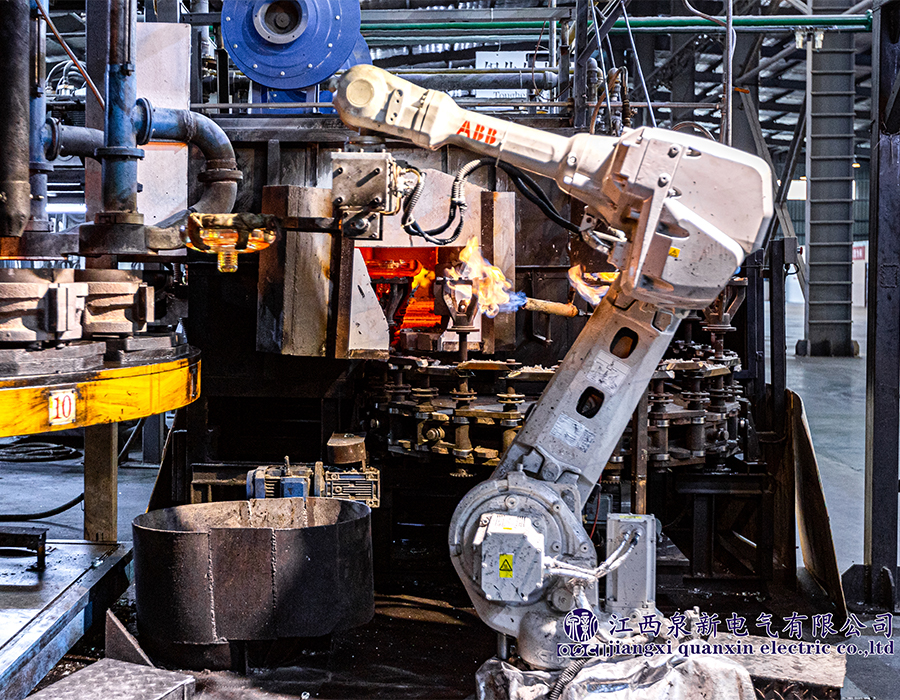
Ensures uniform glass thickness and structural stability.
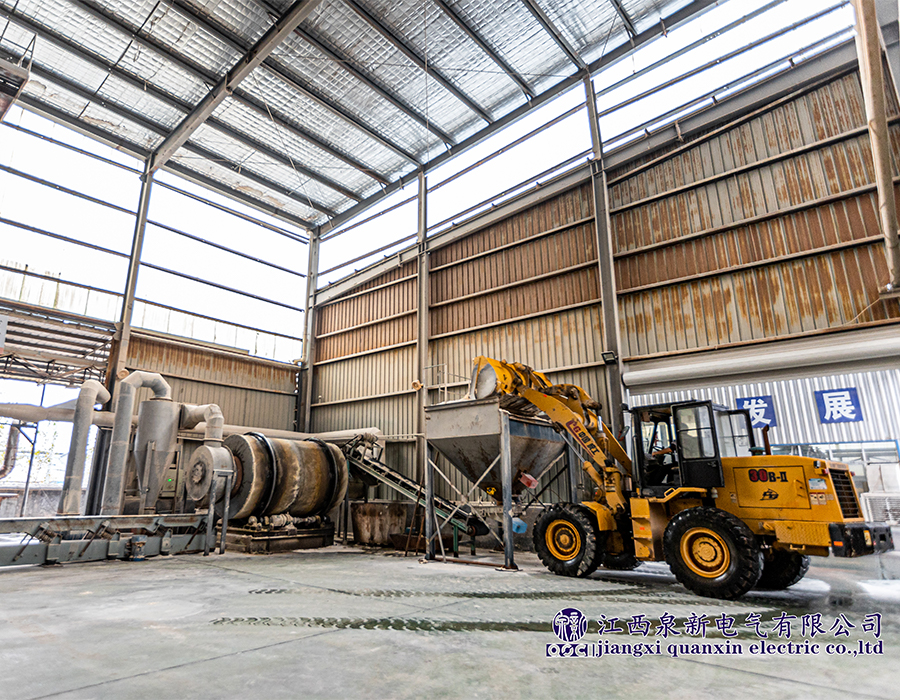
Strictly controlled chemical composition mixing.
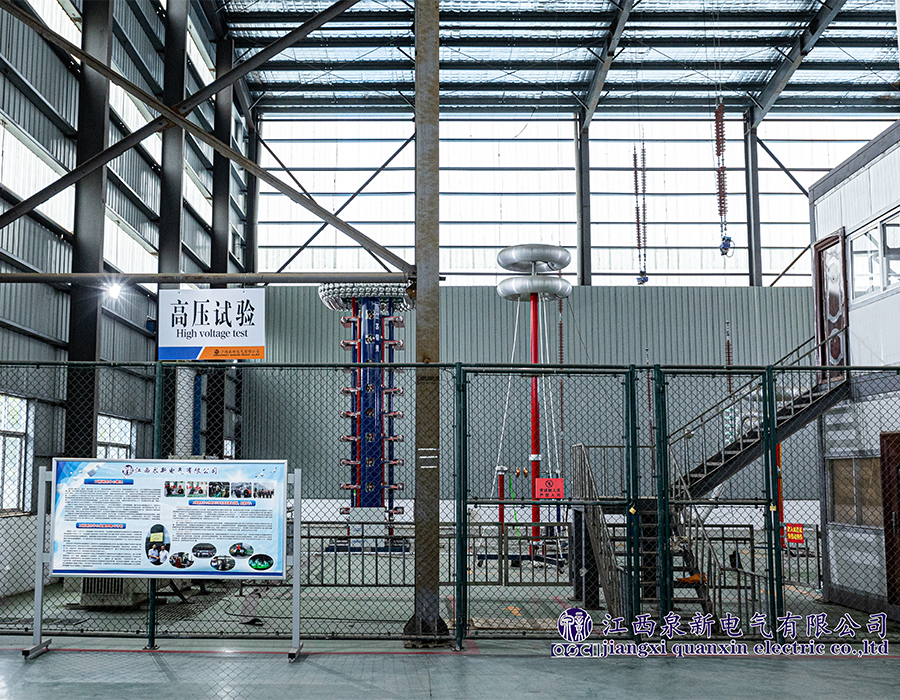
Every unit is electrically tested to ensure zero faults.
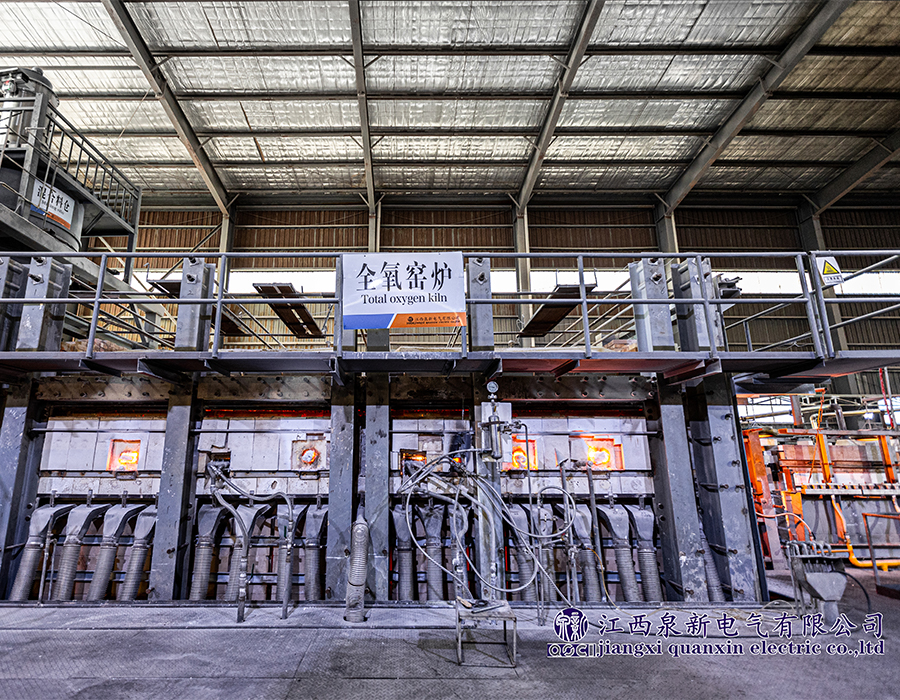
Low-emission energy efficient glass melting.

Accelerating the global energy transition with cutting-edge EHV power transmission solutions.
Withstanding extreme environments including icing, high altitudes, and seismic challenges.
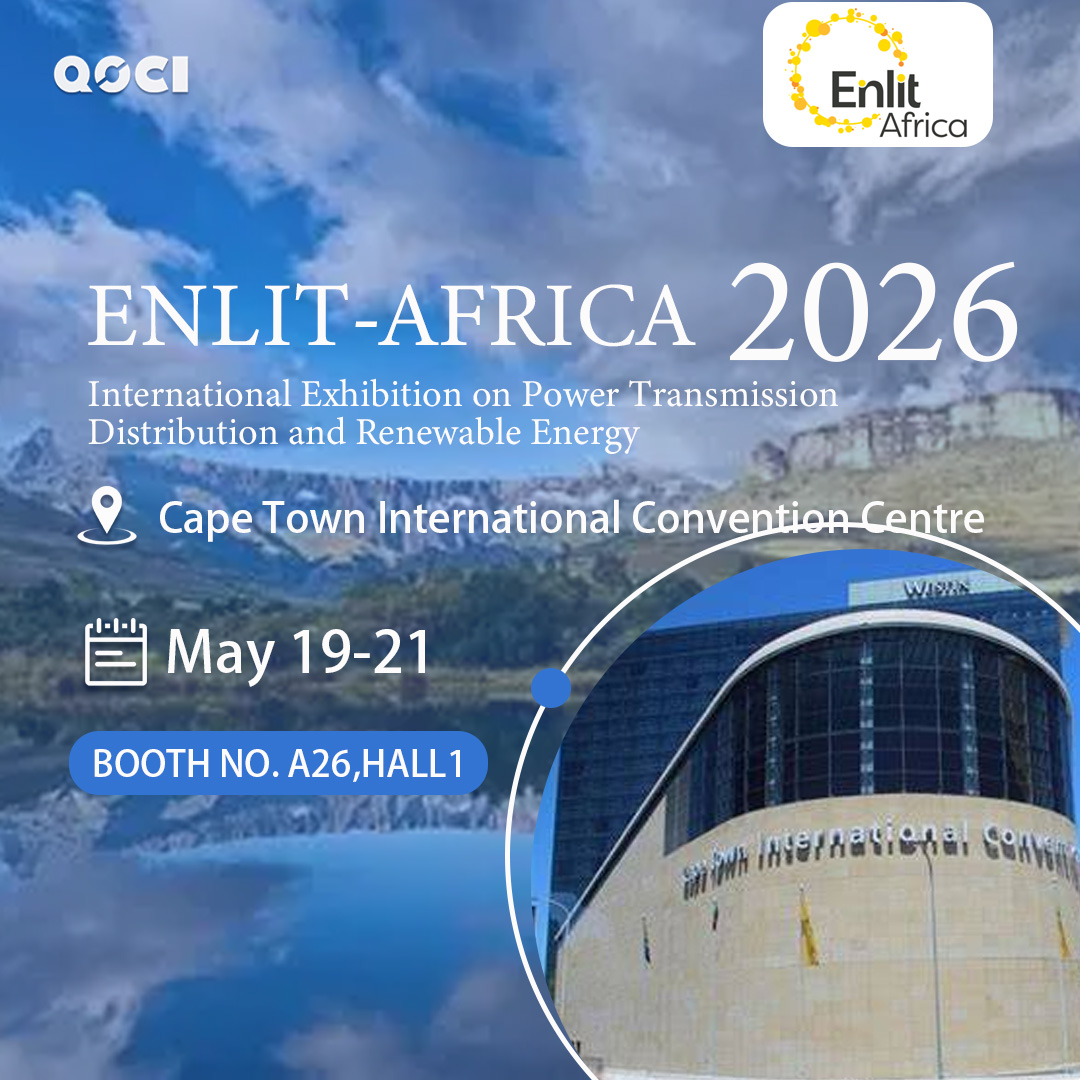
Demonstrating our latest toughened glass designs and mechanical testing achievements.
Strengthening energy cooperation and supporting critical power grid rehabilitation in the Middle East.