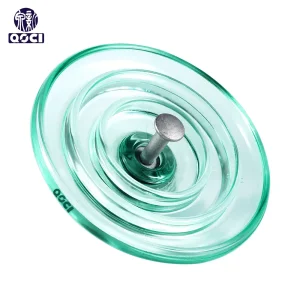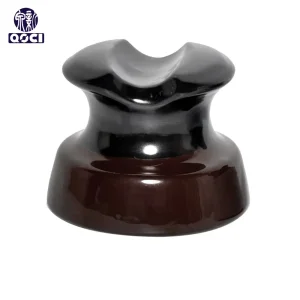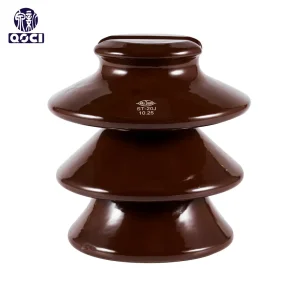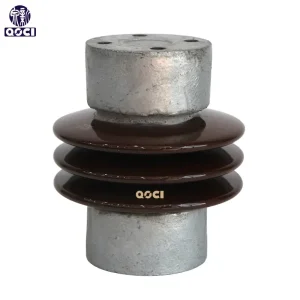
Explore our premium range of high-voltage glass disc and post insulators, designed to meet rigorous utility specifications and IEC/ANSI international standards.
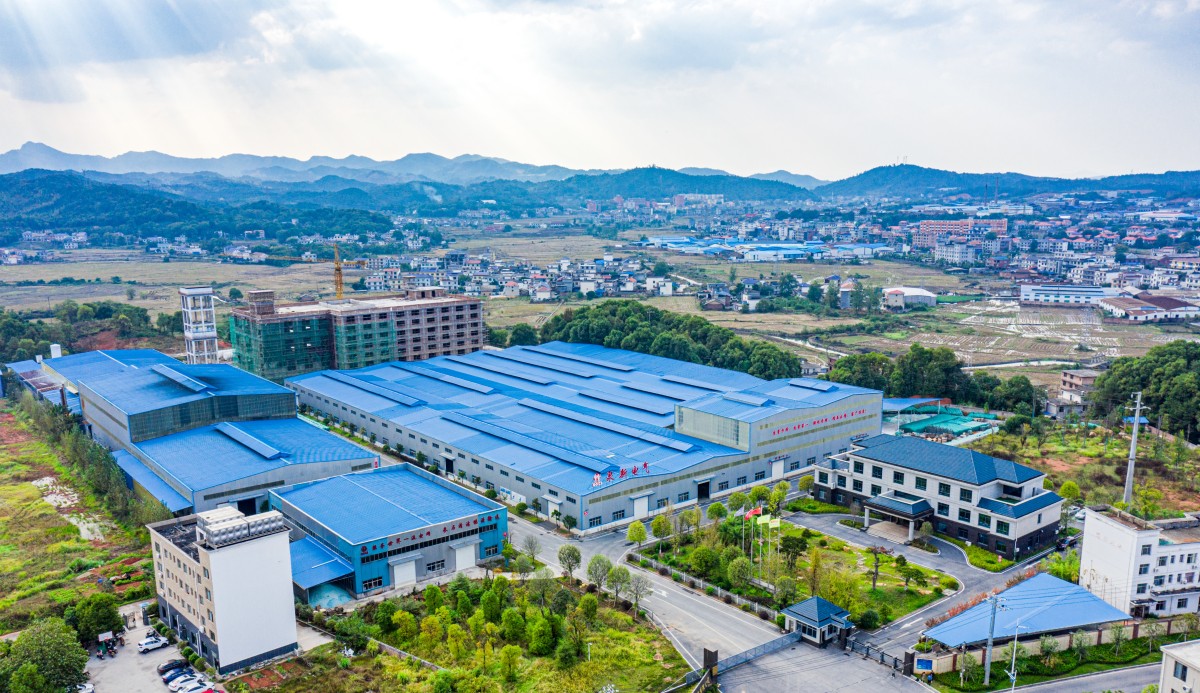
Founded in December 2002 with a registered capital of 508 million Yuan, Jiangxi QOCI Electric Co., Ltd. has established itself as an authoritative global manufacturer of transmission line assets. Strategically located in the Industrial Park of Luxi County, Pingxiang, Jiangxi Province, our manufacturing infrastructure spans over 70,000 m². Equipped with state-of-the-art automated production processes, we maintain an annual output capacity exceeding 39,000 tons of high-strength toughened glass insulators.
Underpinning our manufacturing excellence is a dedicated R&D division containing 53+ engineering technicians and a proprietary patent portfolio representing 26+ engineering inventions. Our technical roadmap focuses on addressing the core failure modes of overhead grid distribution, minimizing leakage current, and preventing catastrophic mechanical drop-outs in extremely polluted, coastal, and high-altitude zones.
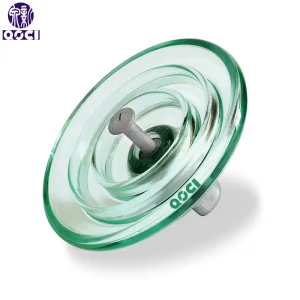
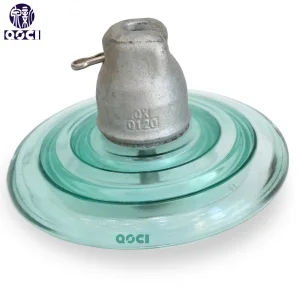
QOCI designs and produces specific aerodynamic and structural glass geometries to balance self-cleaning efficiency, creepage distance, and air gap breakdown voltage.
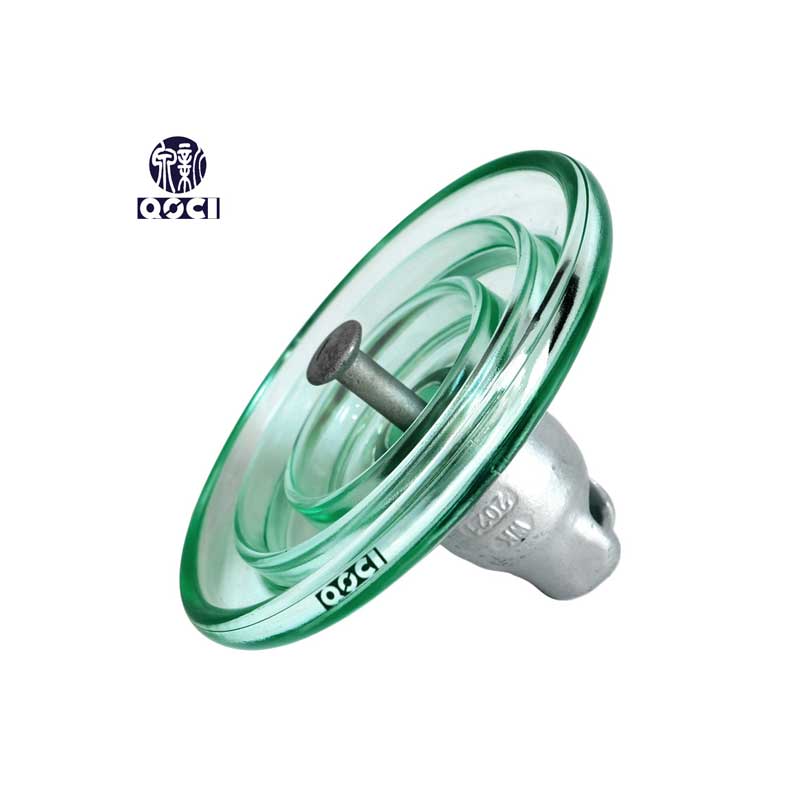
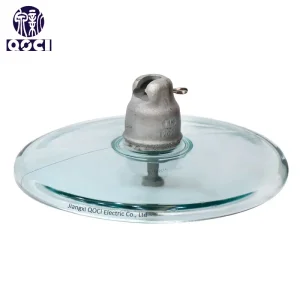
Featuring a leakage distance designed above the standard values defined in IEC 60305. The insulating body integrates shallow, widely spaced ribs that optimize self-cleaning when subjected to natural precipitation and wind shear, dramatically reducing manual cleaning intervals.
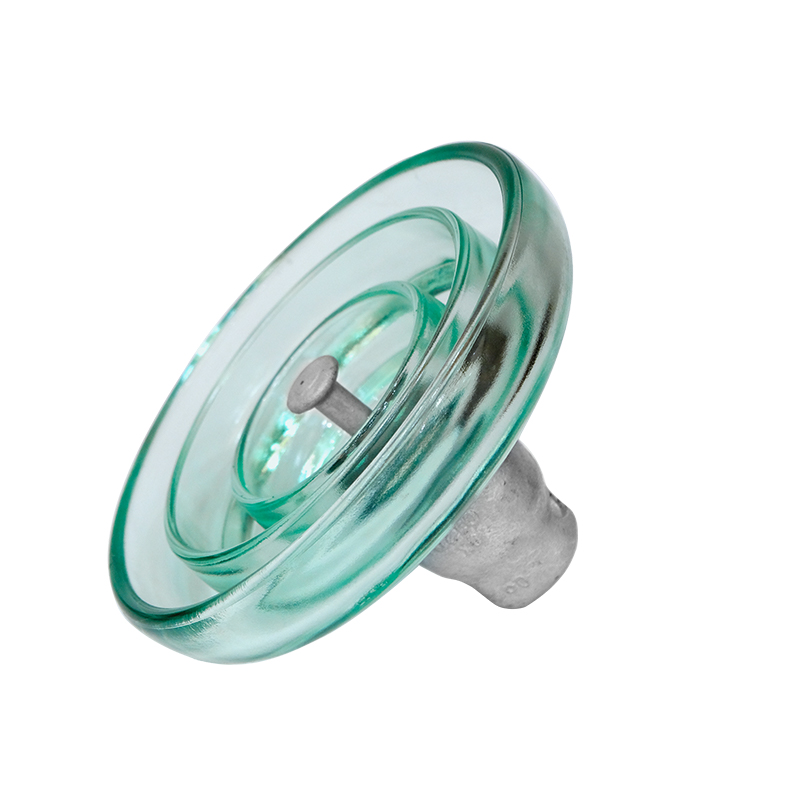
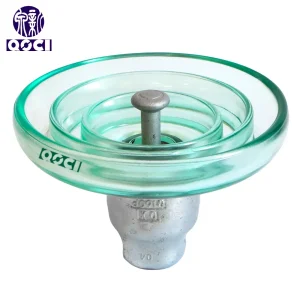
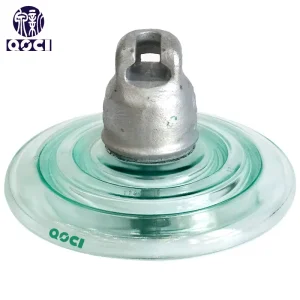
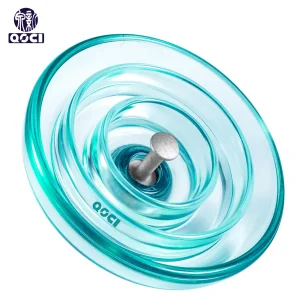
Characterized by deep, long, and widely-spaced under-ribs. This structure prevents bridging by electrical arcs in coastal environments laden with salt fog or industrial particulates. The leakage distance-to-spacing ratio approximates 3.2, securing the insulation path under severe operational challenges.
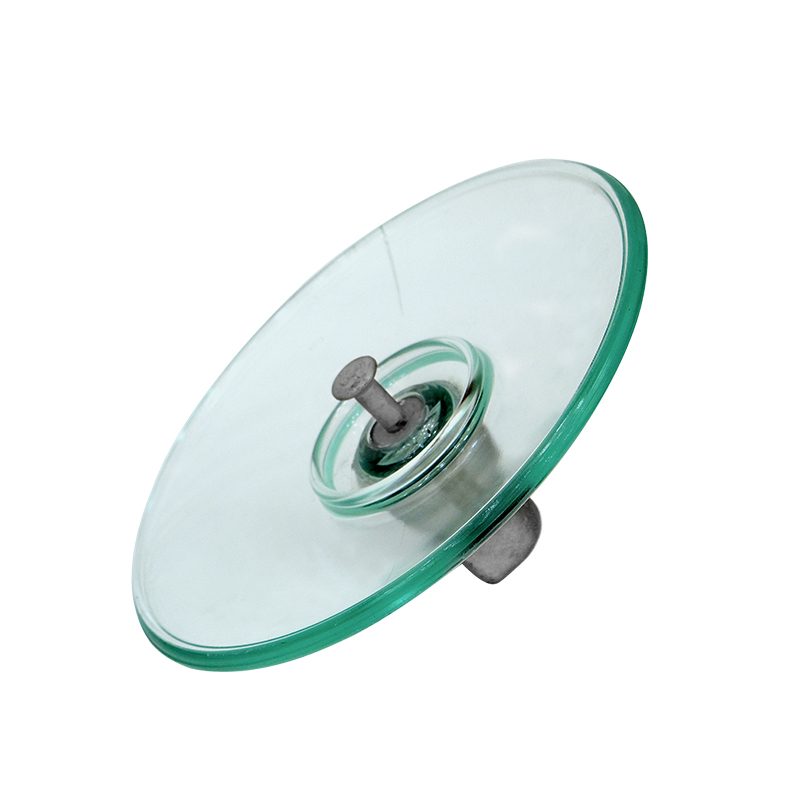
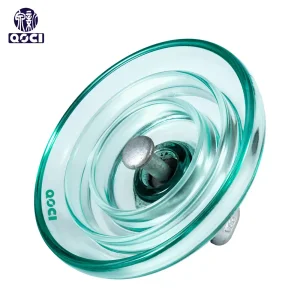
Engineered for arid, desert, and sandy topographies. By removing the under-ribs and expanding the disk diameter, it prevents dust and sand from adhering to the lower surface. Ideal for high-wind tension and suspension strings, this design also mitigates ice-bridging hazards in northern sub-zero grids.
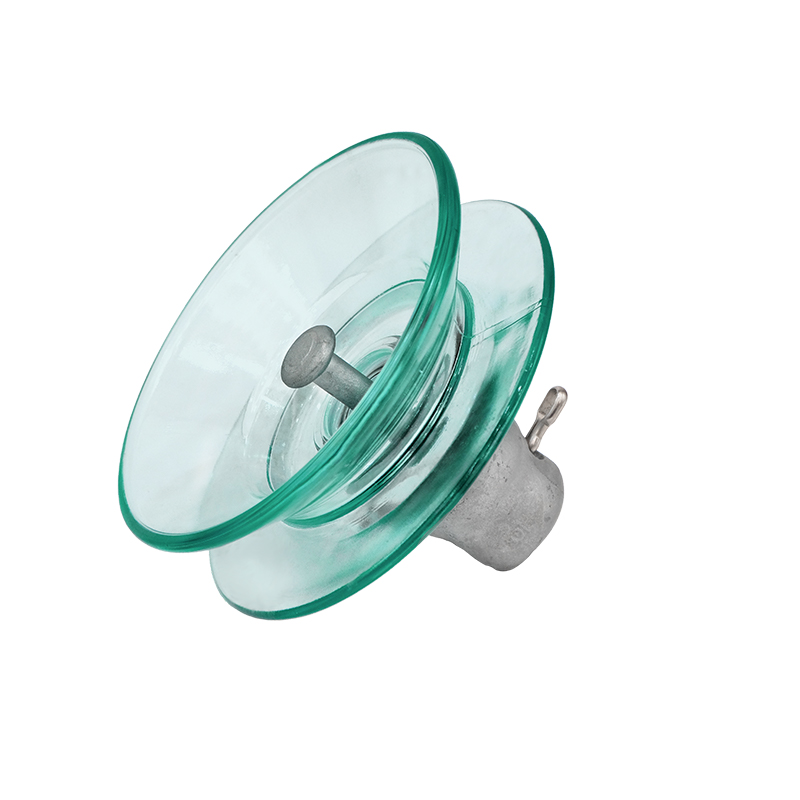
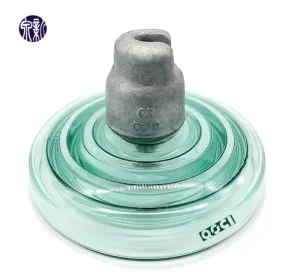
Incorporating double external ribs with smooth under-surfaces. The absence of deep recesses minimizes contaminant accumulation while enabling rapid mechanical washing. This configuration is widely deployed in regions showing extreme industrial contamination and heavy saline soils.
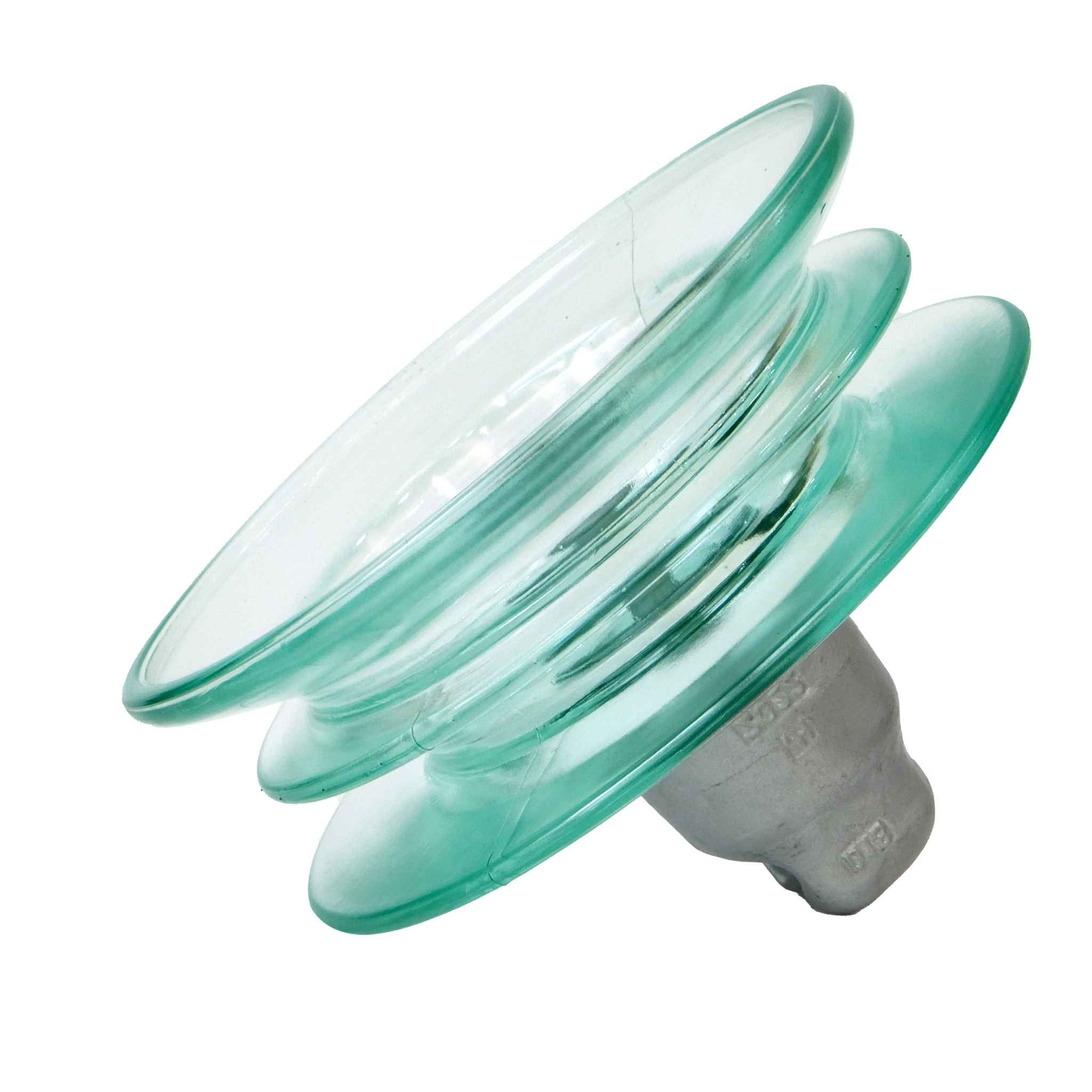
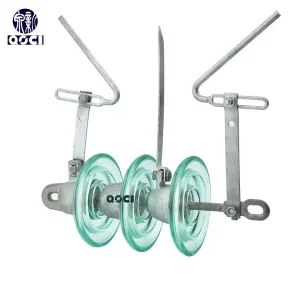
Designed with three distinct, overlapping protective sheds. Developed specifically for ultra-high voltage (UHV) AC and DC overhead transmission lines, it provides the longest creepage distance in standard heights, preventing flashovers in wet, foggy, and mountainous environments.
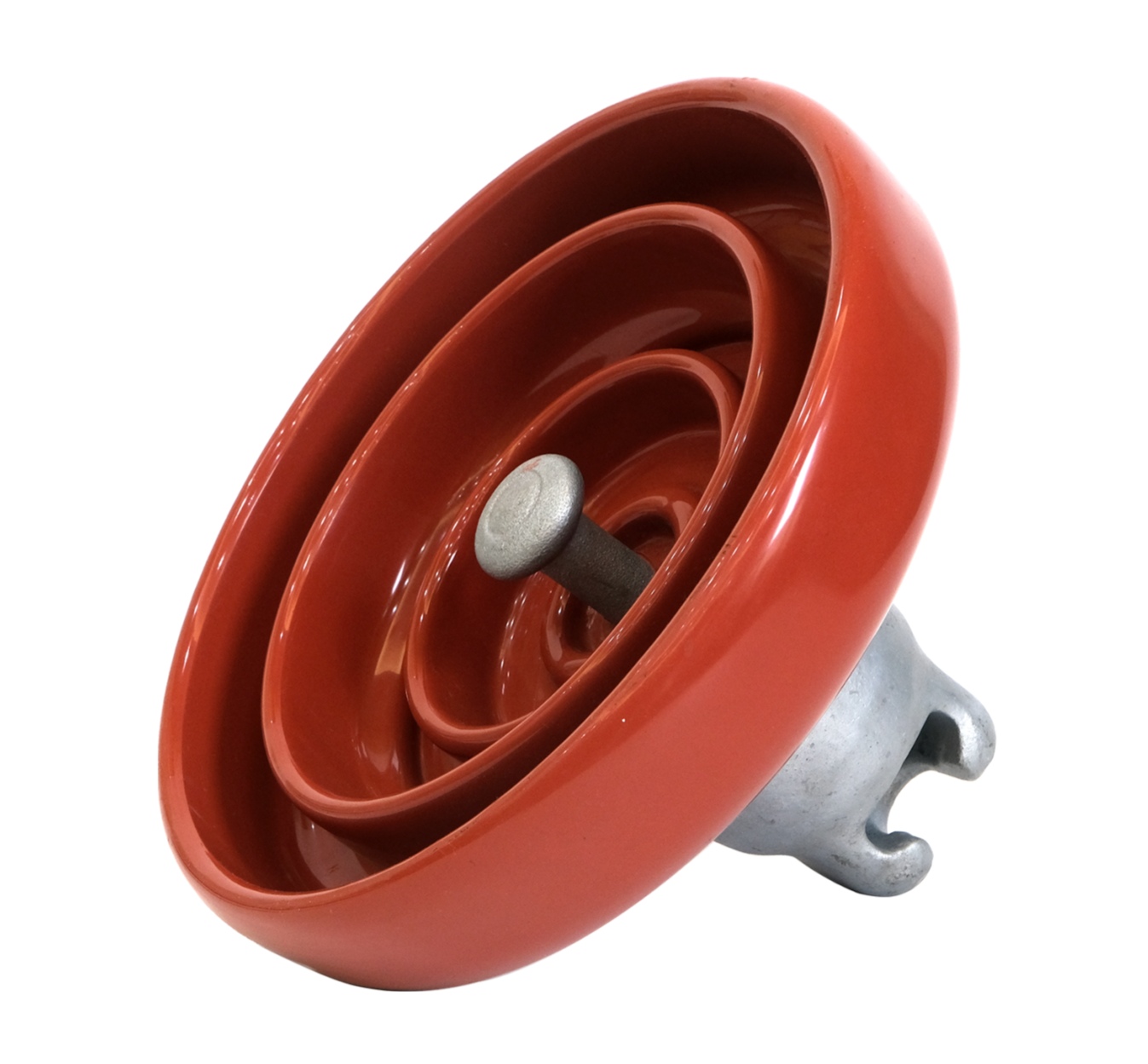
Coated with Room Temperature Vulcanization (RTV) silicone compounds enriched with mineral fillers. The coating imparts hydrophobic surface characteristics, preventing continuous moisture films and leakage currents. This system ensures high reliability without periodic washing costs.
Understanding the technological evolution and procurement mandates driving high-voltage insulating systems.
Modern electrical grid architectures are shifting from porcelain to toughened glass for transmission strings. The primary mechanical driver is glass’s self-shattering characteristic. When a tempered glass shell suffers electrical puncture or mechanical overload, it shatters into small fragments without dropping the line, leaving the steel cap and pin intact. This simplifies visual fly-over inspections, eliminating the need for expensive close-up electrical testing required for porcelain and composite isolators.
The U70bma specification indicates a rated electromechanical failing load of 70 kN. To meet the demands of global grid operators, manufacturers must refine raw material purity (silica, soda ash, feldspar, and dolomite). Utilizing high-purity batching limits internal inclusions, minimizing spontaneous shattering rates during extreme thermal cycling (-40°C to +50°C).
Wind and solar projects are frequently situated in remote, coastal, or desert regions. Transporting this green energy to metropolitan centers demands reliable, ultra-long high-voltage transmission lines. Insulators such as the U70bma and higher-load variants (like the 160kN and 210kN lines) form the mechanical backbone of these interconnections.
Industrial sourcing departments and national utility bidding boards evaluate suppliers based on risk mitigation, manufacturing capability, and certified compliance. QOCI Electric addresses these demands by offering:
For 70kN glass suspension units (U70bma / U70BL), mechanical reliability under heavy wind and icing conditions is critical. Our products undergo routine thermal-mechanical tests to guarantee performance over a design life exceeding 40 years.
How QOCI configures glass isolators to handle distinct environmental conditions across global electrical transmission paths.
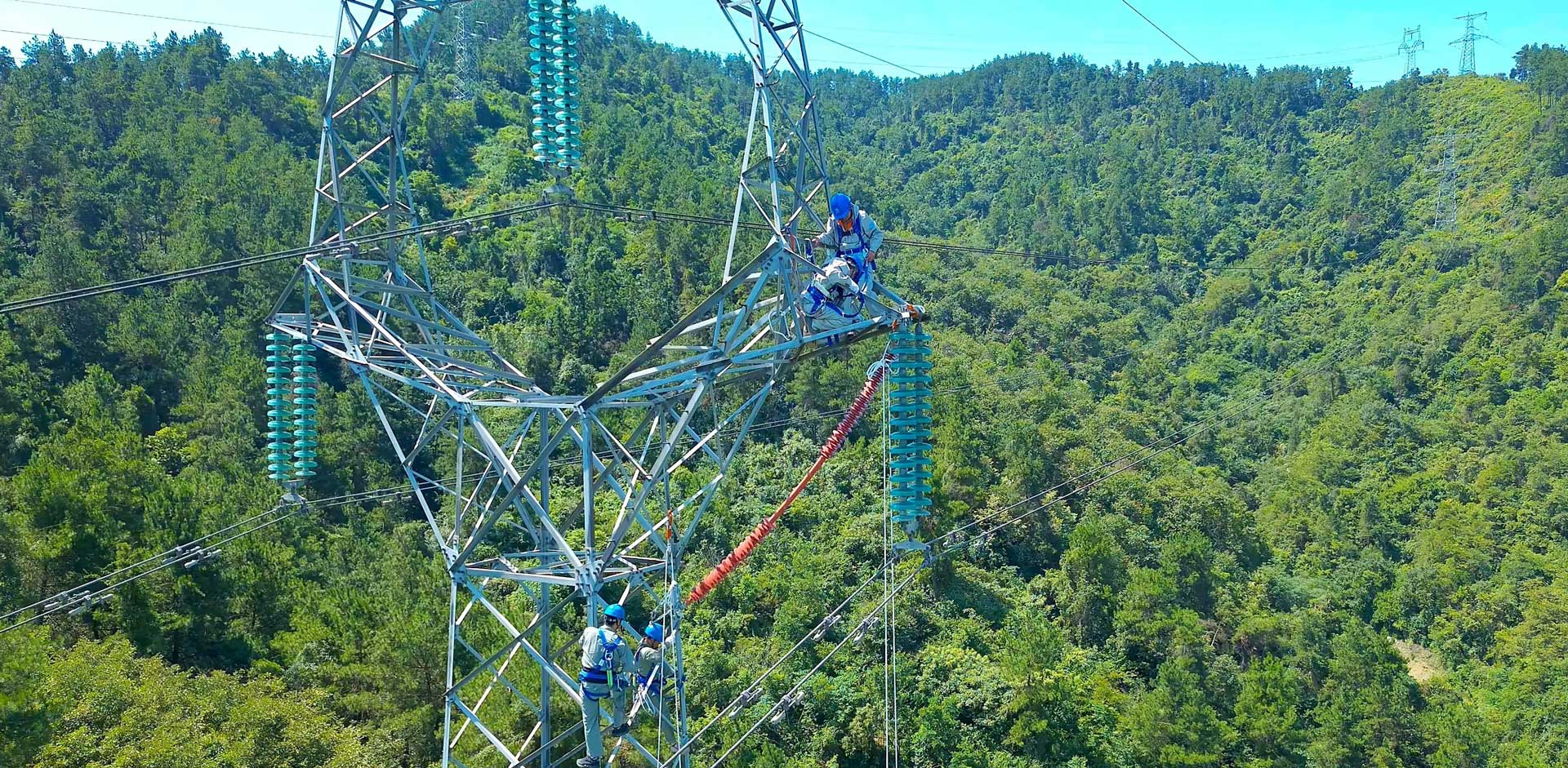
From high-humidity tropical corridors to freezing mountainous ranges. The thermal toughening process generates deep compressive stresses on the glass exterior, allowing the insulator to absorb thermal shocks and dynamic mechanical forces caused by ice shedding.
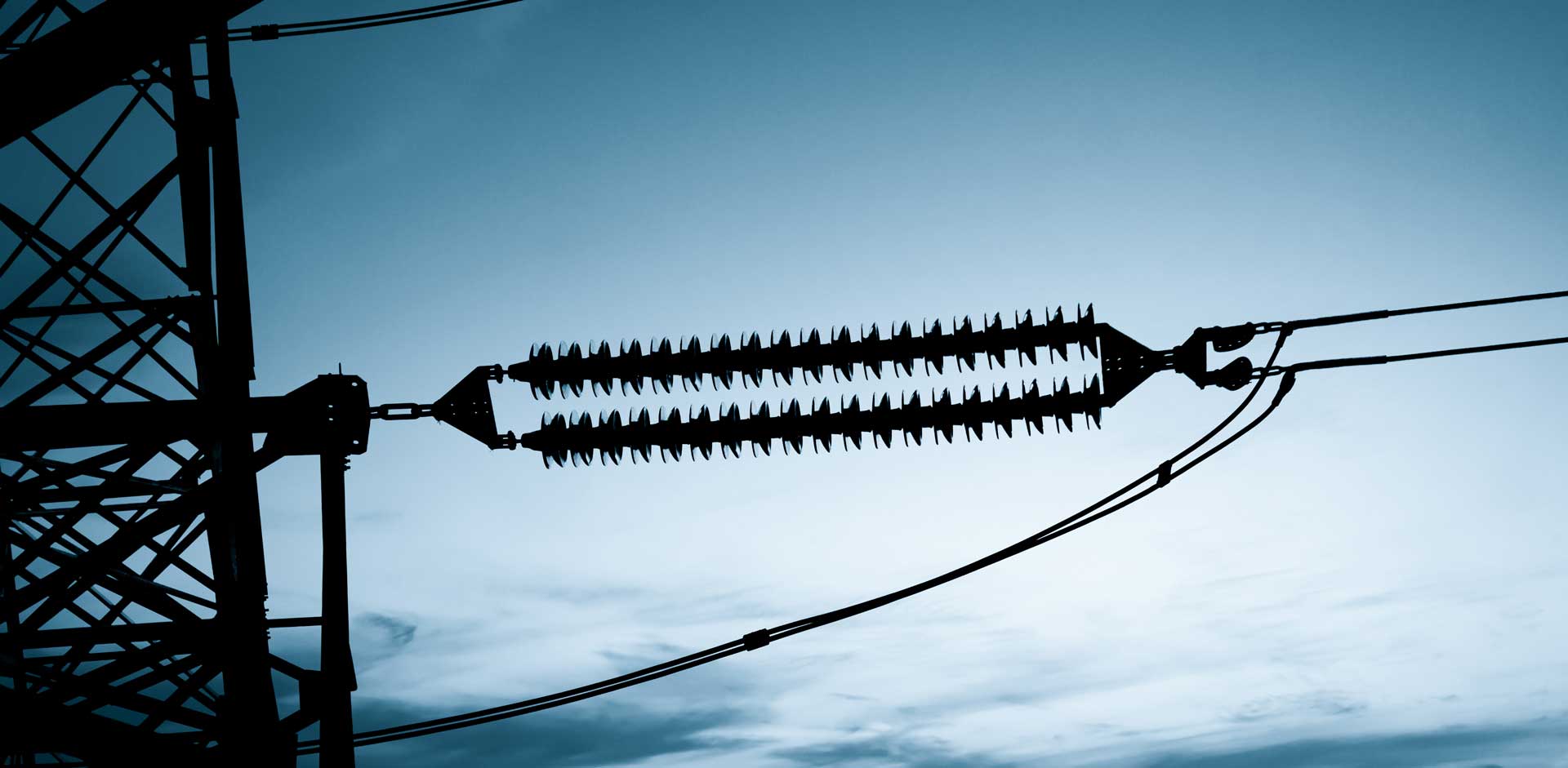
In heavily polluted industrial belts containing sulfur, chemical, and metal particulates, our RTV-coated and anti-pollution profiles protect against chemical corrosion and flashovers caused by tracking currents.
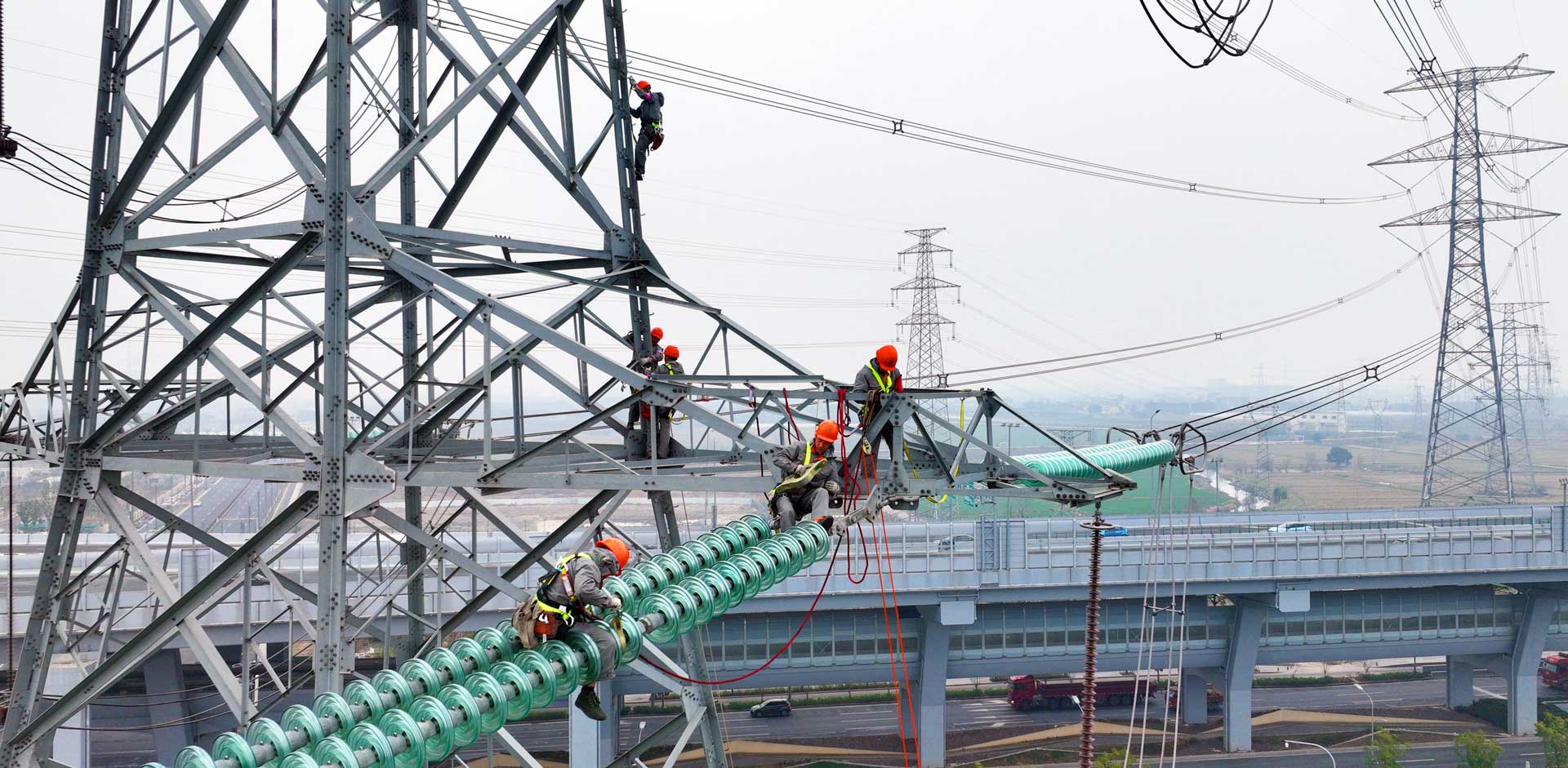
Designed to meet the specific requirements of line re-conductoring, mechanical strength upgrades, and lightning path grounding. Features direct mechanical integration with standard fittings like ball-and-socket joints (IEC class 16B/16A).
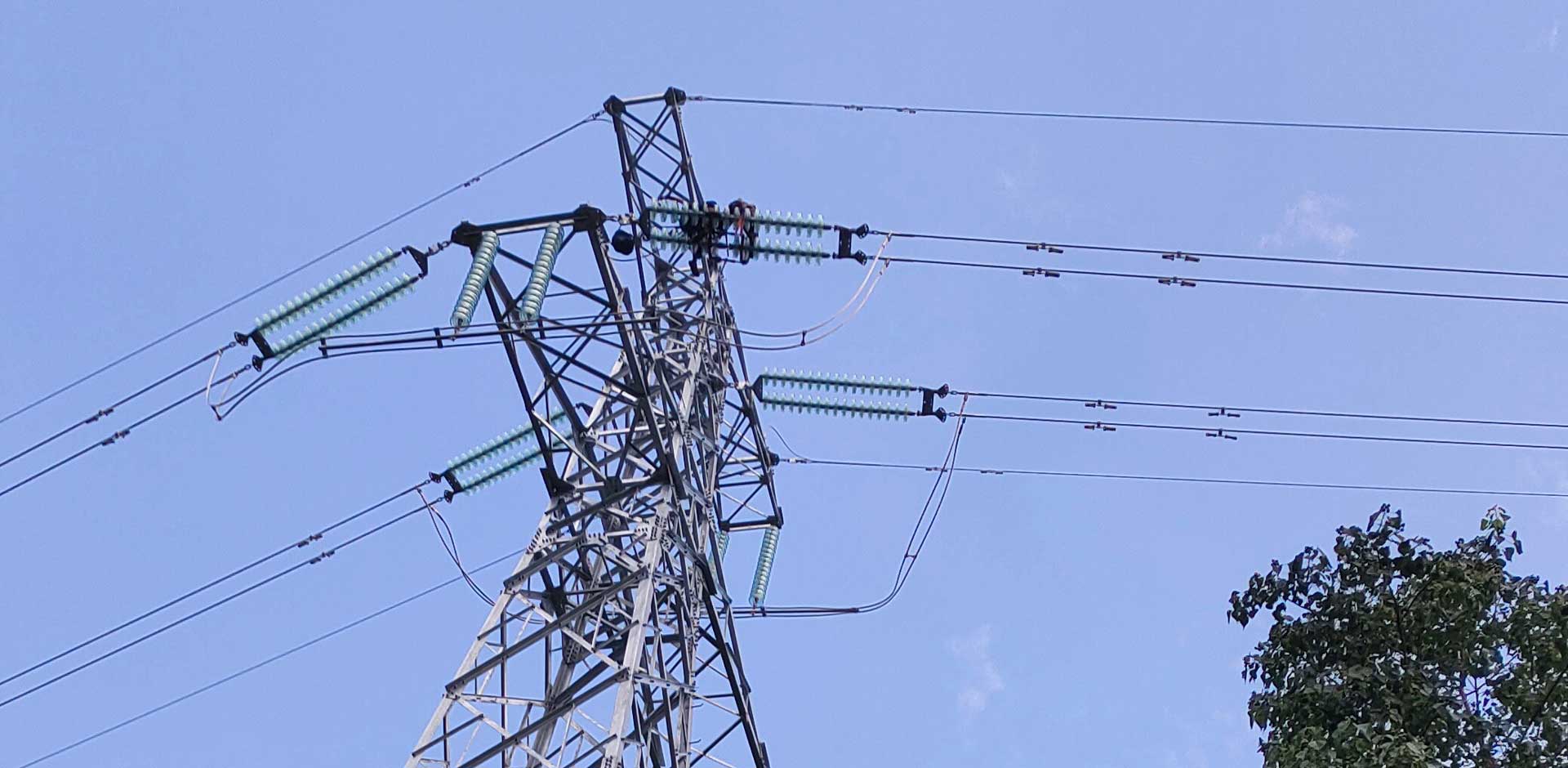
Meeting the rigorous mechanical fatigue requirements of high-frequency commuter rail catenary and substation feed lines. Resists track vibration and environmental dust deposition.
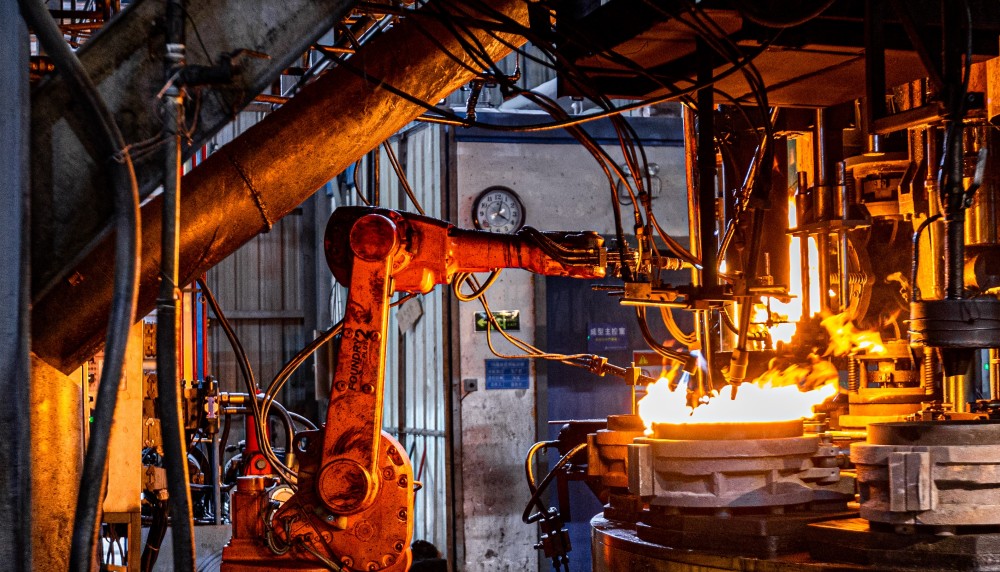
Inside the QOCI ISO 9001, ISO 14001, and ISO 45001 certified plant facilities in Pingxiang, China.
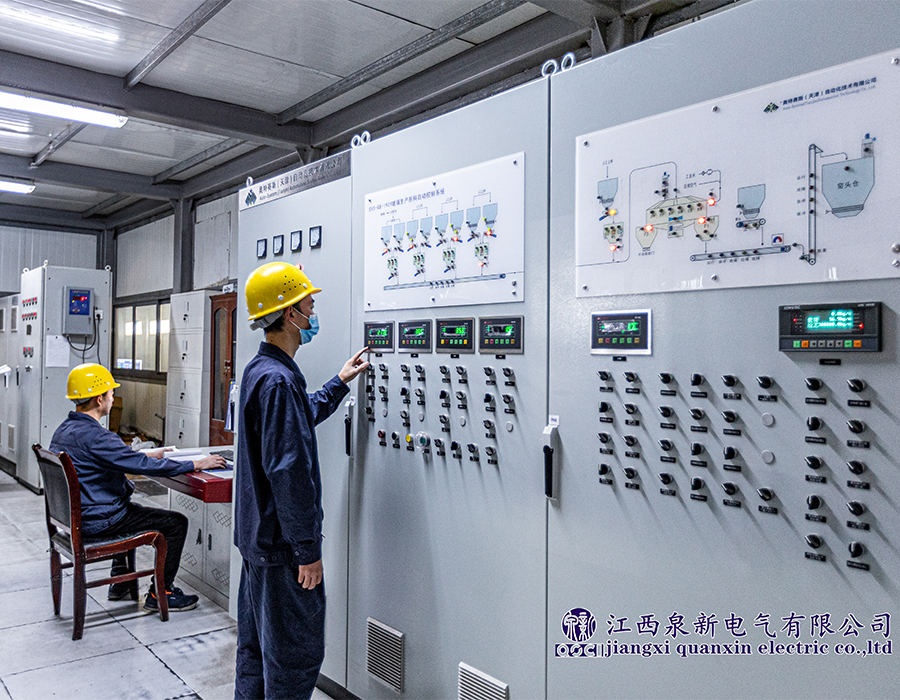
Precise weighing and blending of high-grade silica sand, soda ash, and dolomite to avoid defects in the molten glass.
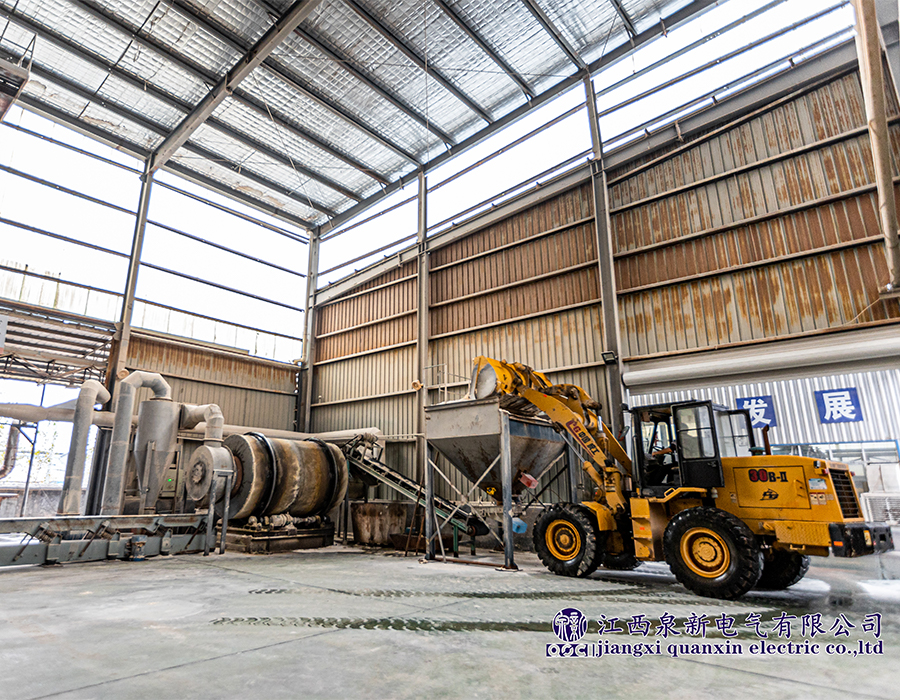
Industrial-scale planetary mixing systems guarantee uniform distribution of trace stabilizers, preventing internal crystallization seeds.
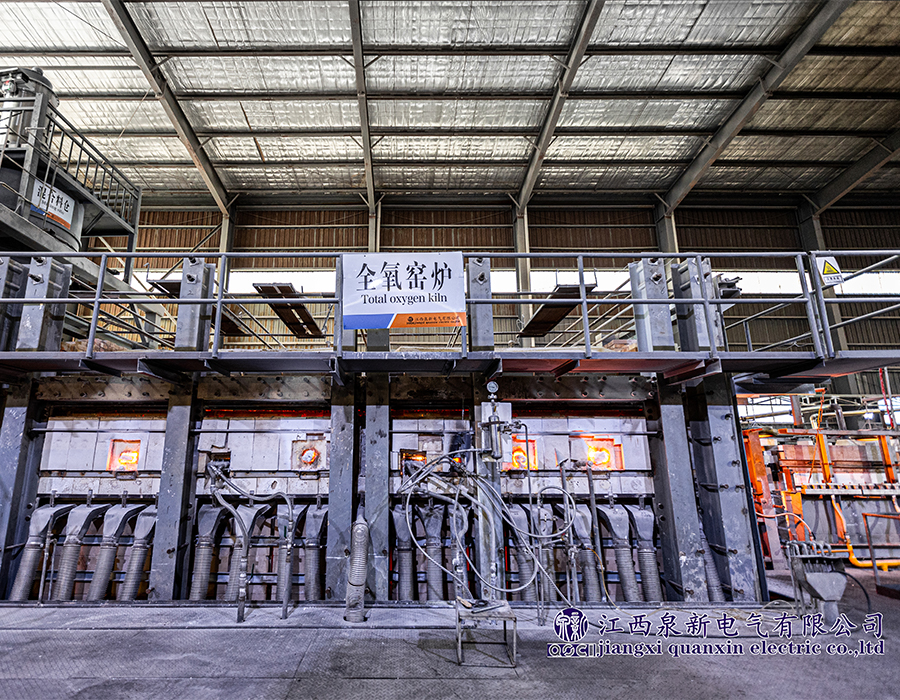
Continuous, high-efficiency gas-fired melting. Stable temperature control produces bubble-free molten glass.
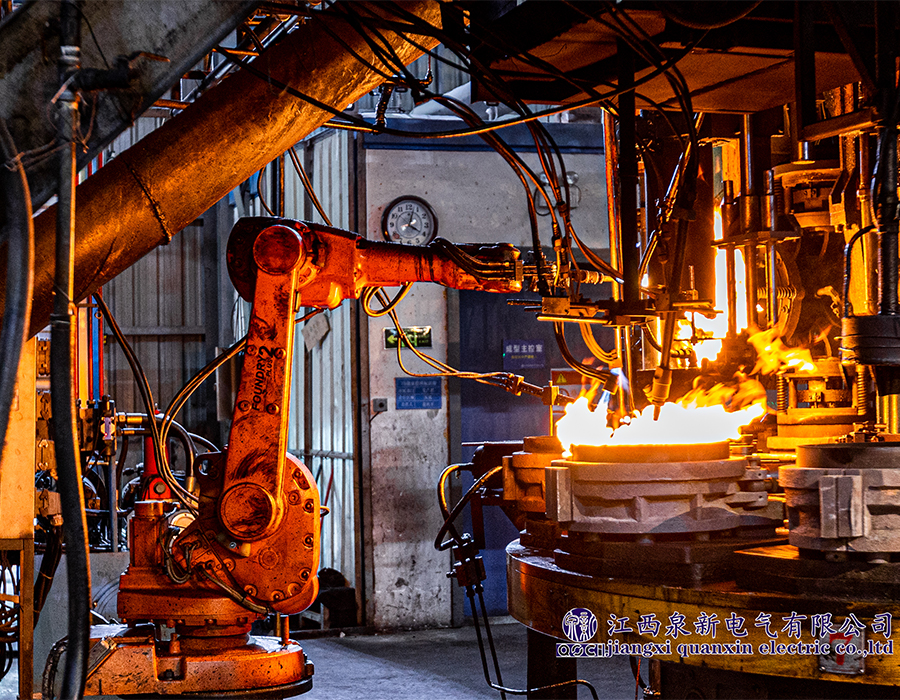
Heavy hydraulic molding machines shape the glass shells to precise tolerances before the thermal tempering phase.
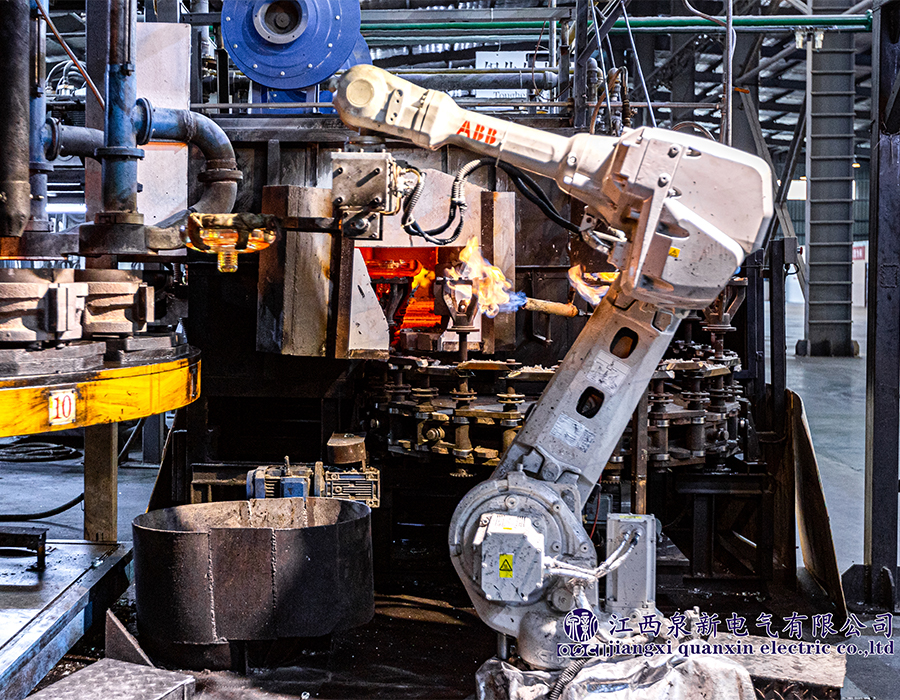
Controlled rapid air quenching generates high compressive stress on the outer shell, increasing mechanical impact resistance.
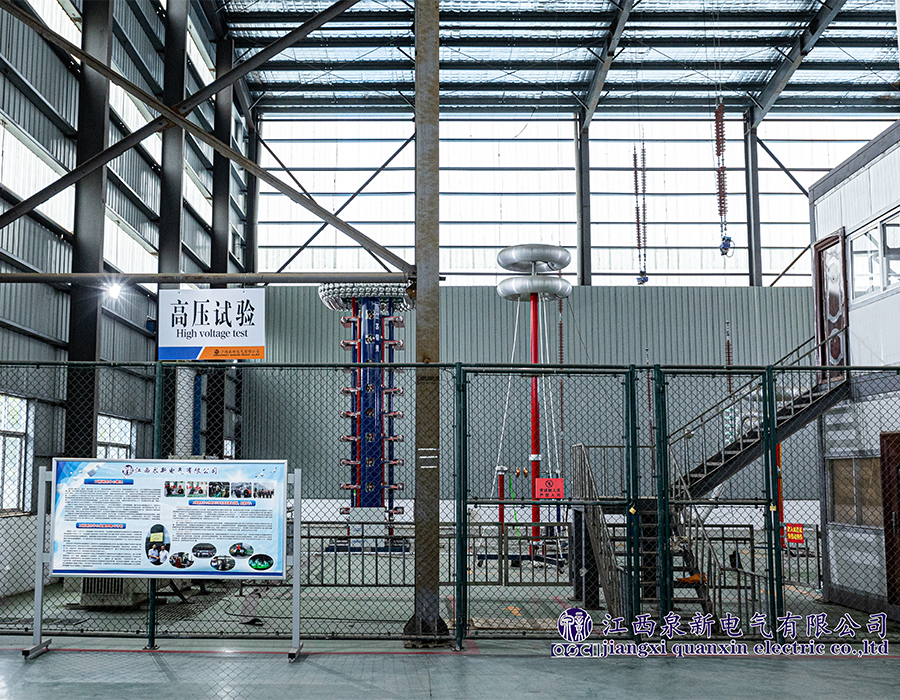
Routine dielectric breakdown, power-frequency sparkover, and mechanical load checks verify performance before shipment.
Our quality management systems are verified by international testing bodies, certifying performance compliance across major national utility markets.
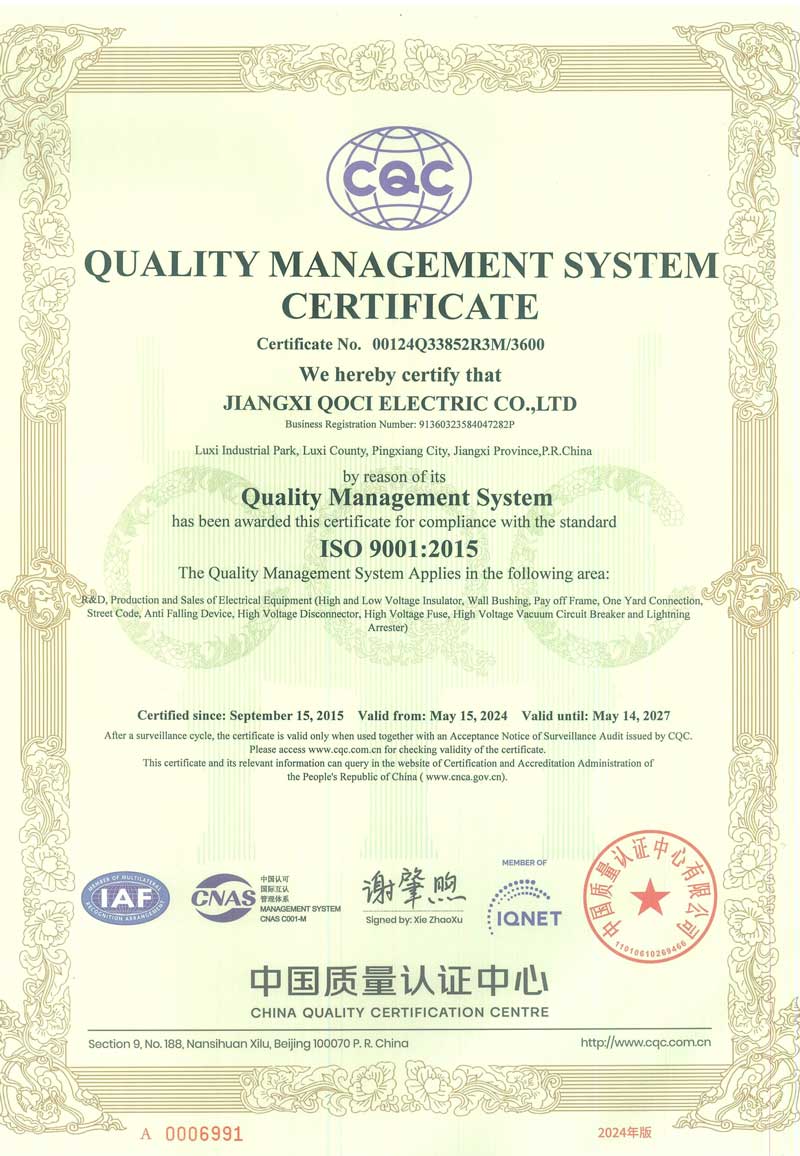
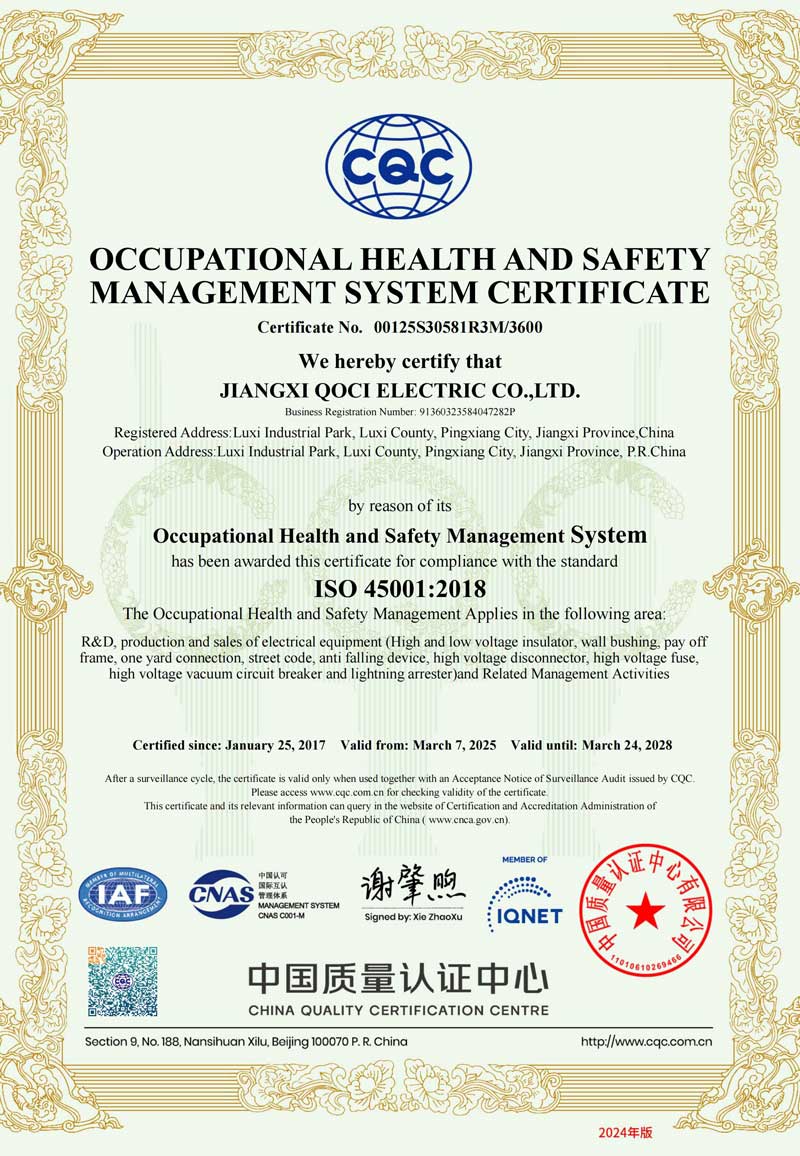
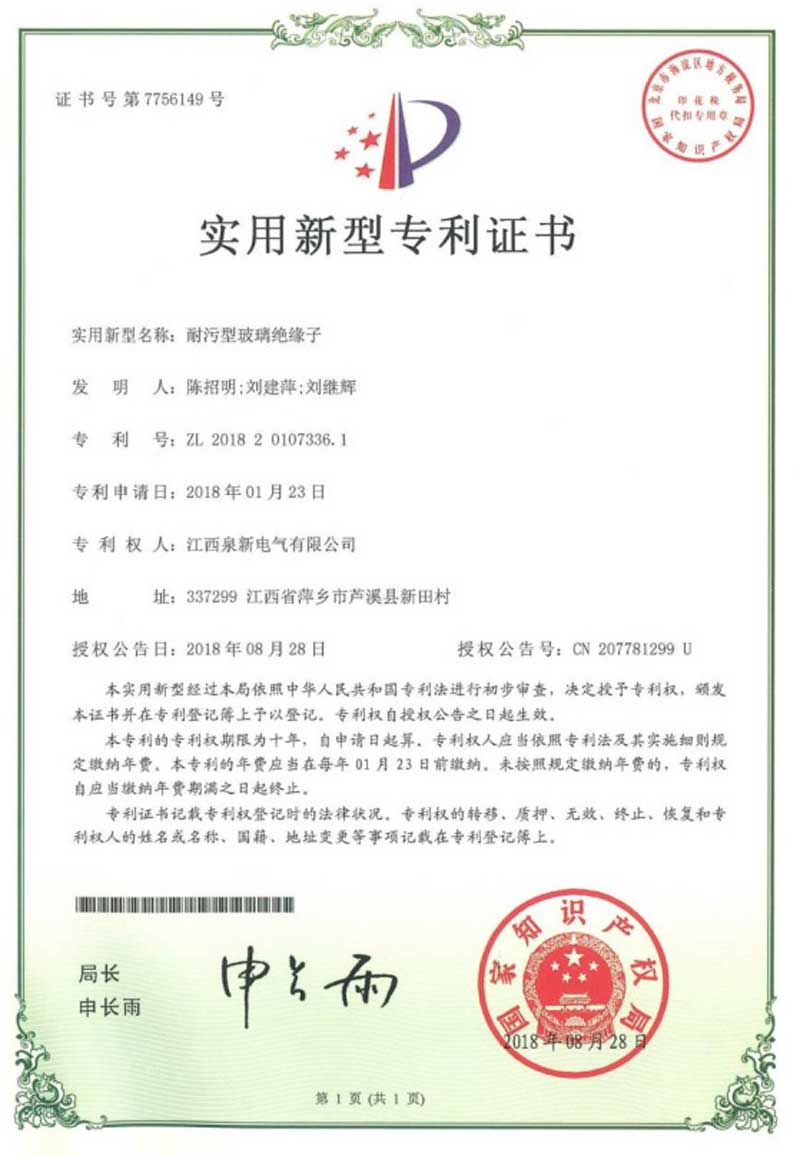
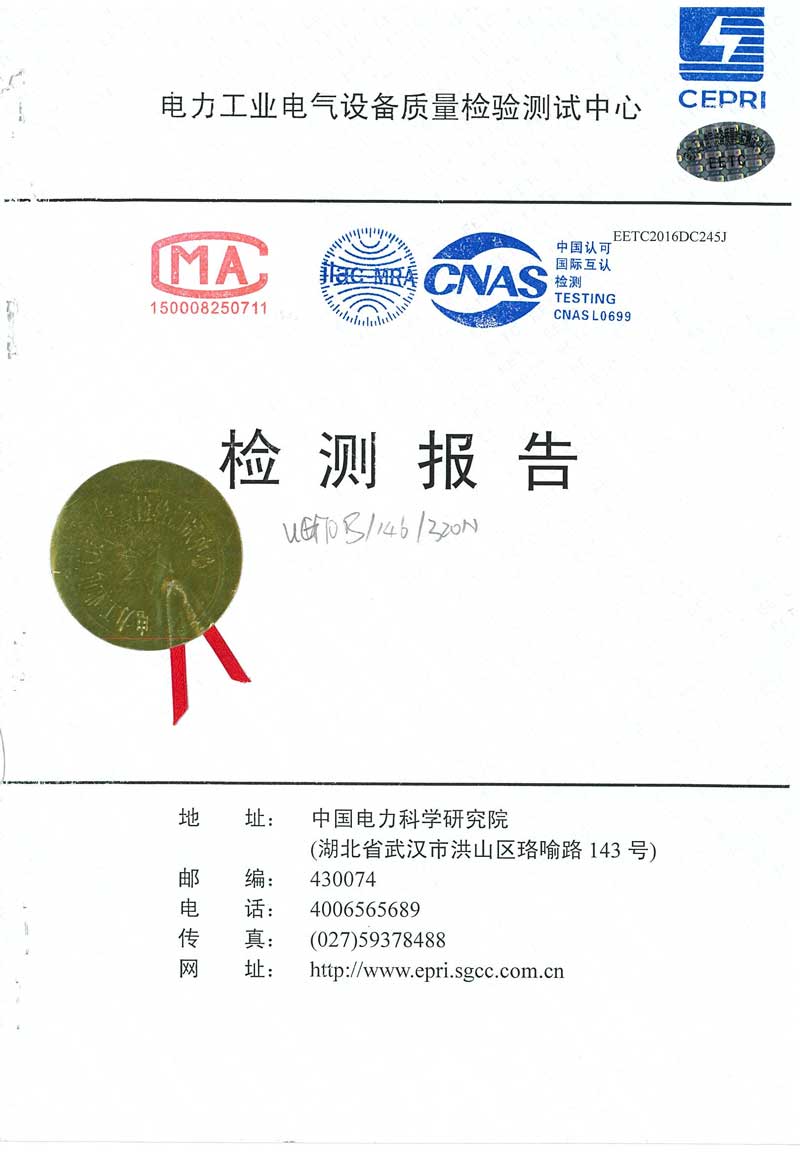
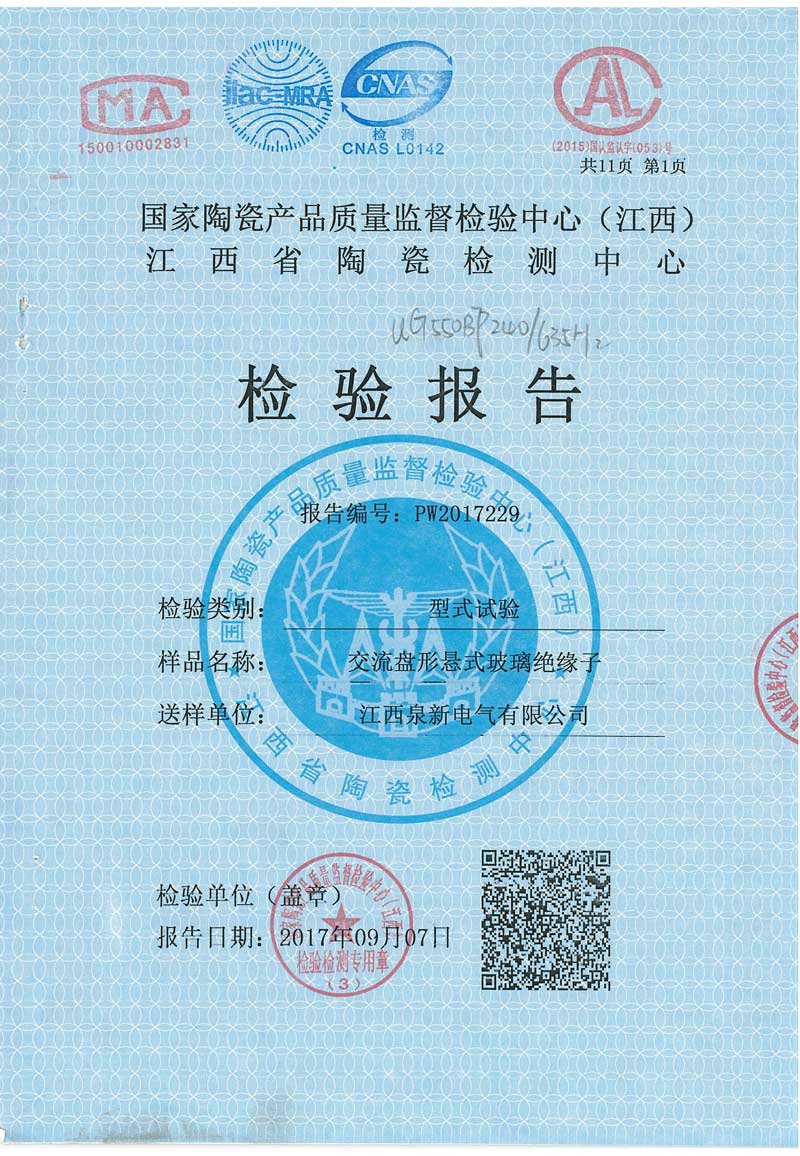
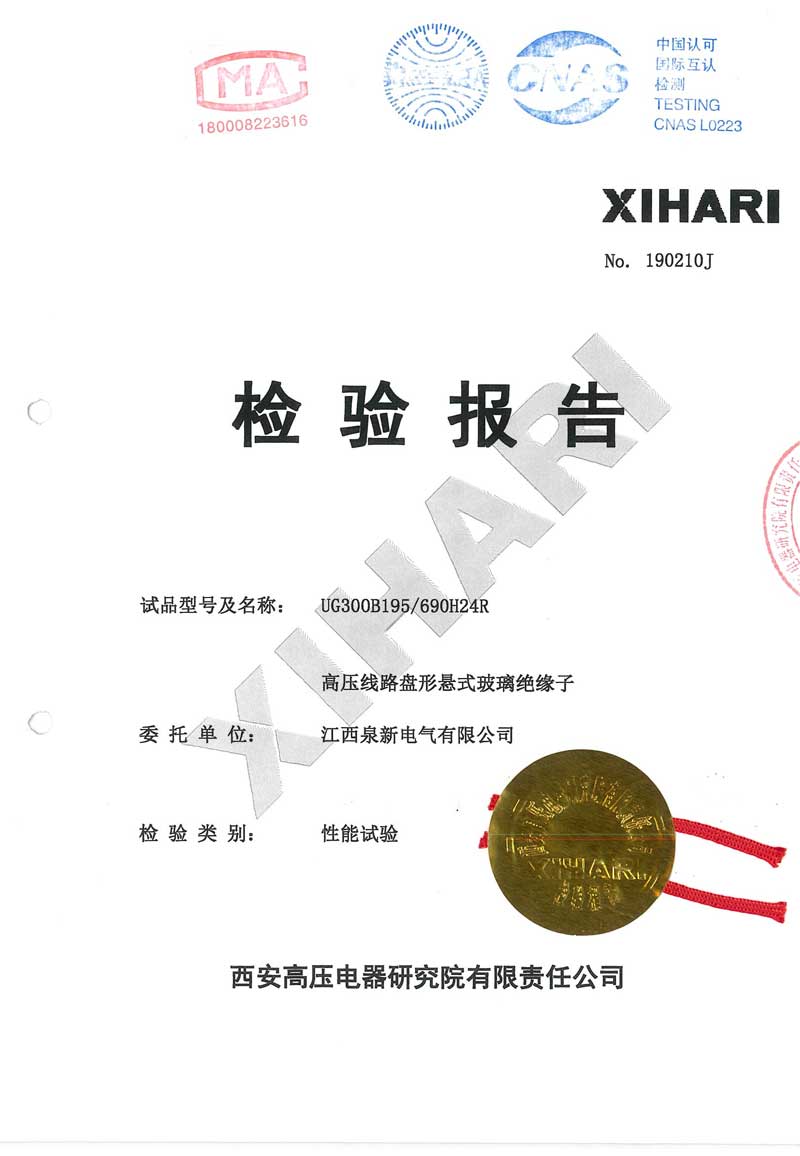
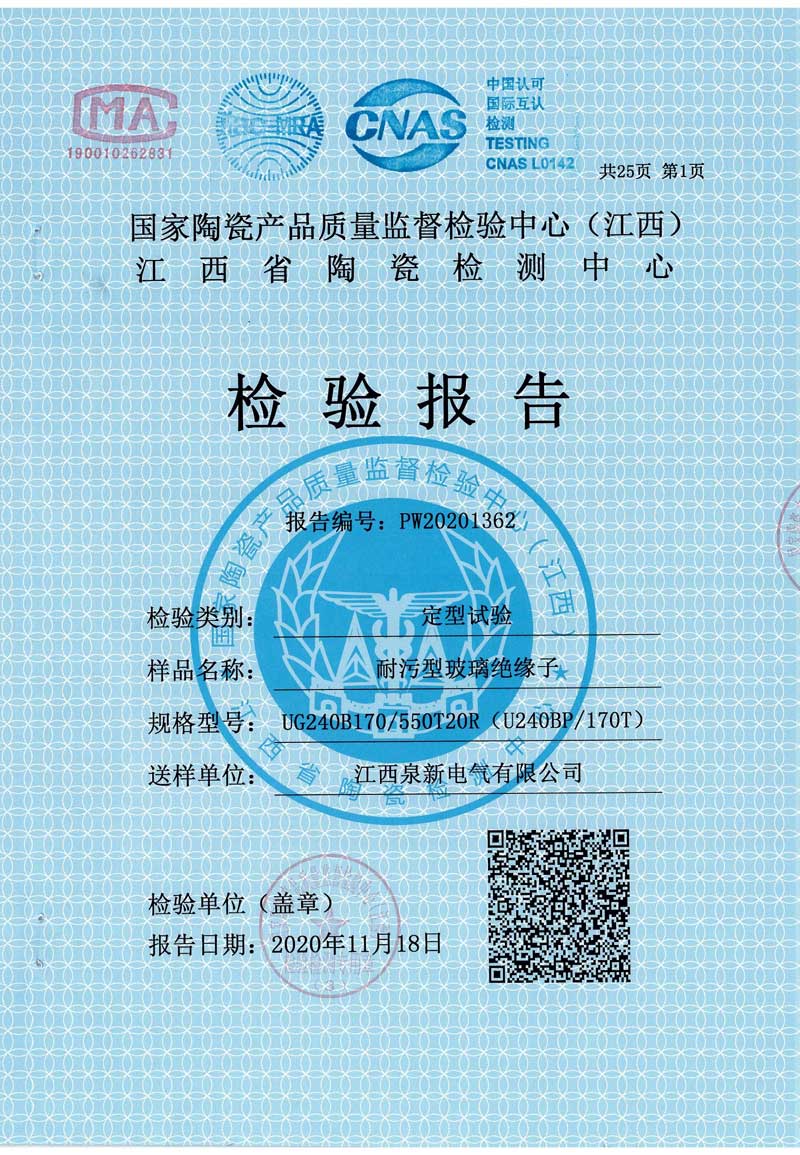
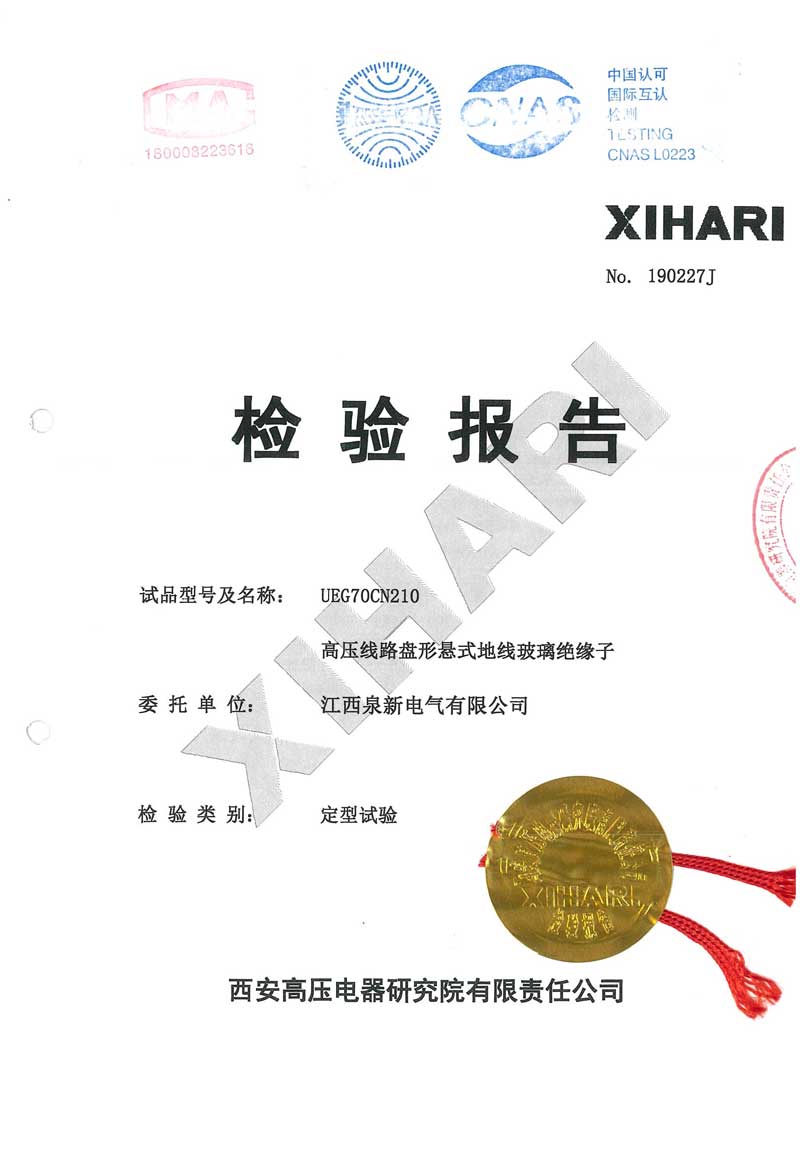
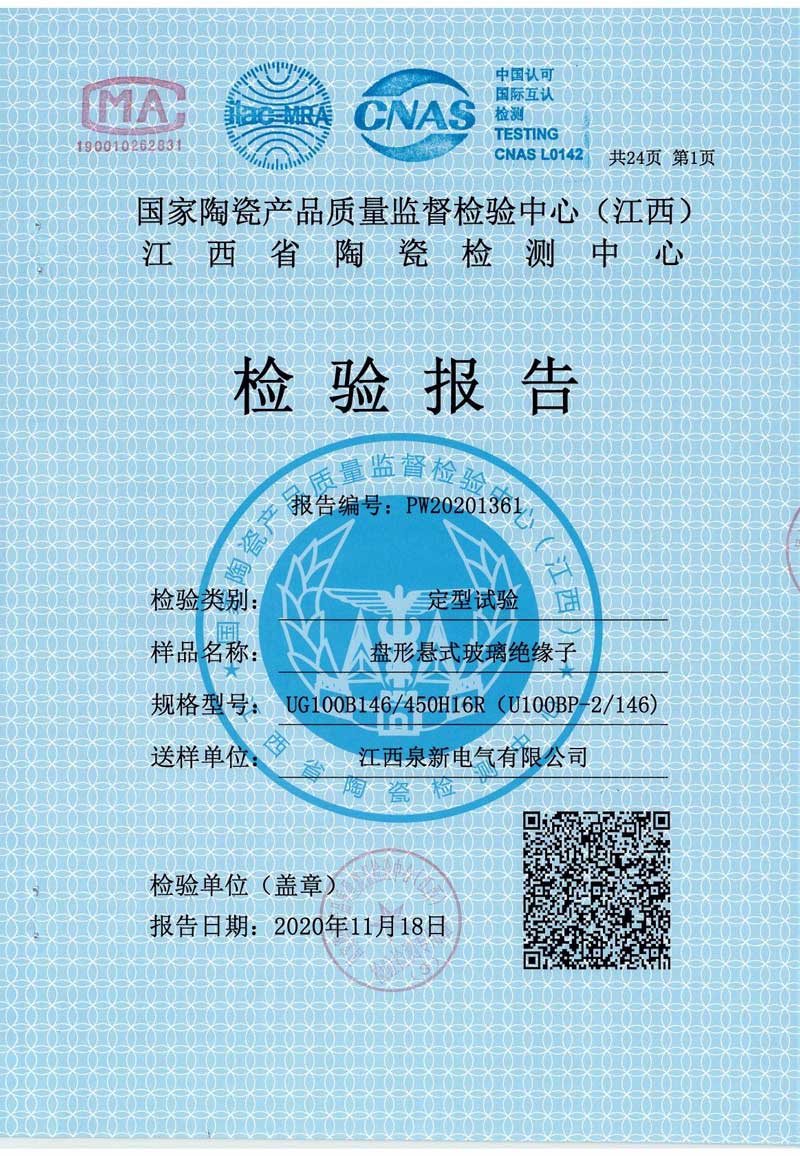
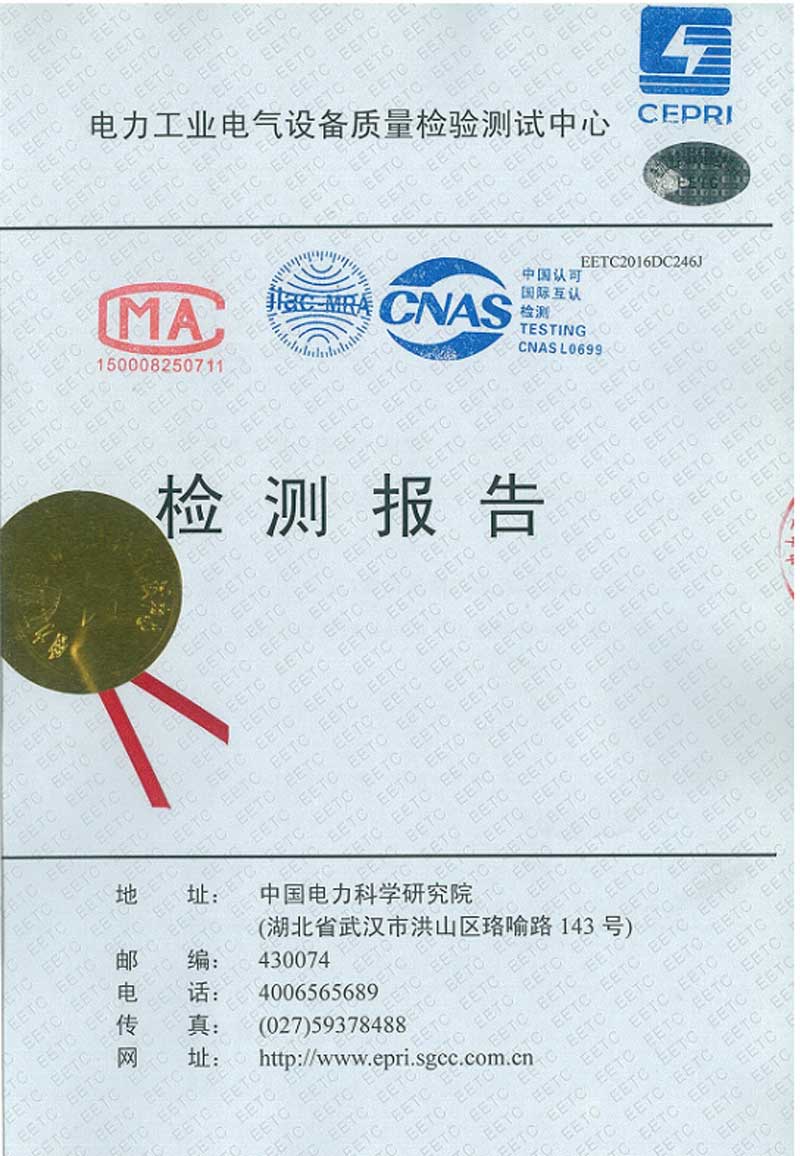
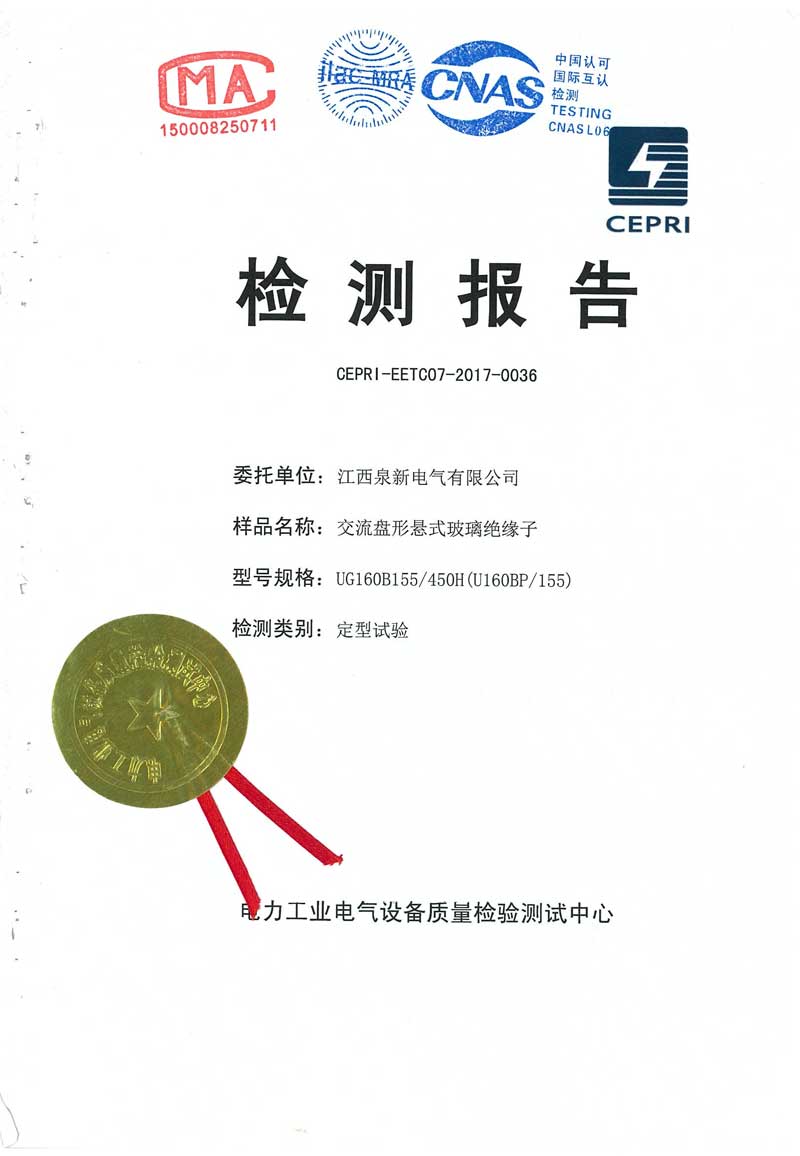
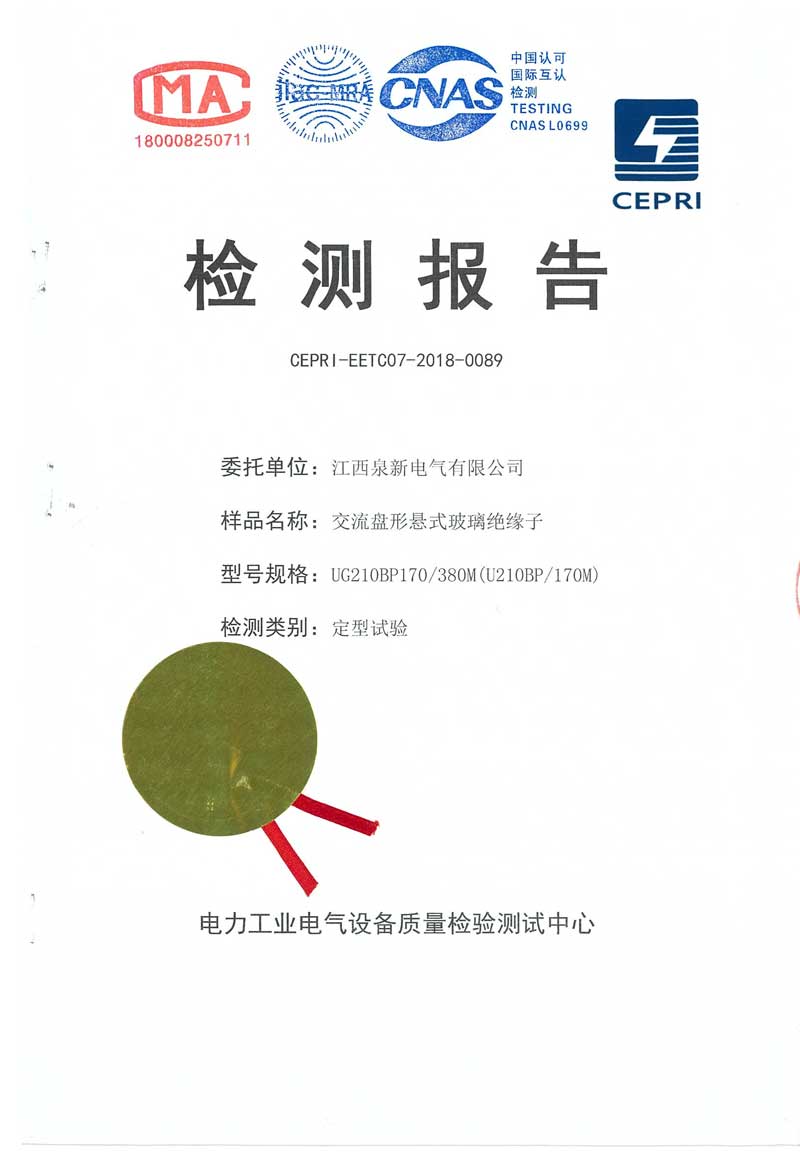
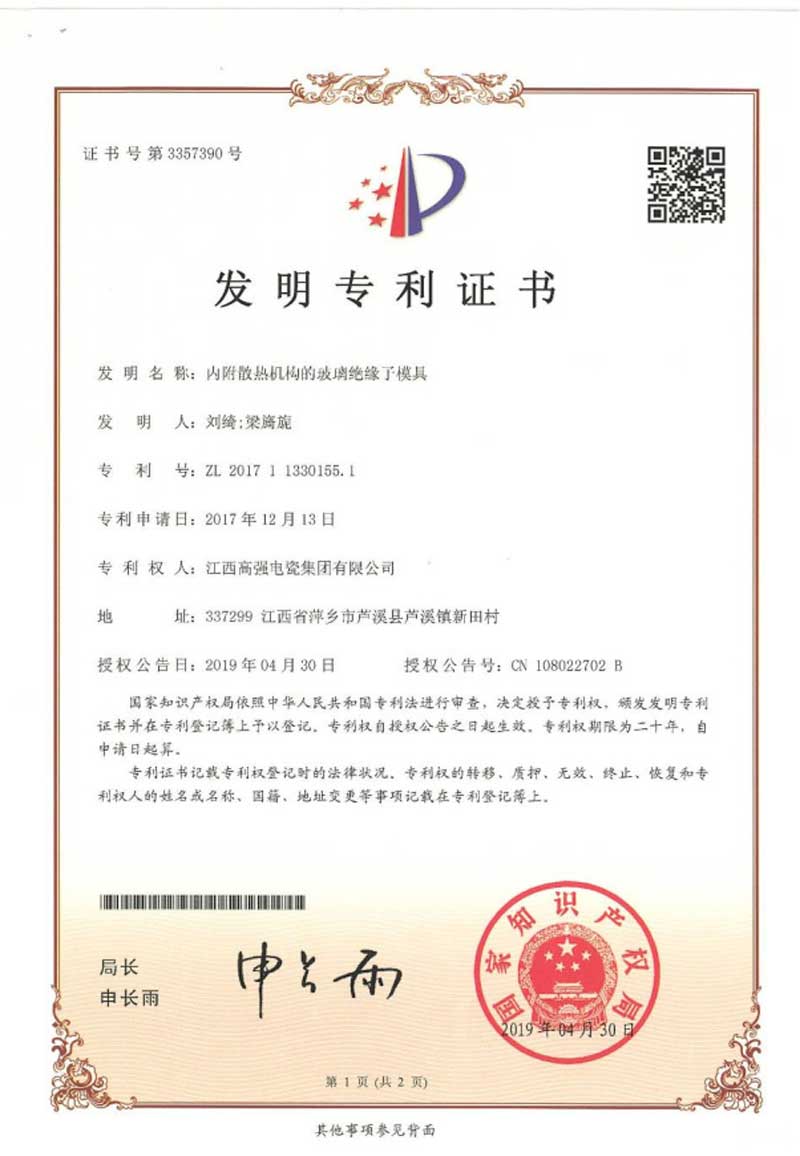
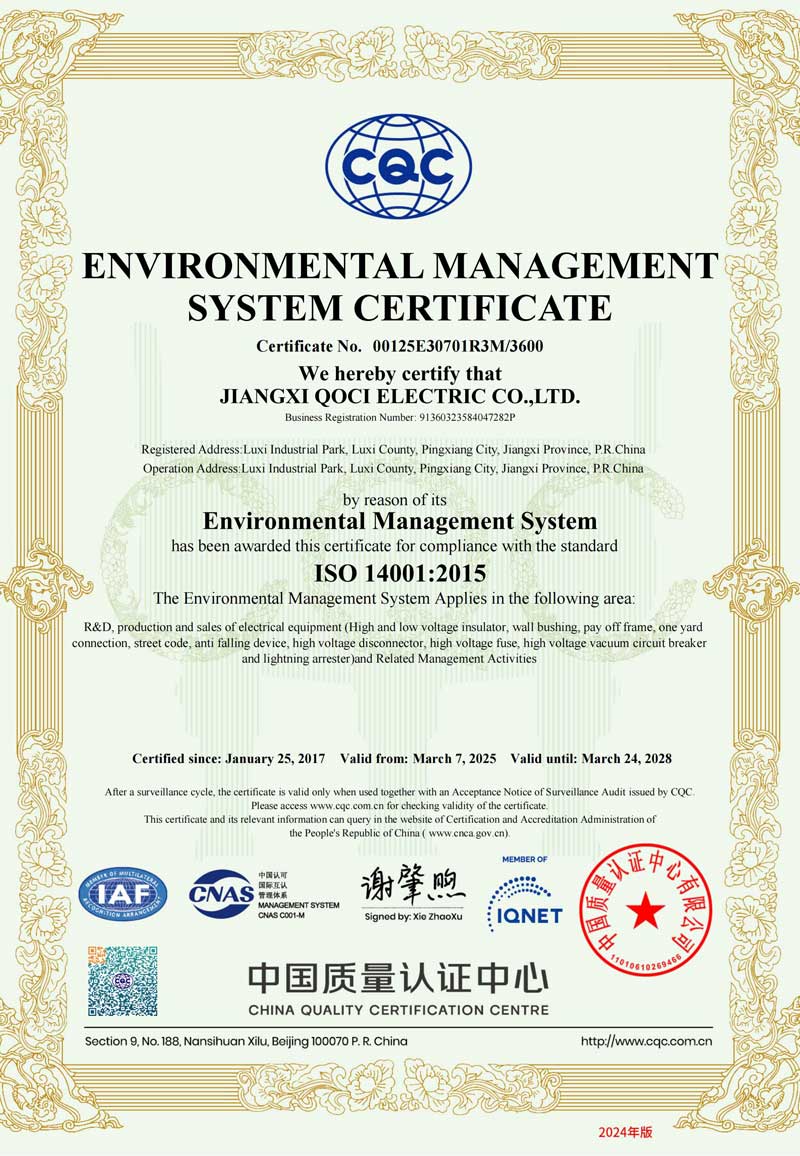
QOCI Electric supplies international infrastructure projects, supporting national power companies and regional energy distribution organizations.


How we are preparing glass insulation systems for next-generation smart grids, UHVDC lines, and sustainable power grids.
Current research is focused on nano-filler RTV coatings that resist UV-degradation and prolong hydrophobicity transfer mechanisms, targeting maintenance-free operation for over 25 years in harsh conditions.
We are shifting our gas-fired total-oxygen melting kilns to run on green gas blends, working to reduce the carbon footprint of our insulation products.
Designing prototype strings fitted with passive RFID temperature and leakage-current telemetry, enabling real-time monitoring of insulation strings in critical, hard-to-reach locations.
QOCI Electric maintains a strong presence at international trade events, demonstrating our grid solutions worldwide.
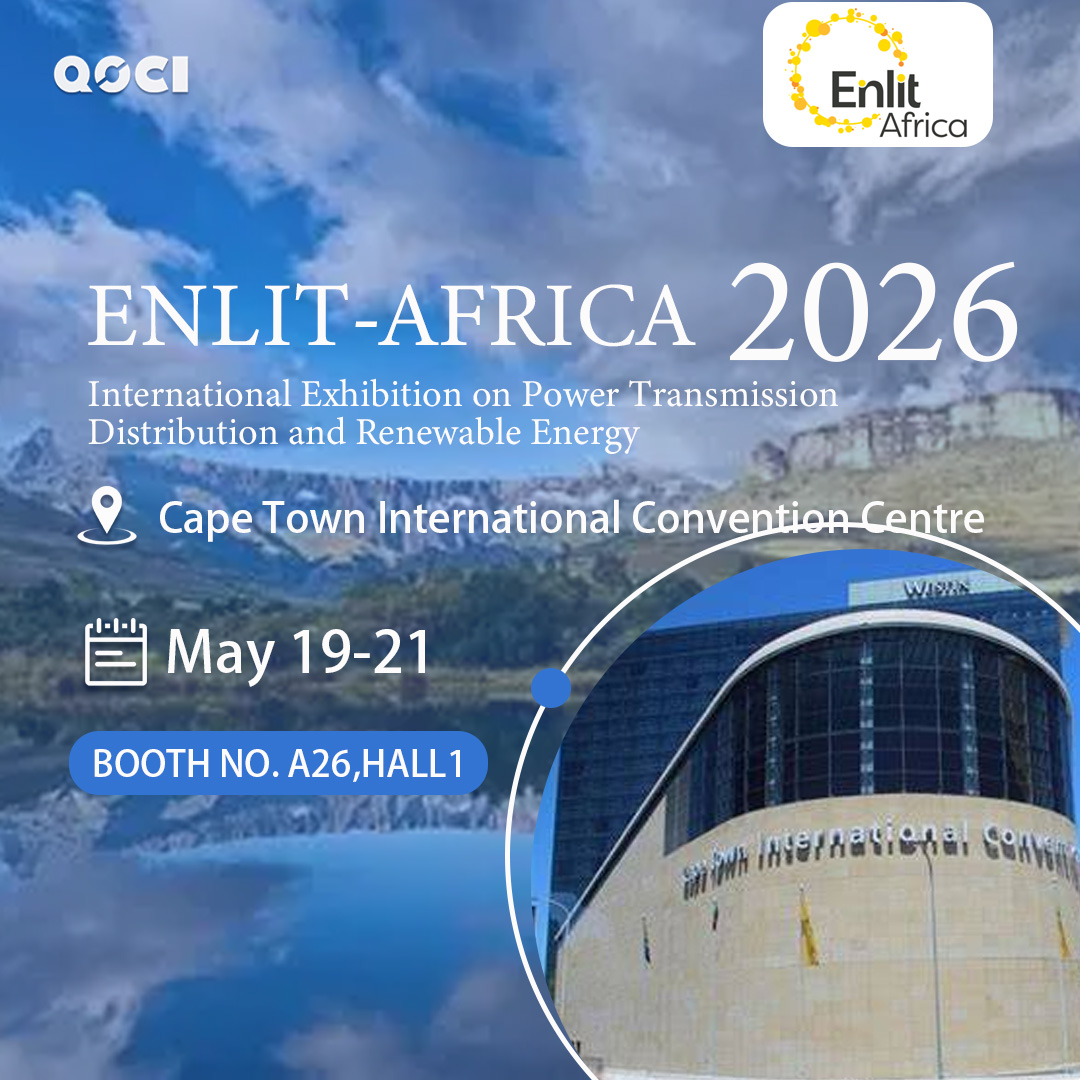
As the global energy transition accelerates, we join utility companies, engineers, and suppliers at Enlit Africa to showcase advanced RTV-coated suspension and distribution glass insulators tailored for sub-Saharan grid conditions.
Having withstood demanding operating conditions including icing, high altitudes, pollution, seismic events, and typhoons, China’s insulator manufacturing sector now offers reliable, proven designs globally.
Our technical staff represented Jiangxi QOCI Electric Co., Ltd. at the IEEE PES T&D Conference & Exposition, discussing insulation performance under dynamic mechanical loading.
QOCI Electric confirmed participation in Baghdad's premier energy event, introducing specialized aerodynamic glass isolator configurations for high-temperature, sand-heavy environments.
Authoritative technical answers to common questions about selection, application, and lifetime maintenance of toughened glass disc insulators.
Both models share a rated electromechanical failing load of 70 kN. However, the differences lie in their profile geometries, coupling types (such as ball-and-socket configurations under specific national standards), and variations in leakage distances. The "U70bma" designation typically specifies a particular profile optimized for high-pollution grids and meets precise mechanical tolerances required by certain regional utilities, while "U70BL" represents the standard profile under typical IEC parameters.
Toughened glass features a thermal stress profile that causes the shell to shatter into small, non-sharp pieces when damaged by electrical puncture or mechanical overload. The remaining cap and pin assembly retains its full mechanical rating, keeping the line suspended. This self-shattering characteristic makes damaged units visible from ground level or by drone fly-overs. In contrast, porcelain units can sustain internal cracks and electrical punctures without displaying external signs of failure, requiring manual, close-up testing.
Our glass insulators are manufactured and tested in strict accordance with IEC 60305, IEC 60383, and ANSI C29.2. Every production run undergoes routine mechanical testing (tensile load checks), thermal shock testing (subjecting units to rapid heating and cooling cycles), and high-voltage power-frequency flashover tests. We also conduct steep-front impulse voltage tests on representative product samples to ensure insulation safety.
In humid, salty, or polluted environments, a conductive film can form on standard glass surfaces, resulting in tracking currents and potential flashovers. Room Temperature Vulcanization (RTV) silicone coatings make the insulator surface hydrophobic. Water forms droplets rather than a continuous conductive layer, preventing leakage currents and eliminating the need for regular manual washing, which lowers grid maintenance costs.
The aerodynamic open profile features a flat underside without deep under-ribs, along with a slightly wider disk diameter. When strong desert winds pass over the smooth glass surface, they create a natural scouring effect that removes sand and dust. This design prevents the build-up of conductive contaminants, making it a reliable solution for arid regions with minimal rainfall.
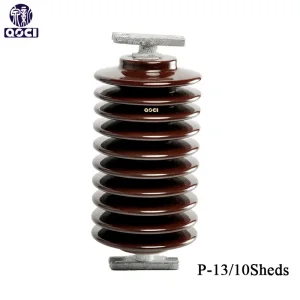
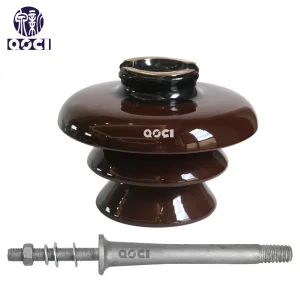
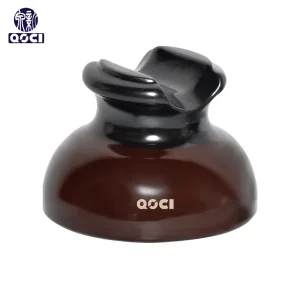
Explore our complete range of specialized insulation solutions, including porcelain pin configurations, heavy tension strings, and regional standard designs.