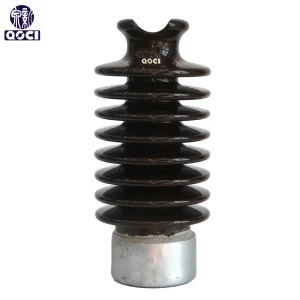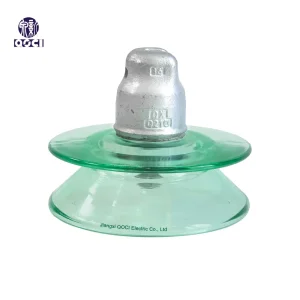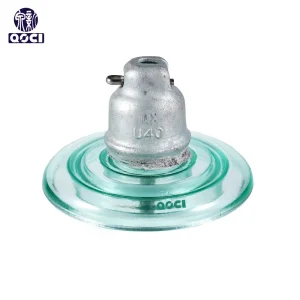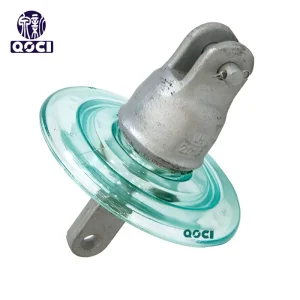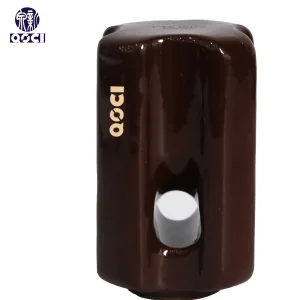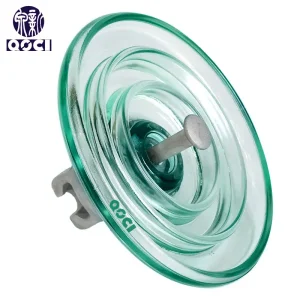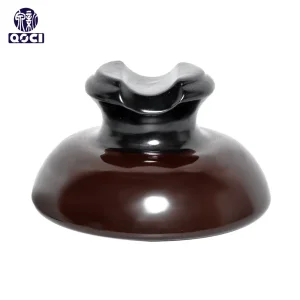
As the world pivots towards a decarbonized future, the demand for resilient transmission and distribution (T&D) infrastructure has never been more critical. Jiangxi QOCI Electric Co., Ltd. (江西泉新电气有限公司) stands at the forefront of this industrial revolution. The integration of renewable energy sources—such as massive offshore wind farms and remote solar arrays—requires high-voltage (HV) and ultra-high-voltage (UHV) lines capable of transporting electricity over thousands of miles with minimal loss.
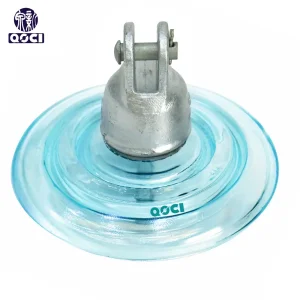
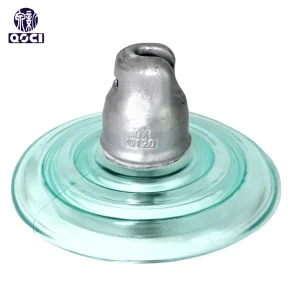
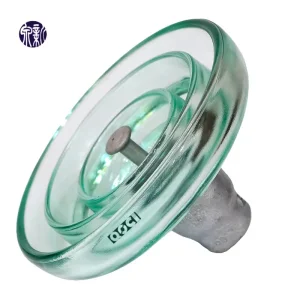
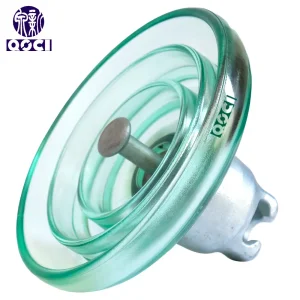
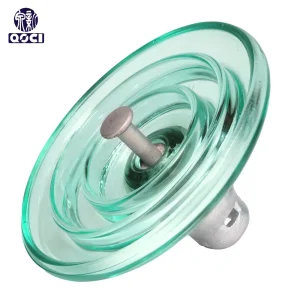
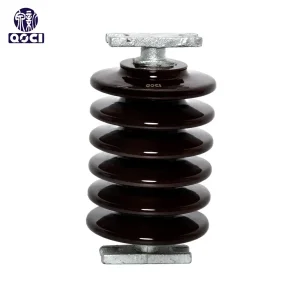
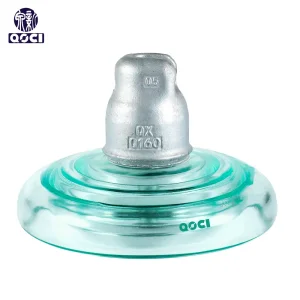
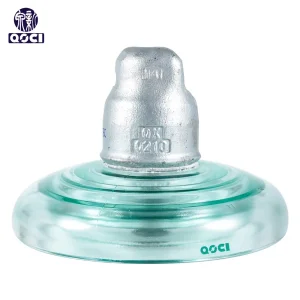
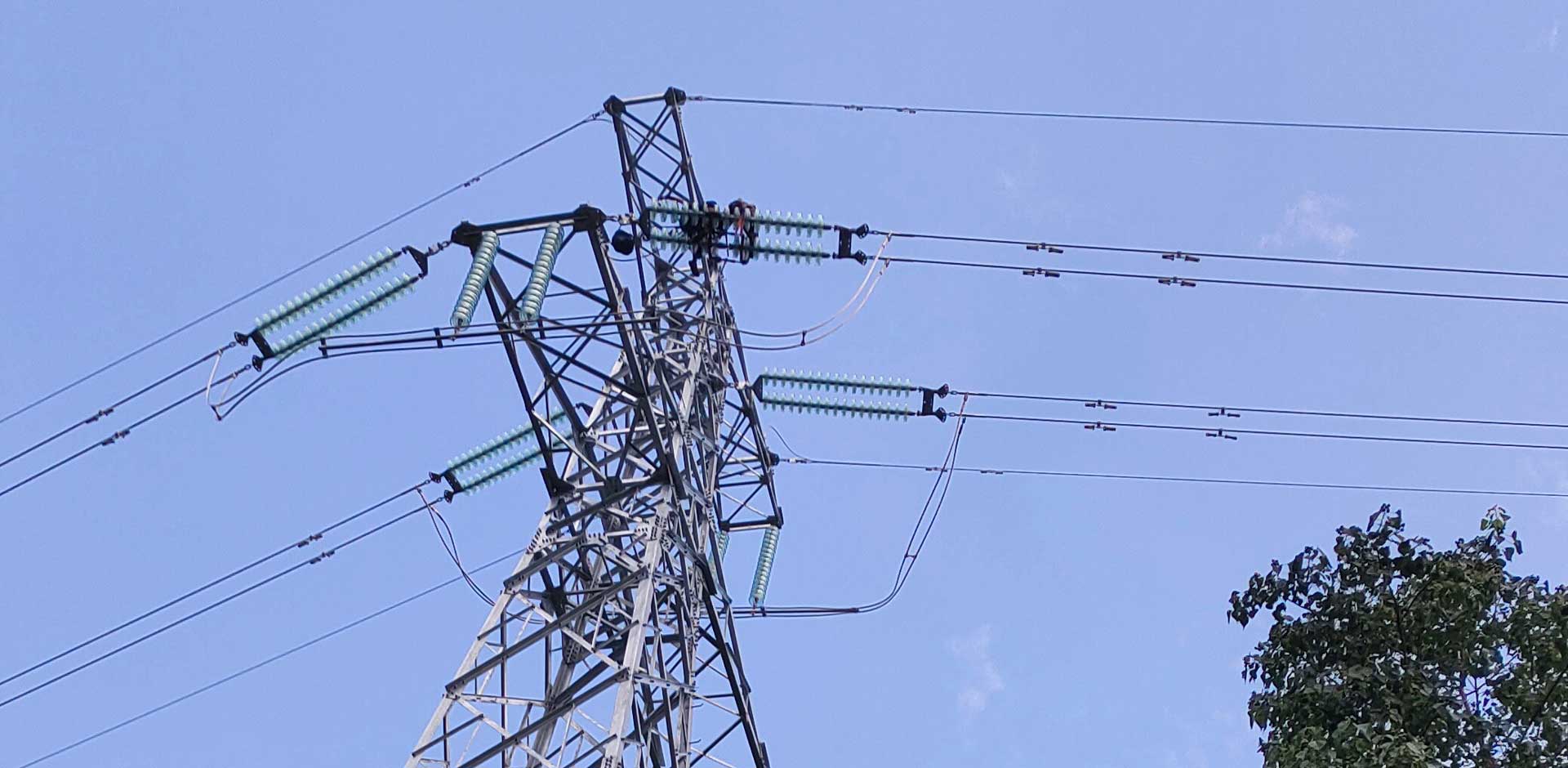
Global procurement trends indicate a shift from traditional porcelain to toughened suspension glass insulators due to their superior dielectric strength, "self-shattering" diagnostic capability (making maintenance easy), and exceptional aging resistance. In regions like North America and Europe, aging grid components are being replaced with anti-pollution and aerodynamic glass profiles to combat the increasing frequency of extreme weather events and industrial smog.
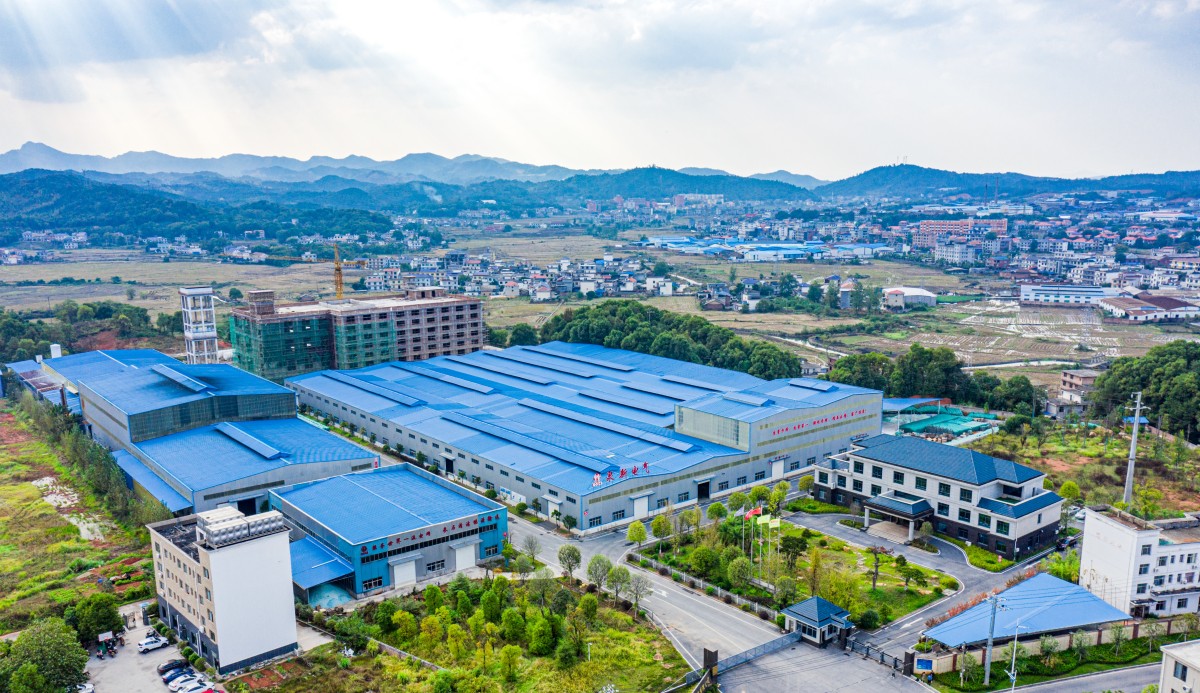
In an era of geopolitical flux, procurement officers prioritize supply chain transparency and manufacturing scale. Located in the heart of China's electrical ceramic hub—Luxi County, Pingxiang—Jiangxi QOCI Electric leverages a 508 million Yuan investment and a 70,000 m² "Smart Factory" to provide a buffer against global supply shortages. Our annual output of 39,000 tons ensures that massive infrastructure projects in Africa, Southeast Asia, and South America remain on schedule.
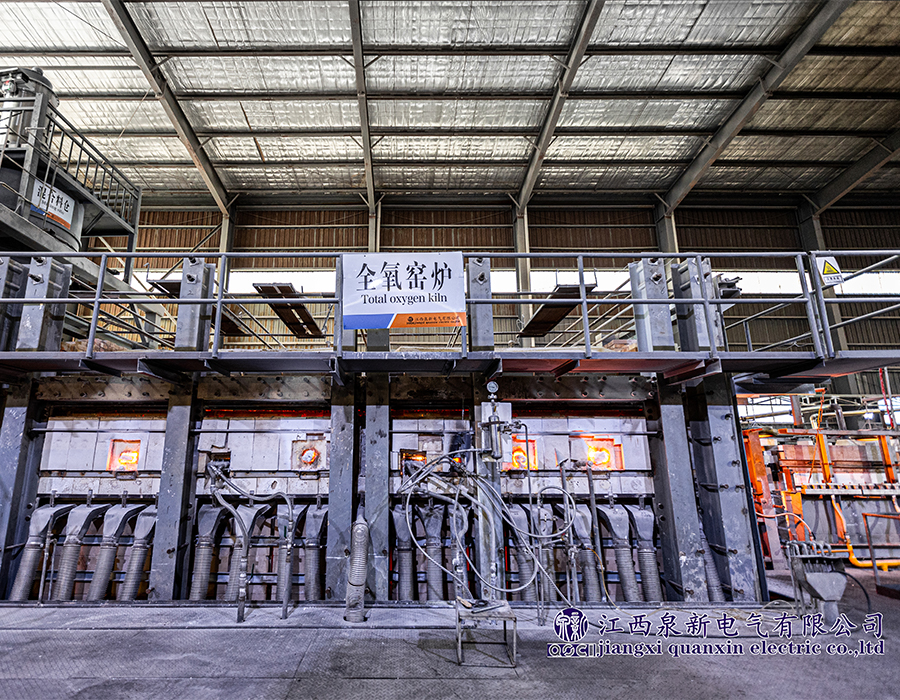
At Jiangxi QOCI Electric, we have transitioned from traditional manufacturing to Industry 4.0 standards. Our production line incorporates a "Total Oxygen Kiln" system—a cutting-edge technology that ensures uniform thermal distribution, resulting in toughened glass with zero internal defects. This high-purity glass is crucial for HVDC (High Voltage Direct Current) lines where ionic migration can compromise standard insulators.
Automated forming presses and mixers ensure that every insulator shell meets the strict tolerance levels required by IEC 60305 and ANSI standards.
Our facility features High Voltage Test labs where each batch undergoes steep-front impulse voltage and thermal-mechanical performance tests.
We apply Room Temperature Vulcanization (RTV) silicone coatings using precision robotics to ensure a uniform hydrophobic layer for polluted environments.
Designed for self-cleaning, our standard profiles utilize shallow ribs that allow rain and wind to naturally clear dust. For desert regions, our Open Profile designs eliminate under-ribs to prevent sand accumulation, solving the "ice-bridging" and "sand-fouling" problems simultaneously.
Featuring deep, widely-spaced under-ribs, these insulators provide an extended creepage distance/spacing ratio (up to 3.2). This is vital for coastal "salt fog" environments where conductive moisture would otherwise cause flashovers.
A pinnacle of UHV engineering, our Triple-Shed glass insulators provide superior stable electrical performance in ultra-heavy pollution zones. The multi-layered umbrella design creates a complex path for leakage currents, effectively isolating the potential and protecting the grid.
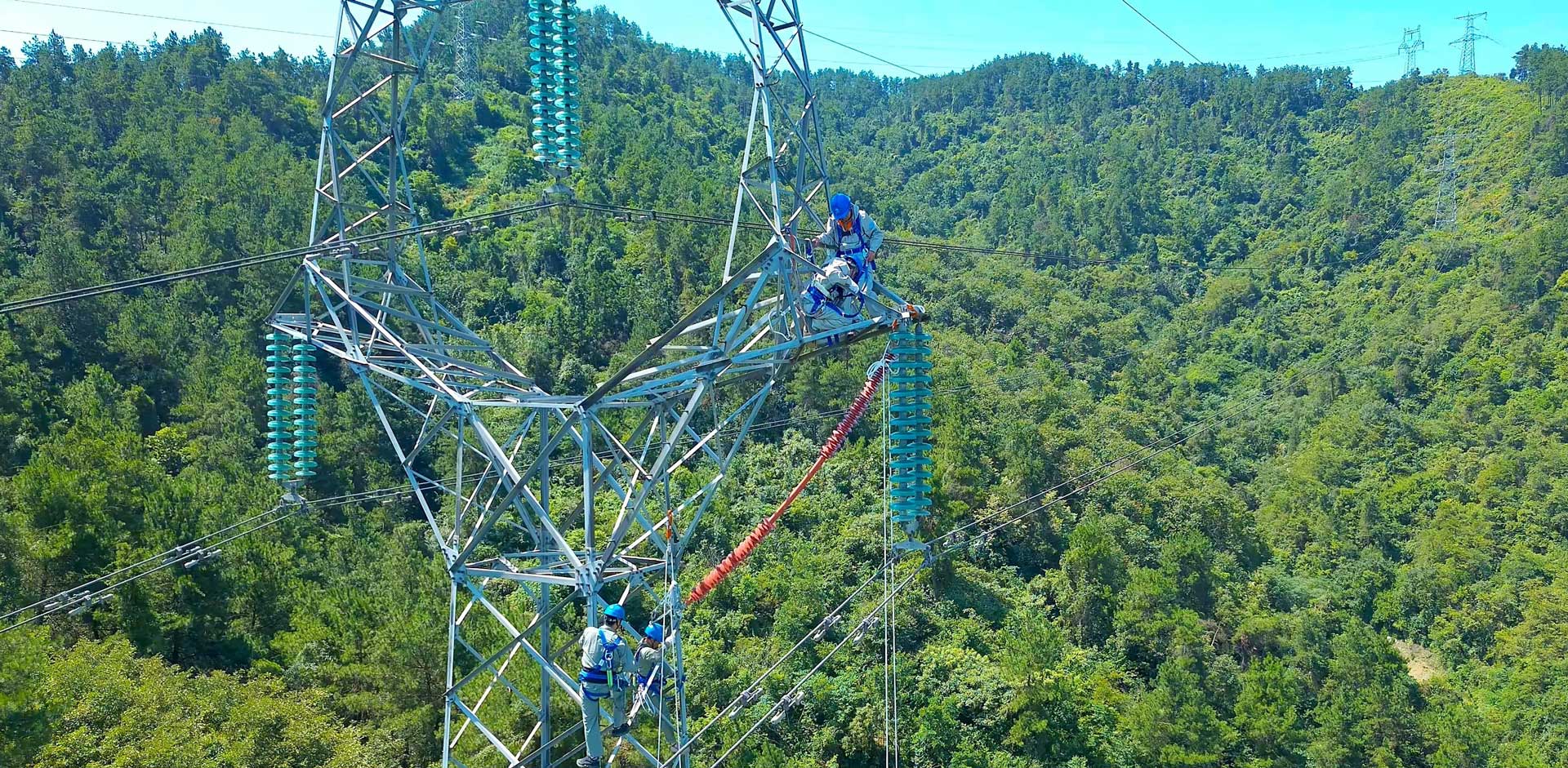
RTV-coated and Fog-type glass insulators to prevent saline corrosion.
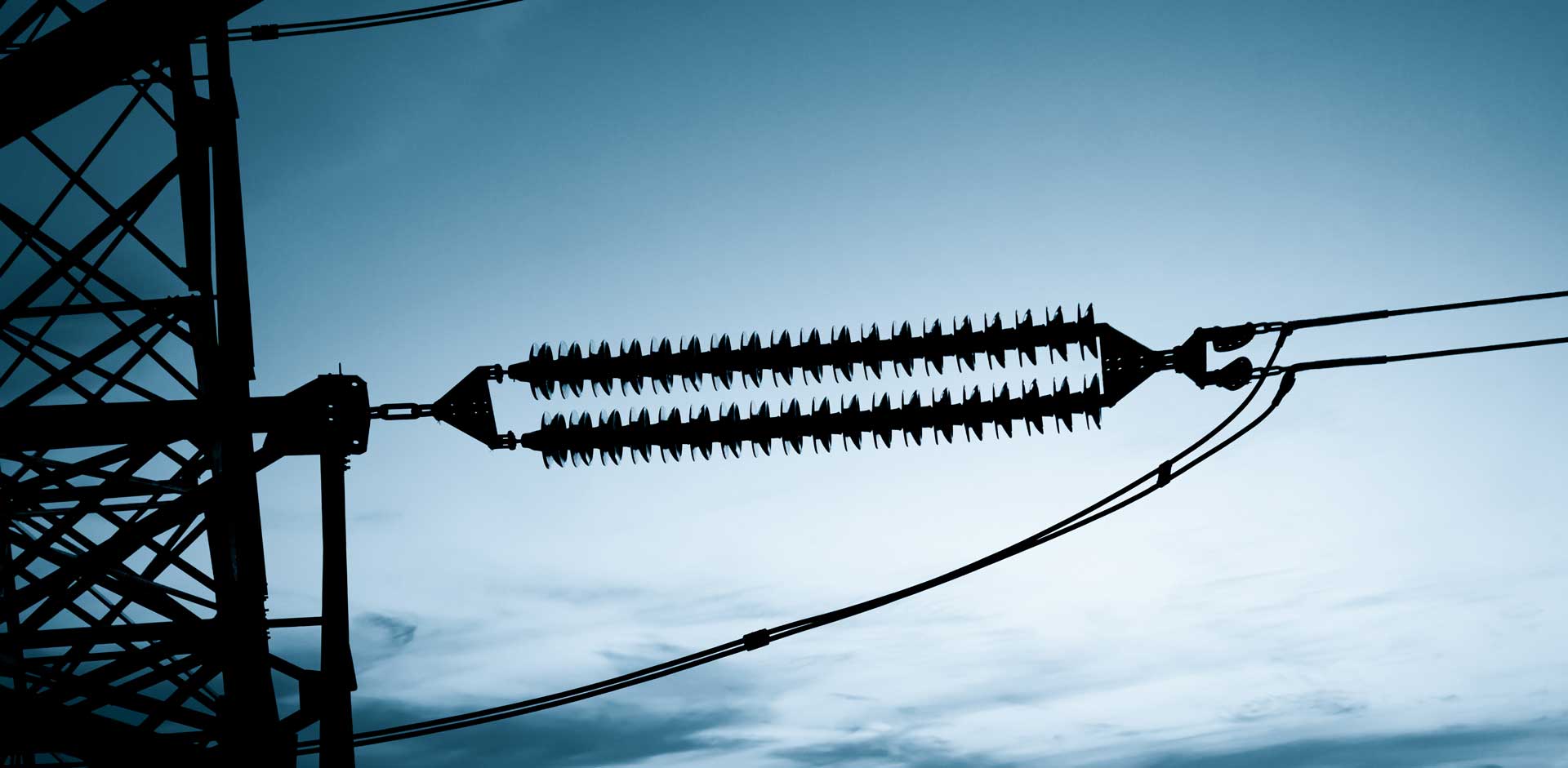
Optimized dielectric strength for thin-air environments up to 5000m.
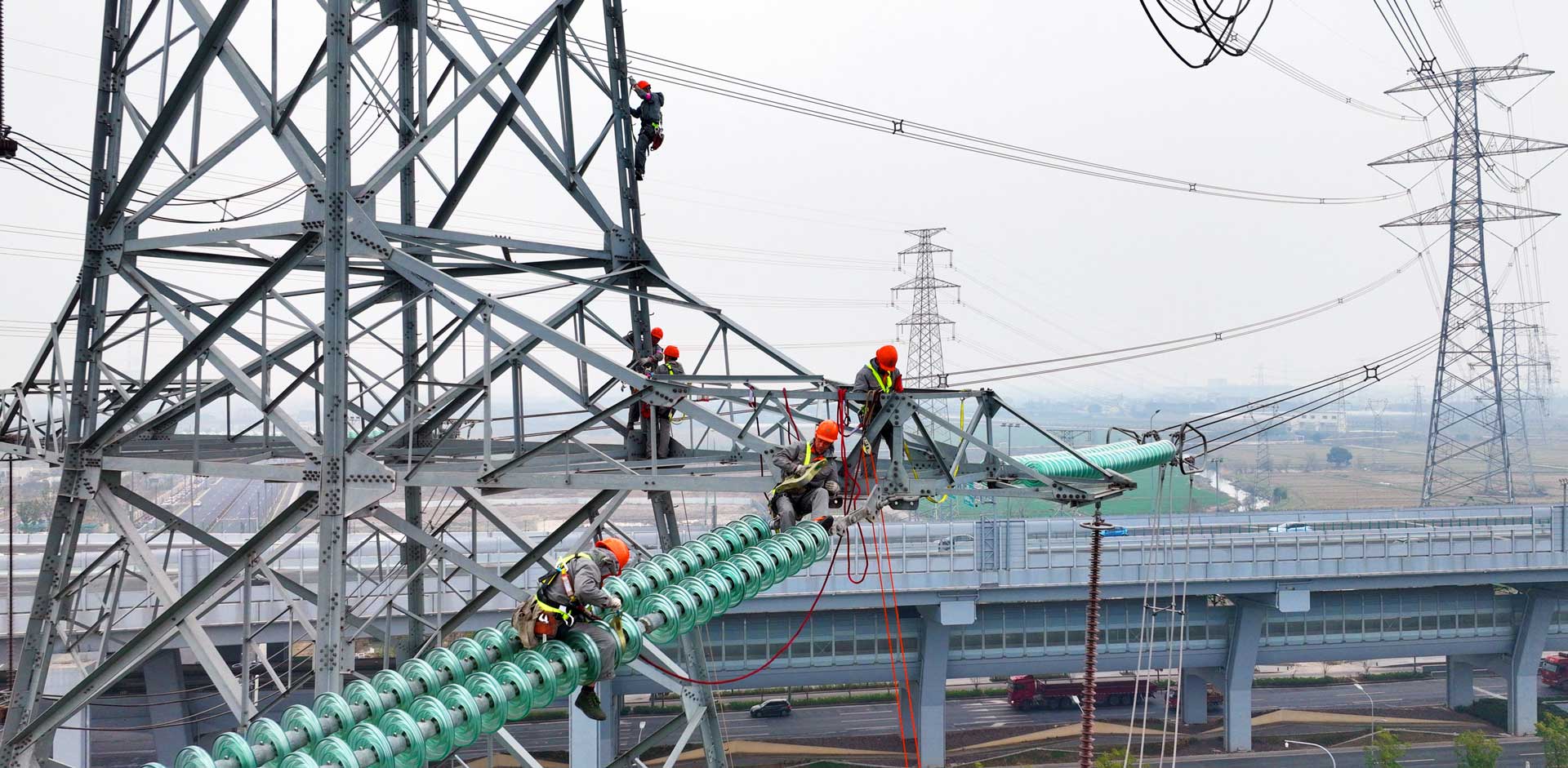
Anti-pollution designs for areas near chemical plants or coal power stations.
Toughened glass resilience against heavy ice loading and thermal shock.