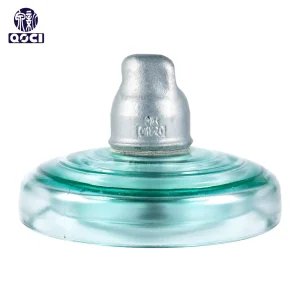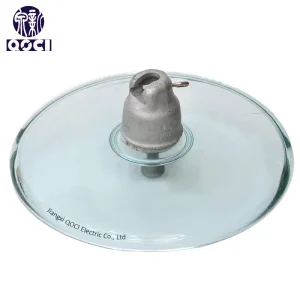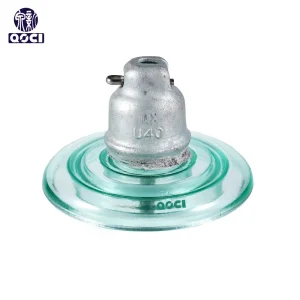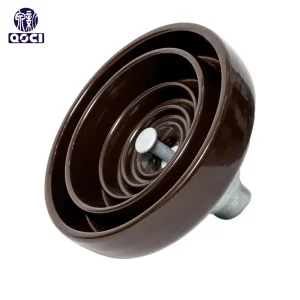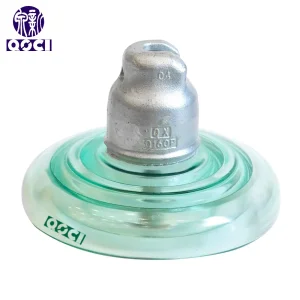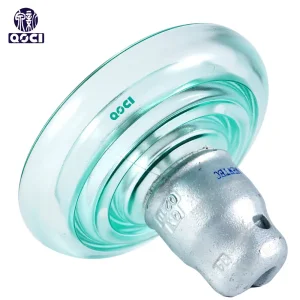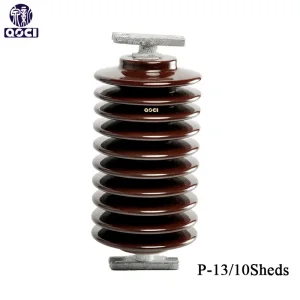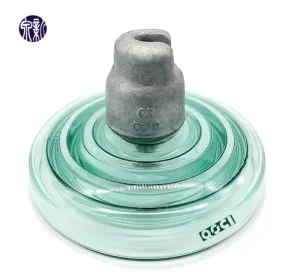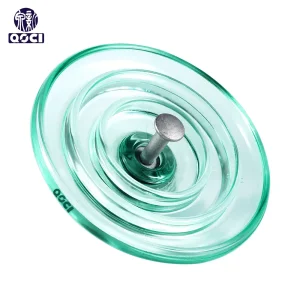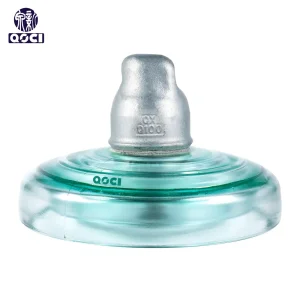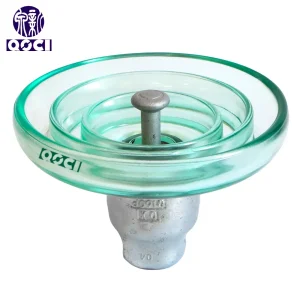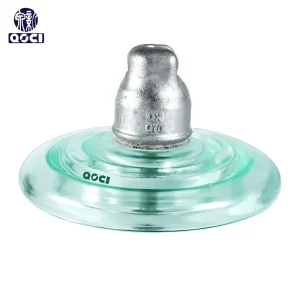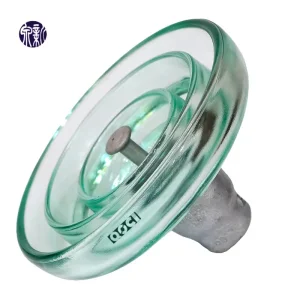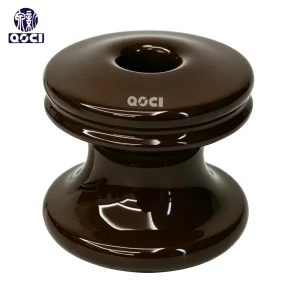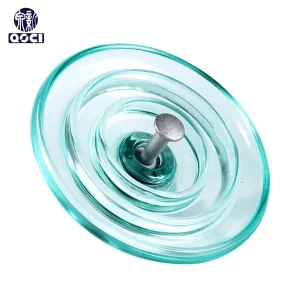
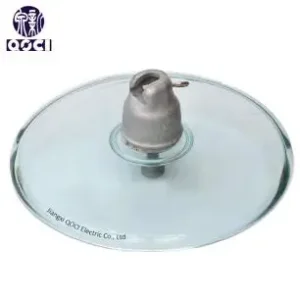
The global power transmission landscape is undergoing a radical transformation. As nations shift toward renewable energy integration and smart grid modernization, the demand for High-Quality Porcelain & Glass Insulators has reached an all-time high. Industrially, insulators are the silent sentinels of the grid, ensuring that hundreds of kilovolts remain confined to the lines and do not discharge into the supporting structures.
Currently, the market is bifurcated into two primary material paths: traditional porcelain and toughened glass. While porcelain offers a century of proven reliability and high thermal stability, toughened glass has surged in popularity due to its "self-shattering" diagnostic property, which simplifies maintenance in remote mountainous regions. Factories like Jiangxi QOCI Electric are at the forefront of this industrial surge, combining both technologies to offer diverse solutions that meet IEC and ANSI international standards.
Commercial stakeholders now prioritize Total Cost of Ownership (TCO) over initial purchase price. This shift in "search intent" indicates that modern procurement officers are looking for manufacturers who provide information gain—insights into how specific insulator profiles (aerodynamic, anti-fog, or RTV-coated) can reduce line loss and maintenance downtime over a 40-year lifecycle.
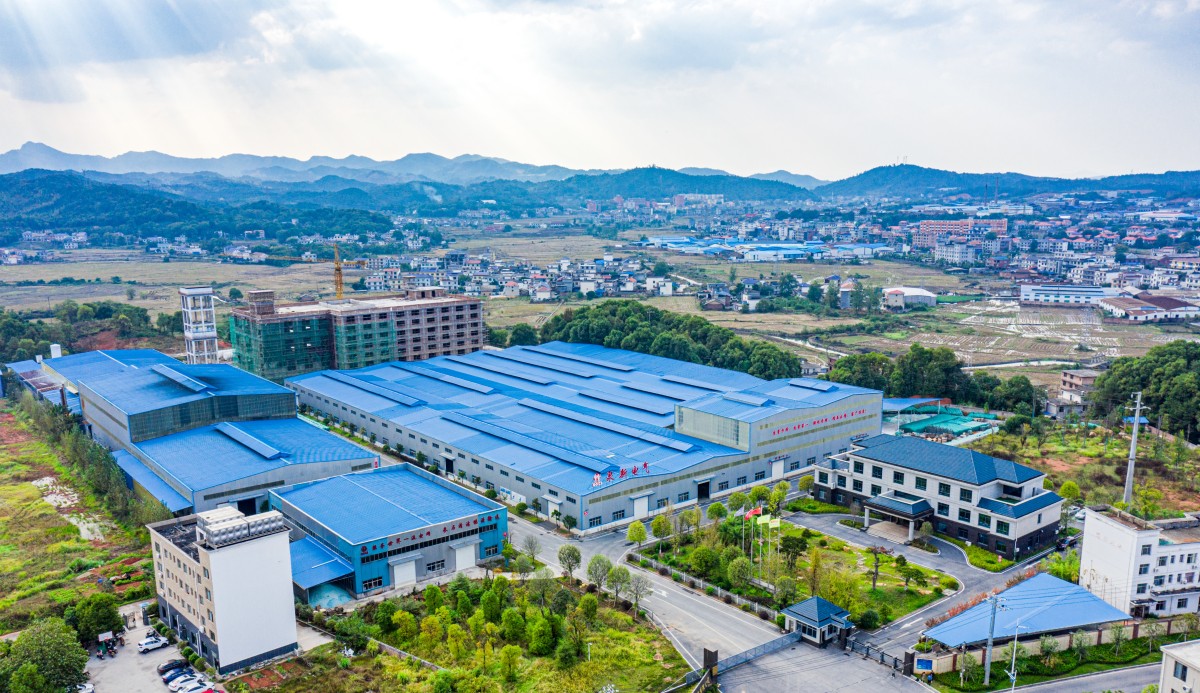
Founded in December 2002, Jiangxi QOCI Electric Co. Ltd has grown into a titan of the electrical industry with a registered capital of 508 million Yuan. Nestled in the Industrial Park of Luxi County, Pingxiang—the historic heart of China's porcelain industry—our facility spans an impressive 70,000 m².
Our commitment to "Serve the world-class power grid" is backed by rigorous quality controls and a passion for technical innovation. We don't just manufacture; we engineer safety for the global electric power industry.
Our location in Luxi County provides a unique strategic advantage. We operate within a complete supply chain cluster, from raw alumina sourcing to specialized logistics, ensuring that our "Chinese Manufacture" price remains competitive without sacrificing quality.
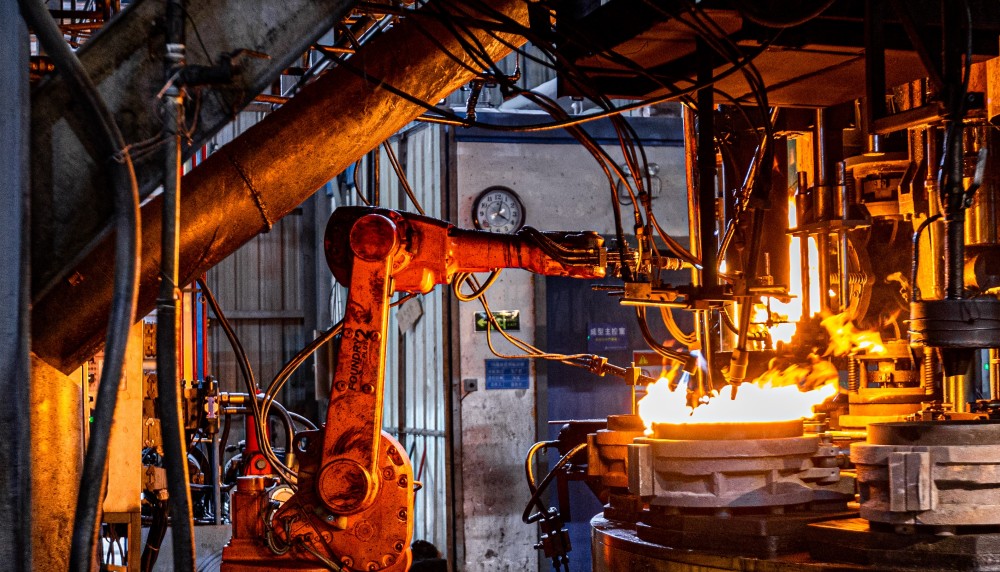
Utilizing Total Oxygen Kilns, we have optimized the firing process of porcelain and the tempering of glass. This reduces energy consumption by 20%, a cost saving we pass directly to the customer while improving the dielectric strength of every unit.
Room Temperature Vulcanization (RTV) silicone coating on glass insulators is our future-proof solution. It combines the mechanical strength of glass with the hydrophobicity of polymers, drastically reducing the need for manual cleaning in high-pollution areas.
Our Standard Profile insulators feature leakage distances exceeding IEC 60305 values. Designed with shallow ribs, they are optimized for "self-cleaning" by natural rain and wind. For coastal regions where salt spray is a threat, our Anti-Fog Profile utilizes widely-spaced under-ribs to prevent arc bridging.
In desert environments, sand accumulation is the enemy. Our Open Profile designs eliminate under-ribs entirely, preventing the build-up of solid pollutants and making them ideal for high-wind, low-rain geographies.
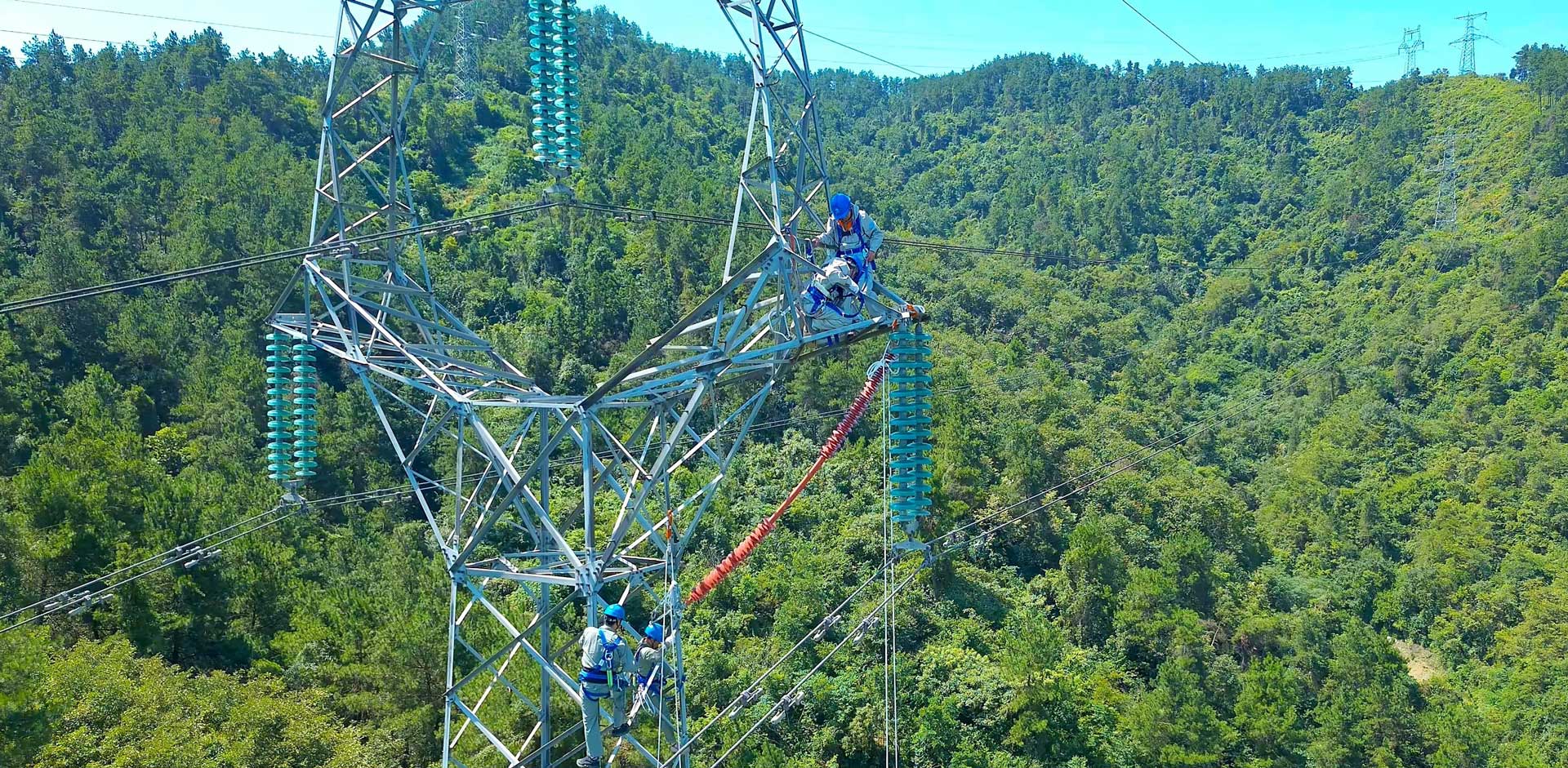
From the frozen Siberian steppes to the humid African tropics, our insulators are tested for extreme thermal cycles.
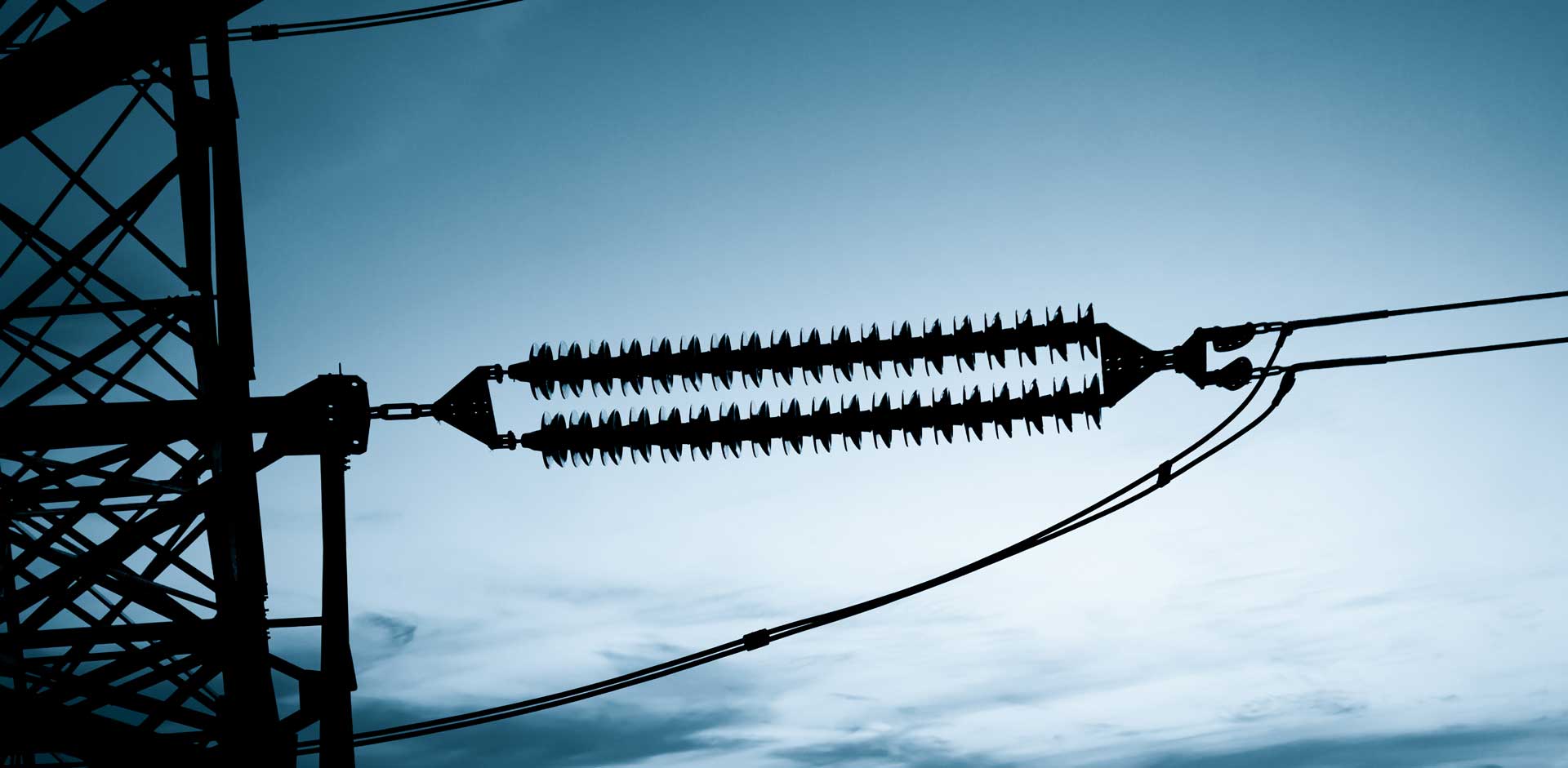
Compatible with AC and DC Ultra-High Voltage (UHV) lines, supporting the world's most demanding energy grids.
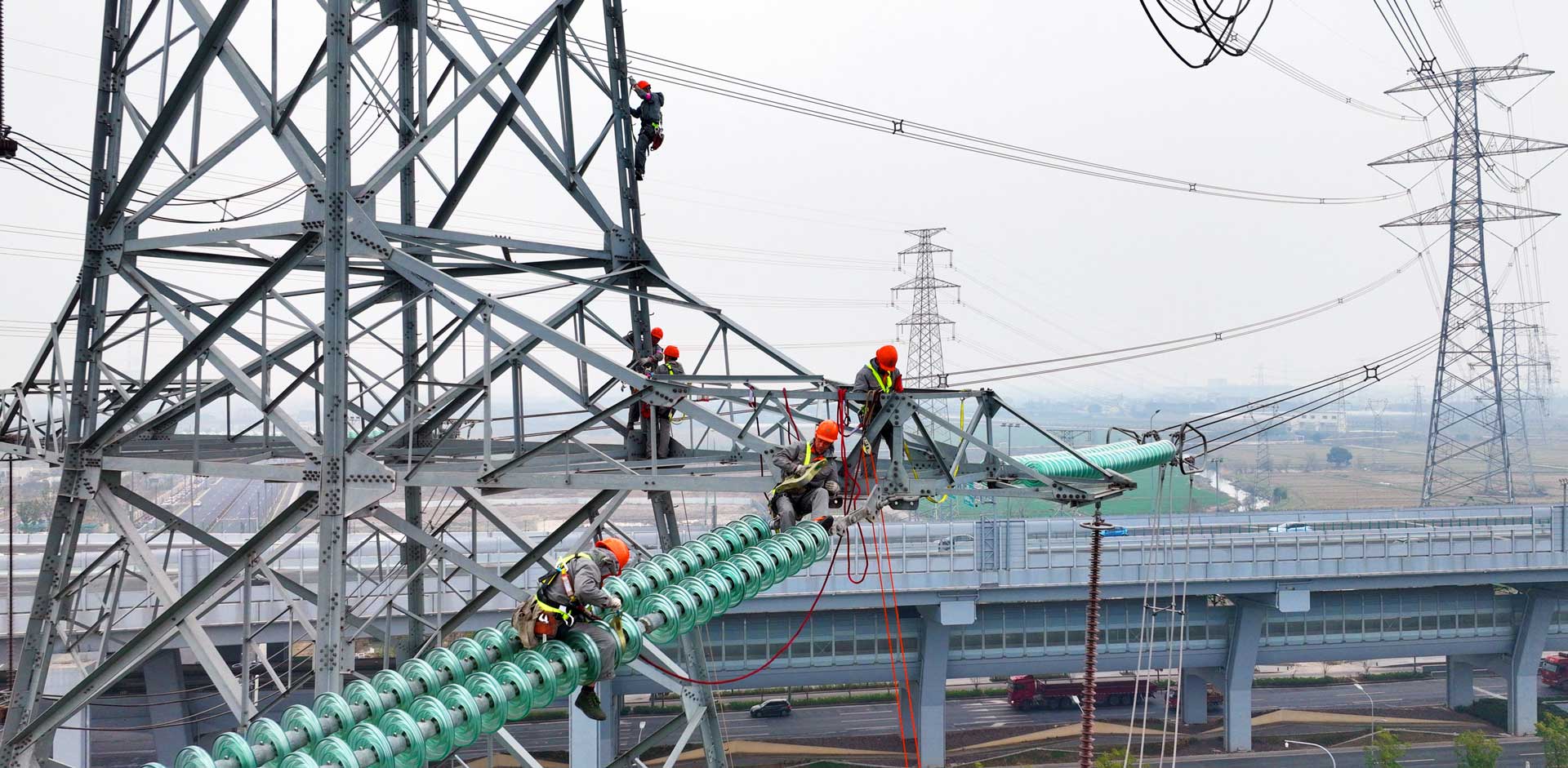
Precision-engineered Triple-Shed types for pollution flashover resistance in heavy industrial zones.
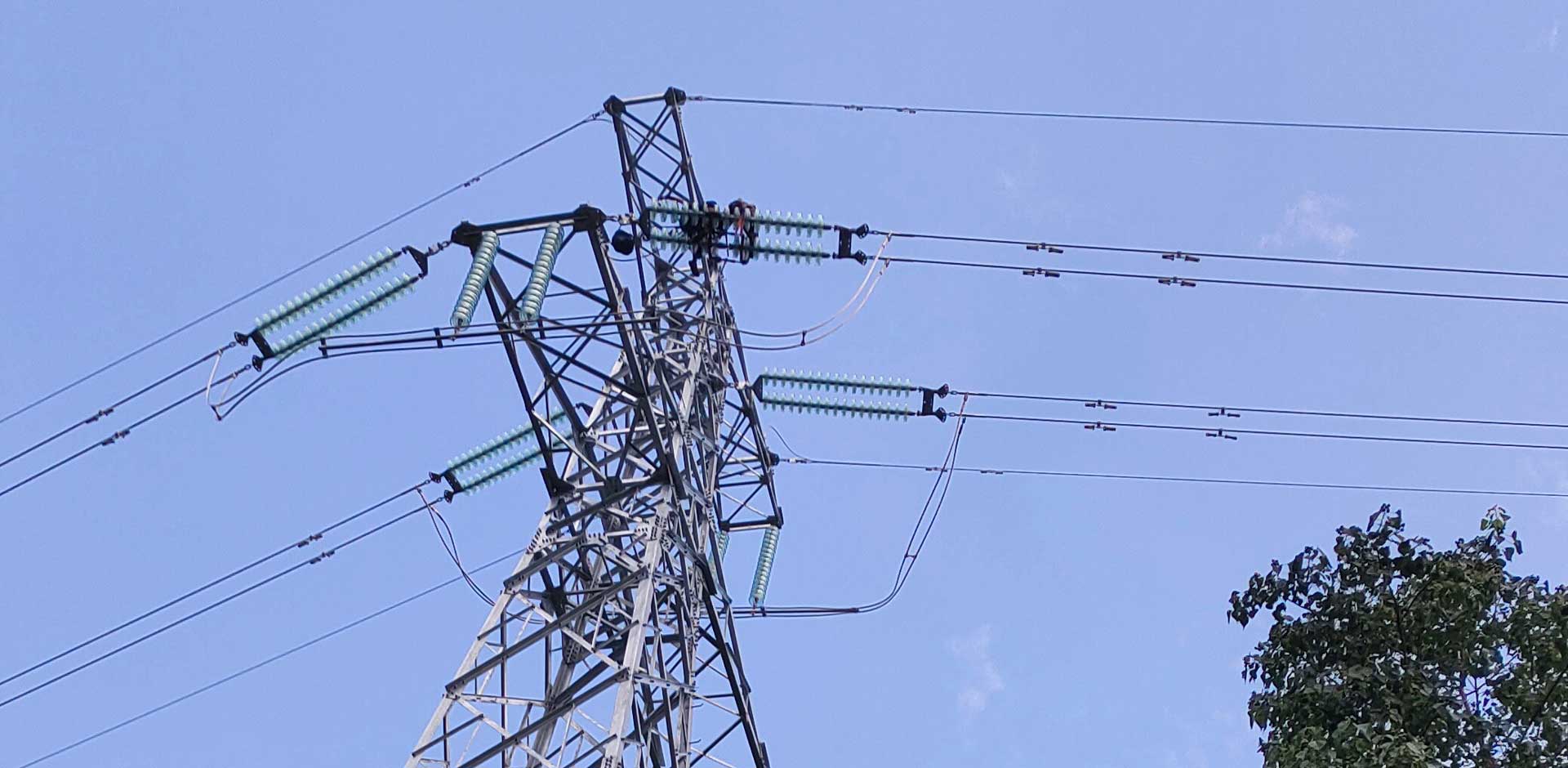
Custom solutions for railway electrification and substation post-insulation with local合规 (Compliance) support.
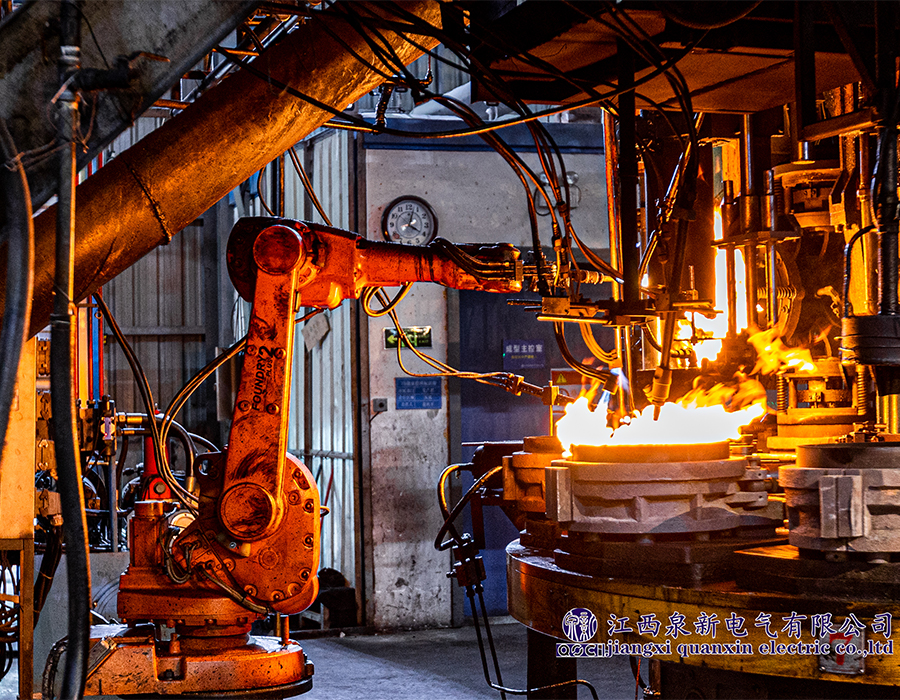
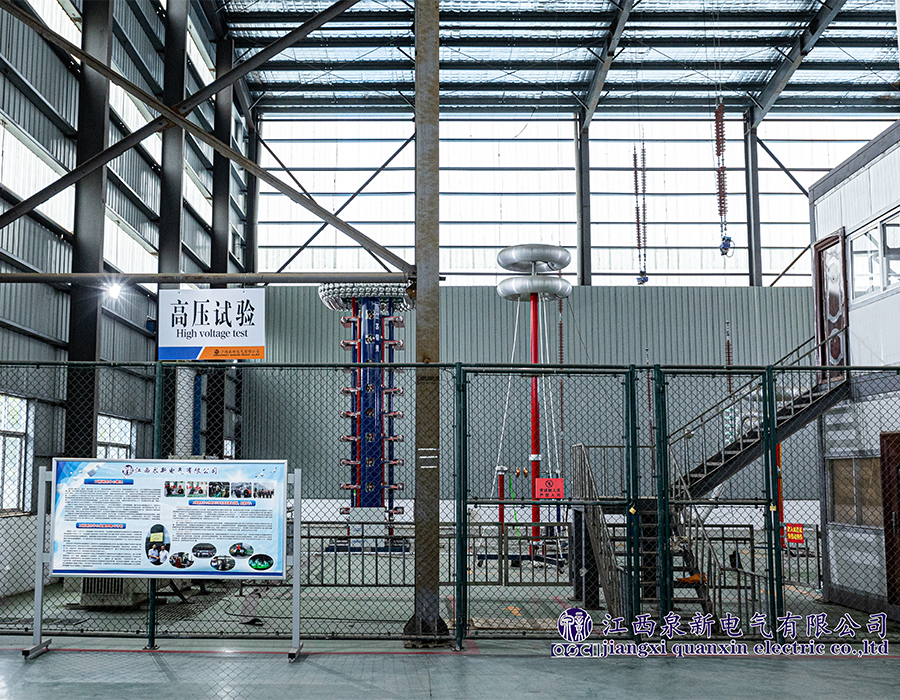
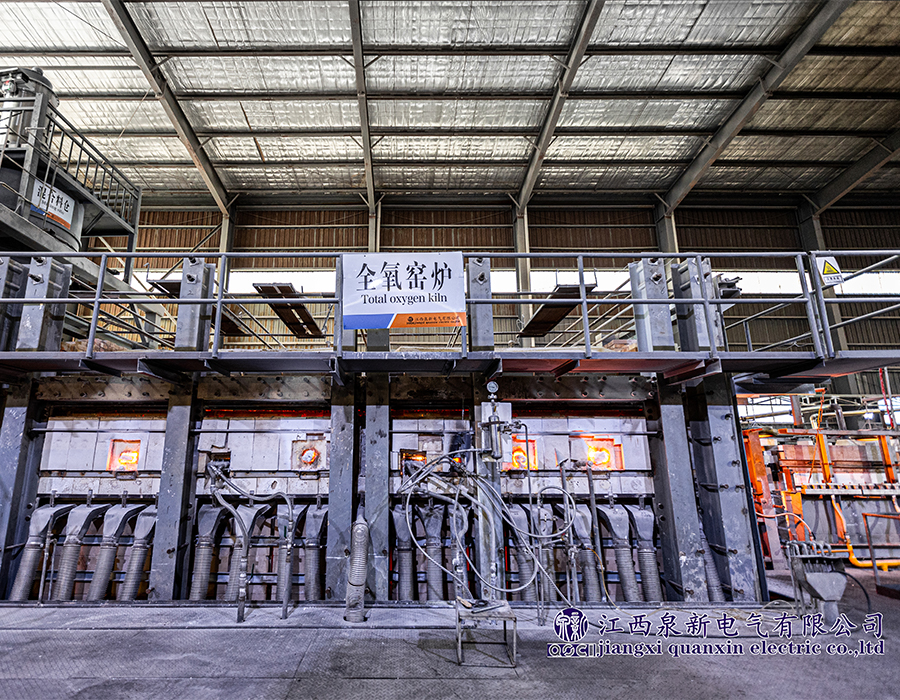
The price is primarily driven by alumina content, glazing quality, and mechanical strength ratings (kN). Manufacturing efficiency, such as the use of automated kilns at QOCI Electric, also significantly impacts the final quote.
Glass insulators offer "visual maintenance"—if a glass insulator fails, it shatters, making it easy for linemen to identify. Porcelain, while highly durable, often requires expensive testing to detect internal punctures.
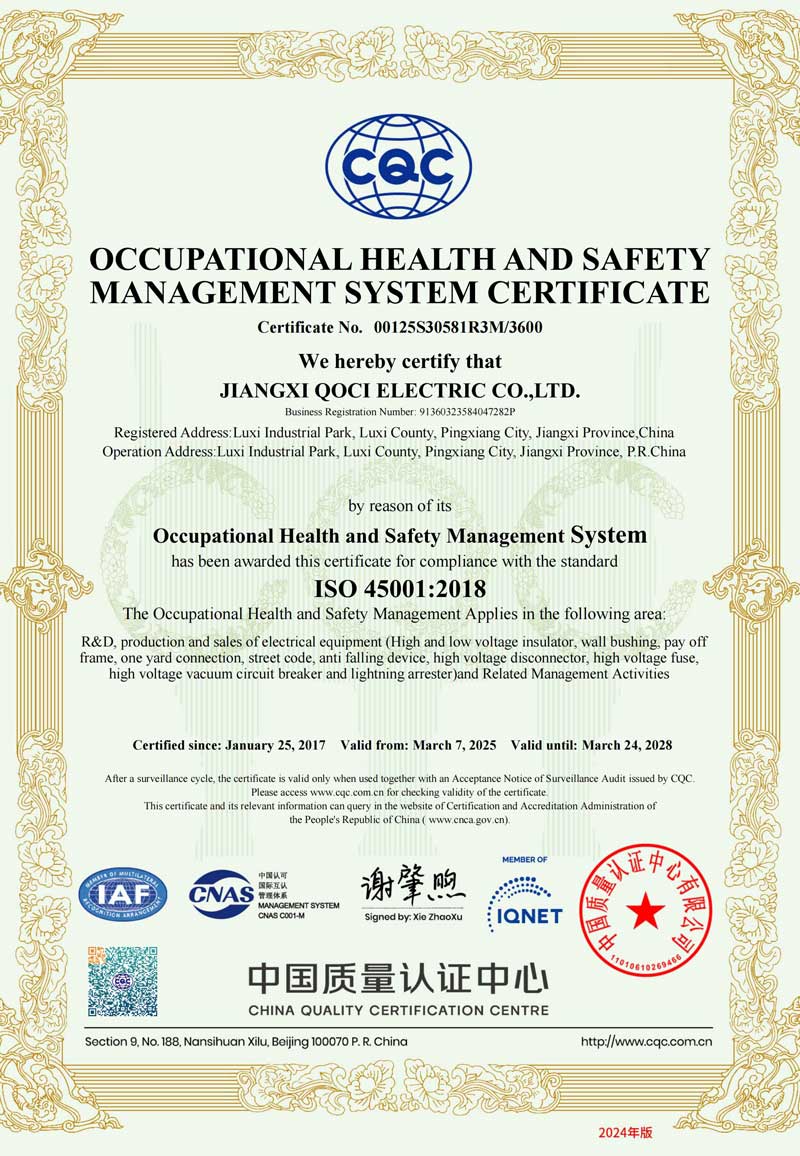
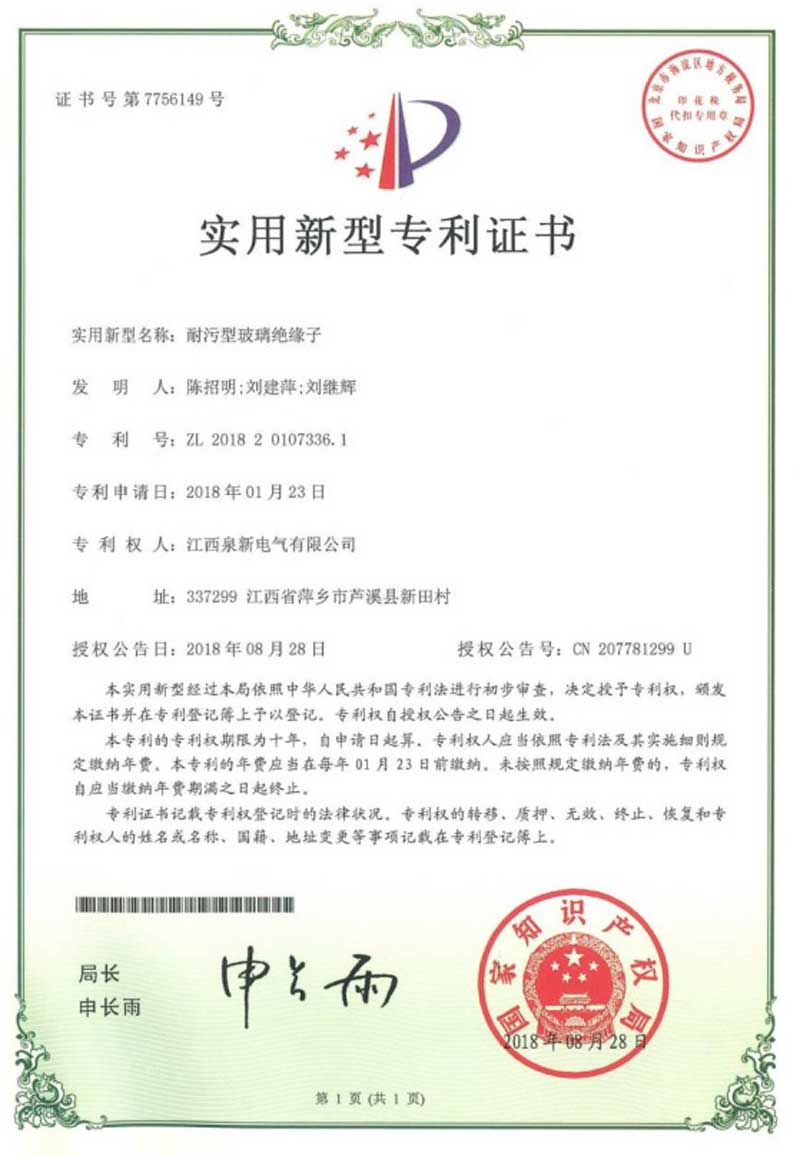
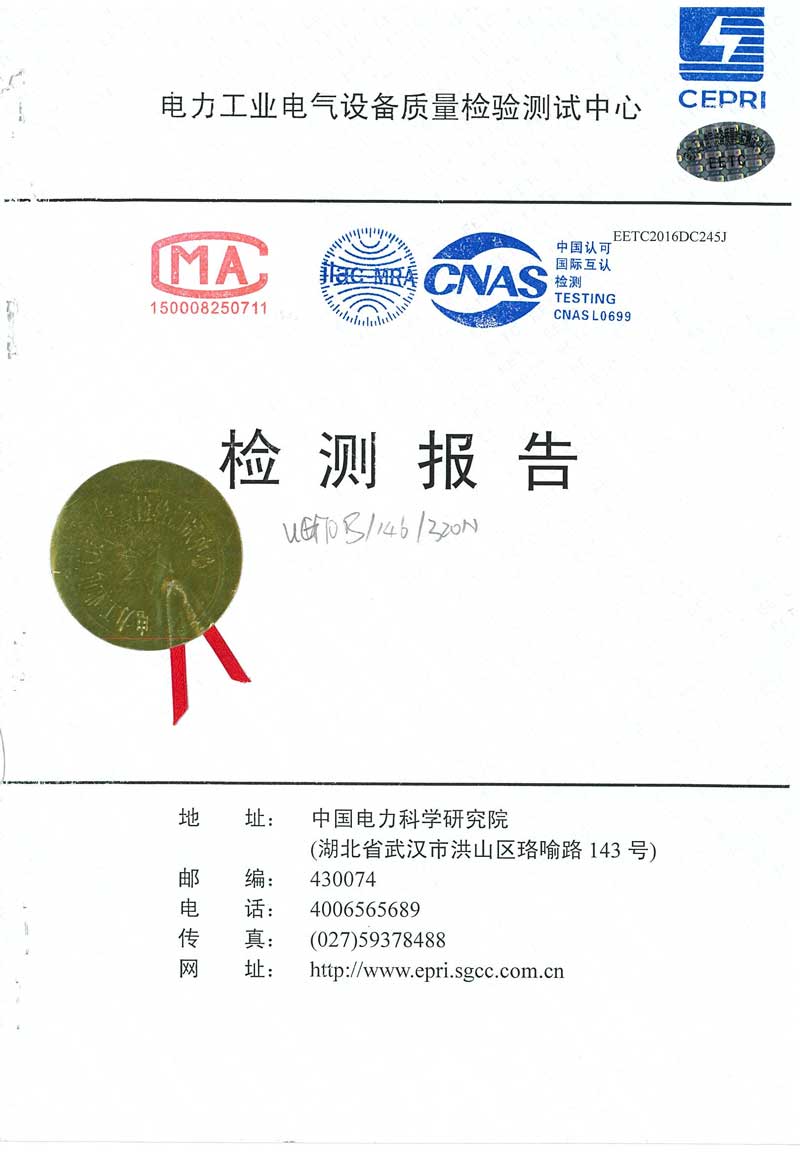
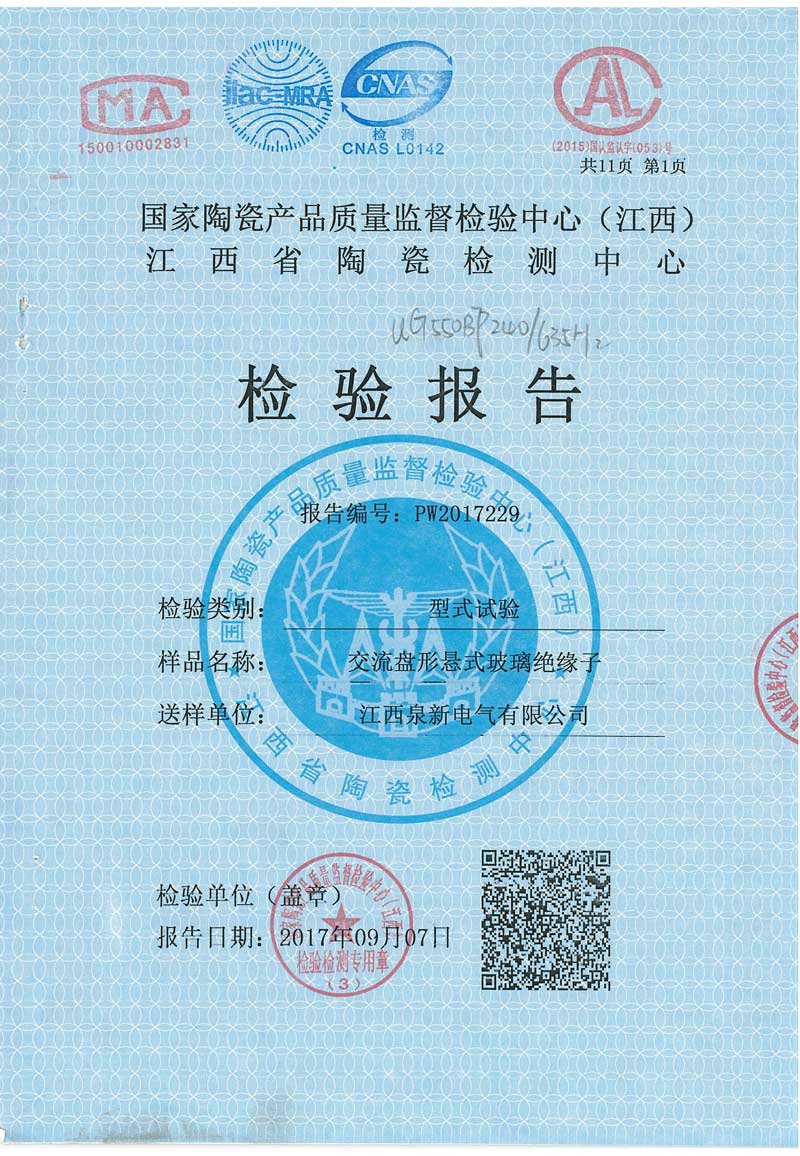
We demonstrate Expertise through our 53+ technicians, Experience with 20+ years in the market, Authority through our 508M Yuan capital and patents, and Trustworthiness via international certificates and rigorous high-voltage testing.
RTV coating provides superior hydrophobicity, preventing water films from forming on the insulator surface, which drastically reduces the risk of leakage currents and pollution flashovers.
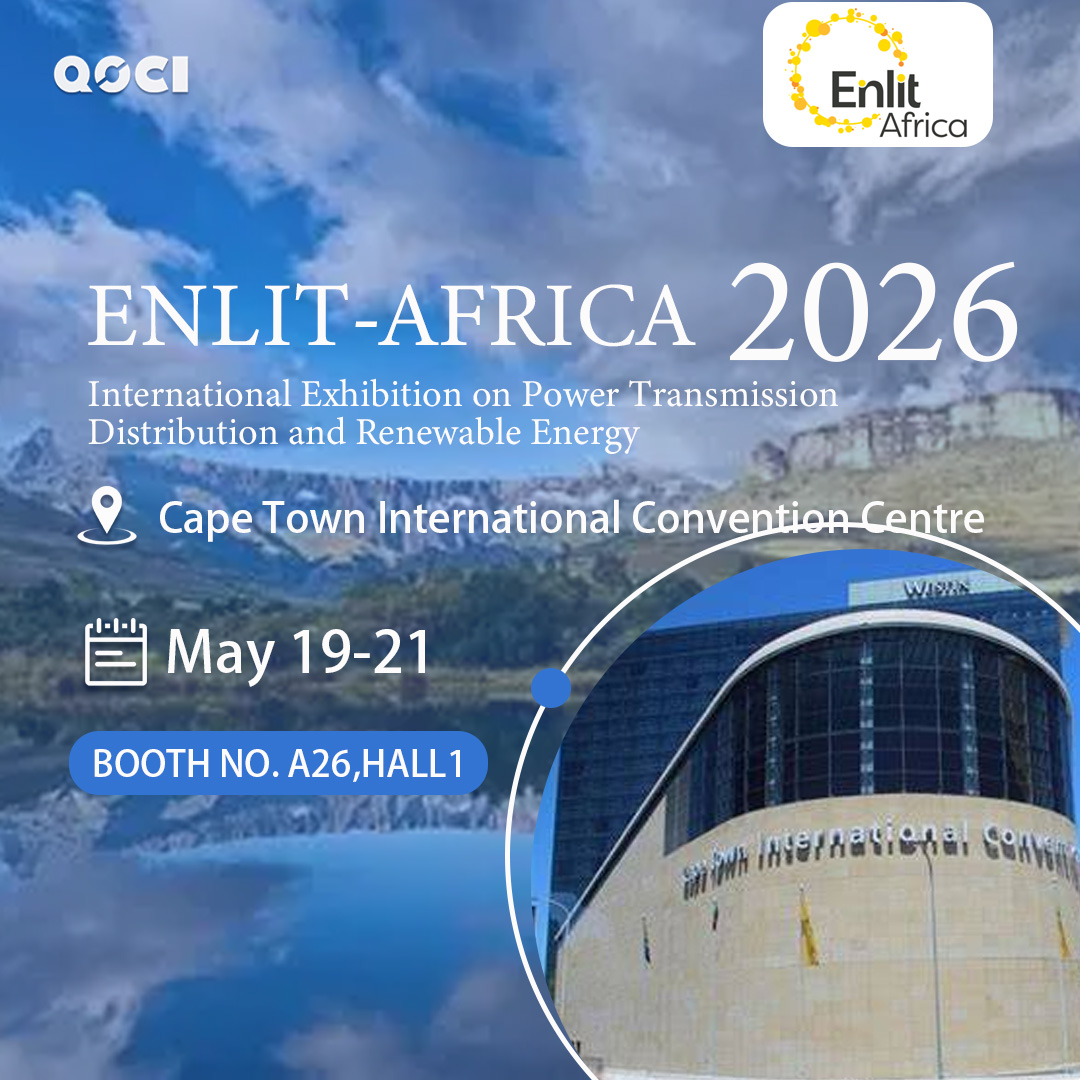
Participating in the global energy transition with cutting-edge renewable energy storage and insulation solutions.
Having withstood extreme icing, high altitude, and earthquakes, China's insulator tech is now a mature global benchmark.
May 10, 2026Exploring the powerhouse of grid innovation. Join us as we showcase our 160kN and 210kN toughened glass series.
April 22, 2026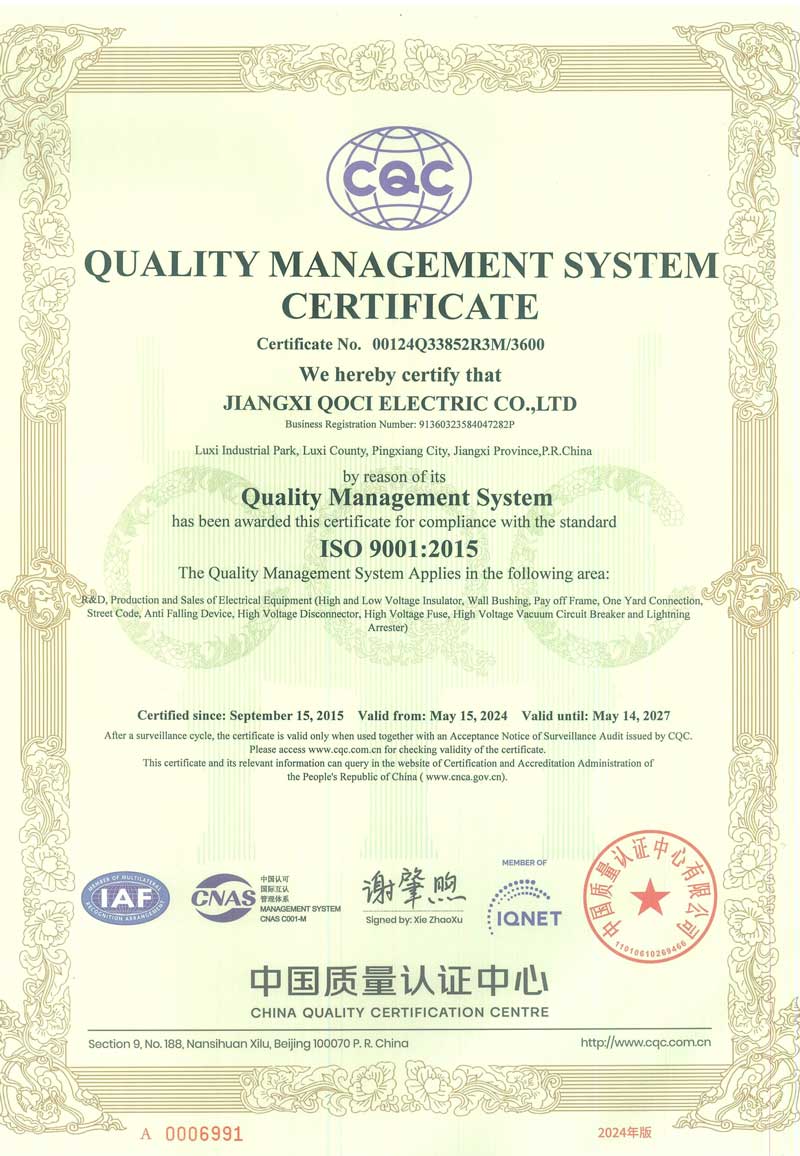
As we look toward 2030, the integration of IoT-enabled monitoring within insulator strings will become the standard. Jiangxi QOCI Electric is already exploring "Digital Twin" manufacturing, where each porcelain or glass unit is tracked from kiln to the line, providing real-time data on stress and leakage current. Our roadmap includes further increasing the alumina density of our porcelain to reduce weight while maintaining 300kN+ ratings, supporting the next generation of Extra-High Voltage (EHV) corridors across the globe.
For global procurement teams, the decision is clear: Choose a manufacturer that offers technical depth, supply chain resilience, and a proven track record of E-E-A-T. Choose Jiangxi QOCI Electric.