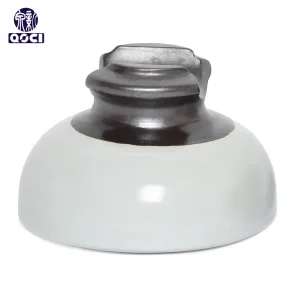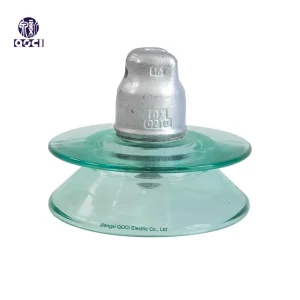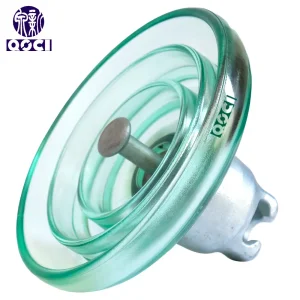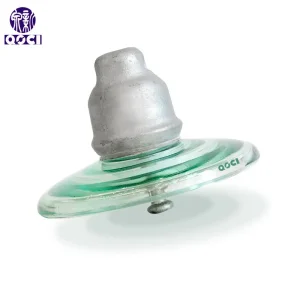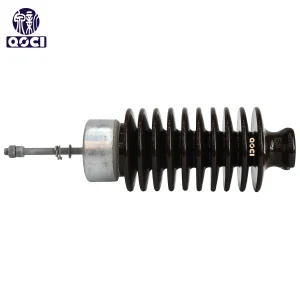
Explore our premium high-voltage line post and toughened glass cap-and-pin insulators built under rigid international standards
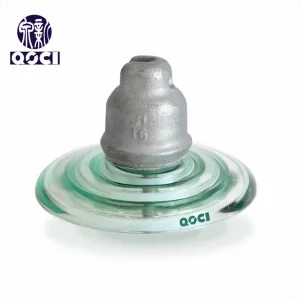
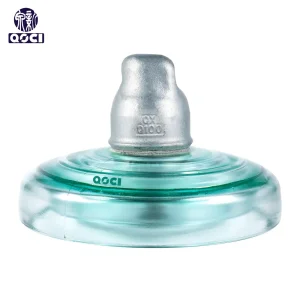
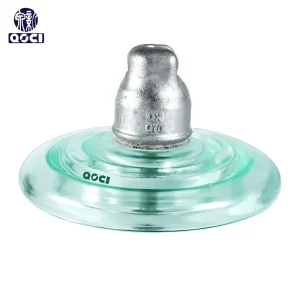
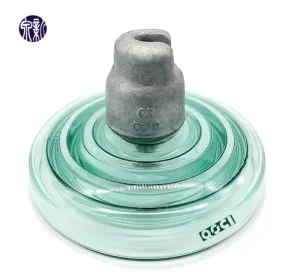
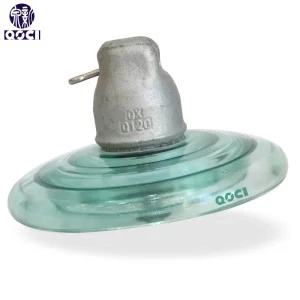
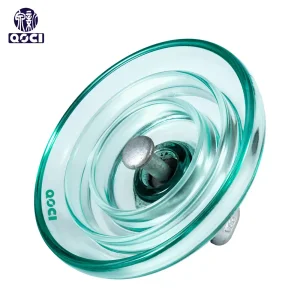
In modern electrical grid architectures, transmission lines act as the vital arteries of national power infrastructures. With the continuous expansion of high-voltage (HV), extra-high-voltage (EHV), and ultra-high-voltage (UHV) systems, the physical demands on insulation elements are increasingly critical. The Isolateur CTV 254 U70B (Cap-and-Pin Type suspension tempered glass insulator) has solidified its position as a cornerstone components for electrical isolation and structural support globally.
Defined by a mechanical failing load of 70 kN and a nominal disc diameter of 254 mm, these components leverage the inherent structural benefits of toughened glass. Toughened glass insulators undergo specialized thermal tempering cycles, yielding permanent compressive surface stresses that significantly enhance resistance to mechanical loads, temperature variations, and environmental degradation compared to traditional porcelain or composite alternatives.
To accurately plan overhead line layouts, transmission engineers evaluate multiple parameters of the CTV 254 U70B insulator to ensure compliance with IEC 60305, IEC 60383, and NF C 66-130 standards. Below are the design specifications typical of this model:
| Design Parameter | Standard CTV 254 U70B Specifications | Engineering Significance |
|---|---|---|
| Electromechanical Failing Load | 70 kN (U70B Classification) | Determines maximum mechanical tension for line configurations. |
| Glass Disc Diameter (D) | 254 mm | Establishes dry arc clearance and leakage distance boundaries. |
| Nominal Spacing (H) | 146 mm (Standard) / 127 mm (Compact Option) | Dictates overall length of the suspended insulator string. |
| Nominal Creepage Distance | 320 mm (Standard) up to 450 mm (Anti-pollution) | Determines flashover resistance in salty or polluted zones. |
| Coupling Size & Connection | 16 mm (Ball and Socket according to IEC 120) | Standardizes grid compatibility with hot-line maintenance tools. |
| Thermal Shock Resistance | Withstands temperature differentials up to 100°C | Prevents premature failure under severe weather changes. |
A global leader in high-performance electrical insulation technology since 2002
Chinese Manufacture, Fast Delivery, Best-in-Class Quality
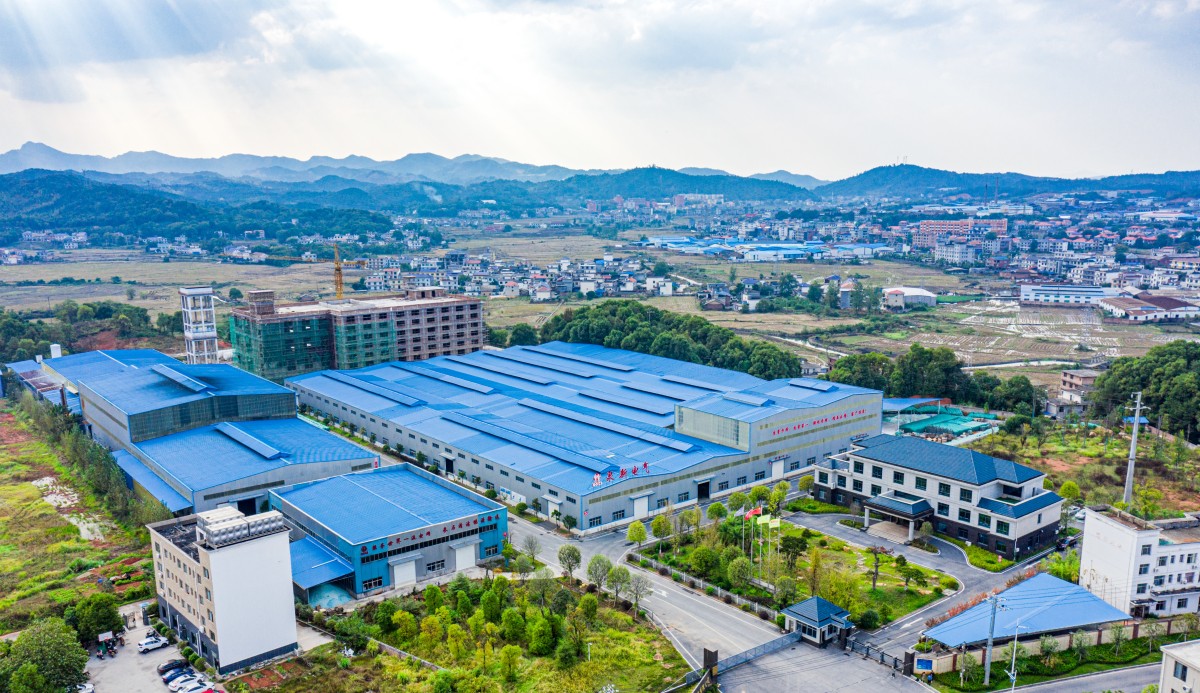
Jiangxi QOCI Electric Co. Ltd was founded in Dec. 2002, with a registered capital of 508 million Yuan. The corporation is located at the Industrial Park, Luxi County, Pingxiang, Jiangxi Province, covering an area of 100 mu. We specialize in producing high-strength glass insulators utilized in low, high, extra-high, and ultra-high voltage AC & DC transmission lines.
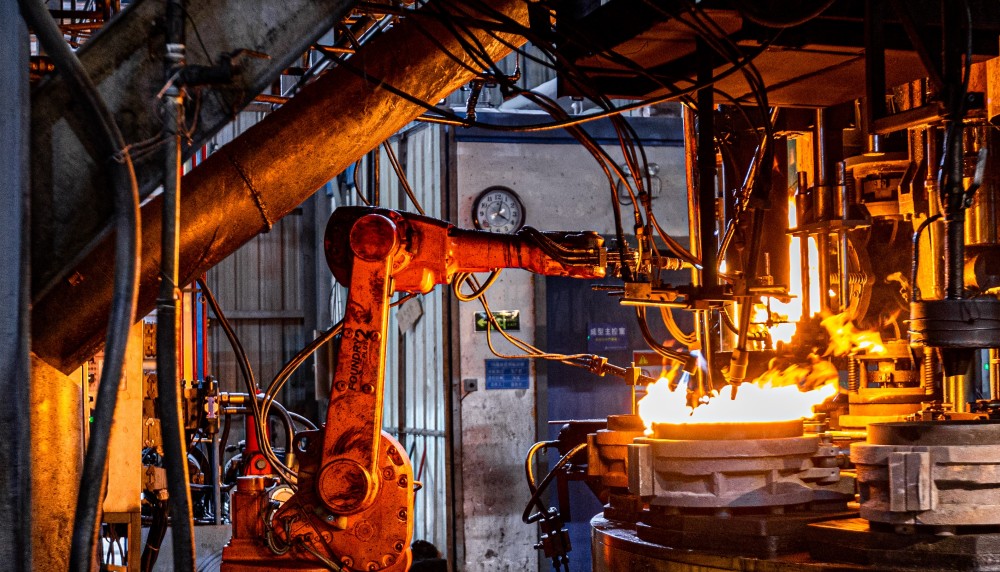
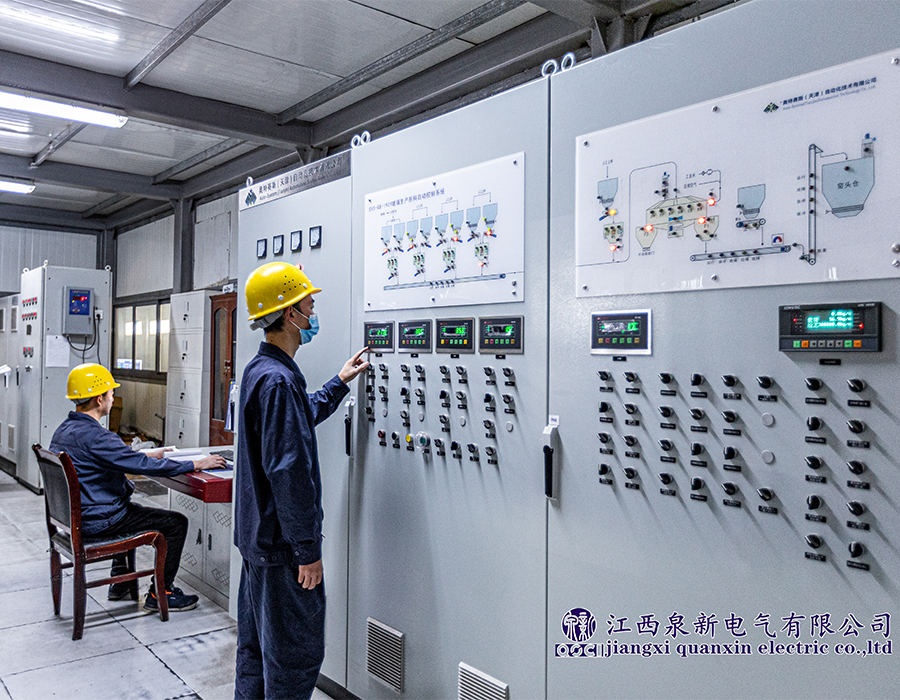
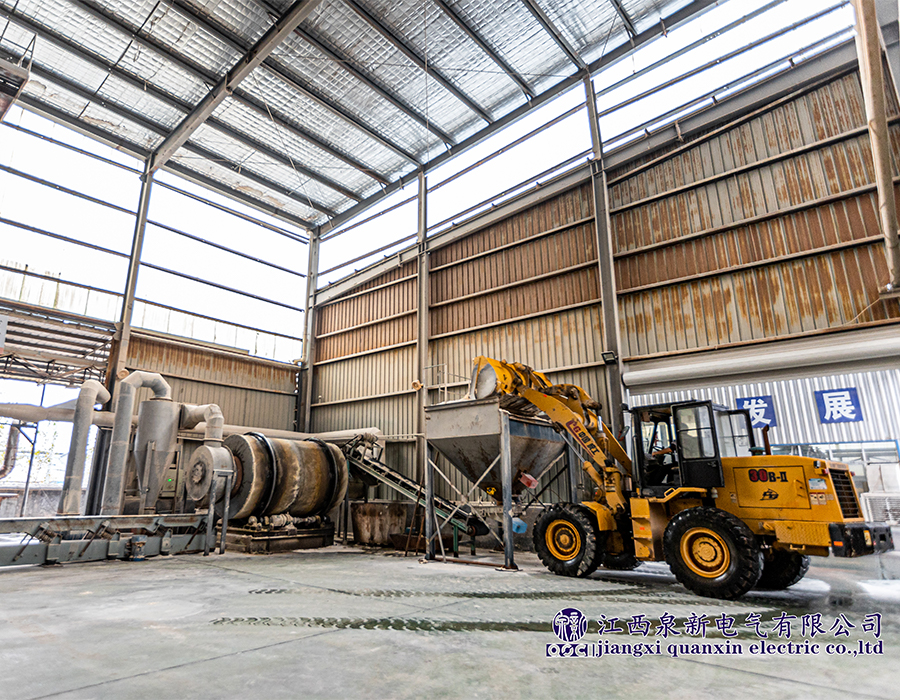
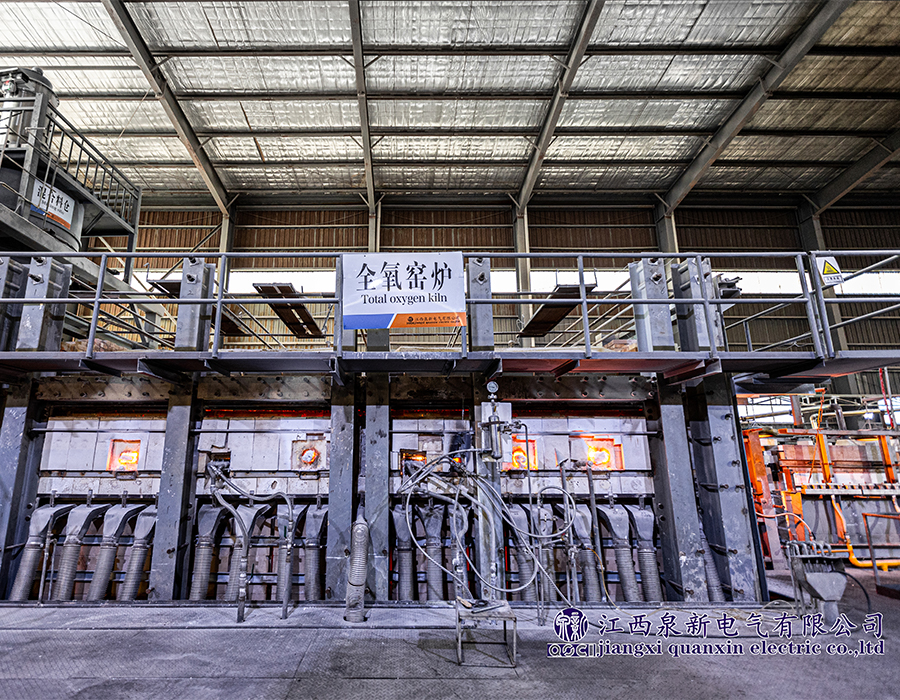
Responsibility is our ultimate guarantee of quality. By integrating high-precision automatic forming presses, total oxygen kilns, and comprehensive high-voltage test laboratories, we ensure our global partners receive highly reliable products designed for safe grid operation.
Insulators operate in varying outdoor conditions. For instance, dry desert winds, salt-laden coastal fog, and heavy industrial pollution require different insulator profiles. The Isolateur CTV 254 U70B line addresses these challenges through custom-engineered shell geometries designed to maintain structural and electrical integrity.
Designed with shallow, well-spaced under-ribs. It is optimized for wind and rain self-cleaning, making it ideal for mild and moderately polluted inland regions where regular rainfall maintains surface cleanliness.
Features deep, widely-spaced under-ribs to prevent electrical bridging across adjacent ribs. With a high leakage distance-to-spacing ratio (approx. 3.2), it performs well in coastal salt fog and heavy industrial zones.
Features an open profile without under-ribs to prevent dust and sand accumulation on the bottom surface. This design helps prevent dry sand build-up and ice bridging in desert and cold climates.
Uses multi-layer shed spacing to increase physical distance between sheds. This design improves flashover resistance in areas prone to heavy rain, snow, or bird droppings.
Includes built-in grounding attachments to redirect lightning currents. This helps protect overhead line components and maintain safe grounding paths.
A composite hybrid utilizing Room Temperature Vulcanizing (RTV) silicone. This coating adds hydrophobic properties to the glass surface, reducing leakage currents and O&M cleaning requirements in heavily polluted areas.
A closer look at our quality control process, from raw materials to final electrical and mechanical testing
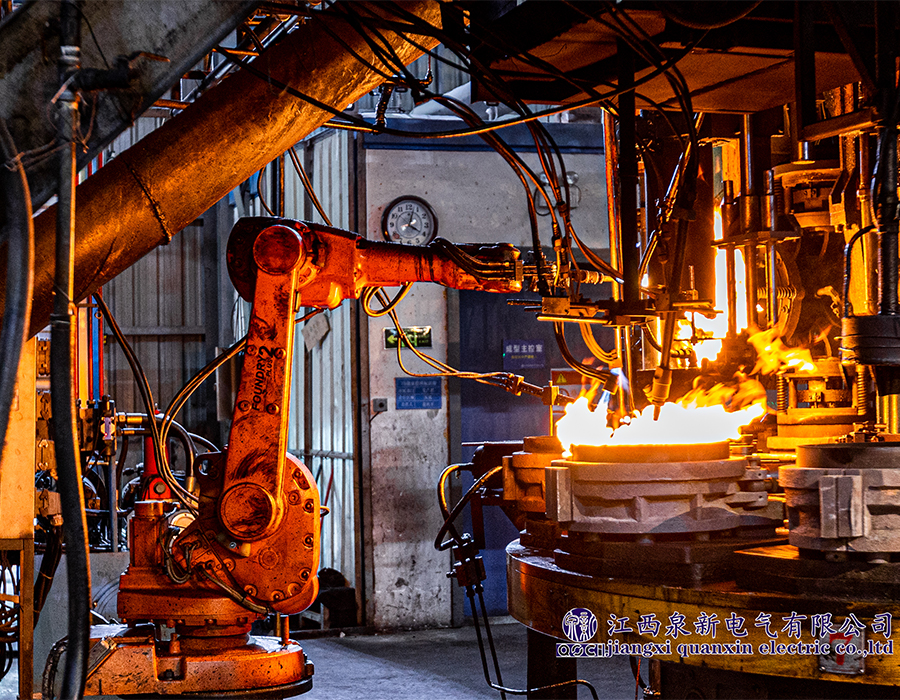
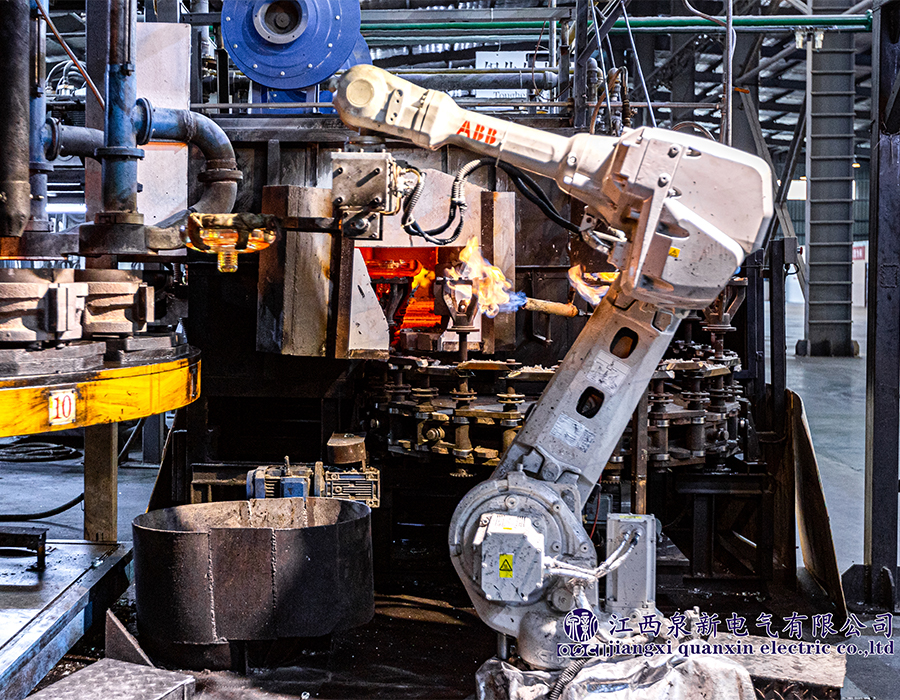
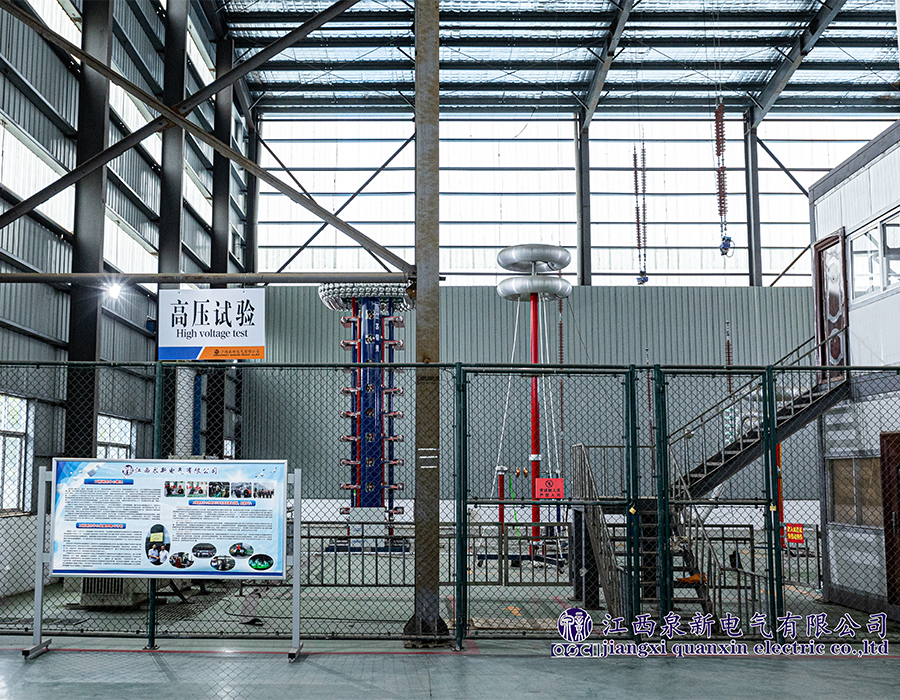
For procurement managers and utility engineers, selecting transmission components requires balancing upfront capital costs against long-term maintenance expenses. While composite (polymeric) insulators often feature lower initial purchase costs, their service life is typically limited to 15-20 years due to UV degradation, ozone attack, and mechanical wear. In contrast, toughened glass insulators offer a service life exceeding 50 years.
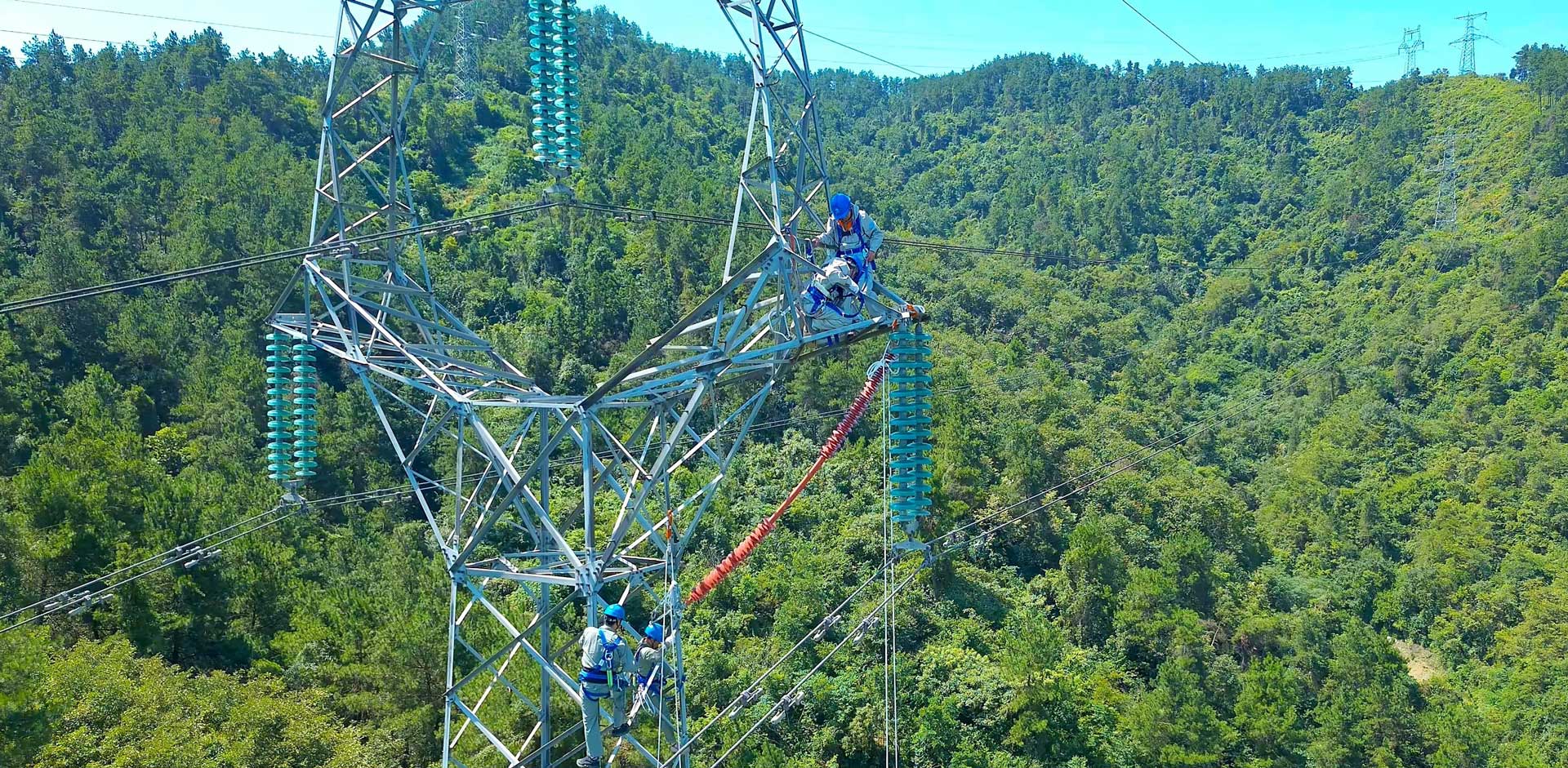
A key operational benefit of toughened glass is its visual detection characteristic: spontaneous shattering upon defect. Standard glass composition combined with thermal tempering ensures that if internal cracks, micro-defects, or severe electrical stresses occur, the shell shatters completely. The mechanical strength of the remaining cap-and-pin assembly remains intact, retaining up to 80% of its rated mechanical load. This visual indicator simplifies maintenance, allowing utility crews to easily identify failed discs during ground or aerial surveys without needing complex diagnostic tools.
Below is an comparison illustrating why major power grid operators choose glass insulation for transmission networks:
| Evaluation Criteria | Toughened Glass (CTV 254 U70B) | Porcelain Insulators | Composite (Silicone) Insulators |
|---|---|---|---|
| Service Life Expectancy | 50+ Years (Highly Stable) | 40+ Years | 15-20 Years (Subject to aging) |
| Defect Identification | Immediate Visual Inspection (Self-Shattering) | Requires acoustic/electrical scanning | Requires ultrasonic/corona imaging |
| Residual Mechanical Strength | Maintains up to 80% strength after shattering | Unpredictable internal puncture damage | Prone to sudden brittle fractures |
| Maintenance Cost Over Time | Low (Self-cleaning, simple replacement) | Medium (Manual inspections required) | High (Periodic replacement schedules) |
| Recyclability | 100% Recyclable Glass and Metal | Difficult to recycle | Non-recyclable composite materials |
Supporting clean energy transmission and grid stability across diverse climates
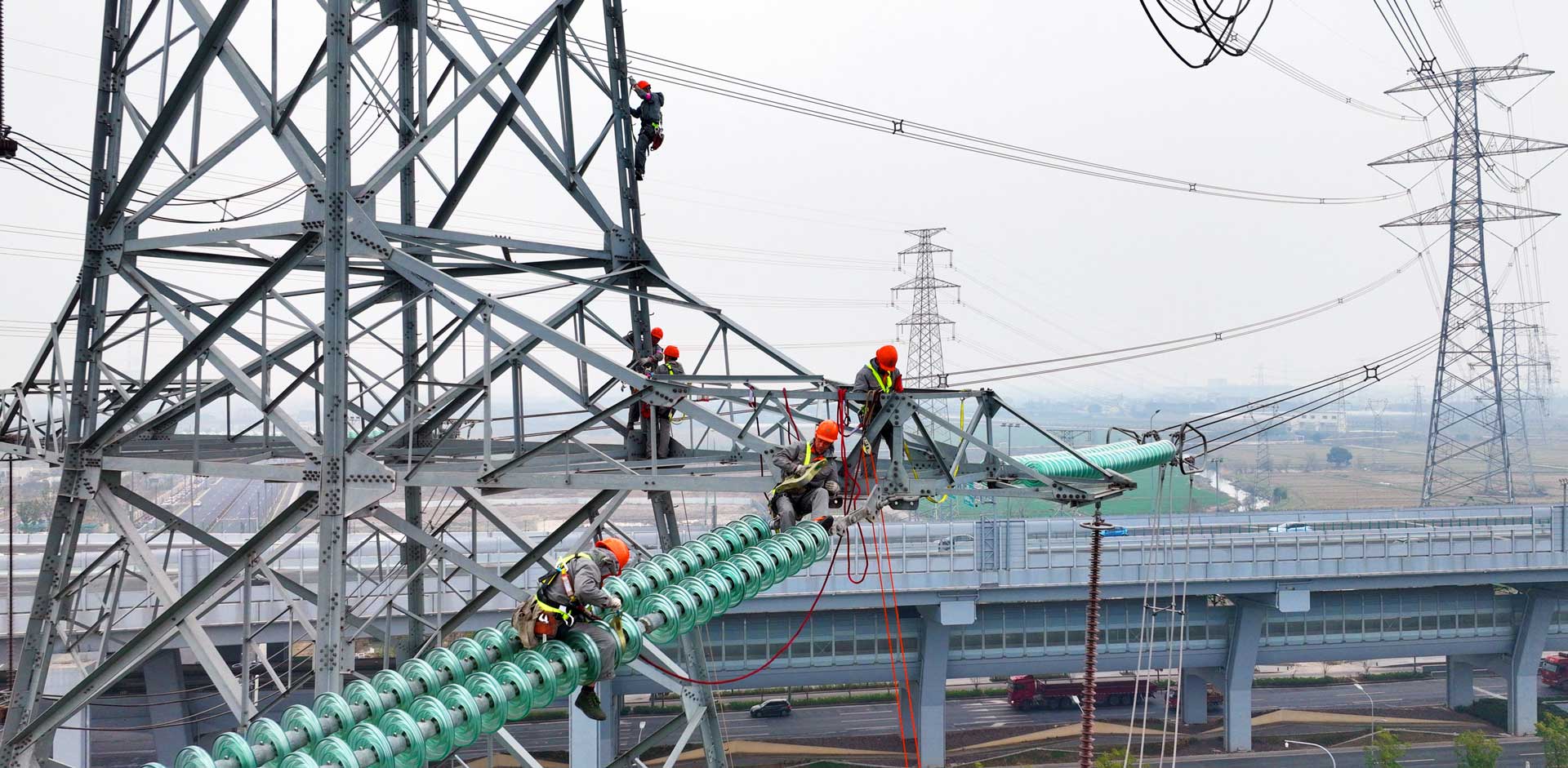
Engineered to operate reliably in cold climates, humid coastal zones, high altitudes, and desert regions prone to sandstorms.
Designed for AC and DC transmission systems, substations, and overhead lines ranging from 10kV distribution to 1100kV UHV projects.
Helps mitigate transmission line losses, prevent leakage currents, and protect grid infrastructure from lightning-induced surges.
Suitable for heavy industrial zones, coastal power grids, railways, and environments with high chemical or pollutant exposure.
QOCI insulators undergo testing to meet international grid compliance standards
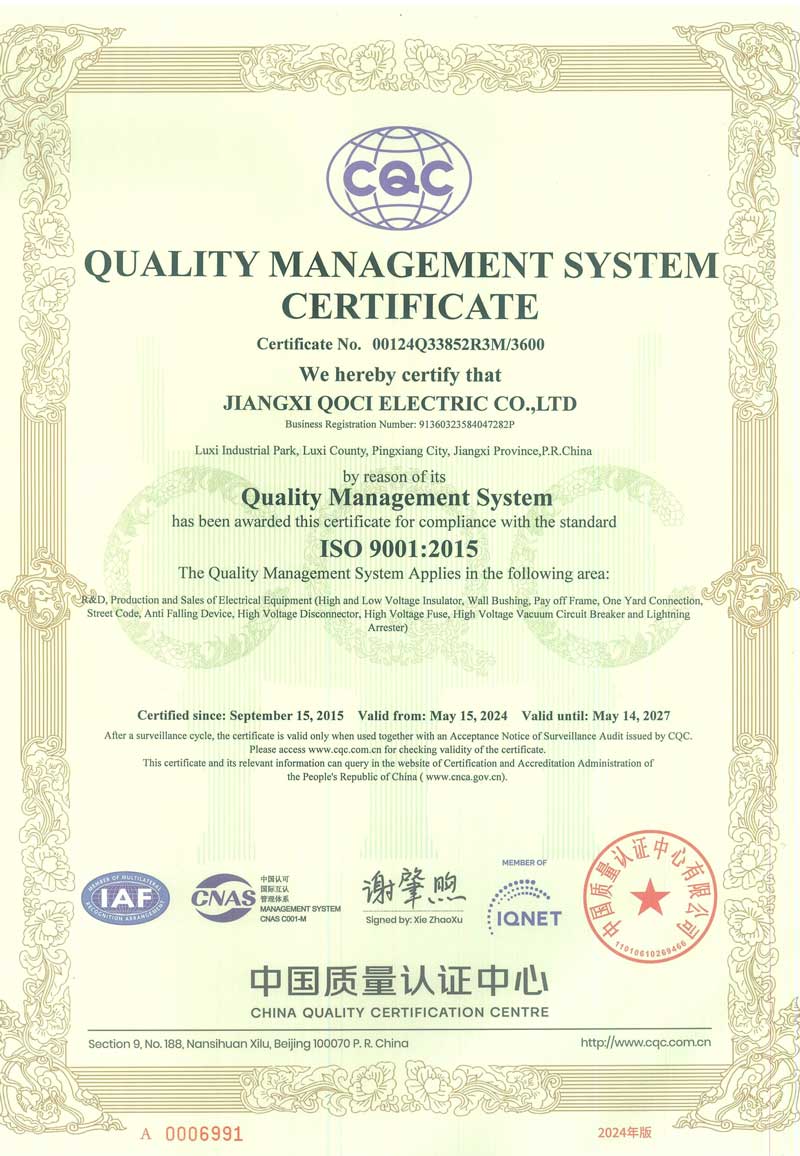
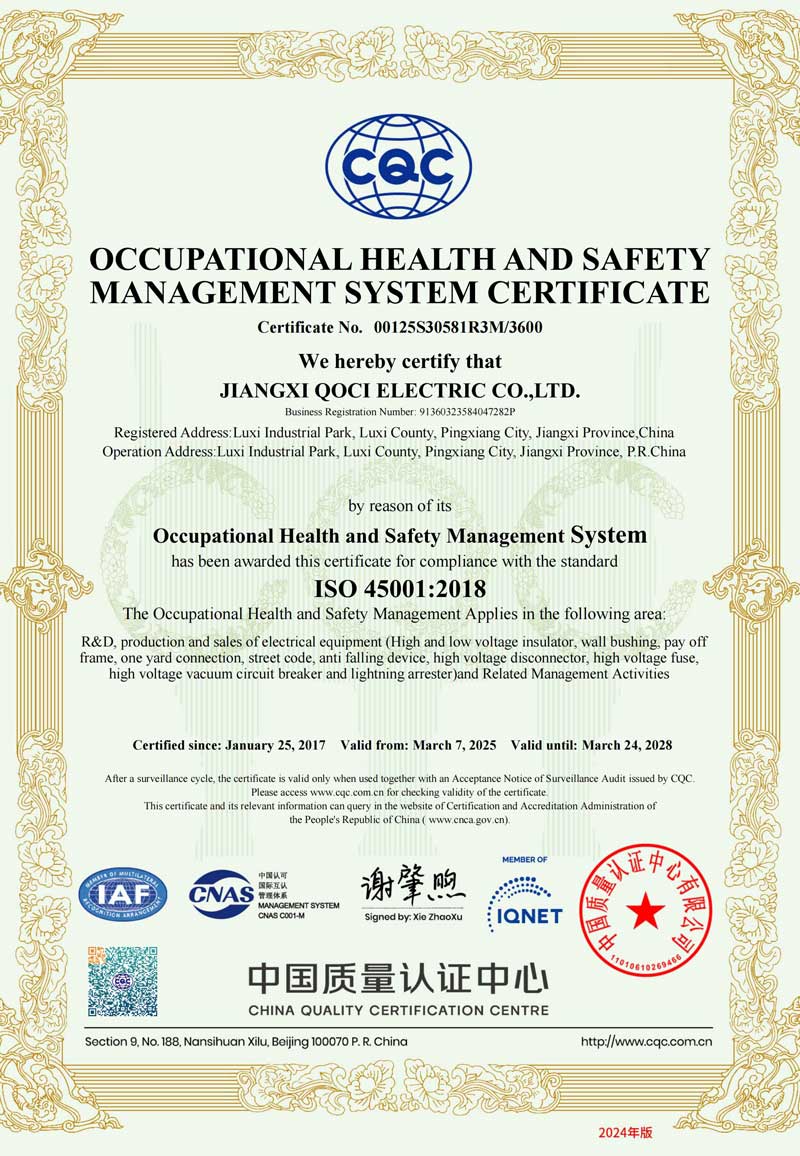
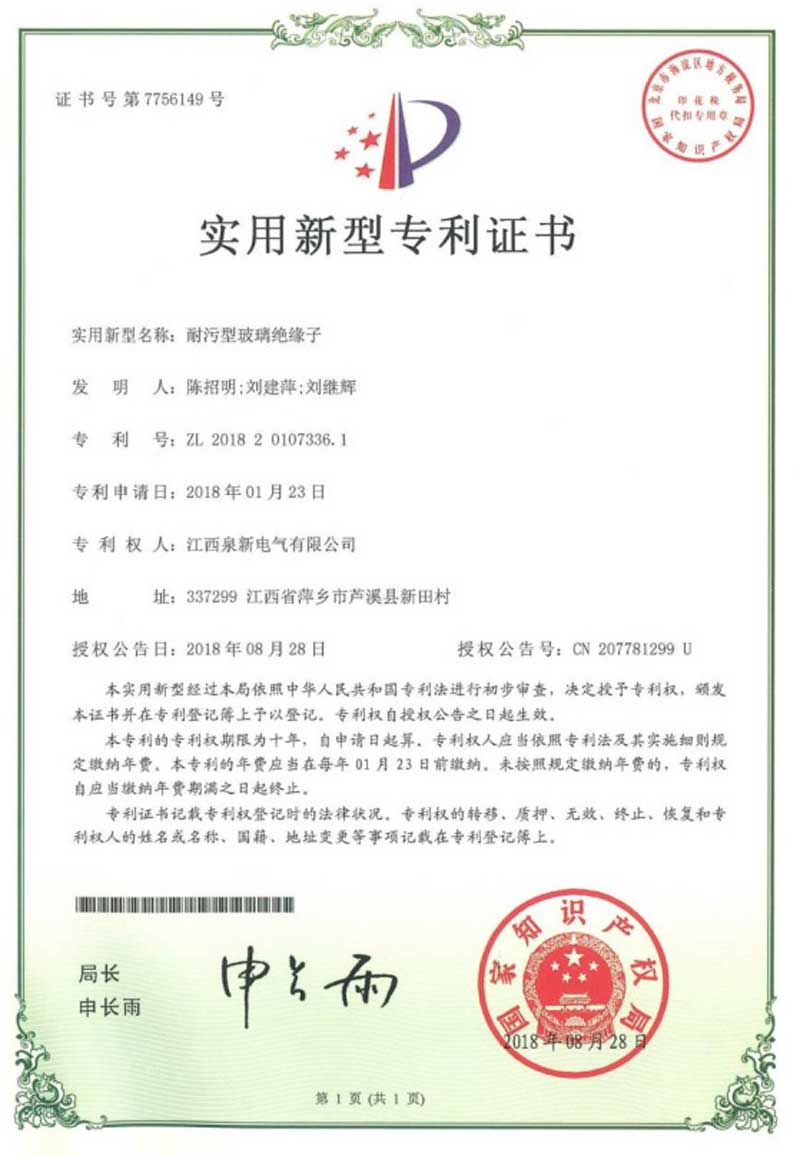
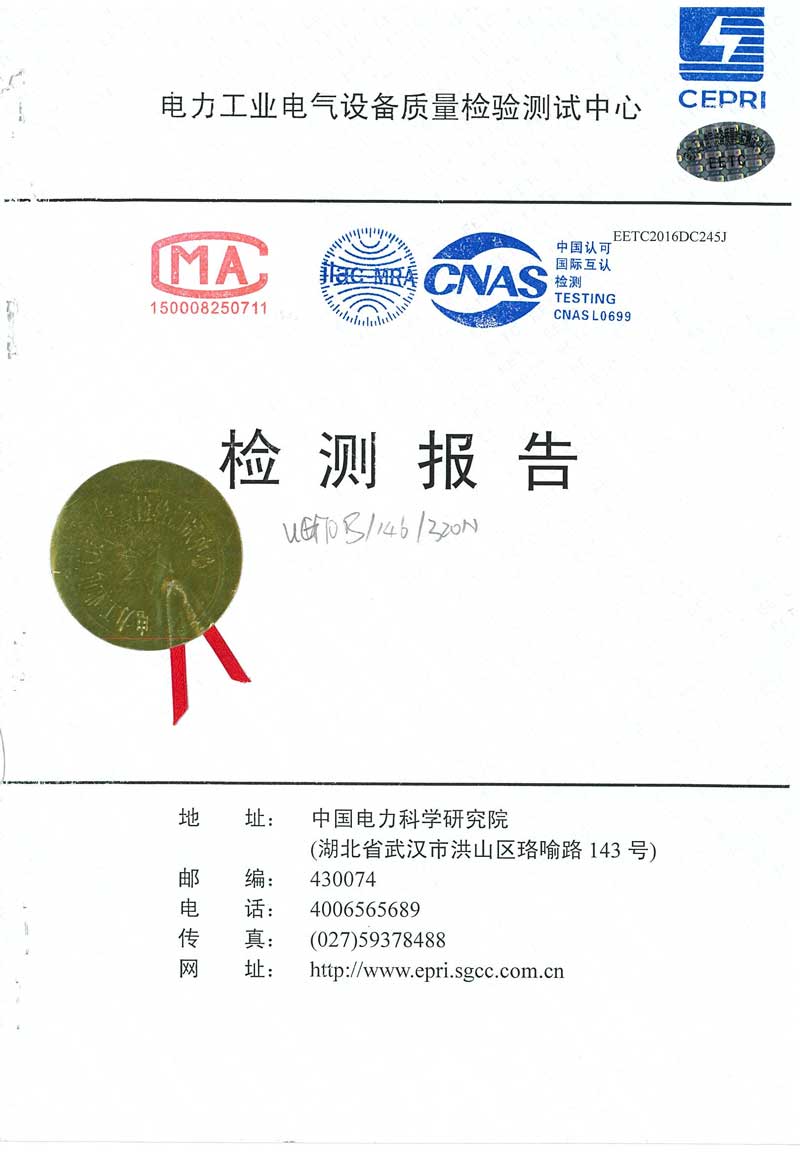
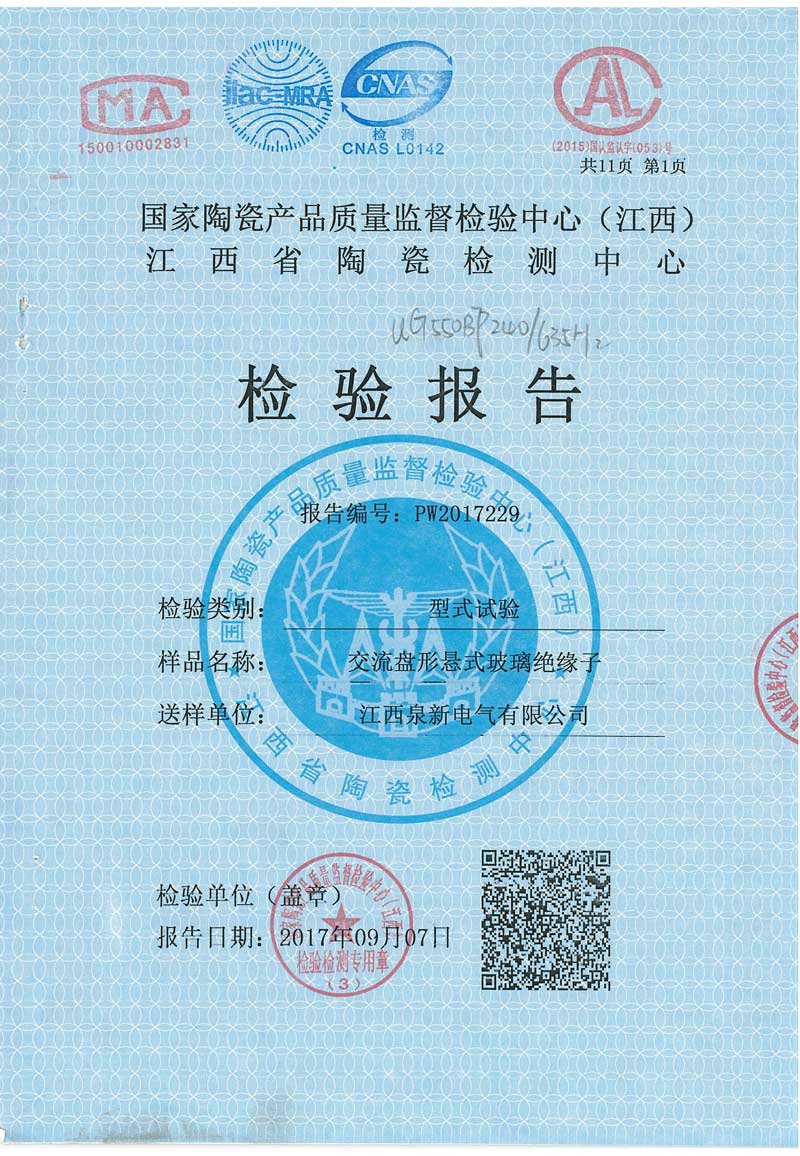
Providing safe, high-performance insulation solutions for global power systems
Dedicated to supporting global grid development and the integration of green energy technologies.
Quality control is integrated into every step of our manufacturing and assembly processes.
Committed to supporting the power industry and maintaining the safety of overhead lines.
Collaborating with utility providers, grid operators, and EPC contractors worldwide

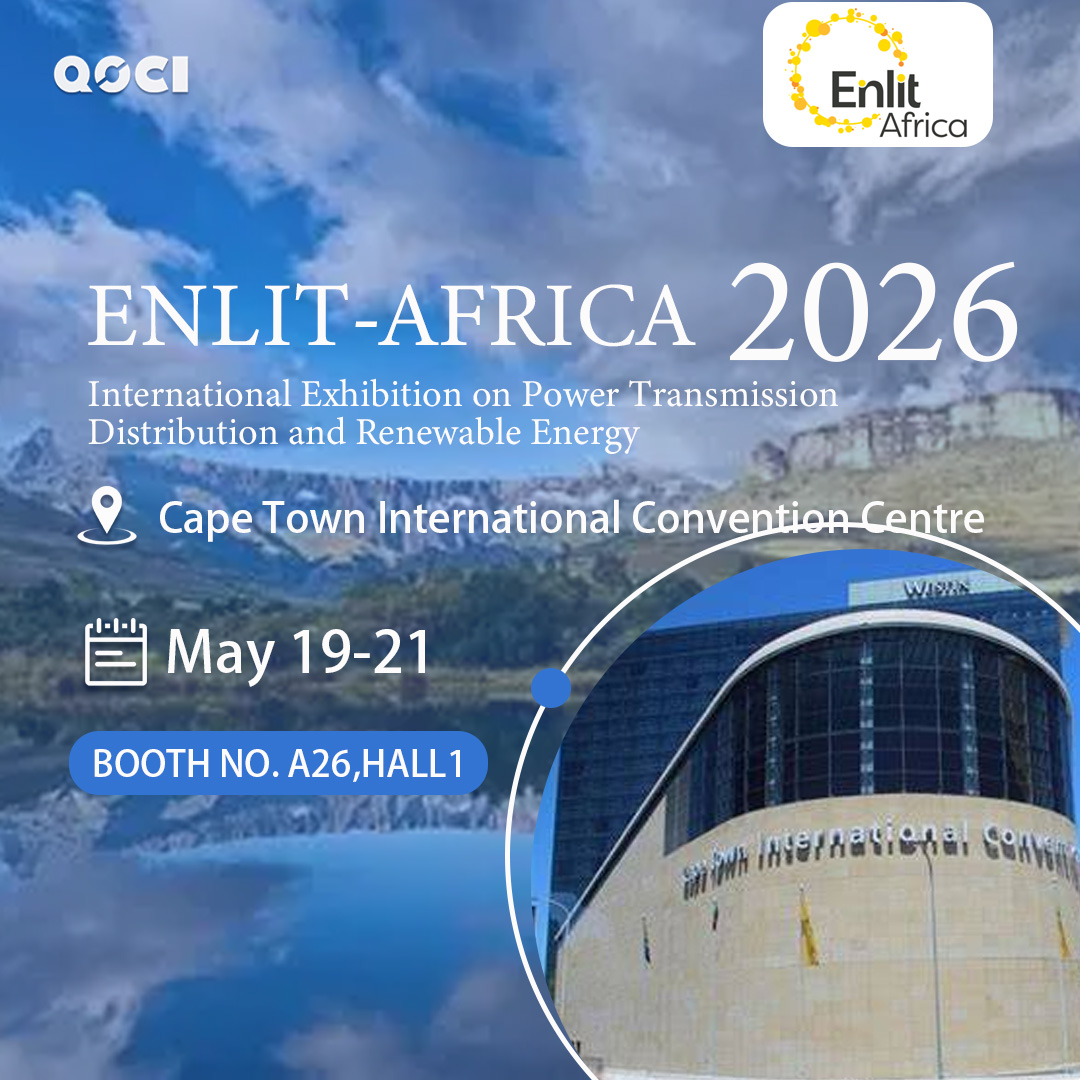
Stay updated on insulation technology trends, utility events, and corporate announcements
As the global energy transition accelerates, the importance of electricity, renewable energy, and energy storage technologies is becoming increasingly critical...

Having withstood extreme environmental conditions including icing, high altitude, pollution, earthquakes and typhoons, China's insulator industry continues to innovate...
On behalf of our team at Jiangxi QOCI Electric, we invite you to join us at the IEEE PES T&D Exposition, showcasing our latest 70kN to 550kN glass insulator ranges.
QOCI Electric, a global supplier of power transmission equipment, confirmed its participation in the Iraq Energy Exhibition to demonstrate grid solutions for hot desert climates.
Frequently asked questions regarding Isolateur CTV 254 U70B sourcing, standards, and engineering applications
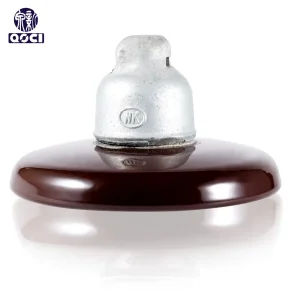
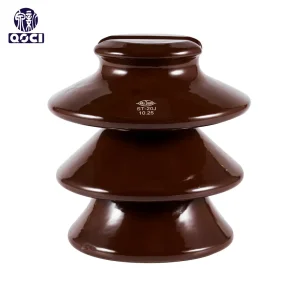
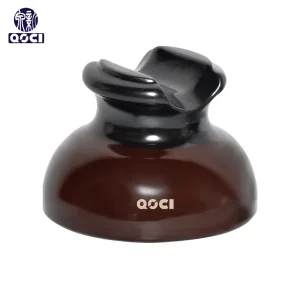
Explore our full range of porcelain and glass insulation solutions for low, medium, and high-voltage applications