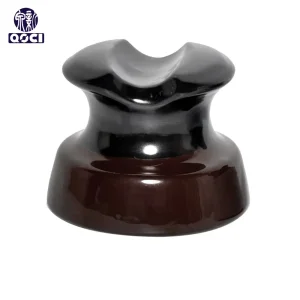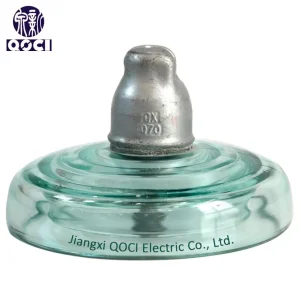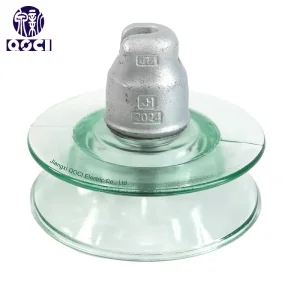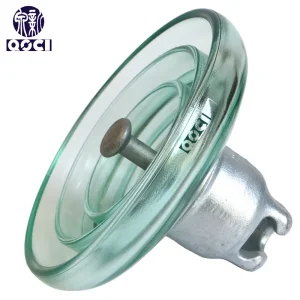
In the era of the global energy transition, the demand for reliable High-Voltage (HV) and Ultra-High Voltage (UHV) transmission lines has reached unprecedented levels. Modern power grids are no longer just about distribution; they are about resilience against extreme weather, integration of renewable energy sources, and minimizing transmission losses. As a premier wholesale insulator manufacturer, we recognize that the shift from traditional porcelain to toughened glass and RTV-coated insulators represents a critical leap in grid safety.
The "Search Intent" for procurement officers today is not just "buying parts" but "securing grid longevity." Our engineering focuses on Information Gain: providing data-backed evidence that toughened glass offers superior visual inspection capabilities and lower maintenance costs over a 40-year lifecycle compared to traditional composite alternatives.
Global enterprises seeking insulator suppliers are increasingly looking towards China, not just for cost-efficiency, but for Supply Chain Resilience. At Jiangxi QOCI Electric, we embody "China Factory 4.0." Our production lines utilize automated total oxygen kilns and precision forming presses that ensure every batch of U160BL or U210B insulators meets strict IEC and ANSI standards.
Efficiency advantages include:
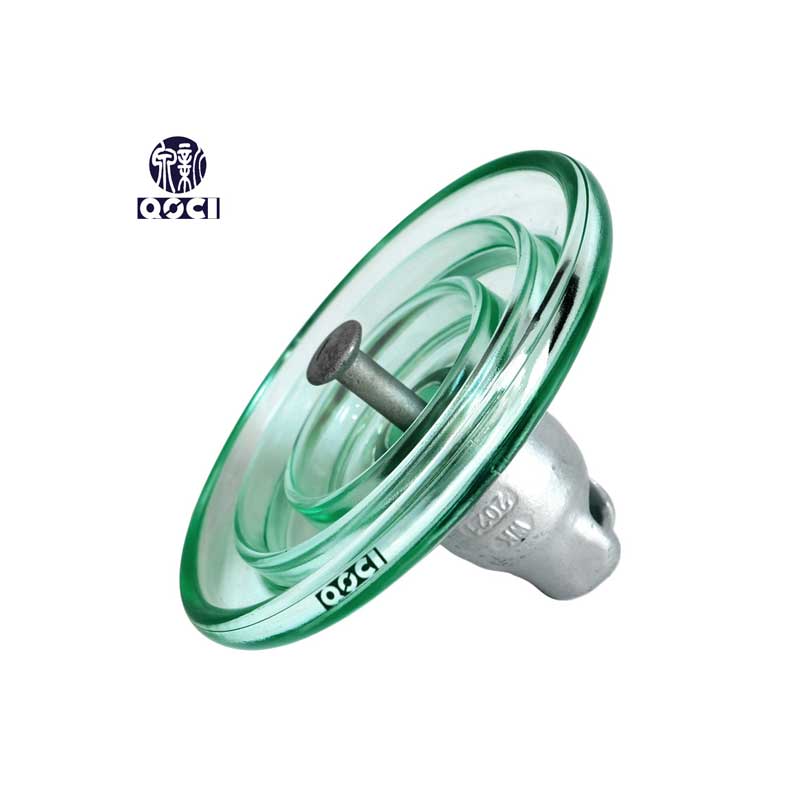
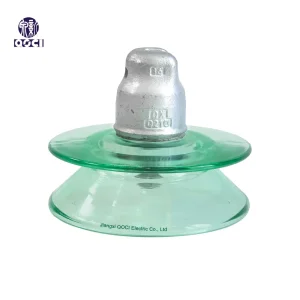
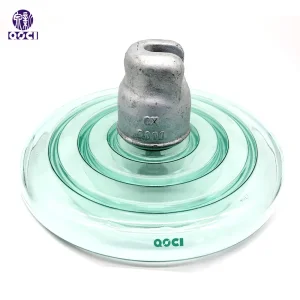
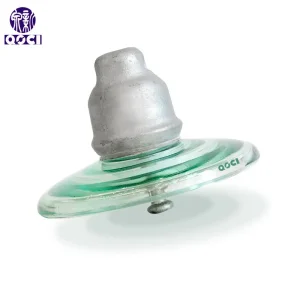
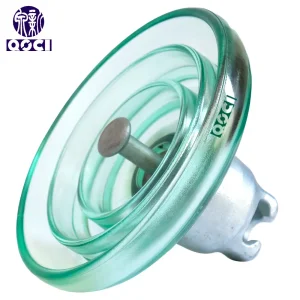
Designed with shallow, well-spaced ribs for effective self-cleaning by wind and rain. Exceeds leakage distance values indicated in IEC 60305.
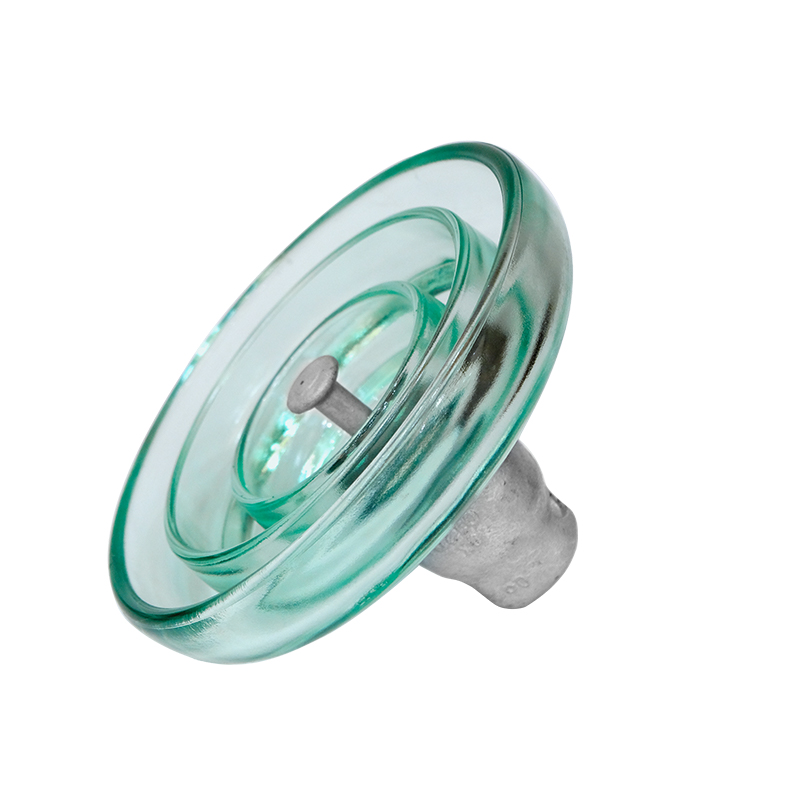
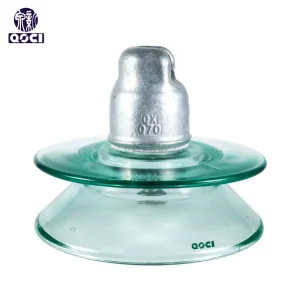
Featuring long under-ribs to prevent arc bridging. Ideal for coastal areas with salt fog or industrial zones with heavy airborne pollutants.
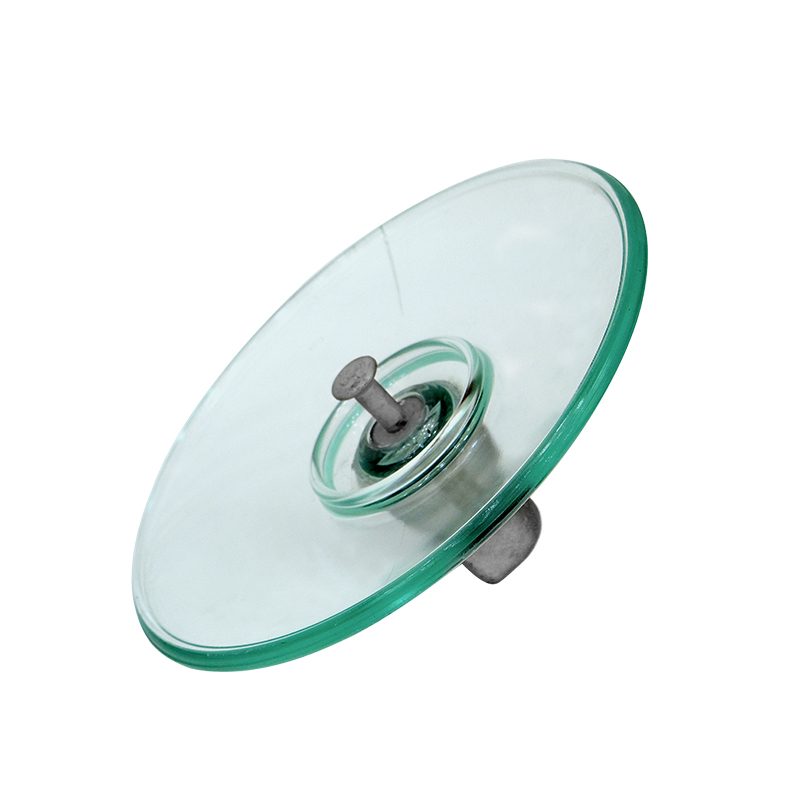
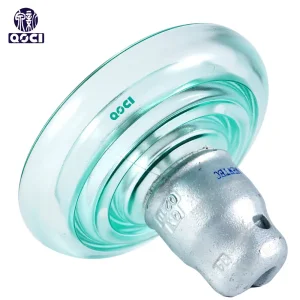
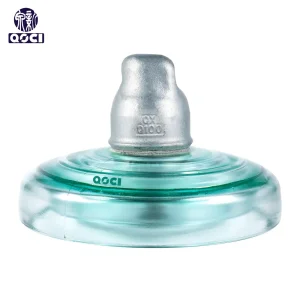
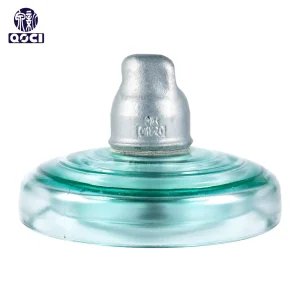
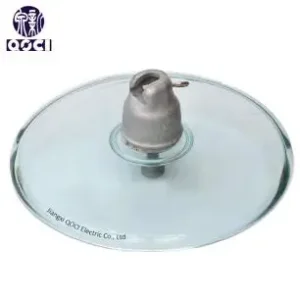
Absence of under-ribs avoids solid pollutant accumulation (sand, dust). Essential for desert transmission lines and areas prone to ice-bridging.
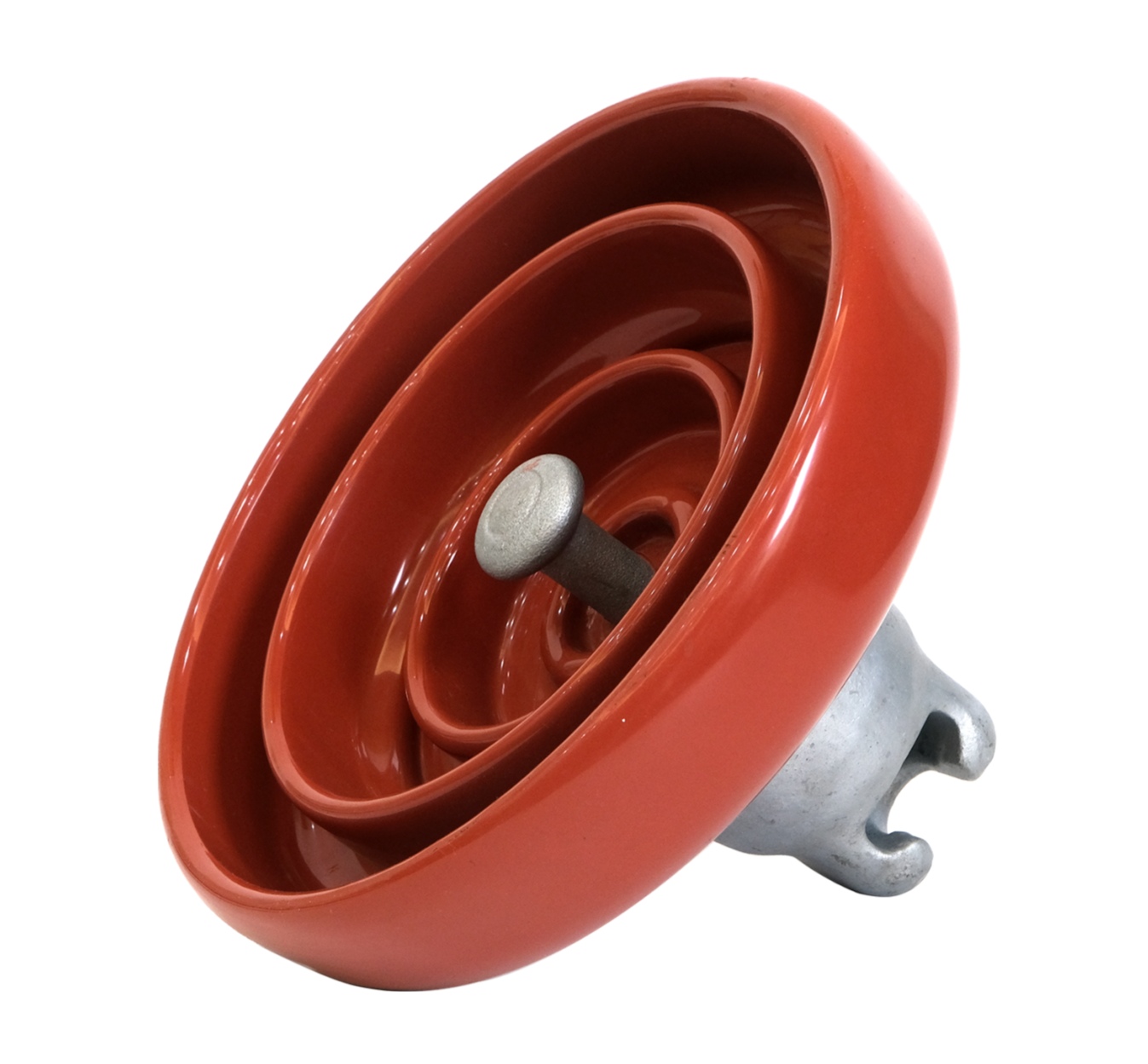
Combines the mechanical strength of glass with the hydrophobicity of silicone. Eliminates the need for regular manual cleaning.
Our Anti-Pollution Type glass insulators are engineered for high-salinity zones. The extended creepage distance prevents "pollution flashover," a common cause of grid failure in regions like Southeast Asia and the Middle East.
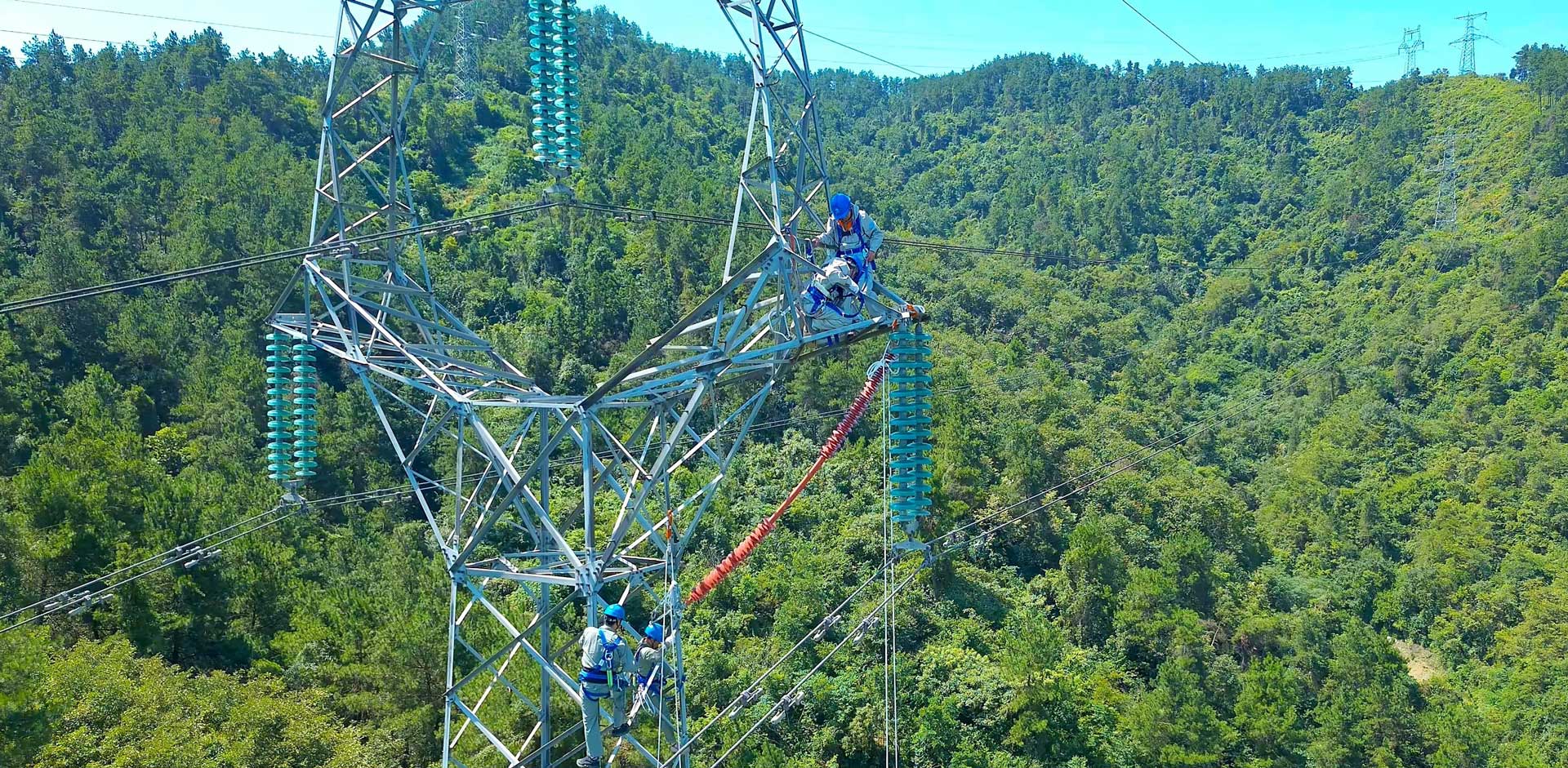
The Double-Shed and External Shed profiles are specifically designed for areas with heavy soot and chemical residue. The shed geometry facilitates natural washing during rainfall, reducing leakage currents significantly.
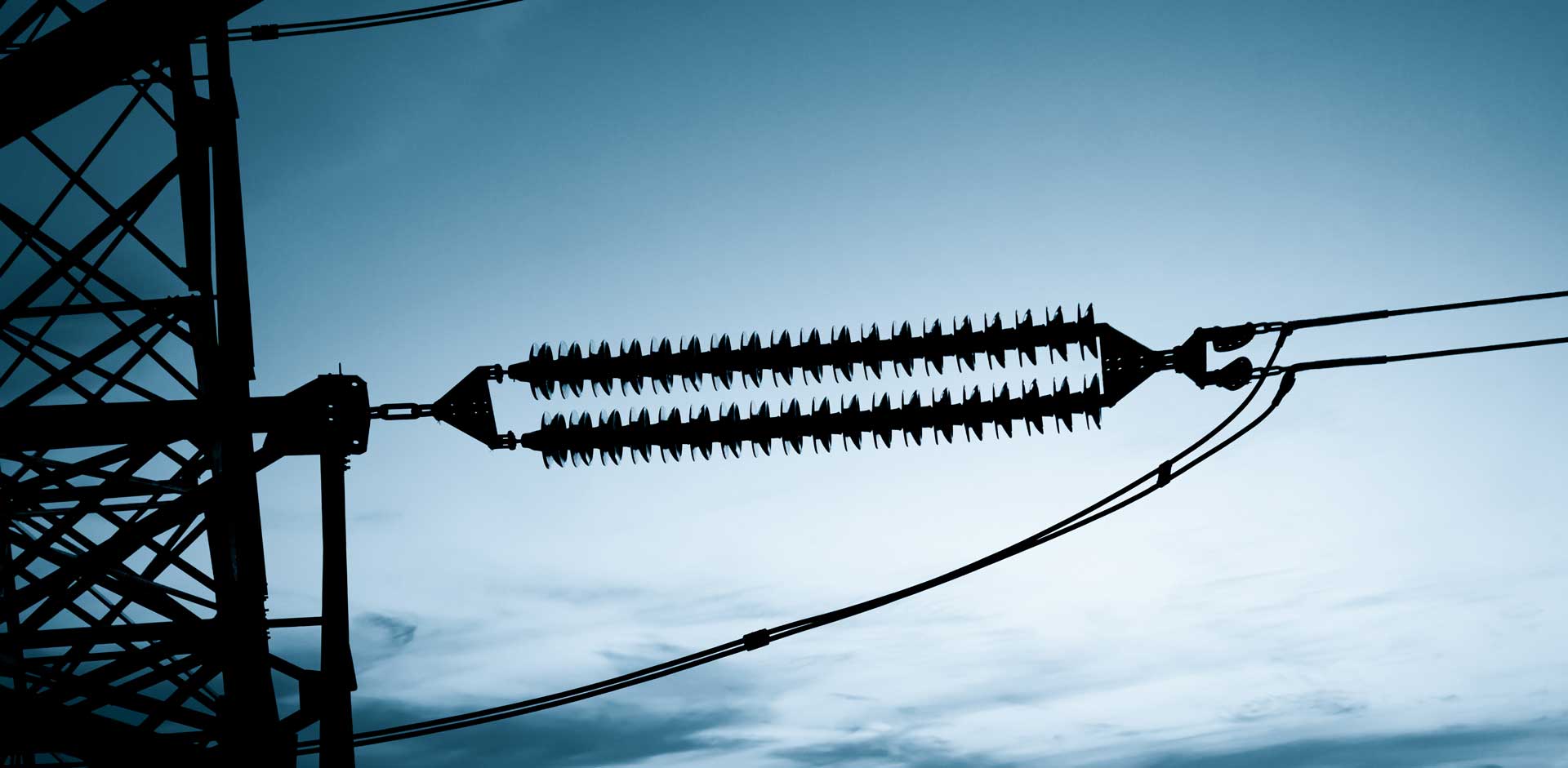
Supporting AC/DC transmission up to 1100kV, our toughened glass series provides the mechanical failing load (MFL) required for massive conductor bundles in long-span mountain crossings.
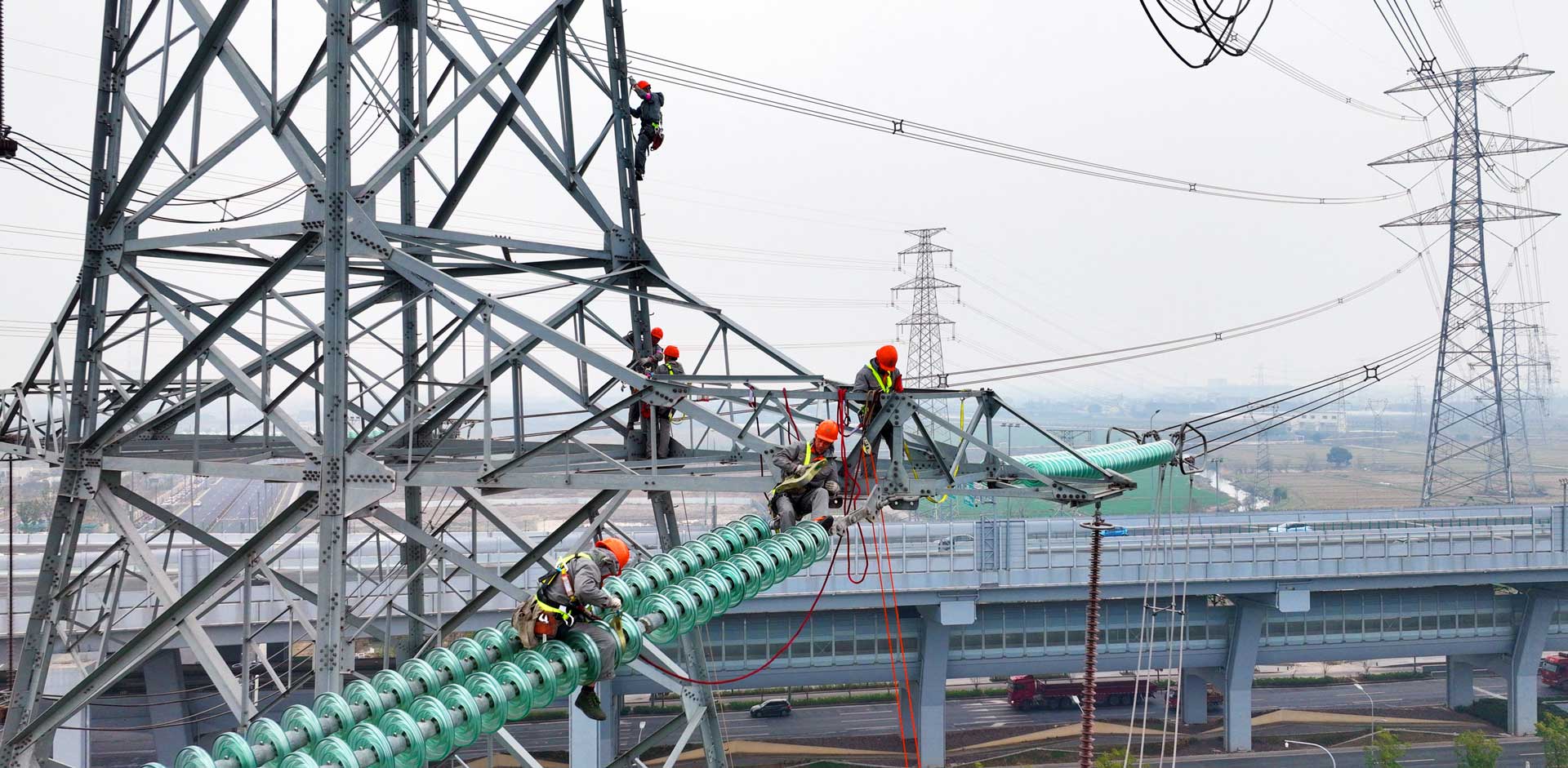
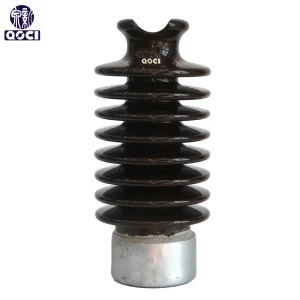
Wind farms and solar plants often operate in harsh, remote terrains. Our Ground-wire insulators ensure lightning protection and reliable grounding for green energy infrastructure.
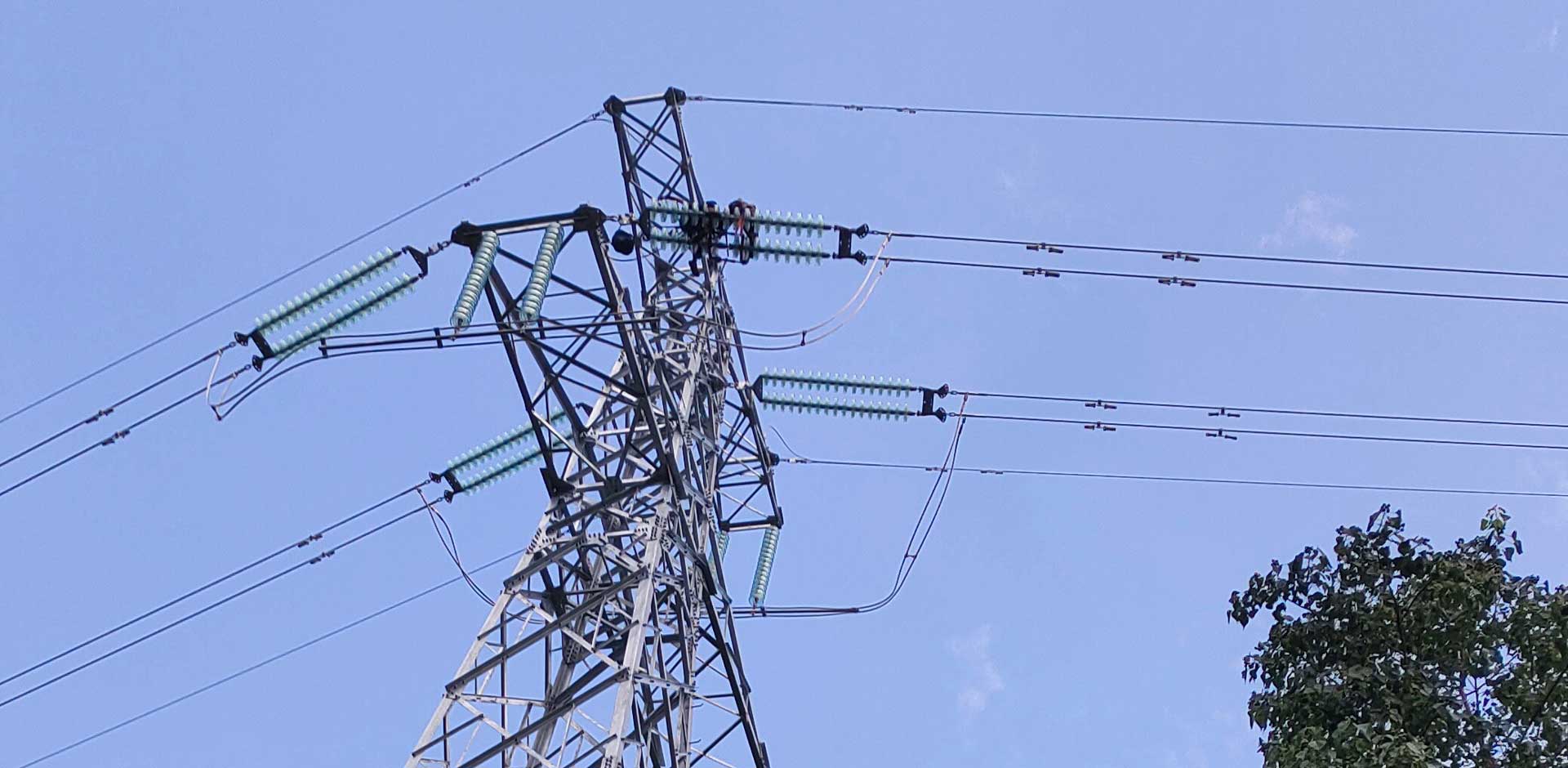
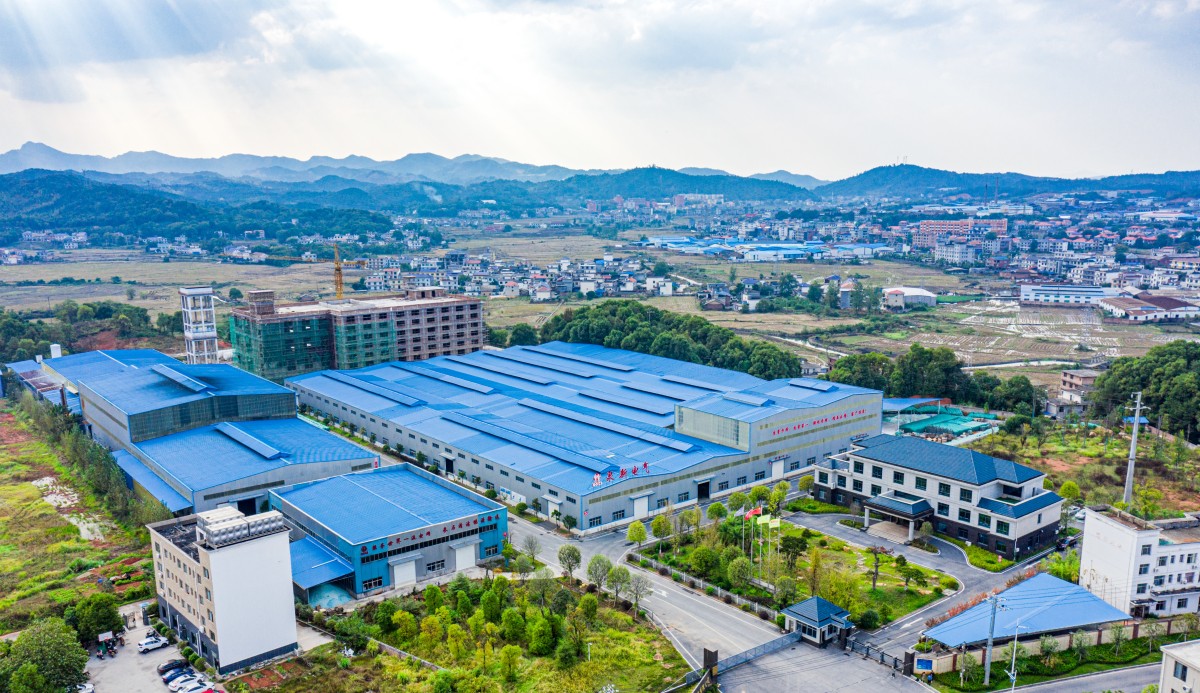
Founded in December 2002 with a registered capital of 508 million Yuan, QOCI Electric has become a benchmark in the electrical insulation industry. Our mission is to serve the world-class power grid with dedication and participate in the construction of green energy globally.
Operating from a 70,000 m² facility in Luxi County, Jiangxi—the historic capital of Chinese porcelain—we blend traditional expertise with Industry 4.0 automation. Our annual output of 39,000 tons ensures that we can meet large-scale wholesale demands for any international project.
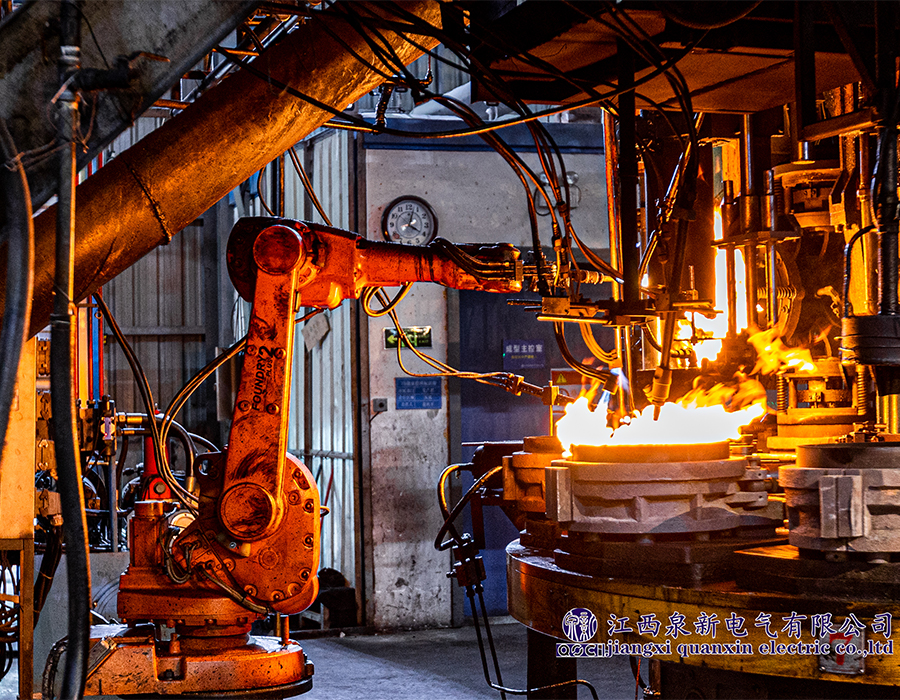
Precision Forming Press
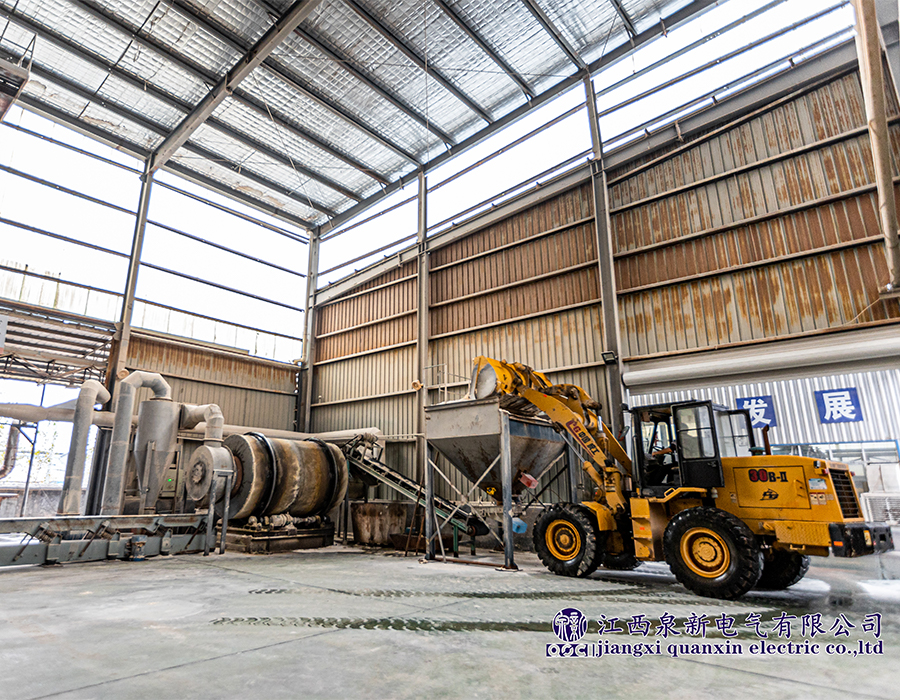
Automated Mixing Lab
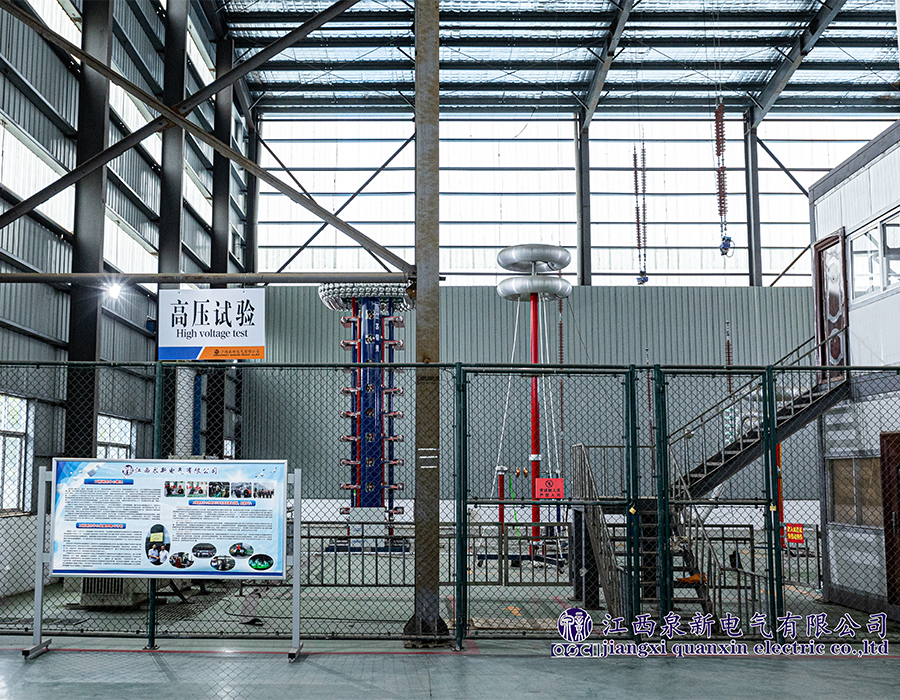
HV Dielectric Test
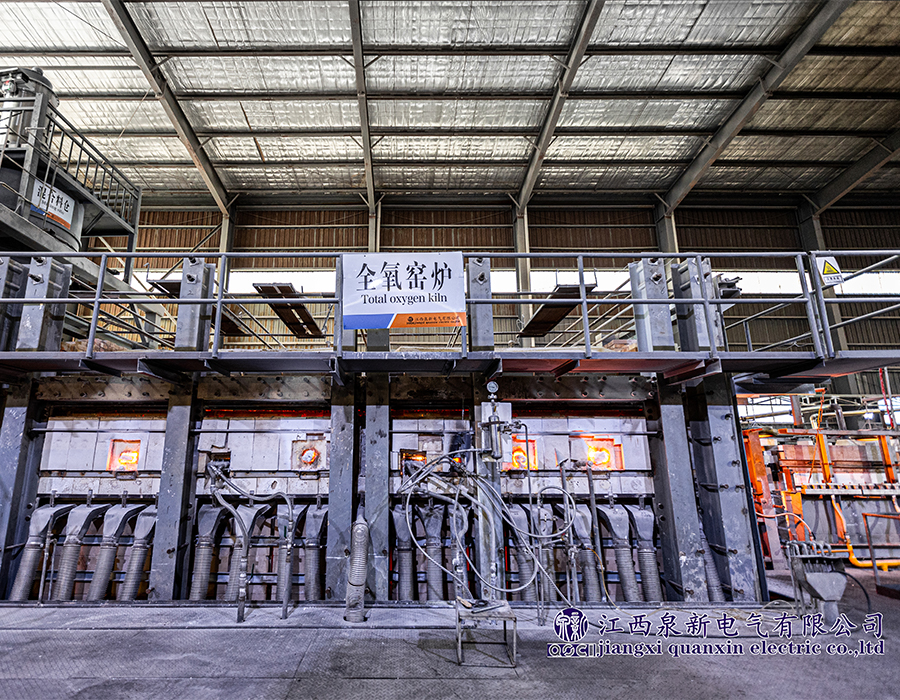
Total Oxygen Kiln
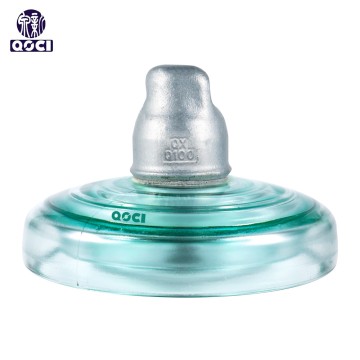
U100BLP Anti-pollution (146/320/550)
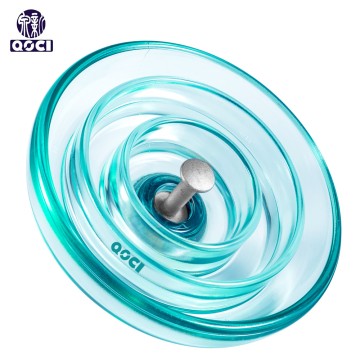
U120BLP Anti-pollution Series
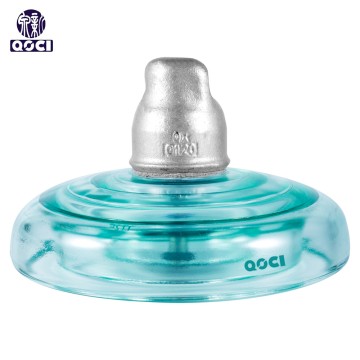
U120BSP High Strength Glass
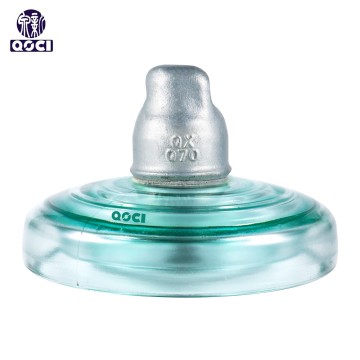
U70BLP Industrial Grade
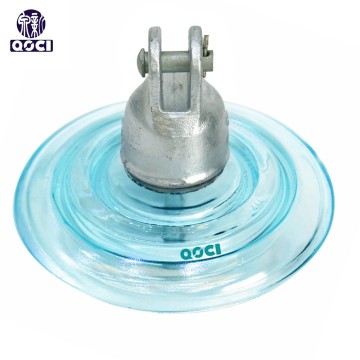
U70C 146/255/320 Standard
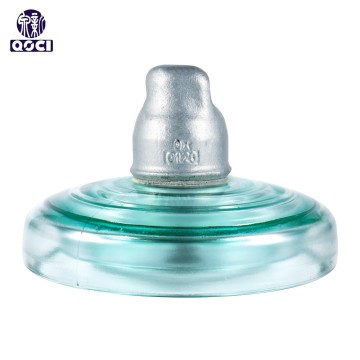
U120BLP Professional Series
Toughened glass insulators allow for "instant visual inspection." If a glass insulator fails, it shatters (self-shattering), making the faulty unit immediately visible to inspection crews from the ground without electrical testing. Porcelain can have internal cracks that are invisible, requiring expensive equipment to detect.
RTV (Room Temperature Vulcanization) silicone coatings provide the hydrophobicity of composite insulators with the mechanical reliability of glass. This prevents the formation of continuous water films, drastically reducing leakage currents and flashovers in heavily polluted industrial areas.
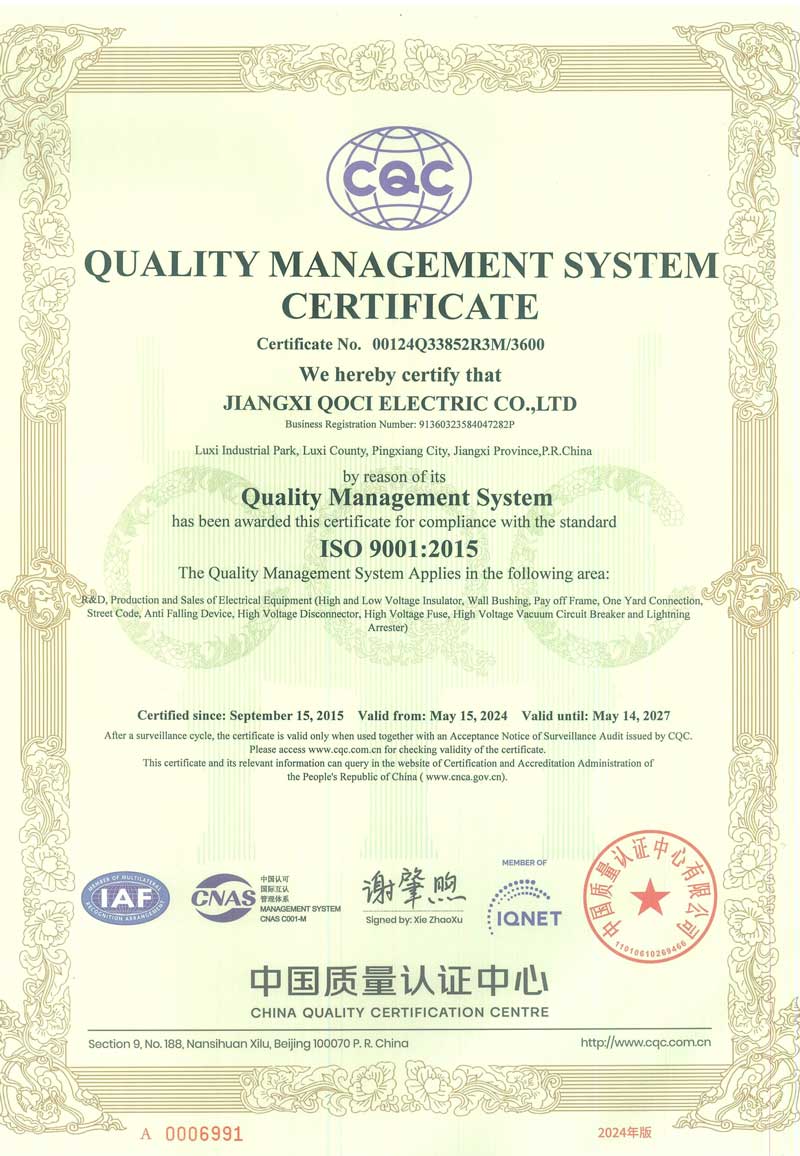
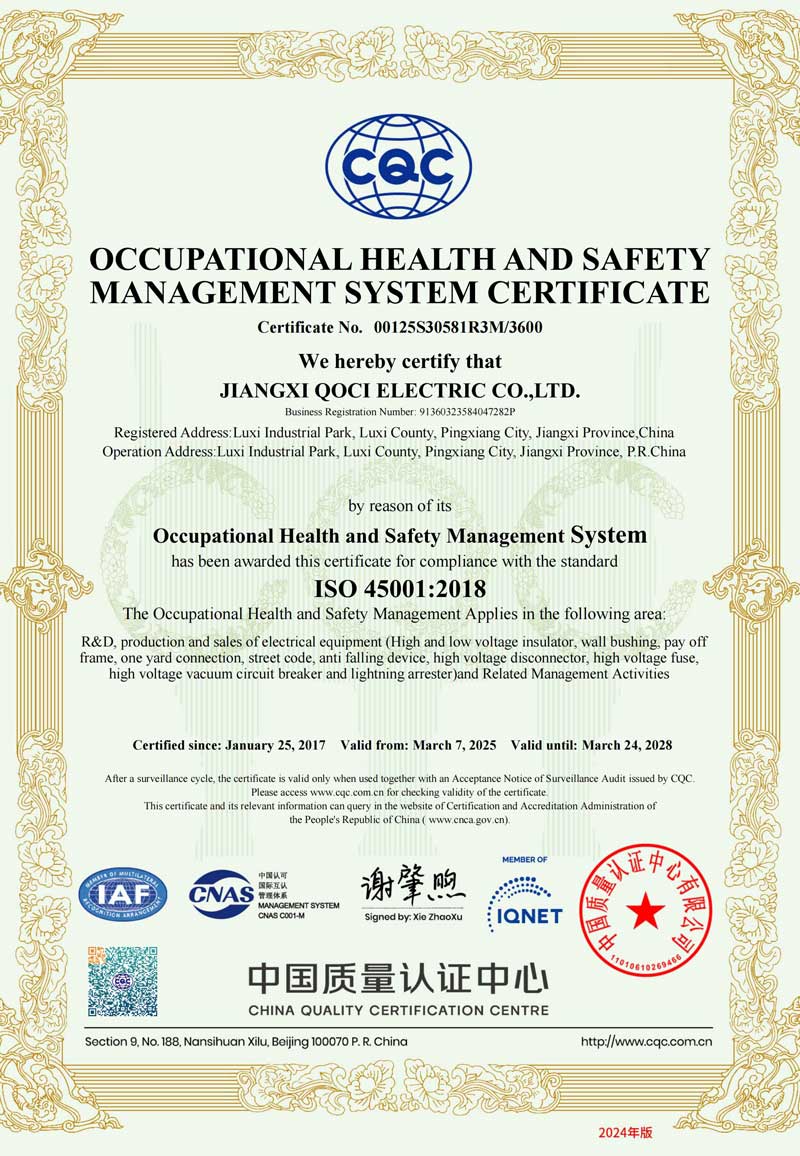
Every product undergoes a rigorous 4-step testing protocol: Raw material analysis, ultrasonic flaw detection, mechanical failing load (MFL) testing, and high-voltage dielectric routine tests. All our products comply with IEC 60305, IEC 60383, and ANSI C29 standards.
Yes. Our engineering team specializes in Aerodynamic and Open-profile designs for desert regions (to prevent sand accumulation) and Double/Triple-Shed designs for high-humidity coastal regions to maximize creepage distance without increasing the string length.