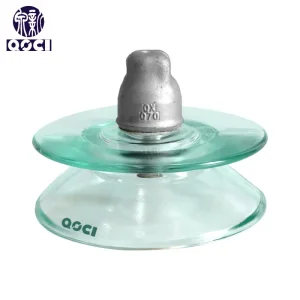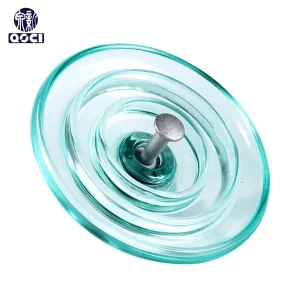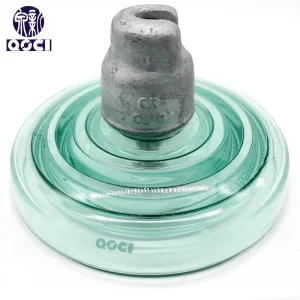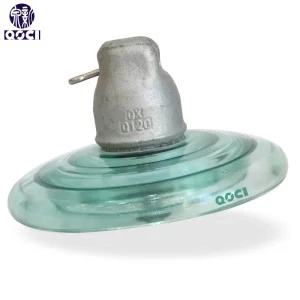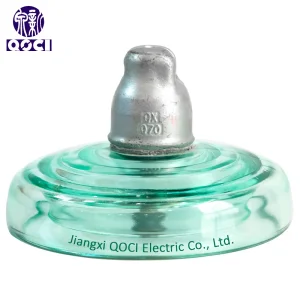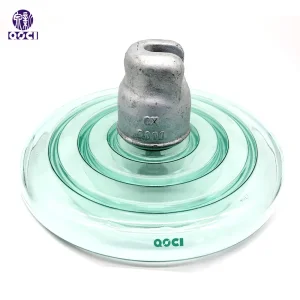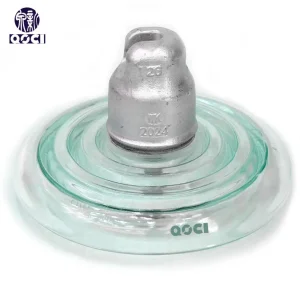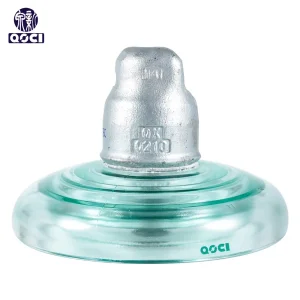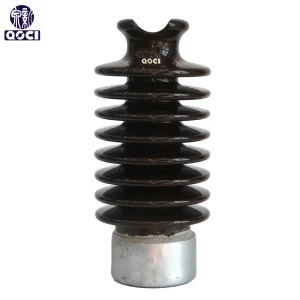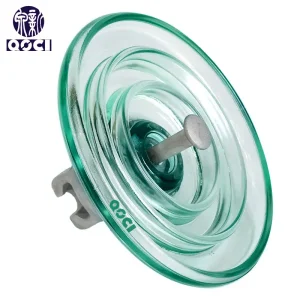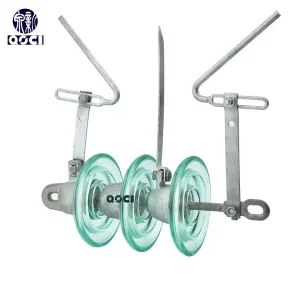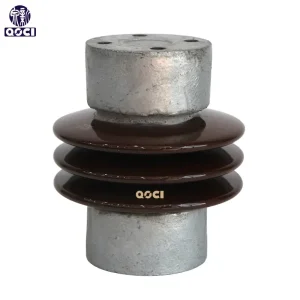
In the contemporary era of the Global Energy Transition, the demand for resilient power infrastructure has reached an unprecedented peak. As nations shift toward renewable energy sources—often located in remote coastal or desert regions—the transmission of high-voltage electricity faces severe environmental challenges. The U70BLP Anti-fog glass insulator has emerged as the industry benchmark for mitigating "Pollution Flashover," a primary cause of grid failure in humid, salty, and industrially polluted areas.
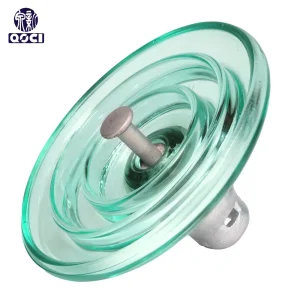
From the offshore wind farms in the North Sea to the salt-fog-laden coastlines of Southeast Asia and the industrial corridors of the Middle East, the U70BLP series provides a critical dielectric barrier. Unlike standard insulators, the "fog-type" profile is engineered with deeper under-ribs, significantly increasing the Creepage Distance. This design prevents the formation of continuous conductive moisture paths, ensuring that high-voltage lines remain operational even under extreme weather conditions.
Global utility procurement for toughened glass insulators is projected to grow by 6.5% CAGR, driven by aging grid replacements in the US and Europe, and new UHVDC lines in Asia.
U70BLP's "self-shattering" property upon failure allows for immediate visual detection (zero-value detection), reducing maintenance time by up to 70% compared to porcelain alternatives.
Toughened glass is 100% recyclable. By using the U70BLP series, utility companies significantly lower their environmental footprint while enhancing the longevity of the transmission line.
The U70BLP (where '70' denotes 70kN mechanical failing load) is specifically designed for Anti-Pollution performance. The "Anti-fog" profile is characterized by its wide, deep, and widely-spaced under-ribs. This geometry creates a "protected zone" that remains dry during light rain and fog, effectively breaking the leakage current path.
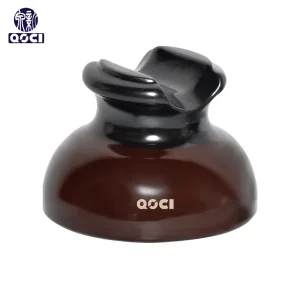
One of the less discussed but vital advantages of the U70BLP is its thermal stability. During the toughening process, the glass is subjected to rapid cooling, creating internal compressive stresses. This makes the insulator virtually immune to the aging effects of temperature cycles (day/night fluctuations), which often cause micro-cracks in porcelain insulators over 20-30 years.
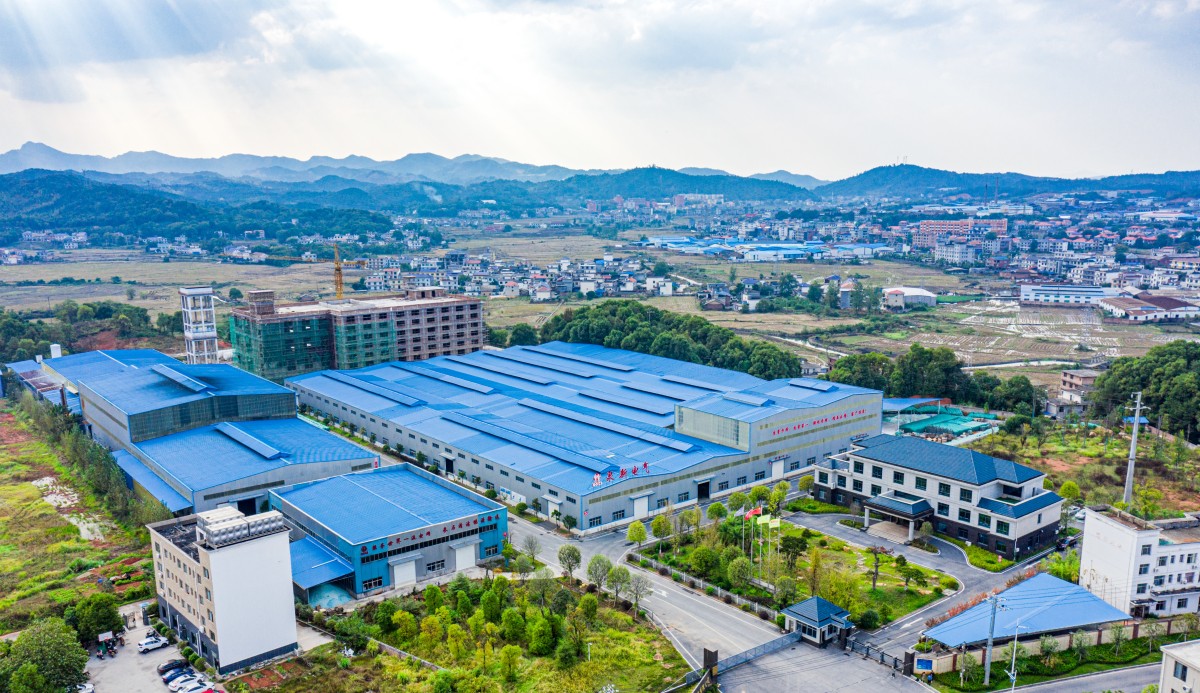
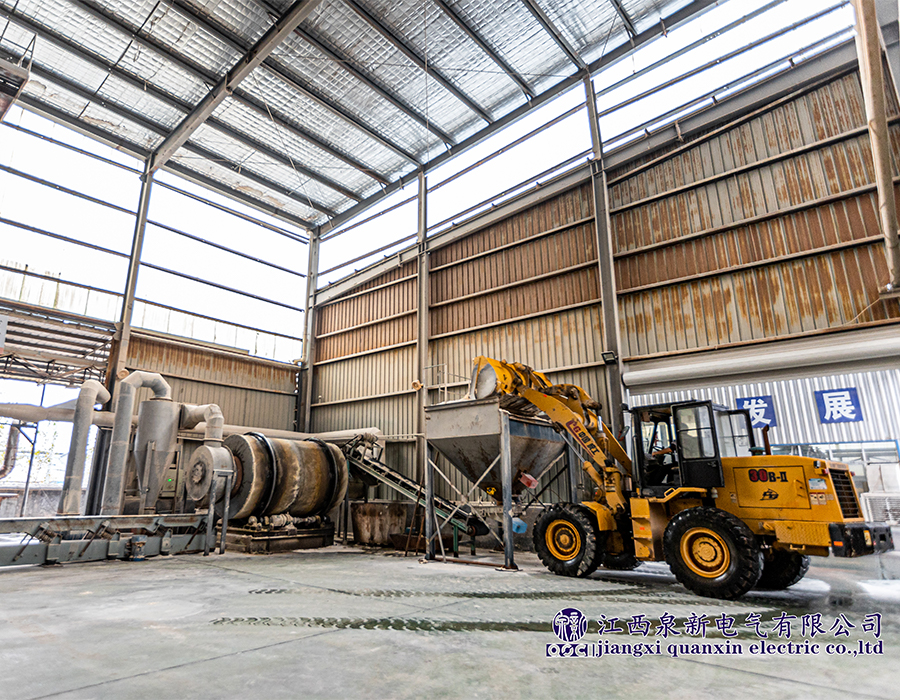
Jiangxi QOCI Electric Co. Ltd represents the pinnacle of Chinese high-tech manufacturing, combining scale, precision, and supply chain integration to provide global markets with cost-effective, high-reliability insulators.
Plant Area (m²)
Annual Output (Tons)
Registered Capital (Yuan)
Invention Patents
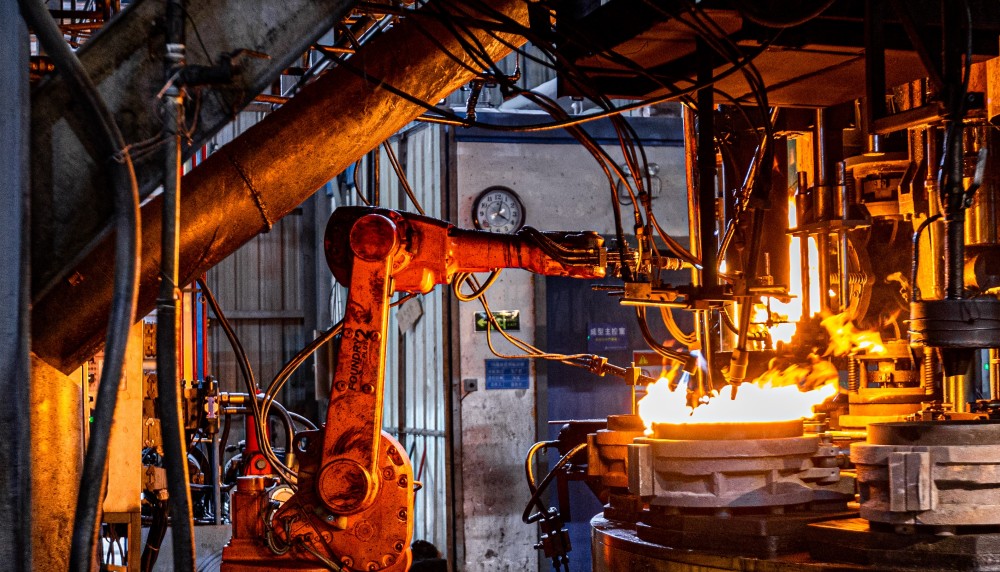
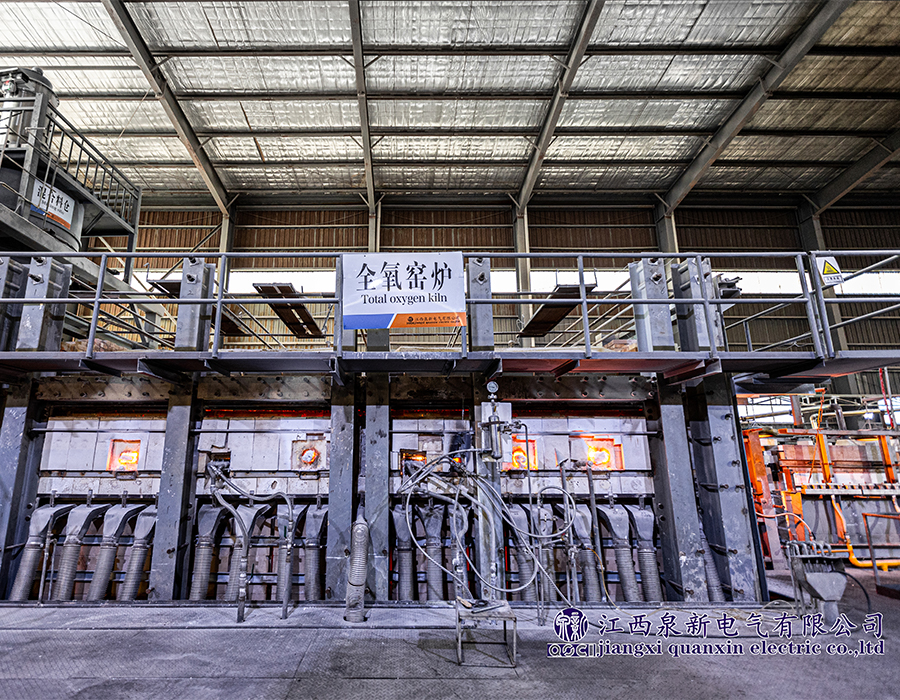
Our factory utilizes advanced Total Oxygen Kiln technology, which reduces carbon emissions by 20% while ensuring a more homogeneous glass melt, resulting in fewer impurities and higher dielectric strength in the final U70BLP product.
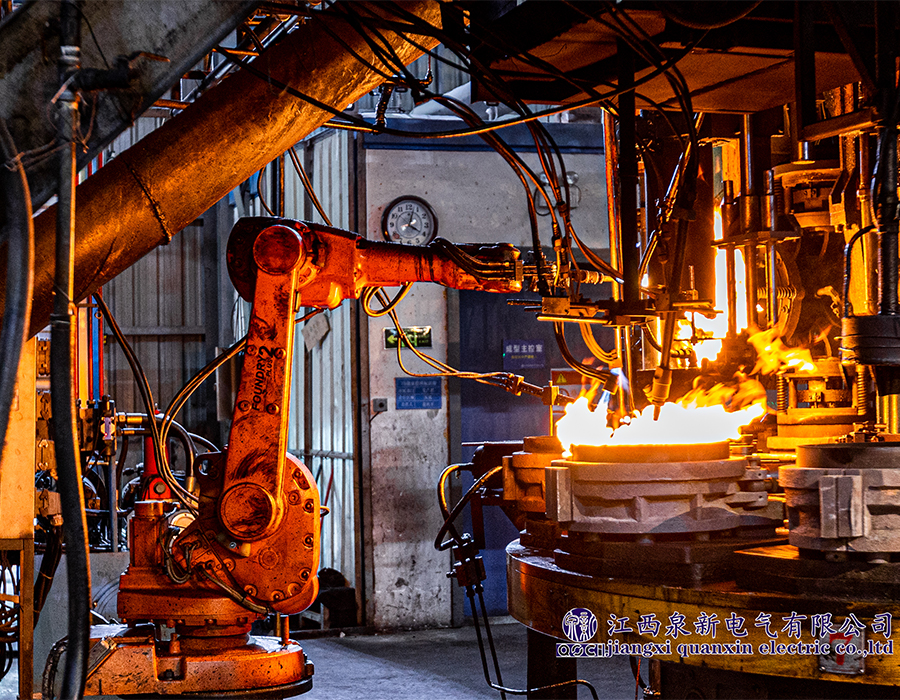
Precision automation in the forming stage ensures that every U70BLP disc maintains exact dimensions, critical for string consistency and aerodynamic performance in high-wind zones.
Heavy salt fog in regions like the Philippines, Indonesia, and the UK coastline requires the superior creepage distance of U70BLP to prevent salt-induced flashovers.
In areas with heavy dust or chemical emissions (steel plants, cement factories), the anti-fog profile prevents conductive bridges from forming across the insulator surface.
Low air pressure reduces the insulating properties of air. U70BLP's design compensates for this by providing a robust physical and electrical barrier.
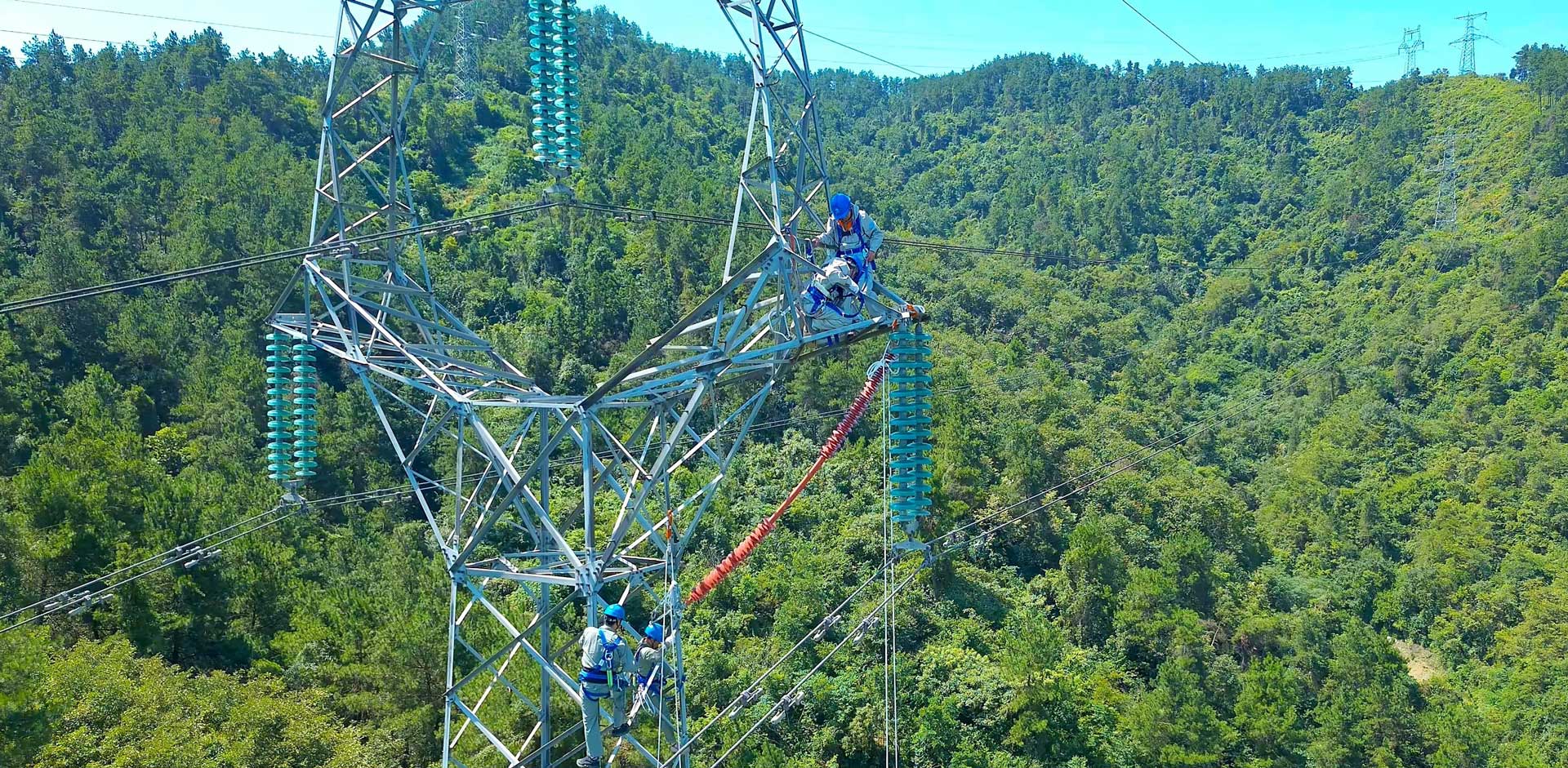
Geographic Adaptability Scenarios for Toughened Glass Insulators
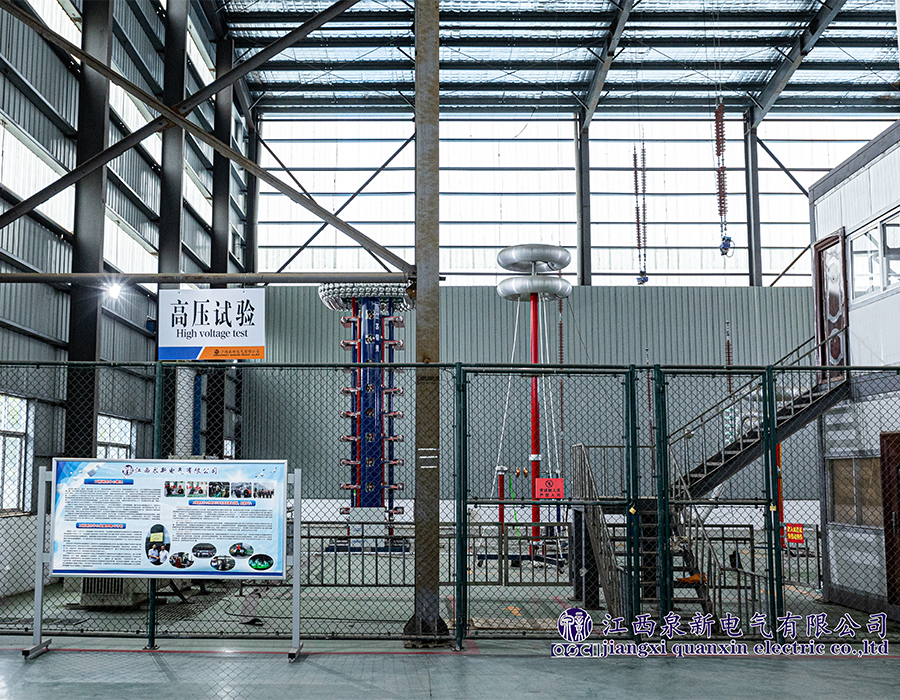
Founded in December 2002, Jiangxi QOCI Electric Co. Ltd has dedicated over two decades to the electric power industry. Our philosophy centers on "Responsibility is the guarantee of quality." With 53+ senior engineering technicians, we actively participate in the construction of green energy grids worldwide.
| Feature | Standard Type (U70BS) | Anti-Fog Type (U70BLP) |
|---|---|---|
| Leakage Distance | 290mm - 320mm | 450mm - 550mm |
| Profile Design | Shallow ribs, self-cleaning | Deep, wide-spaced under-ribs |
| Pollution Tolerance | Class I / II (Light/Medium) | Class III / IV (Heavy/Very Heavy) |
| Primary Environment | Inland, dry regions | Coastal, Salt-fog, High Humidity |
1. Why choose toughened glass insulators over porcelain for UHV lines?
Toughened glass provides superior mechanical reliability and "visual maintenance." If a glass insulator fails, the shell shatters while the stub maintains mechanical strength, making it easy for linemen to spot the defect from the ground or by drone without specialized testing equipment.
2. What is the lifespan of the U70BLP Anti-fog glass insulator?
Our insulators are designed for a service life exceeding 40 years. The inorganic nature of the glass ensures it does not degrade under UV radiation or ozone exposure, unlike composite insulators.
3. How does the "Anti-fog" profile reduce maintenance costs?
By preventing flashover in polluted conditions, the U70BLP reduces the frequency of line trips and the need for regular manual cleaning or silicone coating, leading to a much lower Total Cost of Ownership (TCO) for the utility.
4. Can Jiangxi QOCI meet specific national standards other than IEC?
Yes, we manufacture according to ANSI, BS, AS, and GB standards. Our internal laboratory performs rigorous routine, sample, and type tests to ensure global compliance.