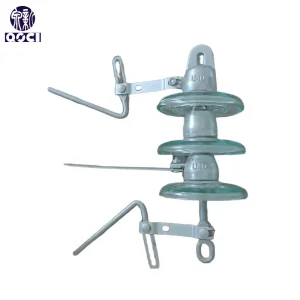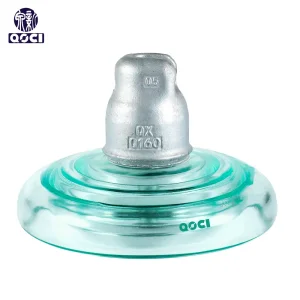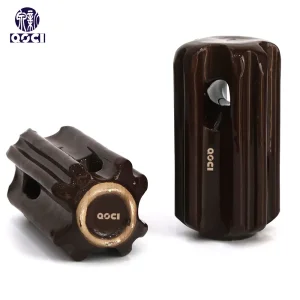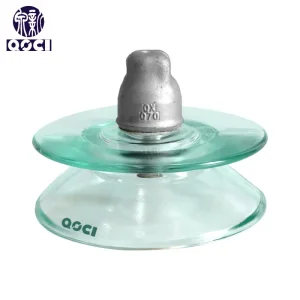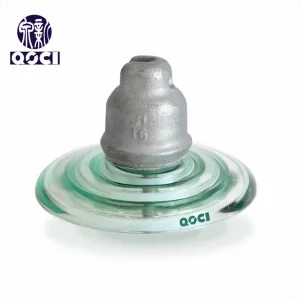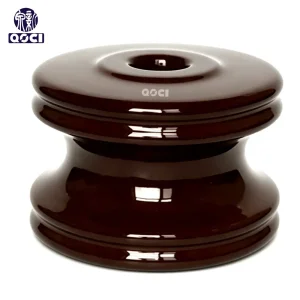
Peru presents one of the most challenging geographical profiles for electrical transmission in South America. From the humid, salt-saturated air of the Sechura Desert and the Pacific coast to the extreme altitudes of the Andes Mountains exceeding 4,000 meters, the demand for high-performance insulation is paramount.
🌐 Coastal Salinity Challenge: The "Garúa" mist in Lima and surrounding regions carries high salt content, leading to rapid pollution buildup on standard insulators. Aerodynamic glass insulators are engineered to utilize wind for self-cleaning, preventing flashovers.
🏔️ Andean High Altitude: At altitudes where air density is lower, the dielectric strength of air decreases. Our UHV solutions are tested to maintain superior creepage distances under reduced atmospheric pressure.
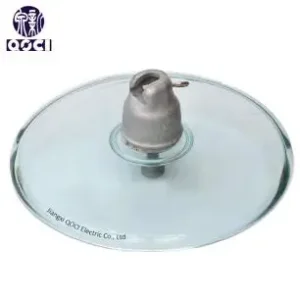
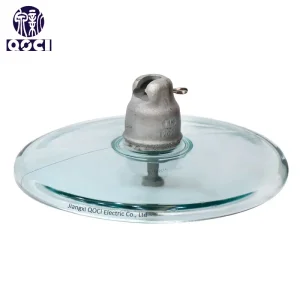
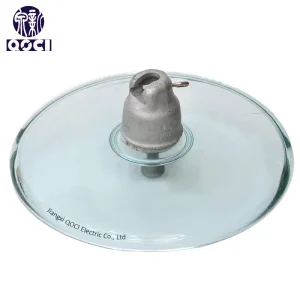
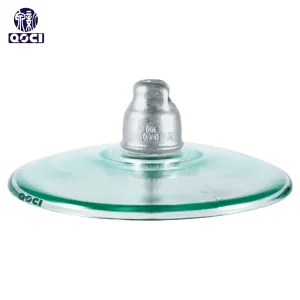
Unlike standard profile insulators, the Aerodynamic Type (also known as the open profile or desert type) is specifically designed without deep under-ribs. This unique geometry serves two critical functions for the Peruvian mining and energy sectors:
In the arid regions of southern Peru (Ica, Arequipa), dust and sand accumulation is a primary cause of grid failure. The aerodynamic profile allows wind to sweep across the surface unimpeded, removing dry contaminants before they can form a conductive layer during light rain or fog.
In high-altitude Andean mining operations like those in Junín or Pasco, ice formation can bridge the ribs of traditional insulators. The open design of our U70BLA and U100BLA series significantly reduces the surface area where ice can anchor, ensuring continuous operation in freezing conditions.
Coastal environments in Peru are corrosive. Our U210AD models feature a sacrificial zinc bushing that protects the iron cap and steel pin from galvanic corrosion, extending the service life of the string by 15-20 years compared to standard models.
Founded in 2002 with a registered capital of 508 million Yuan, Jiangxi QOCI Electric (QOCI) has grown into a global powerhouse for toughened glass insulators. Located in the Industrial Park of Luxi County, Jiangxi—the cradle of China's porcelain and electrical heritage—our facility produces over 39,000 tons of insulators annually.
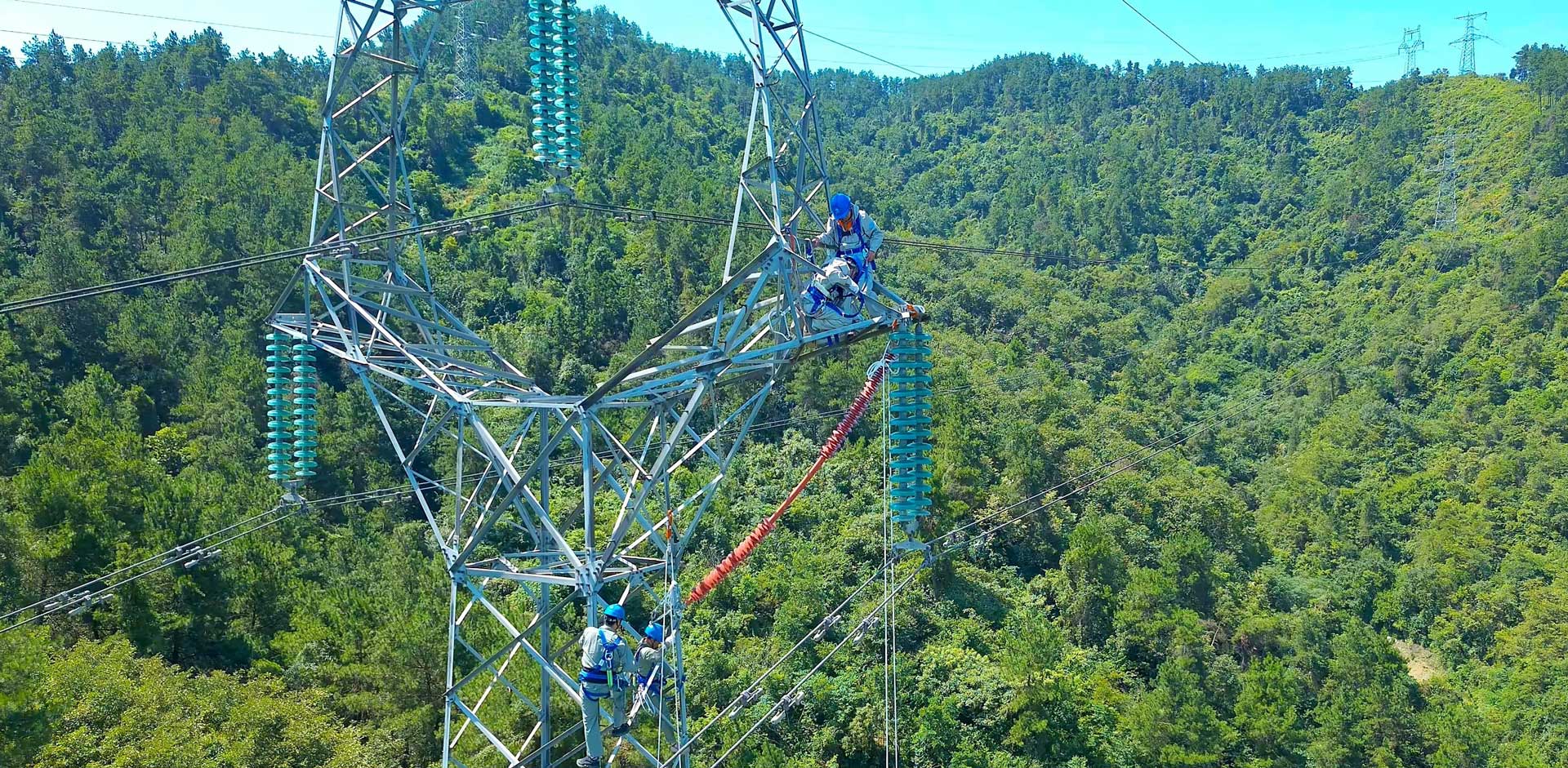
Providing reliable power for Antamina, Las Bambas, and Cerro Verde where high-load transmission is vital for continuous mineral processing.
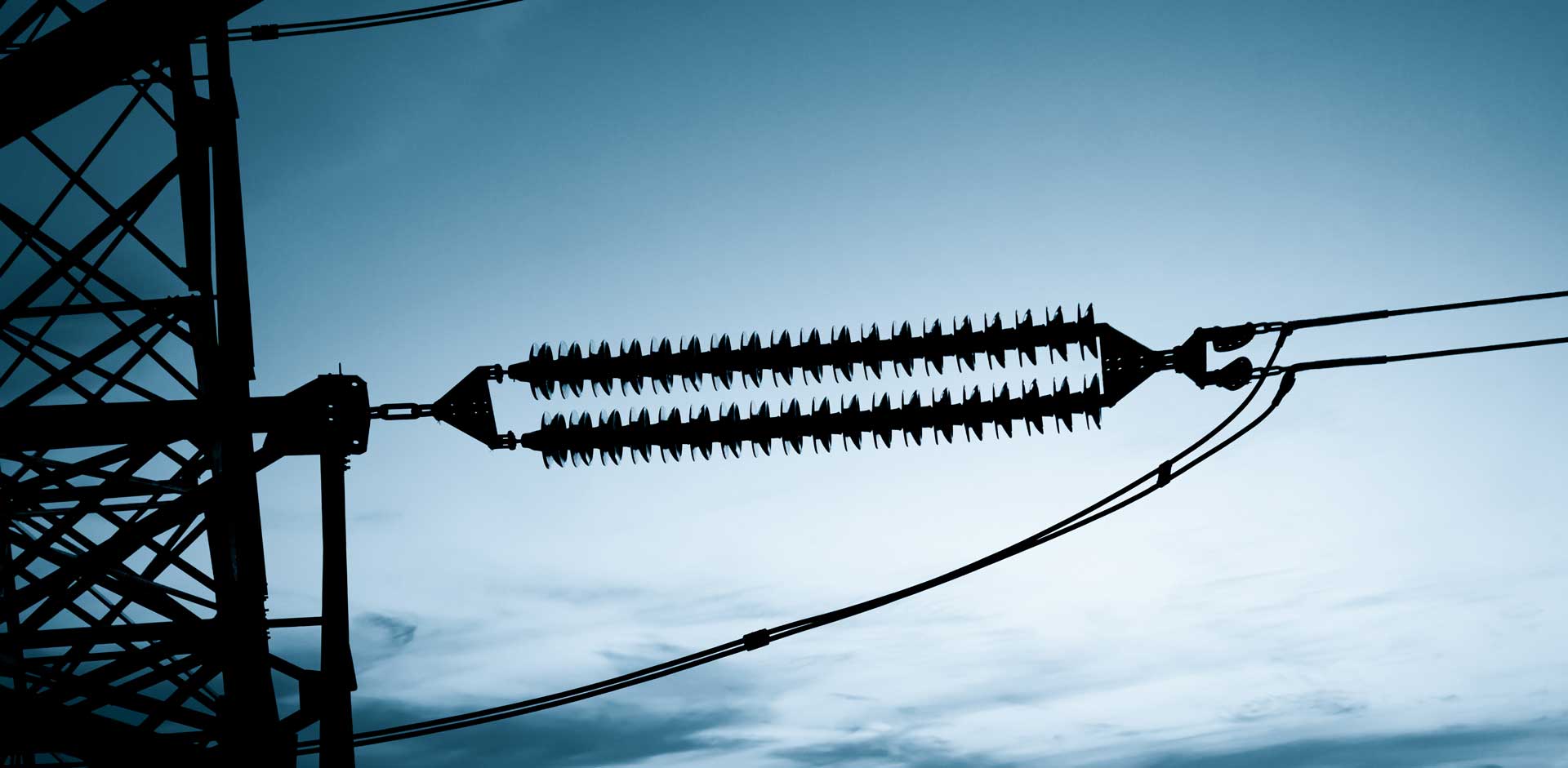
Supporting Peru's transition to wind and solar energy in regions like Piura and Lambayeque, where aerodynamic insulators protect wind farm substations.
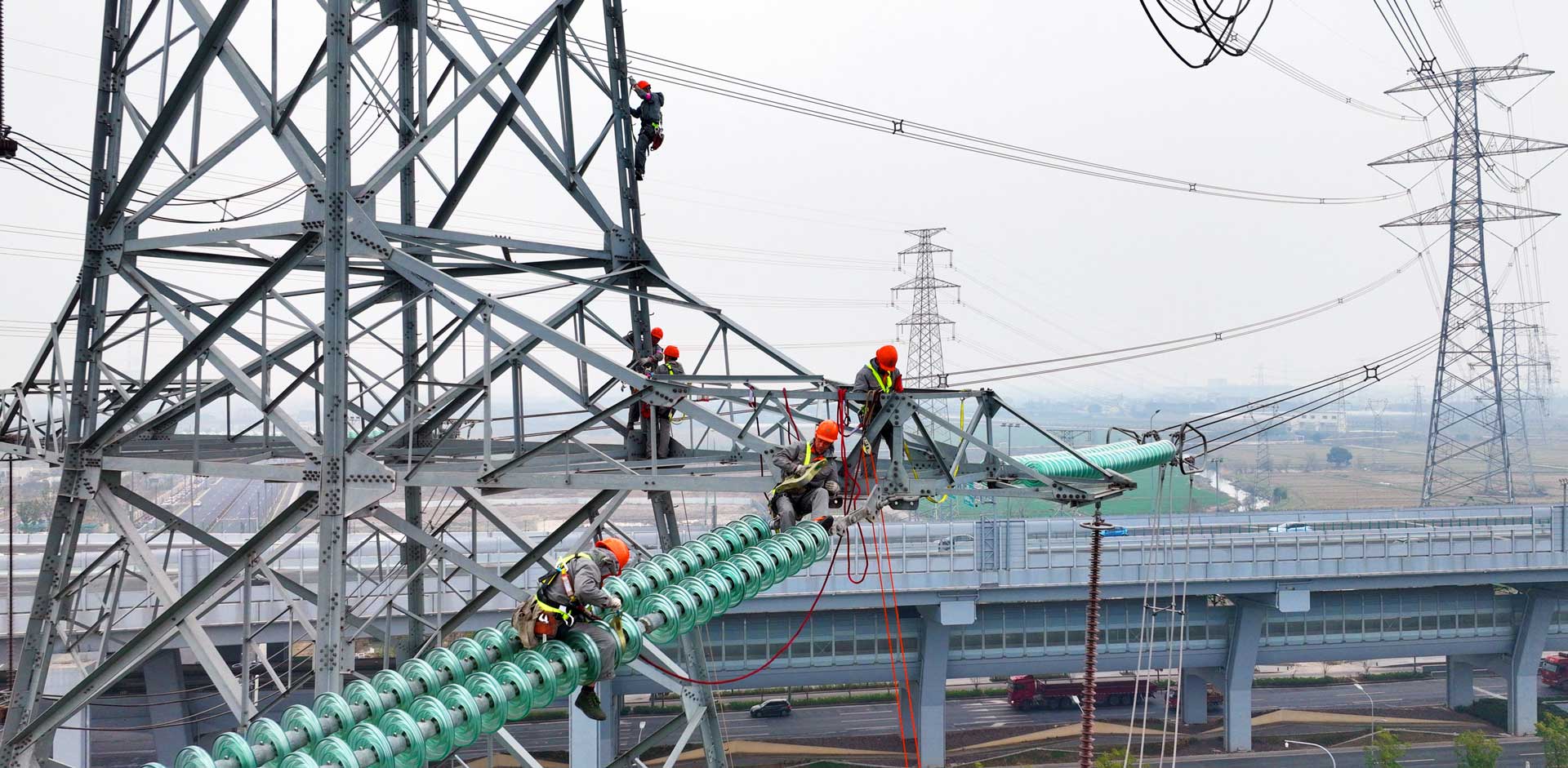
Ensuring the Metropolitan Lima grid remains operational during the heavy winter humidity and industrial pollution of the Callao port area.
As a leading Chinese manufacturer, we offer Peru-based procurement officers and EPC contractors a distinct competitive advantage:
🚢 Direct Logistics to Callao: We have established logistics routes from Ningbo/Shanghai ports directly to Callao and Paita, ensuring predictable lead times for large-scale infrastructure projects.
📉 Cost Efficiency: By sourcing directly from our Jiangxi factory, Peruvian clients eliminate middleman markups, gaining access to factory-direct pricing on high-tensile glass components.
📜 Compliance & Certification: All products are accompanied by comprehensive type test reports, ISO 9001/14001/45001 certificates, and are compliant with COES (Comité de Operación Económica del Sistema Interconectado Nacional) requirements.
Q: What makes Aerodynamic insulators better for Peru's coastal regions?
A: Standard insulators trap salt and industrial dust in their ribs. Aerodynamic types have a smoother, open profile that allows the wind to naturally clean the surface, reducing the risk of pollution-induced flashovers in areas like Callao and Trujillo.
Q: Are QOCI insulators compliant with Peruvian COES standards?
A: Yes, our products are manufactured to IEC 60305 and ANSI standards, which are the benchmarks used by COES and major Peruvian utilities like ISA Rep and Luz del Sur.
Q: Can these glass insulators withstand the extreme cold of the Andes?
A: Absolutely. Toughened glass has excellent thermal stability. Our insulators are tested for thermal shock and are used in UHV lines in high-altitude environments globally, including the Himalayas and the Andes.
Q: What is the lead time for shipping to the Port of Callao?
A: Production typically takes 4-6 weeks depending on volume, with sea freight from China to Callao taking approximately 35-45 days. We provide real-time tracking and full documentation for Peruvian customs.
Partner with Jiangxi QOCI Electric for the highest grade aerodynamic glass insulators in Peru. Expertise, Reliability, and Competitive Supply Chain at your service.
Send Inquiry Now