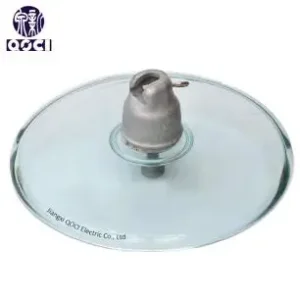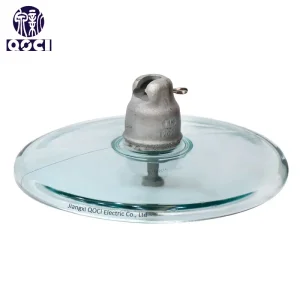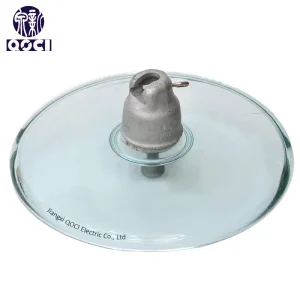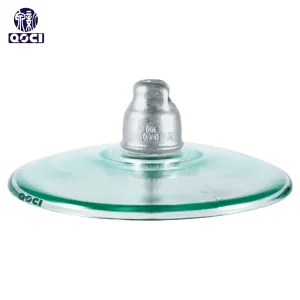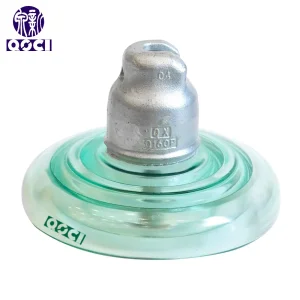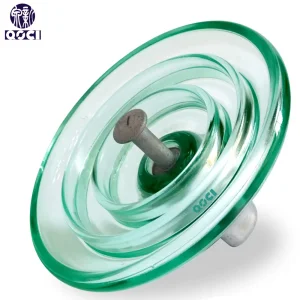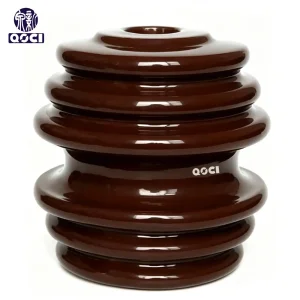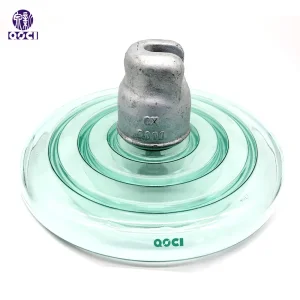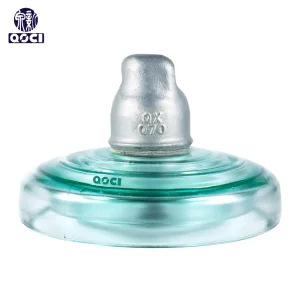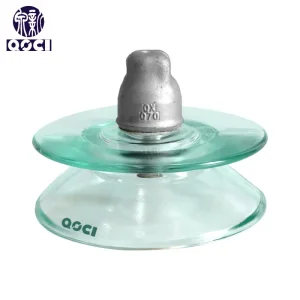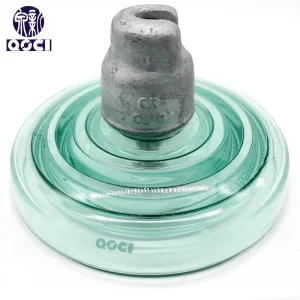
Tokyo, as one of the world's most densely populated metropolitan areas, faces unique challenges in power transmission. The Tokyo Electric Power Company (TEPCO) grid requires components that can withstand three primary stressors: Seismic activity, Salt-spray corrosion from Tokyo Bay, and the Urban Heat Island effect. Our Aerodynamic Type Glass Insulators are specifically designed to address these requirements through structural optimization and advanced material science.
Unlike standard profiles, the Aerodynamic Profile is engineered to minimize wind resistance and facilitate "self-cleaning" via wind-driven particulate removal. In the Tokyo market, where maintenance windows are extremely narrow due to the critical nature of the grid, these insulators provide a massive reduction in "Flashover" incidents caused by pollutant accumulation.
Tokyo's ultra-compact power corridors demand insulators with high dielectric strength in a smaller physical footprint. Our toughened glass solutions meet IEC 60305 standards while offering superior creepage distance.
Proximity to the ocean means high salinity. The Aerodynamic Type eliminates the "pockets" found in standard ribbed insulators where salt crusts typically form, significantly extending the life cycle.
Serving the heavy industrial zones of the Kantō region, our products resist chemical pollutants and particulate matter from steel mills and manufacturing plants.
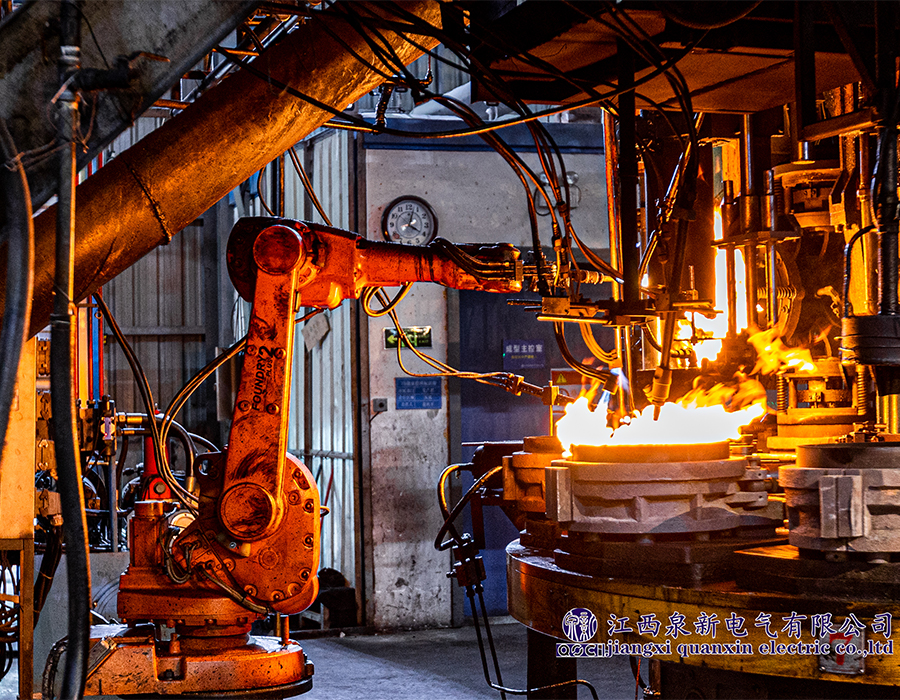
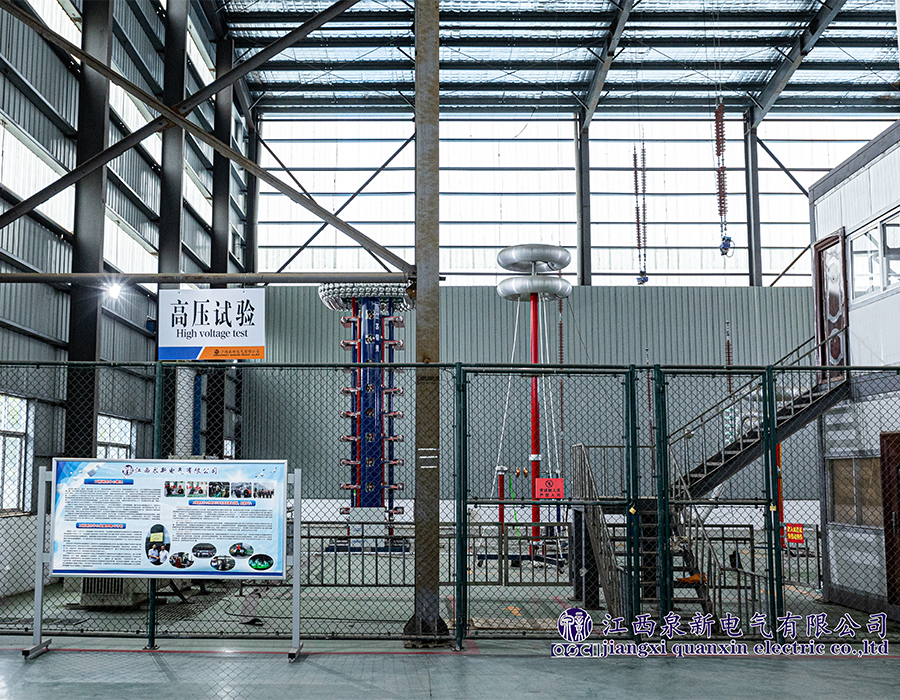
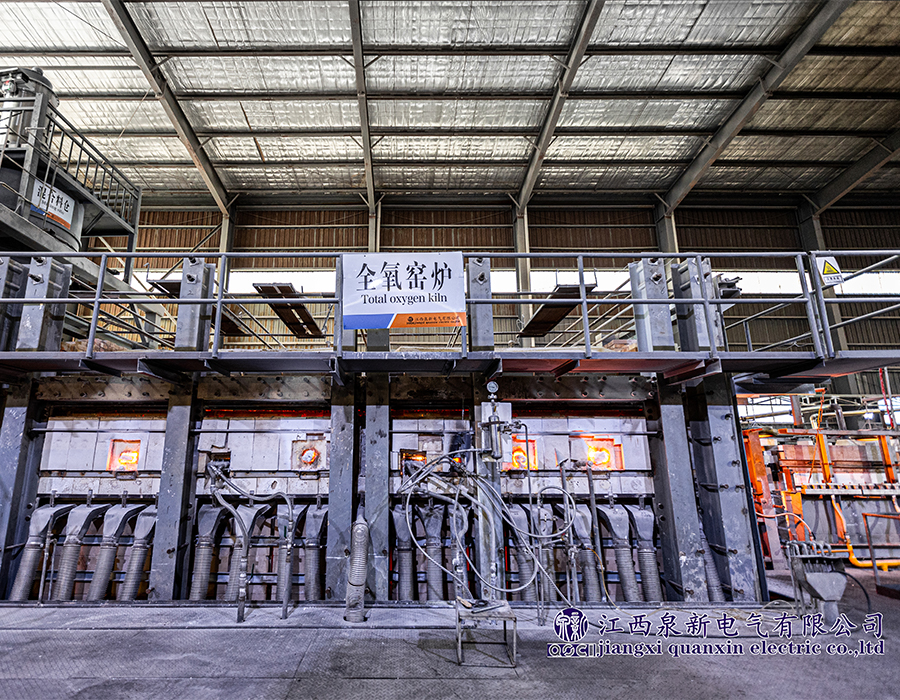
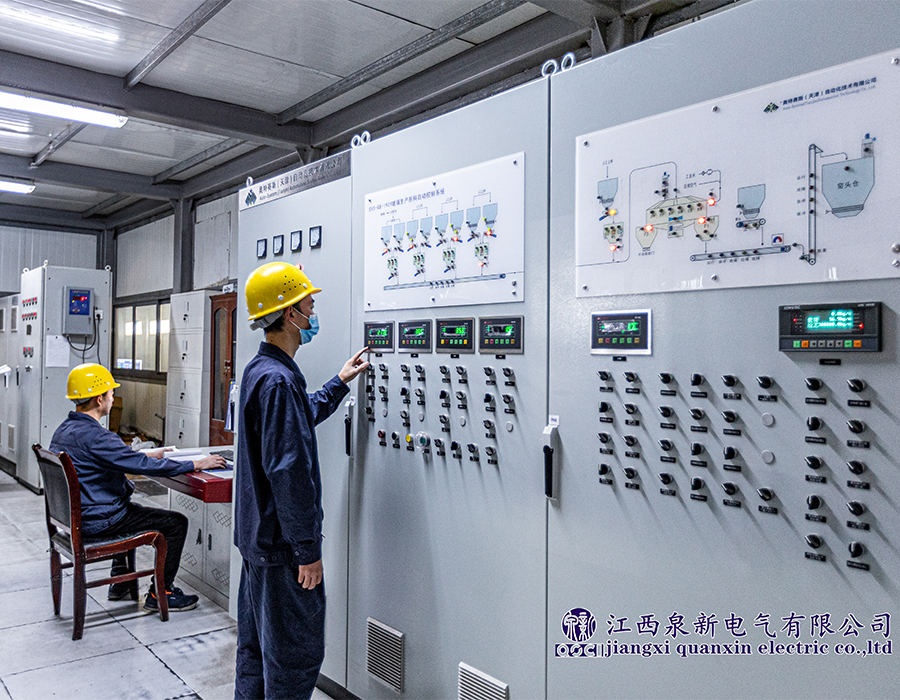
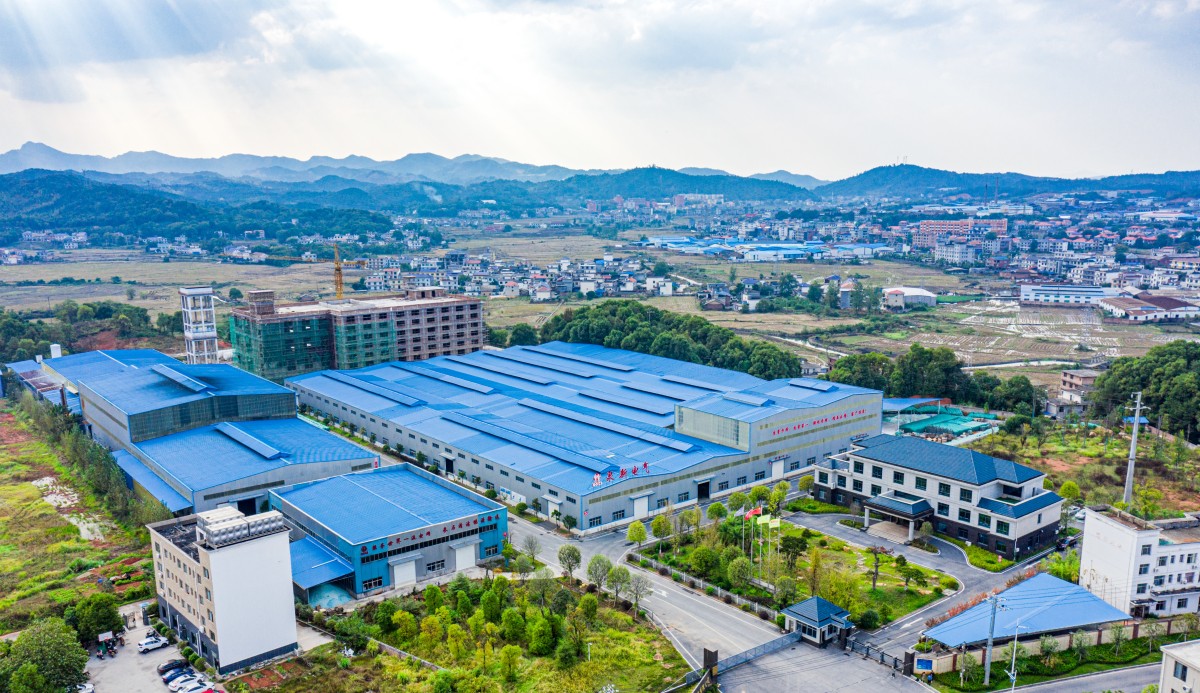
The global transmission industry is shifting towards Smart Grid Integration and Sustainability. As a leading factory, Jiangxi QOCI Electric is at the forefront of this evolution:
We understand that procurement for the Tokyo market involves rigorous compliance with JEC (Japanese Electrotechnical Committee) and JIS (Japanese Industrial Standards). Our factory provides specialized quality dossiers and Type Test reports validated by international laboratories (KEMA, CESI).
Our "Global Procurement Framework" ensures that lead times are minimized through strategic logistics hubs, ensuring that even during peak infrastructure upgrade seasons in Tokyo, our Aerodynamic Type glass insulators arrive on schedule.
Our commitment to "Innovation, Quality, and Service" drives our technical roadmap. Over the next five years, we are focused on:
A: Glass allows for visual inspection of the dielectric state. In Tokyo’s busy corridors, drones can easily spot a "shattered" glass insulator (which still maintains mechanical integrity), whereas internal porcelain cracks require expensive ultrasonic testing.
A: Our toughened glass has high mechanical strength-to-weight ratios. In seismic zones like Tokyo, reducing the weight of the insulator string reduces the inertial load on the towers, preventing structural failure during earthquakes.
A: Yes. We offer factory-applied RTV silicone coatings that bond molecularly with the glass surface, providing the ultimate solution for Tokyo Bay's salt-heavy humidity.
A: When correctly specified, our Aerodynamic Type insulators have a design life exceeding 40 years, outperforming composite alternatives in UV-heavy and polluted environments.
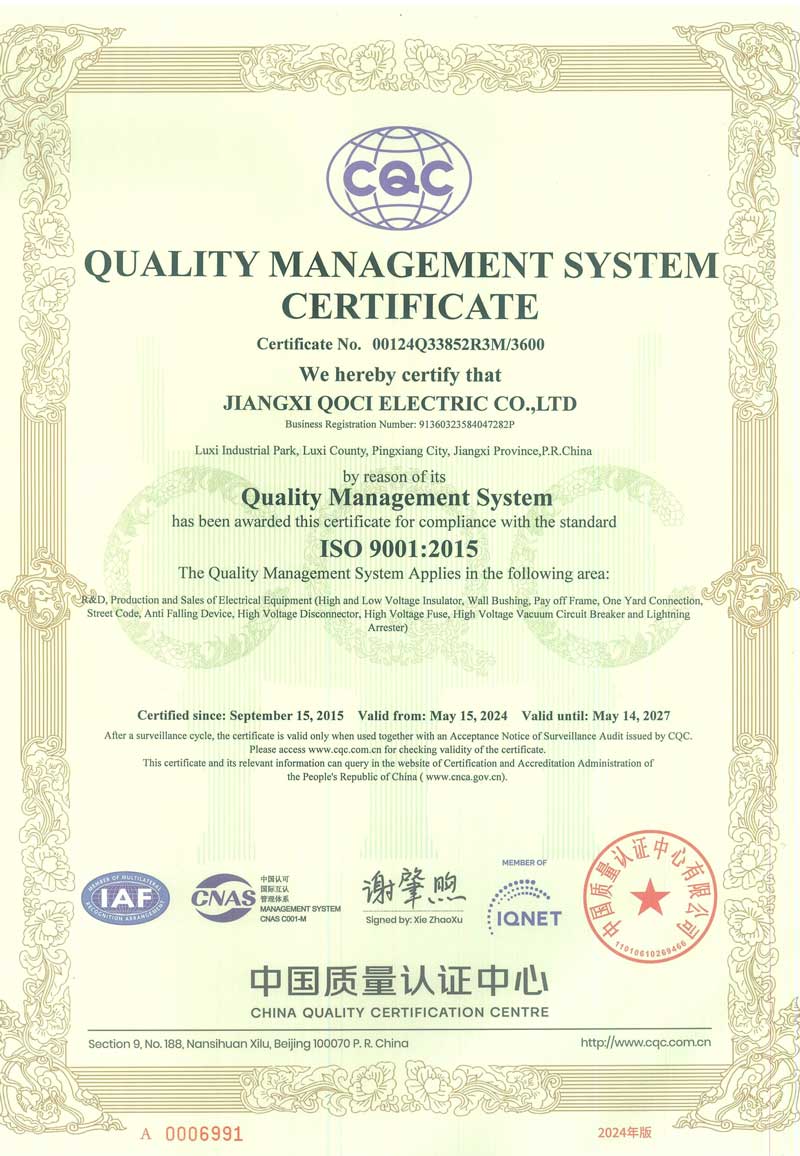
ISO 9001:2015 Quality Management Systems Certified for Global Distribution.
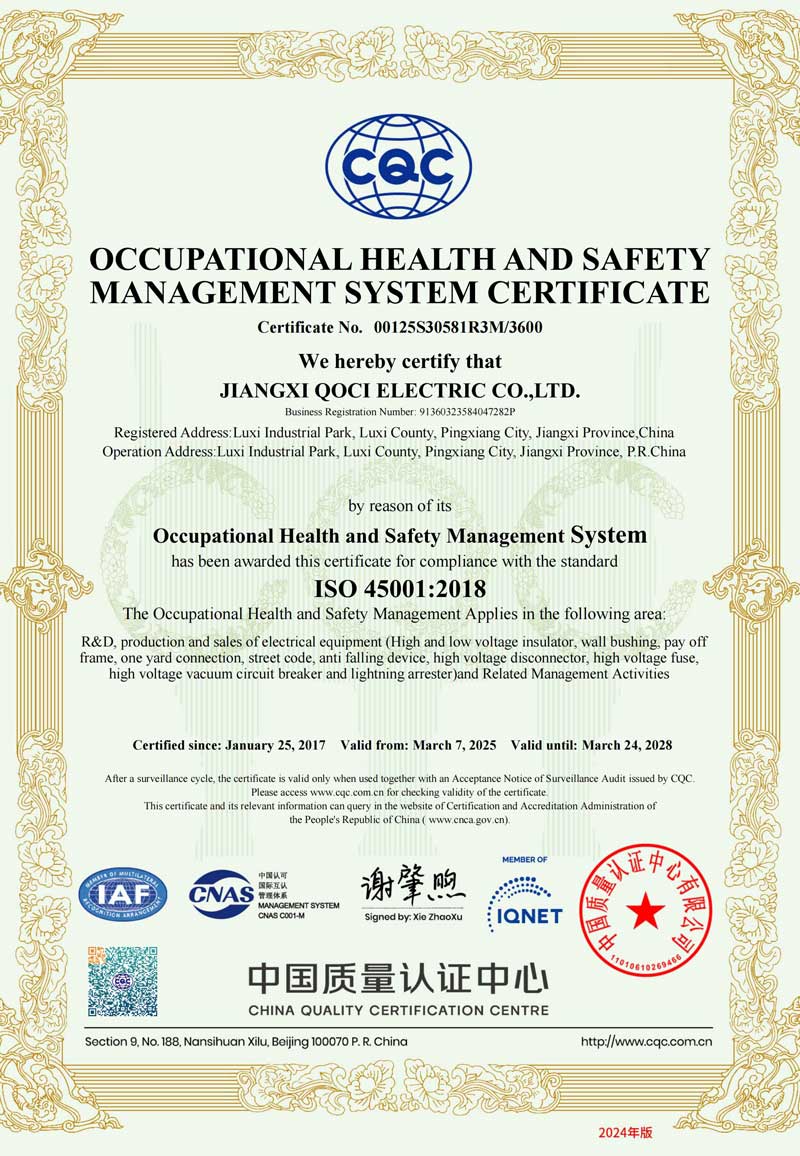
Full IEC 60305, 60383, and 60120 Compliance for Japanese Grid Safety.
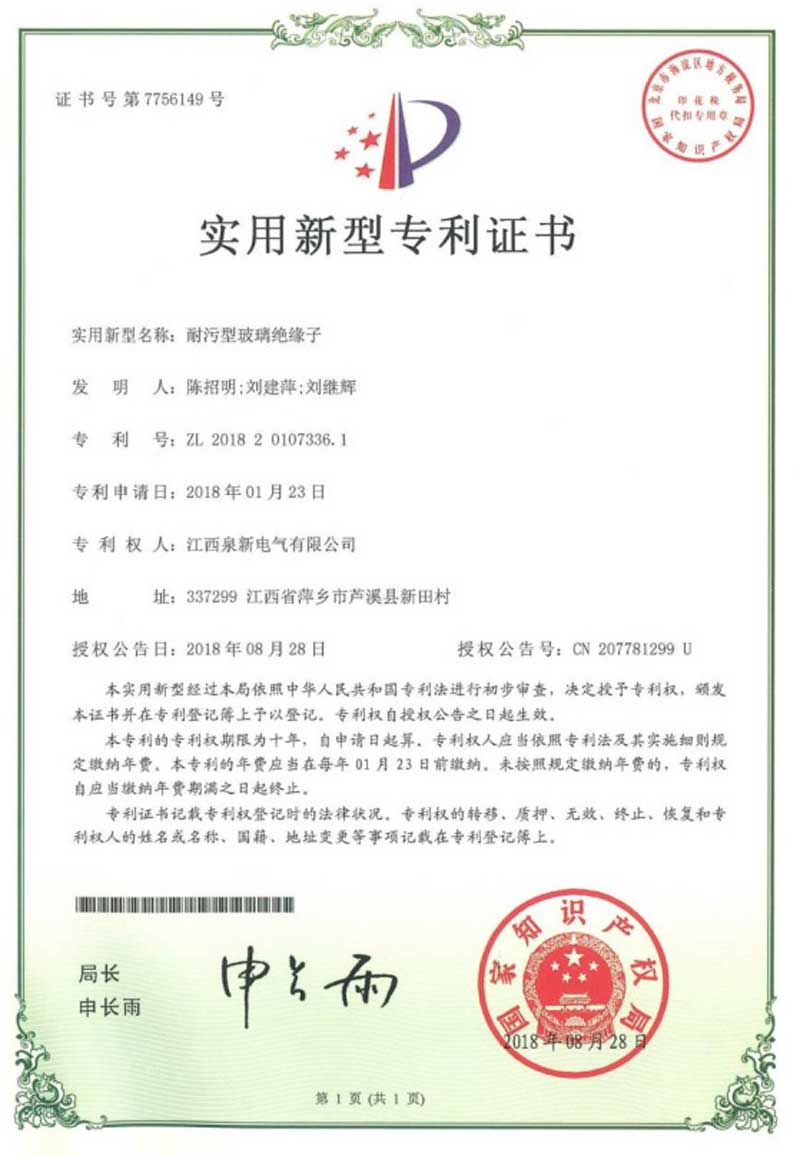
Holding 26+ Patents in Aerodynamic Shed Design and Toughening Technology.