
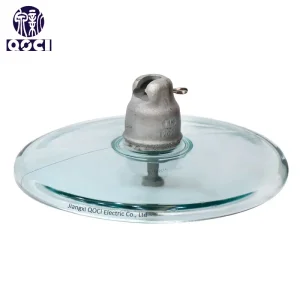
Engineered for high voltage and extra-high voltage overhead lines exposed to extreme environmental pollution.
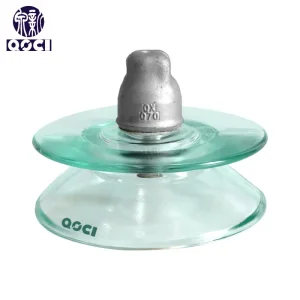
Designed for heavy fog and industrial zones, offering high mechanical strength and reliable service life.
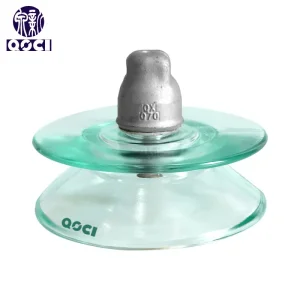
A specialized design maximizing creepage distances to counter heavy dust and coastal salt air.
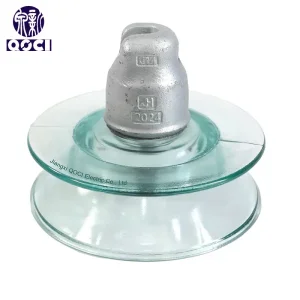
Meets stringent IEC testing, offering superior self-cleaning action under natural precipitation.
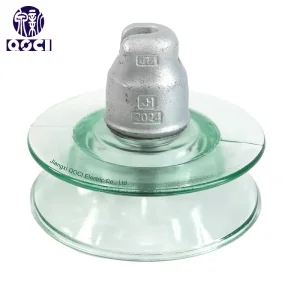
Optimized double-shed spacing prevents rain bridging and dry band arcing in critical sub-transmission systems.
The electrical grid infrastructure in the United States is currently undergoing its most significant overhaul in a generation. With federal initiatives, such as the Department of Energy's (DOE) programs funded under the Bipartisan Infrastructure Law, the prioritization of grid resilience is paramount. Central to this modernization is the optimization of overhead transmission line reliability under increasing environmental stress.
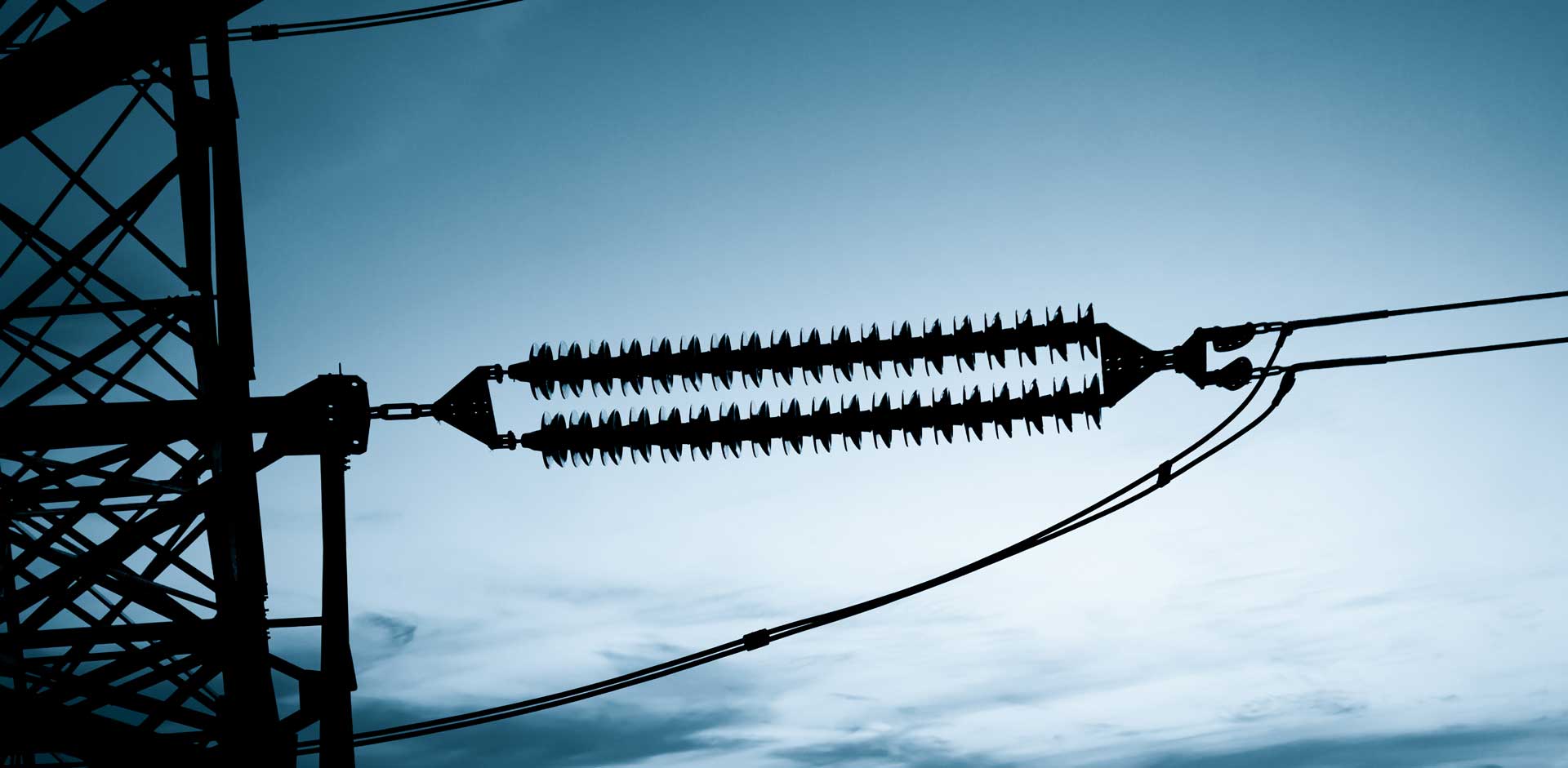
In high-pollution environments—whether from marine salinity along the coastlines of California and Florida, or industrial emissions in states like Ohio and Pennsylvania—insulator leakage current poses a persistent threat. Double-Shed Type Toughened Glass Insulators solve this issue through structural geometry. By omitting deep under-ribs and extending the profile outwards, they limit dust, salt, and chemical deposit build-up.
During dry spells, pollution clings to standard ribs. When light moisture (such as fog or morning dew) wets the surface, it forms a conductive layer, leading to dry band arcing and potential line flashovers. Double-shed configurations provide an open air gap between sheds, which prevents bridging, ensuring that clean, unpolluted air pockets remain intact to maintain insulation properties.
| Profile Design | Creepage-to-Spacing Ratio | Self-Cleaning Capacity | Best Performance Environments |
|---|---|---|---|
| Standard Profile | ~2.2 - 2.5 | Moderate (requires regular rainfall) | Agricultural, low-pollution regional grids |
| Anti-Fog Profile | ~3.2 | Low (deep ribs catch particulates) | Coastal salt fog areas with regular washing schedules |
| Double-Shed Profile | ~2.8 - 3.1 | Excellent (wind-driven cleaning) | Heavy industrial zones, sandy deserts, remote areas |
| Aerodynamic / Open | ~2.0 | Outstanding | Arid deserts, high-wind dust corridors |
As a leading exporter of high-voltage transmission components, our manufacturing footprint aligns with international and local US standards. Powered by state-of-the-art oxygen-fuel kilns, automated press molding lines, and advanced thermal tempering systems, our factory outputs over 39,000 tons of glass components annually.
We work in close compliance with ANSI (American National Standards Institute) and IEC (International Electrotechnical Commission) guidelines. Every double-shed glass insulator undergoes rigorous hydraulic, mechanical tensile strength, and steep-front impulse voltage tests before shipping.
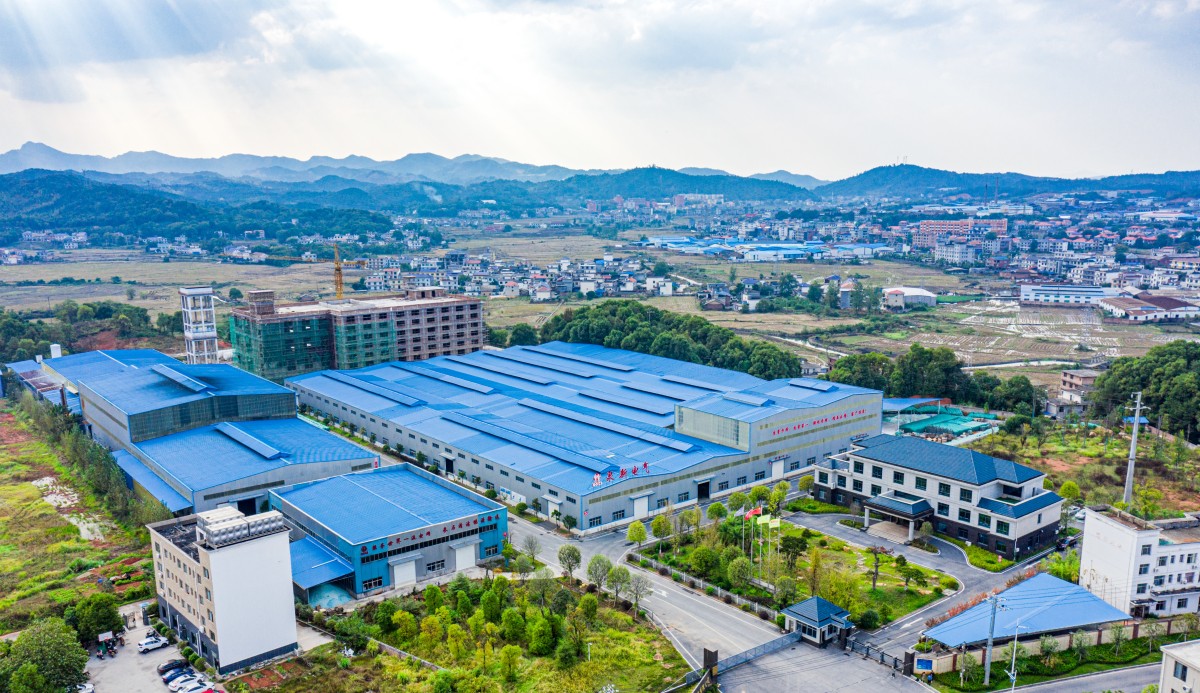
Developing customizable solutions tailored to the diverse geographical and climatic challenges of American grid infrastructure.
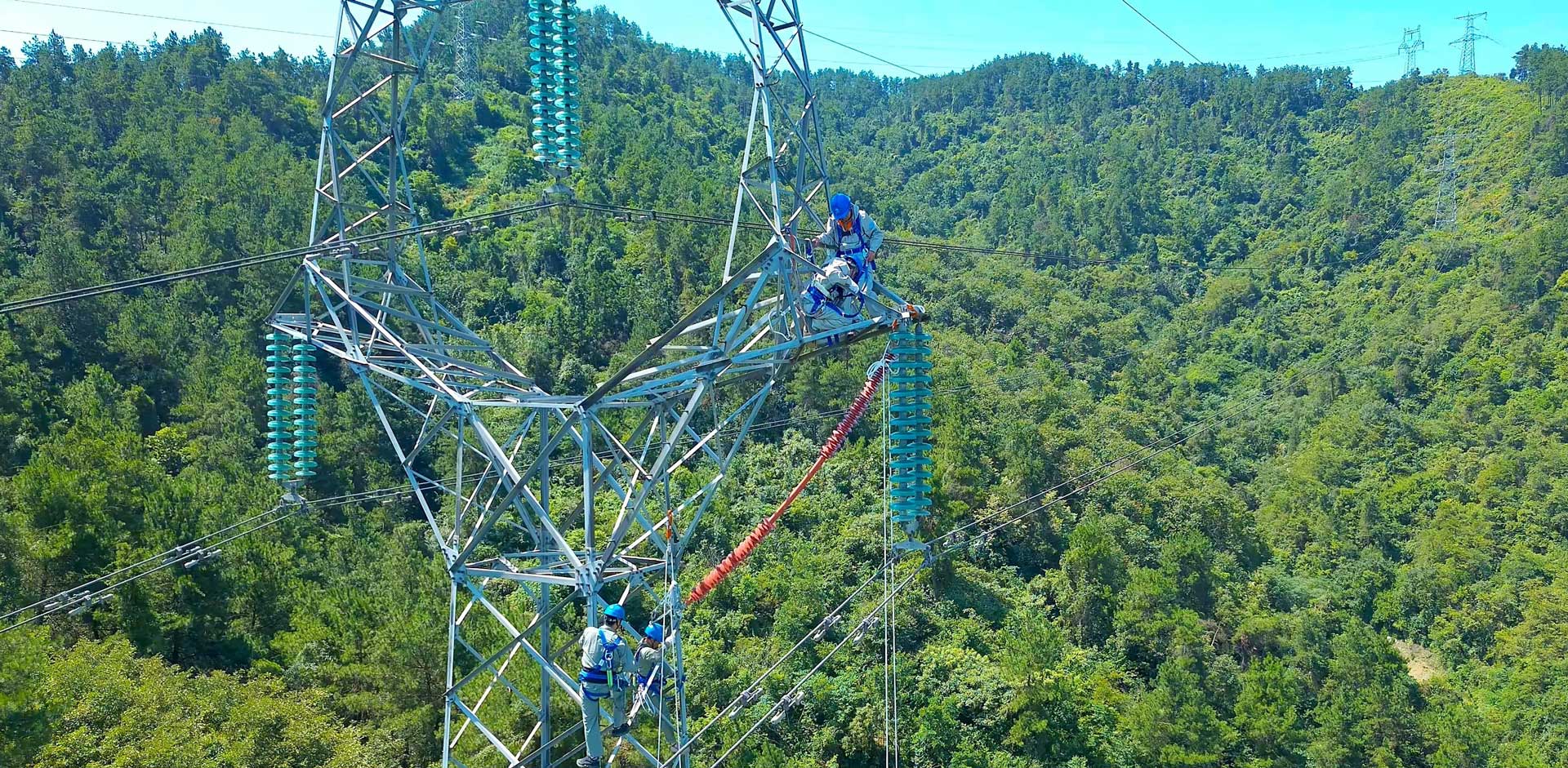
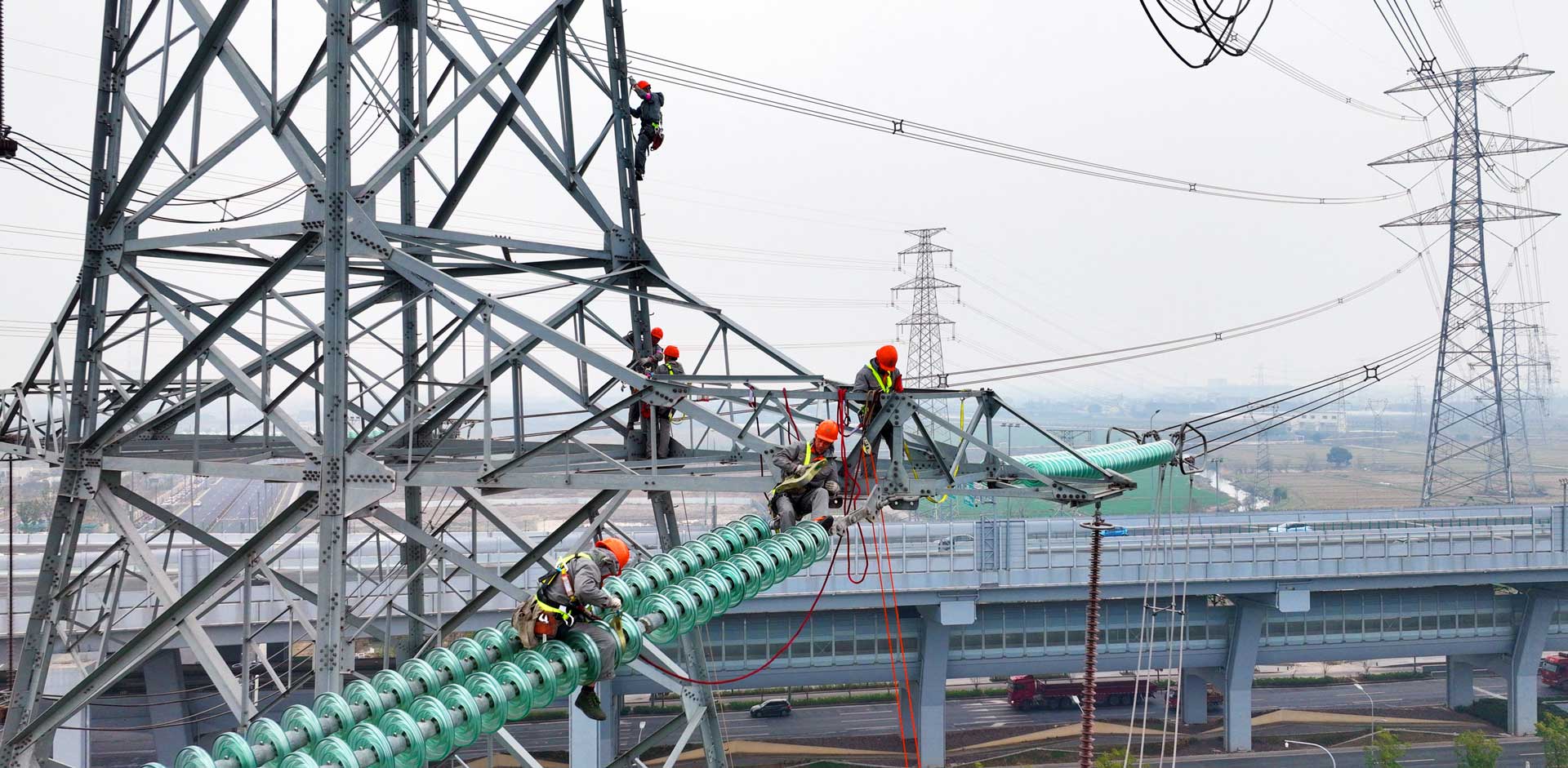
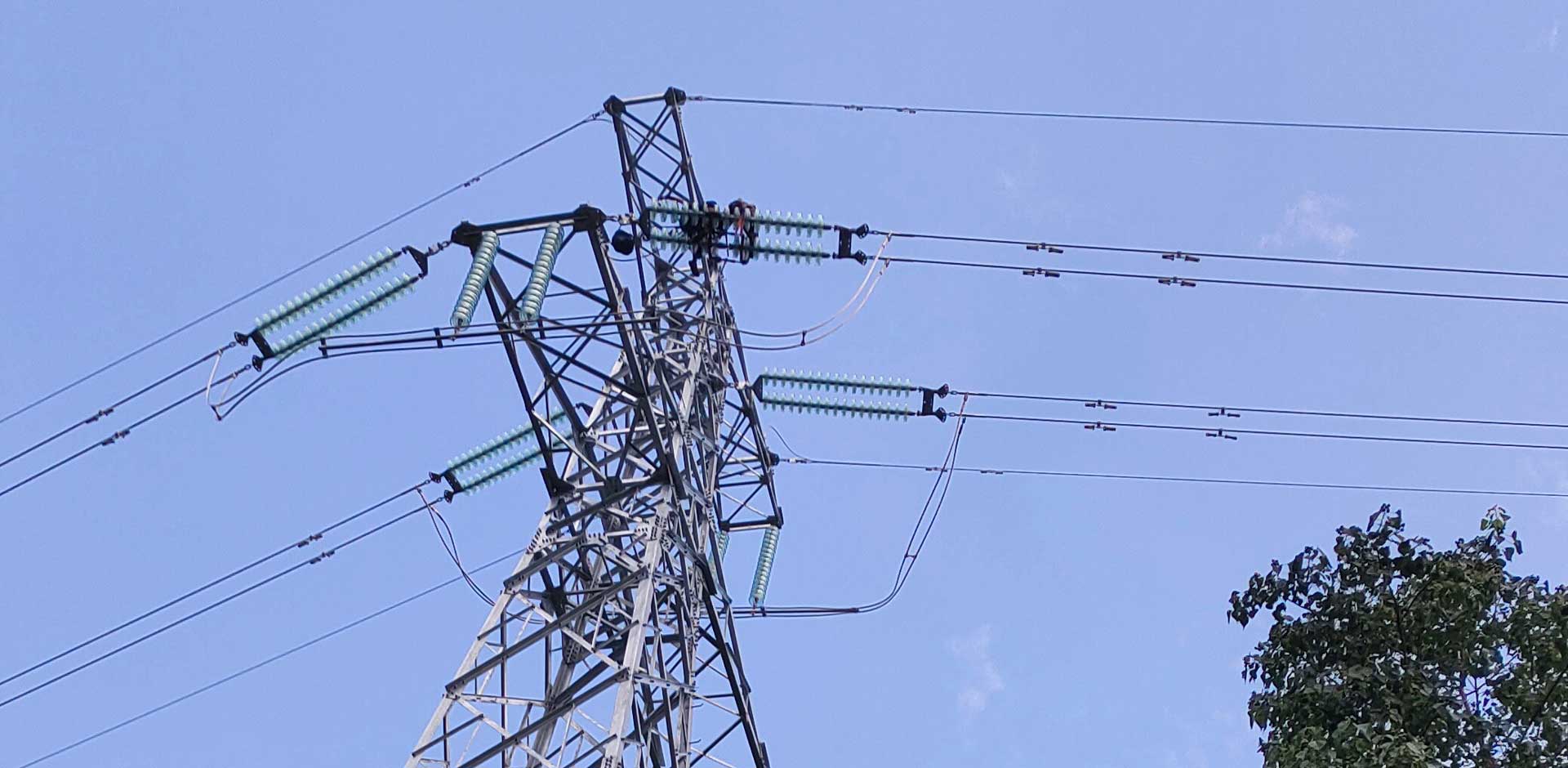
In regions demanding the ultimate protection against dry-band leakage currents, we recommend the application of Room Temperature Vulcanized (RTV) silicone coatings on our Toughened Glass Insulator substrates. This combines the superior mechanical stability and fail-safe "shattering" characteristics of tempered glass (which eliminates hidden internal defect tracking) with the hydrophobic properties of silicone polymers. This hybrid technical approach is gaining rapid traction among major US utility providers seeking long-term, zero-maintenance insulation systems.
Explore our wider range of high-strength suspension glass discs, spool insulators, and anti-pollution designs.
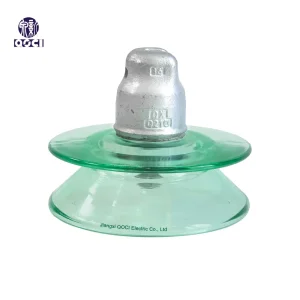
High mechanical load capacity, optimized for dead-end strings in extreme environments.
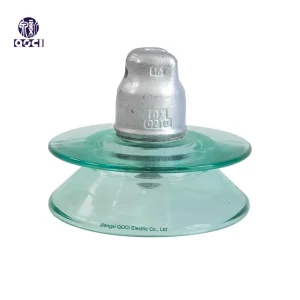
Designed for ultra-high voltage grids with strong anti-pollution demands.
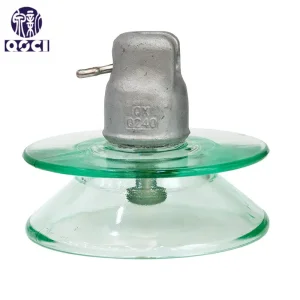
Suitable for long-span crossings with severe saline deposits.
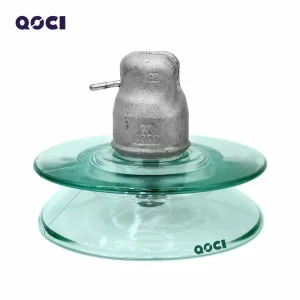
Heavy duty 300kN mechanical rating, built for structural safety and grid resilience.
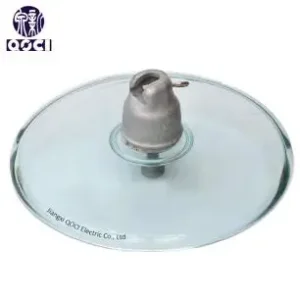
Aerodynamic design that exploits natural wind currents to sweep debris clear of the glass surface.
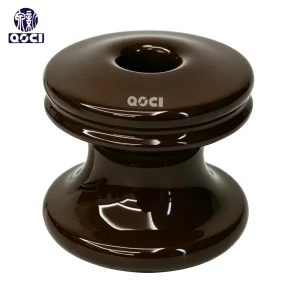
Standardized components for low-voltage secondary distributions and service entries.
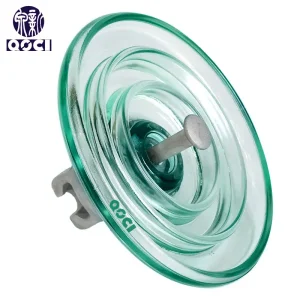
Highly standardized ball-and-socket connecting elements for quick installations.
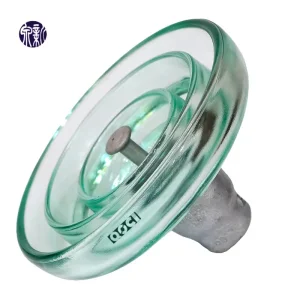
Features deep under-ribs optimized specifically for high salt fog humidity resistance.
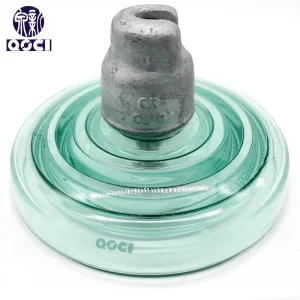
Reliable performance standard disc design for high-load tension and suspension strings.
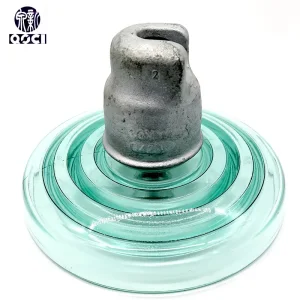
For extra-high-voltage (EHV) and ultra-high-voltage (UHV) overland transmission corridors.
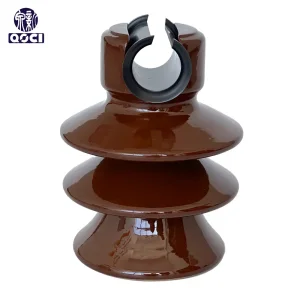
Heavy duty pin-type component providing insulation and line support for distribution grids.
Optimized aerodynamics to prevent flashovers in wind-swept, desert regions.
Get answers to common technical inquiries concerning selection, testing, and standard configurations.