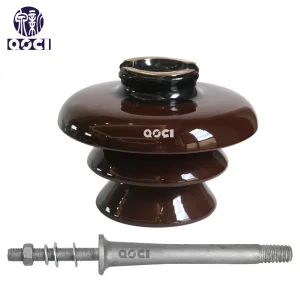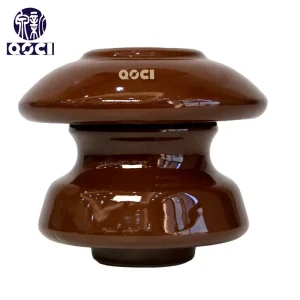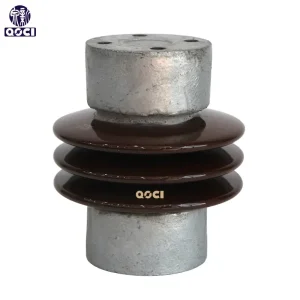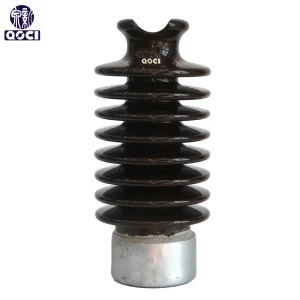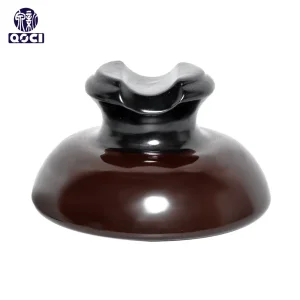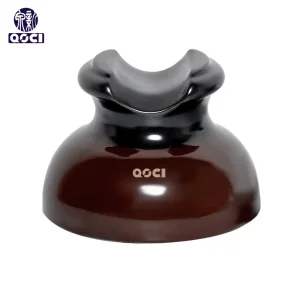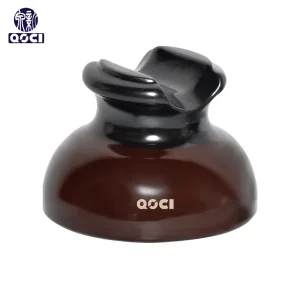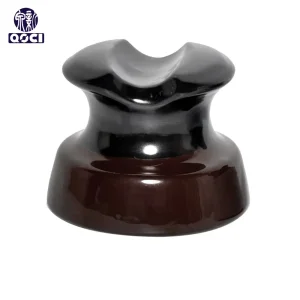
Brazil represents one of the most dynamic and challenging environments for electrical infrastructure globally. As the country pushes toward a more decentralized and renewable-heavy power matrix, the demand for robust porcelain insulator factories and reliable supply chains has reached an all-time high. From the humid Amazon basin to the saline-heavy coastlines of the Northeast, insulators must withstand extreme environmental stress while maintaining the integrity of the Eletrobras and private utility transmission lines.
While composite and glass insulators have gained traction, porcelain remains the "Gold Standard" for high-voltage substations and long-distance AC transmission in Brazil. The reason lies in its thermal stability and chemical resistance to the acidic soils and bird guano common in the Pantanal and rural agricultural zones. Unlike polymer alternatives, porcelain does not suffer from "tracking" or erosion in high-UV environments, a critical factor given Brazil's solar intensity.
The technical requirement for porcelain insulator factories in Brazil is governed by ABNT (Associação Brasileira de Normas Técnicas) and IEC standards. However, the future roadmap involves the integration of RTV (Room Temperature Vulcanized) Silicone Coatings on porcelain surfaces. This hybrid approach combines the mechanical strength of ceramic with the hydrophobicity of silicone, solving the "Flashover" issues in Brazil’s heavy-pollution industrial zones like São Paulo and Minas Gerais.
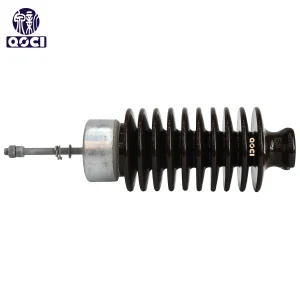
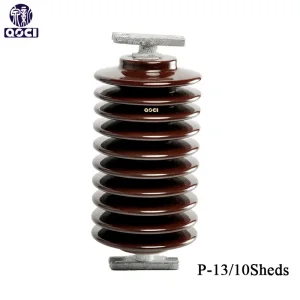
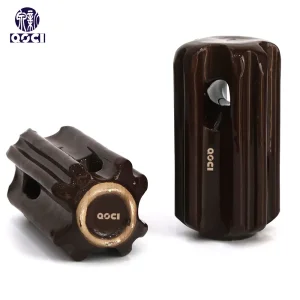
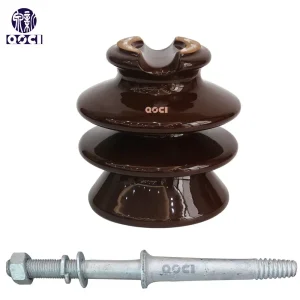
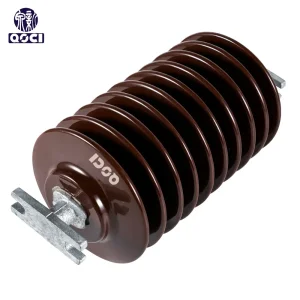
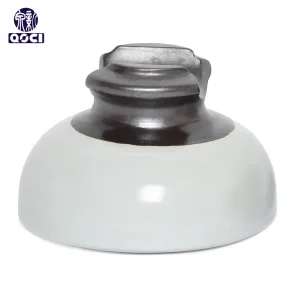
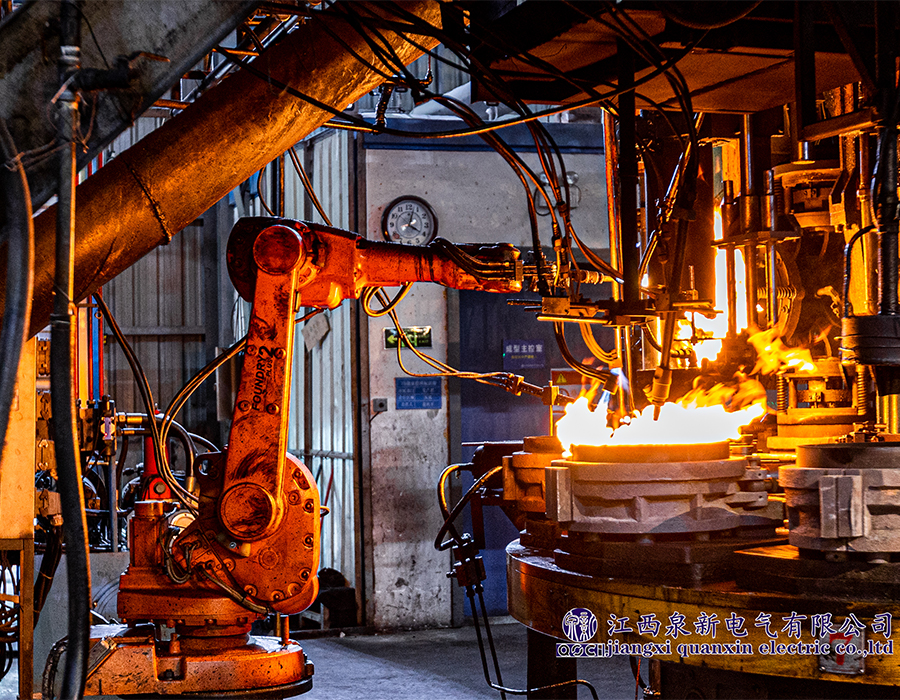
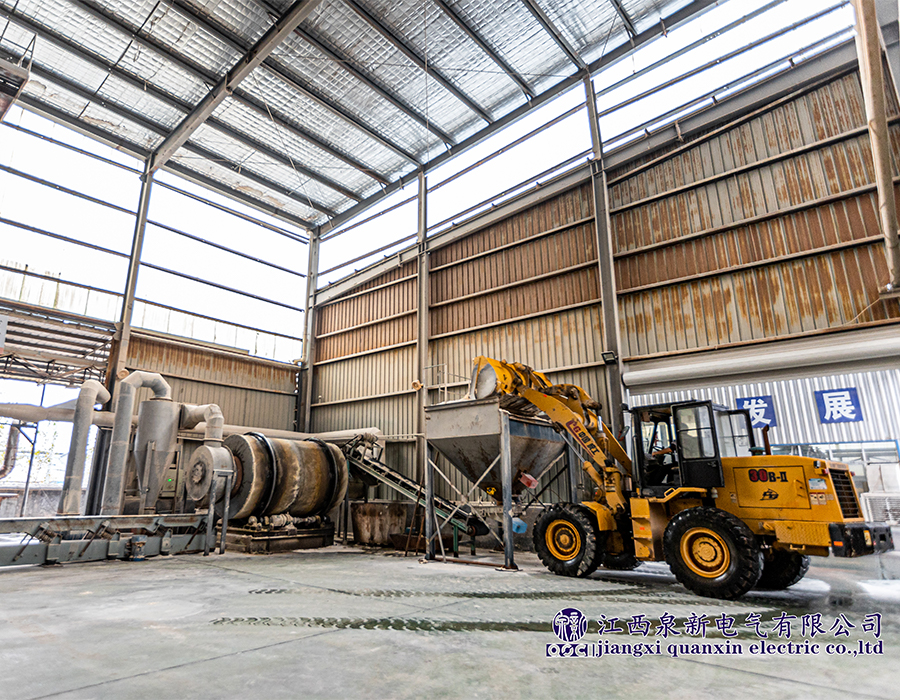
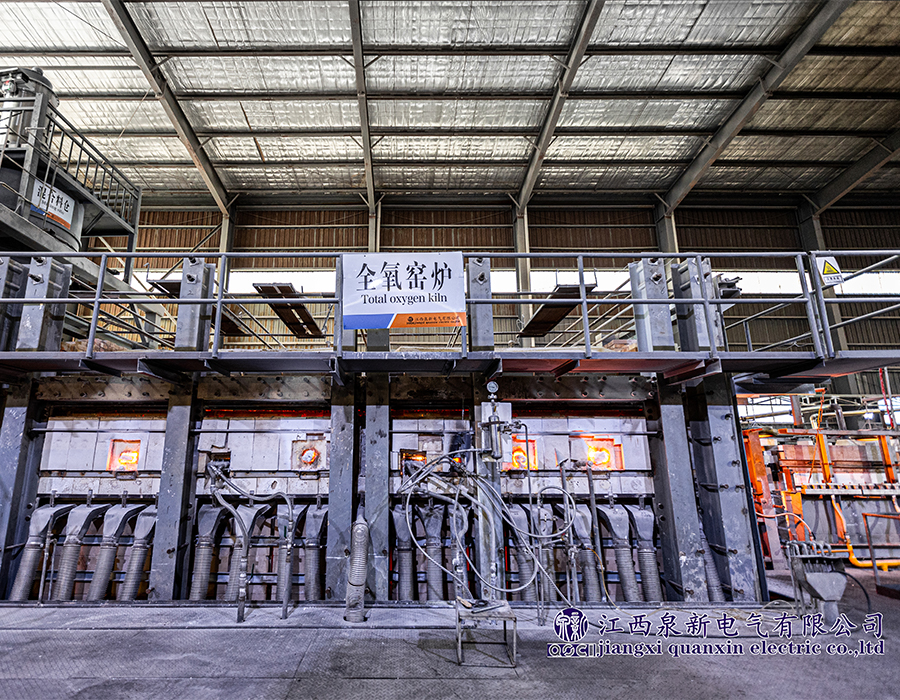
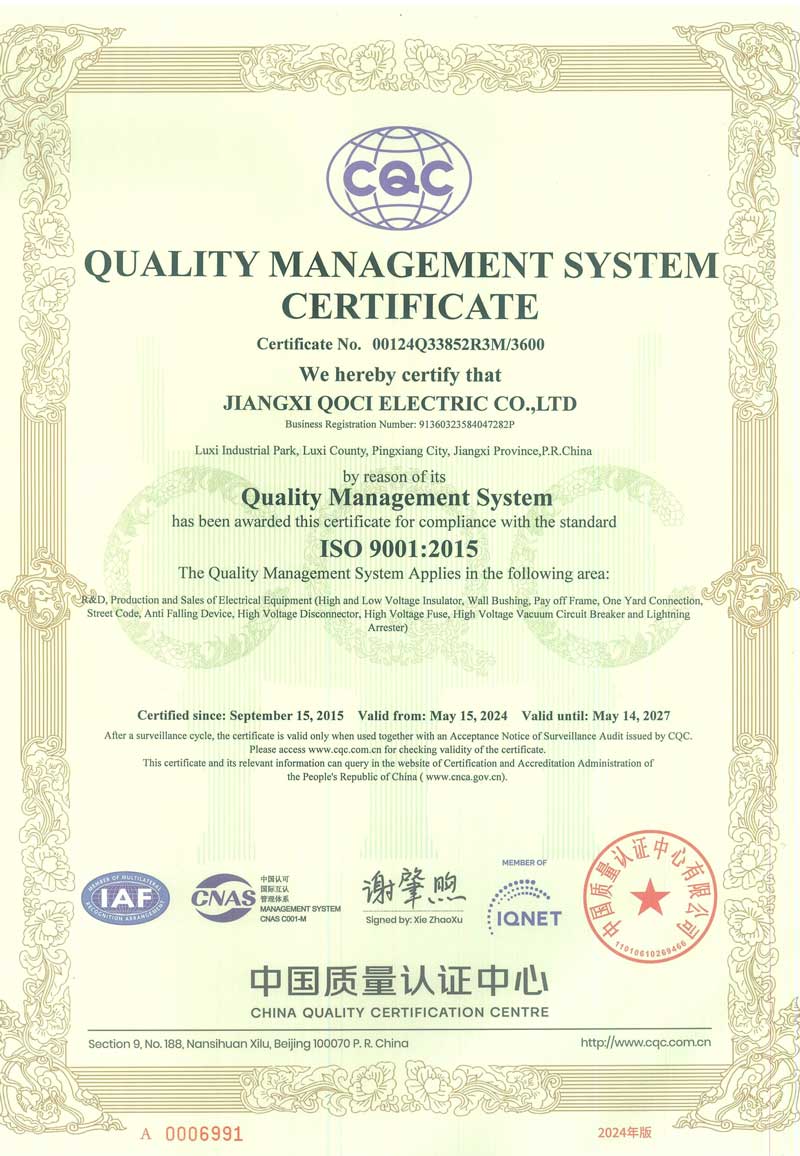
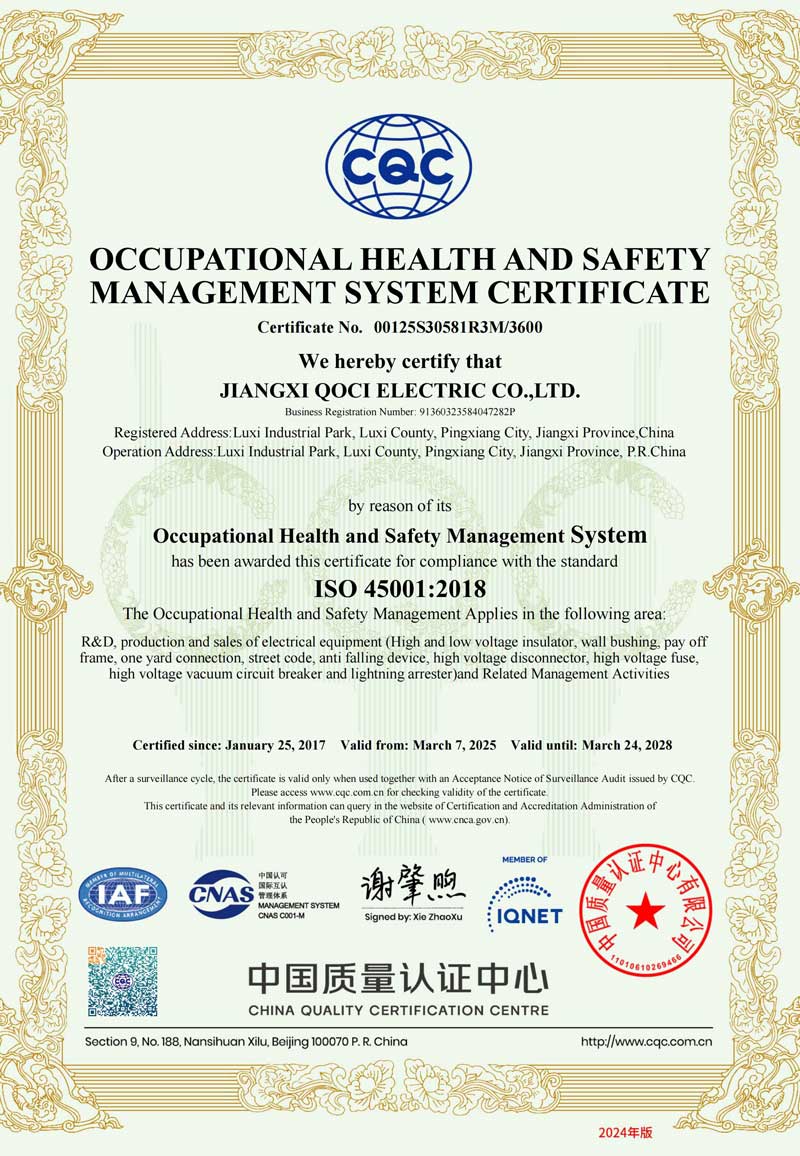
As a leading Porcelain Insulator Factory, we have implemented Industry 4.0 protocols that directly benefit Brazilian procurement officers. Our "Total Oxygen Kiln" technology and automated forming presses ensure that every batch—whether it is an ANSI 52-series disc or a P-13 post insulator—meets rigorous ISO 9001 and Brazilian INMETRO-aligned quality checks. By bridging the gap between China’s manufacturing efficiency and Brazil’s project timelines, we offer Supply Chain Resilience against global logistics volatility.
Brazil’s wind and solar boom in the Northeast requires thousands of kilometers of new 230kV and 500kV lines. Our Toughened Glass and High-Strength Porcelain insulators are engineered for these specific "Green Corridors." We provide macro-solutions that include local logistics support, customized packaging for rugged Brazilian terrain, and pre-sales engineering consultation to ensure compliance with ONS (Operador Nacional do Sistema Elétrico) grid codes.
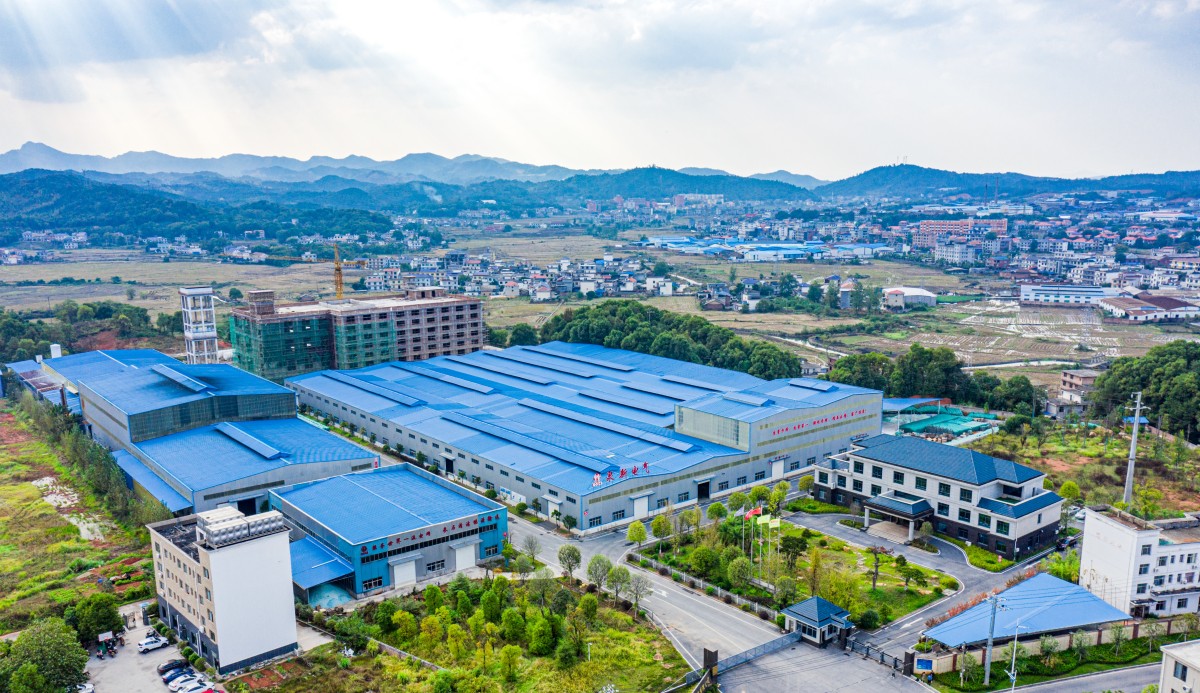
Founded in 2002 with 508 million Yuan capital, our factory is a beacon of innovation in the insulator industry. Serving world-class power grids with dedication, we actively participate in green energy construction from Asia to South America.
Experience: 20+ years in high-voltage ceramic R&D.
Expertise: 53+ senior engineers specializing in dielectric materials.
Authoritativeness: Strategic partner for state-owned power utilities.
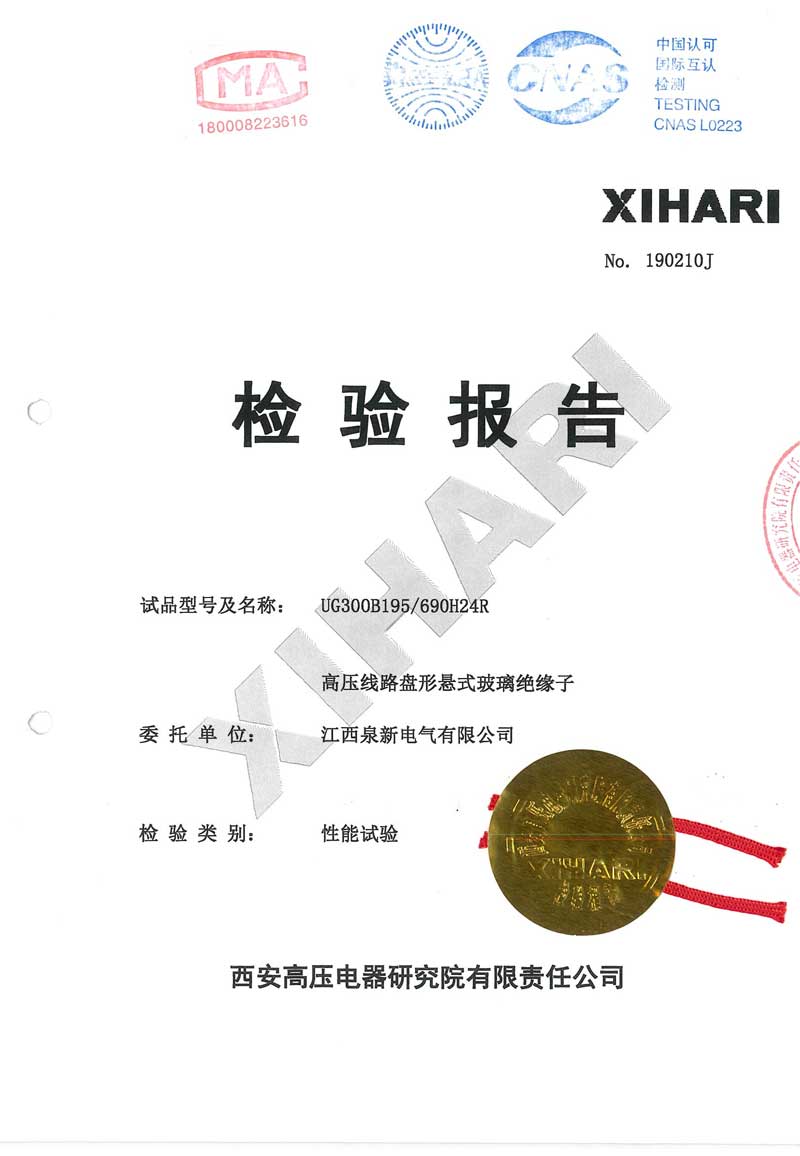
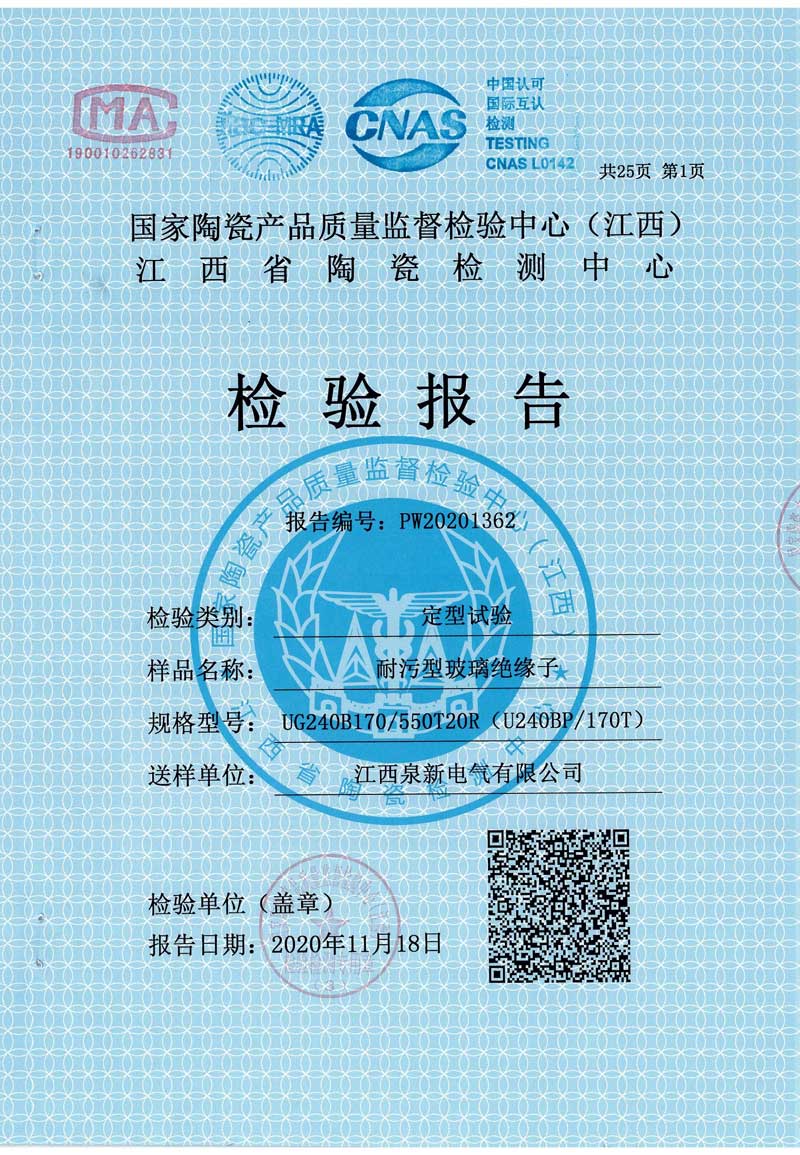
Reliability: 100% testing of mechanical and electrical ratings before shipment.
For the most extreme Brazilian climates, our glass insulators provide a visual maintenance advantage (shattering upon failure) and excellent pollution resistance.
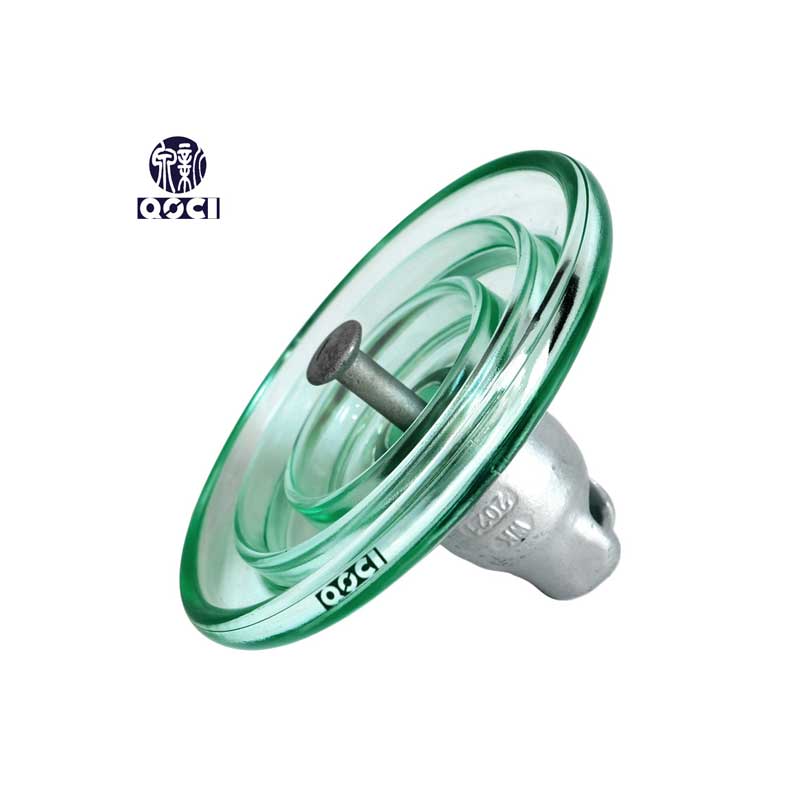
Self-cleaning design for windy inland regions.
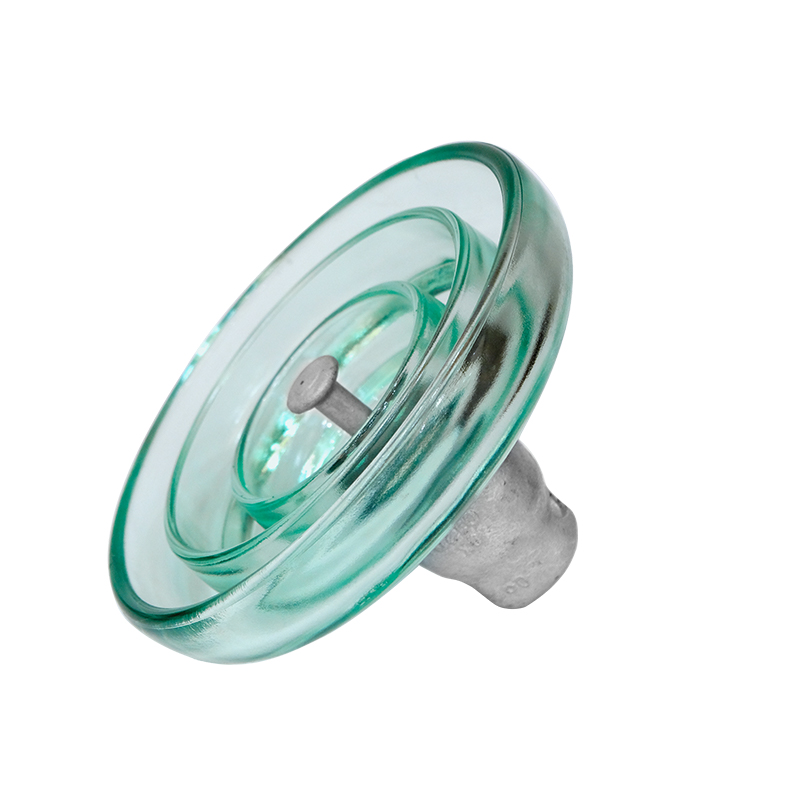
Essential for Brazil coastal (Salt Fog) areas.
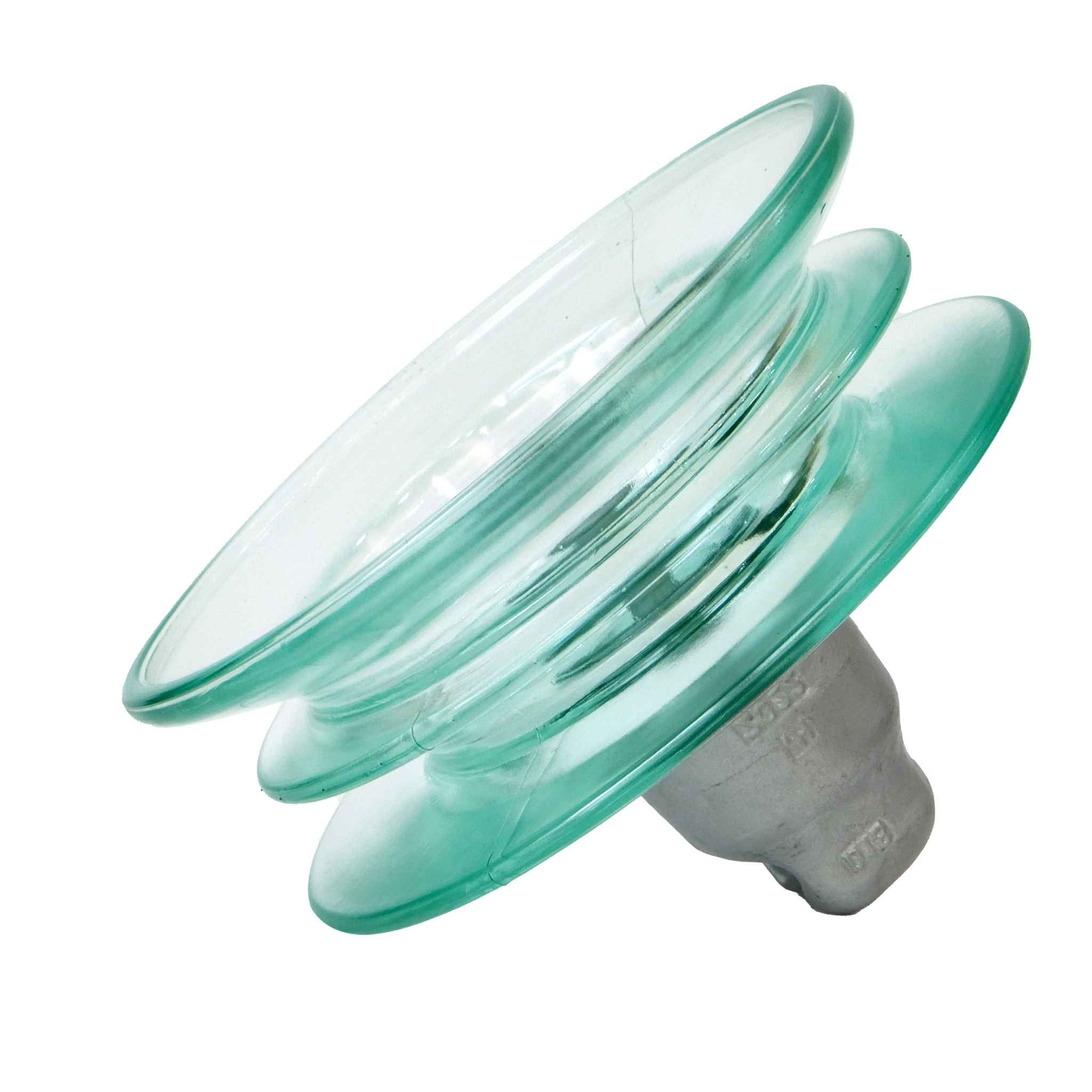
Ultra-high creepage for heavy industrial pollution.
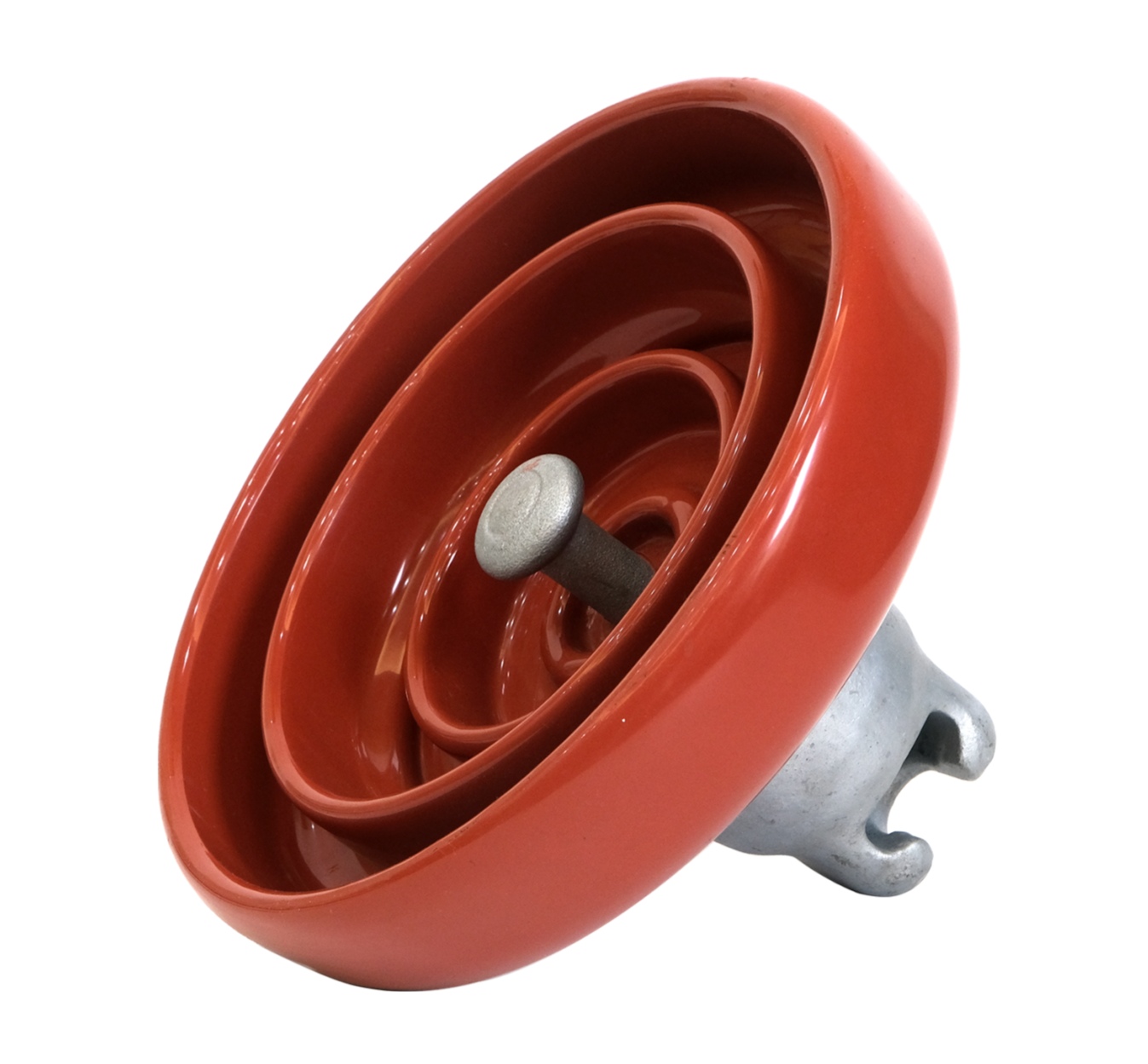
The ultimate zero-maintenance solution.
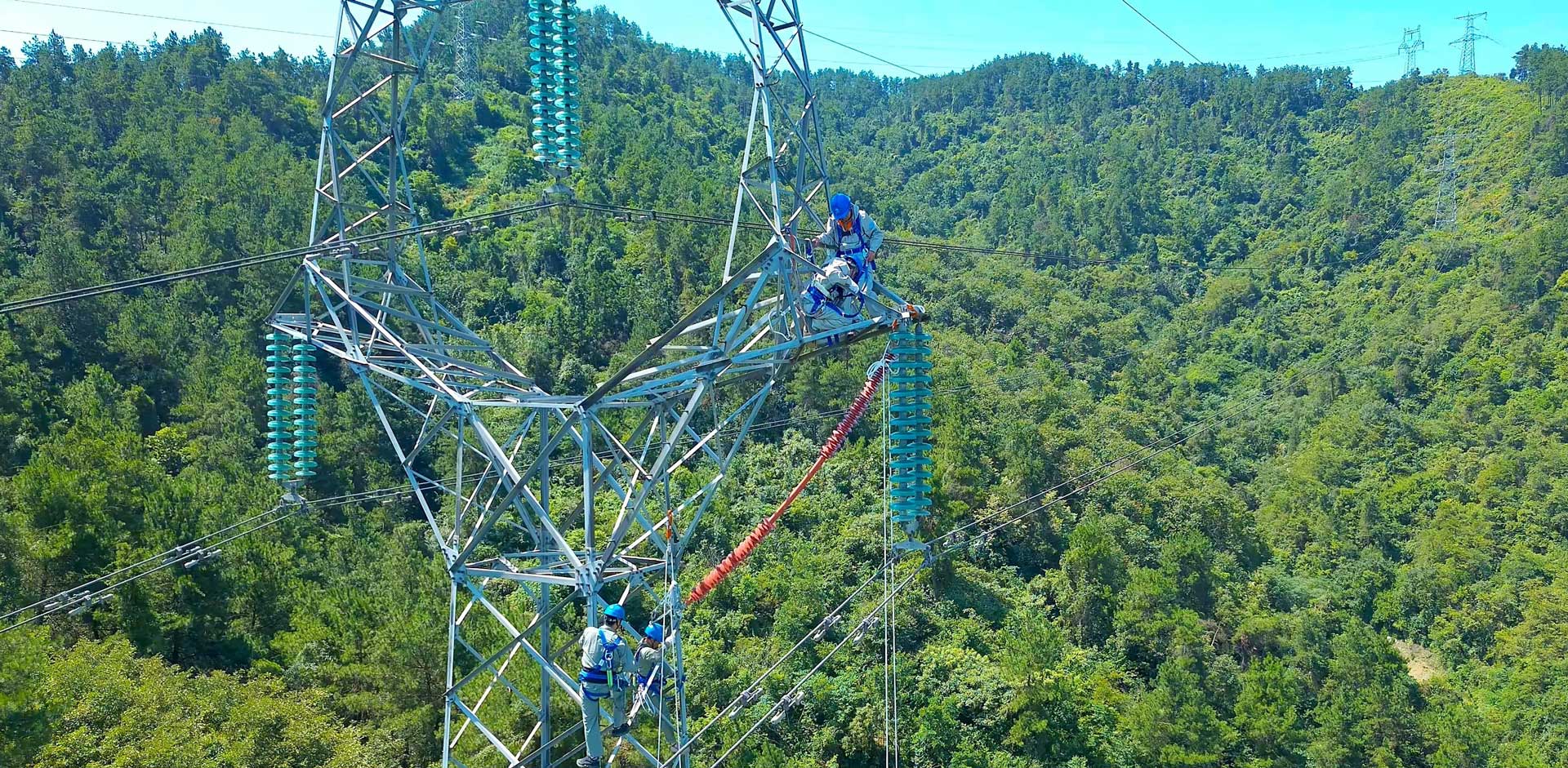
Amazon Rainforest: High Humidity Resilience
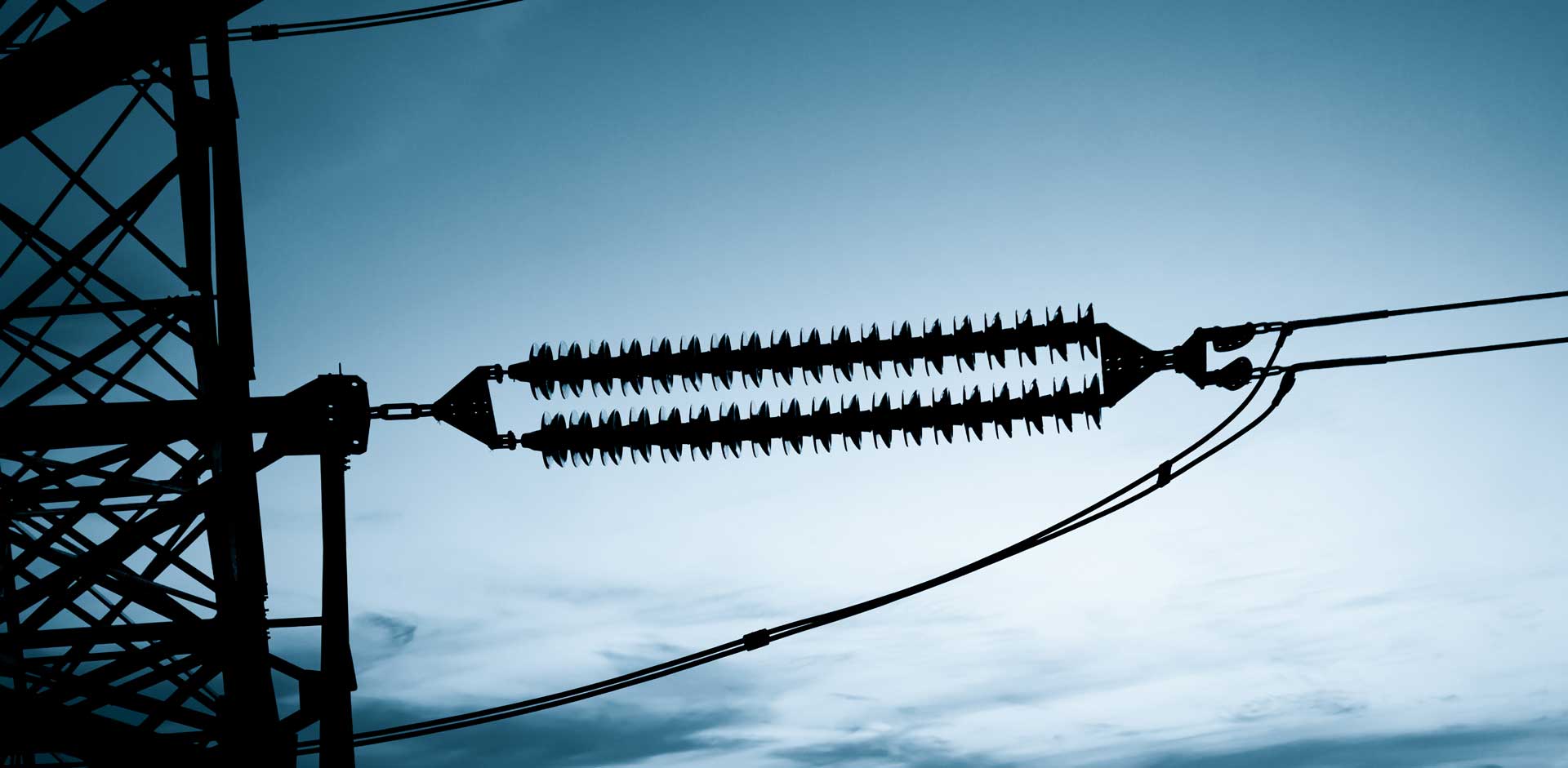
Interconnected Grid: HV & EHV Stability
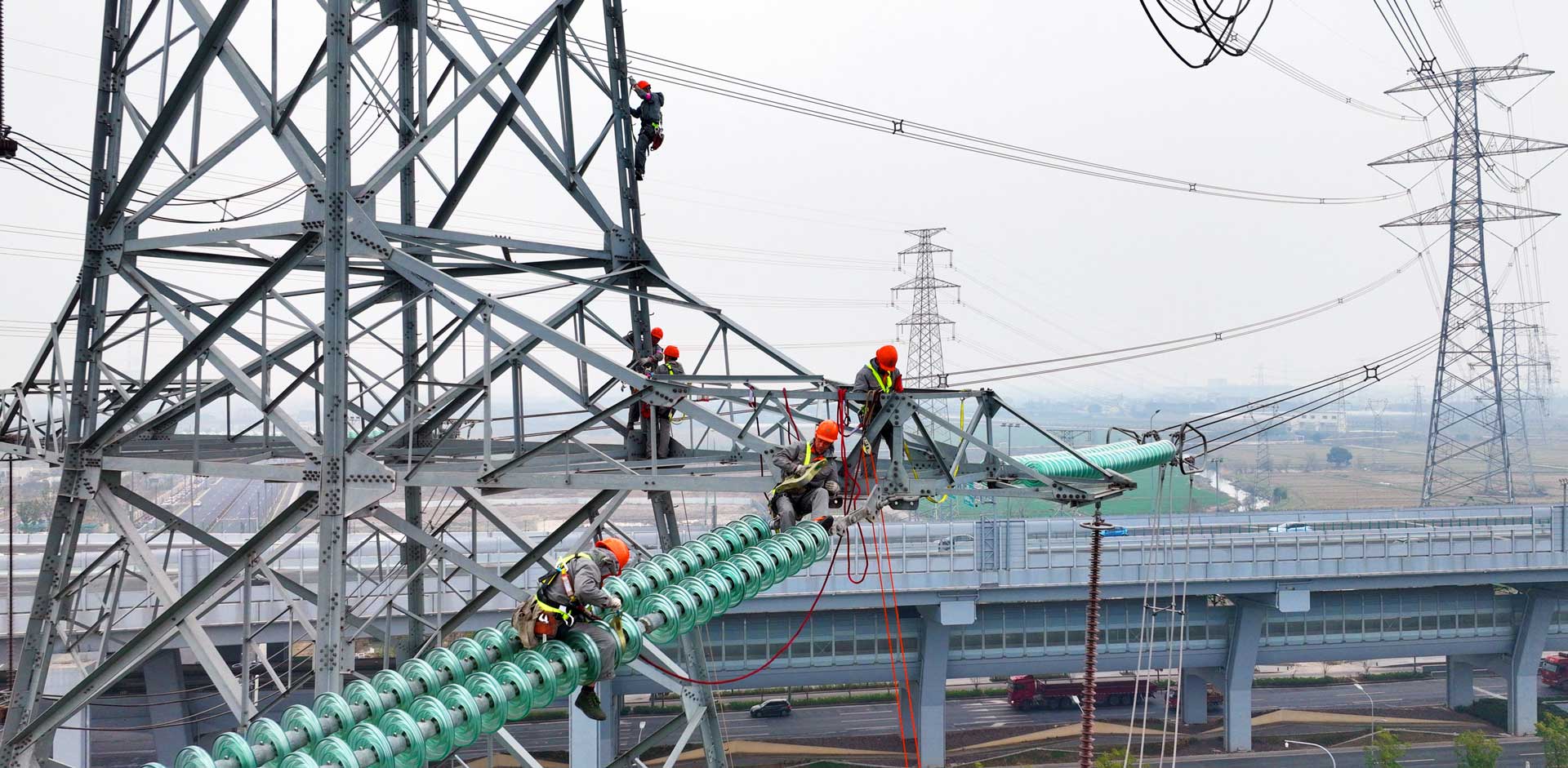
Coastal Wind Farms: Corrosion Resistance
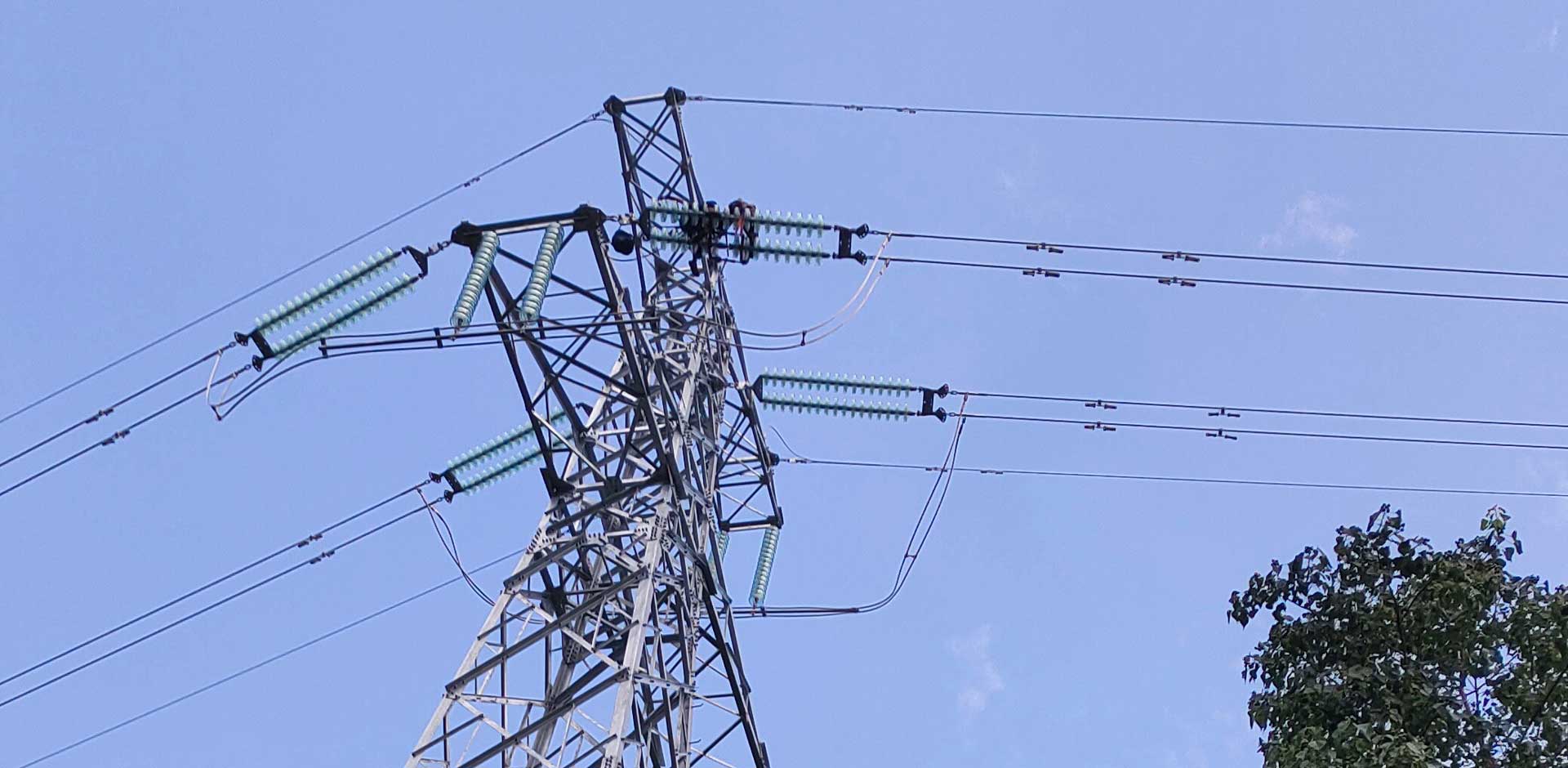
Industrial Mining: Dust & Particle Immunity
Partner with a premier Porcelain Insulator Factory that understands the technical nuances and logistical demands of the South American market.
Contact Our Engineering Team Now