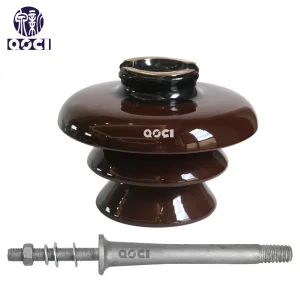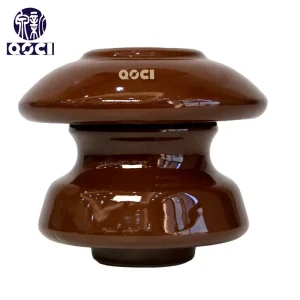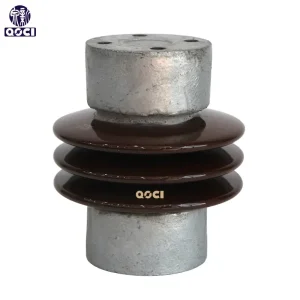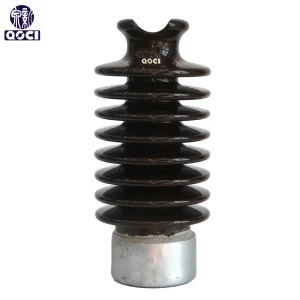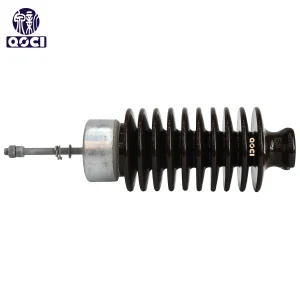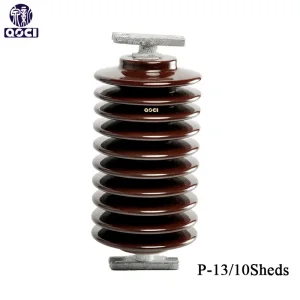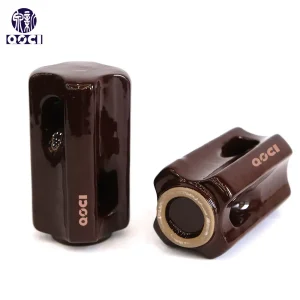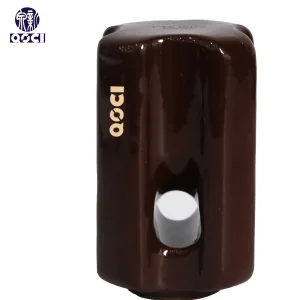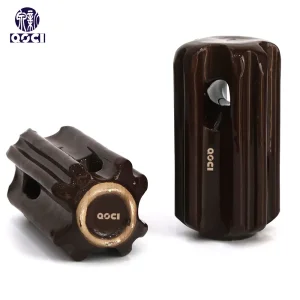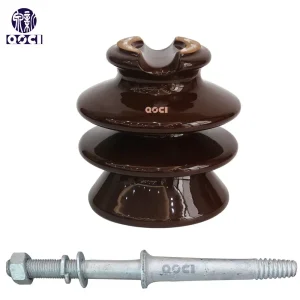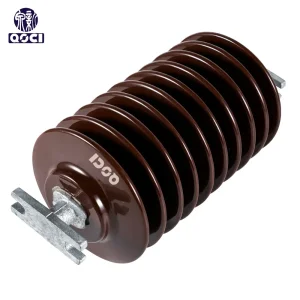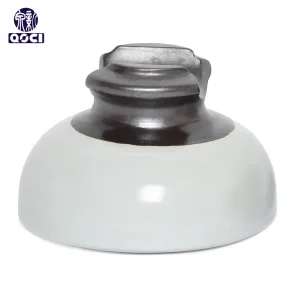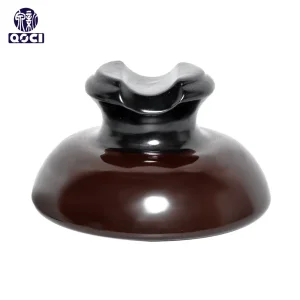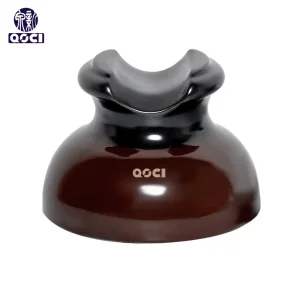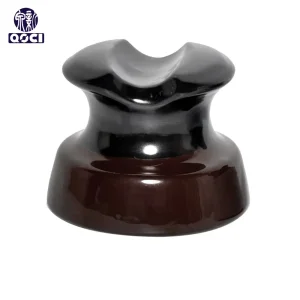
As the primary economic heartbeat of Malaysia, the Kuala Lumpur (KL) metropolitan area is undergoing an unprecedented transformation in its power infrastructure. The surge in urban density, coupled with the rapid proliferation of high-tech data centers in areas like Cyberjaya and the Klang Valley, has placed immense pressure on the electrical distribution network. Porcelain insulators, historically the backbone of electrical insulation, remain the preferred choice for Tenaga Nasional Berhad (TNB) and local contractors due to their superior resistance to the tropical humidity and salt-fog conditions prevalent in Southeast Asia.
Our role as a leading Porcelain Insulator Manufacturer for the Kuala Lumpur market involves bridging the gap between traditional ceramic reliability and modern smart-grid requirements. Unlike composite alternatives, high-alumina porcelain offers a service life exceeding 40 years, making it the most cost-effective solution for long-term urban utility planning in Malaysia's capital.
Globally, the porcelain insulator industry is witnessing a resurgence. While composite insulators gained market share in the early 2000s, global utilities are returning to porcelain for Ultra-High Voltage (UHV) applications. This is due to porcelain's "zero-puncture" reliability and inorganic composition, which prevents degradation under intense UV radiation. In the Kuala Lumpur context, this translates to reduced maintenance cycles in hard-to-reach urban corridors.
Founded in December 2002, with a registered capital of 508 million Yuan, Jiangxi QOCI Electric Co. Ltd has established itself as a world-class leader in the power grid construction sector. Located in the Luxi Industrial Park, our 100-mu facility is dedicated to serving the global electric power industry with a focus on green energy and grid safety.
Responsibility is our guarantee of quality. We actively participate in world-class power grid construction, ensuring that every porcelain and glass insulator produced meets stringent international standards (IEC, ANSI, BS).
Learn More About Our Factory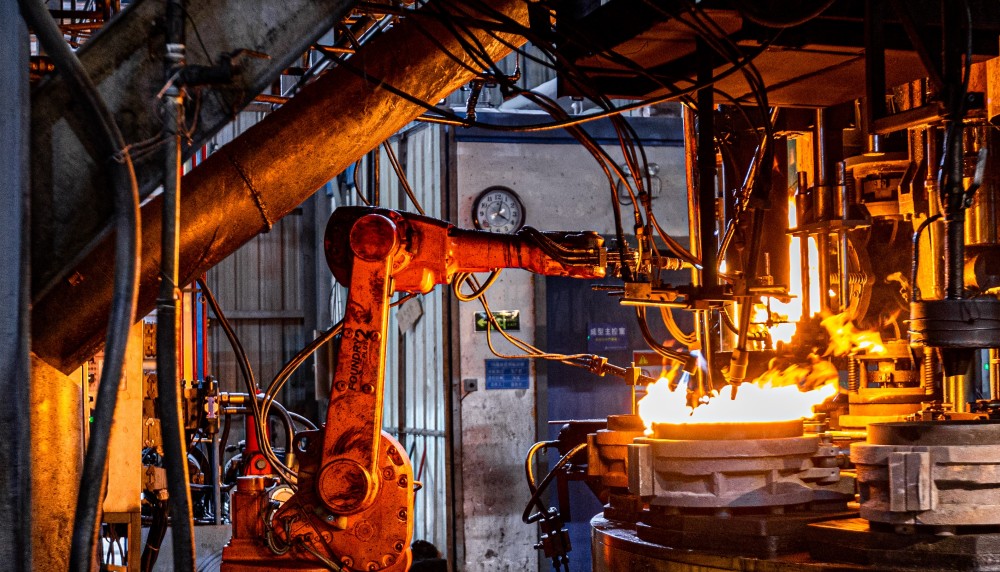
The future of porcelain insulation in the Kuala Lumpur market is focused on three pillars: Material Purity, Coating Innovation, and Geometric Optimization.
Applying Room Temperature Vulcanization (RTV) silicone to porcelain combines the mechanical strength of ceramic with the hydrophobicity of polymers, ideal for KL's heavy monsoon seasons.
Transitioning from traditional siliceous porcelain to C-130 high-alumina porcelain to increase mechanical cantilever strength by up to 50% for high-tension lines.
Aerodynamic designs that leverage Kuala Lumpur's wind patterns to naturally clear dust and industrial pollutants from the insulator surface.
We don't just supply products; we provide comprehensive insulation coordination solutions. For the Kuala Lumpur market, this includes flashover risk assessment for existing lines and the recommendation of specific Anti-Pollution Type insulators (like our U100BLP series) to mitigate the effects of urban smog and high humidity.
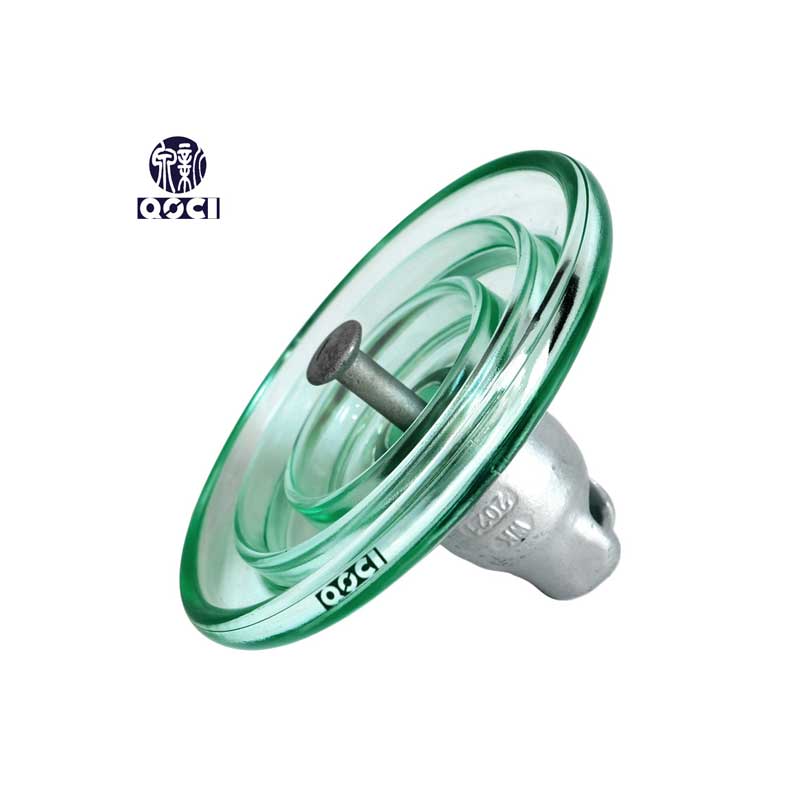
Shallow ribs for effective self-cleaning by wind or rain.
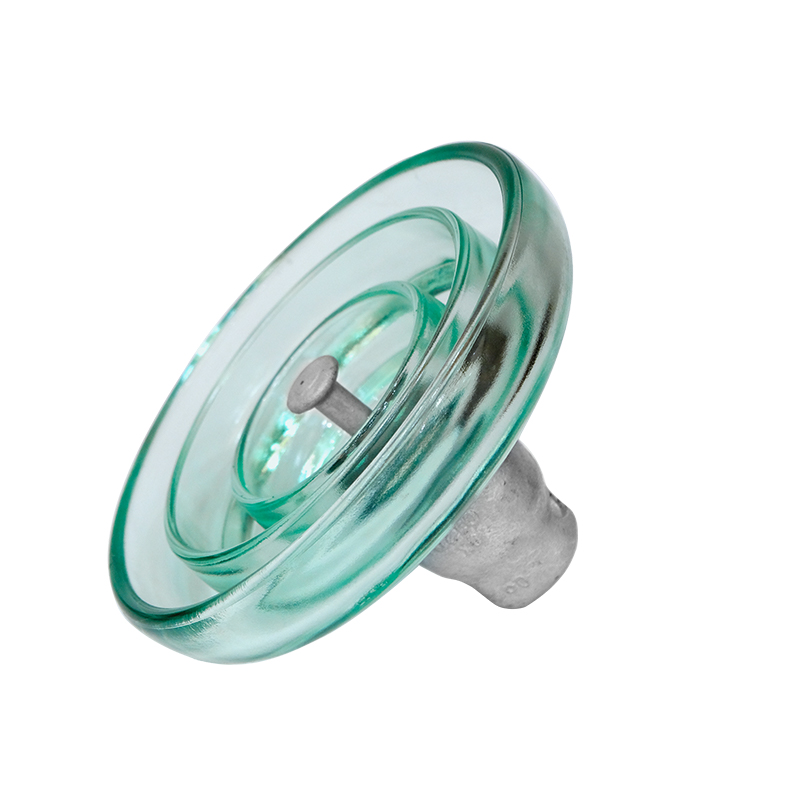
Characterized by long, widely-spaced under-ribs for coastal salt-fog.
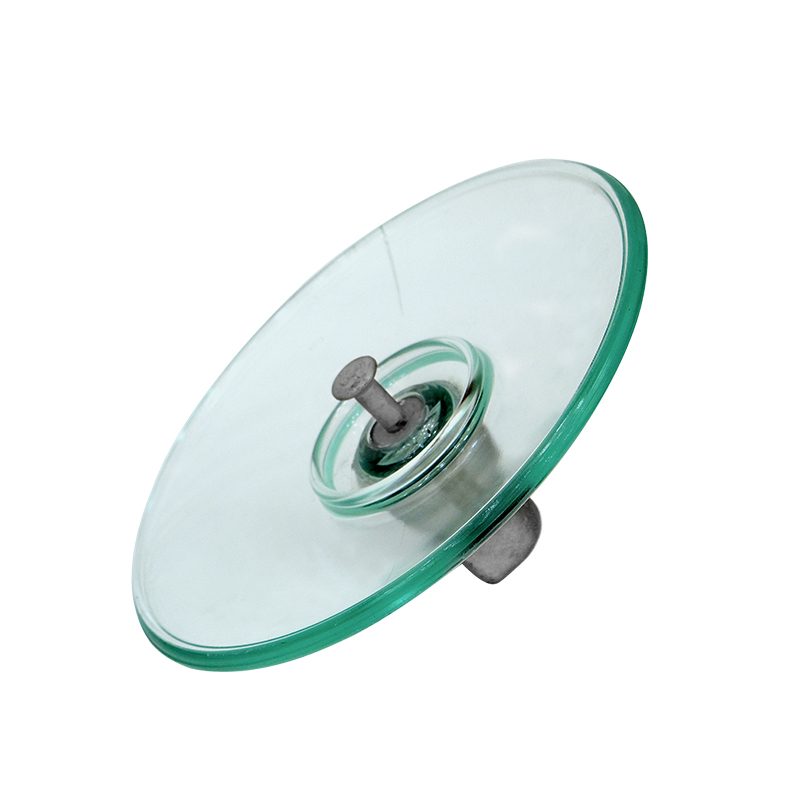
Designed for desert areas and ice-bridging prevention.
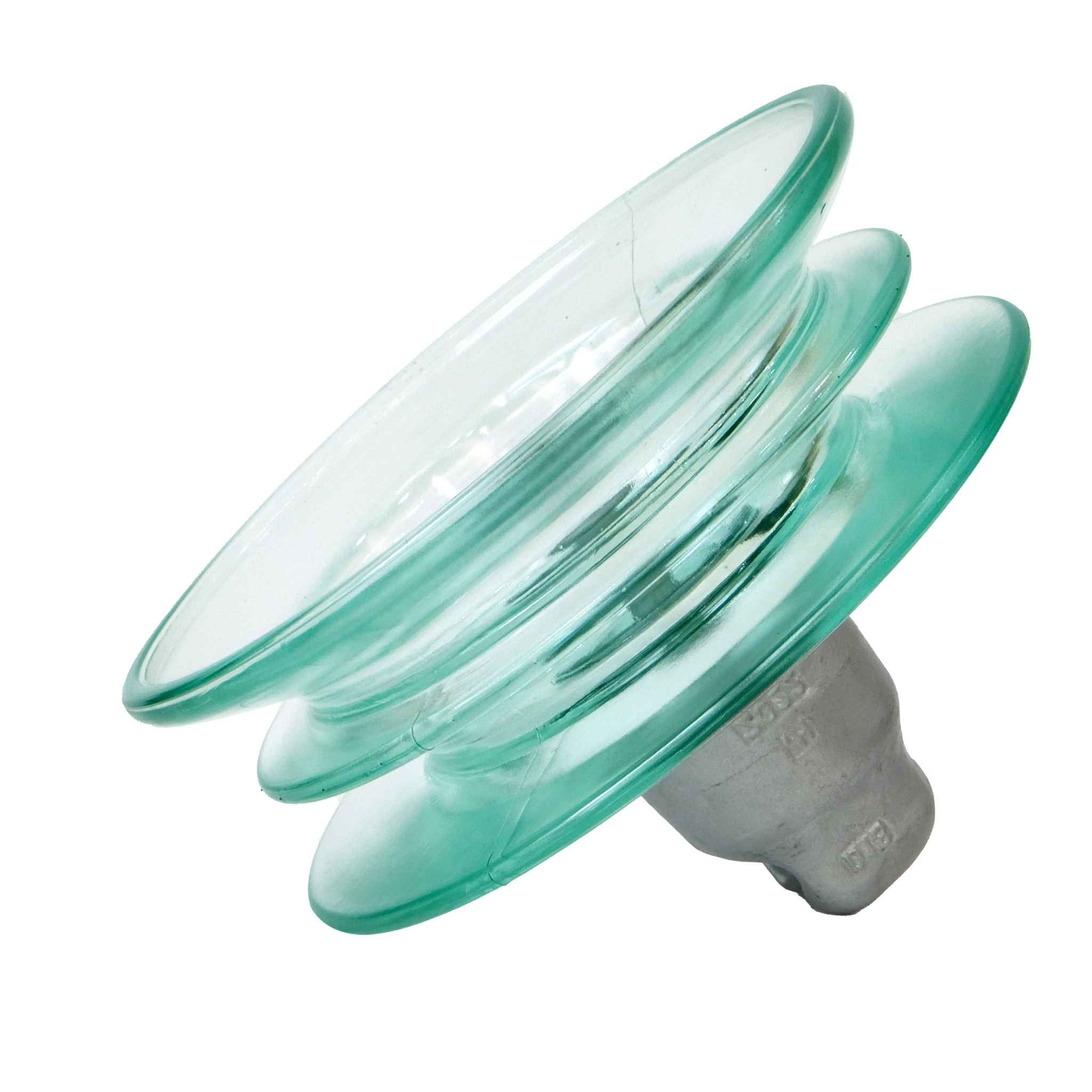
Excellent pollution resistance for UHV projects.
KL has high humidity and frequent tropical storms. Porcelain is inorganic and does not track or erode under high UV and wet conditions, offering a lifespan double that of composite insulators.
Yes, our manufacturing processes strictly follow IEC 60305 and IEC 60383 standards, which are the benchmarks for the Malaysian power grid.
Typically, we maintain a rapid delivery schedule of 4-6 weeks for standard ANSI/IEC profiles, thanks to our 39,000-ton annual output capacity.
Our team of 53+ engineers provides full simulation and configuration support for HV and UHV transmission projects, including mechanical load calculations.
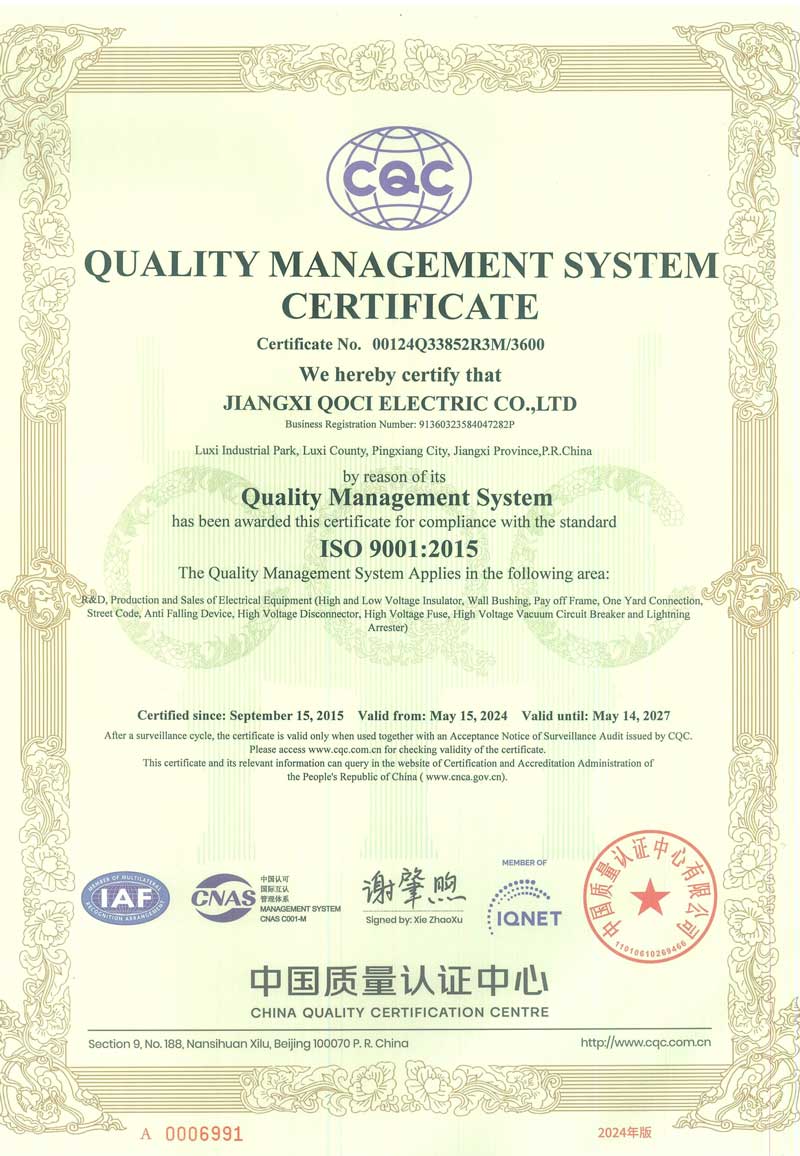
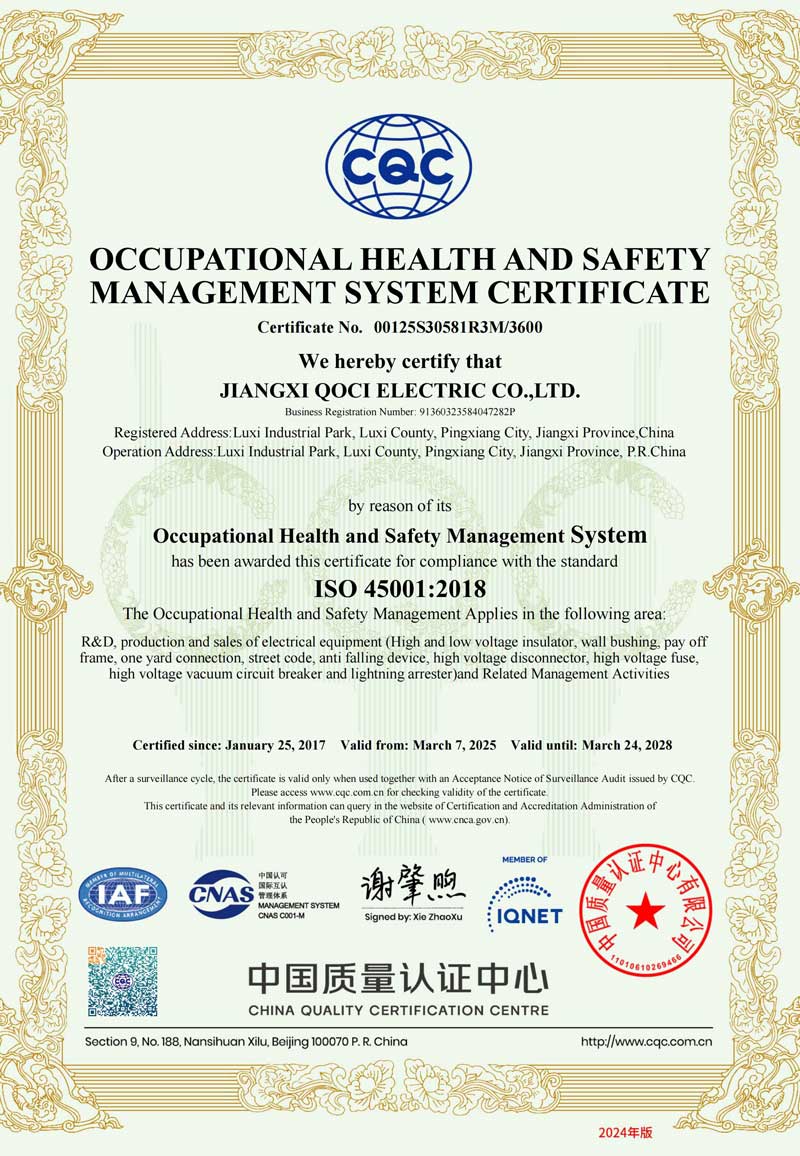
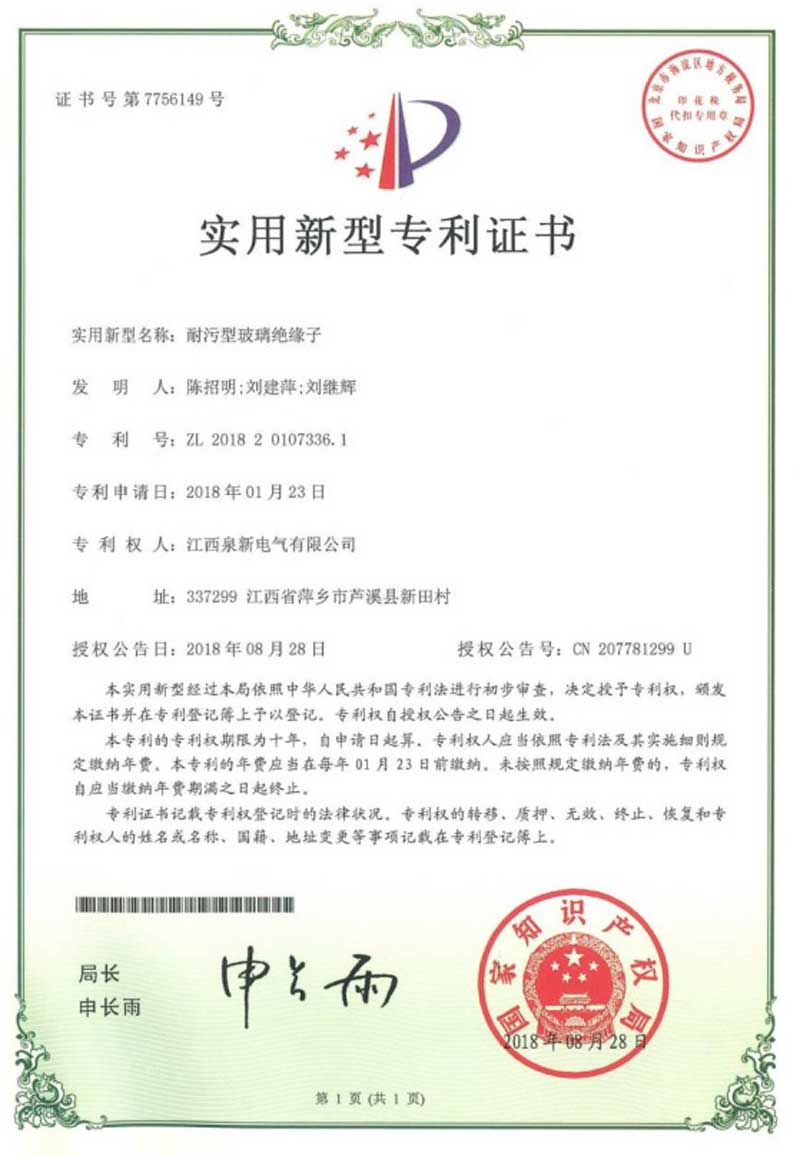
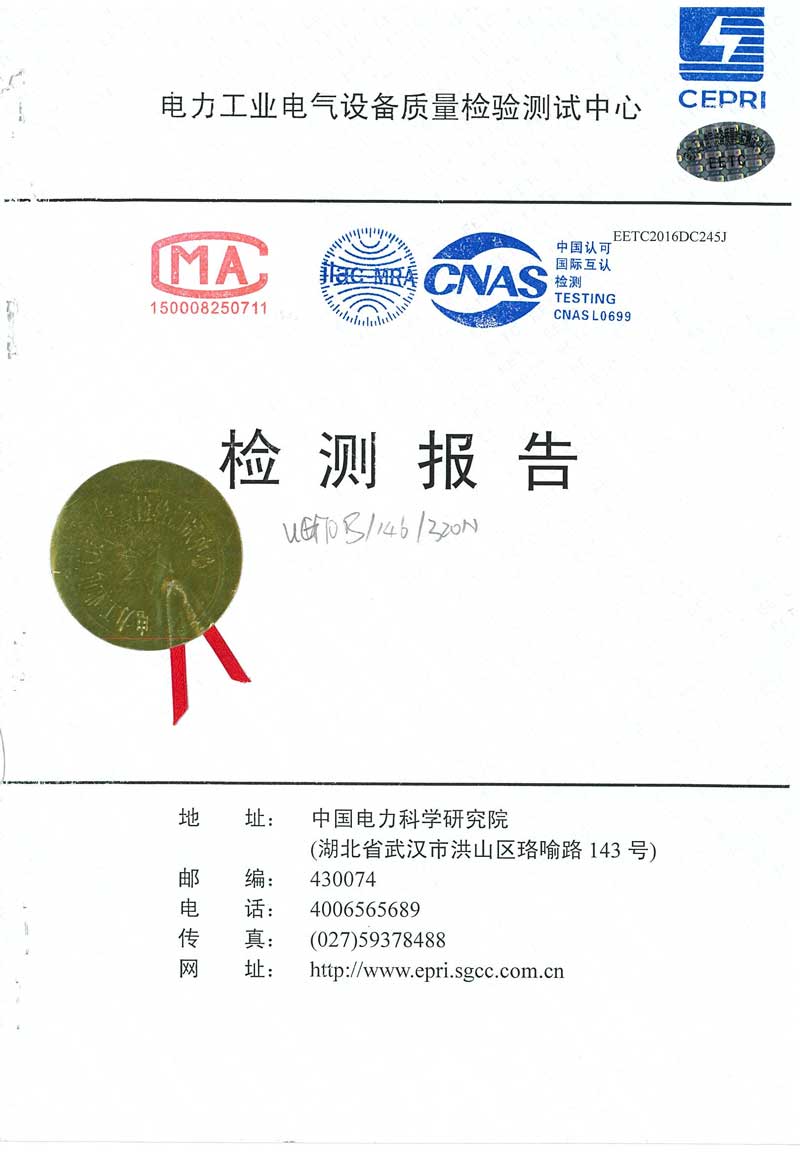
Our products have withstood extreme environmental conditions including icing, high altitude, pollution, and typhoons. We are a mature portfolio choice for international energy transitions.