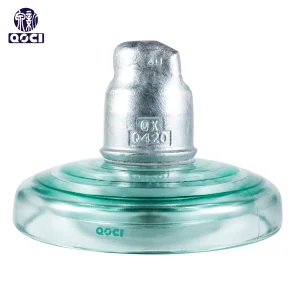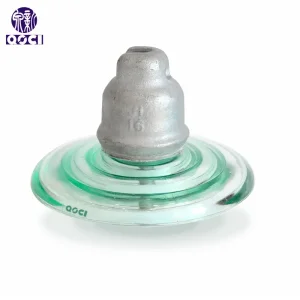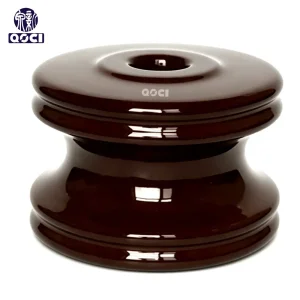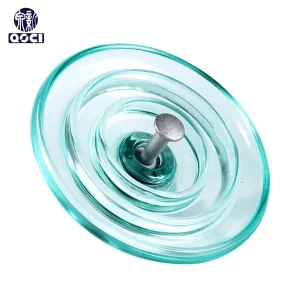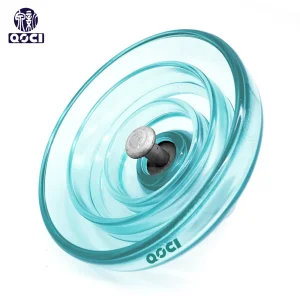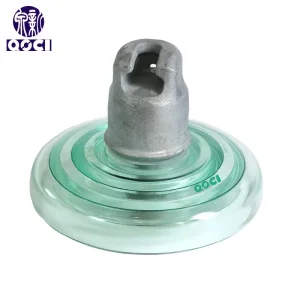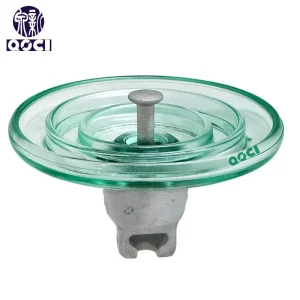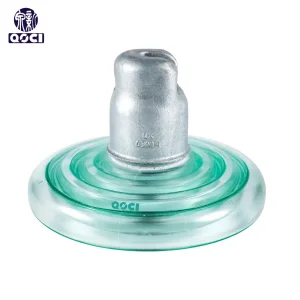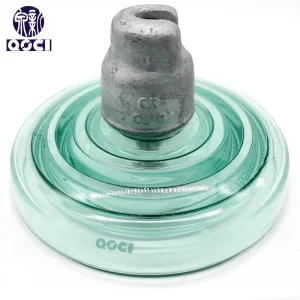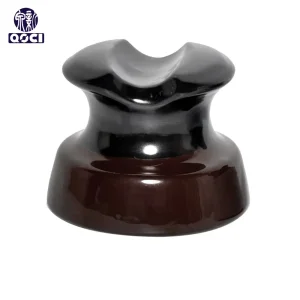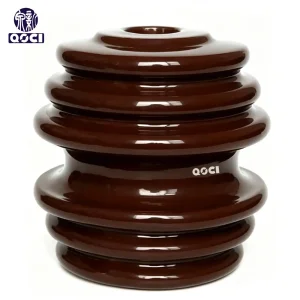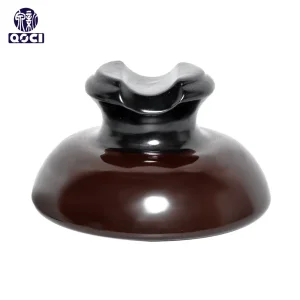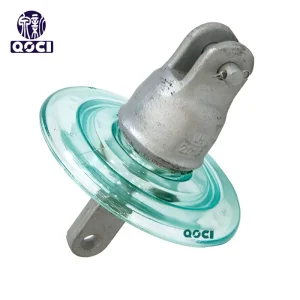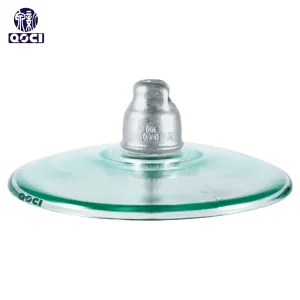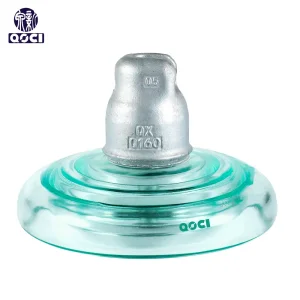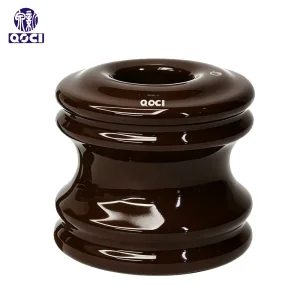
In the complex architecture of global power distribution, the U120bmp Glass Insulator represents a critical intersection of mechanical strength and dielectric reliability. As a 120kN electromechanical failing load component, the U120bmp is the "workhorse" of medium to high voltage transmission lines, specifically engineered to withstand the rigorous tension and environmental stresses of overhead networks.
Currently, the global energy sector is undergoing a massive transition toward renewable integration. This requires robust HVAC and HVDC transmission corridors where the U120bmp's toughened glass properties provide superior resistance to aging and thermal runaway compared to porcelain alternatives.
With infrastructure aging in North America and rapid urbanization in SE Asia and Africa, the demand for high-reliability glass insulators from verified China factories has surged by 15% annually.
Search intent shows that engineers are no longer just looking for "price," but for "performance gain" – seeking data on puncture resistance, residual strength, and self-cleaning efficiency.
China has solidified its position as the global hub for glass insulator manufacturing through massive investment in automation and material science. Factories like Jiangxi QOCI Electric Co. Ltd utilize total oxygen kiln technology and high-precision forming presses to ensure that each U120bmp unit meets or exceeds IEC 60305 standards.
The efficiency of a China factory isn't just about cost; it's about the Information Gain provided by rigorous testing protocols. From 24-hour thermal shock tests to steep-front impulse voltage tests, Chinese manufacturers provide a depth of technical documentation that ensures E-E-A-T compliance for international bidding.
Plant Area (m²)
Annual Output (Tons)
Tech Technicians
Invention Patents
Jiangxi QOCI Electric Co. Ltd, founded in Dec. 2002 with a registered capital of 508 million Yuan, represents the pinnacle of Chinese insulator engineering. Located in the Industrial Park of Luxi County, Jiangxi Province, our facility integrates the entire value chain from raw material processing to final high-voltage testing.
The characteristic of the standard profile is that the leakage distance is higher than values indicated in IEC 60305. Shallow ribs allow for effective self-cleaning by wind and rain.
Features long and widely-spaced under-ribs to avoid arc bridging. Essential for coastal areas with high salt fog concentrations.
Marked by the absence of under-ribs, preventing solid pollution deposits in desert or sandstorm-prone regions.
Room Temperature Vulcanization (RTV) silicone increases hydrophobicity, minimizing leaking currents in extreme pollution environments.
Understanding the User Intent behind procurement involves looking at where these insulators are deployed. The U120bmp is not a "one-size-fits-all" solution; its application varies by geography:
Modern procurement officers are moving toward "Value-Based Sourcing." This involves evaluating factories not just on unit price, but on their ability to provide Supply Chain Transparency and Digital Quality Tracking. The trend is moving toward IoT-integrated insulators where "Smart Glass" can report tension and leakage current in real-time.
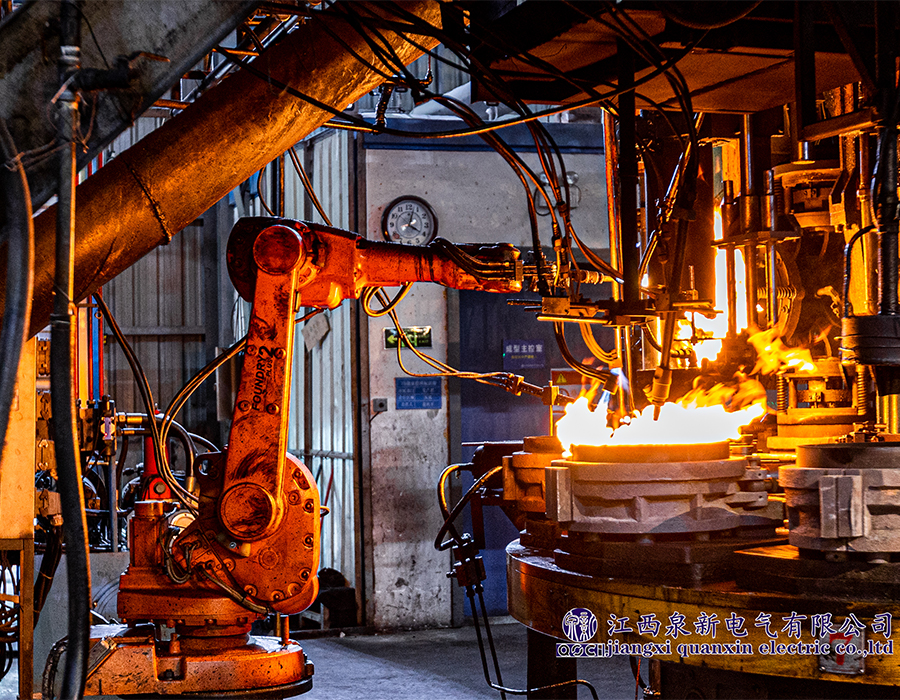
High-precision automated molding for uniform glass thickness.
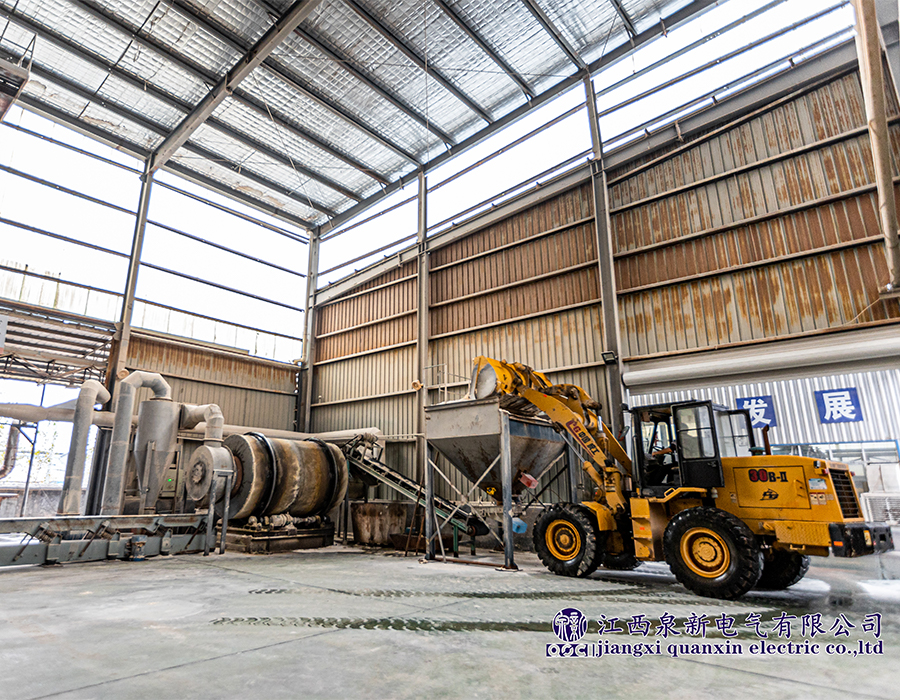
Ensuring the chemical purity of the glass melt.
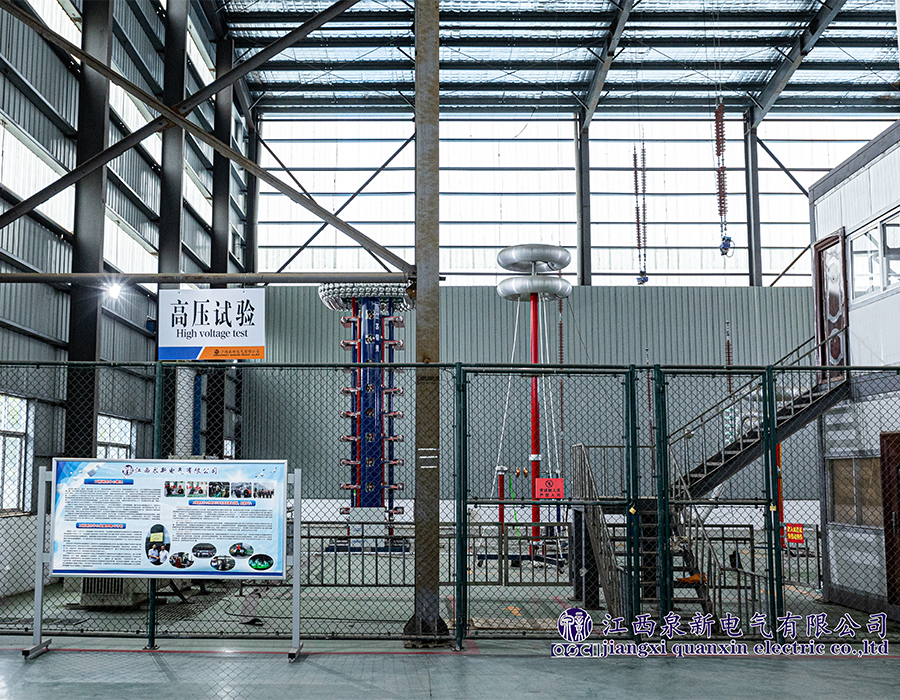
Every unit undergoes rigorous dielectric testing before shipping.
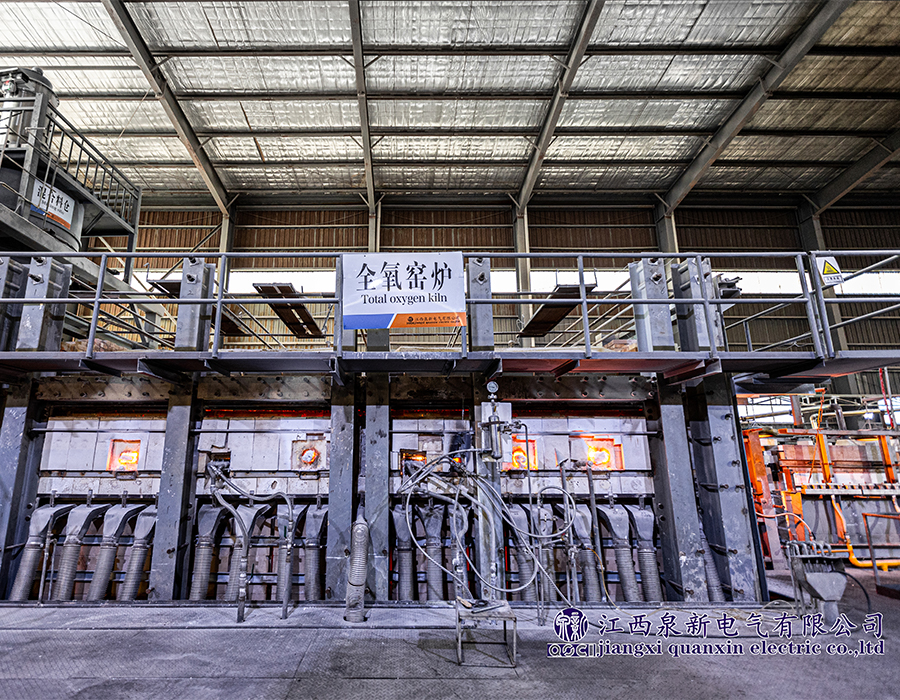
Advanced melting technology for superior glass clarity and strength.
Glass insulators allow for visual inspection from the ground; a damaged glass insulator will shatter (the "stub" remains mechanically sound), whereas porcelain can have internal cracks that are invisible but lead to catastrophic failure.
Through a process called thermal toughening, which creates compressive stress on the glass surface. Each batch is subjected to electromechanical failing load tests where we pull the insulators to destruction to verify the 120kN threshold.
Yes, but it is recommended to use specific DC glass compositions or RTV-coated variants to mitigate the effects of ion migration and uneven pollution accumulation typical in DC fields.
With an annual output of 39,000 tons, our factory typically maintains a lead time of 30-45 days for standard U120bmp configurations, depending on shipping destination.
Having withstood extreme environmental conditions including icing, high altitude, and typhoons, China’s insulator industry has reached a global leadership position.
May 10, 2026Joining the global energy transition conversation, QOCI Electric showcases the latest in UHV and U120bmp technology for the African grid expansion.
May 2026Our team encourages global partners to join us at the powerhouse event for transmission and distribution to discuss 500kV+ glass insulator applications.
April 22, 2026